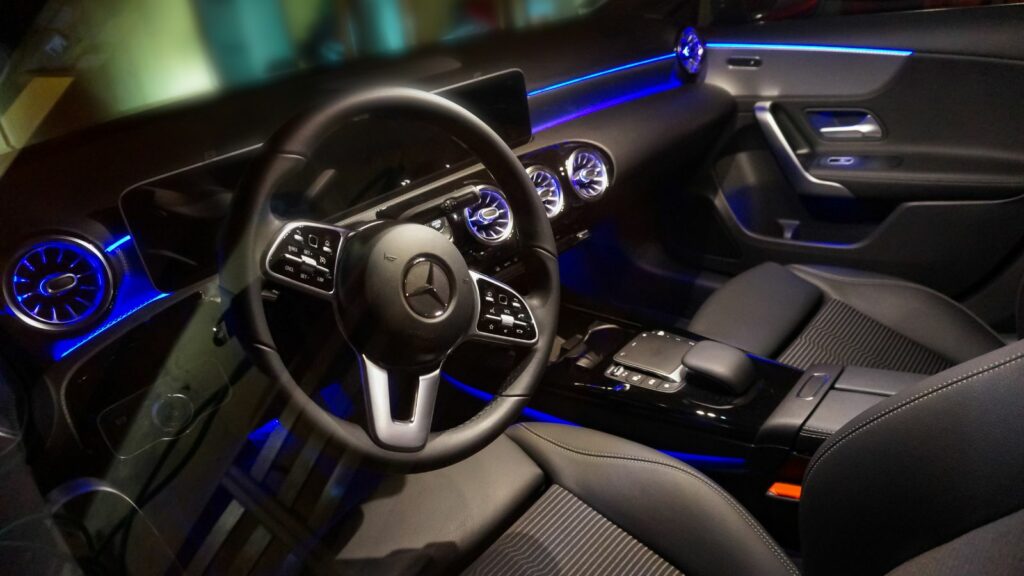
Modern cars can make an older cabin seem instantly dated. Vast displays replace rows of buttons, door handles disappear into bodywork, phones become keys, and software quietly changes the vehicle long after it leaves the dealership. Yet visual sophistication does not always translate into effortless daily use. A feature that looks elegant in a showroom can become irritating when it adds extra taps, accidental inputs, distracting alerts, or another electronic system that must work perfectly.
These 20 features illustrate the tension between appearance and usability. Many have legitimate benefits, from saving fuel to improving safety, but research, consumer testing, regulatory action, and owner studies show that execution matters enormously. The best technology fades into the background. The most frustrating technology makes a driver think about the interface when attention should be somewhere else.
Touchscreens That Replace Almost Every Physical Control
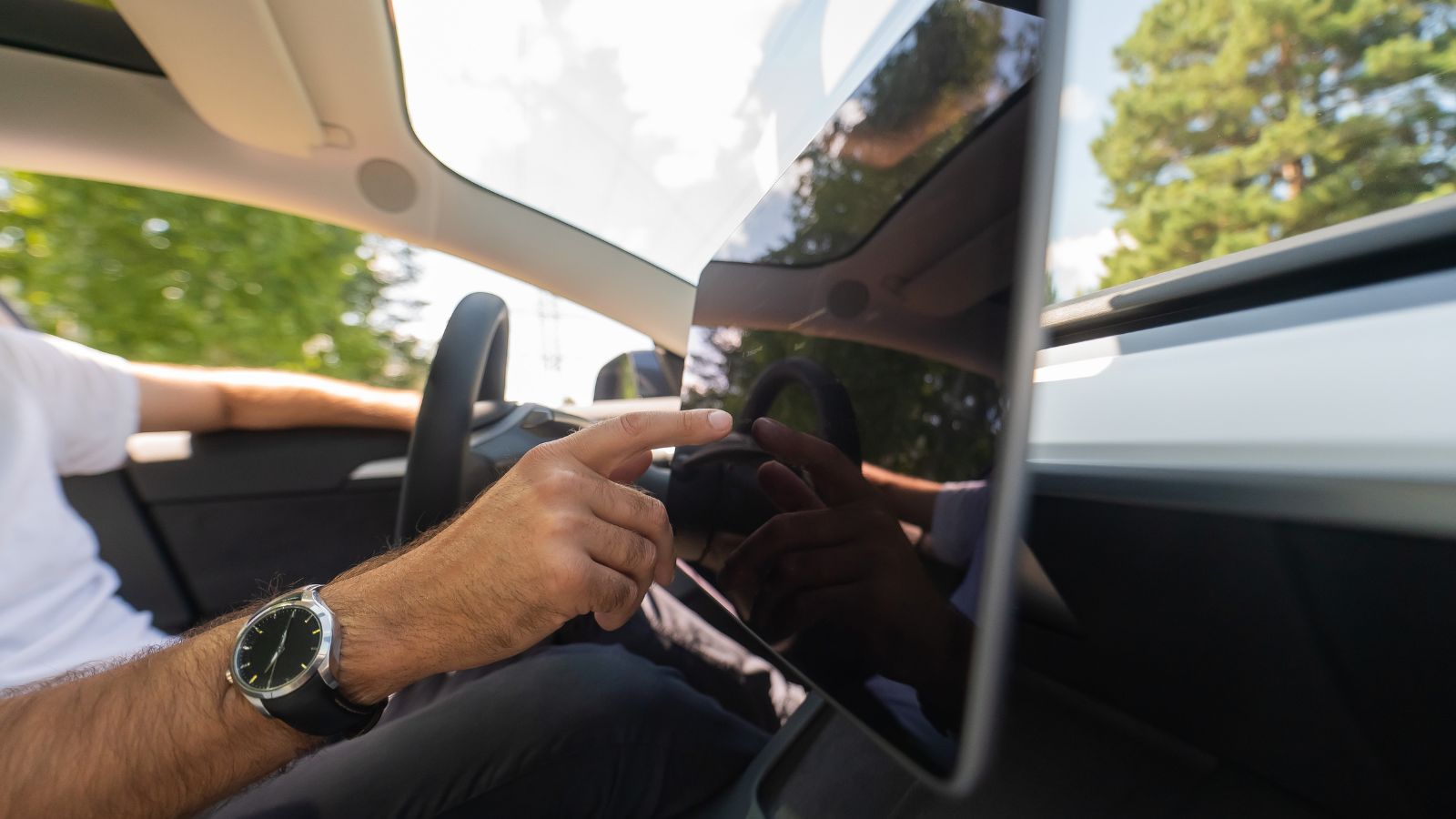
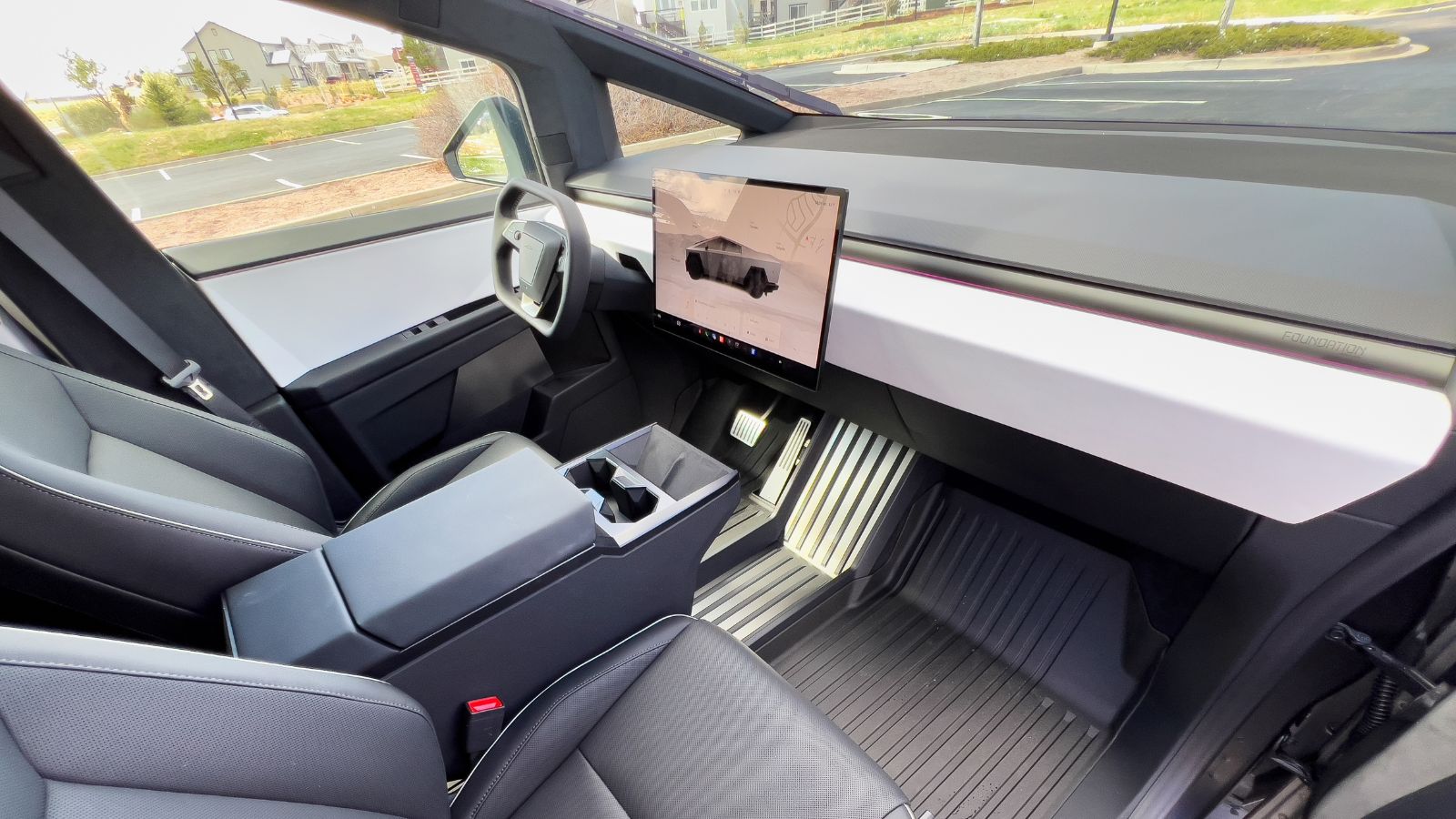
A giant touchscreen gives a dashboard the sparse, high-tech appearance associated with premium electronics. It also lets automakers place navigation, entertainment, settings, cameras, and vehicle controls in one configurable location. The difficulty comes when ordinary functions require visual attention. A physical knob can often be found and adjusted by feel; a flat screen generally asks the driver to identify a target, touch it accurately, and look for confirmation. U.S. safety guidance has long recognized that visual-manual interactions inside vehicles can create distraction when tasks demand too much attention away from driving.
Current consumer data shows that the problem has not disappeared as screens have grown. J.D. Power’s 2025 multimedia study recorded 42.3 multimedia problems per 100 vehicles, with touchscreen and digital-display problems increasing from the previous year. Euro NCAP has also revised its assessments to pay greater attention to the usability of essential controls. A sleek screen may impress during a five-minute showroom visit, but frequently used functions reveal whether the interface was designed around driving rather than simply around visual minimalism.
Capacitive Steering-Wheel Buttons
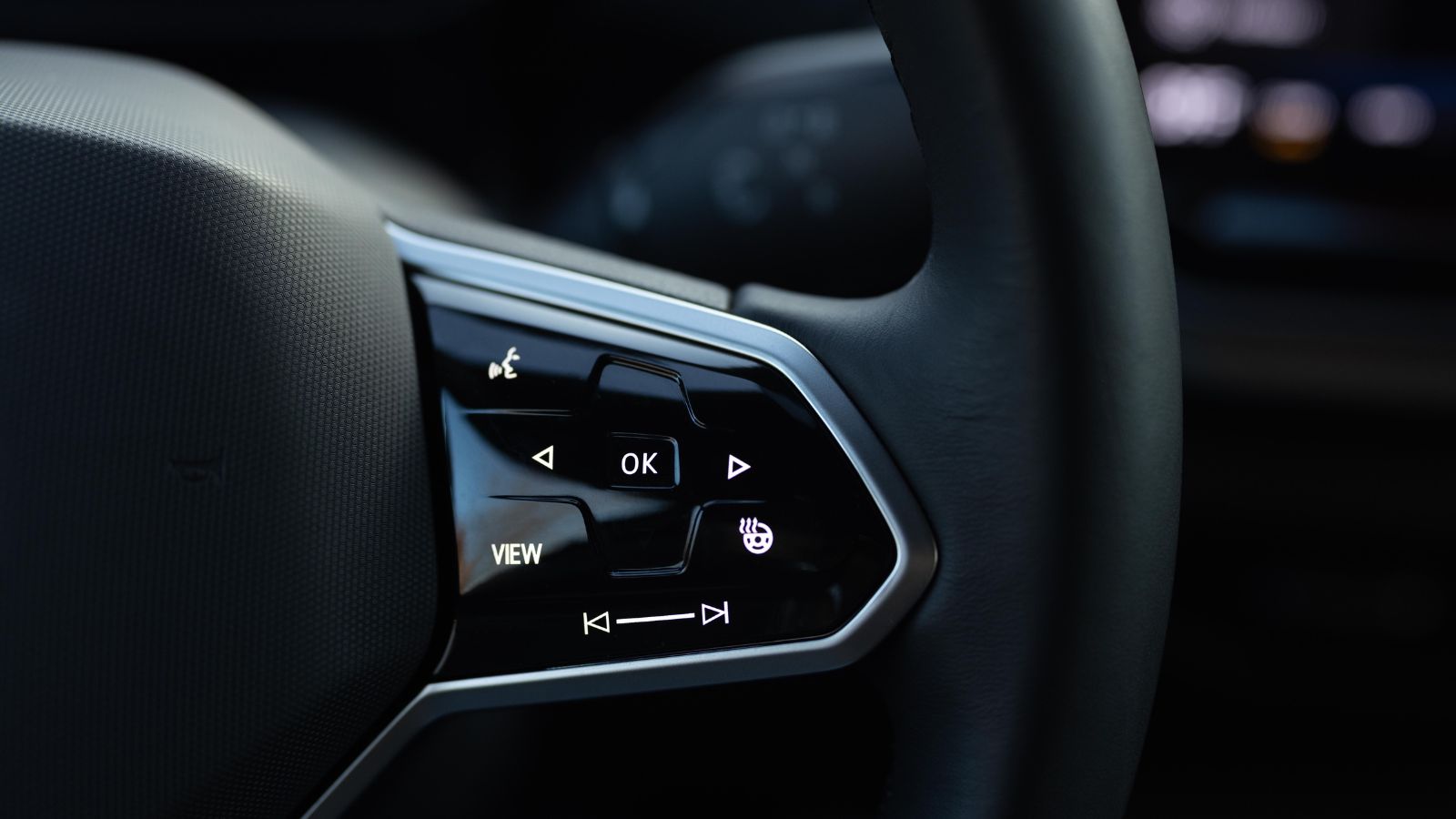
Touch-sensitive steering-wheel panels eliminate seams and protruding switches, producing the smooth surfaces designers increasingly favor. The disadvantage is that a finger or palm does not necessarily have to make an intentional press. A light brush can sometimes activate a function, which is particularly awkward on a steering wheel because hands constantly move across its spokes during parking, cornering, and other maneuvers. The lack of a clearly defined mechanical click can also make confirmation less obvious than with a traditional switch.
Volkswagen became one of the clearest examples of the industry’s reassessment. Its capacitive steering-wheel controls attracted criticism for accidental activation and difficult operation, and the company publicly committed to bringing physical buttons back. By early 2026, Volkswagen was showing a new cockpit generation with conventional steering-wheel switches. The reversal is significant because capacitive controls originally looked like the natural next step for digitally focused cabins. In practice, drivers demonstrated that an old-fashioned button can remain remarkably sophisticated when it performs the intended task without demanding attention.
Climate Controls Buried Inside Infotainment Menus
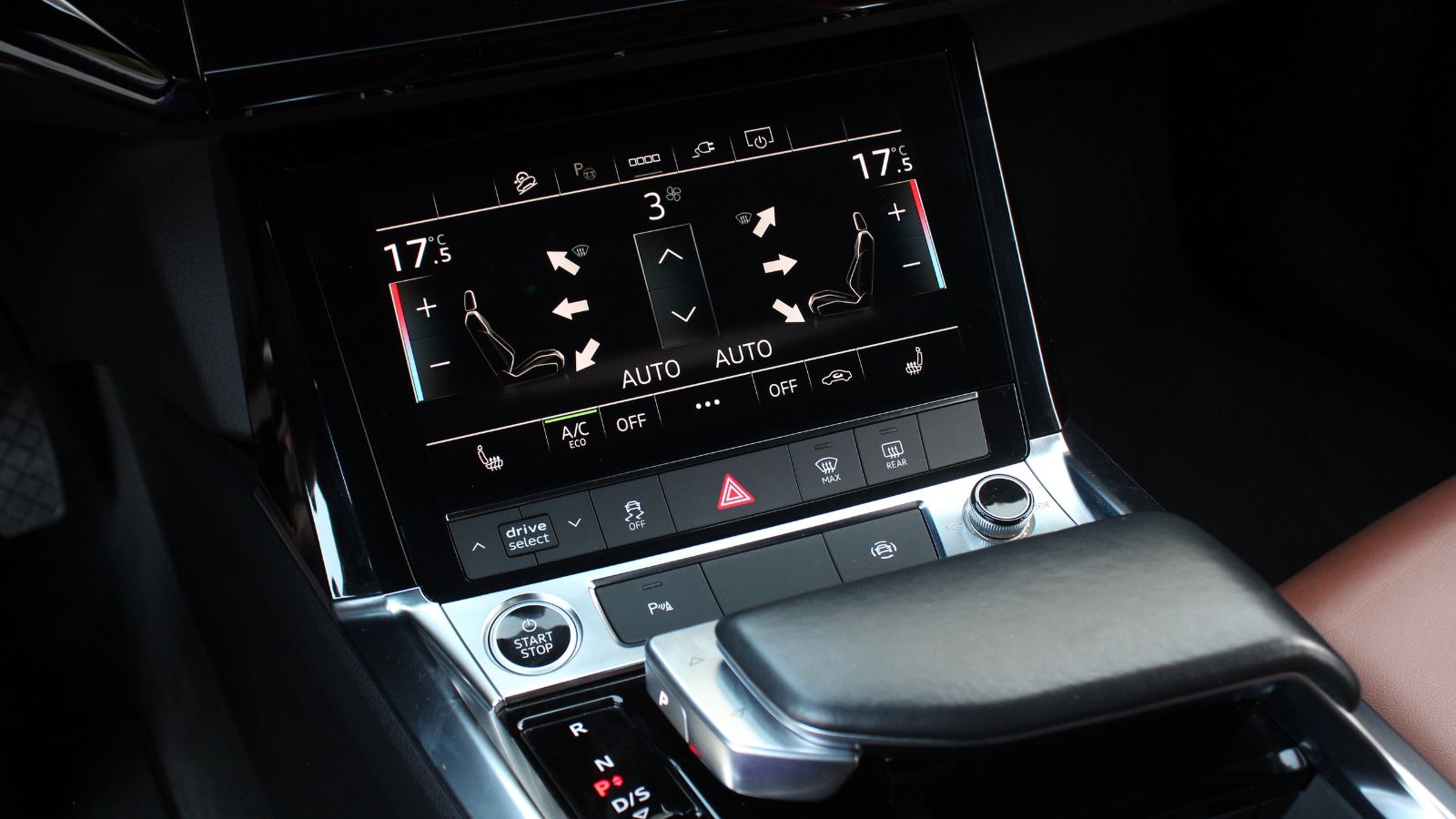
Automatic climate systems have become enormously capable, managing several temperature zones, heated seats, ventilation, defogging, air distribution, and sometimes air-quality functions. Moving those controls into a touchscreen can therefore make a dashboard appear exceptionally clean. The frustration begins when changing fan speed or temperature involves opening a climate page, locating an icon, and navigating through another layer instead of turning a familiar knob.
The industry has effectively acknowledged that complexity can become excessive. In its 2025 technology study, J.D. Power described smart automatic climate control as a useful way of reducing difficulties created as HVAC controls migrate into infotainment systems. Euro NCAP’s newer human-machine-interface criteria similarly emphasize the placement, clarity, and ease of commonly used controls. There is nothing inherently inferior about digital climate management; a thoughtfully designed system can work extremely well. Trouble starts when aesthetic minimalism turns a frequent, simple adjustment into a sequence that requires more attention than the physical switchgear it replaced.
Giant Center Displays That Reflect Light and Collect Glare
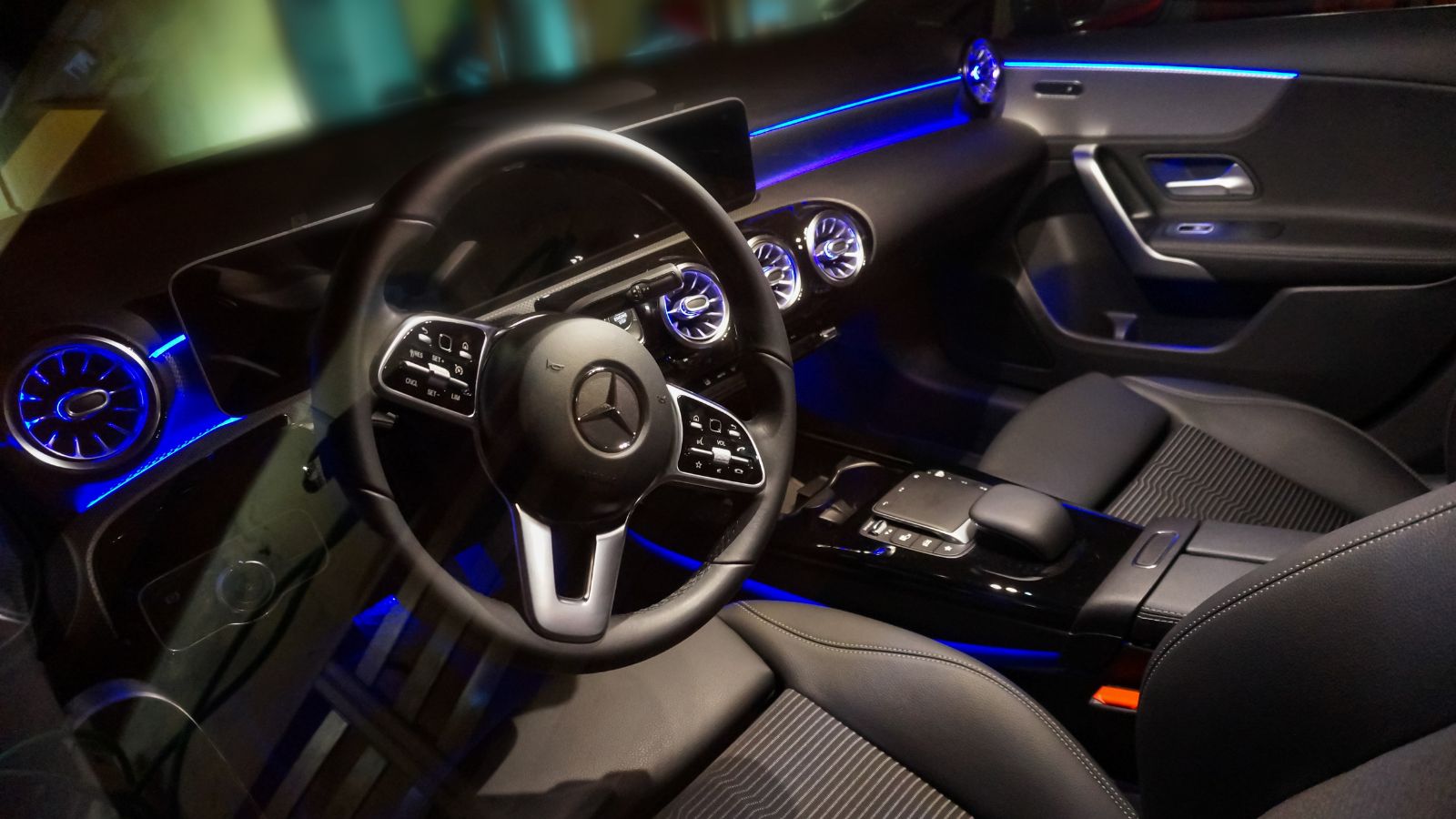
Large landscape and portrait displays are among the easiest ways to make a cabin look technologically advanced. Their size benefits navigation maps, parking-camera imagery, media libraries, and split-screen functions. But a large glossy surface can also become a large reflective surface. Depending on the installation angle, ambient light, dust, fingerprints, and polarized sunglasses, a screen that looks brilliant in promotional photography may be more difficult to read in everyday conditions.
That difference shows up in road testing. Consumer Reports, for example, found screen glare and reflection problematic in its evaluation of the 2026 Subaru Forester Wilderness, noting that dust could further compromise legibility. Modern display quality is improving quickly, and not every large screen suffers equally, but size alone does not guarantee usability. Drivers still need useful information to remain visible when the sun is low, the cabin is bright, or the road is rough. A smaller, well-positioned interface with strong contrast can sometimes feel more advanced in practice than an enormous panel that requires squinting or repeated glances.
Highly Configurable Digital Instrument Clusters
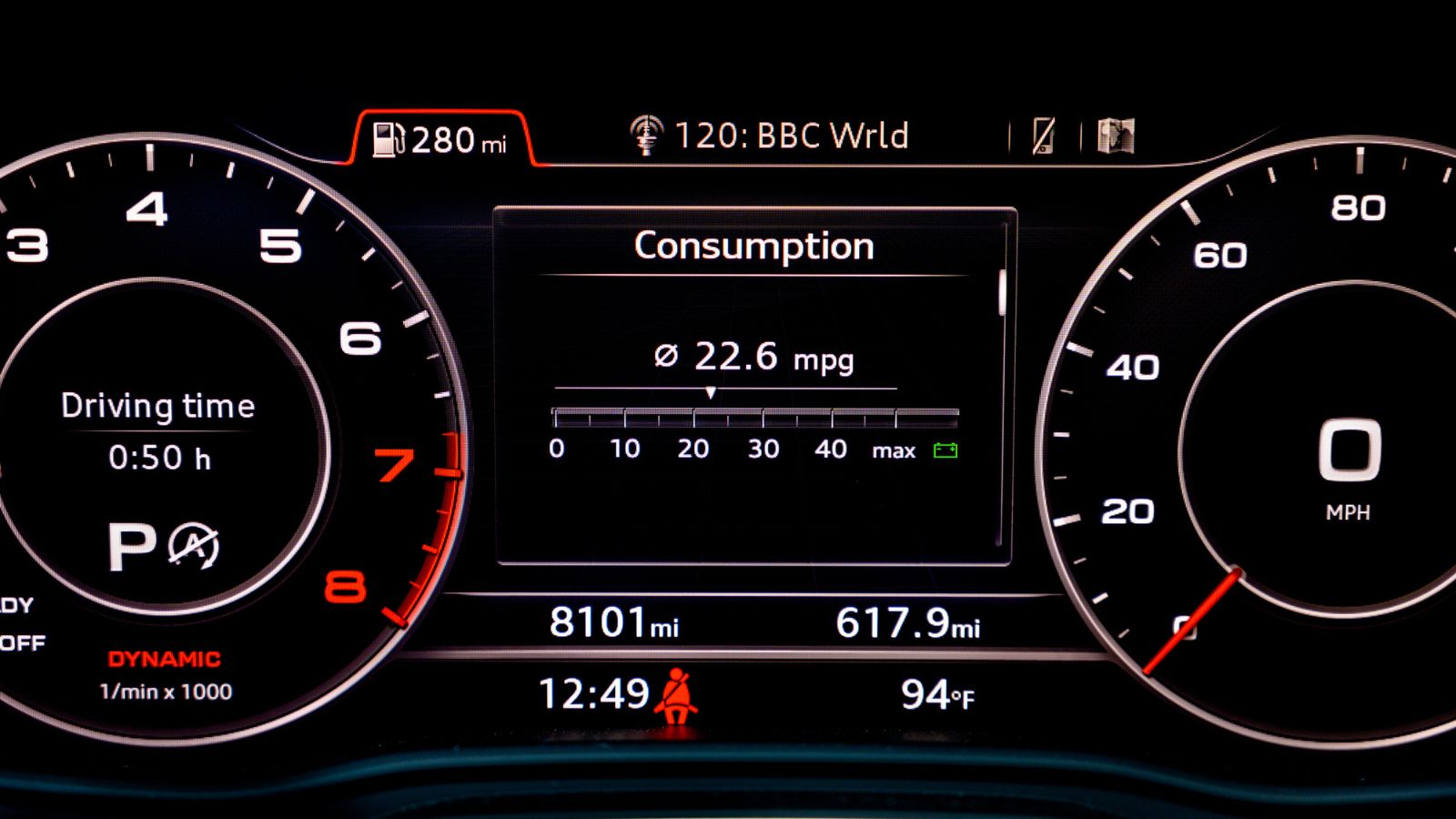
Digital gauge clusters can display far more than a conventional speedometer and fuel gauge. Depending on the vehicle, the same panel may show navigation instructions, assistance-system status, efficiency information, media details, maps, warnings, tire pressures, and multiple layout themes. That flexibility is valuable, and research has shown that well-designed digital displays can actually make information easier to find. The problem is not digitization itself; it is clutter.
A 2025 passenger-car study involving 32 participants found that crowded instrument clusters and unfavorable display characteristics can increase search time or contribute to difficulty finding and interpreting information. Separate eye-tracking research has likewise shown that gauge design influences visual demand. This explains why two digital clusters of similar size can feel completely different. One presents the speed and important warnings immediately. Another surrounds those essentials with changing graphics and secondary data. The technology looks futuristic in either case, but the better design recognizes that a driver usually needs a few pieces of information very quickly rather than every available data point simultaneously.
Flush Exterior Door Handles
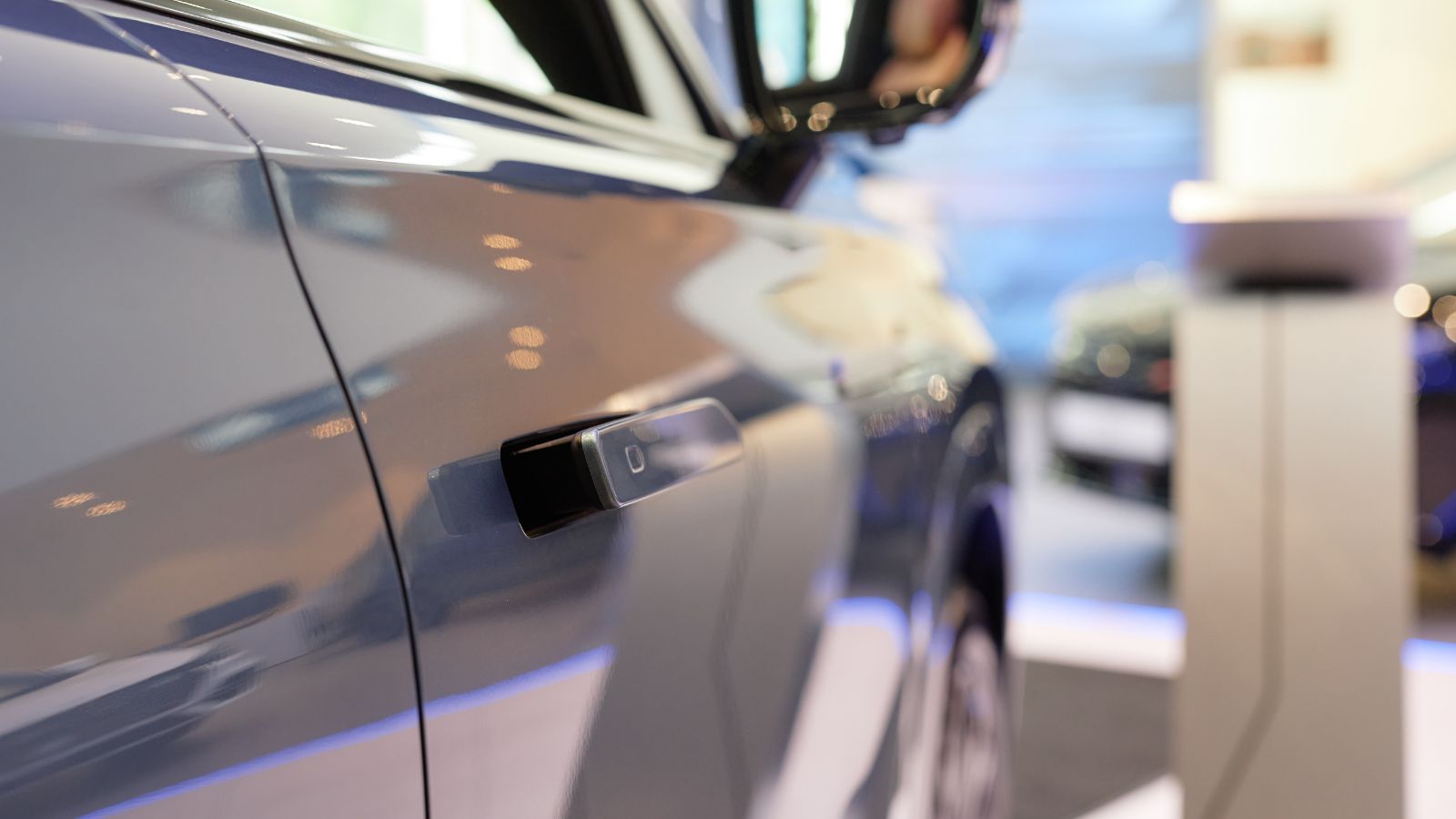
Retractable or flush-fitting handles help create the smooth sides increasingly associated with EVs and aerodynamically optimized luxury cars. They can also reduce protrusions and contribute to a distinctive high-tech appearance. Their weakness becomes apparent when an electronic deployment mechanism, low-voltage electrical system, or post-crash condition prevents them from operating normally. A conventional mechanical handle is visually ordinary, but its purpose and method of operation are usually immediately obvious.
The concern has moved beyond automotive criticism into regulation. In August 2026, manufacturers began recalling roughly 4.3 million vehicles in China over emergency door-release concerns, while rules there are set to prohibit concealed exterior handles from 2027. Euro NCAP’s 2026 protocols also address electric door handles, requiring attention to post-crash accessibility. Those developments do not mean every flush handle is unsafe. They demonstrate, however, that emergency access has to be considered alongside styling and aerodynamics. A door handle is unusual among design details because in a serious emergency, intuition can matter far more than visual elegance.
Push-Button Electronic Interior Door Releases
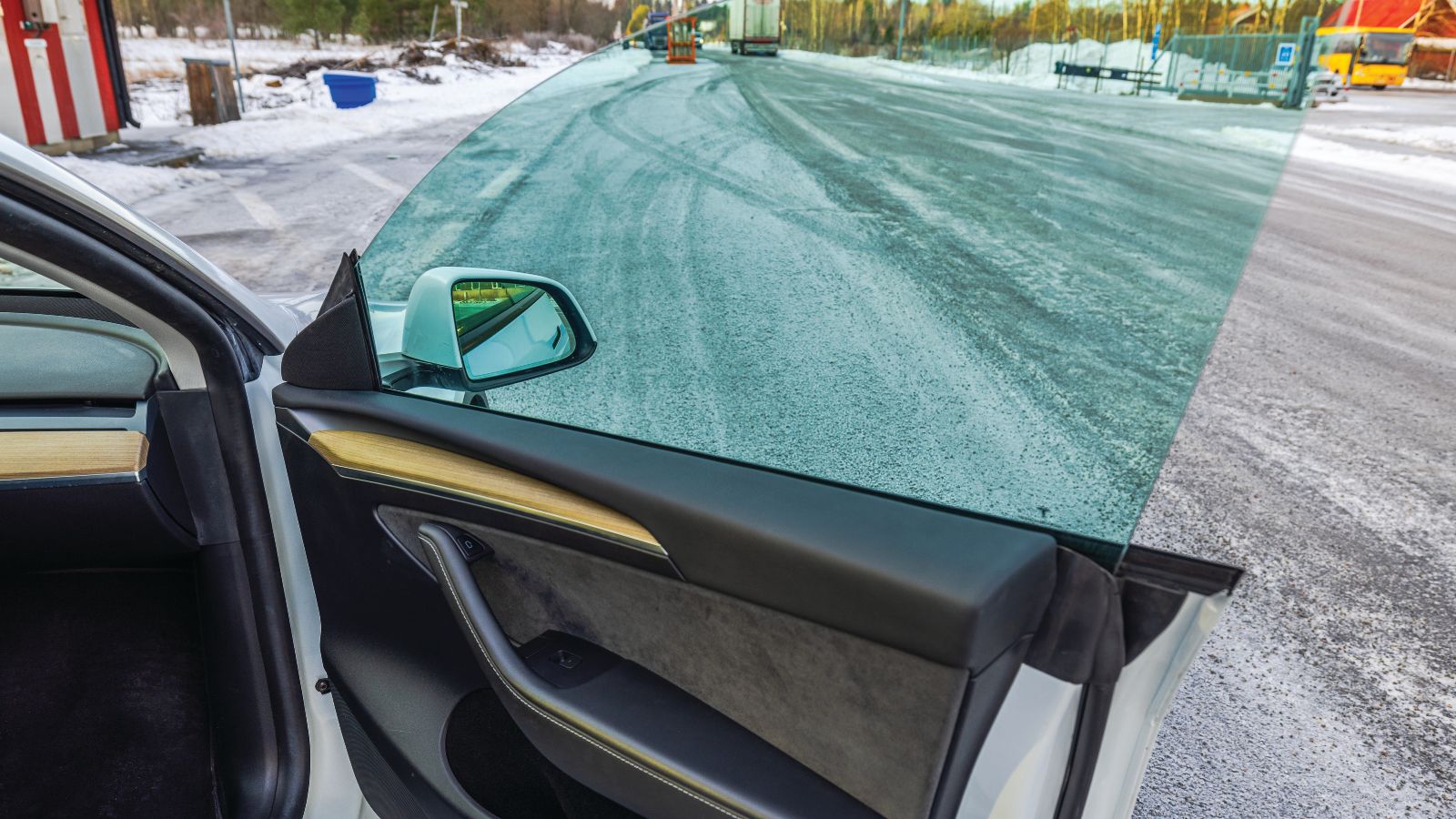
An interior button that electrically unlatches a door feels sophisticated. There is little mechanical effort, the design can integrate neatly into a sculpted door panel, and frameless windows can automatically lower slightly before opening. The problem arises when electrical power is lost and passengers suddenly need to remember where the manual release is located. If that backup is concealed beneath trim, placed differently in the rear seat, or poorly labeled, the everyday simplicity of the system can turn into confusion at exactly the wrong moment.
U.S. regulators have examined this issue closely. NHTSA opened an investigation involving about 174,000 2021 Tesla Model Y vehicles after reports that exterior electronic door operation became unavailable when low-voltage power failed; several complainants reported breaking windows to regain access to children inside. The U.S. Fire Administration has since advised motorists to learn the location of manual releases before an emergency. Electronic latches can work beautifully, but the most user-friendly version is one whose mechanical backup is obvious even to a passenger who has never ridden in that particular car before.
Unconventional Electronic Gear Selectors
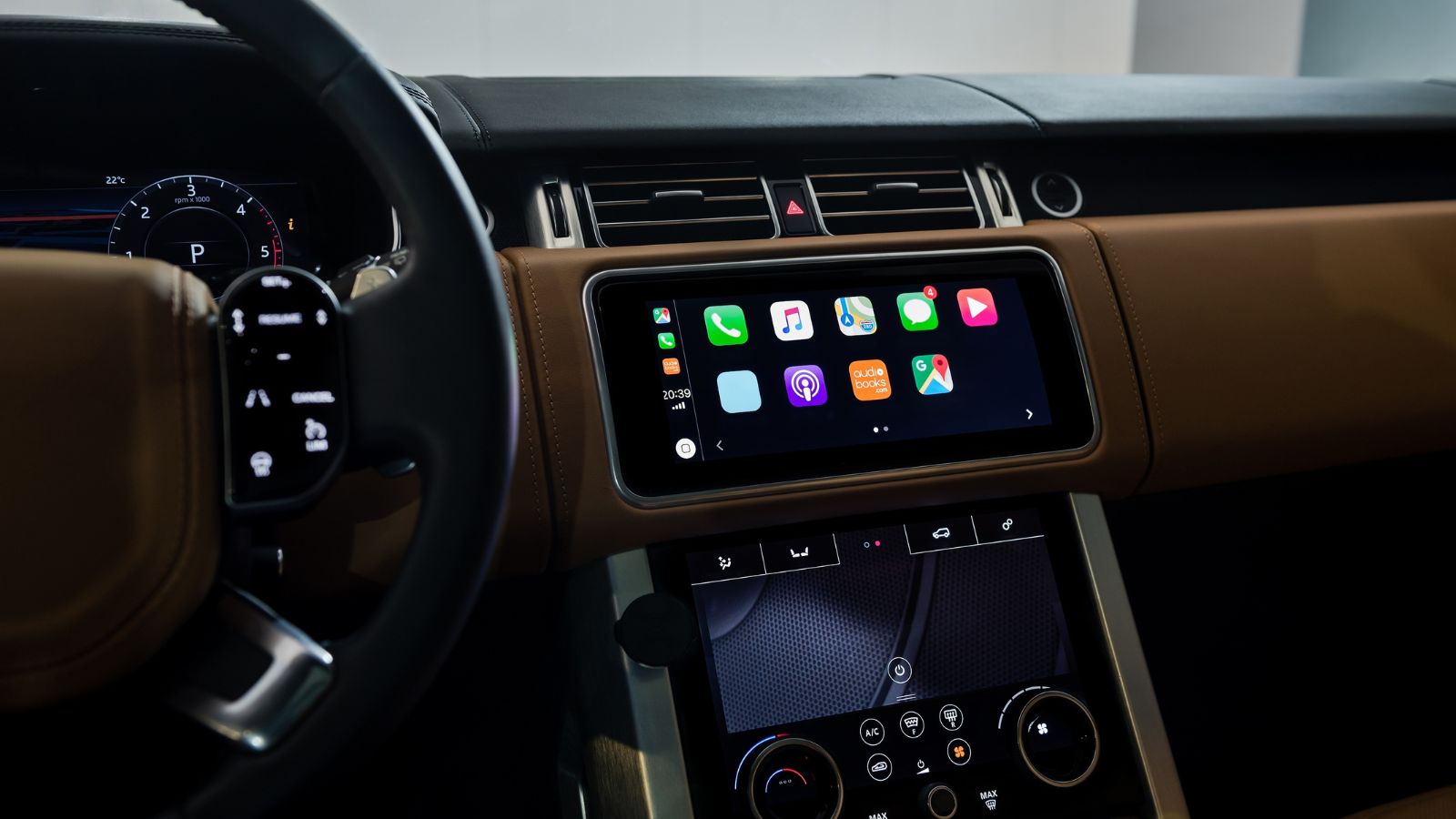
Electronic transmissions allow automakers to abandon the traditional mechanical lever. Modern cars now use rotary dials, dashboard buttons, tiny toggles, column-mounted switches, joystick-like selectors, and other arrangements. Removing a bulky lever can free valuable console storage and produce a minimalist interior, but there is a human-factors cost when the selected gear is not immediately obvious or when operation differs dramatically from familiar patterns.
Past recalls demonstrate why the issue matters. NHTSA documentation involving electronic monostable shifters described designs that could be counterintuitive and leave motorists believing a vehicle was in Park when it was not. More recently, Consumer Reports criticized an awkward gear selector in the Buick Envision; Buick subsequently moved to a column-mounted design as part of the model’s updates. Modern electronic selection does not have to be confusing. Clear detents, obvious indicators, and consistent operation can make it effortless. The frustration comes when interior packaging or novelty appears to have received more attention than the driver’s learned expectation of how Reverse, Neutral, Drive, and Park should work.
Automatic Engine Stop-Start
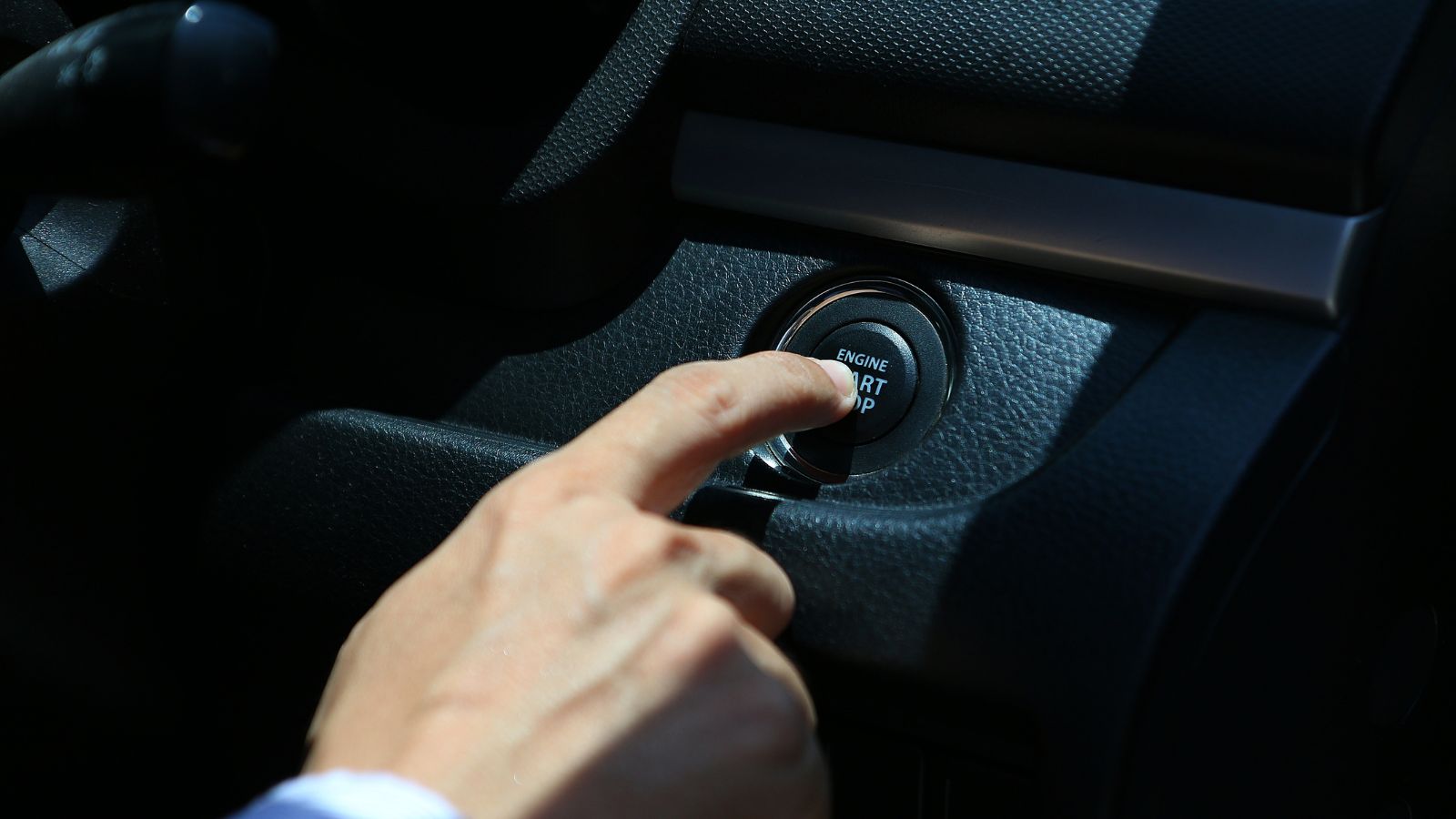
Stop-start technology can make a conventional gasoline vehicle seem more environmentally sophisticated by shutting the engine down at traffic lights and restarting it automatically as the vehicle prepares to move. It is also far from a cosmetic gimmick. The EPA says the technology can improve fuel economy by roughly 4 to 5 percent, while AAA testing has previously measured gains of 5 to 7 percent under an urban driving cycle. EPA data shows that 58 percent of new non-hybrid gasoline vehicles in model year 2024 used stop-start.
The efficiency benefit does not guarantee that every implementation feels polished. Consumer Reports notes that some motorists dislike the restart sensation, the slight delay before moving, or having to deactivate the system again after restarting the vehicle. Smoother systems can become almost invisible, particularly when paired with mild-hybrid hardware. Less refined versions make every red light announce the technology’s presence. Few features better illustrate the difference between engineering value and subjective irritation: stop-start can genuinely save fuel while still becoming one of the first buttons some drivers press after starting the car.
Lane-Centering Systems That Tug at the Steering
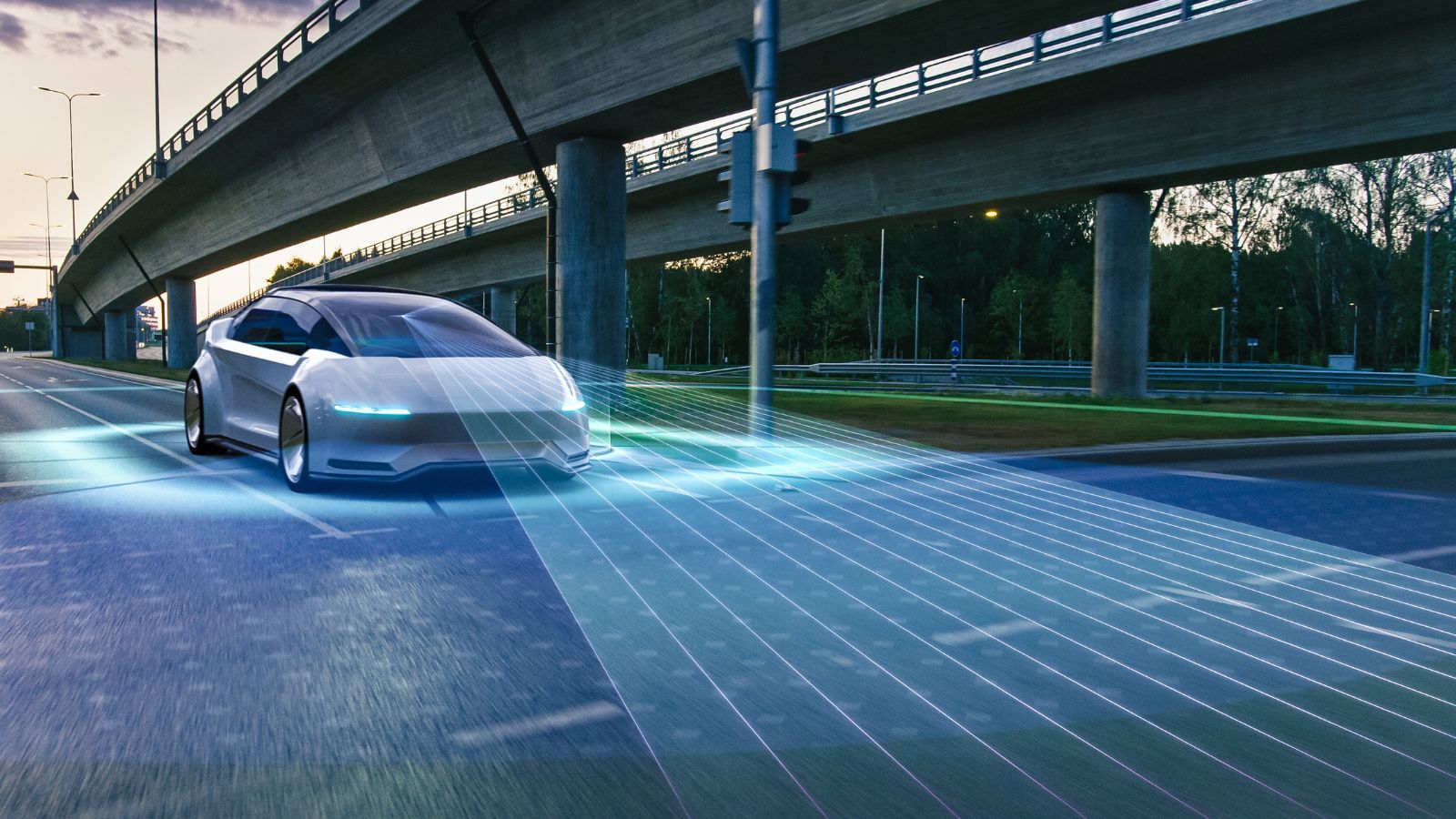
Lane-centering assistance promises a more relaxed highway drive by using cameras and other sensors to help maintain position within the lane. When road markings are clear and the system is well calibrated, the steering corrections can feel natural. When calibration, visibility, lane geometry, or traffic conditions challenge the technology, those corrections may feel like the car is disagreeing with its driver. The result can be an odd contest of small steering inputs rather than the seamless assistance suggested by the feature’s name.
AAA’s 2025 real-world evaluation of low-speed active driving-assistance systems recorded 533 notable events across five test vehicles. Inadequate lane centering was the second-most-common category, with researchers intervening in roughly 73 percent of those events. IIHS research nevertheless shows improving acceptance of lane-departure prevention, suggesting that better implementations can overcome earlier annoyance. That distinction matters. Assistance that quietly supports the driver’s intended path can be valuable. Assistance that repeatedly nudges the wheel when the driver already understands the road can turn an impressive demonstration feature into something routinely switched off.
Safety Alerts That Never Seem to Stop
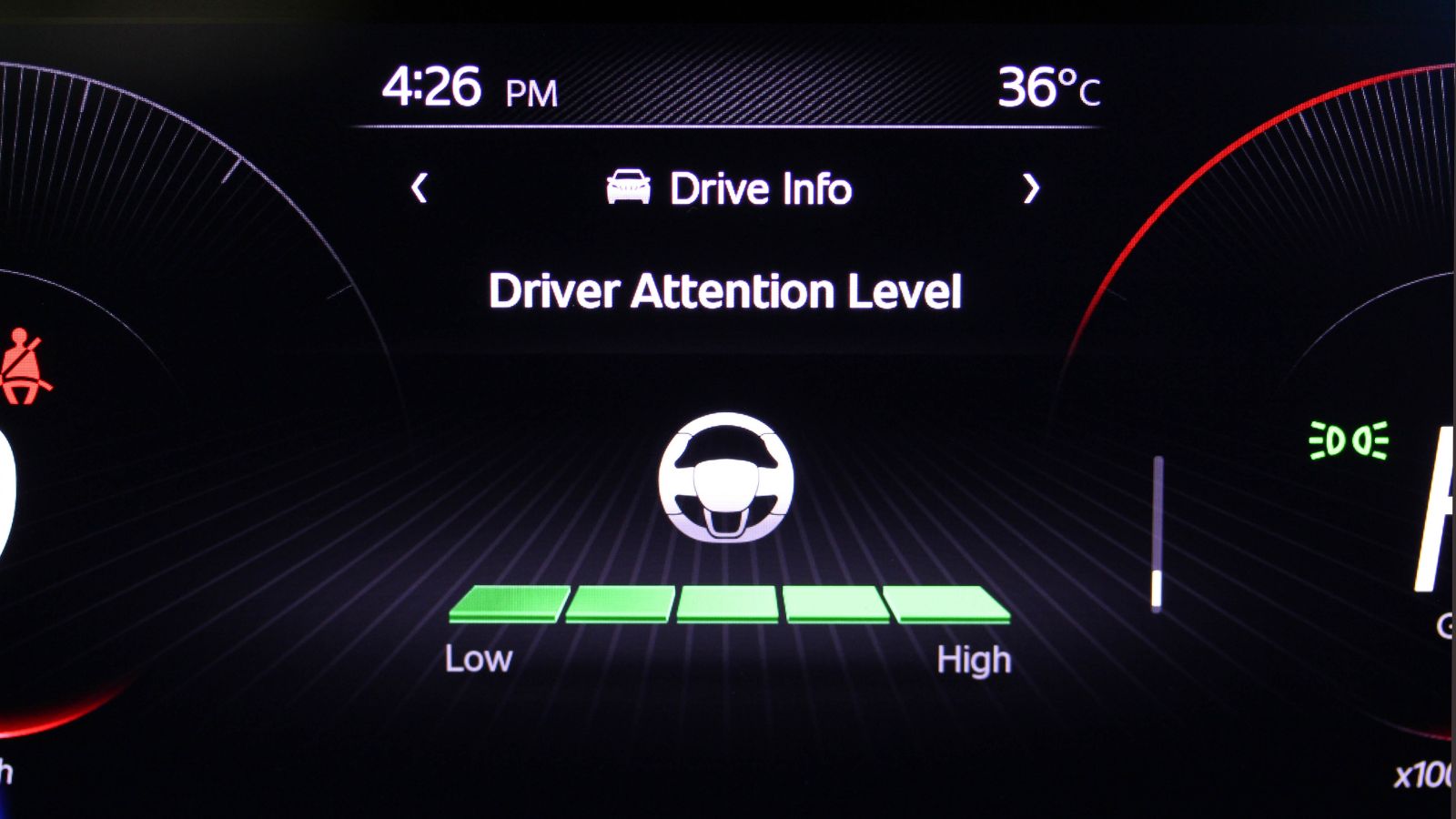
Modern vehicles can warn about lane departure, speed, following distance, blind spots, cross traffic, parking obstacles, attention, unfastened belts, and impending collisions. Individually, each alert may have a sensible purpose. Collectively, they can create an acoustic environment in which a driver hears so many tones and chimes that identifying the truly urgent one becomes harder. The challenge for automakers is therefore not simply detecting danger, but communicating it without producing alert fatigue.
Research suggests drivers strongly distinguish between warning styles. IIHS found that only 14 percent of vehicles equipped with an audible speed-warning option had that audible warning enabled in a 2023 observation study, while visual speed warnings were active in 71 percent. Earlier J.D. Power research found that nearly a quarter of owners with lane-keeping or centering systems considered their alerts annoying or bothersome, and those drivers were much more likely to disable the technology. A sophisticated safety system should earn attention when necessary. If everything sounds urgent, owners may eventually treat genuinely important alerts as background noise.
Driver-Monitoring Cameras That Can Feel Overbearing
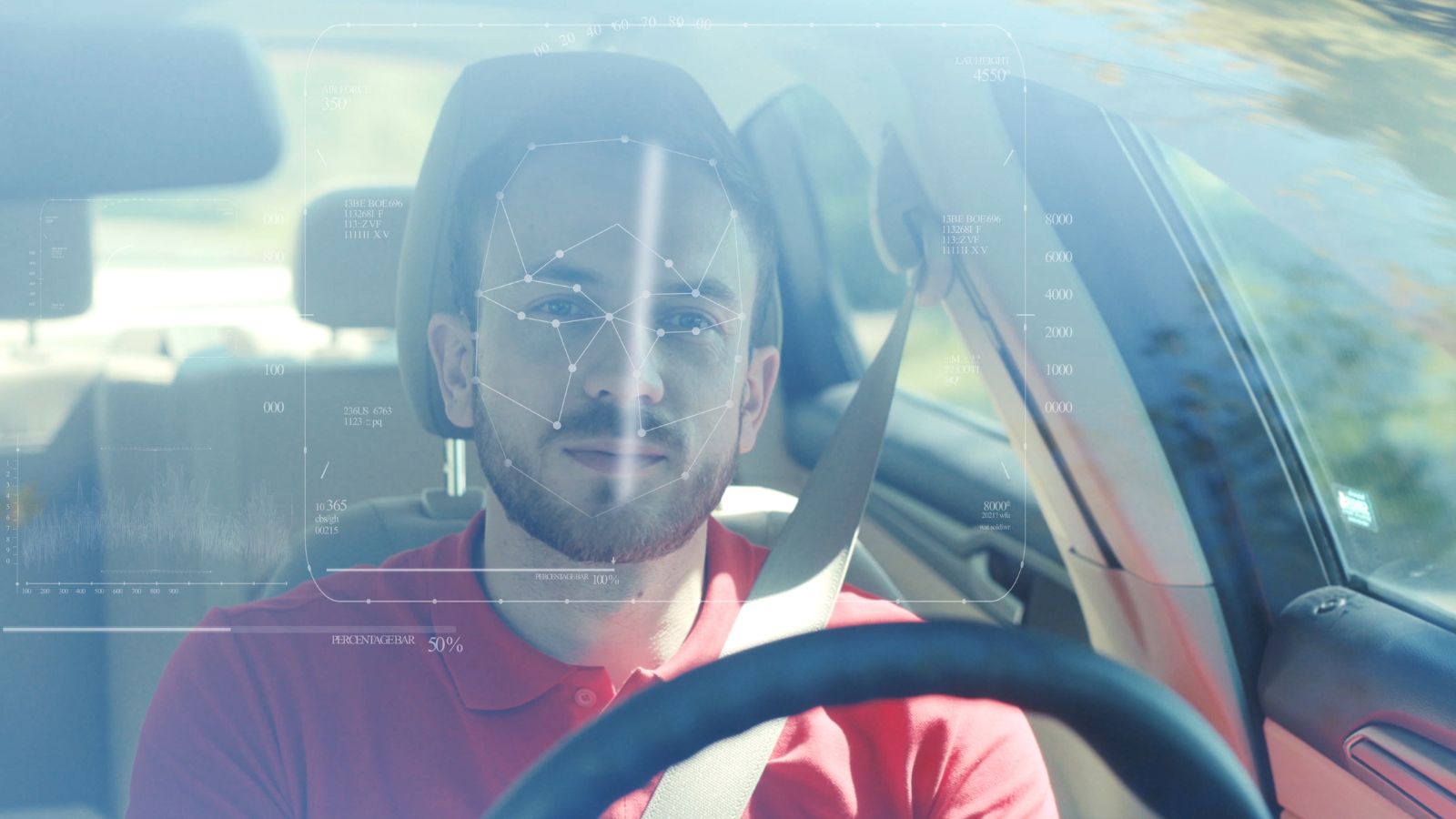
A small camera aimed at the driver has become an important part of advanced assistance systems. By tracking eye direction, head position, or other signs of attention, driver monitoring can help prevent someone from treating partial automation as fully autonomous driving. Euro NCAP now places greater emphasis on continuous eye- and head-tracking and on systems that respond appropriately when a driver becomes unresponsive. From a safety perspective, the technology has a strong rationale.
User acceptance is a separate challenge. J.D. Power’s 2025 U.S. Tech Experience Index recorded 19.4 problems per 100 vehicles for direct driver-monitoring technology, placing it among the study’s more problematic recognition-related features. A system that repeatedly interprets a legitimate glance at a mirror, instrument panel, or road junction as inattentiveness can quickly feel intrusive. The ideal monitor should be strict enough to discourage misuse without scolding a responsible driver for normal behavior. As these cameras become more widespread, accuracy and transparent operation may determine whether owners view them as a safety partner or an electronic supervisor.
Smartphone Digital Keys

Replacing a key fob with a smartphone seems like an obvious modernization step. The phone is already in a pocket, digital credentials can sometimes be shared remotely, and compatible systems may unlock or start the vehicle automatically. Interest is substantial: J.D. Power’s 2025 study of manufacturer apps for gasoline vehicles found that 39 percent of owners wanted smartphone-as-key functionality for daily use. The appeal is easy to understand—until the experience depends on connectivity, application behavior, phone settings, and communication between multiple devices.
Those supporting systems still generate complaints. J.D. Power reported that connectivity was the leading reason owners stopped using manufacturer vehicle apps, while its EV-app study found connection or delayed-update issues among 37 percent of non-Tesla app users. Newer technologies such as ultra-wideband can improve ranging precision and security, yet they add another technical layer that must function reliably. A physical key fob is hardly futuristic, but it has one enormous advantage: very little needs explaining. Digital keys feel more advanced only when the phone, app, vehicle, and wireless connection behave as one dependable system.
Over-the-Air Software Updates
Over-the-air updates turn a car into an evolving software platform. Manufacturers can fix bugs, revise interfaces, adjust vehicle behavior, add compatible features, and address certain recalls without bringing the vehicle into a service bay. That capability would have seemed extraordinary not long ago. Yet it also means a control layout or feature can behave differently after an update, creating the unusual situation in which an owner may need to relearn part of a vehicle already parked in the driveway.
The ownership data remains mixed. J.D. Power’s 2026 Vehicle Dependability Study found that 63 percent of software updates reported by owners were performed over the air. Only 27 percent of owners said an update improved their vehicle, while 58 percent noticed no meaningful difference. The study also reported increased problems associated with updates. None of that eliminates OTA’s enormous potential; remote software maintenance can be extremely convenient. It simply reinforces that updates need clear explanations, reliable installation, and genuine benefits. Change for its own sake can make a perfectly usable interface feel less stable rather than more modern.
Useful Modes Hidden Deep Inside Menus
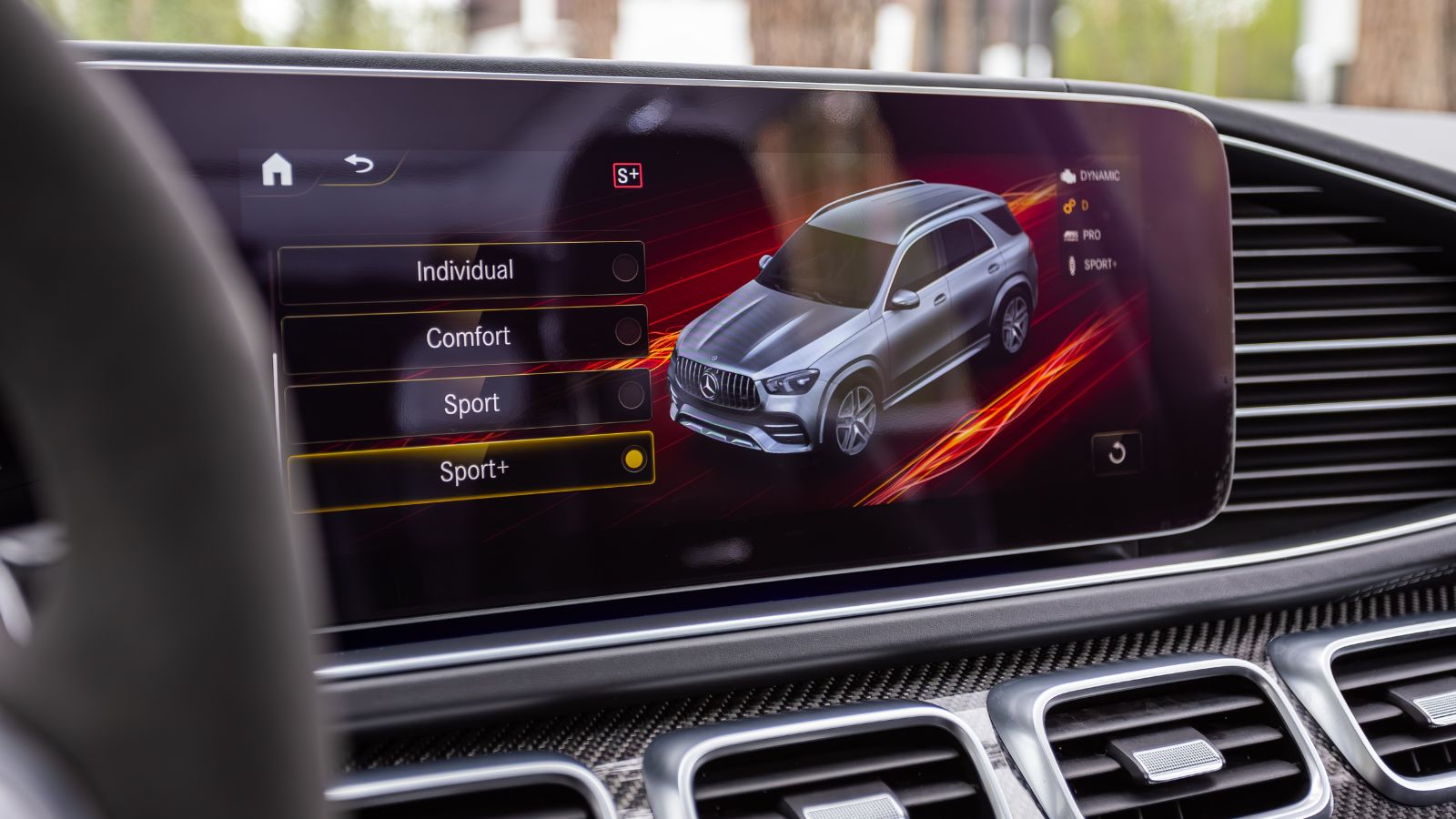
A growing number of vehicles contain specialized software modes for towing, charging, camping, pets, car washes, automated parking, battery conditioning, and other situations. Bundling these functions into software avoids covering the dashboard with dozens of dedicated switches. Yet a function designed for a specific moment can become surprisingly stressful when that moment arrives and the owner cannot remember where the manufacturer buried it.
Car-wash mode provides an unusually clear example. Depending on the vehicle, the feature may help disable automatic wipers, prepare windows or locks, and adjust other systems before entering the wash. J.D. Power added it to its 2025 technology study and found that 38 percent of owners using the feature wanted better instructions, while another 15 percent said it operated too slowly. The awkwardness is easy to imagine when a conveyor is moving and vehicles are lining up behind. Specialized modes are genuinely clever, but the best interface makes a time-sensitive feature immediately accessible instead of turning the driver into a hurried menu explorer.
Features Locked Behind Software Subscriptions
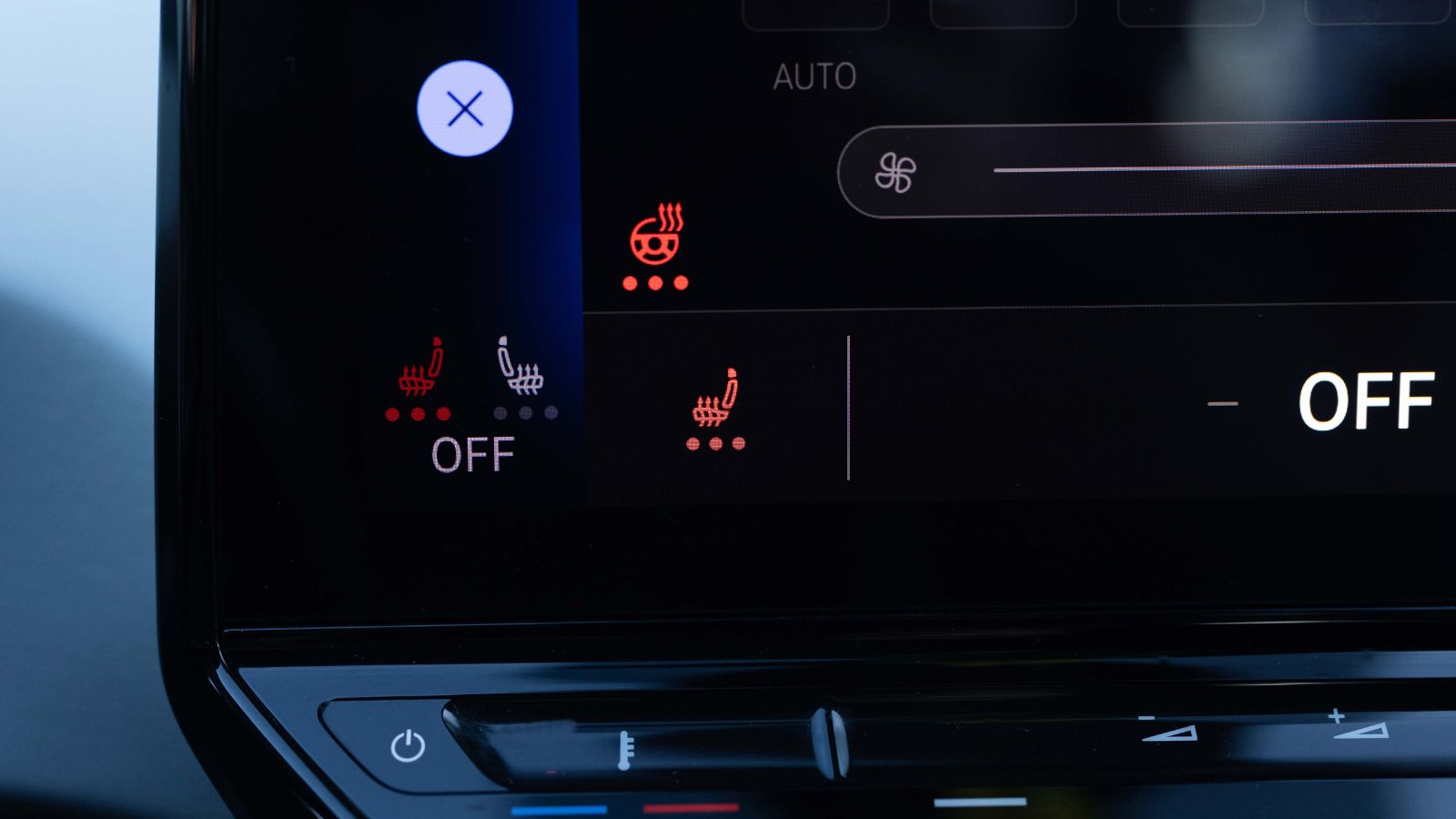
Software-defined cars make it possible to install hardware during manufacturing and decide later which customers may activate it. From an automaker’s perspective, that can simplify production and create recurring revenue. From a driver’s perspective, discovering that a physical component already inside an expensive vehicle requires another payment can make futuristic capability feel less like innovation and more like a toll booth.
BMW’s heated-seat experiment became the defining example. In some markets, the company offered subscription access to heated seats whose necessary hardware was already installed. Pricing in South Korea was reported at roughly $18 per month. BMW ultimately abandoned the approach for seat heating after negative customer reaction, while remaining open to subscriptions for other software-oriented services. The episode established a useful boundary for the industry. Consumers may accept recurring payments for continuously delivered services such as connectivity, but paying indefinitely to activate hardware already sitting beneath the seat feels fundamentally different. Technology can make almost any feature remotely configurable; that does not mean every possible business model will feel reasonable.
Panoramic Glass Roofs
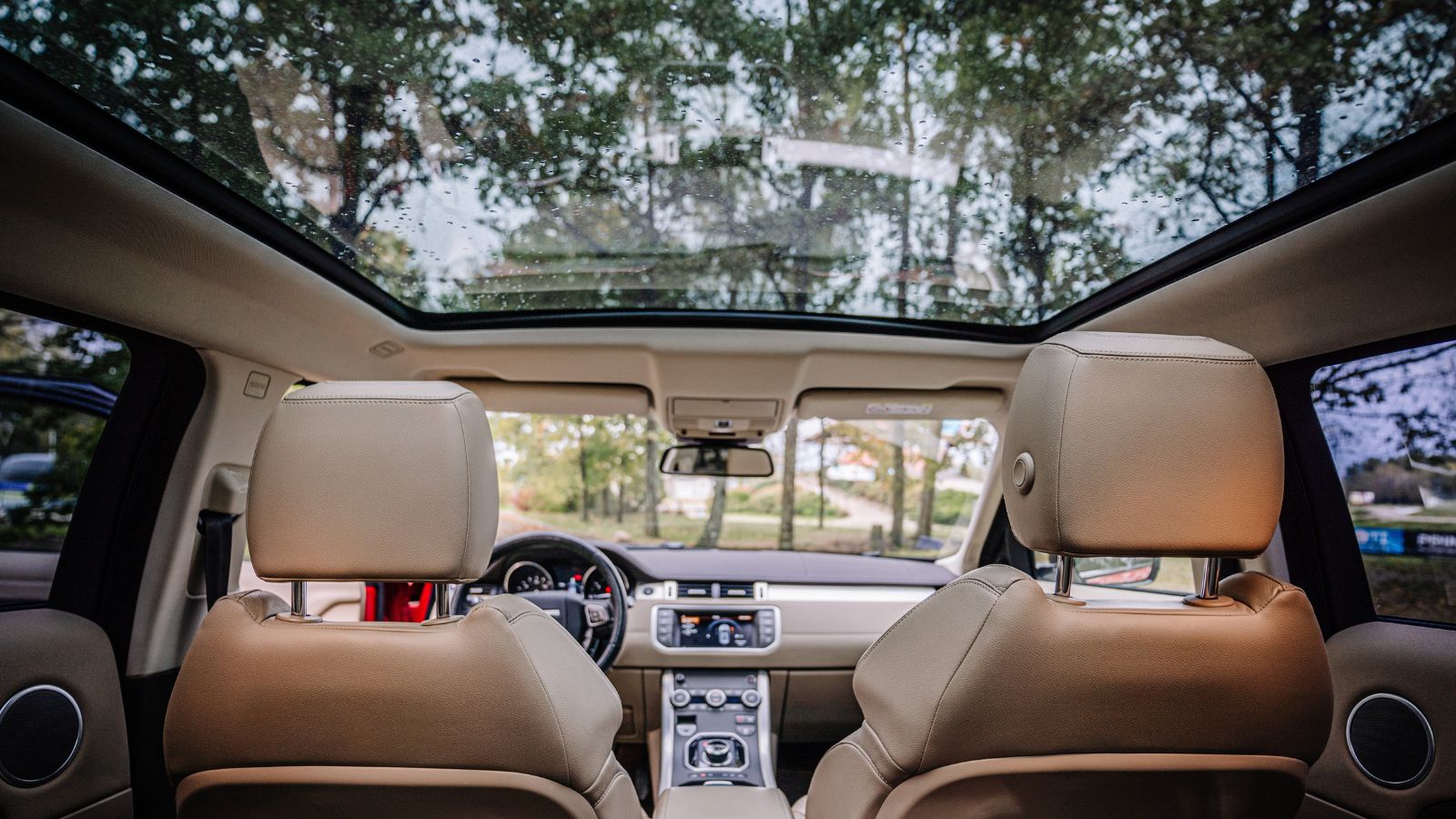
Few features transform a showroom interior as effectively as a panoramic glass roof. It brings light into the cabin, makes rear seats feel less enclosed, and creates the visual impression of a more expensive vehicle. Its trade-offs are easier to overlook because they vary substantially by design. Roof mechanisms and surrounding structure can consume headroom, glass adds weight, and a large movable assembly introduces seals, tracks, motors, shades, and other components that a fixed metal roof simply does not require.
Consumer Reports has documented both sides of that equation. Genesis officials told CR that weight savings and preserving range were factors in omitting a sunroof from the Electrified G80, and CR noted that movable roofs can reduce available headroom. Owner reliability reports for several vehicles have also included panoramic-roof rattles, though such reports should not be treated as evidence that every panoramic roof will fail. The feature can be wonderful in the right car. It simply illustrates how something that feels luxurious during a sunny test drive may carry practical compromises that become noticeable only after months or years of ownership.
Oversized Wheels With Low-Profile Tires

Large alloy wheels fill out wheel arches beautifully and are now a familiar visual shortcut for expensive trim levels. A vehicle photographed on 20- or 21-inch wheels can look substantially more dramatic than the same model on smaller rims. The physical trade-off is that maintaining approximately the same overall tire diameter generally means reducing sidewall height. Less flexible rubber remains available to absorb sharp impacts before they reach the wheel and suspension.
Consumer Reports repeatedly finds that larger wheels paired with low-profile tires can produce a harsher ride, increase the possibility of pothole damage, and raise tire-replacement costs. Its testing has even bent wheels during aggressive plus-sizing evaluations. The issue is particularly relevant on damaged roads: CR, citing AAA research, reported in 2026 that roughly one in 10 drivers experiences pothole damage serious enough to require repair, with an average repair cost around $600. Large wheels are not inherently a bad choice, especially on performance vehicles, but they demonstrate how a styling upgrade can quietly exchange everyday comfort and durability for visual impact.
Wireless Phone-Charging Pads
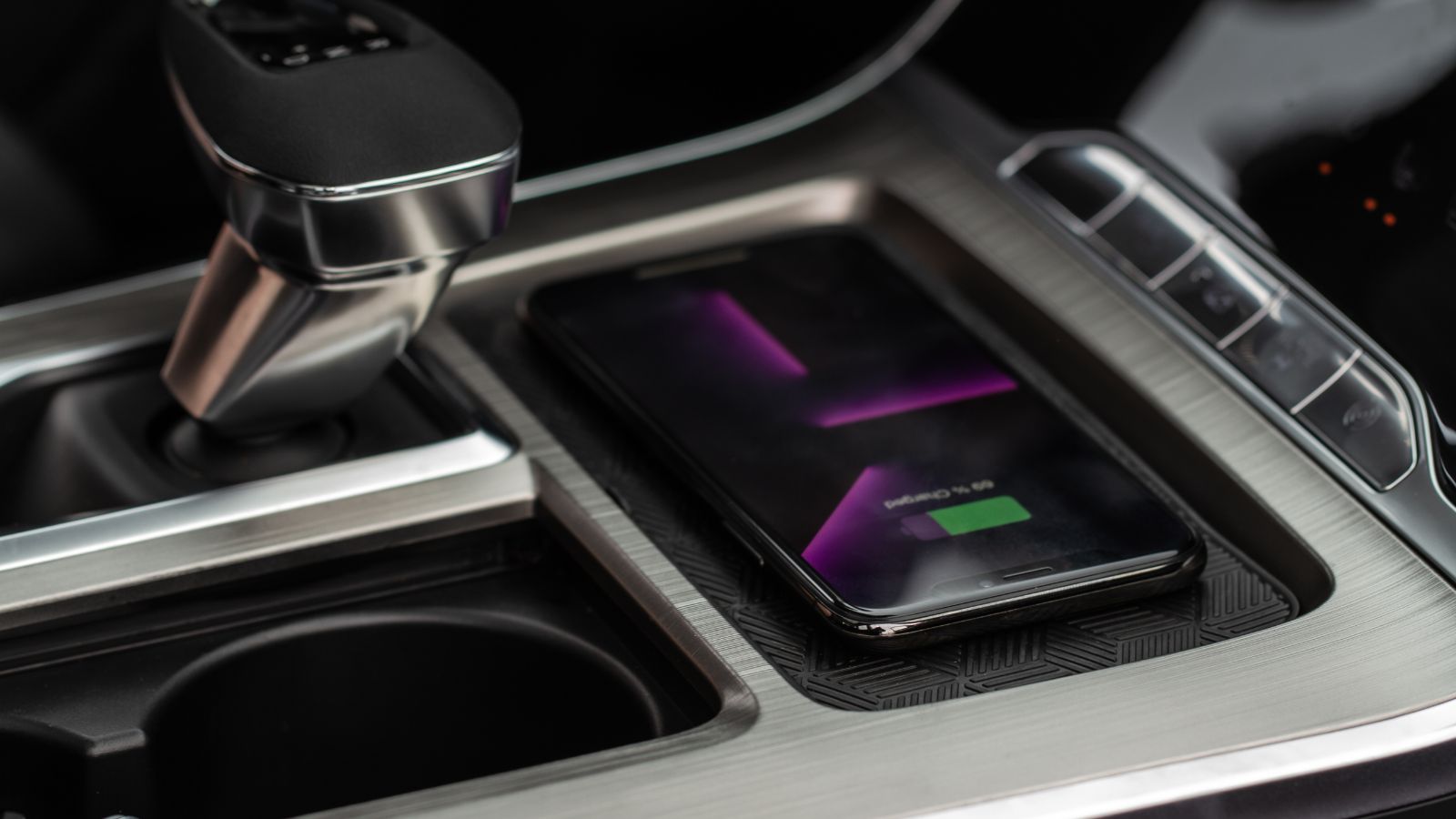
Dropping a smartphone onto a pad and watching it charge without connecting a cable feels exactly like the kind of convenience a modern cabin should provide. Wireless pads also keep the console tidy and pair naturally with wireless Apple CarPlay or Android Auto. Yet alignment, phone cases, heat, device compatibility, and the vehicle’s own charging hardware can all affect whether the phone actually gains useful battery power during a trip.
The issue appears prominently in dependability data. J.D. Power’s 2026 study recorded wireless charging pads at 5.1 problems per 100 vehicles, making them one of the notable mobile-device integration trouble spots. Automaker technical documentation also acknowledges heat-related limitations; troubleshooting instructions for some automotive wireless chargers tell users to remove a phone when its internal temperature exceeds about 45°C, or 113°F, and allow it to cool. A charging cable may look decidedly old-fashioned beside an elegant pad, but it is difficult to beat the certainty of seeing a connector physically attached. Wireless charging feels truly advanced only when it works without repeated repositioning.
Voice Assistants That Misunderstand Simple Requests
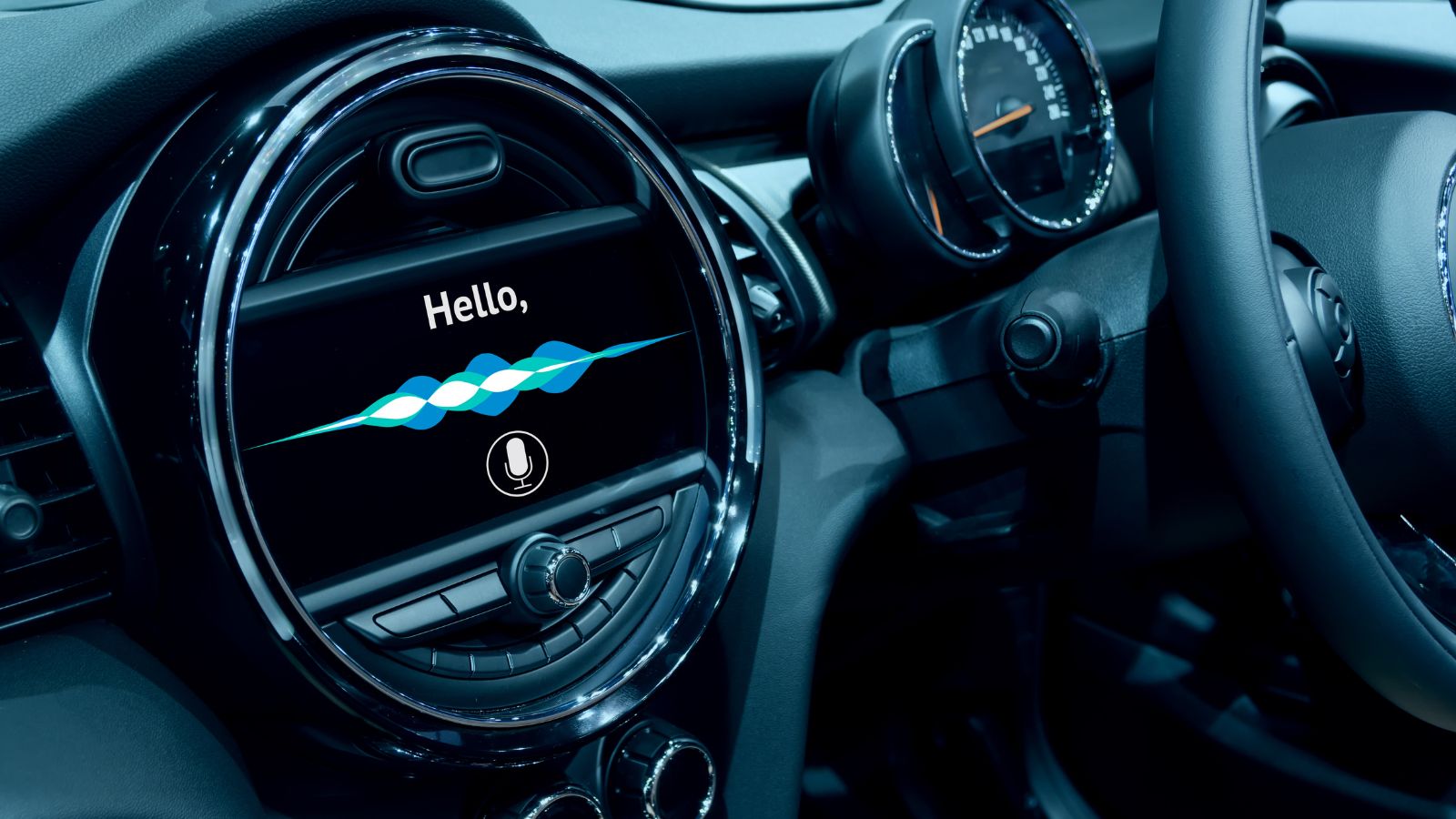
Voice control appears to solve many interface problems at once. Instead of digging through menus, a driver can theoretically ask the vehicle to change the temperature, find a destination, make a call, or select music while keeping hands on the wheel. The concept becomes frustrating when the assistant misunderstands ordinary language, requires memorized phrases, pauses for too long, or responds correctly only after the same request has been repeated.
Voice recognition has improved substantially, but it remains an active usability issue. J.D. Power’s 2024 multimedia study identified voice recognition among major problem areas that had improved year over year, while its 2025 China technology research said recognition accuracy and comprehension remained significant pain points for vehicle voice assistants. Consumer Reports has reached a similar conclusion through years of owner feedback: voice controls can be useful when they understand natural speech quickly, but repeated failures can become distracting rather than helpful. A successful automotive assistant should reduce the steps between intention and action. If speaking is slower than reaching for a button, the futuristic interface has missed its basic purpose.
16 Costco Canada Habits That Could Be Costing Shoppers More Than They Save

The Executive Membership can feel like an obvious upgrade because the 2% annual reward sounds straightforward. For households that spend heavily at Costco Canada, the extra fee may be easy to justify. But the habit becomes costly when shoppers upgrade first and calculate later. A Gold Star Membership costs less, while Executive costs more and only pays off if eligible annual spending is high enough to offset the difference.
16 Costco Canada Habits That Could Be Costing Shoppers More Than They Save

Alanna Rosen is an experienced content writer that focuses on many EV and educational content. Her articles are regularly published on Get CyberTrucked and syndicated on large publications.