
A tempting sticker price can hide a surprisingly complicated financial picture. Cars continue costing money long after the purchase paperwork is signed, and two vehicles with similar prices can produce dramatically different bills over several years. Depreciation, financing, insurance, fuel, maintenance, technology and even climate can reshape what initially looked affordable.
These 20 reasons a car may be more expensive to own than it seems highlight the expenses that are easiest to overlook before purchase. Some arrive predictably every month, while others remain invisible until a tire fails, a warranty expires or a seemingly minor repair involves sophisticated electronics. Looking beyond the showroom price provides a much clearer picture of what a vehicle may actually demand from a household budget.
Depreciation Can Swallow the Bargain

A low purchase price can create the impression that a vehicle is inexpensive, yet depreciation may erase that advantage faster than expected. Depreciation is the loss in value between purchase and resale, and it remains one of the biggest ownership costs for new vehicles. AAA’s 2025 analysis estimated average depreciation at $4,334 per year across the vehicles it studied, making it the largest single category in its cost model.
The important detail is that depreciation varies sharply by model, trim, demand, incentives and market conditions. A vehicle discounted heavily when new may also be worth less when it is traded, especially if the same model regularly receives factory incentives. Owners who sell after only a few years feel this most strongly because the steepest value losses often arrive early. A car that saves several thousand dollars at the dealership can therefore surrender much of that saving when resale time arrives.
A Longer Loan Can Make the Monthly Payment Misleading

Financing can make an expensive car look manageable because buyers tend to notice the monthly payment first. Extending a loan term lowers that payment, but it also keeps interest accumulating longer. The Consumer Financial Protection Bureau illustrates the effect with a $20,000 loan at 4.75 percent: total interest rises from $1,498 over 36 months to $3,024 over 72 months, even though the longer loan feels easier monthly.
Long terms can also leave an owner owing more than the vehicle is worth for a longer period. That becomes painful if the car must be sold, traded or written off before the balance falls sufficiently. Financing extras such as dealer add-ons can compound the problem because those charges may be rolled into the loan and accrue interest. A seemingly affordable payment is therefore not the same thing as a low ownership cost; the APR, term length and total amount financed matter as much.
Insurance Prices the Risk, Not Just the Car
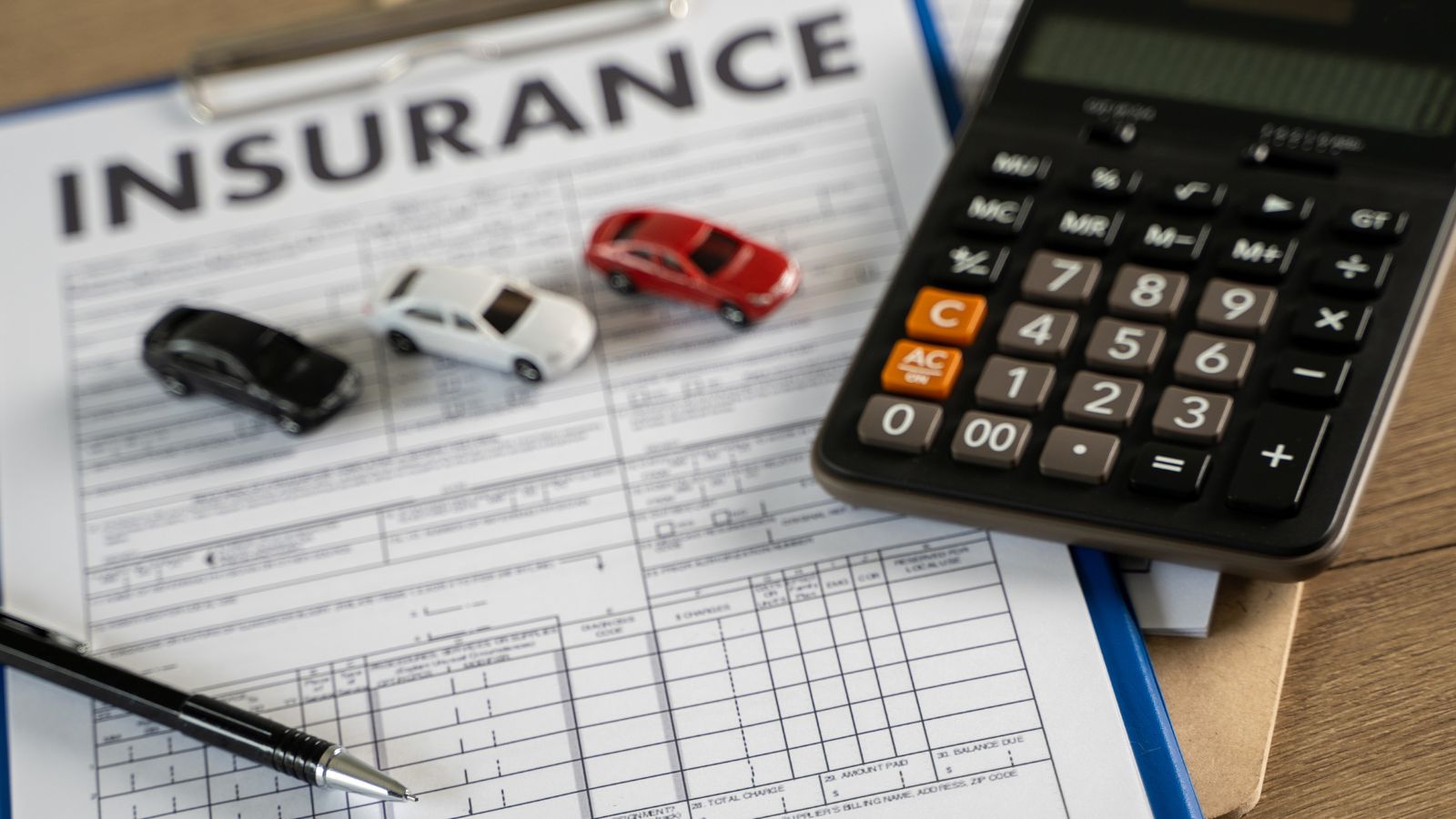
Two vehicles with similar sticker prices can produce very different insurance bills. Insurers consider far more than purchase price when rating a policy, including vehicle type, location, annual mileage, claims history, driving record, selected coverage and deductible. The National Association of Insurance Commissioners lists vehicle type and vehicle use among the major rating factors, which helps explain why a sporty coupe, luxury SUV and ordinary sedan can cost differently to insure at comparable prices.
Repair complexity also matters indirectly because insurers must estimate the expected cost of future claims. A model packed with expensive lights, cameras and body sensors can be more costly to restore after a crash than a simpler vehicle. AAA’s 2025 ownership study estimated average full-coverage insurance at $1,694 per year for its sample, with meaningful differences across vehicle categories. Checking an insurance quote before purchase can reveal a recurring expense that the window sticker never shows.
Fuel Economy Differences Compound Every Week

Fuel consumption is easy to underestimate because the expense arrives in small, repeated transactions rather than one large bill. A vehicle that uses noticeably more fuel than another may cost only a few dollars extra at each fill-up, but that difference repeats for years. AAA’s 2025 analysis placed average fuel cost at 13 cents per mile across its study vehicles, while its category data showed clear differences between smaller cars, SUVs and other vehicle types.
Vehicle weight, aerodynamics, engine output and driving conditions all influence real-world consumption. The U.S. Department of Energy notes that increased weight can reduce efficiency, while aggressive driving, high speed and poor tire inflation can raise fuel use. This means an upgrade to a larger body, more powerful engine or heavier trim can quietly change the operating budget. The cost becomes especially visible for high-mileage commuters, whose annual fuel spending magnifies even small efficiency gaps over time.
Premium Fuel Can Add a Permanent Surcharge
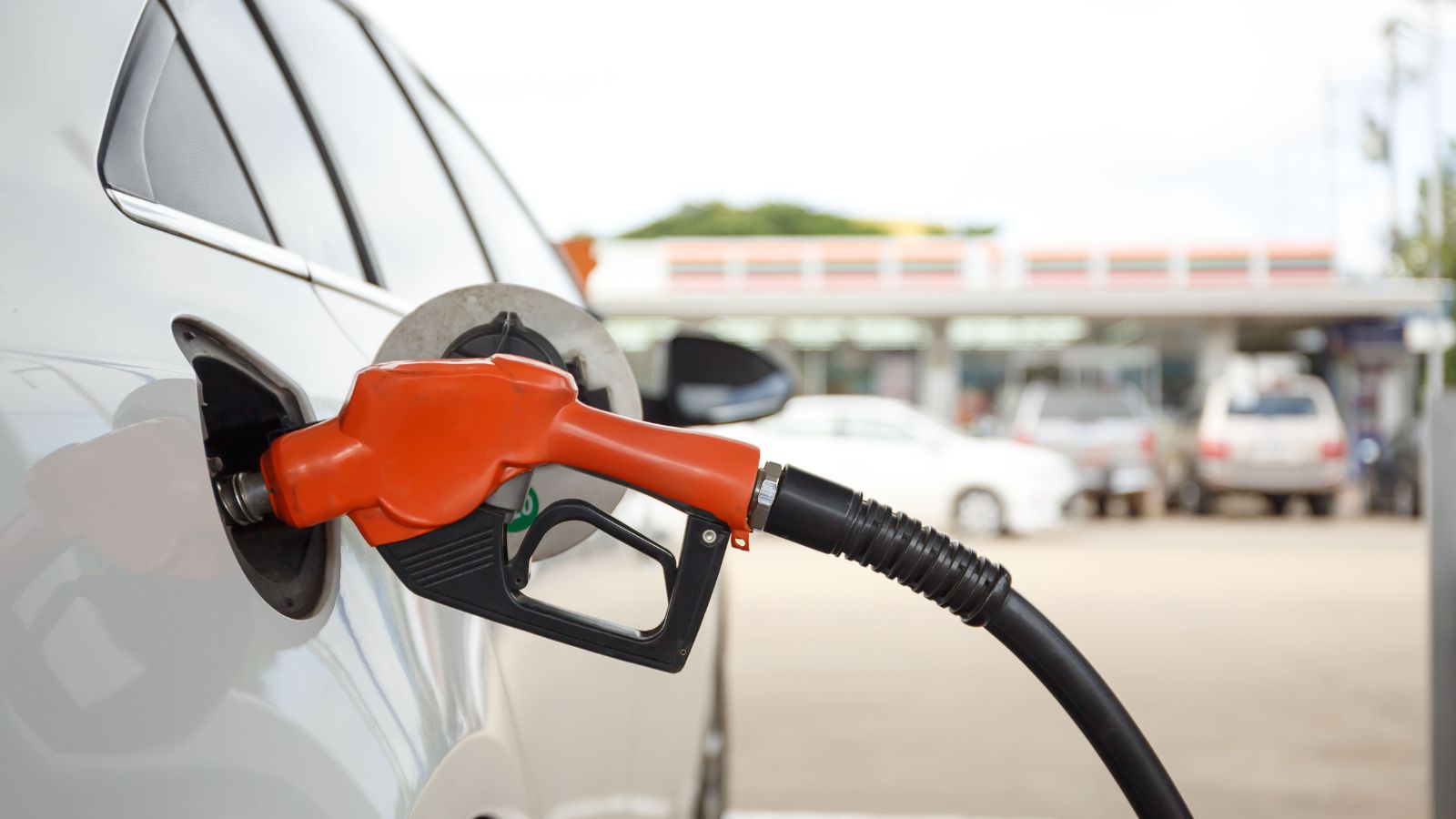
Some cars require premium gasoline, while others merely recommend it for maximum performance. That distinction can meaningfully affect long-term cost because higher-octane fuel usually carries a price premium at every fill-up. Consumer Reports notes that many luxury vehicles require premium fuel and that paying for higher octane provides no fuel-economy or performance benefit in many vehicles that do not actually need it.
The owner’s manual and fuel-door label are therefore financial documents as much as technical ones. A turbocharged or high-compression engine may deliver stronger performance, but its fuel requirement can turn an attractive purchase price into a recurring surcharge. Even a modest price difference per gallon compounds across tens of thousands of miles. Buyers comparing two similar cars can miss this because official fuel-economy figures may look close while the required fuel grade differs. The cheapest car to buy is not necessarily the cheapest one to fuel over years.
Scheduled Maintenance Is Not Equal Across Cars
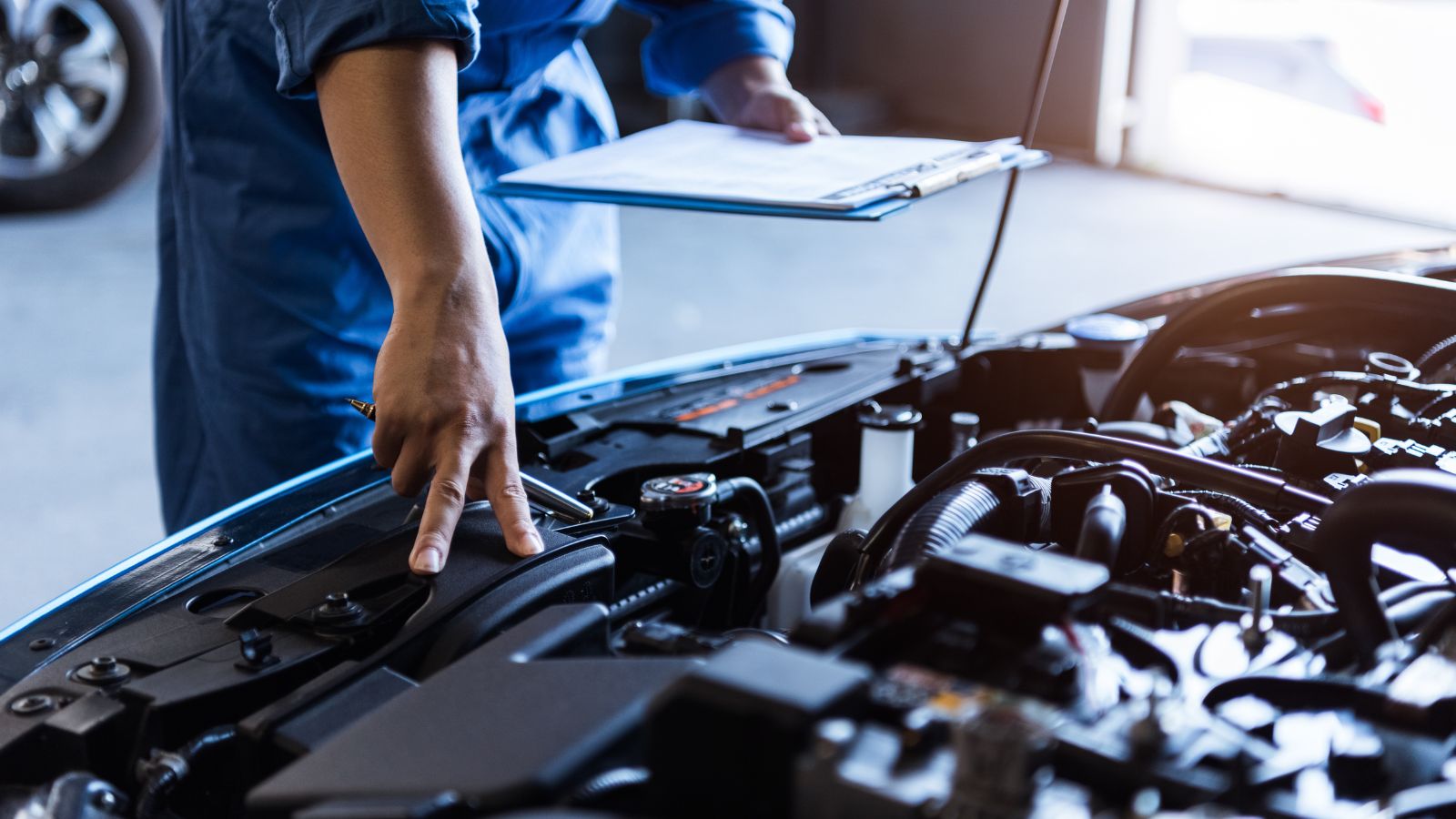
Routine maintenance sounds predictable, but the required work and intervals vary considerably by model. Oil changes, filters, brake fluid, coolant, spark plugs, transmission service and differential fluid can arrive on different schedules, and some vehicles use specialized fluids or procedures. Consumer Reports advises owners to follow the manufacturer’s schedule and notes that many all-wheel-drive models include a rear differential whose fluid may require periodic replacement.
Those individual visits can appear minor until they are added across several years. A car with longer service intervals, common fluids and easy access to filters may be inexpensive to maintain, while another can demand more labor or pricier materials. Complimentary maintenance on a new vehicle can temporarily hide this difference because the first years may involve few out-of-pocket bills. Once the free period ends, the regular schedule becomes the owner’s responsibility. Comparing service requirements before purchase gives a realistic picture instead of assuming every modern car needs roughly the same care.
Warranty Expiration Can Change the Cost Curve

A new car may feel inexpensive to maintain because major repairs are initially covered by warranty. That calm period can be misleading when evaluating long-term ownership. Consumer Reports notes that many new vehicles need little beyond routine service in their early years and that repair costs can rise sharply after warranty and complimentary-maintenance periods expire. The same vehicle can therefore have a different cost profile at year eight than it did at year two.
This matters most for owners who plan to keep a car well beyond the original coverage period. Electronic modules, suspension components, cooling systems, air-conditioning equipment and powertrain parts may eventually become the owner’s responsibility. A used luxury car can look especially tempting after depreciation has reduced its purchase price, yet its repair architecture has not become cheaper because the market value fell. Long-term shoppers should compare warranty length, reliability history and age-related maintenance instead of judging affordability from the first few years alone.
Some Brands Are Far Costlier to Repair Over Time
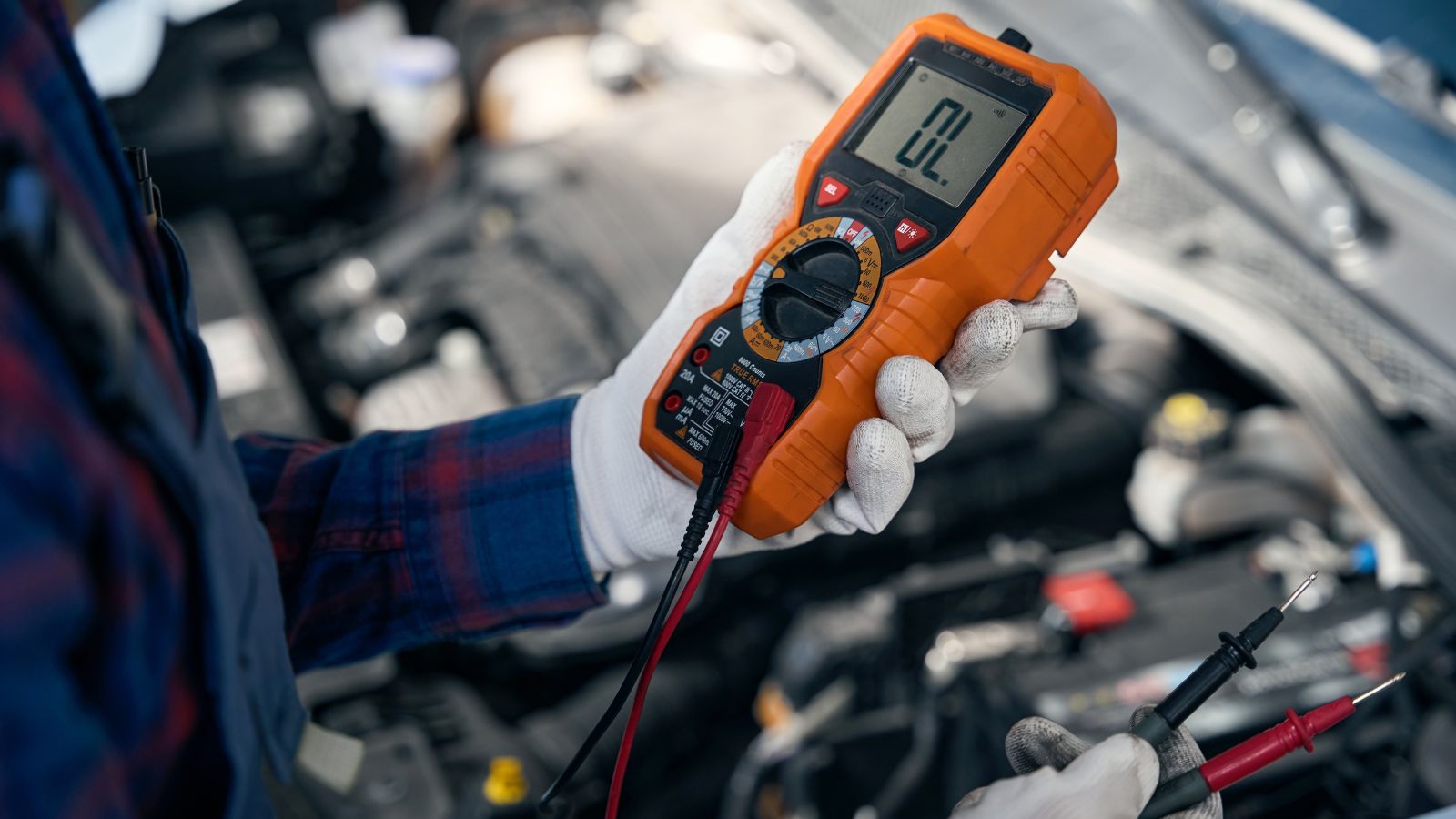
Brand choice can change maintenance and repair spending by thousands of dollars over a long ownership period. Consumer Reports’ 2025 owner data found substantial differences among manufacturers, with several European luxury brands clustering near the expensive end of its ten-year maintenance-and-repair rankings. The organization also found that costs generally increase as vehicles age, when warranties have expired and more components begin to wear.
The reason is not simply prestige. Parts prices, labor rates, packaging complexity, specialized diagnostic tools and the number of independent shops able to perform certain work can affect the final bill. A deeply depreciated premium vehicle may therefore cost less to buy than a newer mainstream car while remaining more expensive to keep healthy. The revealing comparison is not purchase price against purchase price; it is expected repair and maintenance spending over the years the vehicle will actually be owned. That is where an apparent used-car bargain can become a costly commitment.
Tires Are a Major Wear Item, Not a Minor Accessory
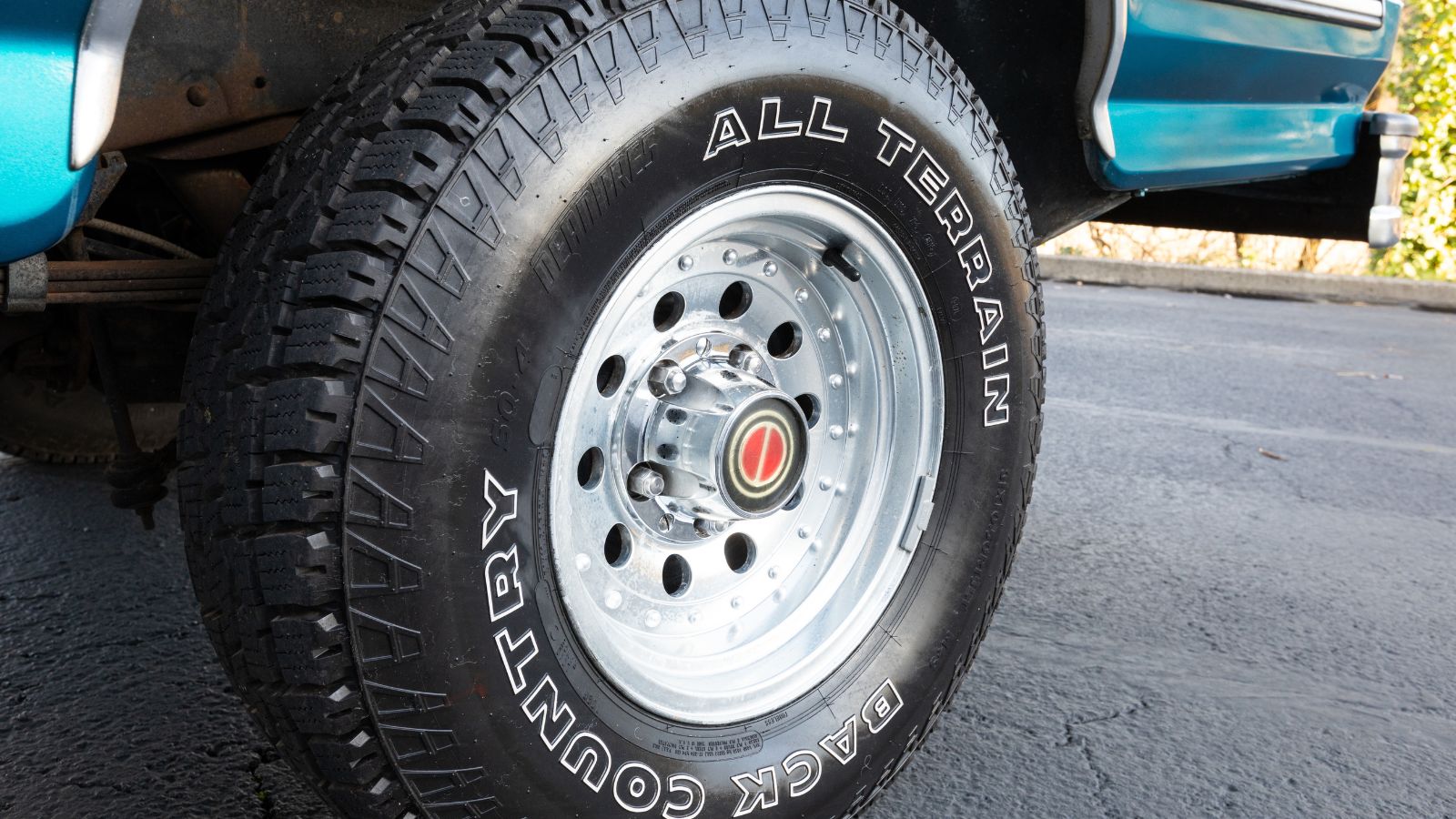
Tires are easy to treat as an occasional purchase, yet they are a predictable ownership expense. NHTSA advises replacement when tread reaches 2/32 of an inch and notes that some vehicle and tire manufacturers recommend replacement after six to ten years regardless of remaining tread. Rotation, balancing, alignment and correct pressure also matter because uneven wear can shorten useful tire life and increase the chance of replacing a set earlier than expected.
The bill depends heavily on tire size, performance rating and how the vehicle is used. High-mileage drivers may wear through tread long before age becomes an issue, while low-mileage owners can still face age-related replacement. A vehicle that requires uncommon, high-speed-rated or heavy-load tires can make each replacement cycle more expensive. Because tires are usually purchased several at a time, the cost arrives in noticeable chunks. Treating them as a recurring budget item prevents an otherwise routine wear expense from feeling like an emergency repair.
All-Wheel Drive Can Turn One Damaged Tire Into Four
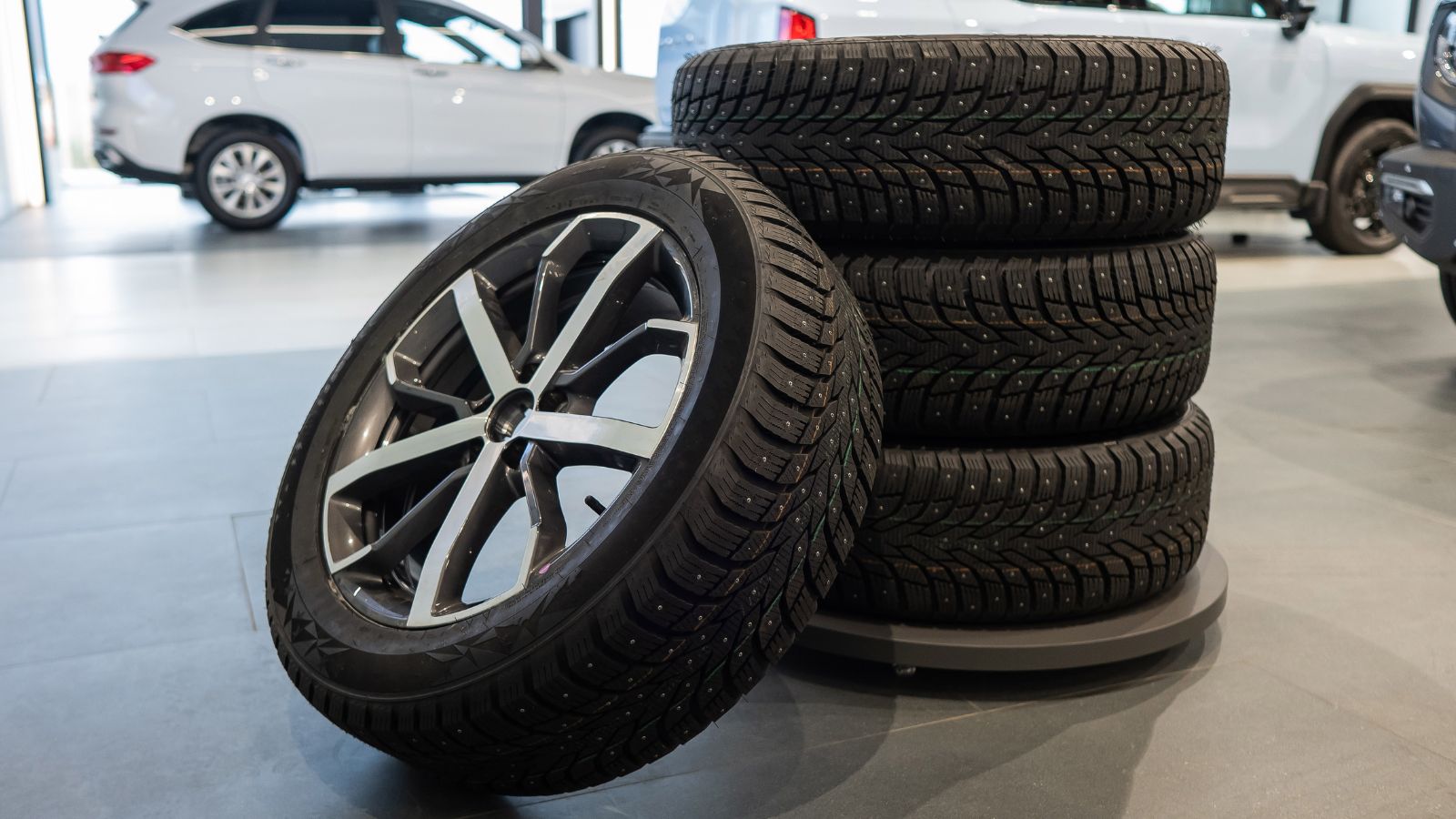
All-wheel drive offers valuable traction, but its tire requirements can create an ownership surprise. Consumer Reports explains that AWD systems can be sensitive to differences in tire circumference and tread depth. Depending on the manufacturer’s specifications, a single damaged tire may require closely matching the remaining tires, shaving a replacement tire to the correct diameter or replacing multiple tires so the drivetrain does not operate with excessive mismatch.
That means a pothole, sidewall cut or unrepairable puncture can become more expensive than the same incident on a two-wheel-drive vehicle. NHTSA notes that some cars use different tire sizes front and rear, which can limit normal rotation patterns and complicate wear management. AWD brings additional routine service as well; Consumer Reports points to rear-differential fluid changes on many systems. None of this makes AWD a poor choice, but it means the feature has costs beyond the option price shown when the vehicle is purchased.
Advanced Powertrains Can Require Specialized Repairs
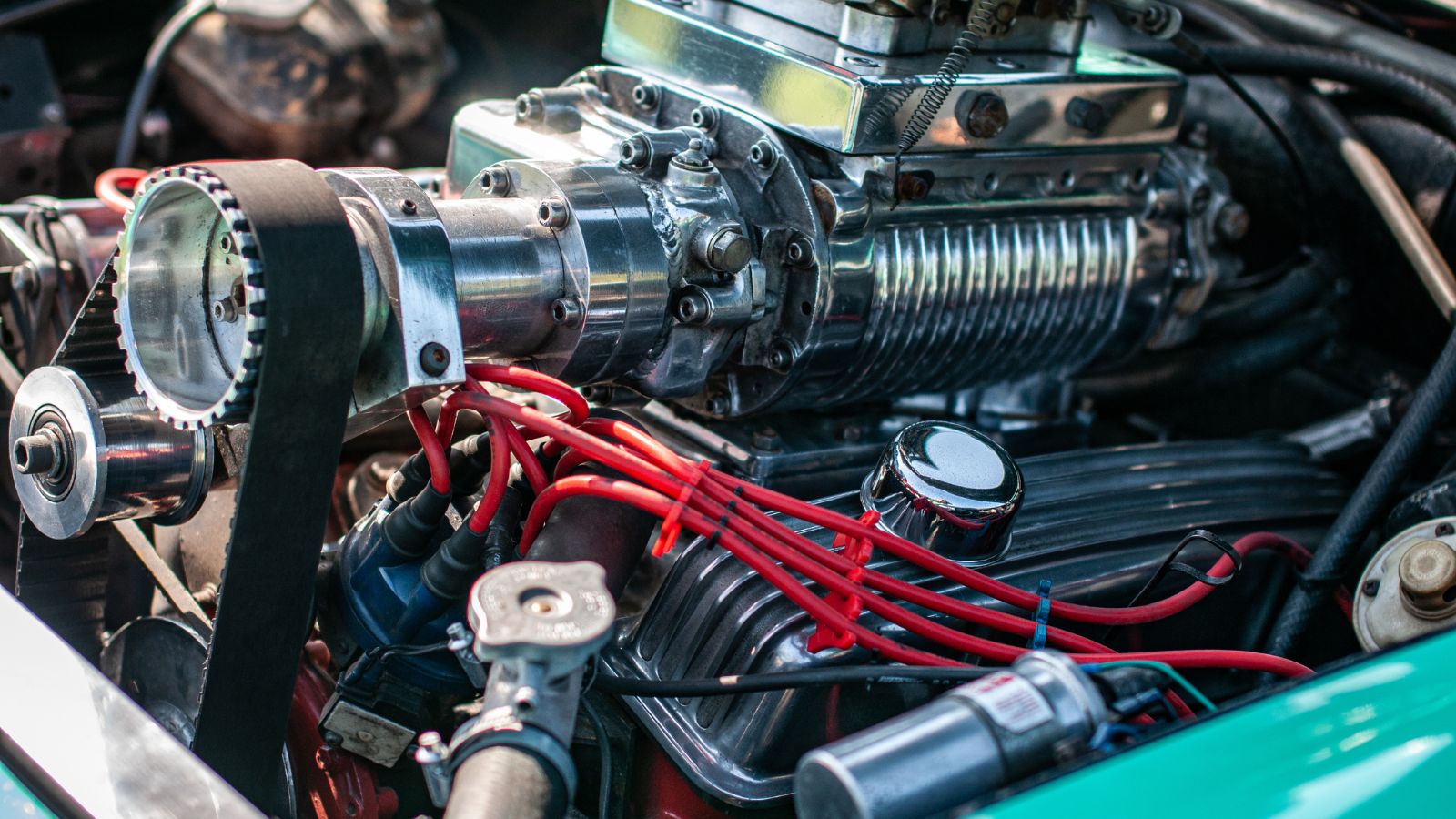
Modern powertrains can deliver impressive efficiency or performance, but complexity may affect repair costs when something fails. The Insurance Institute for Highway Safety noted in 2026 that more than half of new vehicles have turbocharged or hybrid engines or are fully electric, and that advanced powertrains can include additional components or require specialized expertise to repair. Those requirements can influence labor time and the range of shops capable of doing the work.
The trade-off varies by technology. Electric vehicles generally have fewer routine maintenance needs, while hybrids can reduce fuel use substantially; turbocharged engines can produce strong power from smaller displacement. The hidden-cost risk appears when a buyer assumes every drivetrain will be equally cheap to diagnose and repair over a decade. Before purchase, service-network coverage, parts availability and technician expertise deserve attention alongside horsepower and efficiency. A sophisticated powertrain can be economical overall, but its long-term cost structure may look different from a simpler alternative.
Driver-Assist Sensors Make Repairs More Complex

Cameras, radar units and ultrasonic sensors support features such as automatic emergency braking, adaptive cruise control, lane keeping and parking assistance. They also add steps after certain repairs. AAA’s ADAS repair study found that damaged sensors can add hundreds of dollars to a repair, with some around-view camera work reaching well beyond $1,000. Windshield-mounted cameras may also require calibration after the glass is replaced.
Calibration is not merely cosmetic. The sensors need to understand their position and aim correctly so the safety systems can function as designed. IIHS research has found that windshield replacement and crash repairs commonly trigger calibration work, and some procedures require specialized equipment, space and training. The result is that a cracked windshield or minor bumper impact may carry more labor and technology cost than it would on an older, simpler vehicle. Safety technology can prevent crashes, but owners should recognize the additional repair complexity built into the car.
Headlights and Bumpers Now Hide Expensive Technology
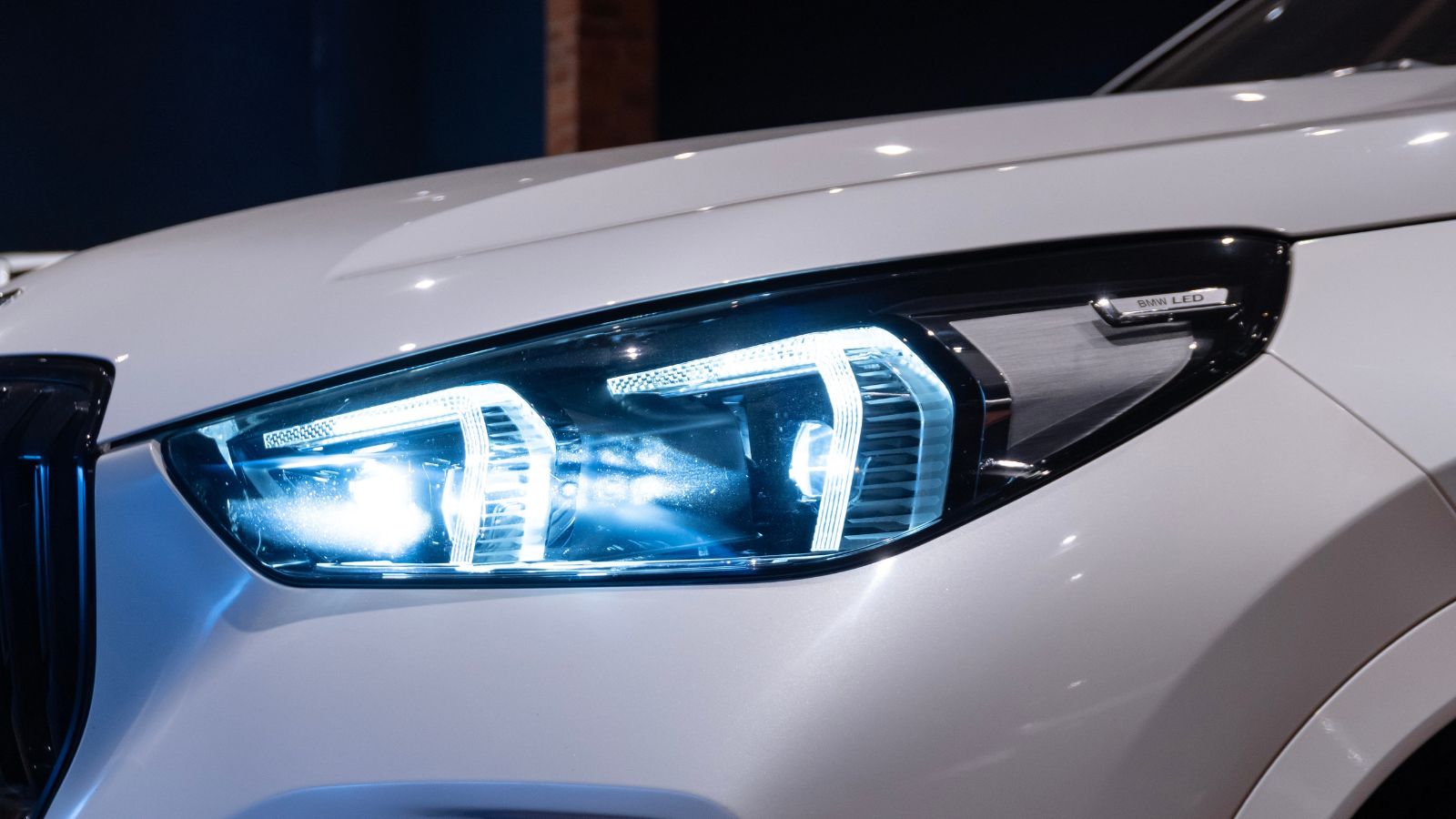
A bumper cover or headlamp may look like an ordinary body part, but modern versions can contain sophisticated and costly hardware. IIHS reported in August 2026 that repair prices have climbed rapidly and pointed to increasingly complex headlights, sensors, power equipment and other features as contributors. Components once reserved for luxury cars are now common across mainstream vehicles, meaning even modest collision damage can involve more than paint and plastic.
Front and rear corners are especially important because they often house radar modules, parking sensors, cameras and lighting assemblies. A low-speed parking scrape can therefore damage equipment that must be replaced, scanned or recalibrated. The owner may never think about those parts until a deductible is due or an out-of-pocket repair is quoted. When comparing trims, it is worth noticing whether appearance packages add elaborate lighting or whether driver-assistance hardware is integrated into vulnerable panels. A stylish fascia can conceal a surprisingly expensive repair ecosystem.
Taxes, Licensing and Registration Add to the Real Price

The advertised price is rarely the amount that ultimately leaves the buyer’s bank account. Taxes, title charges, licensing and registration fees are separate ownership costs, and the exact amount depends on the jurisdiction and vehicle. AAA includes license, registration and taxes as a distinct category in its ownership model; its 2025 study estimated an average of $813 per year across the vehicles and assumptions it analyzed.
Some of these costs are paid at purchase, while others return annually. That matters because a buyer focused on the negotiated price may mentally treat government charges as incidental, even though they are unavoidable. Higher-value vehicles can also face larger sales-tax bills because the taxable transaction is larger. In some places, registration structures vary by vehicle value, weight, age or other criteria. The sensible comparison is therefore the out-the-door price plus recurring government fees, not merely MSRP. Those charges can narrow the gap between two cars that looked far apart online.
Cold Climates Can Require a Second Set of Tires

In regions with real winter conditions, a car may effectively need two seasonal tire setups. Transport Canada recommends winter tires on all wheels in cold, snowy or icy conditions and notes that all-season and summer tires begin losing elasticity below 7°C. Winter tires use compounds and tread designs intended to retain grip in colder conditions, so owners in such climates may budget for four tires rather than relying on one set year-round.
The additional cost is not limited to buying the tires. Seasonal mounting, balancing, storage and sometimes a second set of wheels can become recurring expenses. Tire pressure also falls as temperatures drop, requiring closer maintenance through winter. None of those costs make winter tires unnecessary; they are a safety investment where conditions warrant them. The ownership lesson is that geography changes the budget. A vehicle that appears affordable in a mild climate can carry extra seasonal equipment and service costs over time in a colder one.
Home EV Charging Can Require Electrical Work

Electric vehicles can be inexpensive to energize at home, but the home itself may need upgrades first. The U.S. Department of Energy’s Alternative Fuels Data Center says many owners can use Level 1 charging from an existing dedicated household circuit, while faster Level 2 charging commonly uses 240-volt equipment. Installation cost depends on wiring, panel capacity, permitting, charger location and whether electrical upgrades are required.
Federal guidance cites residential Level 2 equipment in the hundreds of dollars and installation around $1,300 per connector before labor and permitting in one national cost study. A difficult cable run or electrical-panel upgrade can raise the project cost substantially. For homeowners, that may still be worthwhile because home charging is usually convenient and relatively inexpensive. For renters or condominium residents, access can be more complicated. An EV’s attractive energy cost should therefore be considered alongside the infrastructure needed to achieve it where the vehicle actually parks overnight.
Public Fast Charging Can Change the EV Math
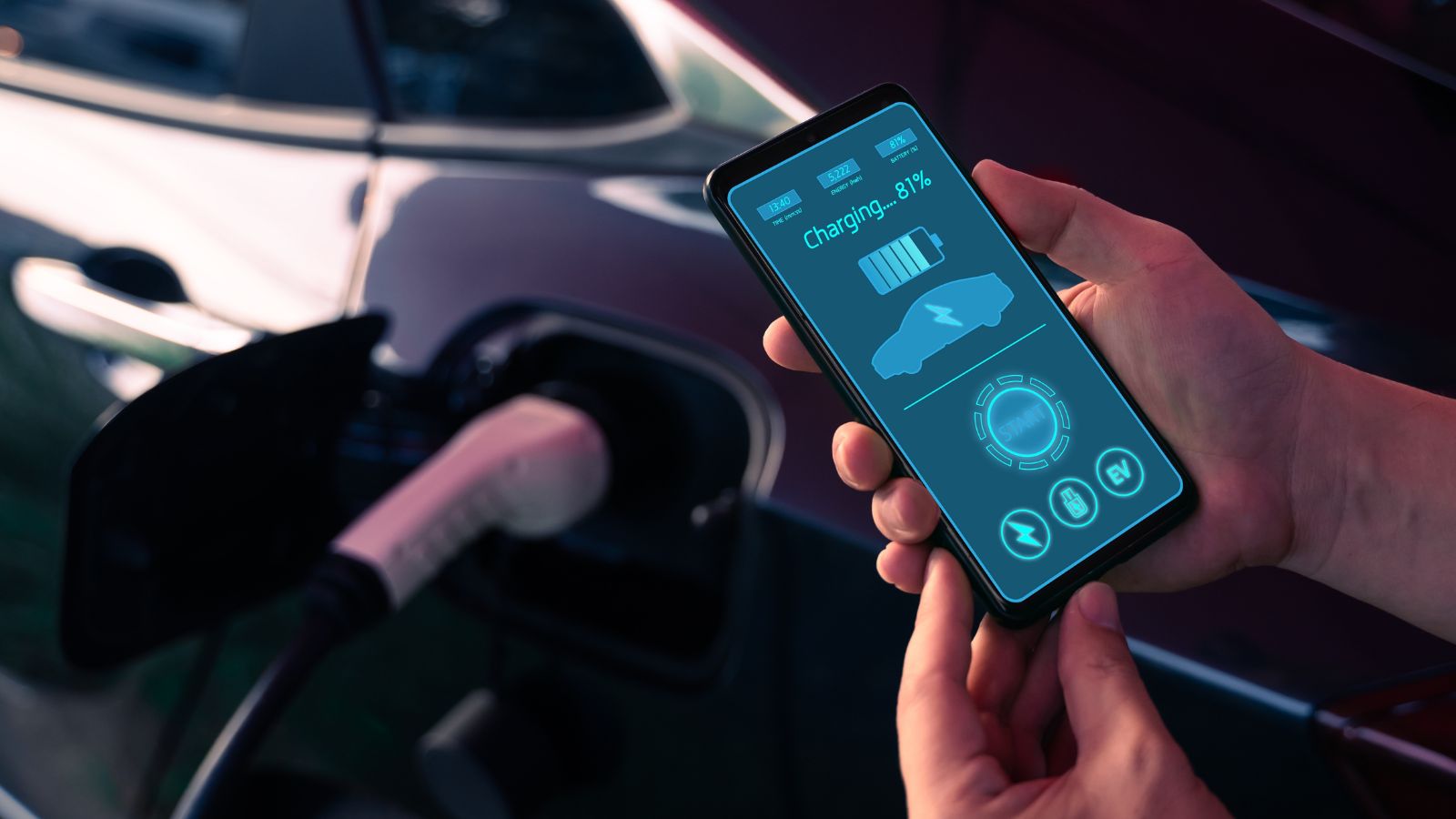
Electricity is not priced the same everywhere a vehicle plugs in. The Department of Energy says most EV owners do the majority of their charging at home, where the cost is typically lower than at public stations. Its consumer guidance also notes that drivers can normally expect to pay more at public chargers, especially DC fast-charging sites, than they would for residential electricity.
That difference matters for owners who cannot charge at home or who make frequent long-distance trips. Public networks may charge by kilowatt-hour, session, time or subscription, and pricing can vary by operator and location. An EV that is extremely inexpensive for a homeowner charging overnight on an off-peak utility rate may be less impressive for an apartment resident relying on fast chargers. The vehicle has not changed; the fueling environment has. Evaluating where charging will happen is therefore as important as comparing advertised range, battery size or official efficiency ratings before purchase.
Connected Features Can Become Monthly Bills

A growing number of vehicle features depend on connected-service subscriptions after an introductory trial expires. Consumer Reports has documented automakers charging recurring fees for services such as remote functions, navigation data, voice features and advanced driver-assistance capabilities. On the 2026 Mazda CX-5, for example, Consumer Reports reported that certain connected voice controls are free for the first year and then tied to a $15-per-month service.
A small fee may not look significant beside a car payment, yet multiple subscriptions can quietly turn ownership into recurring charges. The issue is especially easy to miss during a test drive because trial periods make the features appear included. Owners may later have to choose between paying to keep conveniences they have become accustomed to or losing them. Before purchase, it is worth separating permanently included equipment from services that expire. A feature list can look generous while only part of it is truly prepaid for the life of the vehicle.
Dealer Add-Ons Can Inflate Both Price and Interest

Optional products sold in the finance office can make a negotiated car unexpectedly expensive. The Federal Trade Commission lists examples such as gap products, window etching, extended warranties and service contracts, and warns that add-ons are not free. When they are rolled into financing, buyers may pay not only the add-on price but also interest on that amount over the loan term.
The monthly increase can look tiny, which is why total cost matters. A product adding only a modest amount to each payment can represent hundreds or thousands of dollars across several years. Some add-ons may be useful in particular circumstances, but their value depends on price, coverage, existing insurance and how long the vehicle will be kept. The FTC recommends getting an out-the-door price and reviewing charges carefully before signing. A car that looked like a strong deal on the showroom floor can become far less competitive after finance-office extras are included.
Service Contracts Can Cost More Than They Return

An extended service contract can make ownership feel safer, but it is itself an additional cost and it does not guarantee every future repair will be covered. The Federal Trade Commission distinguishes a manufacturer warranty, which is included with a product, from a service contract, which costs extra. It also warns that some contracts duplicate existing warranty coverage, exclude certain parts or impose deductibles and other conditions.
The value depends on the vehicle, contract price, expected repair risk and how long the owner plans to keep the car. A contract that extends years beyond the expected ownership period may offer little practical benefit unless it is transferable or refundable. Required dealer servicing, claim authorization rules and excluded wear items can also change how useful the protection is. The right question is not whether extra coverage sounds reassuring; it is whether likely covered repairs justify the contract’s full cost. Otherwise, protection purchased to control expenses can become another expense itself.
19 Used Cars Canadians Should Avoid in 2026 (Based on Owner Complaints)

Buying a used car in Canada can feel safe until repair bills start stacking up. Owner complaints tell a different story than glossy listings. Transmission failures, electrical problems, and weak winter reliability show up again and again in consumer reports. Many of these issues appear after warranties expire, when owners least expect them. Some vehicles look affordable upfront, but become expensive to keep on the road. Others struggle in cold weather, urban driving, or long highway commutes. Here are 19 used cars Canadians should avoid in 2026 (based on owner complaints).
19 Used Cars Canadians Should Avoid in 2026 (Based on Owner Complaints)

Alanna Rosen is an experienced content writer that focuses on many EV and educational content. Her articles are regularly published on Get CyberTrucked and syndicated on large publications.