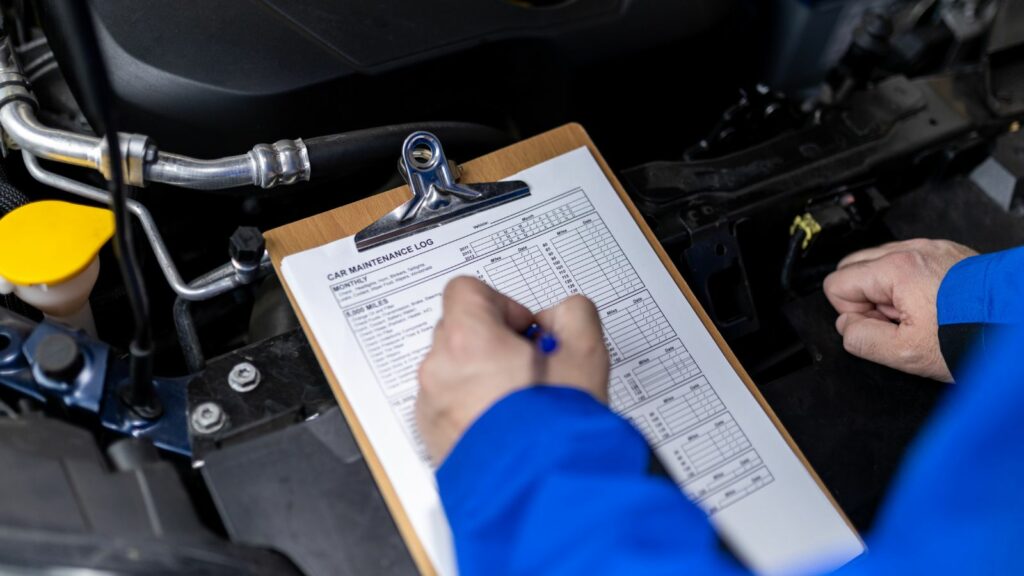
A gleaming used vehicle can make a powerful first impression. Fresh wax, spotless carpets and a carefully detailed engine bay can suggest years of careful ownership, yet appearance reveals surprisingly little about a vehicle’s mechanical condition or history. Serious collision repairs, water intrusion, neglected maintenance and expensive drivetrain problems can all exist beneath an exterior that looks showroom-ready.
That is why smart used-vehicle shopping goes far beyond checking for dents and stains. Records, inspections, paperwork and a proper test drive often tell a more useful story than polished paint. These 20 reasons explain why an exceptionally clean vehicle can still turn into an expensive mistake—and which warning signs deserve closer attention before money changes hands.
A Professional Detail Can Erase Useful Clues
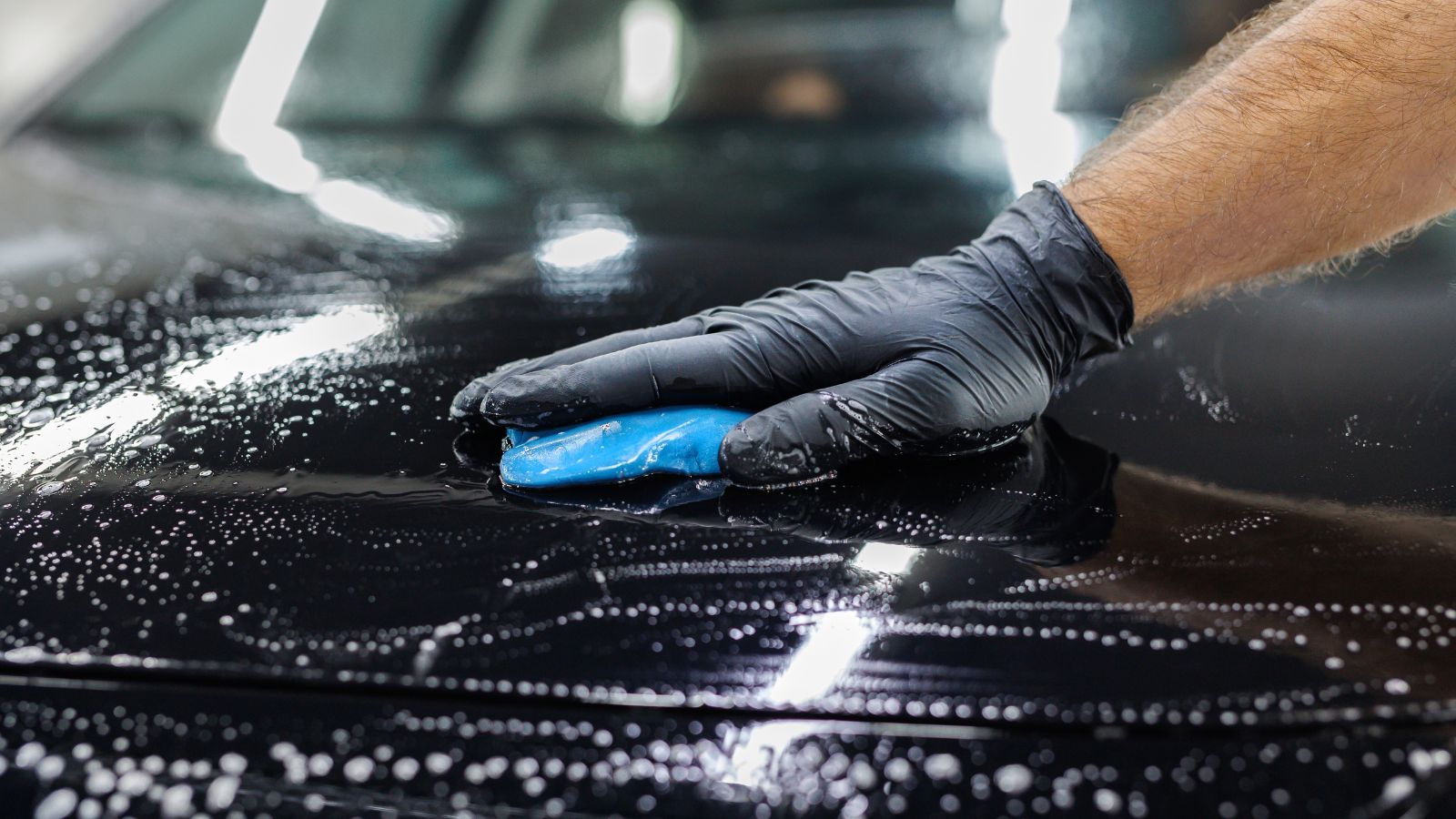
A spotless cabin is pleasant, but cleanliness should never be mistaken for mechanical health. Professional detailing can remove oil residue, dirt, stains and odours that might otherwise provide clues about how a vehicle was treated. Even an engine compartment can be washed until hoses, covers and surrounding components look unusually fresh. None of that confirms whether the engine, transmission, steering or suspension has been maintained properly.
The more important question is what exists underneath the presentation. Federal consumer guidance in the United States recommends both a vehicle-history report and an independent mechanical inspection because neither attractive cosmetics nor dealership certification can reveal every problem. A mechanic may discover leaks, worn components or previous repairs that are virtually invisible during a casual walkaround. A car that has genuinely been cared for should withstand close inspection just as comfortably as it withstands a polishing cloth.
The Maintenance Records May Be Missing
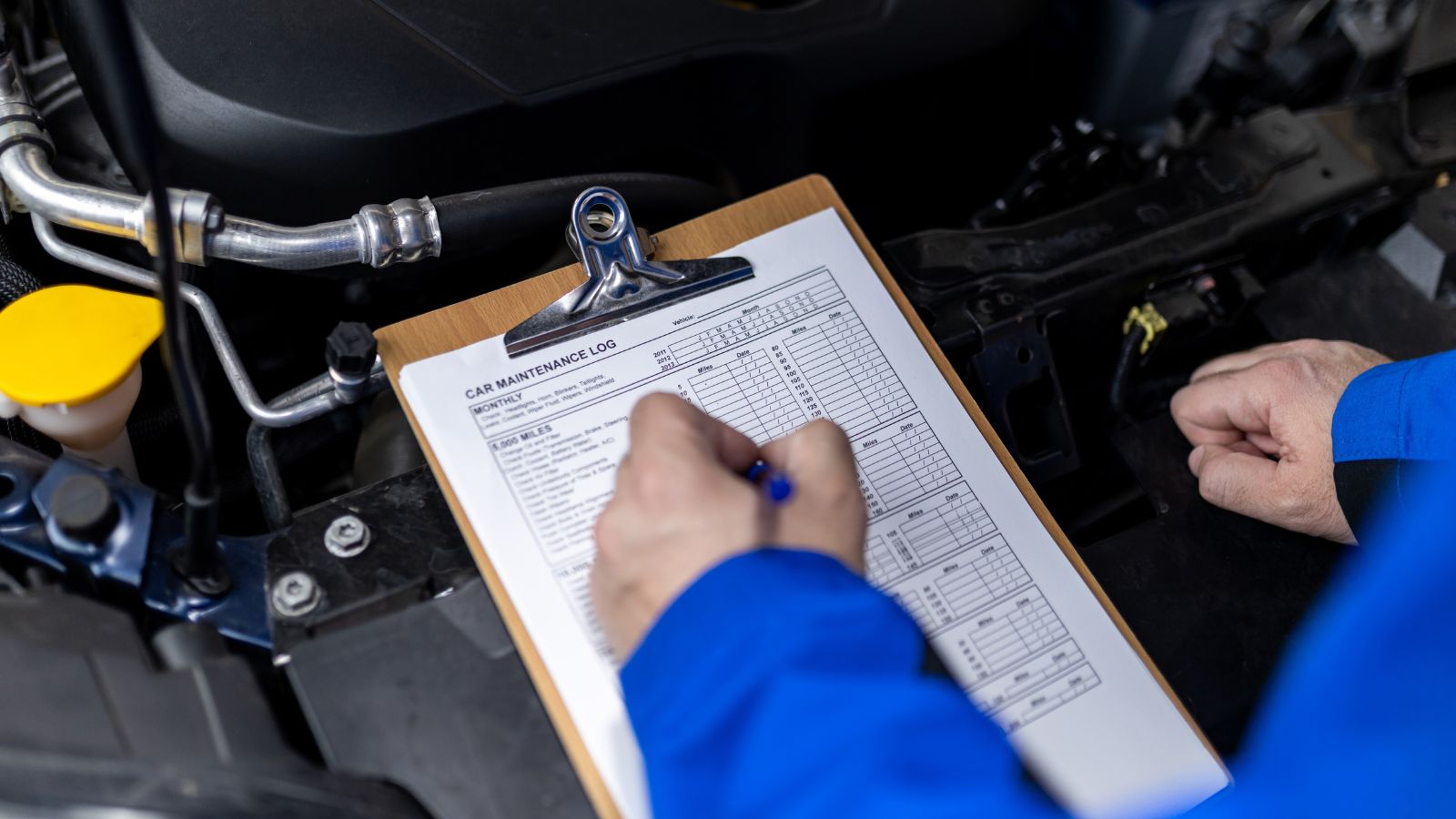
A meticulously vacuumed interior says little about whether oil changes, coolant services, transmission maintenance or other scheduled work happened on time. Service records provide a timeline that photographs and polished bodywork cannot. A stack of receipts showing routine maintenance can help demonstrate that a previous owner invested in the vehicle rather than simply making it attractive before selling.
Missing documentation does not automatically mean a vehicle was neglected, since owners sometimes lose receipts or perform work themselves. Still, the absence of records creates uncertainty. CAA experts recommend asking for registration documents and maintenance history when assessing a used vehicle, while other automotive inspection guidance emphasizes that vehicle-history databases may not capture work completed at independent repair shops. A car can therefore look immaculate while carrying years of deferred maintenance beneath the hood. An independent inspection becomes especially valuable when the paperwork cannot fill in those gaps.
Fresh Paint Can Hide Previous Collision Repairs

Glossy paint can actually make a damaged vehicle harder to judge. A competent body shop can replace panels, straighten visible damage and apply paint that looks excellent under dealership lighting. The problem is not that every repaired vehicle is automatically undesirable; properly completed collision repairs can be perfectly serviceable. The concern is discovering whether the damage was substantially greater than the seller suggests.
Subtle differences can tell the story. Uneven panel gaps, paint overspray in door jambs, slightly different paint texture and doors that do not close smoothly can indicate previous bodywork. Inspection guidance also recommends comparing panels from several angles because colour differences are sometimes easier to see in natural daylight. A beautiful finish therefore deserves careful examination rather than automatic trust. What looks like an exceptionally well-preserved body could instead be a professionally refinished one covering a significant accident history.
Structural Damage Can Exist Beneath Straight Bodywork

The most concerning collision damage is often located where an ordinary buyer cannot easily see it. Structural components beneath a modern vehicle can be repaired or replaced after a severe impact, leaving exterior panels looking surprisingly normal. Poorly executed structural repairs may affect alignment, suspension geometry, tire wear and the way a vehicle tracks on the road.
Inspection professionals look for evidence such as unusual welding, distorted metal, replaced structural sections and inconsistent alignment beneath the vehicle. Uneven tire wear can provide another clue because a vehicle with damaged geometry may struggle to maintain proper wheel alignment. This is why a clean history report alone is not enough; not every incident necessarily reaches every database. A lift inspection by an independent technician can expose evidence that becomes almost impossible to see once repaired panels, underbody covers and fresh paint have been installed.
Flood Damage Can Be Cleaned Up Remarkably Well

Water-damaged vehicles can become especially deceptive after professional cleaning. Carpets can be shampooed, seats replaced and musty odours covered with strong fragrances. NHTSA warns that flood-damaged vehicles can reappear for sale far from the location of the original disaster, sometimes looking perfectly acceptable during a first inspection.
Water can reach wiring connectors, electronic modules, seat components and other areas that are difficult to restore completely. Warning signs include unusual corrosion, moisture beneath carpets, sediment in hidden compartments, water lines in the trunk and an excessive air-freshener smell. CARFAX Canada similarly recommends checking beneath carpeting and inside cargo areas for mud, stains or rust. Electronic problems caused by moisture may also emerge intermittently rather than immediately. A clean dashboard and recently shampooed seats therefore cannot rule out a history of significant water exposure.
The Mileage May Not Match the Vehicle’s True Wear

Low mileage makes many used vehicles instantly more appealing, which also makes odometer manipulation financially tempting. Digital odometers have not eliminated the problem. NHTSA estimates that hundreds of thousands of vehicles are sold annually in the United States with false odometer readings, demonstrating why mileage deserves independent verification rather than blind acceptance.
Physical wear can provide important context. A vehicle showing unusually low mileage but displaying heavily worn pedals, a shiny steering wheel, torn seat bolsters or extensively used controls deserves closer investigation. Maintenance invoices and historical odometer records can also reveal jumps or inconsistencies. CARFAX Canada specifically advises comparing recorded mileage with visible wear and registration history. A fresh detail can make upholstery and trim appear much younger, but it cannot change the vehicle’s actual operating history. When mileage and condition tell different stories, the discrepancy deserves an explanation before a purchase proceeds.
A Troubling History Can Sit Behind a Clean Appearance

A vehicle may look completely ordinary while carrying a past designation involving severe damage, rebuilding or another significant event. Vehicle-history systems exist partly because those events are not always visible after repairs. In the United States, NMVTIS records can include title brands such as salvage, junk or flood, while Canadian history-report providers track reported accidents and other events from available data sources.
The key is to treat history information as one layer of protection rather than the final answer. A rebuilt vehicle may have received extensive repairs and later been cosmetically restored to a high standard. Whether those repairs were performed correctly is another question. Conversely, a clean report does not guarantee that nothing ever happened, because reporting can be incomplete. Documentation should therefore be considered alongside a mechanical inspection and careful examination of the body and undercarriage rather than used as a substitute for them.
VIN Discrepancies Can Signal a Much Bigger Problem

Every vehicle carries a Vehicle Identification Number that connects the physical automobile to its registration and history. A pristine exterior becomes far less reassuring if the VIN on the dashboard does not match the paperwork. Canadian provincial authorities specifically advise buyers to physically inspect the VIN and check that it has not been altered.
Alberta consumer guidance lists loose or mismatched rivets, scratched numbers, screws, glue or paint around a VIN plate among signs worth investigating. Ontario similarly recommends checking that vehicle paperwork corresponds with the VIN attached to the car. An inconsistency could arise from an innocent documentation error, but it can also indicate tampering or a vehicle whose identity deserves further investigation. Buyers sometimes spend considerable time examining paint while giving the VIN only a glance. That small metal plate or etched number may tell a far more consequential story than the shine on the hood.
An Outstanding Lien Can Follow an Attractive Vehicle

Mechanical condition is not the only thing capable of turning a seemingly excellent purchase into a headache. Money may still be owed against a vehicle even when the seller possesses the keys and the car appears ready for a new owner. Depending on the jurisdiction and circumstances, a registered lender or lienholder may retain financial rights connected to the vehicle.
Canadian provincial systems provide ways to investigate this risk. Ontario’s Used Vehicle Information Package includes lien information, while Alberta recommends checking for liens through its registry system before purchasing a used vehicle. A history product that includes lien data can offer another layer of verification. This issue demonstrates why a “bad buy” is not always a broken engine or failing transmission. A spotless, low-mileage car offered at an attractive price can still create serious financial complications if ownership and debt records are not properly checked before payment.
Outstanding Recalls May Still Be Waiting for Repair
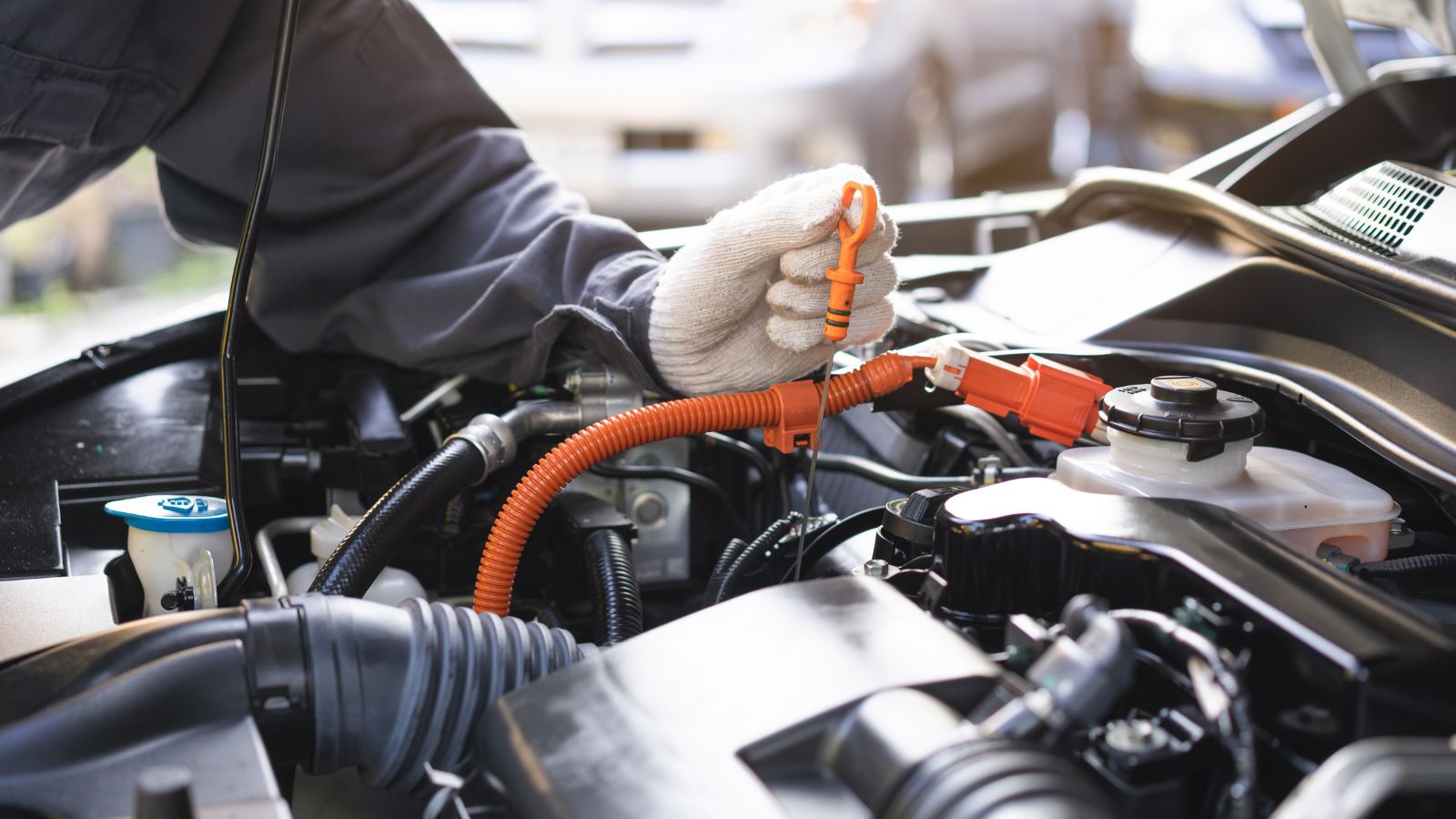
A beautifully maintained car can still contain a known safety defect. Recalls are issued because manufacturers or regulators have identified safety-related defects or non-compliance issues, and a vehicle does not automatically receive the required repair simply because a recall exists. Used vehicles can change owners several times while an outstanding campaign remains unfinished.
Transport Canada estimated in 2025 that more than one in five vehicles on Canadian roads had an unresolved safety recall. The department recommends checking recall databases and, where available, manufacturer VIN lookup tools before buying. An authorized dealer can often confirm whether recall work has already been completed. Many recall remedies are supplied without charge, but an unresolved recall still matters because it shows there is known work waiting to be done. A shiny body, clean wheels and fresh oil cannot compensate for overlooking a documented safety issue tied to that particular VIN.
Fresh Undercoating Can Make the Underside Harder to Read
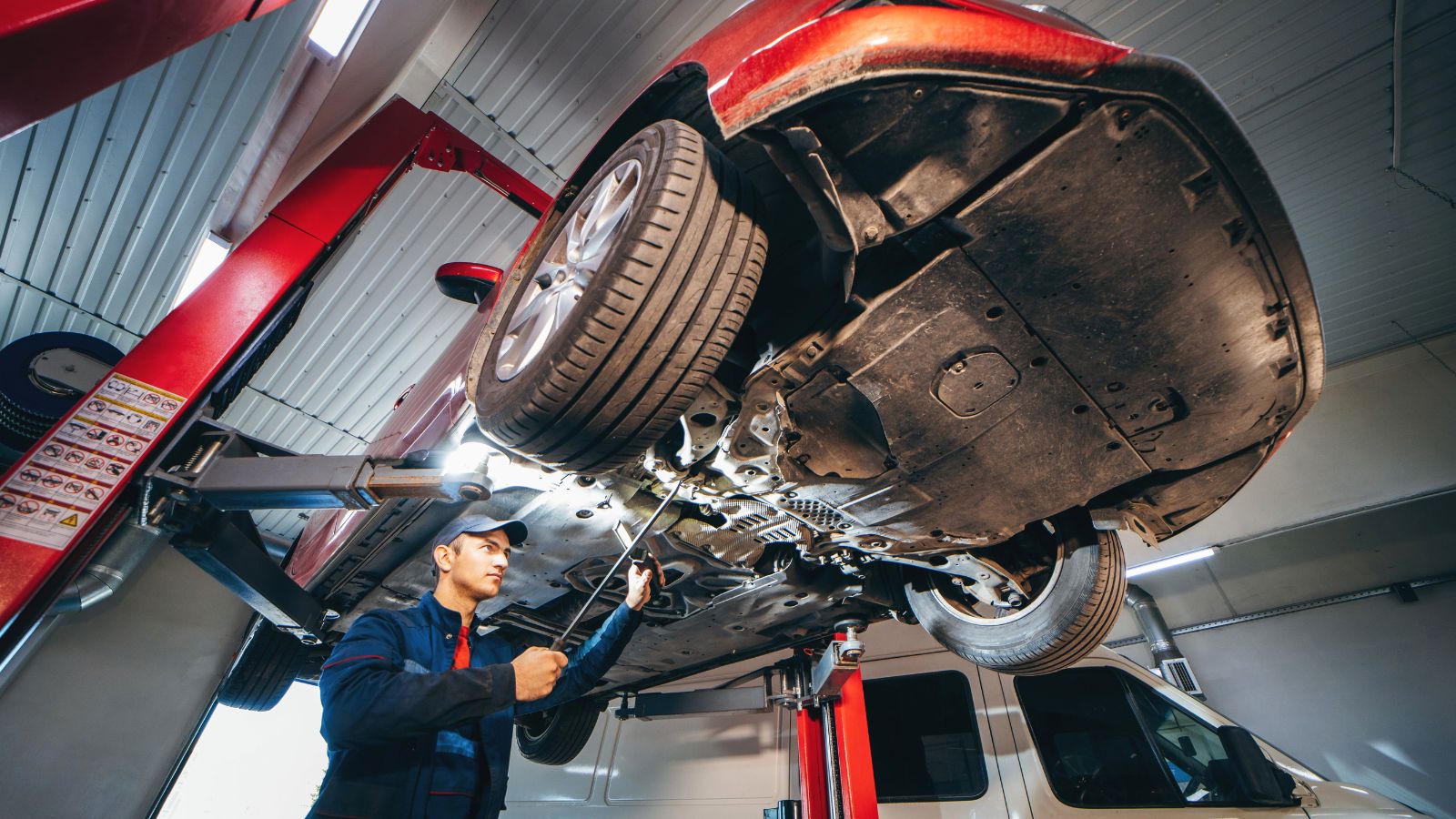
Undercoating can serve legitimate purposes, particularly where road salt and winter conditions accelerate corrosion. The concern arises when a thick, freshly applied coating appears immediately before a vehicle is offered for sale. Consumer Reports notes that fresh undercoating can obscure evidence of structural repairs, making it harder to distinguish normal protection from cosmetic concealment.
The underside deserves examination on a lift whenever possible. A technician can look at structural seams, mounting points, suspension components and areas where coatings appear unusually thick or inconsistent. A seller may have applied rust protection responsibly for years, so fresh material should not automatically condemn the vehicle. It should simply trigger additional questions. Receipts showing when and why the treatment was performed can help. An immaculate exterior combined with a suspiciously uniform black coating underneath is a reason to inspect more carefully, not evidence that the vehicle has been exceptionally preserved.
Serious Rust May Be Developing Where It Cannot Be Seen
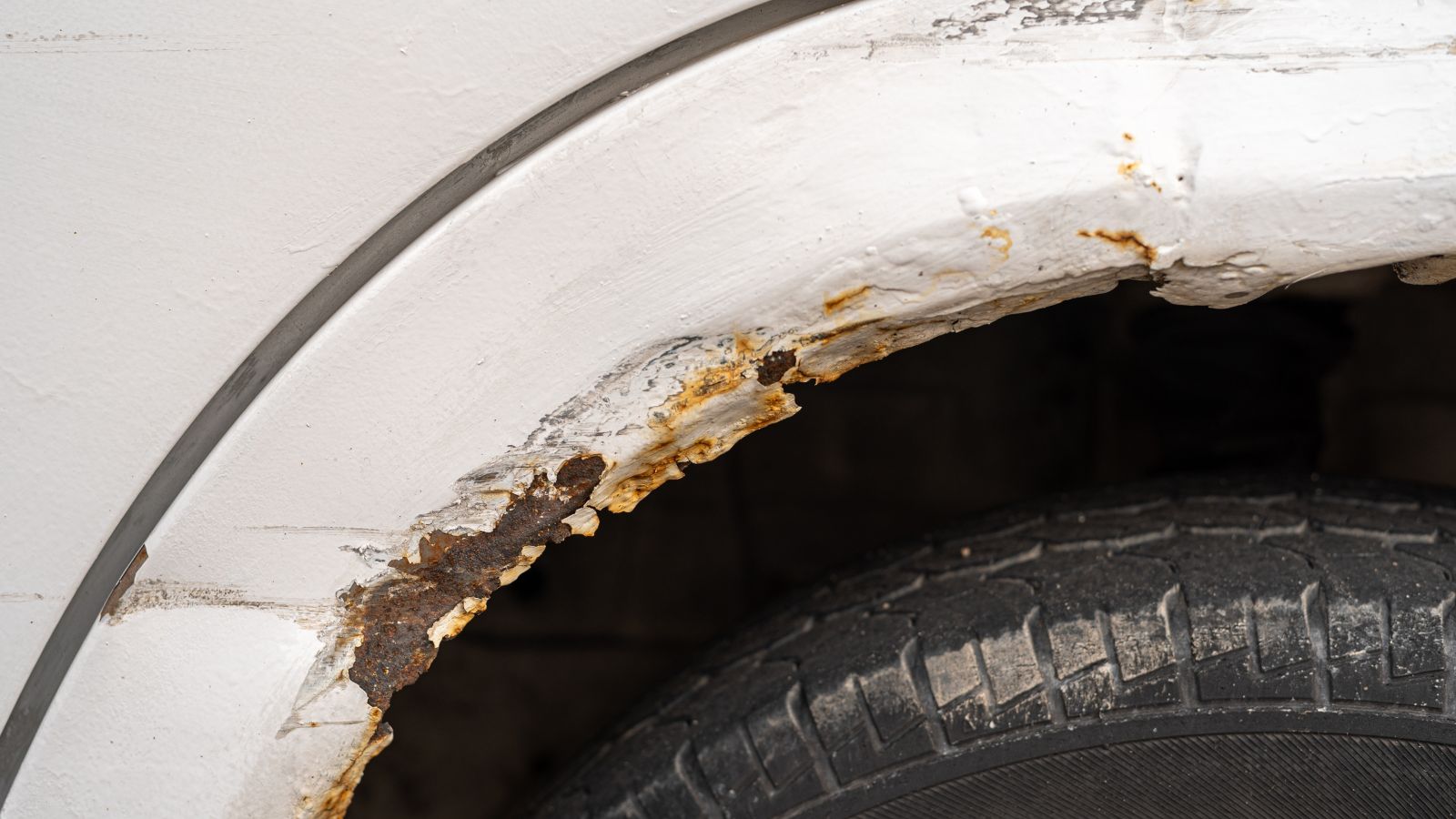
Visible body rust is easy to notice, but corrosion frequently begins underneath the vehicle, around suspension mounting points, subframes, brake components, wheel wells and seams. Road salt, moisture and age can attack these areas while doors, fenders and the hood continue to look excellent. Cosmetic rustproofing or replacement body panels can make the contrast even more dramatic.
Surface corrosion is common on older vehicles and is not necessarily a reason to reject one. The distinction is whether rust has begun weakening structural or mechanical components. Consumer inspection guidance recommends examining the underbody specifically for corrosion, collision damage and other deterioration. In northern climates, that inspection becomes particularly important because winter exposure can be severe. A vehicle photographed from flattering angles may appear nearly new, yet lifting it several feet into the air can reveal a very different condition. The expensive story is sometimes happening entirely below eye level.
Uneven Tires Can Reveal Problems the Body Does Not
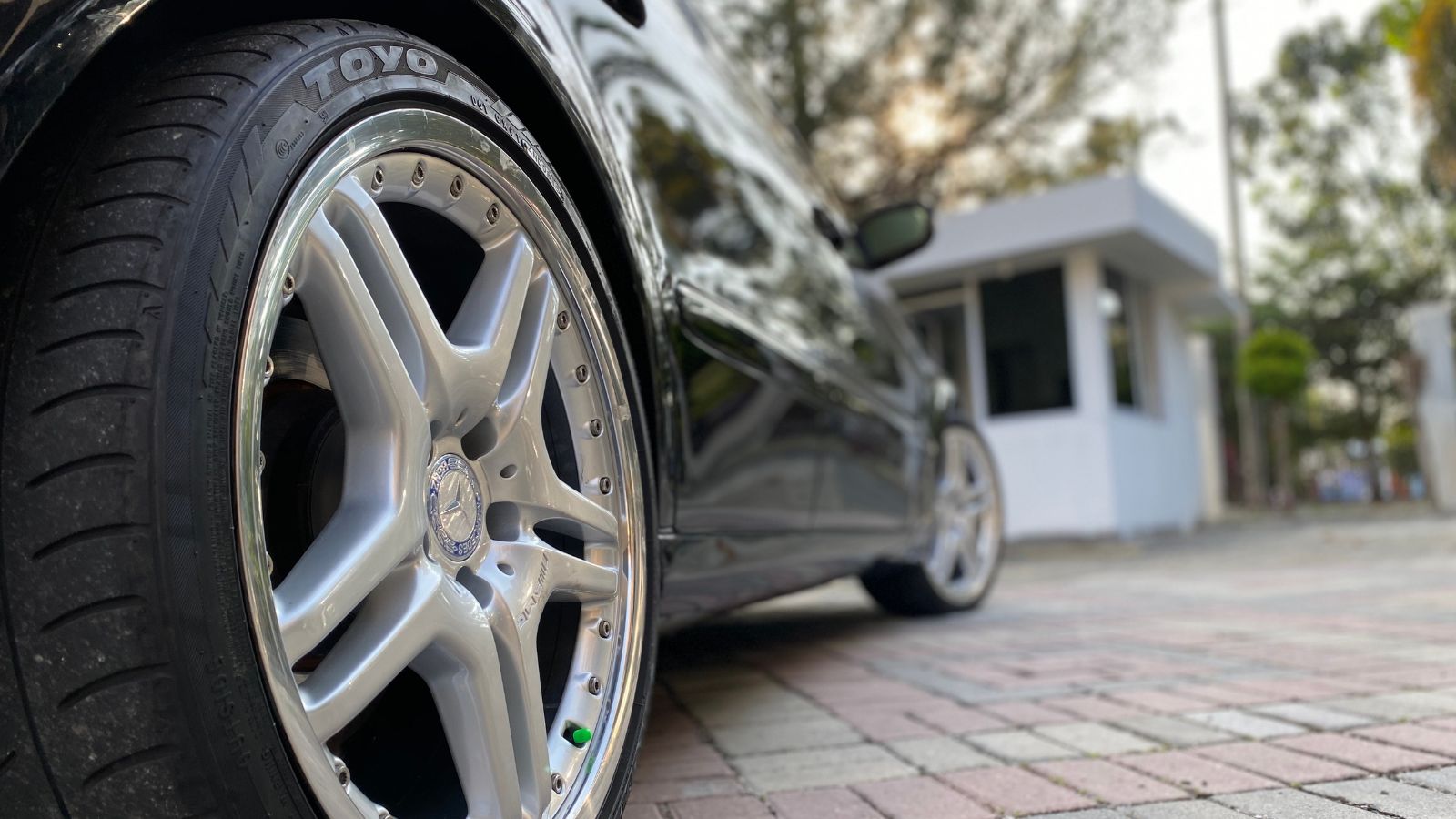
Tires function like a record of how a vehicle interacts with the road. Uneven wear across the tread can point toward alignment, steering or suspension problems even when the car drives reasonably well during a brief test. NHTSA also emphasizes that wheel alignment contributes both to proper handling and tire life.
Mismatched tires can provide another useful clue. There may be harmless explanations—a puncture may have forced replacement of one tire—but a random collection of inexpensive tires on an otherwise premium-looking vehicle can suggest maintenance was performed as cheaply as possible. Severe inside-edge wear is especially easy to miss while the car is parked because much of the damaged tread may be hidden beneath the body. Replacing four tires alone can be expensive, and correcting the mechanical problem that caused the wear can add substantially more. Clean alloy wheels should never distract from what the rubber itself is revealing.
Deep Tread Does Not Mean the Tires Are Young

A used vehicle driven relatively little each year may retain plenty of tread while its tires continue to age. Rubber changes over time as it is exposed to heat, sunlight, storage conditions and normal environmental stresses. That means an apparently excellent set of tires may still deserve replacement based on age or deterioration.
NHTSA advises checking the Tire Identification Number on the sidewall to determine when a tire was manufactured. The agency notes that some vehicle and tire manufacturers recommend replacement after roughly six to ten years regardless of remaining tread. Cracking, bulges and other physical damage are additional warning signs. This matters particularly on older, low-mileage cars that spend long periods parked. Sellers can make tires shine with dressing in minutes, giving them an almost-new appearance. The four-digit date code on the sidewall provides a more useful measure of age than glossy rubber ever could.
A Clean Engine Bay Can Still Be Leaking
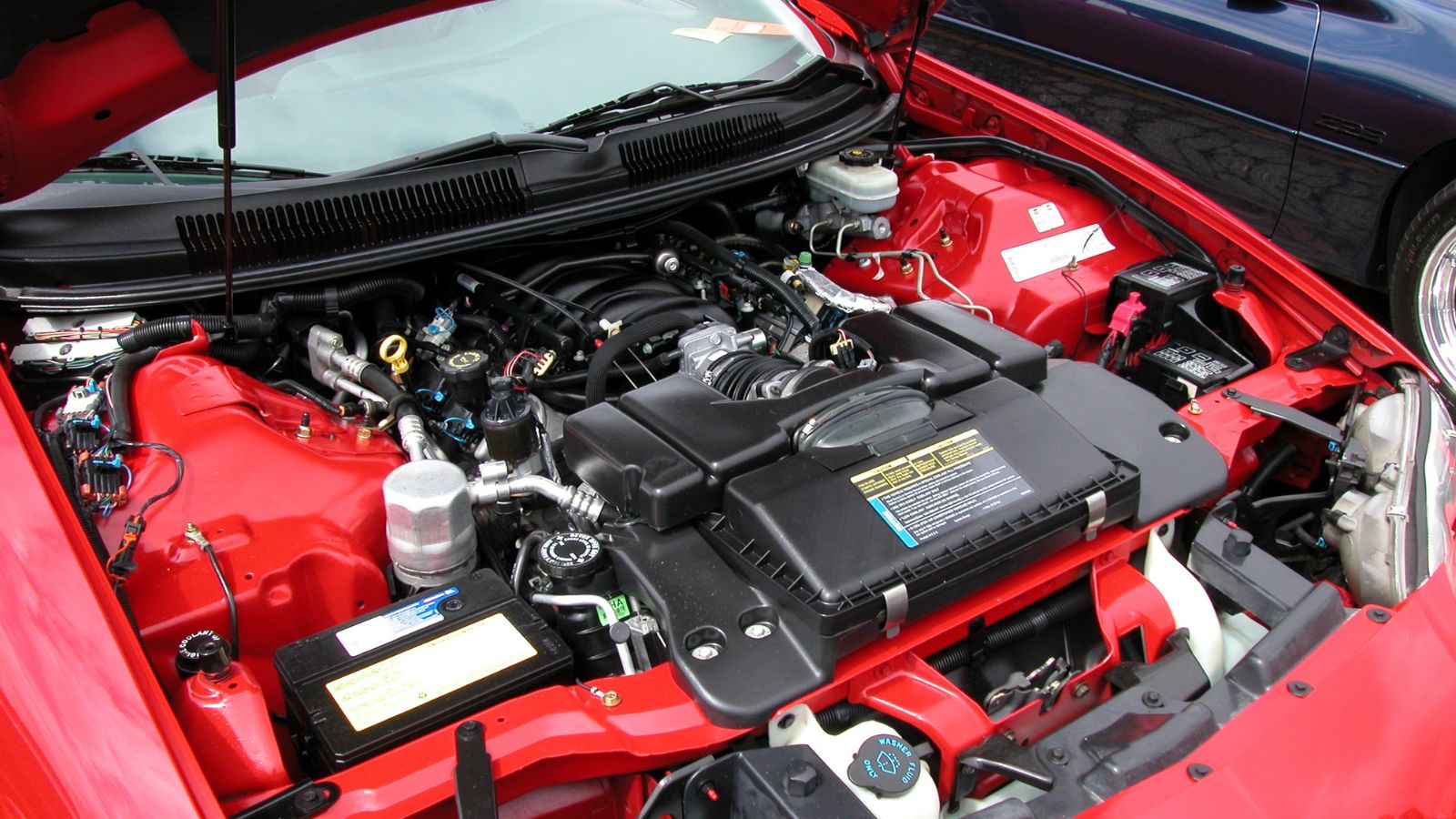
An engine compartment covered in dust is not necessarily neglected, and one that looks freshly washed is not necessarily healthy. Cleaning an engine bay before sale can make inspection easier, but it can also remove oily residue that would otherwise expose a slow leak. That is why checking the ground beneath the vehicle before and after a test drive is so useful.
Consumer Reports recommends looking for oil, coolant and other fluids beneath a used vehicle, while recognizing that clear water from air-conditioning condensation is normal. Inspectors also examine hoses, reservoirs and surrounding components for staining or fresh residue. After a lengthy test drive, a leak that was washed away may begin to reveal itself again. The lesson is not to distrust every clean engine. It is to give the vehicle enough operating time for mechanical evidence to reappear. A freshly detailed engine should still remain dry once it reaches normal temperature.
Fluid Condition Can Expose Neglected Mechanical Components
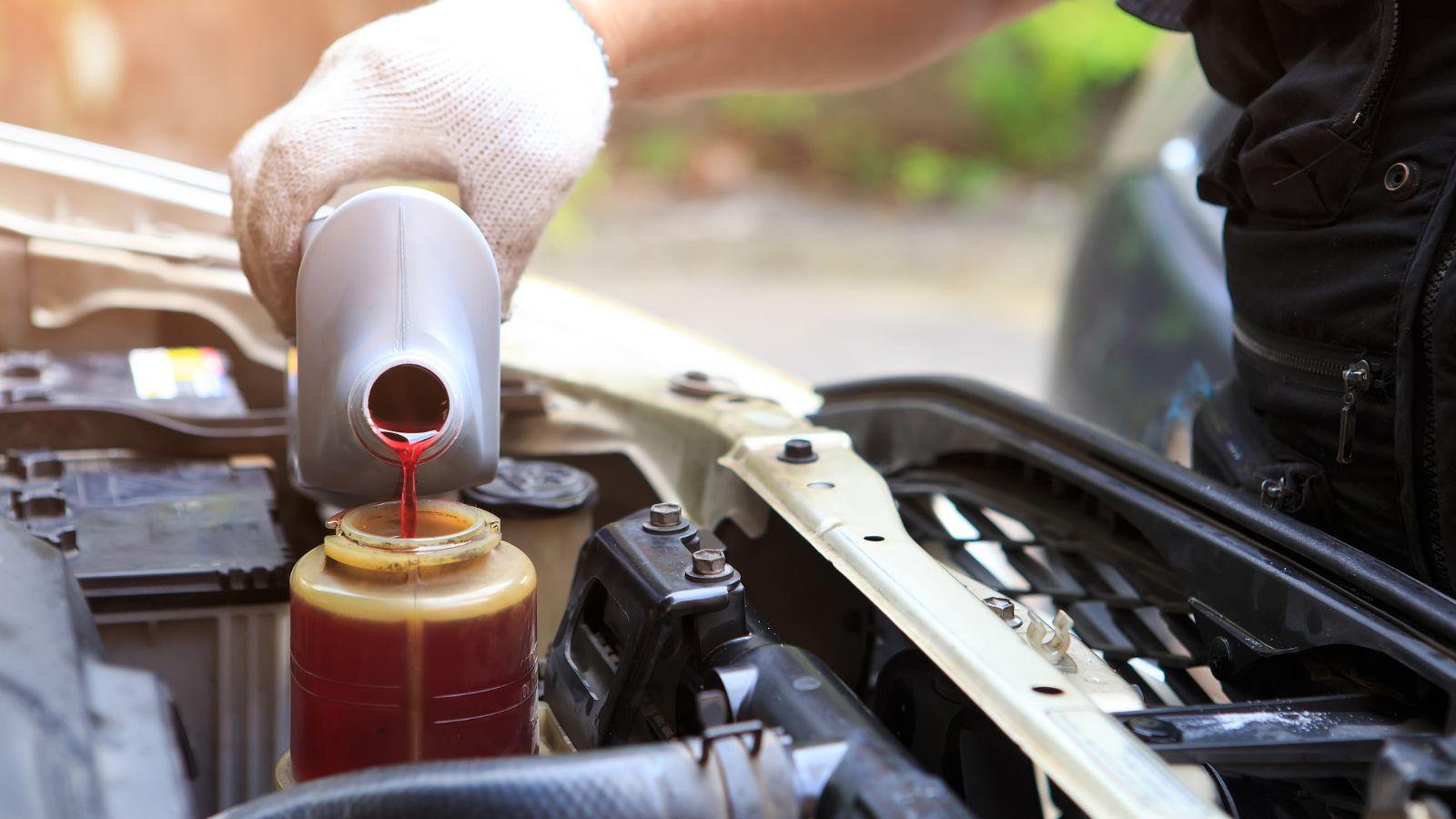
Fluids can reveal problems that exterior detailing cannot touch. Engine oil, coolant and transmission fluid circulate through some of the most expensive systems in a vehicle. Unusual contamination, very low levels or a burnt smell can indicate that closer diagnostic work is necessary.
Consumer Reports notes that gray or foamy engine oil can indicate coolant contamination, while visibly metallic particles can suggest internal wear. Transmission fluid that is unusually dark or carries a burnt smell can also be a warning sign. Not every modern vehicle provides an owner-accessible transmission dipstick, so professional inspection may be required. Fluid colour alone is not a complete diagnostic test either; manufacturers use different fluids and service procedures. Still, fluid checks can quickly transform an apparently flawless vehicle into one needing deeper investigation. A polished hood tells nothing about what has been circulating underneath it for the previous 100,000 kilometres.
Transmission Trouble May Appear Only During a Proper Drive
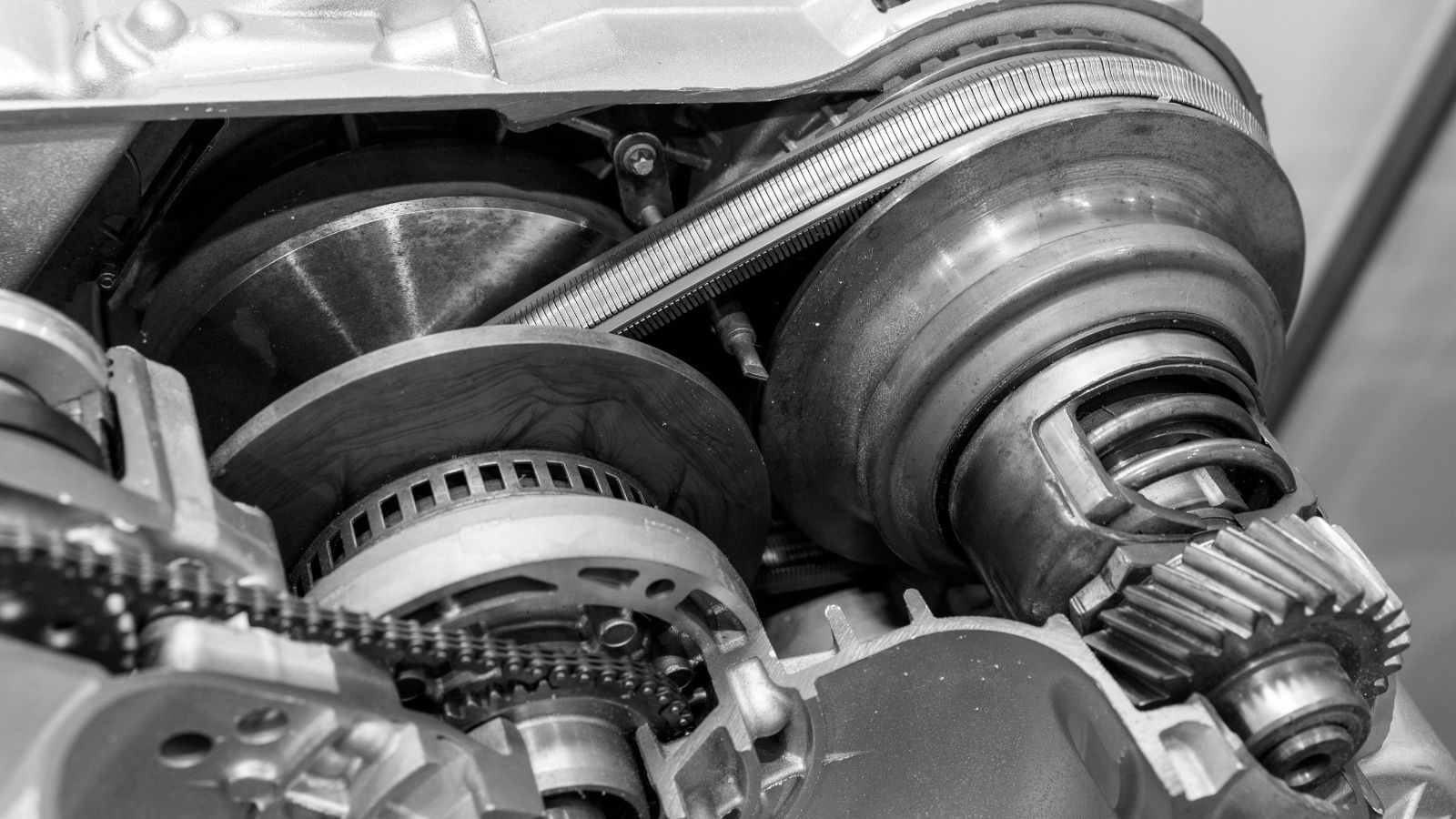
A vehicle can idle beautifully in a parking space while hiding one of its most expensive problems. Automatic-transmission faults may reveal themselves only after the drivetrain warms up or during specific conditions such as moderate acceleration, highway cruising or low-speed gear changes. A five-minute trip around the block may never expose them.
Used-car test-drive guidance recommends paying attention to hesitation, slipping, harsh shifts and unusual noises while trying the vehicle in different driving situations. The car should be evaluated after reaching operating temperature rather than merely started and moved across a lot. Buyers should also be cautious about assuming a recently cleaned cabin and silent idle indicate an equally healthy drivetrain. Transmissions operate under load, and load is what a meaningful test drive supplies. A vehicle that looks exceptionally cared for can become far less attractive the moment its first delayed or violent shift appears several kilometres down the road.
Steering and Suspension Problems Can Hide in Plain Sight
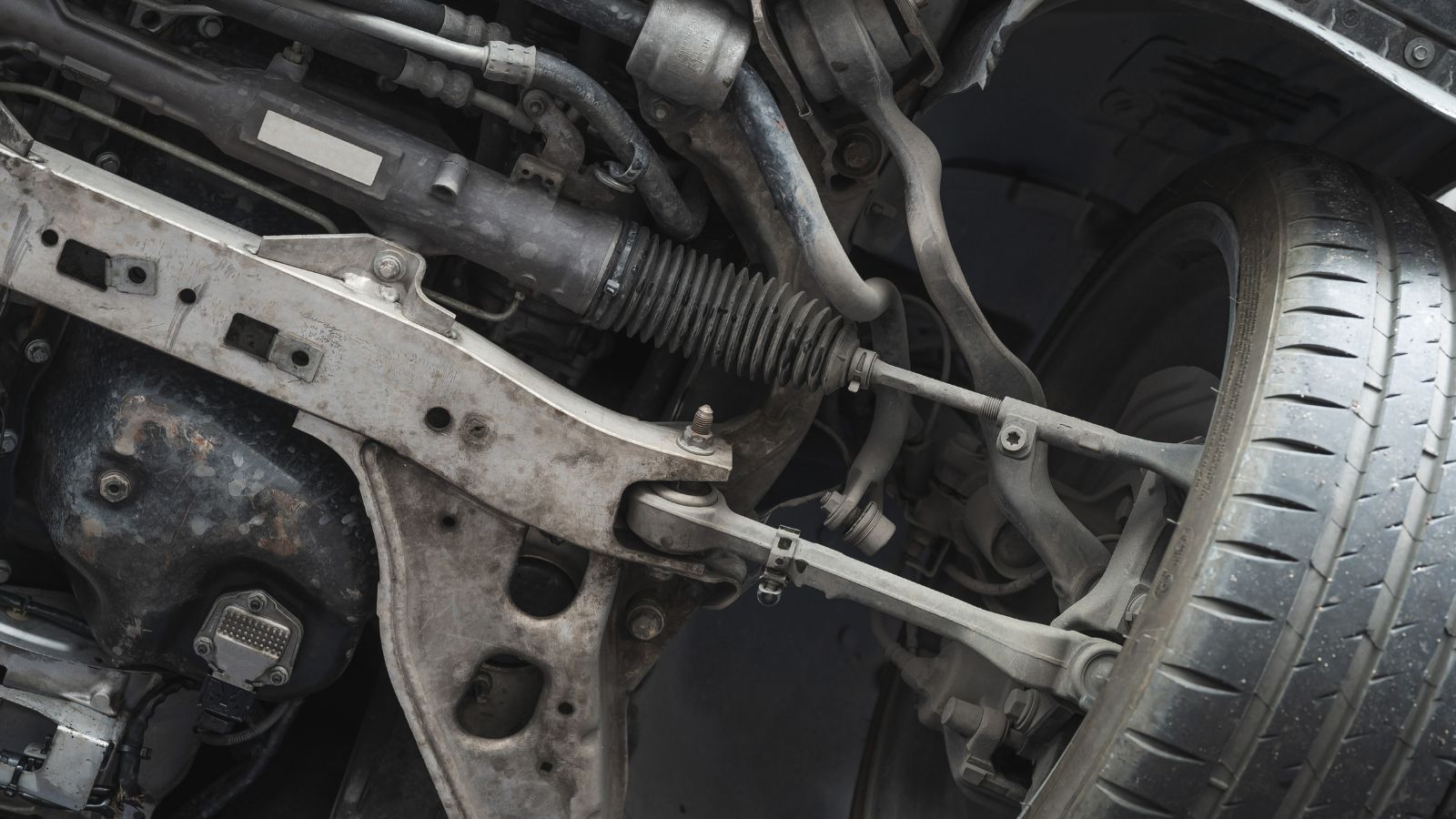
Worn suspension components rarely make the paint look worse. A car with failing shocks, worn joints or steering problems can therefore sit on a sales lot looking just as attractive as a mechanically tight example. The differences usually emerge once the vehicle moves over bumps, corners or straight highway pavement.
Common warning signs include clunks over rough surfaces, excessive bouncing, wandering, pulling and steering that feels unusually loose. Consumer Reports recommends checking whether a parked vehicle sits level and observing how it rebounds when weight is applied at each corner. During a drive, abnormal vibration or the need for constant steering correction deserves investigation. Some problems may only require routine repairs, while others can reflect more extensive suspension, wheel-bearing or structural issues. An independent mechanic can separate normal age-related wear from conditions that could quickly turn a bargain-priced car into a large repair bill.
Brake Problems Do Not Care How Shiny the Wheels Are
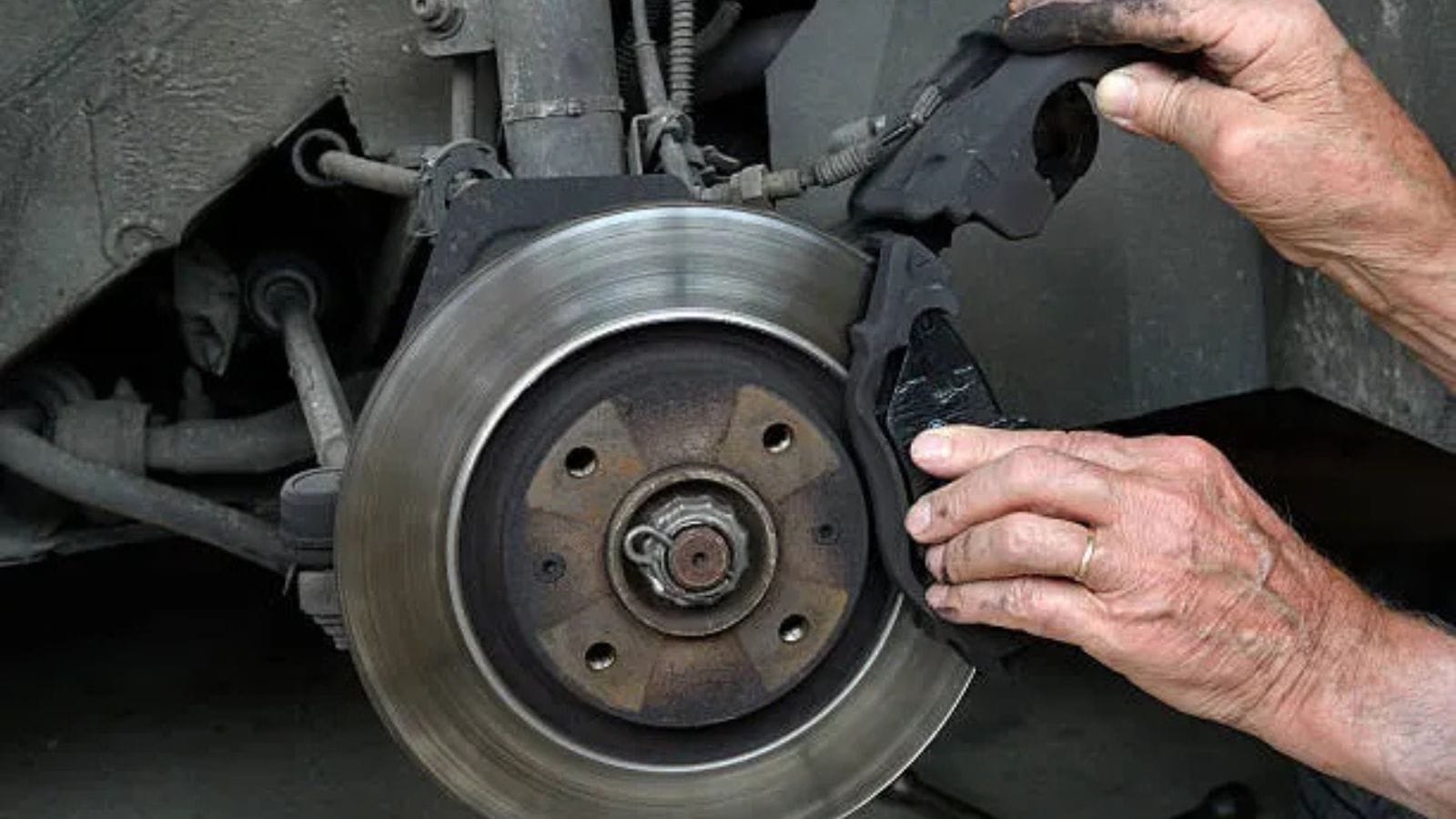
Freshly cleaned wheels can draw attention away from the braking hardware behind them. Brake pads, rotors, calipers, hydraulic components and electronic systems all experience wear, and problems may not become obvious until the car is moving. A vehicle can therefore pass a visual beauty test while performing poorly during an emergency stop.
During a test drive, grinding, scraping, squealing, pulsation through the pedal or pulling during braking deserves attention. Some brake noises have relatively simple causes, but others indicate components approaching replacement or additional problems that need diagnosis. Inspection professionals can measure pad and rotor condition instead of judging brakes only by sound. Brake-fluid levels and visible leaks are also important. A seller may have spent hundreds of dollars making the body and wheels sparkle while postponing equally costly mechanical maintenance. Appearance provides no evidence that the parts responsible for stopping the vehicle have received the same care.
Warning Lights and Electronics Can Be Temporarily Easy to Miss

Modern cars contain dozens of electronic systems, from airbags and stability control to cameras, parking sensors, climate systems and infotainment hardware. A spotless cabin can hide expensive electrical faults, particularly when a buyer does not test every switch and function. Warning lights deserve special attention because they should illuminate during the vehicle’s startup self-check and then go out appropriately.
Consumer inspection guidance recommends checking that dashboard warning lamps operate as expected and testing accessories throughout the cabin. A malfunctioning camera or seat heater may seem minor, but complex modules, sensors and wiring can be expensive to diagnose. Water intrusion can create intermittent electrical behaviour as well. Buyers should therefore avoid judging an interior by upholstery condition alone. Turning on every light, window, lock, climate setting and electronic feature can reveal more about the vehicle than admiring freshly shampooed carpeting. Cleanliness and electronic reliability are entirely separate qualities.
EV Battery Health Is Invisible From the Driver’s Seat

Used electric vehicles introduce another hidden variable: traction-battery condition. An EV may have flawless paint, a silent drivetrain and virtually no visible engine-bay grime while carrying a battery that has lost a meaningful portion of its original usable capacity. Battery degradation occurs over time, although rates vary significantly by model, climate and battery-management design.
Consumer Reports recommends checking battery health specifically when buying a used EV. Depending on the model, that may involve an onboard battery-health display, diagnostic testing, a specialized report or comparison of a fully charged vehicle’s indicated range with expectations for that model. Battery warranties should also be checked carefully. U.S. Department of Energy data indicates that outright battery replacements caused by failure have been rare in newer plug-in vehicles, but degradation still matters because range determines everyday usefulness. For an EV buyer, battery condition may be more financially significant than whether the seats look new.
A Seller Who Blocks an Independent Inspection Changes the Equation

Perhaps the biggest warning sign has nothing to do with the vehicle itself. A seller may present a beautiful car, an appealing price and a convincing explanation of its history, yet refuse to allow an independent pre-purchase inspection. That removes one of the buyer’s best opportunities to verify what cannot be seen during a driveway inspection.
The U.S. Federal Trade Commission specifically recommends independent mechanical inspections for used vehicles and stresses that vehicle-history reports are not substitutes for them. Canadian consumer authorities and automotive organizations give similar advice. If insurance or logistics make taking the vehicle to another shop difficult, a mobile inspector or another mutually acceptable arrangement may be possible. An unwillingness to permit any meaningful inspection deserves serious consideration. A genuinely clean vehicle should not depend on keeping a qualified mechanic away from it. When presentation is excellent but verification is discouraged, the polish becomes much less persuasive.
19 Used Cars Canadians Should Avoid in 2026 (Based on Owner Complaints)

Buying a used car in Canada can feel safe until repair bills start stacking up. Owner complaints tell a different story than glossy listings. Transmission failures, electrical problems, and weak winter reliability show up again and again in consumer reports. Many of these issues appear after warranties expire, when owners least expect them. Some vehicles look affordable upfront, but become expensive to keep on the road. Others struggle in cold weather, urban driving, or long highway commutes. Here are 19 used cars Canadians should avoid in 2026 (based on owner complaints).
19 Used Cars Canadians Should Avoid in 2026 (Based on Owner Complaints)

Alanna Rosen is an experienced content writer that focuses on many EV and educational content. Her articles are regularly published on Get CyberTrucked and syndicated on large publications.