
The final loan payment can make an aging vehicle look surprisingly attractive. In the U.S. market, onnth without a lender creates room in the household budget, while today’s replacement costs make even ordinary new cars feel like major financial commitments. At the same time, vehicles are remaining on the road longer, repair knowledge is expanding, and many drivers are questioning whether newer technology always delivers a better ownership experience.
These 20 reasons explain why paid-off cars are being kept well beyond the end of their loans. The choice is not simply about resisting change. It often reflects a deliberate calculation involving depreciation, insurance, financing, repairability, privacy, commuting habits, environmental impact, and the value of owning a machine whose history is already known.
The Monthly Payment Is Finally Gone
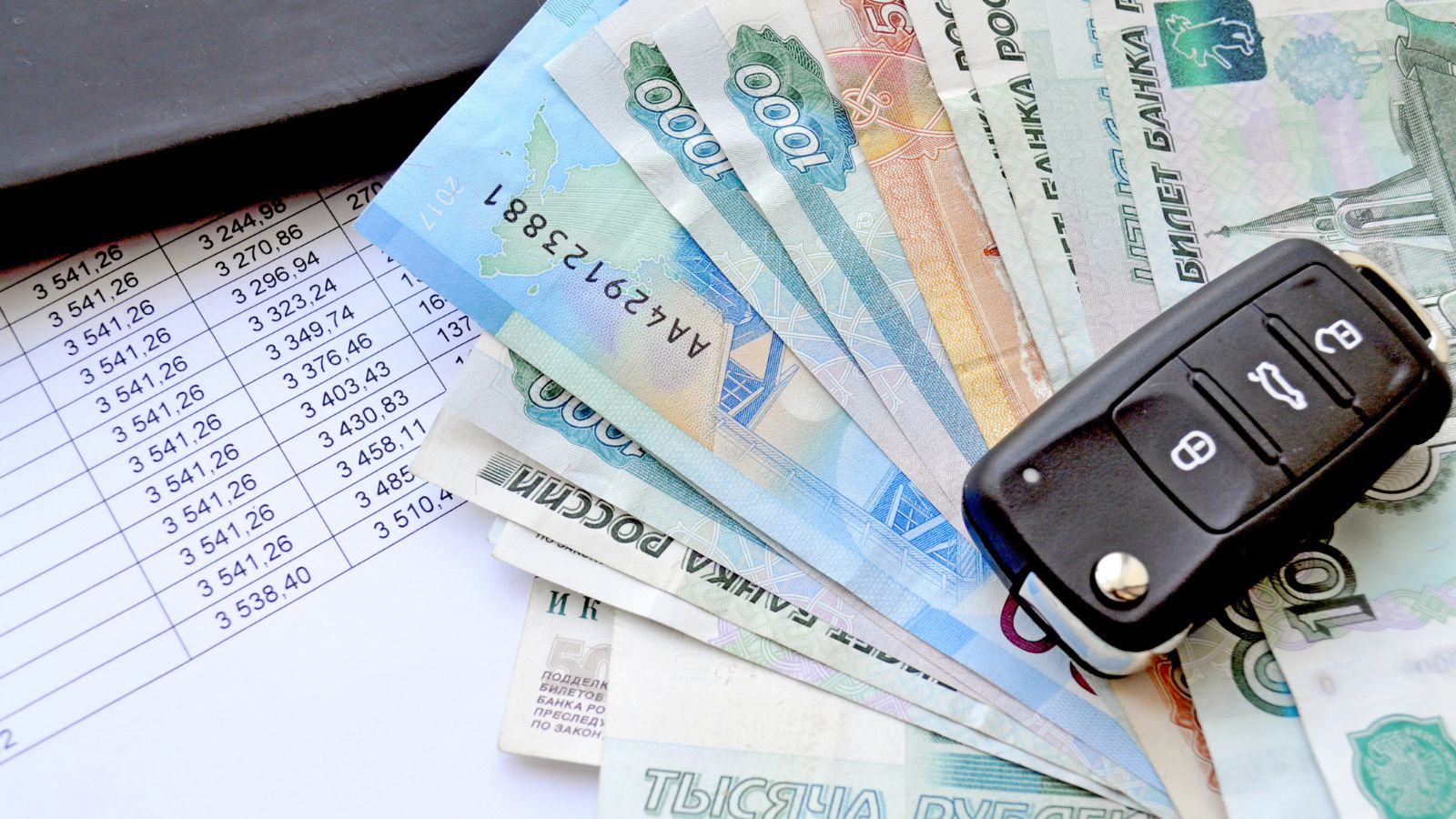
A paid-off car turns one of the household’s largest recurring bills into optional spending. Experian reported that the average new-vehicle payment reached $767 a month in the fourth quarter of 2025. For a driver whose loan has ended, keeping the same vehicle can preserve more than $9,000 a year in cash flow before considering insurance, fuel, maintenance, or registration.
That difference changes everyday decisions. A family might redirect the former payment toward groceries, debt reduction, retirement contributions, or a repair fund. Even when an older car needs a $1,200 repair, that bill can equal less than two average new-car payments. The comparison is not simply “old car versus new car”; it is an occasional, controllable expense versus a mandatory obligation arriving every month. After years of budgeting around a lender, many drivers are reluctant to voluntarily recreate that pressure while their current vehicle still starts, stops, and meets daily needs.
New Vehicles Still Carry a Heavy Price

The sticker shock has not disappeared. AAA’s 2025 ownership study used a sales-weighted average new-vehicle price of $38,938, while Experian found the average amount financed on a new vehicle reached $43,582 in late 2025. Trim upgrades, destination charges, taxes, and dealer products can push the final contract far beyond the number that first appears in an advertisement.
For someone driving a dependable paid-off sedan or crossover, replacement often feels less like an upgrade and more like buying back transportation already owned. A driver may admire a quieter cabin, larger screen, or stronger warranty, yet still struggle to justify tens of thousands of dollars for a vehicle performing the same commute. This is especially true when the existing car has reasonable fuel economy and no major mechanical symptoms. High prices have made “good enough” more valuable, encouraging owners to separate genuine transportation needs from the excitement created by a showroom experience.
Borrowing Makes the Upgrade Costlier

The purchase price is only the opening number when financing is involved. Experian placed the average new-vehicle interest rate at 6.37 percent in the fourth quarter of 2025, with the average loan amount above $43,000. At that scale, interest can add thousands of dollars over the life of the loan, particularly when buyers stretch repayment across six or seven years.
Long terms make expensive vehicles look manageable by lowering the monthly figure, but the Consumer Financial Protection Bureau warns that longer loans increase total interest and raise the risk of owing more than the car is worth. A paid-off owner avoids both problems. There is no lender, no amortization schedule, and no concern that an accident could leave a loan balance larger than an insurance settlement. Drivers who remember the relief of making their final payment often view a new loan as a major financial reversal, not a routine step.
Most Depreciation Has Already Happened

Depreciation is usually the largest ownership cost attached to a newer vehicle. AAA estimated average depreciation at $4,334 per year in its 2025 study of new vehicles, calculated across five years and 75,000 miles. The loss is often invisible because no invoice arrives, yet it reduces what an owner can recover through a sale or trade.
An older paid-off car can still lose value, but the decline is generally measured from a much smaller base. A three-year-old vehicle dropping several thousand dollars matters more financially than a twelve-year-old car losing a few hundred. This creates a powerful reason to keep driving after the loan ends: the owner is finally entering the cheaper portion of the value curve. The car may no longer impress neighbors, but each additional useful year allows the original purchase price to be spread across more miles and time, improving the practical return on money already spent.
Insurance Can Become More Flexible
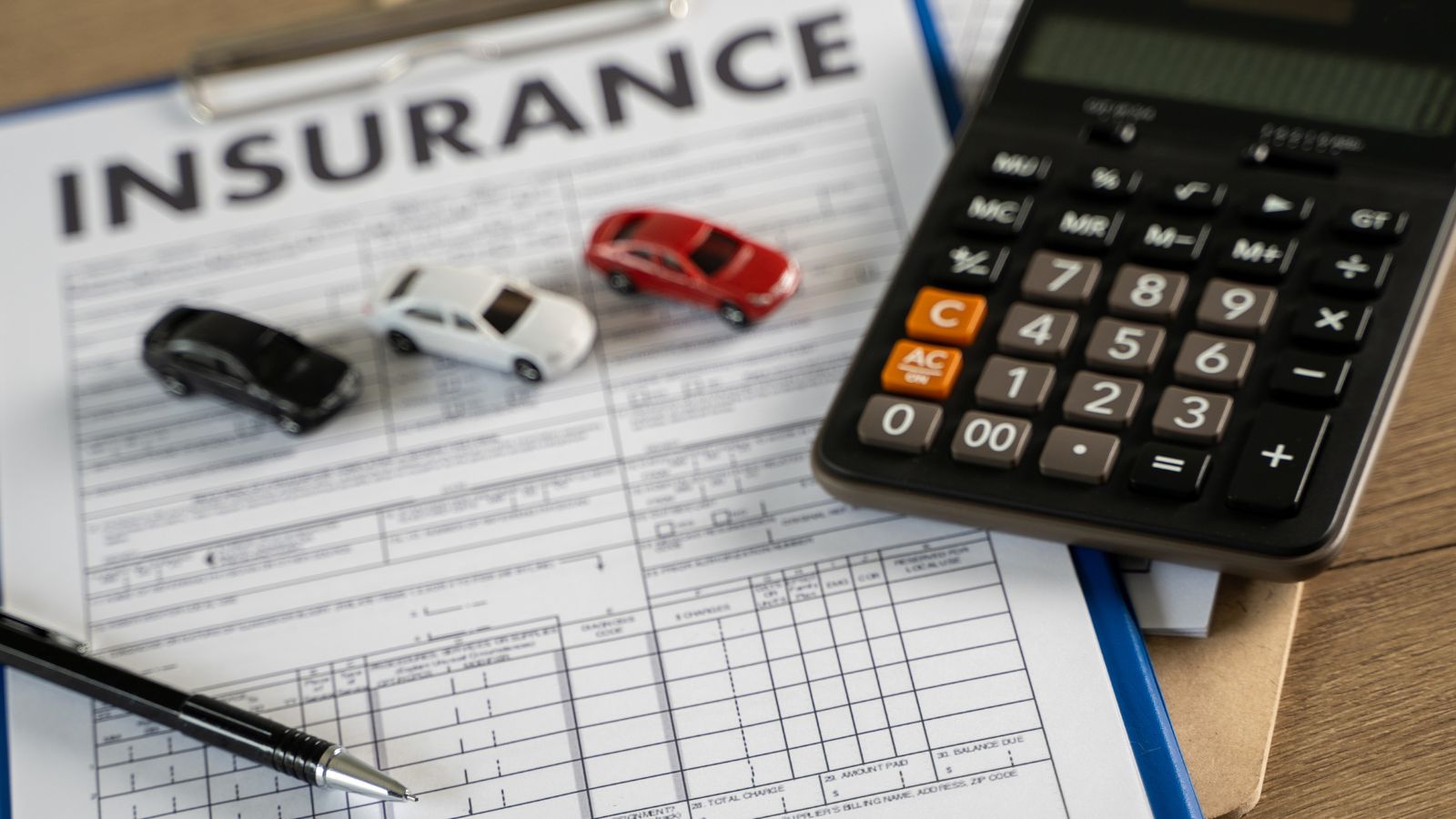
Financed and leased vehicles commonly require collision and comprehensive coverage because the lender has a financial interest in the car. Once a vehicle is paid off, that requirement disappears, although state-mandated liability coverage remains. The National Association of Insurance Commissioners advises owners of older vehicles to consider whether lowering or eliminating physical-damage coverage makes sense when the car’s value becomes modest.
That flexibility can reduce premiums, especially when a deductible approaches a large share of the vehicle’s market value. The decision is not automatic; an owner who could not replace the car after a theft or crash may wisely keep full coverage. Still, a paid-off driver makes the calculation rather than follow a lender’s rules. Raising a deductible, dropping collision, or adjusting comprehensive coverage can make an older car cheaper to carry. New financing would usually restore stricter coverage requirements and add another fixed cost to the monthly household budget.
Replacement Brings Taxes, Fees, and Add-Ons
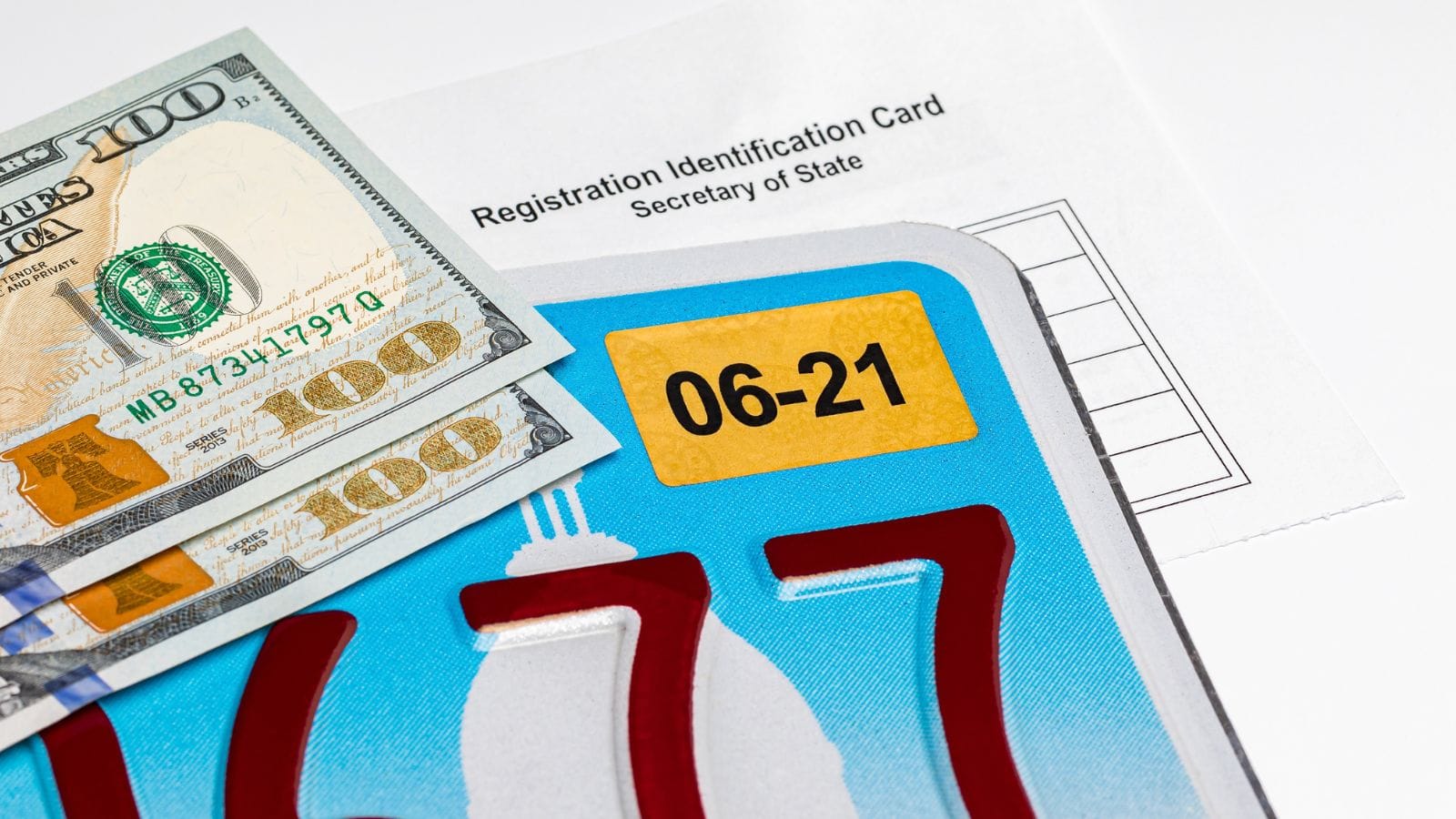
Buying another vehicle creates costs that do not improve the drive home. Sales tax, title charges, registration fees, documentation charges, and optional dealer products can add substantially before the first fuel stop. AAA includes license, registration, and taxes among the fixed costs of new-car ownership, while the Federal Trade Commission has warned consumers about unwanted or deceptively added dealership extras.
A paid-off car has already crossed that expensive threshold. Its owner may face registration, but not another round of transaction costs tied to a purchase. Consider a buyer who negotiates a fair vehicle price, then discovers paint protection, service contracts, theft products, or financing charges buried in the paperwork. Legitimate extras can weaken the value of changing cars. Keeping the current vehicle avoids the sales process entirely, which is appealing to drivers who would rather spend money on tires, brakes, or maintenance than fees attached to replacing something still working.
The Car’s History Is Already Known

A familiar vehicle carries information that no listing can reproduce. Its owner knows whether oil changes happened on schedule, how the transmission behaves on cold mornings, which warning light appeared two winters ago, and whether a parking-lot scrape was cosmetic or structural. That history reduces uncertainty, despite high mileage.
The alternative may be a used vehicle with an attractive finish and an incomplete story. The Federal Trade Commission recommends obtaining a vehicle-history report because it may reveal ownership changes, accidents, repairs, or salvage branding, but such reports are not guaranteed to contain every event. A paid-off owner does not need to wonder whether maintenance was skipped, flood damage was concealed, or a previous driver overheated the engine. Familiarity does not make a car failure-proof, yet it turns maintenance decisions into informed judgments. For many drivers, a known aging machine feels safer financially than an unfamiliar replacement carrying hidden financial risks.
Modern Cars Are Lasting Longer
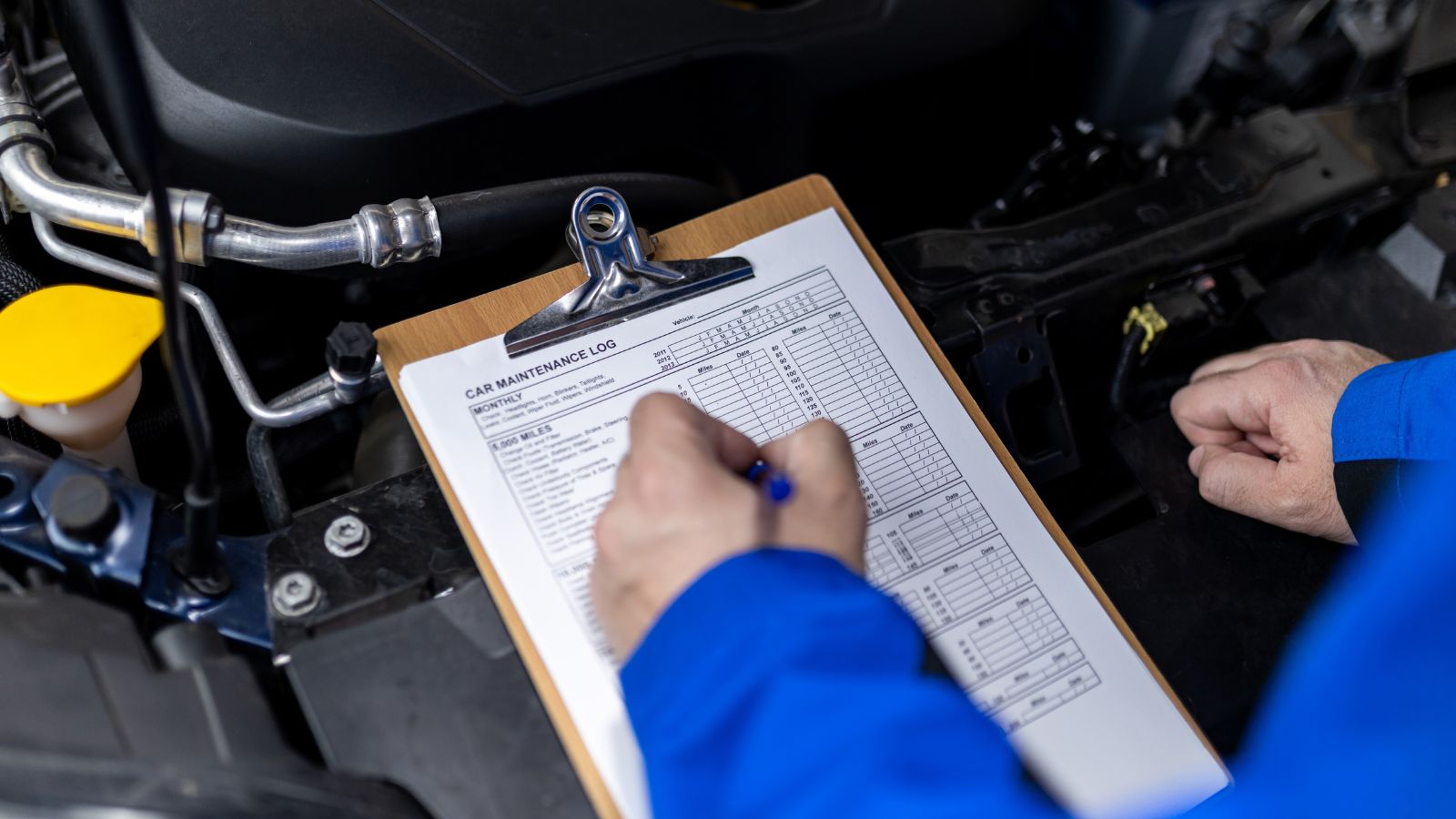
Keeping a vehicle beyond ten years is no longer unusual. S&P Global Mobility reported that the average age of light vehicles on U.S. roads reached 12.8 years in 2025, an increase of two months from the previous year. That figure reflects millions of owners extending vehicle life instead of replacing cars after three- or five-year loans.
The national average does not guarantee that any car is safe or economical, but it does change the meaning of “old.” Age must be considered alongside condition, maintenance records, corrosion, mileage, and the availability of parts. Safety-related rust, worn suspension components, fluid leaks, and overdue timing service demand attention. The important shift is practical, not sentimental. A ten-year-old car is not necessarily approaching retirement. When inspections are clean and service records are strong, owners can treat age as one factor among several. The odometer becomes evidence to evaluate, not a countdown demanding immediate replacement.
A Repair Can Cost Less Than Replacing
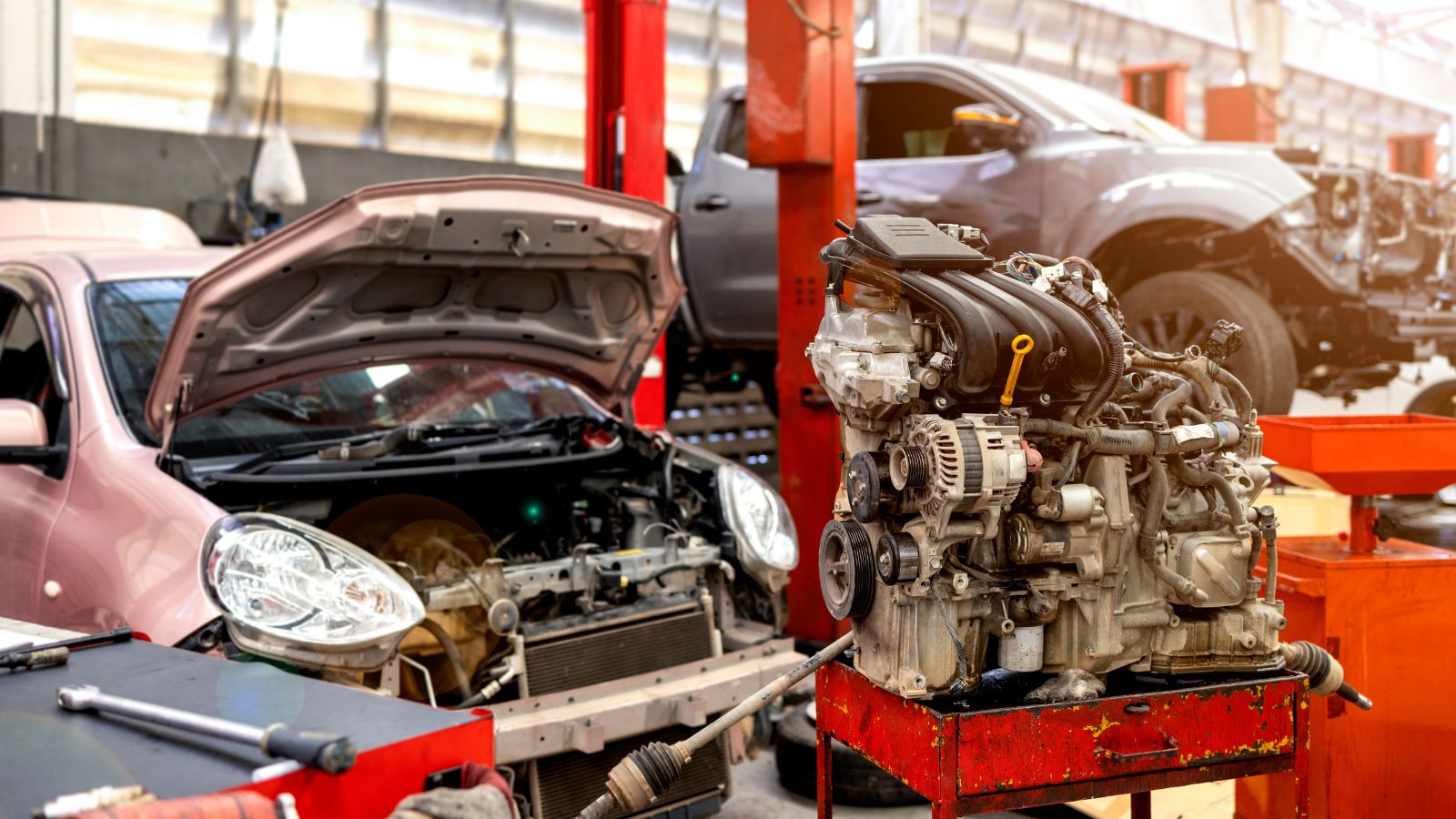
Large repair estimates feel alarming because they arrive as one number. A $2,000 suspension or air-conditioning job can make an older car seem financially irrational until it is compared with the replacement cost. AAA estimated that owning and operating a new vehicle averaged $11,577 in 2025, or about $965 a month when all major costs were included.
The useful question is not whether the repair exceeds the car’s resale value. It is whether the repair is likely to produce dependable transportation for less than the alternative. Replacing a transmission in a rusted car may be poor judgment; replacing a compressor in a sound vehicle could buy several comfortable summers. Owners often divide the repair cost by the months they expect to keep driving. A $1,800 repair spread across eighteen months equals $100 a month, far below the average new-car ownership figure. That arithmetic keeps many paid-off vehicles on the road.
Some Drivers Are Covering Fewer Miles
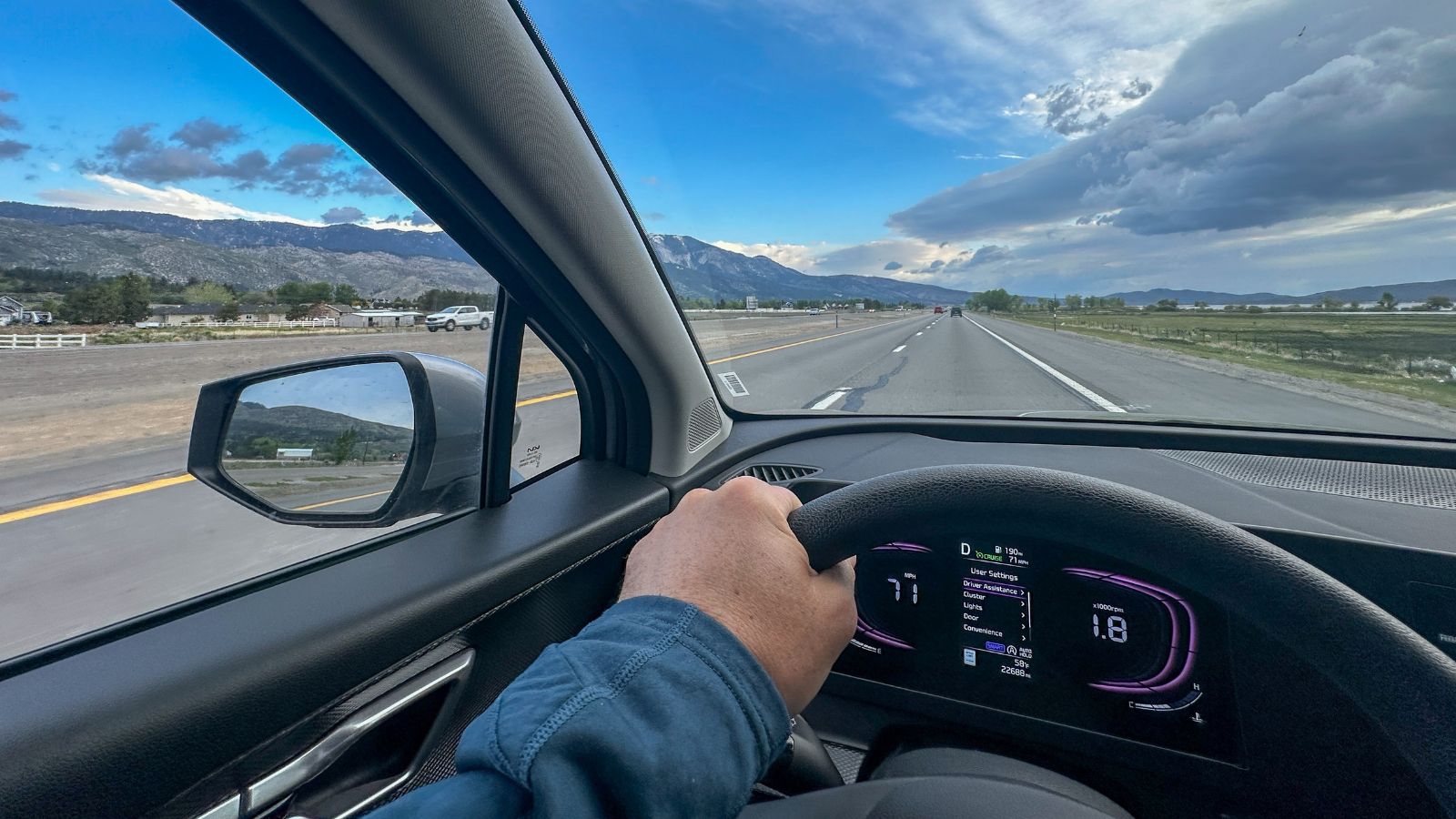
A vehicle that travels less can age more slowly in practical terms. U.S. Census Bureau data show that 13.3 percent of workers worked from home in 2024, still far above the 5.7 percent recorded in 2019. Hybrid schedules can remove commuting days, reducing fuel use and delaying mileage-based maintenance.
That shift weakens the case for buying a newer car solely for commuting comfort or fuel savings. A driver who once covered 18,000 miles annually may now travel 9,000, making a modest efficiency improvement harder to recover through lower fuel bills. The paid-off vehicle may sit in the driveway most weekdays, handle errands, and make occasional longer trips without accumulating punishing mileage. Lower use does not eliminate age-related issues such as battery discharge, tire aging, or moisture in fluids, but it can extend service intervals and life. When transportation demand shrinks, replacement becomes easier to postpone without sacrificing practical everyday mobility.
Familiar Controls Have Real Value
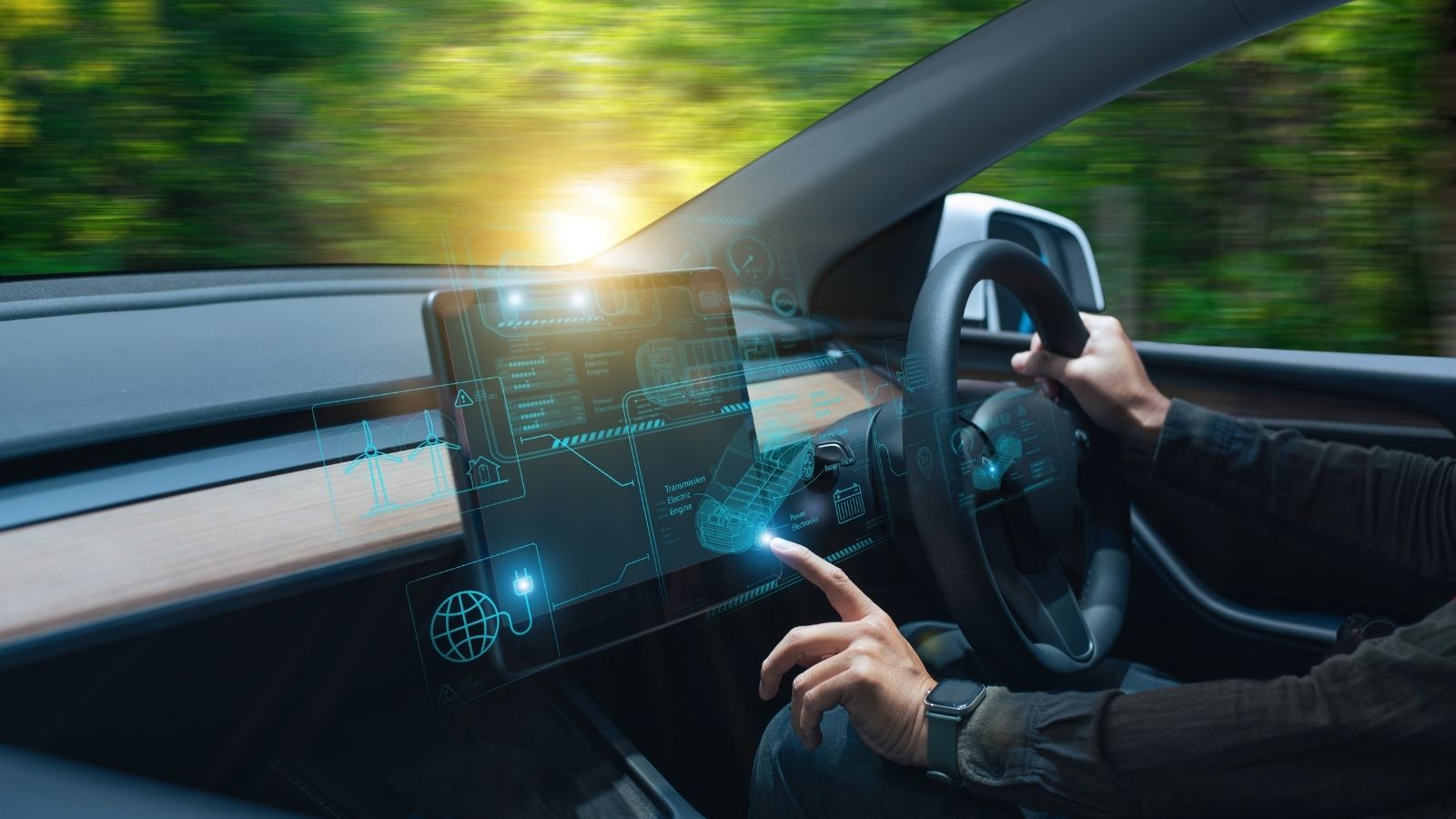
Drivers may prefer a cabin they can operate without searching through menus. Touchscreens can consolidate functions and enable updates, but research on in-vehicle interfaces notes that flat screens generally require visual attention and can be harder to use while moving. Euro NCAP’s 2026 assessment approach encourages separate physical controls for essential functions to limit eyes-off-road time.
An older paid-off car may have a volume knob, dedicated climate buttons, a conventional shifter, and gauges that communicate clearly at a glance. Those features may beat a larger display with multiple layers. Familiarity also reduces cognitive effort: the driver knows where the defroster is before the glass fogs and can adjust temperature without looking down. This is not an argument against modern interfaces. It explains why a technically newer cabin may not feel like progress. For drivers satisfied with their existing controls, replacing the car can introduce inconvenience rather than remove it entirely.
Advanced Technology Can Raise Repair Bills
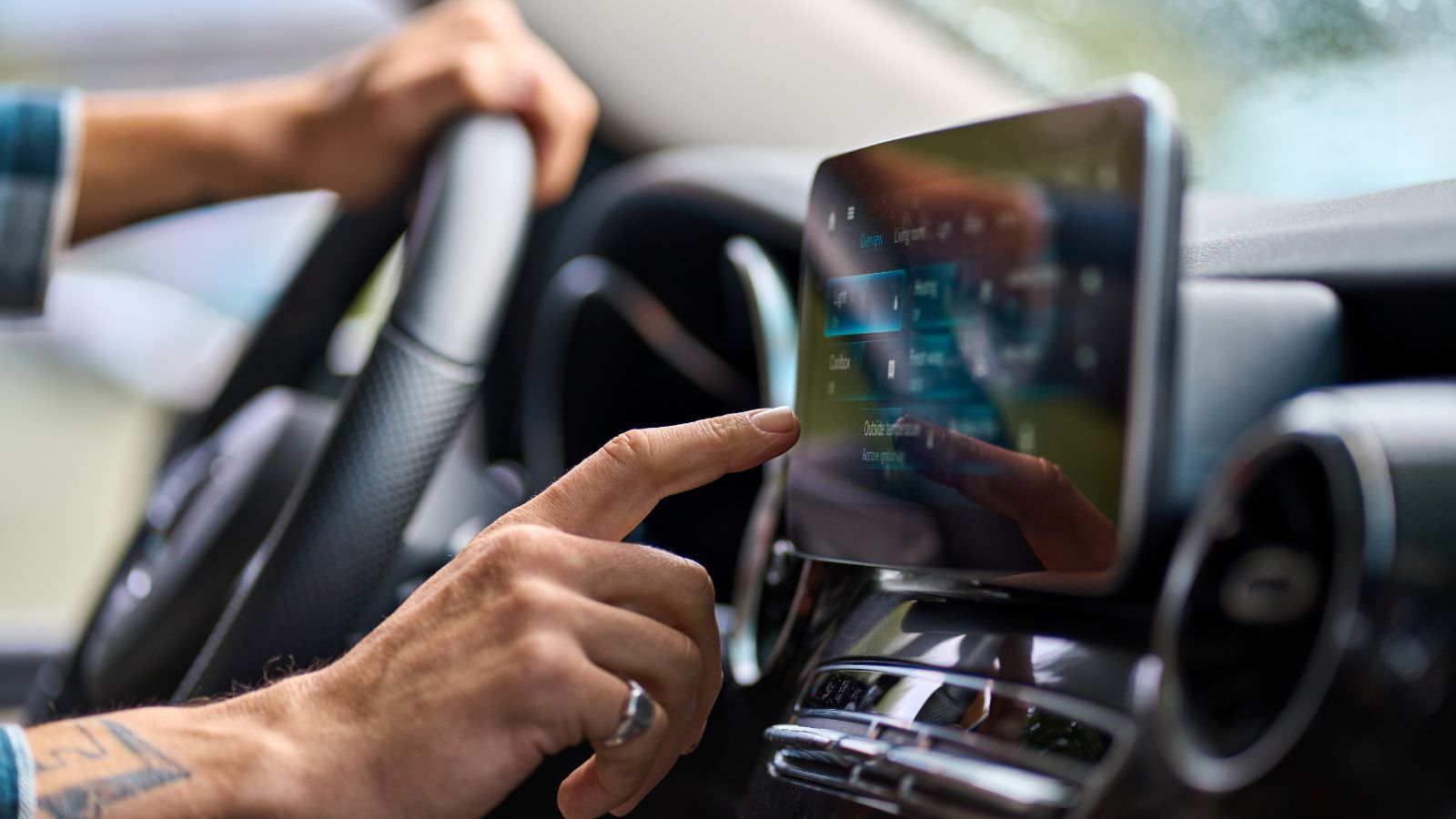
Newer vehicles often provide safety benefits through automatic emergency braking, blind-spot monitoring, lane support, cameras, and radar. Those systems also add hardware around bumpers, mirrors, windshields, and grilles. AAA found that damaged advanced driver-assistance components could add as much as 37.6 percent to a collision repair bill, with certain sensor-related expenses reaching $1,540.
That possibility changes the economics of upgrading. A minor parking impact that once required paint and plastic may now involve sensor replacement, aiming, calibration, and diagnostic scans. Even windshield work can become more complicated when a forward camera must be recalibrated. Owners of simpler paid-off vehicles may value repair bills that are easier to understand and independent shops can handle. The older car may lack some desirable assistance features, so safety condition still matters. Yet drivers balancing budgets recognize that more equipment means more components exposed to damage, software faults, and specialized labor after an incident.
Connected-Car Privacy Feels Unsettled
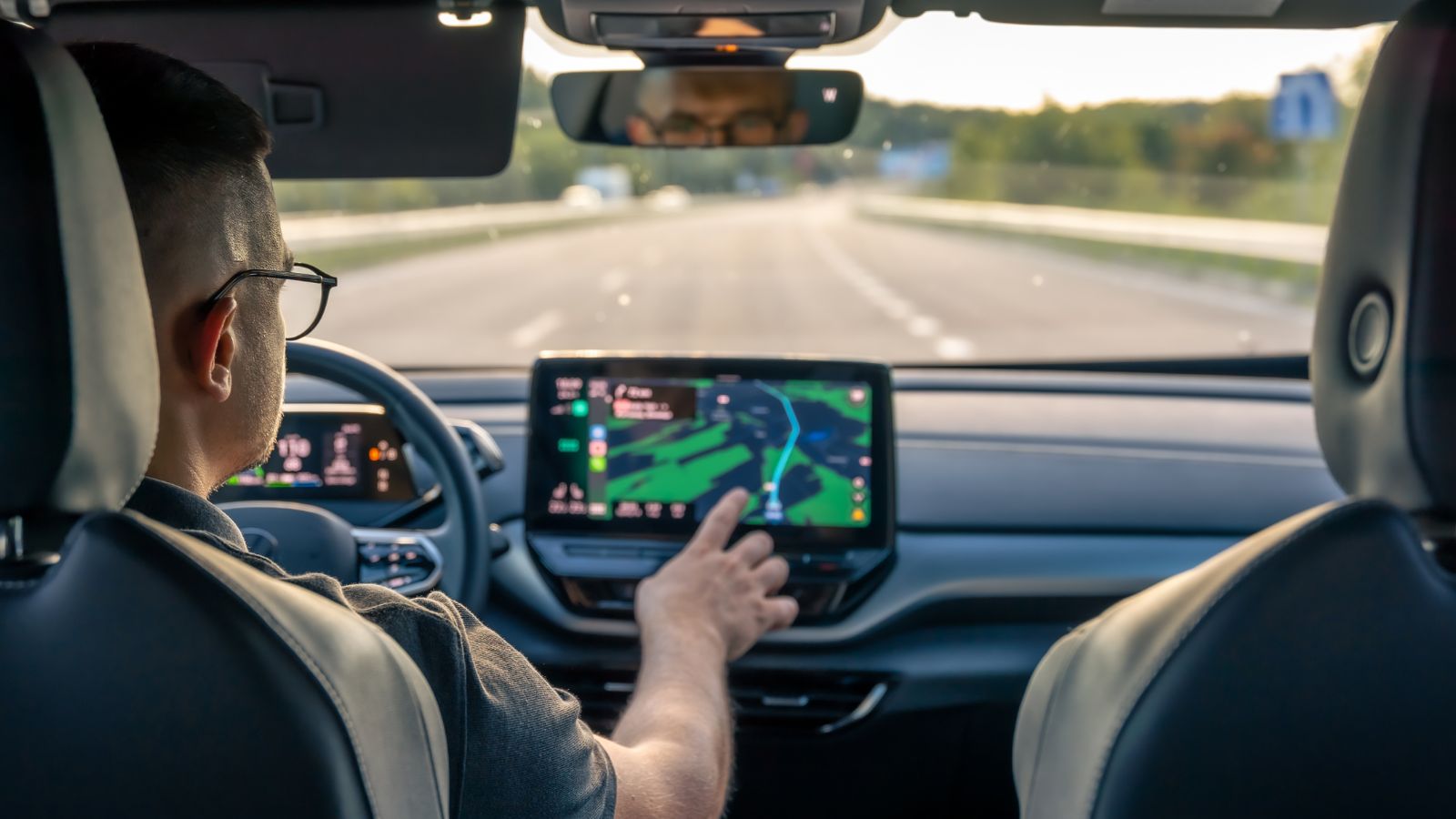
Modern vehicles can collect location, driving, diagnostic, infotainment, and device information through telematics and connected services. The Federal Trade Commission has warned automakers that collecting, using, or sharing sensitive vehicle data without clear permission can violate consumer-protection law. Privacy concerns have grown as drivers learn that cars can transmit information beyond what driving requires.
A less-connected paid-off car may offer Bluetooth and navigation without continuously communicating with the manufacturer. For some owners, that simplicity is reassuring. They do not want driving behavior, precise routes, voice commands, or contact data becoming part of an unclear commercial ecosystem. Connected services can provide genuine benefits, including emergency response, remote diagnostics, theft recovery, and software improvements. The issue is control: who receives the information, how long it remains stored, and whether opting out disables useful functions. Keeping an older car delays that important trade-off and preserves a more traditional sense of personal ownership.
Subscriptions Complicate the Meaning of Ownership
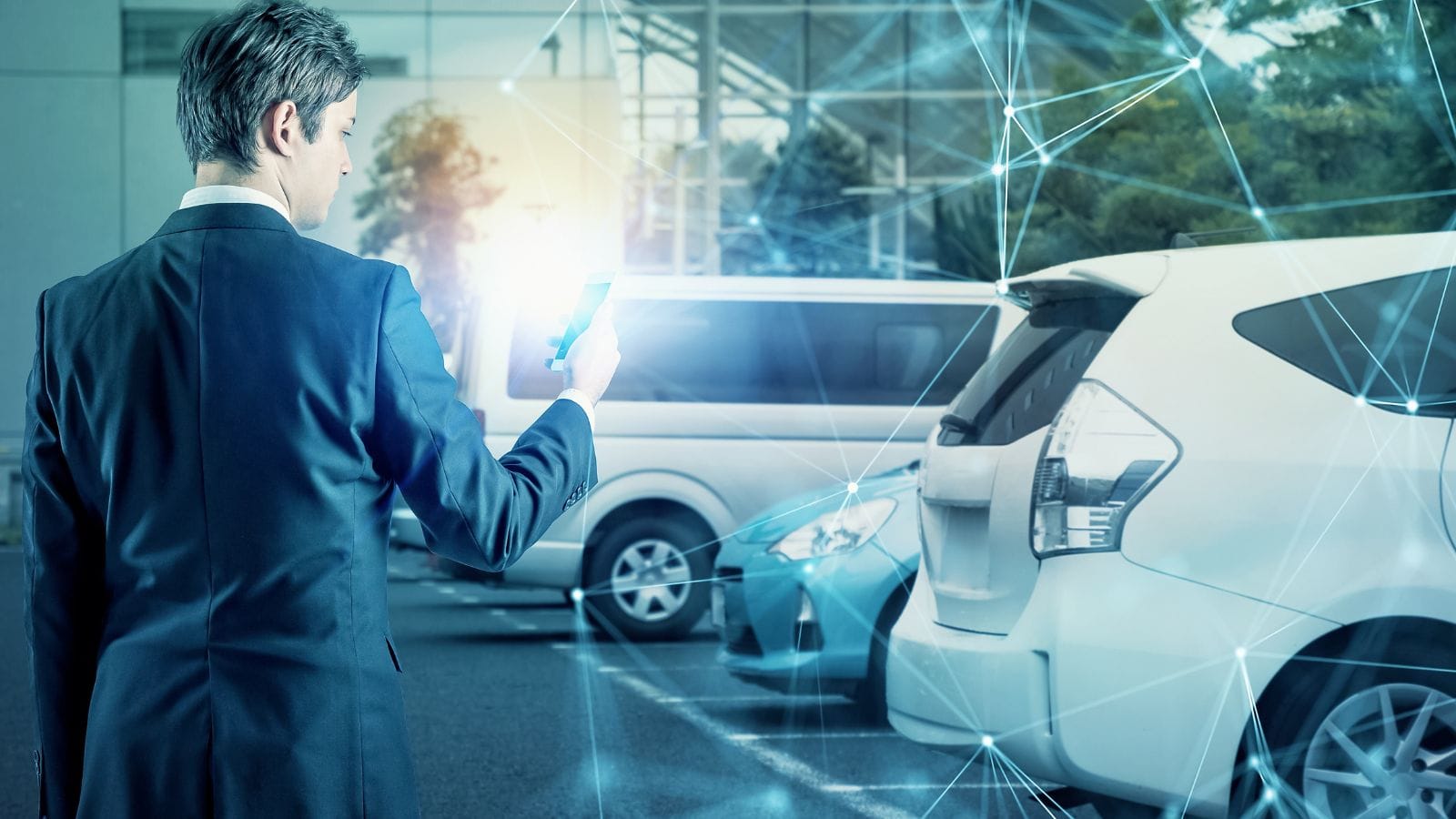
Drivers once expected installed features to remain available for the life of a vehicle. Software-defined cars challenge that by placing some connectivity, performance, convenience, or driver-assistance functions behind recurring payments. Automakers argue that subscriptions can fund cloud services and let owners activate features later, but paywalls for installed hardware have generated backlash.
A paid-off vehicle usually has a simpler bargain: the equipment purchased is the equipment available. Remote-start apps may eventually lose network support, yet the heater, seats, lights, and engine performance do not ordinarily require monthly authorization. For households already managing streaming, phone, security, and software subscriptions, automotive charges can make a new car feel permanently unfinished. The issue is not that every subscription lacks value. It is that drivers may prefer a machine with stable capabilities and predictable costs. Keeping the current car protects them from buying into a model of ownership that is still rapidly evolving across the industry.
Independent Repairs May Be Easier
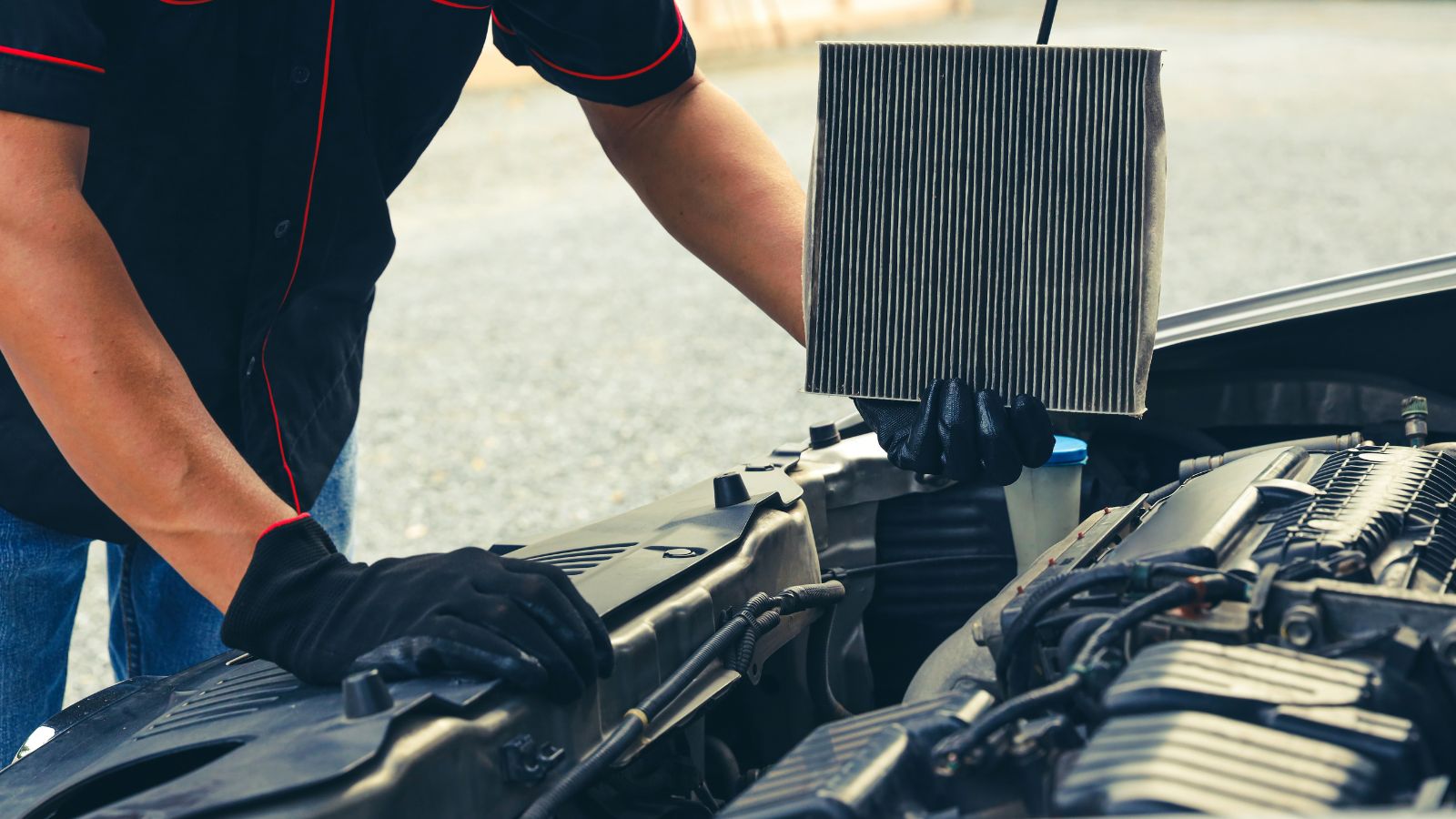
Older mainstream vehicles often benefit from accumulated repair knowledge, widely available parts, and technicians who have seen the same failures before. Newer models can require proprietary software, subscriptions to service information, specialized calibration equipment, or manufacturer-specific procedures. A 2024 Government Accountability Office review found that independent repair stakeholders reported limitations in access to some vehicle information, data, and tools.
That matters because repair choice affects price and convenience. A paid-off owner may already have a trusted neighborhood mechanic who knows the car, stocks common parts, and can offer alternatives including aftermarket components. With a highly connected or advanced vehicle, certain work may be pushed toward a franchised dealer or a specialist with expensive equipment. Technology does not automatically make a car unrepairable, and automakers generally provide access to service resources. Still, drivers often keep vehicles that fit the local repair ecosystem, especially when affordable expertise is already established and trusted.
The EV Transition Encourages Some Patience
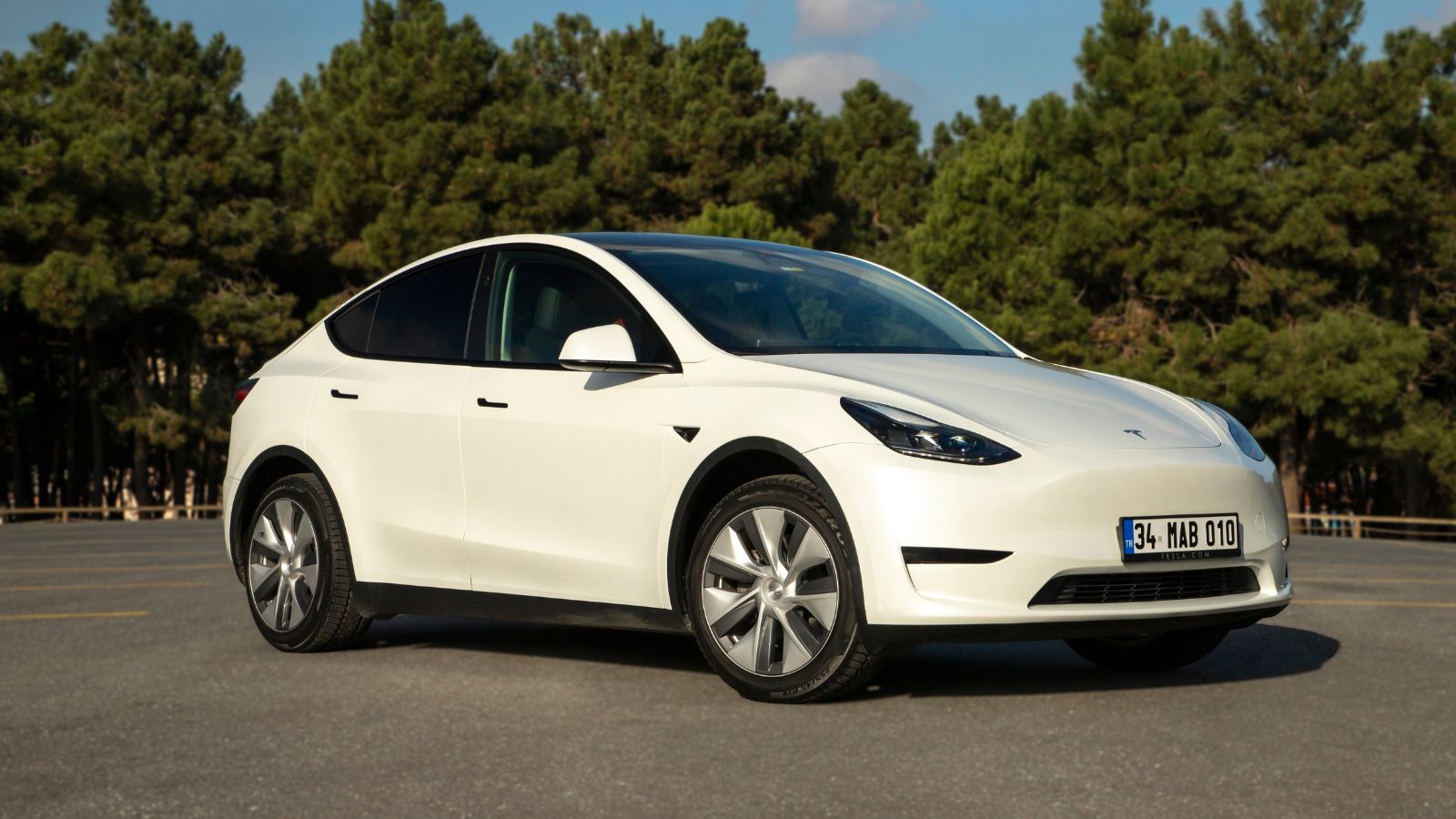
Electric vehicles can lower fuel and maintenance costs, perform strongly and reduce lifetime greenhouse-gas emissions. Yet the best choice still depends on parking, charging access, local electricity, driving patterns, and purchase price. The U.S. Department of Energy notes that most EV owners do most charging at home, making a dependable residential charging arrangement important.
A driver who rents, parks on the street, tows regularly, or travels through underserved areas may decide that the next vehicle should be electric—but not yet. Keeping a paid-off gasoline or hybrid car creates time for charging networks, connector standards, battery options, used-EV pricing, and household circumstances to develop. This is not rejection of electrification. It is avoidance of an expensive interim purchase unsuited to long-term plans. Rather than buying another combustion vehicle now and reconsidering soon, some owners extend the life of what they have until the replacement decision feels clearer and financially durable.
Using an Existing Car Avoids New Manufacturing
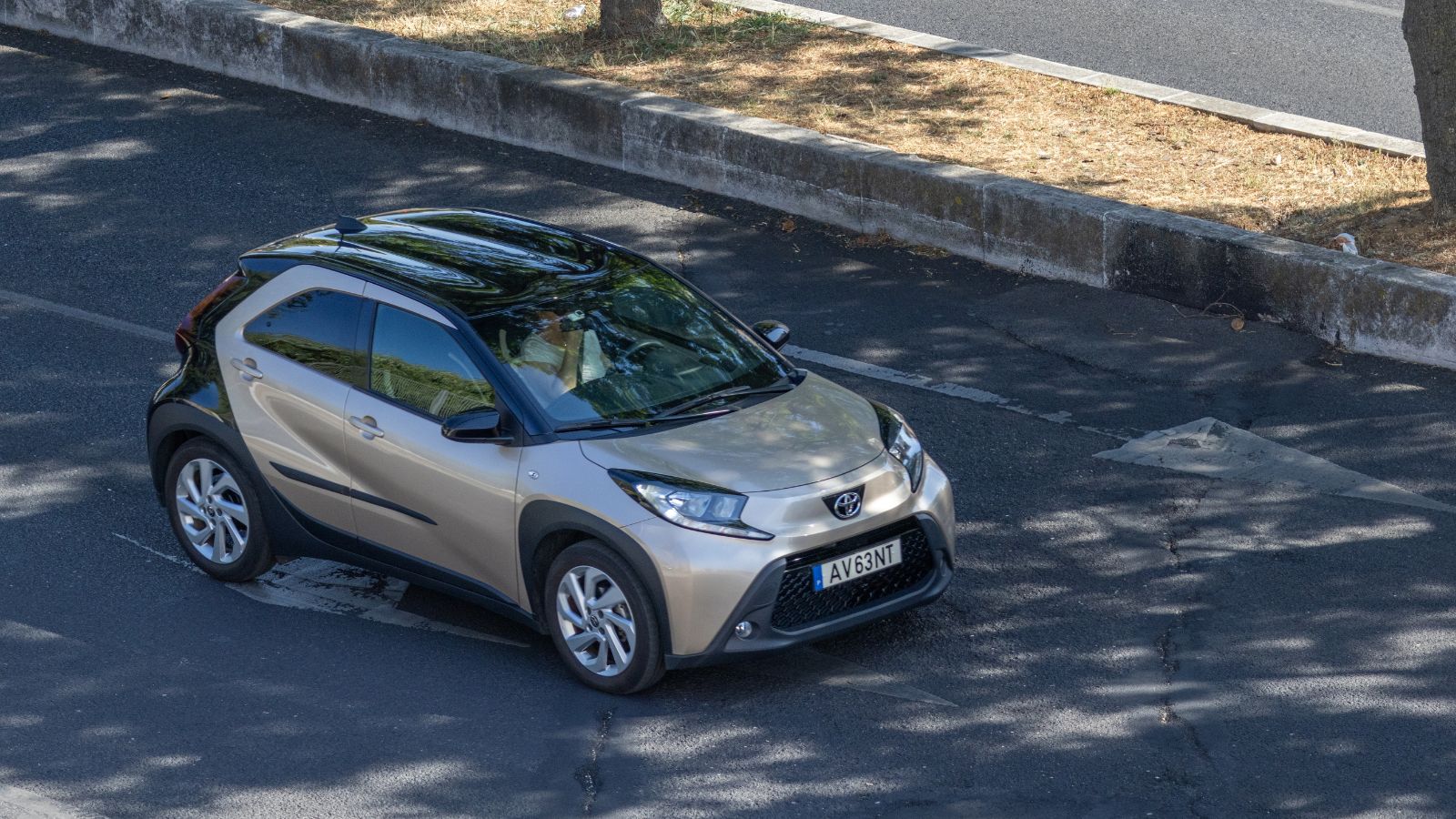
Building any new vehicle requires materials, energy, transport, and processing before the first mile is driven. Electric vehicles typically produce lower lifetime greenhouse-gas emissions than comparable gasoline cars, according to the EPA, even after battery manufacturing is considered. However, the EPA also notes that manufacturing an EV can initially create more carbon pollution because batteries are energy intensive.
That lifecycle context gives careful owners a reason to avoid unnecessary replacement, especially when their paid-off car is driven modestly and remains efficient. Using an existing vehicle postpones the manufacturing and disposal associated with replacement. The environmental result is not universal: replacing a heavily driven, inefficient vehicle with a much cleaner model can reduce total emissions. Still, newer is not automatically greener. Maintenance, annual mileage, fuel economy, local electricity, and expected years of use all matter. Keeping a sound car can be a form of conservation rather than simple mechanical neglect.
Cash Reserves Matter More Than Showroom Appeal
A car payment competes with other priorities. The Federal Reserve reported that 63 percent of adults could cover a hypothetical $400 emergency expense with cash in 2024, meaning a substantial minority would need other methods. Only 55 percent had savings covering three months of expenses. Those figures make liquidity a practical concern, not an abstract goal.
Keeping a paid-off car can free hundreds of dollars each month for an emergency fund. That reserve can absorb medical bills, home repairs, job disruption, or the car’s own maintenance without turning to credit. A shiny replacement offers warranty protection, but it also converts flexible cash into a fixed obligation. Many owners prefer to deposit the former payment into savings and accept occasional repair risk. This requires discipline; money that is merely spent elsewhere provides little protection. When the savings is real, however, the older car becomes part of a broader strategy for resilience.
Another Used Car Could Be a Fresh Gamble

Replacing an aging paid-off car does not always mean buying new. A newer used vehicle exchanges one set of known flaws for another set that may be hidden. The FTC recommends checking history reports, arranging an independent inspection, and understanding warranty terms because they can carry accident, title, repair, or ownership issues.
A familiar car may have faded paint, a noisy blower motor, and a seat that shows years of use, yet its owner knows which problems are cosmetic and which need attention. A replacement can look cleaner while carrying neglected fluids, intermittent electronics, or poorly repaired damage. Certified programs and inspections reduce risk, but they do not recreate years of firsthand knowledge. Drivers therefore ask whether the newer used car is meaningfully better or merely different. When the current vehicle is structurally sound and mechanically predictable, keeping it may feel like the lower-risk decision despite its age.
The Car Already Fits the Household
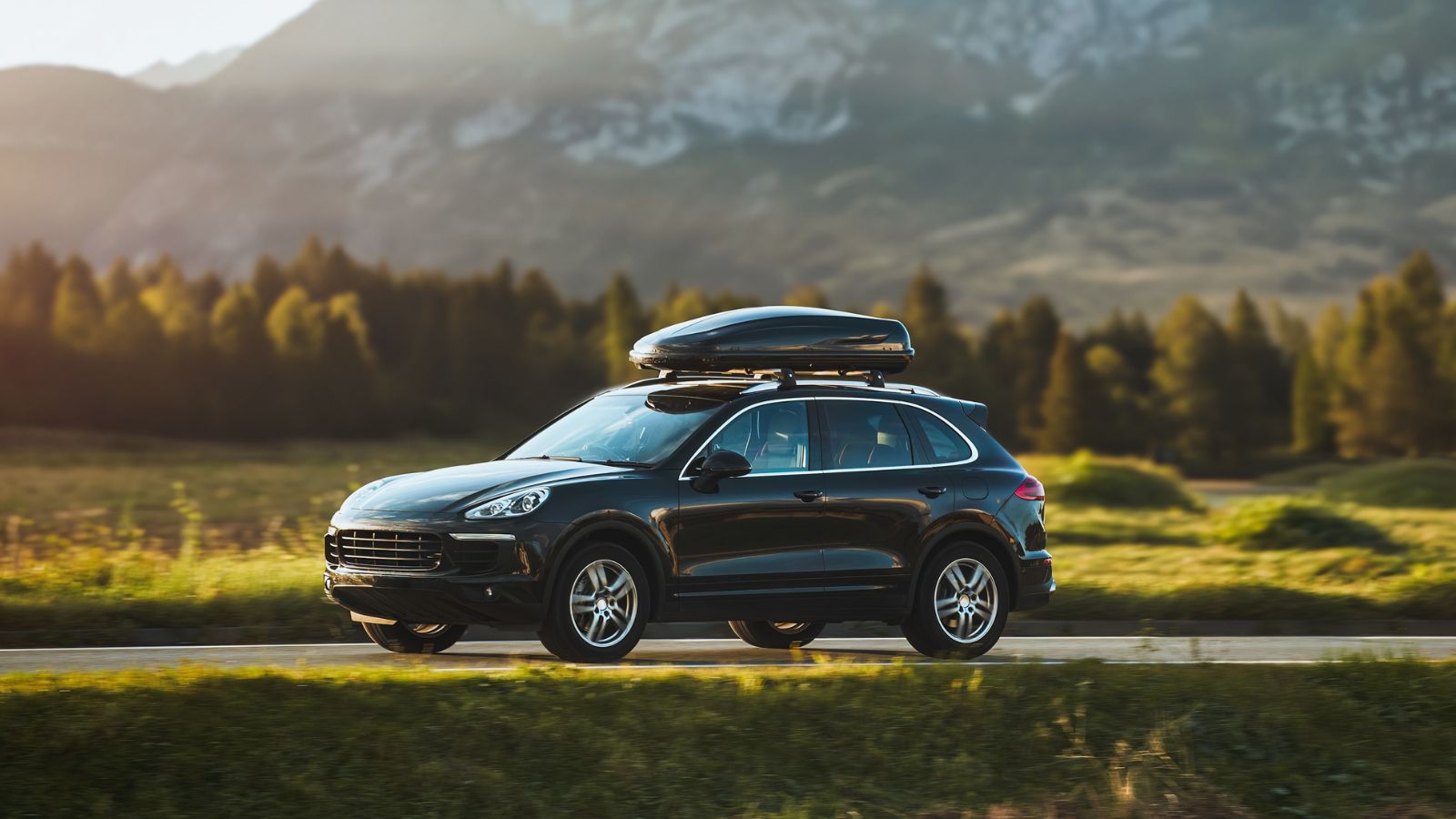
A vehicle earns value through repeated usefulness, not only resale price. The paid-off wagon may already carry the correct child seats, winter tires, roof rack, dog barrier, cargo liner, phone mount, and emergency supplies. Replacing it can trigger another round of accessory purchases and adjustments that rarely appear in comparisons of sticker prices.
There is also deep familiarity. A driver knows the sightlines, turning circle, mirror settings, cargo tricks, fuel range, and engine’s exact sound on a cold start. Families remember school runs, moves, vacations, and late-night hospital trips. Sentiment alone should not excuse unsafe rust, unreliable brakes, or mounting breakdowns, but it can legitimately influence a decision when the car remains sound. With the average U.S. light vehicle now 12.8 years old, long ownership is increasingly normal. Many drivers are not clinging to obsolete transportation; they are keeping a tool that has already proved it belongs in their lives.
22 Things Canadians Do to Their Cars in Spring That Mechanics Hate

Spring brings relief to many Canadian drivers after months of snow, freezing temperatures, and icy roads that put serious strain on vehicles. As temperatures rise across the country, drivers begin washing cars, switching tires, and preparing vehicles for warmer weather and upcoming road trips. However, mechanics across Canada notice the same mistakes every spring when drivers attempt to recover from winter damage. Road salt, potholes, and harsh winter driving conditions often leave vehicles with hidden problems that drivers ignore. Some spring habits even create new mechanical issues that could have been avoided with proper maintenance. Here are 22 things Canadians do to their cars in spring that mechanics hate.

Alanna Rosen is an experienced content writer that focuses on many EV and educational content. Her articles are regularly published on Get CyberTrucked and syndicated on large publications.