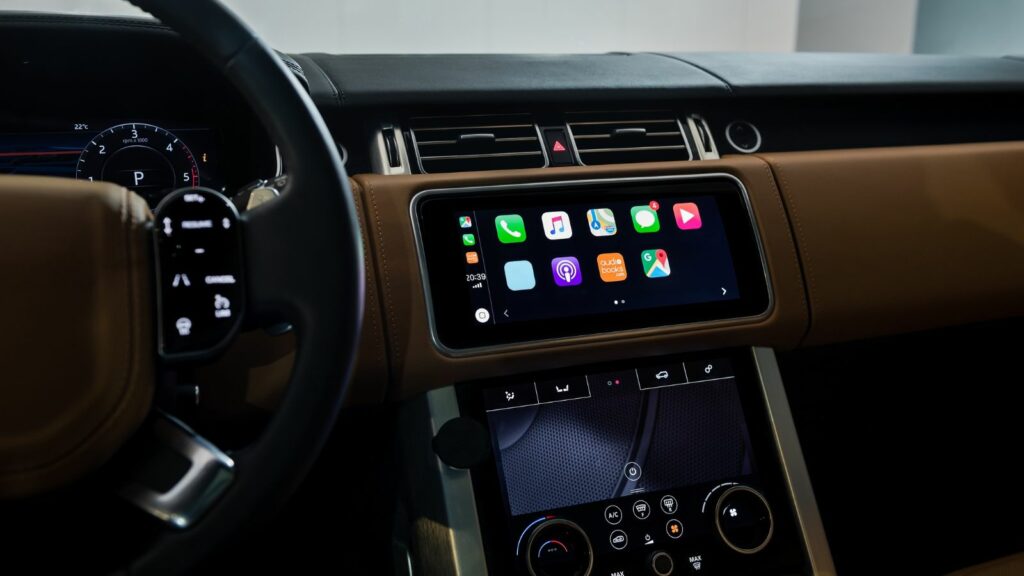
A vehicle can still smell new, carry modest mileage, and have years of useful life ahead while somehow feeling a generation behind. That contradiction is becoming more common as cars absorb technology cycles once associated mainly with smartphones and computers. J.D. Power’s 2026 dependability research, based on 2023-model-year vehicles after three years of ownership, found infotainment remained the most problematic category, illustrating how strongly digital experiences now shape perceptions of an aging vehicle. Mechanical durability still matters, but software, connectivity, charging capability, safety systems, and mobile integration increasingly determine whether a cabin feels current. These 20 reasons explain why some vehicles appear to age remarkably quickly, even when their engines, batteries, interiors, and basic hardware remain perfectly serviceable.
Infotainment Hardware Can Age Faster Than the Car
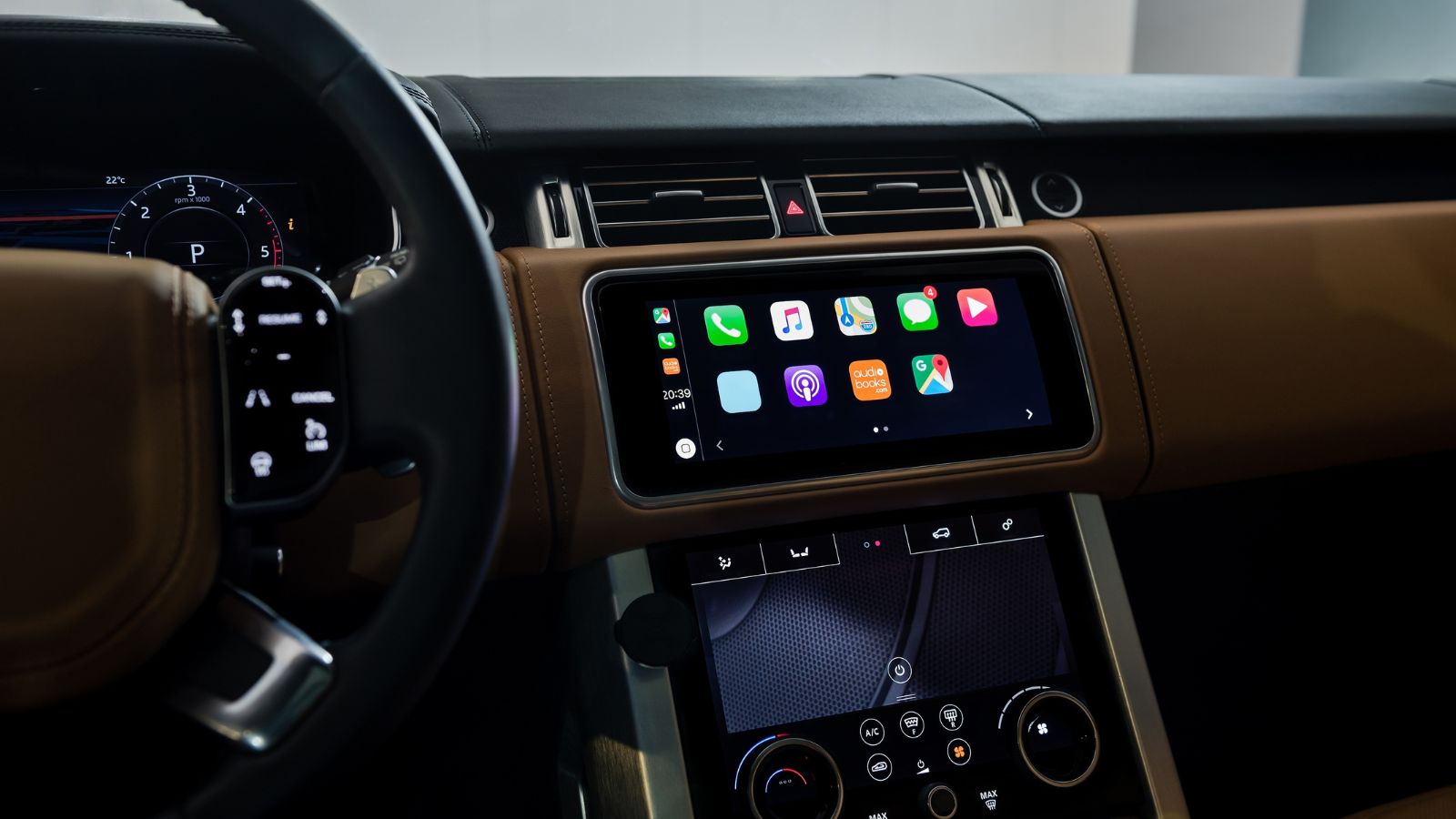
Modern infotainment systems depend on processors, memory, graphics hardware, and software much like consumer electronics. A system that appeared impressively quick at launch can feel noticeably slower beside a newer vehicle with smoother animations and faster response times. J.D. Power’s 2025 multimedia research found that five of the 10 most frequently reported multimedia issues involved infotainment, while touchscreen and digital-display problems actually increased slightly from the previous year.
That matters because drivers interact with these systems constantly. A half-second delay when changing audio sources or opening navigation is small in isolation, but repeated dozens of times during a commute it becomes noticeable. Newer vehicles increasingly arrive with larger, more capable digital cockpits, raising expectations further. The engine in a three-year-old car may perform exactly as it did when new, yet an aging screen processor can make the entire vehicle seem older every time the ignition comes on.
Limited Software Updates Freeze a Vehicle in Time

Software-defined vehicles have changed the meaning of automotive aging. Some newer models can receive over-the-air updates that modify infotainment functions, correct software problems, or introduce capabilities without requiring a dealership visit. McKinsey has identified OTA updating as an important foundation for managing vehicles throughout their life cycle, particularly as software controls more infotainment, connectivity, security, and driver-assistance functions.
Vehicles without meaningful update capability face a different future. Their interface may remain essentially frozen at the version delivered when they were manufactured. J.D. Power reported in 2026 that 40% of owners in its three-year dependability study had received a software update during the preceding year, although only 27% said an update noticeably improved the vehicle. That finding also shows that OTA capability alone is not enough. Still, when competing vehicles can evolve while another remains unchanged, the static model can quickly feel like technology from an earlier generation.
Wired Smartphone Integration Suddenly Feels Old-Fashioned

Apple CarPlay and Android Auto have become central parts of the driving experience because they bring familiar navigation, messaging, music, and other phone functions onto the dashboard. Older implementations often require plugging the phone into a USB cable before every trip. Apple and Google now both support wireless versions in compatible vehicles, allowing phones to connect automatically while remaining in a pocket, purse, or charging tray.
The difference sounds minor until it becomes part of a daily routine. A driver moving between a newer wireless-equipped vehicle and a three-year-old wired system immediately notices the extra cable, connection step, and clutter. Smartphone integration is also far from trivial in owner satisfaction. J.D. Power’s 2026 Vehicle Dependability Study identified Android Auto and Apple CarPlay connectivity as the industry’s top reported problem for the third consecutive year. When connection technology advances this quickly, an older implementation can make an otherwise modern cabin feel unexpectedly dated.
Voice Assistants Are Becoming Much More Conversational
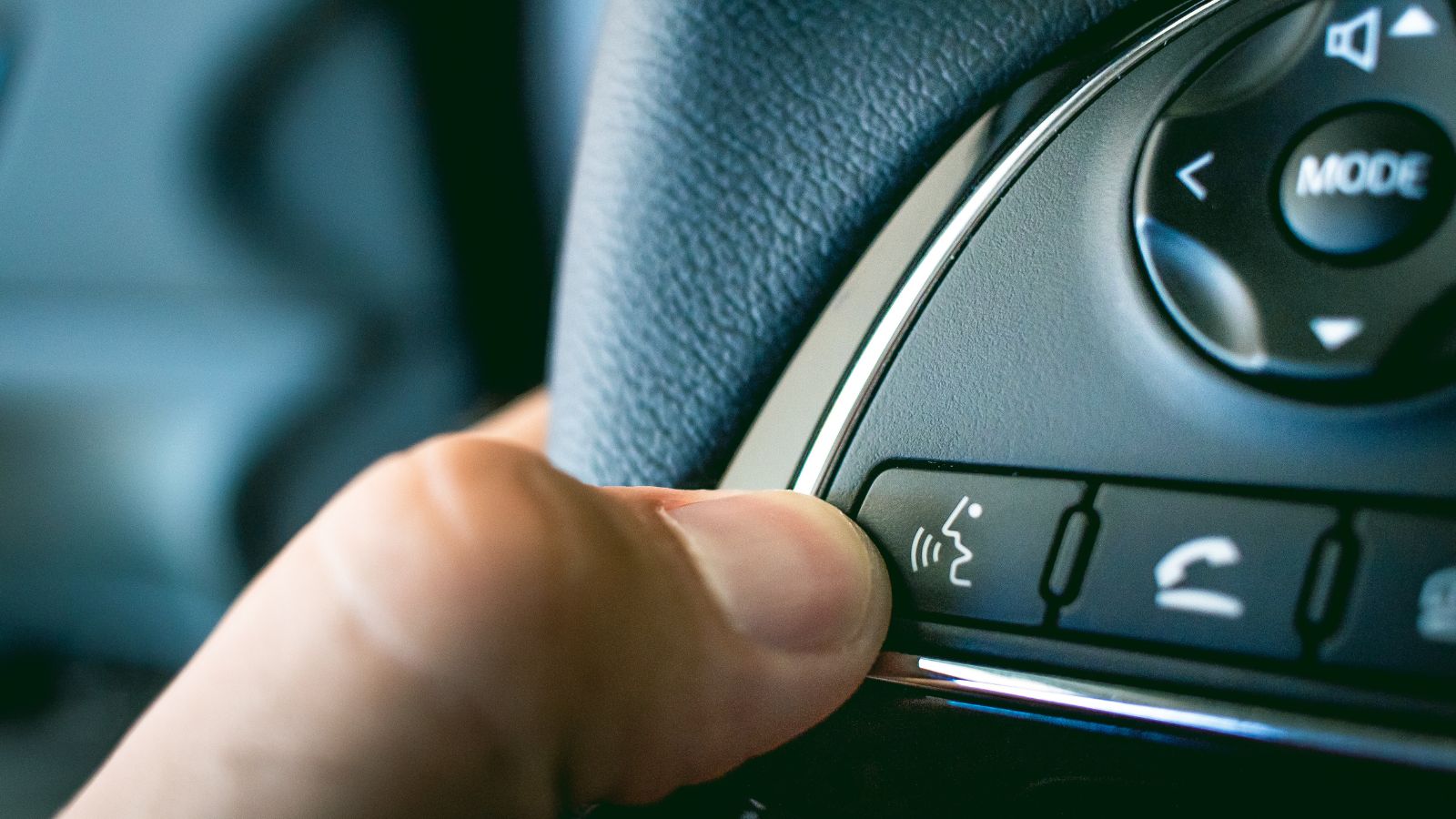
Older vehicle voice-control systems were often built around rigid command structures. Drivers might have needed to say a precise phrase such as “navigation, destination, address” before entering a location. That experience increasingly contrasts with conversational artificial-intelligence assistants capable of understanding ordinary language, context, follow-up questions, and more complicated requests without requiring users to memorize a menu of approved commands.
Google began rolling Gemini into Android Auto and vehicles with Google built-in, bringing more natural conversations, message handling, navigation assistance, and vehicle-related information into cars. J.D. Power has meanwhile begun tracking AI-based automotive technologies and reports that several smart functions rank highly for user satisfaction. The result is a rapidly changing benchmark. A three-year-old vehicle whose voice system repeatedly misunderstands normal speech may still function as designed, but beside a newer system capable of carrying a natural conversation, it can suddenly resemble a much older generation of consumer electronics.
Digital Cockpit Design Changes at Smartphone Speed
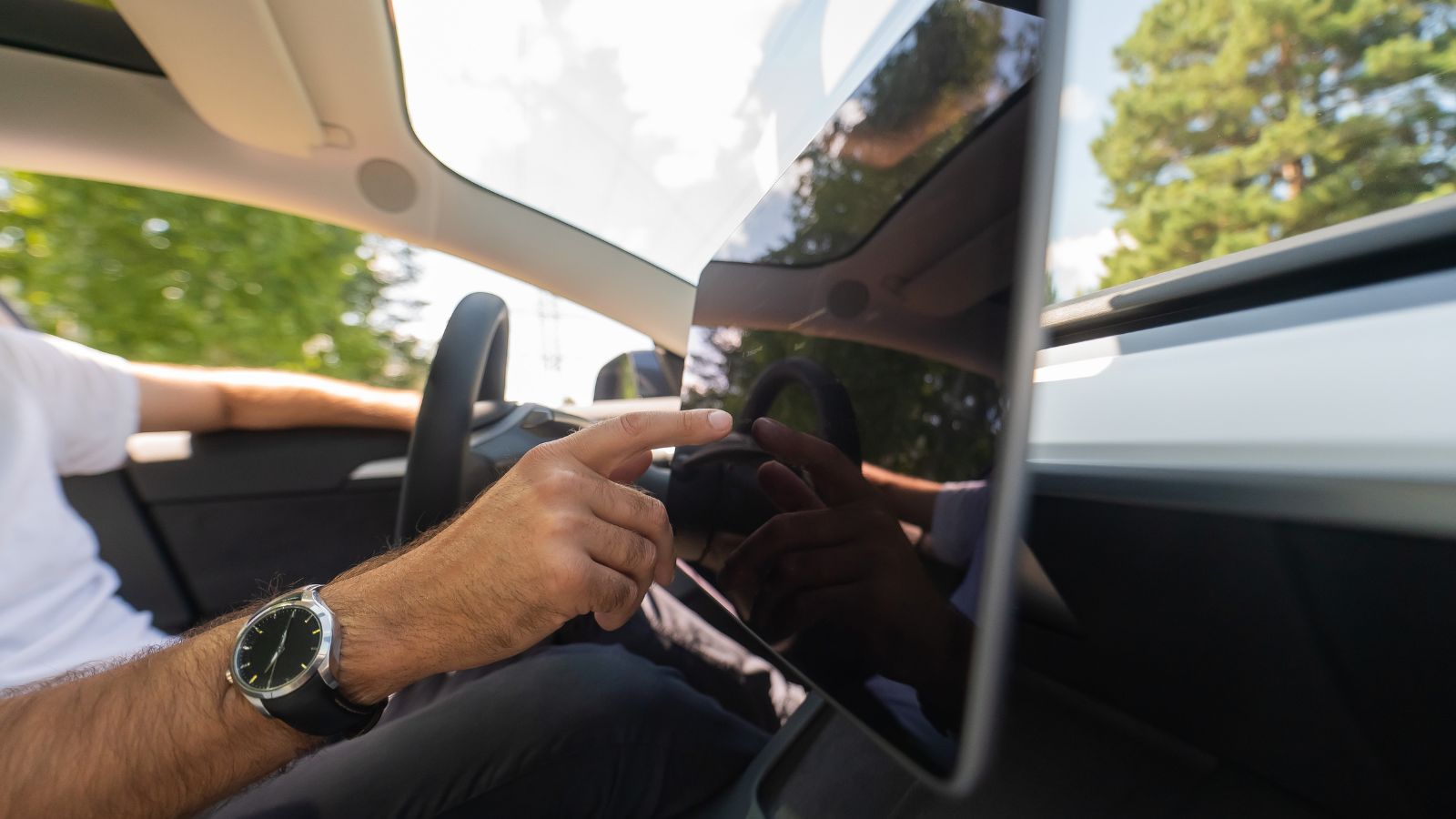
Automotive interiors once evolved mainly with full redesigns every five or six years. Digital dashboards now allow visual conventions to change much faster. J.D. Power noted in its 2025 multimedia study that larger touchscreens had become the norm, although the organization also warned that bigger displays do not automatically produce better usability. What matters is the combination of graphics, responsiveness, menu structure, and useful physical controls.
The pace is visible in smartphone integration as well. Apple’s CarPlay Ultra extends phone-generated content beyond the centre screen into compatible instrument clusters, where maps, media, gauges, tire-pressure information, and other vehicle data can appear together. That does not make a smaller three-year-old screen unusable, but it changes what buyers see as contemporary. A once-futuristic tablet display can begin looking surprisingly ordinary after only a few model years when newer dashboards use broader screens, customizable layouts, widgets, and increasingly integrated information.
Phones Are Starting to Replace the Traditional Key

For decades, remote keyless entry itself seemed advanced. Now compatible vehicles can let a smartphone or smartwatch perform many of the same duties. Apple’s digital car-key system, for example, can allow supported devices to lock, unlock, and start compatible vehicles. Depending on the car, passive entry can unlock the doors as the driver approaches and lock them again when the driver walks away.
Digital keys can also be shareable, creating possibilities that a conventional fob cannot easily match. A temporary key may be sent electronically rather than physically handed over. J.D. Power’s 2025 EV app research found rising interest in smartphone-key access, while its later study of apps for combustion-engine vehicles also identified smartphone-as-key functionality among desired daily-use features. A physical fob remains dependable and familiar, but once drivers become accustomed to carrying only a phone, digging through a bag for a traditional key can make an otherwise recent car feel older than its registration suggests.
Camera Systems Have Moved Beyond Basic Reversing Views
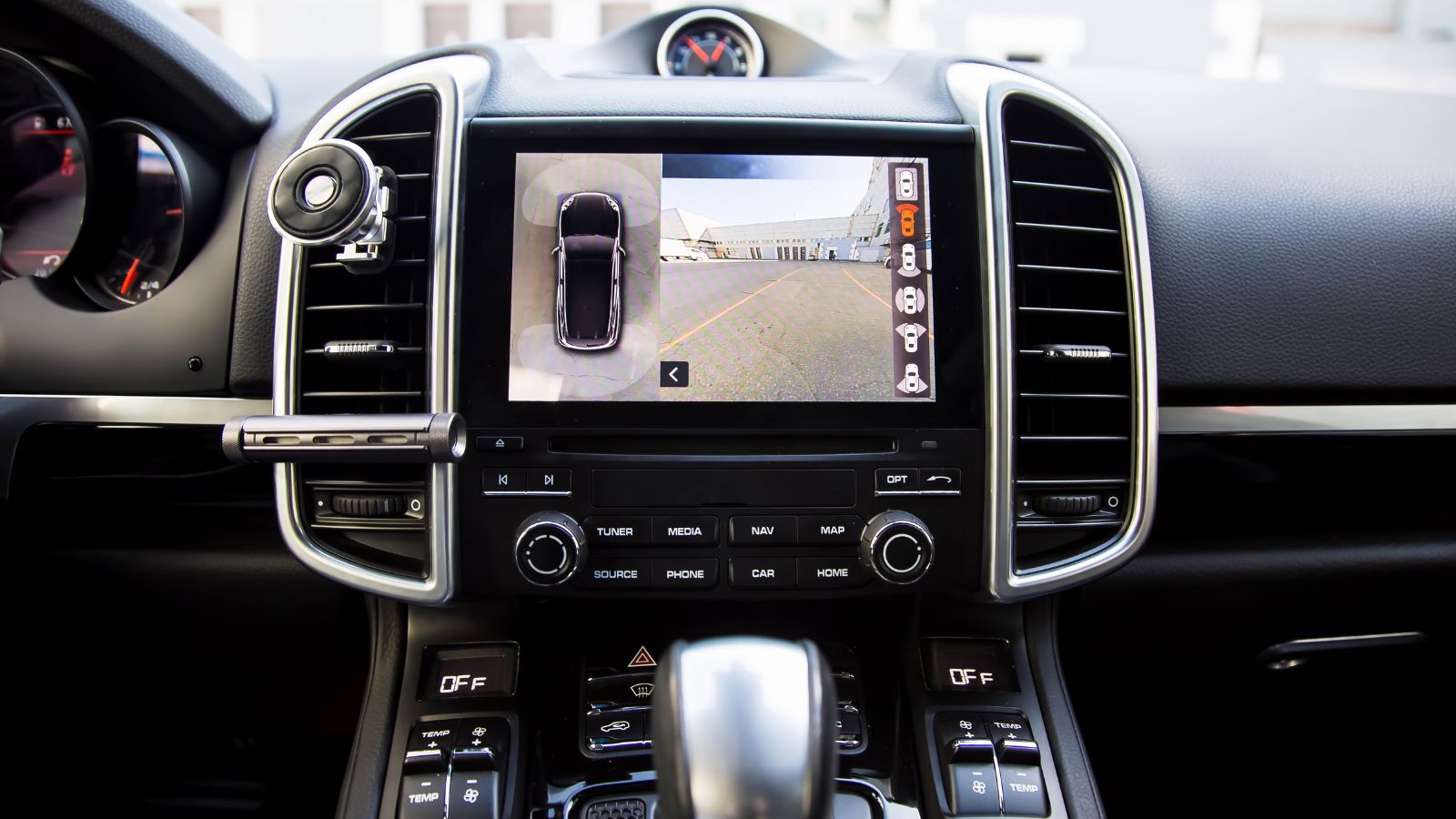
A reversing camera was once a premium convenience and later became commonplace. Expectations are now moving toward surround-view systems, high-resolution displays, curb cameras, trailer views, and cameras that supplement conventional blind-spot monitoring. J.D. Power’s 2025 Tech Experience Index found particularly strong enthusiasm for blind-spot camera technology: 93% of owners with the feature said they used it most of the time, while 74% wanted it in a future vehicle.
That helps explain why a basic rear camera can age a car visually and functionally. A three-year-old model may technically have all the hardware required for ordinary parking, yet its grainy nighttime image or single fixed perspective looks modest beside a newer vehicle that assembles multiple camera feeds into an overhead view. The difference becomes especially apparent in narrow garages and crowded parking lots, where a useful camera angle is experienced immediately rather than buried deep in a specification sheet.
Basic Cruise Control Is Being Overtaken by Lane-Centering Systems
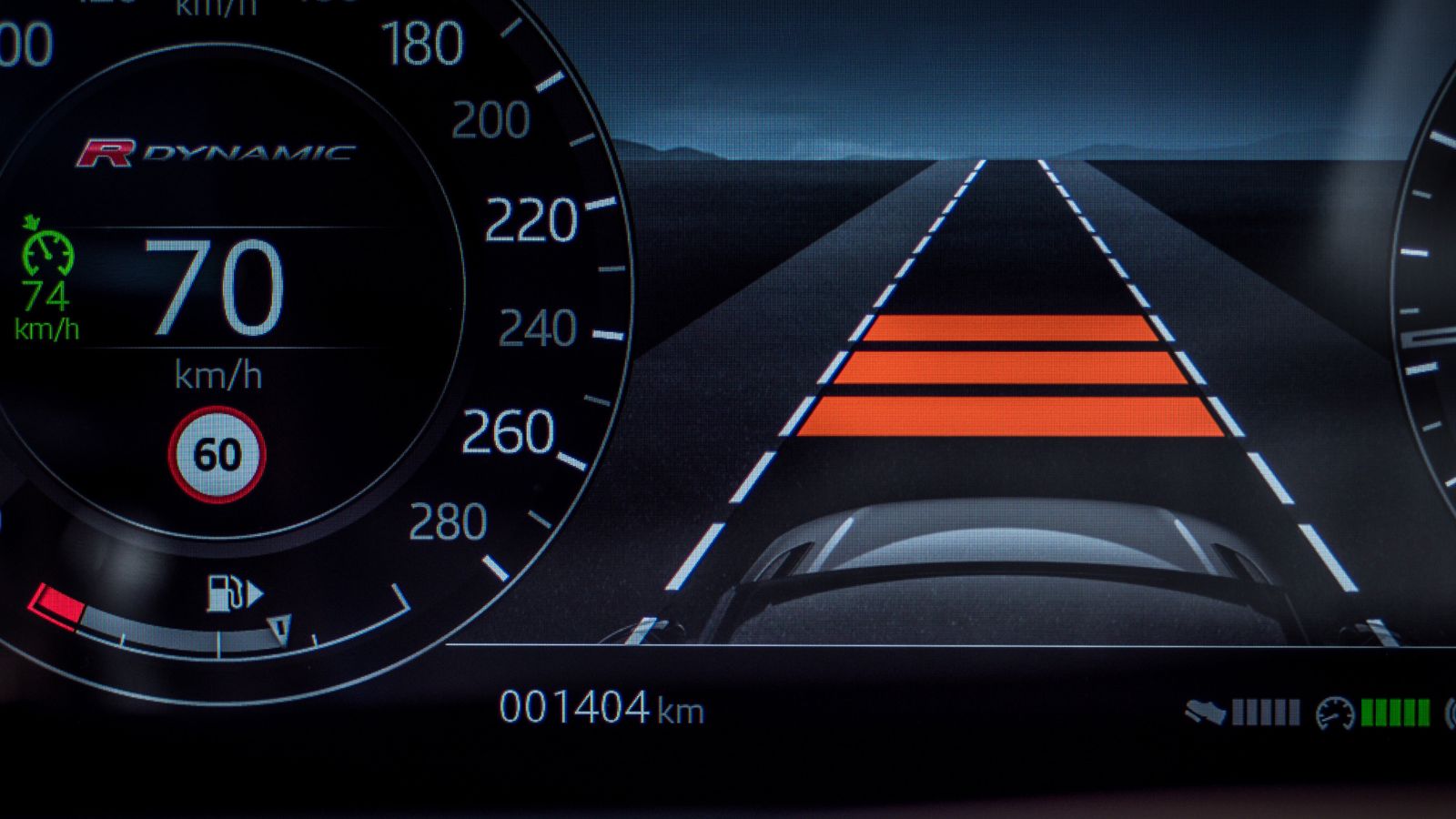
Driving assistance has progressed from simple cruise control toward systems that can manage speed, following distance, and steering simultaneously under appropriate conditions. The Insurance Institute for Highway Safety describes adaptive cruise control and lane centering as separate Level 1 functions; when combined, they can form Level 2 partial automation. The human driver nevertheless remains responsible for monitoring the road and must be prepared to intervene.
This progression can make older assistance packages feel basic surprisingly quickly. A car offering only conventional cruise control may require constant speed adjustments in changing traffic. Even an early adaptive-cruise system can feel less polished if it lacks smooth lane centering or newer cooperative-steering behaviour. None of this means a newer system is self-driving—IIHS emphasizes that Level 2 automation does not replace the driver. The perception gap comes from workload. Once another vehicle handles mundane highway adjustments smoothly, returning to a simpler system can feel like stepping back an automotive generation.
Driver Monitoring Has Become Part of the Technology Conversation
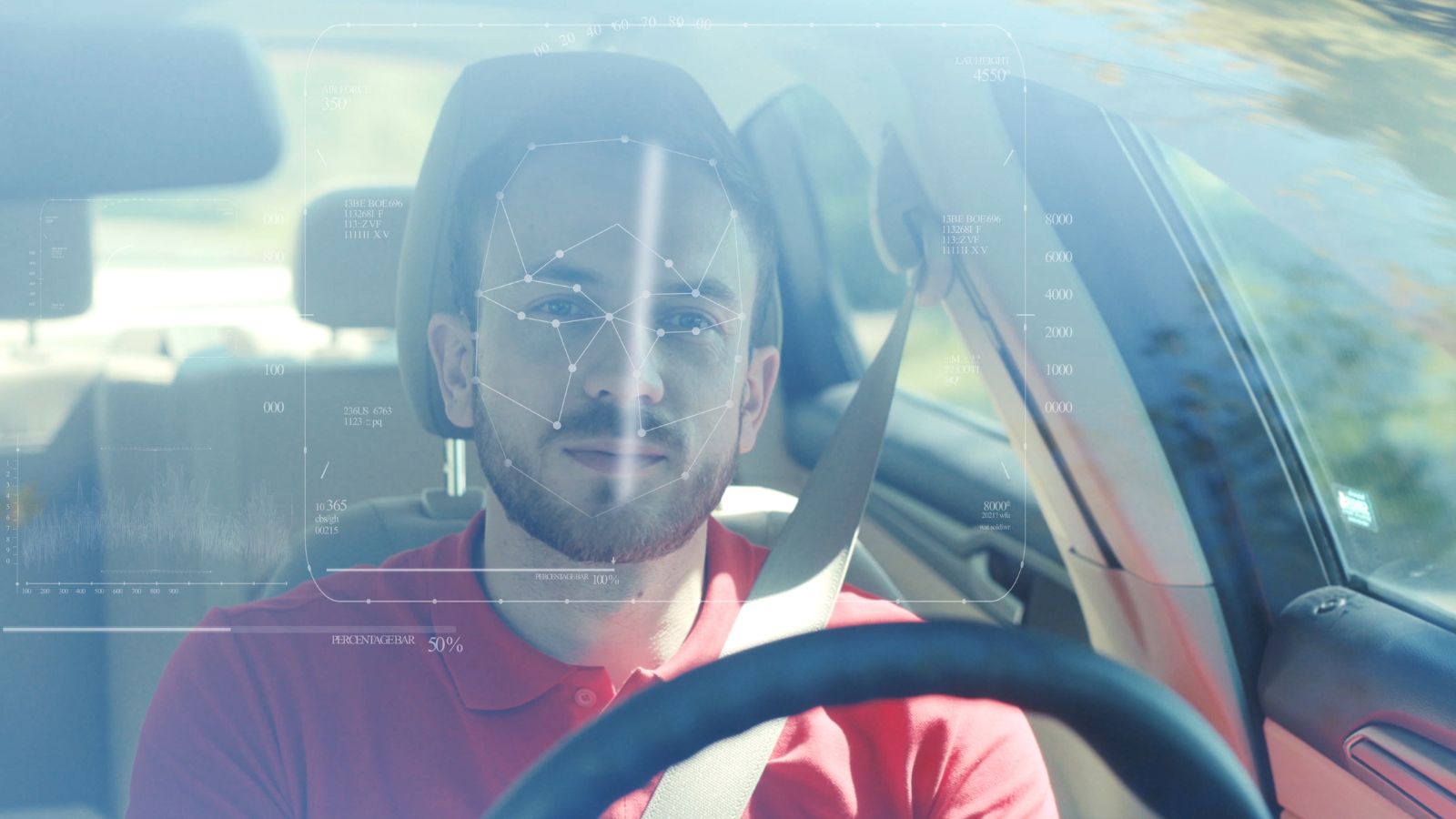
Early driver-assistance systems often relied heavily on steering-wheel torque to infer whether the driver remained engaged. Newer approaches can incorporate driver-facing cameras that evaluate gaze or head position. IIHS now specifically evaluates driver monitoring, attention reminders, emergency procedures, automated lane-change behaviour, and other safeguards when rating partial driving-automation systems. Its criteria reflect growing concern about drivers becoming disengaged while automation is active.
That change can age earlier systems even if their steering and adaptive-cruise performance remains acceptable. A vehicle that merely flashes a “keep hands on wheel” warning can appear primitive beside one that determines whether the driver is actually watching the road and escalates warnings when attention disappears. Importantly, advanced monitoring does not transform partial automation into autonomous driving. IIHS stresses that drivers remain responsible. The difference is that newer safeguards increasingly acknowledge the human factors surrounding automation, making older assistance systems feel less sophisticated in both capability and supervision.
Headlight Technology Has Improved Dramatically
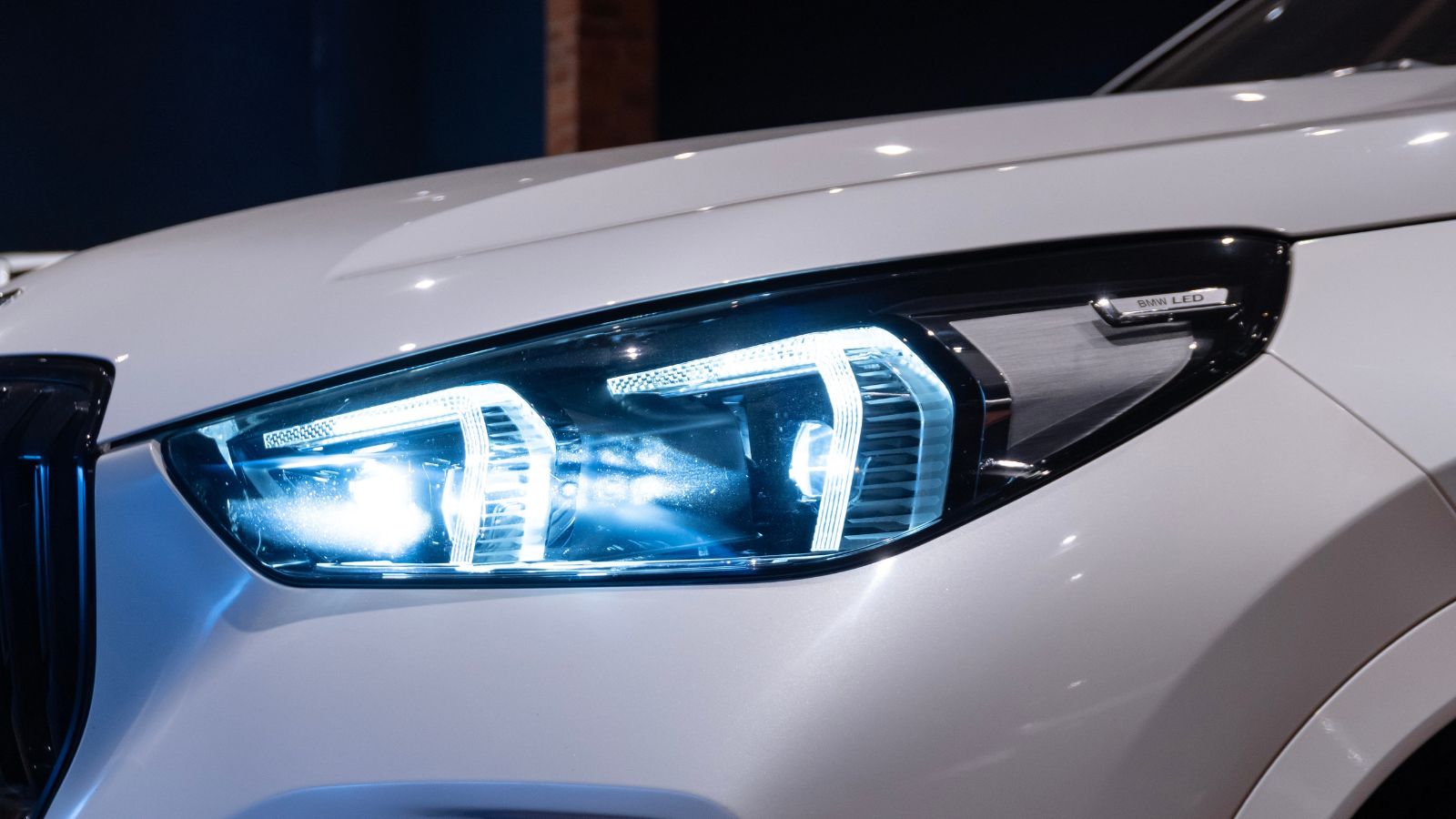
Headlights rarely dominate a showroom demonstration, yet their evolution can make an older vehicle feel surprisingly dated after dark. IIHS began rating headlight performance in 2016 after finding wide differences in useful illumination. Among more than 80 headlight systems available on 31 midsize cars for the 2016 model year, only one earned a good rating. By the 2026 model year, 46% of systems tested by IIHS earned that rating.
Technology has progressed as regulations have changed, too. U.S. regulators authorized adaptive driving beam systems in 2022, allowing compliant headlights to provide additional illumination while reducing light directed toward other road users. IIHS research has associated good-rated headlights with 19% fewer nighttime single-vehicle crashes and 23% fewer nighttime pedestrian crashes compared with poor-rated systems. A three-year-old vehicle with weak halogen or mediocre LED headlights may therefore reveal its age most clearly on an unlit road rather than in a parking lot.
Automatic Emergency Braking Keeps Getting More Capable

Having automatic emergency braking no longer guarantees that a vehicle’s collision-avoidance technology is competitive. Older systems may perform well in relatively straightforward situations but struggle at higher speeds or with different road users. IIHS replaced its earlier front-crash-prevention evaluation after virtually all new vehicles began performing well, introducing a tougher test involving higher-speed scenarios and targets representing passenger vehicles and motorcycles.
Manufacturers have responded quickly. In February 2025, IIHS reported that 22 of the latest 30 vehicles it evaluated earned good or acceptable results in the newer test, compared with only three of the first 10 small SUVs evaluated when the protocol debuted. Federal requirements are changing as well: NHTSA’s automatic-emergency-braking standard requires qualifying AEB, including pedestrian detection, on passenger cars and light trucks beginning in 2029. Consequently, an early-generation system may still be valuable while looking increasingly basic beside technology designed for more challenging scenarios.
EV Fast-Charging Speed Can Date a Car Overnight
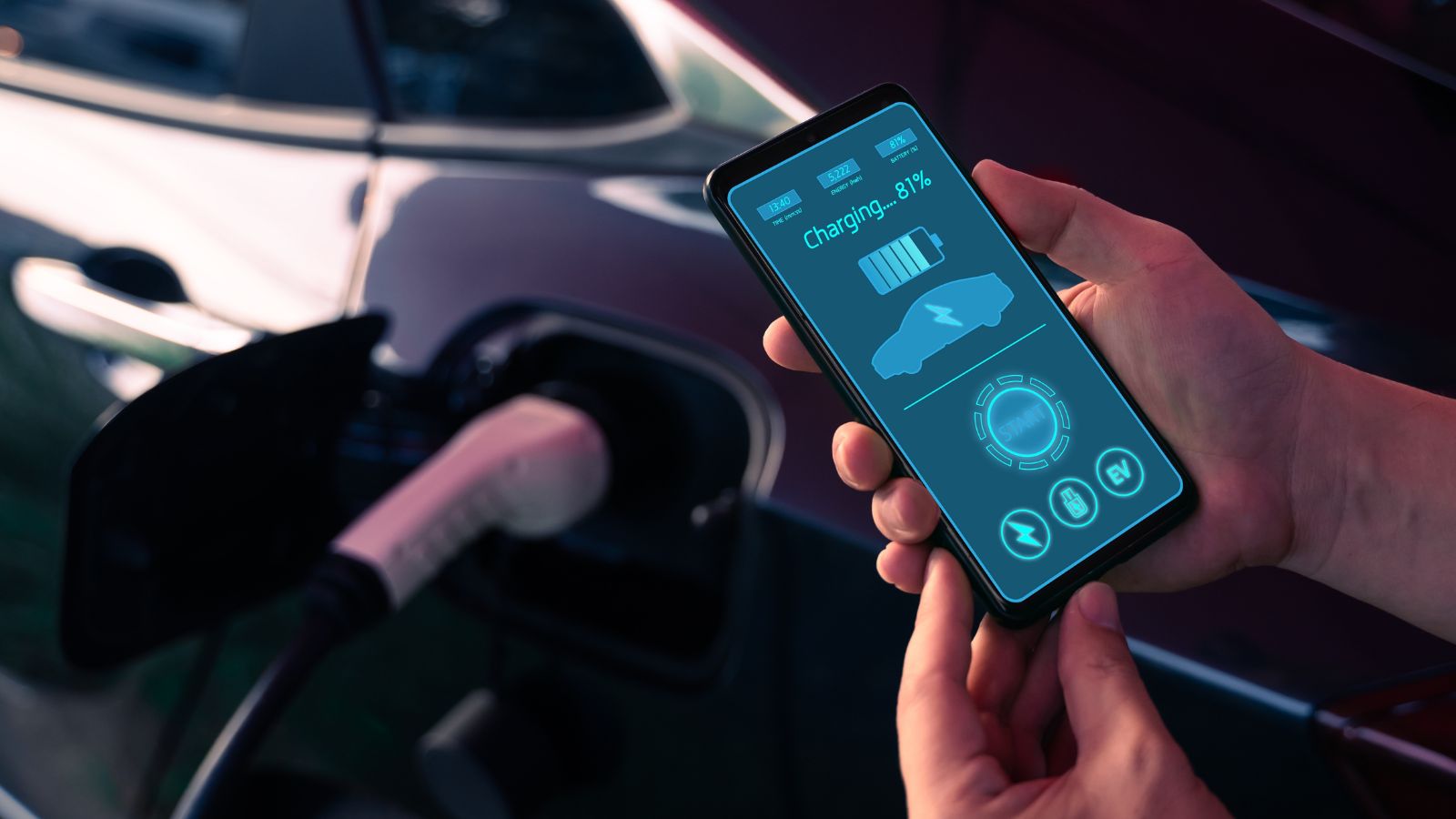
Electric vehicles expose technological differences particularly clearly at public fast chargers. The U.S. Department of Energy notes that current DC fast-charging equipment can provide outputs up to 500 kW, although the actual rate is limited by the vehicle, charger, battery temperature, and battery state of charge. DOE data also show major differences among vehicles in the maximum charging power they can accept.
That becomes tangible during a road trip. A newer EV designed to sustain high charging rates can add a substantial amount of range during a coffee stop, while an older model connected to the same powerful charger may accept far less power. J.D. Power repeatedly identifies charging speed as an important part of EV-owner satisfaction, even while noting that reliability, cost, and ease of use matter as well. Because batteries can remain mechanically healthy while their charging architecture becomes comparatively slow, this is one area where a three-year-old vehicle can genuinely feel technologically older without being worn out.
Plug & Charge Makes Apps and Payment Cards Feel Clumsy
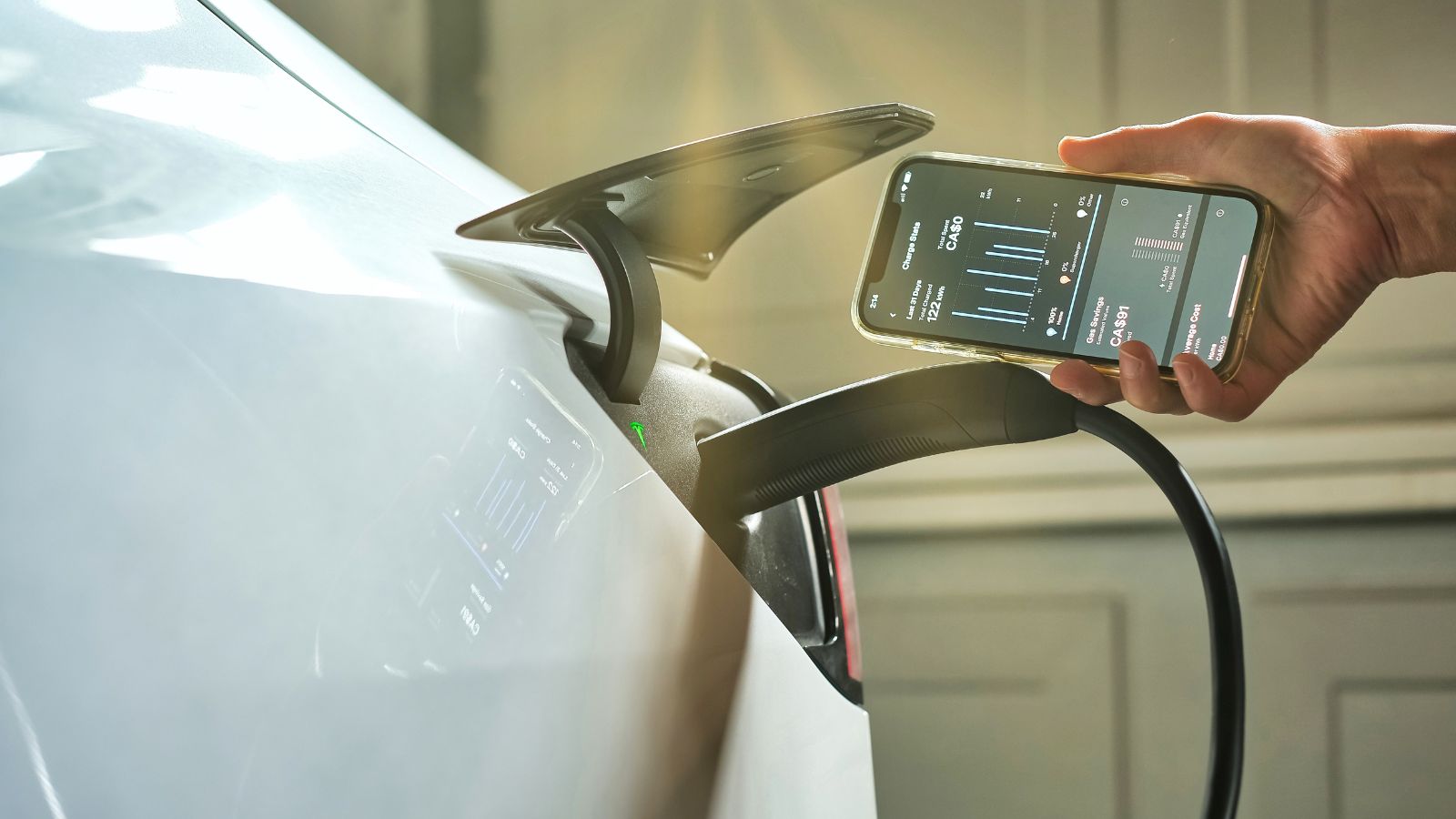
Public EV charging has historically required an awkward mixture of network accounts, smartphone applications, membership cards, and credit-card terminals. Plug & Charge is designed to simplify that experience. Under the ISO 15118 framework, compatible vehicles and chargers can exchange the information needed for authentication and billing automatically, meaning the driver can connect the cable and begin charging without separately identifying an account at the station.
Consumers appear to appreciate that simplicity. J.D. Power’s 2024 public-charging study found automatic payment methods such as Plug & Charge generated an ease-of-payment satisfaction score of 886 on its 1,000-point scale, substantially ahead of conventional card payments. The feature therefore creates another dividing line between generations of EVs. An older electric vehicle can have respectable range and charging speed but still require several taps and an app login at the charger. Beside a vehicle that authenticates automatically, that extra ritual can make the ownership experience feel noticeably dated.
Charging-Connector Standards Are Changing Under Existing EVs
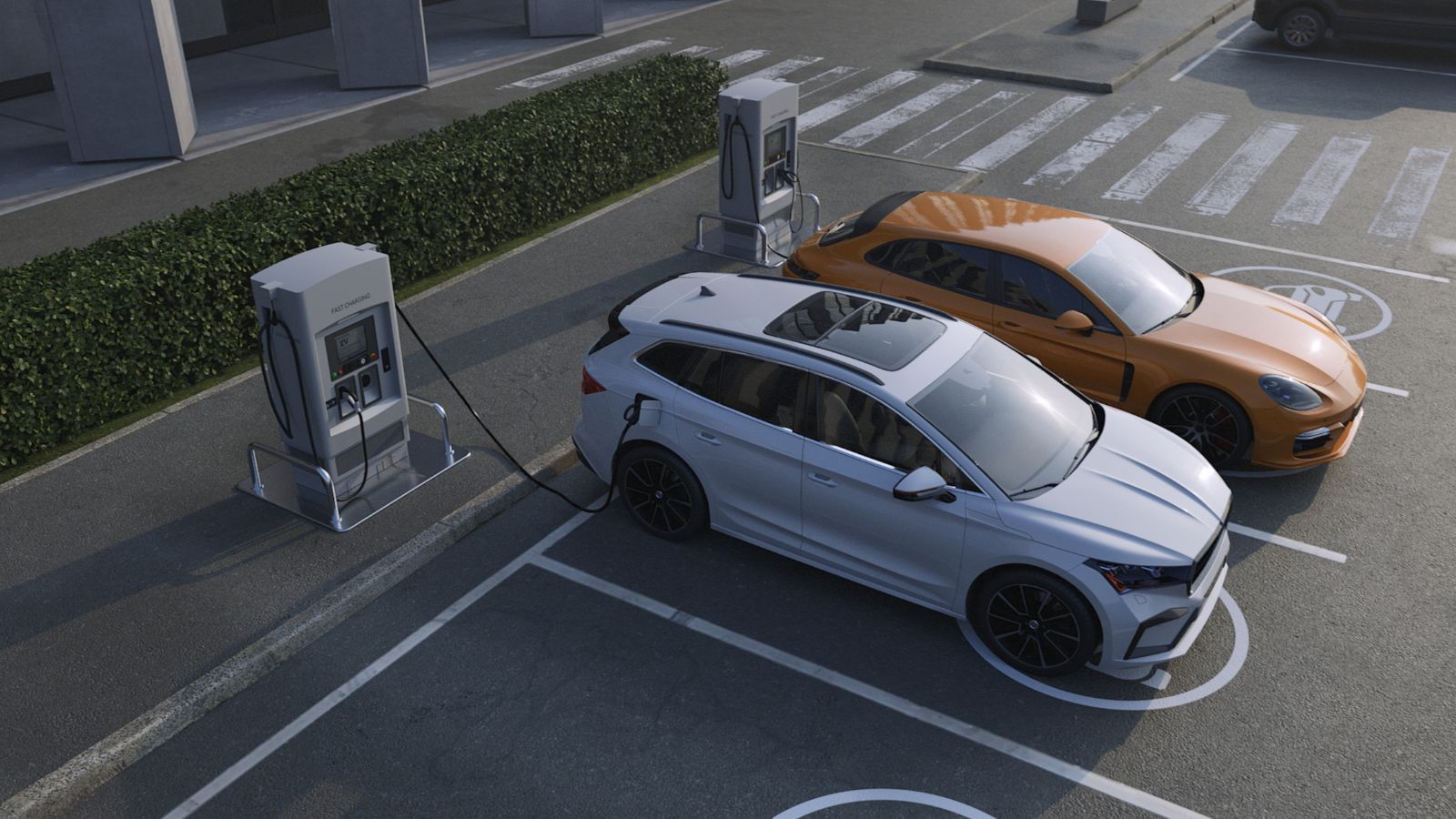
Charging hardware rarely changes on gasoline vehicles, but electric vehicles have lived through a rapidly evolving connector landscape. North America has used J1772 for common AC charging, CCS1 and CHAdeMO for various DC fast-charging applications, and the Tesla-developed connector now standardized by SAE as J3400. The Joint Office of Energy and Transportation says SAE’s standardization enables manufacturers and charging-equipment companies across North America to implement the J3400 design.
This transition can make a relatively young EV feel caught between generations. A vehicle may continue charging perfectly well yet require an adapter at newer stations or may not have the same access experience as a model designed around the increasingly adopted connector. DOE guidance already tells buyers to consider which public charging connectors are compatible with a vehicle. Unlike cosmetic aging, connector changes influence everyday convenience. Owners can adapt, and adapters preserve usefulness, but the additional equipment is a visible reminder that infrastructure standards moved after the car left the factory.
Heat Pumps Have Raised Expectations for Winter EV Efficiency
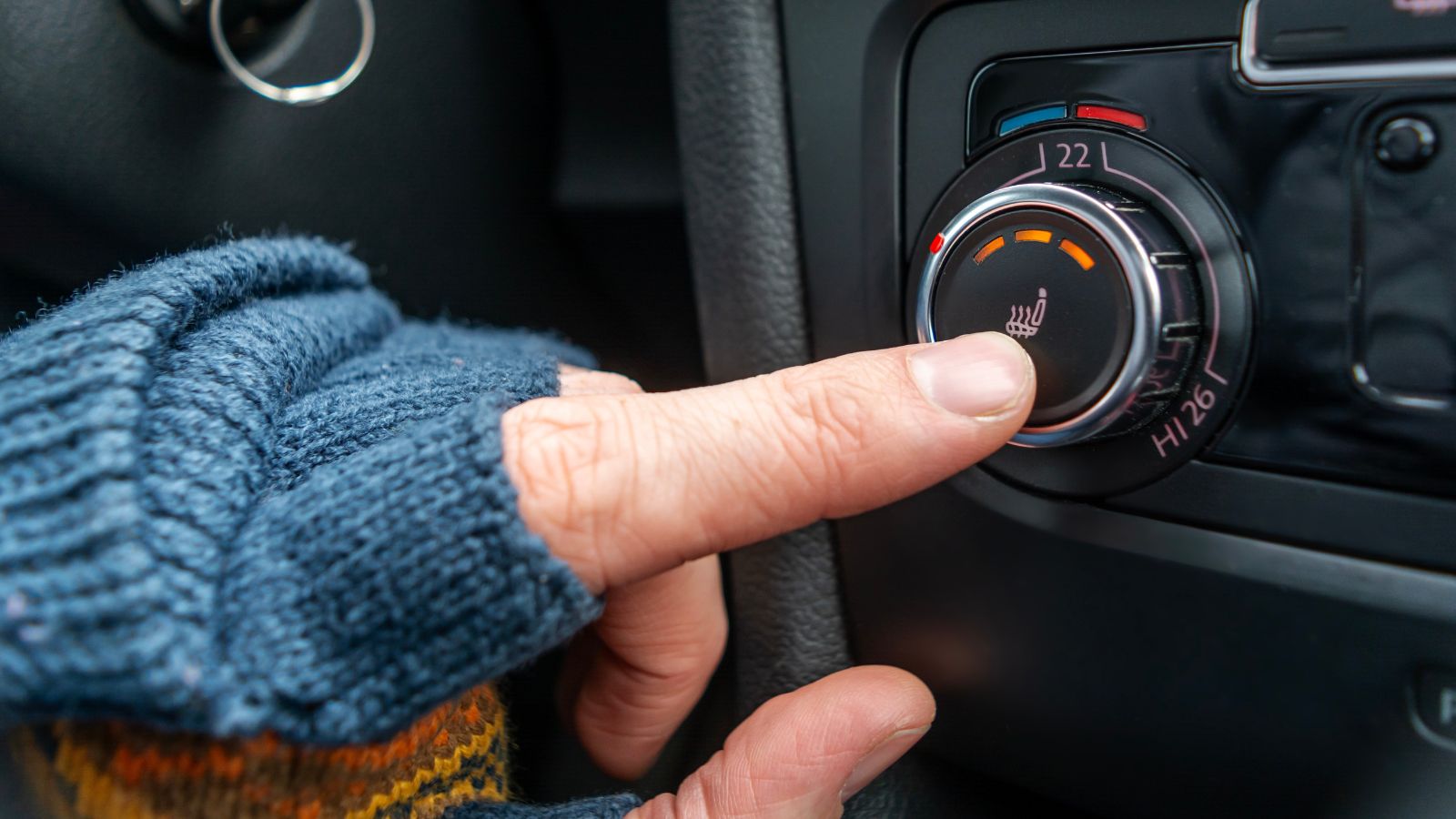
Cold weather exposes another difference between generations of electric vehicles: cabin heating. Conventional electric resistance heaters turn electrical energy directly into heat, drawing from the same battery that powers the vehicle. Heat pumps can move heat more efficiently under suitable conditions. The U.S. Department of Energy specifically advises EV shoppers to consider a heat pump where available because it can warm the cabin more efficiently than resistance heating in many conditions.
That improvement is especially meaningful in regions with long winters. A three-year-old EV without a heat pump may still have a healthy battery, but heating the cabin can consume enough energy to make its winter efficiency look less competitive beside a newer design. Some modern vehicles combine heat-pump and resistance technologies to cover a broader temperature range. The difference is rarely obvious on a warm showroom floor. It emerges on freezing mornings, when owners simultaneously want a warm cabin, defrosted glass, dependable range, and quick charging without sacrificing more battery energy than necessary.
Hybridization Keeps Moving the Efficiency Benchmark
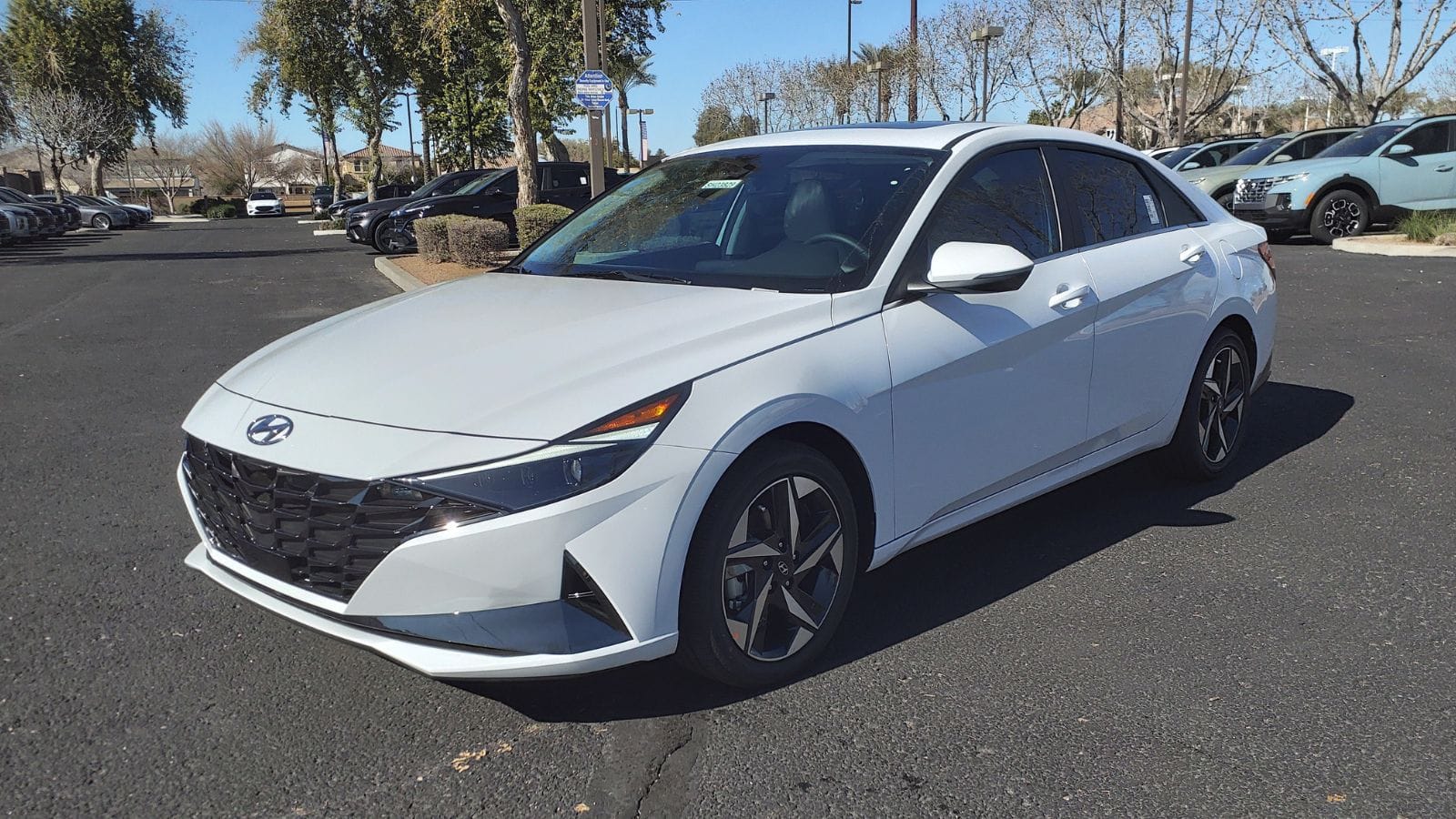
A gasoline vehicle does not need to become inefficient with age for newer alternatives to make it seem thirsty. EPA’s 2025 Automotive Trends Report found that average real-world fuel economy for new model-year 2024 vehicles reached a record 27.2 mpg. The agency says average new-vehicle fuel economy improved in 16 of the previous 20 years and was 41% higher than in model year 2004.
Hybrid technology is helping move that benchmark. EPA data show strong hybrids accounted for 15% of U.S. new-vehicle production in model year 2024, with preliminary 2025 data projecting continued growth. Toyota, for example, recorded substantial efficiency improvement partly through greater production of strong hybrids. This means an ordinary three-year-old gasoline crossover can suddenly sit beside a newer version offering hybrid assistance, regenerative braking, and lower fuel consumption without radically different dimensions or performance. The older vehicle has not deteriorated; the comparison simply changed around it, which is enough to alter perceptions quickly.
Built-In Navigation Can Age Faster Than the Roads Around It
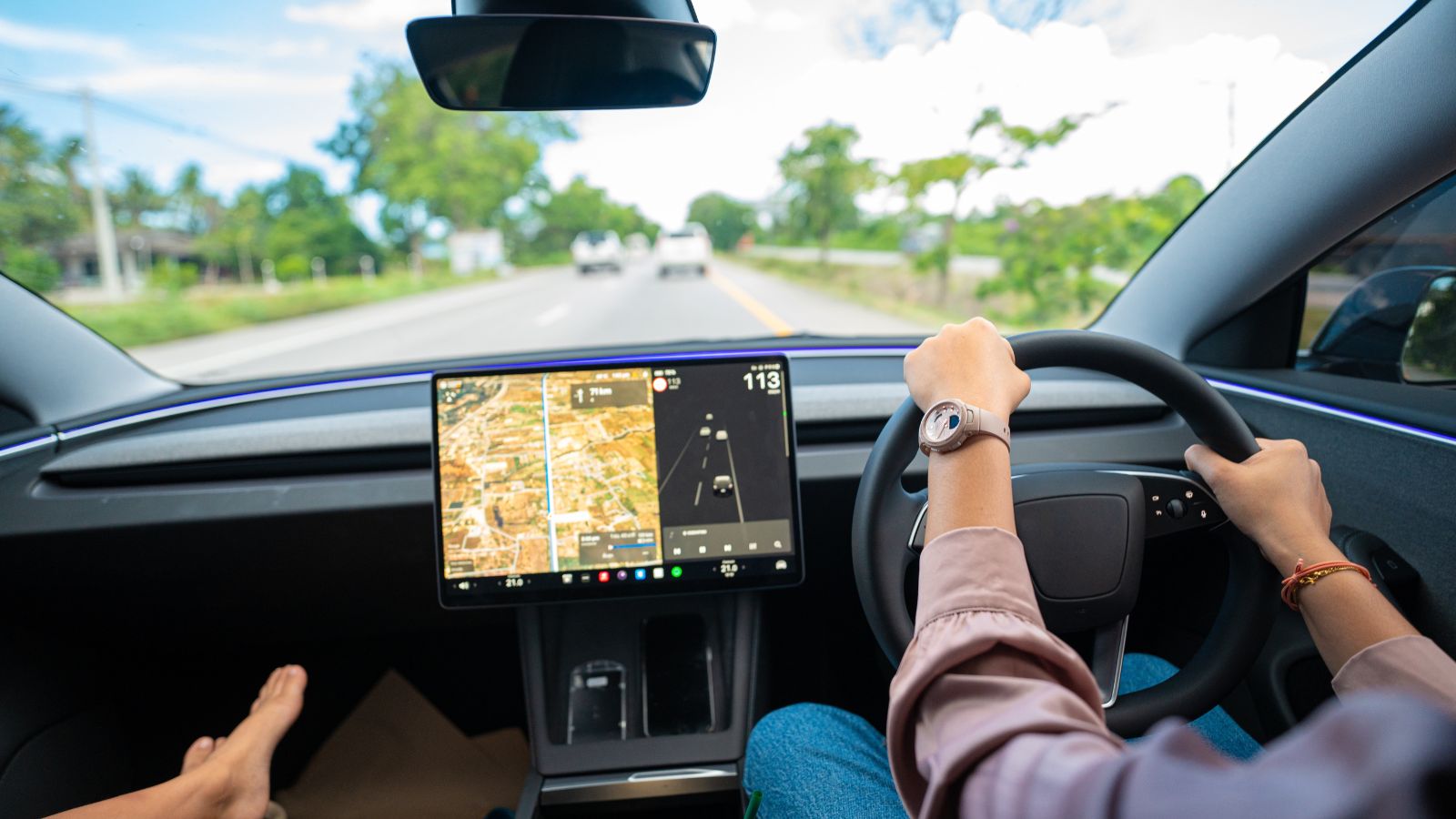
Navigation is only as useful as its underlying maps and traffic information. Smartphones have conditioned drivers to expect road closures, newly constructed streets, business listings, and congestion data to appear continuously. Consumer Reports has noted that Apple CarPlay and Android Auto benefit from phone connectivity and frequently updated mapping, while some traditional built-in systems have historically required subscriptions or paid software updates to provide similarly current information.
The gap keeps widening as connected navigation becomes more intelligent. Google has been adding conversational Gemini functions, immersive mapping, and increasingly integrated vehicle information to its automotive platforms. A three-year-old navigation system can therefore still know perfectly well how to reach most destinations while feeling old because its search is slow, its map graphics are static, or a newly opened business does not exist in its database. Few things make technology feel older faster than a dashboard insisting that a road used every morning is not there.
Cellular Network Shutdowns Can Disable Features Entirely

Most forms of automotive aging are gradual. Cellular-network shutdowns can be abrupt. Many connected vehicles historically used embedded 3G modems for emergency calling, concierge services, remote features, and automatic crash notification. When U.S. wireless carriers retired their 3G networks, some vehicles could be upgraded, but others permanently lost connected functions despite being otherwise mechanically sound.
Consumer Reports documented vehicles from numerous brands affected by the 3G shutdown and noted that automatic crash notification could disappear when the embedded modem could no longer reach a cellular network. The episode illustrated a new kind of vehicle obsolescence: external infrastructure can age the car. Hardware installed at the factory may work exactly as designed yet become useless because the communications network around it has moved on. As vehicles depend more heavily on connectivity, long-term modem and network support becomes an increasingly important consideration—and a reason a seemingly recent car can unexpectedly lose capabilities once advertised as premium features.
The Smartphone App Is Becoming Part of the Car
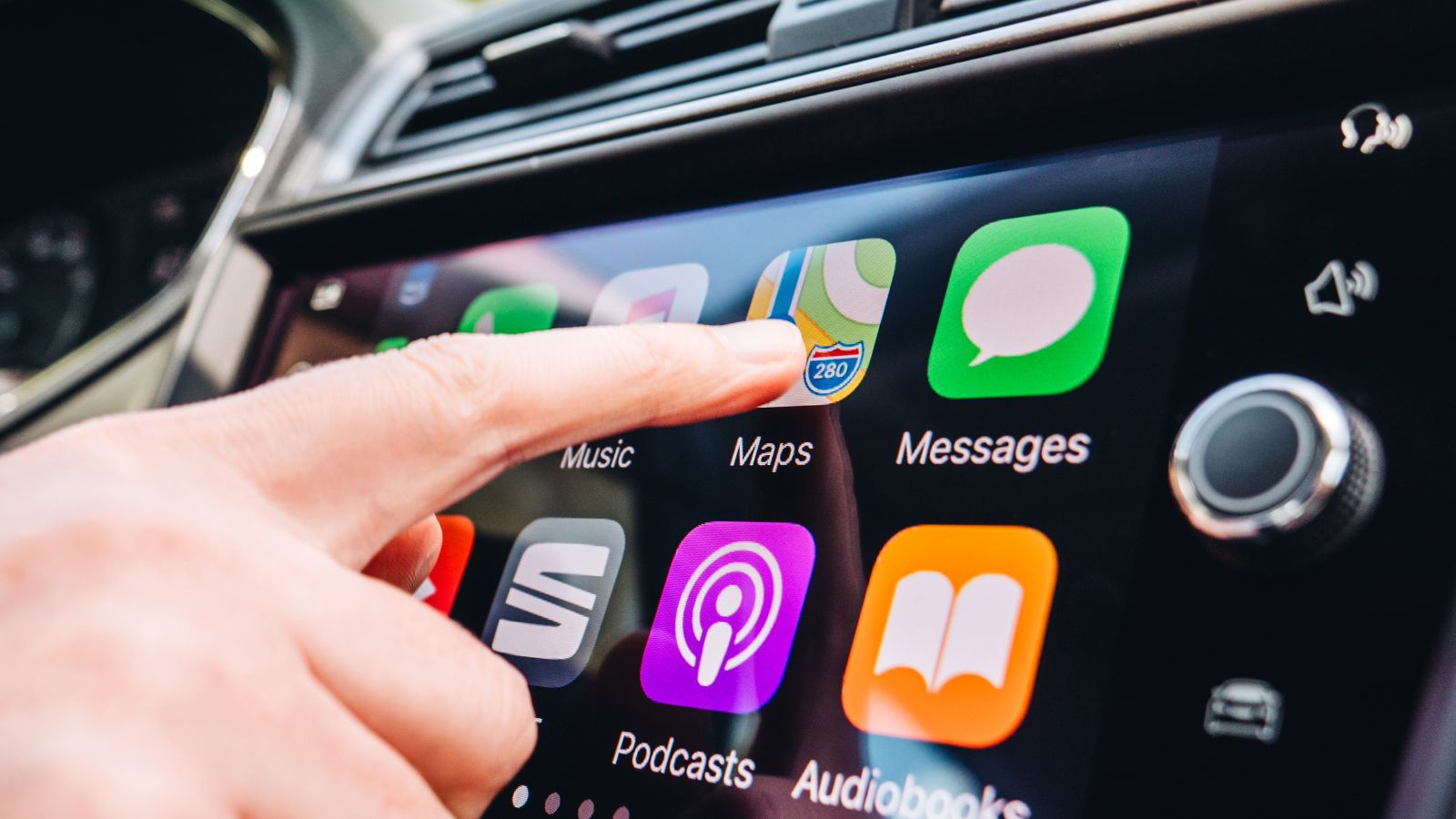
Vehicle ownership increasingly extends beyond the dashboard. Manufacturer apps can provide charge status, preconditioning, navigation planning, diagnostics, lock and unlock functions, remote start, and other controls. J.D. Power’s 2025 EV-app study found nearly one-third of non-Tesla owners used their manufacturer’s app on every drive, while 79% of Tesla owners did so. More than 90% of surveyed users desired core functions including vehicle status, OTA-update information, and diagnostics.
Combustion-engine vehicles are moving in the same direction. J.D. Power’s 2025 study of ICE-vehicle apps found nearly 80% of owners used their manufacturer’s app, though connectivity and slow response remained common frustrations. This creates another place for a three-year-old model to show its age. A sparse app that does little beyond remote locking feels noticeably different from one integrating climate, cameras, vehicle health, profiles, and rapid remote commands. The physical car may look nearly identical, but the ownership ecosystem surrounding it has changed substantially.
Smart Personalization Makes Older Cabins Feel More Static
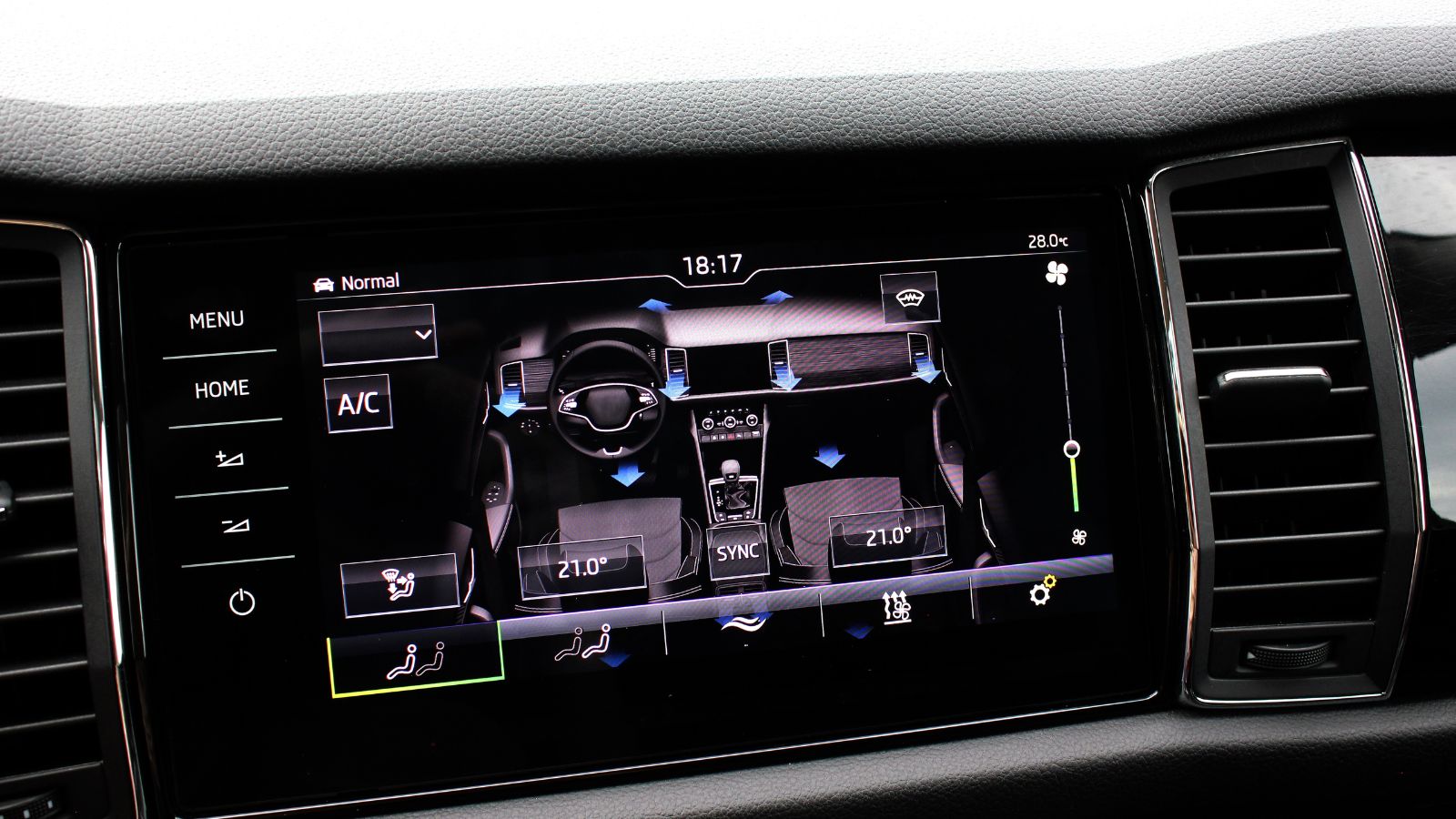
Some of the newest automotive technology is less about adding buttons and more about reducing the need to press them. J.D. Power’s 2025 Tech Experience Index began tracking a broader group of AI-based “smart vehicle” features designed to anticipate driver needs. Smart ignition, automatic climate functions, and driver-preference technologies ranked among the study’s top-performing features for relatively low problem rates and strong customer satisfaction.
That shift changes expectations subtly. A traditional three-year-old car may require the driver to select a profile, reset preferred temperature, adjust seat settings, and configure entertainment choices manually every time circumstances change. Newer systems increasingly attempt to recall or anticipate those preferences. The benefit can sound frivolous on a specification sheet, yet repeated daily interactions determine whether technology feels polished. J.D. Power also found improving user experience for smart climate systems. When routine adjustments begin happening automatically in newer cars, a cabin requiring the same manual setup every morning can suddenly feel much older.
19 Used Cars Canadians Should Avoid in 2026 (Based on Owner Complaints)

Buying a used car in Canada can feel safe until repair bills start stacking up. Owner complaints tell a different story than glossy listings. Transmission failures, electrical problems, and weak winter reliability show up again and again in consumer reports. Many of these issues appear after warranties expire, when owners least expect them. Some vehicles look affordable upfront, but become expensive to keep on the road. Others struggle in cold weather, urban driving, or long highway commutes. Here are 19 used cars Canadians should avoid in 2026 (based on owner complaints).
19 Used Cars Canadians Should Avoid in 2026 (Based on Owner Complaints)

Alanna Rosen is an experienced content writer that focuses on many EV and educational content. Her articles are regularly published on Get CyberTrucked and syndicated on large publications.