A vehicle can look almost the same in the driveway while its market value quietly changes by thousands of dollars. Depreciation is unavoidable for most cars, but age alone does not explain why one vehicle holds its price while another falls much faster. Mileage, maintenance, accident history, market demand and even broader changes in the new-car business can alter what dealers and private buyers are prepared to pay.
That matters in a Canadian used market that continues to normalize after several unusually volatile years. Values have been shifting differently depending on segment, powertrain and vehicle condition. These 20 reasons explain why a car may be losing value faster than its owner expected—and which factors are actually within an owner’s control.
Mileage Is Running Ahead of the Calendar
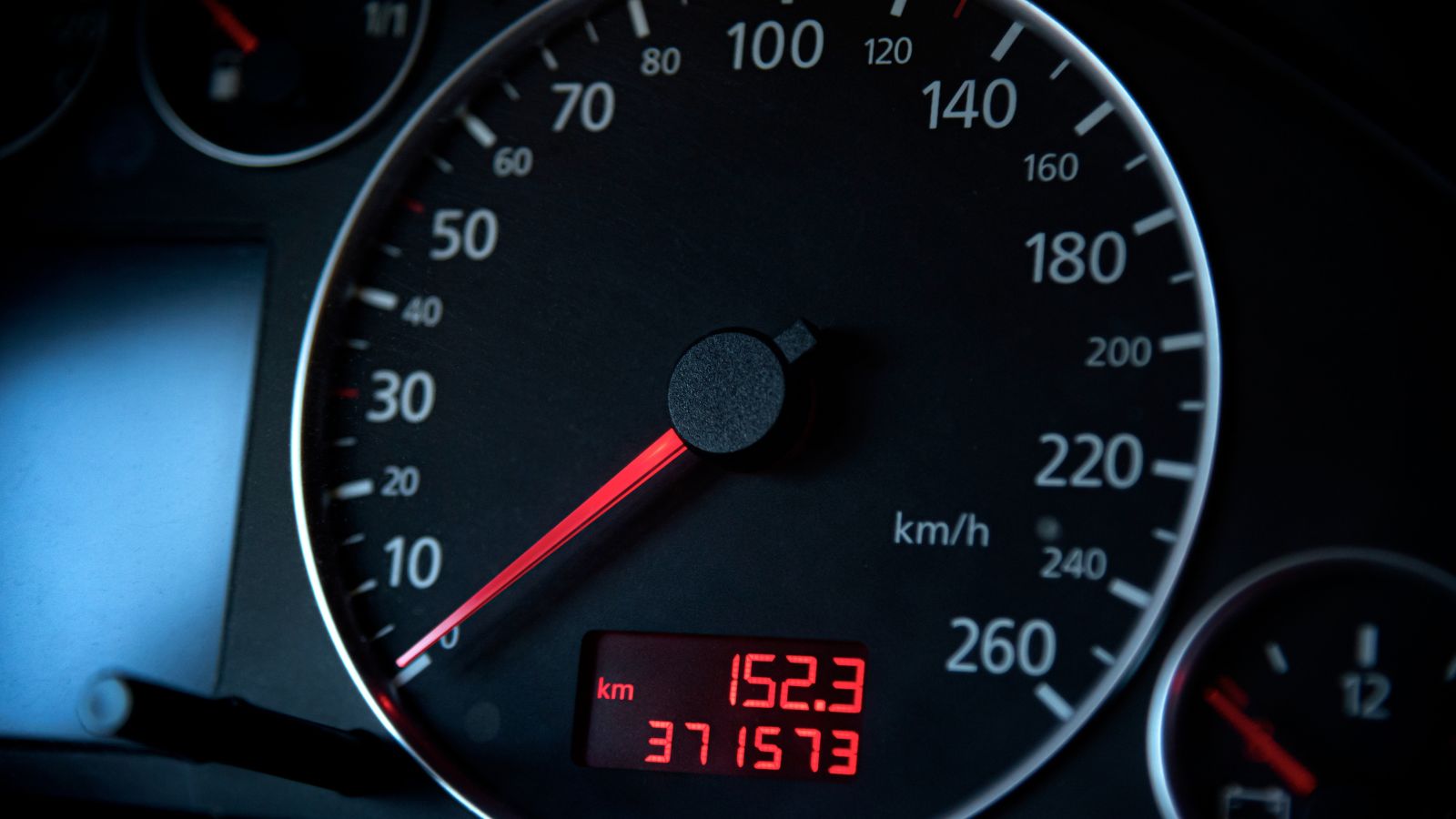
Age and mileage usually work together when a vehicle is valued. Problems arise when the odometer is accumulating kilometres much faster than buyers would normally expect for a car of that age. A three-year-old vehicle with unusually heavy highway, delivery or commuting use may therefore be priced differently from an otherwise identical three-year-old example that travelled far less. Canadian Black Book specifically adjusts its valuation benchmarks for mileage, while CARFAX Canada includes odometer readings when determining vehicle-specific values.
High mileage is not automatically evidence of a poorly maintained vehicle. A long-distance commuter who meticulously follows the maintenance schedule may have a mechanically healthier car than someone who neglects a low-mileage vehicle. Resale markets, however, must account for the remaining useful life of components and the likelihood that future repairs are approaching. That makes the odometer a powerful pricing shortcut. The kilometres may have been easy ones, but the next buyer usually expects a discount for taking on a vehicle that has already covered significantly more road than its peers.
Accident History Is Following the VIN

A repaired bumper can disappear visually, but the accident behind it may remain attached to the vehicle’s history for years. CARFAX Canada states that previous accident and damage history directly affects used-vehicle market value, with the severity of the damage, quality of repairs and number of incidents all influencing the eventual adjustment. Structural damage, airbag deployment or flooding can create far more concern than a documented cosmetic repair.
This explains a frustration familiar to owners who paid for excellent collision work. A vehicle can be restored to the point where it drives normally and looks flawless, yet still trade below a comparable car with no recorded damage. Buyers are paying for uncertainty as much as visible condition. They may wonder whether alignment, electronics, corrosion protection or structural integrity will create trouble later. Documentation helps: professional repair invoices and evidence that factory procedures were followed can make the history easier to evaluate. What they generally cannot do is erase the event itself, which is why even properly repaired accidents can leave a lasting depreciation penalty.
Maintenance Gaps Are Becoming Visible

Skipping maintenance may save several hundred dollars in the short term while quietly making the vehicle less convincing when it is time to sell. CARFAX Canada uses service history as one of the inputs in its History-Based Value system, and its valuation guidance notes that regular servicing demonstrates better upkeep than long gaps without documented work. Kelley Blue Book similarly lists maintenance history among the factors affecting depreciation.
The important word is documented. An owner may genuinely have changed the oil in a home garage every year, but a prospective buyer has little independent evidence if there are no receipts or records. By contrast, a folder containing maintenance invoices can show that fluids, brakes, tires and scheduled services were handled rather than postponed until something failed. The effect becomes more noticeable as cars age because buyers become increasingly concerned about expensive mechanical surprises. Missing records do not prove neglect, but they add uncertainty. In a market where a buyer can choose between several similar vehicles, the car with a clear paper trail often presents the easier case for paying more.
Everyday Wear Is Pushing It Into a Lower Condition Grade
Depreciation is not calculated from the model year alone. Appraisal systems also distinguish between vehicles based on mechanical, exterior and interior condition. Edmunds, for example, uses condition categories ranging from outstanding through damaged and adjusts values downward when reconditioning would be required. Dents, cracked trim, stained upholstery, worn tires, warning lights and neglected paint can therefore have a cumulative effect that is larger than any one defect suggests.
This is where familiar cars can fool their owners. A small door ding becomes almost invisible after living with it for two years. The same is true of curb rash, a cracked windshield edge or a worn steering wheel. An appraiser sees the collection all at once and starts calculating what must be repaired before the vehicle can be retailed. Dealers also have to account for inspection and reconditioning expenses when making trade offers. A car does not need catastrophic damage to slide into a lower value category. Enough ordinary wear accumulated in enough places can produce the same result gradually.
Rust Is Taking a Bigger Toll Than It Looks
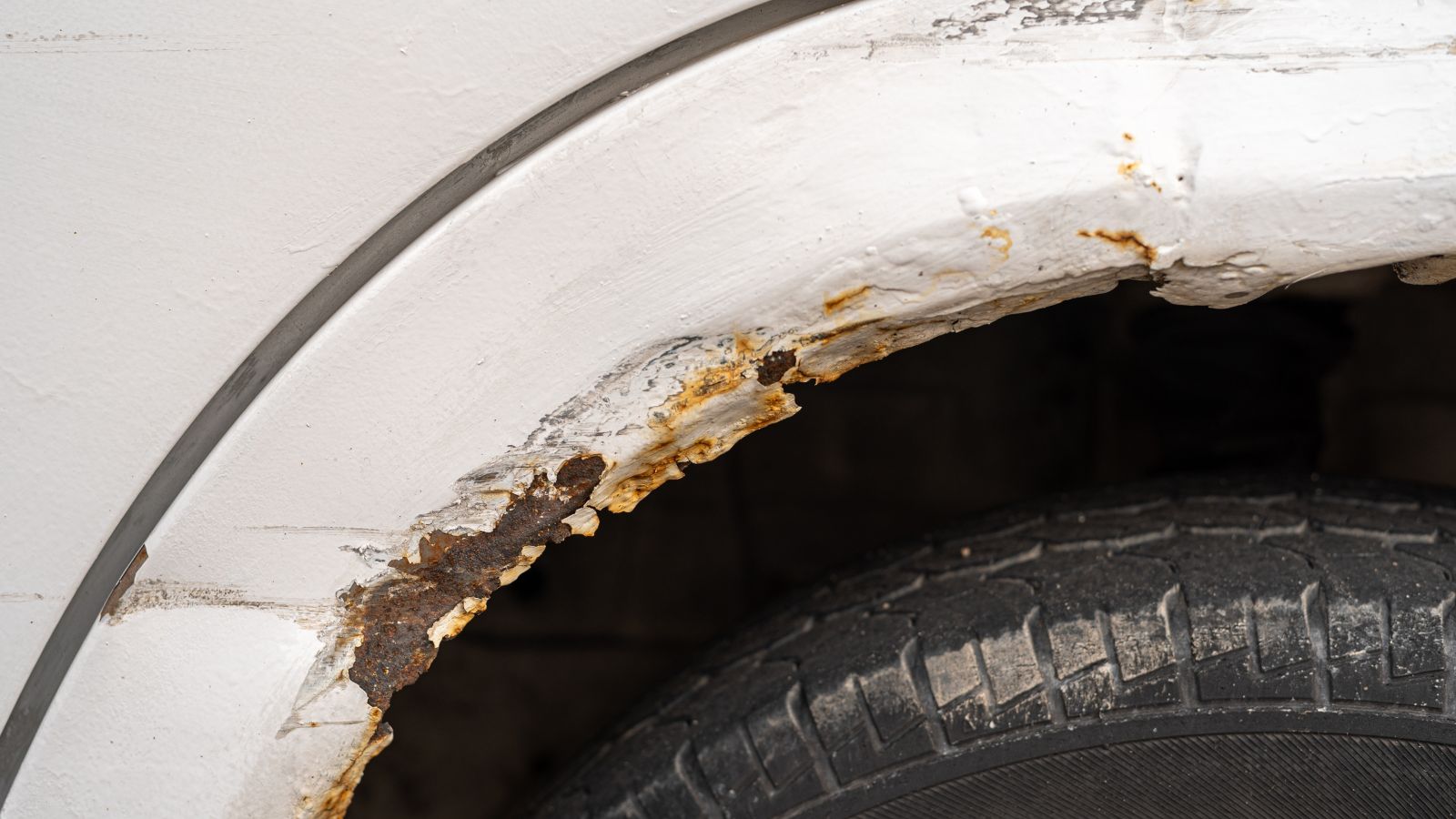
Canadian winters can damage areas of a vehicle that owners rarely see. Road salt and de-icing products accelerate corrosion on exposed metal, while slush and repeated freeze-thaw cycles create conditions that allow moisture to work into vulnerable areas. CAA notes that corrosion can develop on frames, brake and fuel lines, exhaust systems, wheel wells and suspension components—the exact areas that are difficult to examine without putting the vehicle on a lift.
Rust matters financially because it can turn what appears to be a cosmetic aging problem into a structural or mechanical concern. Surface corrosion on a removable panel is very different from deterioration affecting brake lines, mounting points or the underbody. Geography also enters the resale equation: CARFAX Canada notes that road-maintenance practices vary across the country and that some shoppers pay attention to whether a vehicle has spent years exposed to salt-heavy winters. Regular underbody washing and corrosion protection cannot stop depreciation entirely, but they can help preserve the condition that future buyers and inspectors will be evaluating.
The Model’s Reliability Reputation Is Working Against It
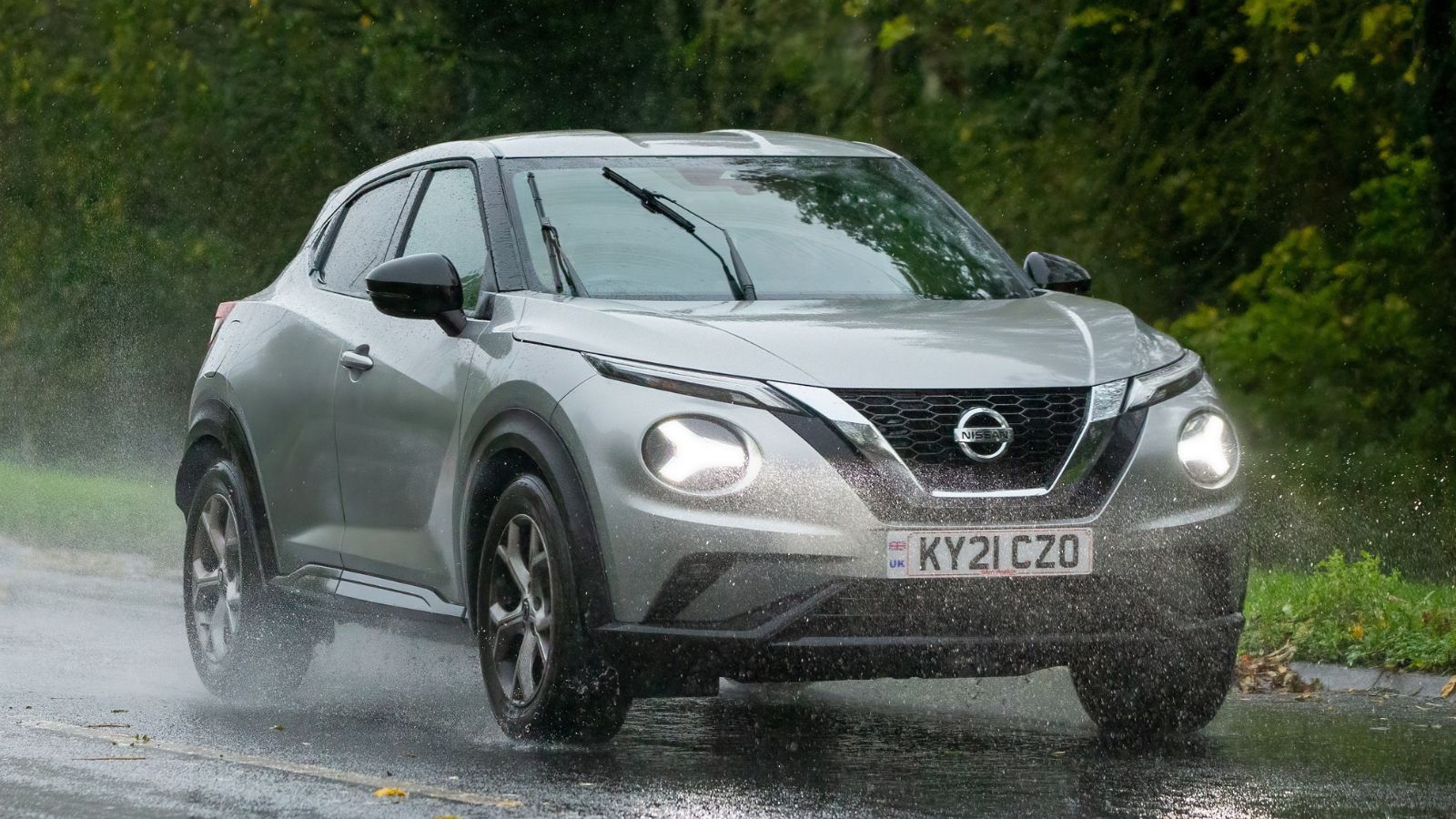
Two vehicles with the same age, mileage and original price can have very different resale values because used buyers are not purchasing only what is parked in front of them. They are also purchasing expectations about what could happen next. Consumer Reports analyzes reliability data for vehicles several years into ownership and notes substantial differences among brands and models. Canadian Black Book similarly incorporates brand strength and historical depreciation into its residual-value forecasting.
A reputation can therefore become expensive even when an individual example has behaved perfectly. If a particular engine, transmission or generation develops a record of costly failures, shoppers may become reluctant to pay as much for every example of that model. The opposite happens to vehicles that establish durable reliability records and attract a steady pool of used buyers. Owners sometimes discover this only at trade-in time: meticulous maintenance protected their specific car, but it could not completely overcome the market’s view of the nameplate. Resale value reflects both the physical vehicle and the perceived risk attached to owning it next.
Supply and Demand Have Shifted Against the Vehicle

Used-car pricing can move even when nothing has changed about the car itself. Canadian Black Book bases residual forecasts partly on supply-and-demand dynamics, and its weekly wholesale reports regularly show large differences among vehicle segments. In the week ending September 12, 2026, for example, Canada’s overall wholesale market declined 0.19%, while individual segments moved by substantially different amounts.
That variability explains why depreciation sometimes feels disconnected from ownership. A crossover that commanded a premium when inventory was scarce may face much more competition several years later. A body style that once seemed indispensable can lose buyers as preferences move elsewhere. Conversely, a vehicle that remains scarce while demand stays strong can retain substantially more value. Owners tend to remember the market conditions under which they purchased the vehicle, particularly if shortages pushed transaction prices higher. The resale market does not remember what someone had to pay. It evaluates what shoppers are willing to pay now, against the alternatives currently available.
New-Car Discounts Are Undercutting Used Prices

A used vehicle competes not only with other used vehicles but also with discounted new ones. When manufacturers increase rebates, subsidized financing or dealer incentives, the effective price gap between new and nearly new vehicles can shrink. Canadian Black Book said in 2026 that increasing incentives were putting pressure on retained values, and its market outlook projected incentive spending averaging 9.4% of equipped retail price during the year.
Consider an owner who bought a model when dealerships had little inventory and discounts were almost nonexistent. Three years later, the manufacturer may be offering thousands of dollars in incentives on the replacement version. A used buyer will compare those deals, warranty coverage and financing options before deciding what the older vehicle is worth. The original owner may have done nothing wrong, yet the reference point has changed underneath the car. This is one reason depreciation can accelerate during transitions from tight supply to healthier new-vehicle inventory: used prices must eventually adjust to the cheaper alternatives appearing across the showroom.
Luxury Badge, Luxury Depreciation
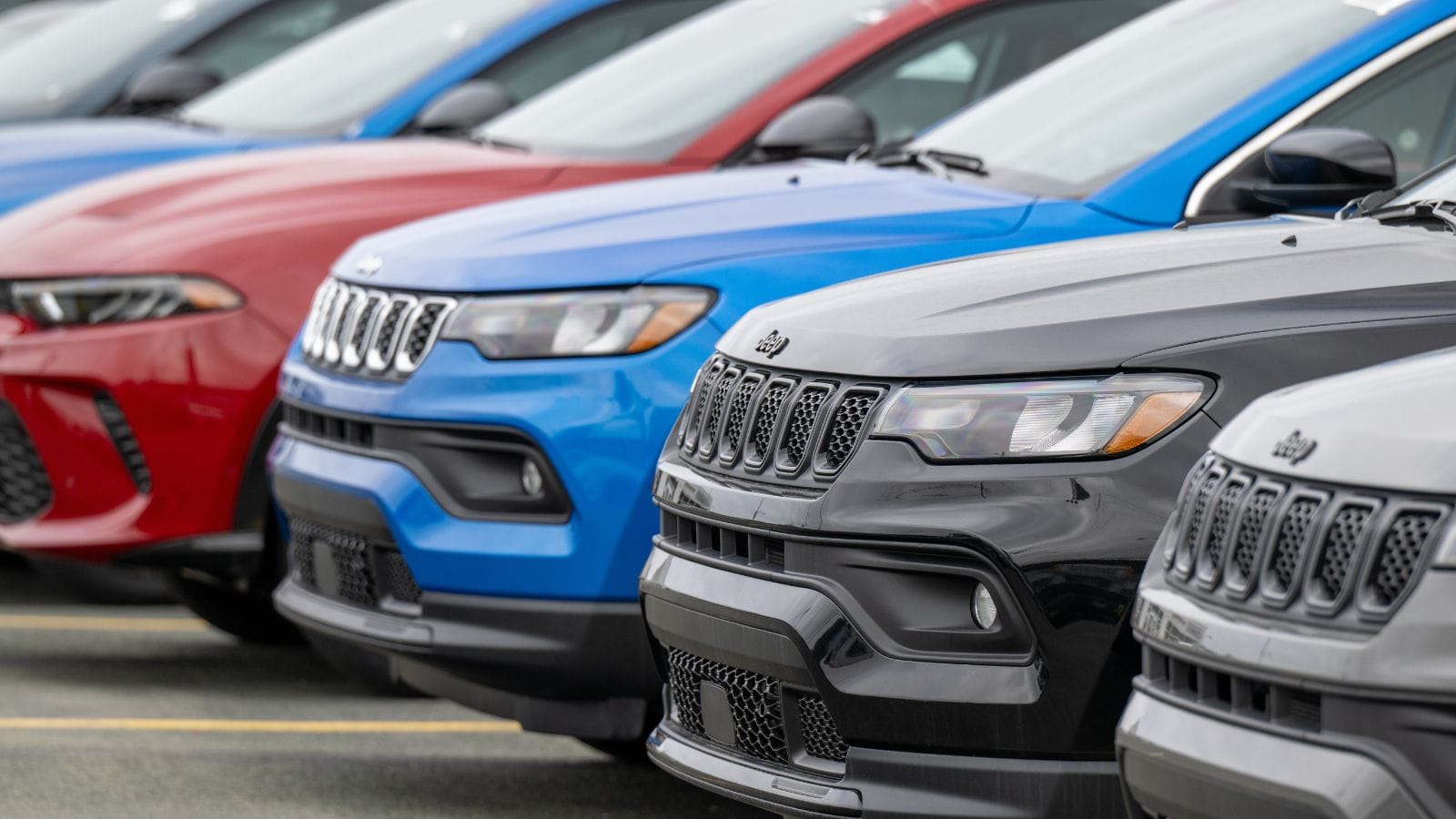
High purchase prices do not guarantee high percentage retention. Canadian Black Book and Fitch Ratings reported that luxury and prestige segments experienced some of the steepest declines in their 2025 depreciation analysis. Canadian wholesale reports through 2026 also repeatedly showed periods in which various luxury and prestige segments fell faster than the overall market.
The economics are understandable. A luxury vehicle’s original price can include expensive technology, premium materials and performance equipment that buyers value highly when new but may not fully pay for several years later. Once the warranty becomes shorter and major repairs move closer, the second owner also has to consider the maintenance costs associated with a vehicle that was engineered as a $70,000 or $100,000 machine—even if its used price is now dramatically lower. That can narrow the audience. The first owner absorbs the gap between the premium new-car experience and what the broader used market is willing to pay for an aging version of it.
EV Values Are Being Reset by a Fast-Changing Market
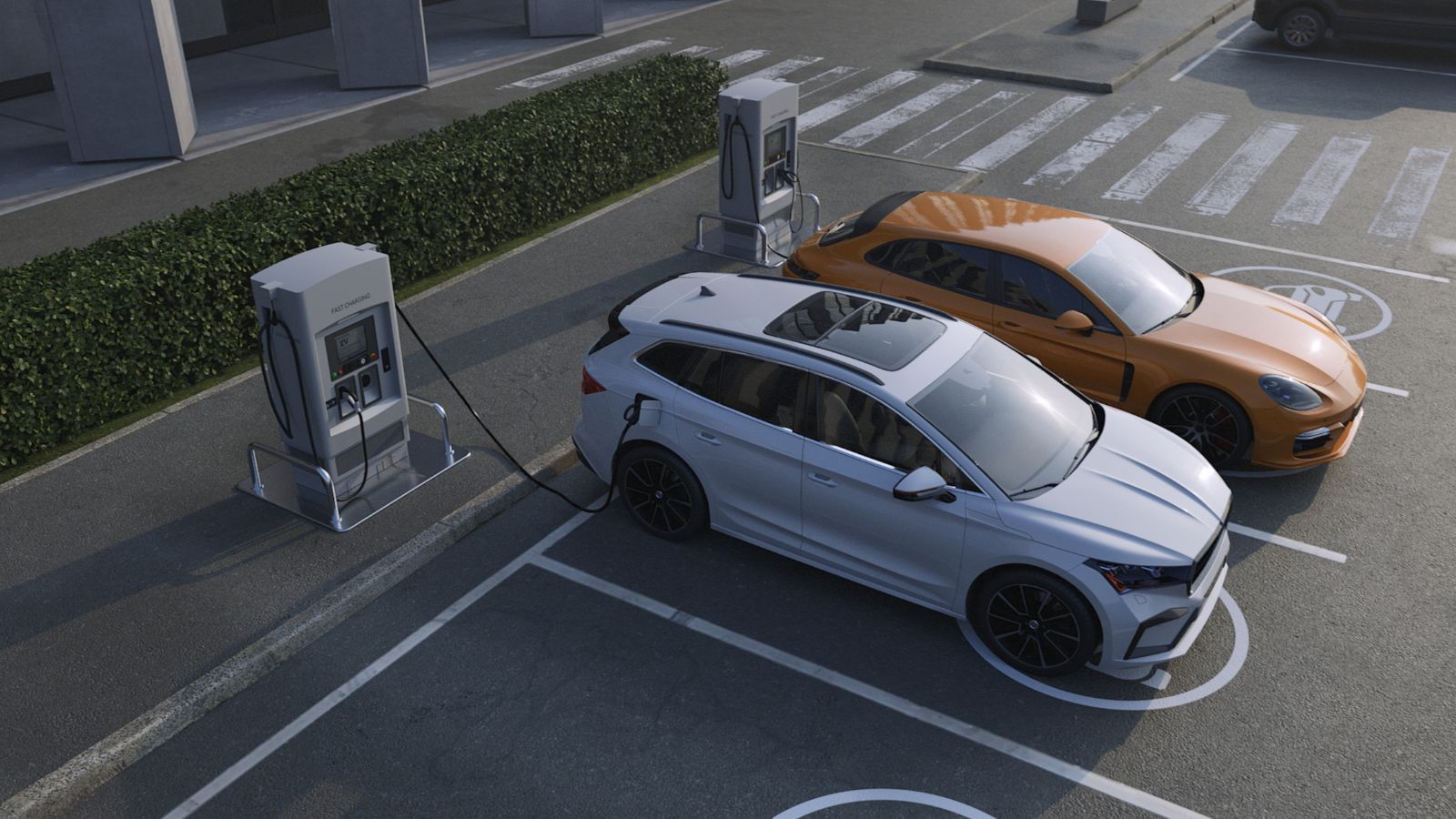
Electric vehicles illustrate how rapidly changing technology can disrupt normal depreciation expectations. Canadian Black Book’s 2025 depreciation report said battery-electric vehicles experienced the sharpest depreciation among powertrains it examined, with four-year-old models down 14% year over year. The organization cited oversupply and fast-moving technology among the pressures on values.
The market is still developing. New EVs continue to arrive with different charging speeds, ranges, battery chemistries and price points, making relatively recent vehicles look older more quickly than buyers may have anticipated. Canadian Black Book expects off-lease EV supply to grow as well, increasing the number of used examples competing for shoppers. None of this means every electric vehicle will depreciate poorly; residual performance varies substantially by model and brand. It does mean the normal four- or five-year ownership calculation can be harder to predict. A vehicle bought when its range or charging capability looked exceptional may later be competing against lower-priced models offering noticeably newer technology.
Battery Health Can Separate One Used EV From Another
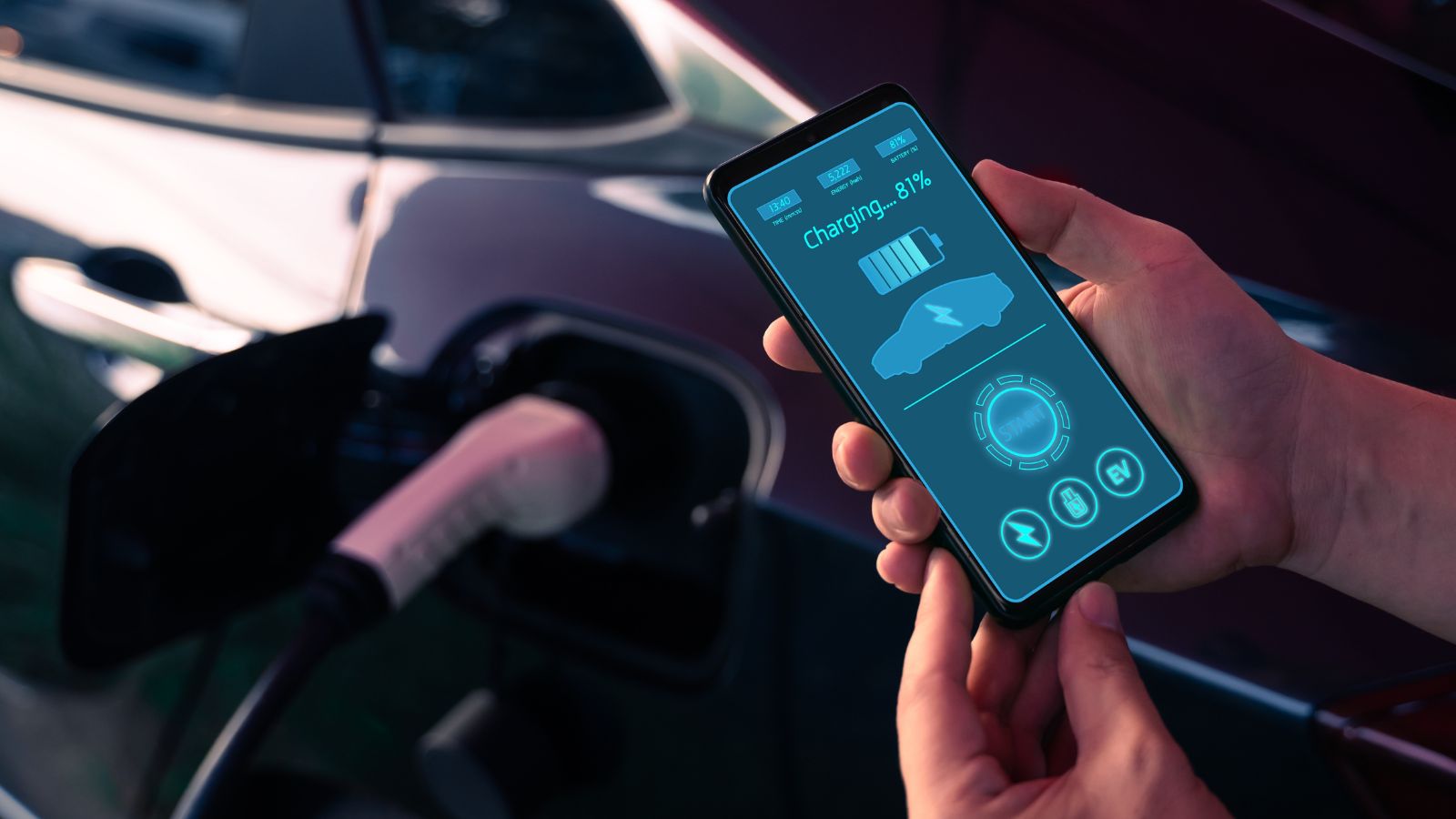
Mileage tells only part of the story with an electric vehicle. Battery state of health determines how much usable capacity remains and therefore affects practical driving range. Geotab’s 2026 analysis of more than 22,700 electric vehicles across 21 models found average battery degradation of about 2.3% per year, although the rate varied with vehicle design, charging habits, climate and other operating conditions.
That creates a new layer in used-EV valuation. Two otherwise similar cars with identical odometer readings could have different battery conditions because they lived very different lives. Geotab found that heavy reliance on high-power DC fast charging was associated with higher degradation rates in its dataset. Its later leasing analysis also reported higher resale values for vehicles accompanied by verified battery-health information. For owners, that suggests the used-EV market is becoming more sophisticated than simply asking how many kilometres are showing. As standardized battery assessments become easier to obtain, demonstrably healthy packs can distinguish good examples while unusually degraded ones may face a sharper discount.
High Fuel Costs Punish Thirsty Vehicles
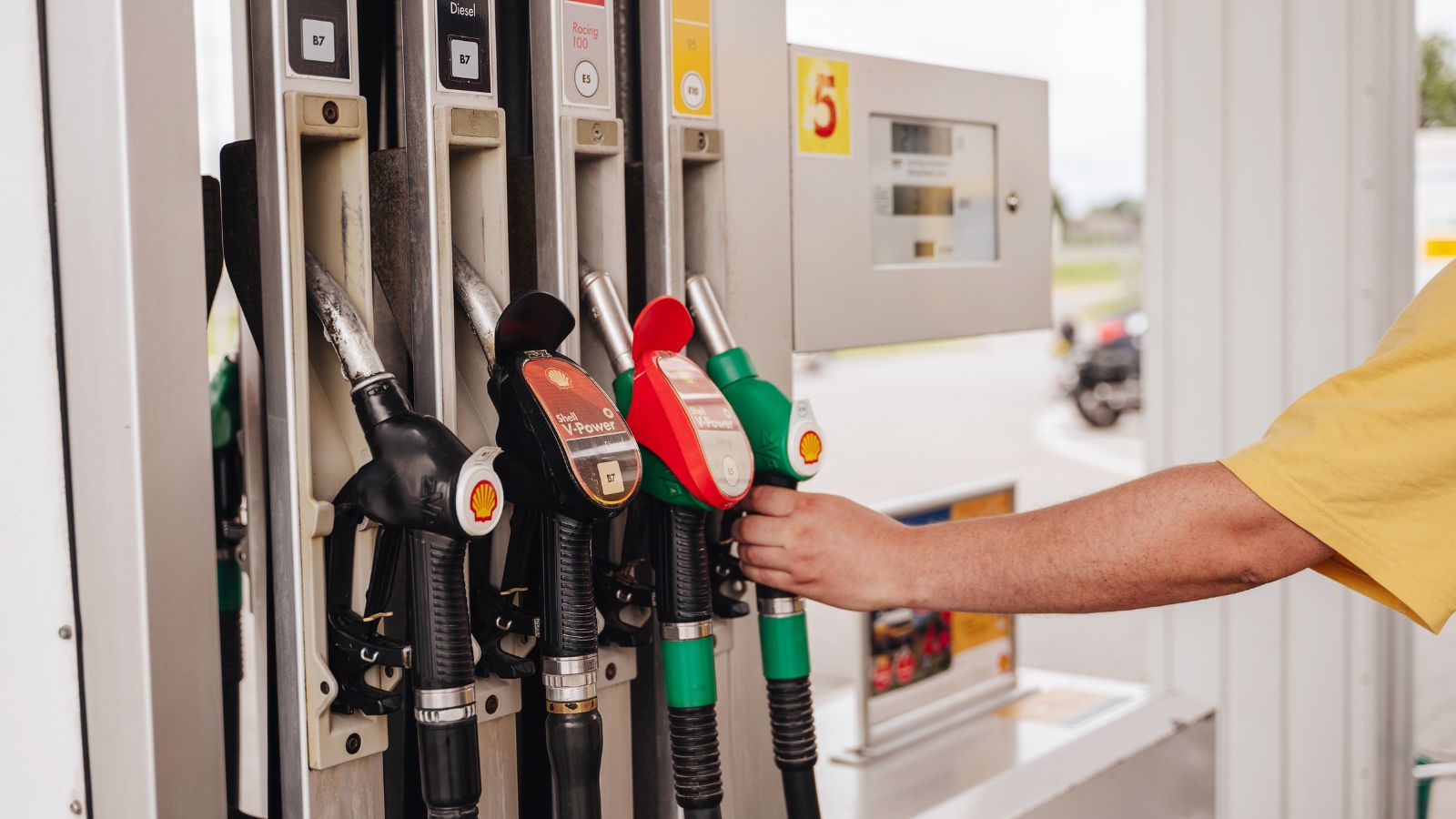
Fuel economy becomes part of a used vehicle’s market value because the purchase price is only one portion of future ownership costs. Academic research using used-car transactions has found that changes in gasoline prices affect the relative prices buyers pay for vehicles with different fuel consumption. Research published through the National Bureau of Economic Research found particularly clear links between future fuel costs and used-vehicle values.
That means the value of a large engine or heavy vehicle can move partly because of events far beyond the owner’s driveway. When gasoline becomes more expensive, buyers calculating a long commute may become less willing to pay a premium for a vehicle that consumes substantially more fuel. Efficient cars can become relatively more attractive at the same time. Preferences do not change uniformly—some buyers still need towing capacity, cargo space or performance—but the pool willing to absorb high ongoing fuel bills can shrink. An owner who estimated depreciation under cheap-fuel conditions may therefore receive an unpleasant surprise if operating costs have become a bigger part of shoppers’ calculations.
Modifications Can Shrink the Buyer Pool
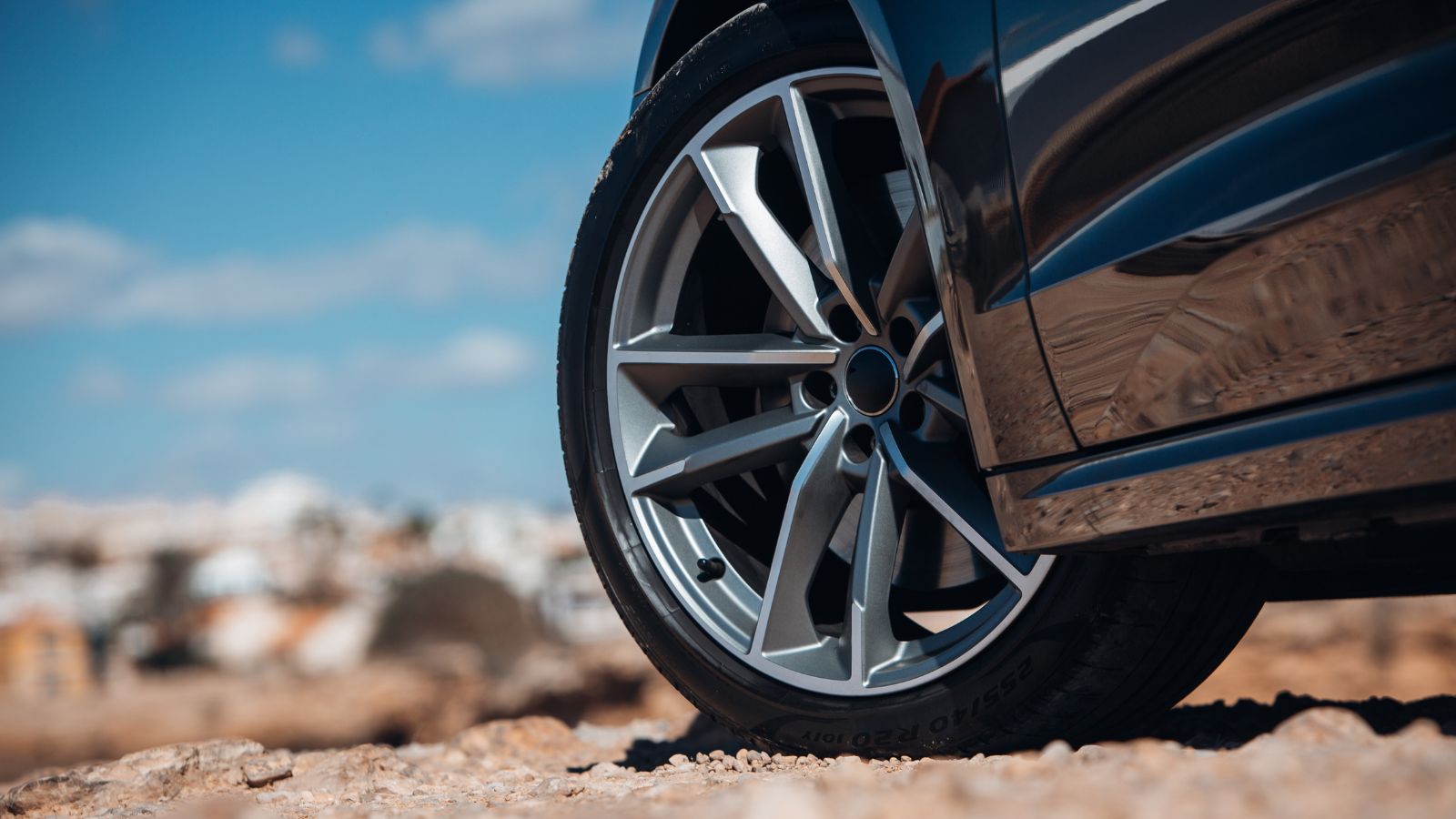
Aftermarket wheels, lowered suspension, engine tuning or an expensive audio system may make a vehicle far more appealing to its owner without adding the same amount to resale value. Edmunds says aftermarket parts vary too widely in quality and desirability to assign them predictable added value. It also notes that customizations can reduce trade-in value because a dealer may have to return the vehicle to standard specification before resale.
The problem is not necessarily that the modification is bad. It is that personalization creates a narrower target audience. A loud exhaust that one enthusiast considers essential may immediately eliminate a family shopper. Oversized wheels can raise questions about ride quality, while engine modifications can prompt concerns about warranty coverage or how the vehicle was driven. Even expensive upgrades rarely return dollar-for-dollar value. Sellers sometimes do better restoring the vehicle to factory form and selling desirable aftermarket components separately. In the mainstream used market, originality tends to make the vehicle understandable to the widest possible group of buyers, and that broad appeal matters when establishing price.
The Trim and Options Are Not What Used Buyers Want

Vehicles wearing the same model badge do not necessarily have the same value. Kelley Blue Book asks for the exact trim, equipment and options when calculating values because these features influence transaction prices. A base model and a fully equipped version may have started thousands of dollars apart, but individual options also depreciate differently and do not necessarily return their entire original cost at resale.
This creates two ways to be disappointed. An owner may have bought an expensive option package assuming its full cost would eventually come back, only to discover that used buyers consider much of the equipment ordinary several years later. Another owner may have chosen a sparsely equipped version that becomes harder to sell once features such as heated seats, driver assists or upgraded infotainment have become common expectations within that price range. The exact effect varies by vehicle and market. The larger point is that resale calculations are trim-specific. The market values the equipment buyers want now, not necessarily the options that were most expensive when the car was ordered.
Color Can Change the Resale Math

Paint seems like an emotional purchase decision, yet large-scale pricing studies suggest it can influence depreciation. An iSeeCars analysis of more than 1.2 million model-year 2022 vehicles in the U.S. found that the average three-year depreciation rate was 31.0%, but outcomes varied by colour. Yellow vehicles in the dataset depreciated 24.0%, while gold examples averaged 34.4%.
The lesson is more nuanced than simply buying the brightest colour available. Results differed by vehicle type: a shade that performed strongly on sports cars or trucks could behave differently on sedans or minivans. Supply matters as well as popularity. A common colour may have many willing buyers, but it can also face an enormous number of identical competing listings. A rare colour can benefit when the small number of shoppers who want it exceeds the available supply. Colour is unlikely to overcome poor condition or accident history, but on otherwise comparable vehicles it can become one more reason that two apparently identical cars receive different offers.
Rental, Fleet or Commercial History Can Lower Appraisals

How a vehicle was used before reaching its current owner can affect its valuation. CARFAX Canada’s valuation system considers whether a vehicle previously served in personal, rental, fleet or commercial use. The reason is straightforward: use type can provide information about the driving patterns, mileage accumulation and ownership environment a vehicle experienced.
That does not mean an ex-rental or fleet vehicle is automatically undesirable. Large fleets often follow formal maintenance schedules, and Canadian Black Book has noted continued consumer acceptance of higher-mileage fleet vehicles in parts of the market. Condition and records remain crucial. The valuation issue is that commercial history becomes another piece of information an appraiser can weigh rather than treating every vehicle with the same odometer reading as identical. A carefully operated company vehicle with comprehensive records could be preferable to a privately owned car that was neglected. Still, owners who bought a former rental at a discount should not assume that the history disappears at the next sale. The same characteristic that helped lower the acquisition price can remain part of its resale story.
A Crowded Ownership History Can Raise Questions
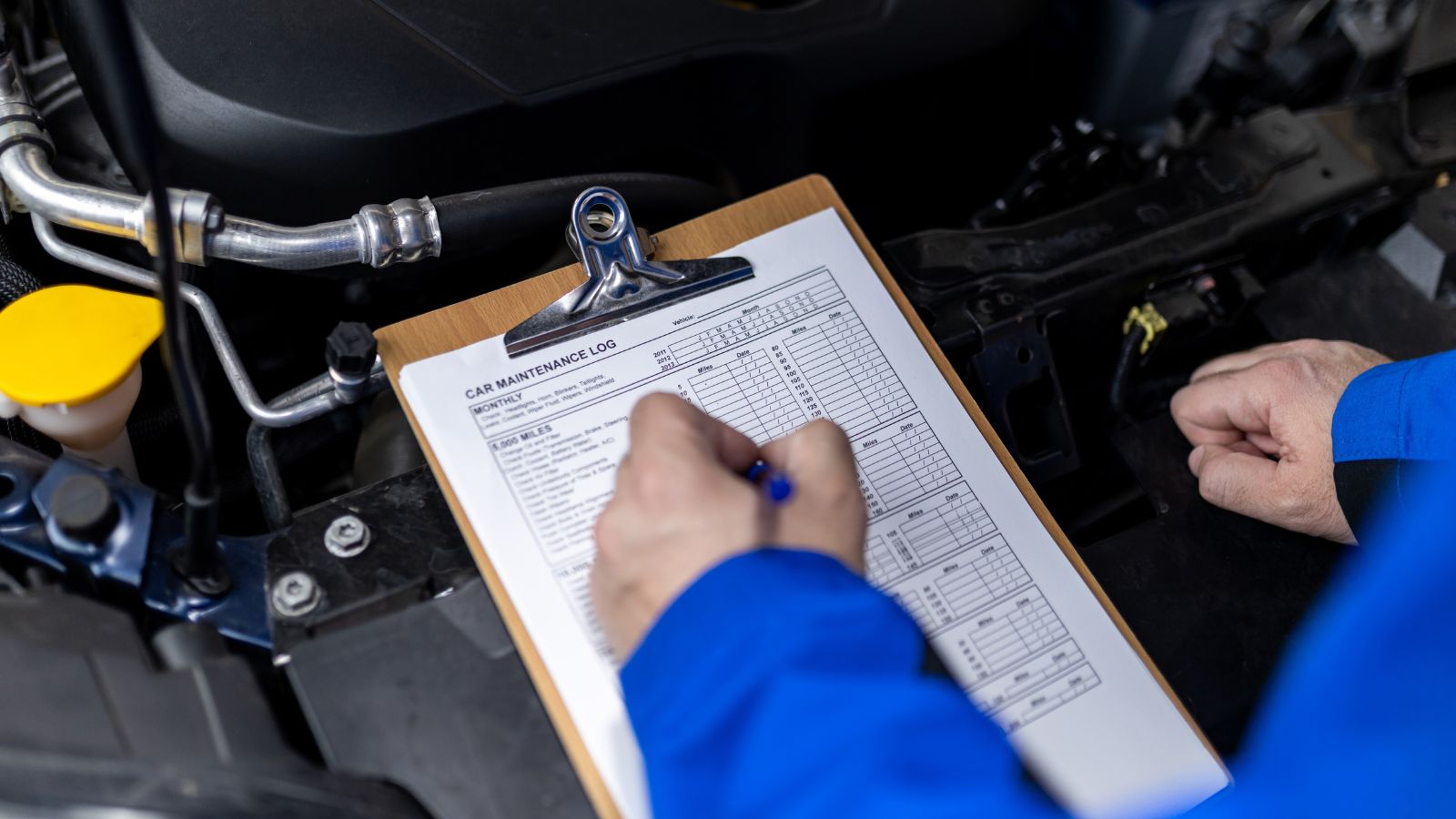
The number and pattern of previous owners can influence how confidently buyers understand a used vehicle’s history. CARFAX Canada includes ownership history among the factors used in its VIN-specific valuation system. That does not establish a simple rule that every additional owner reduces value by a fixed amount. Rather, ownership history contributes to the overall picture alongside servicing, mileage, damage and use type.
A one-owner vehicle can be attractive because its story may be easier to reconstruct. The same person may have retained maintenance records from purchase onward and can explain how the car was stored and used. A vehicle that changed hands several times in a short period may require more investigation, particularly when its service records are fragmented. There can be perfectly innocent explanations—lease returns and routine dealership transactions among them—so owner count should never be treated as proof of trouble. At resale, however, uncertainty has economic consequences. A clean, coherent ownership record can make a buyer more comfortable paying the asking price instead of building additional risk into the negotiation.
The Car Is in the Wrong Regional Market

Used vehicles do not have one universal price across an entire country. CARFAX Canada says location is one of the factors in its valuation models and notes that local dealer competition, available supply, climate and regional demand can all influence value. A model that is easy to sell in one province or city can encounter a very different market elsewhere.
Canadian driving conditions add another layer. CARFAX notes that road-maintenance practices differ among provinces and that some buyers pay attention to where a car spent its life because salt, sand and severe winters create different types of wear. Demand can vary as well depending on local climate and how residents use their vehicles. This matters when an owner relies on a national asking price seen online and assumes a nearby dealer should offer the same amount. Valuation systems examine transactions closer to the market where the vehicle will actually be sold. Sometimes the disappointing offer is not saying the car itself has become worse; it is saying there are more examples—or fewer interested buyers—in that particular region.
Seasonality Is Working Against the Sale
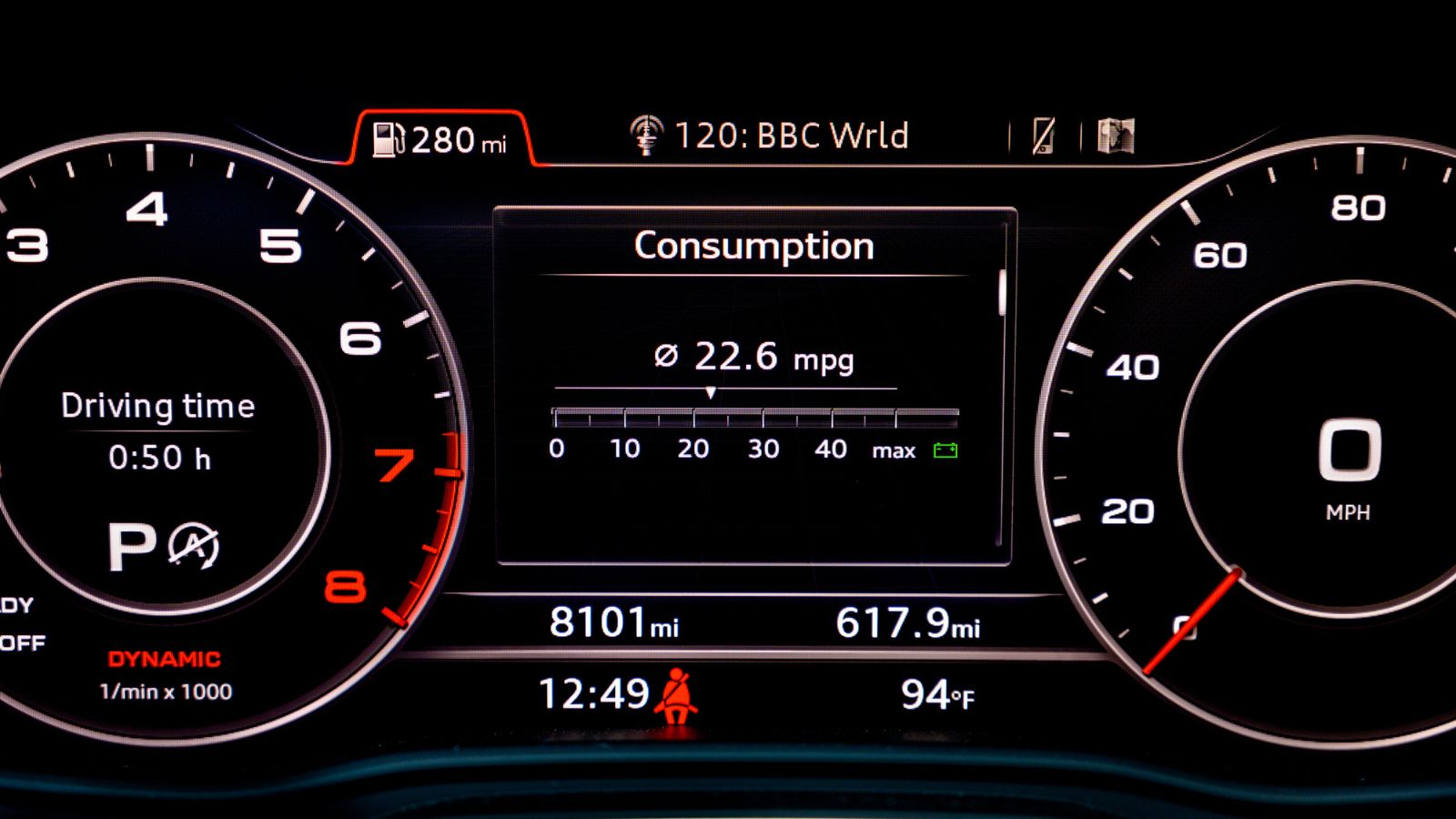
Timing can alter the number on an appraisal even when mileage and condition remain virtually unchanged. CARFAX Canada’s market valuation tools explicitly include seasonality, and Canadian Black Book’s wholesale reports repeatedly identify seasonal trends as one influence on auction performance. That means a valuation generated months ago should not automatically be treated as a permanent floor.
Used-car markets are constantly balancing incoming inventory with retail demand. Dealers become more cautious when comparable vehicles are sitting longer or when auction supply rises, because every trade represents capital that could remain tied up on the lot. At other points, stronger demand can make certain vehicles easier to move. These changes are why valuation services update prices frequently instead of publishing one figure for an entire year. Owners sometimes interpret a lower offer as evidence that a dealer is simply negotiating harder, when part of the difference may reflect real changes in wholesale conditions. Selling at an unfavourable point in that cycle can make depreciation look suddenly much faster than expected.
A Branded Title or Serious Damage History Is Hard to Escape
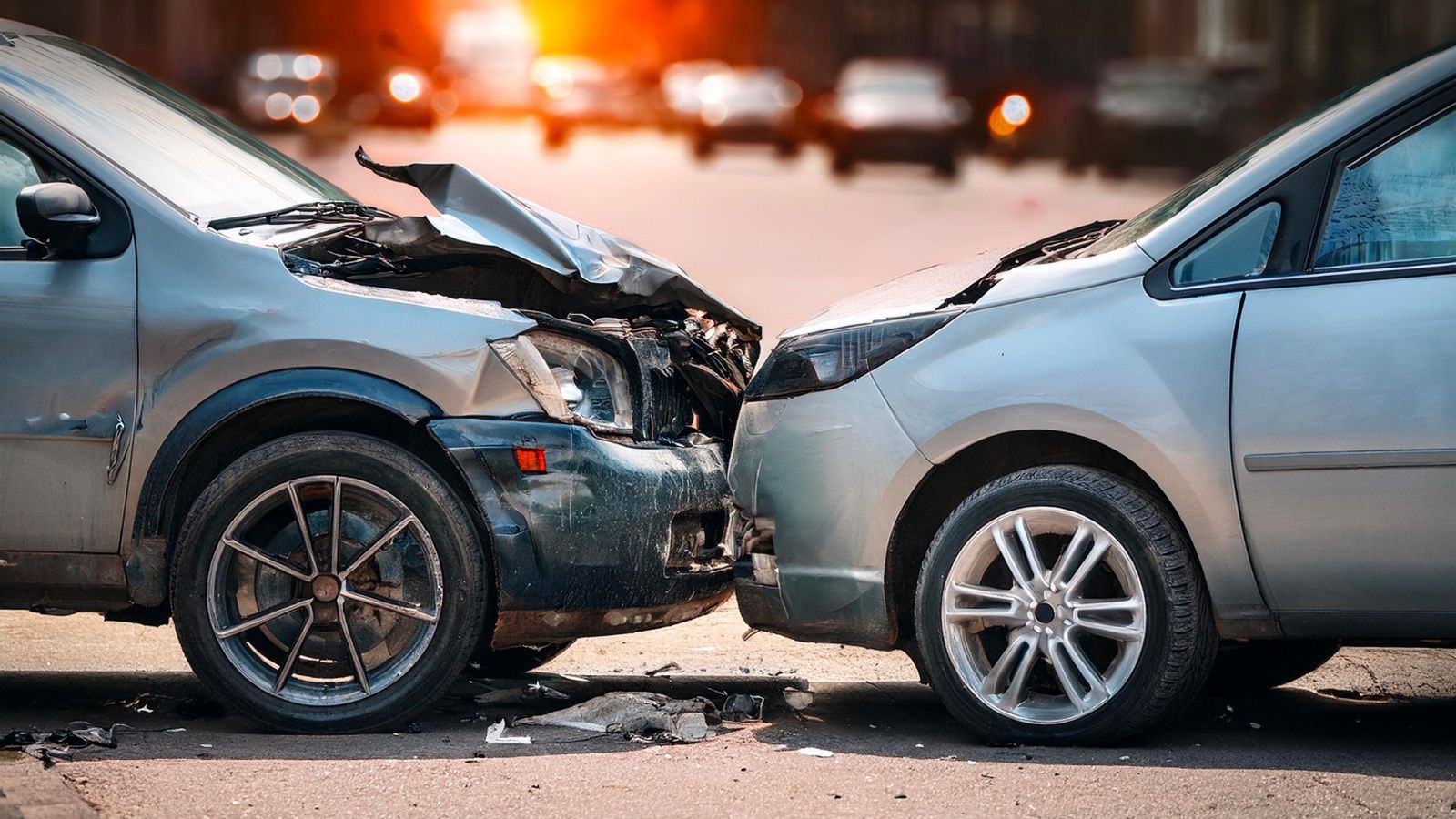
Some history events carry more weight than an ordinary repaired fender-bender. CARFAX Canada explains that vehicles declared total losses may receive provincial branding such as “Salvage,” and repaired vehicles can later be classified as “Rebuilt” after meeting applicable inspection requirements. Flood and structural damage can also appear in vehicle-history information and can have continuing implications for safety, reliability and value.
That history creates a permanent distinction between the vehicle and a comparable example with a clean record. A rebuilt vehicle may operate successfully for years, but future buyers know that it once sustained damage serious enough to trigger an insurance write-off or branding process. Flood exposure can create additional concern because water can affect electrical, braking, steering and other systems in ways that are not always immediately visible. Consequently, the discount that made such a vehicle appealing when purchased may still exist when it is sold. Owners should therefore compare resale expectations against similarly branded vehicles, rather than clean-history examples whose asking prices may never have been realistic benchmarks.
19 Used Cars Canadians Should Avoid in 2026 (Based on Owner Complaints)

Buying a used car in Canada can feel safe until repair bills start stacking up. Owner complaints tell a different story than glossy listings. Transmission failures, electrical problems, and weak winter reliability show up again and again in consumer reports. Many of these issues appear after warranties expire, when owners least expect them. Some vehicles look affordable upfront, but become expensive to keep on the road. Others struggle in cold weather, urban driving, or long highway commutes. Here are 19 used cars Canadians should avoid in 2026 (based on owner complaints).
19 Used Cars Canadians Should Avoid in 2026 (Based on Owner Complaints)

Alanna Rosen is an experienced content writer that focuses on many EV and educational content. Her articles are regularly published on Get CyberTrucked and syndicated on large publications.