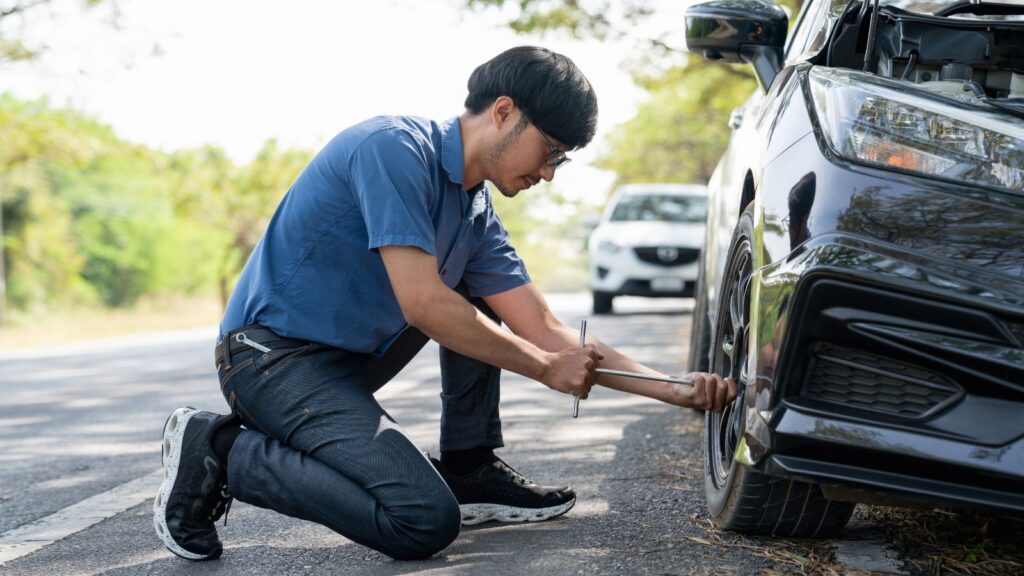
Delaying a winter-tire appointment rarely feels risky when autumn roads are still mostly clear. The trouble is that Canadian winter driving does not begin neatly with the first major snowfall. Temperatures fall, tire-shop calendars fill, popular sizes disappear and icy mornings can arrive before a driver has made the switch. A routine delay can also expose worn tread, low pressure or an unexpected legal deadline at the worst possible moment.
These 20 things show how postponing a winter-tire change can create safety, cost and scheduling problems—sometimes days or weeks before the roads look truly wintry. The common theme is simple: winter tires work best as preparation, not as a reaction to the first storm.
The Appointment Calendar Can Suddenly Disappear

A winter-tire appointment can feel easy to postpone in September because service bays still have breathing room. That changes quickly when the first cold forecast lands. Large Canadian tire chains actively encourage early booking because appointment availability tightens as temperatures fall, and independent shops report the same seasonal pattern: once frost or snow appears in the forecast, many drivers try to book within the same short window. The result is not simply a less convenient time slot. It can mean several extra days of driving on tires that were never intended for sustained cold-weather use.
That timing problem is especially frustrating because the rush is predictable. A driver who could have chosen a quiet weekday in early fall may instead be left with a long wait, a day off work or a shop across town. Families with one vehicle can feel the disruption even more. Delaying does not create more installation capacity; it concentrates demand into the busiest part of the season. Booking before the rush preserves flexibility and gives a shop time to inspect the existing winter set before the weather makes the decision urgent.
The Tire Size You Want May Be Gone
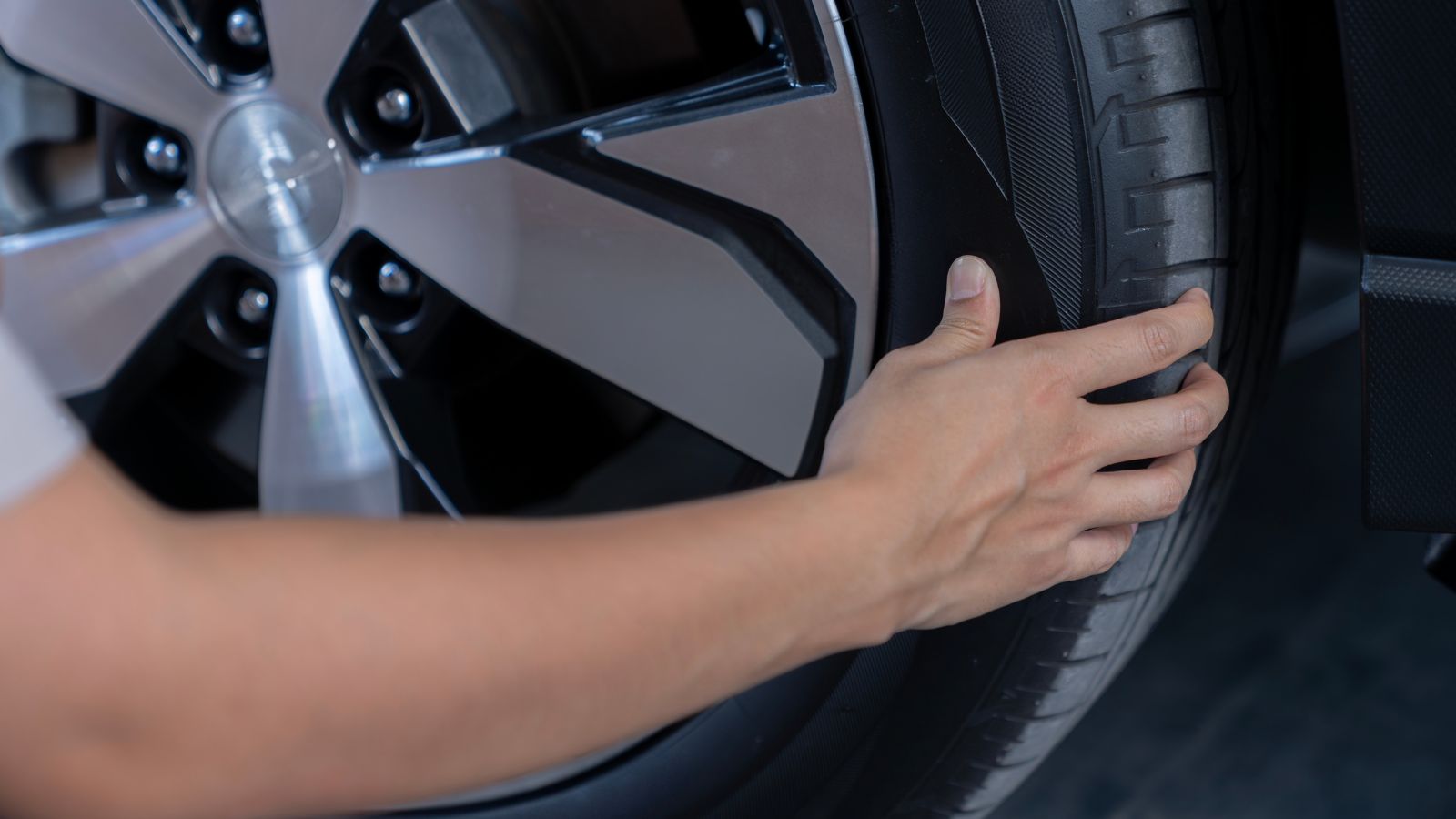
Waiting can also turn a straightforward installation into a shopping problem. Winter tires are produced in a wide range of sizes, load ratings and speed ratings, but retailers do not carry unlimited inventory of every combination. Canadian automotive guidance has warned that popular sizes can sell out quickly while unusual sizes may need to be special-ordered. During the fall rush, that can leave a driver choosing between a second-choice model, a higher-priced option or an additional wait while the correct fitment is located.
The risk is greater for vehicles with large wheels, uncommon performance sizes or light-truck fitments because fewer interchangeable options may be available. Buying early also leaves more time to compare tires carrying the three-peak mountain snowflake symbol rather than simply taking whatever happens to be in stock. A rushed purchase is not automatically a bad purchase, but it leaves less room to compare price, ice performance, noise, tread life and warranty coverage. Delaying the appointment can therefore narrow both the calendar and the product choice at exactly the same time.
Cold Pavement Arrives Before Snow
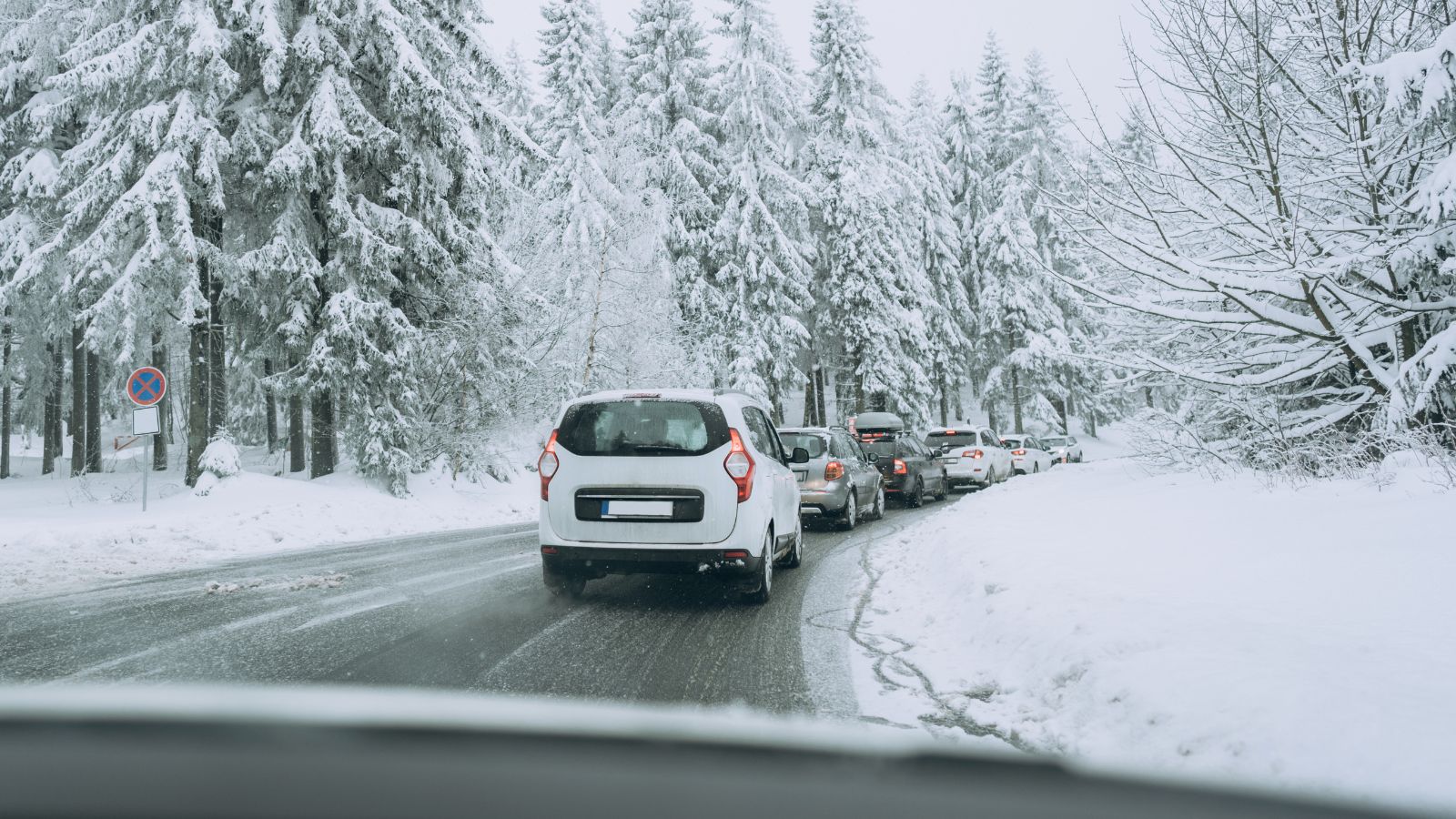
One of the most common reasons drivers postpone a changeover is the belief that winter tires are only needed after the first snowfall. Canadian safety guidance says otherwise. Transport Canada and CAA both point to roughly 7°C as an important temperature threshold: below that point, conventional all-season and summer tire compounds begin to lose flexibility and traction, while winter tires are engineered to remain more pliable in the cold. That means a dry October morning can already be a winter-tire situation even when the lawn is still green.
This matters because early-season risk often looks ordinary. The road may be clear, the sky may be bright and there may be no obvious reason to change driving habits. Yet colder pavement changes the grip available for braking and steering. The driver who waits for visible snow can spend days or weeks commuting through sub-7°C mornings on a setup that is increasingly outside its ideal operating range. Winter tires are not just for deep snow; their advantage begins with temperature, which is why waiting for a storm can make the appointment late before winter appears to have truly started.
An Emergency Stop Can Take More Road
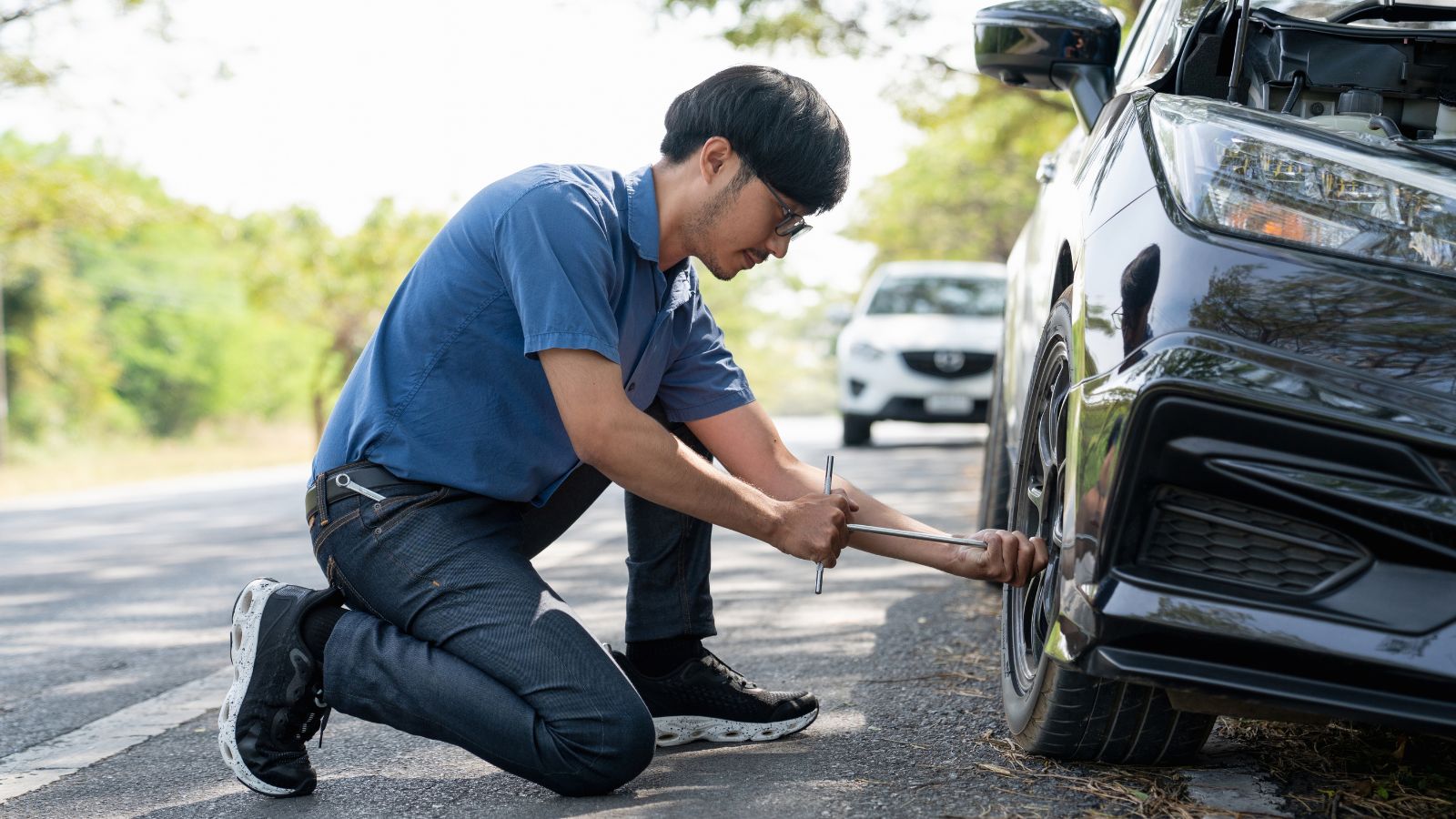
The biggest consequence of reduced cold-weather grip often appears when something unexpected happens ahead. Transport Canada testing has shown that all-season tires require more stopping distance on icy surfaces than dedicated winter tires. Quebec’s winter-road guidance also says winter tires in good condition can reduce braking distance by about 25 percent under winter conditions. The exact difference in any real stop still depends on speed, road surface, tire condition, temperature and the vehicle itself, but the principle is clear: more available grip gives the braking system more traction to work with.
That extra margin can matter at an urban crosswalk, a rural intersection or the end of a traffic queue. Modern anti-lock brakes can help prevent wheel lockup, but they cannot create road grip that the tires themselves cannot provide. A driver who delays the appointment may notice little difference during gentle cruising, then encounter the limitation during one hard stop. Winter preparation is often about protecting against an uncommon but critical moment rather than improving every ordinary kilometre, and braking performance is one of the strongest reasons not to treat the first snowfall as the installation deadline.
Black Ice Leaves Less Room for Recovery

Black ice is particularly dangerous because it may not announce itself as ice. The Insurance Bureau of Canada notes that black ice can resemble wet pavement, meaning a road can appear merely damp while offering far less traction than expected. Bridges, shaded sections, ramps and untreated roads can become hazardous before a driver sees obvious snow accumulation. Delaying a winter-tire appointment therefore creates exposure to one of autumn’s least visible road risks.
Winter tires do not make black ice harmless, and appropriate speed and following distance remain essential. What they provide is a compound and tread design intended to perform better in cold, slippery conditions. That gives the vehicle more usable traction when braking, steering or recovering from a small loss of grip. The problem with postponing is that the first icy patch may appear during an otherwise routine commute rather than a dramatic storm. By the time the road is visibly frozen, the useful window for booking “before winter” has already closed. Preparing the vehicle before freezing mornings become common offers a much larger margin than waiting for the first unmistakable sign of ice.
Slush Can Overwhelm a Marginal Setup
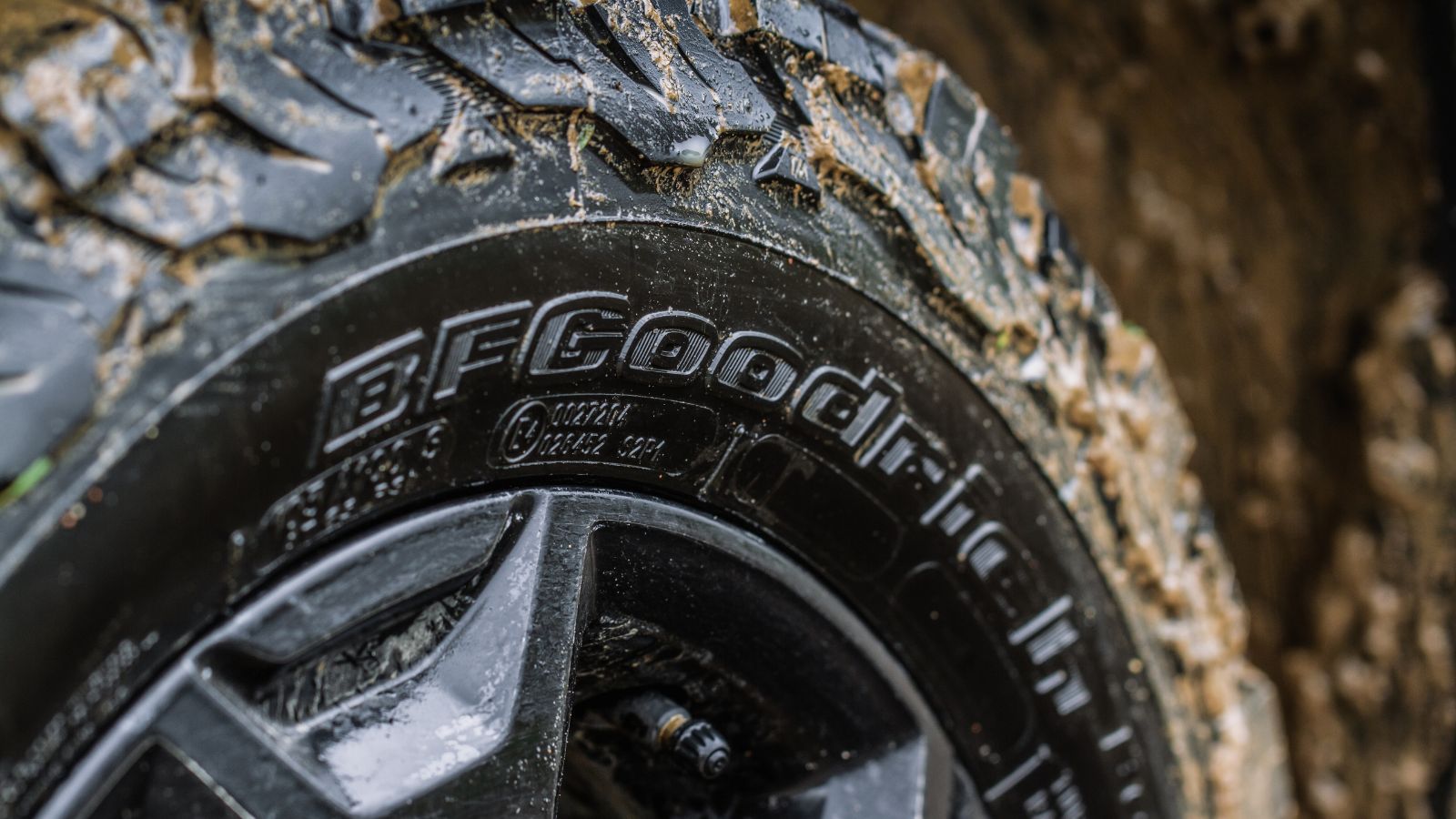
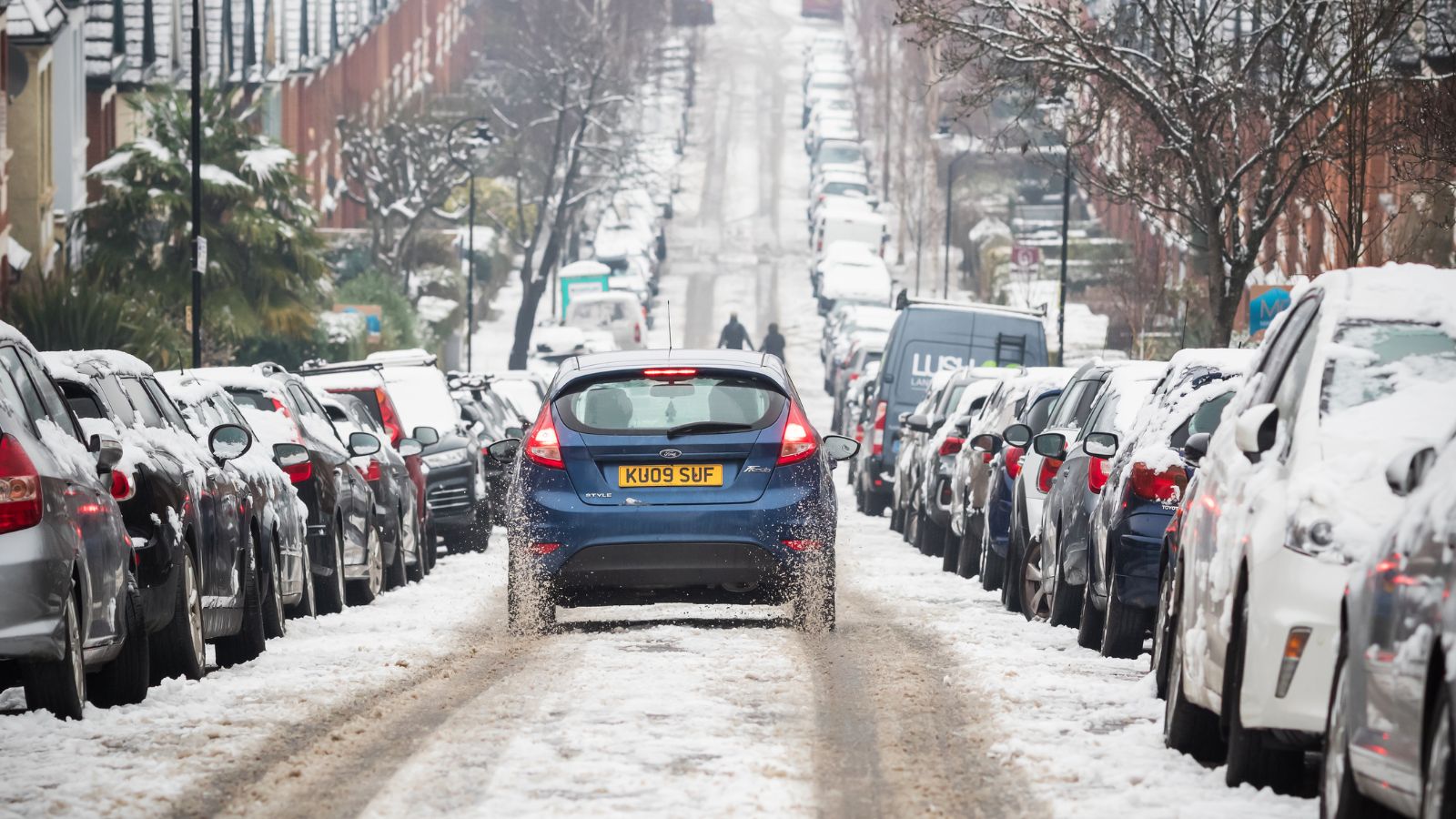
Early winter does not always arrive as deep snow. It often arrives as rain turning to slush, melting snow collecting between lanes or wet pavement cooling toward freezing. Winter tires are designed with tread patterns, grooves and sipes that help manage snow and slush while preserving traction in cold conditions. Quebec transportation guidance specifically notes that deeper winter-tire grooves help evacuate snow and slush, while CAA explains that winter tread designs help move water away from the contact area.
A delayed changeover can therefore hurt well before roads look fully snow-covered. Slush creates a shifting layer between tire and pavement, and worn or unsuitable tread has less capacity to cut through it. Steering can feel vague, braking can require more distance and lane changes may become less predictable. None of those advantages means a properly equipped vehicle can ignore weather conditions; speed still has to match the road. The point is that the correct tire provides more usable traction. Waiting until the road is completely white overlooks the messy, wet transition period that often arrives first.
Cornering Margin Shrinks When Grip Is Low
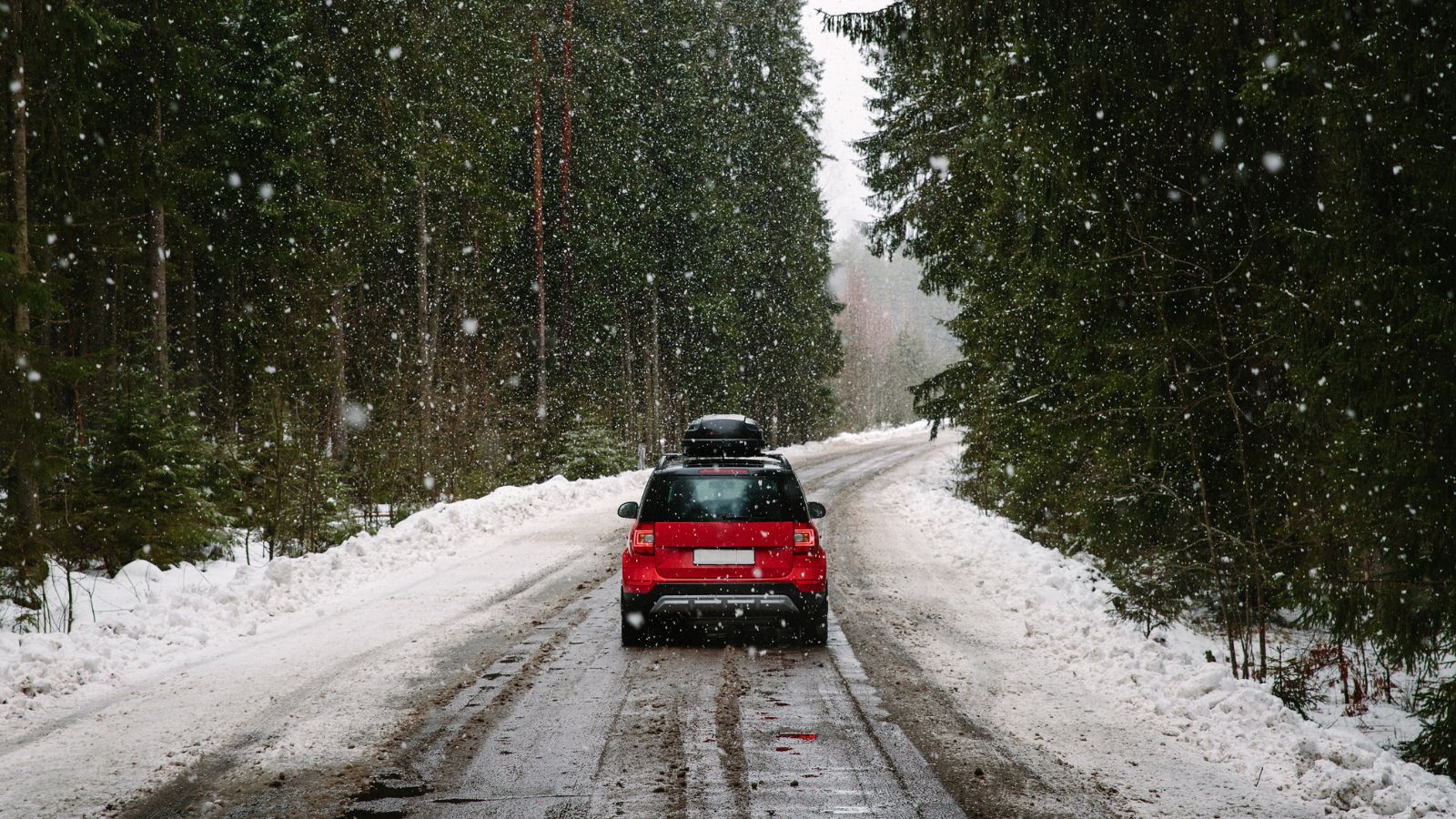
Winter driving is not only about getting moving and stopping. A vehicle also needs lateral grip to follow a curve, change lanes or steer around an obstacle. Transport Canada recommends four matching winter tires because consistency in tire type, size, speed rating and load index improves handling and stability in icy conditions. CAA likewise recommends four matching winter tires instead of mixing seasonal tire types around the vehicle.
That becomes especially important during sudden maneuvers. If a driver enters a cold, slick curve with less traction than expected, electronic stability control can help manage a developing skid, but it still works through the tires’ contact with the road. A delayed winter-tire appointment leaves less grip for both the driver and the vehicle’s electronic systems to use. The difference may remain invisible on a straight, steady commute and then appear when a pedestrian steps out, another car changes lanes abruptly or an on-ramp tightens more than expected. Installing the proper set before slippery conditions arrive helps restore a more predictable balance among braking, steering and acceleration.
AWD Can Hide the Weak Link
All-wheel drive can make delaying winter tires feel less urgent because the vehicle may still pull away from a stop with confidence. That is exactly why the assumption can be misleading. Canadian guidance from Michelin notes that AWD helps distribute power for acceleration, but it does not create additional tire grip for braking or cornering. CAA makes a similar distinction: AWD and four-wheel drive can help propel a vehicle, yet the tires remain the critical connection with the road when the driver needs to stop or steer.
The result can be a false sense of security. A crossover on all-season tires may leave a snowy parking spot without drama, encouraging the driver to believe the setup is coping well. The surprise can come at the first icy intersection or tightening curve, when drivetrain advantage matters far less than tire traction. Delaying a winter-tire appointment on an AWD vehicle does not remove the risk; it can simply postpone the point at which the weakness becomes noticeable. Four driven wheels are useful, but four winter tires address important parts of winter driving that AWD alone cannot solve.
Getting Moving at Icy Intersections Can Become a Struggle
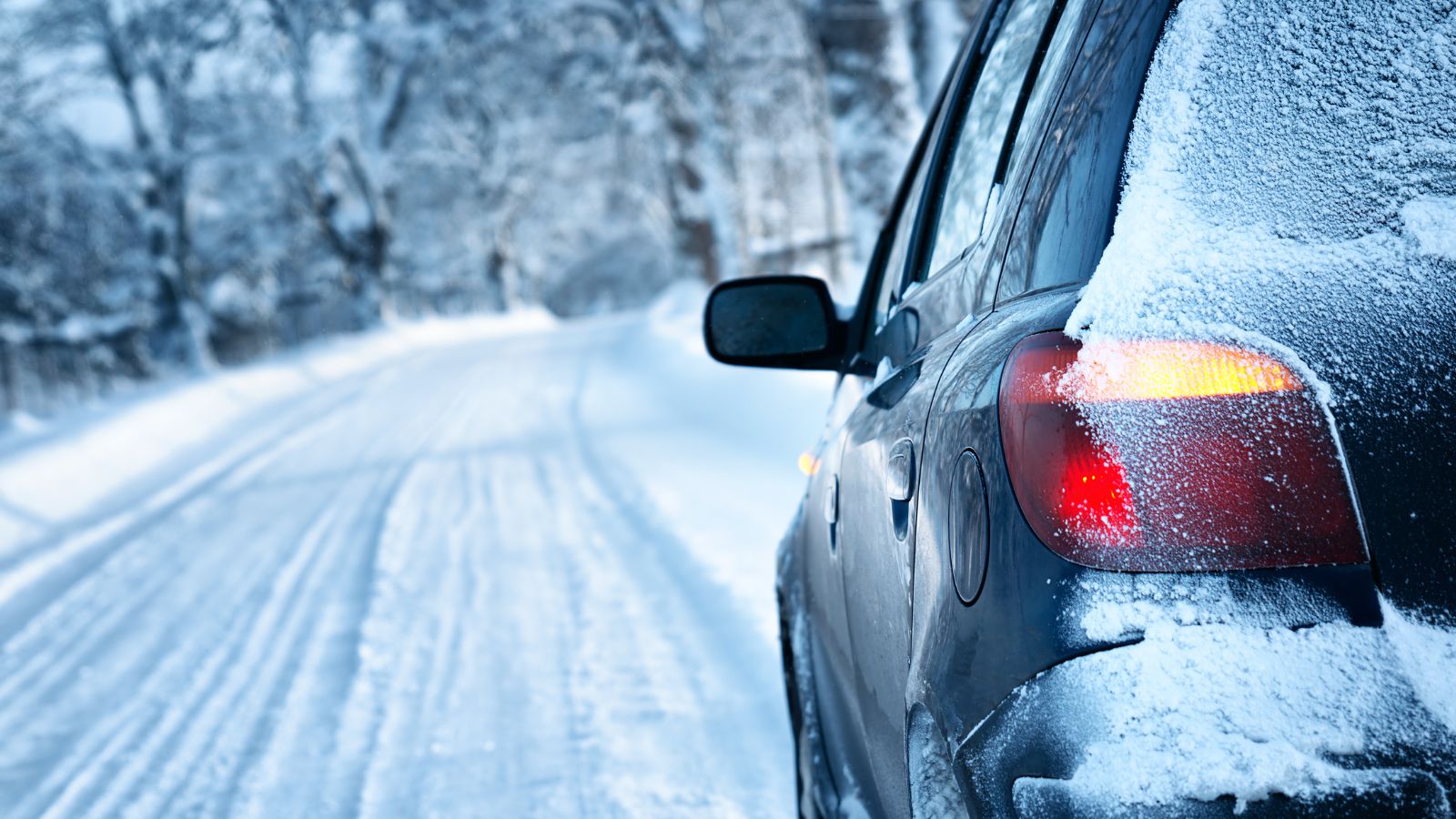
Cold intersections are often repeatedly subjected to braking, acceleration and traffic, making them places where limited traction becomes particularly noticeable. Winter tires use cold-weather compounds, deeper tread features and numerous sipes to create more usable grip on snow and ice. CAA says the combination of winter rubber and tread design can provide considerably more traction than conventional all-season tires, while Transport Canada recommends winter tires specifically to improve vehicle control in snowy and icy conditions.
Without that grip, a driver may spin the tires while pulling away, struggle on a modest incline or need more time to cross a busy road. Traction control can reduce excessive wheelspin, but it cannot transform a low-grip tire into a high-grip one. An ordinary left turn across traffic can consequently feel unexpectedly slow during the season’s first freeze. Delaying the appointment affects more than emergency stopping performance. It can also reduce the vehicle’s ability to move cleanly and predictably from a standstill, particularly on hills and anywhere the driver needs a dependable response to accelerator input.
The Winter Set May Be Too Worn to Use
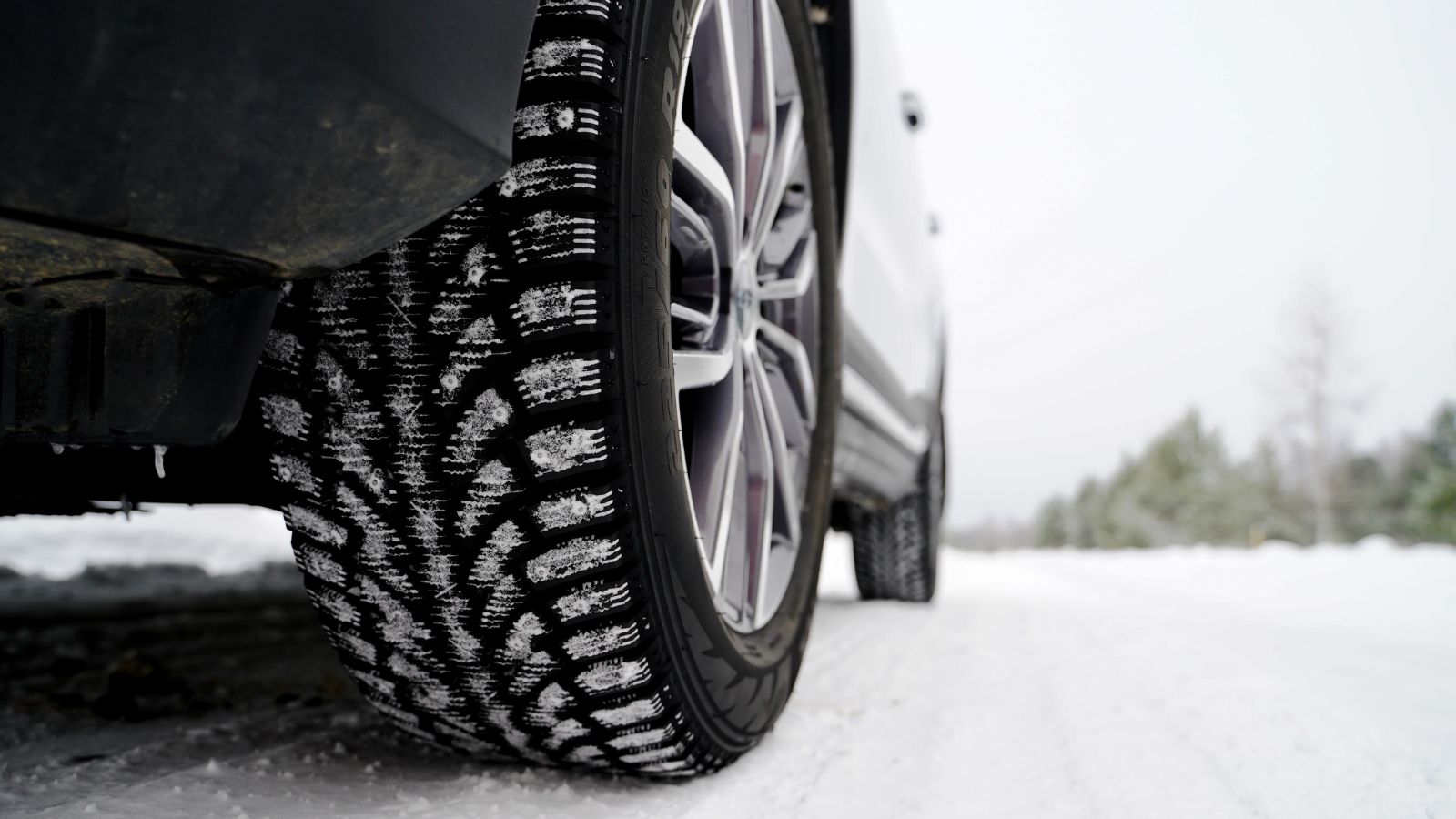
A stored winter set can look ready from across the garage and still be too worn for another full season. Transport Canada warns against using winter tires worn close to 4 mm of tread depth on snow-covered roads. Quebec recommends even more tread for winter use, advising approximately 4.8 mm during the season even though the legal minimum tread depth is considerably lower. Those figures matter because tread grooves need enough depth to bite into snow and move slush away from the tire’s contact area.
Discovering that problem at an early appointment is inconvenient; discovering it on the morning of the first snow can derail the entire plan. The shop may have to source a replacement set, the preferred model may no longer be available and the vehicle may remain on its other tires longer than expected. Delaying also encourages the assumption that last year’s winter tires are automatically suitable for another winter. Tread disappears gradually, making the change easy to miss while the tires are in storage. An early inspection turns remaining tread into a planning decision rather than an emergency purchase.
Age or Damage Can Turn a Swap Into a Replacement Job
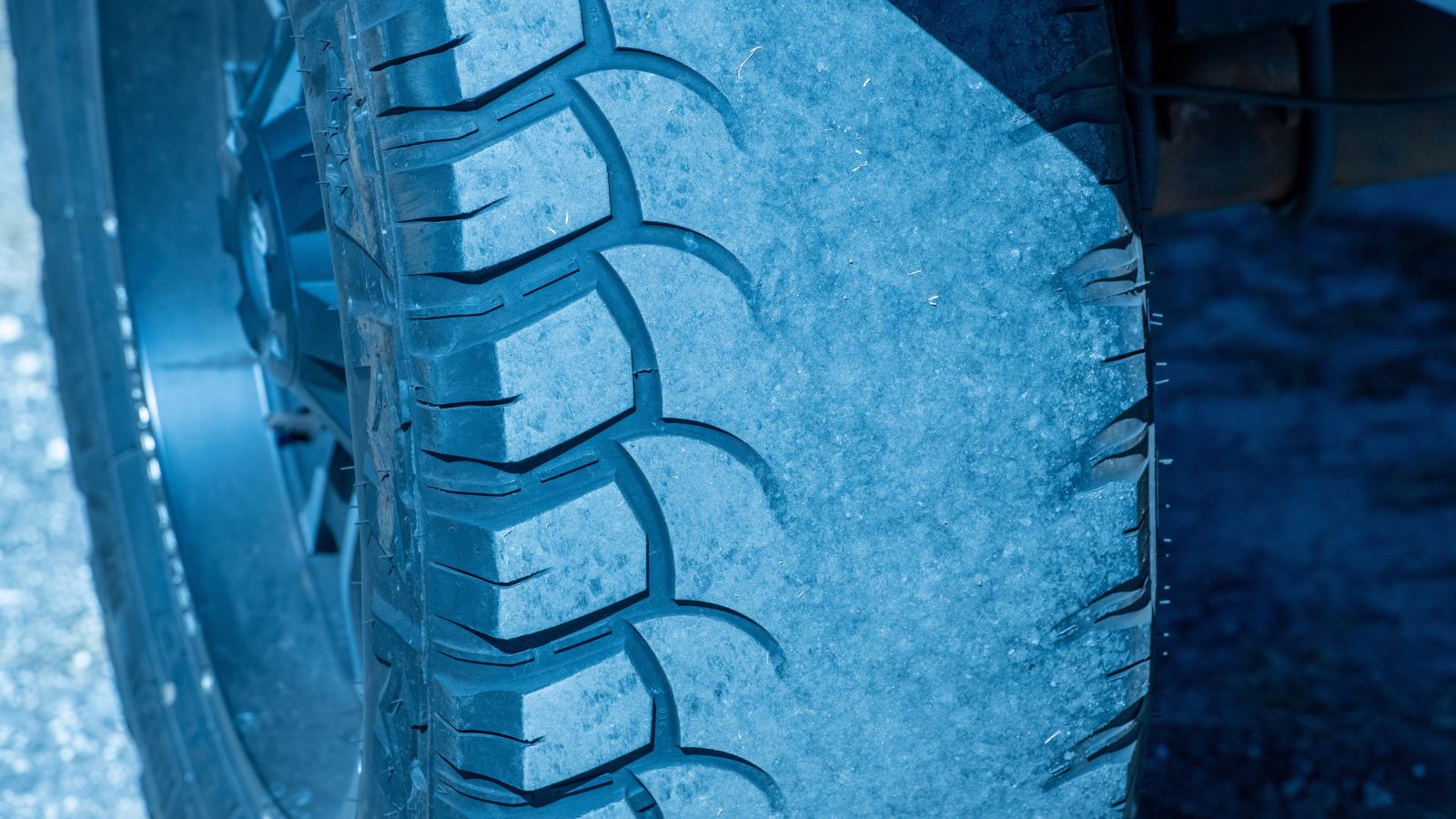
Tread depth is not the only reason an older winter tire can fail an inspection. Tire manufacturers advise drivers to watch for cuts, cracks, bulges, exposed cords and other evidence of structural damage. Michelin Canada recommends annual professional inspections once tires have been in service for five years and replacement after 10 years from the manufacturing date as a precaution, regardless of how much tread appears to remain. The manufacturing date can be identified from the tire’s sidewall code.
That means a changeover appointment can uncover a problem that was invisible while the tires sat stacked in storage. A sidewall crack, impact bulge or age concern may turn a simple seasonal swap into a search for new tires. When the appointment occurs early, there is time to compare options and replace the set properly. When it happens after temperatures have already dropped, the driver is suddenly making a safety-related purchase under pressure. Delaying does not cause a tire to age, but it can delay discovery until the least convenient moment, when cold weather and peak shop demand are working against a calm decision.
Uneven Wear Can Reveal an Alignment Problem

Seasonal tire service is also an opportunity to spot wear patterns that may point to another mechanical issue. Michelin Canada identifies one-sided or irregular tread wear as a common sign of wheel misalignment, while persistent vibration can indicate imbalance or issues elsewhere in the steering and suspension system. Proper alignment matters because a tire that does not meet the road evenly can wear faster and affect the way a vehicle tracks on the road.
If the winter set displays uneven wear, the appointment may need to become more than a quick changeover. A technician may recommend checking alignment, balancing the wheels or taking a closer look at suspension components before the vehicle begins months of winter driving. That additional work is much easier to accommodate when the shop’s schedule is not already packed. A last-minute appointment can leave the driver choosing between another visit, a longer delay or installing tires on a vehicle that may continue wearing them unevenly. Booking early creates room to correct conditions that could otherwise shorten tire life or reduce predictable handling.
Cold Weather Can Pull Pressure Down Quickly
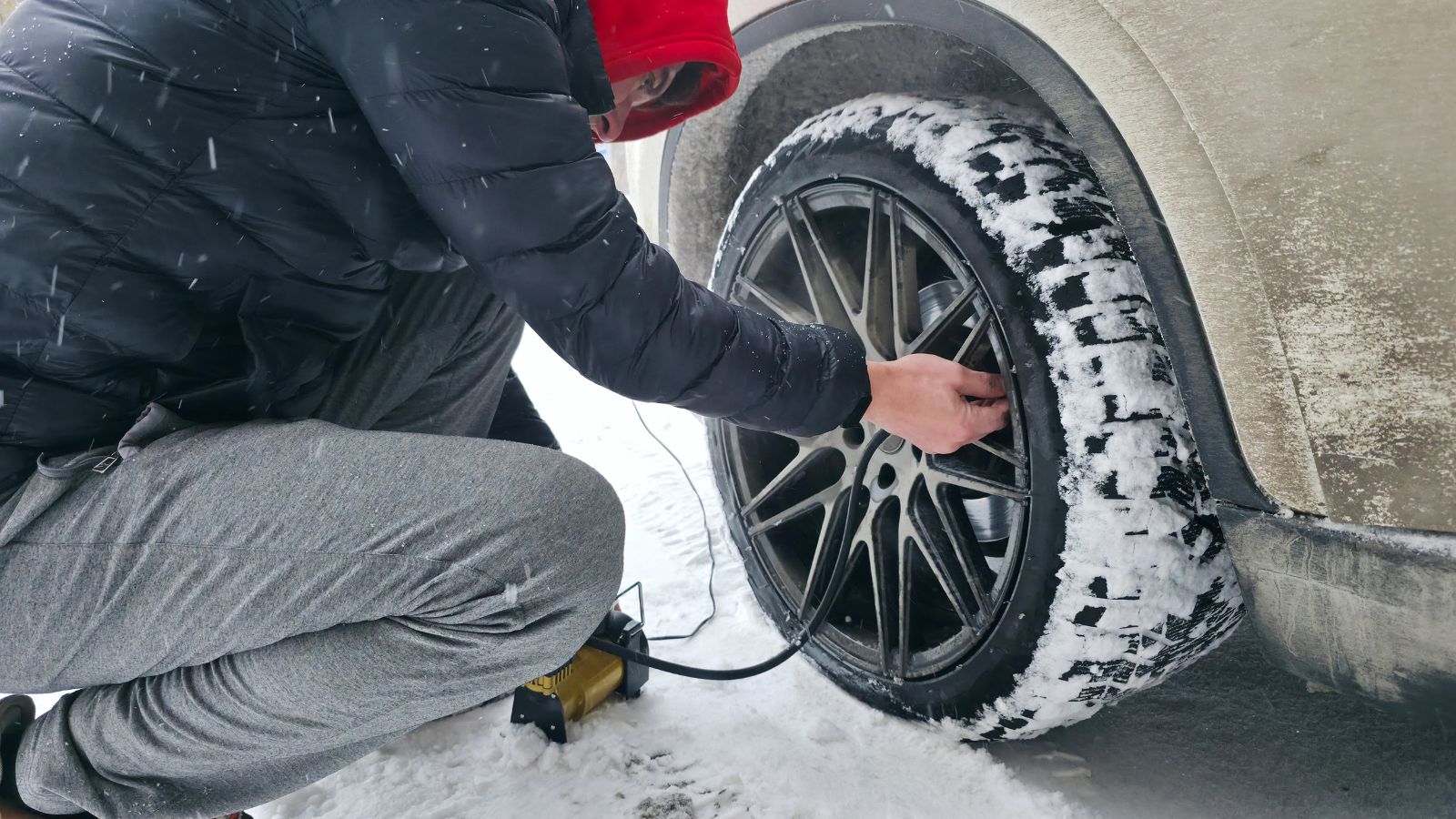
Falling temperatures affect the air inside the tires as well as the rubber around them. Transport Canada says tire pressure falls by about 7 kPa, or 1 psi, for every 5°C decrease in temperature. A set correctly inflated during a mild afternoon can therefore become noticeably underinflated after a sharp seasonal temperature drop. The agency recommends measuring pressure when the tires are cold and using the vehicle manufacturer’s specified pressure rather than judging inflation by appearance.
Underinflation is more than a dashboard annoyance. Transport Canada says it increases rolling resistance, accelerates tread wear and can contribute to tire damage. Operating a vehicle with one tire 56 kPa, or 8 psi, below the recommended pressure can increase fuel consumption by about 4 percent and reduce tire life by as much as 15,000 kilometres. Delaying the seasonal appointment can mean postponing an important pressure check during the part of the year when temperatures change rapidly. A proper changeover provides a natural opportunity to set pressures for colder weather, though drivers still need to check them regularly throughout winter.
The TPMS Light Is Not a Maintenance Plan
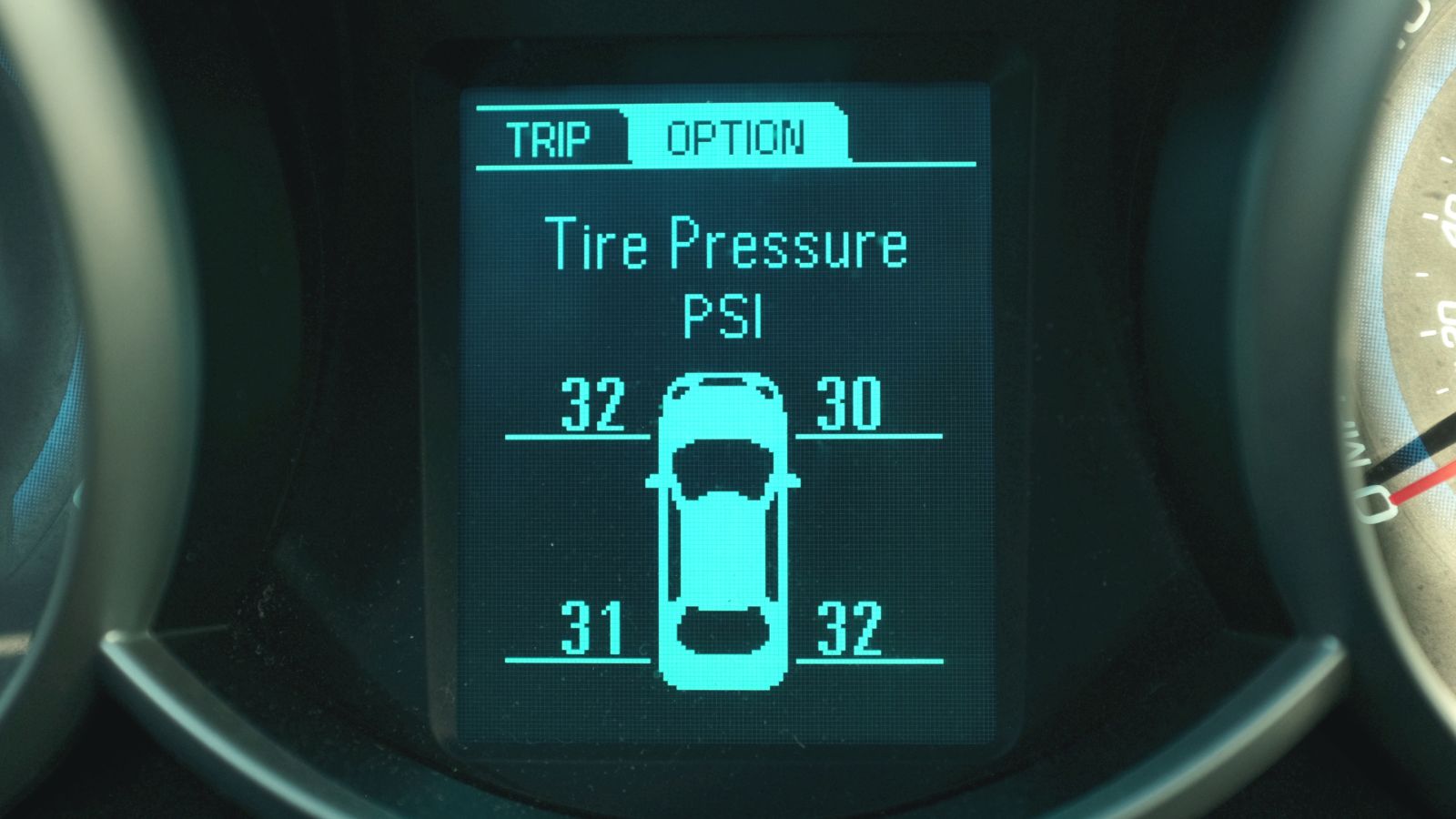
Many newer vehicles have tire-pressure monitoring systems, but the warning light should not become the only pressure check a driver performs. Transport Canada advises motorists to continue checking tire pressures manually at least once a month even when a vehicle is equipped with TPMS. The reason is straightforward: the system is primarily a warning device rather than a substitute for routine inspection, and pressure can move gradually as outside temperatures fall.
A delayed tire appointment can encourage a wait-and-see approach—keep driving until the warning light comes on, then deal with the tires. That misses the broader inspection a seasonal changeover can provide. Technicians can set pressures correctly, look for punctures or valve problems, examine tread and determine whether the winter set is ready before cold weather becomes constant. TPMS remains valuable, particularly when a tire begins losing air unexpectedly, but it is reactive by nature. Winter preparation works better when pressure and overall tire condition are checked before the vehicle has to announce that something is already outside its normal range.
A Last-Minute Two-Tire Compromise Can Upset Balance
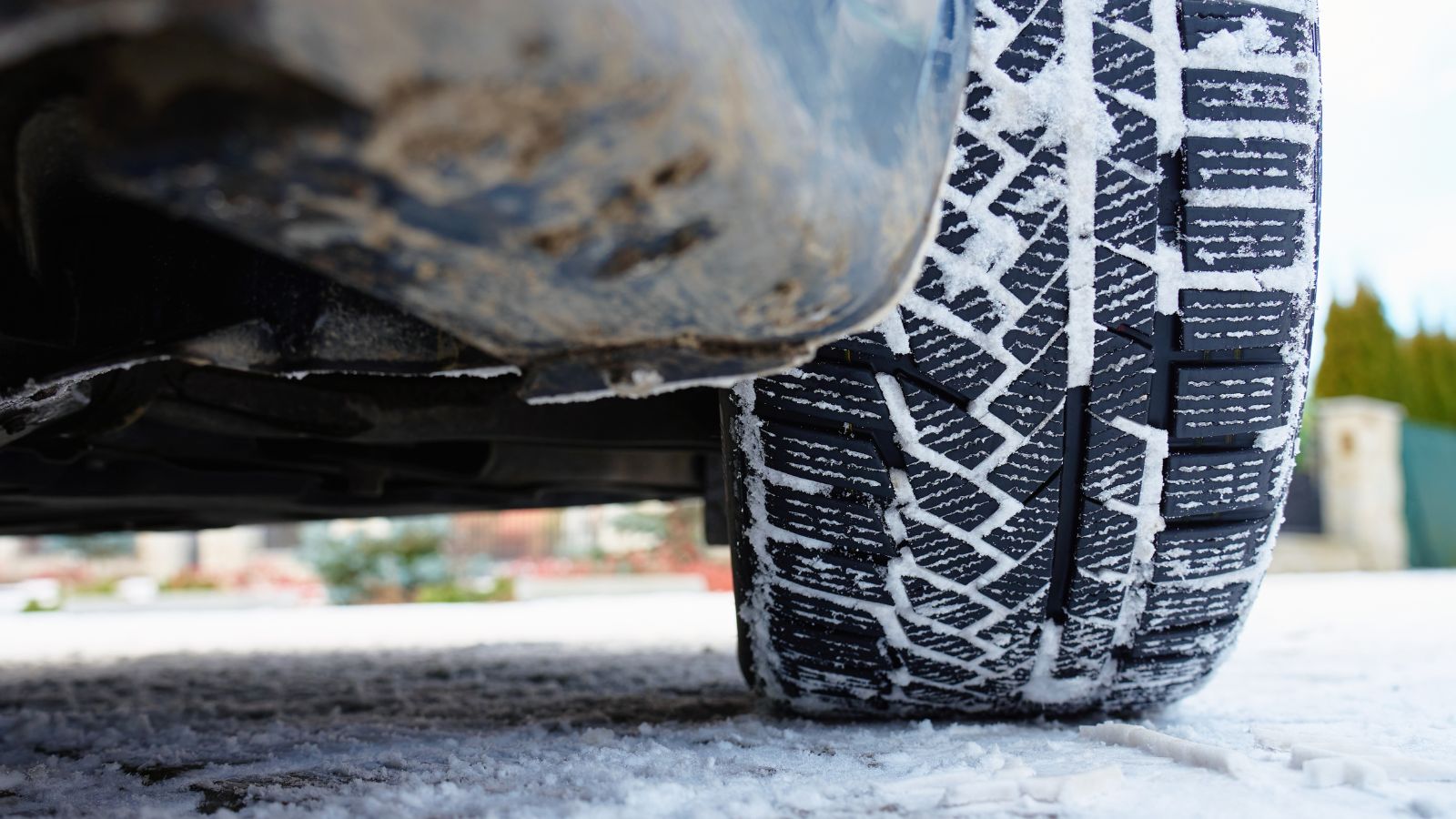
When a driver discovers that two winter tires are worn out or unavailable, it can be tempting to install the two usable tires and deal with the rest later. Transport Canada specifically recommends installing winter tires in sets of four to maintain vehicle control and stability in icy conditions. It also advises matching tire type, size, speed rating and load index on all four wheels because mixing significantly different tires can make vehicle behaviour less predictable.
The concern is not simply that two wheels have less traction. The front and rear of the vehicle can respond differently during braking or cornering, potentially making a slide harder to manage. A last-minute shortage or surprise inspection failure makes that compromise more tempting because the driver is trying to get the vehicle back on the road immediately. Booking earlier creates time to locate a complete, compatible set. Four matching winter tires are not simply an aesthetic preference. They help keep the vehicle’s responses balanced when available grip has already been reduced by snow, ice and cold pavement.
An Off-Rim Changeover Can Take Much Longer
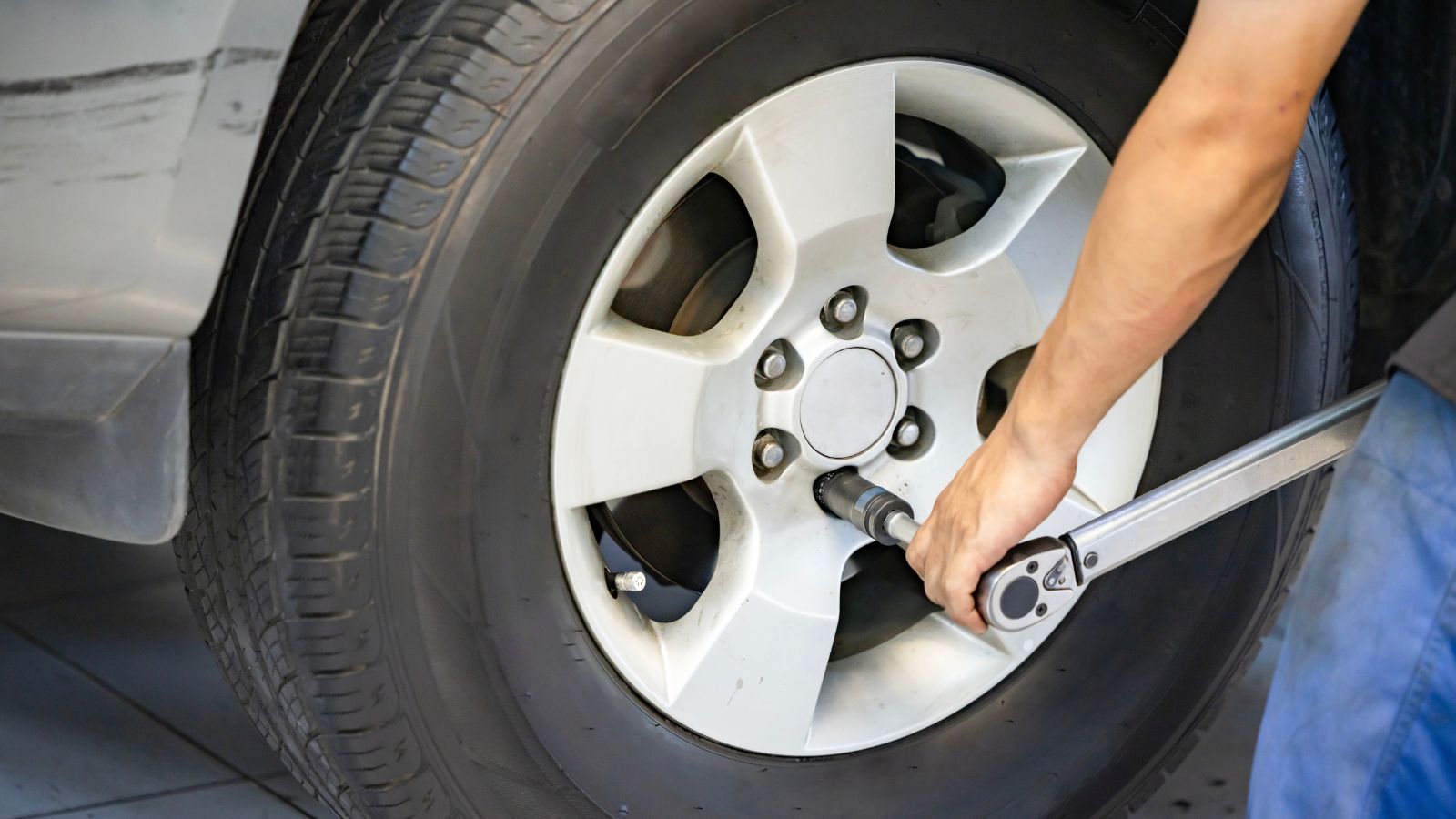
Not every winter-tire appointment involves the same amount of work. A set already mounted on dedicated wheels can generally be swapped onto a vehicle more quickly than tires that first need to be removed from one set of rims, installed on another and balanced. One established Edmonton service facility, for example, estimates roughly 30 to 45 minutes for a straightforward wheel swap but closer to an hour and a half for a full mount-and-balance changeover. Actual times vary with the vehicle, wheel design, equipment and shop workload.
That difference matters once the fall calendar becomes crowded. A driver who assumes every “tire change” is a short appointment may discover that the vehicle actually needs a much larger block of shop time, especially if the tires are not mounted on separate winter rims. During peak demand, those longer appointment slots may be harder to obtain. Delaying also leaves less time to deal with balancing problems, damaged wheels or fitment issues uncovered during mounting. Knowing which type of service is required—and booking before demand peaks—can prevent a simple scheduling mistake from keeping the vehicle on unsuitable tires for several additional days.
Post-Installation Checks Can Get Lost in the Rush

The appointment is not necessarily the final step. Wheel-fastener procedures vary by shop, vehicle and installation method, so drivers should follow the specific instructions provided after a changeover. Some Canadian service facilities ask customers to return for a wheel-nut re-torque after approximately 100 kilometres. Kal Tire uses a different double-torque process and says customers serviced under that procedure do not require a separate re-torque appointment. The important detail is that the correct follow-up depends on how and where the work was completed.
A rushed, last-minute changeover makes those instructions easier to overlook. A driver may leave immediately on a road trip, accumulate kilometres quickly or simply forget a requested follow-up amid an already busy week. Booking earlier provides more breathing room to understand the shop’s requirements, retain the paperwork and complete any requested check on schedule. Wheel installation is safety-critical work, so assuming every shop uses an identical procedure is unwise. The appropriate approach is to follow the installer’s instructions and the vehicle manufacturer’s specifications rather than relying on a routine remembered from a previous tire change.
Ontario Drivers Can Miss Part of a Winter-Tire Discount Opportunity
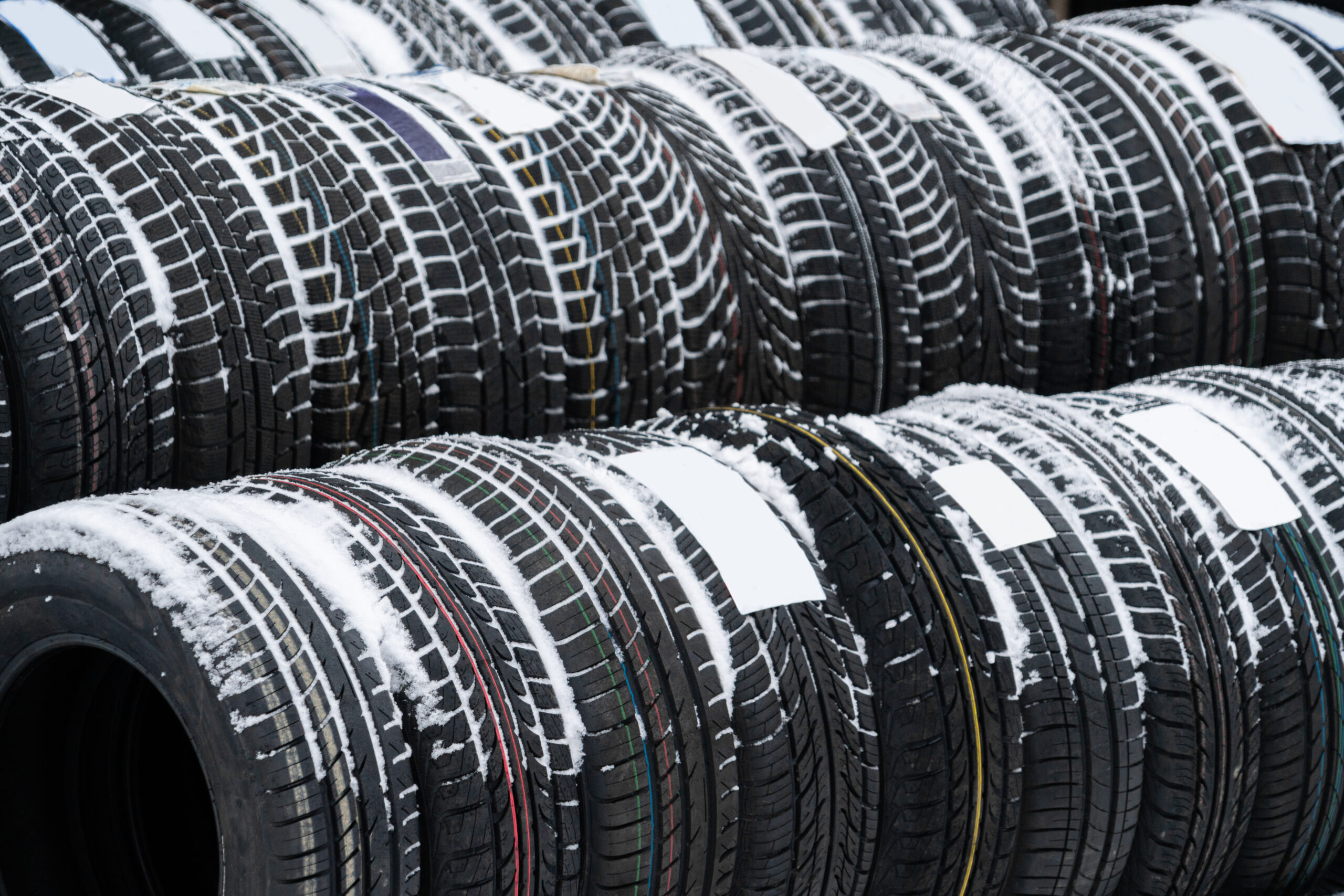
In Ontario, winter tires can have a financial benefit as well as a safety one. The Financial Services Regulatory Authority of Ontario says every auto insurer in the province must offer a winter-tire discount, although qualification requirements and the size of the discount can differ among insurers. Some companies specify a particular period during which the tires must be installed. TD Insurance, for example, says eligible Ontario customers must equip the vehicle with four winter tires from December through March.
That makes timing worth checking before the season begins. A driver who waits until well into winter may discover that an insurer’s stated seasonal-use period has already started or that documentation is required before a discount can be applied. The safest assumption is not that every policy works identically, but that the insurer or broker should be asked about dates, qualifying tire markings and documentation requirements. An early appointment gives the driver time to meet those conditions without scrambling. Even if the dollar savings are modest, there is little benefit in buying qualifying winter tires and then discovering that the insurer expected them to be installed during a specific seasonal period.
Quebec Drivers Can Run Into a Hard Legal Deadline
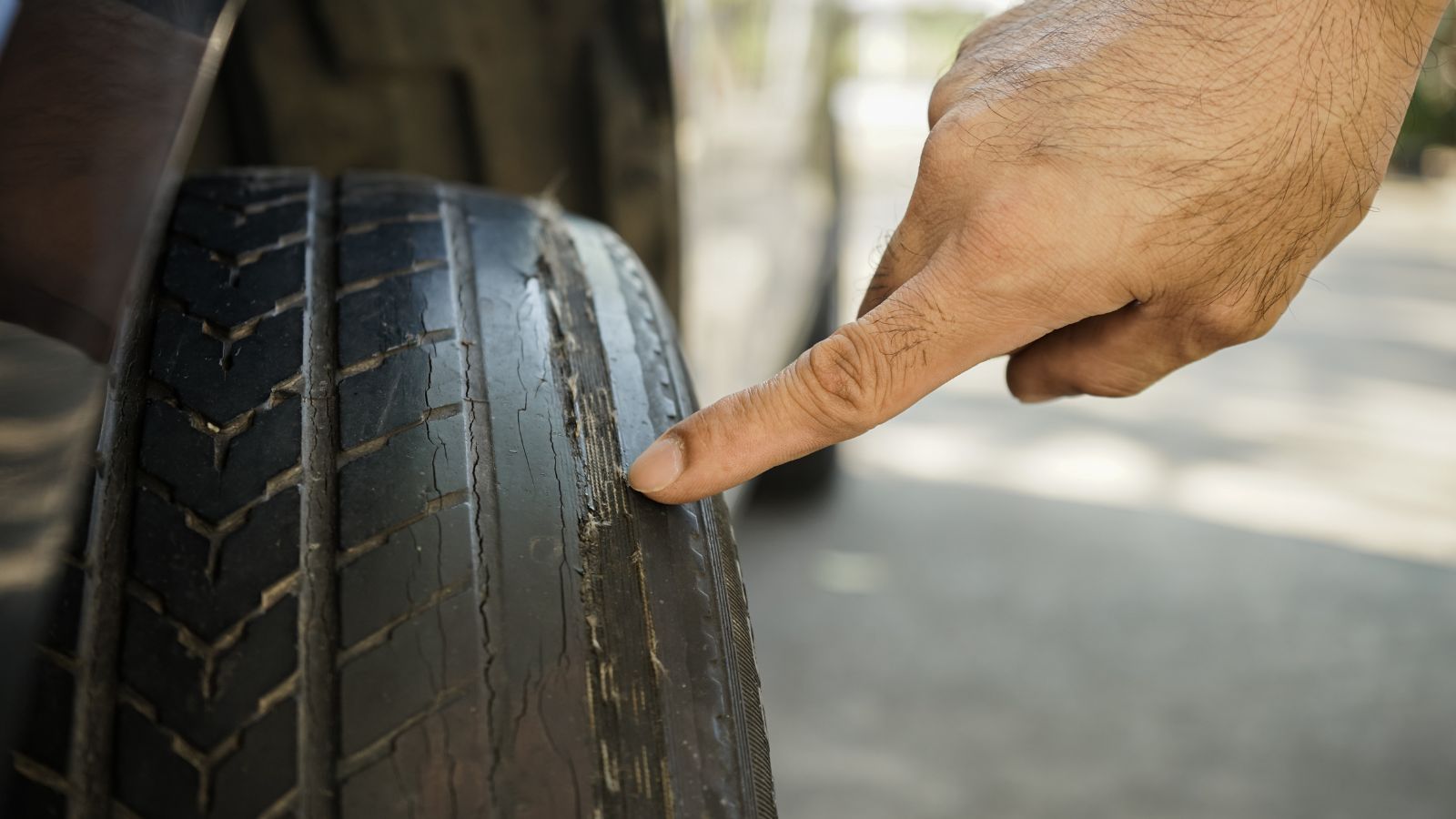
For vehicles registered in Quebec, the calendar eventually stops being a recommendation. The province requires qualifying motor vehicles to have compliant winter tires from December 1 through March 15, subject to specified exemptions. Drivers who fail to comply can face a fine ranging from $200 to $300. Provincial guidance also encourages motorists to prepare before December 1 because winter conditions can arrive earlier than the statutory start date.
That combination makes a late-November appointment a gamble. If the shop discovers badly worn tires, an unavailable size, a damaged wheel or another unexpected problem, there may be very little time remaining before the legal requirement takes effect. The deadline can also contribute to concentrated seasonal demand as drivers try to schedule installations at the same time. Treating December 1 as the day to begin looking for an appointment misses the purpose of the rule: it is the date by which the vehicle is supposed to be equipped. An earlier installation avoids the legal squeeze while also preparing the vehicle for cold weather that may arrive well before the calendar deadline.
B.C. Mountain Routes May Require Winter Equipment Before the City Does
British Columbia creates a different kind of deadline. On most designated routes, winter tires or chains are required from October 1 through April 30, while some routes outside mountain passes and high-snowfall areas end the requirement on March 31. Provincial guidance says enforcement officers can turn non-compliant vehicles around, and a passenger vehicle that fails to meet the winter-tire requirement where it applies can receive a $121 fine. Those rules matter particularly on corridors where elevation and weather can change substantially during a single trip.
A delayed appointment can therefore disrupt travel even when streets close to home remain mild. Someone leaving the Lower Mainland for the Interior or another route covered by winter-tire signage may encounter a seasonal equipment requirement before local weather feels remotely wintry. The practical lesson is easy to miss: the appropriate installation date depends partly on where the vehicle will travel, not only on conditions in the driveway. Checking planned routes before delaying a booking is important. Having compliant equipment installed early can prevent a weekend trip from ending with the vehicle being turned around and serves as a reminder that Canadian winter readiness can be determined by geography as much as temperature.
19 Used Cars Canadians Should Avoid in 2026 (Based on Owner Complaints)

Buying a used car in Canada can feel safe until repair bills start stacking up. Owner complaints tell a different story than glossy listings. Transmission failures, electrical problems, and weak winter reliability show up again and again in consumer reports. Many of these issues appear after warranties expire, when owners least expect them. Some vehicles look affordable upfront, but become expensive to keep on the road. Others struggle in cold weather, urban driving, or long highway commutes. Here are 19 used cars Canadians should avoid in 2026 (based on owner complaints).
19 Used Cars Canadians Should Avoid in 2026 (Based on Owner Complaints)

Alanna Rosen is an experienced content writer that focuses on many EV and educational content. Her articles are regularly published on Get CyberTrucked and syndicated on large publications.