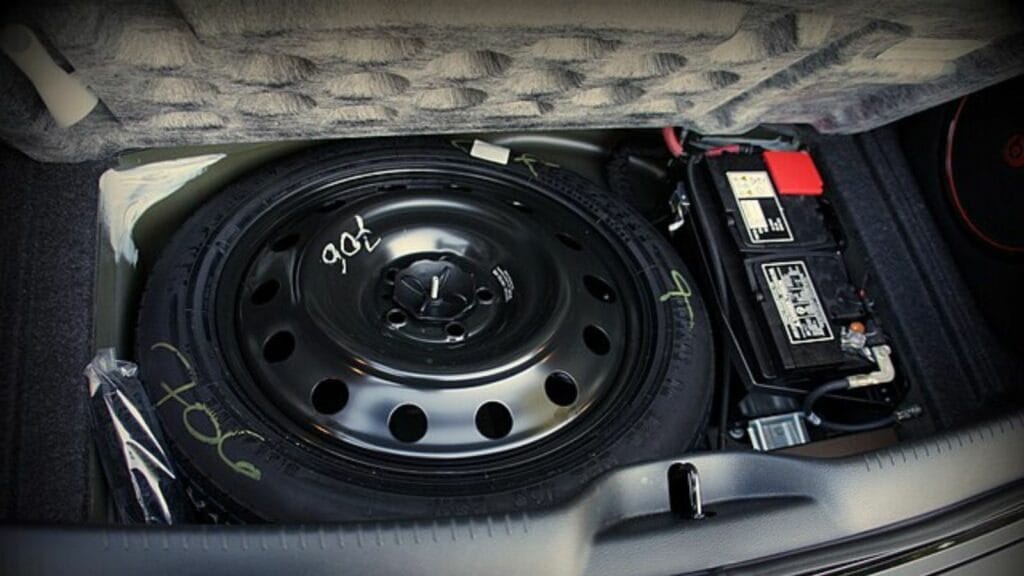
Canada’s Thanksgiving weekend lands at an awkward point in the driving calendar. Summer travel habits are still fresh, but shorter days, colder mornings, heavy rain, early frost and even snow can already complicate longer drives in parts of the country. In 2026, Thanksgiving Day falls on Monday, October 12, giving many families a long weekend for visits that may involve several hours on the highway.
A reliable trip starts before the luggage reaches the trunk. A few minutes spent inspecting the vehicle, checking conditions and preparing for an unexpected delay can prevent a minor problem from becoming an expensive or dangerous one. These 20 checks cover the vehicle, route, passengers and even the Thanksgiving food riding along for the journey.
Check the Tire Pressure While the Tires Are Cold
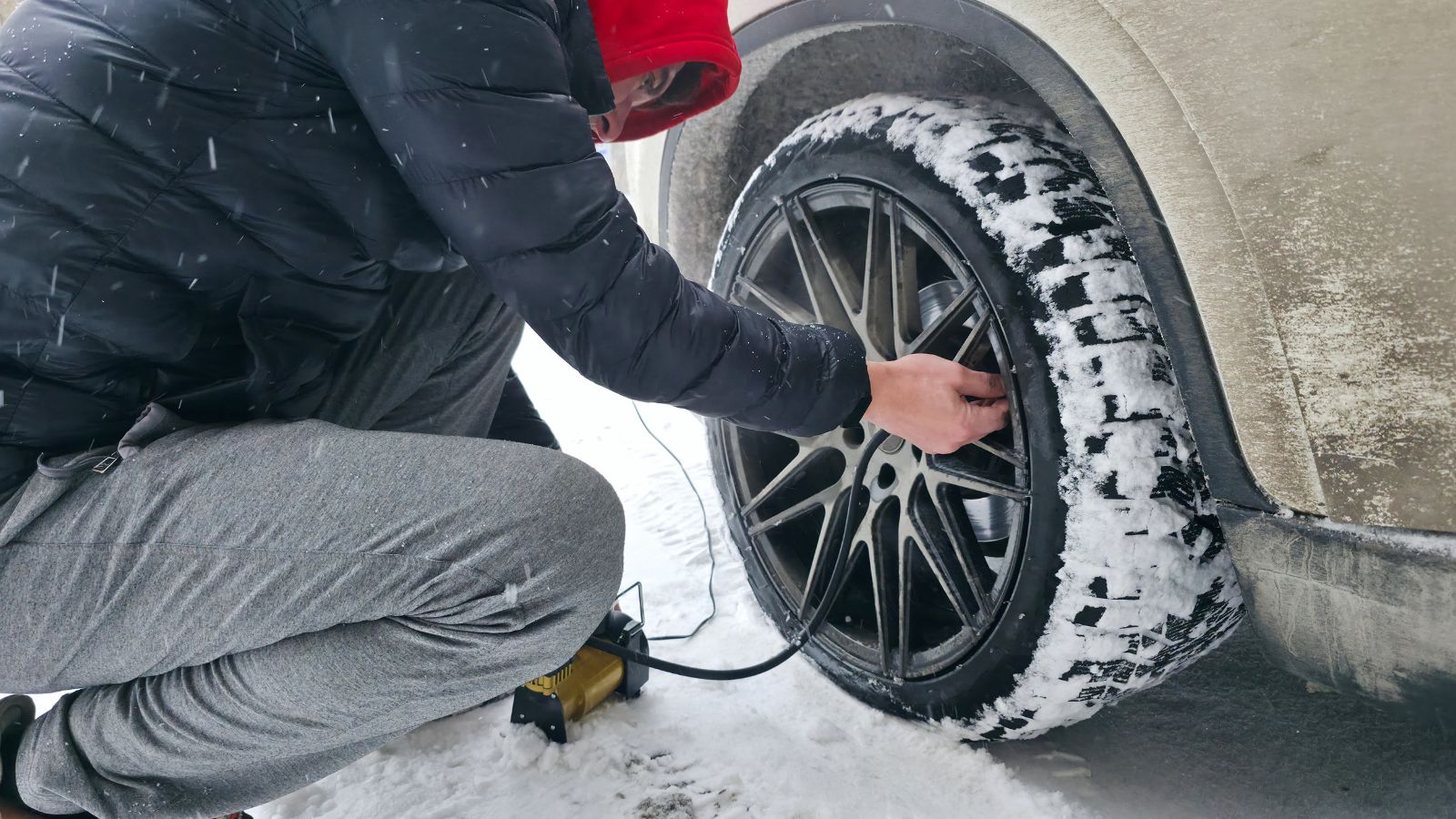
October temperature swings can expose tire-pressure problems that were easy to overlook during warmer weather. Transport Canada notes that tire pressure falls as temperatures drop, by roughly 7 kPa, or 1 psi, for every 5°C decrease. That means a vehicle that seemed properly inflated during a mild afternoon could be running noticeably lower after a cold Thanksgiving-weekend morning. Highway speeds, passengers and a trunk full of luggage make proper inflation especially important because the tires are being asked to support more weight for longer periods.
Pressure should be checked when the tires are cold, ideally after the vehicle has been parked for at least three hours or driven less than about two kilometres. The correct number normally appears on the vehicle’s tire-information label near the driver’s door or in the owner’s manual. The maximum pressure printed on the tire sidewall is not necessarily the vehicle manufacturer’s recommended pressure. A tire-pressure monitoring system is helpful, but Transport Canada says it does not replace regular manual checks.
Inspect the Tread and Make Sure the Tires Match the Conditions

Pressure is only half of the tire inspection. Before a long Thanksgiving drive, each tire deserves a quick look for worn tread, uneven wear, cracking, cuts, bulges or objects embedded in the rubber. Damage that barely attracts attention around town can become much more consequential after several hours at highway speed. Uneven wear can also be an early clue that alignment, suspension or inflation problems need attention before another few hundred kilometres are added to the odometer.
The type of tire matters as well when an October route stretches into colder or higher-elevation areas. Transport Canada identifies the three-peak mountain snowflake symbol as the key marking for tires designed to meet winter snow-traction requirements. It also advises against using winter tires with less than 4 mm of tread for snow-covered or severe winter conditions. Thanksgiving does not look the same across Canada; a mild afternoon in southern Ontario can coincide with far more wintry conditions elsewhere. Tire choice should reflect the actual route and forecast rather than the calendar alone.
Confirm the Spare Tire or Repair Kit Is Actually Usable
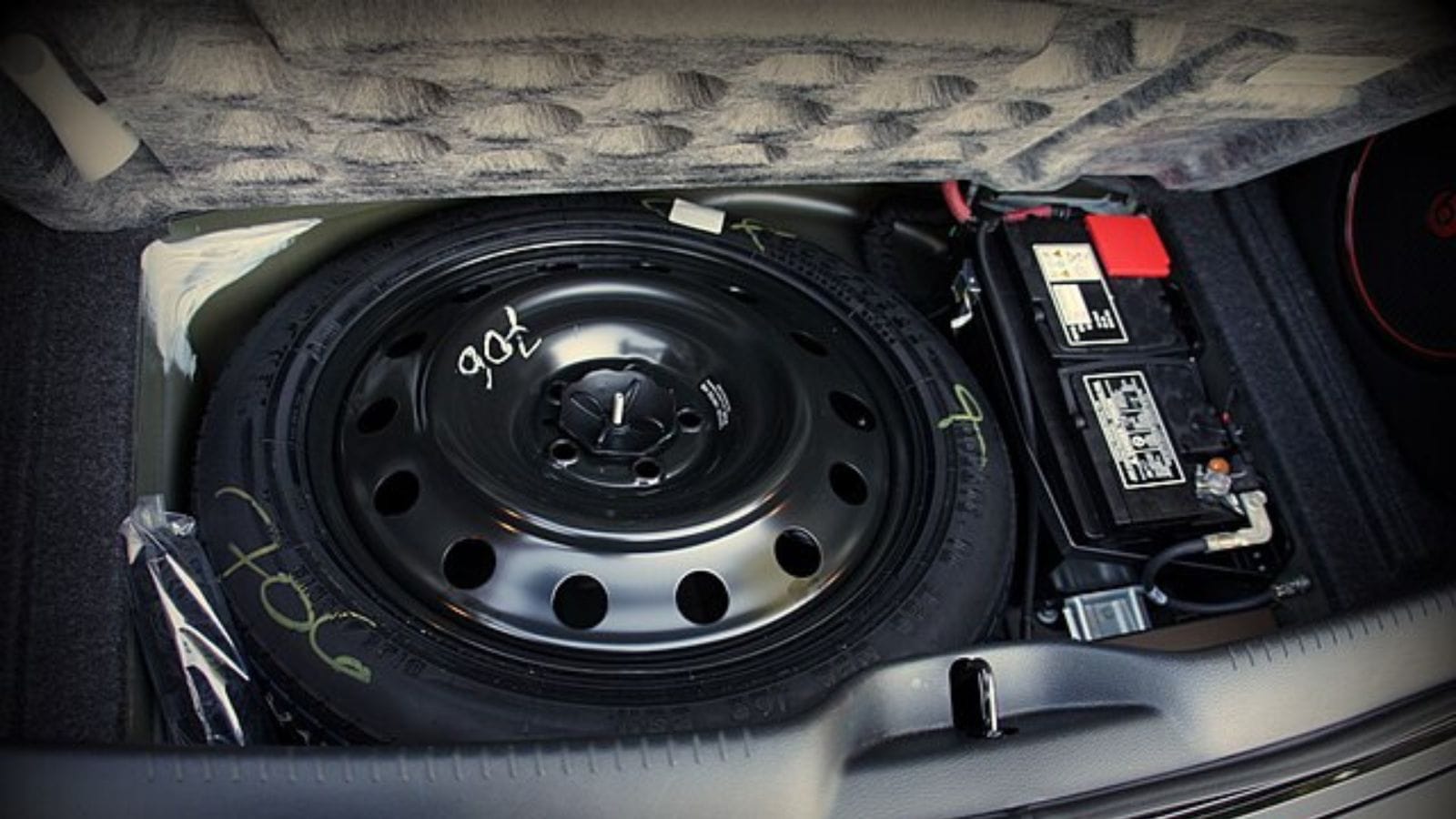
A flat tire becomes much more frustrating when the spare has not been touched in years. Transport Canada specifically recommends checking the pressure of the spare along with the four tires on the road. Temporary spares can lose air gradually while hidden under the cargo floor, and the problem often remains invisible until the moment the spare is needed. Before loading suitcases over everything, it is worth confirming where the spare is stored and whether it is properly inflated and securely mounted.
Some vehicles use a tire-sealant and compressor kit instead of a conventional spare, so owners should know what their particular vehicle carries and how the system works. Check that the jack, wheel wrench, locking-wheel-nut key and any other manufacturer-supplied equipment are still present. CAA also recommends carrying a tire-pressure gauge and basic tools on road trips. Discovering that a wheel-lock key is sitting in a garage drawer is inconvenient at home; discovering it beside a dark highway on Thanksgiving evening is considerably worse.
Have the Battery Checked Before Cold Weather Exposes a Weak One
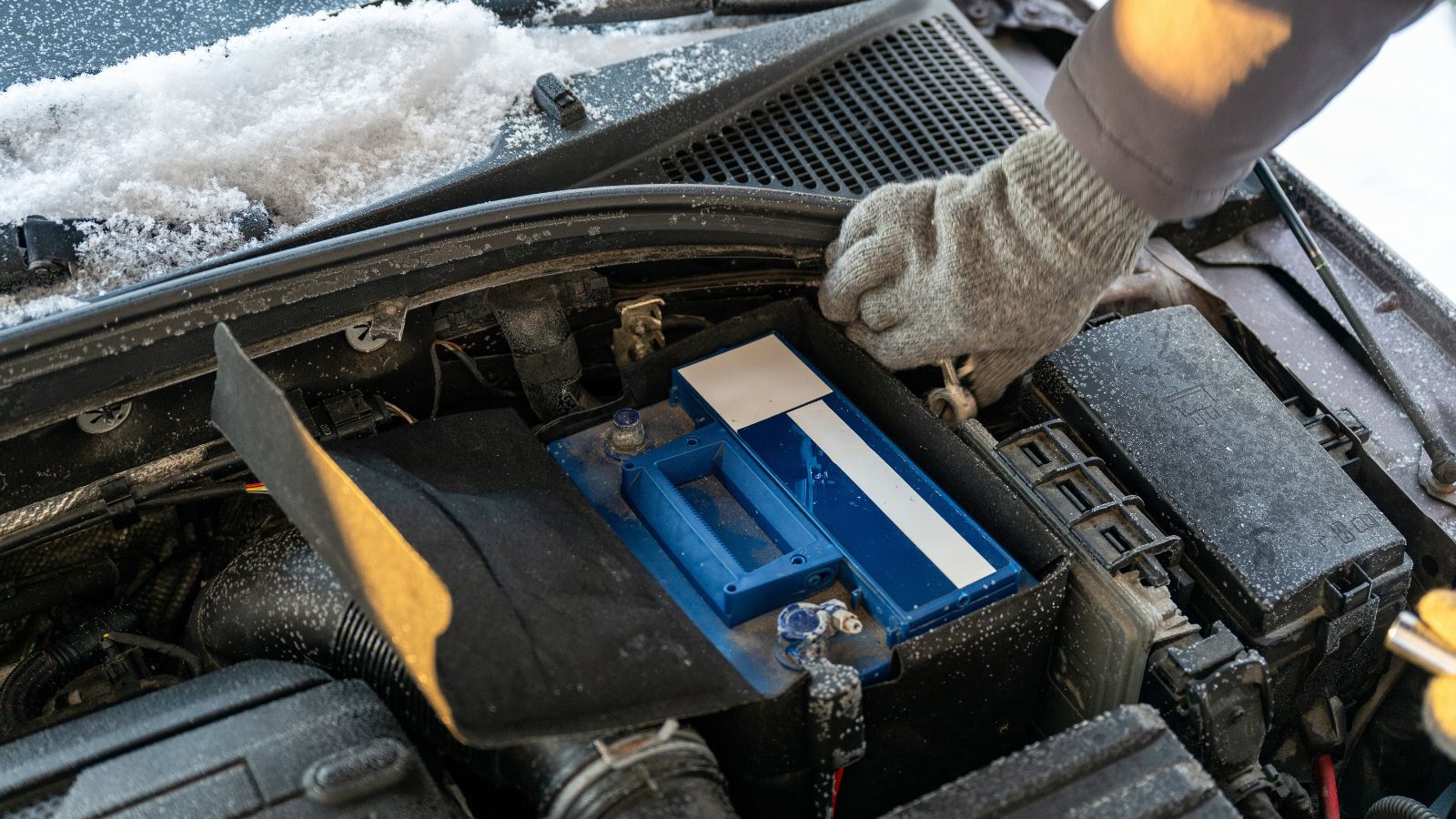
A battery can give little warning before deciding that a cold morning is the end of the road. Lower temperatures make starting more demanding, which is one reason Transport Canada includes the battery and charging system on its winter-preparation checklist. The agency recommends checking the battery, cleaning its posts and ensuring the charging system and related belts are working properly. A battery that has been starting the vehicle slowly, producing intermittent electrical problems or repeatedly needing a boost should not be ignored before a long holiday drive.
This check matters even when the weather forecast does not look particularly wintry. Thanksgiving trips often include early-morning departures, outdoor parking and several short stops where the vehicle is repeatedly restarted. A professional battery and charging-system test can reveal a weak battery before the trip rather than in a restaurant parking lot several hundred kilometres from home. Booster cables or a suitable portable booster pack are also useful additions to the trunk, but they should be considered backups rather than substitutes for dealing with a battery already showing signs of trouble.
Pay Attention to Anything Unusual About the Brakes
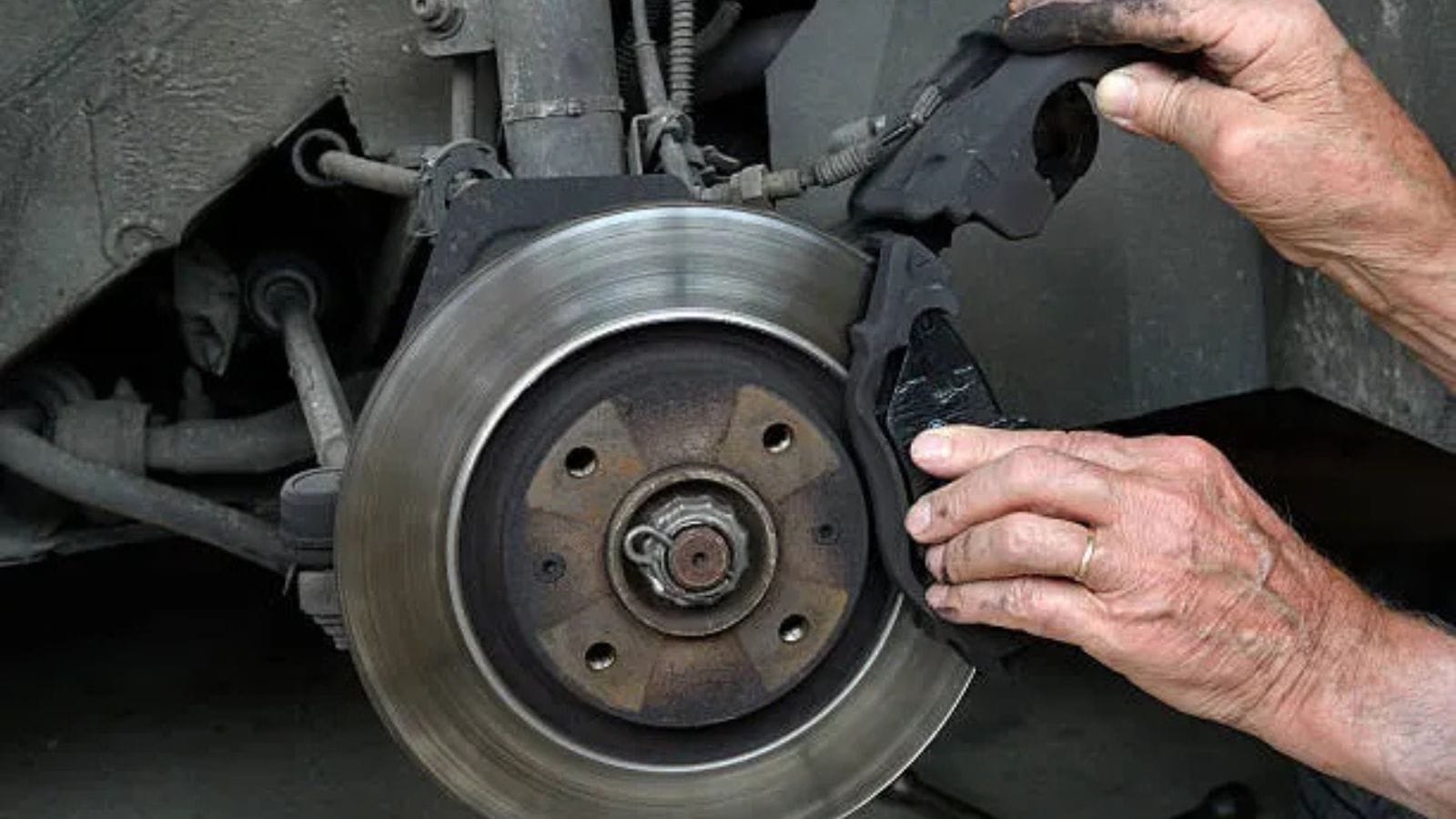
Brakes rarely fail without giving some kind of warning, but those warnings are easy to normalize when a vehicle is driven every day. Transport Canada advises having the braking system checked if the vehicle pulls during braking, the pedal begins to feel different, or squealing or grinding develops. A long highway trip is not the ideal time to discover that a sound dismissed during short neighbourhood drives was actually worn brake hardware asking for attention.
The Thanksgiving weekend can also bring rain, frost and rapidly changing temperatures, all of which make dependable braking particularly valuable. Drivers should pay attention during the days before departure to vibration through the steering wheel or brake pedal, unusual noises, increased stopping effort, warning lights and any obvious decline in braking performance. Modern features such as brake assist and automatic emergency braking do not eliminate the need for a healthy conventional braking system. Transport Canada stresses that effective braking still depends on properly maintained brakes, tires and suitable road conditions.
Check Oil, Coolant and the Components That Keep the Engine Healthy
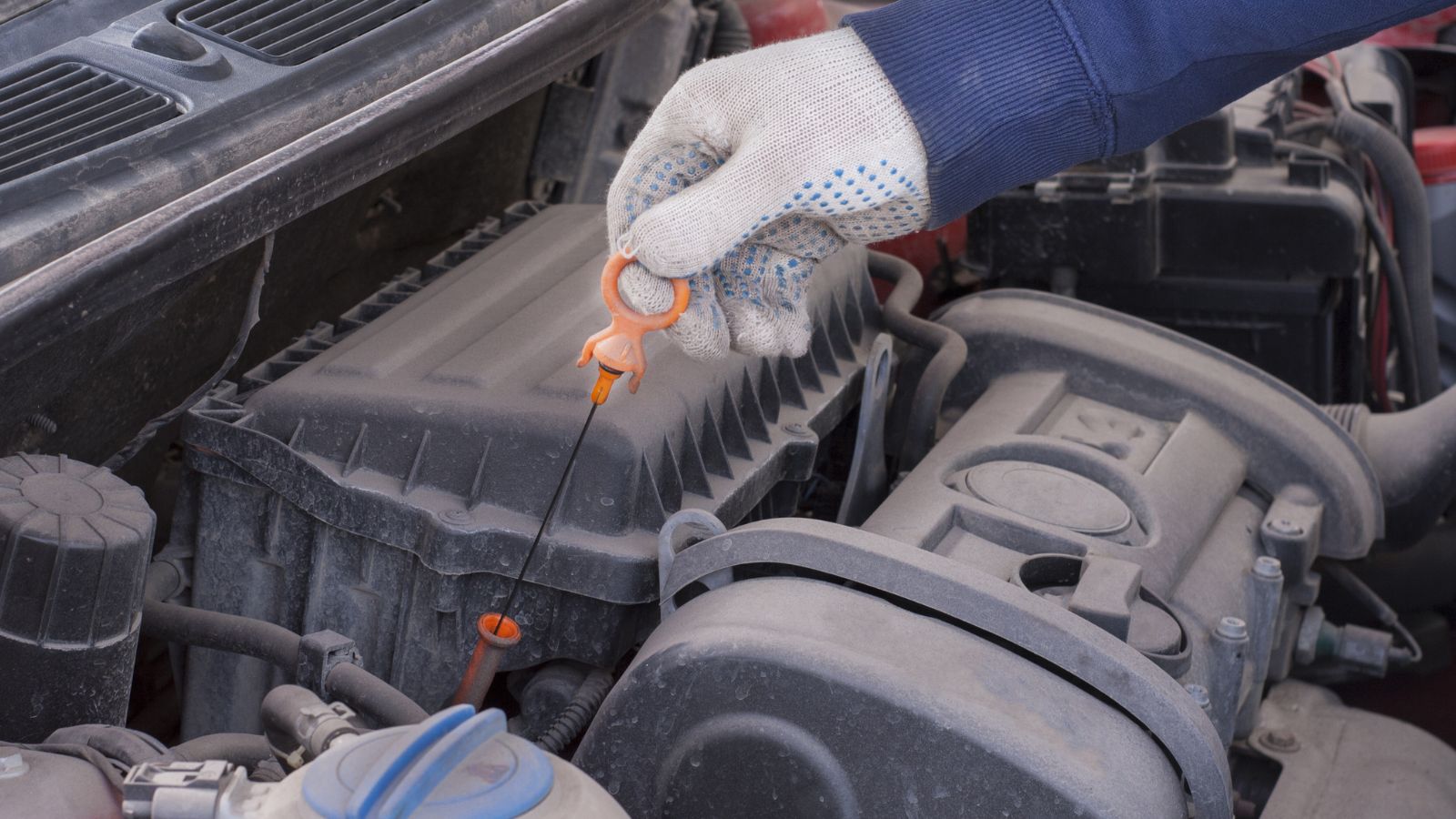
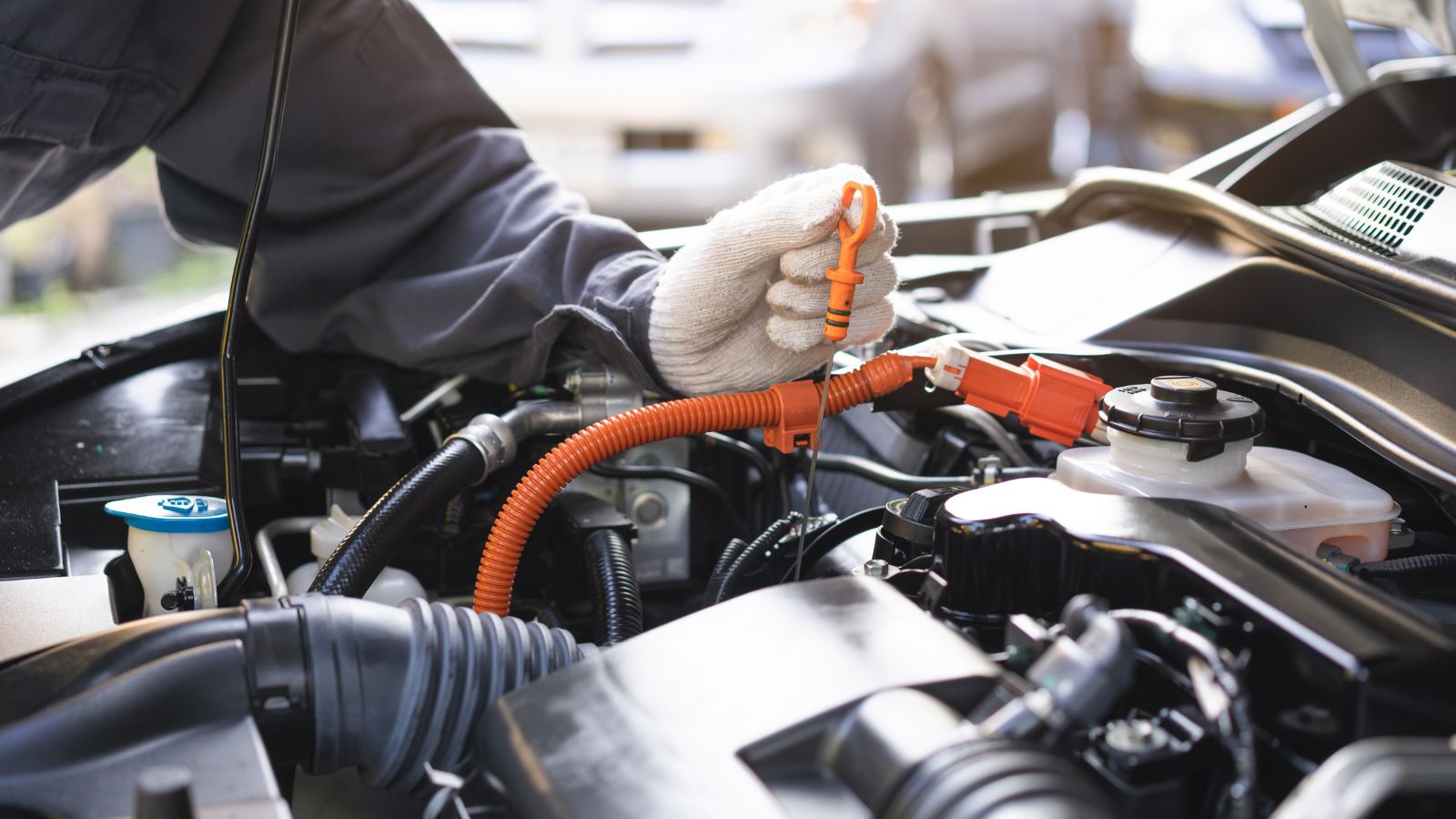
A highway journey puts the engine into sustained operation for far longer than a typical commute, making fluid checks especially worthwhile. Before leaving, the engine-oil level should be checked according to the manufacturer’s instructions, while any overdue oil-change or maintenance reminder deserves attention. Coolant is equally important. Transport Canada recommends inspecting the strength and level of coolant or antifreeze as colder weather approaches and checking that the cooling system is working properly.
A good pre-trip inspection also considers what holds those fluids inside the vehicle. Transport Canada’s seasonal guidance includes examining radiator hoses and drive belts for cracks or leaks and checking components such as the radiator cap, water pump and thermostat when appropriate. Few Thanksgiving memories improve when steam begins pouring from underneath the hood halfway between relatives’ homes. Owners do not need to become mechanics before every road trip, but unexplained fluid loss, warning lights, overheating or fresh spots beneath the parked vehicle are all good reasons to have the problem investigated before departure rather than hoping it disappears.
Replace Wipers That Leave Streaks and Fill the Washer Reservoir
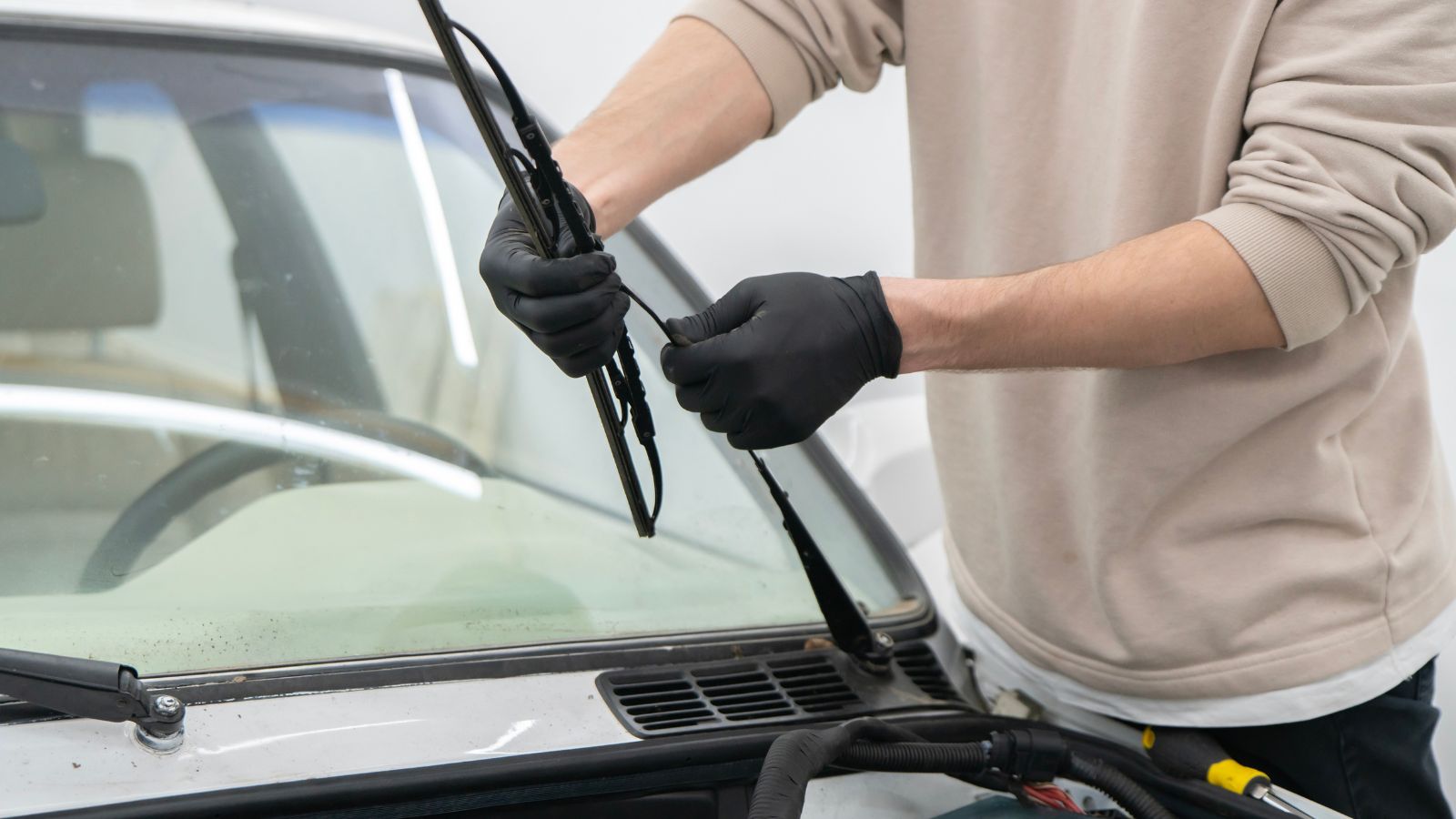
A windshield can look perfectly acceptable while a vehicle is parked and become almost useless once road spray, rain and low autumn sunlight arrive. Transport Canada recommends replacing windshield wipers that streak and making sure they are in good condition before cold-weather driving. Thanksgiving weekend is an especially sensible time for the check because autumn roads can combine rain, dirty spray, fallen leaves and rapidly changing light during the same drive.
Washer fluid deserves more attention than simply confirming that some liquid remains in the reservoir. Transport Canada’s winter-preparation guidance recommends washer fluid rated for temperatures around -40°C and carrying an extra jug in the vehicle. Switching away from warm-weather fluid before freezing conditions arrive helps prevent an unpleasant surprise during an early cold snap. The washer jets should spray properly onto the windshield, and the rear wiper and washer should be checked on vehicles equipped with them. Good visibility is one of those small preparations that becomes disproportionately important when darkness, spray and unfamiliar roads arrive together.
Walk Around the Vehicle and Test Every Important Light

Thanksgiving arrives when daylight is disappearing noticeably earlier, increasing the chances that at least part of a family trip will happen after sunset. A basic walk-around can uncover burned-out headlights, brake lights, tail lamps, turn signals, licence-plate lights or hazard lights before they become a problem. Transport Canada recommends ensuring that all exterior lights work and that headlights are properly adjusted. Some modern vehicles use automatic headlamp-levelling systems that may require professional inspection when they are not operating correctly.
The same preparation should extend inside the vehicle. Check that the heater, windshield defroster and rear-window defogger can clear moisture effectively. Autumn mornings can quickly coat glass with condensation, especially once several passengers climb into a cool vehicle carrying damp coats and boots. Cameras and sensor areas should also be kept clean where the vehicle uses them for parking or driver-assistance functions. Technology can be useful, but Transport Canada warns that rain, dirt, darkness and poor weather can reduce the effectiveness of some camera- and sensor-based systems.
Start With Enough Fuel or Battery Range for an Unexpected Delay
Beginning a road trip nearly empty is an unnecessary gamble, particularly when traffic, weather or a highway closure can add unplanned distance. Transport Canada recommends keeping at least half a tank of fuel during winter travel preparation. Thanksgiving may arrive before true winter in many communities, but the logic still works for a long autumn drive: extra fuel provides a buffer when a planned station is closed, traffic stops moving or a detour sends the route somewhere unfamiliar.
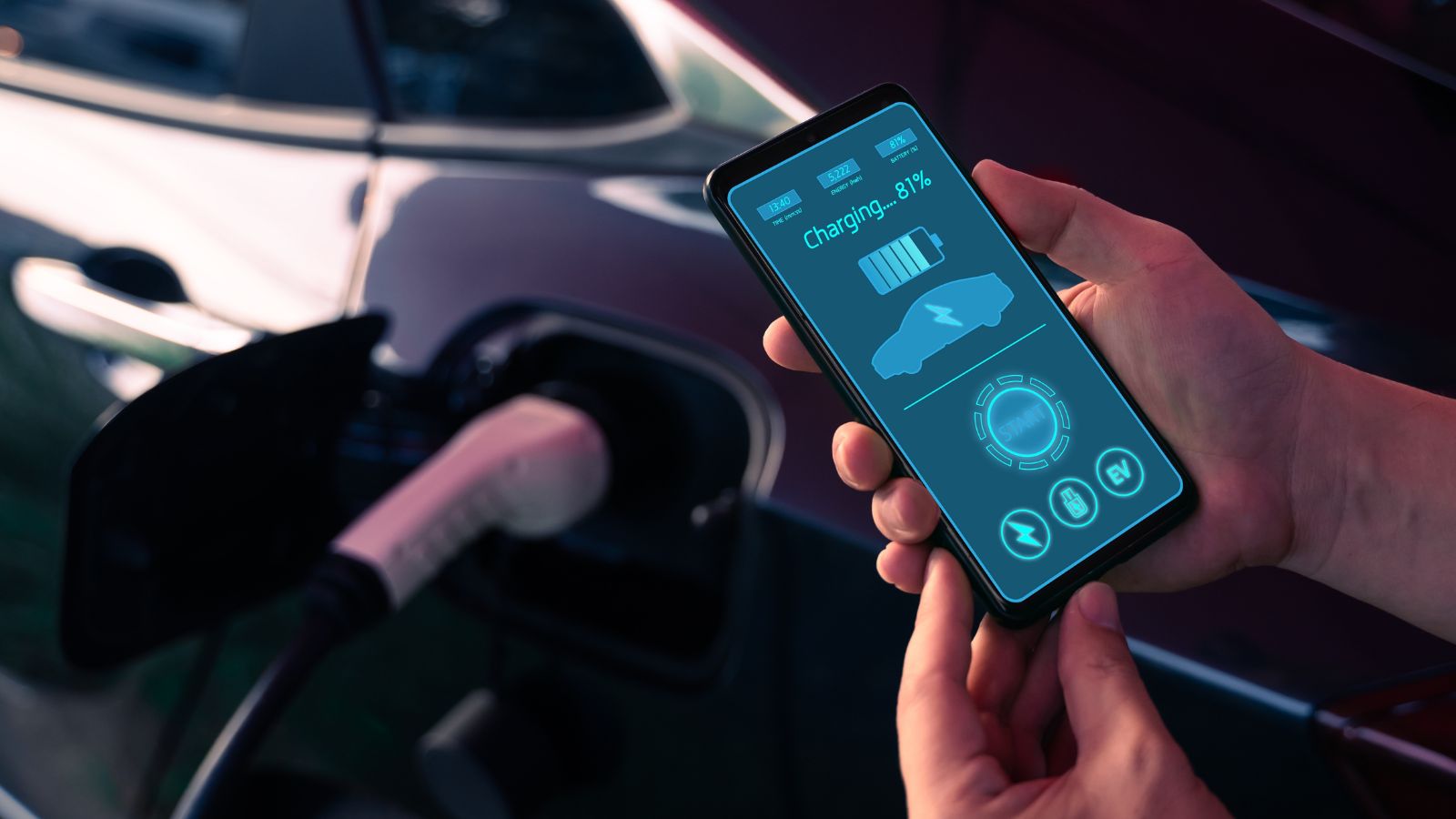
Electric-vehicle drivers should build a similar buffer into the battery plan rather than treating the vehicle’s estimated range as a precise arrival calculation. Transport Canada notes that cold temperatures can reduce EV driving range. Natural Resources Canada provides an Electric Charging and Alternative Fuelling Stations Locator that can identify charging locations along a planned route. On a busy holiday weekend, it is sensible to identify more than one charging option instead of depending on a single station. Charger availability, vehicle efficiency, temperature and unexpected kilometres can all change the original plan.
Check for Open Recalls and Overdue Maintenance
A road trip provides a good reason to revisit the maintenance notifications that are easy to dismiss during daily life. The owner’s manual contains the manufacturer’s service schedule, and Transport Canada recommends keeping vehicles in top condition according to that schedule. If an oil change, brake inspection or another significant service is already overdue, adding a long Thanksgiving drive may not be the best way to postpone it again.
Recalls are another quick check that can be done before departure. Transport Canada maintains a national motor-vehicle safety recalls database covering Canadian recalls going back to 1970 and also directs owners to manufacturer tools that can use a vehicle identification number to determine whether a particular vehicle is affected. Recall notices describe the safety problem and what should be done to correct it. This is especially worthwhile for used vehicles or vehicles that have changed addresses, where a recall notice may not have reached the current owner. A few minutes checking can identify repairs that should not wait until after the holiday.
Look at the Weather for the Entire Route, Not Just the Destination

A sunny forecast at home does not say much about conditions three hours down the highway. Environment and Climate Change Canada’s WeatherCAN service provides current conditions, hourly information and seven-day forecasts for more than 10,000 Canadian locations, making it possible to check communities along the route rather than relying on one city forecast. It also provides official weather alerts, radar information and notifications that can be useful when conditions are changing quickly.
Drivers should pay particular attention to warnings, advisories and watches. Environment and Climate Change Canada uses these alerts to communicate hazards and expected impacts, including conditions such as fog, freezing precipitation, snow and strong winds. A route that crosses higher terrain or travels far north can experience conditions very different from the starting point. The safest pre-trip decision can occasionally be to leave earlier, take another route or postpone departure. Holiday dinner plans are inconvenient to change, but they are still easier to rearrange than the consequences of deliberately driving into hazardous conditions.
Check Provincial Highway Information Before Pulling Out of the Driveway
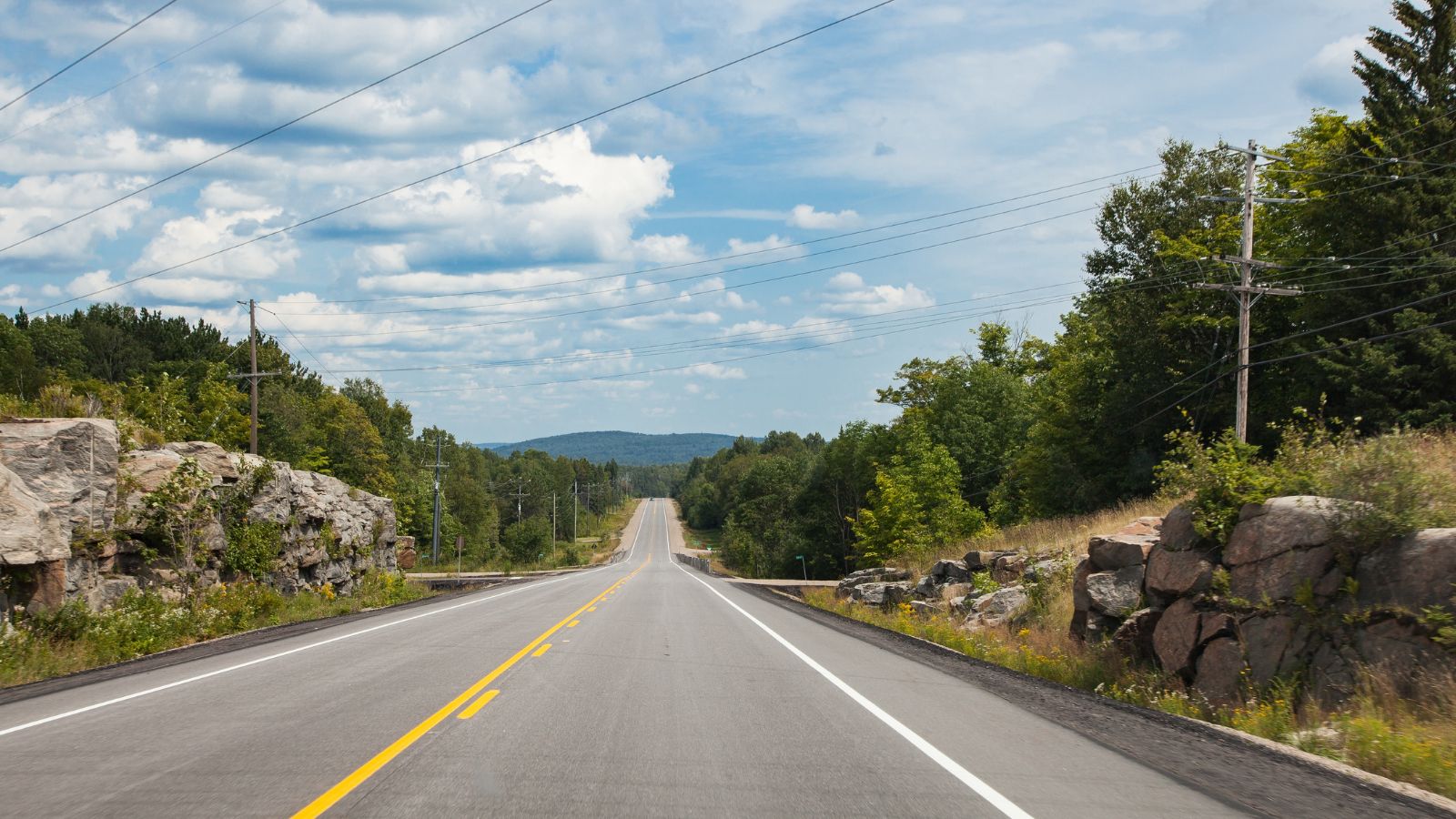
Weather forecasts describe the atmosphere; highway-information systems reveal what is actually happening on the road. Transport Canada recommends using provincial and territorial traveller-information services, including 511 systems, for updates on road conditions and snow-clearing operations. Depending on the jurisdiction, official services can provide information about collisions, closures, construction, reduced visibility, road-surface conditions and traffic cameras.
Ontario 511, for example, offers highway information on construction, collisions and closures and provides imagery from more than 900 cameras. Alberta 511 includes road conditions, incidents, construction, cameras and weather information, while DriveBC publishes highway delays, closures and advisories. Quebec 511 provides road-condition and roadwork information. The available features differ by province, but the principle is the same: check the official service shortly before departure rather than assuming a route that was clear the night before remains clear. A five-minute check can save a long backtrack when construction, a collision or severe weather closes the expected road.
Set the Navigation Before Moving and Keep the Phone Powered

A navigation app is most useful when it reduces uncertainty, not when it becomes another screen demanding attention. CAA recommends entering the destination and reviewing directions before driving. Transport Canada identifies navigation-system use as a potential distraction when it takes attention away from the driving task. If a route change becomes necessary, a passenger can handle it or the driver can stop somewhere safe before typing a new destination.
The phone itself should begin the trip fully charged. Transport Canada recommends carrying a charging cable and, on longer trips, considering a portable battery pack. It also advises telling someone the intended route and expected arrival time, particularly when travelling in difficult conditions. Downloading or carrying backup route information can also be useful where cellular service is uncertain. These steps feel almost unnecessary when everything goes normally, but a dead phone, blocked highway and unfamiliar rural detour can turn a minor inconvenience into a stressful situation remarkably quickly.
Open the Emergency Kit and Make Sure the Contents Are Still Useful
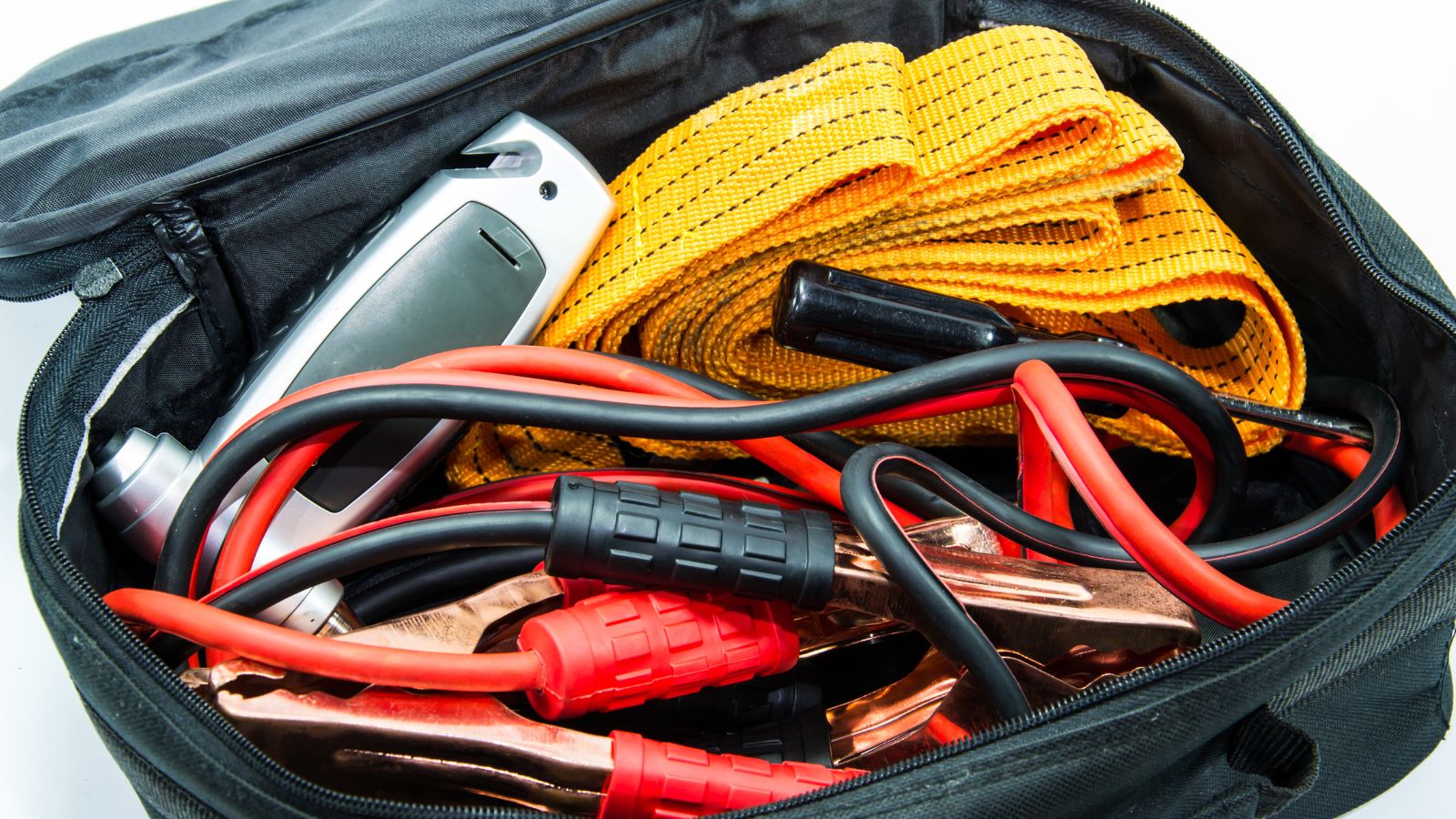
Having an emergency kit somewhere in the trunk is not the same as having a functional emergency kit. The federal Get Prepared program recommends vehicle supplies including non-perishable food, water, a blanket, extra clothing and footwear, a first-aid kit, flashlight, whistle and road maps. Additional suggested trunk equipment includes jumper cables, washer fluid, a tow rope, warning lights or road flares and other practical supplies.
Thanksgiving is a good point on the calendar to physically open the kit rather than assuming everything remains ready. Batteries may be dead, water may need replacement and food or medical supplies may have expired. Colder-weather additions such as gloves and warm clothing become increasingly valuable in October, particularly on rural routes where roadside assistance may not arrive immediately. A family that normally drives only within a city may rarely think about spending an hour beside a disabled vehicle. A holiday trip can put that same family far from stores, services and familiar surroundings, making basic preparedness far more useful.
Recheck Child Seats, Booster Seats and Seat-Belt Fit
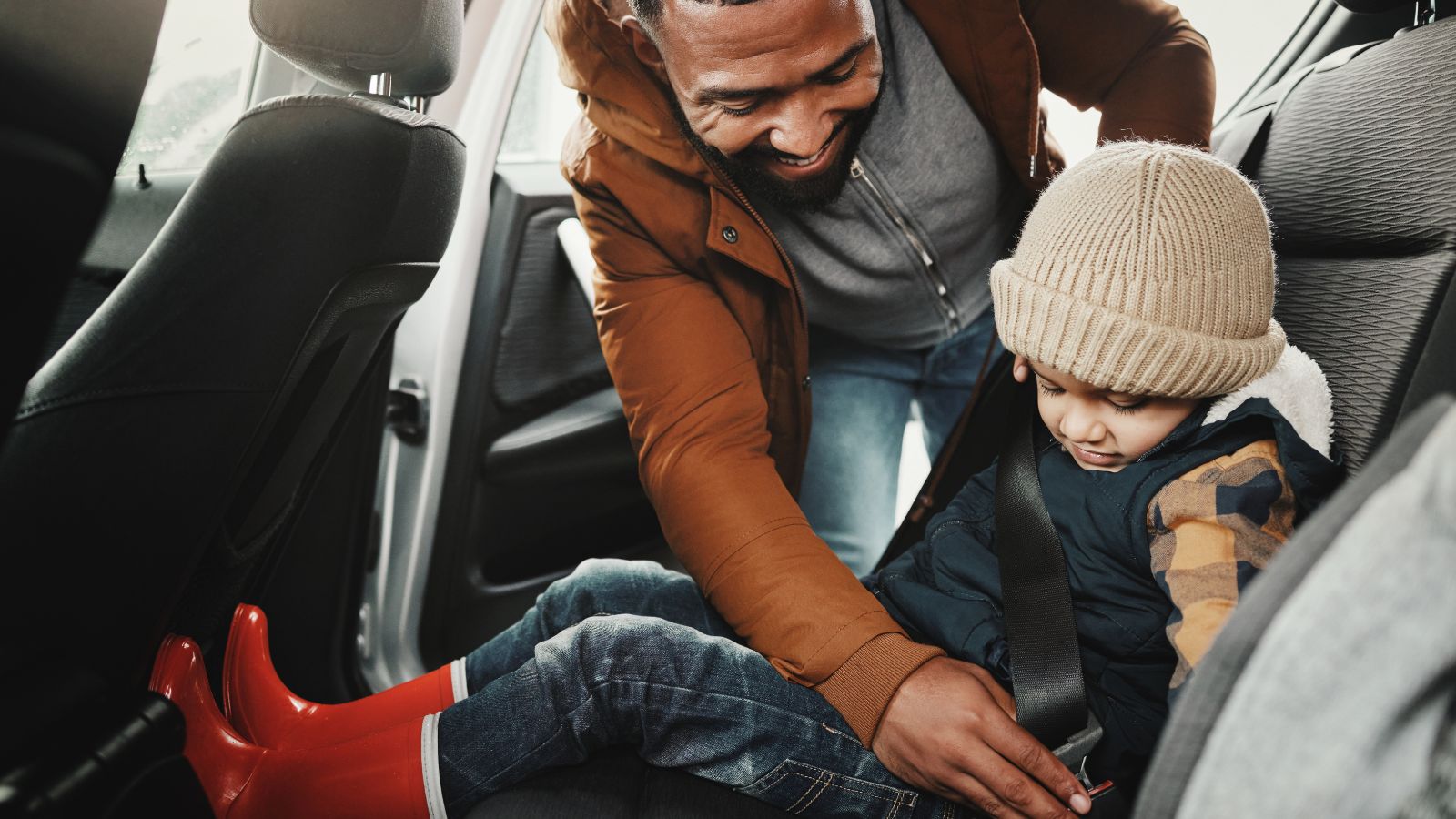
Loading bags, coats, snacks and relatives into a vehicle can change the normal passenger arrangement, so child restraints deserve another look before departure. Transport Canada says child car seats must be securely installed and recommends reading both the vehicle owner’s manual and the restraint manufacturer’s instructions. Provincial and territorial rules differ, which makes it important to follow the requirements applying where the vehicle will be travelling as well as the limits printed on the seat.
Children should remain in each restraint stage as long as they fit within the manufacturer’s specified height and weight range. Transport Canada says booster seats are intended for children who have outgrown forward-facing seats and weigh at least 18 kilograms, while the final transition to an adult seat belt depends on both provincial rules and proper belt fit. Loose luggage should not interfere with restraints or tether anchors. With a car full of Thanksgiving passengers, taking several minutes to confirm every belt and restraint before departure is considerably easier than trying to fix the seating arrangement at a highway rest stop.
Make Sure the Driver Is Rested Before the Longest Part of the Trip
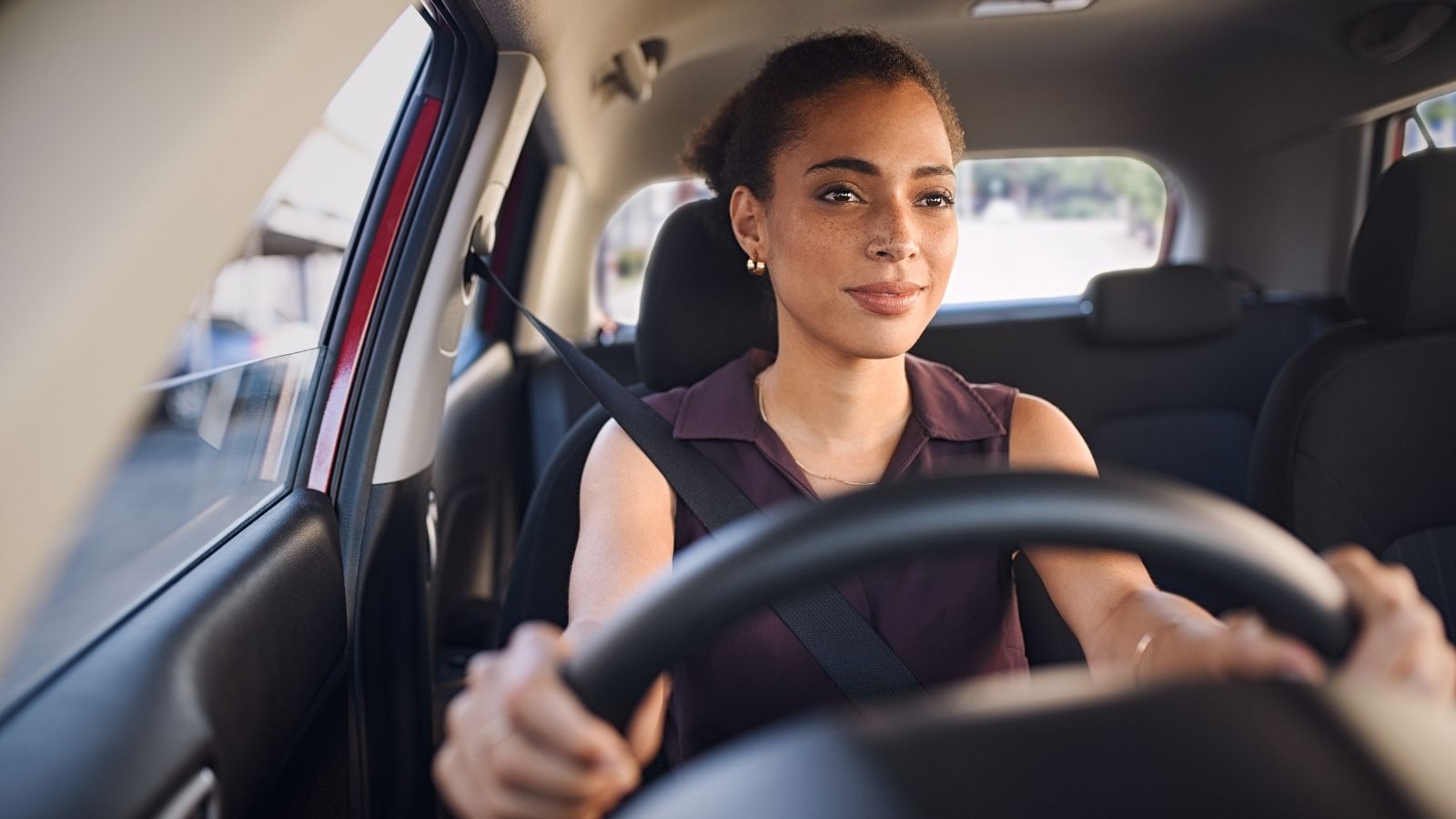
Mechanical preparation cannot compensate for a driver who is struggling to stay awake. CAA recommends getting enough sleep before a long road trip and taking frequent breaks along the way. Long, monotonous highway stretches can make fatigue difficult to recognize because there may be no dramatic moment when alertness disappears. Instead, concentration gradually fades, reactions slow and the driver may begin missing signs, exits or details of the previous few kilometres.
Thanksgiving schedules can make the problem worse. Someone may work a full day, pack the vehicle after dinner and then attempt a several-hour drive because arriving that night seems more convenient. A safer plan builds rest into the schedule before the keys come out. Sharing driving with another capable, insured driver can also reduce the burden on one person. If yawning, heavy eyes or lapses in concentration begin, a break is the appropriate response. Coffee, loud music and open windows should not be treated as substitutes for actual rest.
Deal With Phones, Playlists and Screens Before the Vehicle Moves

A Thanksgiving road trip can come with a cabin full of distractions: incoming family messages, navigation prompts, music requests, snacks and passengers asking when they will arrive. Transport Canada defines distracted driving broadly, including texting, phone conversations, eating, drinking and interacting with navigation or entertainment systems when those activities pull attention away from driving. Its National Collision Database data showed distracted driving contributed to an estimated 22.5% of fatal collisions and 25.5% of serious-injury collisions in 2021.
The simplest preparation is to finish as many tasks as possible before departure. CAA recommends setting the GPS, playlist and vehicle features in advance and having passengers assist with calls or navigation when possible. A driver who realizes that the wrong podcast is playing or a message needs an answer can deal with it after stopping safely. Holiday traffic already demands extra attention. There is little benefit in using some of that limited attention to scroll through a touchscreen while travelling at highway speed.
Check the Load Before Closing the Trunk
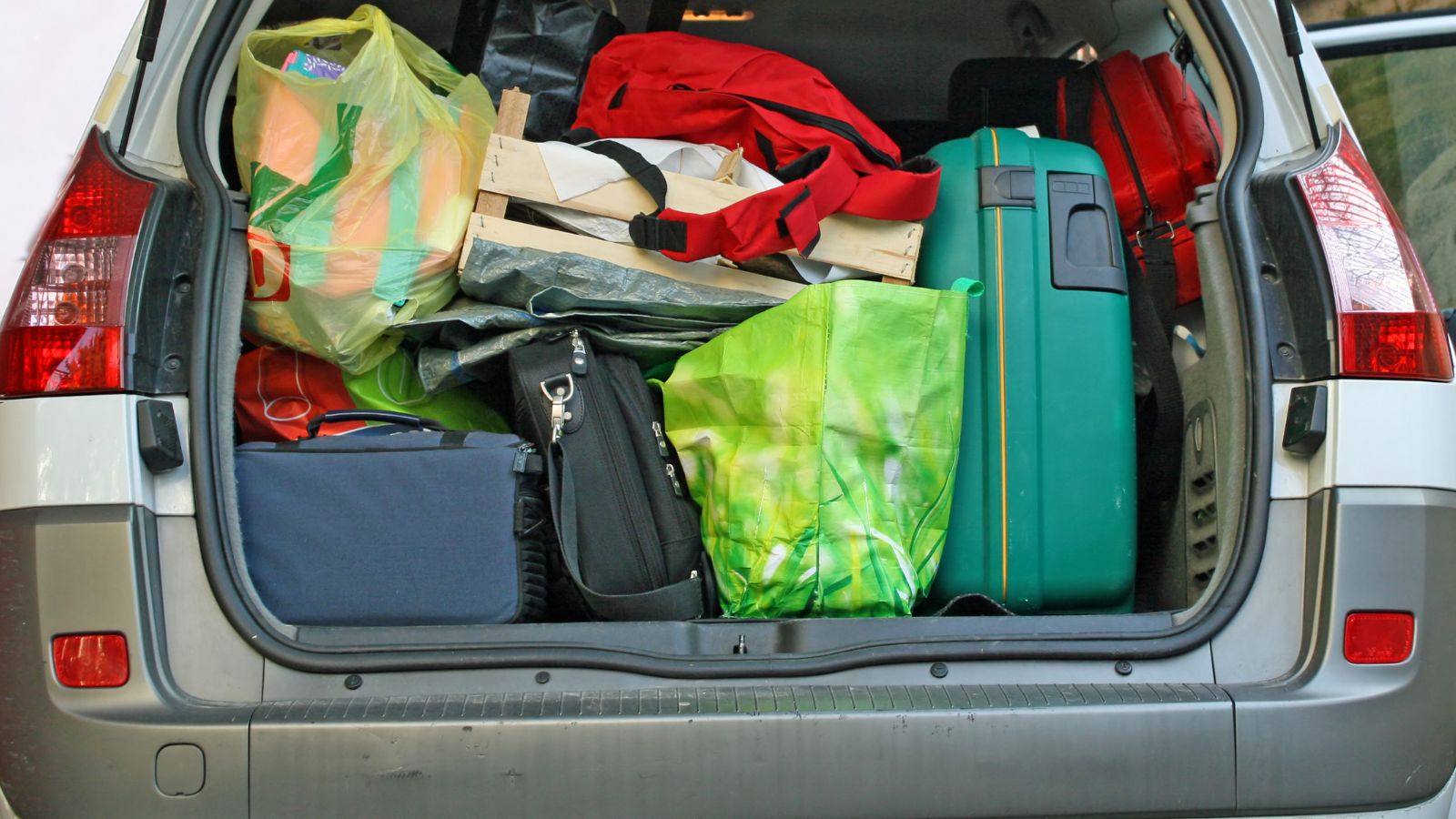
Thanksgiving travel has a way of filling every available corner of a vehicle. Suitcases, gifts, coolers, folding chairs and food containers can quickly turn an ordinary passenger load into a much heavier trip than usual. Transport Canada warns against overloading vehicles and notes that the tire-information label contains the maximum recommended load. Added weight affects what the tires must carry, making correct inflation and load limits particularly important before a long highway journey.
Cargo should also be arranged so that it cannot easily become a projectile during hard braking or a collision. CAA specifically recommends stowing and securing loose objects before driving. Heavy items are generally better placed low and securely rather than stacked where they can shift or block the driver’s view. Drivers using rooftop boxes, bicycle racks or other carriers should follow the vehicle and accessory manufacturers’ weight and installation instructions. The final check can be simple: nothing should interfere with visibility, passengers, restraints or access to emergency equipment once the doors are closed.
Think About Wildlife Before the Drive Reaches Rural Roads
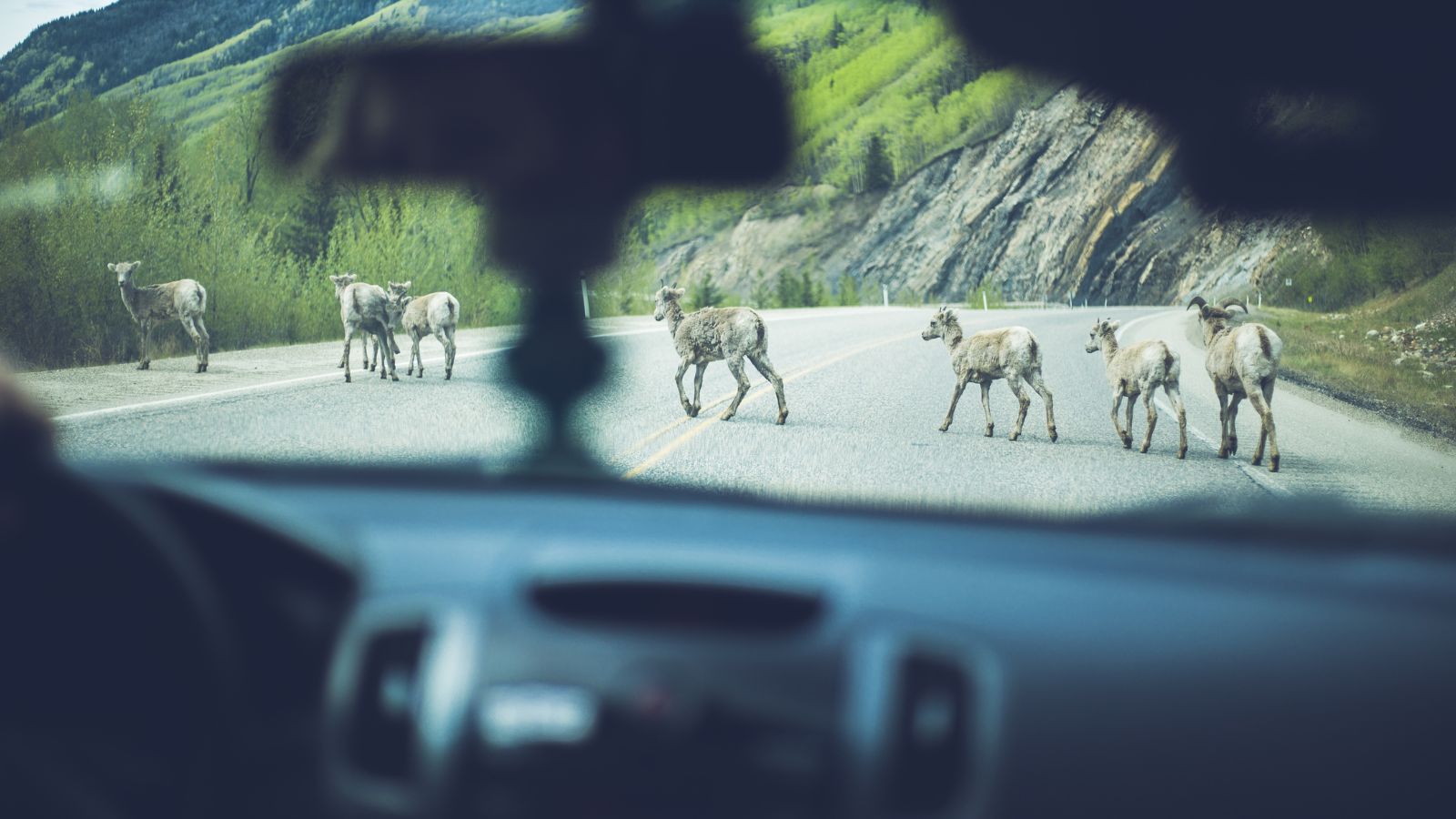
Fall is an important time to increase wildlife awareness, especially when Thanksgiving travel involves rural highways. ICBC says approximately 9,900 crashes involving animals occur in British Columbia each year and advises drivers to be particularly alert around dusk and dawn. It also notes that wildlife is more likely to be encountered on roads during spring and fall, when animals may be feeding or moving between areas.
The lessons apply well beyond one province even though wildlife species and collision patterns vary across Canada. Watch for warning signs, scan the road edges and reduce speed when animals are nearby. If one animal crosses, others may follow. Sudden swerving can create another hazard by sending the vehicle into opposing traffic, a ditch or another obstacle, so maintaining vehicle control remains critical. Thanksgiving drives often extend beyond daylight because dinner or family visits run late. The quiet rural stretch that felt effortless during the afternoon may require much more attention on the trip home after dark.
Make Sure Thanksgiving Food Will Stay at a Safe Temperature

The turkey, stuffing or dessert travelling in the back seat needs a safety plan too. Health Canada advises keeping cold foods at or below 4°C and hot foods at or above 60°C while travelling. Cold dishes can be transported in a cooler with ice or freezer packs, while hot foods should be carried in insulated containers with suitable heat retention. This matters even on a cool October day because the inside of a vehicle is not a controlled refrigerator.
Food should also stay outside the 4°C-to-60°C temperature “danger zone” where harmful bacteria can multiply quickly. Health Canada advises discarding cooked food that has remained at room temperature for more than two hours and recommends refrigerating leftovers promptly. Turkey and other leftovers should be stored correctly rather than left in the vehicle while the family visits for several more hours. It is an easy detail to miss after a long drive and a large meal, but proper food handling helps make sure the Thanksgiving road trip ends with leftovers in the refrigerator rather than an avoidable case of foodborne illness.
19 Used Cars Canadians Should Avoid in 2026 (Based on Owner Complaints)

Buying a used car in Canada can feel safe until repair bills start stacking up. Owner complaints tell a different story than glossy listings. Transmission failures, electrical problems, and weak winter reliability show up again and again in consumer reports. Many of these issues appear after warranties expire, when owners least expect them. Some vehicles look affordable upfront, but become expensive to keep on the road. Others struggle in cold weather, urban driving, or long highway commutes. Here are 19 used cars Canadians should avoid in 2026 (based on owner complaints).
19 Used Cars Canadians Should Avoid in 2026 (Based on Owner Complaints)

Alanna Rosen is an experienced content writer that focuses on many EV and educational content. Her articles are regularly published on Get CyberTrucked and syndicated on large publications.