
Canadian winter can punish a vehicle long before the first major snowstorm arrives. Falling temperatures affect tire pressure, batteries, fluids, rubber components and glass, while early road treatments can introduce corrosive salt and brine into places drivers rarely see. Some of the most expensive problems, however, begin with ordinary habits that seem harmless in September, October and November.
From stretching summer tires through one more cold snap to using the wrong coolant or forcing frozen components, small mistakes can shorten the life of surprisingly expensive parts. These 20 ways Canadian drivers accidentally damage their cars before winter show why a little preparation can prevent a much larger repair bill once temperatures plunge.
Letting Tire Pressure Fall With the Temperature
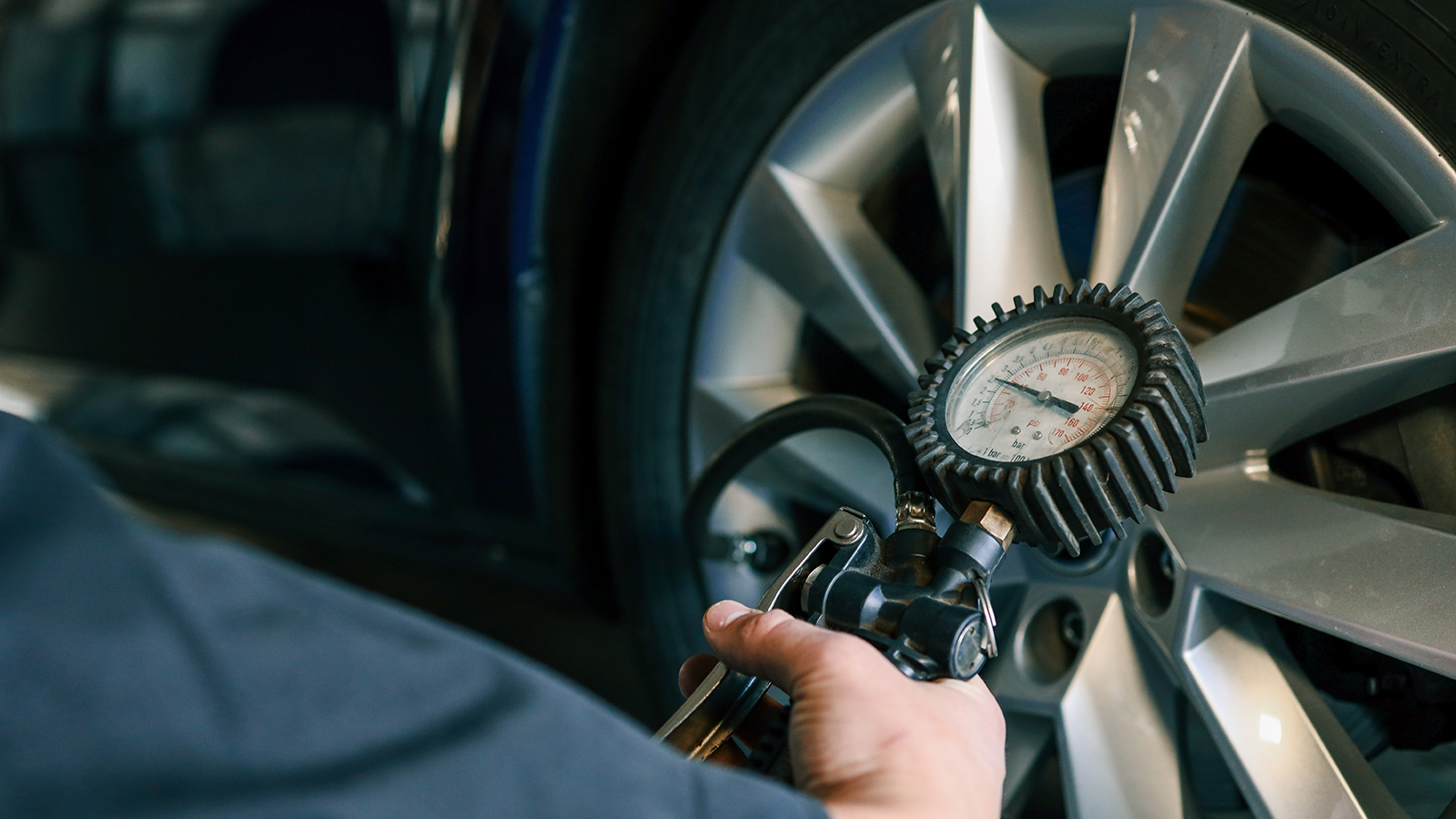
A tire that was perfectly inflated during a warm September afternoon may no longer be properly inflated when overnight temperatures start approaching freezing. Transport Canada notes that tire pressure drops by roughly 1 psi for every 5°C decrease in temperature. That means a substantial autumn temperature swing can leave a tire noticeably softer even though there is no puncture. Because a tire can be significantly underinflated without looking flat, drivers who judge pressure visually can easily miss the problem.
Driving that way does more than turn on a dashboard warning light. Underinflation increases sidewall flex, creating additional heat and accelerating tire wear. Transport Canada has reported that operating a vehicle with a tire underinflated by 8 psi can shorten that tire’s life by as much as 15,000 kilometres while increasing fuel consumption. Checking pressures when the tires are cold, using the vehicle manufacturer’s door-jamb specification, is one of the simplest ways to prevent unnecessary fall damage.
Filling Tires to the Number Printed on the Sidewall
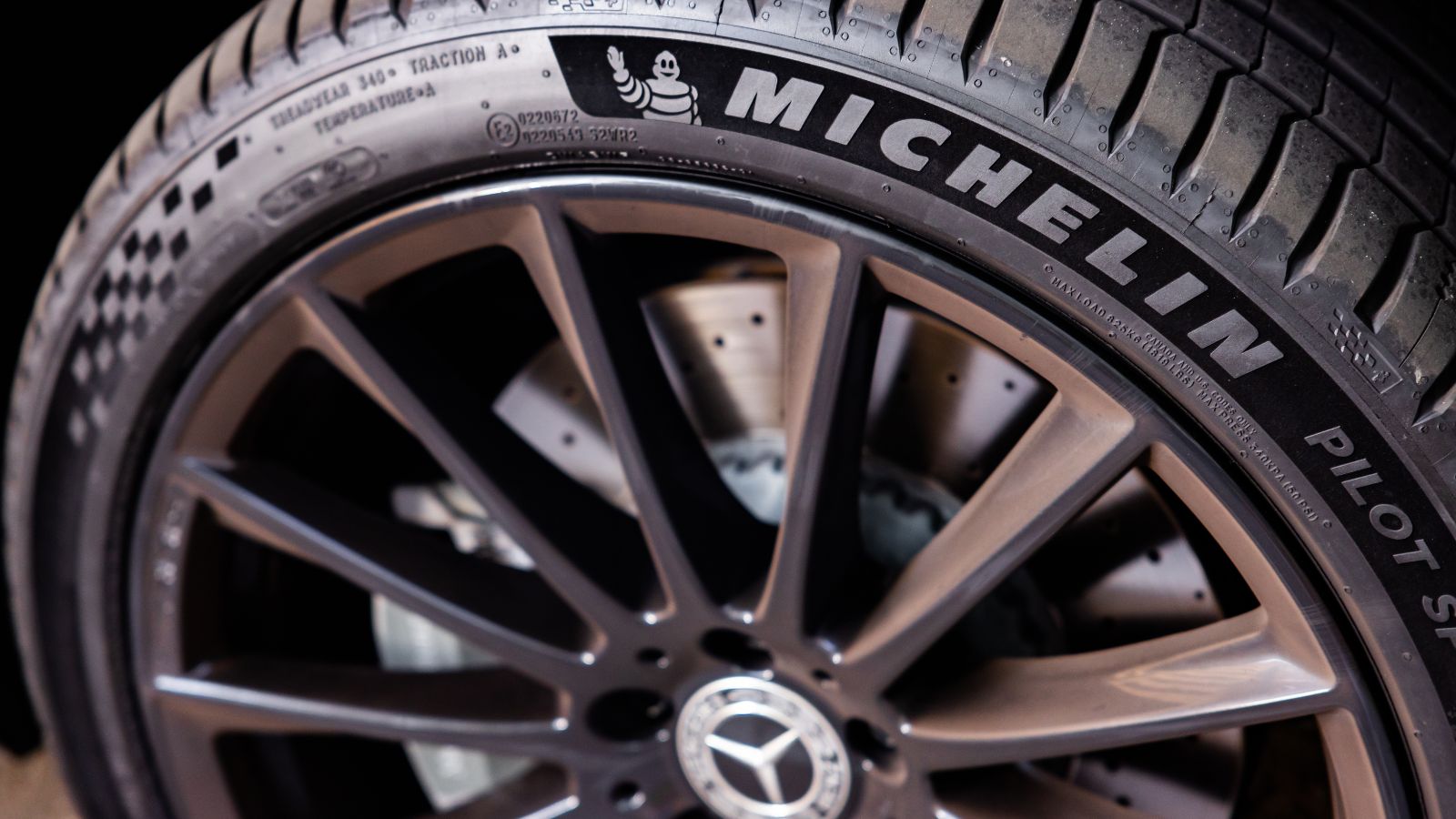
Adding air before winter is sensible. Filling every tire to the maximum pressure printed on its sidewall is not. That sidewall figure represents a tire specification, not necessarily the pressure the vehicle manufacturer selected for the weight, suspension and handling characteristics of a particular car. The correct cold pressure is normally listed on the tire-information label around the driver’s door or in the owner’s manual.
Too much pressure changes the way the tire meets the road. Transport Canada warns that an overinflated tire rides more heavily on the centre of its tread, reducing the size of its contact area. That can mean poorer grip, harsher handling and increased wear on the tire and suspension. It is an easy mistake during a fall top-up: a driver sees “50 psi” molded into a tire and assumes that is the target. A vehicle whose manufacturer calls for something closer to the low-30-psi range could end up dramatically overinflated as a result.
Stretching Performance Summer Tires Into Cold Weather
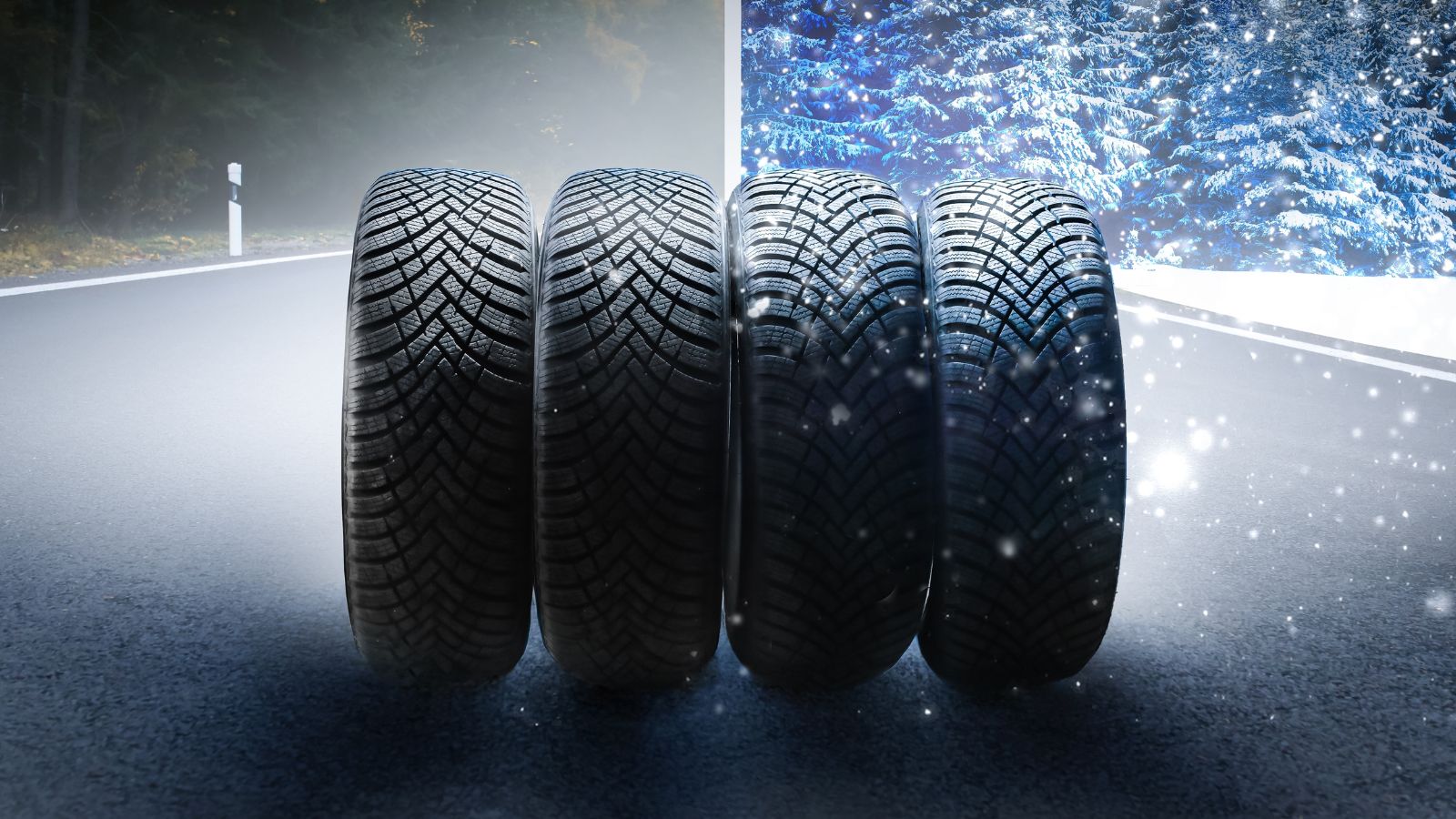
A dry road in October can make it tempting to postpone the seasonal tire change, particularly when there is no snow in the forecast. The problem is that temperature matters even when the pavement is clear. Transport Canada says summer and all-season tire compounds begin losing elasticity below roughly 7°C, reducing grip. Some specialized ultra-high-performance summer tires are even more sensitive to cold.
For certain extreme-performance summer compounds, the consequences can extend beyond reduced traction. Tire manufacturers and retailers warn that exposure to near- or below-freezing conditions can cause tread cracking or chipping in some products. Tire Rack, for example, advises against operating certain extreme-performance summer tires below about 5°C and warns that extremely cold exposure can require carefully warming the tire before it is flexed. A sports car parked outside during a sudden Prairie or Ontario cold snap can therefore face more than an inconvenient tire appointment: the wrong tire can potentially be permanently damaged.
Installing Winter Tires on Only One Axle
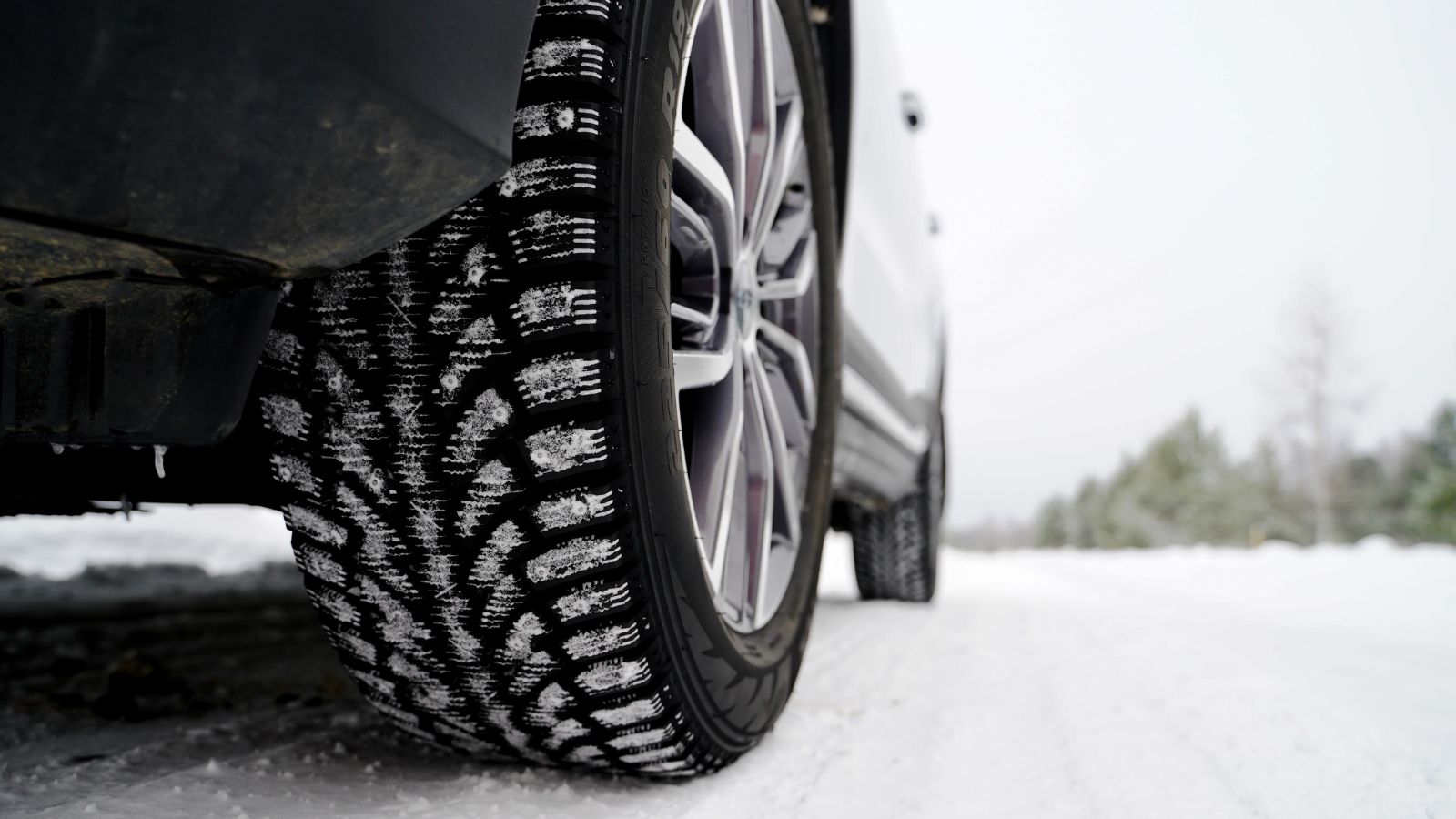
Buying two winter tires instead of four can look like an easy way to cut the seasonal bill in half. Unfortunately, it can leave the vehicle with dramatically different grip characteristics at opposite ends. Transport Canada recommends installing winter tires in sets of four and says tires should have the same type, size, speed rating and load index to help maintain stability in winter conditions.
The problem becomes especially noticeable when braking or turning on slippery pavement. If one axle has substantially more grip than the other, the vehicle may react differently than the driver expects. Transport Canada also recommends placing the tires with the deepest tread at the rear to help maintain directional control. This applies even to front-wheel-drive vehicles, where the instinct may be to put the “good” tires only on the driven wheels. Saving two tires can therefore create uneven handling and wear while increasing the chance that a minor slide ends with damaged wheels, suspension or bodywork.
Guessing at Lug-Nut Tightness During a Tire Swap
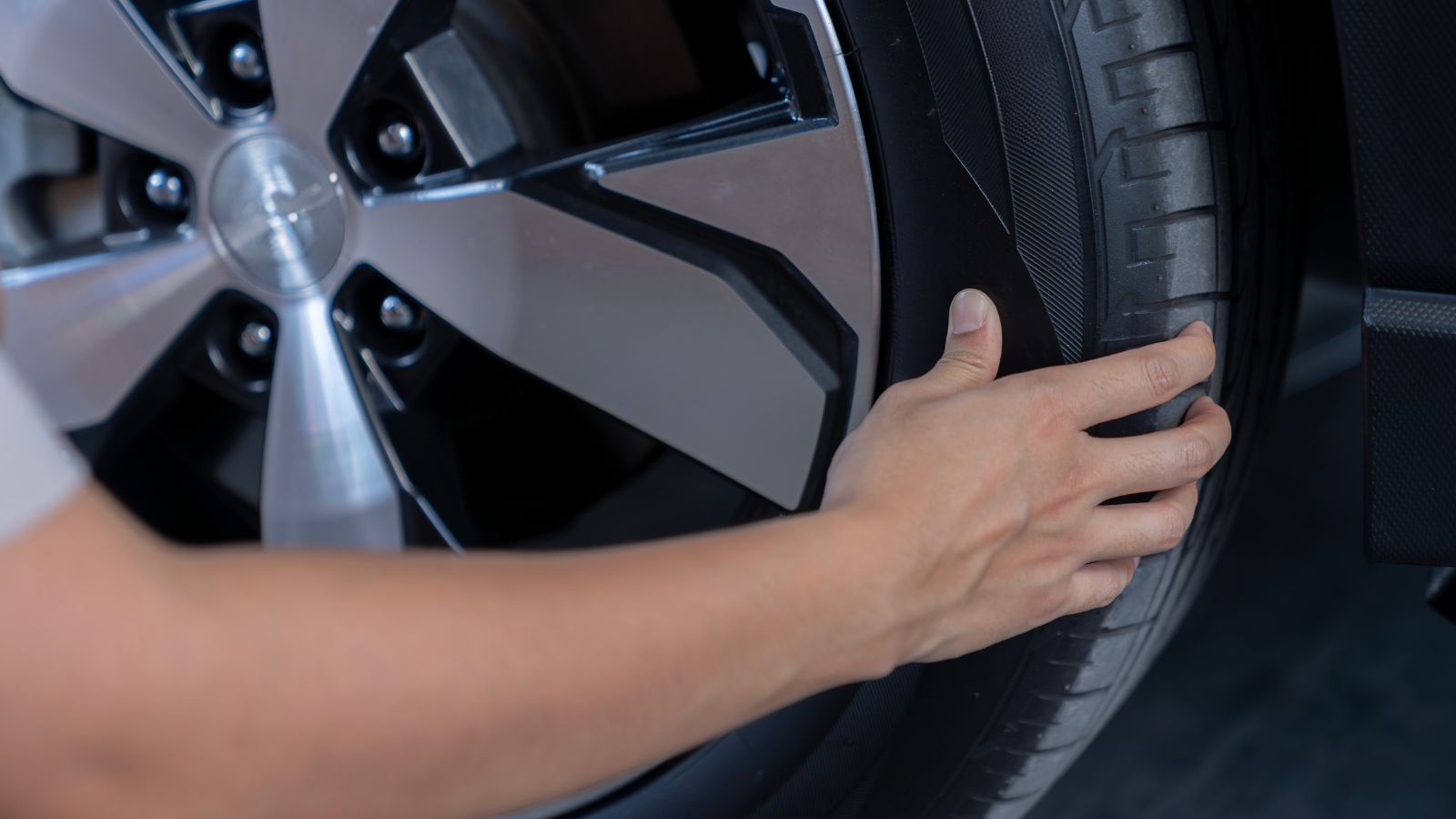
The fall tire change is one of Canada’s most common driveway maintenance jobs, but a wheel is not properly installed simply because every lug nut feels tight. Manufacturers specify wheel-nut torque for a reason. Tightening by feel with a long breaker bar can apply too much force, while casually tightening with a short factory wrench can leave a wheel inadequately secured.
Michelin Canada warns that poorly tightened wheel nuts can damage brake discs or the wheel mounting system and recommends using a torque wrench to apply the manufacturer’s specified value. Tightening should also follow the appropriate alternating pattern so the wheel seats evenly against the hub. The risk is easy to underestimate because nothing may feel wrong immediately after the seasonal changeover. Problems can appear later as vibration, damaged mounting hardware or brake issues. Anyone doing a home swap should therefore treat the torque specification as an engineering requirement rather than an approximate suggestion.
Storing the Off-Season Tires Outside
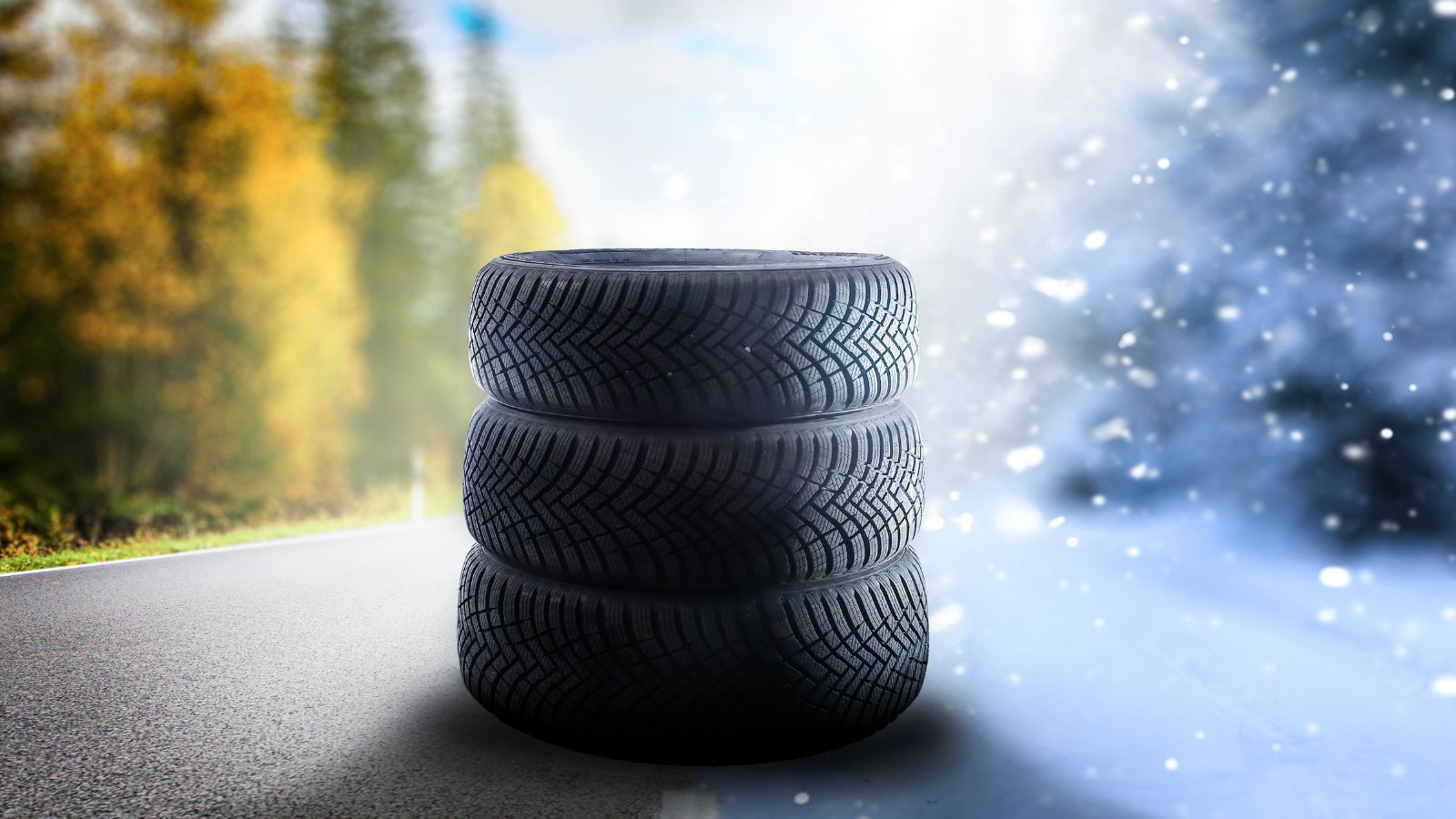
Once winter tires go on, the summer set often gets stacked wherever space is available. A balcony, open shed or spot beside the garage may seem harmless because the tires are no longer being driven on. Rubber continues to age in storage, however, and exposure to sunlight and extreme temperatures can accelerate deterioration.
Transport Canada recommends keeping stored tires in a clean indoor environment away from sunlight, strong artificial light, heat, ozone-producing equipment and hydrocarbons. Kal Tire similarly uses dry, temperature-controlled storage and warns that outdoor exposure to ultraviolet radiation and extreme temperatures can adversely affect tire compounds. This becomes particularly important when a set may remain unused for six months or longer. Tires are expensive enough that losing useful life while they are sitting still is especially frustrating. A cool, dry, sheltered storage location protects the rubber and also gives drivers an opportunity to inspect the set for cracking, cuts or unusual wear before the next seasonal installation.
Living on Short Trips Until the Battery Is Weak
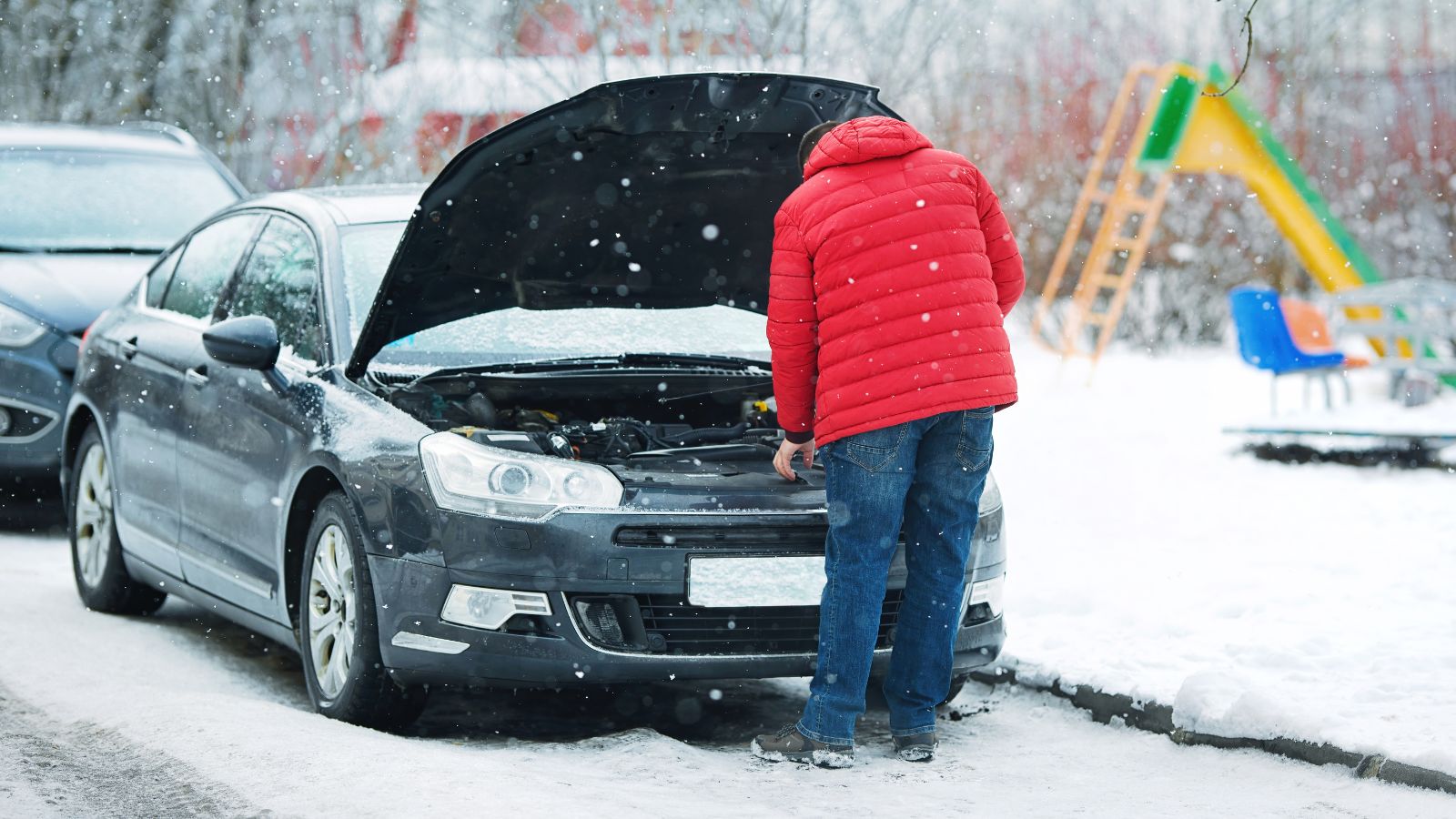
Autumn routines can be surprisingly hard on a 12-volt battery. A car gets started for a five-minute school run, sits all day, gets started again for a quick grocery trip and rarely stays on the road long enough for the charging system to replenish everything used during startup. Add heated seats, lights, blowers and other electrical loads as temperatures fall, and a marginal battery may slowly lose the fight.
CAA North & East Ontario identifies repeated short trips as one factor that can contribute to a dead battery because the alternator may not have enough opportunity to restore the charge. CAA guidance also suggests driving a vehicle regularly rather than simply letting it sit. The issue becomes more serious as the battery ages. Many conventional automotive batteries last roughly three to five years, meaning an older battery that survived summer without complaint can suddenly reveal its weakness during the first cold mornings of the season.
Ignoring Battery Corrosion Until the First Freeze
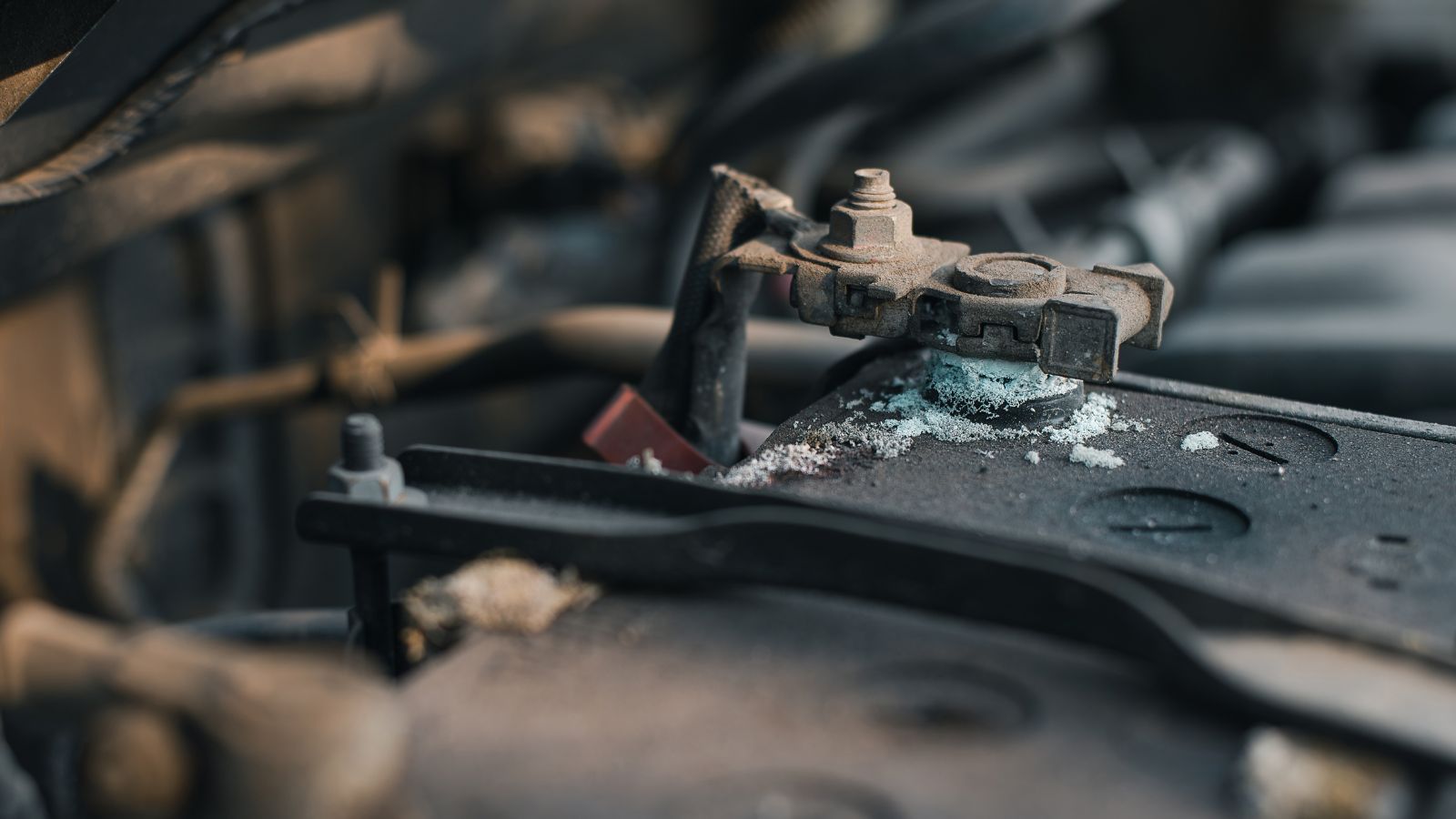
A little white or blue-green material around a battery terminal can look cosmetic, especially when the engine still starts normally. It is not something to ignore heading into a Canadian winter. Corrosion at the connections increases electrical resistance, while loose or dirty terminals can interfere with the high current required to crank an engine in cold weather.
CAA recommends inspecting batteries for corrosion, wetness, casing bulges and other signs of trouble before winter. It also notes that conventional 12-volt batteries commonly last approximately three to five years. The combination matters: an older battery already losing capacity has even less margin when its terminals are dirty or connections are poor. A slow crank in October may become a no-start morning in January. Inspection is particularly worthwhile because battery problems often develop gradually. Cleaning terminals correctly, securing connections and having an aging battery load-tested can prevent drivers from repeatedly straining the starter and charging system while trying to coax a failing battery through another season.
Jump-Starting a Car Without Checking the Procedure
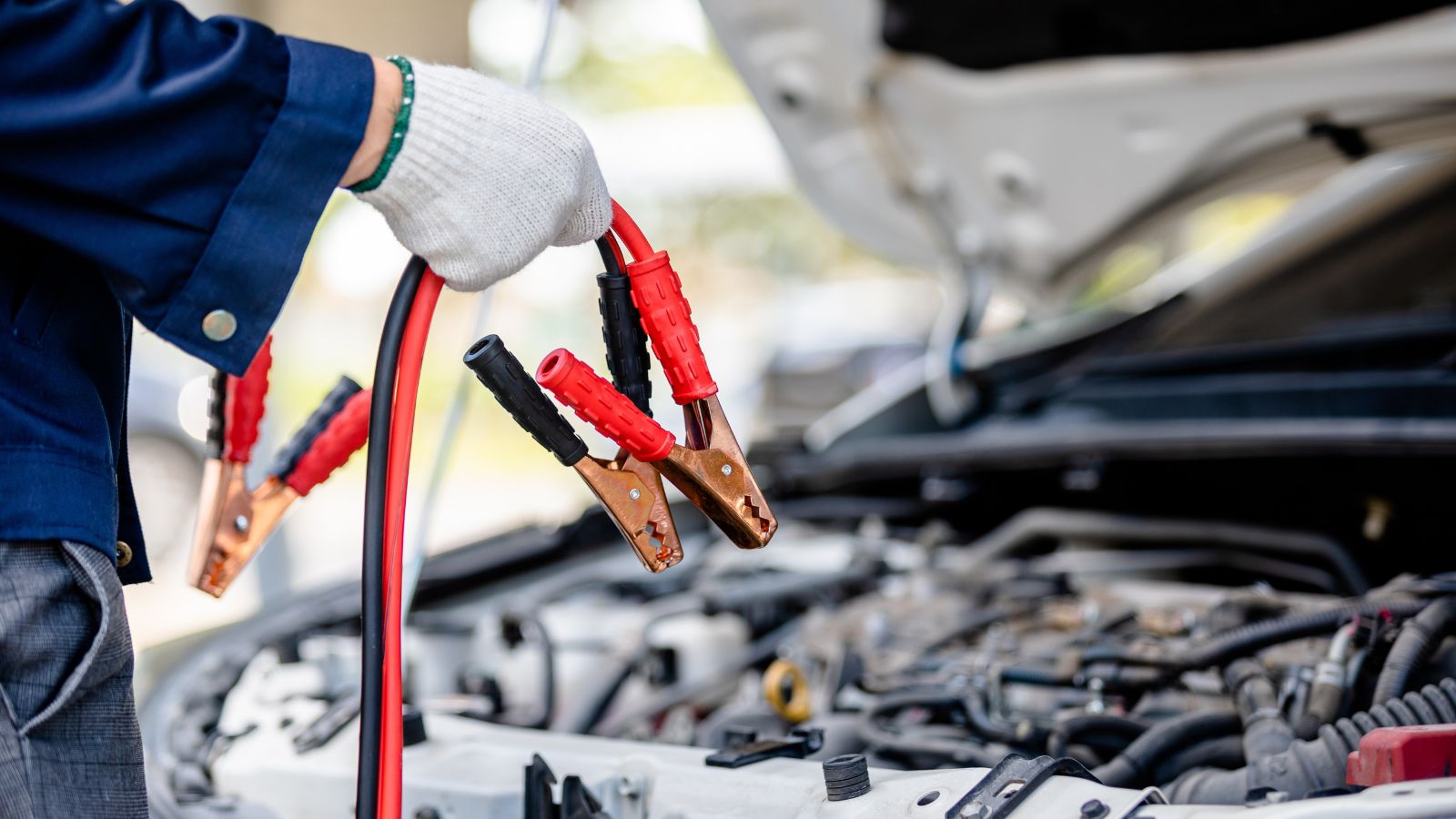
Booster cables look simple enough that many drivers connect them from memory. Modern electrical systems make improvisation expensive. Connecting clamps in the wrong order, reversing polarity or placing the final connection in the wrong location can create sparks, short circuits or damaging voltage events. Hybrids and EVs introduce additional procedures that may differ substantially from a conventional gasoline vehicle.
CAA North & East Ontario specifically warns against touching connected clamps together or attaching them incorrectly. CAA-Quebec goes further, noting that improper boosting can damage a vehicle’s onboard electronics and potentially create a repair costing at least $1,000. The safest procedure is the one specified by the vehicle manufacturer, particularly because some vehicles provide dedicated jump points rather than direct access to the battery. A cracked, bulging, leaking or potentially frozen battery should not simply be boosted. What looks like a five-minute roadside fix can become an electrical-system repair if the cables are attached without first checking the vehicle’s instructions.
Topping Up the Cooling System With Plain Water
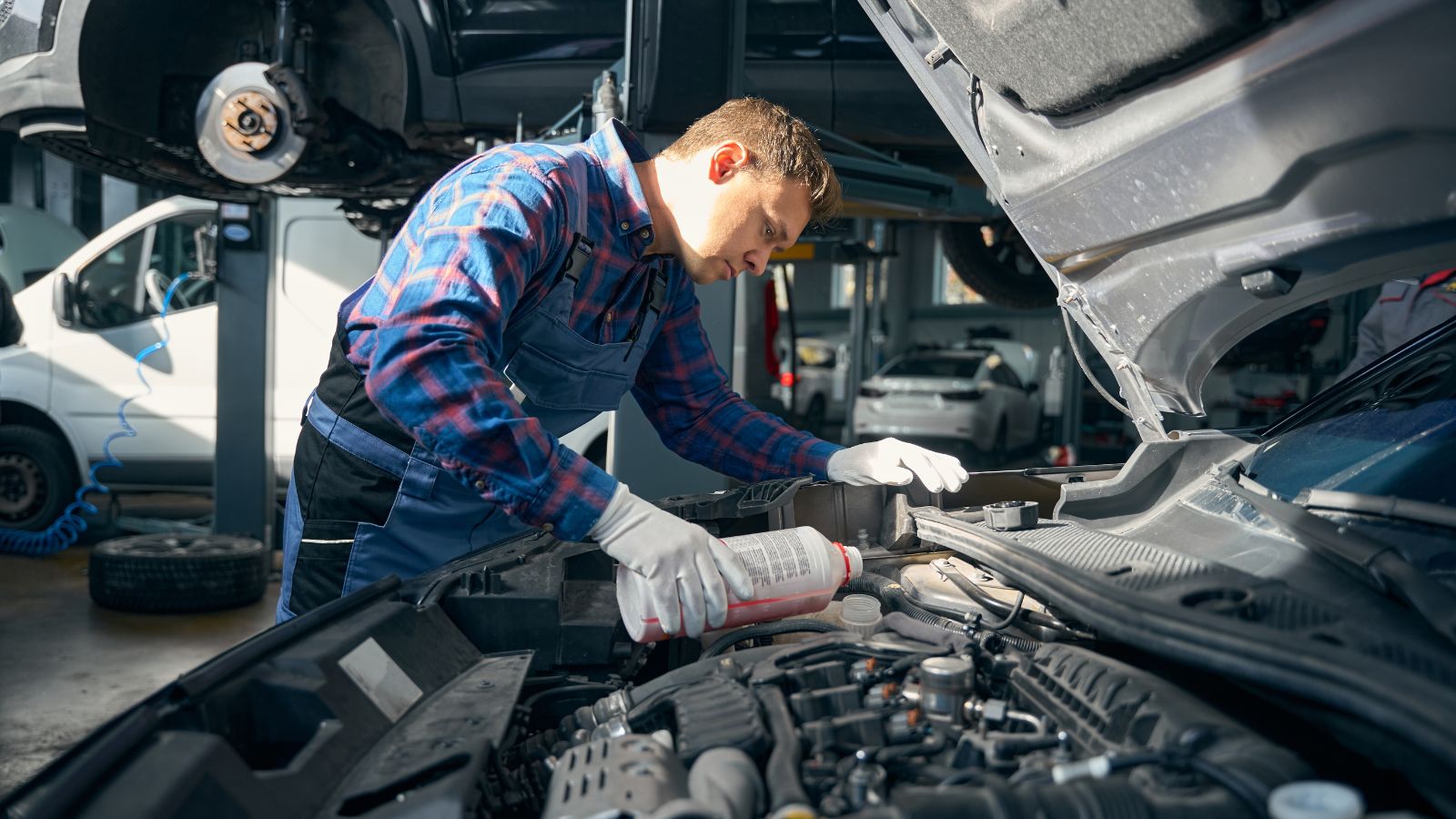
Seeing a low coolant reservoir can trigger an understandable response: add water until the level looks normal. That may get a vehicle out of an immediate situation, but repeatedly diluting the coolant before winter can reduce its resistance to freezing. Engine coolant is designed not only to transfer heat but also to lower the cooling system’s freezing point and protect internal components against corrosion.
Transport Canada recommends testing both the strength and level of coolant before winter. AAA likewise warns that plain water can reduce freeze protection when it alters the required antifreeze mixture. A typical coolant mixture contains water and antifreeze in carefully selected proportions, although the correct ratio and product depend on the vehicle and climate. If coolant freezes, the expansion can create severe damage in the cooling system or engine. A reservoir that repeatedly becomes low also deserves investigation rather than endless topping up, because a sealed cooling system that continuously loses fluid may have a leak requiring repair.
Choosing Coolant by Colour Instead of Specification
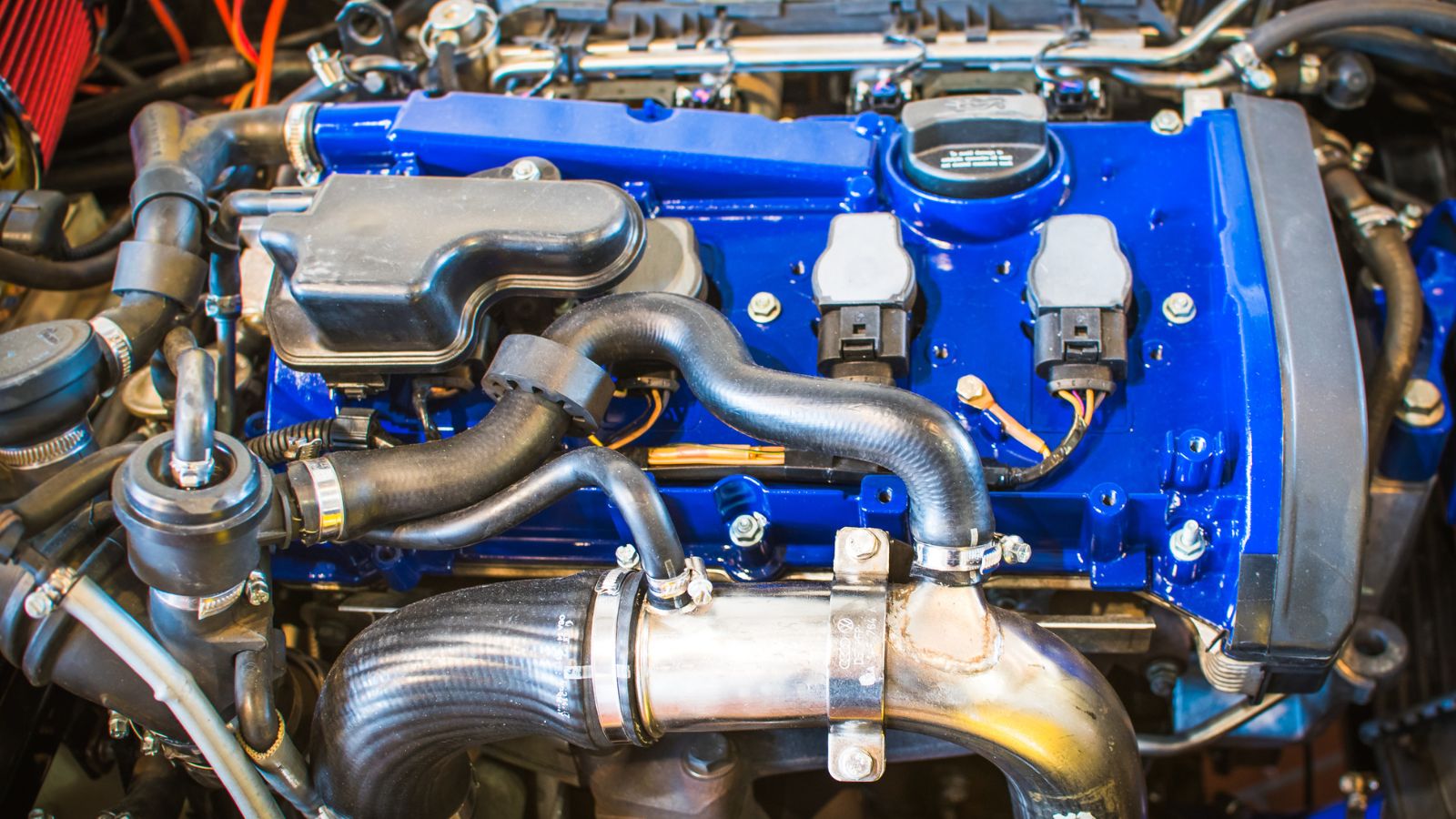
The shelves at an auto-parts store can make coolant look deceptively simple: green, orange, yellow, pink and several “universal” options. Colour alone is not a reliable method for determining compatibility. Different chemical technologies can use similar colours, and vehicles from the same manufacturer do not necessarily use identical coolant formulas from one model or production year to another.
AAA warns that using an incorrect coolant can promote rust, corrosion or gelling inside the cooling system, potentially contributing to overheating and costly repairs. Coolant formulations also contain corrosion inhibitors and other additives selected for specific metals, seals, gaskets and water pumps. That makes an owner’s manual or manufacturer specification considerably more useful than matching the colour already visible in the reservoir. The mistake often happens during a quick autumn top-up, when a driver assumes all orange or all green coolant is interchangeable. Taking a few minutes to verify the exact specification can protect an engine and cooling system worth thousands of dollars.
Leaving Warm-Weather Washer Fluid in the Reservoir
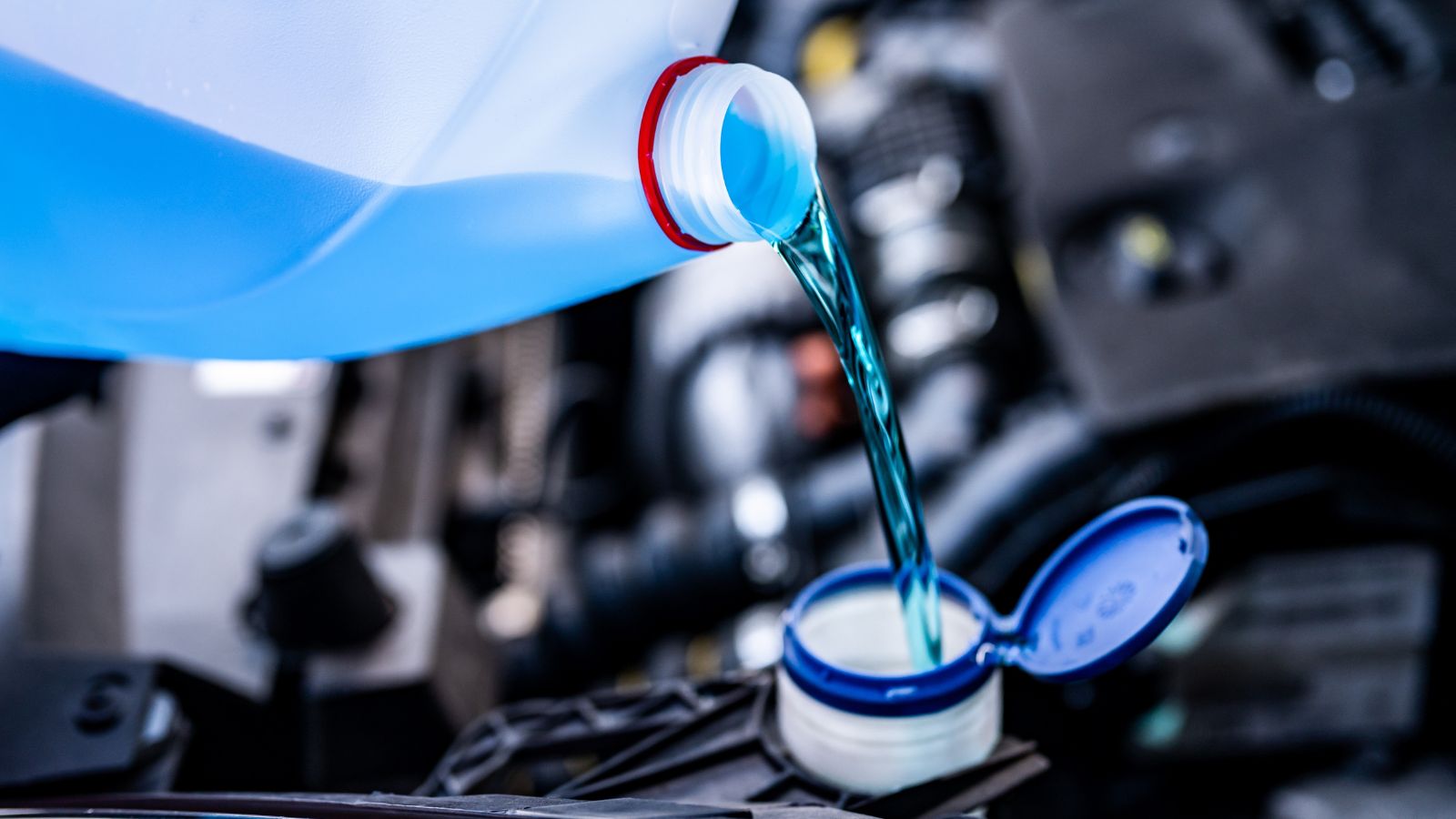
Windshield washer fluid is one of the easiest winter-preparation items to overlook because the reservoir may still be nearly full after summer. The problem is that fluid intended for warm weather may not have sufficient freeze protection when temperatures plunge. A liquid that worked perfectly in September can become a liability during the first serious cold snap.
Transport Canada recommends filling the reservoir with winter washer fluid rated to approximately -40°C and carrying an extra container during winter travel. Winter-grade formulations are designed to remain usable at temperatures that can freeze weaker mixtures. Drivers should also avoid experimenting with engine antifreeze or household cleaning products in the washer reservoir; those products are not substitutes for proper windshield fluid and may damage finishes or other components. Using up or replacing unsuitable fluid before sustained freezing temperatures arrive is inexpensive preparation. Discovering the mistake when the windshield is coated with road spray and the washer system cannot deliver usable fluid is far more inconvenient.
Using the Wipers as a Snow and Ice Scraper
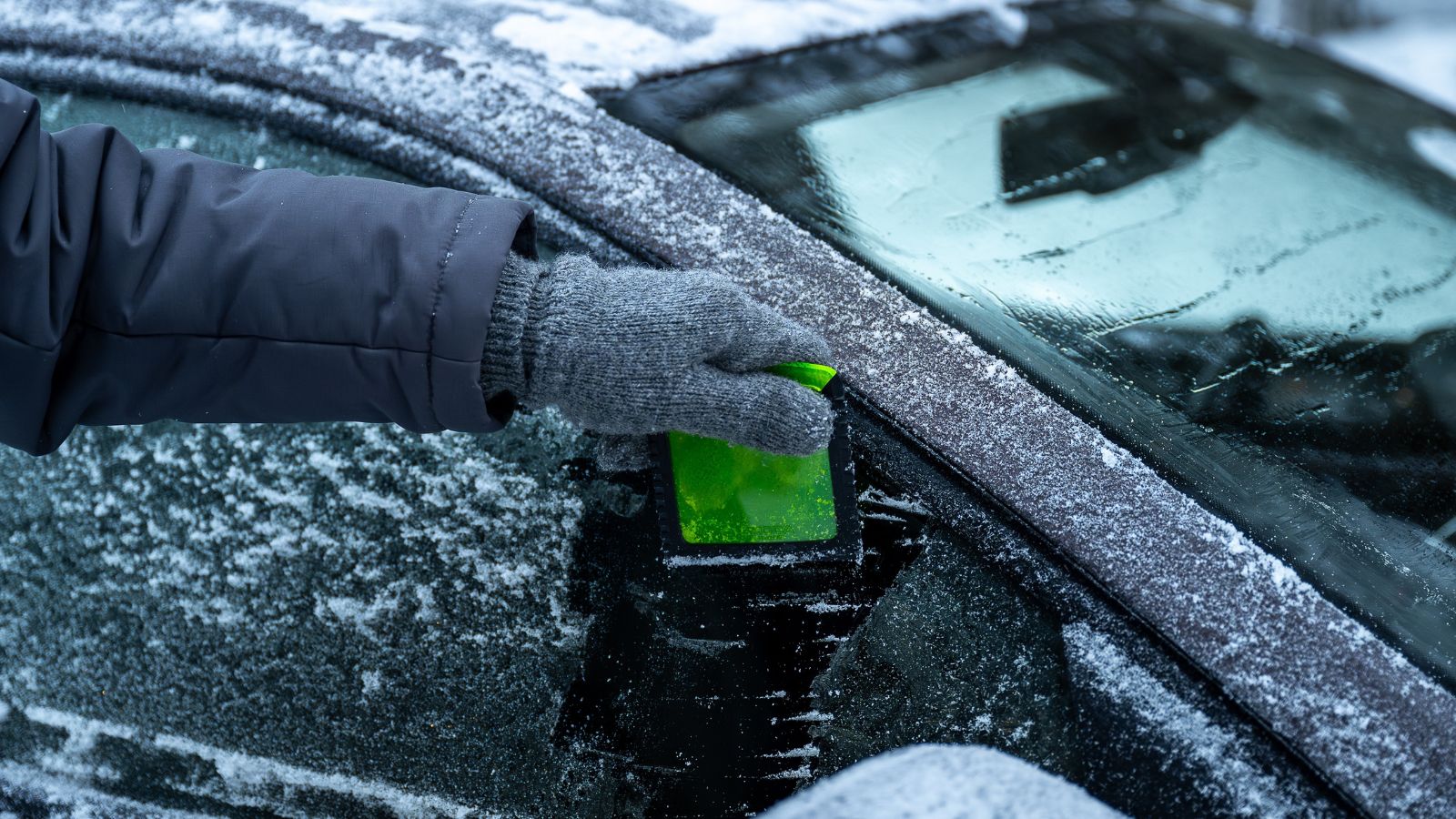
The first frosty mornings of the season often arrive before the snow brush has made its way back into the car. That can encourage a driver to start the engine, switch on the wipers and let the blades push frost, wet snow or ice aside. Wiper systems are designed to move water and light debris, not act as miniature snowplows.
AAA warns that operating wipers while they are frozen to the glass can damage the rubber blades, arms, motor or linkages. Heavy wet snow creates additional resistance the mechanism was never designed to overcome. CAA also notes that an average wiper blade may last only about six months, making worn blades particularly vulnerable when winter arrives. The safer approach is physical snow removal followed by the defroster and an appropriate scraper or de-icer. A few extra minutes with a brush costs considerably less than replacing a wiper motor, linkage assembly or damaged blade immediately before the season when visibility equipment matters most.
Pouring Hot Water Over an Icy Windshield
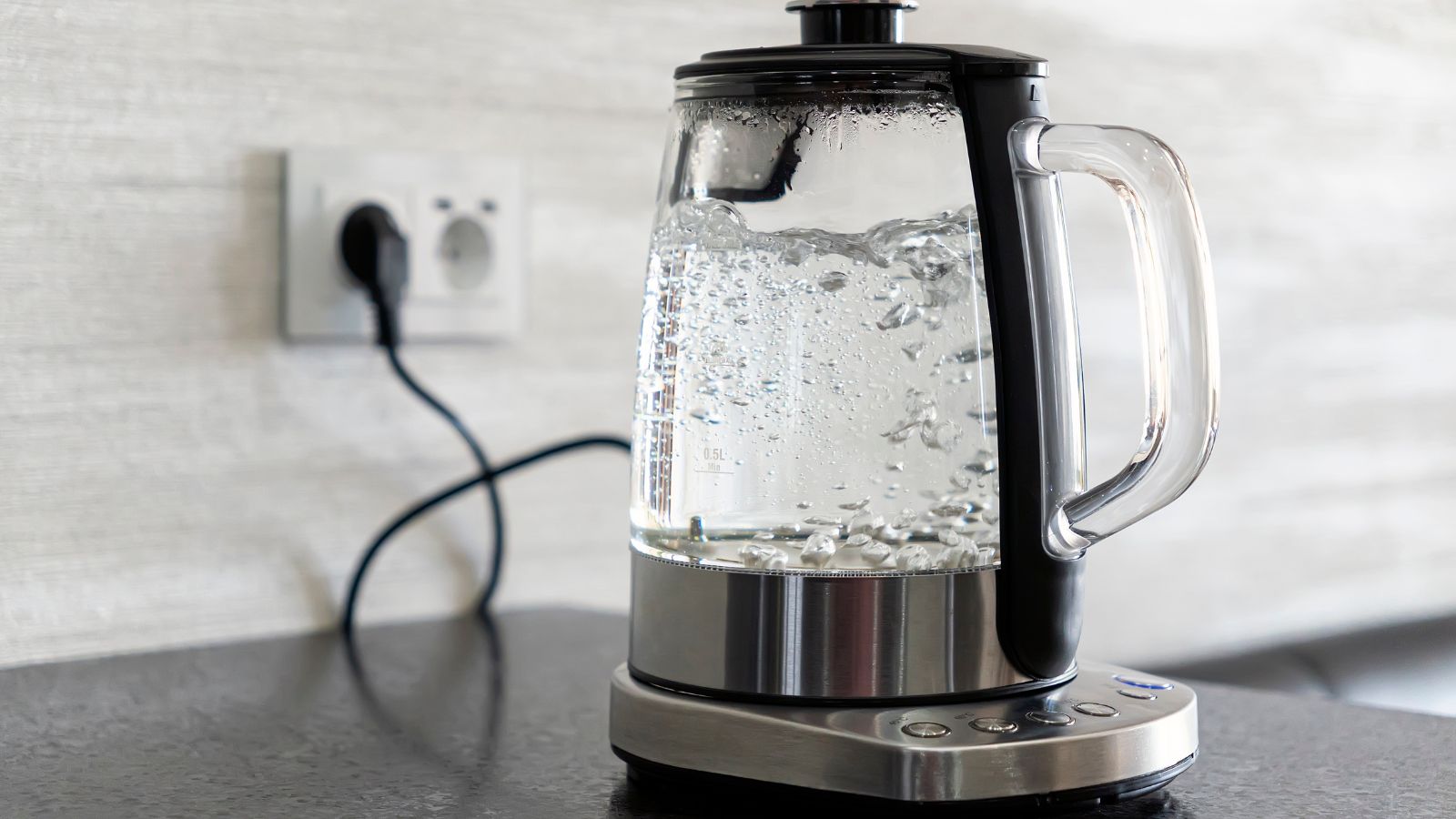
A kettle of hot water can look like the fastest possible solution to an iced-over windshield. The ice may disappear quickly, but the sudden temperature change can place substantial thermal stress on cold automotive glass. Existing chips or small cracks make the gamble even worse.
CAA-Quebec and AAA both caution against using hot water to clear a frozen windshield because rapid temperature changes can cause the glass to crack. A windshield already carrying a stone chip from summer highway driving is particularly vulnerable to worsening damage. The appropriate tools are less dramatic: a defroster, scraper and winter-rated de-icing fluid. This is a classic example of a shortcut that saves minutes but can create a repair worth hundreds of dollars. On vehicles with cameras or sensors mounted around the windshield, replacement may also involve recalibration of driver-assistance equipment, adding further cost to what began as a rushed attempt to leave the driveway on a cold morning.
Forcing a Window That Has Frozen Shut
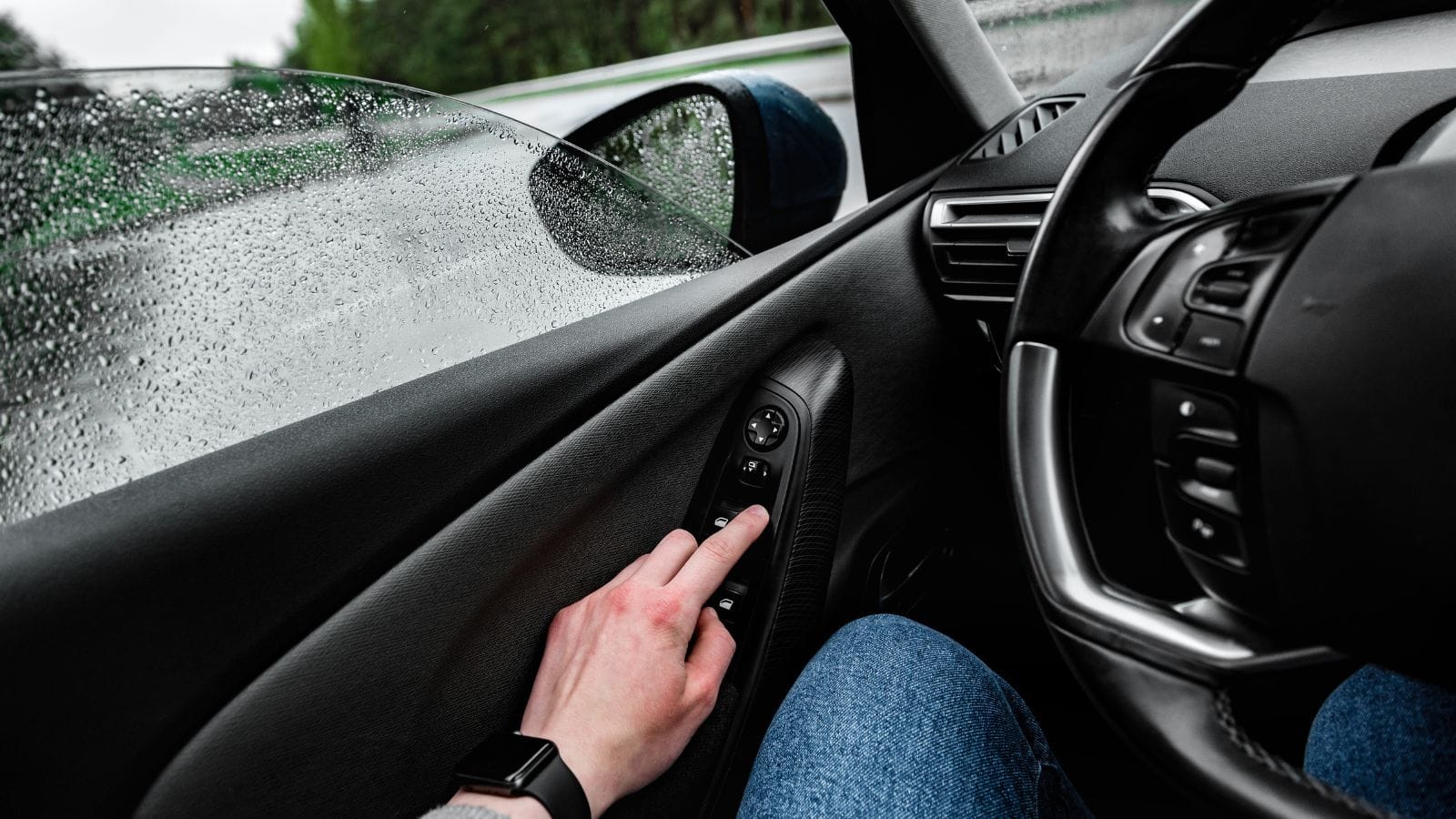
Power windows can become stuck when moisture freezes around the glass or weatherstripping. Pressing the switch once and hearing nothing often leads to a second attempt, then a third, with the button held longer each time. The electric motor continues trying to move a window that may be physically bonded to the seal by ice.
AAA specifically advises drivers not to continue operating a frozen power window because doing so can damage components inside the door and potentially damage the glass. Similar caution applies to frozen locks and other moving parts. The better strategy is allowing the cabin and door to warm gradually and using suitable de-icing or silicone products where recommended by the manufacturer. The lesson matters before deep winter because freezing nights can begin while daytime temperatures remain mild. Moisture from autumn rain can stay in seals overnight, producing a frozen window the next morning even when there has been no snow at all.
Leaving a Small Windshield Chip Until Winter
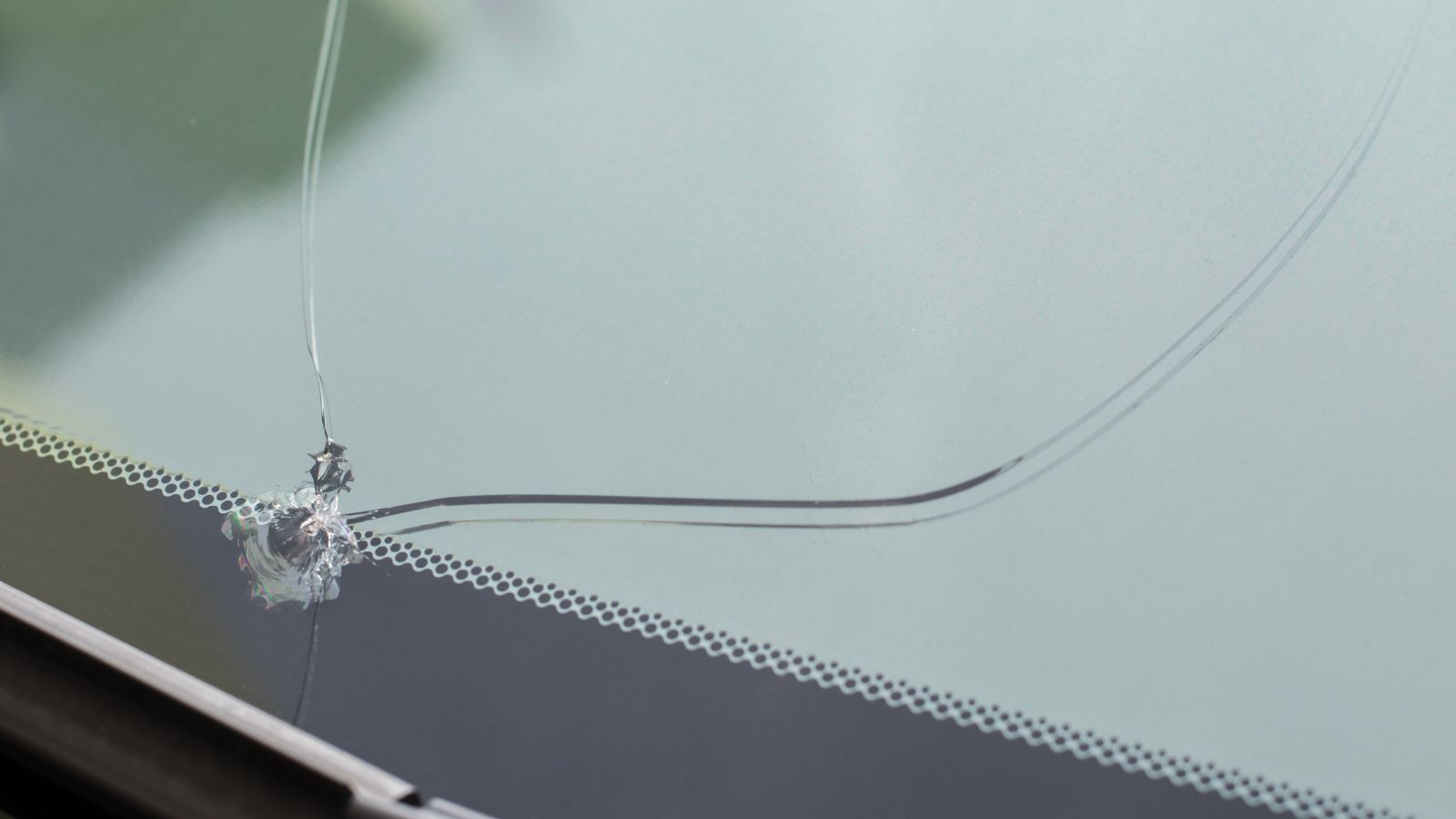
A small stone chip can spend months looking unchanged, making repair easy to postpone. Fall temperature swings alter that calculation. Automotive glass expands and contracts as temperatures change, and a damaged area creates a weak point where stress can become a spreading crack. The transition from a warm cabin to freezing outdoor temperatures can make the problem especially noticeable.
CAA-Quebec says worsening windshield damage can be influenced by temperature changes and notes that small, localized impacts may often be repairable before they spread. That makes autumn a useful time to deal with damage left over from summer highway construction or gravel roads. Once a crack becomes larger, replacement may be the only practical option. Modern windshields can also house rain sensors, heating elements, cameras and advanced driver-assistance hardware, making replacement more involved than it once was. Repairing the inexpensive chip before repeated freeze-thaw cycles arrive can therefore preserve both the original glass and the household vehicle budget.
Ignoring the Undercarriage Before Salt Season
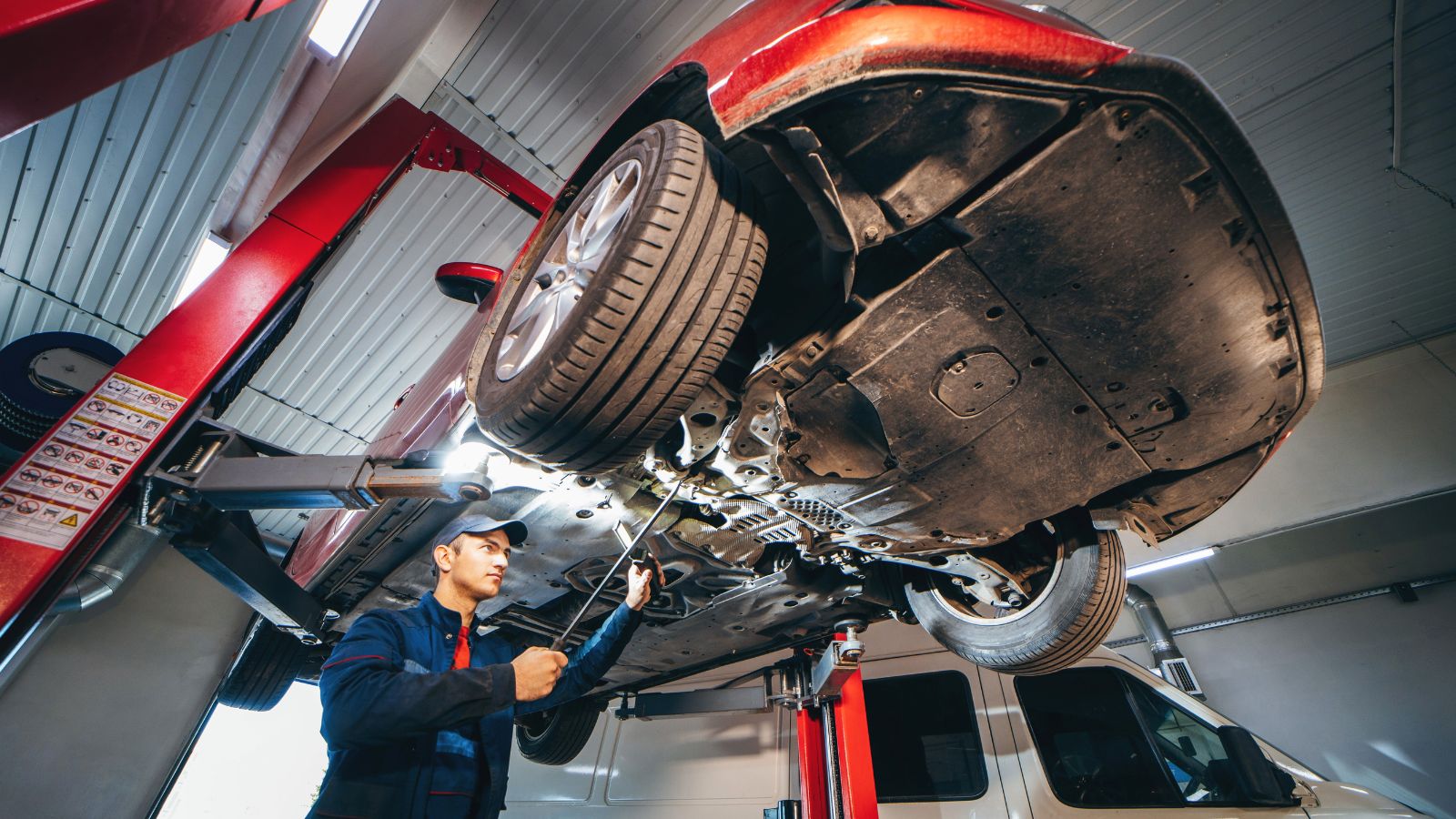
Paint gets most of the attention during a car wash, yet the underside of a vehicle faces some of the harshest Canadian winter exposure. Road salt and de-icing chemicals can settle around the frame, suspension, exhaust, brake lines and other metal components. Once moisture becomes involved, corrosion can progress in areas that drivers cannot see during an ordinary walk-around.
CAA Atlantic describes road salt and de-icing products as highly corrosive to vehicle metal and notes that freeze-thaw cycles can worsen vulnerabilities in protective coatings. The Automobile Protection Association also warns that vehicles operating for years in the high-salt environments of central and eastern Canada can experience mechanical and body deterioration from corrosion. Cleaning the underbody, checking damaged coatings and considering appropriate rust protection before the heaviest salt use begins can reduce that exposure. Ignoring the underside because the exterior paint still looks shiny is one of those mistakes whose repair bill may not arrive for several winters.
Using Whatever Motor Oil Happens to Be Available
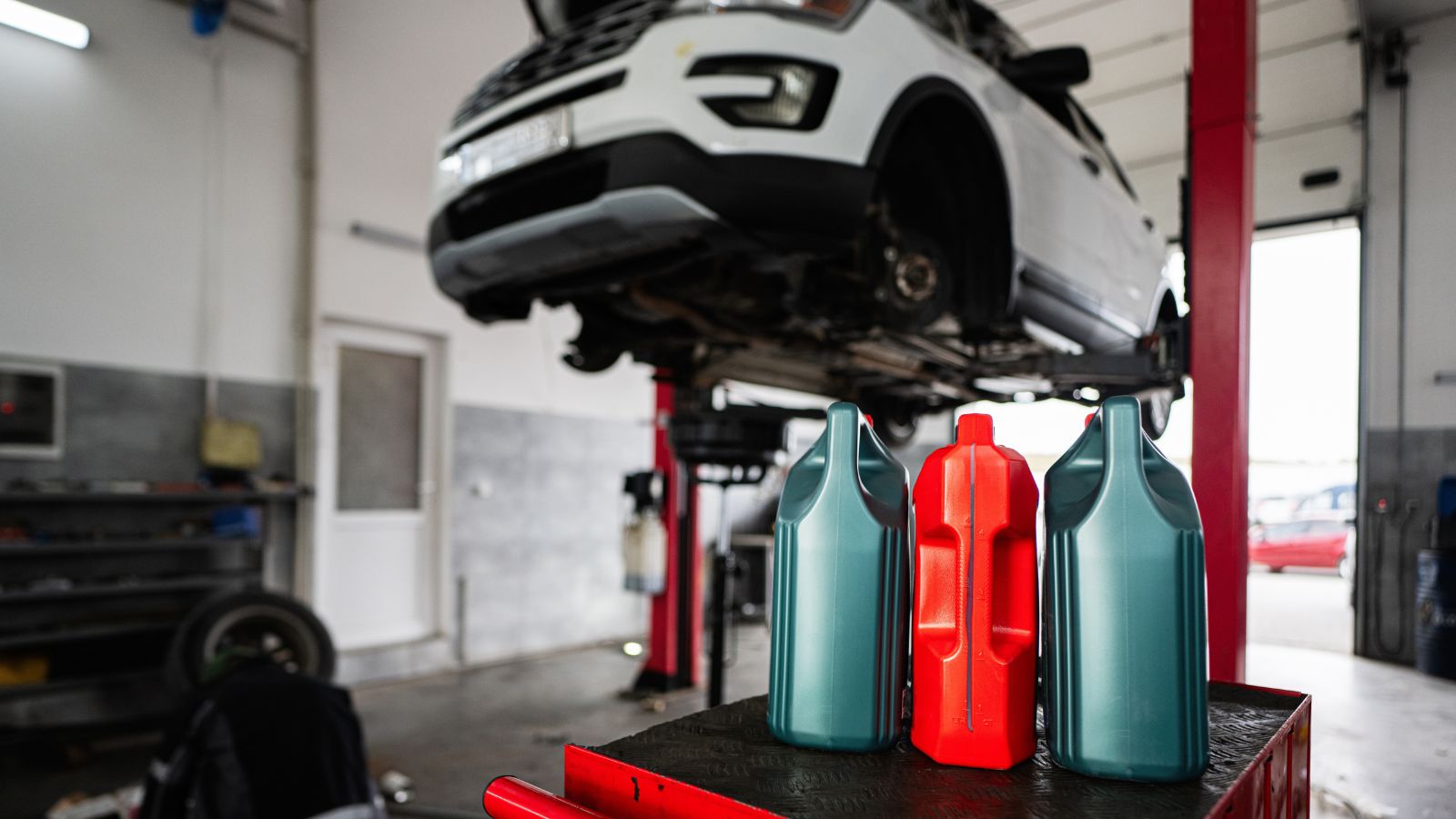
Cold weather changes how engine oil behaves. Oil thickens as temperature falls, which is why modern multigrade oils carry specifications such as 0W-20 or 5W-30. The first number and the “W” describe low-temperature viscosity characteristics, while the complete specification is selected to provide the lubrication an engine requires across its operating range.
That does not mean every Canadian vehicle should automatically receive the thinnest oil available. AAA emphasizes that drivers should follow the manufacturer’s recommended viscosity and oil specifications rather than choosing a thicker or thinner product based purely on personal preference. Using oil that is too thick can impede circulation when the engine is cold, while oil that is too thin may not provide the protection the engine was designed around. Fall is also a poor time to ignore an overdue oil change, since contaminated or degraded oil already has a harder job ahead. The oil cap, owner’s manual and manufacturer service information remain the safest guides.
Letting the Car Idle Forever to “Warm Everything Up”
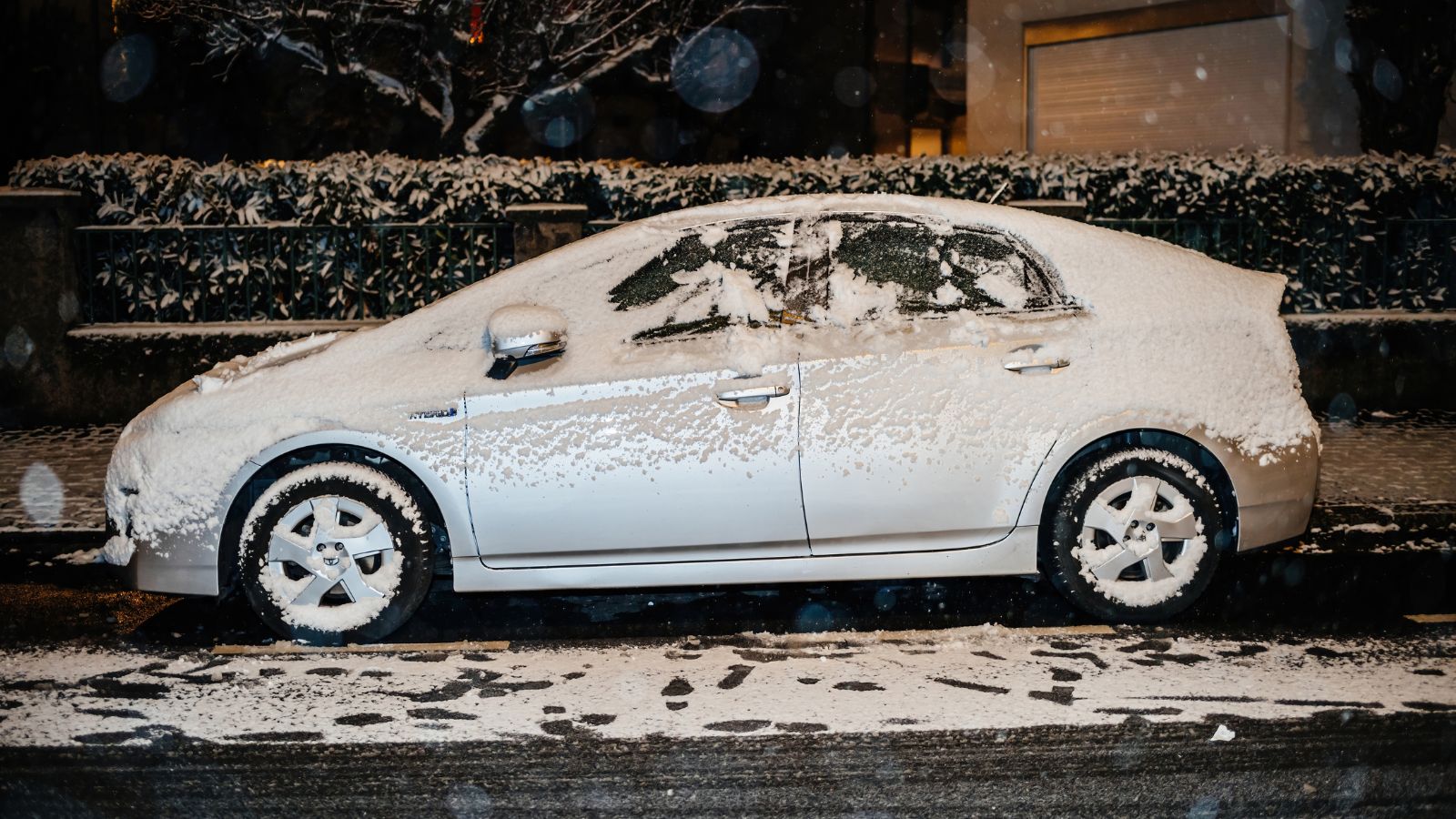
The ritual of remotely starting a vehicle and leaving it idling for 15 or 20 minutes may feel like mechanical kindness. For most modern vehicles, it is unnecessary. Natural Resources Canada recommends warming a vehicle by driving rather than through prolonged idling and has advised that roughly 60 seconds is generally sufficient on cold days once the windows are clear enough for safe operation.
There is another misconception hidden in the long warm-up: an idling engine does not efficiently warm every vehicle component. NRCan notes that components including wheel bearings, steering, suspension, transmission and tires are better warmed as the vehicle is driven. AAA also warns that prolonged idling in modern vehicles can contribute to premature engine wear while wasting fuel. The better habit is a brief initial warm-up followed by gentle driving, avoiding hard acceleration until the powertrain reaches an appropriate temperature. In severe cold, a properly used block heater can reduce cold-start stress more effectively than an unnecessarily long driveway idle.
Driving on Noisy Brakes Until the Snow Arrives

A faint squeal can be easy to postpone when the car still stops normally. Grinding is harder to ignore, yet some drivers continue until their winter tire appointment and hope everything can be handled at once. That delay can turn a relatively routine brake-pad replacement into a more expensive repair involving rotors and other components.
CAA recommends having brakes inspected when drivers notice pulling, unusual pedal feel, squealing or grinding before winter. AAA similarly notes that grinding can indicate pads have worn extremely thin and may begin damaging other brake-system components. Autumn inspection matters because snow, slush and freezing conditions leave much less margin for compromised braking performance. A vehicle that feels merely “a little off” on dry October pavement can become much harder to control during the first freezing-rain event. Addressing the warning signs early protects expensive hardware while ensuring the braking system is ready for the season when Canadians tend to need it most.
19 Used Cars Canadians Should Avoid in 2026 (Based on Owner Complaints)

Buying a used car in Canada can feel safe until repair bills start stacking up. Owner complaints tell a different story than glossy listings. Transmission failures, electrical problems, and weak winter reliability show up again and again in consumer reports. Many of these issues appear after warranties expire, when owners least expect them. Some vehicles look affordable upfront, but become expensive to keep on the road. Others struggle in cold weather, urban driving, or long highway commutes. Here are 19 used cars Canadians should avoid in 2026 (based on owner complaints).
19 Used Cars Canadians Should Avoid in 2026 (Based on Owner Complaints)

Alanna Rosen is an experienced content writer that focuses on many EV and educational content. Her articles are regularly published on Get CyberTrucked and syndicated on large publications.