
A vehicle can look affordable right up until the paperwork begins to grow. Extended warranties, protection plans, anti-theft products, administrative charges and financing products can all have legitimate uses, but problems arise when optional items are presented as though there is no choice. Canadian regulators repeatedly warn about misleading fee descriptions, tied selling and add-ons that appear unexpectedly during a transaction. Rules differ by province, so the exact legal protections are not identical across Canada. Still, the basic distinction is important: a genuine government charge is different from a dealership product, and an optional product should not quietly become compulsory. These 20 ways car dealers can make extras sound mandatory show how wording, packaging and financing can blur that line—and why the final paperwork deserves as much attention as the vehicle itself.
Calling It “Dealership Policy”

One of the strongest-sounding explanations is also one of the simplest: “It’s dealership policy.” The phrase can make an optional product seem as immovable as sales tax. A protection plan, security product or warranty may suddenly sound like something every customer must purchase simply because the dealership has decided to include it. For a buyer who has already negotiated the vehicle price and spent hours at the store, challenging an internal policy can feel like restarting the entire transaction.
Canadian regulators have specifically addressed this problem. Alberta enforcement records include a case in which a $999 product was described as mandatory because it was supposedly dealership policy. The regulator found that optional products must not be misrepresented as required. Ontario guidance similarly describes tied selling as representing a warranty, accessory or insurance policy as mandatory to buy the vehicle. A store may choose what it sells, but calling an optional product “policy” does not automatically transform the product into a government or lender requirement.
Making a Dealer Charge Sound Like a Government Fee

Official-sounding terminology carries weight. A line labelled “regulatory,” “registration,” “compliance,” “processing” or “vehicle protection” may appear to belong beside taxes and licence charges even when it is actually imposed by the dealership. A buyer scanning a dense worksheet may reasonably assume that anything sounding governmental is fixed and non-negotiable. The impression becomes stronger when the salesperson simply says, “Everyone has to pay that.”
Provincial regulators draw a clear distinction between genuine public charges and dealer-created fees. Manitoba’s Consumer Protection Office says a dealer that states or even implies that dealer products or charges are government-mandated when they are not may be making a false, misleading or deceptive statement. BC guidance likewise says dealer fees should not be described as government fees. The practical response is straightforward: ask exactly who receives the money. A legitimate statutory charge should have an identifiable legal or regulatory basis rather than merely an authoritative-sounding name on dealership paperwork.
Saying the Documentation Fee Is Non-Negotiable

Documentation and administration fees can sound like unavoidable costs of creating a contract, registering information or processing a transaction. When the business office describes a charge as “standard,” buyers may conclude that refusing it would be equivalent to refusing the paperwork needed to buy the car. That perception is particularly powerful after the vehicle price has already been negotiated because the buyer may feel the substantive bargaining is over.
BC’s Vehicle Sales Authority describes documentation fees as negotiable charges for services such as administration, registration, lien checks and vehicle-history reports. Its training materials even use a case study in which a documentation fee was unexpectedly added and described as a required dealership fee. The lesson is not that every documentation charge is prohibited. Rather, mandatory dealer charges must be properly disclosed and incorporated into the applicable advertised or negotiated total under provincial rules. A fee can therefore be real without being a surprise, a government levy or automatically beyond discussion.
Using “It’s Already Installed” as the End of the Conversation

A common psychological shift occurs when an extra is physically attached to the vehicle. An anti-theft device, wheel locks, protective coating or other product may be presented not as something being offered but as something that already exists and therefore must be paid for. Buyers can feel trapped because removing a product appears impractical, even if they never requested it.
Regulators have anticipated that scenario. Manitoba says charges for products or services installed before the sale, including anti-theft products or nitrogen in tires, must be treated consistently with its all-in pricing requirements. Ontario likewise lists pre-installed products and services among charges that must be reflected in an advertised price when the dealer intends to collect them. The important distinction is timing and disclosure. “Already installed” may explain why a dealership does not want to remove something, but it should not become a convenient way to introduce an unexpected amount after the buyer responded to a lower advertised price.
Turning Several Optional Extras Into One “Required Package”

Individual products invite individual questions. A bundle can make those questions harder to ask. Paint protection, fabric treatment, theft protection, tire coverage and other items may be grouped under a polished name such as a “premium protection package.” Instead of deciding whether each component offers value, the customer is confronted with one package that can sound like a standard trim-level feature or a normal component of dealership preparation.
The federal Office of Consumer Affairs notes that vehicle options are often sold in packages and specifically warns shoppers that dealers may offer add-ons such as rustproofing, fabric and paint protection, theft deterrents and extended warranties. Packaging is not inherently problematic; manufacturers and dealers routinely bundle products legitimately. The issue is whether choice remains clear. A useful question is not merely “How much is the package?” but “Which parts are optional, which were advertised with the vehicle, and what is the price without them?” Breaking a bundle back into individual products can make an apparently fixed charge much easier to evaluate.
Saying an Extended Warranty Is Required to Buy the Car

Extended warranties are among the most familiar finance-office products because they address a genuine concern: unexpected repair bills after factory coverage ends. That usefulness can make the sales pitch especially persuasive. A buyer may hear that the warranty is “part of the deal,” necessary on a used vehicle or required before the dealership will complete the purchase. At that point, risk protection begins to sound like a condition of ownership.
Ontario’s motor-vehicle regulator specifically uses extended warranties when explaining tied selling. Its guidance says tied selling can occur when a dealer represents an extended warranty, accessory or insurance policy as mandatory in order to purchase the vehicle. OMVIC separately advises consumers to compare extended warranty coverage with existing factory protection and notes that warranty prices may be negotiable. An extended warranty can still be worthwhile for a particular vehicle and owner. What matters is making that decision because the coverage, exclusions, term and price make sense—not because the product was presented as an unavoidable ticket to completing the transaction.
Suggesting Financing Approval Depends on Buying an Extra

Financing creates an authority figure who is not physically in the room: the lender. A salesperson or business manager can make an optional product sound far less negotiable by saying, “The bank wants this,” “The lender needs the warranty,” or “This helps get the approval through.” Buyers with weaker credit may be especially reluctant to challenge anything portrayed as a condition imposed by the institution providing the money.
That claim deserves verification. Ontario’s tied-selling guidance specifically identifies insurance policies and warranties falsely represented as mandatory purchase conditions. Federal guidance also distinguishes a loan from optional credit insurance. If a dealership says a particular product is genuinely required by the lender, the buyer can ask to see that requirement in the lender’s approval terms or speak with the financing source. The key is separating a real underwriting condition from a product being sold alongside the loan. A financing approval is important, but it should not be used as an unexplained blanket justification for unrelated extras.
Presenting Credit or Loan Insurance as Automatic

Credit insurance can cover loan payments or balances after events such as death, disability, illness or job loss, depending on the policy. Because it is discussed at the same time as financing, buyers can easily interpret it as part of the loan itself. A business manager might move seamlessly from interest rate and term to insurance premiums, making the additional coverage feel like another technical element required to activate the financing.
The Financial Consumer Agency of Canada makes the distinction explicit: credit or loan insurance is a separate product and is optional when offered by federally regulated financial institutions. Express consent is required, and consumers are encouraged to examine coverage, exclusions, maximum benefits and costs. Car dealers are among the places where this insurance may be offered. That does not mean the product lacks value; some borrowers may deliberately choose it. The warning sign is presentation. If insurance is described as inseparable from the vehicle loan, the buyer should ask who requires it and request the insurance agreement separately from the financing contract.
Hiding the Extra Inside the Monthly Payment

An add-on becomes psychologically smaller when translated from thousands of dollars into a modest increase in a biweekly or monthly payment. Instead of hearing the total cost of a warranty or protection package, the buyer hears that it is “only a little more per payment.” The underlying product has not become cheaper, but the financing structure can make the cost feel less significant—particularly on a loan stretching over many years.
Federal consumer guidance repeatedly advises car buyers to examine the total amount being financed, financing fees and total cost rather than focusing only on the payment. The same principle applies to extras. When a product is financed with the vehicle, its price becomes part of the amount on which borrowing costs may accumulate. A practical comparison therefore starts with the cash price of the add-on, not just its payment impact. Asking for the transaction both with and without every optional product can reveal whether a seemingly minor payment difference represents a much larger commitment over the full term.
Steering the Conversation Back to “What Payment Works?”

Payment-based selling can make several extra products disappear into one affordability question. A buyer who intended to spend a certain amount may be asked, “What monthly payment are you comfortable with?” If the dealership can keep the payment near that target by extending the loan, extras may be inserted without creating an obvious jump. The vehicle still appears to fit the household budget even though its total financed cost has increased.
The Financial Consumer Agency of Canada specifically advises consumers to look at total cost rather than only payments or interest rates. Its car-financing guidance demonstrates that longer terms can reduce the periodic payment while increasing the amount ultimately paid in interest. That principle makes payment-focused negotiations especially important when add-ons enter the discussion. A buyer comparing two deals should therefore compare vehicle price, extras, amount financed, APR, term and total borrowing cost together. Affordability matters, but a comfortable payment can conceal a more expensive transaction if the underlying numbers are never separated.
Claiming a Pre-Installed Product Cannot Be Declined
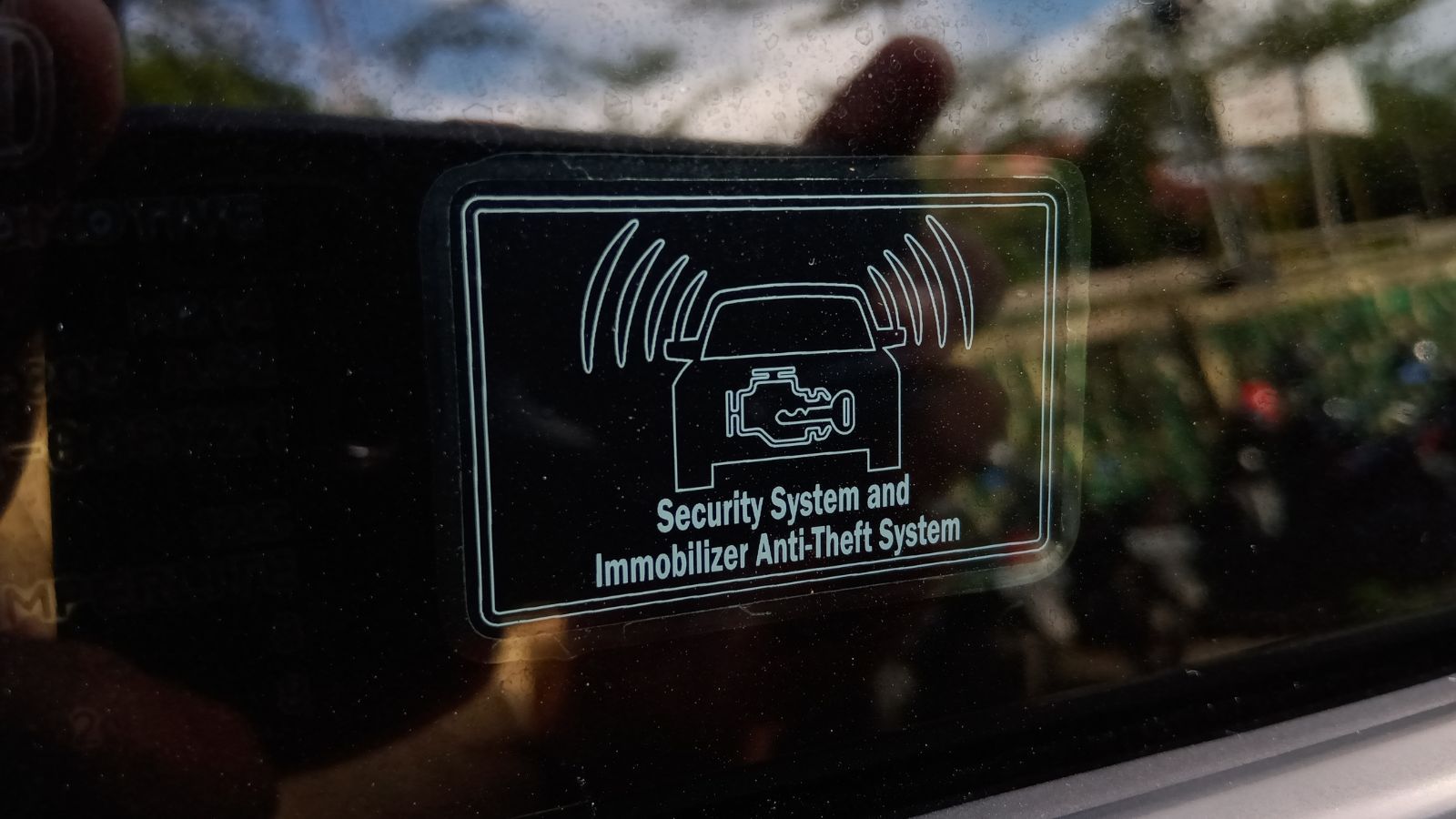
There is a subtle difference between “the dealership does not want to remove this” and “the law requires this.” That difference can disappear during a fast negotiation. A security device, nitrogen service or appearance treatment may be described as something applied to every vehicle on the lot, creating the impression that no alternative exists. The buyer may never hear the word “optional,” even though the product originated with the dealer rather than a regulator.
Manitoba’s Consumer Protection Office specifically discusses pre-installed anti-theft products and nitrogen in tires. It says dealers must fully and truthfully explain additional products and allow consumers to decline non-pre-installed extras, while mandatory pre-installed costs intended to be collected must be handled through the advertised and negotiated all-in price. Ontario follows a similar all-in approach to dealer-installed products. The lesson is that pre-installation is primarily a pricing and disclosure issue. It does not give a dealership permission to advertise one figure and introduce an unexpected compulsory product only after a buyer is committed emotionally or financially.
Describing VIN Etching as a Required Theft Measure
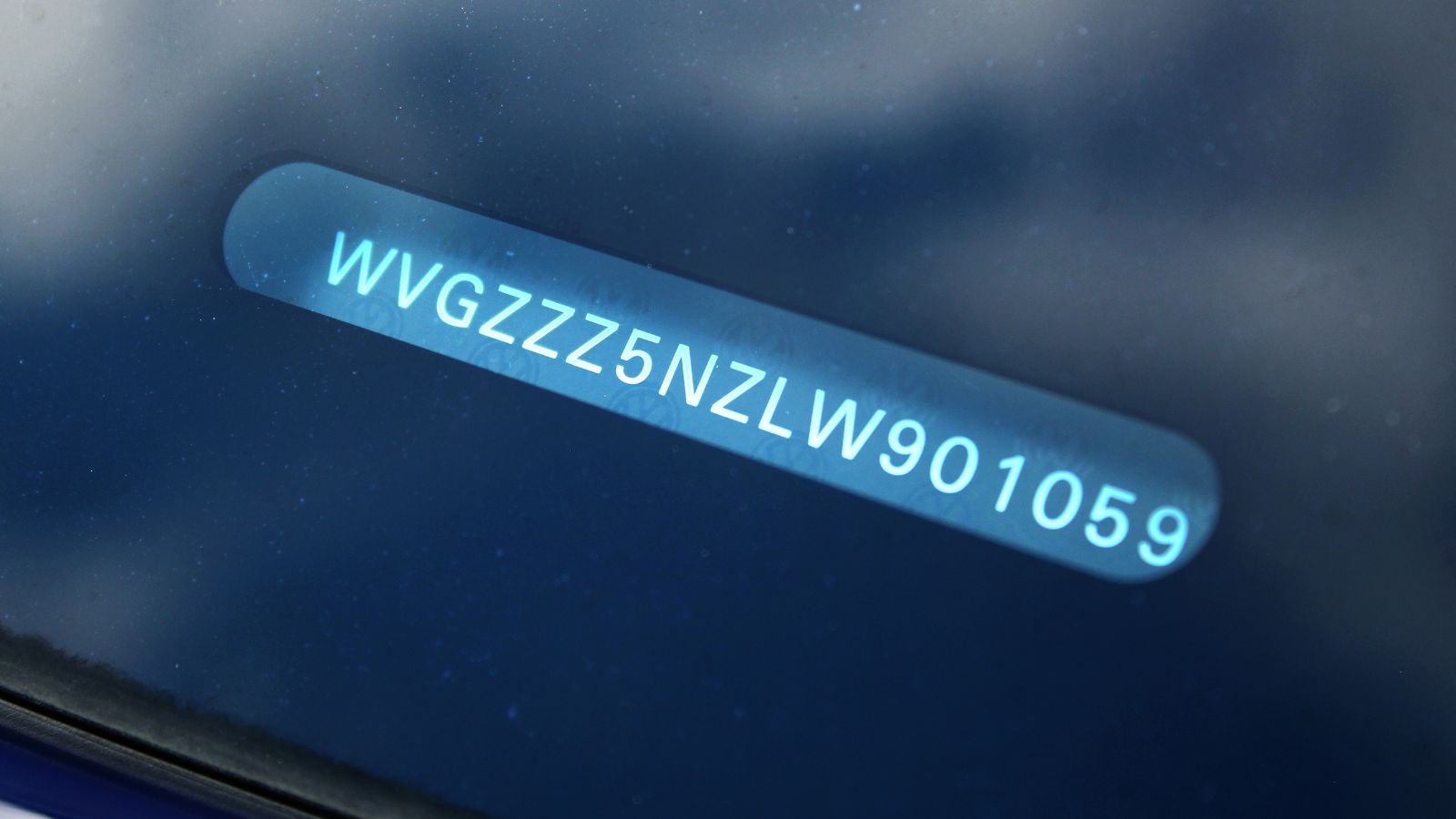
VIN etching involves marking identifying information onto vehicle glass and is sometimes paired with theft-related coverage or recovery programs. The product can sound official because a vehicle already has a legally required VIN, and theft prevention is a serious concern. That combination can lead some buyers to assume the etching itself is a registration, insurance or government requirement rather than a separate dealer-sold product.
BC’s Vehicle Sales Authority explicitly identifies etching theft insurance as optional coverage and says buyers must be told it is optional under applicable provincial rules. Its consumer guidance also says etching and other anti-theft insurance are optional. Ontario lists window etching among security or theft-deterrent products that may appear in vehicle transactions. A buyer who wants the protection can certainly purchase it, but the decision should be based on the actual service, coverage and price. Asking whether the vehicle can legally be registered and insured without the dealer’s etching package quickly separates a genuine requirement from an optional theft-related product.
Framing Rustproofing as Part of the Basic Vehicle Purchase

Canadian winters make rust a believable concern, which gives corrosion-protection pitches natural urgency. Rustproofing or undercoating may be presented as a routine step that “every vehicle needs,” particularly where road salt is common. If the charge appears during final paperwork rather than the initial vehicle negotiation, a buyer may interpret it as part of required dealer preparation instead of a separate product that deserves its own cost-benefit decision.
Ontario consumer guidance specifically lists rustproofing and undercoating among optional extras that buyers may encounter. The federal Office of Consumer Affairs likewise identifies rustproofing as a dealer add-on. That does not mean corrosion treatment never has value; climate, vehicle construction, ownership length and the product itself all matter. What should remain clear is the commercial status of the service. Buyers can ask whether the product was included in the advertised price, whether it has already been applied, what warranty accompanies it and whether declining it changes any manufacturer-backed coverage. Those questions turn a vague necessity claim into something measurable.
Treating Nitrogen and Tire Protection as Standard Requirements
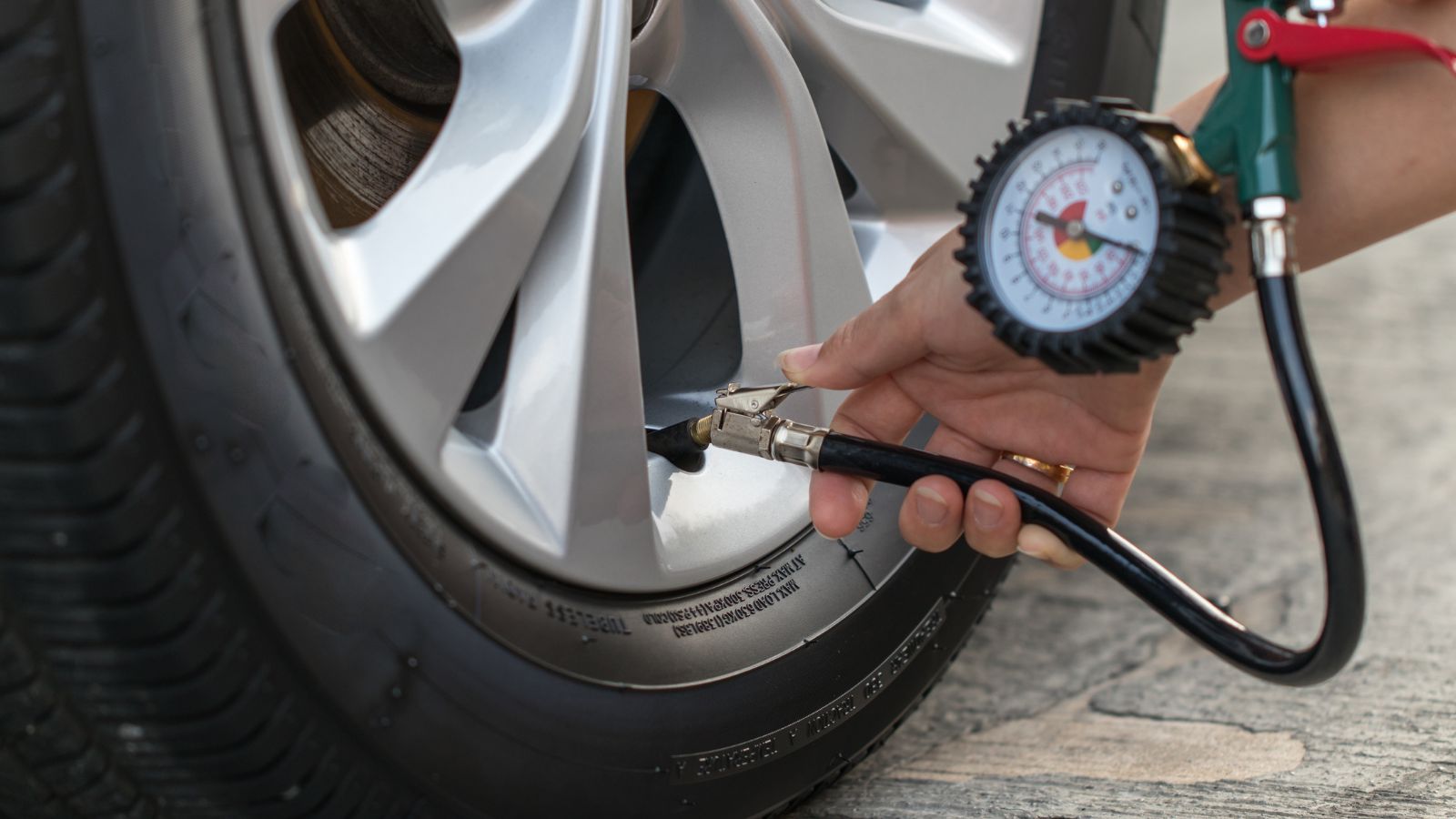
Nitrogen-filled tires and tire-protection products can appear especially technical, which makes them easy to frame as part of professional vehicle preparation. A buyer may be told that all vehicles are delivered this way or that the package is a dealership standard. Once the charge is wrapped in language about tire safety and maintenance, questioning it can feel like questioning the dealership’s mechanical expertise rather than declining a retail product.
Regulators nevertheless treat these items as recognizable add-ons. Ontario explicitly lists nitrogen and tire-protection packages among pre-installed products or services that must be handled within all-in price rules when the dealer intends to charge for them. Manitoba uses nitrogen in tires as its own example when discussing pre-installed dealer products. The issue is not whether nitrogen has particular performance characteristics; it is whether the associated charge was clearly disclosed and whether an optional package is being portrayed as legally compulsory. Asking for the vehicle price before any optional tire coverage can clarify what is truly part of the purchase.
Making Dealer-Installed Accessories Sound Non-Removable

Wheel locks, side rails, tonneau covers, trim pieces and other accessories can blur the boundary between the vehicle and an add-on because they are visible and physically attached. A customer shopping a specific unit may hear that the accessories “come with this one,” which can easily be interpreted as meaning their separate cost is mandatory. Once the buyer likes the exact colour, trim and vehicle, walking away over accessories becomes emotionally harder.
Ontario’s advertising guidance specifically identifies wheel locks, side rails, tonneau covers and other dealer-installed products when explaining all-in pricing. BC similarly requires the total vehicle price to account for accessories or optional equipment physically attached to a vehicle under its pricing framework. A dealer can certainly sell a vehicle equipped with accessories and price it accordingly. The red flag is an advertised price that attracts the buyer before extra compulsory accessory charges appear later. Checking the stock number, advertisement and written purchase price together helps determine whether those accessories were part of the deal from the beginning.
Calling a Finance Placement Fee a Bank Charge

Finance placement or arrangement fees sound as though they come directly from the lender. That can make them seem untouchable: the dealership is merely passing along a bank expense, so negotiation appears pointless. In reality, some such fees are charged by dealerships for arranging financing, and their regulatory treatment can be quite specific. The name alone does not identify who imposed the charge.
BC’s Vehicle Sales Authority says finance placement fees are often negotiable dealer charges for arranging a loan or lease with a bank or finance company. It specifically warns that a dealer should not falsely claim the fee is required by the lender. BC also requires applicable non-interest borrowing costs to be reflected in APR and borrowing-cost disclosures. That makes one question particularly useful: “Is this fee charged by the lender or by the dealership?” If the answer is the dealership, a buyer can evaluate it as a dealer financing cost rather than automatically treating it as an external banking requirement.
Creating Urgency Before the Extras Are Reviewed

Pressure does not have to involve an explicit false statement. Sometimes the tactic is speed. The car has another interested buyer, the finance approval supposedly expires shortly, the store is closing, or delivery needs to happen immediately. Under those conditions, optional products already inserted into the paperwork may feel effectively mandatory because questioning them threatens to slow or derail a purchase that has taken hours to arrange.
Ontario’s regulator repeatedly tells consumers not to allow themselves to be rushed and to review prices, terms and add-ons before signing. The reason is significant: Ontario generally provides no cooling-off period after a vehicle purchase agreement with a registered dealer has been signed. Once the transaction becomes binding, removing unwanted products can be far harder than questioning them beforehand. A useful defence is simply to ask for the bill of sale and financing disclosures before the final signing stage. Time pressure may be real, but it should not substitute for clear consent to optional products.
Putting Optional Products Into the Paperwork by Default

A charge looks more legitimate once it appears on an official-looking purchase agreement. Instead of asking whether the customer wants a warranty or protection plan, the document may arrive with the product already included in the total. Removing it then requires an affirmative objection, reversing the normal decision-making process. Many buyers are more comfortable declining an offer than demanding that a printed contract be rewritten.
Current Ontario guidance addresses precisely why the paperwork must be checked. OMVIC tells consumers that optional products such as warranties, protection packages and rustproofing should be included only when the buyer has agreed to purchase them, not by default. For credit or loan insurance offered through federally regulated financial institutions, federal rules go further by requiring express consent to the optional insurance product. The practical habit is to compare the final documents with the deal that was verbally agreed upon. A typed line on a contract is evidence of what is being charged; it is not evidence that the buyer knowingly requested it.
Letting Itemization Make Every Charge Look Official
Itemized paperwork is essential for transparency, but it can also create a misleading psychological effect. When vehicle price, taxes, licence costs, warranty, protection package and dealer fees all appear in identical rows, every line can look equally compulsory. Buyers who assume the document has already been finalized may focus only on the bottom-line total instead of asking why each charge exists.
Ontario and BC both require important transaction information to be itemized, and regulators encourage buyers to review the bill of sale carefully. OMVIC specifically advises consumers to question any warranty, charge or add-on they did not agree to before signing. Itemization should therefore be treated as an invitation to inspect the deal, not as proof that each line is mandatory. A simple mark beside every charge—government, dealer fee, vehicle equipment or optional product—can make the document easier to understand. If dealership staff cannot clearly explain a line item, the buyer has good reason to pause before accepting the total.
Renaming an Optional Product So It Sounds Like a Fee

Language can change how a product is perceived. “Theft protection package” sounds optional; “security fee” sounds compulsory. “Dealer service package” can sound like something required to process the sale even if it consists of products a customer might otherwise decline. The more administrative the label becomes, the less likely a buyer may be to treat it like a retail purchase that deserves comparison and negotiation.
Canadian regulators focus heavily on accurate descriptions for this reason. AMVIC has warned Alberta dealers that it is unlawful to represent fees as mandatory when they are not, while BC guidance says dealer fees must not be presented as government charges and should be disclosed before the final price is settled. Ontario similarly requires dealers to be clear and truthful when describing products, services and prices. The safest question is often the simplest: “What exactly do I receive for this amount?” If the answer describes a warranty, treatment, accessory, insurance policy or protection product, its status deserves to be explained just as clearly as its price.
19 Used Cars Canadians Should Avoid in 2026 (Based on Owner Complaints)

Buying a used car in Canada can feel safe until repair bills start stacking up. Owner complaints tell a different story than glossy listings. Transmission failures, electrical problems, and weak winter reliability show up again and again in consumer reports. Many of these issues appear after warranties expire, when owners least expect them. Some vehicles look affordable upfront, but become expensive to keep on the road. Others struggle in cold weather, urban driving, or long highway commutes. Here are 19 used cars Canadians should avoid in 2026 (based on owner complaints).
19 Used Cars Canadians Should Avoid in 2026 (Based on Owner Complaints)

Alanna Rosen is an experienced content writer that focuses on many EV and educational content. Her articles are regularly published on Get CyberTrucked and syndicated on large publications.