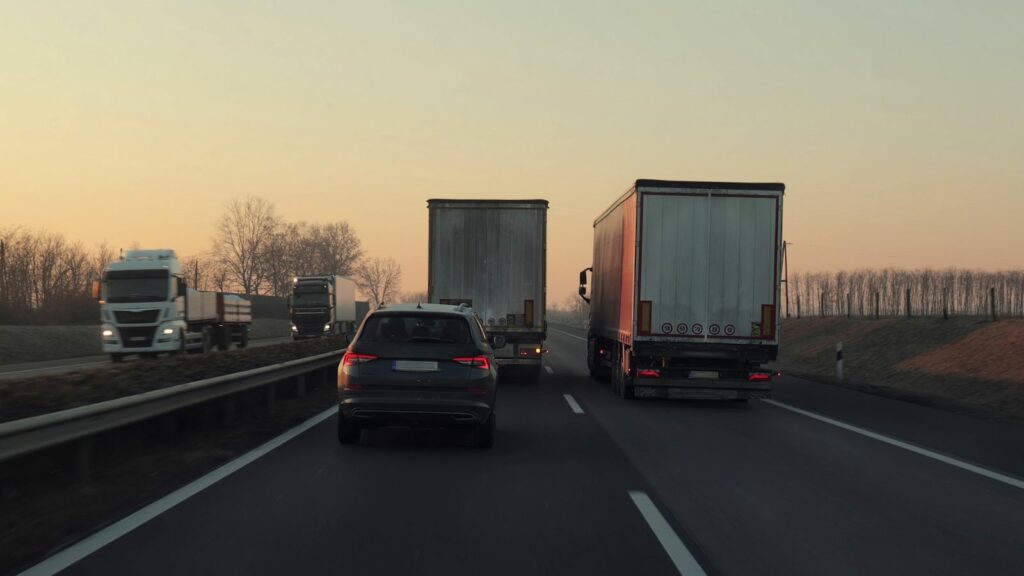
The purchase price is only the opening chapter in a vehicle’s financial story. Fuel, tires, brakes, clutches, suspension parts, insurance claims, and resale value are all influenced by what happens after the engine starts. Many costly habits feel ordinary because no warning light appears and no repair is needed immediately. The damage arrives gradually—in an extra fuel stop, an early set of tires, or a workshop bill that seems unrelated to daily behaviour.
These 20 driving patterns show how small decisions behind the wheel can quietly raise ownership costs. Some waste energy, others turn heat and friction into premature wear, and several increase the chance that one rushed manoeuvre becomes the most expensive moment of the car’s life.
Rapid Acceleration Burns More Than Fuel
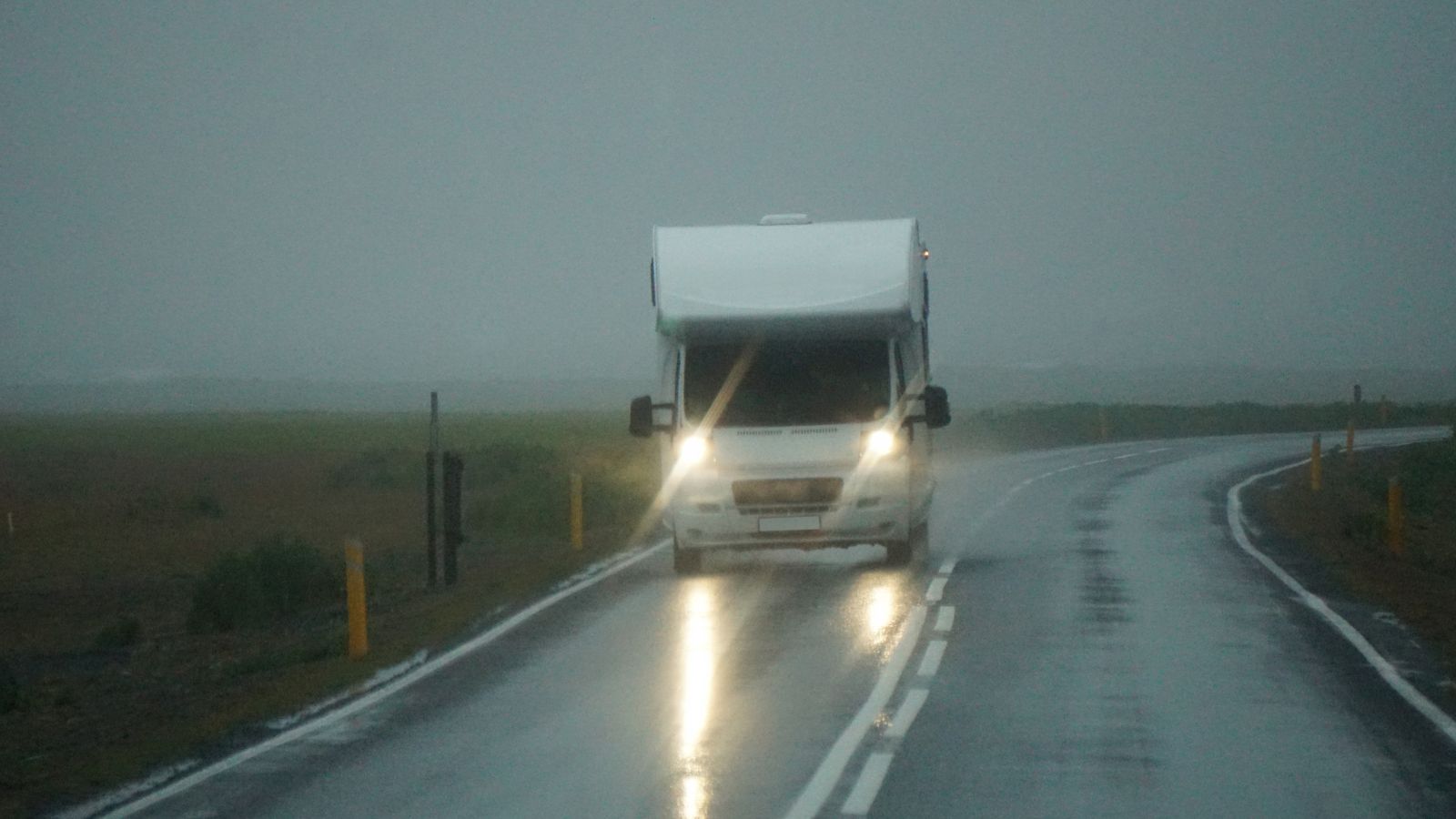
A hard launch feels brief, but the cost continues after the traffic light disappears in the mirror. The U.S. Department of Energy says aggressive acceleration, braking, and speeding can reduce fuel economy by 10 to 40 percent in stop-and-go traffic and by 15 to 30 percent at highway speeds. Repeating that burst dozens of times during a commute turns a few seconds of excitement into a measurable increase at the pump.
The tires also absorb the punishment. Michelin notes that strong acceleration scrubs rubber from the driven wheels as torque is transferred to the road. Electric vehicles can make this especially tempting because maximum torque often arrives immediately. A smoother driver is not necessarily slow; the difference is progressive pedal input. Building speed cleanly gives the powertrain time to work efficiently, keeps traction systems from intervening unnecessarily, and helps expensive tires survive closer to their expected service life as well.
Late Braking Converts Momentum Into Repair Bills
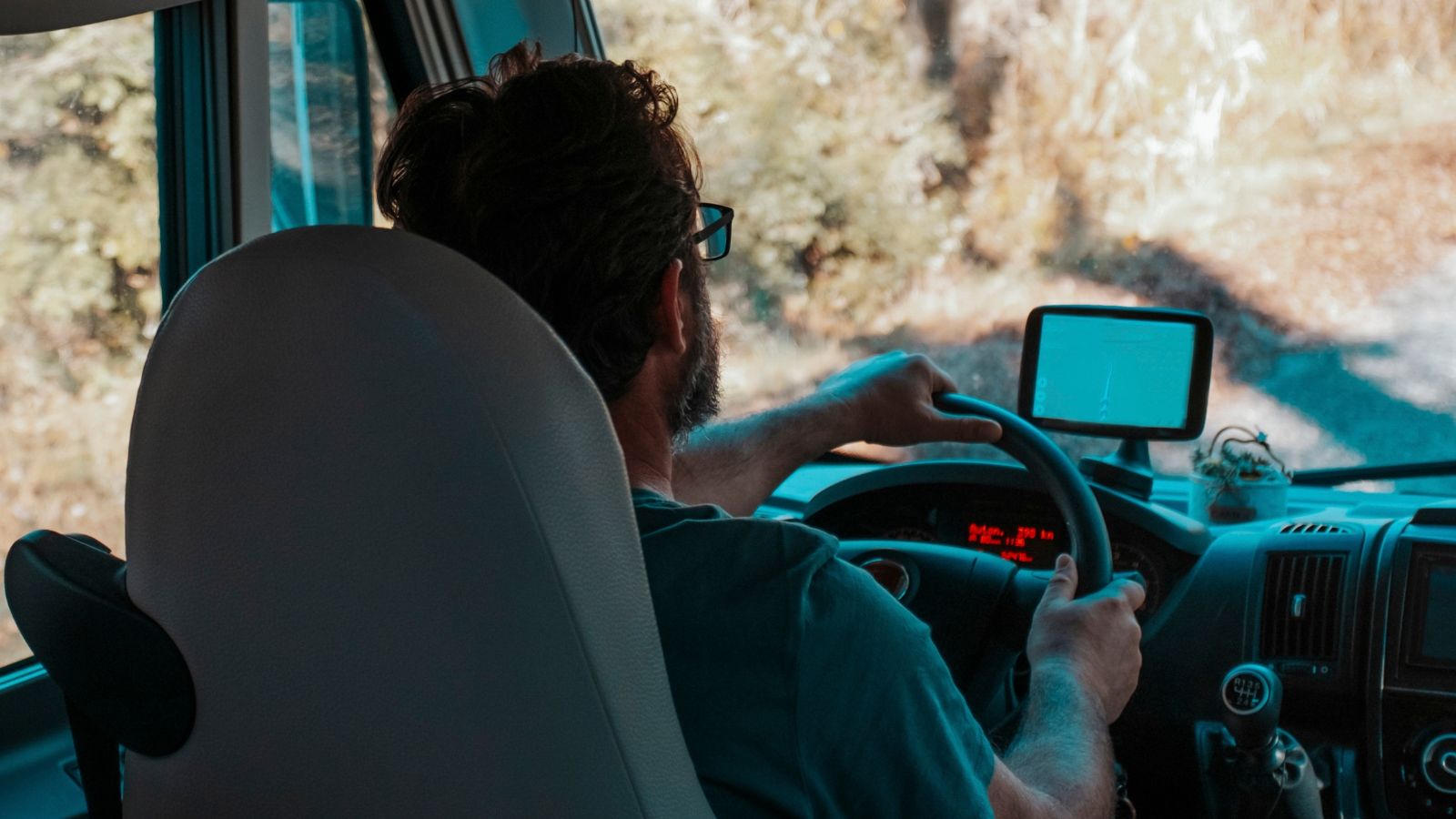
Drivers who stay on the accelerator until the last possible moment pay twice: first for the fuel used to create speed that was no longer needed, then for the friction required to erase it. Hard braking produces more heat at the pads and rotors than an earlier, progressive stop. Over thousands of stops, that pattern can shorten service intervals and increase the likelihood of warped, scored, or prematurely worn components.
The same habit can mark tires. Research published in Science of the Total Environment found that acceleration and braking events had the largest driving-behaviour effect on tire wear, ahead of cornering. The example is the commuter who repeatedly races toward a red light, brakes sharply, then launches again. Reading traffic farther ahead changes the equation. Lifting early allows engine braking or regenerative braking to recover or conserve energy, while the service brakes handle only the final portion of the stop.
High-Speed Cruising Raises the Cost Per Kilometre
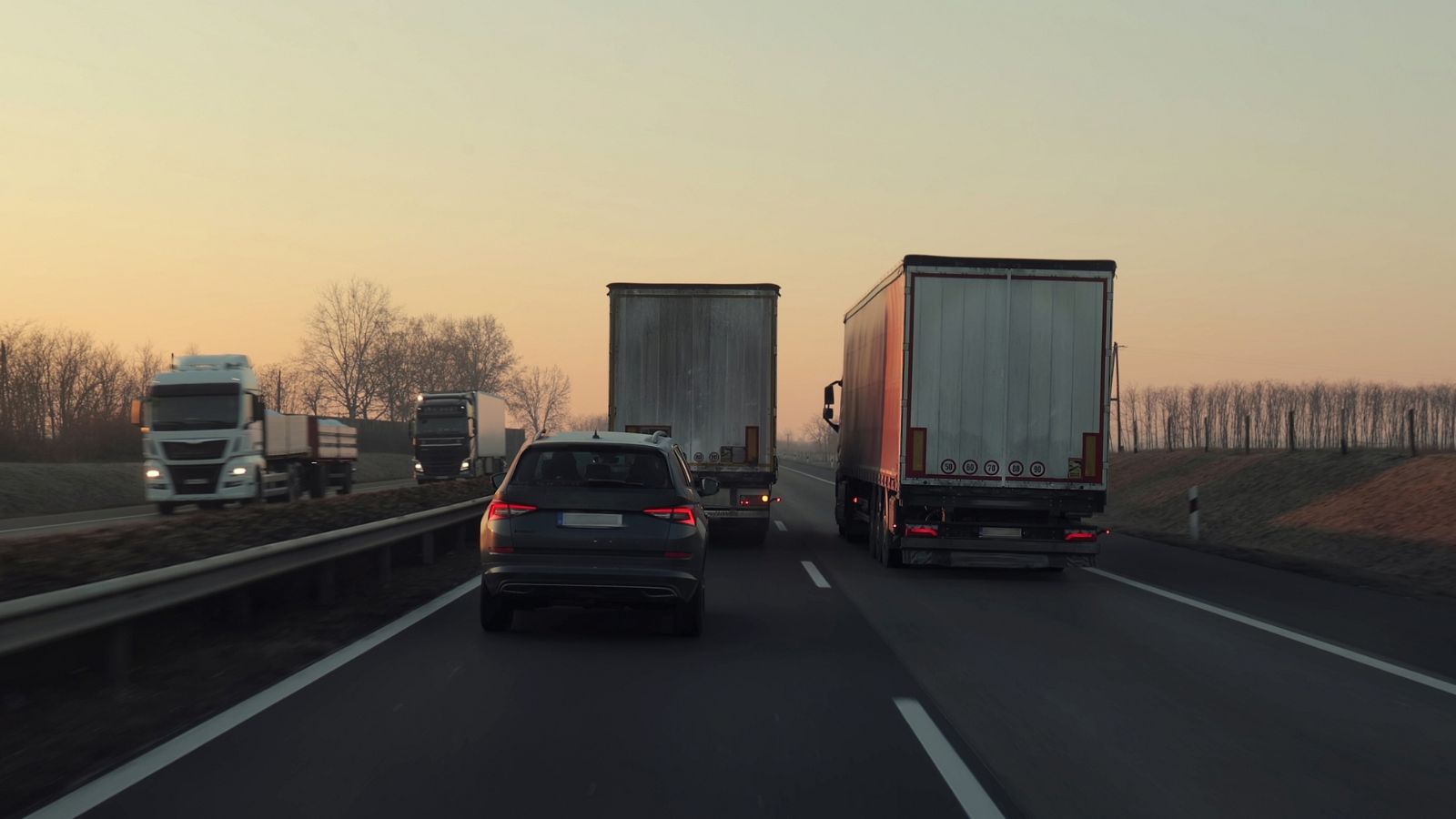
A vehicle may feel relaxed at highway speed, but aerodynamic resistance rises sharply as velocity increases. Energy Department modelling shows that conventional midsize gasoline cars achieve their best fuel economy near 55 mph, with efficiency dropping quickly at higher speeds. The agency also notes that each additional 5 mph above 50 mph can behave financially like paying more for every gallon of fuel. The exact penalty varies by vehicle, wind, and terrain.
Speed adds other expenses. NHTSA says it increases stopping distance, reduces the margin for avoiding hazards, and raises crash severity. Even without a collision, sustained high speed generates extra tire heat, which Michelin identifies as a contributor to faster wear. A driver saving only a few minutes on a long trip may therefore consume more fuel, use more tread, and accept greater exposure to tickets or damage. Moderate cruising is often the cheapest steady-state setting a vehicle has.
Constant Speed Changes Waste Energy

Some drivers rarely hold a settled pace. They accelerate toward the vehicle ahead, lift abruptly, fall back, and repeat the cycle. Each surge asks the engine or electric motor to create kinetic energy; each slowdown throws energy away through aerodynamic drag, rolling resistance, or the brakes. Department of Energy research found that efficient driving could cut fuel use by about 20 percent on aggressively driven cycles and by 5 to 10 percent on moderately driven trips.
The pattern often appears on open roads. A steady 90 km/h can become a repeated swing between 80 and 100, while arrival time barely changes. Looking farther ahead, leaving a larger gap, and using cruise control can reduce those oscillations. The benefit extends beyond ride quality. Fewer torque spikes and braking events mean lower energy consumption and less repetitive loading of tires, brakes, and driveline components. Anticipation is a genuine maintenance tool in practice.
Excessive Idling Buys Zero Distance

Idling feels harmless because the odometer is not moving, yet the engine continues consuming fuel. Argonne National Laboratory testing found passenger vehicles using roughly 0.2 to 0.5 gallons per hour, depending on vehicle size and idle speed. It concluded idling for more than about 10 seconds used more fuel than stopping and restarting the tested vehicle. Air conditioning and larger engines raise the hourly burn further.
Consider a driver waiting 15 minutes outside a school, then another 10 minutes at a pickup. Five days weekly, those stationary periods become hours of paid fuel that never moved the car. Long warm-ups waste fuel because engines generally reach operating temperature faster under gentle driving than while parked. Start-stop systems automate this saving, but drivers without them can still avoid unnecessary parked idling when it is safe and legal to shut down. Even small daily waits can become a substantial annual expense alone.
Many Short Trips Keep the Vehicle Inefficient
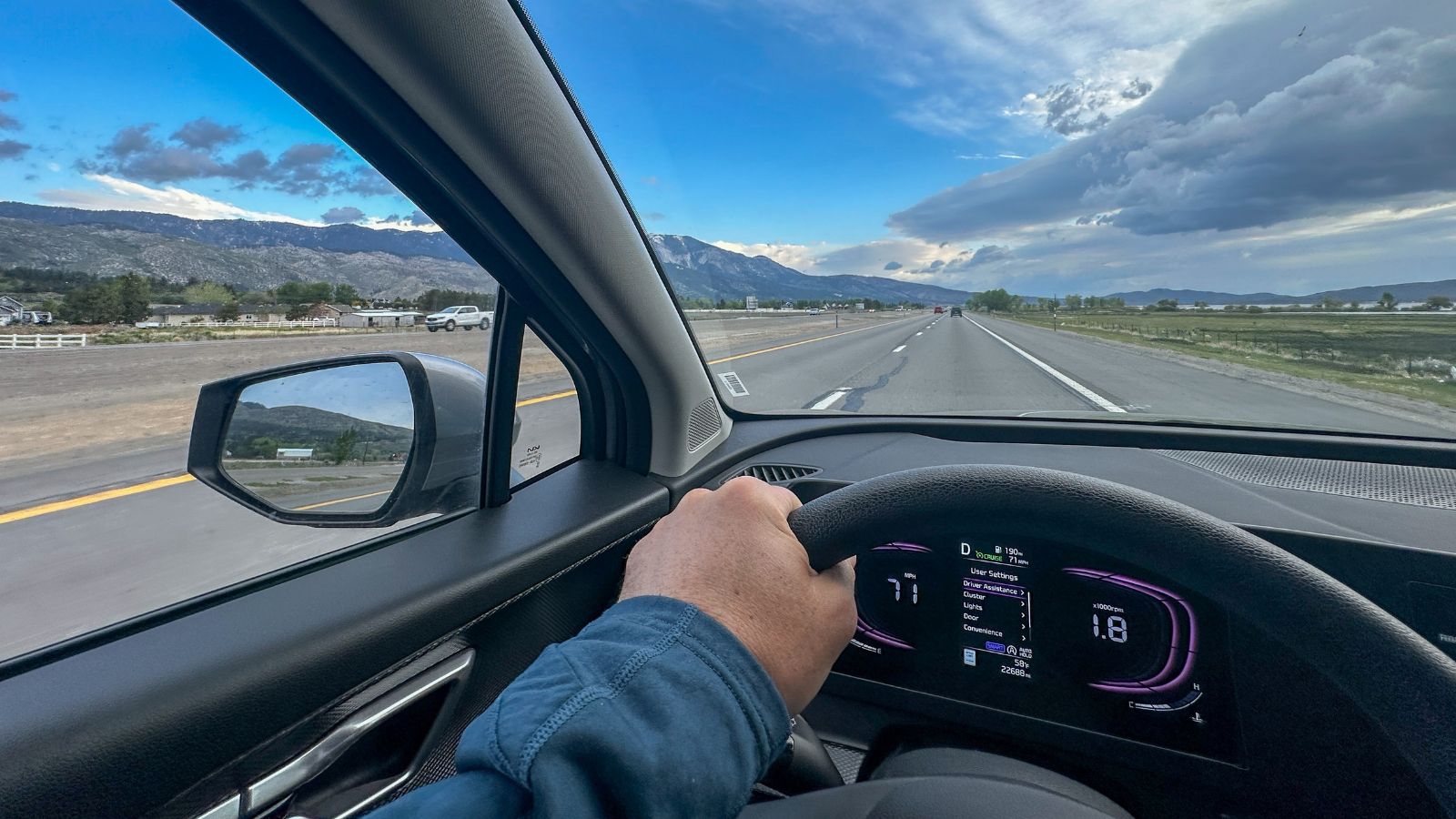
A car used mainly for quick errands may travel few kilometres yet consume fuel quickly. Cold engines need richer operating conditions, fluids are more viscous, and emission-control systems have not reached their efficient temperature. EPA analysis found that trips of five miles or less represented about 15 percent of vehicle mileage but consumed more than 30 percent of automotive fuel. Despite newer technology, the basic warm-up penalty remains.
Costs extend beyond fuel. Short operation may not let moisture evaporate from the exhaust and oil, while the battery must fully recover each start’s energy. A household making grocery, pharmacy, and school runs can often combine them into one loop, allowing the vehicle to remain warm. This reduces cold-start cycles, total distance, and repeated parking manoeuvres. The cheapest kilometre is often the one removed through better trip planning. Combining errands reduces traffic exposure, brake use, and repeated cold-weather starting stress over time.
Hard Driving Before Warm-Up Adds Avoidable Strain
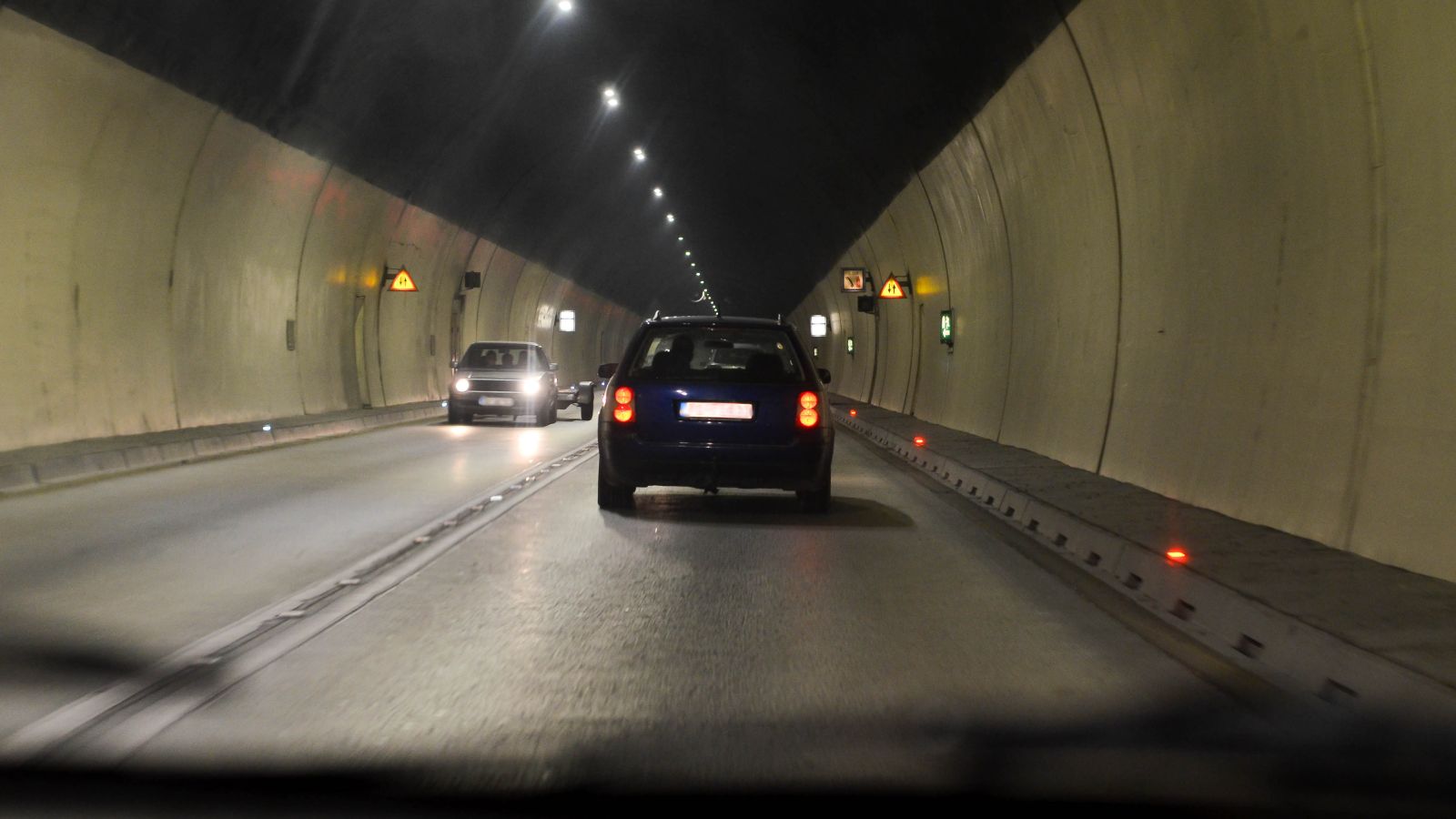
Starting the engine does not instantly bring components to their preferred operating condition. Engine oil, transmission fluid, bearings, seals, and turbocharger hardware warm differently. Honda guidance advises avoiding high revs and sudden acceleration immediately after a cold start. Toyota likewise warns against racing a cold engine. These cautions reflect reduced protection before fluids circulate and temperatures stabilize.
Leaving promptly is not the problem; modern vehicles are better warmed by gentle driving than prolonged idling. Cost comes from full throttle at the first junction, high engine speed leaving a parking garage, or heavy boost immediately. A calmer first several minutes lowers load while the powertrain reaches normal conditions. It may also warm the cabin sooner than idling. Drivers who treat the temperature gauge as permission to accelerate gradually can reduce needless wear without turning every departure into a lengthy ritual. Gentle early operation is cheaper than repeated mechanical shock over years.
Resting a Foot on the Brake Creates Continuous Wear

Light brake contact may feel harmless, but even small, constant pressure can keep the pads against the rotors. Hyundai warns it can cause overheating, brake wear, and potentially brake failure. Subaru similarly describes needless wear on pads and linings. It is common among two-foot drivers who keep the left foot poised over the brake.
This is a quiet cost because the vehicle may still accelerate normally while fuel is being used to overcome brake drag. Signs include hot smells, reduced economy, unusual dust on the wheels, or pads needing early replacement. Keeping that foot on the floor or dead pedal until a stop is required prevents accidental pressure. It also creates clearer pedal discipline in emergencies. This does not slow reaction; it avoids kilometres of invisible friction between actual deliberate braking events. On long commutes, one barely noticeable habit can consume thousands of kilometres of pad life before detection occurs.
Riding the Brakes Downhill Overheats Expensive Parts
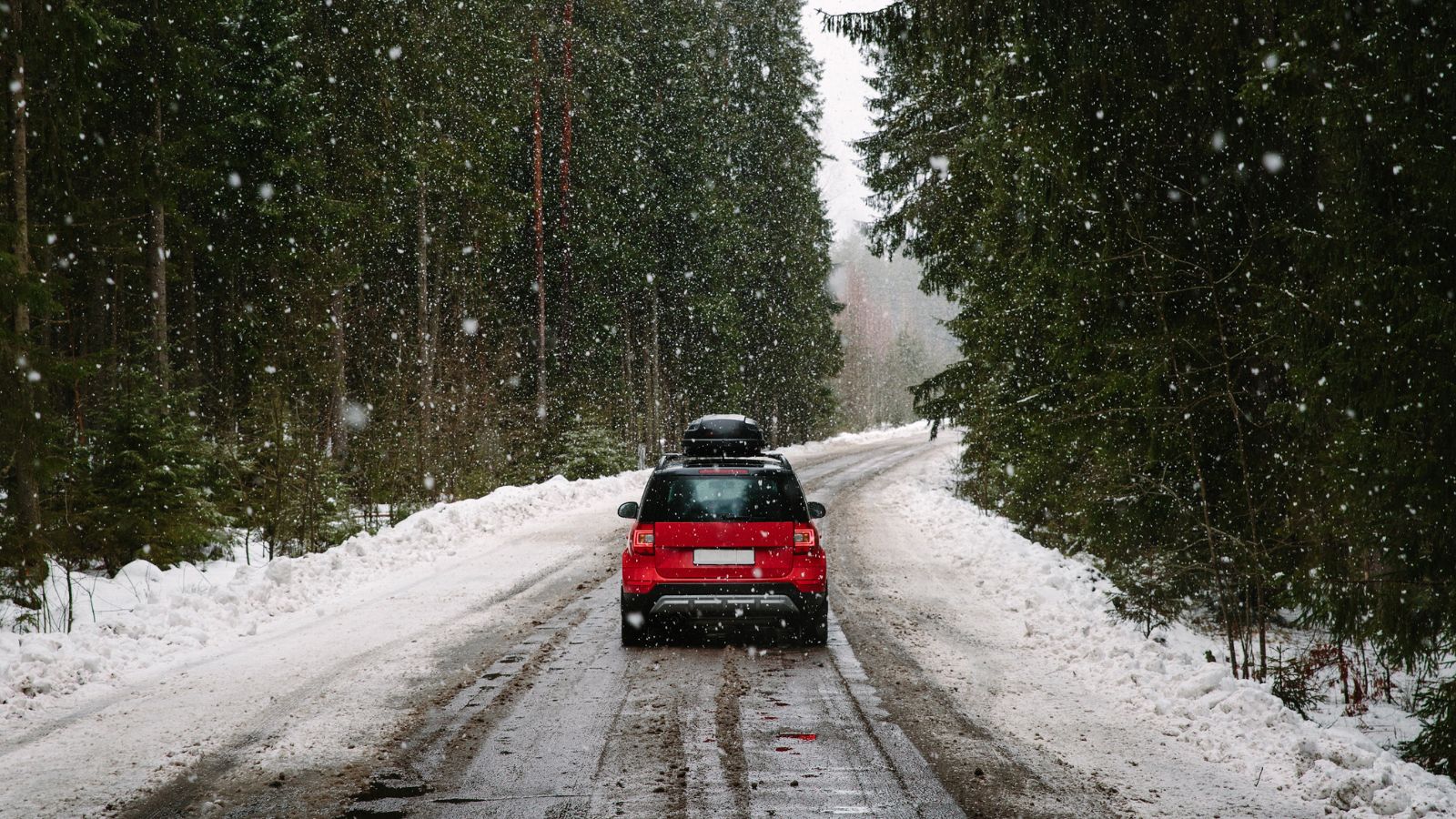
Long descents turn steady pedal pressure into heat. Friction brakes convert the vehicle’s motion into thermal energy, and continuous use may raise pad, rotor, and brake-fluid temperatures enough to reduce effectiveness. Toyota and Subaru recommend using engine braking or a lower gear on steep grades because relying only on the foot brake can cause overheating. Loads and trailers worsen heat.
Descending in a high gear may hold the brake almost continuously to control speed. By the bottom, the pedal can feel softer, the brakes may smell, and the rotor surfaces may reach damaging temperatures. Selecting an appropriate lower gear lets the engine help, while short, controlled brake applications manage speed. Hybrids and EVs may also provide regenerative or dedicated downhill modes, subject to manual guidance. Saving the brakes on descents protects safety and repair budgets. The correct gear should be selected early, before gravity pushes speed beyond comfortable control limits.
Riding the Clutch Turns Convenience Into Friction
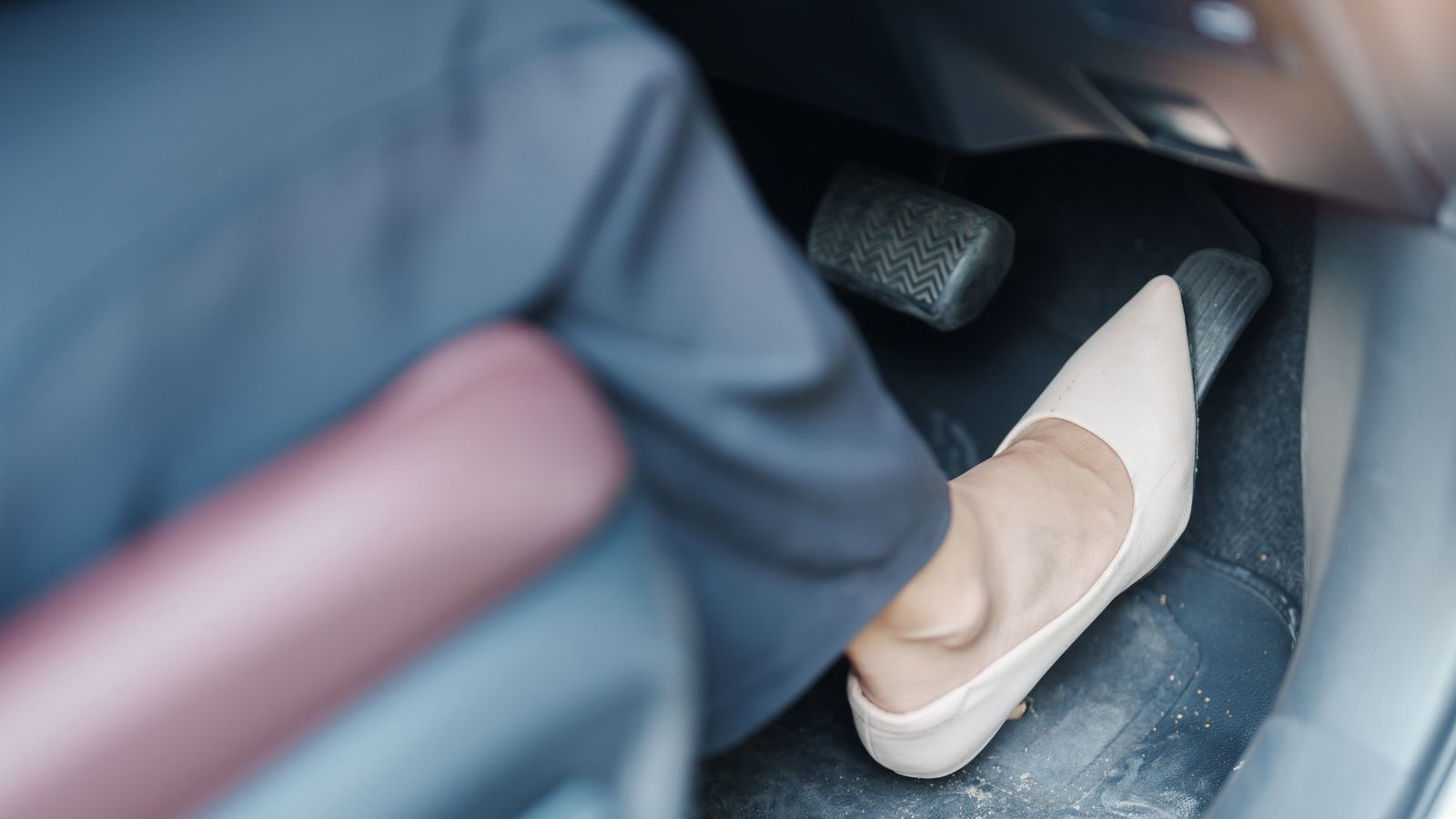
In a manual car, the clutch is designed to slip briefly during launch, then engage fully. Resting a foot after shifting can keep the release mechanism loaded or allow partial slip. Toyota manuals warn drivers not to rest a foot on the clutch because it can damage the component. RAC guidance also identifies riding the clutch and holding a car on the biting point as habits that accelerate wear.
Costs arrive gradually. Engine speed may rise without matching acceleration, hills may produce a burning smell, or the engagement point may move higher. Replacement is labour-intensive because the transmission must be separated from the engine. The solution is simple: place the left foot on the footrest and use the brake or parking brake to hold the vehicle stationary. A clutch should connect and disconnect the powertrain, not serve as a speed-control device in crawling traffic. That preserves an expensive wear item.
Holding the Car on a Hill With Throttle Builds Heat
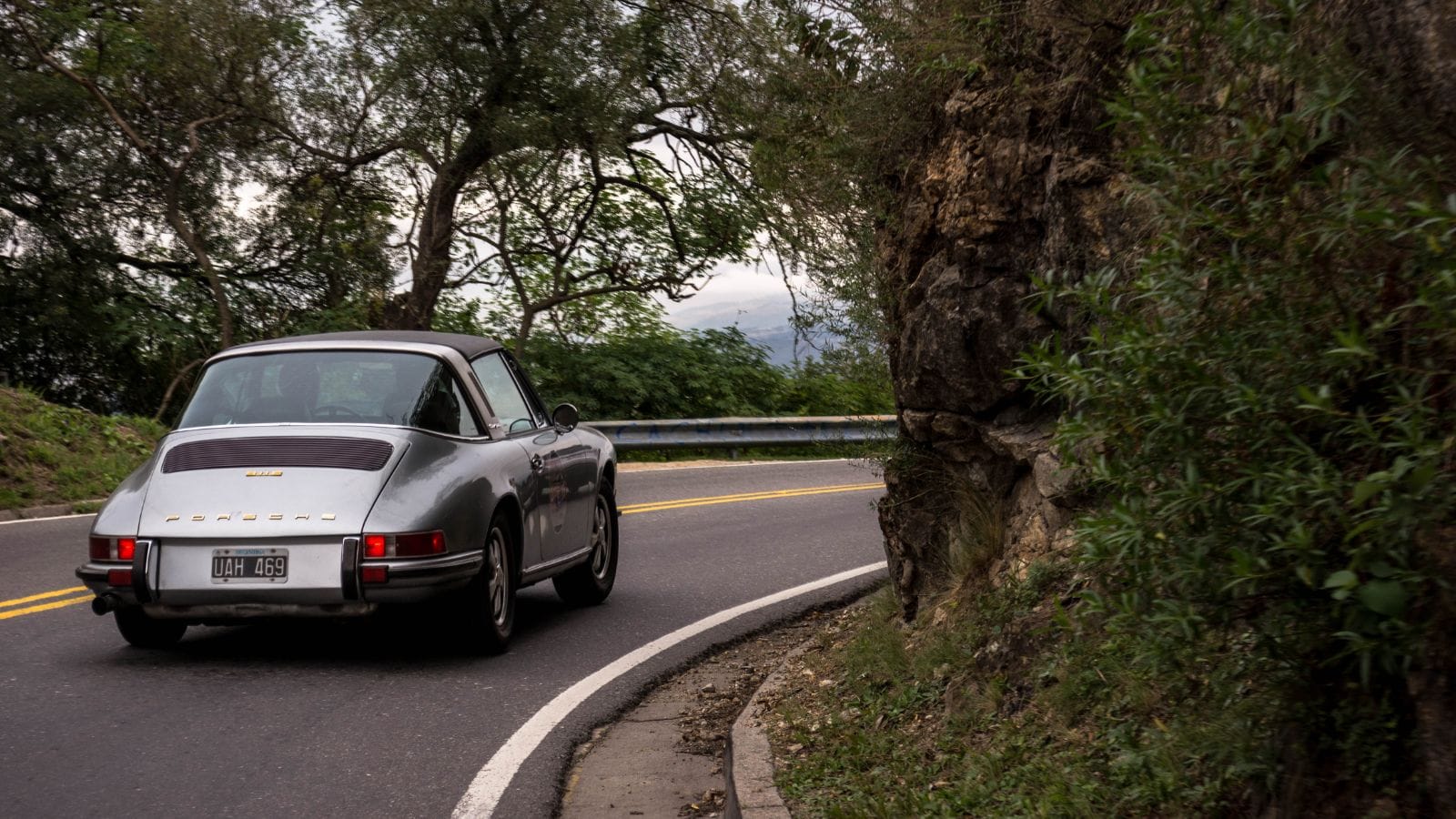
Some drivers balance an automatic car on an incline by pressing the accelerator just enough to stop it rolling backward. The manual equivalent is holding the clutch at its biting point. Both create heat in parts not intended as stationary brakes. Toyota manuals advise against using the accelerator, or the accelerator and brake together, to hold an automatic vehicle on a hill.
It may seem smooth during a queue on a slope. But the transmission’s torque converter or clutch packs continue working against the vehicle’s weight, and a manual clutch remains partially engaged. Brake-hold and hill-start systems manage this without prolonged slip. Without them, the service brake or parking brake is the correct tool. Separating “hold” from “go” reduces heat, prevents creeping, and avoids turning an uphill queue into premature clutch or transmission service. Using the brake also gives clearer control if traffic suddenly stops or the vehicle begins rolling.
Using the Wrong Gear Makes the Powertrain Labour
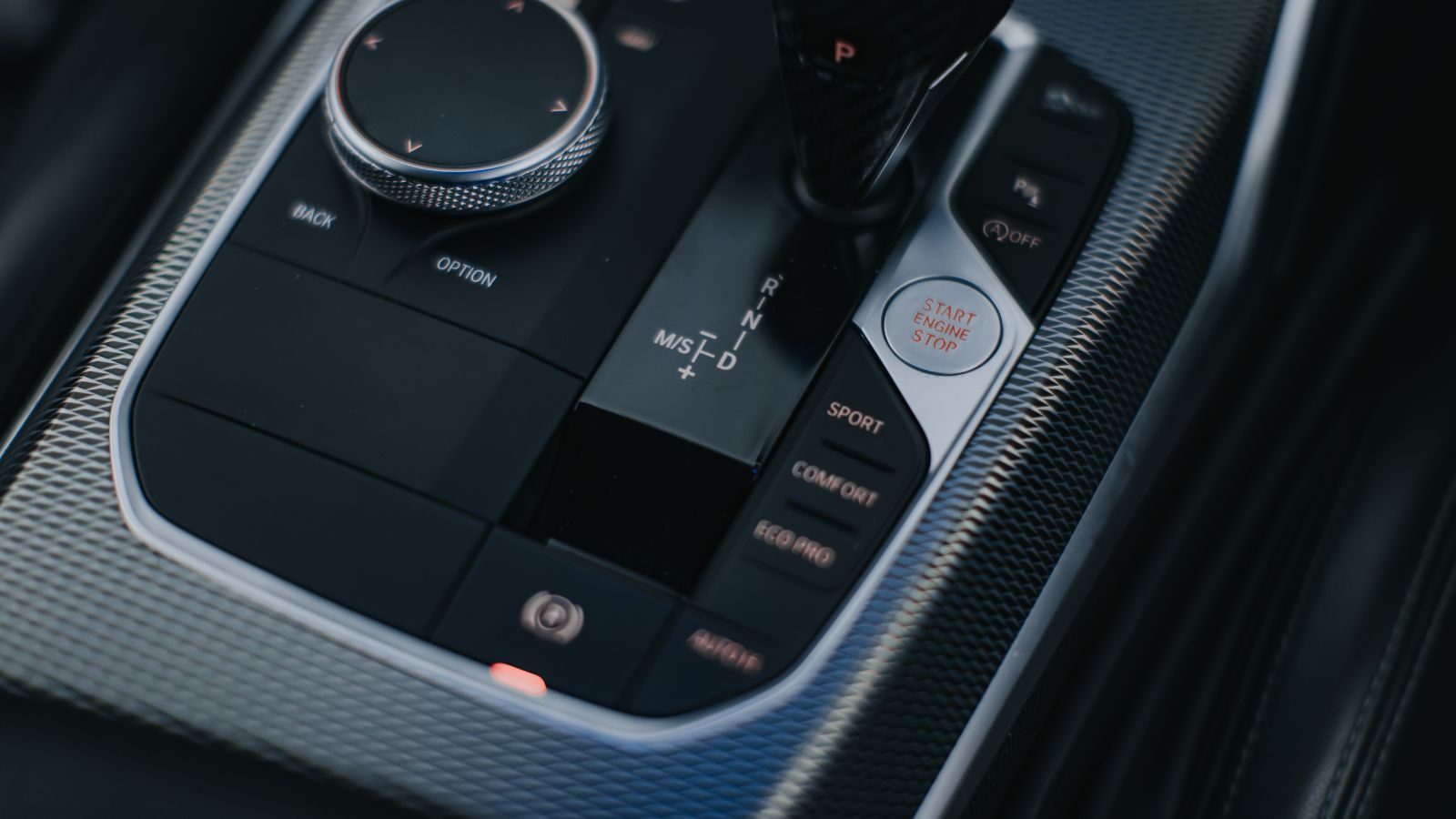
A high gear at low speed can make an engine shudder, hesitate, or respond weakly. Drivers may press the accelerator harder, creating heavy load at low rpm. RAC calls this engine labouring and says accelerating in too high a gear places unnecessary strain on the motor. Conversely, staying in a low gear keeps revs, noise, and fuel use high.
Consider climbing a hill in top gear after an early upshift prompt. If speed falls or vibration begins, changing down is kinder than flooring the accelerator. Automatics choose ratios, but manual modes and poorly judged throttle inputs can still be inefficient. The best gear keeps the engine responsive below the red zone. Smoothly matching road speed, load, and rpm lowers stress, reduces overall fuel burned, and makes driveline vibrations less likely to loosen or fatigue components. A downshift often feels smoother immediately and prevents the accelerator from becoming a blunt solution.
Fast Cornering Scrubs Away Tire Life
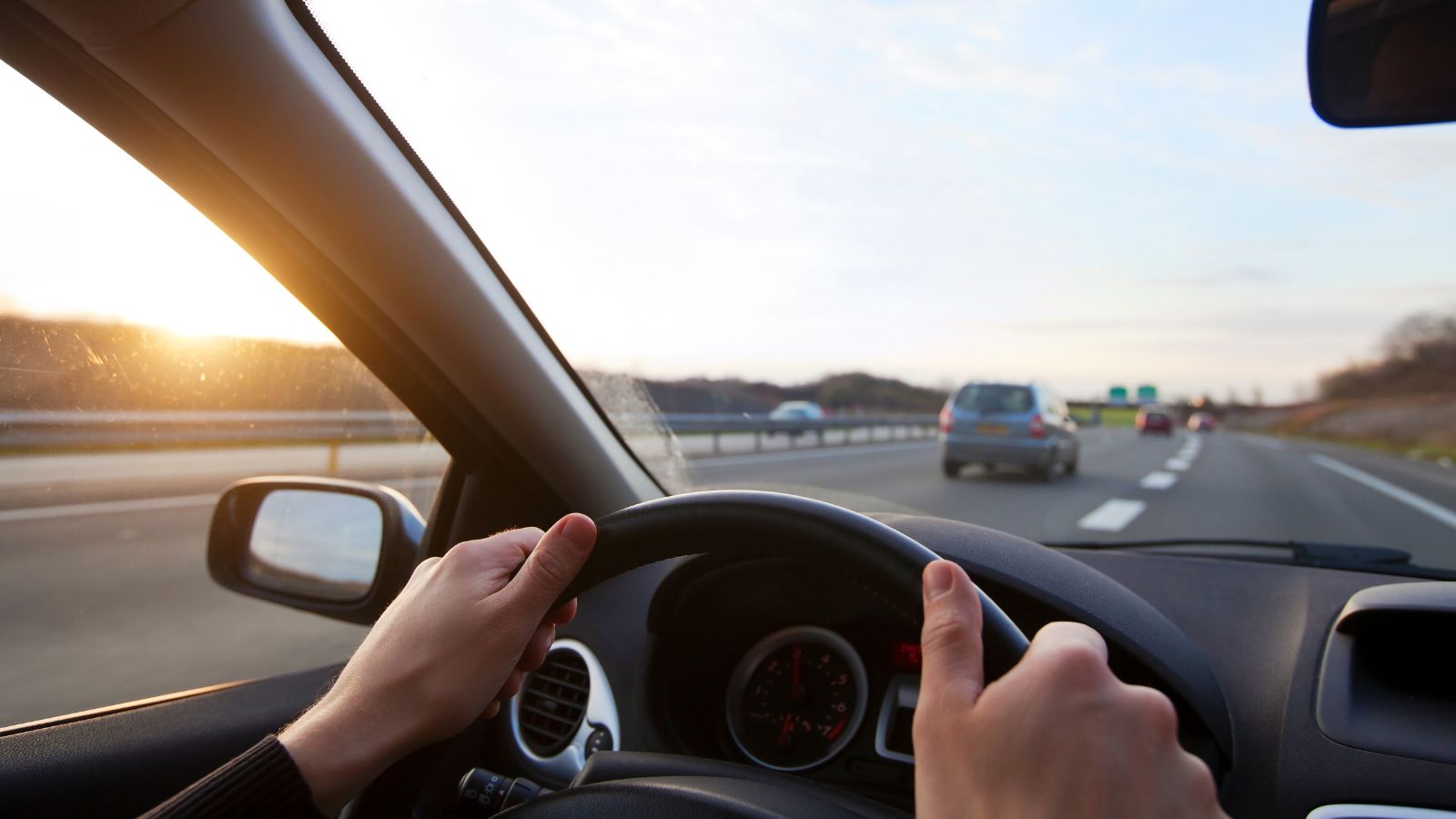
Corners place sideways force through tire contact patches. When a driver enters too quickly, outside shoulders carry more load; the tread must generate greater slip angle to hold the path. A 2022 study found cornering contributed to tire wear, after acceleration and braking events. Michelin likewise advises avoiding fast turns because aggressive cornering heavily loads the outer shoulder.
The expense can hide in a healthy-looking tire. Central tread depth may look acceptable while the outside edges are worn, feathered, or overheated. A driver who attacks every roundabout may reach the replacement threshold earlier than a driver covering the same distance smoothly. Slowing before the bend, steering progressively, and accelerating only as the wheel unwinds spreads forces more evenly. This means completing most braking in a straight line and avoiding abrupt steering corrections that make the tire fight acceleration, braking, and cornering forces simultaneously. Smooth corner exits reduce wheelspin and scrub.
Potholes, Curbs, and Speed Bumps Become Alignment Bills
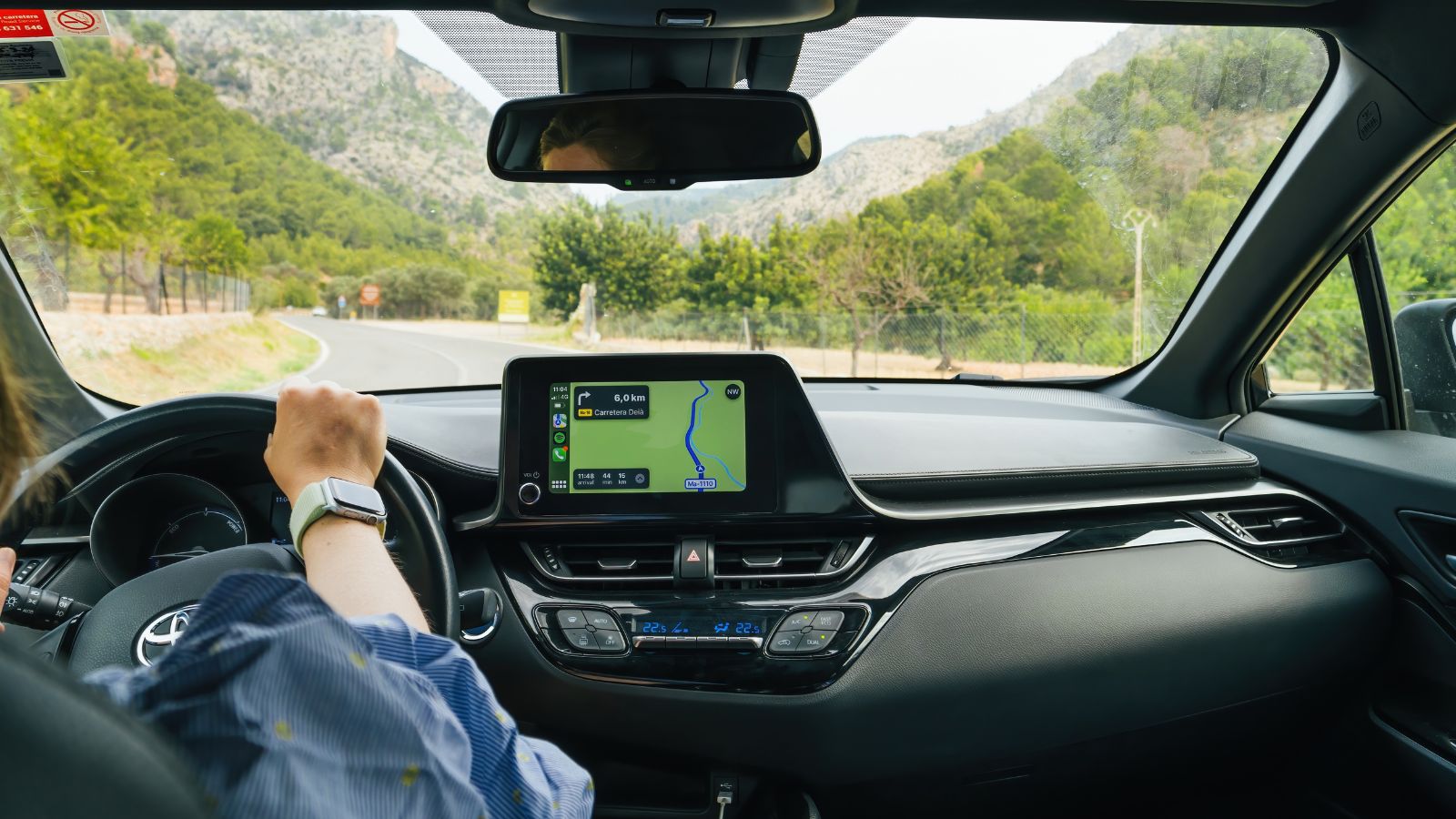
Road impacts may be unavoidable, but speed determines how much energy reaches the tire, wheel, suspension, and body. Toyota advises crossing bumps slowly to avoid damage to wheels and the underside. Tire manufacturers also warn that potholes and curbs can cause impact breaks, bulges, wheel damage, and misalignment. Low-profile tires have less sidewall to cushion the strike, making impacts costlier.
One pothole hit may leave no immediate warning. Days later, the steering wheel may sit off-centre, the car may pull, or an inner tire edge may begin wearing rapidly. Michelin says even slight misalignment forces parts of the tread to work harder, shortening tire life. Scanning farther ahead, leaving sight distance, and slowing safely can reduce impact severity. Treating speed bumps as suspension tests saves seconds at most and can create disproportionate repair costs. A slower impact can mean the difference between a jolt and a wheel or tire repair.
Tailgating Forces More Braking and Raises Collision Exposure
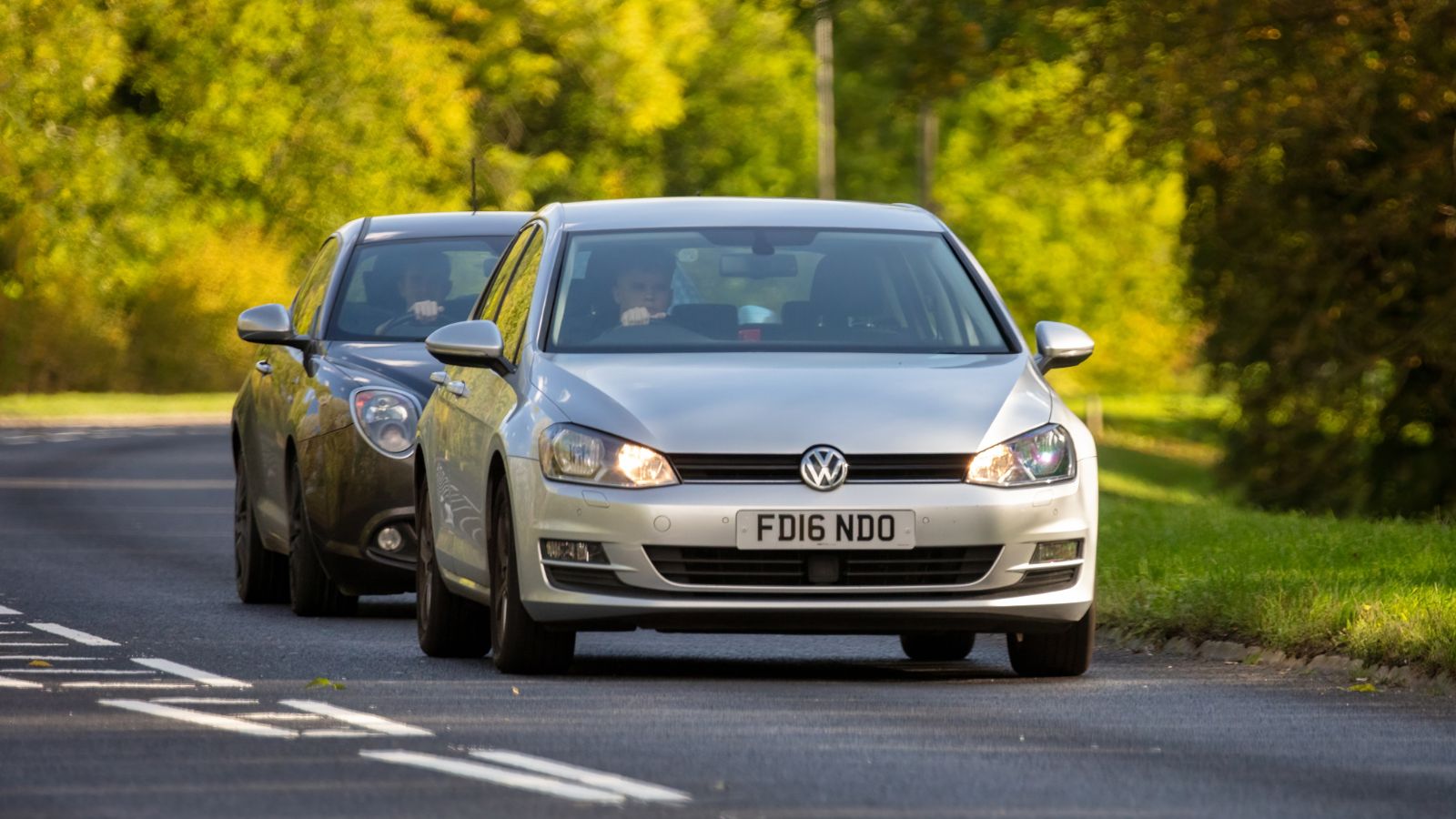
Following too closely removes the space needed to absorb traffic changes. Drivers must react to every small slowdown with a sharper lift or brake application, then accelerate again when the gap reopens. This wastes fuel and increases heat and wear in brakes and tires. More distance allows gentle speed adjustments without using the brake pedal.
The greater risk is a rear-end collision. NHTSA says speed increases stopping distance and danger, while crashes bring deductibles, repairs, lost resale value, and insurance consequences. A commuter who sits one car length behind another rarely arrives sooner; traffic flow, not bumper proximity, controls the trip. Several seconds of space often converts sudden stops into gradual ones. That protects mechanical parts daily and may prevent an ownership-defining expense. It also improves visibility around the vehicle ahead, giving earlier warning of debris, potholes, queues, and signals that would otherwise provoke abrupt, costly reactions from the driver.
Carrying Unnecessary Weight Makes Every Acceleration Costlier
Extra mass must accelerate, climb, and stop. Energy Department guidance estimates an additional 100 pounds can reduce fuel economy by about 1 percent, with greater effect in smaller vehicles. The number varies by vehicle and conditions, but moving unused equipment, tools, or cargo requires energy on every trip.
Style magnifies it. Rapid loaded starts demand more power, while late braking converts the additional momentum into greater brake heat. Overloading raises tire stress; manufacturers warn against exceeding the vehicle’s payload and axle ratings. A boot permanently filled with sports gear, building materials, or work equipment may seem convenient, yet it becomes paid passenger weight all week. Removing items that are not needed, distributing loads correctly, and adapting speed and following distance when heavily loaded protect fuel economy, braking performance, tires, and suspension components. The effect is especially noticeable in city driving, where the vehicle repeatedly accelerates from rest after every stop.
Roof Cargo at Highway Speed Creates an Aerodynamic Tax
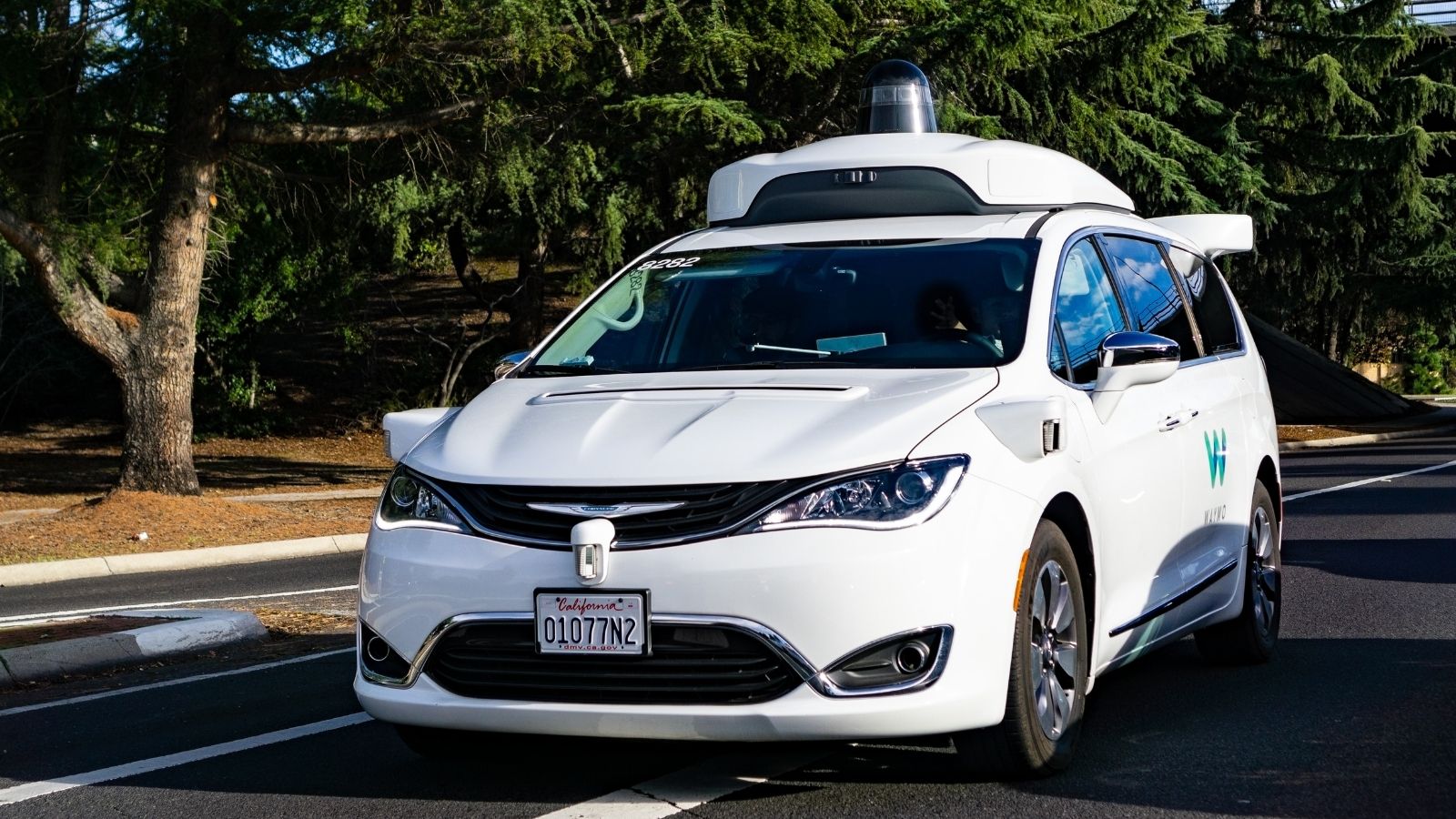
A roof box left installed after a holiday still charges an aerodynamic fee. Energy Department testing found a large, blunt rooftop cargo box could reduce fuel economy by 2 to 8 percent in city driving, 6 to 17 percent on the highway, and 10 to 25 percent at interstate speeds. It worsens with speed because the vehicle must push increasingly resistant air around the added shape.
Driving style sets the cost. A streamlined box at moderate speed differs from cruising quickly into a headwind with bicycles or exposed luggage above the roofline. The driver may compensate for the extra drag with more throttle without noticing the loss. Removing racks and boxes when they are not needed is the solution. When needed, secure it properly, minimize frontal area, and moderate speed. Rear-mounted carriers impose a smaller fuel penalty than large rooftop boxes. An empty rack still creates drag on every journey.
Fast Towing Multiplies Drag, Load, and Heat
Towing changes more than weight. A trailer adds rolling resistance, frontal area, aerodynamic turbulence, and load on cooling, transmission, tires, and brakes. Energy Department testing found a large box trailer at maximum capacity doubled an SUV’s fuel consumption at speeds above 65 mph in testing. That figure is not typical of every rig, but it shows how rapidly speed and trailer drag can compound.
The costly mistake is treating the combination like an unladen car. Quick acceleration builds transmission heat, speed magnifies aerodynamic resistance, and late braking asks both vehicle and trailer systems to shed greater energy. Crosswinds and emergency manoeuvres also become harder to manage. Staying within rated limits is only a start; drivers should reduce speed, increase following distance, use appropriate tow modes, and anticipate grades. Calm towing lowers fuel use and thermal stress while preserving stability and reducing repair or insurance risk. Trailer tires suffer significantly too.
Continuing on Underinflated Tires Raises Several Costs
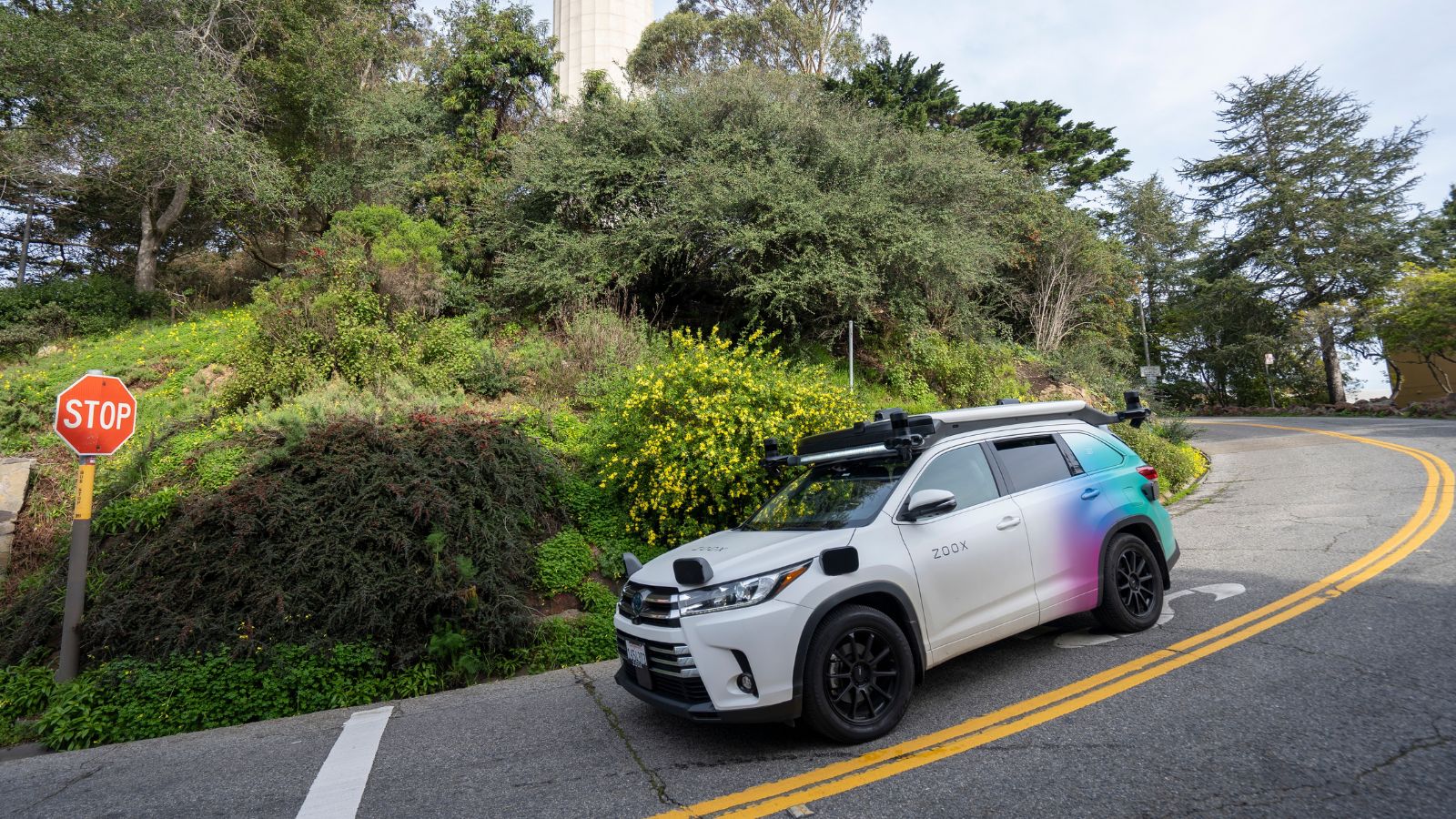
A low-pressure warning is easy to postpone because the tire still looks normal, but underinflation changes casing flex and tread contact. NHTSA cites about a 1 percent fuel-efficiency loss for every three psi below the recommended placard pressure. Honda says underinflated tires wear unevenly, hurt fuel economy and handling, and are more likely to fail from overheating.
Driving style affects severity. High speed, heavy loads, hard cornering, and repeated braking add heat to a tire already flexing more than intended. Results include shoulder wear, reduced tread life, or impact damage that costs far more than a pressure check. TPMS is a warning system, not a replacement for routine measurement; many systems illuminate only after pressure has fallen substantially. Checking cold pressure monthly and before long trips keeps rolling resistance, heat, and wear under control. Use the vehicle placard, not the maximum number on the tire sidewall. Checks prevent larger bills.
Abrupt Lane Changes Load Tires and Invite Damage
A rapid lane change combines steering, lateral tire force, and often acceleration or braking at once. Tires must change direction while abrupt inputs increase slip and heat. Tire-wear research identifies cornering, acceleration, and braking as the main behavioural contributors to tread loss. Manufacturers advise smooth steering, especially in low grip.
Risk extends beyond tread. A dart into a narrow gap may trigger braking, hit a curb, or create collision history. Frequent aggressive steering can also expose worn suspension joints, bushings, or alignment problems sooner. Planning lane changes early, signalling, matching speed, and moving with one progressive steering input achieve the same result. Smoothness is not merely courteous; it reduces tire scrub, limits mechanical shock, and preserves the margin for predictable ownership costs. The calm driver also leaves more time to spot motorcycles, cyclists, road debris, and closing gaps, reducing both sudden corrections and the chance of contact with another vehicle.
22 Things Canadians Do to Their Cars in Spring That Mechanics Hate

Spring brings relief to many Canadian drivers after months of snow, freezing temperatures, and icy roads that put serious strain on vehicles. As temperatures rise across the country, drivers begin washing cars, switching tires, and preparing vehicles for warmer weather and upcoming road trips. However, mechanics across Canada notice the same mistakes every spring when drivers attempt to recover from winter damage. Road salt, potholes, and harsh winter driving conditions often leave vehicles with hidden problems that drivers ignore. Some spring habits even create new mechanical issues that could have been avoided with proper maintenance. Here are 22 things Canadians do to their cars in spring that mechanics hate.

Alanna Rosen is an experienced content writer that focuses on many EV and educational content. Her articles are regularly published on Get CyberTrucked and syndicated on large publications.