Modern vehicles are packed with technology designed to make driving safer, easier and more comfortable. Yet the feature that sounds brilliant in a showroom can become surprisingly irritating after months of commuting, winter weather, software updates and everyday errands. Sometimes the problem is unnecessary complexity. In other cases, a useful technology encourages drivers to expect more than the system can reliably deliver.
These 21 car features illustrate the gap that can develop between a clever engineering idea and the realities of daily ownership. Several remain genuinely useful when implemented well, and some have proven safety benefits. The frustration usually comes from poor execution, added cost, confusing controls or technology that solves a problem drivers never considered particularly difficult in the first place.
Touchscreen Climate Controls
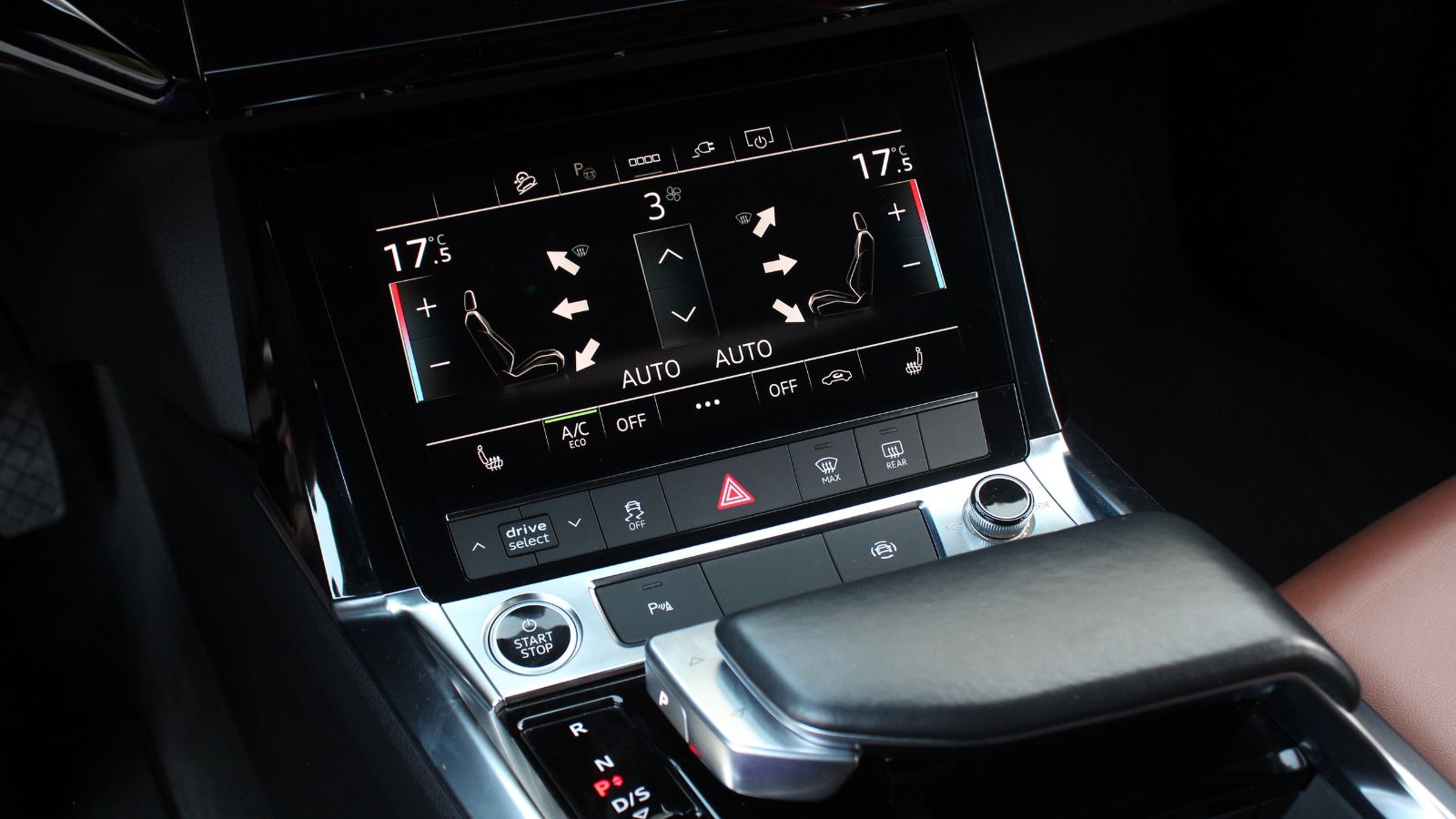
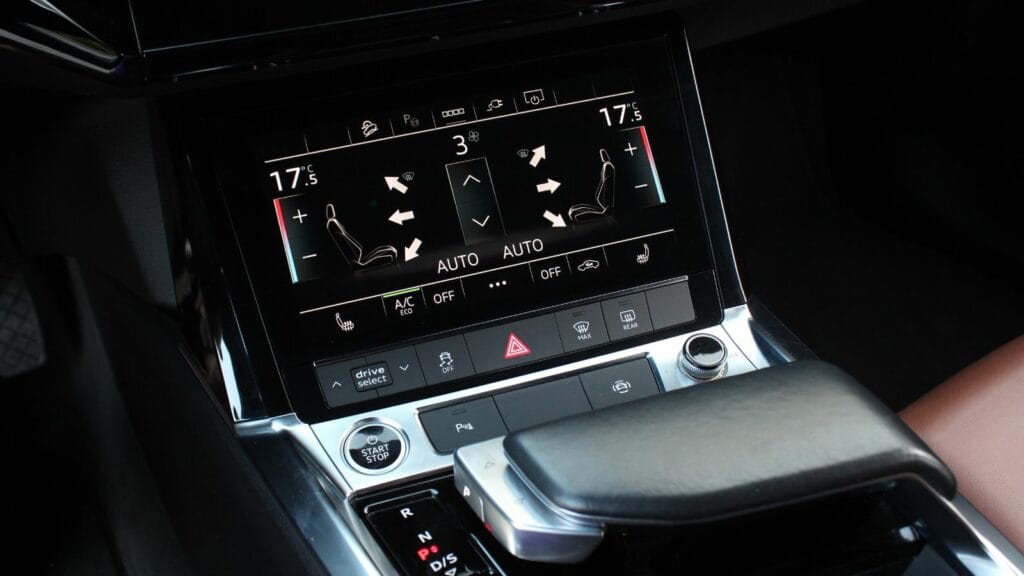
Moving climate controls onto a large central screen makes a dashboard look dramatically cleaner. Designers can eliminate rows of switches, manufacturers can change the interface through software, and the same basic hardware can be used across different trims. Sitting in a showroom, the approach can look futuristic. The irritation usually begins when someone wants to change the temperature while travelling down a rough road. A physical temperature dial can be located by touch. A small digital icon generally requires the driver to look toward the display, identify the correct area and make an accurate tap.
Driver-distraction research has repeatedly raised concerns about lengthy visual-manual interactions with infotainment systems. That does not mean a touchscreen is automatically unsafe, but it explains why seemingly simple functions can become troublesome when buried inside software. Some manufacturers have begun emphasizing physical controls again, particularly for frequently used functions. The lesson is straightforward: eliminating buttons saves dashboard space, but it does not necessarily make operating a car simpler.
Capacitive Touch Steering-Wheel Buttons
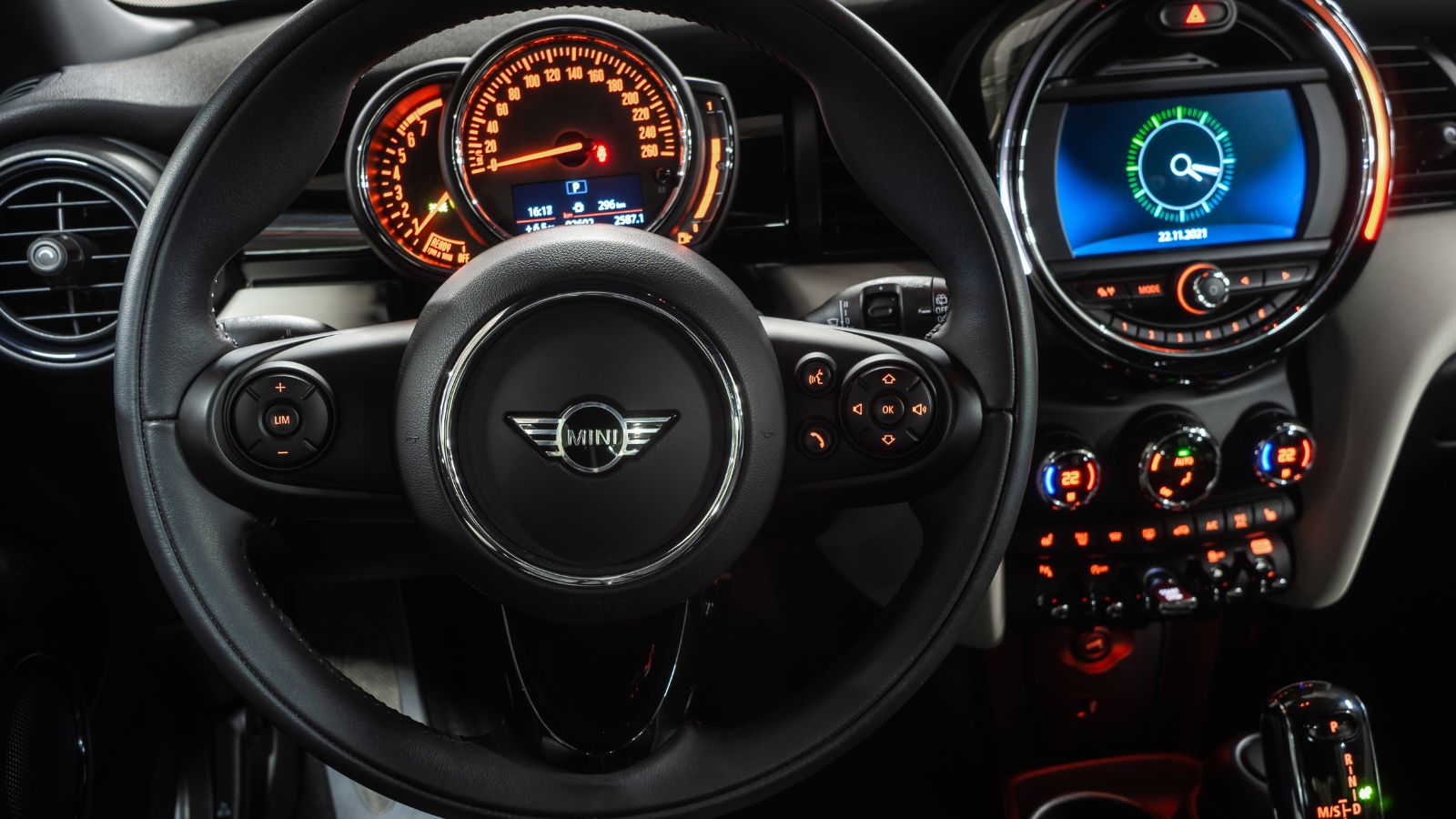
Capacitive controls promise the elegance of a smartphone without requiring a mechanical button underneath every function. A driver can theoretically swipe the steering wheel to change volume or gently touch a surface to activate another command. Automakers also gain flexibility because one smooth panel can replace an assortment of switches. Unfortunately, a steering wheel is a particularly unforgiving place for controls that respond to accidental contact. Hands are constantly moving while turning, parking and repositioning their grip.
Volkswagen became one of the most prominent examples of the backlash against this approach. Its touch-sensitive steering-wheel controls attracted enough criticism that the company announced a return to conventional physical buttons on future products. The episode illustrates the difference between visual minimalism and practical ergonomics. Traditional switches provide resistance, shape and a distinct click that can tell a driver what happened without requiring confirmation on a screen. A completely flat control surface may look more sophisticated, yet it can remove precisely the tactile feedback that is most valuable while a vehicle is moving.
Gesture Controls
Gesture recognition sounds like something borrowed from a science-fiction film. Instead of reaching for the dashboard, a driver can twirl a finger to change volume or make another predefined motion to accept a call. BMW became one of the best-known manufacturers to offer in-car gesture control, demonstrating how cameras could recognize hand movements in the cabin. The system showed what was technically possible, but it also revealed an awkward question: is waving a hand actually easier than turning a knob?
Gesture systems must distinguish intentional movements from ordinary hand motions, and drivers must remember which movement corresponds to which command. That creates a learning curve for functions that previously required little thought. Owners may also find themselves repeating a gesture when the first attempt is not recognized. The technology remains interesting, and camera-based cabin monitoring has many potentially valuable applications. But using complex sensing equipment to duplicate a volume knob is a good example of innovation that can feel more impressive during a demonstration than during an ordinary morning commute.
Built-In Voice Assistants

A voice assistant seems like the perfect automotive interface. Drivers could keep both hands on the wheel and request navigation, change music or adjust cabin functions simply by speaking. Modern vehicles increasingly integrate proprietary assistants or systems from technology companies for exactly that reason. Voice recognition has improved enormously, particularly when cars have strong connectivity and microphones capable of filtering road noise.
The difficulty is that speech recognition still has to cope with accents, unusual street names, children talking in the back seat, weak data connections and commands that can be phrased dozens of different ways. AAA Foundation research has also shown that voice-based interactions can still impose cognitive workload even when drivers are not physically manipulating a screen. J.D. Power studies have repeatedly identified infotainment and connectivity as significant sources of owner complaints. Voice control is therefore most convincing when it provides a quick alternative to a simple physical control. When it becomes the only convenient way to reach a function, a failed command can make a conventional button suddenly seem remarkably advanced.
Automatic Stop-Start Systems
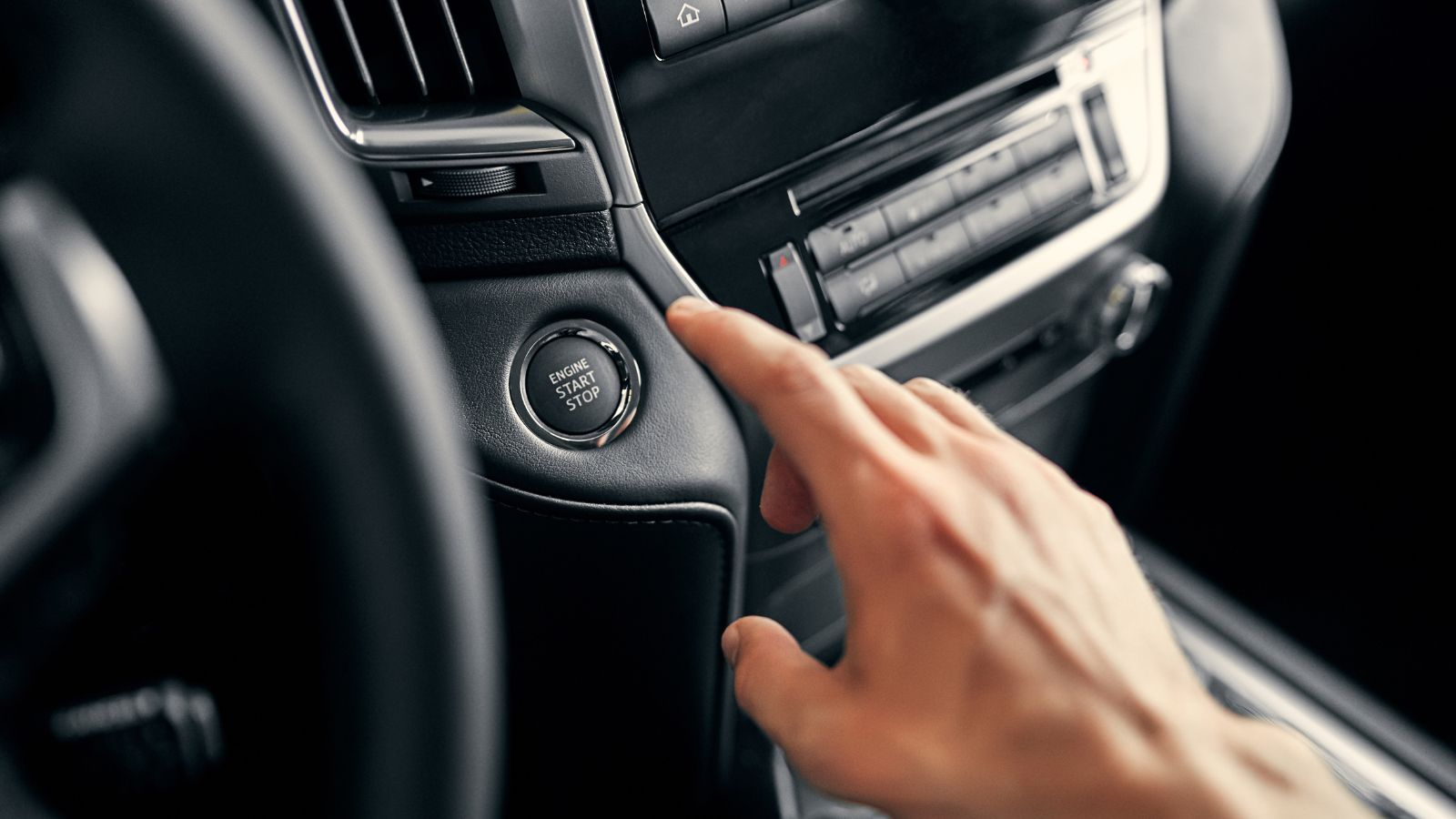
Automatic stop-start technology addresses an obvious inefficiency: a gasoline engine does not need to burn fuel while a vehicle is sitting motionless at a traffic light. The system shuts the engine down when conditions allow and restarts it when the driver releases the brake or requests acceleration. Government fuel-economy guidance recognizes that reducing unnecessary idling can save fuel, making the basic engineering logic difficult to dispute.
Real-world reactions can be much less enthusiastic. Some drivers notice vibration each time the engine restarts. Others dislike the slight change in response when pulling away, particularly in heavy stop-and-go traffic. Cabin heating or air conditioning requirements can also cause the engine to restart before the vehicle moves. Manufacturers have invested heavily in stronger starters, batteries and smoother control strategies, so newer systems can be substantially less intrusive than early versions. Even so, the presence of stop-start defeat buttons in many vehicles says something about the gap between laboratory efficiency and personal preference: a feature can save fuel while still becoming the first thing an owner switches off.
Lane-Keeping Assist

Lane-keeping technology can detect road markings and provide steering assistance when a vehicle begins moving toward the edge of its lane. At its best, the feature can provide a useful warning when attention slips momentarily. Lane-departure prevention is also part of the larger family of advanced driver-assistance technologies that safety organizations continue to study and encourage.
The trouble emerges on roads that do not resemble ideal test conditions. Construction zones, faded markings, snow, temporary lane lines and unusual pavement geometry can make lane detection more difficult. Some systems intervene gently, while others can produce steering corrections that surprise a driver who intentionally moves within the lane to avoid a pothole or cyclist. IIHS evaluations of driver-assistance technology have repeatedly emphasized that these systems remain assistance rather than autonomous driving. A lane-keeping system can therefore be valuable, but it works best when the driver understands its limitations. The theoretical version confidently keeps the vehicle centred. The real one occasionally needs a human to tell it that the painted line no longer represents reality.
Lane-Centring and Highway Assist
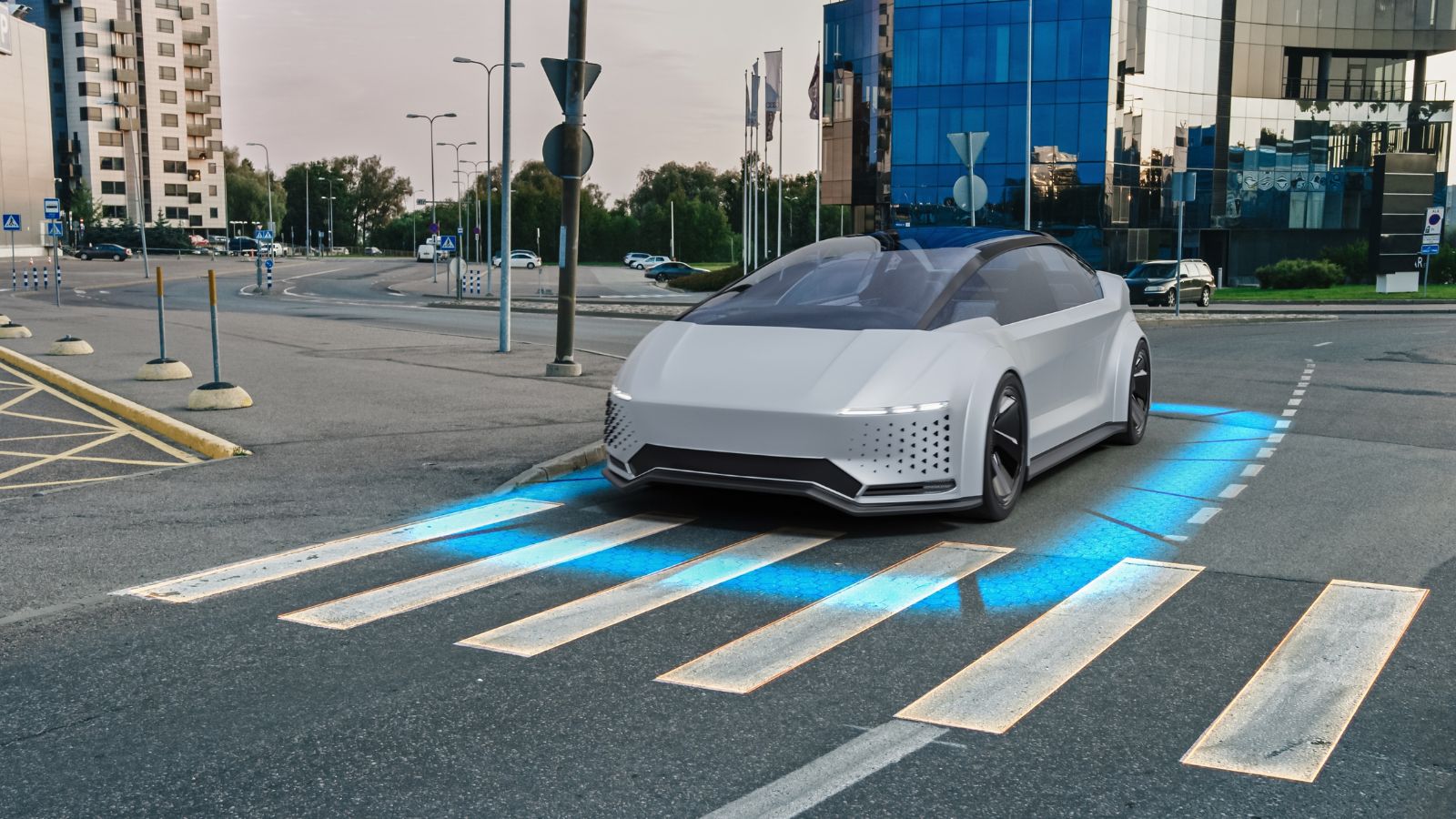
Lane-centring systems go further than basic lane-departure warnings by continuously helping position a vehicle within its lane. Combine that with adaptive cruise control and highway travel can become noticeably less tiring. It is one of the clearest examples of automation delivering a genuine comfort benefit, particularly during long stretches of predictable freeway driving.
That convenience creates a different problem: systems that perform well can make it tempting for drivers to treat them as more capable than they really are. IIHS has evaluated safeguards intended to ensure that motorists remain engaged while partial-automation systems operate, finding significant differences among manufacturers. NHTSA likewise stresses that currently available driver-assistance systems require active human supervision. Sharp curves, obscured markings, construction zones and vehicles entering unexpectedly can still demand immediate intervention. The feature therefore occupies an uncomfortable middle ground. It performs enough of the driving task to encourage relaxation, yet not enough to permit genuine disengagement. That human-factors challenge is considerably harder to explain in a brochure than automatic steering itself.
Automatic Emergency Braking That Feels Omnipotent
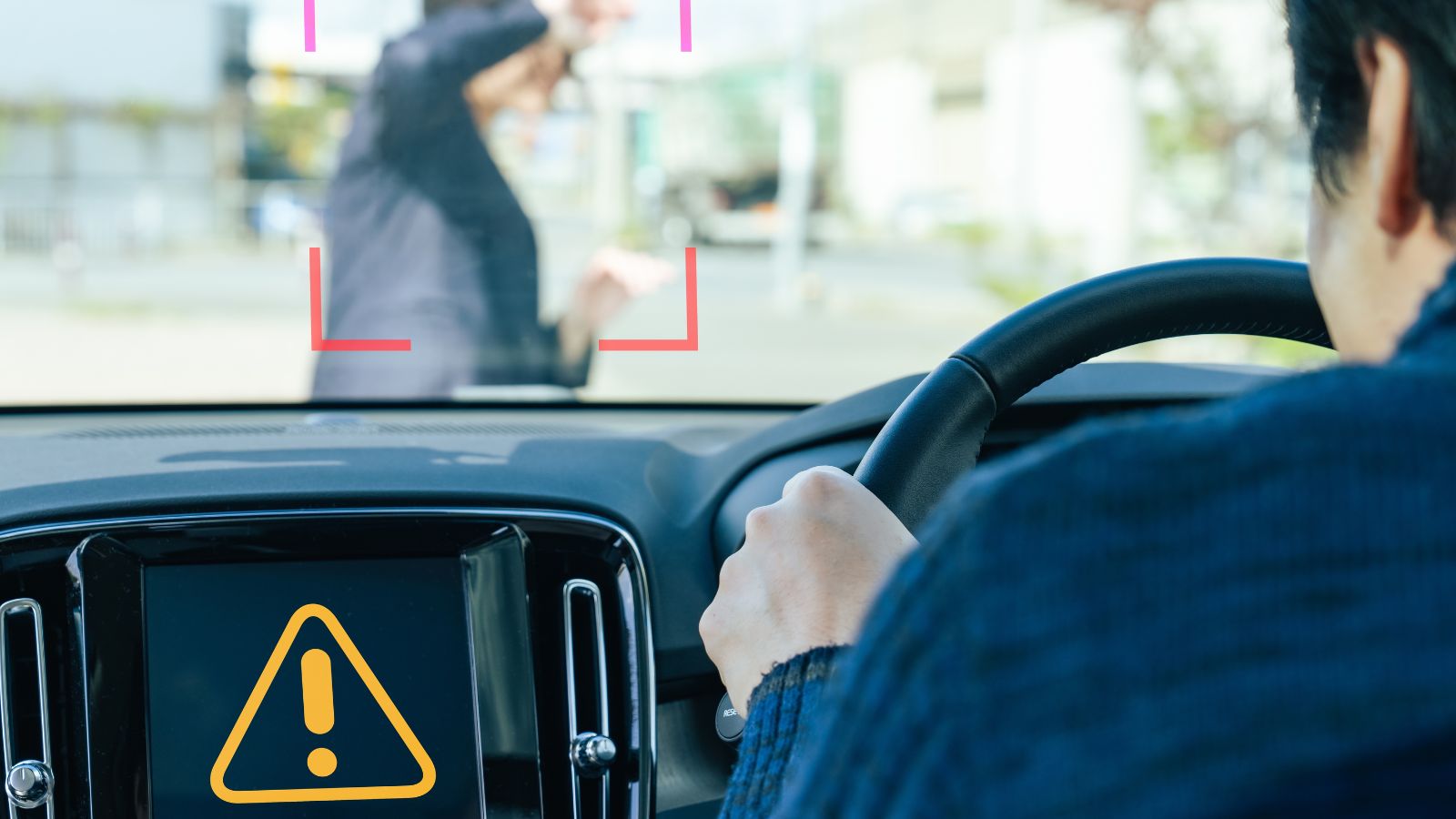
Automatic emergency braking is not a gimmick. Research from IIHS has found substantial reductions in certain types of rear-end crashes when effective front crash-prevention systems are fitted. Regulators have consequently pushed toward broader adoption. The problem is not the underlying feature but the expectations created around it. A driver may see “automatic emergency braking” on a specification sheet and assume the vehicle can reliably recognize every pedestrian, bicycle or suddenly stopped car under every condition.
Real systems operate within limits involving speed, sensor visibility, lighting, weather and the type of object ahead. Testing by safety organizations has historically found meaningful differences among systems and scenarios, particularly in more challenging conditions. Automakers also warn owners that these systems cannot substitute for attentive driving. In normal ownership, cameras can become obscured by snow and radar sensors can be affected by dirt or damage. AEB is therefore one of the more valuable technologies on this list, but it becomes disappointing when its name suggests an electronic guardian capable of rescuing every mistake. It is a safety net, not a guarantee.
Automatic Parking
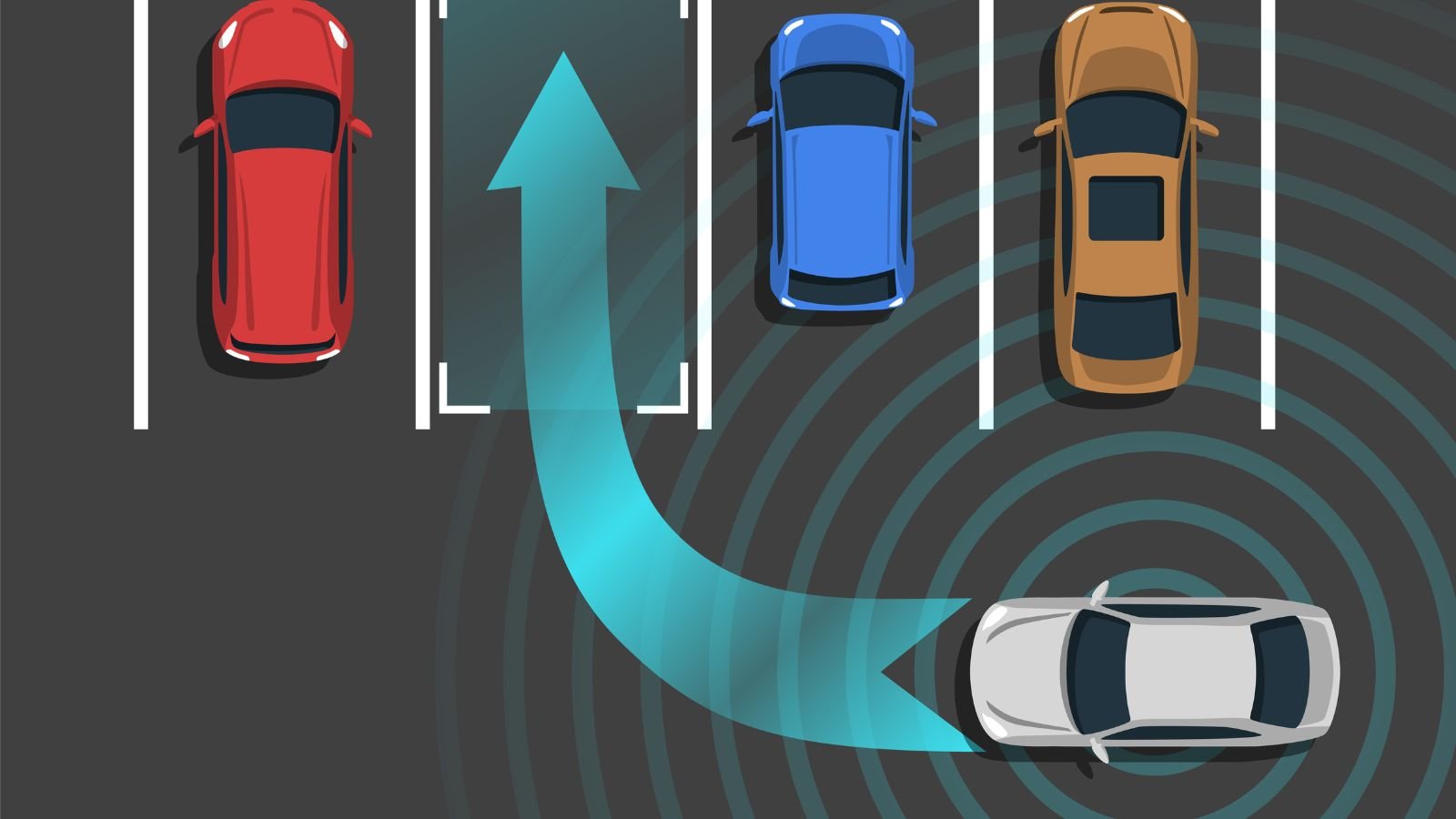
Few driving situations create more anxiety than squeezing a vehicle into a narrow parallel-parking space while traffic waits behind. Automatic parking seems tailor-made for the problem. Sensors measure the available space, software calculates a trajectory and the vehicle handles some or all of the steering. Earlier AAA testing found that automated parking systems could outperform drivers on certain parking measures, demonstrating that the concept has genuine merit.
The inconvenience lies in everything surrounding the manoeuvre. The driver may have to activate the correct mode, move slowly enough for the vehicle to identify a space, confirm the selection and continue supervising braking, shifting or surroundings depending on the system. Irregular curbs, badly parked neighbouring vehicles and unusual spaces can complicate matters. An experienced driver may simply park before the automated procedure has finished preparing itself. Newer remote and automated systems are becoming more sophisticated, but the old paradox remains: the people who most need parking assistance may find the instructions stressful, while confident parkers may consider the automation slower than doing the job themselves.
Automatic High Beams
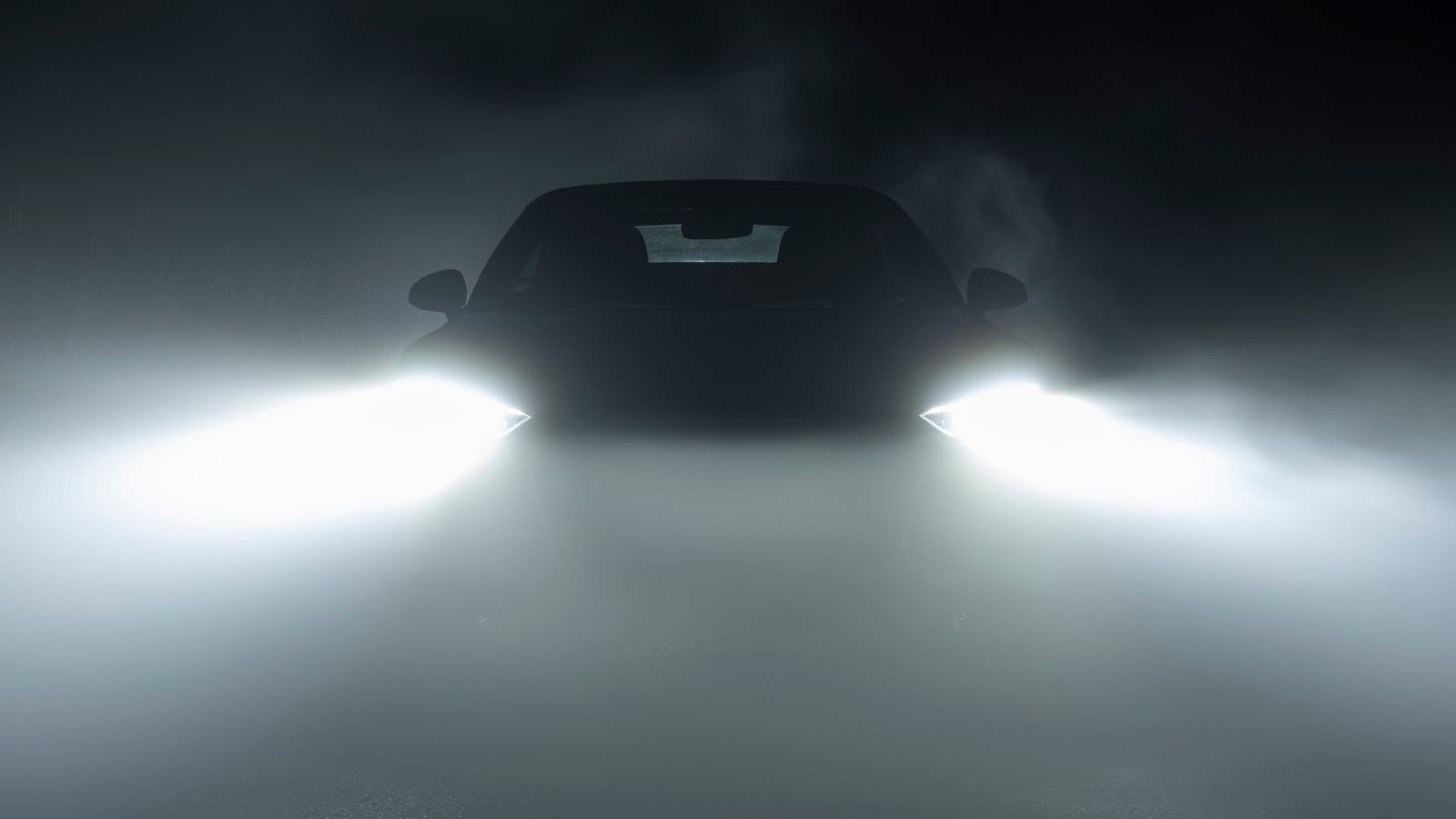
Automatic high-beam systems are built around a sensible safety objective. High beams can dramatically improve forward visibility on dark roads, but drivers often forget to use them or hesitate because they do not want to glare other motorists. Automatic systems monitor the roadway and switch between high and low beams as conditions change. IIHS headlight evaluations have recognized the potential value of high-beam assist when assessing nighttime visibility.
Actual roads are more complicated than a simple oncoming-headlight test. Reflective signs, hills, curves, roadside lighting and vehicles travelling far ahead can influence how a system behaves. Drivers sometimes find the lights dipping when they would prefer high beams or remaining bright longer than expected. Dirty cameras or winter precipitation can add another variable. None of these issues eliminates the benefit of the technology, especially on rural roads, but they can turn a supposedly invisible convenience into something the driver watches constantly. A feature intended to remove one repetitive task is less impressive if the motorist spends the trip wondering whether the car is about to make the correct lighting decision.
Rain-Sensing Wipers
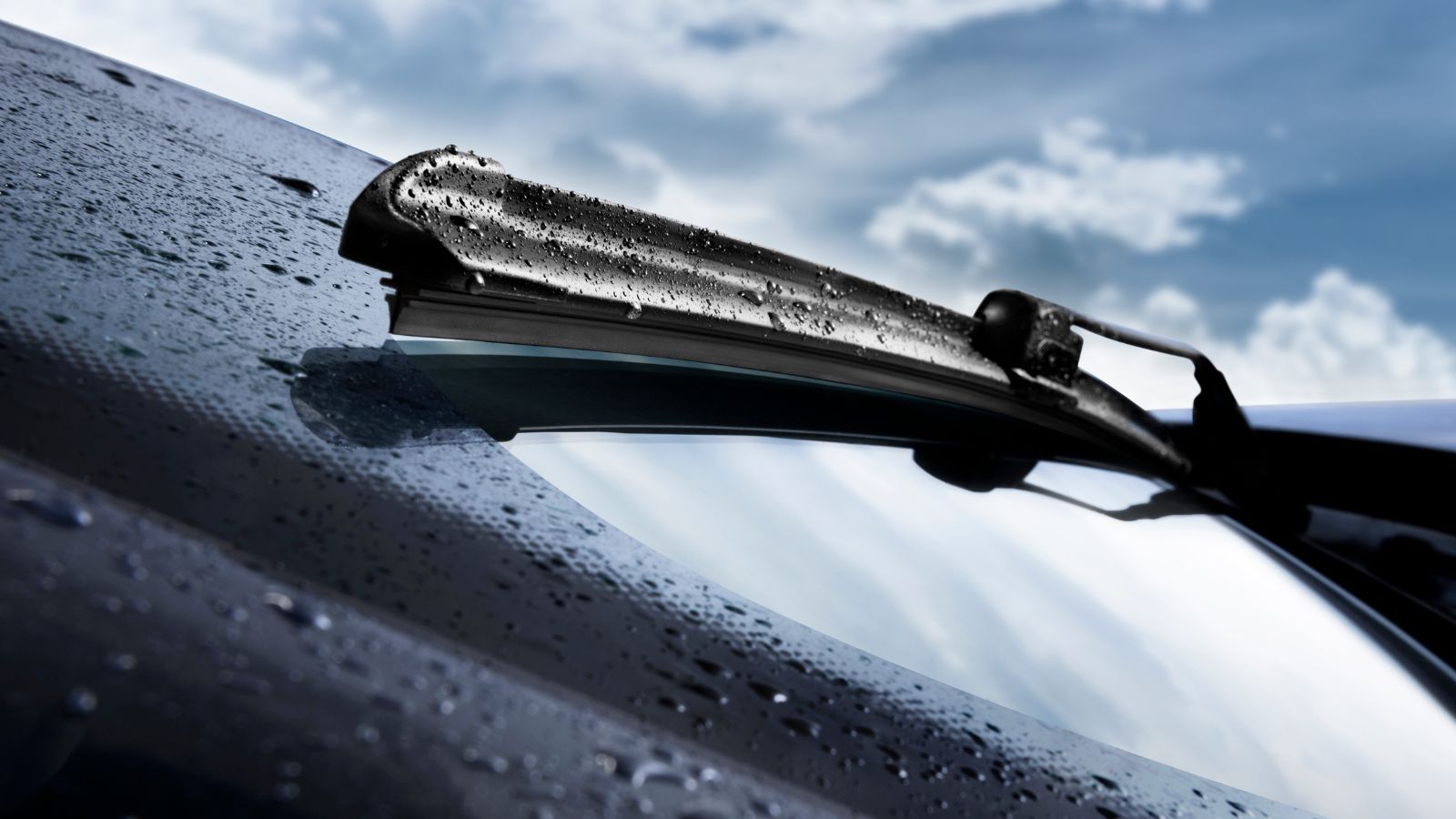
Rain-sensing wipers seem almost impossible to dislike. A sensor detects moisture on the windshield, the wipers begin automatically and their speed changes as rainfall intensifies. There is no need to keep reaching for the stalk as weather shifts between drizzle and heavy rain. Suppliers have refined optical rain sensors for decades, and the technology is now common well beyond luxury vehicles.
The frustration usually comes from the fact that rainfall is highly subjective from the driver’s seat. One person wants the windshield wiped at the first few droplets, while another prefers to wait until visibility noticeably declines. Light mist, road spray, snow, salt residue and water concentrated on only part of the glass can all create situations where the automatic setting does not match that preference. Most systems provide sensitivity adjustment for precisely this reason, effectively asking the driver to fine-tune the automation. Rain sensors remain useful, particularly during inconsistent showers, but they demonstrate a recurring automotive problem: automating a very easy manual task only feels like progress when the automated behaviour consistently matches what the person behind the wheel would have done.
Giant Factory Wheels

Large wheels can transform the appearance of a vehicle. They fill wheel arches, provide a sporty stance and often become the visual centrepiece of expensive trim packages. On performance cars, larger wheel and tire combinations can also accommodate bigger brakes and provide sharper handling characteristics. The appeal is easy to understand when two versions of the same vehicle are parked beside each other in a showroom.
Daily driving reveals the compromises. Increasing wheel diameter often means fitting a tire with a shorter sidewall to maintain approximately the same overall tire diameter. Less sidewall leaves less rubber and air to absorb broken pavement, which can make impacts feel harsher and can increase vulnerability to pothole damage. Larger wheel-and-tire assemblies may also add weight and aerodynamic drag. Electric-vehicle manufacturers sometimes publish different official range figures for different wheel sizes, making the efficiency trade-off unusually visible. The biggest wheels may therefore look best in photographs while the smaller factory option delivers the quieter ride, cheaper tires and longer driving range many owners ultimately value more.
Panoramic Glass Roofs
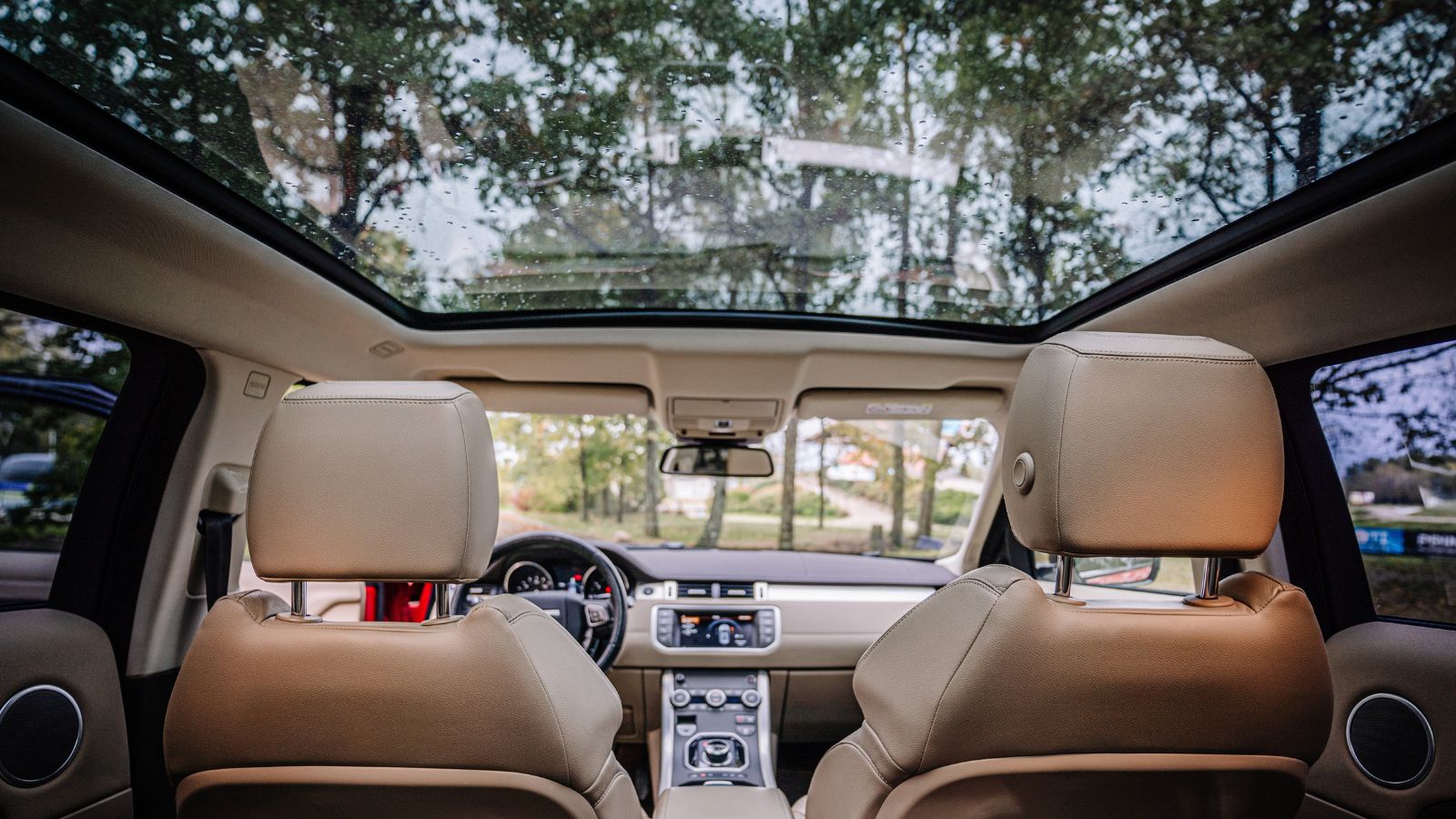
A panoramic roof can completely change a vehicle’s atmosphere. Cabins that might otherwise feel dark become bright and open, rear-seat passengers gain a view of the sky, and luxury vehicles acquire another dramatic feature for dealership demonstrations. Large glass roofs have become common enough that they now appear on crossovers and electric vehicles far below the traditional premium segment.
The ownership equation is less romantic. Glass above the passenger compartment adds another large surface through which heat must be managed, which is why manufacturers use tinting, coatings, shades and sophisticated climate systems. The roof assembly can also be heavier and mechanically more complicated than a simple fixed steel panel when tracks, motors and movable sections are included. Drain channels on opening sunroofs must remain clear, and damaged panoramic glass is not comparable to replacing a small conventional window. Modern automotive roof glass is engineered to demanding safety standards, so the concern is not that every panoramic roof is fragile. The issue is whether the extra light is worth the additional complexity, heat management and potential repair expense.
Run-Flat Tires
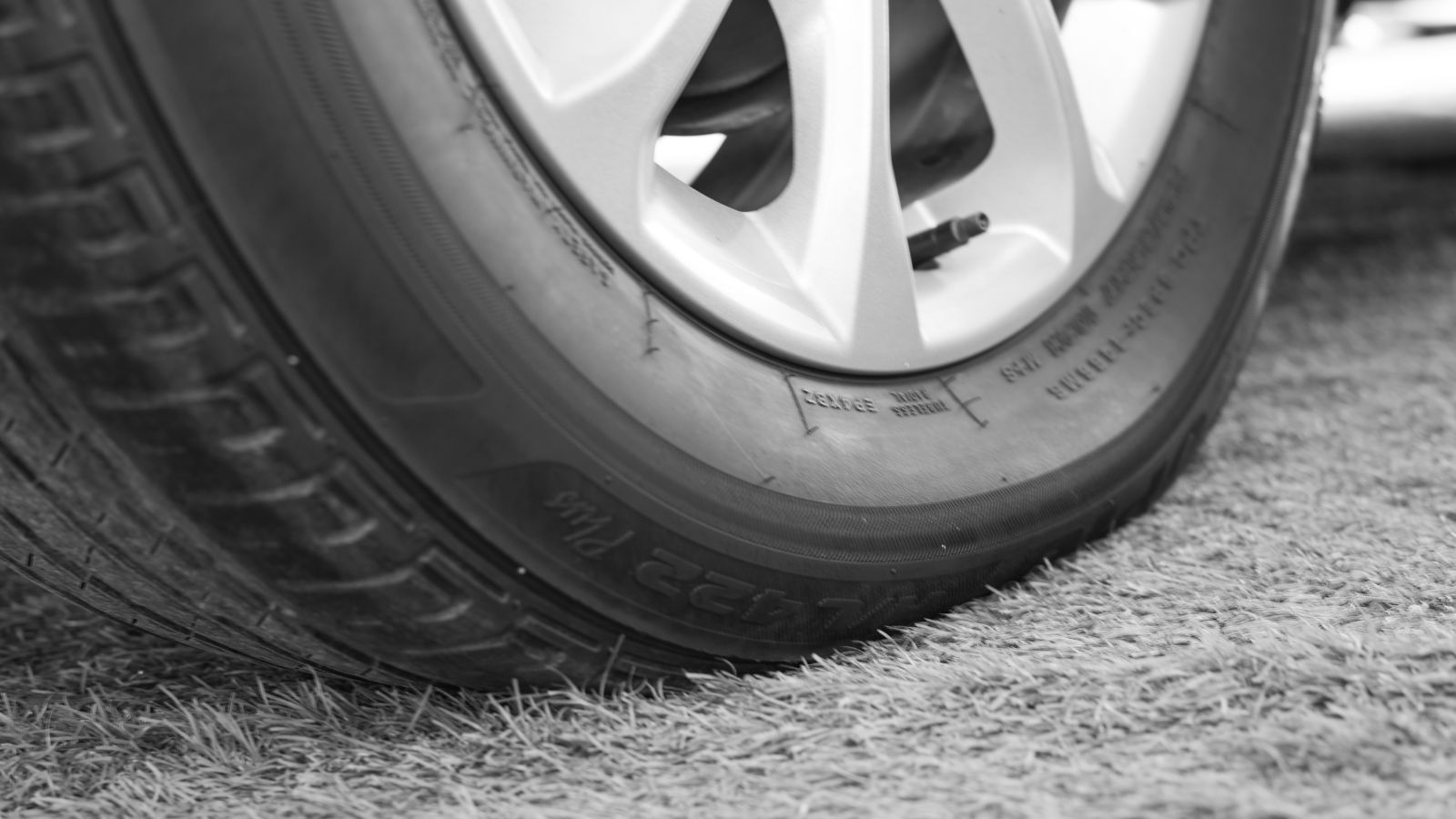
Run-flat tires promise freedom from one of motoring’s most inconvenient emergencies. Reinforced construction allows certain designs to support the vehicle temporarily after air pressure is lost, giving the driver an opportunity to reach a safer location instead of changing a tire beside traffic. Many run-flat systems permit limited travel—commonly around 50 miles under specified speed and load conditions—although the exact limit depends on the tire manufacturer.
That capability comes with trade-offs. Reinforced sidewalls can contribute to a firmer ride, and a punctured run-flat may not always be repairable depending on how far it was driven and what damage occurred. Replacement availability can become an issue on a road trip if a shop does not stock the required size. Vehicles designed around run-flats also frequently omit a conventional spare tire, meaning the technology that was supposed to eliminate roadside inconvenience can leave an owner dependent on finding the correct replacement. Run-flats solve the immediate problem of a sudden pressure loss remarkably well. They are less convincing when the conversation moves from getting home safely to cost, comfort and what happens the next morning.
Electronic Gear Selectors
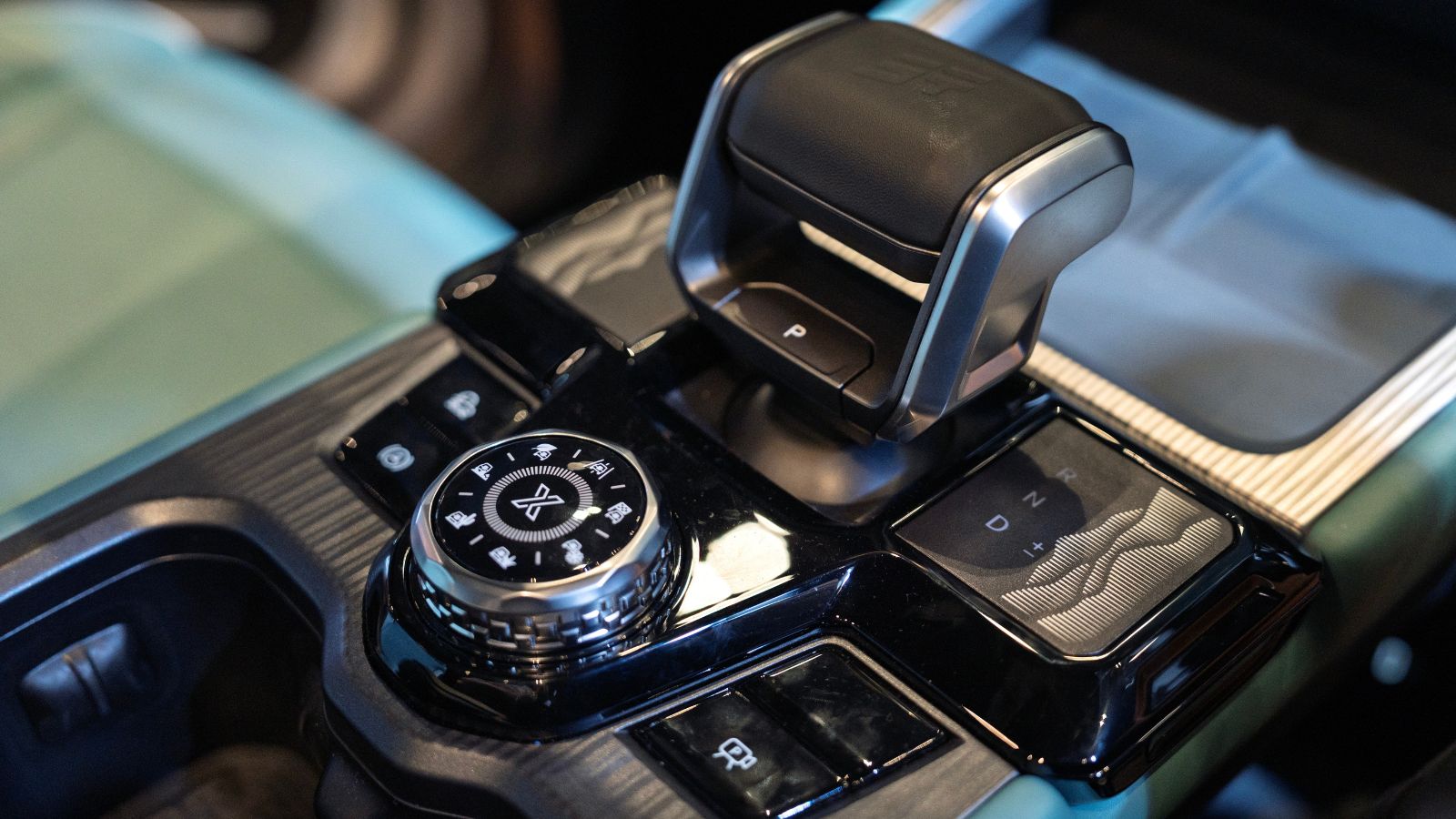
Mechanical gear levers once provided strong physical clues about a vehicle’s state. Their position could often be confirmed with a glance—or even by feel. Electronic transmissions allowed manufacturers to replace that mechanical linkage with small joysticks, rotary dials, push buttons and other selectors. The packaging advantages are substantial because designers no longer need a large lever occupying the centre console.
The safety challenge became clear when unfamiliar electronic selectors left some drivers uncertain about whether vehicles had actually been placed in Park. A major Fiat Chrysler recall involving certain electronic shifters followed reports of rollaway incidents, demonstrating that interface design can matter as much as the underlying transmission technology. Regulators have long maintained requirements intended to make gear position understandable to drivers. Modern designs increasingly incorporate automatic Park functions and clearer indicators, reducing the risk. Yet the broader lesson remains important: replacing a mechanical control with software creates opportunities for clever packaging, but it can also remove decades of learned behaviour. Reinventing the gear lever is only progress when the new design is more obvious than the old one.
Keyless Ignition
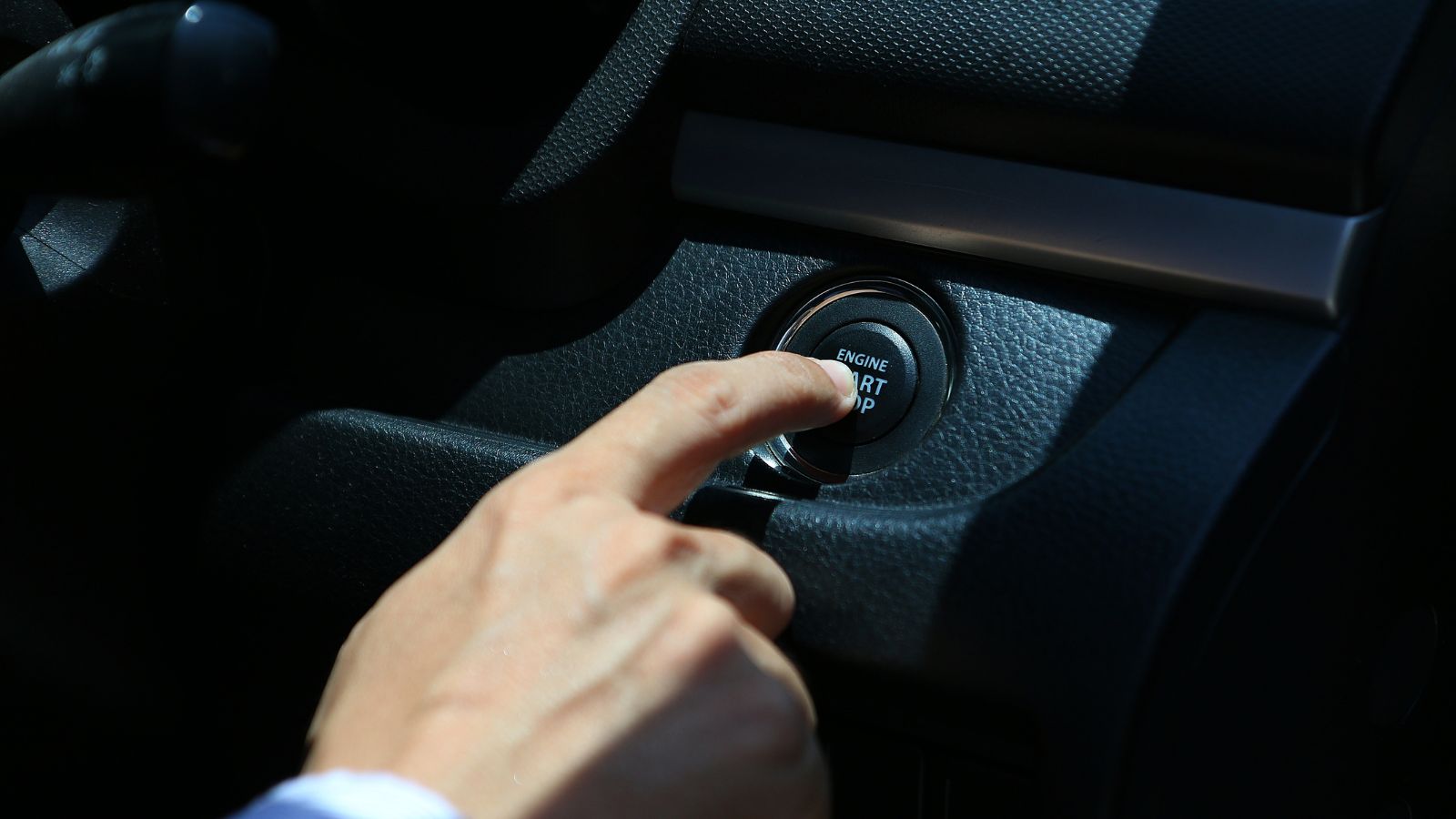
Push-button starting feels unquestionably convenient. The key can remain in a pocket or handbag while the driver unlocks the vehicle, starts the engine and leaves without ever handling a metal key blade. The feature has become so common that conventional ignition cylinders now feel dated in many new vehicles.
Keyless operation introduced new human-factors problems because the physical act of removing a key once provided confirmation that an engine had been switched off. NHTSA has examined risks involving vehicles accidentally left running and has pursued warning requirements associated with keyless ignition systems. Carbon-monoxide exposure becomes particularly serious when a gasoline vehicle continues running in an attached garage. Manufacturers now use increasingly obvious chimes, dashboard alerts and automatic shutoff strategies. There are also theft concerns surrounding some proximity-key systems, with security researchers and insurance organizations documenting relay-style attacks that attempt to extend the signal of a legitimate key. Convenience remains undeniable, but the old key performed more jobs than merely turning the starter motor.
Wireless Phone Charging Pads
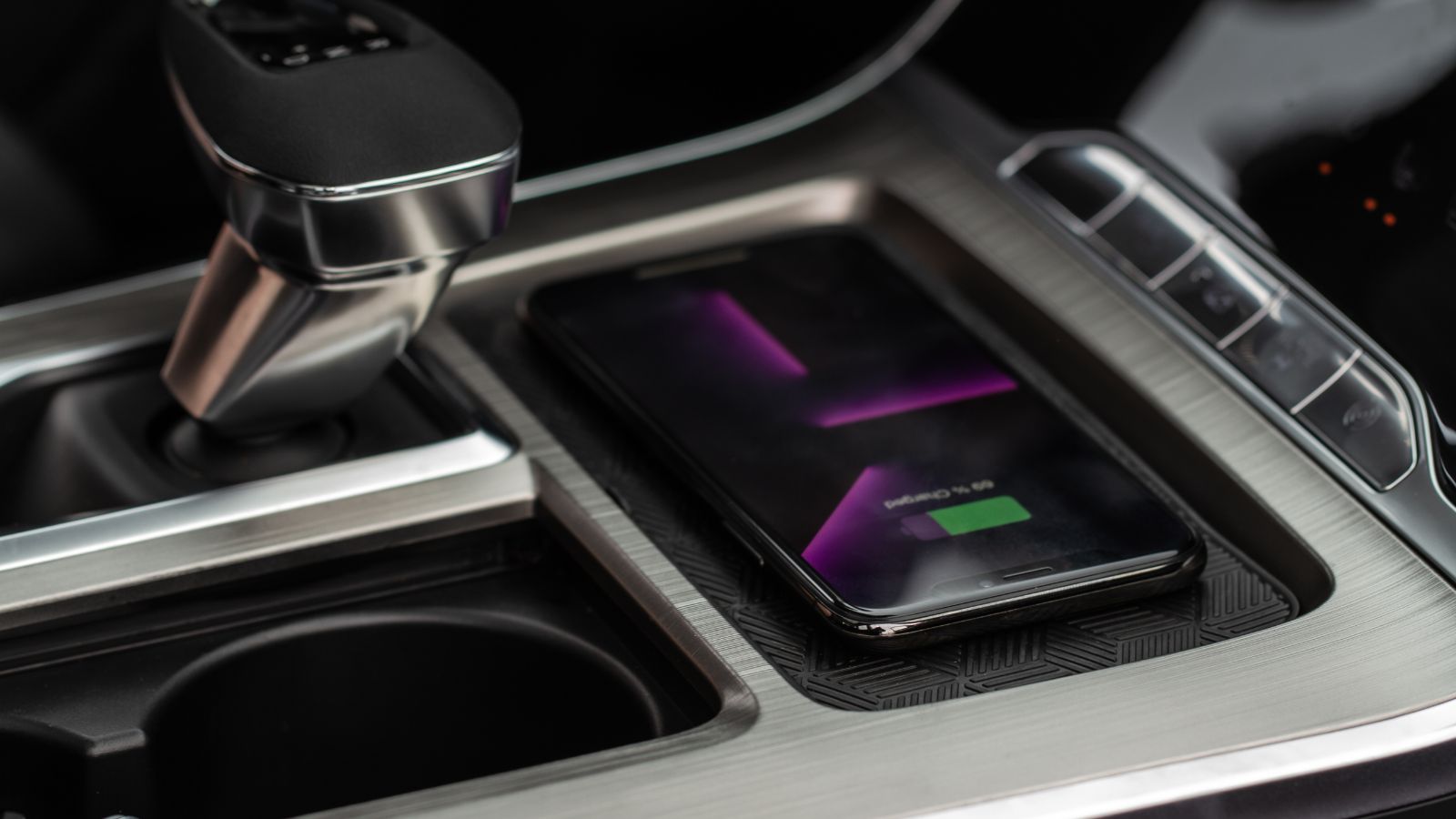
Dropping a phone onto a console and watching it charge without plugging in a cable seems like the ideal in-car solution. Wireless charging removes cable clutter, works automatically and pairs naturally with wireless smartphone projection. The technology is particularly attractive on short trips, when connecting and disconnecting a charging cable can feel unnecessary.
Physics complicates the experience. Wireless power transfer is sensitive to alignment between the phone and charging coil, and energy losses generate heat. Smartphone manufacturers build thermal safeguards into their devices, so charging can slow or pause when temperatures become excessive. A car interior is already a difficult thermal environment, particularly when sunlight heats the centre console. Thick cases and camera bumps can further affect alignment, while acceleration and cornering may shift a poorly secured phone away from the ideal charging position. The result can be a device that arrives after a long drive warm but only modestly more charged than when the trip began. Wireless pads are wonderfully convenient when designed well, yet a short USB cable can remain faster, cooler and considerably less temperamental.
Wireless Apple CarPlay and Android Auto
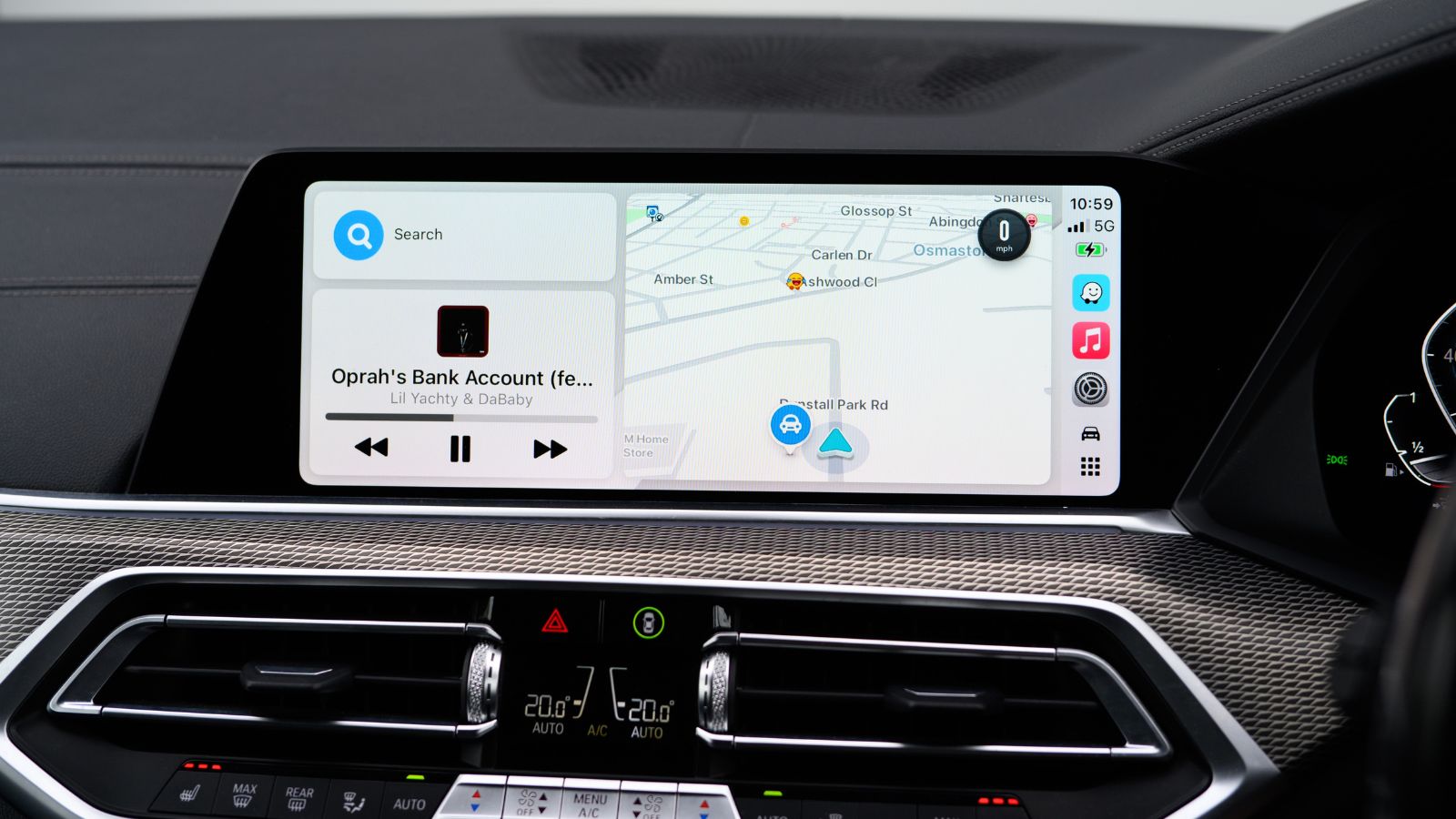
Wireless smartphone projection removes one of the most repetitive steps in modern driving. The driver enters the vehicle, the phone connects automatically and familiar navigation, music and messaging apps appear on the dashboard. No cable has to be retrieved from the console, and the phone can stay in a pocket. For short trips, the difference is genuinely useful.
Connectivity problems can quickly erase the convenience. J.D. Power quality research has repeatedly identified infotainment as a major source of new-vehicle complaints, with smartphone integration and connectivity among the technologies that can frustrate owners. Wireless projection depends on successful communication among the phone, operating system, vehicle software, Bluetooth and Wi-Fi connections. An update to any part of that chain can change behaviour. It also consumes phone power, making a charging solution useful on longer drives and partially undermining the cable-free ideal. When everything connects instantly, wireless CarPlay or Android Auto feels like magic. When the screen refuses to recognize the same phone that worked yesterday, plugging in a cable begins to look refreshingly dependable.
Over-the-Air Vehicle Updates
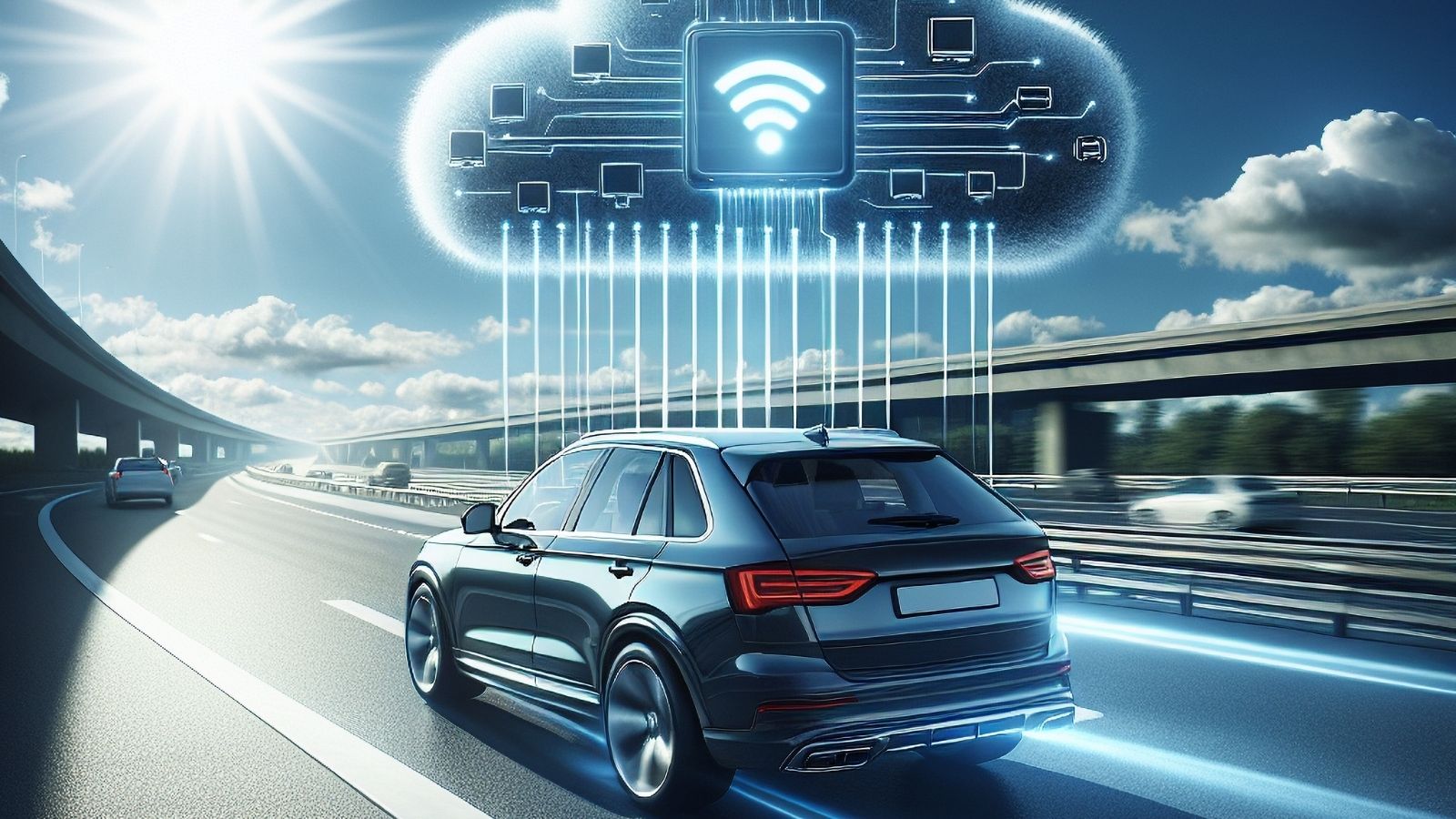
Over-the-air software updating has transformed the idea of vehicle maintenance. Automakers can add functionality, fix software bugs and in some cases address recall-related defects without asking an owner to visit a service centre. Tesla helped make the concept familiar, and numerous manufacturers now use remote updates for infotainment systems or broader vehicle functions. NHTSA still treats safety defects corrected through an over-the-air remedy as recalls where applicable, showing how consequential vehicle software has become.
The disadvantage is that a car can change after it has been purchased. Menus may move, behaviours may be altered, and a poorly executed update can create temporary problems that did not exist beforehand. Updating also requires power, connectivity and careful software management because modern vehicles contain numerous electronic control units that interact with each other. Automakers usually build recovery procedures into their systems, but owners may reasonably prefer a machine that behaves consistently every morning. Remote updating is enormously powerful, particularly when it prevents a dealership visit. It also turns the automobile into something closer to a rolling computer—and computers have never been famous for making every update completely uneventful.
Subscription-Locked Hardware

Connected vehicles made it possible for manufacturers to sell features in a completely different way. Instead of permanently buying every option when the car is ordered, an owner could activate software or preinstalled hardware later. Supporters argue that subscriptions allow flexibility: someone might pay for a feature only during the months it is useful, while used-car buyers could unlock equipment the original owner declined.
The concept becomes much harder to defend when drivers discover that the necessary hardware is already installed in the vehicle but remains disabled behind a recurring payment. BMW attracted widespread attention after offering subscription access to heated-seat functionality in certain markets, then later backed away from that strategy for hardware-based features after customer resistance. Other manufacturers continue experimenting with connected-service subscriptions and downloadable upgrades. There is nothing inherently unreasonable about paying for ongoing data services that impose ongoing costs. The irritation arises when software turns a physical component already sitting under the seat or beneath the dashboard into something that feels rented rather than owned. The technology works; the business model is what can make it unpleasant.
Remote Engine Start
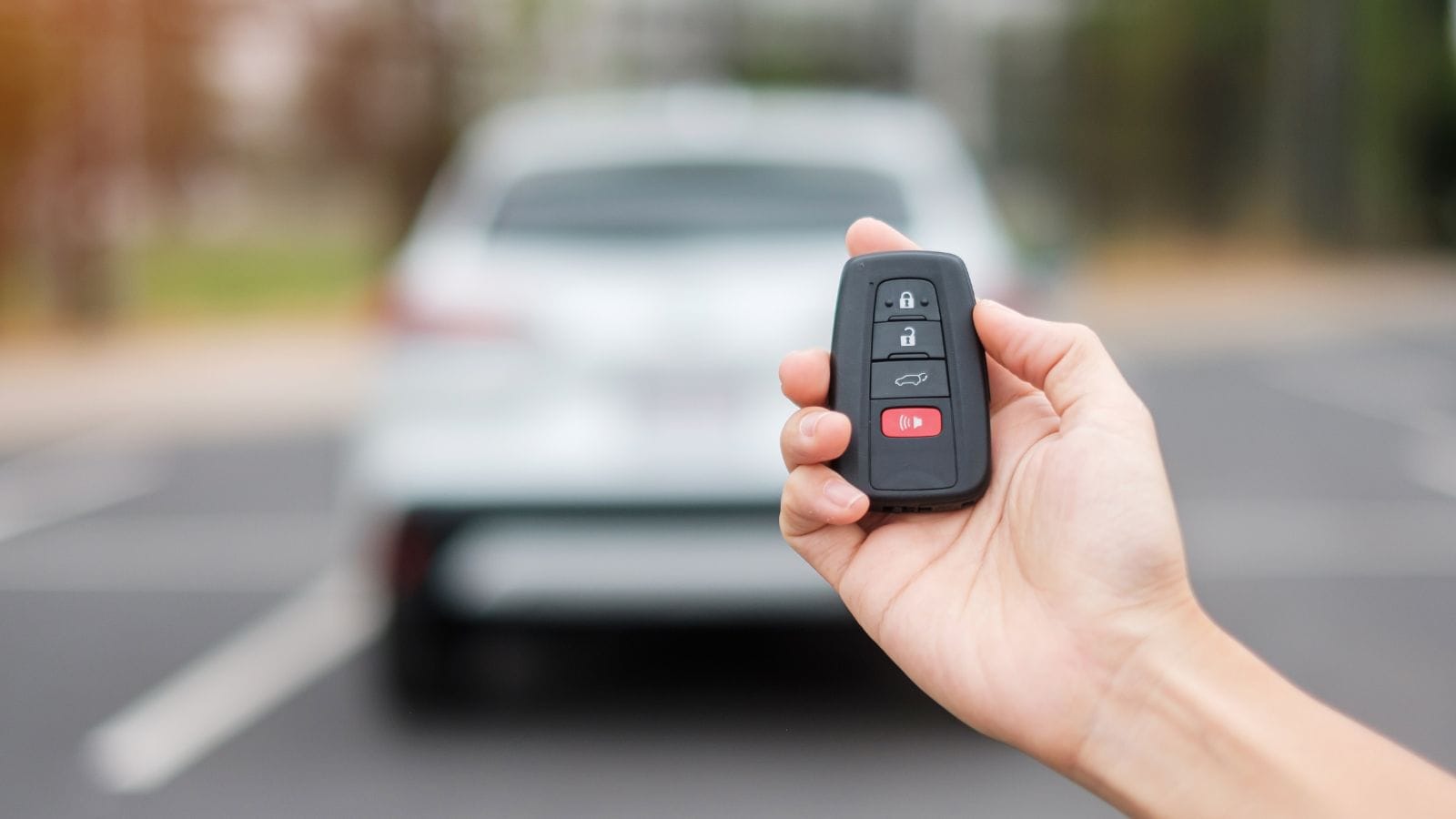
Remote start is especially appealing during extreme weather. A driver can start a gasoline vehicle before going outside, allowing the heater or air conditioner to begin changing cabin temperature. In regions with severe winters or hot summers, climbing into a more comfortable vehicle can feel like a meaningful luxury rather than an unnecessary gadget.
The drawback is that conventional remote starting often means idling an engine while the vehicle goes nowhere. Government energy and environmental guidance generally discourages unnecessary idling because it consumes fuel and produces emissions without providing transportation. Modern engines also do not require lengthy warm-up periods before ordinary driving under most conditions, although defrosting and passenger comfort create legitimate reasons for running climate systems. Some municipalities impose anti-idling rules, adding another consideration. Electric vehicles largely change the equation because they can precondition their cabins without idling an internal-combustion engine and, when plugged in, may draw energy from the grid. Remote start solves a real comfort problem, but on a gasoline vehicle its most convenient use can conflict directly with the goal of reducing wasted fuel.
Camera-Based Digital Mirrors
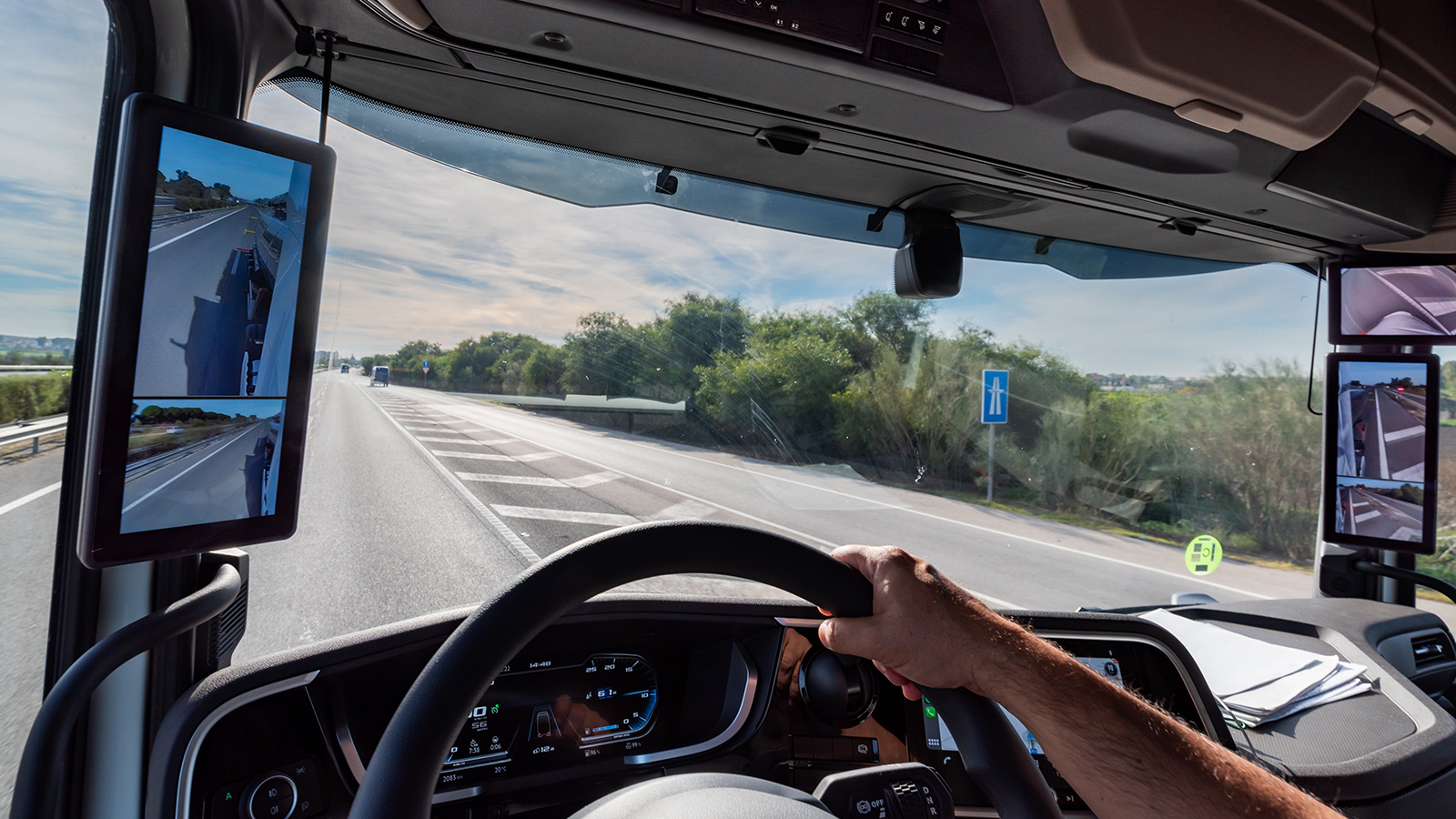
Replacing mirrors with cameras seems inevitable on paper. Cameras can provide a wider field of view, compensate for darkness, reduce aerodynamic drag and place displays where engineers believe drivers will see them easily. Digital rear-view mirrors already appear in production vehicles, while regulators and researchers have studied camera-monitor systems that could eventually replace conventional exterior mirrors more broadly.
Human vision makes the transition more complicated. A normal mirror presents an optical image that allows the eyes to focus as though the reflected object were farther away. A video display is a physical screen located much closer to the driver, so shifting between the road and the display can require different visual accommodation. Camera lenses can also be affected by dirt, water, snow or glare, while an electronic display introduces components that a simple piece of reflective glass does not need. NHTSA human-factors research into camera-monitor systems has examined issues including display location and driver adaptation. Digital mirrors can offer genuine visibility advantages, but they demonstrate why replacing a century-old solution requires more than proving a camera can see behind a car.
19 Used Cars Canadians Should Avoid in 2026 (Based on Owner Complaints)

Buying a used car in Canada can feel safe until repair bills start stacking up. Owner complaints tell a different story than glossy listings. Transmission failures, electrical problems, and weak winter reliability show up again and again in consumer reports. Many of these issues appear after warranties expire, when owners least expect them. Some vehicles look affordable upfront, but become expensive to keep on the road. Others struggle in cold weather, urban driving, or long highway commutes. Here are 19 used cars Canadians should avoid in 2026 (based on owner complaints).
19 Used Cars Canadians Should Avoid in 2026 (Based on Owner Complaints)

Alanna Rosen is an experienced content writer that focuses on many EV and educational content. Her articles are regularly published on Get CyberTrucked and syndicated on large publications.