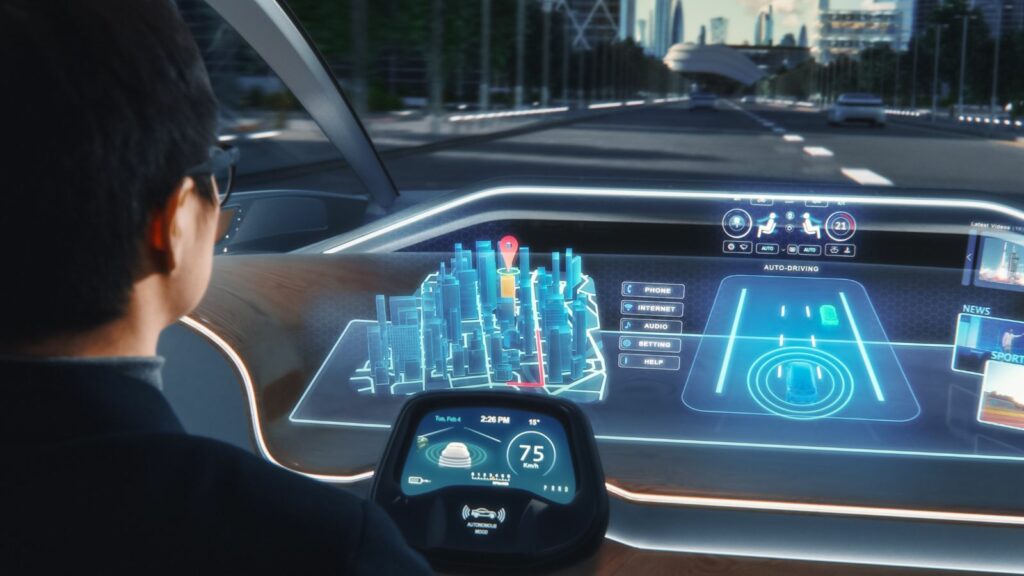
Some car features sell themselves in a few polished seconds: a screen glides through menus, a roof floods the cabin with light, or a vehicle parks itself while everyone watches. Daily ownership is less controlled. Gloves, potholes, weak signals, dirty sensors, crowded parking lots, and ordinary human impatience can turn clever technology into a recurring irritation.
These 21 car features are not inherently bad, and several can improve safety, comfort, or efficiency when they work well. The problem is the gap between the ideal demonstration and the messy conditions of real driving. From giant touchscreens and overprotective alerts to flush door handles and subscription-locked equipment, each feature shows how a strong showroom impression can become a small but persistent burden once the novelty fades.
Giant Touchscreens
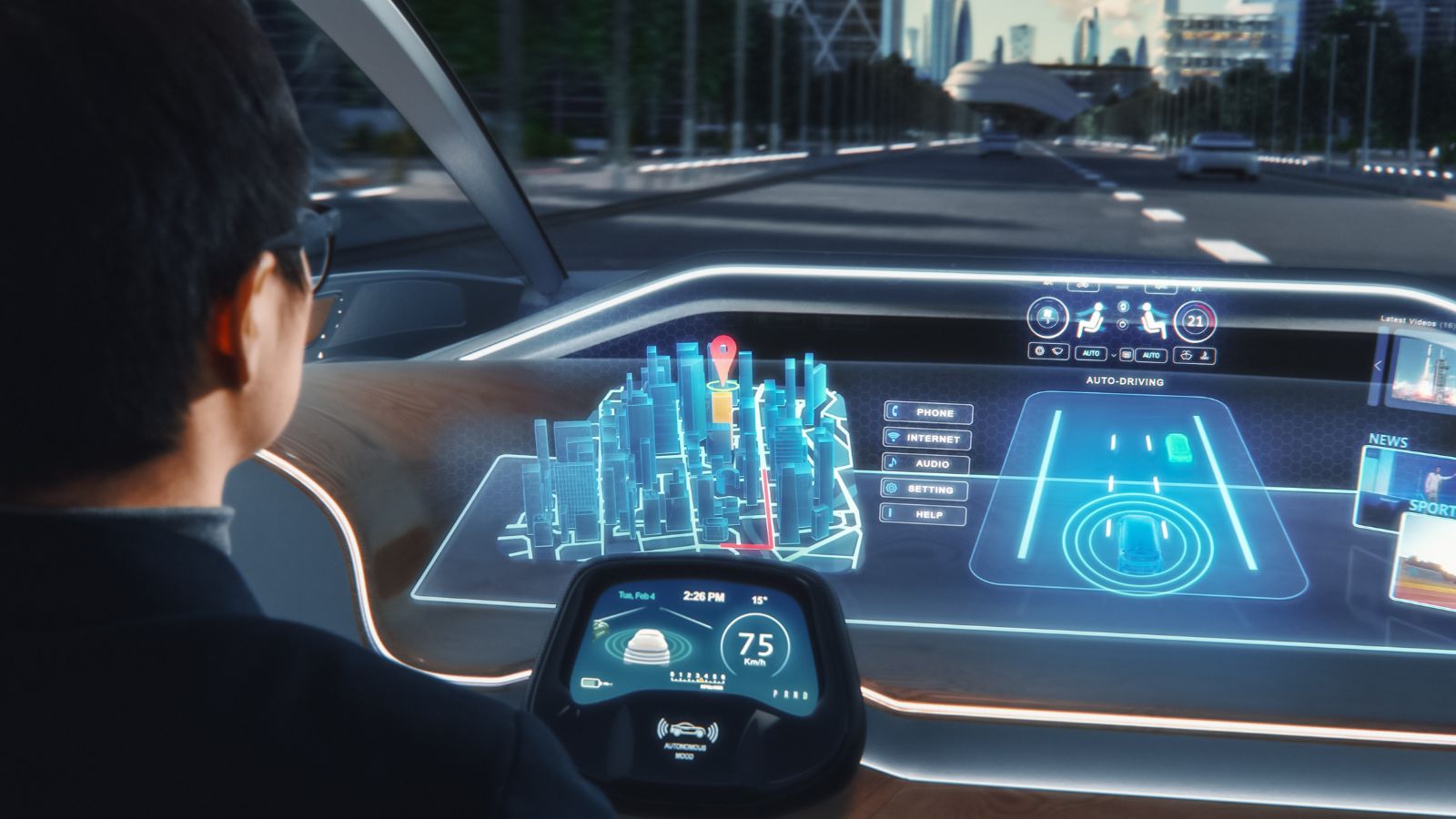
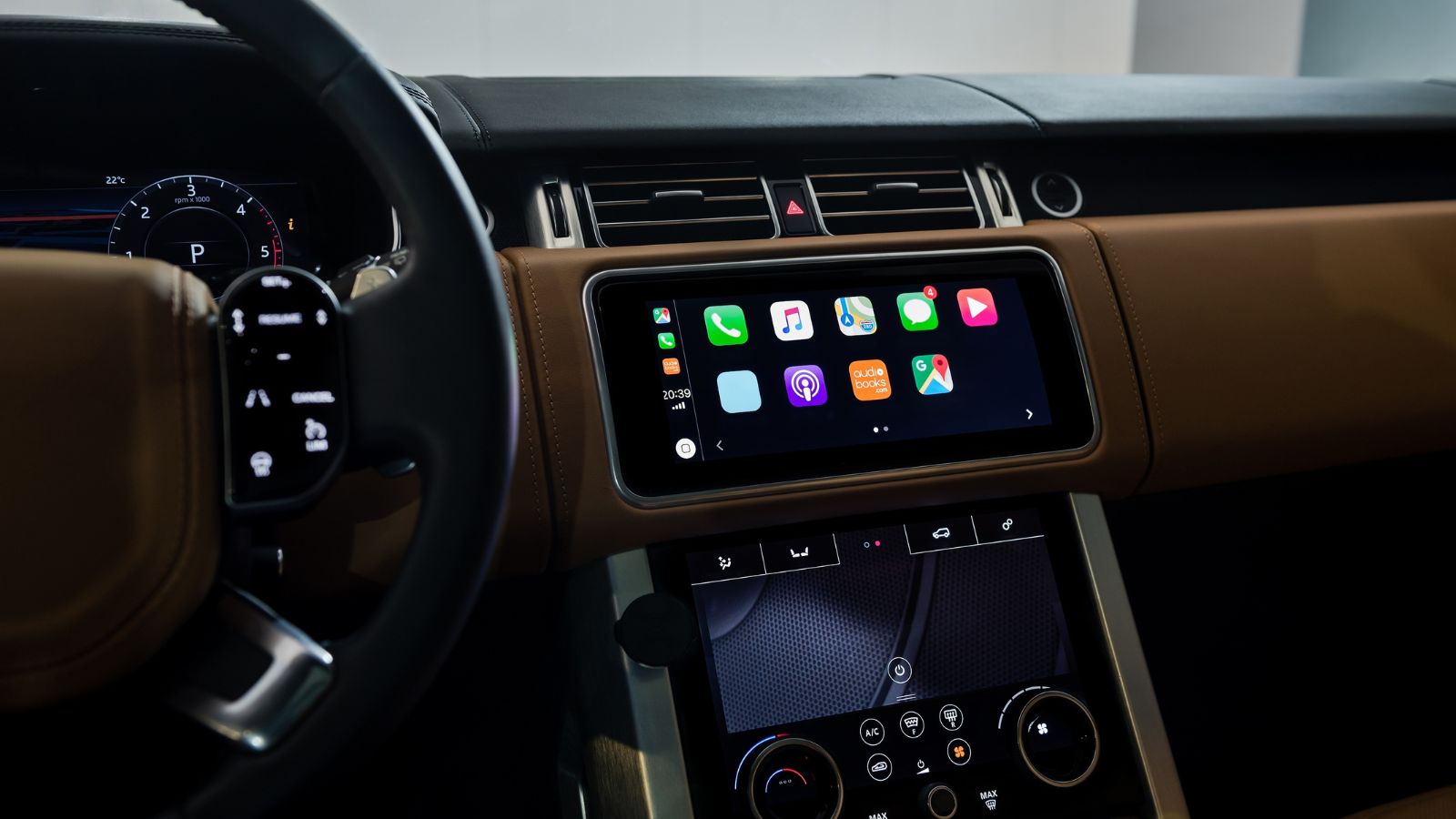
A giant central display can make an interior look cleaner, newer, and more expensive. In a commercial, every icon is large, the road is smooth, and the driver knows exactly where to tap. Real traffic is different. A basic task such as changing the temperature or turning on the defroster may require opening a menu, locating a small target, and checking whether the command registered. On a rough road, even a familiar control can become difficult to hit accurately.
The concern is more than personal preference. AAA testing found that some infotainment tasks could keep drivers visually and mentally occupied for more than 40 seconds. Euro NCAP has also begun rewarding vehicles that provide direct physical controls for commonly used functions. Screens remain excellent for maps, cameras, and detailed settings. They become annoying when designers treat every knob as visual clutter and move frequently used functions behind layers of glass.
Capacitive and Haptic Buttons
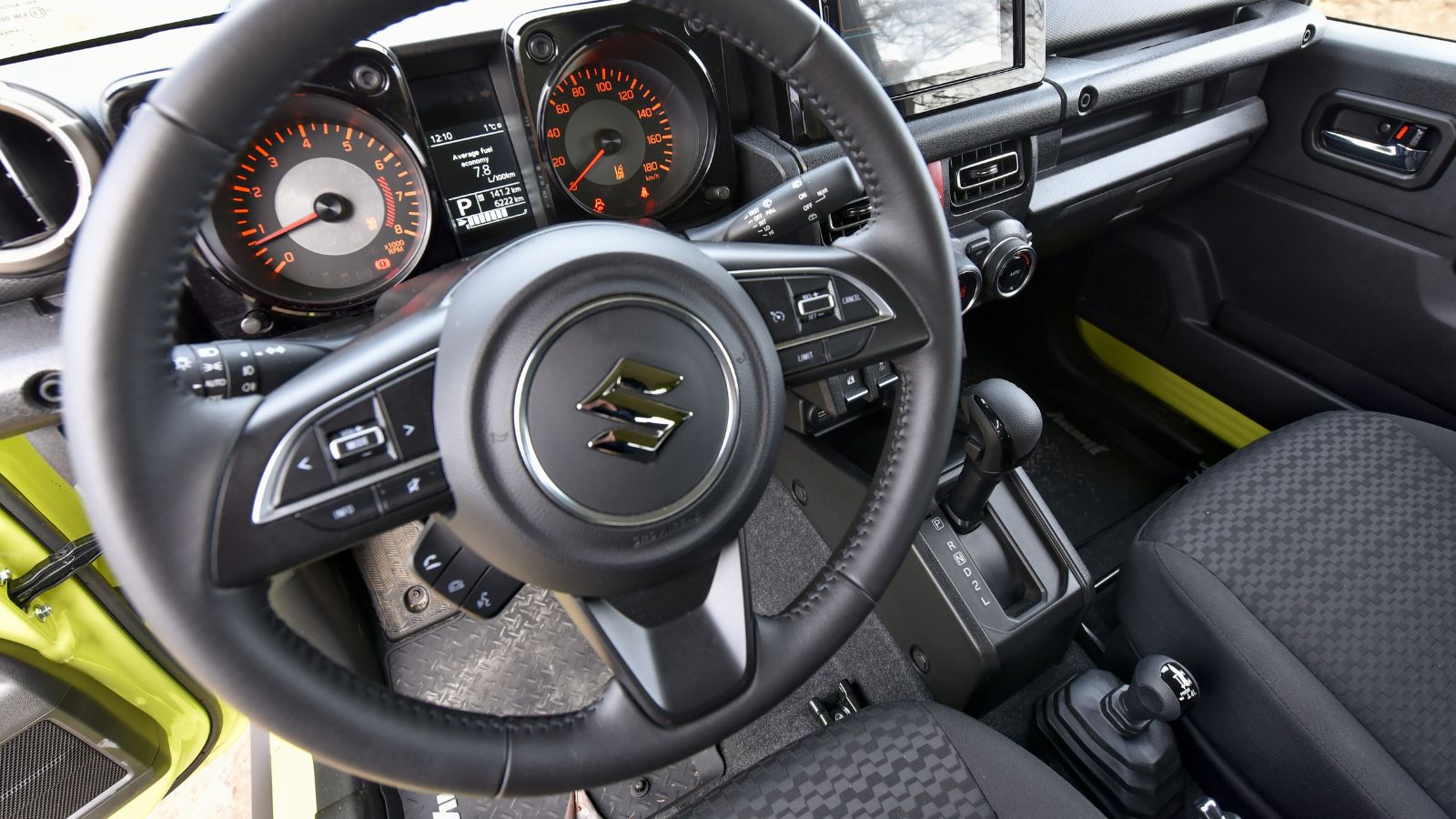
Capacitive controls promise the sleek appearance of a touchscreen without taking up as much dashboard space. Instead of pressing a mechanical switch, a driver brushes a panel and receives a vibration or sound in response. The design photographs beautifully, but it removes the shape, travel, and resistance that allow a hand to identify a control without looking. Gloves, moisture, and accidental contact can make the experience less predictable.
That difference becomes obvious at night or on an uneven road. A passenger reaching for the volume may activate another function, while a driver trying to adjust the fan has to glance down to confirm the result. Euro NCAP’s human-machine-interface criteria explicitly favor direct physical inputs that can be found and used with minimal visual attention. Haptic feedback can confirm that something happened, but it does not always reveal which control was touched. The supposed modernity can therefore feel like extra work.
In-Car Voice Assistants
Voice control sounds like the perfect answer to dashboards. An advertisement shows a driver speaking naturally, and the car changes the temperature, finds a restaurant, or sends a message. In practice, road noise, passengers, place names, accents, weak connections, and rigid commands can derail the exchange. A simple request may produce a list of unrelated results, a request for repetition, or the dreaded response that the feature is unavailable.
Repeated corrections are especially irritating because they defeat the hands-free promise. The driver may watch the screen to see what the system heard, then reaching for the control that voice recognition was supposed to replace. AAA research has found that voice-based infotainment can create cognitive distraction, even when hands remain on the wheel. Better assistants are improving rapidly, but reliability matters more than personality. A system that works brilliantly eight times out of ten can still feel untrustworthy the other two.
Gesture Controls

Gesture control is one of the easiest features to demonstrate. A twirl of a finger raises the volume, a swipe dismisses a call, and the cabin suddenly feels futuristic. The trouble begins when the camera misreads movement. A driver talking with one hand, a passenger reaching across the console, or sunlight crossing the sensor can trigger an unintended response. When the system works, remembering the approved gestures may be harder than turning a knob.
Owner data reflects that awkwardness. J.D. Power’s technology research has identified gesture controls as a troublesome feature, with 43.4 reported problems per 100 vehicles in one study; 21 percent of owners said the systems lacked useful functionality. The numbers help explain why a memorable showroom trick can become a forgotten menu item. Gestures are valuable when they reduce effort, but many implementations ask occupants to learn a new language for tasks that already had familiar solutions.
Wireless Apple CarPlay and Android Auto

Wireless smartphone projection removes the cable and looks effortless. The phone stays in a pocket while navigation, music, and calls appear on the dashboard. That convenience is real, but the connection can become a negotiation. A vehicle may pair with the wrong phone, take too long to reconnect, drop audio, or refuse to launch the interface until Bluetooth and Wi-Fi are restarted. Short errands can end before troubleshooting does.
These frustrations sit inside a broader infotainment problem. J.D. Power’s 2026 Vehicle Dependability Study found infotainment remained the most troublesome vehicle category, at 56.7 reported problems per 100 vehicles. Industry quality reporting still flags phone connectivity as a complaint. A cable is inelegant, yet it establishes which device should connect and provides power simultaneously. Wireless projection feels magical when it is invisible. Once it demands attention, the missing cord starts to look less like clutter and more like a dependable backup.
Wireless Charging Pads
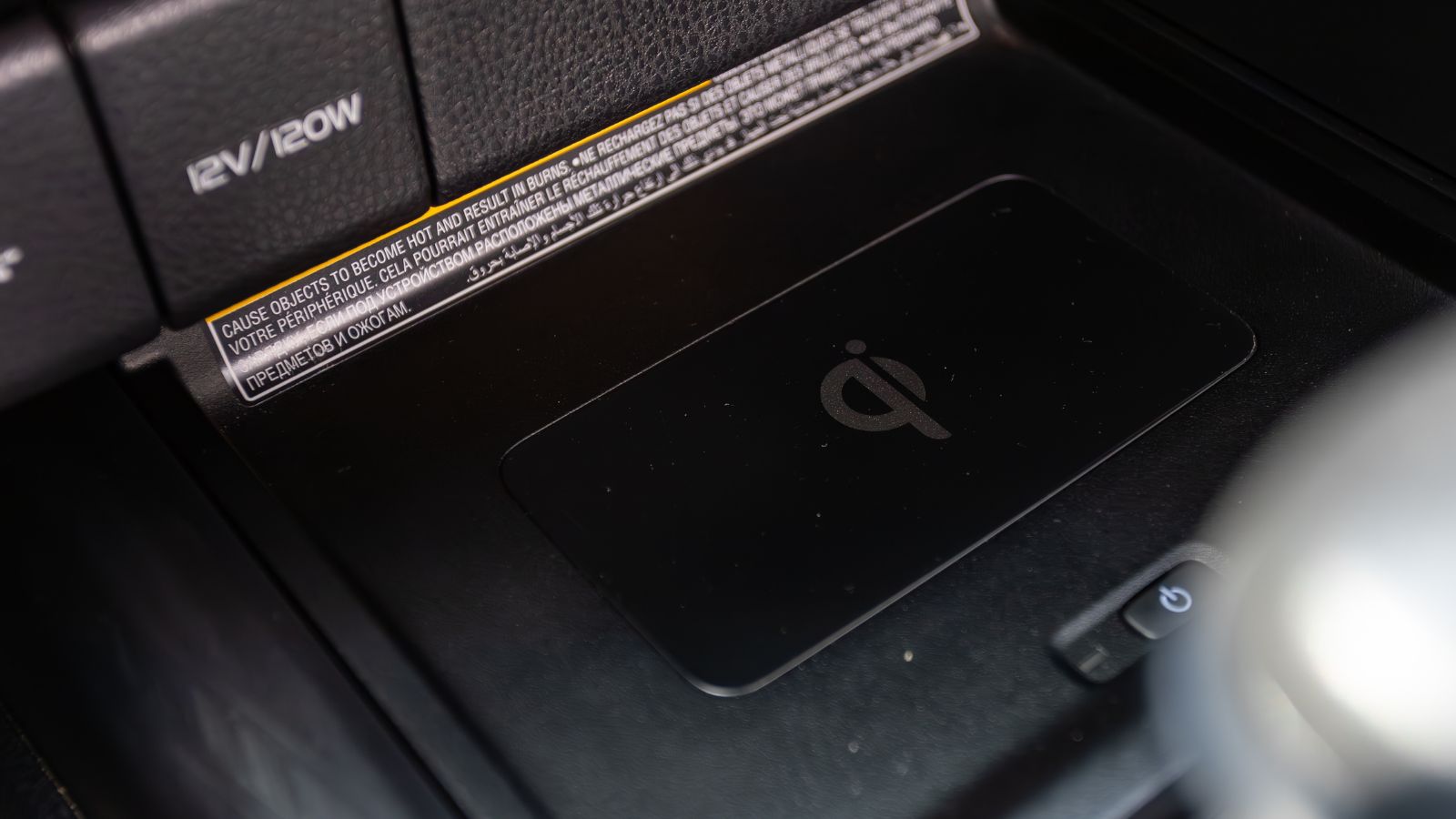
A wireless charging pad promises effortless ownership: place the phone on the console and arrive with more battery. Real vehicles introduce heat, vibration, cases, camera bumps, and turns. The handset can slide a few millimetres away from the charging coil, connect and disconnect, or become hot while gaining little power. Some pads also occupy a convenient cabin tray, leaving nowhere sensible for keys, sunglasses, or another passenger’s phone.
Newer solutions reveal why older pads can disappoint. Nissan’s 2026 Qi2 system added magnetic alignment and active cooling, two features to keep the phone positioned and manage heat. Conventional pads often lack both. Wireless transfer is also less efficient than a cable, so more energy is lost as heat. The feature is useful for battery maintenance on long drives. It becomes annoying when the dashboard displays a charging symbol while the battery barely moves, or when navigation makes the phone too warm.
Phone-as-a-Key Systems
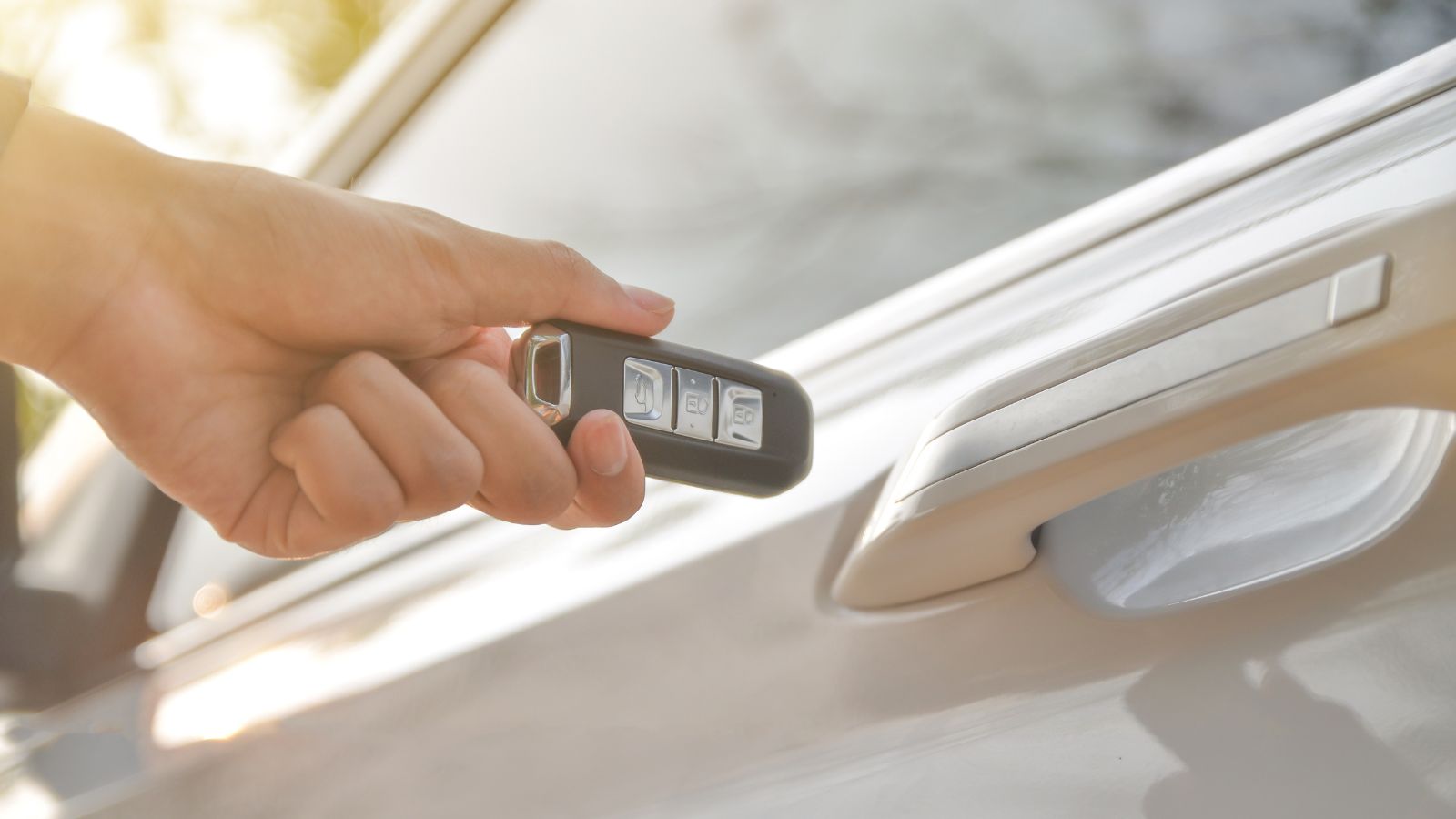
Replacing a key fob with a phone sounds minimal. The car recognizes its owner, unlocks on approach, and can share temporary access without a physical handoff. The weak point is that entry now depends on several systems: the phone’s battery, Bluetooth or NFC, the automaker’s app, account permissions, and the vehicle’s own low-voltage electronics. A delayed handshake can feel much longer when rain is falling or groceries are being carried.
Automakers usually provide fallbacks, but owners must know them before trouble starts. Depending on the brand, a depleted phone may still work through a reserved NFC function, while other systems rely on a key card or hidden mechanical method. J.D. Power advises treating a lost phone like a lost fob and planning backup access. Digital keys are excellent for sharing. They are less reassuring when a software update signs out the app, a valet needs instructions, or access permissions expire.
Automatic Start-Stop
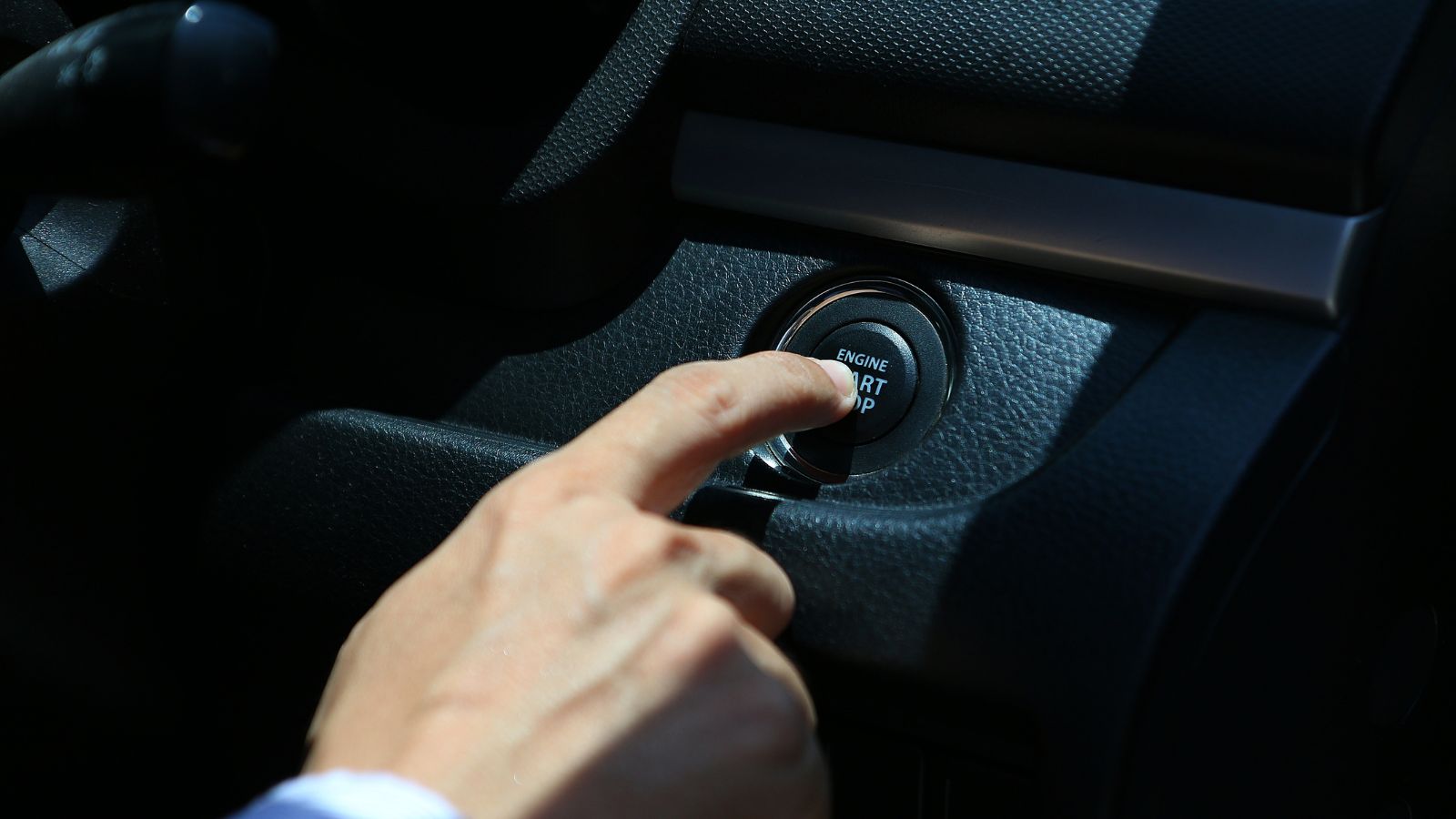
Automatic start-stop is easy to promote because the benefit sounds sensible. The engine shuts down at a red light, restarts when the brake is released, and saves fuel that would otherwise be burned while standing still. The EPA estimates that the technology can improve fuel economy by 4 to 5 percent, with the greatest benefit in heavy stop-and-go traffic. Over time, those savings become meaningful.
The irritation is how often the system announces itself. Some vehicles restart with a noticeable shudder, hesitate as a driver tries to move quickly, or reduce air-conditioning performance during long summer stops. Many systems also reactivate every time the vehicle is started, even after the owner presses the off button on every journey. That behavior is partly tied to how fuel-economy credits are calculated. The feature may save fuel exactly as advertised, yet still feel like a passenger repeatedly switching the engine off without asking.
Lane-Keeping Assist
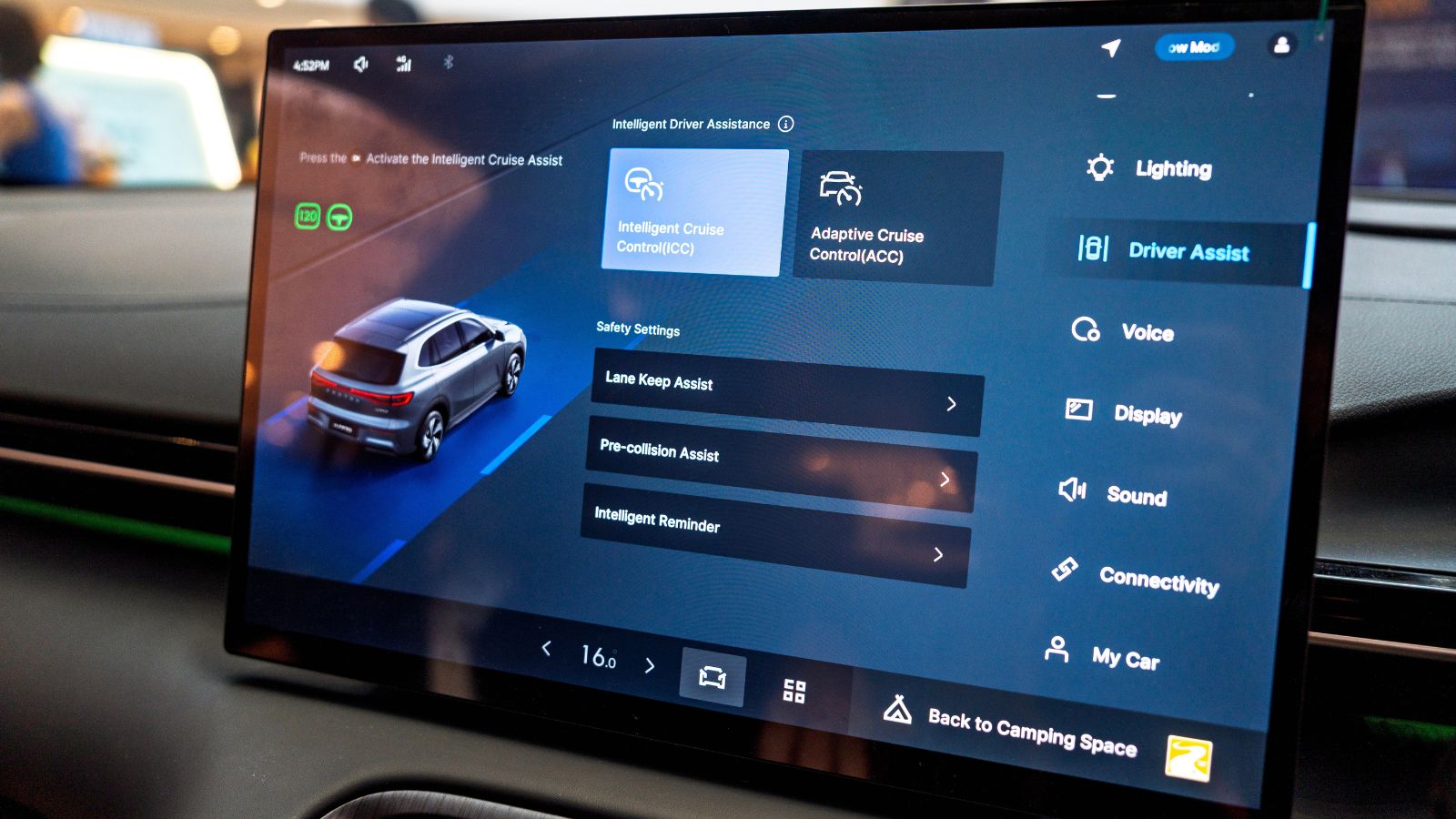
Lane-keeping assistance can prevent a tired driver from drifting into danger, making it a defensible safety feature. Cameras watch lane markings, then warn, nudge, or steer when the vehicle approaches an edge. The difficulty is that real roads contain faded paint, construction shifts, patched asphalt, narrow shoulders, and temporary markings. A system may tug at the wheel precisely when the driver is deliberately avoiding a pothole, cyclist, or roadside obstruction.
Manufacturers have improved the technology, and acceptance has risen. IIHS research found that nearly nine in ten drivers now keep lane-departure systems active, compared with only 51 percent in a 2016 study. That progress does not eliminate the occasional argumentative intervention. Audible warnings are especially likely to be disabled, while steering-wheel vibration tends to be tolerated better. The best systems communicate gently and yield immediately. Aggressive ones turn every imperfectly painted bend into a small contest over who is steering.
Driver-Monitoring Alerts
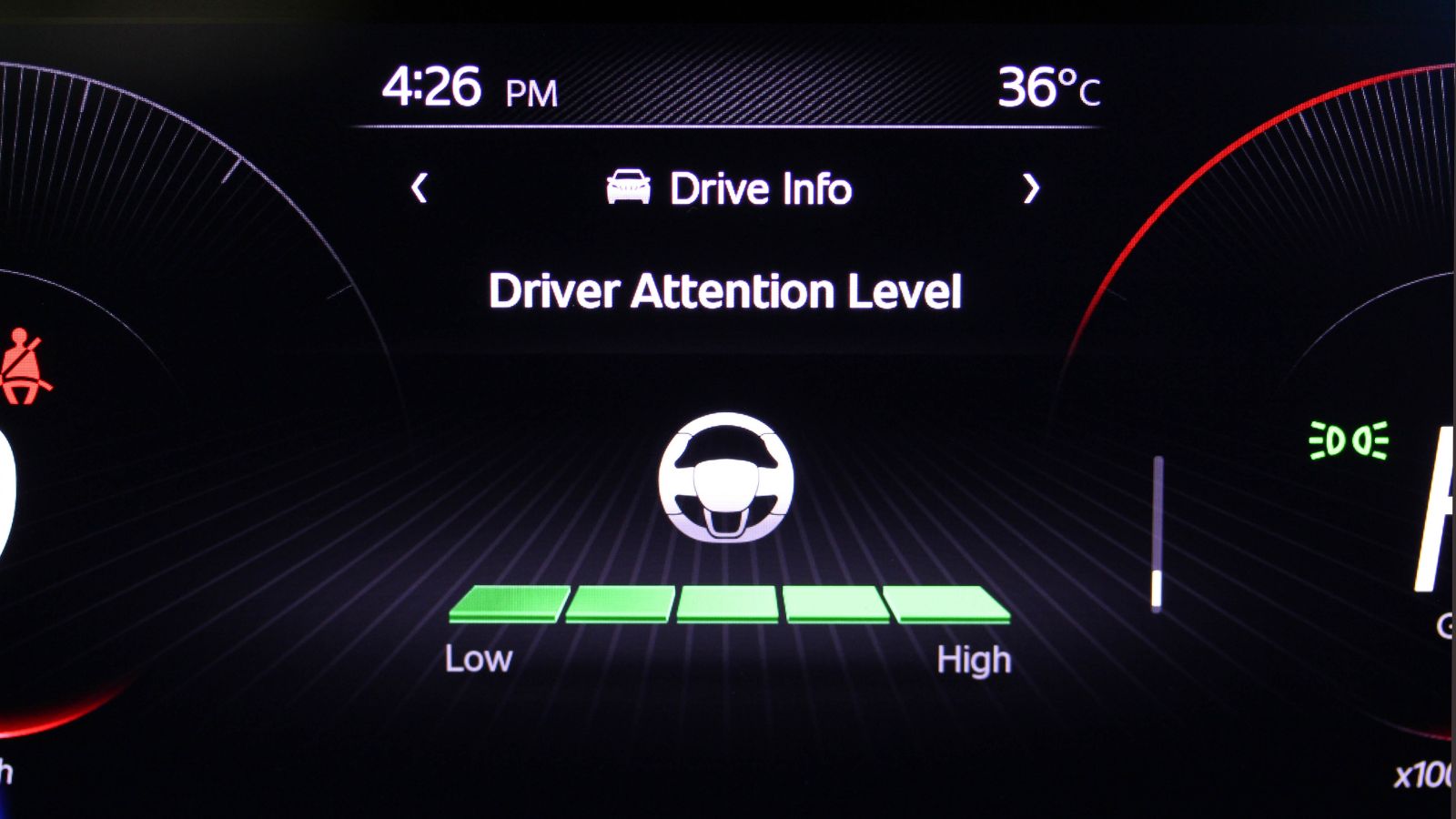
Driver-monitoring cameras address a weakness in driver assistance: drivers may stop paying attention while assuming the car is more capable than it is. Infrared cameras can track gaze, head position, and fatigue, then issue escalating warnings. In ideal conditions, it is valuable. In use, sunglasses, glare, facial expressions, squinting, or seating position can make a system behave like an overanxious instructor.
Consumer Reports has documented false alerts linked to sunlight and visibility problems, noting that unnecessary warnings can become distracting themselves. Euro NCAP research has likewise discussed false positives from actions such as yawning or squinting. A 2025 J.D. Power study reported 19.4 problems per 100 vehicles for direct driver-monitoring systems, with usability causing frustration. The central problem is trust. When alerts are accurate, they may prevent a crash. When they scold an attentive driver, people become tempted to ignore or disable the protection the system was designed to provide.
Adaptive Cruise Control
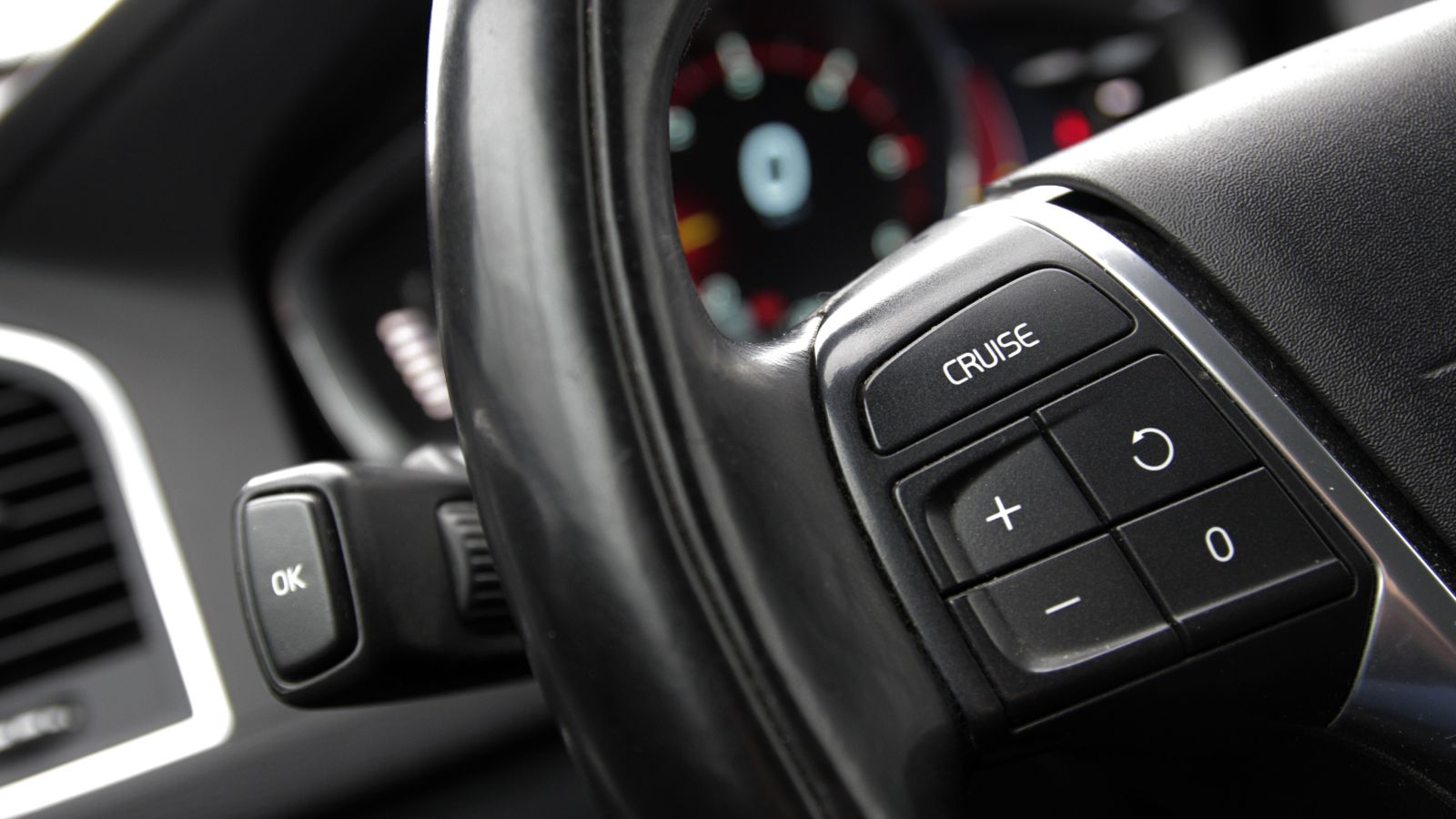
Adaptive cruise control looks transformative on an open highway. The driver selects a speed and following distance, and the vehicle automatically accelerates or brakes with traffic. In steady traffic, it can reduce driver fatigue. Congestion exposes compromises. The system may brake sharply when another car cuts in, leave a gap that invites more cut-ins, or accelerate too late. That uneven braking rhythm can unsettle some passengers and encourage overrides.
Weather adds another layer. AAA guidance notes that rain, snow, fog, or blocked sensors can interfere with performance. NHTSA research has also found that some owners misunderstand its limits, including stopped vehicles. Academic testing of seven production systems found that all were “string unstable,” so speed changes grew as they moved through a line of cars; one disturbance expanded from about 6 mph to 25 mph. The feature eases workload, but it does not always deliver the calm, chauffeur-like progress advertised.
Automatic High Beams
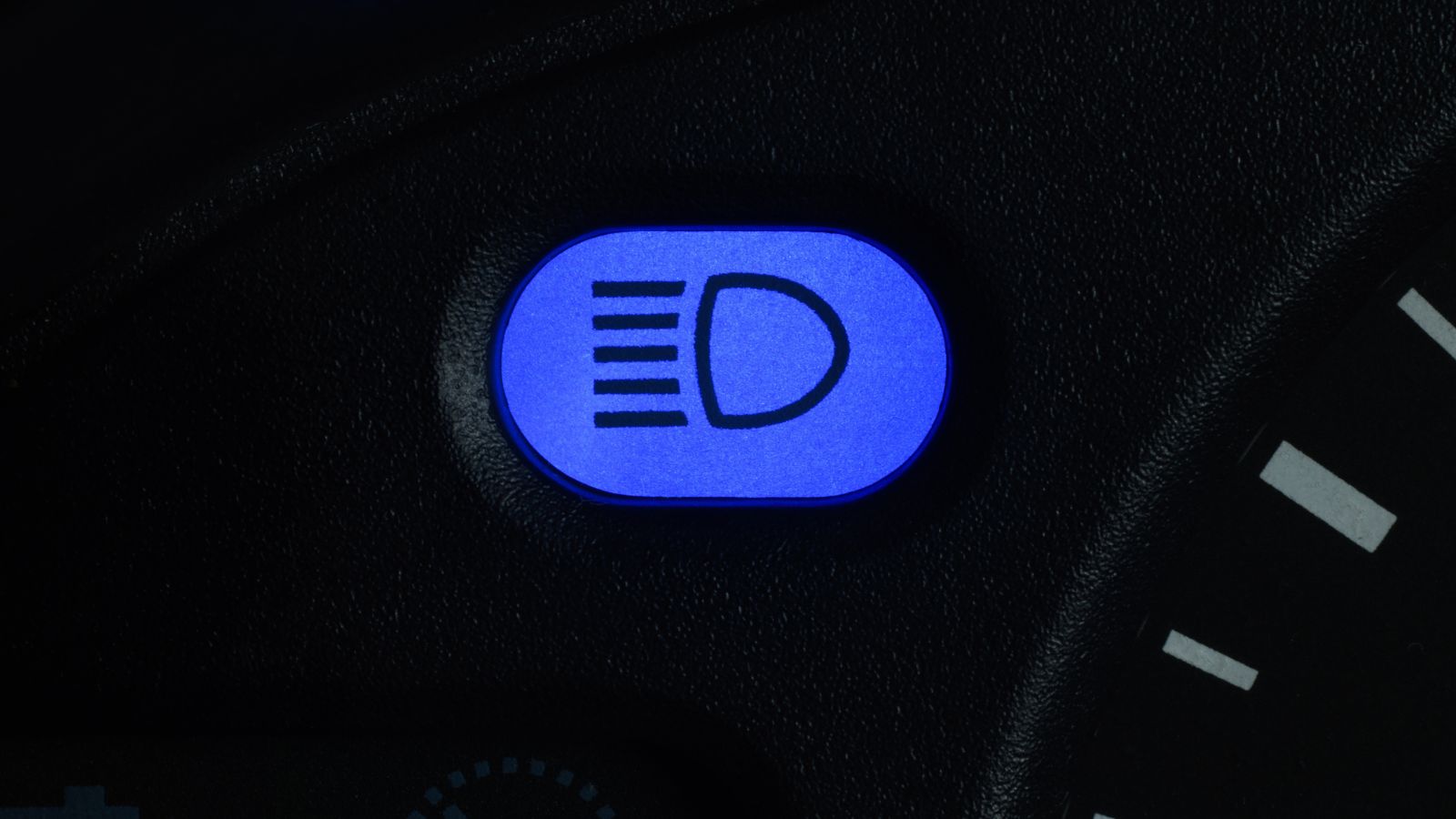
Automatic high beams promise maximum nighttime visibility without dazzling another driver. A camera looks for headlights and taillights, switching between high and low beams as traffic appears. The concept is sound, but detection can lag. Vehicles approaching around bends, motorcycles with small lights, divided-highway traffic, reflective signs, and houses near the road can confuse the system. Drivers may override the feature meant to remove that task.
Headlamp glare is already a safety issue. Consumer Reports has noted the difficult balance between projecting enough light and limiting glare for others. More advanced adaptive driving-beam systems can shape light around other road users, while simple systems merely switch modes. When calibration is good, they are helpful on dark rural roads. When it is not, they can flash repeatedly, dip for bright road signs, or stay high a moment too long, embarrassing the driver and discomforting oncoming traffic on unfamiliar roads after dark.
Rain-Sensing Wipers
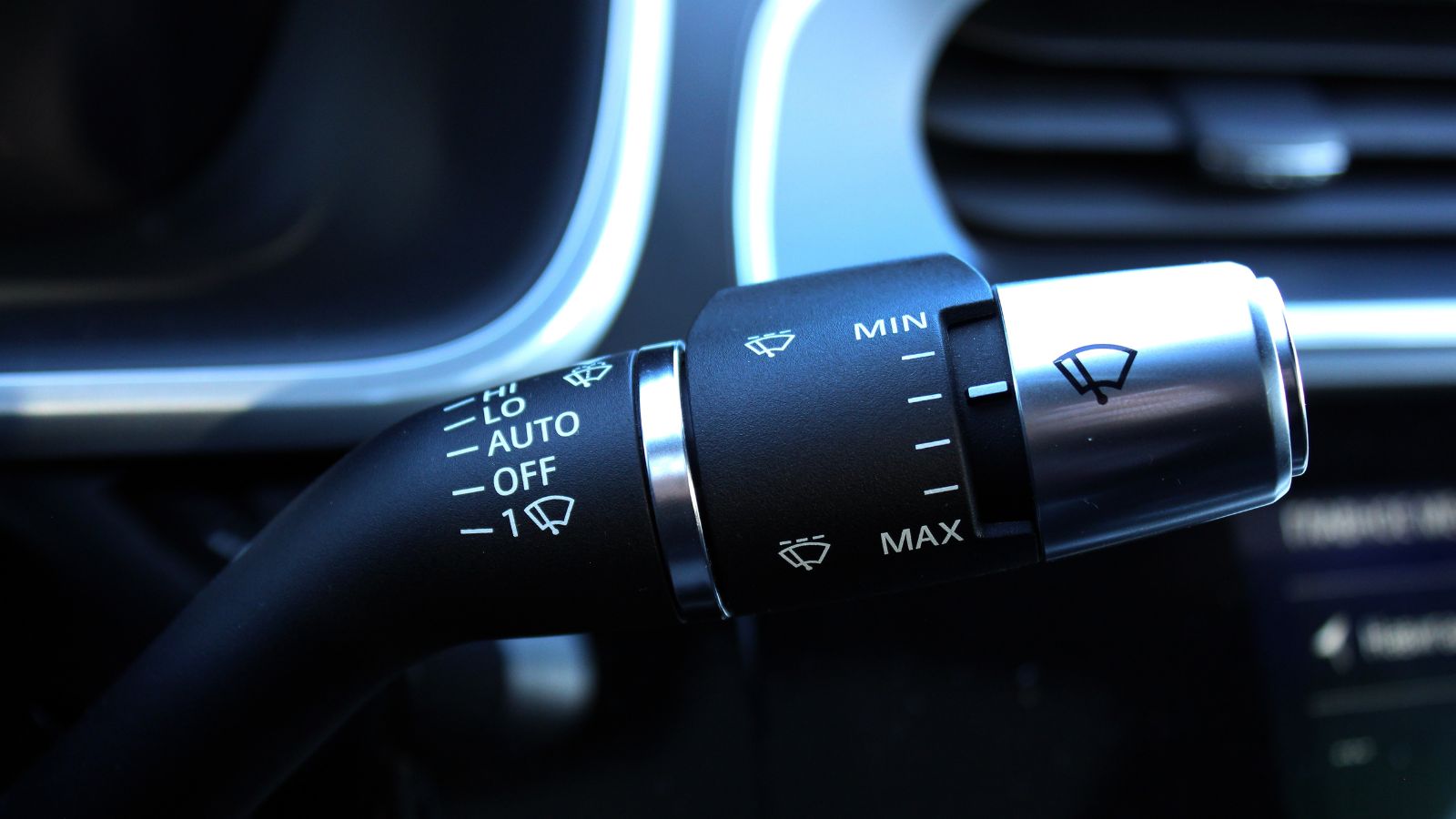
Rain-sensing wipers seem intuitive: the windshield gets wet, and the car chooses a wiping speed. The sensor reads reflected light through the glass, so its judgment depends on conditions in a small area near the mirror. Fine mist, road spray, bugs, ice, wax, and a dirty windshield can change that reading. One storm causes frantic wiping; another leaves smears until the driver uses the stalk.
Automaker manuals reveal how conditional the feature can be. Ford warns that dirt, insects, ice, snow, and salty road mist may cause unexpected or inconsistent operation. Mazda notes that extreme temperatures and water-repellent coatings can also interfere with sensing. Those cautions undermine the idea that automation is simpler than an intermittent-speed dial. A well-tuned system fades into the background. A poorly tuned one wipes a dry windshield after a splash, ignores drizzle, or accelerates whenever a truck throws spray, turning a modest convenience into micro-management.
Hyperactive Parking Sensors
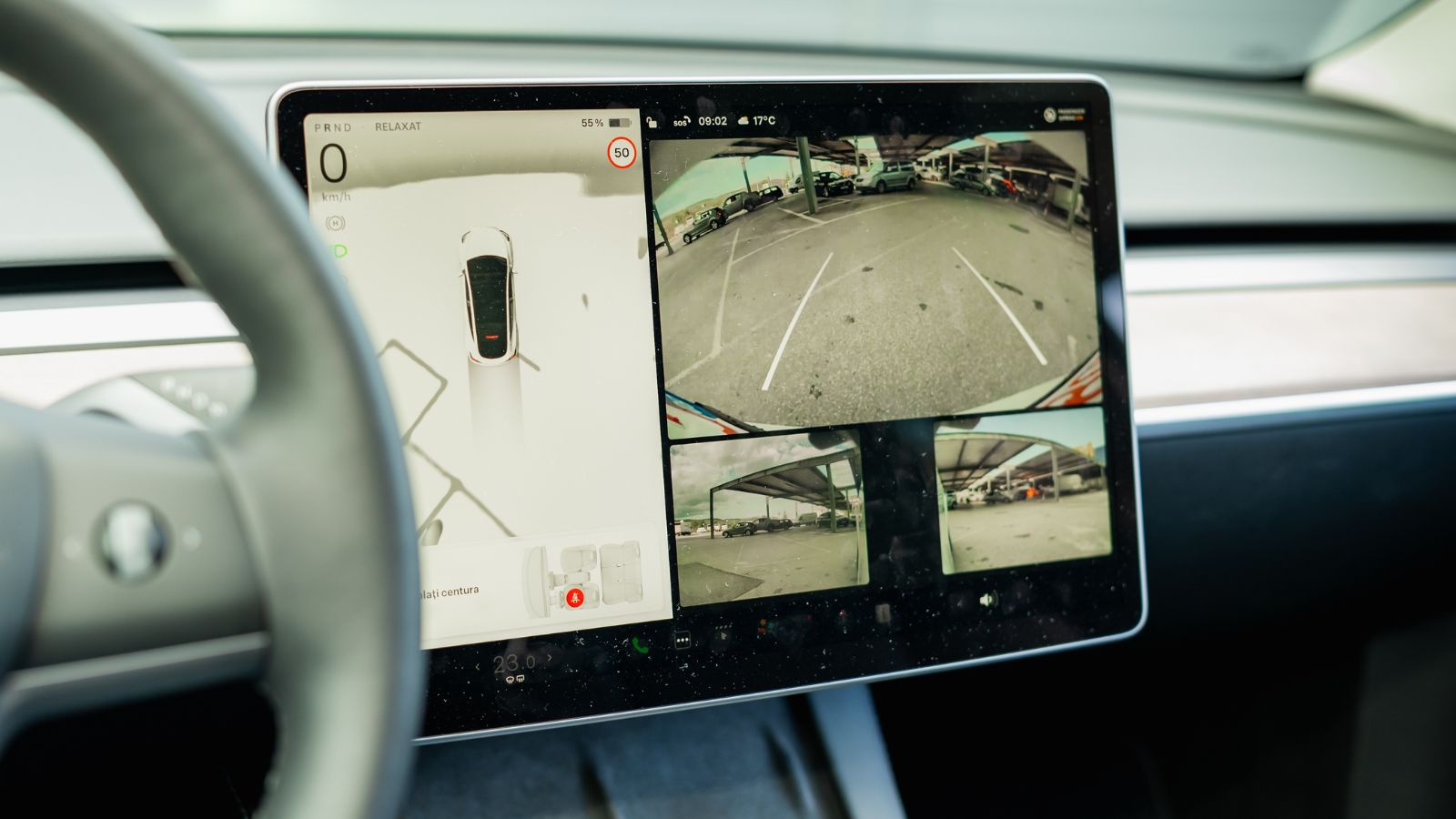
Parking sensors turn invisible distances into reassuring beeps and colored graphics. They help in tall vehicles with poor visibility, and they can detect low objects mirrors miss. The problem is that sensors do not understand context. Tall grass, snow, a curb, a bicycle rack, a trailer hitch, or a nearby wall may trigger the same urgent tone as a child or a vehicle. In tight garages, the alarm can become continuous before danger is close.
Frequent false or low-value warnings create nuisance alerts. Consumer Reports has recorded owner complaints about false warnings and braking from collision-avoidance systems. Drivers may lower the volume or switch it off, reducing its value when danger appears. Good parking assistance changes tone and graphics predictably, helping a driver judge distance. Bad calibration produces an electronic panic attack during every maneuver, making a driver trust mirrors and cameras more than the chorus in cramped urban garages.
Reverse Automatic Emergency Braking
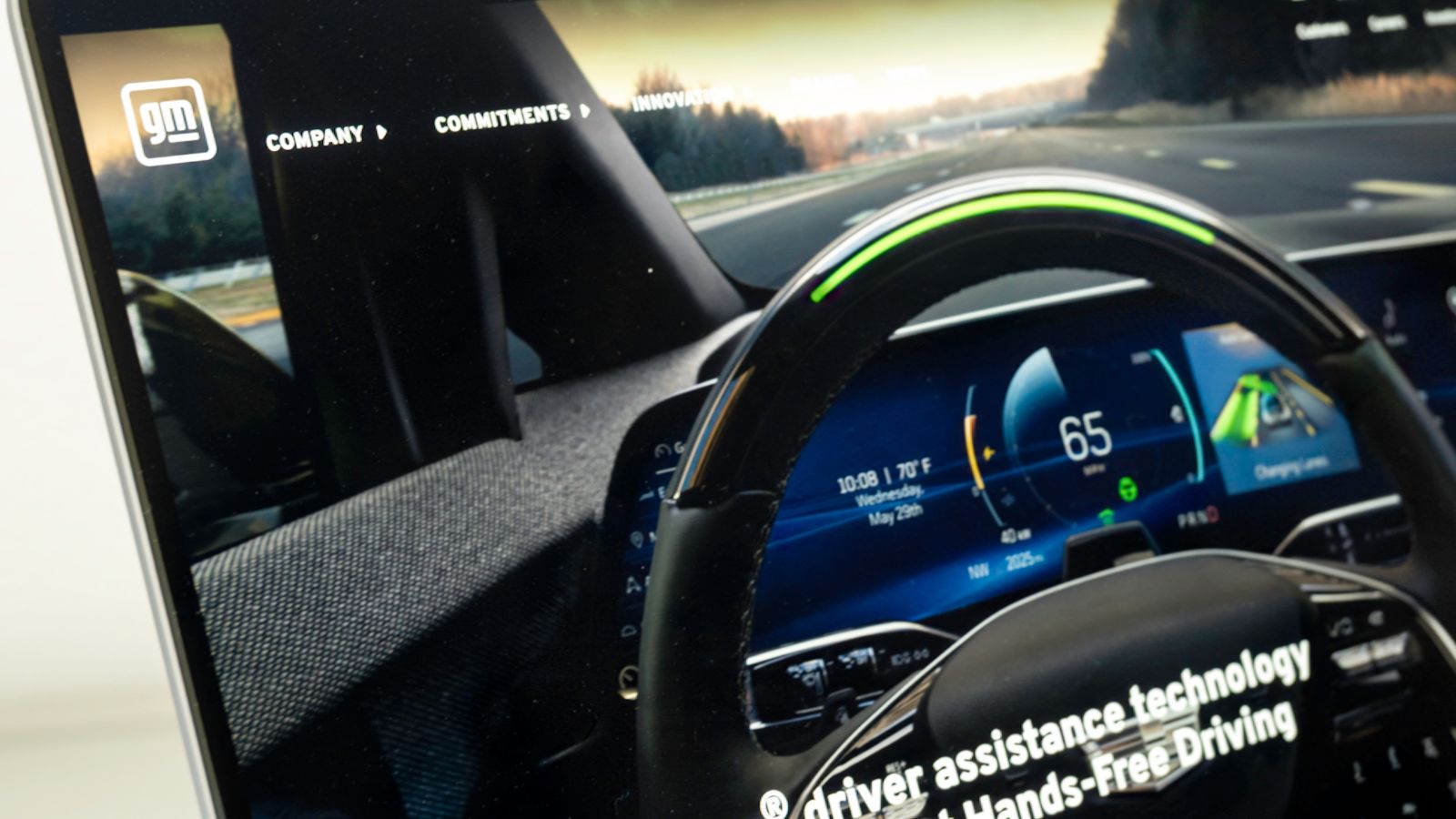
Reverse automatic emergency braking addresses a frightening blind spot. Sensors watch behind the vehicle and can stop it when the driver fails to react. In demonstrations, the technology looks decisive and foolproof. Real parking areas contain sloped driveways, curbs, shadows, bicycle racks, tall grass, and cross traffic. A sudden brake application can feel violent when the system mistakes a harmless object or the driver is already moving carefully.
Testing shows why it remains a backup. In AAA evaluations of four 2023 vehicles, reverse braking prevented contact with another vehicle in only one of 40 crossing scenarios. In tests involving a child-sized pedestrian target behind a stationary vehicle, it prevented a collision in 10 of 20 runs. Intervention can be lifesaving, yet uneven performance creates confusing expectations. The alert may seem overprotective on Tuesday and fail to intervene in a harder situation on Wednesday. Inconsistency is hard for owners to interpret.
Automated Parking Assist
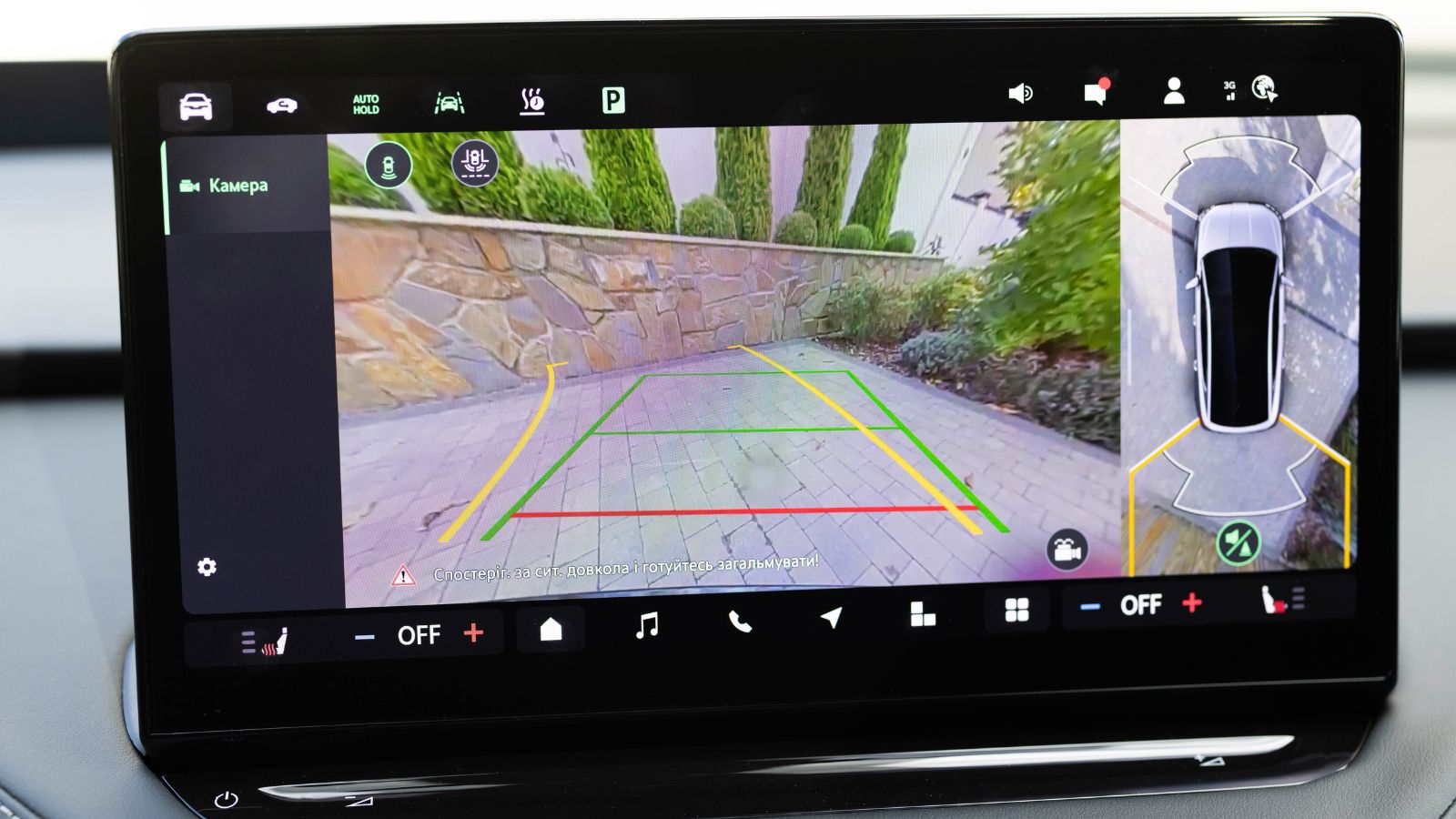
Automated parking looks memorable as the steering wheel turns by itself while the car slides into a space. For reluctant parallel parkers, it sounds liberating. Busy streets expose compromises. The system may reject a usable space, require a precise approach, request gear changes, or maneuver slowly enough to delay traffic. A confident driver may finish before understanding the instructions.
Novelty does not always become habit. J.D. Power reported that more than half of owners in one study had either never tried automated parking or had stopped using it. AAA found many drivers trusted themselves more than the technology, despite accurate test performance. It can help in tight spaces or with limited mobility. It becomes annoying when activating it takes more coordination than parking, or when painted lines and irregular curbs hide an obvious opening. Its greatest value may be occasional reassurance rather than a faster or easier everyday parking routine.
Flush Electronic Door Handles
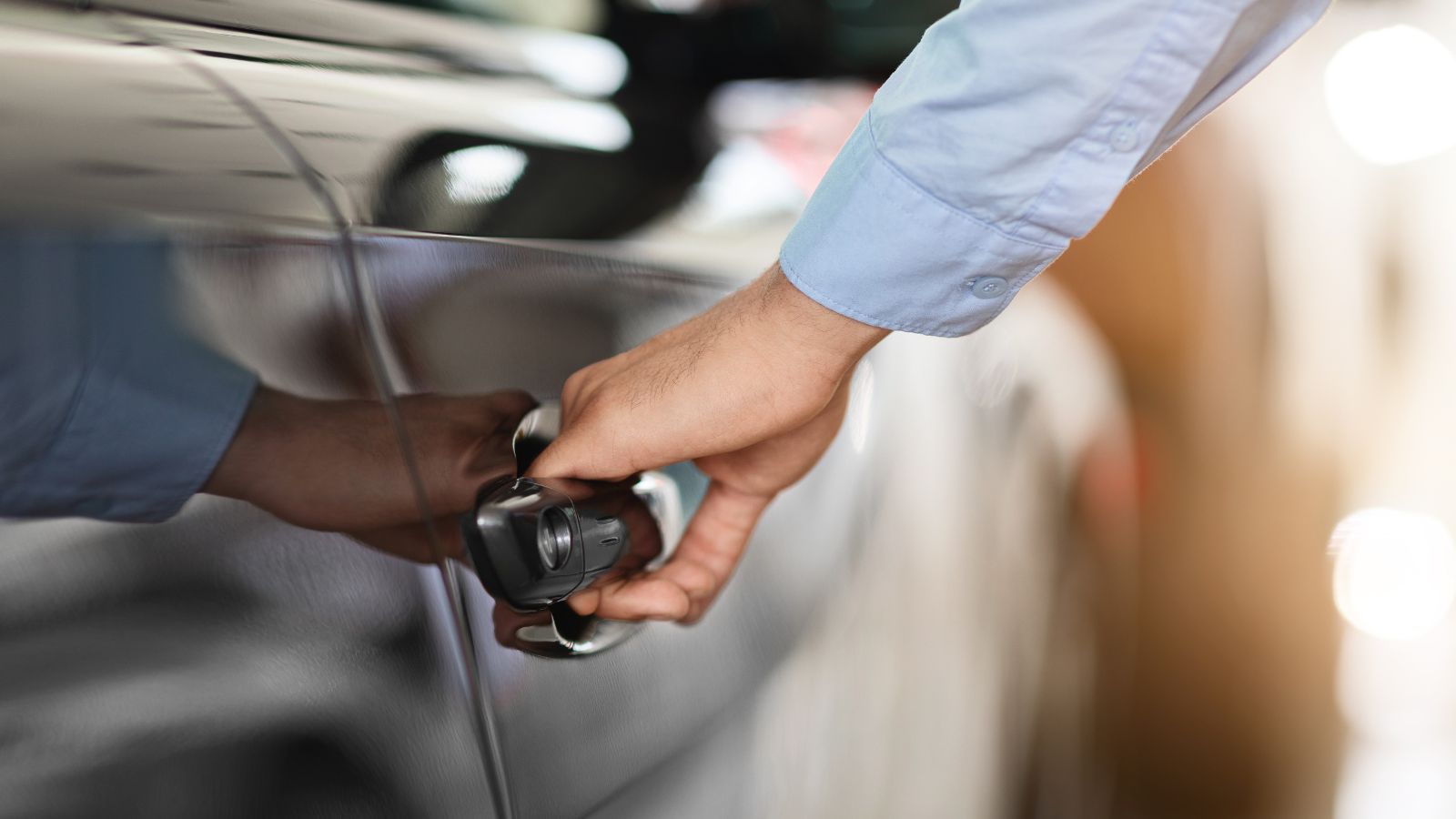
Flush door handles give a vehicle a smooth, aerodynamic profile and create theatre when they present themselves. The effect works under showroom lighting. In use, the handle may be awkward with gloves, confusing for passengers, or frozen after sleet. Electronic releases also depend on switches, motors, wiring, and battery power for a task once handled mechanically.
Failures raise the stakes. In 2025, U.S. regulators opened an investigation covering 174,000 Tesla Model Y vehicles after reports that exterior electronic handles became inoperative, sometimes while children were inside. Many vehicles include manual emergency releases, but they may not be obvious to passengers. Conventional handles can fail too. The annoyance is that a basic action—opening a door—now requires familiarity with a design puzzle, especially when power, weather, or urgency removes the polished choreography shown in advertisements. A clever handle should be intuitive to a frightened passenger who has never entered the vehicle before.
Panoramic Glass Roofs
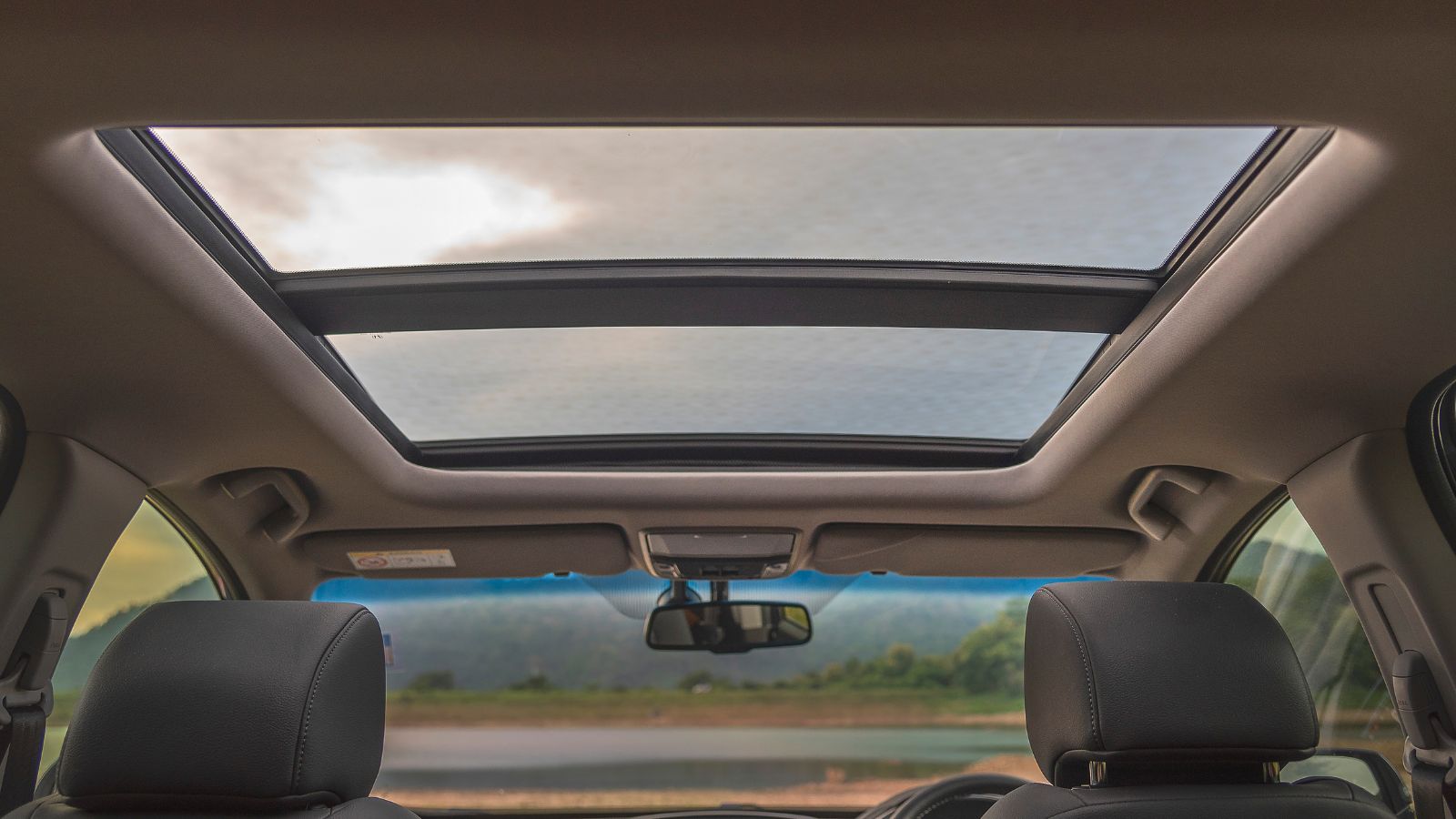
A panoramic roof transforms a showroom cabin. More daylight makes the interior feel spacious, rear passengers gain a view, and the glass creates an expensive architectural effect. Under summer sun, the same surface becomes a source of solar heat. Even with tinted glass and a powered shade, occupants may feel warmth overhead, while the climate-control system works harder to cool the airy cabin.
Glazing research shows sunroofs and other glass surfaces can reach high temperatures in sunlight, matching hot-climate experience. Compromises extend beyond temperature. Rain sounds louder, the shade may rattle over time, and opening the panel can produce buffeting. Some roofs barely open, making them closer to skylights. The feature remains delightful on cool scenic drives. In dense traffic or uncovered parking, owners may keep the shade closed for months, carrying a view they rarely use. That trade feels especially noticeable in regions where cars spend hours parked outside.
Oversized Wheels and Low-Profile Tires

Large wheels fill the arches, sharpen a car’s stance, and make ordinary trims look sporty. Broken pavement reveals the trade. Low-profile tires place less sidewall between rim and road, so impacts feel sharper and potholes leave less cushioning. Replacements often cost more, while alloy wheels sit closer to curbs and road damage. The upgrade creates anxiety in cities with poor surfaces.
Consumer Reports found modest handling gains brought major losses in ride comfort, hydroplaning resistance, and snow traction. Tire rolling resistance also affects fuel consumption, depending on construction, pressure, and setup. Automakers often tune their largest wheel option for appearance. A smaller factory wheel may look visually less dramatic, yet deliver a quieter ride, cheaper replacements, better winter practicality, and less panic when a deep pothole appears too late. The biggest wheels often improve the brochure photograph more than the commute, where comfort and durability matter more every single day.
Run-Flat Tires
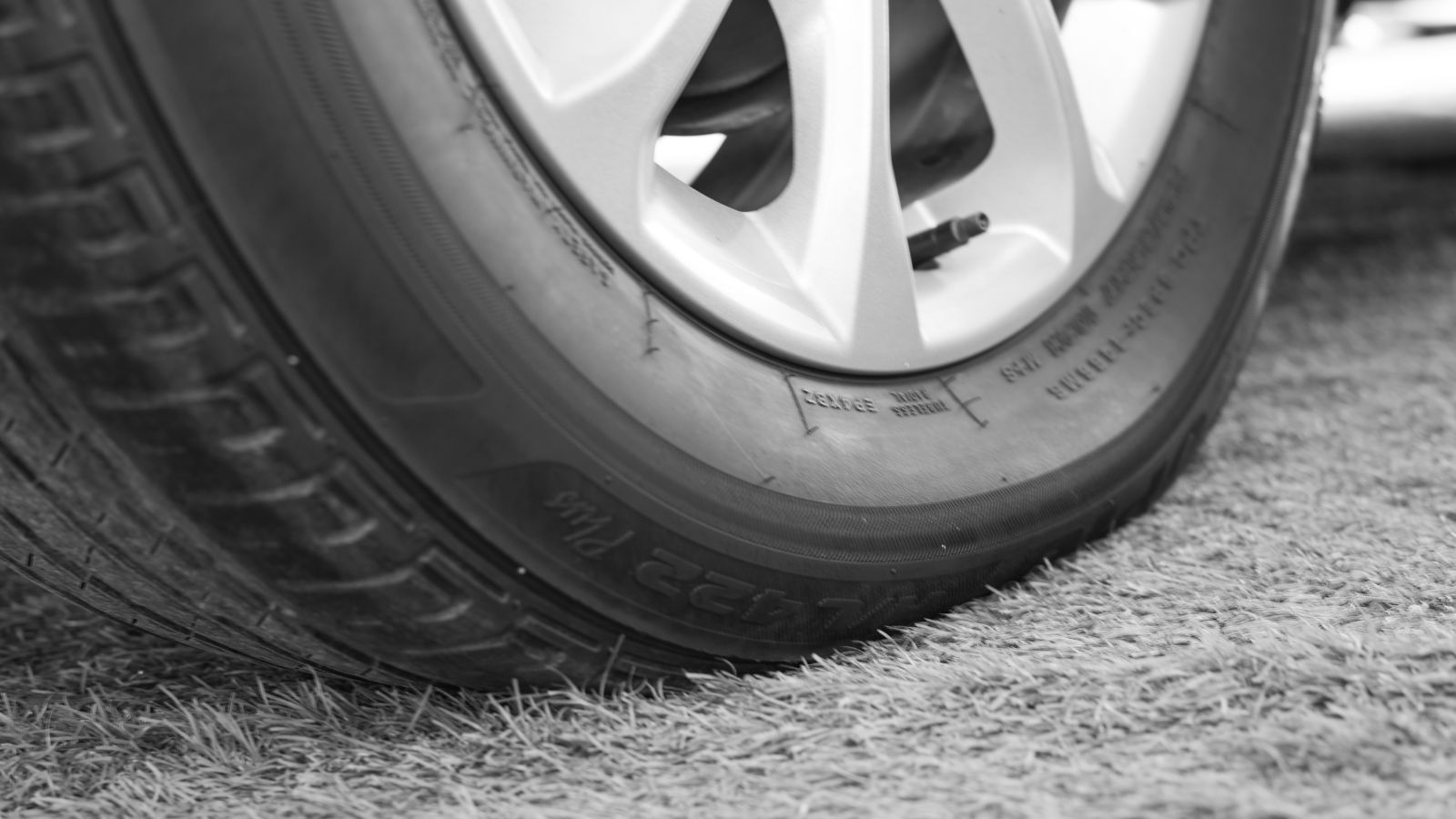
Run-flat tires promise that after a puncture, a vehicle can continue to reach help without stopping on a dangerous shoulder. Michelin says many designs can travel up to 50 miles at no more than 50 mph, depending on conditions. That can be reassuring at night or on highways. The compromise exists before any puncture.
Because reinforced sidewalls support the vehicle without air, run-flats often ride more firmly than conventional tires. Consumer Reports has noted that they can be expensive and difficult to find in the correct size during a replacement away from home. Many equipped vehicles omit a spare, so a damaged sidewall or failure beyond their range may require towing. The feature trades one inconvenience for another: locating a costly specialized tire when the nearest shop stocks only conventional alternatives. Owners may also discover that a punctured run-flat cannot always be repaired, even when the damage initially looks minor.
Subscription-Locked Features
Subscriptions suit services requiring data, cloud processing, or updates. They are harder to accept when the car contains the necessary hardware. BMW faced widespread criticism after offering heated-seat access monthly in some markets, asking owners to keep paying for installed equipment. BMW later acknowledged heated seats were a poor starting point.
The annoyance extends beyond price. Owners must remember which features expire, maintain accounts and payment methods, and wonder what transfers when the car is sold. A used buyer may see buttons or sensors that do nothing without reactivation. Automakers argue that software options let customers add features later and can reduce manufacturing complexity. Buyers often see something different: a completed vehicle withholding capability until another fee is paid. Advertising presents flexibility and continuous improvement; ownership can feel like a durable product became a collection of temporary permissions. The resentment is less about technology than control after the completed sale.
22 Things Canadians Do to Their Cars in Spring That Mechanics Hate

Spring brings relief to many Canadian drivers after months of snow, freezing temperatures, and icy roads that put serious strain on vehicles. As temperatures rise across the country, drivers begin washing cars, switching tires, and preparing vehicles for warmer weather and upcoming road trips. However, mechanics across Canada notice the same mistakes every spring when drivers attempt to recover from winter damage. Road salt, potholes, and harsh winter driving conditions often leave vehicles with hidden problems that drivers ignore. Some spring habits even create new mechanical issues that could have been avoided with proper maintenance. Here are 22 things Canadians do to their cars in spring that mechanics hate.

Alanna Rosen is an experienced content writer that focuses on many EV and educational content. Her articles are regularly published on Get CyberTrucked and syndicated on large publications.