
A used car priced noticeably below comparable models can feel like a rare opportunity, especially when it looks clean and drives well during a short test. Yet the purchase price tells only part of the story. Damage history, deferred maintenance, financing terms, worn components, ownership complications, and even fraud can turn an apparent bargain into a much more expensive commitment.
These 21 reasons show why a “great deal” deserves careful scrutiny before money changes hands. Some warning signs are visible, while others require records, VIN checks, professional inspections, or a closer look at the contract. A genuinely good used-car purchase is not simply the vehicle with the lowest advertised price. It is the one whose condition, history, ownership status, financing, and expected running costs still make sense after everything has been examined.
A Salvage or Rebuilt History Changes the Equation

An unusually attractive price may reflect a vehicle that was previously declared a total loss or given a salvage or rebuilt designation. Those labels do not automatically mean a car is unusable, but they can indicate that it once suffered significant collision, flood, fire, or other damage. The quality of the subsequent repairs matters enormously, and a freshly detailed exterior cannot show whether structural or mechanical work underneath was completed properly.
Title history therefore deserves as much attention as paint condition or mileage. The National Motor Vehicle Title Information System tracks brands such as salvage, junk, and flood, along with certain insurance total-loss records. It also warns about “title washing,” in which branding can become less obvious after a vehicle is retitled elsewhere. A low purchase price may compensate for that history, but only when the buyer understands exactly what happened, has the repairs inspected, and accounts for the effect on safety and resale value.
The Odometer May Not Tell the Whole Story
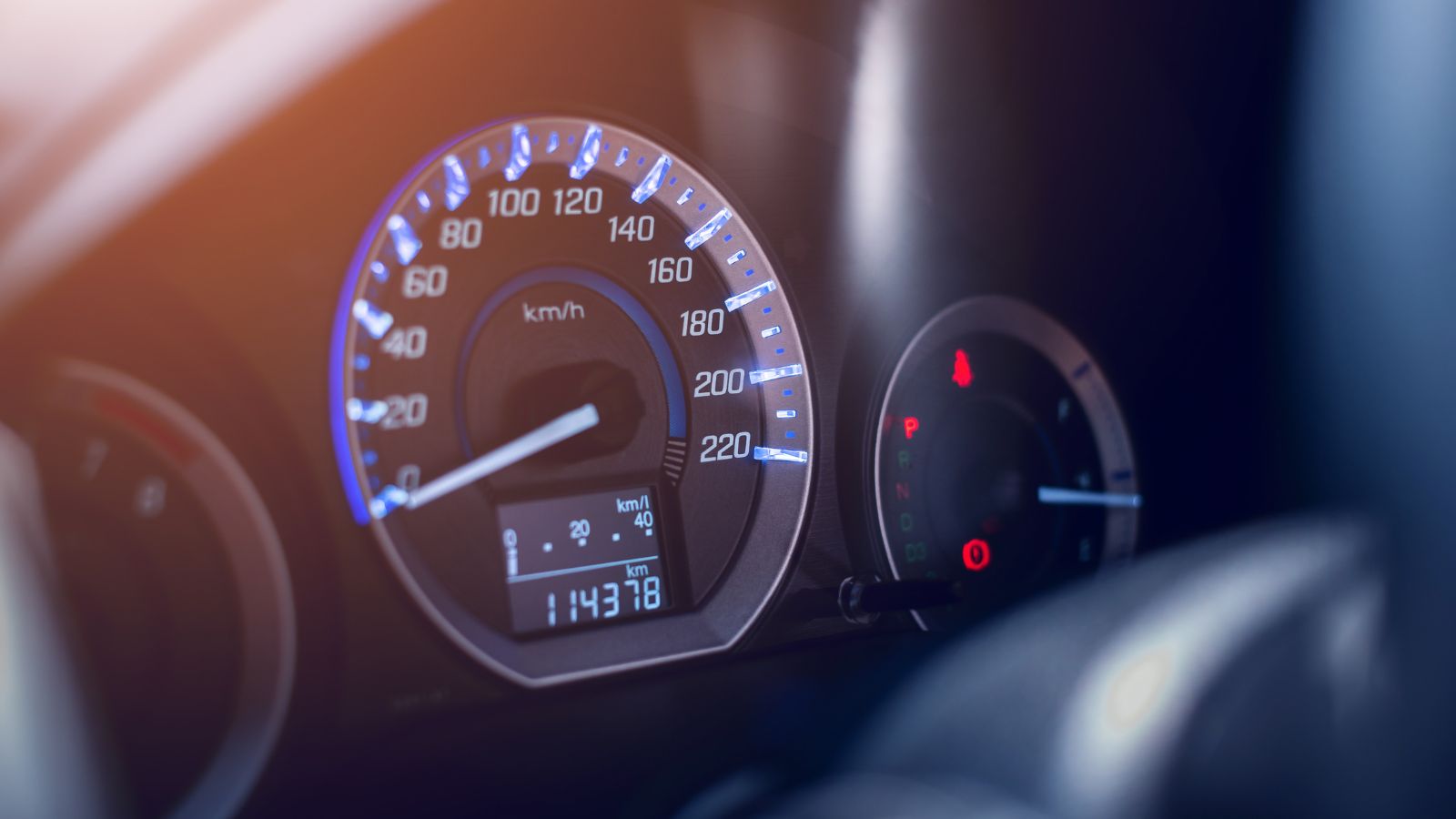
Mileage strongly influences used-car value, which is exactly why an apparently low-mileage bargain deserves verification. Odometer fraud involves altering or resetting the displayed mileage so a vehicle appears less heavily used than it really is. Modern digital displays have not eliminated the problem. In fact, tampering may leave fewer obvious visual clues than manipulating an old mechanical odometer.
The scale is large enough to warrant attention. The National Highway Traffic Safety Administration estimates roughly 452,000 cases of odometer fraud annually in the United States. Buyers can compare the displayed mileage with title information, inspection records, maintenance invoices, oil-change stickers, and vehicle-history reports. Physical wear also provides clues: heavily worn pedals, steering-wheel surfaces, seats, and controls may deserve explanation when the odometer shows remarkably little use. A car priced like a low-mileage example is hardly a bargain if its actual wear belongs to a vehicle that has travelled tens of thousands of additional miles.
Flood Damage Can Stay Hidden for Months

Flood-damaged cars can look surprisingly presentable once carpets are cleaned, interiors are deodorized, and visible water marks disappear. The deeper problems are harder to erase. Moisture can reach wiring, sensors, connectors, computers, mechanical components, and hidden metal surfaces. Corrosion or electrical faults may not reveal themselves during a fifteen-minute test drive, leaving a buyer to discover the consequences long after the sale.
Federal consumer guidance recommends looking for mud or sand beneath seats and dashboards, corrosion around doors, mismatched or loose carpeting, musty odors, and unusually strong cleaning-product smells. A flood history should also be checked through title and vehicle-history sources, although databases have limitations when damage was never reported. That makes an independent inspection particularly important. A low price can easily lose its appeal when intermittent electrical faults, rust, warning lights, or contaminated mechanical systems begin appearing later. Cosmetic cleanliness should never be treated as proof that a vehicle remained dry.
An Open Recall May Still Be Waiting

A used vehicle can look immaculate and operate normally while still carrying an unrepaired safety recall. Recalls are issued when a manufacturer or safety regulator identifies an unreasonable safety risk or a failure to meet applicable safety standards. The defect may involve equipment that is impossible to judge from appearance alone, making a VIN-based search more useful than assuming the absence of dashboard warnings means everything is resolved.
NHTSA reported that more than 29 million vehicles were covered by recalls in the United States during 2025, illustrating how common recall campaigns can be. Manufacturers generally provide recall remedies without charging owners, but an outstanding campaign can still create inconvenience, parts delays, or restrictions such as “do not drive” or “park outside” instructions in serious cases. Checking the exact VIN before buying takes little time. A seller who advertises a car as completely sorted should be able to explain whether outstanding recalls exist and whether previously announced campaigns have already been completed.
A Clean History Report Is Not a Mechanical Inspection

A vehicle-history report is valuable, but “nothing reported” should not be interpreted as “nothing happened.” Databases depend on information reaching participating sources. Unreported collisions, home repairs, mechanical deterioration, recent incidents awaiting database updates, and some forms of structural damage may never appear. Even federal NMVTIS material specifically warns that history information is not a substitute for examining the physical vehicle.
That distinction matters when an unusually inexpensive car comes with a reassuring report. A qualified independent mechanic can evaluate present condition rather than simply documented history, checking components such as the engine, transmission, suspension, brakes, fluids, underside, and evidence of previous repairs. The FTC recommends an independent mechanical inspection even when a dealer calls a vehicle “certified” or says it has already been inspected. A clean report and a successful inspection strengthen each other. Relying exclusively on either one creates a blind spot that a bargain-priced problem car can slip through surprisingly easily.
“As Is” Can Transfer the Repair Risk

The words “as is” can dramatically change the financial meaning of a low purchase price. Under the FTC’s U.S. used-car guidance, a dealer vehicle marked “As Is — No Dealer Warranty” generally means the dealer is not promising to pay for problems or repairs covered by that disclosure. State protections differ, so the exact legal effect depends on where the transaction occurs, but the practical warning is simple: warranty assumptions should never be left to conversation alone.
Imagine a car priced $2,000 below similar examples but carrying no meaningful dealer warranty. If a substantial mechanical problem appears shortly after purchase, the initial saving can disappear rapidly. Buyers should examine the Buyers Guide, warranty documents, service-contract terms, and any written promises before signing. Spoken assurances such as “we’ll take care of anything that comes up” are much weaker than clear written coverage. A discount should therefore be evaluated alongside the amount of repair risk being transferred from the seller to the new owner.
Add-Ons Can Quietly Erase the Discount

A great advertised price can survive the test drive and still disappear at the paperwork stage. Dealers may offer products such as service contracts, GAP coverage, VIN etching, paint protection, theft products, rustproofing, or other accessories. Some may be useful in particular circumstances, but they are separate purchases. The Federal Trade Commission warns that dealer add-ons can cost thousands of dollars and may be introduced late in the transaction.
That makes the out-the-door figure more important than the number printed in the advertisement. A vehicle advertised several thousand dollars below a competitor may ultimately cost more after optional products and additional charges are included. Buyers should request an itemized out-the-door price in writing and identify every product before agreeing to finance it. Financing an unnecessary add-on is especially costly because interest may be paid on that item as well. The strongest comparison is therefore not “Car A costs $18,000 and Car B costs $20,000.” It is the complete amount required to acquire each vehicle under equivalent terms.
A Low Monthly Payment Can Hide an Expensive Loan

The monthly payment can make an ordinary deal appear much more affordable than it really is. Extending an auto loan over additional years reduces the required payment each month, but it also increases the amount of interest paid over time. The Consumer Financial Protection Bureau additionally warns that long terms can leave borrowers exposed to negative equity, where the outstanding loan balance exceeds the vehicle’s value.
The difference can be substantial even without an extreme interest rate. In one CFPB illustration involving a $20,000 loan at 4.75%, extending repayment from 36 to 72 months lowered the monthly payment but increased total interest from about $1,498 to $3,024. Used-car shoppers should therefore compare APR, amount financed, finance charges, loan term, and total payments rather than concentrating on monthly affordability. A discounted car financed poorly can cost more than a higher-priced alternative purchased under stronger terms. The meaningful bargain is measured at the end of the loan, not merely at the first payment.
Missing Maintenance Records Leave Important Questions

A spotless cabin cannot reveal whether engine oil was changed on schedule, coolant was neglected, transmission service was postponed, or worn components were replaced only when they failed. Missing records do not prove that a vehicle was abused, because owners sometimes maintain cars carefully without preserving every invoice. They do remove one important source of evidence, however, making it harder to determine how consistently the vehicle was cared for.
Recent AAA used-car guidance recommends reviewing service history and asking when maintenance was last performed. Recorded oil changes, tire rotations, brake work, fluid services, and larger repairs can help establish a pattern rather than relying entirely on a seller’s memory. Gaps become particularly significant when the vehicle is approaching an expensive maintenance interval. A bargain price may simply be transferring overdue work to the new owner. When records are incomplete, an independent inspection becomes more valuable, and the purchase budget should leave room for baseline servicing rather than assuming everything visible beneath a fresh detail has already been handled.
The Tires May Be an Immediate Four-Corner Expense

New-looking bodywork can draw attention away from four expensive components touching the pavement. Tires near the end of their useful life can turn an attractive purchase price into an immediate replacement bill. Tread depth is only part of the evaluation. Uneven wear can suggest alignment, steering, or suspension issues, while cracks, bulges, damage, or significant age may justify replacement even when some tread remains.
NHTSA states that tires should be replaced when tread reaches 2/32 of an inch and notes that some vehicle and tire manufacturers recommend replacing tires after roughly six to ten years regardless of remaining tread. The tire identification number molded into the sidewall reveals the manufacturing week and year. Buyers should inspect all four tires rather than assuming matching sidewall branding means matching condition. A vehicle priced slightly below market may not be particularly cheap if it immediately needs a complete set of quality tires plus alignment or suspension work responsible for abnormal wear.
Worn Brakes Can Consume the Savings Quickly
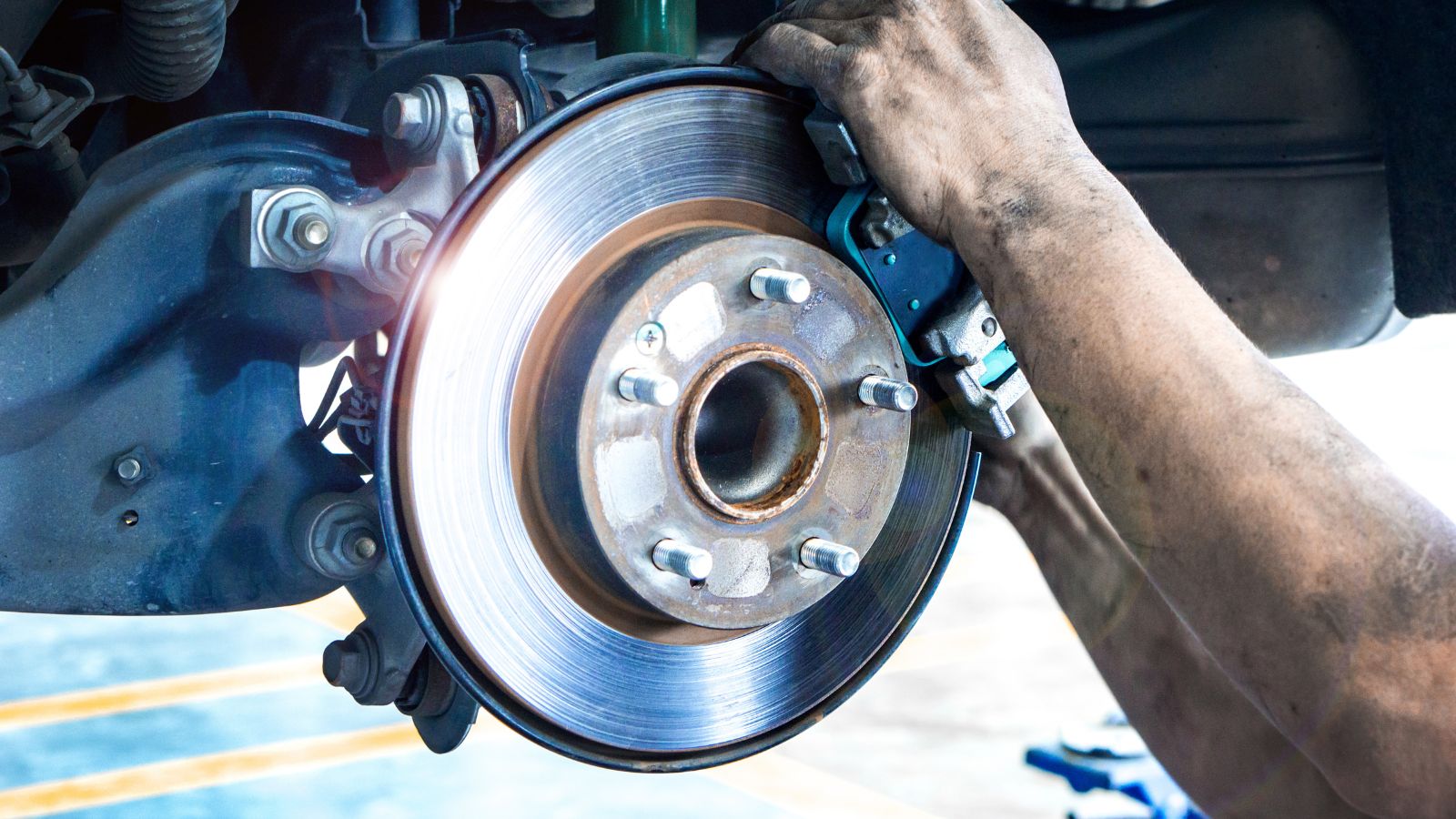
Brakes are wear items, so seeing some use on a used vehicle is normal. The problem arises when an advertised bargain is priced as though no immediate maintenance is required while the brake system is already approaching replacement. A short, gentle test drive may not reveal the whole picture, particularly when a seller has recently cleaned the wheels and the car stops acceptably at neighbourhood speeds.
Warning signs include squealing or grinding, vibration under braking, a spongy pedal, pulling to one side, unusually long stopping distances, or visibly thin pads. AAA notes that brake life varies significantly with vehicle type, driving habits, weather, and operating conditions, making mileage alone an unreliable guarantee. A professional inspection can assess pads, rotors, fluid condition, and related components more accurately. The negotiation should reflect that information. A car that is $1,000 cheaper but requires brake work almost immediately may simply be a normally priced car with maintenance costs shifted into the first months of ownership.
Major Scheduled Maintenance May Be Just Around the Corner
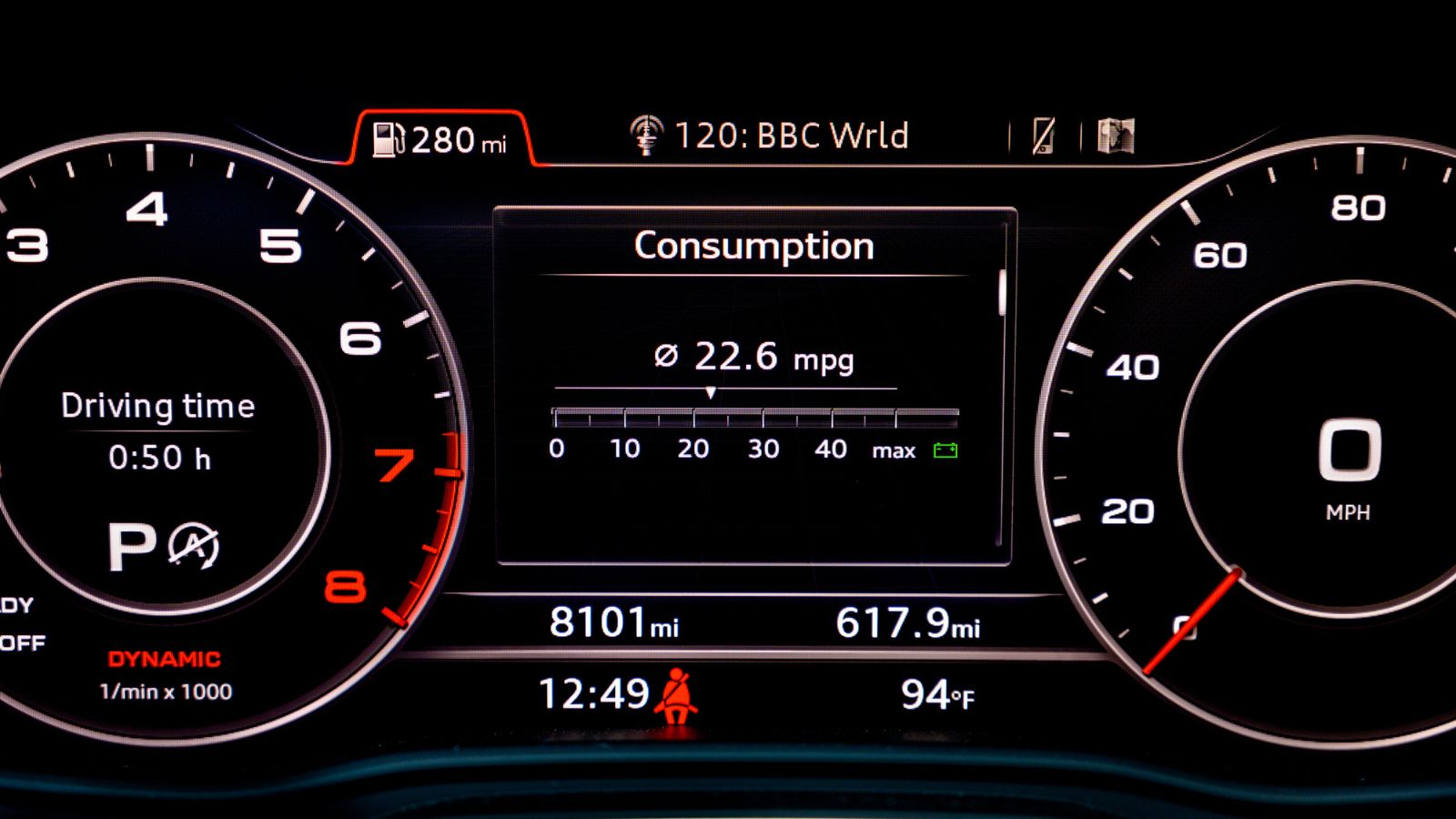
Mileage can place a car at an awkward point where several expensive maintenance jobs are about to come due. Timing belts are a classic example on engines that use them. AAA guidance notes that manufacturer replacement recommendations commonly fall somewhere around 60,000 to 105,000 miles, depending on the vehicle, with time limits also applying in many maintenance schedules. The correct interval always comes from the specific manufacturer’s documentation.
This creates an easy way for two seemingly identical used cars to have very different real values. One may have documentation showing that a major belt service, spark plugs, coolant, or other scheduled work was recently completed. The cheaper vehicle may be approaching those jobs with no records at all. Buyers should compare the odometer and age against the manufacturer’s maintenance schedule before deciding what represents a bargain. A lower sticker price is less impressive when several years of deferred or upcoming maintenance effectively arrive with the keys on the first day.
Structural Rust Is More Than a Cosmetic Problem
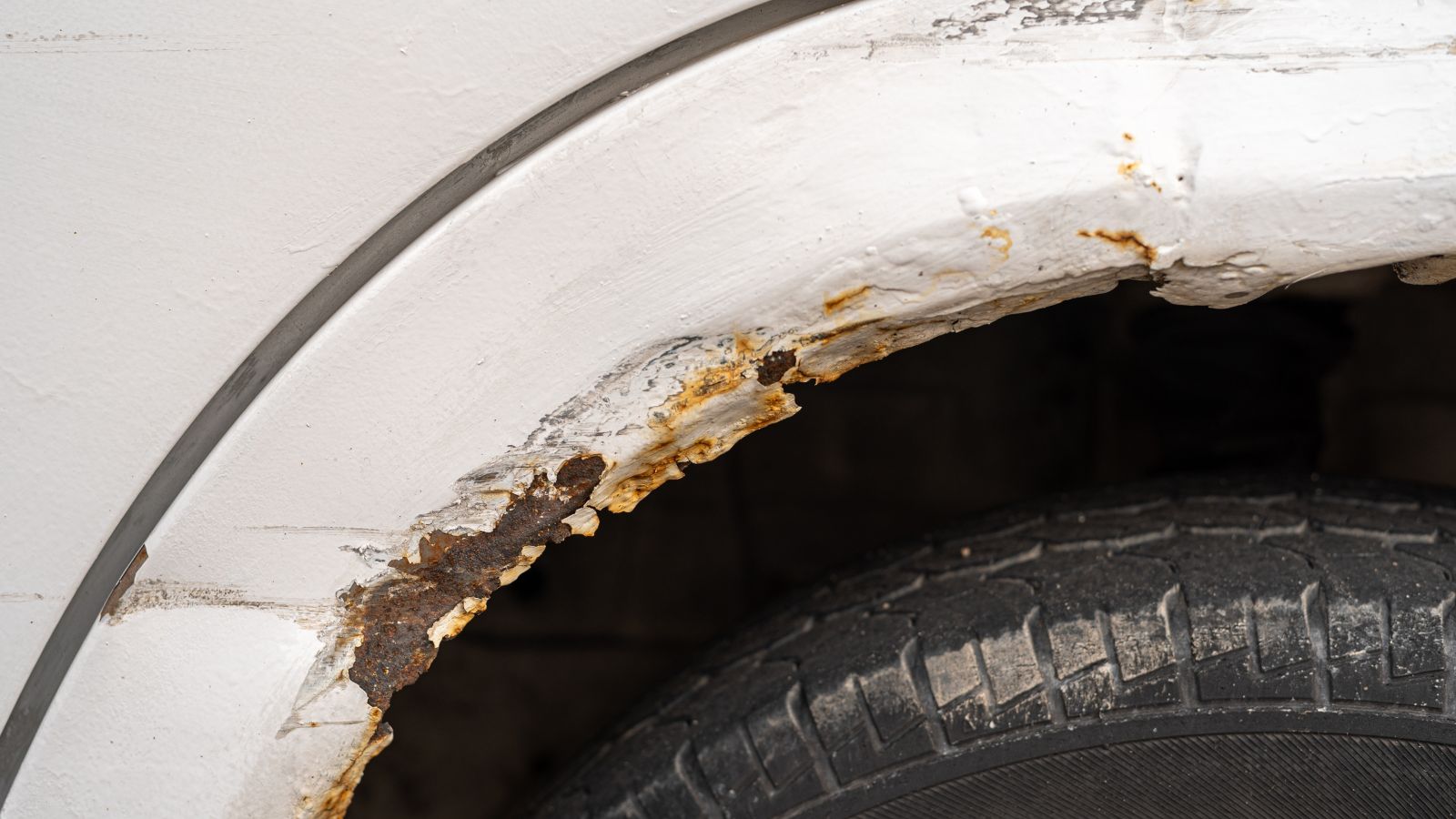
Surface rust on an older vehicle is not automatically catastrophic, especially in climates where road salt and moisture are common. Structural corrosion is different. Rust affecting load-bearing areas, mounting points, the underbody, or frame components can weaken metal and turn what looks like an inexpensive cosmetic flaw into a safety and repair concern. It is also much easier to hide beneath a vehicle than on a polished hood.
AAA specifically advises used-car shoppers to look beneath the vehicle and warns that rust in structural areas can affect safety. Blistering paint can also indicate corrosion developing underneath a painted surface. This is one reason an inspection performed on a lift can reveal more than a driveway walkaround. Fresh undercoating deserves examination rather than automatic praise, particularly if its purpose or timing is unclear. A cheap vehicle with serious corrosion can be difficult or uneconomical to restore properly, making geographic history and underbody condition important parts of determining whether the price is genuinely attractive.
Transmission Problems May Appear Only During a Proper Test

A vehicle can idle beautifully in a parking space while hiding one of its most consequential mechanical problems. Transmission trouble often becomes apparent only after the car is fully warmed and driven through different speeds and loads. Hard shifts, hesitation, slipping, unusual noises, delayed engagement, or engine revving without corresponding acceleration can all justify closer examination rather than accepting the seller’s explanation that the behaviour is “normal for the model.”
Some designs, particularly certain continuously variable transmissions and hybrids, naturally behave differently from conventional automatics, so symptoms must be interpreted in the context of the specific vehicle. That is another reason professional evaluation matters. AAA advises used-car shoppers to pay attention to shifting during a test drive and identifies hard shifting, slipping gears, and hesitation as potential warning signs. A proper drive should include varied speeds rather than one short loop around the dealership. The lower the asking price, the less sensible it is to gamble that unusual transmission behaviour will remain inexpensive.
Dashboard Warning Lights Should Not Be Bargained Away
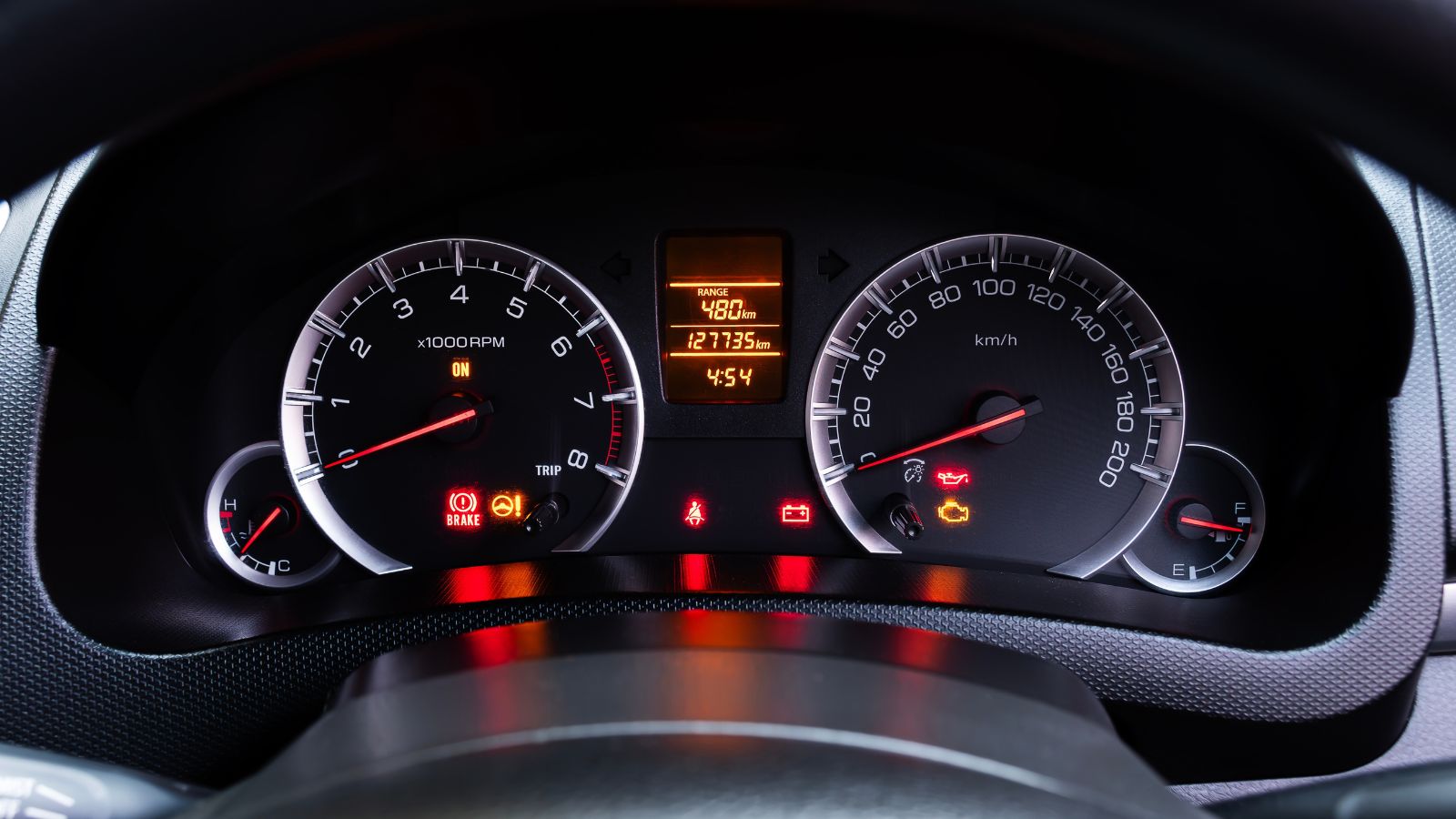
A glowing warning symbol can be easy to rationalize when the rest of the vehicle looks excellent. The check-engine light might indeed represent something relatively minor, but the same warning can also correspond to more significant engine or emissions faults. Brake, airbag, transmission, battery, oil-pressure, and other indicators likewise communicate problems that should be diagnosed rather than mentally deducted from the asking price without evidence.
AAA distinguishes between red warnings that can signal urgent problems and yellow or amber lights that generally require prompt attention. During startup, buyers should also watch whether the expected warning lamps illuminate briefly during their normal self-check and then go out. A seller who has already diagnosed an innocent fault should be able to produce documentation or permit independent verification. Clearing a diagnostic code shortly before a test drive does not repair the underlying problem. A bargain becomes speculative when part of its value depends on hoping that an unexplained dashboard light represents the cheapest possible repair.
Prior Rental or Commercial Use Deserves Context

A former rental, company, taxi, police, or other commercial vehicle is not inherently a bad purchase. Some fleet operators maintain vehicles on strict schedules, and former rentals can enter the used market relatively young. What changes is the information needed to judge value. Commercial usage may involve rapid mileage accumulation, many different drivers, extended idling, urban stop-and-go operation, or other patterns that differ from a lightly used personal vehicle.
Vehicle-history services can sometimes identify whether a car was previously registered as a rental, lease, or commercial unit. AAA specifically cautions shoppers about rental cars lacking maintenance records while also recognizing that fleet and program cars can represent legitimate used-car options. The important question is therefore not simply, “Was it a rental?” It is whether its mileage, records, condition, and asking price appropriately reflect that past. A former fleet car with thorough maintenance and a professional inspection may be excellent value; one presented vaguely as an ordinary low-owner vehicle deserves much more scrutiny.
Insurance Costs Can Make a Cheap Car Expensive to Keep

Purchase price is only one component of affordability. Two similarly priced used vehicles can generate noticeably different insurance quotes because insurers consider characteristics such as repair costs, safety experience, theft exposure, vehicle value, and other risk factors alongside information about the driver and coverage. A model that looks like the better bargain on the sales lot can therefore carry the higher recurring cost.
The Insurance Information Institute specifically recommends comparing premiums before buying a new or used vehicle. This is especially useful with performance cars, luxury models, vehicles containing expensive technology, or models that experience elevated theft or claim costs. The calculation should be completed using the buyer’s own circumstances rather than a generic national average, because premiums also depend on location, driving history, coverage choices, and insurer. Obtaining quotes before committing takes the mystery out of the equation. Saving money once at purchase is less meaningful if substantially higher insurance expenses continue arriving every month for several years.
Poor Fuel Economy Can Become a Permanent Surcharge
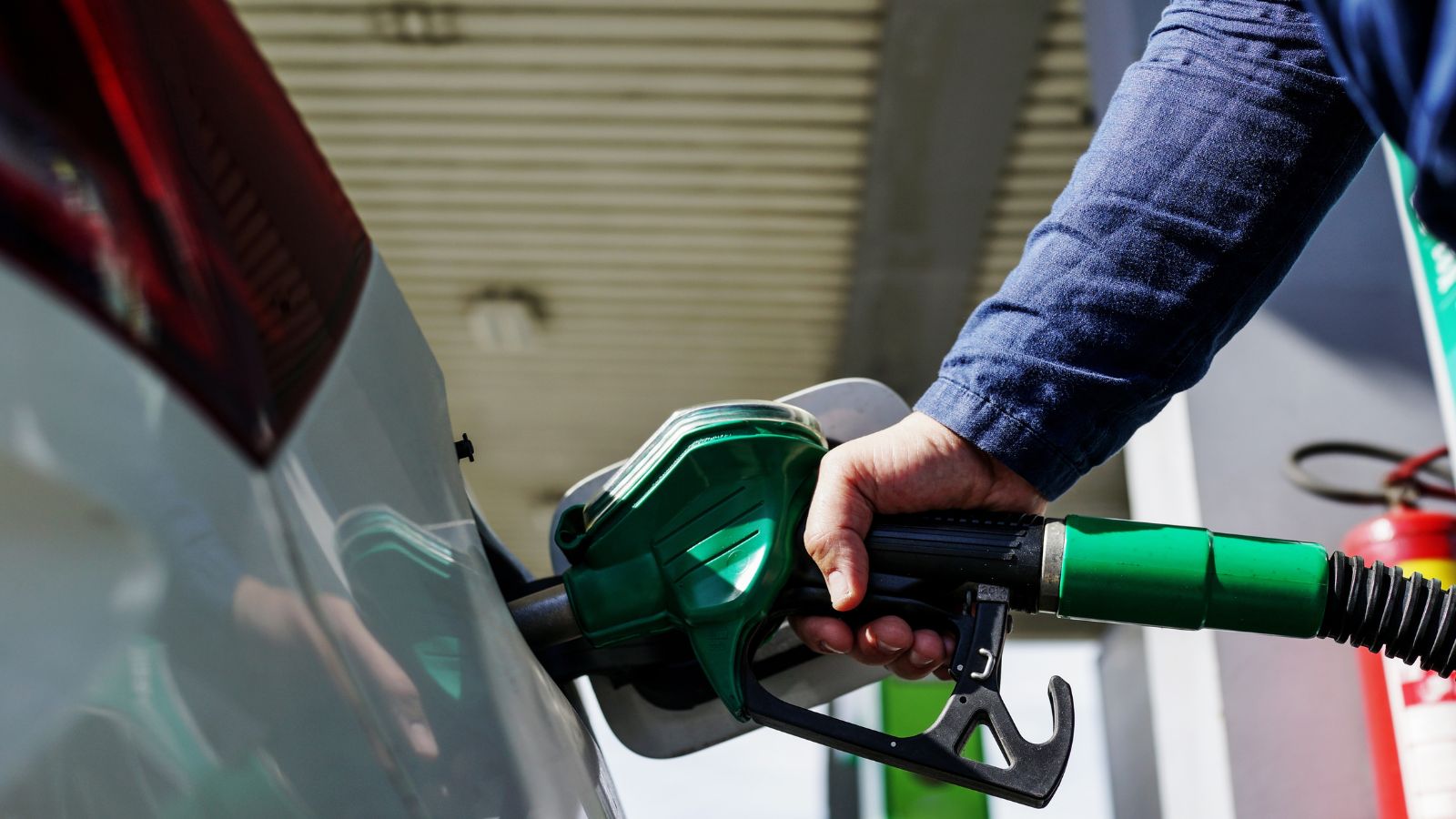
A large sedan, older crossover, pickup, or performance vehicle can look unusually affordable because depreciation has lowered the purchase price faster than its appetite for fuel. That creates a recurring ownership cost that is easy to underestimate while comparing listings. A difference of several miles per gallon matters repeatedly across every commute, road trip, and year of ownership rather than appearing as one obvious repair bill.
The Environmental Protection Agency provides fuel-economy information for used vehicles and notes that the original EPA estimate generally remains a useful indicator of average fuel economy when a vehicle is properly maintained. Its tools also allow fuel expenses to be personalized according to mileage and fuel prices. Before choosing the cheapest example on the lot, shoppers can compare annual fuel consumption among competing models using the same assumptions. An older premium SUV may cost less upfront than a smaller alternative while consuming substantially more fuel. A good deal should be evaluated against the driving that will happen after purchase, not simply the money required to acquire the keys.
An Outstanding Lien Can Complicate Ownership

The person holding the keys is not necessarily free to sell a vehicle without involving anyone else. A lender or other lienholder may retain a legal financial interest in the car until the underlying obligation has been satisfied. Procedures vary by jurisdiction, but buyers in a private transaction should understand exactly how an existing lien will be discharged and how a valid title will transfer before handing over the purchase money.
State motor-vehicle agencies routinely warn buyers to verify lien status. Montana’s Motor Vehicle Division, for example, states that an unresolved lienholder may have a legal claim to the vehicle if the previous owner fails to satisfy the debt. Delaware similarly advises checking the title for lienholder information and obtaining appropriate proof of release. A seller saying “the bank has the title” is not necessarily suspicious, because that is normal in many financed transactions. What matters is having a documented payoff and transfer procedure. A fantastic price cannot compensate for discovering that clean legal ownership was never secured.
The VIN Could Belong to Another Vehicle
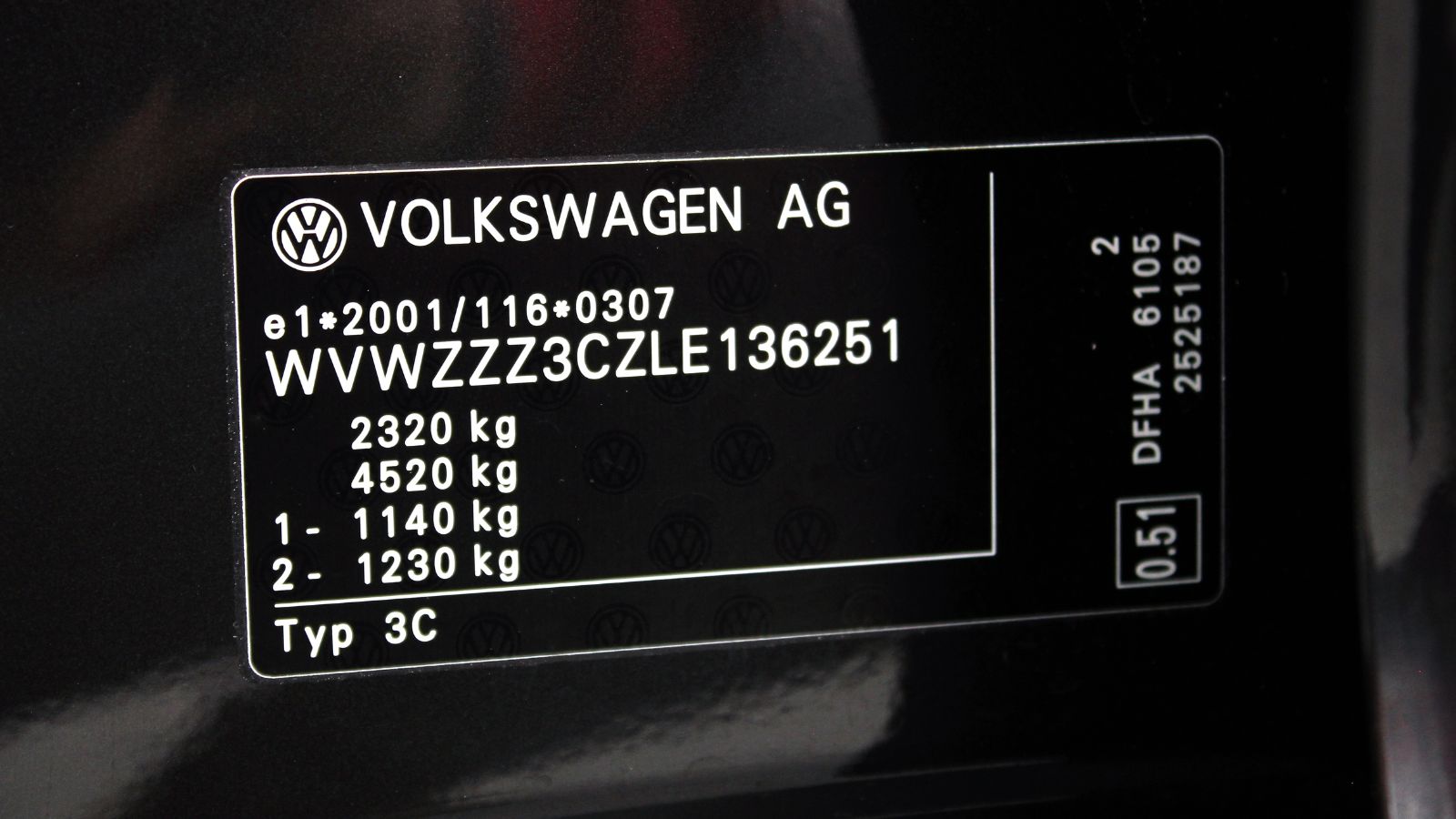
One of the most serious used-car risks has little to do with mechanical condition. Vehicle cloning occurs when criminals copy the VIN of a legitimate car and place counterfeit identification labels and documents on a stolen vehicle of the same or similar type. The result may look remarkably convincing, particularly to a buyer focused on an attractive price and a clean-looking title.
The National Insurance Crime Bureau warns that cloned vehicles can be sold to unsuspecting buyers and recommends checking the VIN through official motor-vehicle records, conducting a title search, and using theft and history databases. VINs visible on the dashboard, body labels, paperwork, and history records should agree. NICB also cautions that someone who unknowingly purchases a cloned stolen vehicle may discover that the automobile was never legally theirs, potentially resulting in confiscation when the theft is identified. That possibility transforms an unusually cheap car from an apparent windfall into one of the most expensive purchasing mistakes imaginable.
A Price Far Below Market Can Be the Warning Itself

Occasionally a seller genuinely needs a fast sale and accepts less than market value. Still, an extreme discount should create more questions, not fewer. AAA warns that a price substantially below comparable vehicles can point to undisclosed damage, mechanical issues, title problems, or outright fraud. The FTC also identifies pressure to complete an online car purchase quickly as a common scam warning sign.
The safest response is to slow the transaction down. Compare the price with genuinely similar vehicles, verify the VIN, meet the seller and inspect the actual car, check ownership documentation, obtain a history report, and arrange an independent mechanical inspection. Requests for unusual or difficult-to-recover payment methods deserve particular caution. A legitimate bargain can generally withstand basic due diligence. A supposed bargain that exists only if the buyer sends money immediately, skips the inspection, accepts missing paperwork, or overlooks conflicting information is not becoming more valuable because of urgency. The pressure itself may explain the extraordinary price.
16 Costco Canada Habits That Could Be Costing Shoppers More Than They Save
The Executive Membership can feel like an obvious upgrade because the 2% annual reward sounds straightforward. For households that spend heavily at Costco Canada, the extra fee may be easy to justify. But the habit becomes costly when shoppers upgrade first and calculate later. A Gold Star Membership costs less, while Executive costs more and only pays off if eligible annual spending is high enough to offset the difference.
16 Costco Canada Habits That Could Be Costing Shoppers More Than They Save

Alanna Rosen is an experienced content writer that focuses on many EV and educational content. Her articles are regularly published on Get CyberTrucked and syndicated on large publications.