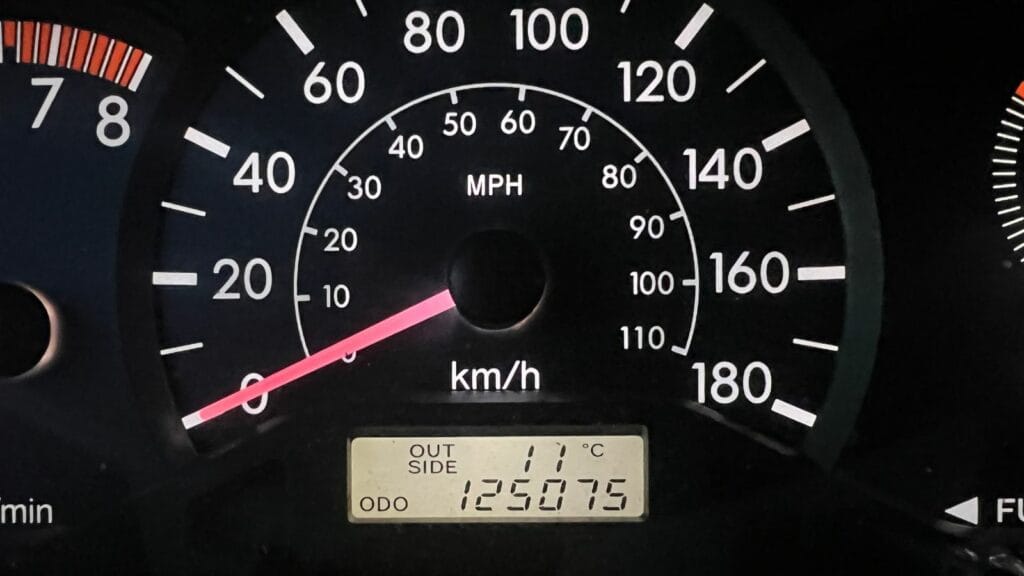
A low number on the odometer can make an older vehicle seem unusually safe, valuable, and lightly worn. Yet mileage records only how far a car has travelled—not how long it has aged, where it was stored, how often it was started, or what happened before it reached the sales lot. Some low-mileage vehicles are genuine treasures, but others carry neglected maintenance, hidden damage, expired components, or an inflated asking price. These 21 reasons explain why a careful buyer should treat low mileage as one useful clue rather than a guarantee of condition. The strongest purchase decisions come from matching the odometer reading with the vehicle’s age, service records, ownership history, physical wear, diagnostic results, and an independent mechanical inspection.
The Odometer Reading May Not Be Genuine

A remarkably low reading deserves verification, especially when it seems inconsistent with the vehicle’s age, price, or visible wear. Odometer fraud can involve physically altering an older mechanical unit, changing electronic data, replacing an instrument cluster, or misrepresenting a reading after repairs. The U.S. National Highway Traffic Safety Administration estimates that more than 450,000 vehicles are sold each year with false odometer readings, showing that the risk is not merely theoretical.
Clues often appear elsewhere. A supposed 40,000-kilometre car should not normally have a deeply polished steering wheel, badly worn pedal rubber, sagging driver’s seat, or service stickers showing much higher past mileage. Buyers should compare the current reading with inspection reports, maintenance invoices, registration records, and a vehicle-history report. A history report can still have gaps, so mismatches should be investigated rather than explained away. Low mileage is valuable only when the paper trail and physical condition support the same story.
Age Keeps Working Even When the Car Does Not
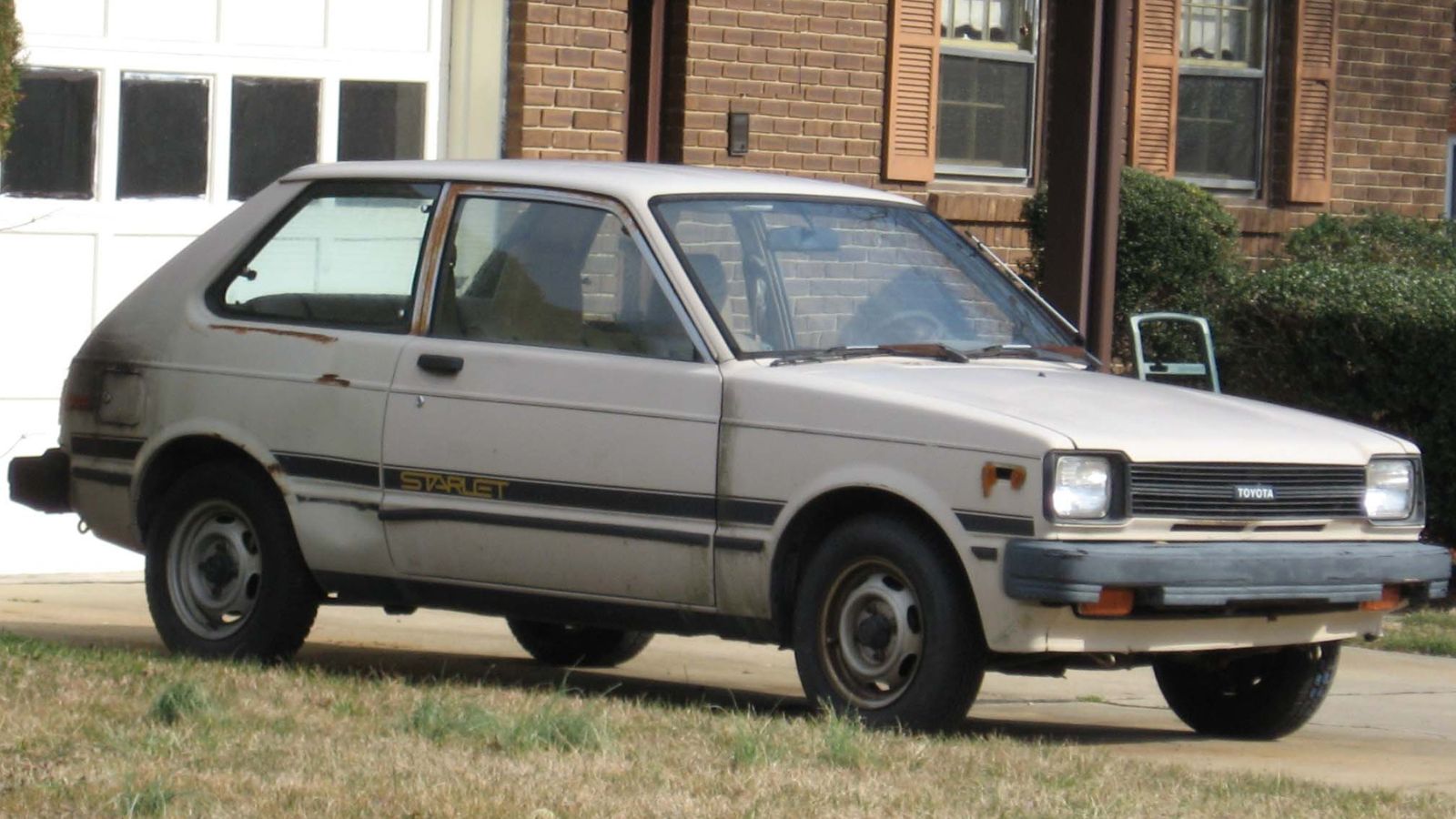
A vehicle does not stop ageing when it is parked. Rubber, plastics, adhesives, seals, electrical insulation, paint, and metal components continue reacting to heat, cold, moisture, oxygen, and sunlight. That means a 12-year-old car with 35,000 kilometres is still a 12-year-old machine. It may have avoided substantial road wear, but it has not avoided twelve summers, winters, humidity cycles, and temperature changes.
Regular use can actually help certain systems. Driving circulates lubricants, brings seals through normal operating cycles, charges the battery, moves the tires, and operates the brakes. A vehicle that sits for months may look preserved while hidden components slowly stiffen, corrode, discharge, or dry out. Consider two identical cars: one has 90,000 kilometres with complete annual servicing, while the other has 30,000 kilometres and spent years under a cover. The lower number does not automatically identify the healthier car. Age, storage conditions, and maintenance history must be weighed together.
Calendar-Based Maintenance May Have Been Ignored

Many owners assume maintenance is needed only after a mileage threshold. Manufacturers often specify service by distance or time, whichever comes first, because fluids, filters, seals, and inspection needs can change even when a vehicle is driven very little. Toyota, for example, commonly recommends scheduled maintenance every 5,000 miles or six months on applicable models. A low-use owner who waited years to “reach the mileage” may have skipped several required visits.
This creates an awkward used-car scenario: the odometer looks attractive, but the service book contains long blank periods. Engine oil may have gone unchanged, brake fluid may never have been assessed, and small leaks or deteriorating belts may have remained unnoticed because no technician saw the car. A buyer should ask for dated invoices rather than relying on a statement that the car “didn’t need anything.” When the records are missing, the purchase budget should include a thorough baseline service and inspection. Low mileage cannot substitute for documented, time-appropriate care.
Repeated Short Trips Can Be Hard on a Vehicle
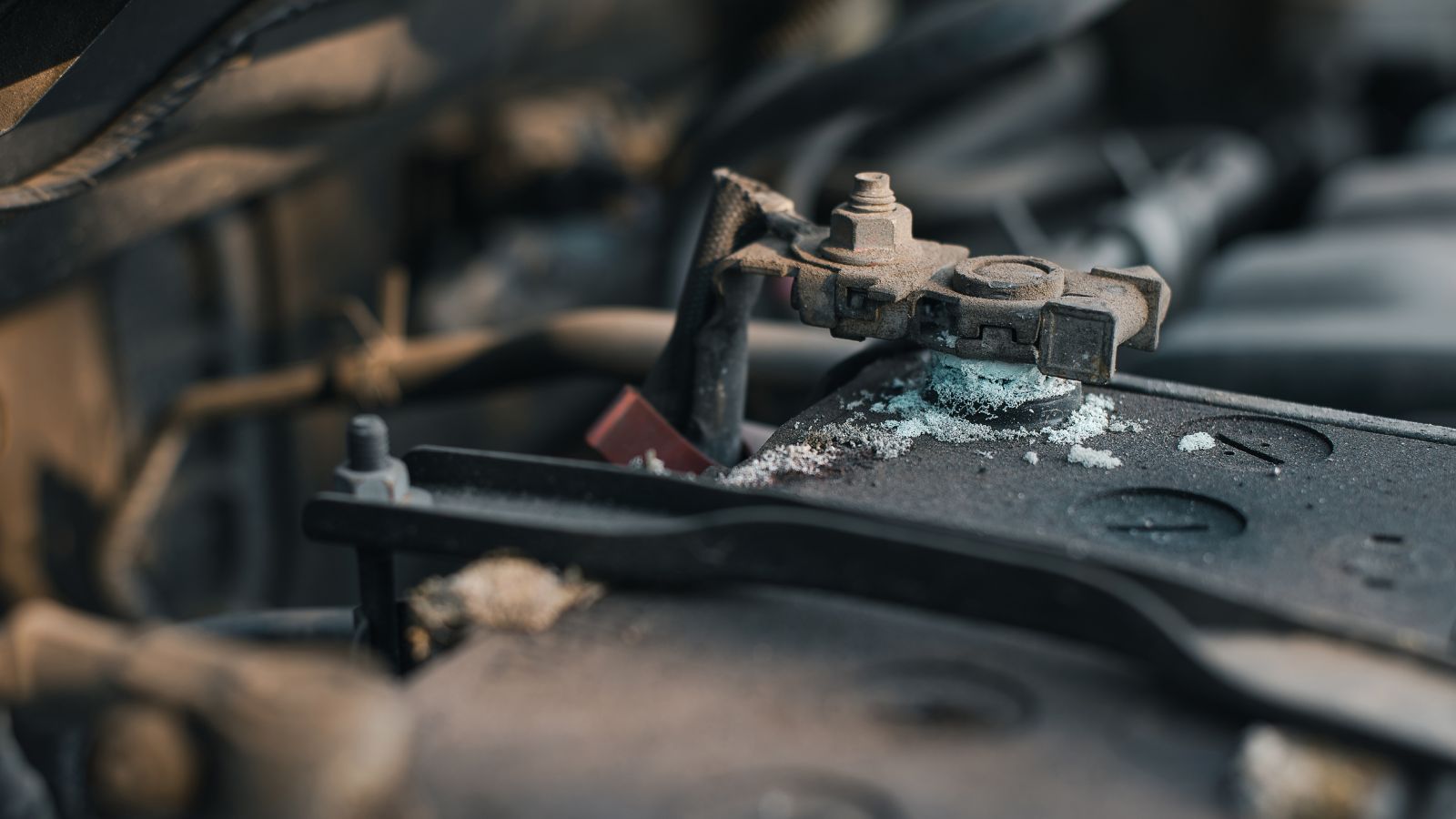
A car can accumulate very little mileage while experiencing a demanding operating pattern. Frequent trips of only a few kilometres mean repeated cold starts, short charging periods, and limited time at full operating temperature. AAA notes that short trips may not allow a conventional 12-volt battery to recover fully from the energy used to start the engine. The result can be a low-mileage car with a weak battery and a history of jump-starts.
Short urban use can also pack many events into each kilometre: more starts, more braking, more steering inputs, more door cycles, and more time in traffic. A retired owner’s car driven twice daily to nearby shops may show only 25,000 kilometres after years of use, yet its battery, brakes, seat bolster, door hinges, and climate-control system may have worked frequently. The issue is not that every short-trip car is bad. It is that “low mileage” may describe distance while hiding a high number of operating cycles.
Long Storage Can Create Several Problems at Once
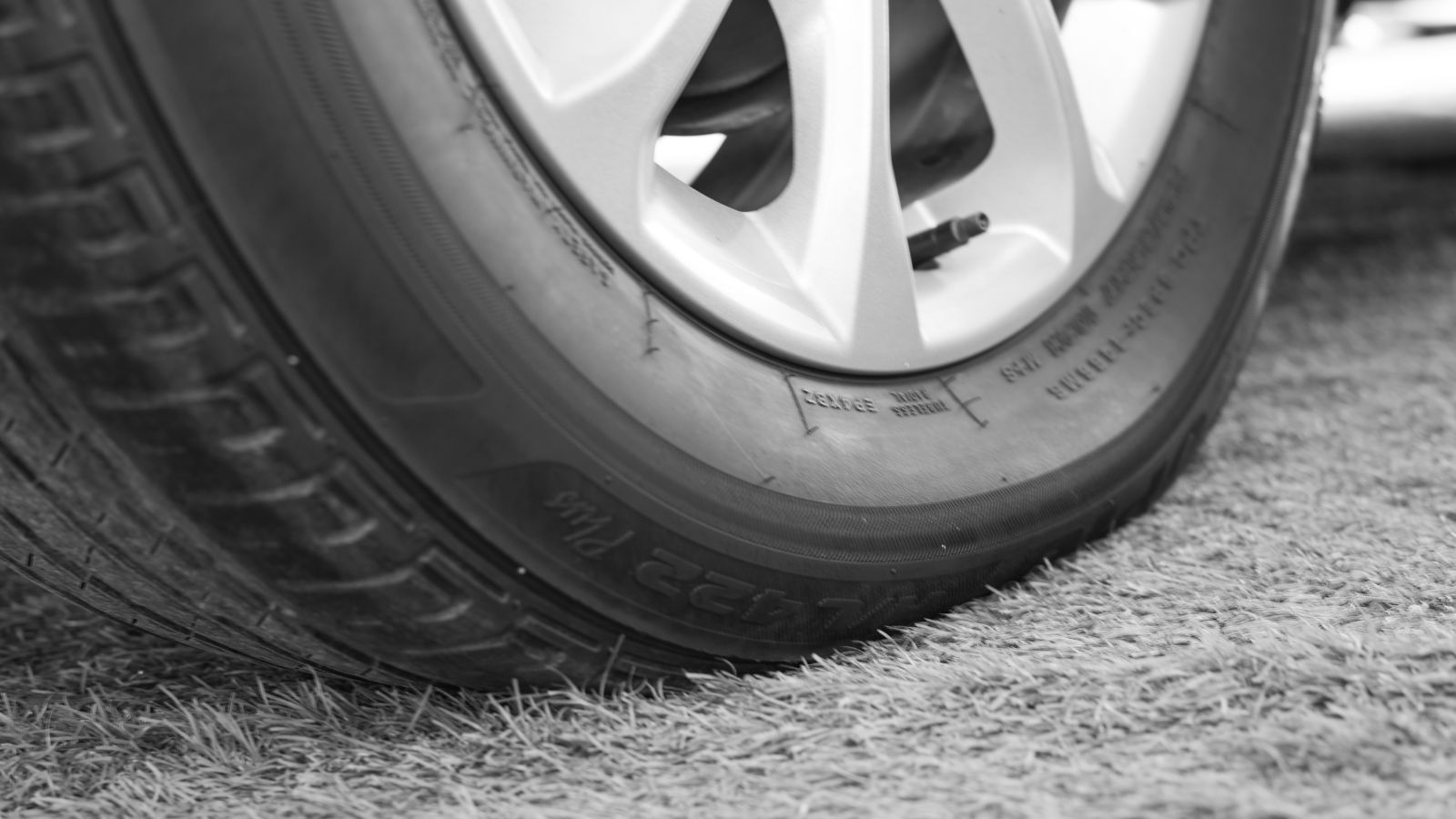
Extended storage can affect multiple systems simultaneously. Batteries self-discharge, tires can lose pressure or develop flat spots, brake rotors can rust, fuel can deteriorate, and seals may begin leaking when regular use resumes. Consumer Reports advises that cars not driven much should still be exercised on a schedule, while storage guidance commonly recommends battery maintenance, correct tire pressure, fuel preparation, and protection from moisture and pests.
An estate-sale vehicle illustrates the risk. It may have covered only 20,000 kilometres and sat in a garage for three years after its owner stopped driving. The paint and interior could look excellent, encouraging a quick purchase. Then the first month of daily use reveals a dead battery, vibration from aged tires, sticking brakes, stale-fuel symptoms, and oil seepage. None of those problems requires high mileage. Buyers should ask not only how far the car travelled, but also when it was last driven regularly and what storage precautions were taken.
The Tires May Be Old Despite Having Deep Tread
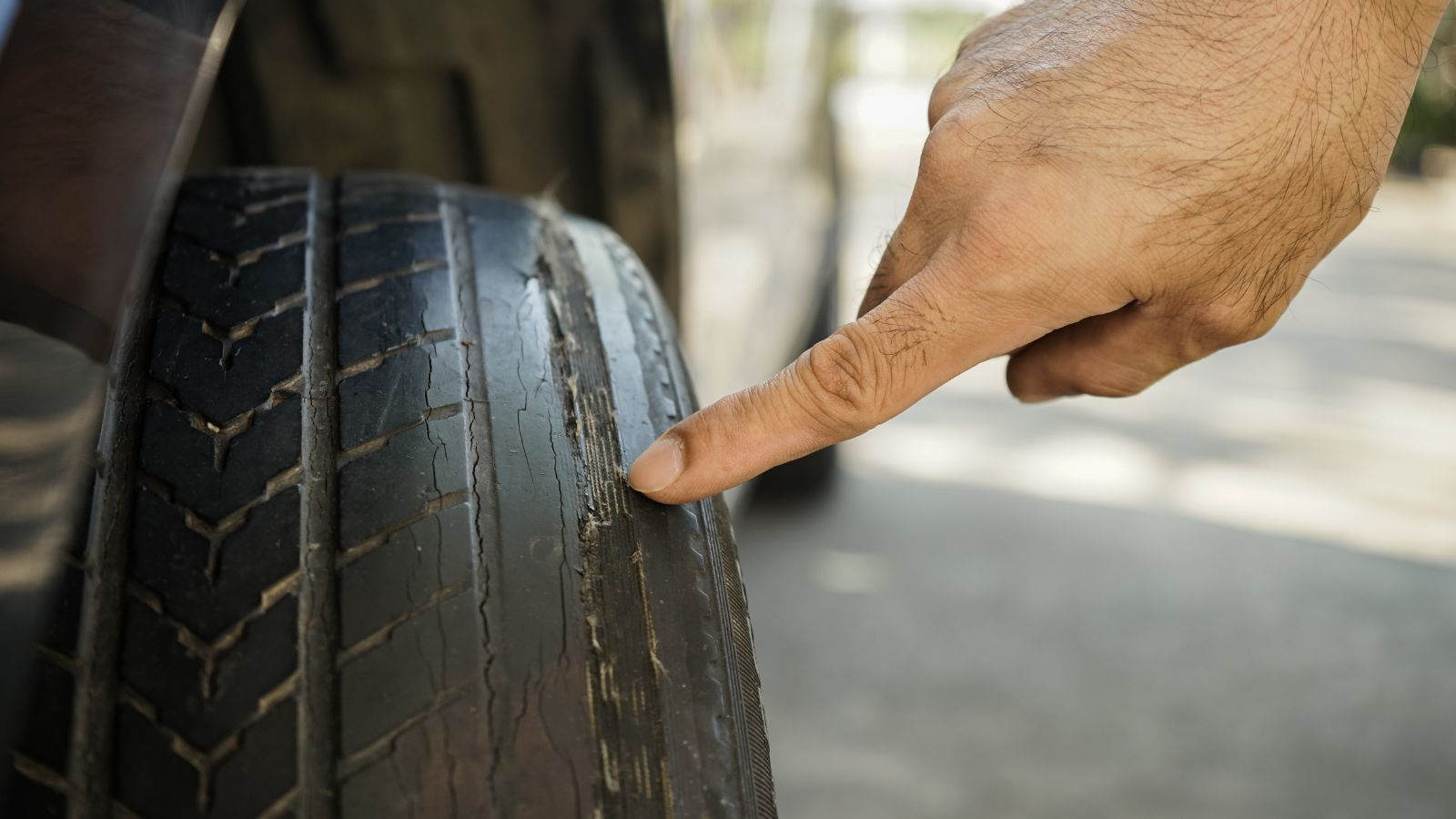
Tread depth is only part of tire condition. Rubber ages, and older tires become more prone to cracking, separation, and failure even when the tread blocks still look nearly new. NHTSA notes that some vehicle and tire manufacturers recommend replacement at six to ten years regardless of treadwear. Bridgestone advises regular inspection after five years of service and recommends removing tires from service after ten years, regardless of apparent tread depth.
The manufacture date is encoded in the last four digits of the tire identification number, showing the production week and year. A code ending in 2418, for example, indicates the 24th week of 2018. A low-mileage car may therefore need four tires immediately, plus an overlooked spare. That expense can erase much of the supposed bargain. Buyers should inspect sidewalls for cracking, bulges, repairs, and mismatched dates, then price replacement tires before negotiating. “Original tires” may sound like proof of gentle use, but on an older vehicle it can be a warning.
The Brakes Can Deteriorate While Sitting
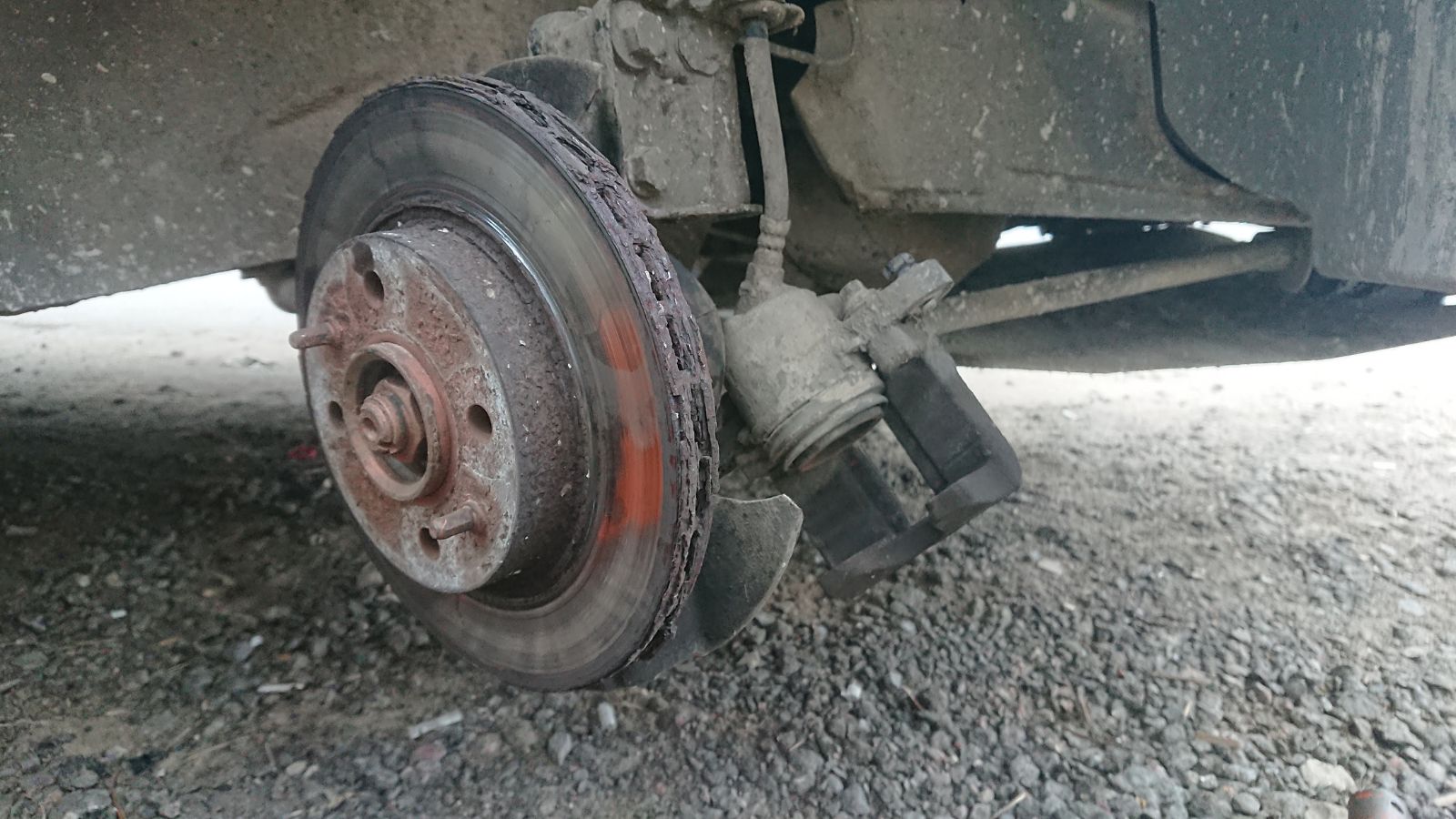
Brake components benefit from regular operation. Light surface rust on iron rotors can form quickly and may clean off during normal braking, but longer inactivity can contribute to heavier corrosion, pads sticking to rotors, seized caliper hardware, or parking-brake problems. Guidance from AAA and Consumer Reports warns that stored cars should be driven and their brakes used, and that leaving a parking brake applied during extended storage can create complications.
A brief test drive may not reveal the full condition. A seller might drive the car shortly before a viewing, temporarily polishing the rotor surfaces. Buyers should listen for scraping, feel for pulsation, check whether the car pulls during braking, and inspect the visible rotor area. A mechanic can assess pad thickness, rotor condition, caliper movement, brake lines, and fluid. A 15,000-kilometre car needing a complete brake overhaul is not impossible, particularly after damp storage. Mileage predicts friction wear reasonably well, but it does not measure corrosion or inactivity.
Fluids Can Age Without Adding Kilometres
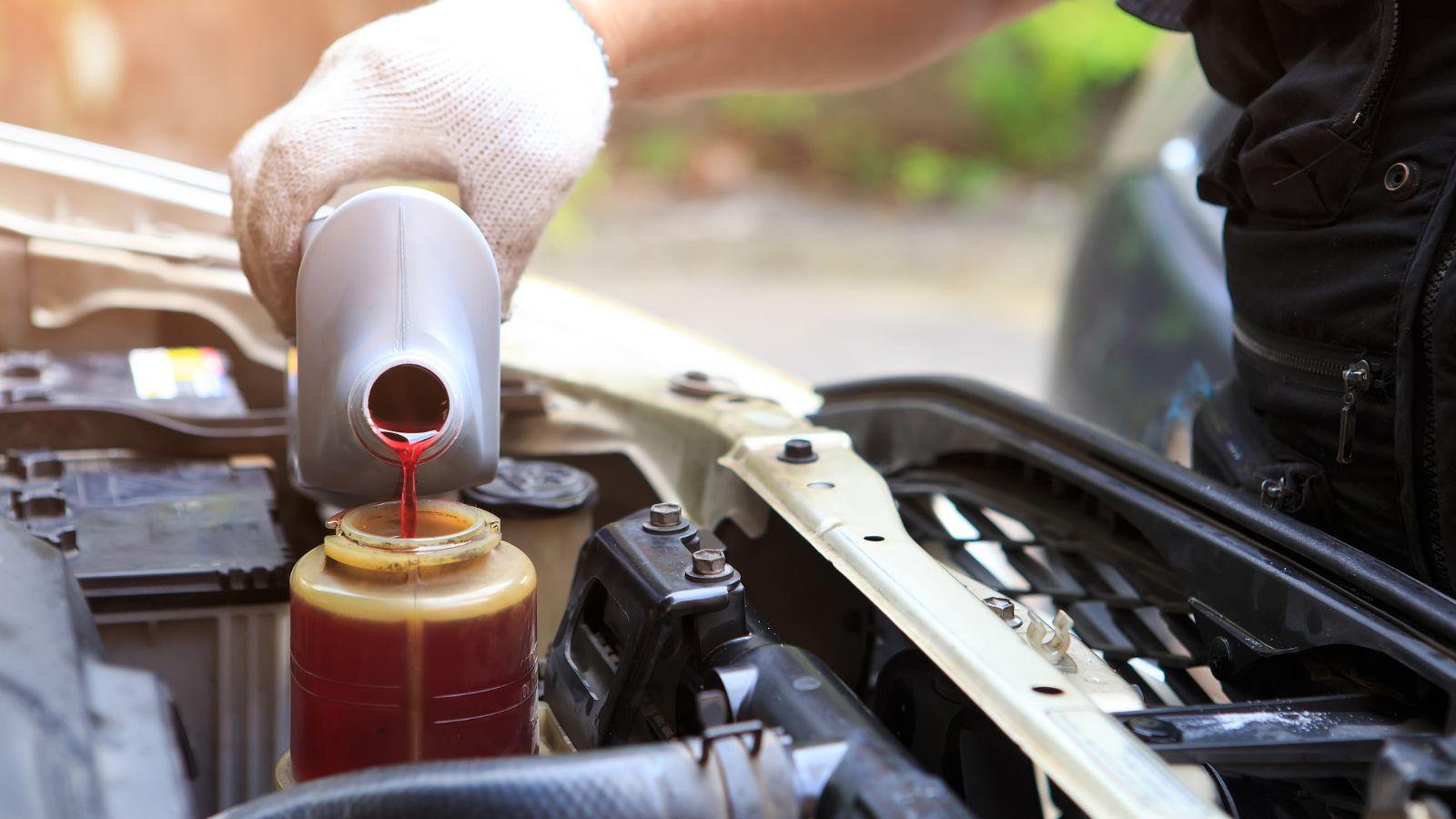
Automotive fluids do more than fill reservoirs. They lubricate, transfer force, control temperature, resist corrosion, and carry contaminants to filters. Their condition can change with time, moisture exposure, heat cycles, and chemical depletion. Brake fluid is especially important because common glycol-based formulations absorb moisture over time, which can reduce boiling-point performance and promote internal corrosion. Coolant and engine oil also have manufacturer-specific time limits that may apply before mileage limits are reached.
The practical lesson is to distrust a seller’s claim that “all fluids are original because the car barely moved.” Original fluid is not automatically desirable in an older vehicle. Buyers should compare dated service records with the maintenance schedule for that exact model and powertrain. A pre-purchase inspection can check fluid level, appearance, contamination, leaks, and, where appropriate, test results. Replacing every fluid without evidence is not always necessary, but assuming every low-mileage fluid remains fresh can turn deferred maintenance into the new owner’s first major bill.
Belts, Hoses, and Seals Can Dry, Crack, or Leak
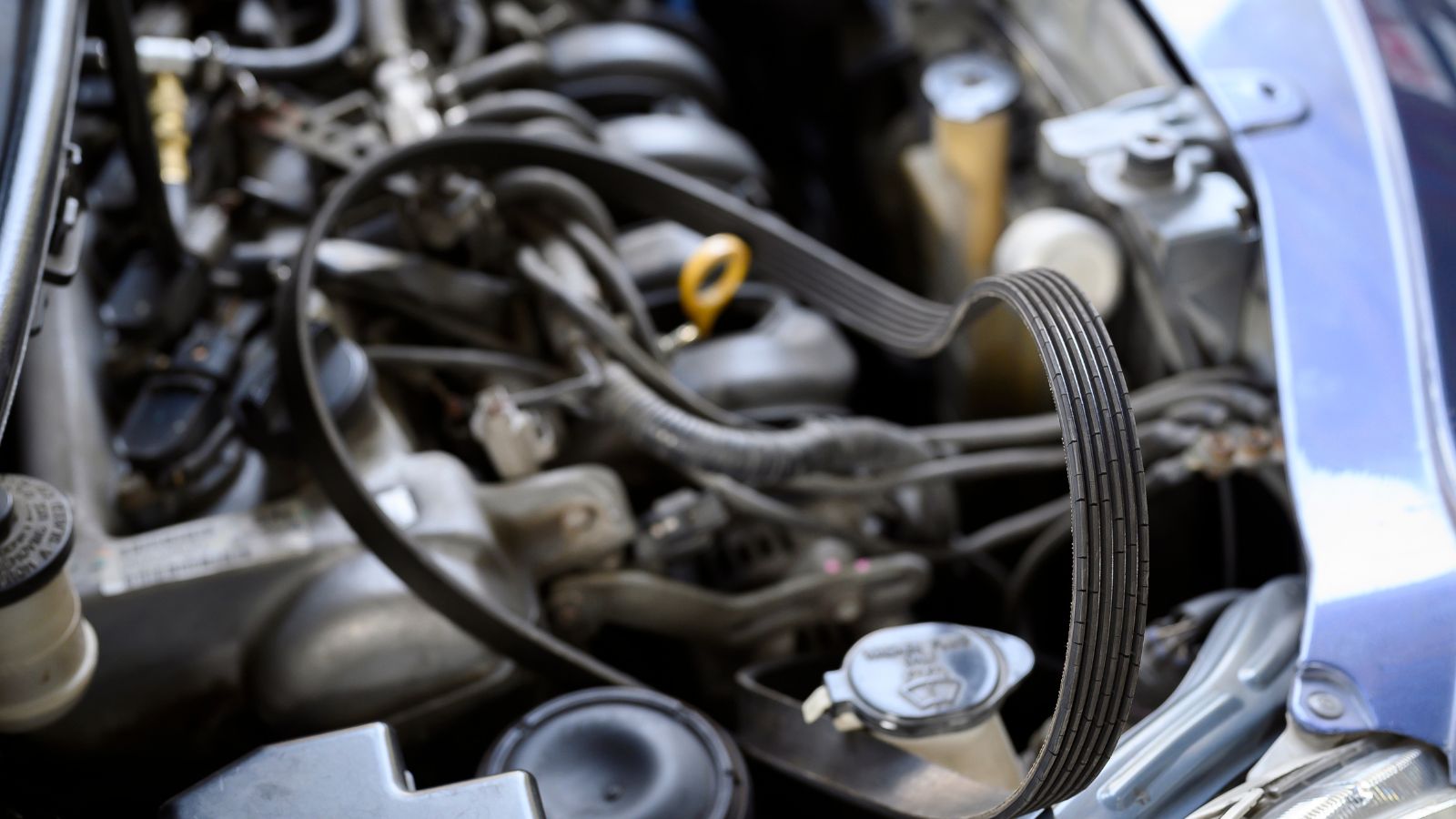
Drive belts, coolant hoses, weather seals, gaskets, and rubber boots are affected by age and environment as well as use. Heat hardens some materials, ozone contributes to cracking, and long periods without movement can leave seals less flexible. AAA maintenance guidance recommends inspecting belts and hoses for cracks, leaks, brittleness, fraying, and other deterioration. These checks matter even when the odometer has barely advanced.
Problems may appear only after the vehicle returns to regular service. A dormant cooling hose can look acceptable in the driveway, then leak after repeated pressure and temperature cycles. An engine or transmission seal may begin weeping once shafts rotate daily again. Hardened door and window seals can also admit wind noise or water. Buyers should inspect beneath the hood, around fluid connections, under the vehicle, and inside the spare-wheel well for evidence of leakage. A low-mileage car with original rubber components may be preserved—or simply overdue for age-related replacement.
Rust Can Matter More Than the Odometer
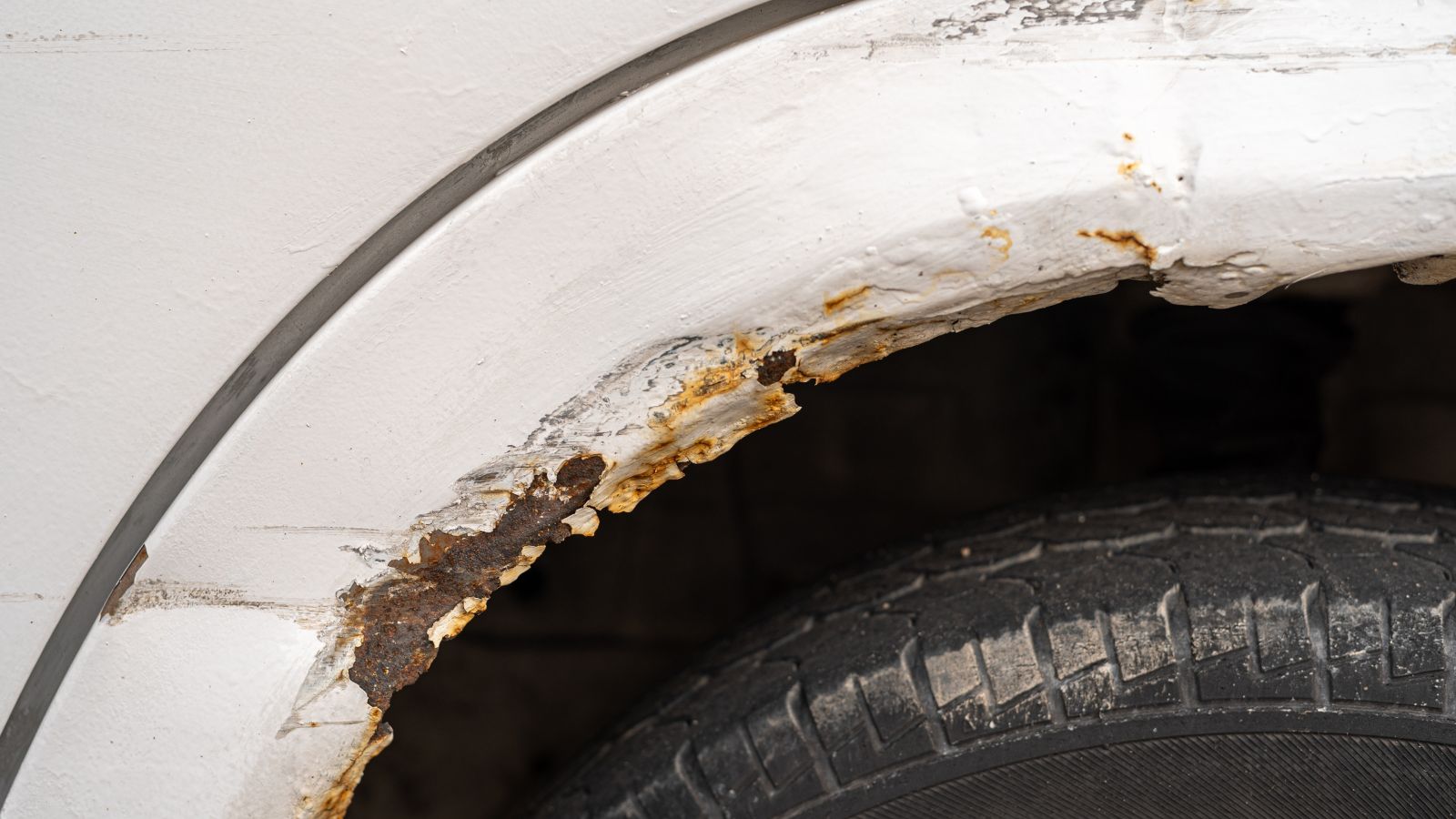
Corrosion reflects exposure, not distance alone. A lightly driven car parked outdoors near the coast, on damp ground, or in a region where winter road salt is common can rust faster than a higher-mileage vehicle that was washed and stored properly. Consumer Reports notes that road salt accelerates corrosion and can affect safety-related braking, steering, suspension, and fuel-system components. Surface rust is common; structural rust, perforation, and weakened mounting points are far more serious.
The cleanest body panels do not guarantee a clean underside. Fresh undercoating can conceal corrosion, and a garage is not automatically protective if it traps humidity or salty slush. A buyer should inspect subframes, rocker panels, suspension mounts, brake and fuel lines, exhaust hangers, and the floor around lift points. Bubbling paint and swollen seams deserve attention. A 45,000-kilometre vehicle with advanced underbody corrosion may be a worse purchase than a 140,000-kilometre example from a dry climate with documented rust prevention and solid structure.
Flood Damage Can Hide Behind a Low Reading
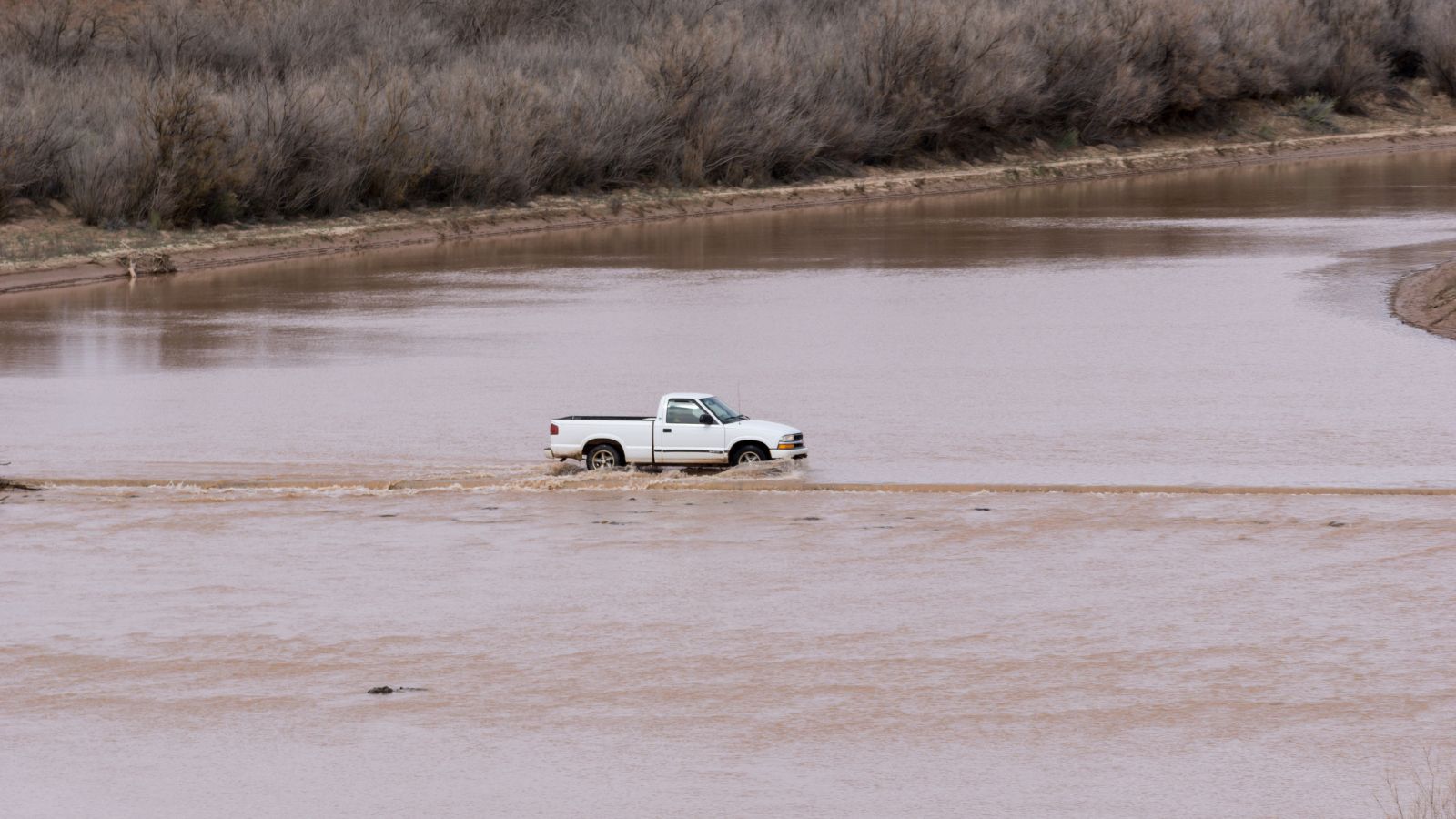
Flood exposure can produce a low-mileage vehicle with extensive hidden damage. Water can enter wiring connectors, control modules, seat-belt mechanisms, airbag systems, bearings, carpeting, and enclosed body cavities. Even after drying and cosmetic cleaning, corrosion and electrical faults may emerge months later. Insurance-industry guidance warns buyers to look for silt, water stains, mildew, rust in unusual places, damp carpeting, fogged lamps, and heavy deodorizer used to mask odours.
A flood-damaged vehicle may also travel across regions before being advertised, making its condition less obvious to local buyers. The odometer can be perfectly accurate and still tell almost nothing about water exposure. Buyers should check the title and vehicle history, inspect beneath carpets and inside the spare-tire well, and examine connectors and fasteners for abnormal corrosion. Because history databases can miss uninsured or unreported events, an independent inspection remains essential. Low mileage cannot compensate for unreliable electronics, mold concerns, or progressive corrosion caused by submersion.
Previous Collision Damage May Be More Important Than Mileage

A low-mileage car can still have been involved in a serious crash. Cosmetic repairs may leave an attractive exterior while concealing structural distortion, poor welds, replaced suspension pieces, or compromised corrosion protection. Consumer Reports advises watching for uneven panel gaps, paint overspray, mismatched finishes, welding, and fresh undercoating that may hide repairs. Vehicle-history reports help, but the FTC cautions that such reports are not substitutes for independent inspections.
Imagine a three-year-old crossover with only 18,000 kilometres, priced slightly below similar listings. Its low use seems reassuring, yet the hood gaps differ from side to side and one headlamp has a newer production date. Those details do not prove unsafe repair, but they justify deeper investigation. A qualified technician or collision specialist can inspect structural areas, alignment, welds, restraint-system data, and suspension geometry. Mileage cannot measure crash severity or repair quality. A well-repaired minor collision may be acceptable; undisclosed structural work can make the same low-mileage vehicle a poor buy.
The Airbags May Be Missing, Improperly Repaired, or Unsafe

When airbags deploy in a collision, restoring the restraint system properly can be expensive. That creates an incentive for unsafe shortcuts, including used modules, resistors that suppress warning lights, counterfeit parts, or substandard replacement inflators. NHTSA has warned used-car buyers about dangerous replacement airbag inflators and reports deaths and severe injuries linked to certain illegally imported components. A low odometer reading offers no protection against this risk.
The airbag warning light should illuminate during the startup check and then switch off normally. A light that never appears, stays on, or behaves strangely requires diagnosis. Buyers should also examine the steering-wheel cover, dashboard seams, seat upholstery, and seat belts for signs of replacement or mismatched trim. A collision history makes restraint-system documentation especially important. Only proper diagnostic equipment and inspection can confirm more of the system’s condition; a dashboard without warning lights is not enough. A low-mileage bargain becomes unacceptable if its most important crash-protection systems cannot be trusted.
Open Safety Recalls May Still Be Waiting
Recalls are tied to the vehicle or equipment defect, not to how much the car has travelled. A lightly used vehicle can still have an unrepaired fuel-system, steering, brake, airbag, software, or fire-risk recall. NHTSA reported that more than 35 million vehicles and items of motor-vehicle equipment were included in recalls processed during 2024, illustrating the scale of recall activity. Some owners miss notices after moving, changing contact information, or leaving a car unused.
Before purchase, the vehicle identification number should be checked through the manufacturer or the relevant government recall database. An open recall is not always a reason to reject a car because recall remedies are generally provided without charge, but the buyer should confirm that a fix is available and arrange completion promptly. Documentation matters when a seller claims work was already performed. Low mileage may reduce wear, but it does not correct a defective component. A car can look nearly new and still carry a safety issue identified years after production.
Its Previous Role May Have Been Harder Than It Looks
Low-mileage vehicles can come from rental fleets, corporate pools, dealership demonstrator programs, service-loaner fleets, government use, or short leases. The FTC describes “program cars” as low-mileage current-model vehicles returned from short-term leases or rentals. These cars are not automatically bad; many receive scheduled fleet maintenance. However, their appearance and odometer reading do not reveal how many drivers used them or how gently they were treated.
A demonstrator may have spent months on short test drives with repeated cold starts. A service loaner may have carried unfamiliar drivers through dense traffic. A corporate pool car might have excellent records but frequent interior use. Buyers should identify the former owner type through history records and seller disclosures, then inspect accordingly. Maintenance documentation, tire consistency, body condition, wheel damage, upholstery wear, and diagnostic data matter more than stereotypes. The problem is not fleet ownership itself. The problem is paying a private-owner premium for a vehicle whose earlier duty cycle was never examined.
Engine Hours Can Be High Even When Mileage Is Low
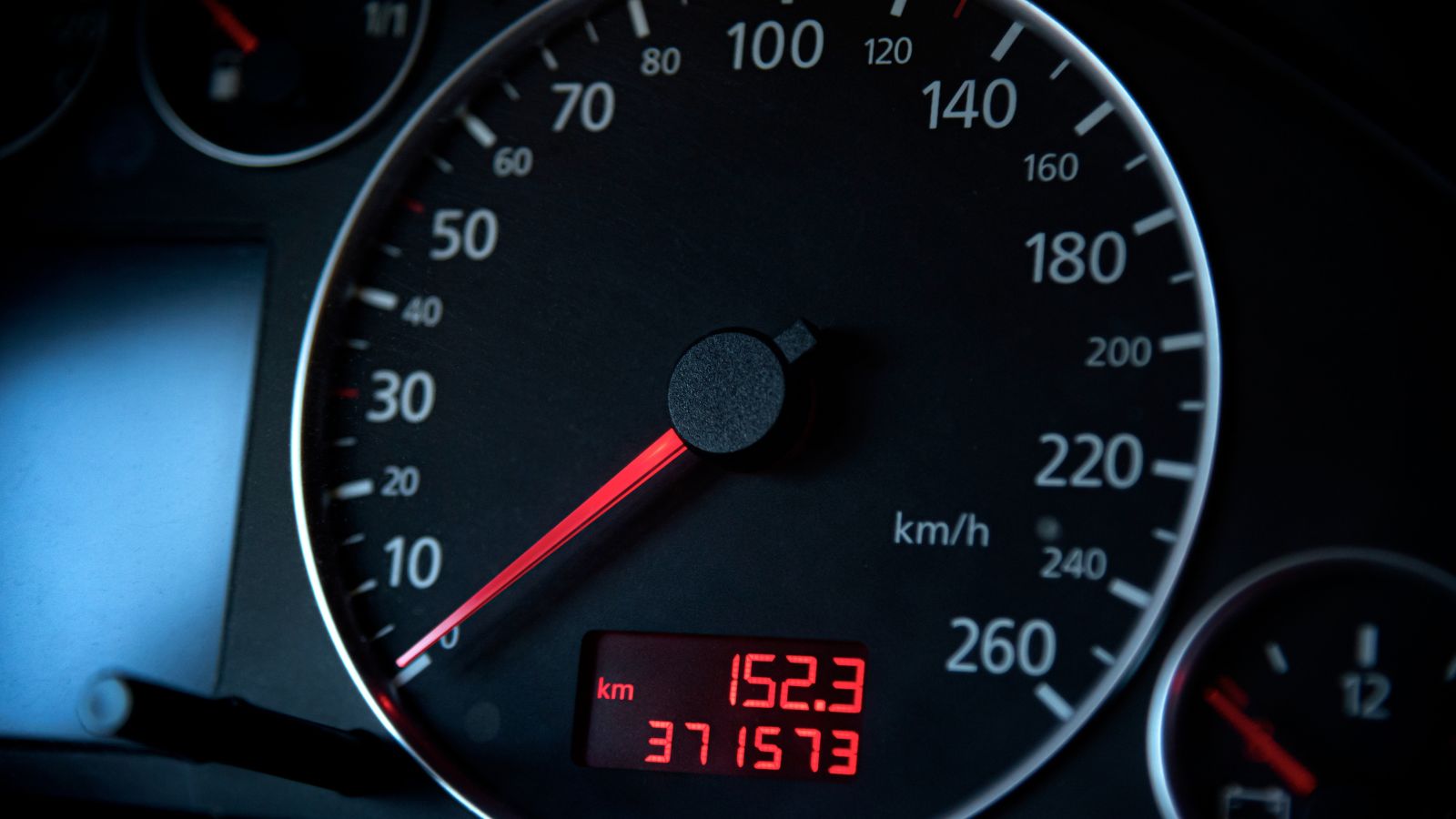
Odometers record distance, but engines can run while a vehicle remains stationary. Police vehicles, security cars, utility trucks, delivery support vehicles, and cars used heavily with remote start may spend long periods idling to power climate control, lighting, computers, or other equipment. Manufacturers offer engine-hour and idle-hour displays on many fleet and municipal vehicles precisely because mileage alone does not describe their operation.
A former service vehicle might show only 50,000 kilometres yet have thousands of engine hours. During that stationary time, the engine, cooling system, alternator, air-conditioning compressor, and other accessories were still working. Not every passenger car displays idle hours, but some instrument clusters or diagnostic tools retain useful operating data. Buyers should investigate unexplained wiring, mounting holes, heavy-duty electrical equipment, removed decals, or unusual interior wear that could indicate prior fleet use. Low road mileage is less impressive when the powertrain has spent much of its life running in place.
Rodents May Have Used the Car as a Home
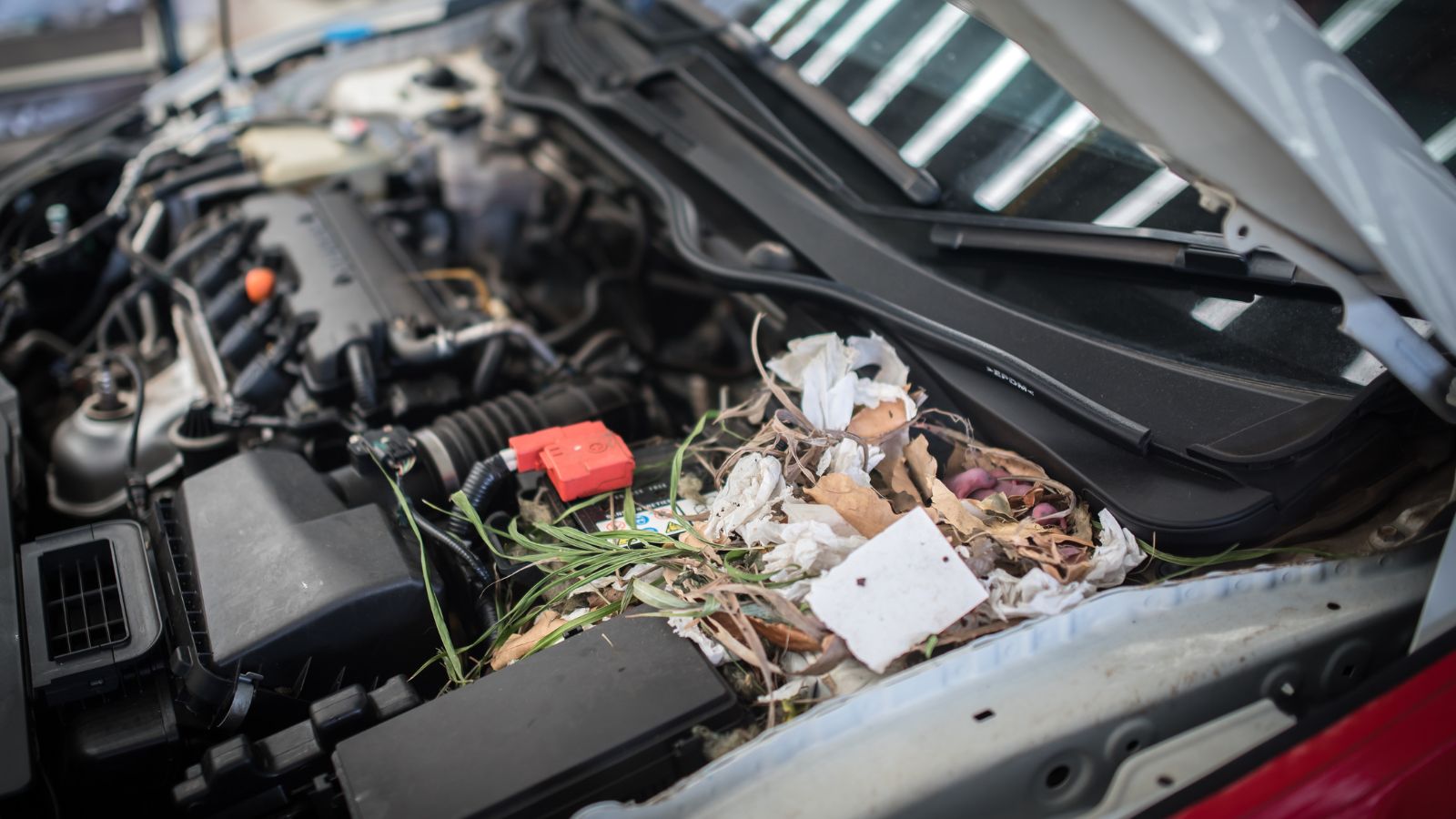
Vehicles that sit undisturbed can attract mice, rats, squirrels, and other small animals. Rodents may build nests in air boxes, insulation, dashboards, or engine compartments and chew wiring, hoses, sound insulation, and even safety-related lines. AAA warns that such damage can create no-start conditions, electrical failures, fluid leaks, and repair bills reaching thousands of dollars, particularly when a major wiring harness is involved.
Warning signs include droppings, shredded material, stored seeds, unusual smells, gnaw marks, damaged hood insulation, and debris around the cabin or engine air filter. Electrical problems may appear intermittent because only part of a wire has been damaged. A low-mileage seasonal car, rural vehicle, or long-stored second car deserves close inspection in hidden areas. Buyers should not assume that a clean exterior means the storage environment was controlled. The odometer may confirm that the car stayed still; unfortunately, that same stillness may have made it attractive to pests.
Old Fuel Can Cause Driveability Problems
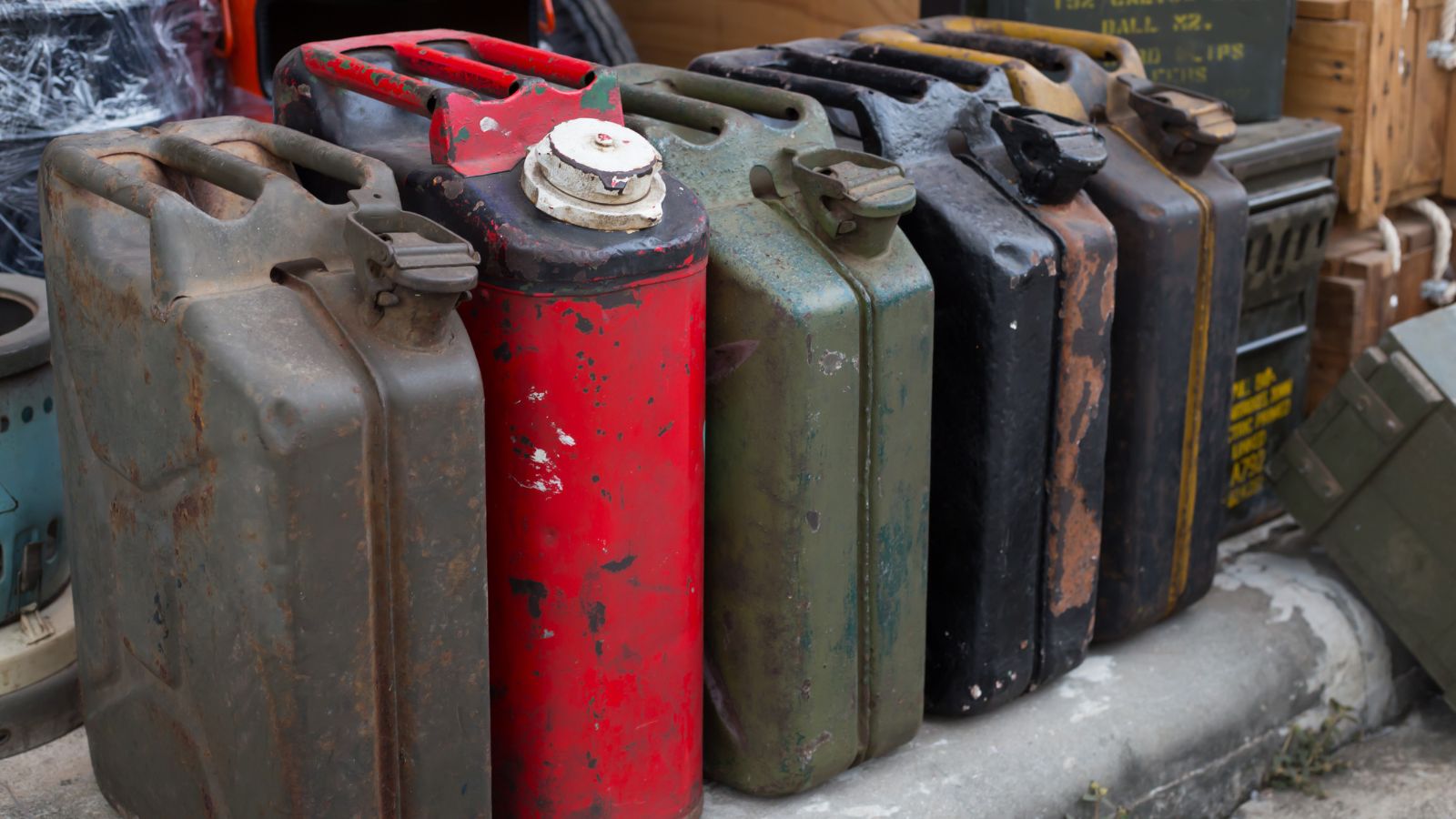
Gasoline does not remain unchanged indefinitely. During extended storage, volatile components can evaporate and oxidation can contribute to deposits or degraded fuel quality. AAA advises using fuel stabilizer when gasoline will remain in a vehicle for more than a few months and notes that bad fuel can contribute to hard starting, rough idling, stalling, poor fuel economy, or warning lights. A low-mileage car that has sat with the same tank of fuel may therefore run worse than expected.
A seller may add fresh gasoline shortly before listing the vehicle, which can improve symptoms without cleaning deposits or addressing contamination deeper in the system. On a test drive, buyers should note long cranking, hesitation, uneven idle, fuel odour, or a check-engine light. Those signs have many possible causes, so diagnosis matters. Questions about storage duration and fuel preparation can reveal more than the odometer. Stale fuel alone may be manageable, but it can also signal that batteries, tires, brakes, and fluids received equally little attention.
The Factory Warranty May Have Expired Years Ago

Most factory warranties use both time and mileage limits, with coverage ending when either limit is reached first. Toyota, for example, lists basic new-vehicle coverage of 36 months or 36,000 miles on applicable U.S. vehicles. A six-year-old car with only 20,000 miles can therefore be well outside its original comprehensive warranty despite appearing nearly new. Age-limited roadside assistance, corrosion provisions, maintenance plans, and hybrid coverage also have their own terms.
Buyers should verify the original in-service date rather than assuming the warranty began with the current owner. Imported vehicles, rebuilt titles, missed maintenance, modifications, or commercial use may further affect coverage. Certified pre-owned warranties and third-party service contracts are separate products and should be read carefully for exclusions, deductibles, and transfer rules. The low odometer may reduce expected wear, but it does not restore expired protection. Paying a premium for “almost-new mileage” makes less sense when the buyer will personally carry every repair risk from the first day.
A Troubled Model Year Is Still a Troubled Model Year
Reliability varies by model, powertrain, production period, and sometimes even factory or option package. A low-mileage example of a vehicle with known transmission failures, oil consumption, electrical faults, corrosion concerns, or poor crash performance does not become a strong choice simply because it was driven less. Some defects emerge with age, software conditions, heat cycles, or specific use patterns rather than high mileage.
Research should therefore begin with the exact year, engine, transmission, and drivetrain—not merely the badge. Consumer Reports bases model reliability information on owner data and technical analysis, while IIHS and NHTSA publish crash-test, safety-rating, investigation, and recall information. A 30,000-kilometre vehicle from a weak model year may carry more risk than a 90,000-kilometre example of a proven design with complete records. Mileage can help compare two otherwise similar cars, but it should not override evidence that the underlying model has costly or safety-related weaknesses.
The Low-Mileage Premium Can Turn It Into Poor Value
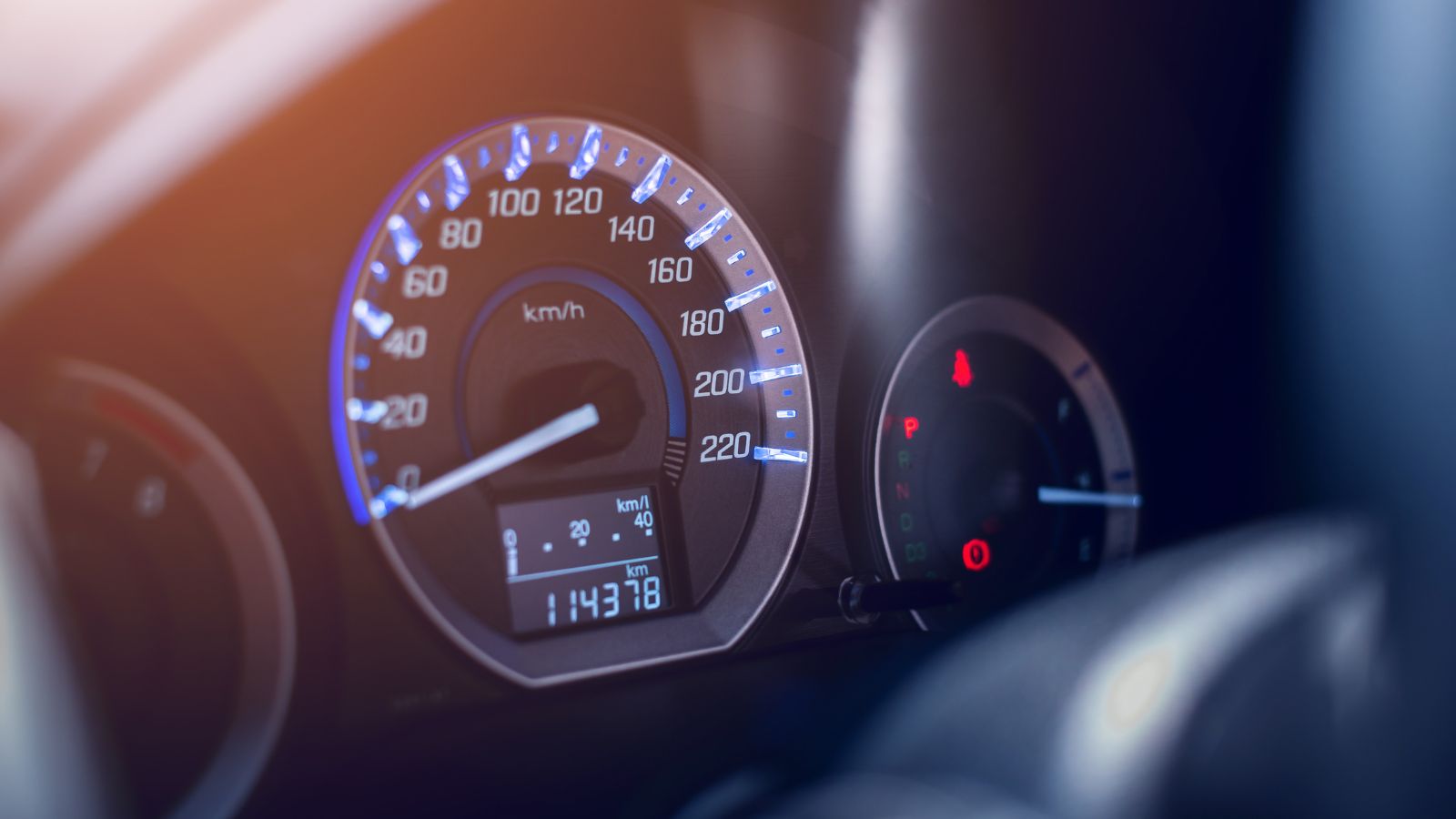
Sellers often charge more for unusually low mileage, and sometimes the premium is justified. The mistake is paying that premium before subtracting the cost of age-related needs. Four old tires, a battery, brake service, fluid changes, belts, hoses, seals, and overdue maintenance can quickly narrow the gap between the low-mileage car and a newer or better-documented alternative. The buyer may end up paying collector-style money for an ordinary vehicle that still requires immediate work.
The final decision should be based on total condition and ownership cost. The FTC recommends both a vehicle-history report and an independent pre-purchase inspection, emphasizing that the report alone may not reveal mechanical problems. A written inspection with repair estimates gives the buyer evidence for negotiation or a reason to walk away. Low mileage remains a positive feature when it is genuine and supported by proper care, clean history, sound storage, and fair pricing. Without those supporting facts, the number can become an expensive distraction rather than a buying advantage.
22 Things Canadians Do to Their Cars in Spring That Mechanics Hate

Spring brings relief to many Canadian drivers after months of snow, freezing temperatures, and icy roads that put serious strain on vehicles. As temperatures rise across the country, drivers begin washing cars, switching tires, and preparing vehicles for warmer weather and upcoming road trips. However, mechanics across Canada notice the same mistakes every spring when drivers attempt to recover from winter damage. Road salt, potholes, and harsh winter driving conditions often leave vehicles with hidden problems that drivers ignore. Some spring habits even create new mechanical issues that could have been avoided with proper maintenance. Here are 22 things Canadians do to their cars in spring that mechanics hate.

Alanna Rosen is an experienced content writer that focuses on many EV and educational content. Her articles are regularly published on Get CyberTrucked and syndicated on large publications.