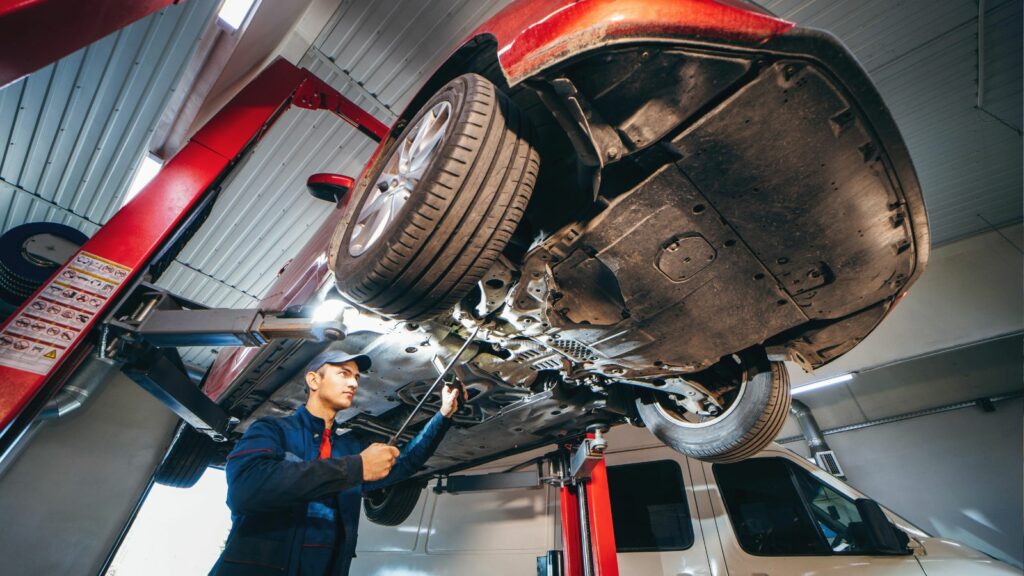
A vehicle can make a remarkably convincing first impression. Freshly cleaned surfaces, an unfamiliar cabin, responsive acceleration and a carefully chosen route can make even an imperfect match feel exciting for a few minutes. The trouble is that daily ownership introduces conditions a brief drive rarely reproduces: traffic, broken pavement, long commutes, passengers, luggage, darkness, temperature extremes and repeated interactions with controls.
That gap between first impression and everyday reality explains why buyer satisfaction sometimes changes surprisingly quickly after the keys come home. These 21 reasons show how comfort, handling, usability, efficiency and even apparent mechanical condition can look very different once a vehicle leaves the dealership environment and begins doing ordinary work.
The Test-Drive Route Is Too Short and Too Easy

A typical dealership drive provides only a small sample of what ownership will involve. Consumer Reports notes that buyers commonly have roughly half an hour or less to evaluate a vehicle. That may be enough to notice acceleration, steering weight and obvious rattles, but it is a poor simulation of a week filled with congestion, highway merges, parking garages and rough neighbourhood streets. A car that feels refined around a few smooth blocks can reveal a completely different personality elsewhere.
The biggest problem is lack of variety. A convincing evaluation should include low-speed manoeuvring, highway speed, hills, imperfect pavement and repeated stops. A sporty suspension may initially feel impressively controlled, for example, while becoming exhausting over a pothole-filled commute. Likewise, sluggish low-speed transmission behaviour may never appear on an open suburban route. A pleasant first drive is therefore useful evidence, but it is only evidence gathered under a narrow set of conditions.
Seat Comfort Can Deteriorate With Time

A seat that feels supportive during the first ten minutes can become the vehicle’s most irritating feature during a long commute. Cushion firmness is only one factor. Lower-back support, thigh support, head-restraint position, pedal reach and steering-wheel adjustment all influence whether a driving position remains comfortable. Consumer Reports specifically evaluates continuous thigh and lower-back support when judging long-distance seat comfort, while AAA identifies adjustable seating and pedals as important ergonomic features that can reduce discomfort and fatigue.
This is why showroom comfort can be misleading. A deeply bolstered sport seat might feel secure during a spirited corner but create pressure points after an hour. A short seat cushion can seem perfectly acceptable until the driver’s thighs spend a long highway trip unsupported. Even belt positioning matters. The best approach is to spend substantial time sitting in the vehicle, adjust everything carefully and reproduce the posture that would actually be used every day rather than judging the seat from an enthusiastic first few minutes.
Smooth Roads Can Make a Firm Suspension Seem Excellent
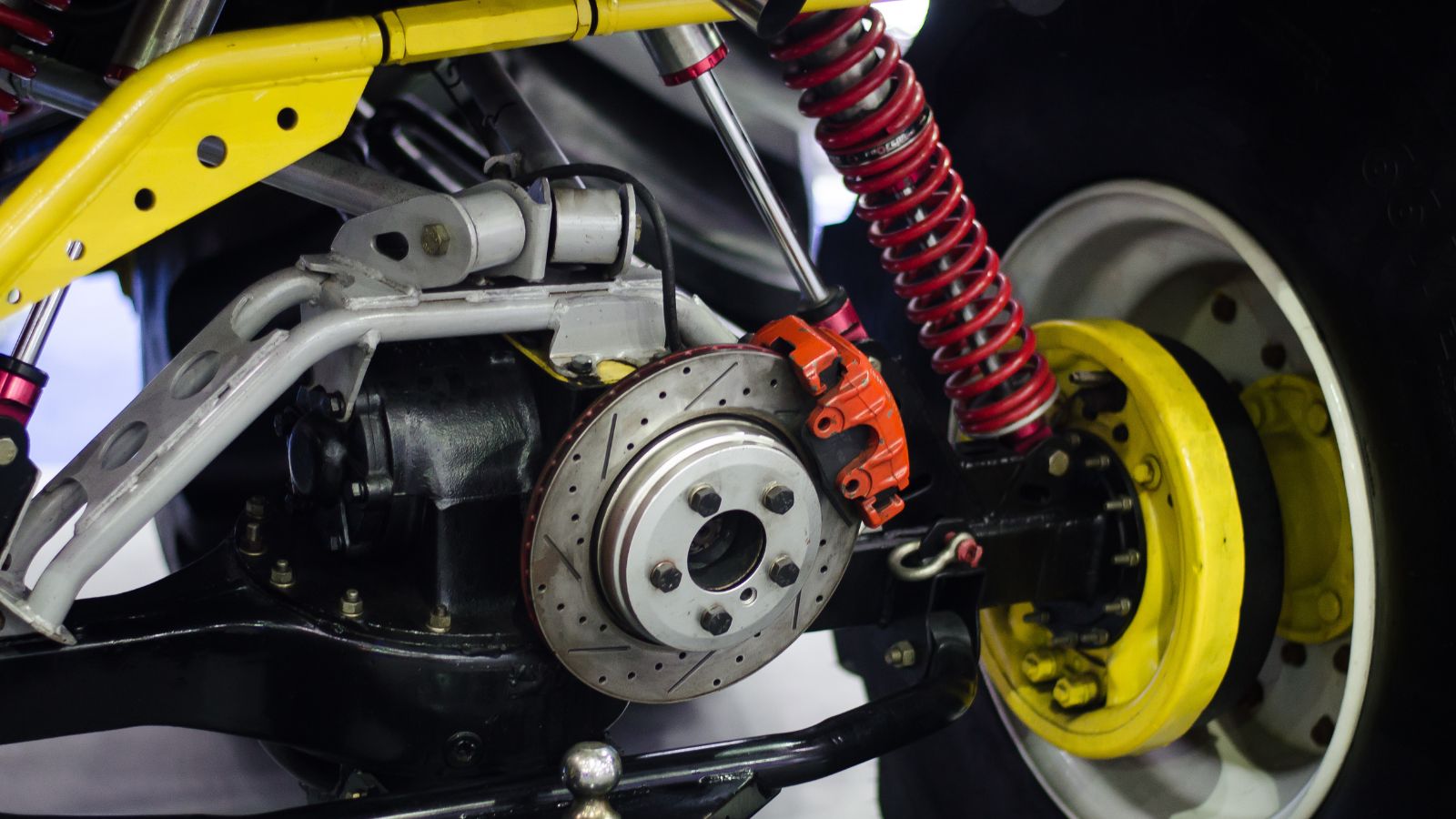
Suspension tuning is especially easy to misjudge when a test route happens to have good pavement. On smooth asphalt, firm springs and dampers can produce sharp steering responses and impressive body control. Move onto patched pavement, expansion joints or potholes, however, and that same setup may transmit a steady stream of impacts through the seat and steering wheel. Consumer Reports deliberately uses roads with everyday bumps and ruts when evaluating ride comfort for precisely this reason.
Real vehicles demonstrate how large the difference can be. Consumer Reports has described some models whose initially absorbent ride becomes unsettled or jiggly once the pavement deteriorates. Such behaviour may not indicate anything mechanically wrong; it can simply be the way the suspension was engineered. This distinction matters because an enthusiast may happily trade some isolation for sharper handling, while a family travelling on damaged urban roads may regret the same compromise. Testing the suspension requires finding deliberately imperfect pavement, not avoiding it.
Tire Pressure Can Change the Entire First Impression
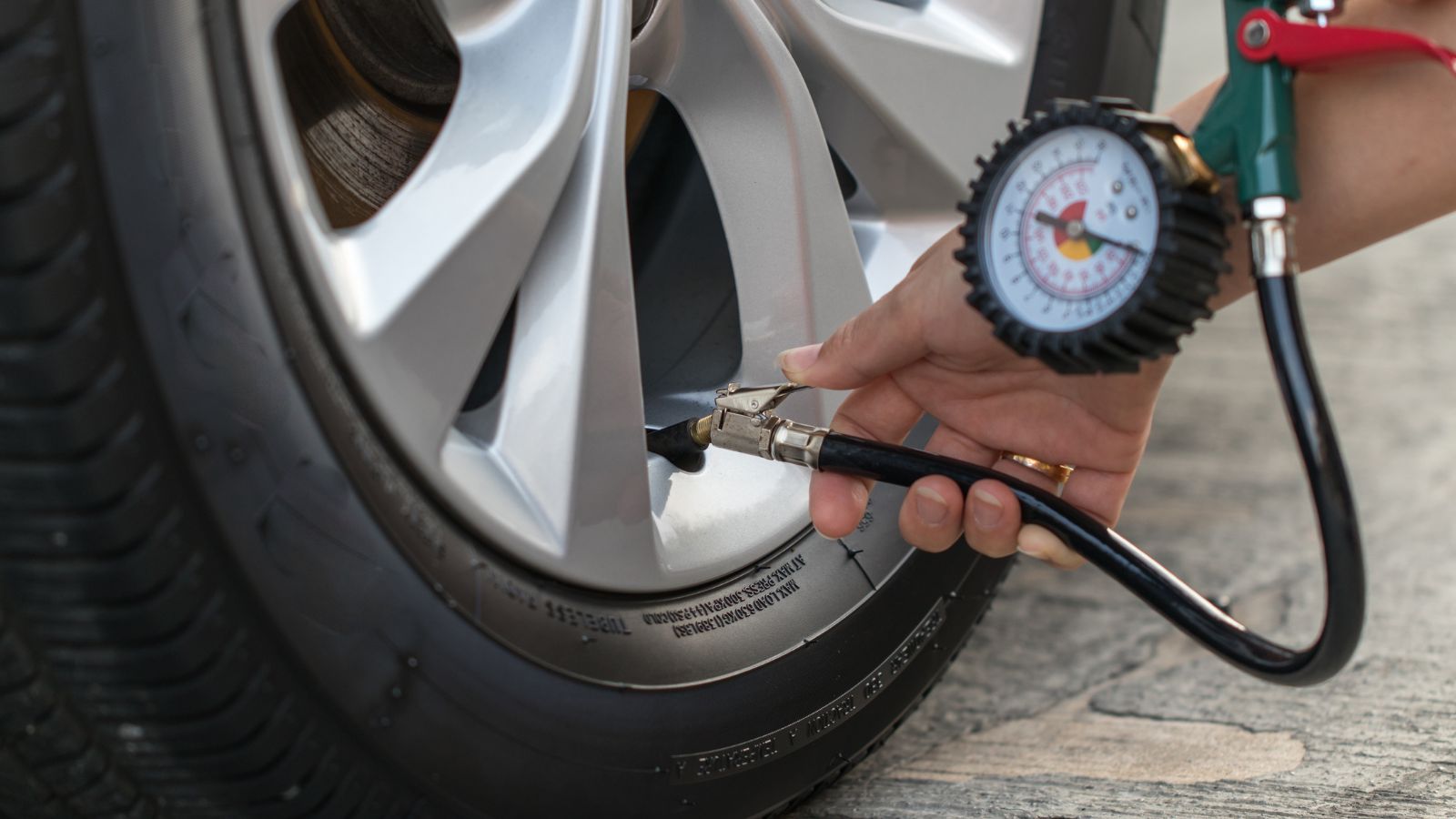
Tires are part of the suspension system in practical terms, and inflation pressure directly affects how they respond to bumps and steering inputs. A vehicle driven with pressure above or below the manufacturer’s specification may therefore feel noticeably different from the same model when properly set up. NHTSA recommends checking pressure when tires are cold and using the pressure specified on the vehicle placard rather than the maximum pressure moulded onto the tire.
The dashboard warning light does not eliminate this concern. Federal tire-pressure monitoring requirements are designed to warn about significant underinflation rather than provide constant precision pressure measurement. Temperature can also change pressure; NHTSA specifically warns that tire inflation falls as outside temperatures drop. A dealer vehicle that has recently been serviced, warmed by driving or adjusted for inventory storage may therefore differ from how it feels weeks later. Checking all four cold pressures before judging ride quality, steering or braking removes one surprisingly influential variable.
The Tires Themselves May Be Creating the Good—or Bad—Ride
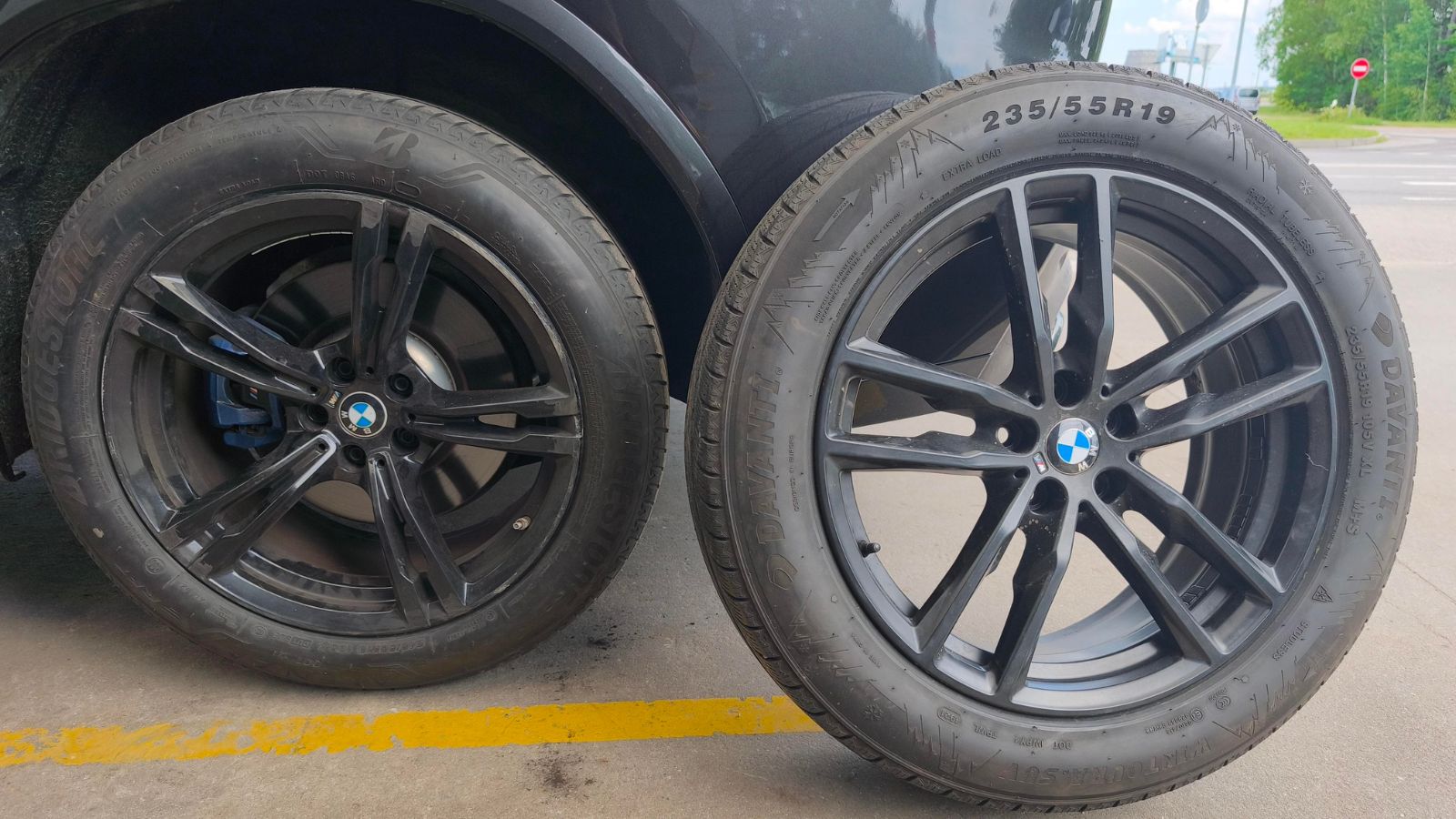
Two otherwise identical vehicles can ride and sound different simply because they wear different tires. Tire design balances competing goals such as grip, tread life, efficiency, steering response, noise and comfort. Michelin notes that high-performance tires generally prioritize grip and precise handling, while touring-oriented designs can place greater emphasis on smoothness and low road noise. Aggressive tread patterns can also create more noise than quieter road-focused designs.
That matters when the demonstrator and the purchased vehicle have different wheel-and-tire packages, or when a used vehicle has replacement tires that differ from its original specification. Tread condition matters too. NHTSA says tread provides the traction needed to resist slipping, especially on wet or icy roads, and considers tires worn to 2/32 inch unsafe. A car wearing fresh premium tires during evaluation can feel planted and quiet, while a similar example on aged, mismatched or heavily worn rubber may behave far less impressively once weather and rough pavement enter the picture.
Wheel Balance and Alignment Problems May Need Speed to Appear
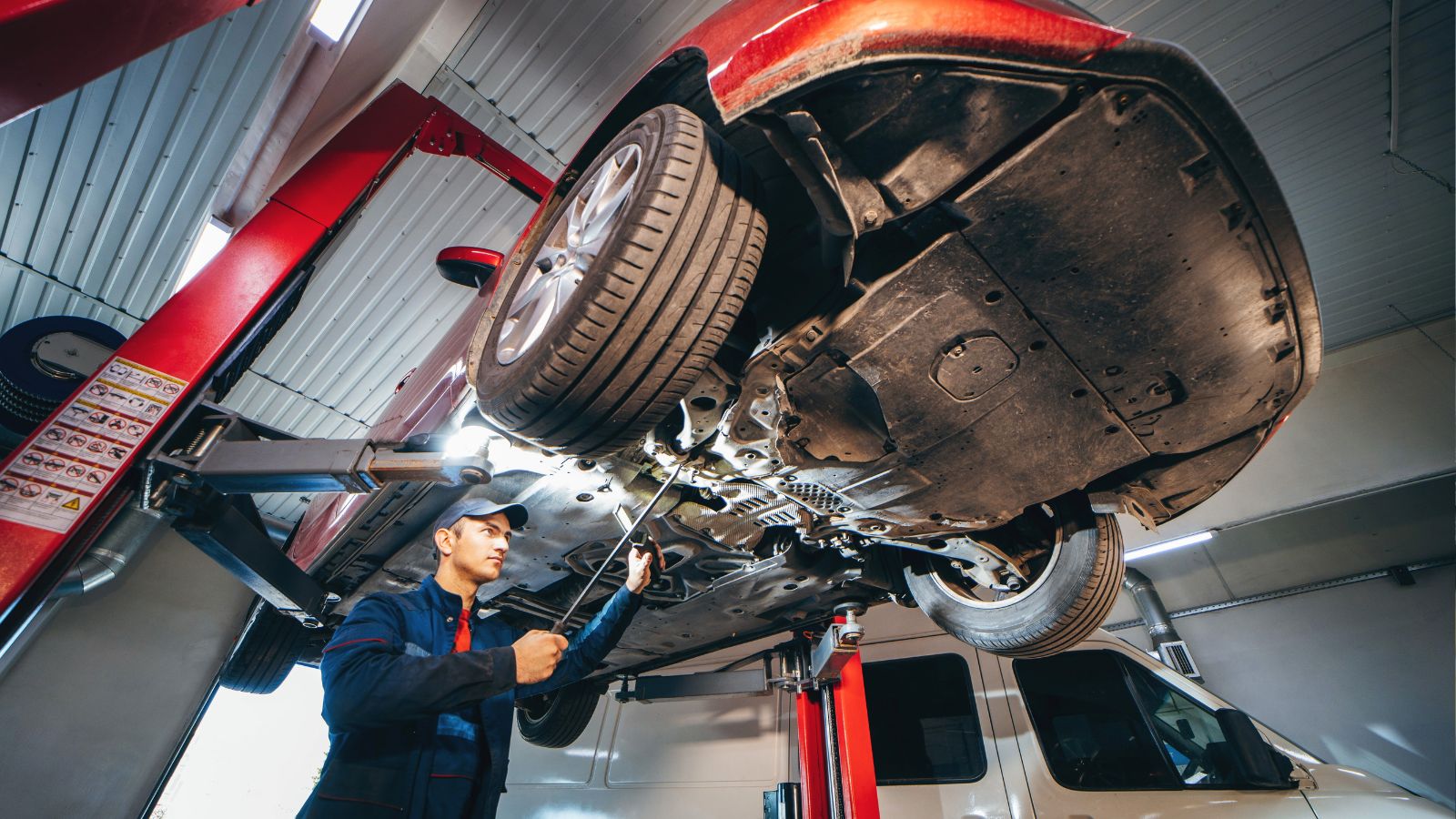
A vehicle can track beautifully at 40 km/h or 25 mph and begin shaking once highway speed arrives. Wheel imbalance is a classic example. AAA explains that balancing corrects uneven weight distribution around the wheel and can prevent vibration that becomes noticeable at higher speeds. If the test route never reaches freeway velocity, a steering-wheel tremor or seat vibration may remain completely hidden until the first longer trip after purchase.
Alignment problems can be equally subtle. Properly aligned wheels should allow a vehicle to travel straight without persistent drifting or pulling, while poor alignment can affect handling and cause uneven tire wear. A road’s crown can also complicate the driver’s impression, making a short pull to one side difficult to interpret. Testing on several reasonably flat roads and at multiple speeds provides much better evidence. On a used vehicle, uneven tread wear, an off-centre steering wheel or repeatable highway vibration deserves investigation before it is dismissed as an insignificant quirk.
Transmission Behaviour Can Change Dramatically in Traffic
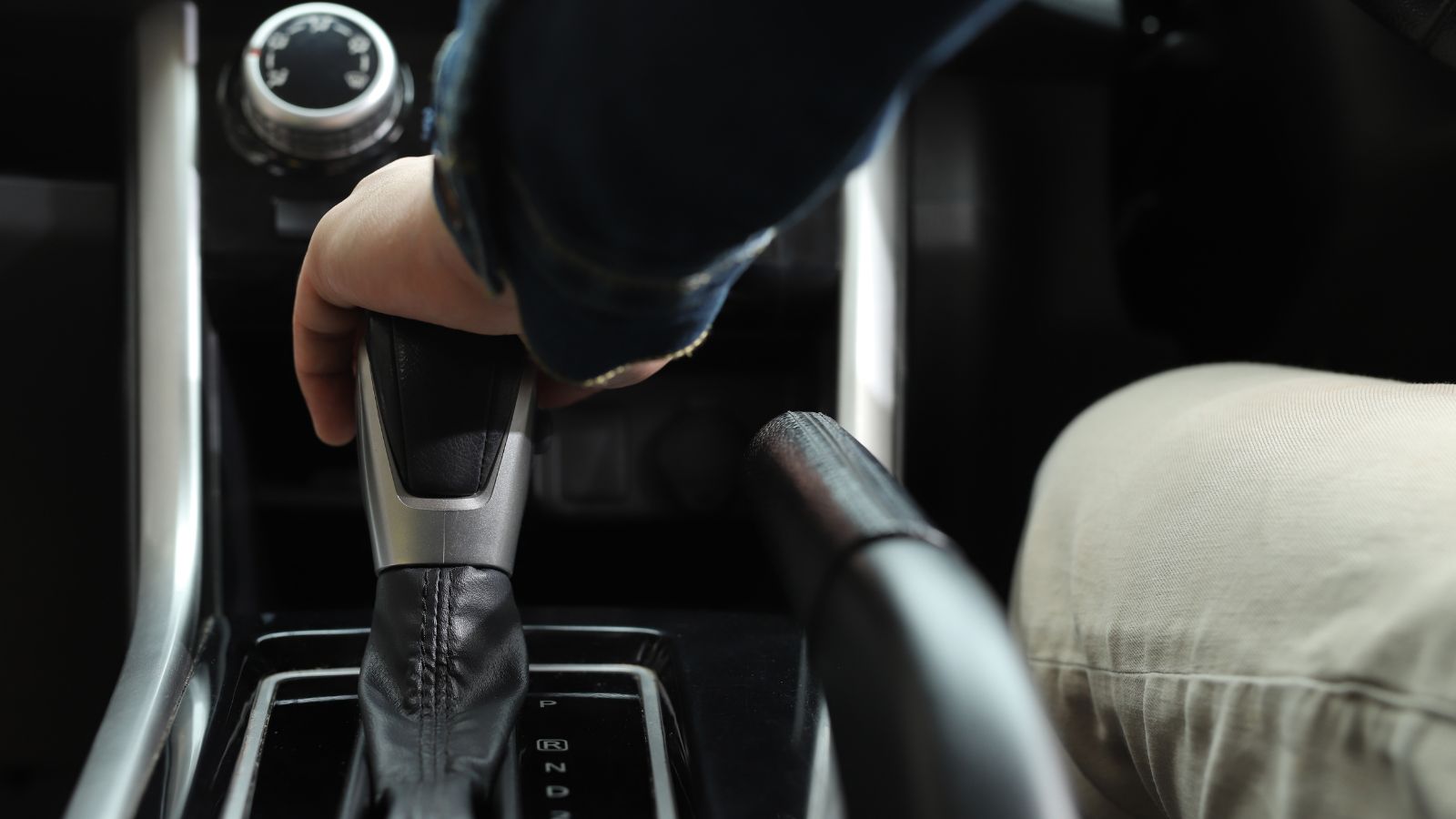
A transmission may feel flawless during several strong accelerations yet prove annoying in everyday stop-and-go driving. Dual-clutch gearboxes are a good example of why. AAA notes that this transmission type can display abrupt clutch engagement when leaving a stop and brief delays when the gearbox needs a gear different from the one it has anticipated. Those characteristics may barely register during a flowing suburban test but become impossible to ignore during a congested commute.
Actual road tests illustrate the effect. Consumer Reports has criticized some modern vehicles for low-speed hesitation or lurching even when the rest of the powertrain performs well. Mechanical problems can cause similar sensations: AAA lists jerking, hesitation, slipping and difficulty engaging gears as warning signs requiring attention. The distinction between a transmission’s normal personality and an emerging fault cannot always be established in ten minutes. Repeated creeping, reversing, hill starts, gentle acceleration and faster passing manoeuvres reveal far more than one enthusiastic run through the gears.
Brake Feel Can Become Annoying—or Concerning—Only After Repeated Use

Strong brakes are not automatically pleasant brakes. Drivers interact with pedal travel and response during virtually every trip, so a system that is difficult to modulate can become frustrating even when stopping power is adequate. Consumer Reports specifically evaluates brake-pedal modulation—how easily a driver can produce a smooth stop—as part of its vehicle-testing process. Some vehicles have been criticized for grabby braking that makes smooth low-speed stops unnecessarily difficult.
Used vehicles introduce another issue: vibration, pulling or an unusually soft pedal can point to wear or mechanical trouble. Consumer Reports lists grabbing, vibration and pulling to one side among symptoms worth investigating, while AAA advises used-car shoppers to pay attention to delayed braking and unusual vibration. A leisurely dealership loop may require only a handful of light stops. Daily traffic provides dozens. A better evaluation includes gentle parking-lot stops, normal stops from road speed and several controlled firmer applications in a safe location, with attention paid to pedal consistency rather than stopping power alone.
Highway Noise May Be Invisible Around Town

Quietness is heavily dependent on speed and road surface. Around town, wind noise is modest and tire roar may be masked by low speeds. At highway velocity, airflow around mirrors, door seals and roof rails becomes more noticeable, while coarse pavement can turn certain tire-and-cabin combinations into a persistent drone. Consumer Reports treats quietness as a major component of comfort and has identified excessive noise as one of the flaws that may not be obvious during a superficial evaluation.
The difference can be dramatic enough to change how luxurious a vehicle feels. Recent Consumer Reports testing, for example, has called out models whose cabins become particularly loud on the highway even though other aspects of the vehicle are appealing. This matters most for drivers covering long distances, where constant noise contributes to fatigue and forces conversation or audio volume upward. Every serious test should therefore include several minutes at normal highway cruising speed on pavement representative of the roads the vehicle will actually encounter.
Blind Spots Become More Frustrating During Everyday Manoeuvres
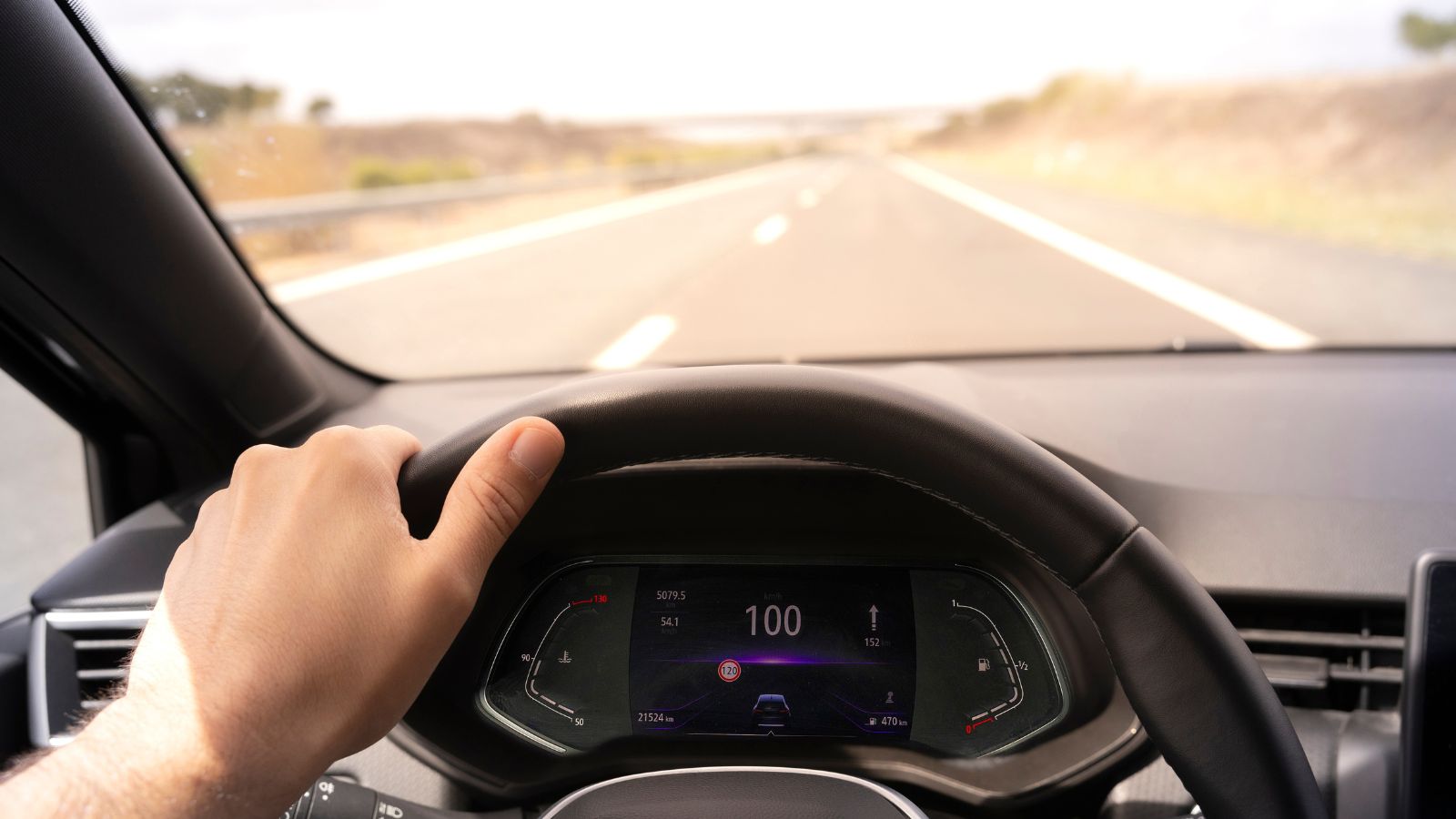
A high seating position can initially create a reassuring sense of visibility while still leaving important areas hidden by a long hood, thick windshield pillars or large mirrors. IIHS research found that forward blind zones increased substantially across several popular vehicle designs over a 25-year period. Separate IIHS research found that large driver-side blind zones were associated with a significantly higher risk of pedestrian crashes during left turns compared with small blind zones.
The ownership annoyance is usually discovered during ordinary manoeuvres rather than straight-line driving. A bulky pillar may repeatedly hide approaching traffic at the same intersection. A tall hood can make tight parking harder to judge. Thick rear pillars can increase dependence on cameras when reversing. Electronic aids certainly help, but they do not make basic outward visibility irrelevant. During a meaningful evaluation, the driver should parallel park, reverse into a space, perform several turns and check sight lines with the seat positioned normally. Visibility problems tend to become more irritating, not less, with repetition.
Daylight Hides Poor Headlight Performance
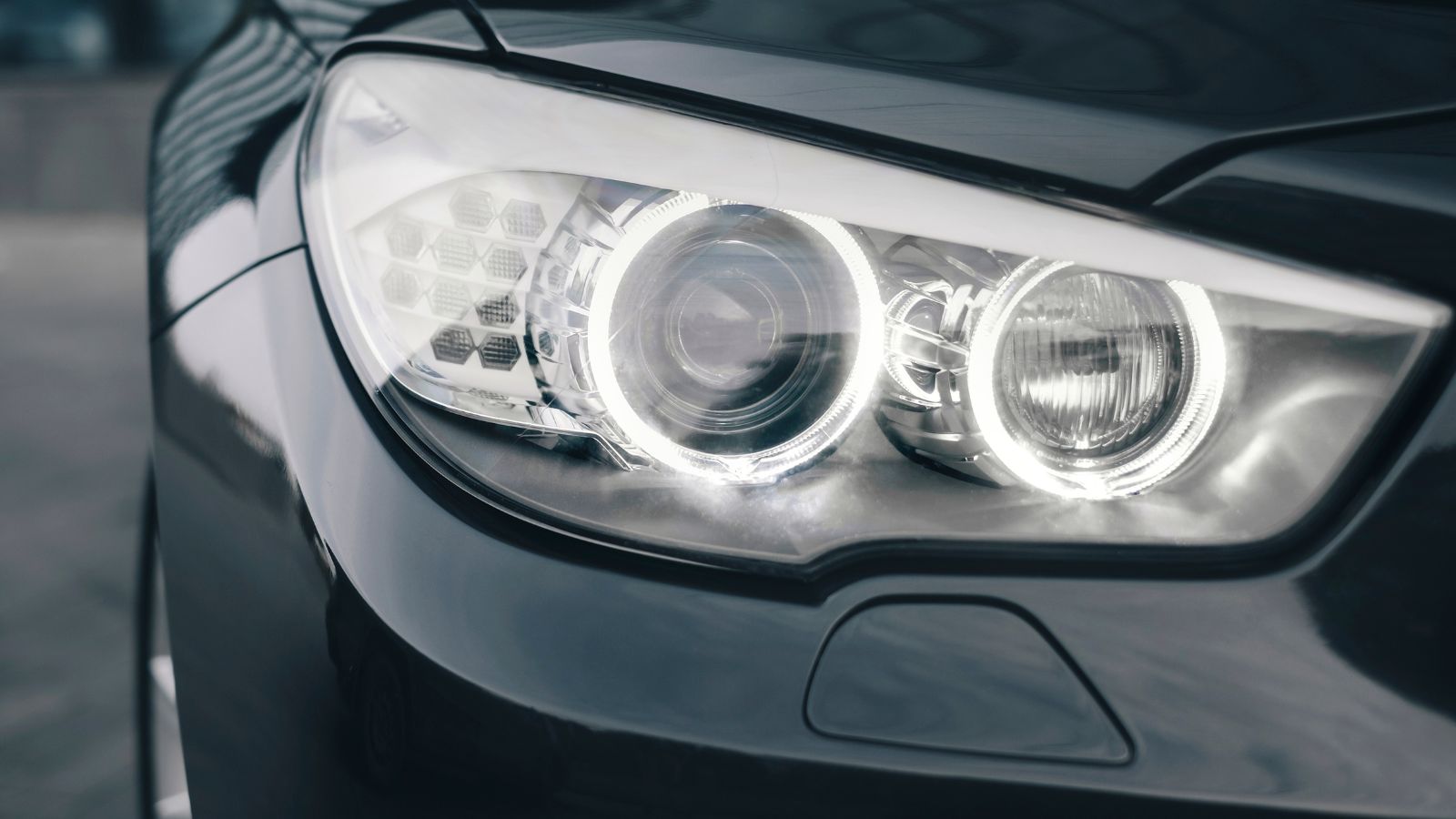
A vehicle evaluated only in daylight leaves one major system essentially untested. Headlight performance varies considerably between vehicles and even between lighting packages offered on the same model. IIHS reports that vehicles earning a good rating for headlight visibility have experienced 19% fewer nighttime single-vehicle crashes and 23% fewer nighttime pedestrian crashes than vehicles with poor-rated systems, underscoring that lighting quality is more than a cosmetic consideration.
Consumer Reports recommends trying a prospective vehicle after dark when possible, because nighttime driving also reveals whether interior switches, displays and gauges are easy to locate without distraction. On an older used vehicle, deterioration adds another concern: AAA testing has found badly clouded headlamp assemblies can produce only a fraction of their original light output. A vehicle can therefore feel entirely competent at noon and surprisingly stressful on an unlit rural road. Buyers who regularly drive before sunrise or after sunset have a particularly strong reason to insist on a nighttime evaluation.
Driver-Assistance Systems Can Wear Out Their Welcome

Advanced driver-assistance systems often make an impressive demonstration. Adaptive cruise control adjusts speed, lane-centering nudges the steering, and collision warnings provide a sense that the vehicle is actively watching the road. Many technologies also have real safety value; IIHS says front crash prevention, lane-departure prevention, blind-spot detection and rear crash-prevention systems are associated with reductions in real-world crashes.
The difficulty is that day-to-day satisfaction depends on implementation. IIHS research has shown that drivers can misunderstand the operating state and limitations of automated assistance, even after brief training. Systems also differ in how they communicate, how aggressively they steer and how often they issue warnings. A feature that seems clever during a ten-minute demonstration can become intrusive when it reacts to road markings, traffic patterns or driver behaviour encountered every day. Buyers should therefore test assistance features on representative roads, learn how easily individual functions can be adjusted and understand that current consumer systems still require active driver supervision.
Touchscreens Can Become More Irritating With Repetition
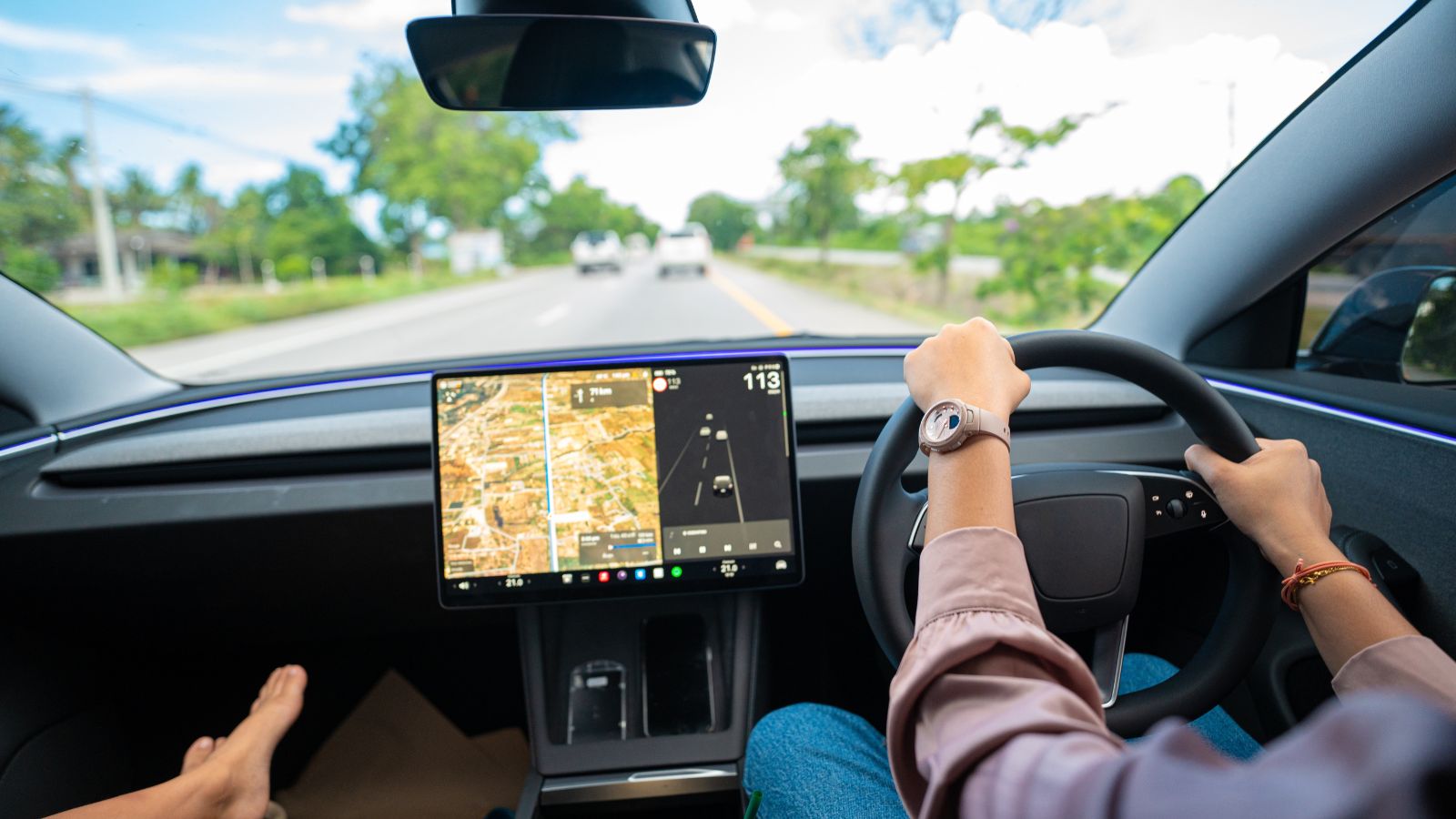
A giant display creates instant showroom appeal, but ownership involves using it for ordinary tasks hundreds of times. Adjusting climate settings, changing audio sources, entering navigation destinations and disabling an unwanted function may require menus that initially seem manageable while the vehicle is parked. Repetition changes the equation, especially when frequently used physical controls have been moved onto a screen.
AAA-sponsored research demonstrates why interface design deserves serious attention. In one study, built-in infotainment systems created substantial visual and cognitive demand, and older participants required between 4.7 and 8.6 seconds longer than younger drivers to complete various tasks. AAA has also reported that many tested native infotainment systems produced high or very high demand. The lesson is not that touchscreens are inherently poor, but that usability matters. A proper test should include pairing a phone, changing cabin temperature, finding navigation controls and performing common audio tasks while stationary before deciding whether an impressive dashboard will remain convenient after the novelty disappears.
A Drive Mode Can Make the Car Seem Like Something It Is Not

Modern vehicles increasingly allow changes to throttle response, steering weight, transmission behaviour and suspension firmness through selectable drive modes. That can dramatically alter the first impression. A salesperson may demonstrate a performance model in Sport mode because the accelerator feels more responsive, while another buyer may experience an adaptive-suspension vehicle in Comfort mode and come away impressed by its softness.
Those settings need context. AAA vehicle evaluations have documented cars in which modes alter steering, throttle and suspension characteristics, while Consumer Reports notes that switching certain performance vehicles into Sport or Track can noticeably stiffen their suspension. None of this is inherently negative; adjustability can make a vehicle more versatile. The problem comes when one especially flattering configuration dominates the evaluation. Drivers should cycle through the modes they would actually use, shut the vehicle off and see which settings persist, and determine whether the everyday default remains satisfying. The thrilling setting used for five minutes may not be the one anyone wants during rush hour.
Rear-Seat Comfort Is Easy to Forget From the Driver’s Seat
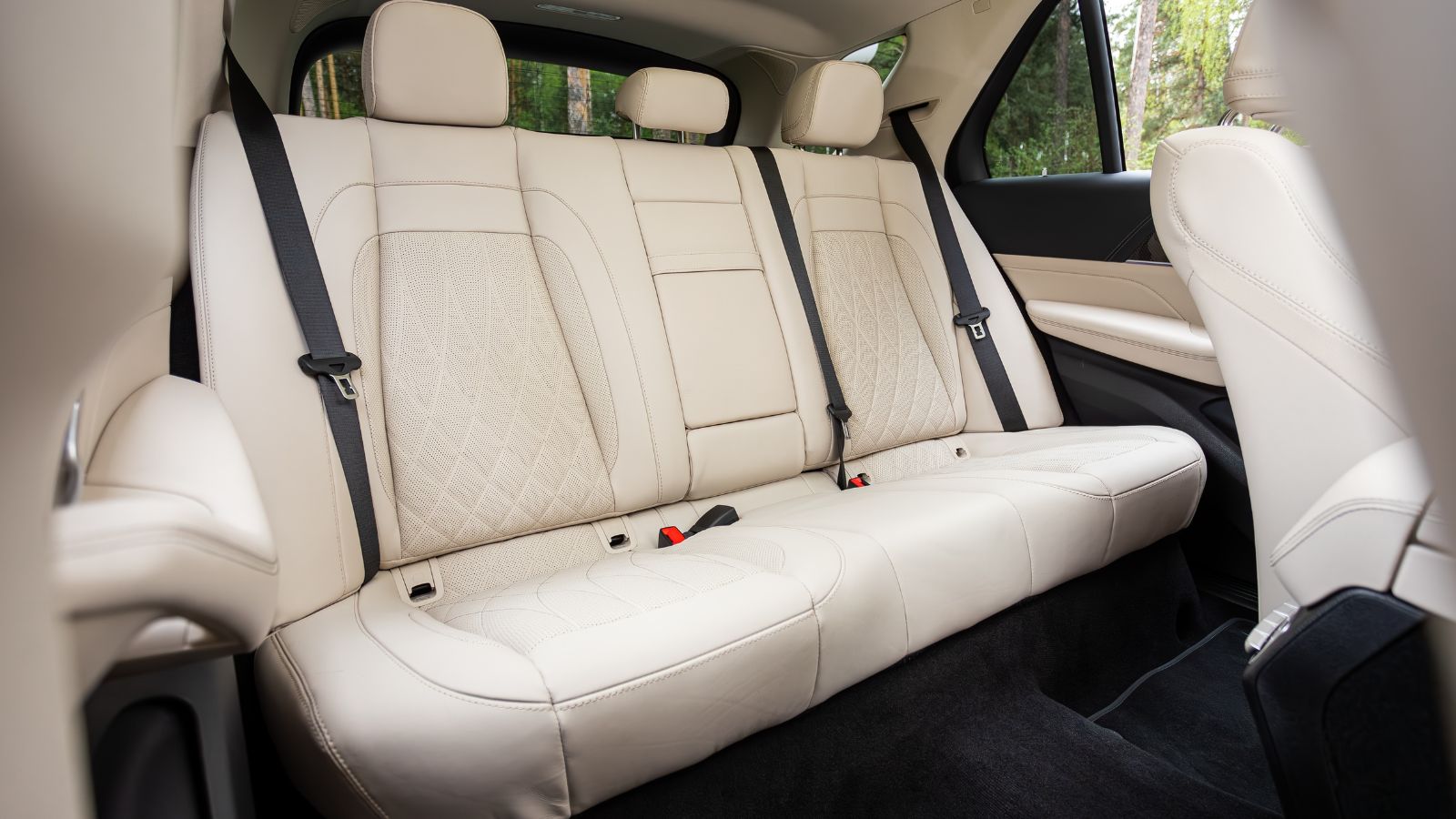
A vehicle purchase is often evaluated almost entirely from the front left seat, even when much of its life will involve family, friends or colleagues in the back. Rear-seat problems include limited knee clearance, low cushions, difficult access, inadequate foot space and headroom compromised by a sloping roof. Consumer Reports advises evaluating whether rear occupants have proper support, sufficient headroom and enough space for their feet beneath the front seats.
These weaknesses frequently emerge only after ownership because the buyer rarely sits behind the driving position during a test. A crossover can feel wonderfully spacious from behind the wheel while forcing a tall teenager’s knees upward in row two. A three-row SUV may accommodate seven people on paper but leave adults reluctant to use the third row for more than a short journey. Before buying, the front seat should be adjusted for the actual driver and then left there while prospective passengers try the seats behind it. Space should be judged with bodies, not specifications alone.
Child Seats Can Completely Change Cabin Usability

Families face an additional packaging test that no amount of front-seat driving can reproduce. Rear-facing child restraints can consume considerable front-to-back space, and lower anchors or tether points may be harder to reach in one vehicle than another. NHTSA instructs caregivers to consult both the child-seat and vehicle manuals, locate the appropriate anchors and ensure an installed restraint moves no more than one inch side-to-side or front-to-back at the belt path.
Fit also differs by vehicle and restraint. Consumer Reports specifically evaluates car-seat installation and identifies models able to accommodate three child restraints across the second row; it notes that flatter rear cushions without large bolsters or humps generally make three-across installations easier. Consequently, a roomy-looking SUV can become awkward once a rear-facing seat forces the front passenger forward, while a seemingly smaller vehicle may package restraints surprisingly well. Families should test their actual seats whenever possible instead of assuming exterior size guarantees family-friendly interior space.
Cargo Numbers Can Be More Impressive Than the Cargo Area
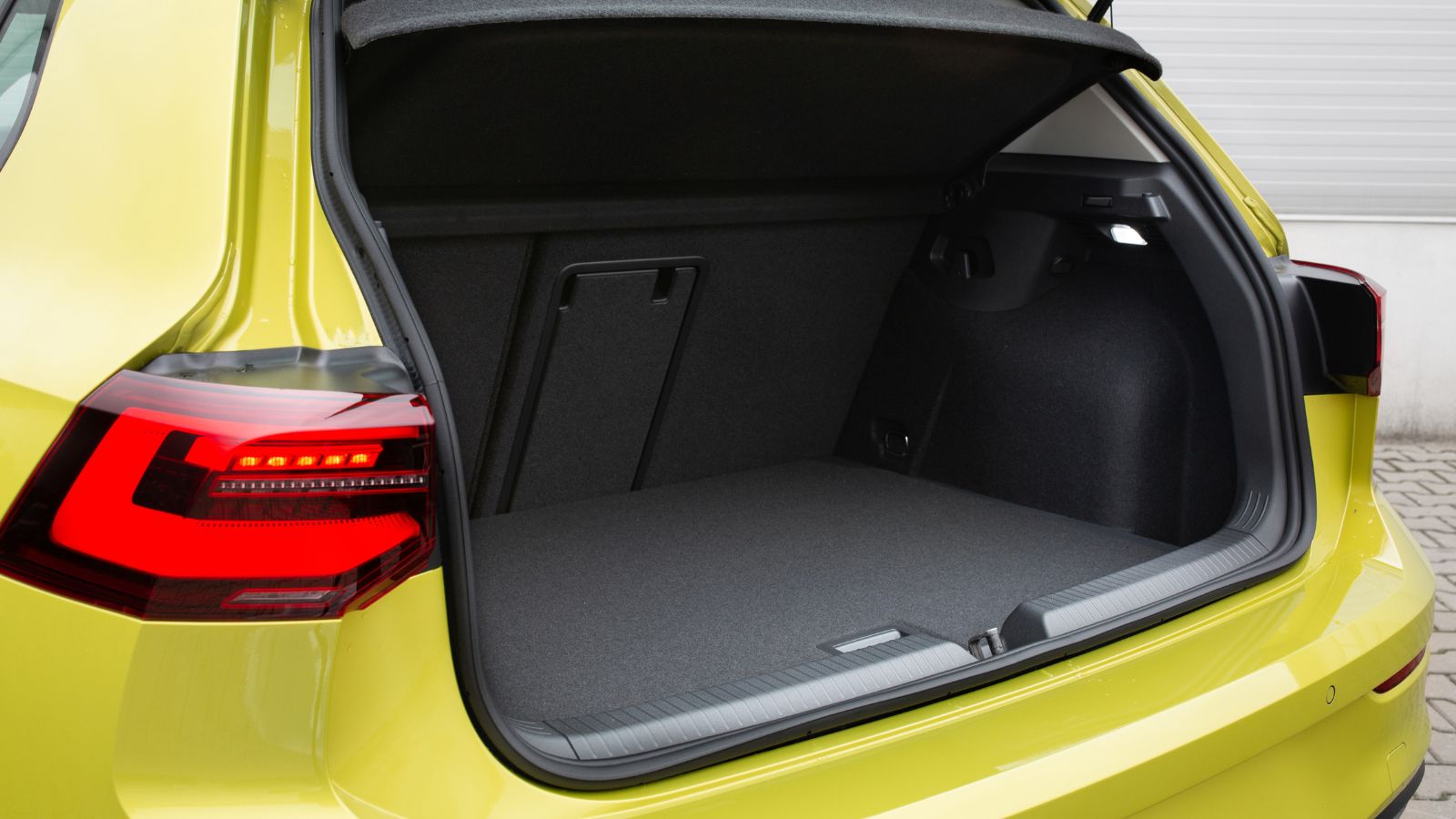
Published cargo volume is useful for comparisons, but cubic feet alone cannot explain whether real objects will fit conveniently. The shape of the opening, height of the load floor, wheel-well intrusion, seat-folding design and amount of space remaining behind an occupied third row all affect usefulness. Consumer Reports performs its own cargo measurements because manufacturer figures and practical capacity do not always tell the same story.
Three-row vehicles make the issue particularly obvious. Consumer Reports notes that some models marketed as family-friendly offer relatively little luggage room when all three seating rows are raised. A large number on a specification sheet may therefore be irrelevant to a family that regularly carries six people plus suitcases. The test drive itself will not reveal this. Bringing a stroller, mobility device, sports equipment or representative luggage to the vehicle can. Opening the liftgate and imagining the load is far less reliable than checking whether the items that routinely travel with the household actually fit.
Passengers and Luggage Can Change How the Vehicle Drives

Most test vehicles carry little more than a salesperson and prospective buyer. Real trips may add several passengers, luggage, sports equipment or towing tongue weight. Every vehicle has a manufacturer-defined payload capacity covering the combined weight of people and cargo. AAA warns that exceeding that capacity stresses tires, shocks, springs and suspension components—parts directly involved in keeping the vehicle controlled.
Even well within the legal limit, added mass can alter the experience. Acceleration feels less urgent, braking requires more energy, and suspension movement can become more noticeable. AAA reviews have noted that vehicles capable enough when lightly loaded may feel less energetic once filled with passengers and gear. This matters particularly for smaller engines, three-row vehicles and buyers who routinely tow or travel fully loaded. A solo drive around the dealership therefore represents the easiest job the vehicle will perform. Buyers should consider the weight and seating configuration involved in their normal busiest trip, not merely the quietest one.
Real-World Fuel Economy Depends Heavily on the Routine

A brisk test drive can make a powerful engine or heavy SUV seem completely worthwhile because fuel use is invisible in the moment. Ownership turns that abstract number into repeated stops at a pump or charging station. EPA fuel-economy testing incorporates city, highway, high-speed, air-conditioning and cold-temperature conditions, but the agency also emphasizes that actual mileage varies with driving style, weather and road conditions.
Speed alone can make a meaningful difference. Consumer Reports testing has recorded losses of roughly 6 to 7 mpg in specific conventional vehicles when cruising at 75 mph rather than 65 mph. The U.S. Department of Energy also reports that aggressive acceleration and braking can substantially reduce fuel economy, particularly in stop-and-go traffic. Consequently, a vehicle that seems effortless during a short demonstration may become financially irritating when exposed to a long high-speed commute, heavy congestion or frequent short journeys. Running the ownership numbers against the driver’s real annual mileage is as important as evaluating acceleration.
Weather Can Reveal a Vehicle the Test Drive Never Showed

Buying during mild weather makes it nearly impossible to judge some of the conditions that dominate ownership later. Winter changes tire pressure, traction and battery performance, while extreme heat places heavy demands on air conditioning. NHTSA notes that tire inflation falls as ambient temperatures drop and that cold weather can reduce the driving range of electric and hybrid-electric vehicles. EPA testing also specifically incorporates hot-weather air-conditioning and cold-temperature operation because both can influence vehicle efficiency.
For EVs, the swing can be especially noticeable. EPA cites research indicating that cold temperatures combined with cabin heating can reduce range by roughly 40% on average under the studied conditions. A 2026 AAA study likewise measured a 39% decrease in calculated EV range at 20°F compared with moderate 75°F conditions for its test vehicles. Those figures are not universal predictions for every EV, but they illustrate why a pleasant springtime drive cannot fully represent January or August ownership. Climate should be considered part of the vehicle’s operating environment.
A Good Drive Cannot Reveal the Vehicle’s Entire History
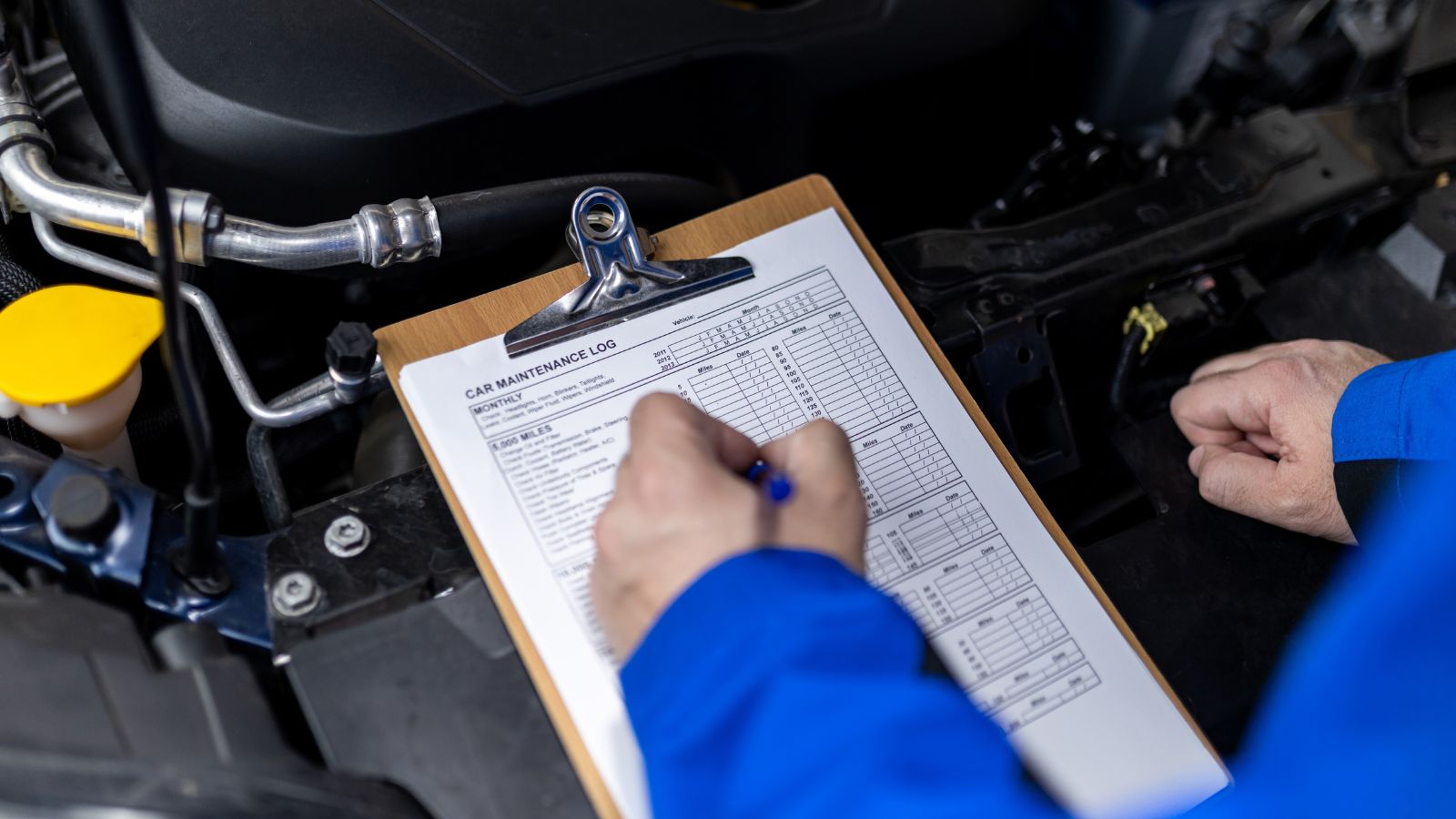
This issue matters most with used vehicles. A clean cabin, smooth engine and quiet 20-minute drive can coexist with deferred maintenance, previous collision repairs, corrosion or developing mechanical faults. The U.S. Federal Trade Commission explicitly warns that a vehicle-history report is not a substitute for an independent mechanical inspection because such reports may identify accidents or flood damage while failing to document mechanical problems.
AAA gives similar advice. Its used-car guidance recommends combining a history report with maintenance-record review, visual inspection, a thorough test drive and a professional pre-purchase inspection. Red flags can include uneven tire wear, mismatched body panels, warning lights, fluid leaks, water damage and inconsistencies between indicated mileage and physical wear. That final inspection can turn an emotional purchase into a better-informed decision. A vehicle does not need to drive badly to have expensive problems waiting underneath; sometimes the smoothest test drive simply means the hidden issue has not reached the stage where a driver can feel it yet.
19 Used Cars Canadians Should Avoid in 2026 (Based on Owner Complaints)

Buying a used car in Canada can feel safe until repair bills start stacking up. Owner complaints tell a different story than glossy listings. Transmission failures, electrical problems, and weak winter reliability show up again and again in consumer reports. Many of these issues appear after warranties expire, when owners least expect them. Some vehicles look affordable upfront, but become expensive to keep on the road. Others struggle in cold weather, urban driving, or long highway commutes. Here are 19 used cars Canadians should avoid in 2026 (based on owner complaints).
19 Used Cars Canadians Should Avoid in 2026 (Based on Owner Complaints)

Alanna Rosen is an experienced content writer that focuses on many EV and educational content. Her articles are regularly published on Get CyberTrucked and syndicated on large publications.