Used-car listings can make an ordinary vehicle look exceptional with the right photos, a polished description, and an attractive price. Yet the details missing from an advertisement can matter just as much as what appears on the screen. Canadian vehicle regulators and consumer-protection organizations repeatedly warn buyers about curbsiders, altered vehicle histories, liens, odometer manipulation, stolen vehicles, undisclosed damage, and online payment scams.
Some warning signs indicate possible fraud, while others simply mean more verification is needed before money changes hands. Rules also vary by province, particularly around documentation and dealer disclosure. These 21 red flags in used car ads can help Canadians recognize listings that deserve closer examination before arranging a test drive, paying a deposit, or signing a purchase agreement.
The Price Is Far Below Comparable Cars

A bargain is not automatically suspicious, but an unexplained price far below comparable vehicles deserves scrutiny. Fraudsters often rely on an unusually attractive number to generate messages quickly, while illegal dealers may price problematic vehicles aggressively to move them before questions arise. Canadian anti-fraud authorities specifically advise consumers to be cautious when merchandise is offered at a price that appears too good to be true.
Before treating the discount as a lucky find, buyers can compare the same model year, trim, mileage, drivetrain, and approximate condition across several listings. A $5,000 difference can sometimes be explained by accident history, kilometres, mechanical problems, or regional demand. What matters is whether the seller can explain the gap convincingly. A remarkably cheap vehicle combined with urgency, limited documentation, or demands for advance payment is substantially more concerning than a low price supported by a transparent history.
The Seller Is Not the Registered Owner

A private advertisement usually implies that an individual is selling a vehicle that belongs to them. Trouble begins when the seller’s identification does not match the ownership documents. Ontario’s OMVIC and British Columbia’s Vehicle Sales Authority both identify mismatched seller and registration names as a common sign of an illegal dealer, often called a curbsider or curber.
Explanations such as “selling it for my cousin,” “the owner moved away,” or “my friend left me the paperwork” deserve verification rather than immediate acceptance. There can be legitimate circumstances, including estates and properly documented authorized sales, but those situations should come with appropriate paperwork. Buyers should compare identification, registration documents, VIN information, and the bill of sale before paying. A person unwilling to establish a clear legal connection to the vehicle creates a basic ownership question that should be resolved before negotiations proceed any further.
The Seller Will Not Provide the VIN
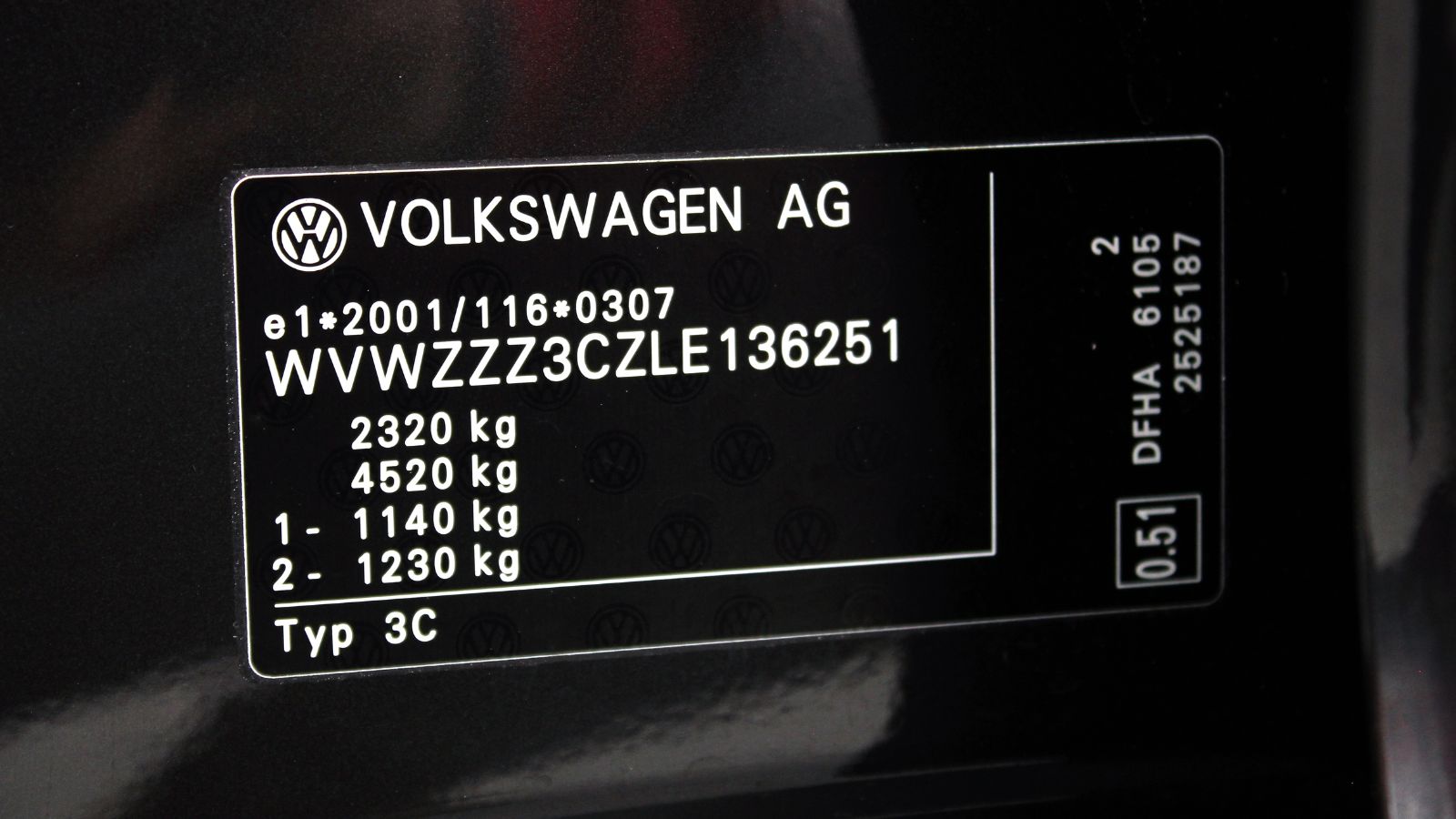
A seller may avoid posting the full Vehicle Identification Number publicly for privacy or security reasons, so an absent VIN in the advertisement alone is not necessarily suspicious. Refusing to provide it to a serious prospective buyer is different. The VIN is essential for checking a vehicle’s identity, history, liens, registration information, and other records before purchase.
Canadian regulators recommend recording the VIN directly from the vehicle and comparing it with paperwork rather than relying on a typed number sent by the seller. It should also be consistent wherever it appears on the vehicle. If a seller continually changes the subject when asked for it, insists that history checks are unnecessary, or provides a number that does not correspond with the advertised model, caution is warranted. A legitimate transaction should withstand basic verification. Without a reliable VIN, buyers lose one of their most useful tools for confirming that the advertised vehicle is actually the vehicle being offered.
An Ontario Private Seller Has No UVIP

Ontario buyers have an especially useful document available during private transactions: the Used Vehicle Information Package, or UVIP. With specified exceptions, a private seller is legally required to provide one. The package can show Ontario registration history, odometer readings, lien information, vehicle details, wholesale-value information, and the vehicle’s most recently recorded status.
That makes excuses about not having one worth examining carefully. A seller claiming the package is unnecessary, refusing to show all its pages, or presenting an obviously altered document removes an important layer of verification. Ontario buyers can also obtain a UVIP themselves using identifying vehicle information. The requirement is specific to Ontario and should not be presented as a nationwide rule; other provinces use different systems and documents. Still, the broader lesson applies across Canada: when provincial records are available, reluctance to provide or cooperate with obtaining them can signal that the seller would rather keep part of the vehicle’s history hidden.
There Is No Maintenance History—and No Explanation

A vehicle without a stack of dealership invoices is not necessarily neglected. Owners may perform maintenance themselves, independent shops may not report every service, and electronic vehicle-history databases do not capture every repair. However, an advertisement claiming “meticulously maintained” becomes much less convincing when the seller cannot produce receipts, service records, dates, or even basic details about routine maintenance.
Maintenance history helps establish whether mileage and ownership claims make sense. Oil-change invoices, tire purchases, brake work, dealer records, and dated repair orders can create a timeline that is difficult to fake consistently. CARFAX Canada notes that service records can help buyers identify maintenance gaps and compare recorded odometer readings, while also acknowledging that its database is not complete for every VIN. Therefore, missing database entries should prompt questions rather than automatic rejection. The greater concern is a seller making unusually strong maintenance claims while refusing to provide any supporting information that should reasonably exist.
Accident History Answers Stay Vague

“Minor accident,” “small claim,” and “just cosmetic” can describe everything from a parking scrape to substantially more expensive collision repairs. When an advertisement admits damage but provides no useful details, buyers should determine what actually happened before accepting the seller’s characterization. Repair invoices, photographs, insurance records, and a history report can help establish the scale of the incident.
Ontario dealers, for example, have specific disclosure obligations covering numerous aspects of vehicle history and condition, including certain accident damage, structural damage, total-loss history, and replaced body panels. Alberta also requires licensed automotive businesses to disclose specified vehicle-history information before purchase. Private-sale rules differ, making independent verification especially important. A repaired collision does not automatically make a vehicle undesirable; many properly repaired vehicles provide years of normal service. The warning sign is evasiveness. If every question about the accident receives a different explanation, the description should not be accepted until independent records and an inspection support it.
“Rebuilt” or “Salvage” Is Buried in the Description

Vehicle branding deserves more attention than a tiny line near the bottom of an advertisement. A salvage designation generally indicates that a vehicle suffered damage serious enough to enter a provincial branding process. A rebuilt vehicle has typically been repaired from a salvage condition and completed the applicable inspection process required for that jurisdiction.
Ontario, for example, records brands including None, Salvage, Rebuilt, and Irreparable, and only vehicles branded None or Rebuilt can be driven on Ontario roads. Other provinces operate their own systems. A rebuilt vehicle can be legally operated and may sometimes be priced attractively, but its history should affect the buying decision. Structural repairs, future resale value, insurance availability, repair quality, and long-term ownership considerations deserve examination. The red flag is not simply the word “rebuilt.” It is an advertisement that minimizes, hides, or ambiguously describes a major status distinction that materially changes what the buyer is considering.
The Seller Cannot Clearly Address a Lien

A vehicle can look perfectly clean while still carrying a financial claim. A lien generally gives a creditor rights connected to the vehicle because money remains secured against it. That means mechanical condition and legal financial status are two separate questions, and a pre-purchase inspection cannot uncover debt registered against the vehicle.
Provincial agencies specifically recommend lien searches before used-vehicle purchases. Ontario’s personal-property registration system warns that if a lender retains rights in a vehicle and the debt is not resolved, the vehicle could potentially be seized if the borrower defaults. Alberta’s AMVIC likewise encourages checking lien status before purchasing. An advertisement does not need to explain the seller’s finances, but a seller should be able to cooperate with a legitimate lien check. Responses such as “don’t worry about it,” “the bank will remove it later,” or refusal to provide information needed for verification should stop the transaction until the lien situation is conclusively resolved.
The Mileage Does Not Match the Car’s History
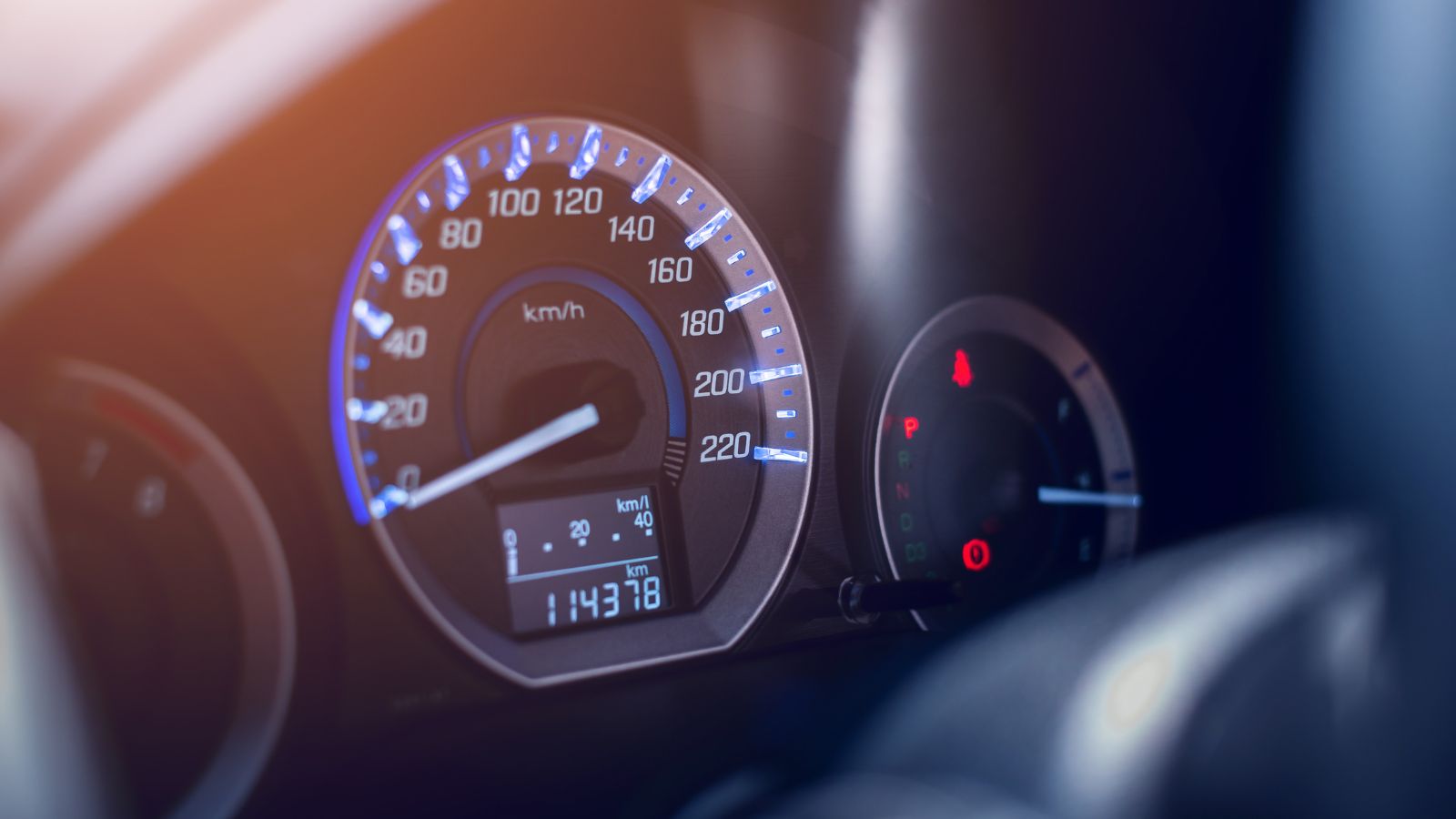
Low kilometres add value to many used vehicles, which creates an obvious incentive for dishonest sellers to make an odometer reading appear more attractive. Modern digital displays have not eliminated odometer manipulation. OMVIC continues to warn that rolled-back vehicles appear in online listings and recommends comparing current mileage with historical readings from available records.
Physical wear can provide additional clues. A supposedly low-mileage car with heavily polished-through steering-wheel surfaces, deeply worn pedals, tired seat bolsters, substantial windshield pitting, or suspension wear deserves additional investigation. None of these observations alone proves tampering because driving conditions and owner habits vary. Historical records are more persuasive. Service invoices, inspection records, registration data, and vehicle-history reports can create a chronological mileage trail. A small discrepancy may have an innocent explanation, but a reading that moves backward dramatically—or a seller who refuses to discuss a documented inconsistency—is a red flag that should never be dismissed as a simple paperwork mistake.
The Ad Proudly Says “As-Is” but Downplays the Meaning

“As-is” can sound harmless in a classified advertisement, almost as though the seller merely wants a quick transaction. In reality, buyers need to understand exactly what condition is being represented. Ontario’s regulated-dealer rules provide particularly strong wording: an as-is vehicle is not represented as roadworthy, mechanically sound, or maintained at any guaranteed level of quality and may require substantial repairs.
That does not mean every as-is vehicle is disastrous. Older cars, restoration projects, trade-ins, or vehicles intended for mechanical work are commonly sold this way. The warning sign appears when the advertisement simultaneously minimizes the designation with phrases such as “probably only needs one small thing” while providing no diagnosis or inspection. A low purchase price can become irrelevant if the vehicle immediately needs brakes, suspension components, tires, powertrain repairs, or electrical work. Buyers should price an as-is vehicle according to its demonstrated condition, not according to optimistic language surrounding the disclaimer.
An Independent Inspection Is Not Allowed

Few responses reveal as much about a used-car transaction as the seller’s reaction to an independent inspection. OMVIC explicitly identifies refusal to allow an independent mechanic to inspect a vehicle as a red flag. Alberta’s AMVIC and British Columbia’s VSA also recommend mechanical inspections as part of used-vehicle due diligence.
A seller may reasonably set logistical boundaries, such as requiring identification, accompanying the vehicle, or limiting how far it travels. Those conditions are different from refusing any independent examination. A proper pre-purchase inspection can expose leaking components, corrosion, unsafe tires, worn suspension parts, structural repair evidence, warning codes, or upcoming maintenance costs that attractive photographs cannot show. Even a vehicle-history report is not a substitute because reporting databases depend on information supplied to them. When the seller insists that “my mechanic already checked it” but will not permit another qualified technician to look, the buyer is being asked to accept risk without independent evidence.
The Seller Refuses a Reasonable Test Drive
A stationary vehicle can conceal problems that become obvious within minutes of driving. Transmission behaviour, steering alignment, wheel-bearing noise, brake vibration, suspension clunks, engine hesitation, overheating, and dashboard warnings may not reveal themselves while a car idles in a driveway. That is why provincial buying guidance routinely recommends a test drive before purchase.
Sellers are entitled to protect themselves. They may request a valid driver’s licence, accompany the prospective buyer, select an appropriate route, or verify insurance arrangements. Refusing any test drive at all is another matter, particularly when the seller simultaneously claims that the vehicle “drives perfect.” OMVIC lists refusal of a test drive among its used-vehicle warning signs. There are exceptions for genuinely non-running project vehicles or vehicles legally unable to be driven, but those limitations should already be reflected in the advertisement and price. For an ordinary roadworthy used car, paying thousands of dollars without experiencing it under normal operation creates unnecessary risk.
The Ad Creates Artificial Urgency

“There are five buyers coming tonight.” “First deposit gets it.” “Leaving the country tomorrow.” Urgent language does not prove dishonesty, and genuinely desirable used vehicles can sell quickly. Still, Canadian regulators repeatedly warn that pressure tactics are used to prevent buyers from completing normal checks before committing money.
Urgency becomes particularly concerning when it appears alongside demands to skip an inspection, avoid a history check, sign immediately, or transfer a deposit electronically. OMVIC advises buyers not to rush and reminds Ontario consumers that a signed vehicle contract with a registered dealer generally has no automatic cooling-off period. The details vary across provinces and transaction types, but the practical principle is broader: important verification should not disappear because another supposed buyer is waiting. There will be other vehicles. A seller who becomes hostile because someone wants enough time to check the VIN, ownership, history, liens, and mechanical condition is providing useful information about the transaction before the purchase even happens.
The Vehicle Is “In Storage” Far Away

Online scams frequently begin with a locally targeted advertisement and an explanation for why the vehicle cannot actually be seen locally. The seller may claim to have relocated suddenly, joined the military, moved for work, inherited the car from another province, or placed it in storage. The vehicle can supposedly be shipped once a deposit or payment is received.
OMVIC specifically warns about listings where the advertised vehicle is unexpectedly located far away, inspection is impossible, and shipping comes with a supposed money-back guarantee or escrow arrangement. Professional-looking websites and convincing correspondence do not prove that either the business or vehicle exists. Buyers who cannot personally inspect a distant vehicle can arrange an independent local inspection and separately verify the seller and business. A refusal to permit even that level of verification is highly significant. Sending money because a stranger promises that an unseen car can simply be returned later places virtually all leverage with the seller.
One “Private Seller” Has Several Cars Listed
Someone selling two household vehicles at once is entirely plausible. Someone repeatedly advertising multiple unrelated vehicles while presenting each one as a personal private sale deserves more scrutiny. Regulators in Ontario, Alberta, and British Columbia warn about unlicensed sellers—commonly known as curbsiders or curbers—who pose as ordinary owners while effectively operating an automotive sales business.
British Columbia’s VSA identifies multiple vehicles attached to the same phone number as one indicator of curbing. OMVIC gives similar guidance and notes that curbsiders may sell vehicles with hidden accident histories, odometer problems, or other undisclosed issues. Buyers can search a seller’s phone number, profile, previous marketplace listings, and dealer-registration status where appropriate. The concern is not merely that the seller knows cars well. Licensed dealers have consumer-protection obligations that an illegal seller may be avoiding. A supposedly private profile that resembles an undeclared dealership should therefore change the level of verification applied to every claim in the advertisement.
The Seller Acquired the Car Very Recently

A short ownership period can have innocent explanations. Someone may receive a company vehicle, move overseas, encounter financial difficulties, or simply discover that a recent purchase does not suit their needs. Yet regulators specifically identify very recent registration in a private seller’s name as a reason for additional vigilance because illegal vehicle flippers may temporarily register cars before reselling them.
The useful question is not merely “How long have you owned it?” but “Why is it being sold again so quickly?” The answer should fit the documents and history. If someone claims years of trouble-free ownership while registration records show that the vehicle changed hands a few weeks earlier, the contradiction matters. Recent ownership becomes more concerning when paired with missing maintenance records, multiple vehicles for sale, a below-market price, repaired damage, or reluctance to permit an inspection. A short ownership period is therefore best treated as a prompt for deeper verification rather than evidence of wrongdoing by itself.
The Photos Look Like They Came From a Dealership Website

Sharp photography is normally a selling advantage, but professional dealership images appearing in a supposed private listing can sometimes indicate something else. OMVIC has documented fraudsters stealing photographs, dealership names, salesperson identities, and legitimate advertisements to create convincing fake listings. Victims may then be persuaded to send deposits for vehicles that the real dealership never offered through that person.
Image context can reveal other inconsistencies. OMVIC advises noticing licence plates, scenery, weather, vegetation, and whether photographs plausibly match the claimed location and season. Buyers can also contact the dealership independently using contact details obtained from its official website rather than numbers supplied in the suspicious advertisement. Asking for a new, specific photograph of the actual vehicle can provide another simple check. Fraudsters can duplicate an advertisement in seconds; producing the physical vehicle, matching VIN, legitimate ownership documents, and verifiable seller identity is considerably harder. Attractive photographs should support those checks, never replace them.
The Ad Details Do Not Match the Paperwork
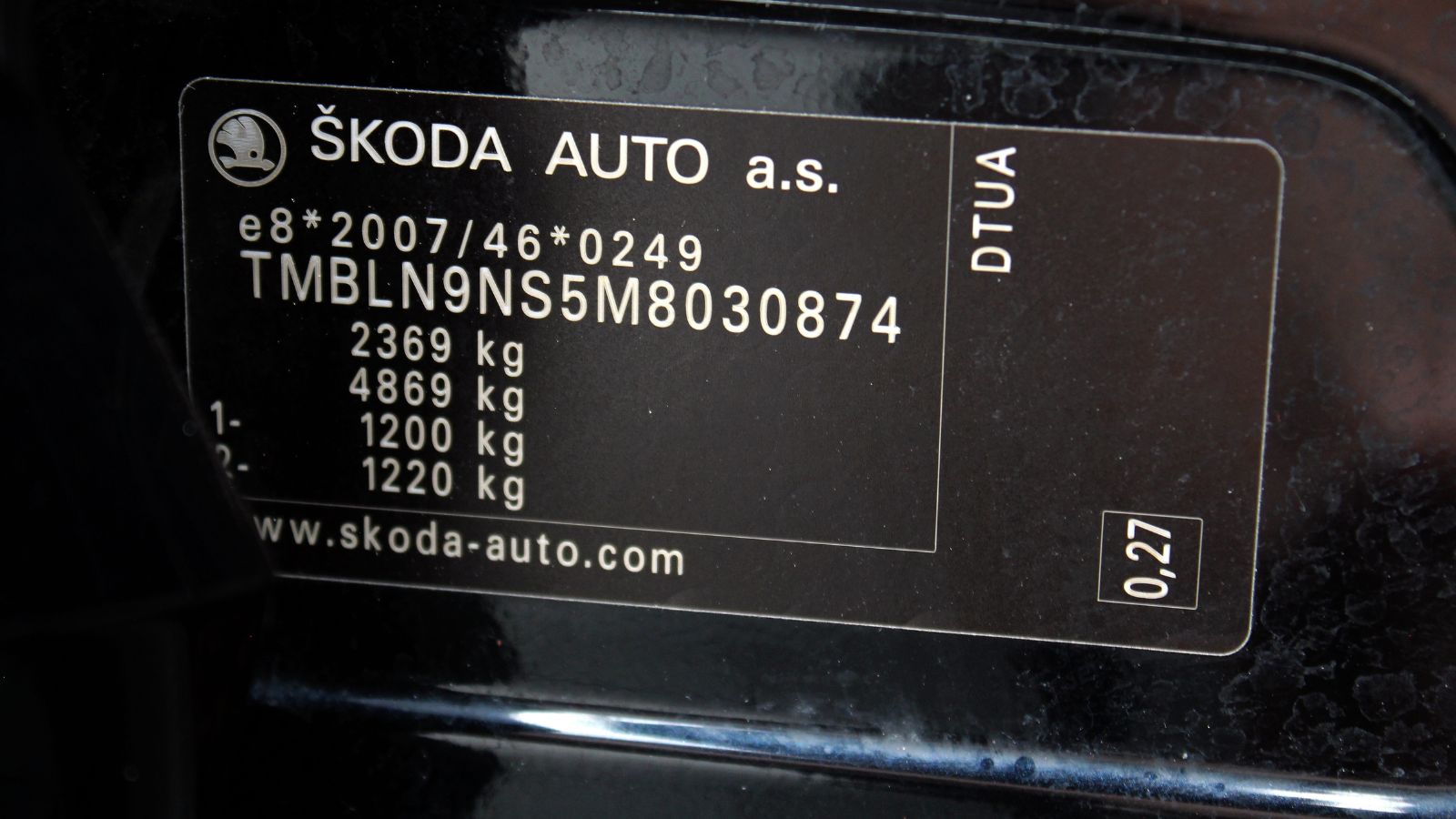
Small inconsistencies sometimes result from careless data entry. A seller may select the wrong trim from a marketplace menu or mistype the model year. Multiple mismatches, however, deserve attention. British Columbia’s VSA specifically advises private buyers to confirm that details such as the year, make, model, body style, colour, VIN, and registration information agree with the actual vehicle.
Ontario similarly recommends checking that the VIN on the vehicle matches the ownership permit and looking for discrepancies in vehicle-information records. This matters because incorrect details can accompany innocent mistakes, poorly constructed advertisements, VIN errors, curbsider activity, or stolen-vehicle identity manipulation. Buyers should not rely solely on badges either; trims, wheels, grilles, and emblems can be replaced. Decode the VIN, compare paperwork, inspect VIN locations on the vehicle, and check the advertised equipment. A listing calling a car a premium trim when its VIN and original specifications identify a lower version can also materially change its fair value.
Out-of-Province History Is Brushed Aside
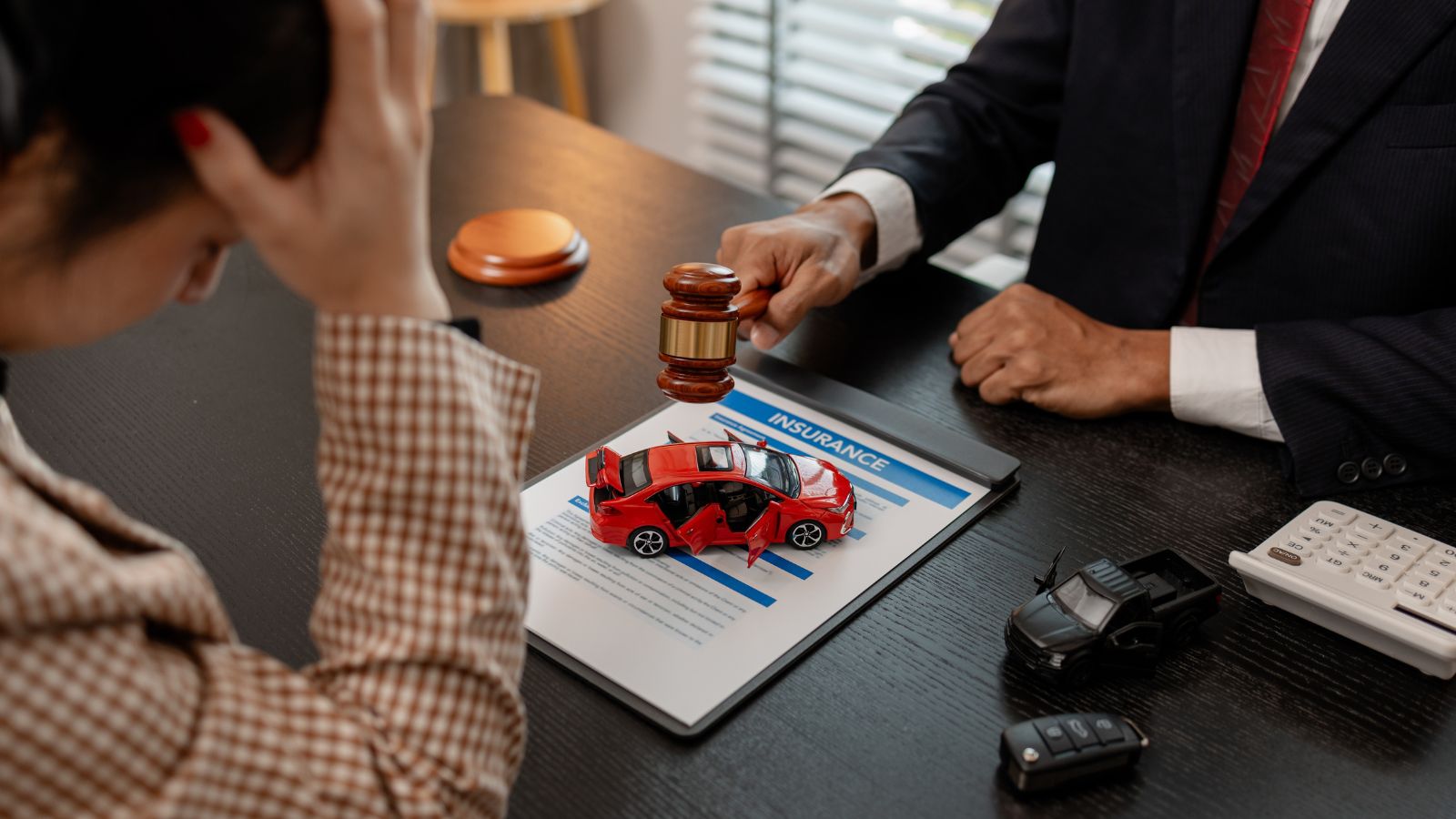
Vehicles move between provinces every day, and an out-of-province history is not inherently negative. Canadians relocate, dealers source inventory nationally, and desirable used vehicles cross provincial borders regularly. The important issue is transparency. A buyer should understand where the vehicle has been registered and whether additional inspections, branding issues, or gaps in available history require attention.
Provincial regulators recognize this concern. Alberta requires licensed automotive businesses to disclose specified information about vehicles previously registered in another jurisdiction immediately before acquisition. Ontario also has dealer disclosure rules relating to previous registration outside the province in applicable circumstances. Furthermore, an Ontario UVIP only covers Ontario information, so it should not be mistaken for a complete nationwide ownership record. When an advertisement says “local vehicle” but records reveal substantial registration elsewhere, buyers should investigate the discrepancy. Cross-border or interprovincial history is usually manageable; a seller deliberately obscuring it is the more important warning sign.
Flood or Fire Damage Is Minimized
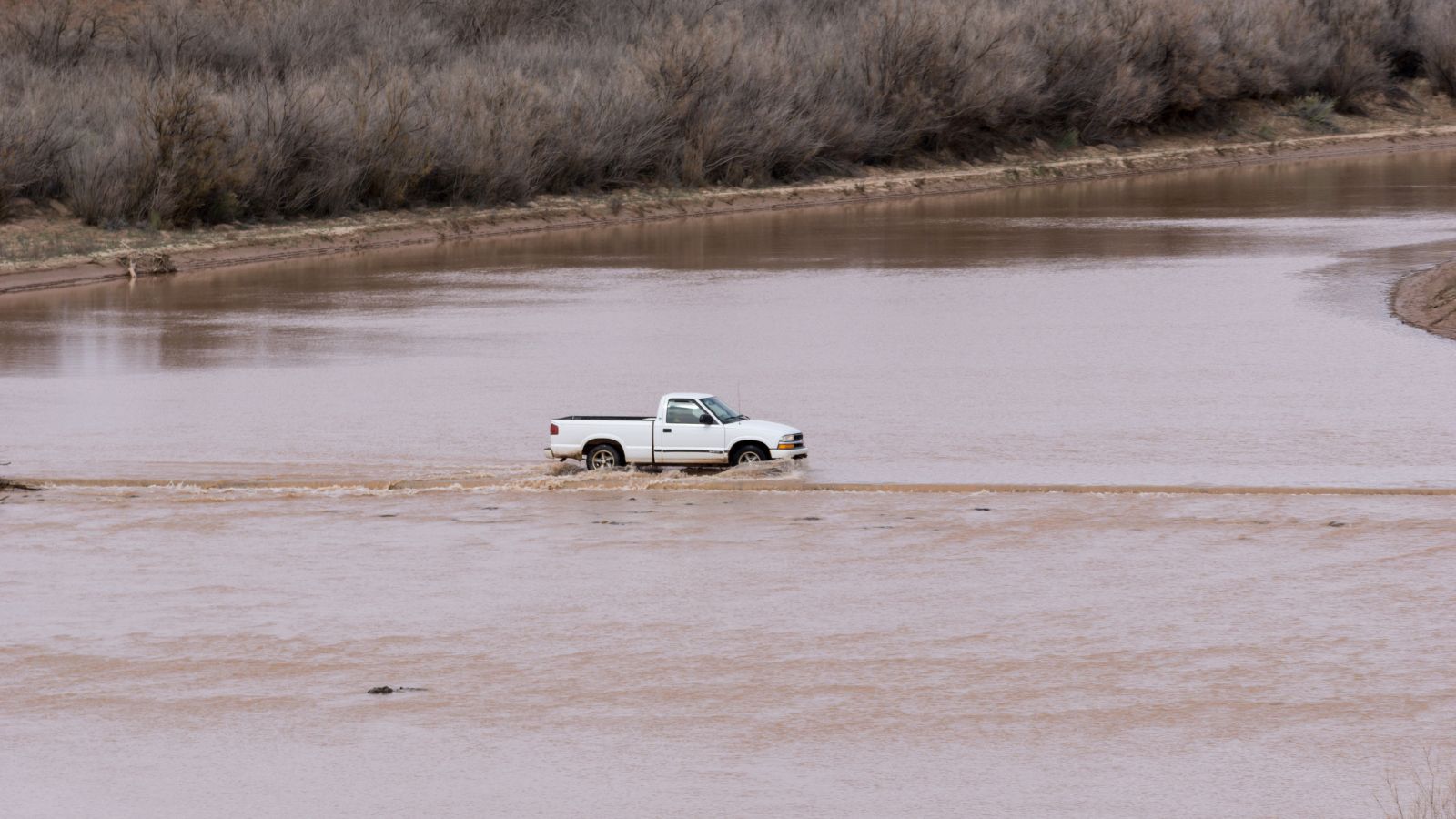
A seller may describe water exposure as “just wet carpets” or fire damage as “only cosmetic,” but both histories can affect much more than appearance. Water can reach wiring, electronic modules, connectors, interior materials, and mechanical components. Fire damage can involve heat exposure and repairs that deserve professional evaluation. The seriousness depends heavily on where the damage occurred and how the vehicle was restored.
Provincial regulations recognize these histories as material. Ontario requires registered dealers to disclose specified fire damage and flooding reaching at least the interior floorboards. Alberta’s licensed automotive businesses must also provide written disclosure regarding previous fire and flood damage. A vehicle with such history may still be repairable and usable, but the advertisement should not substitute reassuring language for documentation. Buyers should examine vehicle-history records and arrange a detailed inspection appropriate to the type of damage. Unexplained musty smells, inconsistent carpeting, corrosion, electrical oddities, or vague restoration stories provide additional reasons to investigate.
The Seller Does Not Want to Give a Proper Receipt
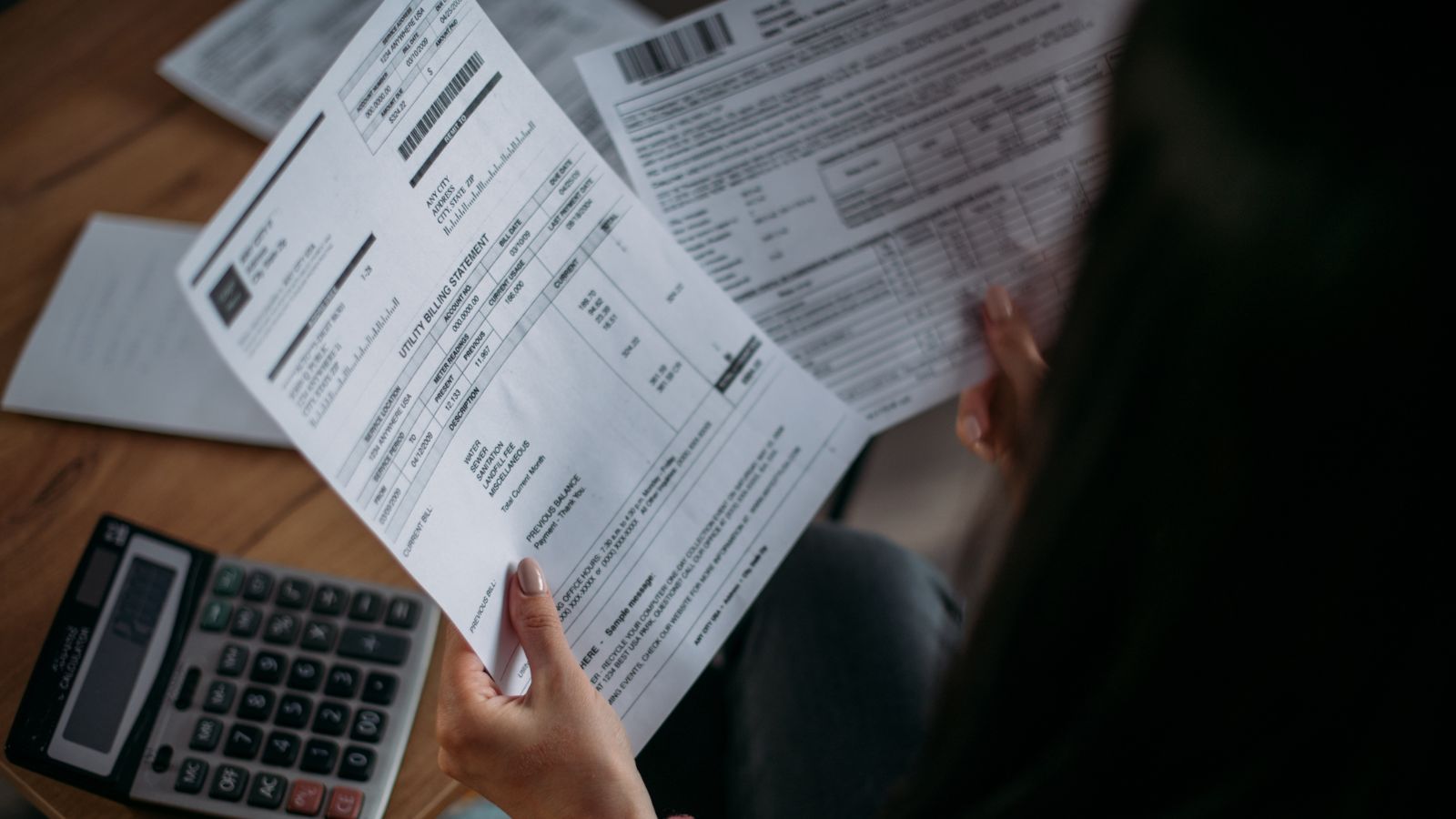
A seller who eagerly accepts thousands of dollars but becomes reluctant when asked to put the transaction in writing creates a serious final red flag. Bills of sale establish who sold the vehicle, who bought it, which vehicle changed hands, the agreed price, and when the transaction occurred. Provincial registration systems may also require specific information before ownership can be transferred.
Ontario requires specified information on a used-vehicle bill of sale, and OMVIC identifies refusal by a private seller to provide a receipt containing a name and address as a curbsider warning sign. Alberta’s AMVIC likewise advises used-vehicle buyers to obtain a receipt and retain their paperwork. Cash-only demands can add another concern when they appear with secrecy, pressure, mismatched ownership, or missing records. Payment method alone does not determine legitimacy, but a seller trying to leave no reliable paper trail makes future disputes considerably harder. The transaction should identify both parties and the vehicle clearly before payment is completed.
19 Used Cars Canadians Should Avoid in 2026 (Based on Owner Complaints)

Buying a used car in Canada can feel safe until repair bills start stacking up. Owner complaints tell a different story than glossy listings. Transmission failures, electrical problems, and weak winter reliability show up again and again in consumer reports. Many of these issues appear after warranties expire, when owners least expect them. Some vehicles look affordable upfront, but become expensive to keep on the road. Others struggle in cold weather, urban driving, or long highway commutes. Here are 19 used cars Canadians should avoid in 2026 (based on owner complaints).
19 Used Cars Canadians Should Avoid in 2026 (Based on Owner Complaints)

Alanna Rosen is an experienced content writer that focuses on many EV and educational content. Her articles are regularly published on Get CyberTrucked and syndicated on large publications.