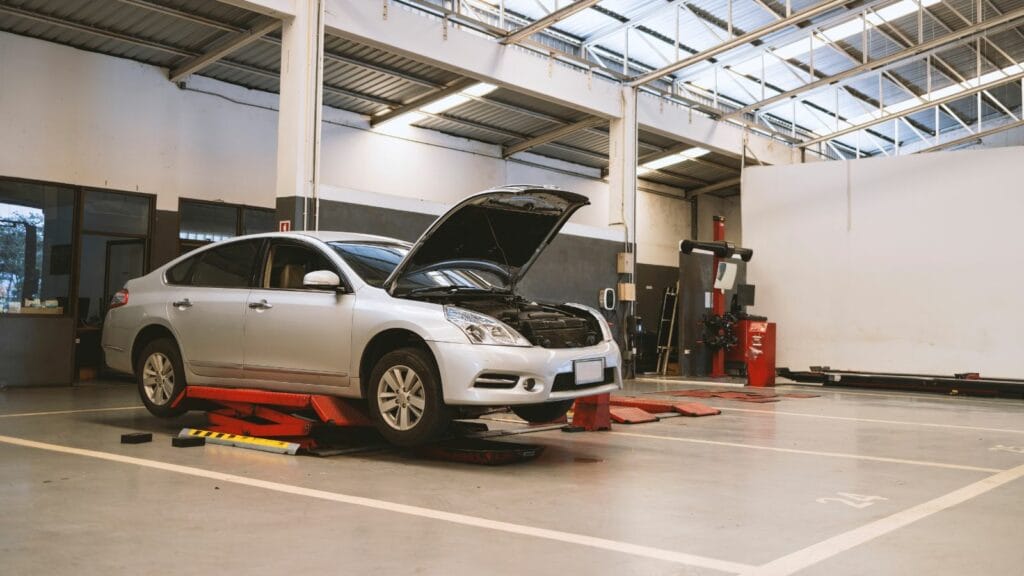
A well-maintained car can remain dependable long after its odometer reaches six figures, so age and mileage alone are poor reasons to give up on one. The harder decision arrives when repair bills stop restoring confidence and merely postpone the next breakdown.
These 21 signs examine the financial, mechanical, safety, and practical clues that a vehicle may no longer deserve another major investment. No single symptom automatically settles the matter. A valuable specialty car, a recently rebuilt vehicle, or a model with an unusually strong service history may justify spending more. For an ordinary daily driver, however, the combination of declining value, structural deterioration, repeated failures, and lost reliability can make replacement the more responsible choice.
The Repair Estimate Is Approaching the Car’s Market Value
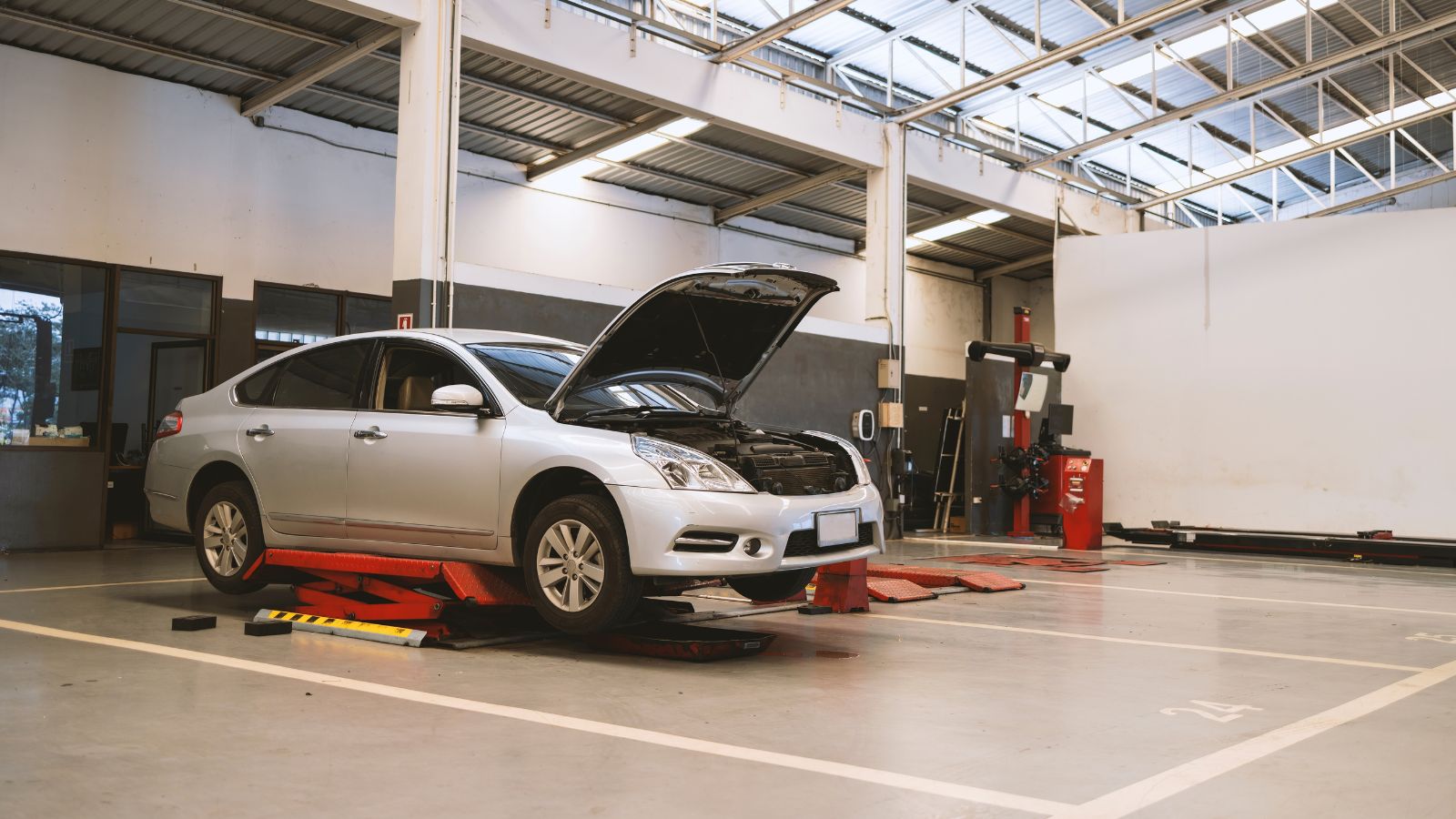
A repair becomes difficult to justify when its total cost approaches what the car could realistically sell for in working condition. Insurers use similar reasoning when determining whether a damaged vehicle is a total loss. Depending on local rules, a car may be written off when repairs reach a specified percentage of its actual cash value or when repairs plus salvage value exceed that value.
The comparison should include more than the mechanic’s first estimate. Taxes, diagnostic charges, towing, alignment work, calibration, rental transportation, and damage discovered after disassembly can all increase the final bill. Spending $5,000 on a vehicle worth $6,000 may appear to preserve $1,000 of value, but that calculation ignores the possibility that another aging system could fail next month. Before approving a large job, owners should obtain an independent market valuation and at least one additional repair estimate.
Breakdowns Have Become a Regular Part of Ownership
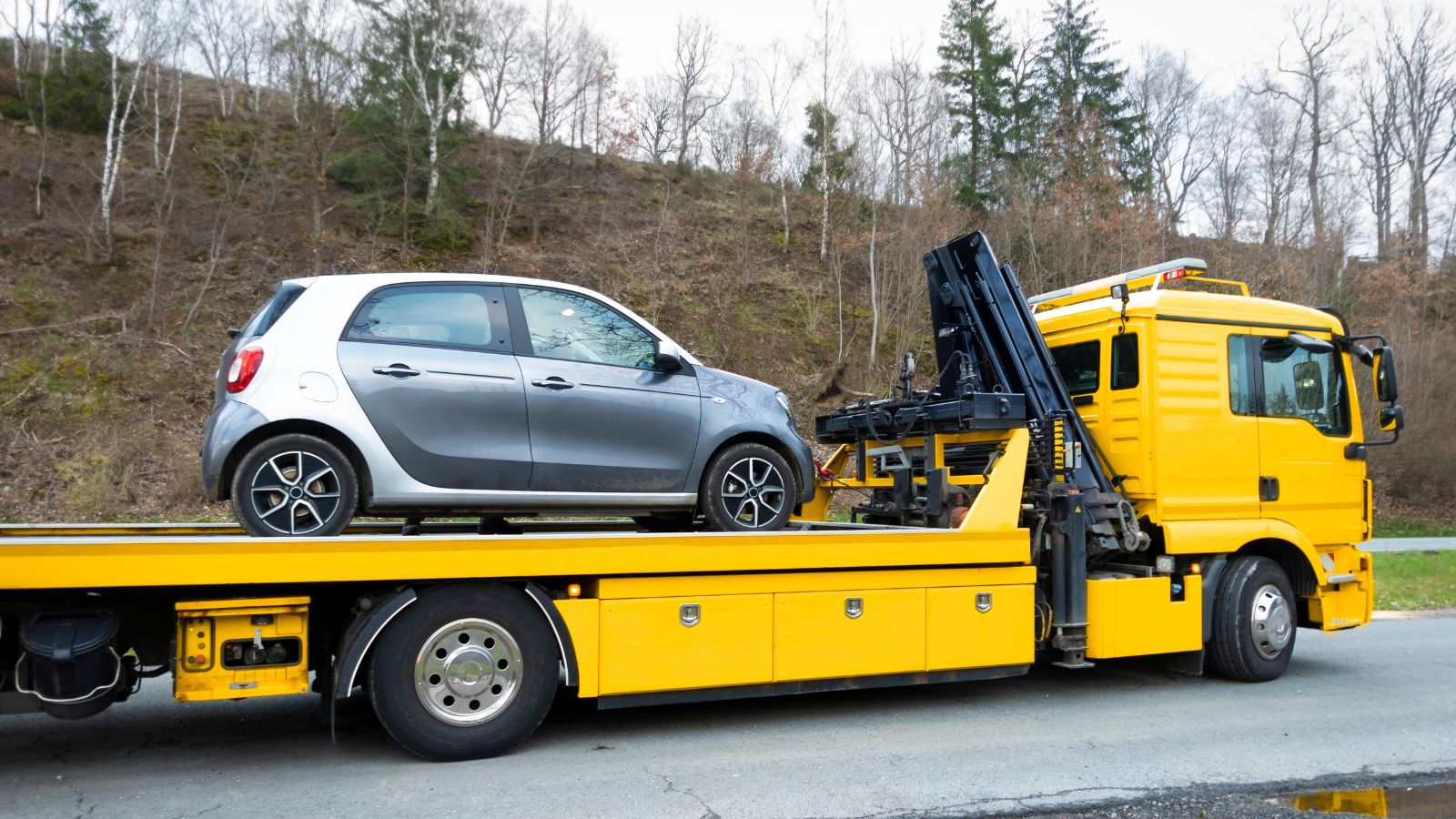
One breakdown can happen to almost any vehicle. Repeated no-starts, roadside stalls, overheating events, and tow-truck visits suggest that the car is no longer providing dependable transportation. AAA has reported that vehicles at least 10 years old are twice as likely to leave their occupants stranded as newer vehicles, while their likelihood of requiring a tow is four times higher.
Frequency matters more than the price of any single repair. A driver who has replaced a starter, alternator, fuel pump, and cooling fan within one year may technically have fixed four unrelated problems. In practical terms, however, the car has repeatedly failed its basic purpose. This becomes especially costly when a missed shift, medical appointment, school pickup, or flight creates consequences beyond the repair invoice. A vehicle that cannot be trusted for an ordinary commute may already be too expensive, even when each individual repair seems manageable.
Structural Rust Has Spread Beyond Cosmetic Body Panels
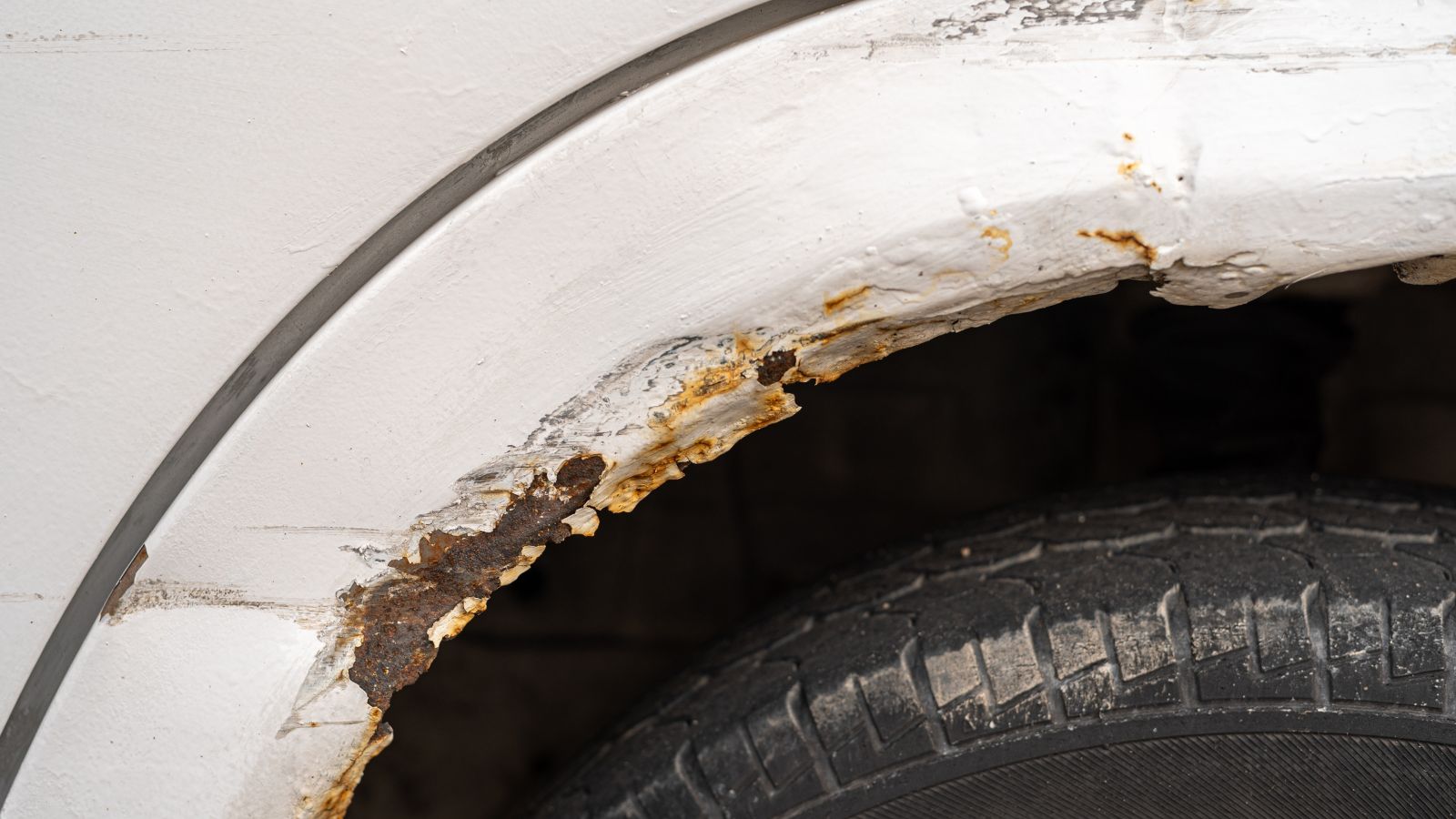
Surface rust on a fender or door is usually a cosmetic concern. Corrosion affecting rocker panels, suspension mounting points, subframes, floor structures, or the main body shell is different. These areas help manage steering loads, support occupants, and absorb crash forces. Once metal has perforated or separated around structural mounting points, patching the visible hole may not restore the original strength.
Road salt can accelerate corrosion in hidden areas where moisture becomes trapped. Manufacturers have issued safety campaigns involving underbody components and brake lines because excessive corrosion can eventually cause leakage or component failure. An experienced technician should inspect serious rust on a lift, not from a photograph or driveway. If repairs require extensive cutting, fabrication, welding, rust removal, and corrosion protection across several areas, the cost can exceed the value of an older daily driver while still leaving uncertainty about nearby weakened metal.
Brake or Fuel-Line Corrosion Is Appearing in Several Places
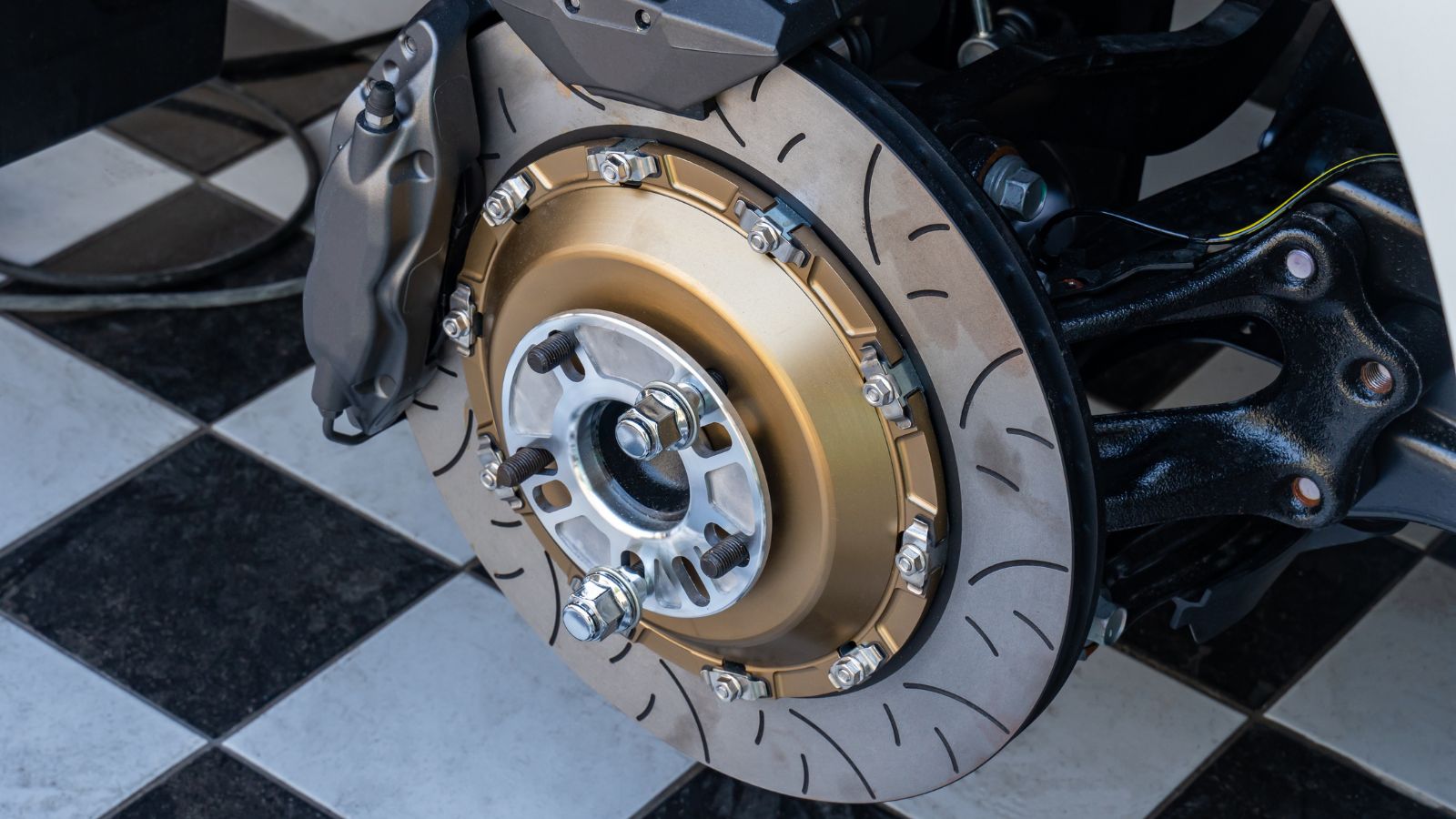
One corroded brake-line section can sometimes be replaced safely and economically. The outlook changes when an inspection reveals widespread deterioration across brake tubing, fuel lines, fittings, mounting clips, and surrounding underbody components. Repairing only the section that leaked may leave another weakened area ready to fail, turning one job into a continuing series of urgent repairs.
Brake-line corrosion has been serious enough to trigger manufacturer recalls in regions that use large quantities of road salt. Some repair procedures require technicians to inspect multiple line sections, replace leaking components, and apply additional anti-corrosion material. If the fuel tank, exhaust, suspension, or rear subframe must be lowered to access deteriorated tubing, labour can dominate the bill. A car with broadly corroded safety-critical lines should receive a full underbody assessment. When the inspection finds several compromised systems rather than one isolated defect, retirement may be safer than piecemeal replacement.
Collision Damage Has Compromised the Vehicle’s Structure
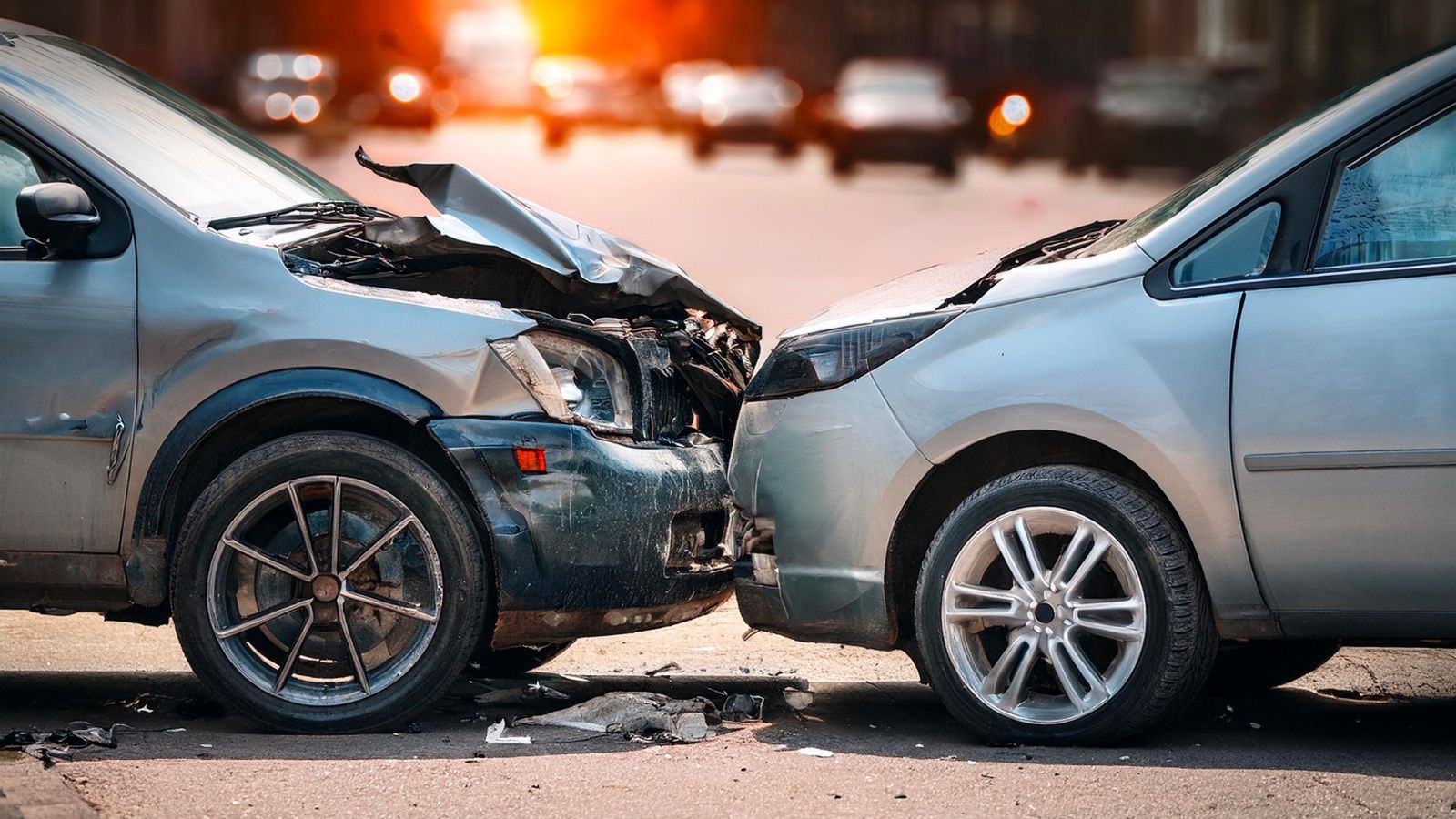
A damaged bumper cover or bolt-on fender does not normally end a car’s useful life. Concern rises when a collision distorts frame rails, crush zones, pillars, suspension attachment points, or the unibody structure. Modern vehicles are engineered to manage crash energy along specific paths. Straightening visible panels without restoring those dimensions can leave uneven tire wear, poor alignment, water leaks, wind noise, or reduced protection in another collision.
Repair costs also rise when cameras, radar sensors, parking equipment, and lighting systems are involved. AAA testing found that repairing minor collision damage on vehicles with advanced driver-assistance technology could cost substantially more than comparable work on vehicles without those systems. A proper repair may require structural measurements, specialized welding, new sensors, and post-repair calibration. When a low-value car needs extensive structural work and electronic restoration, an insurer’s total-loss decision often reflects both financial reality and uncertainty about safely returning the vehicle to specification.
The Car Has Suffered Significant Flood Damage

Floodwater reaches places that ordinary cleaning cannot. It can enter wiring connectors, control modules, seat mechanisms, insulation, ventilation ducts, bearings, and unfinished metal surfaces. A vehicle may start and drive after drying out, yet corrosion can continue developing inside connectors for months. CARFAX warns that even hidden seat springs and other unfinished metal components can corrode after submersion.
Manufacturer guidance on flood-damaged vehicles describes possible power-distribution failures, excessive electrical resistance, abnormal heat, short circuits, and fires. Repairing every submerged connector, module, harness, sensor, carpet layer, and mechanical component can be unrealistic on an older car. Saltwater exposure is particularly concerning because of its conductivity and corrosiveness. If water reached the dashboard, powertrain electronics, safety modules, or high-voltage components, restoring dependable operation may cost more than the vehicle is worth. Persistent odours, warning lights, intermittent accessories, and unexplained battery drain after flooding are major warning signs.
Fire or Severe Heat Has Damaged Multiple Systems
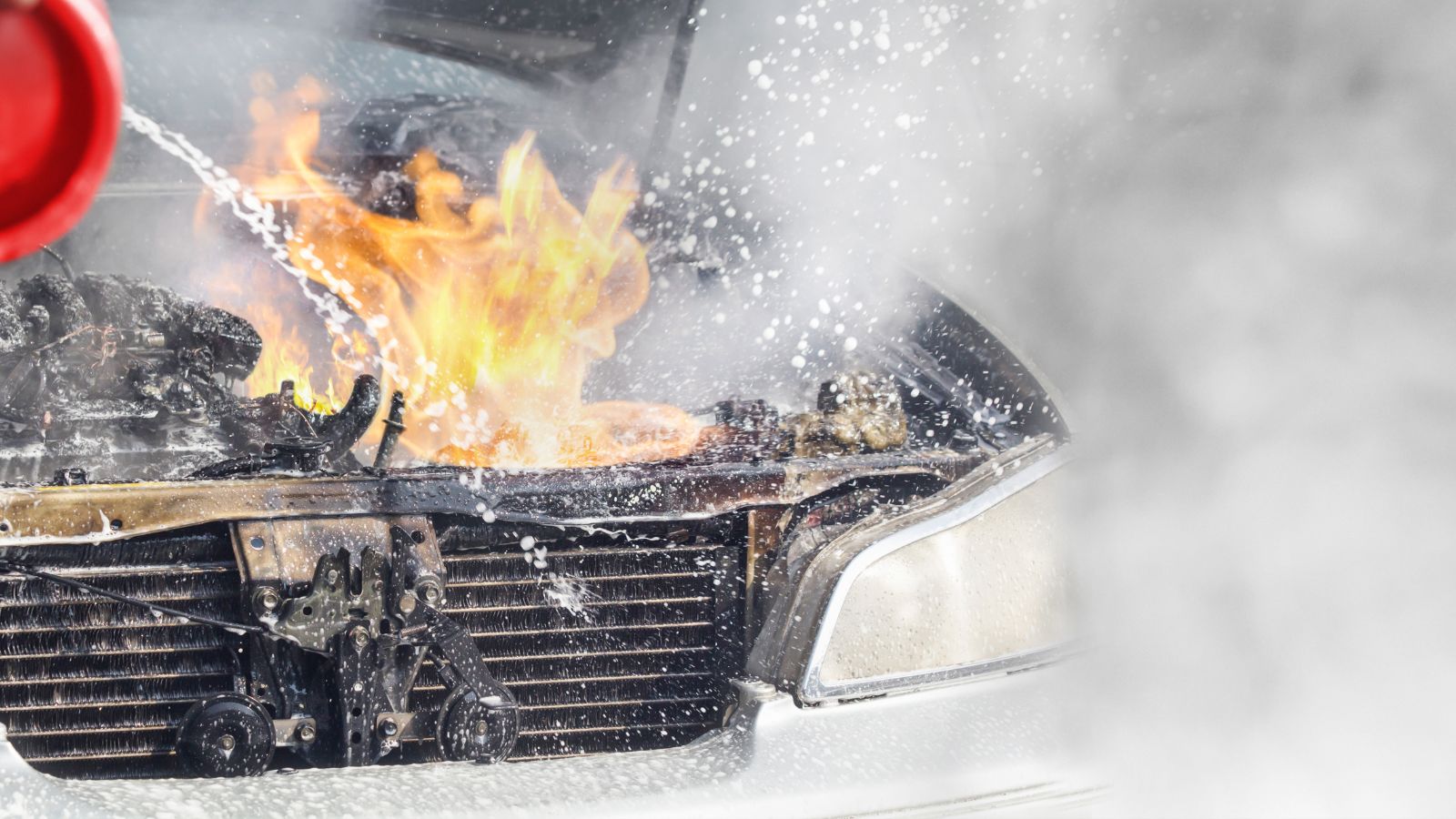
A small, contained incident may allow a vehicle to be repaired. A fire involving the engine compartment, dashboard, wiring harnesses, fuel system, or passenger cabin can affect far more than the visibly burned area. Heat can damage connectors, insulation, hoses, modules, seals, paint, and nearby structural materials. Smoke and firefighting residue may also spread into ventilation and interior components.
Fire-damaged vehicles often require specialist inspection before repairs begin because the cause, heat path, and affected safety systems must be understood. Electric and hybrid vehicles require additional caution: physical damage to a high-voltage battery can create shock hazards and may result in immediate or delayed release of flammable gases or fire. When repairs involve a major harness, numerous modules, air-conditioning components, interior replacement, and uncertain hidden damage, the estimate can expand rapidly. An older vehicle with extensive fire damage is rarely a sensible candidate for an open-ended restoration unless it has unusual historic or collectible value.
The Engine Needs Replacement and Other Problems Remain
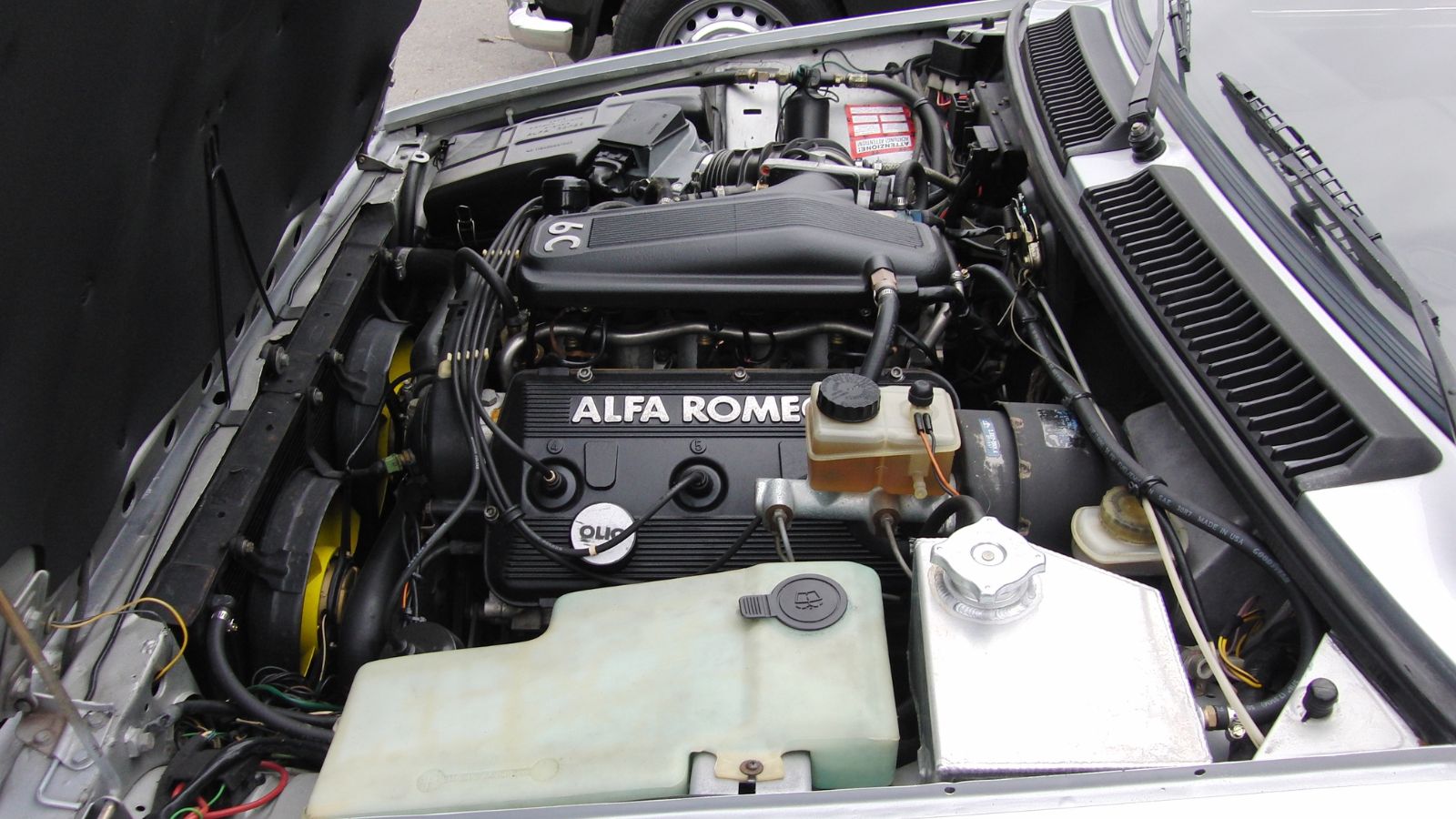
An engine replacement can make sense when the rest of the vehicle is clean, structurally sound, and recently maintained. It becomes a poor investment when the car also needs suspension work, air-conditioning repairs, tires, body restoration, or electrical diagnosis. A replacement engine solves one major failure; it does not reset the transmission, steering, cooling system, wiring, or interior to new condition.
The estimate must also identify exactly what is included. A used engine may arrive without accessories, while a remanufactured unit may require new fluids, mounts, belts, hoses, seals, and supporting components. Labour can increase if bolts break or additional damage is discovered. Warranty terms may cover only the replacement unit, leaving the owner responsible for removal and installation if it fails. Before authorizing the work, the vehicle should receive a complete inspection. A sound car with one failed engine may deserve saving, but a worn-out car with a failed engine usually does not.
The Transmission Has Failed on a Low-Value Vehicle
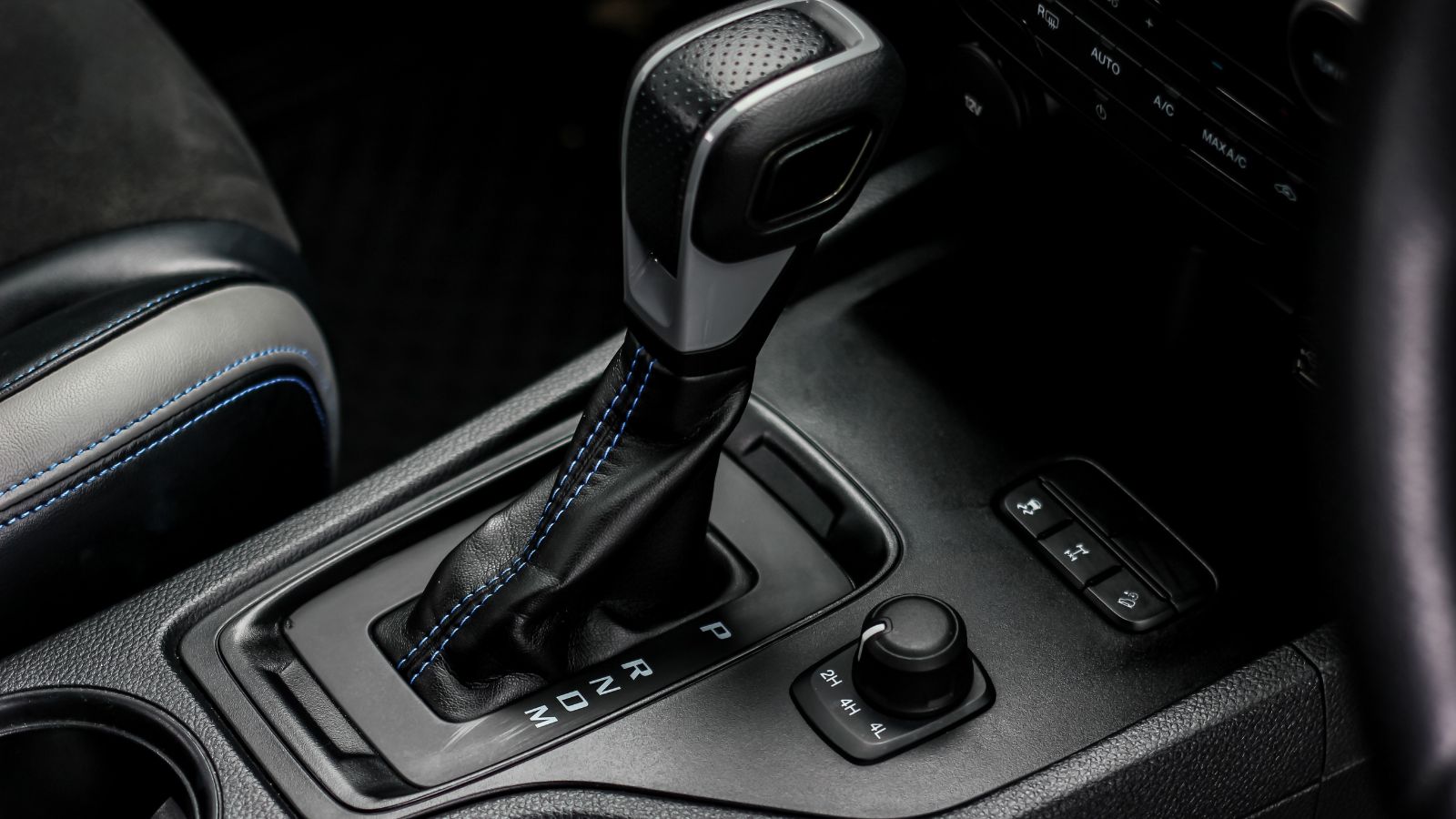
Automatic-transmission replacement commonly costs several thousand dollars, and the exact figure varies widely by model, drivetrain, parts availability, and labour rate. Older estimates cited by Cars.com placed many mainstream remanufactured automatic transmissions in roughly the $2,000-to-$4,000 range, while complex modern units can cost substantially more. Programming, fluid, mounts, cooling lines, and related repairs may be additional.
The decision should account for why the transmission failed. Burned fluid, metal debris, slipping, delayed engagement, or internal noise can indicate significant wear. If a failed cooler or contamination remains in the system, installing another transmission without addressing the underlying cause can damage the replacement. Owners should also ask whether the engine consumes oil, the body is rusting, or the all-wheel-drive system has problems. Replacing a transmission in an otherwise excellent vehicle may extend its life for years. Installing one in a deteriorated car may simply transfer attention to the next expensive component.
Chronic Overheating Has Already Damaged the Engine
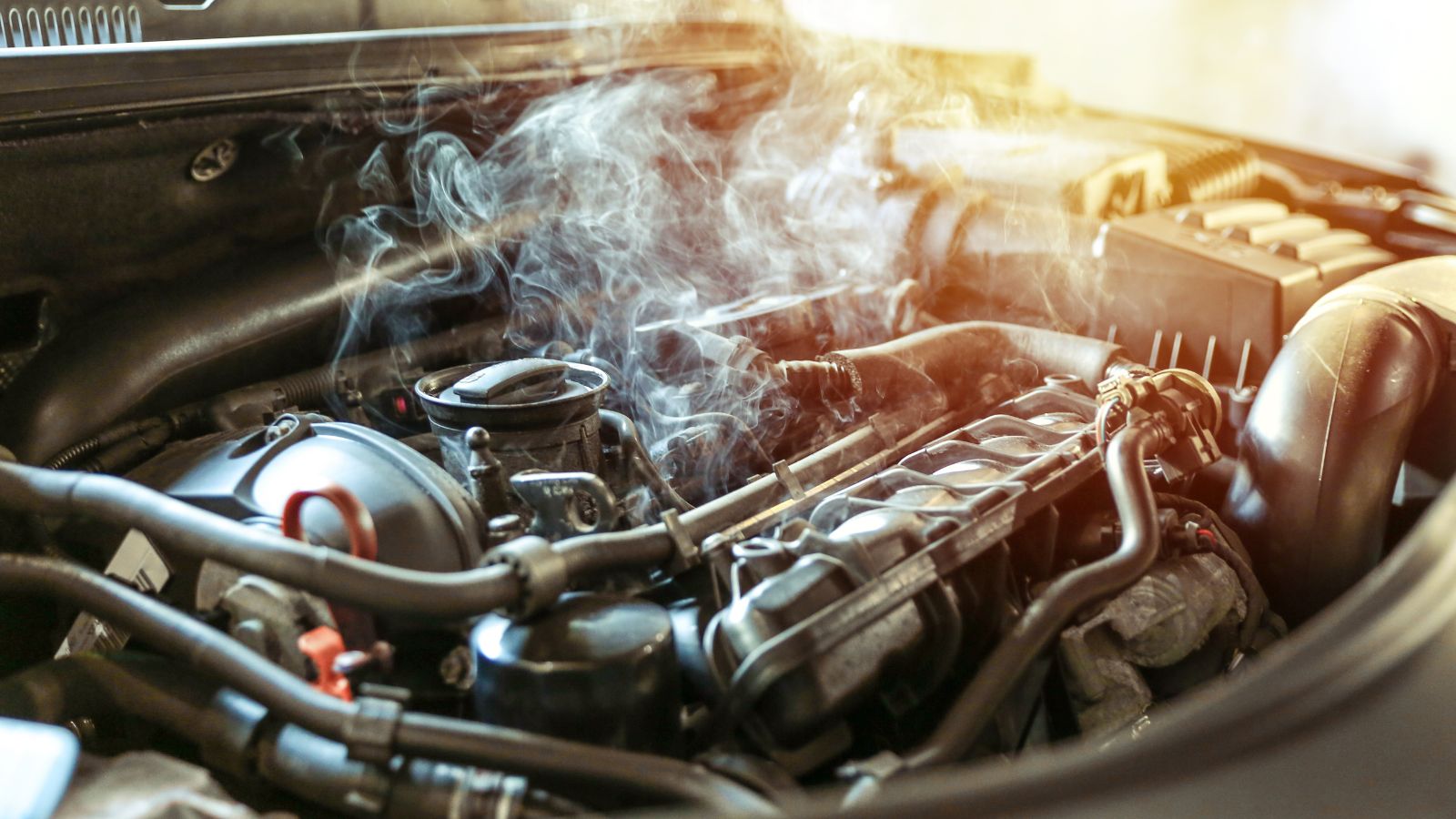
An overheating episode caused by a failed hose or cooling fan may be repairable without lasting harm if the engine is shut down quickly. Repeated overheating is more serious. Excessive heat can warp components, damage seals, weaken hoses, and cause cylinder-head-gasket failure. Common warning signs include recurring coolant loss, white exhaust smoke, contaminated oil, rough cold starts, or bubbles in the coolant reservoir.
A failed head gasket can allow coolant to enter the cylinders, where it may damage the engine and catalytic converter. Repairing the gasket can require extensive disassembly, and the cylinder head or engine block may need machining or replacement if it is distorted. The difficult question is whether the original overheating cause has been conclusively identified. A mechanic who cannot guarantee that the block, head, cooling system, and exhaust components remain healthy may be presenting only the first stage of the final bill. On a low-value vehicle, repeated heat damage often marks the end of economical ownership.
Several Major Systems Are Failing at the Same Time
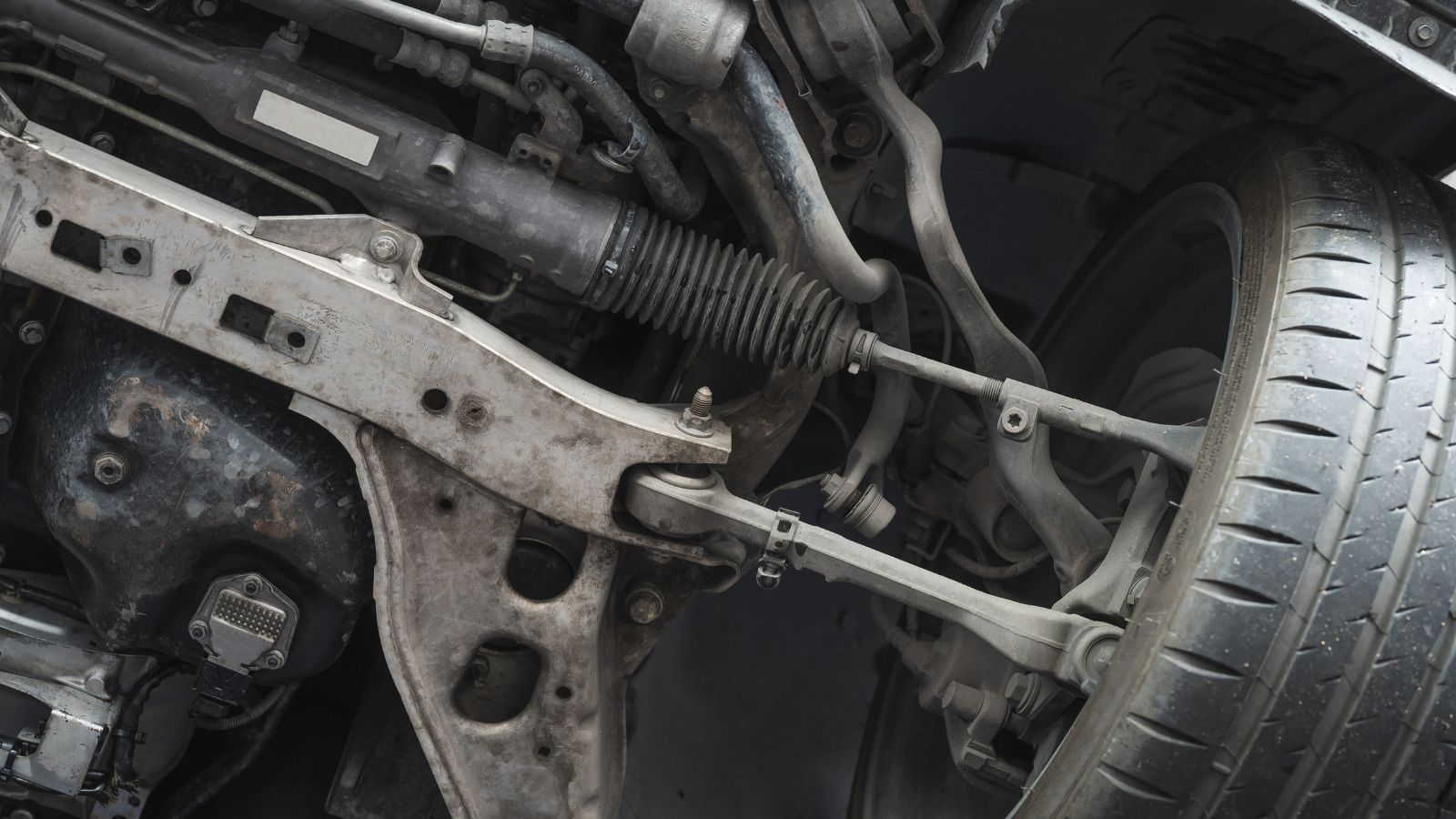
A single repair estimate can hide the larger pattern. Perhaps the brakes need immediate work, the air conditioner has stopped cooling, the suspension is clunking, the tires are worn, and an oil leak is worsening. None of those problems alone may justify replacement. Together, they can create a repair backlog larger than the car’s value and leave little assurance that the vehicle will remain dependable afterward.
Labour rates make stacked repairs especially expensive. AAA reported in 2026 that nearly half of surveyed general repair shops charged between $120 and $159 per hour, with rates in some locations exceeding $200. Cars.com also reported that the average U.S. repair-and-maintenance transaction rose markedly between 2019 and 2025. Owners should request an inspection that separates safety-critical work, maintenance, and optional repairs. When the required list includes several four-figure jobs, approving them one at a time can disguise a financially unsound commitment.
Electrical Problems Keep Moving From One Module to Another
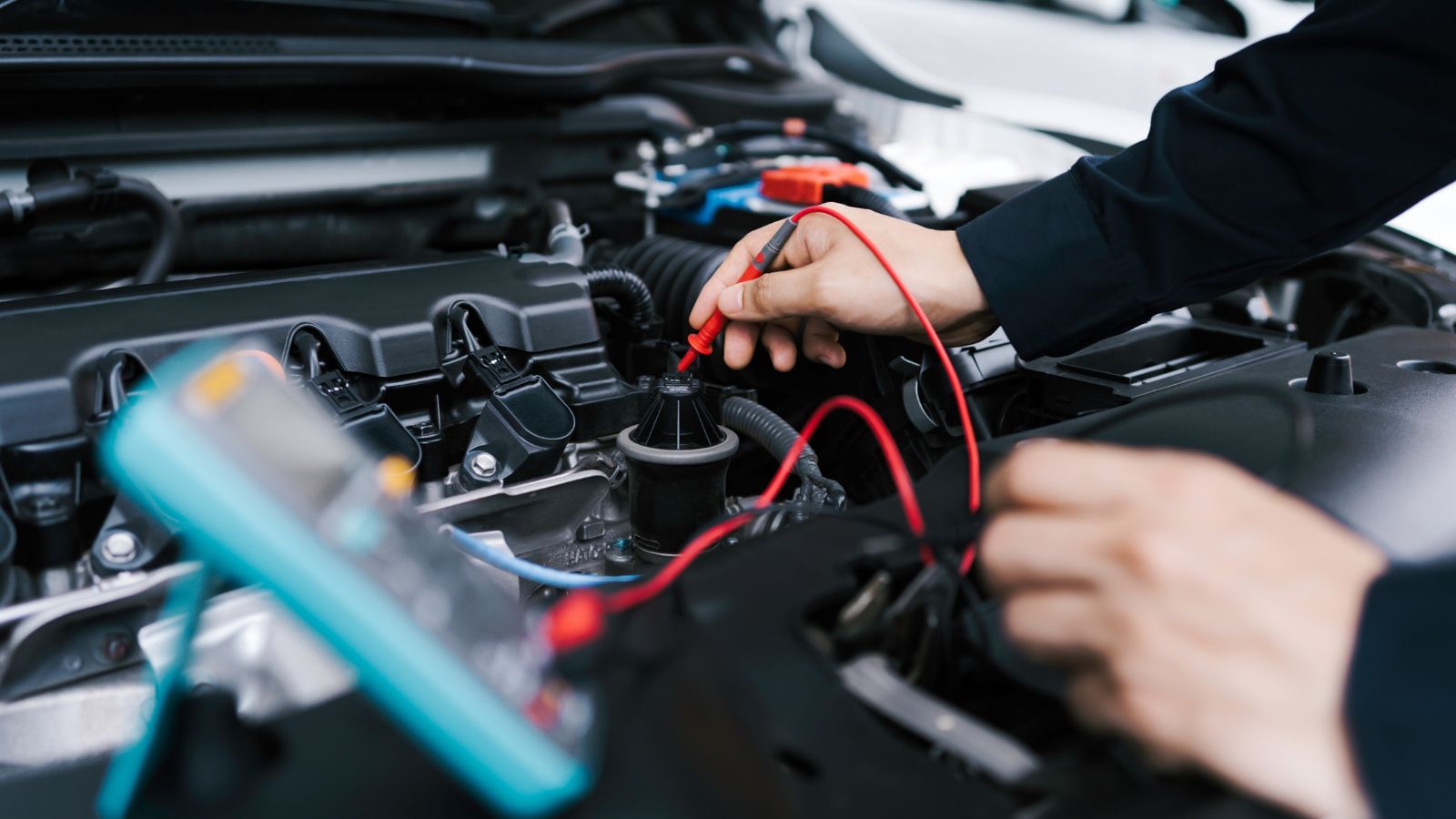
Modern cars connect lighting, locks, safety equipment, engine management, infotainment, steering assistance, and other functions through networks of computers and wiring. A single failed switch is usually straightforward. Repeated faults across unrelated systems can point to damaged wiring, poor grounds, water intrusion, charging problems, or network-communication failures that are much harder to isolate.
Corroded connectors have been linked in safety documentation to no-start conditions, power-steering malfunctions, stuck parking brakes, warning messages, and other failures. The cost comes from diagnostic time as much as replacement parts. A technician may repair one connection only for another intermittent fault to appear days later. This pattern is particularly concerning after flooding, collision damage, rodent activity, or poorly installed accessories. If multiple shops have replaced modules without identifying the root cause, further spending may become an experiment rather than a dependable repair. An aging car with a compromised wiring harness can consume money without ever regaining trust.
Emissions Repairs Have Turned Into an Expensive Chain Reaction
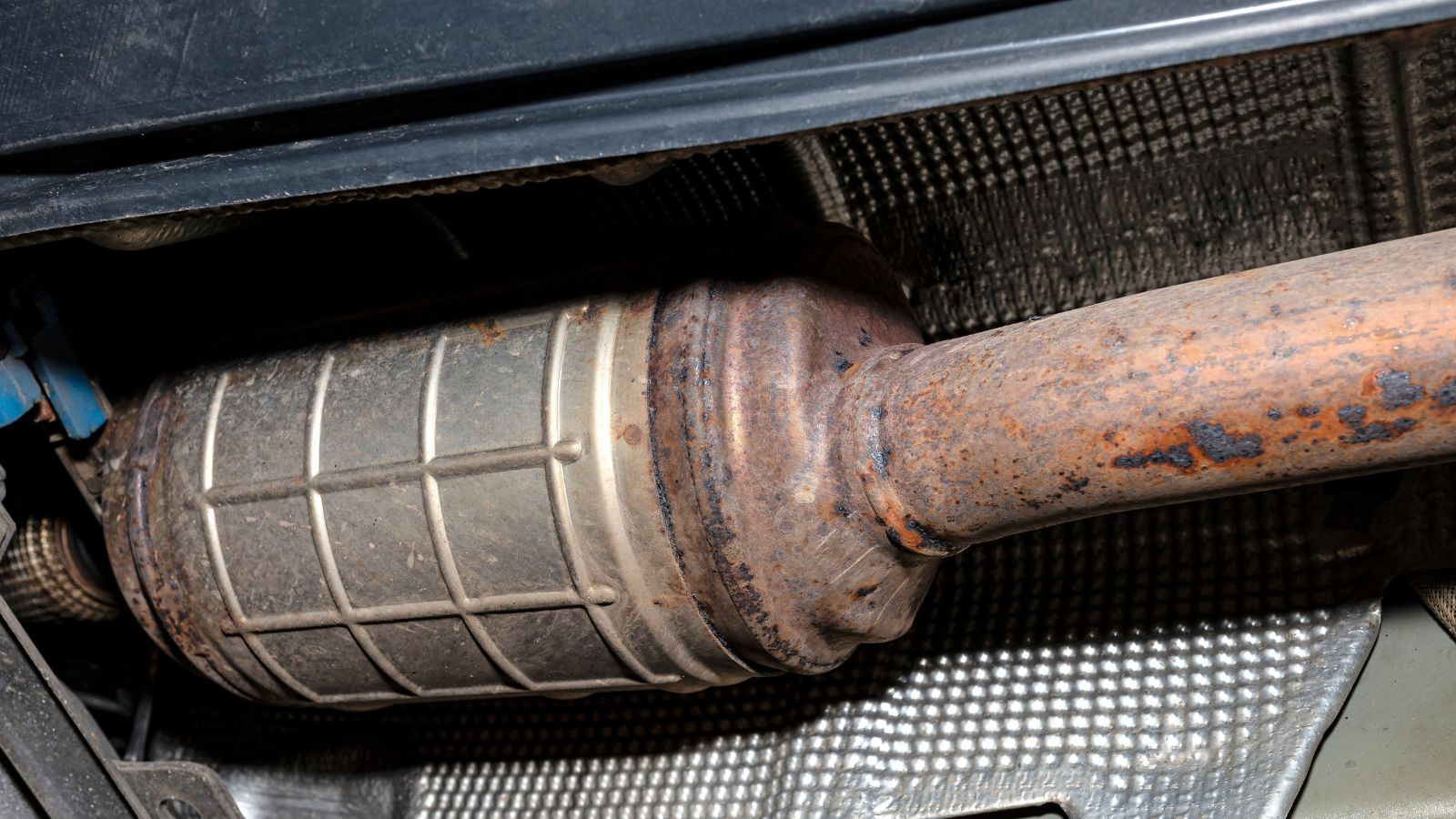
A catalytic-converter code does not always mean the converter itself is the original problem. Misfires, oil consumption, coolant entering the cylinders, incorrect fuel mixture, or exhaust restrictions can overheat or contaminate the catalyst. Replacing the converter without correcting the cause can ruin the new component and bring the warning light back.
This matters most when a vehicle repeatedly fails an inspection or cannot legally remain registered without repair. The estimate may grow from an oxygen sensor to ignition work, engine repairs, exhaust replacement, and a new catalytic converter. Removing or bypassing emissions equipment is not a legitimate shortcut; federal environmental rules in the United States prohibit catalytic-converter tampering, and other jurisdictions enforce their own emissions requirements. A repair can still be worthwhile when testing identifies one clear fault. When the engine itself is consuming oil or coolant and repeatedly damaging emissions components, the car may no longer have an economical route back to compliance.
The Airbags and Restraint Systems Cannot Be Reliably Restored
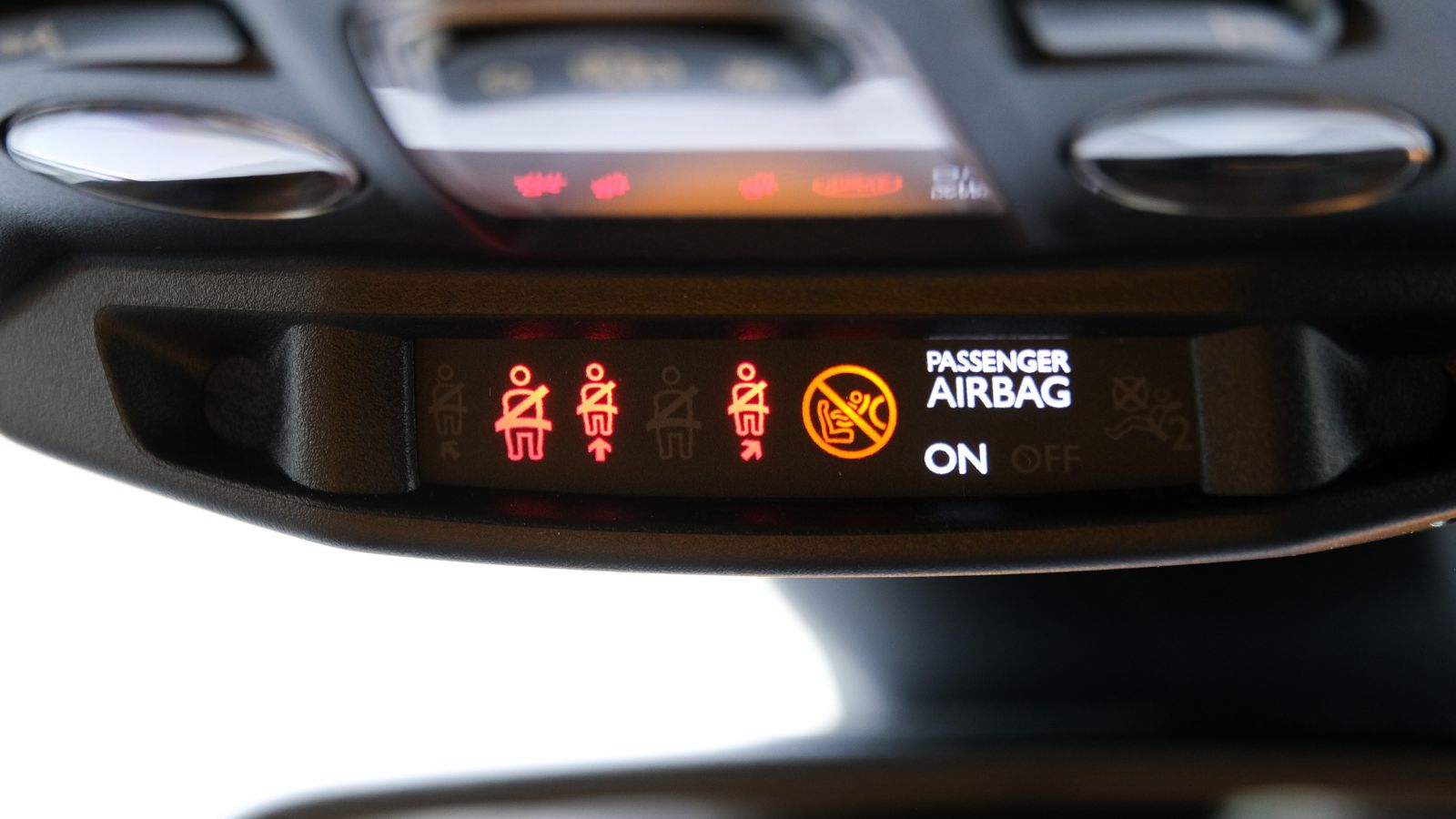
Airbags, seat-belt pretensioners, crash sensors, occupant-detection equipment, and control modules work as a coordinated system. After a serious collision, restoring that system may require much more than fitting a replacement steering-wheel airbag. Deployed restraints, damaged wiring, seat components, dashboard panels, sensors, and the restraint-control module may all need attention.
Safety systems are not a suitable place for uncertain used parts, improvised wiring, warning-light resets, or partial repairs. NHTSA has issued “do not drive” warnings for vehicles with certain dangerous unrepaired airbag recalls, illustrating how seriously restraint defects are treated. Recall repairs provided by manufacturers are generally free and should not, by themselves, condemn a car. The greater concern is a crash-damaged, low-value vehicle whose complete restraint system cannot be restored with approved parts and documented procedures. If a qualified collision specialist cannot verify that every component will function as designed, the car is no longer an acceptable daily driver.
Its Salvage History Makes Another Major Repair Hard to Recover
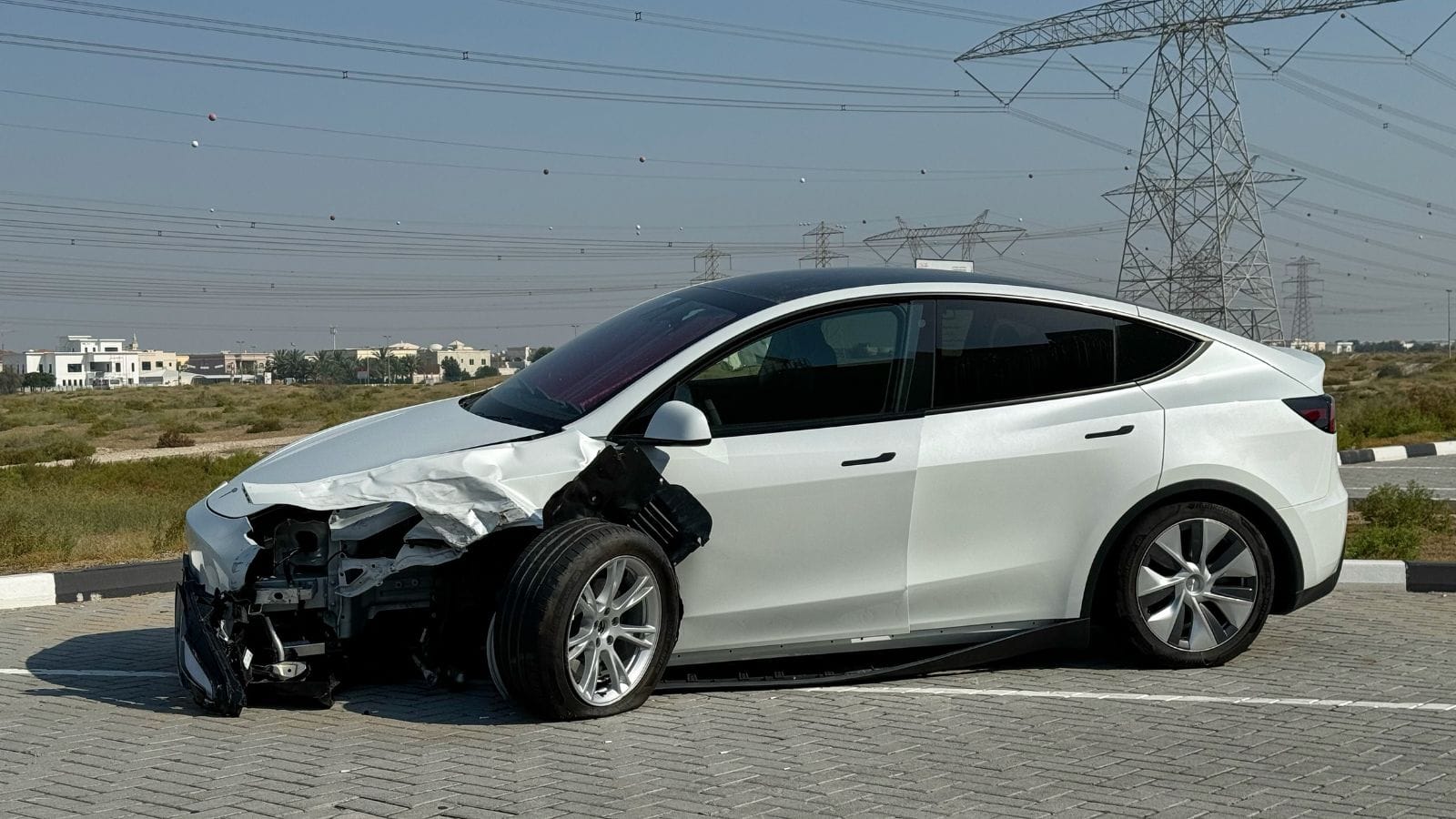
A rebuilt or salvage vehicle is not automatically unsafe. Some are repaired carefully and pass the inspections required in their jurisdiction. Financially, however, a prior total-loss history usually reduces resale value and can make insurance coverage or future sale more difficult. That lower value changes the logic of approving another expensive repair.
Suppose a rebuilt car needs a transmission, structural rust repair, or extensive electrical work. Even after the job is completed, the vehicle may remain worth considerably less than a comparable model with a clean history. Insurers determine total-loss settlements using actual cash value, which reflects factors such as mileage, condition, equipment, and market prices. A branded title can further limit the financial benefit of restoration. Before investing again, the owner should obtain written insurance guidance and realistic trade-in offers. A major repair that cannot be recovered through continued reliable use or eventual resale may represent sunk cost rather than preserved value.
Essential Parts or Qualified Repair Support Are Disappearing
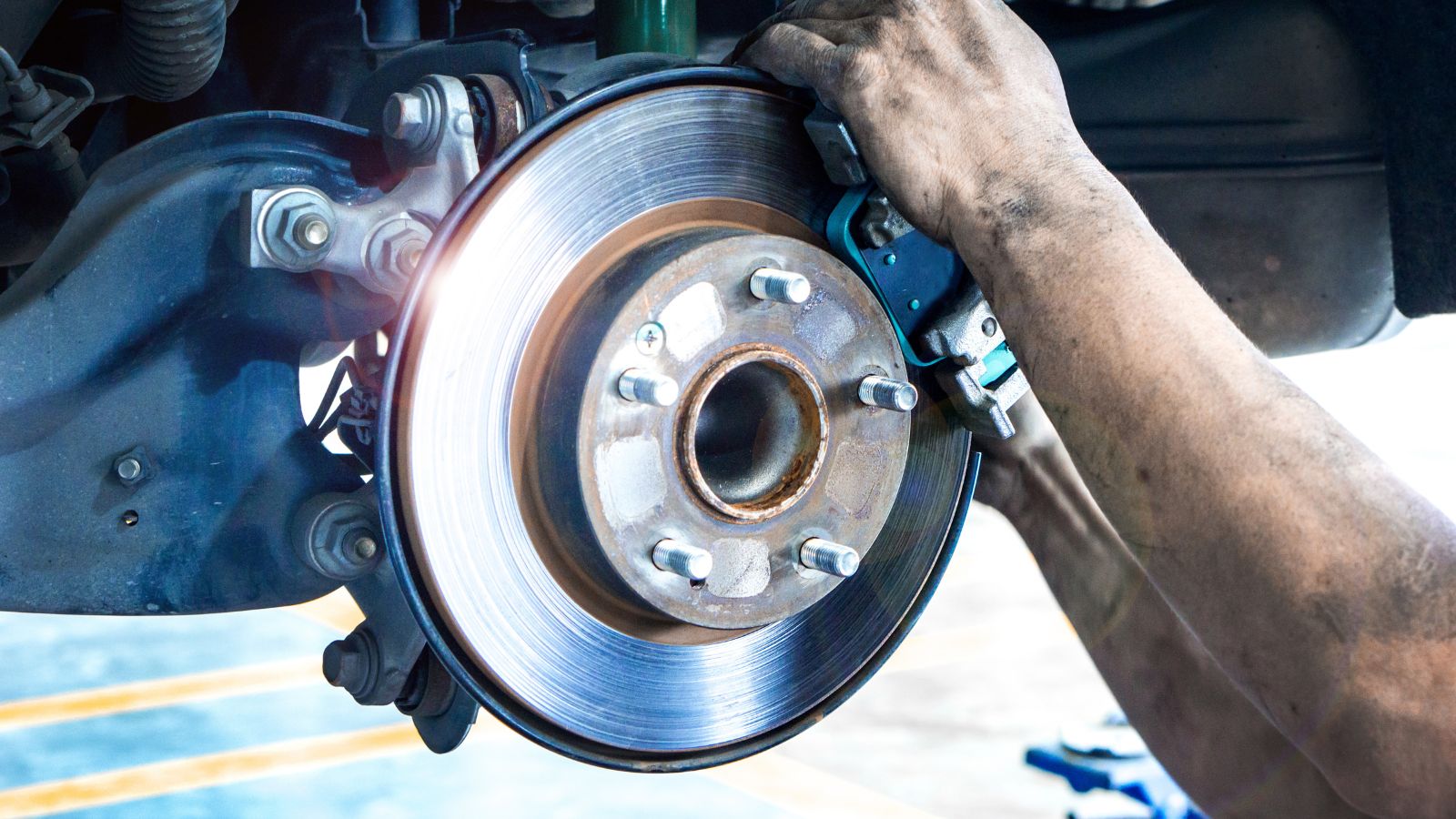
Discontinuation alone does not make a model unrepairable. Many discontinued vehicles share engines, transmissions, brakes, and other components with higher-volume models, so routine parts may remain available for years. The true warning sign appears when an essential model-specific module, body component, high-voltage part, or electronic assembly has no new supply, no dependable remanufactured option, and no safe substitute.
Parts scarcity can leave a car occupying a repair bay for weeks or months while the owner pays for alternate transportation. Used modules may require programming, carry limited warranties, or arrive with the same age-related weakness as the failed part. Low-production luxury cars and unusual powertrains can be particularly challenging once factory support declines. Before authorizing another large repair, owners should ask whether every required component is available, how long delivery should take, and what happens if the supplied part is defective. A car that cannot be repaired predictably has lost much of its practical value.
Its Crash Protection No Longer Matches How It Is Used
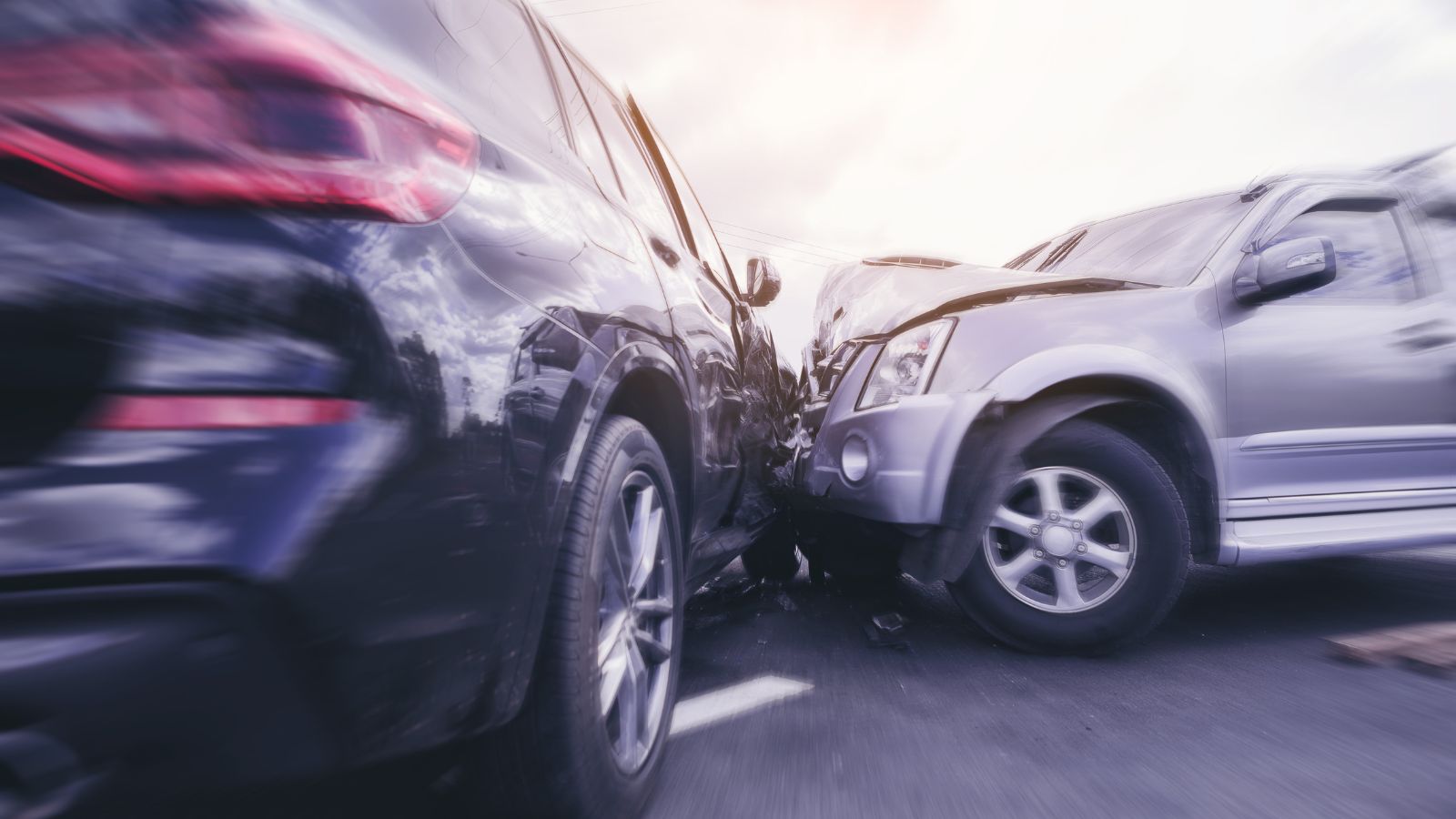
Older vehicles are not automatically unsafe, and many remain mechanically dependable. However, crash protection and safety equipment have improved substantially. IIHS estimated that vehicle improvements associated with its crashworthiness programs saved more than 48,000 lives between 1999 and 2024. Older vehicles are also less likely to include modern side-impact protection, electronic stability control, effective curtain airbags, or advanced collision-avoidance technology.
This factor becomes more important when the car’s role changes. A basic commuter may begin carrying children, travelling long highway distances, or serving an older driver who is more vulnerable to injury. Spending heavily on an aging vehicle may restore its mechanical condition without improving its crash structure or adding missing safety systems. That does not mean every older car should be discarded. It means the repair decision should consider what the vehicle will be asked to do. A major investment is harder to justify when a replacement would deliver both reliability and meaningfully better occupant protection.
A Hybrid Battery Failure Is Joined by Other Powertrain Problems
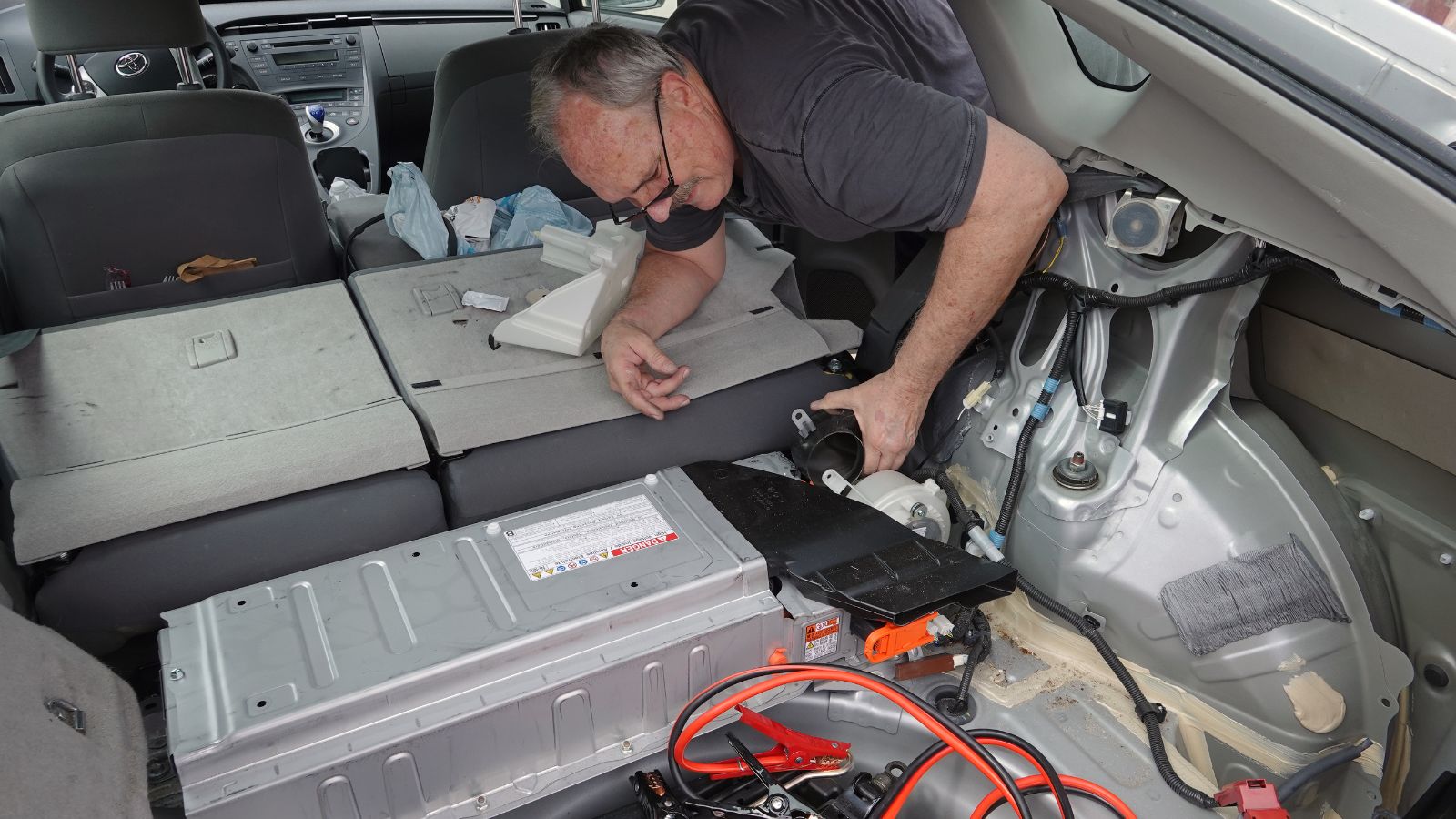
Hybrid vehicles combine a combustion engine with one or more electric motors and a high-voltage battery. That arrangement can deliver excellent fuel economy and long service life, but an aging hybrid still contains conventional components such as an engine, cooling system, suspension, brakes, and sometimes a conventional or specialized transmission. A battery problem should therefore be considered alongside the condition of the entire vehicle.
Replacing or reconditioning a hybrid battery may be sensible when the car is otherwise healthy and the repair carries a strong warranty. The calculation changes when the engine burns oil, the brake actuator is failing, corrosion is spreading, or warning lights indicate inverter and charging-system problems. High-voltage work also requires properly trained technicians and appropriate safety procedures. A battery-only repair may provide years of service; a battery repair placed on top of several other major failures may not. Owners should insist on a complete hybrid-system scan and mechanical inspection before deciding.
An EV Battery Is Damaged or Failing Outside Warranty
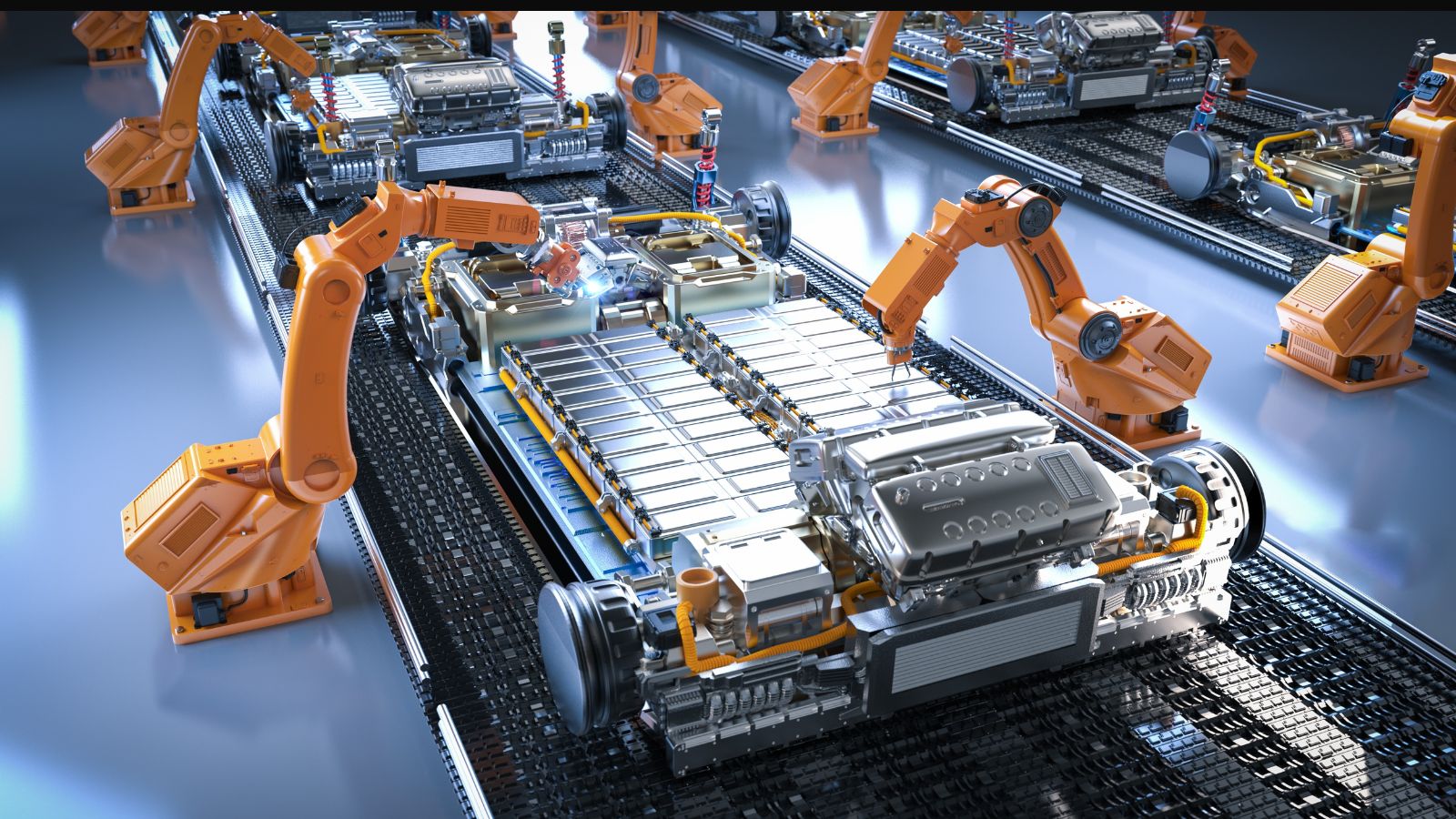
Electric vehicles generally require less scheduled powertrain maintenance because they have fewer moving parts and fluids than combustion vehicles. Their traction battery, however, is a major asset. The U.S. Alternative Fuels Data Center notes that many manufacturers provide battery warranties of around eight years or 100,000 miles and that replacement outside warranty can be a significant expense.
Normal capacity loss should not be confused with sudden failure or physical damage. A battery that still meets daily range needs may remain useful for years. Greater concern is warranted when diagnostic testing identifies failed modules, isolation faults, coolant leakage, impact damage, or an unsafe pack. Flood exposure is particularly serious. A government teardown study of vehicles affected by Hurricane Ian reported hundreds of total-loss EVs and dozens of fires among flood-affected units. When battery replacement approaches the car’s value—especially alongside collision, suspension, charging, or electronic damage—retiring the vehicle may be the safer financial decision.
Repair Downtime Is Disrupting Work and Family Life
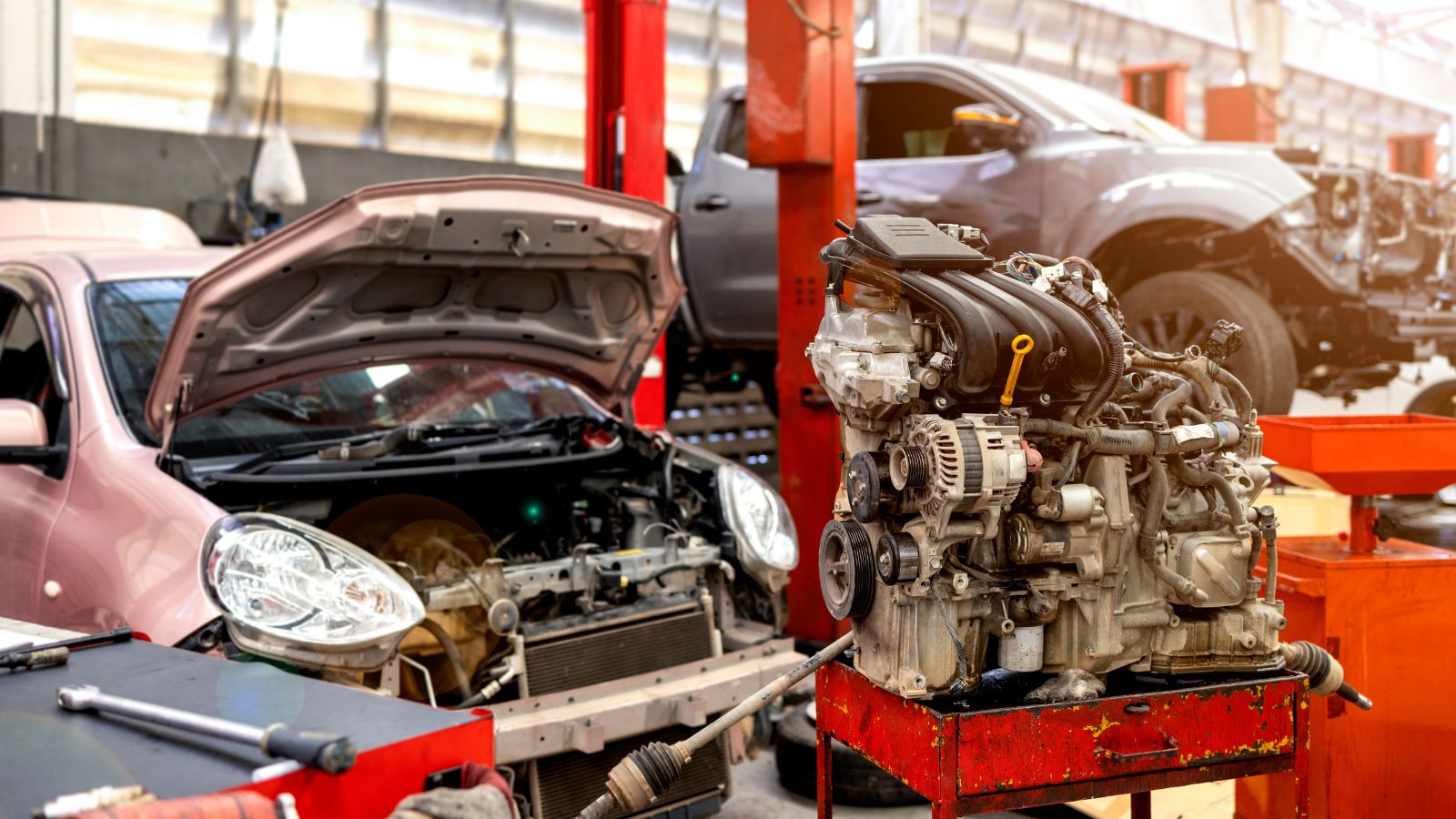
Repair calculations often ignore the cost of not having the car. Rental charges, ride-hailing, public transportation, missed work, rearranged childcare, and cancelled commitments can make an unreliable vehicle more expensive than its invoices suggest. A repair that costs $800 but removes the car from service for three weeks may impose a much larger burden on a household with no backup transportation.
The pattern matters. One planned repair can be managed; repeated diagnostic visits create uncertainty that is harder to absorb. Owners may begin avoiding longer trips, declining overtime, or keeping emergency funds permanently available for the next breakdown. Consumer Reports advises that repairing an older vehicle can often cost less than replacing it, but also recognizes chronic repair needs as an important reason to reconsider ownership. When a car’s unreliability is shaping employment, caregiving, or essential travel decisions, the vehicle is no longer merely an aging asset. It has become an operational risk that another isolated repair may not solve.
The Full Ownership Math No Longer Works
The final decision should compare the likely future of the current car with the full cost of a realistic replacement. Add immediate repairs, overdue maintenance, expected failures, tires, insurance, fuel, downtime, and the car’s remaining resale value. Then compare that total with the purchase price, financing, depreciation, taxes, insurance, and maintenance associated with another vehicle.
Replacement is not automatically cheaper. AAA’s ownership studies consistently show that depreciation and financing make newer vehicles costly, while routine maintenance represents only one part of ownership. That is why a sound older car can remain the economical choice even after a substantial repair. The balance changes when a large repair produces little market value, no dependable warranty, and no confidence that the car will remain usable. When several independent mechanics reach the same conclusion and the projected costs keep exceeding the benefits of continued ownership, walking away is not wasteful. It is a decision to stop investing in a declining and unreliable asset.
22 Things Canadians Do to Their Cars in Spring That Mechanics Hate

Spring brings relief to many Canadian drivers after months of snow, freezing temperatures, and icy roads that put serious strain on vehicles. As temperatures rise across the country, drivers begin washing cars, switching tires, and preparing vehicles for warmer weather and upcoming road trips. However, mechanics across Canada notice the same mistakes every spring when drivers attempt to recover from winter damage. Road salt, potholes, and harsh winter driving conditions often leave vehicles with hidden problems that drivers ignore. Some spring habits even create new mechanical issues that could have been avoided with proper maintenance. Here are 22 things Canadians do to their cars in spring that mechanics hate.

Alanna Rosen is an experienced content writer that focuses on many EV and educational content. Her articles are regularly published on Get CyberTrucked and syndicated on large publications.