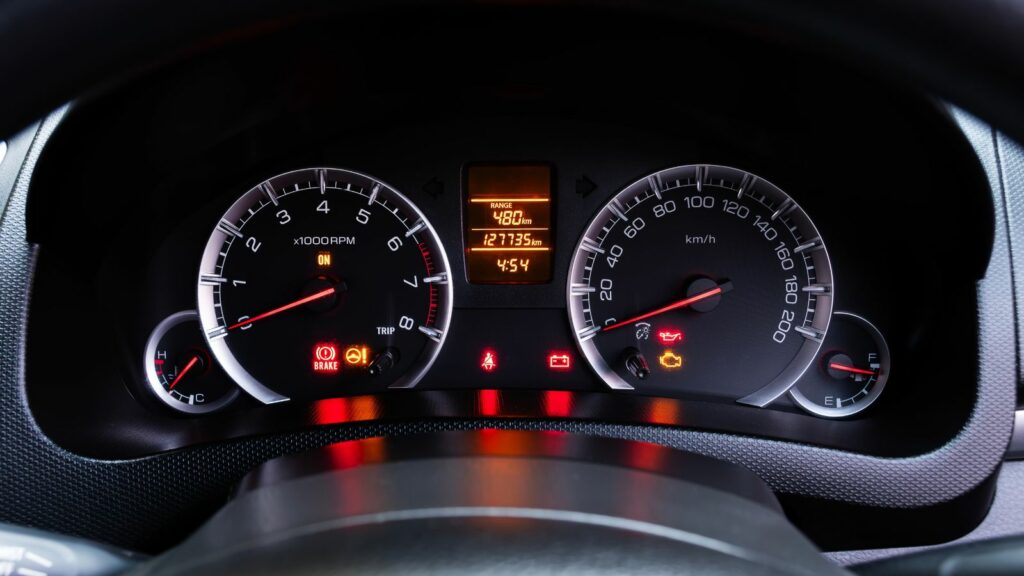
A generation ago, many automotive repairs involved opening a component, replacing the failed piece inside it, and putting everything back together. Modern vehicles can work very differently. Electronics, lightweight structures, advanced safety systems and tightly integrated assemblies have made cars safer, cleaner and more capable, but they have also changed what “repairable” means.
That does not mean automakers deliberately make vehicles disposable. It does mean certain design choices can turn a modest failure into replacement of a much larger component, followed by programming, calibration or specialized procedures. These 21 signs reveal where modern vehicle design can make traditional component-level repair increasingly difficult—and why seemingly minor problems sometimes produce surprisingly large repair estimates.
A Tiny Failure Requires a Complete Assembly
One of the clearest warning signs appears when the parts catalogue does not offer the piece that actually failed. Instead, the manufacturer supplies a complete assembly containing that piece. A broken adjuster, connector, sensor mount or internal mechanism can therefore require replacing perfectly functional parts surrounding it. The technician may understand exactly what went wrong yet still have no approved way to purchase or install the failed item separately.
This approach is not automatically bad engineering. Factory-built modules can simplify manufacturing, improve consistency and shorten installation time. The problem appears later in the vehicle’s life, when the price of the service part bears little relationship to the size of the failure. Automotive engineering standards recognize repairability and serviceability as legitimate design considerations precisely because they influence insurance losses and owners’ out-of-pocket costs. When the repair estimate repeatedly contains phrases such as “complete assembly only,” it is a strong indication that the vehicle was designed around module replacement rather than traditional rebuilding.
The Headlamp Is an Electronic System, Not a Bulb
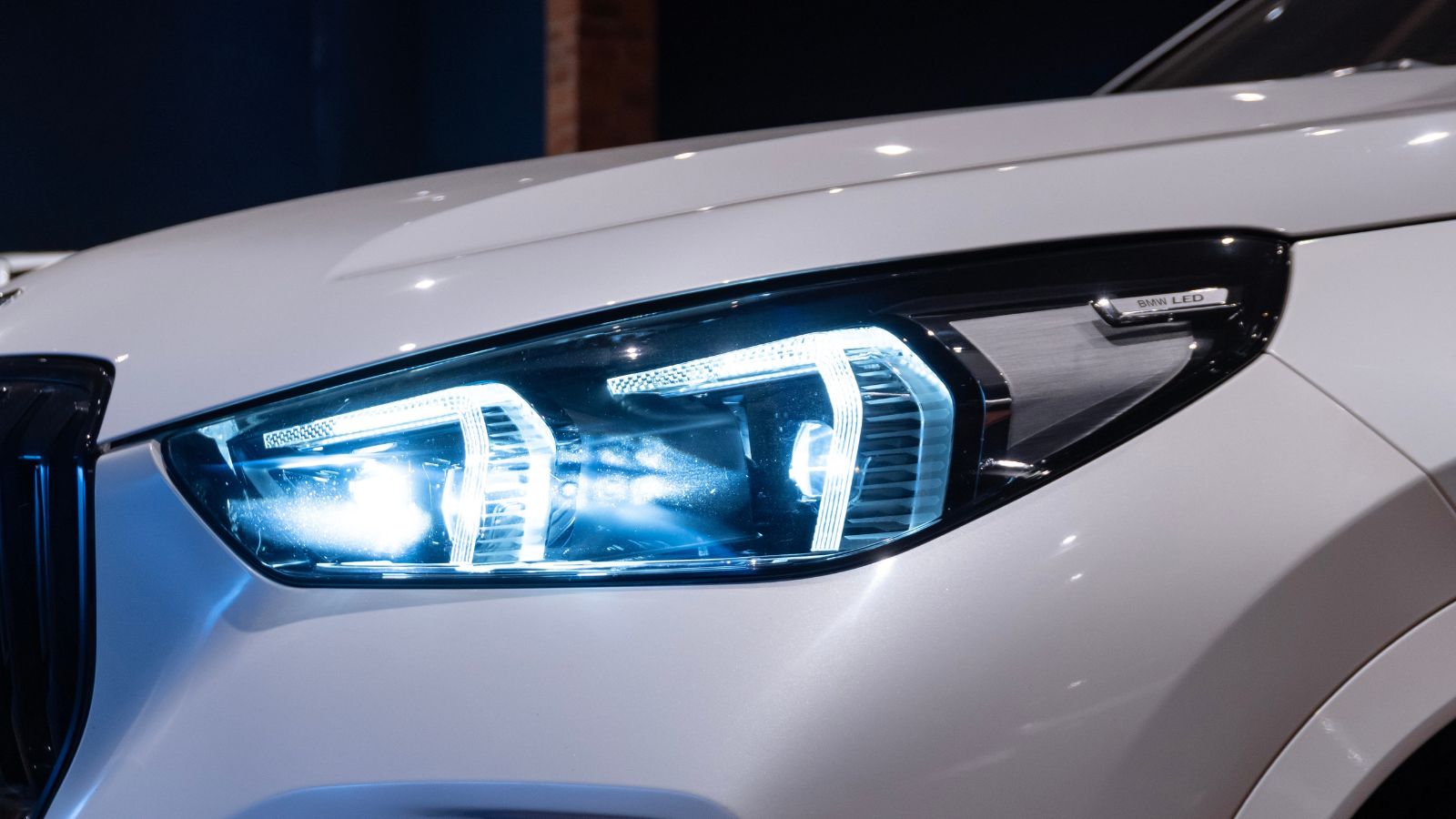
A cracked headlamp once meant replacing glass, a bulb or perhaps a reflector. Modern lighting assemblies can contain LED light sources, control electronics, cooling hardware, adaptive-lighting actuators and communications circuitry. Even when the visible problem looks small, the replacement catalogue may offer the lens and housing together—or only the entire lamp assembly. Adaptive systems can also require aiming, diagnostic checks or additional procedures after installation.
That distinction becomes expensive after seemingly harmless parking damage. A mounting tab or housing crack can allow moisture inside a lamp packed with electronics, while internal adaptive-lighting damage may not be visible from the outside. I-CAR notes that some replacement lenses are available only with the housing or as an entire front-lamp assembly. It also documents adaptive systems whose modules communicate with steering-angle, ride-height, vehicle-speed and camera inputs. When a headlight has become a networked computer with moving parts, repairing one illumination problem can look far more like replacing an electronic module than changing a lamp.
A Windshield Replacement Has Become a Calibration Job
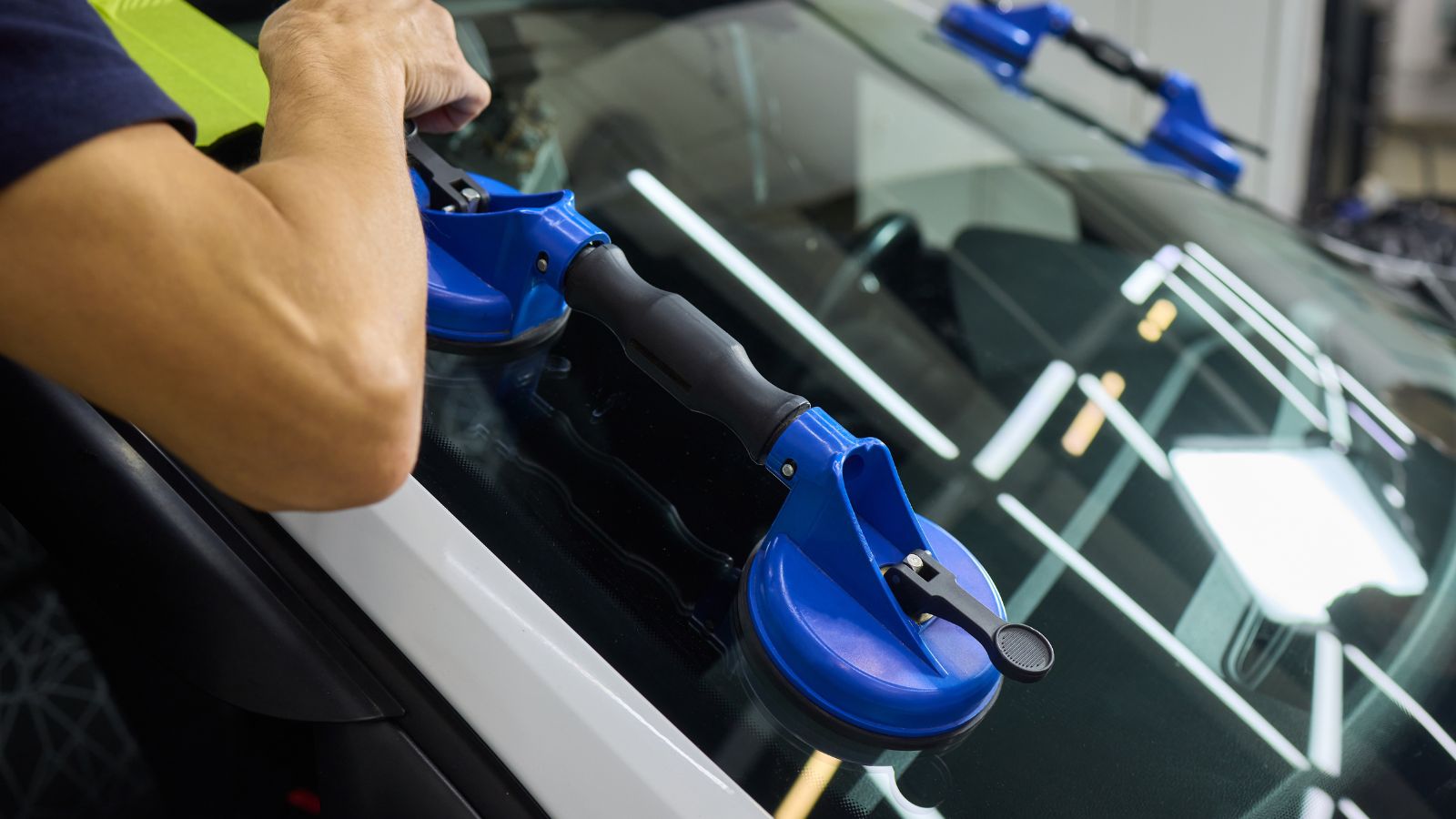
Glass used to sit largely outside the vehicle’s electronics. Today, the windshield can serve as the mounting platform and optical window for a forward-facing camera responsible for features such as lane-departure warning and collision-avoidance functions. Replacing the glass can alter the camera’s position by a small amount, which is why vehicle-specific procedures may call for recalibration after the windshield is removed or replaced.
That extra step changes the economics of a routine stone crack. The job may involve the correct glass specification, camera-bracket positioning, diagnostic equipment, calibration targets or a prescribed road-driving procedure. Hyundai service information, for example, has required calibration when the windshield or front camera has been removed or replaced. I-CAR likewise warns that ADAS-equipped windshields can trigger calibration requirements. None of this proves that the windshield was designed to be disposable; it shows how tightly interconnected the vehicle has become. The glass is no longer merely a transparent barrier. On many cars, it is now part of the sensor architecture.
The Bumper Is Hiding Expensive Radar Hardware
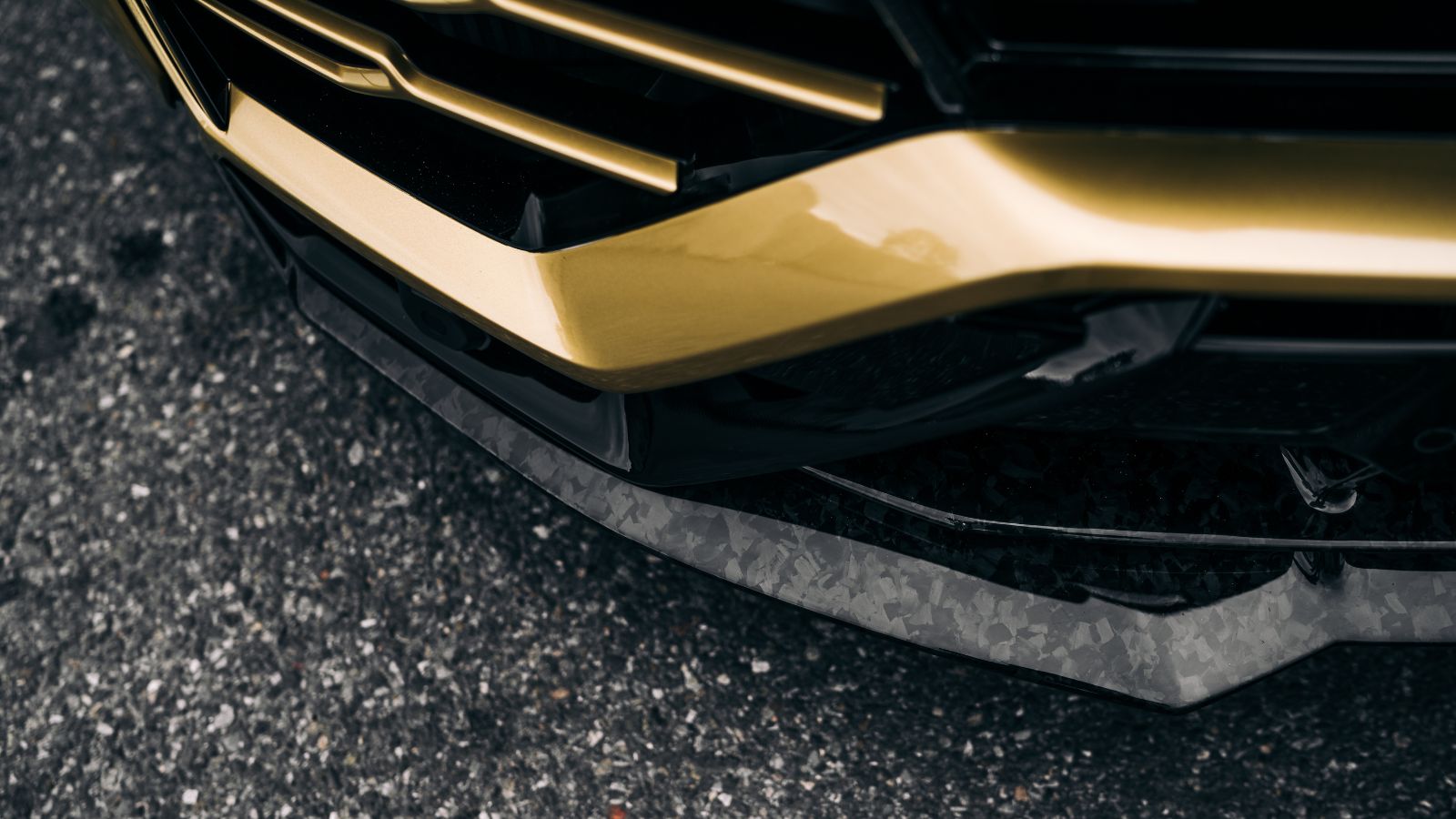
A plastic bumper cover can spring back after a light impact and appear almost untouched. Behind it, however, may sit radar sensors, brackets, wiring and reinforcement structures that must remain within precise alignment specifications. A parking-speed bump that once resulted in cosmetic work can therefore become an electronics and calibration problem, particularly when the radar mounting structure has moved.
Manufacturer repair information shows why technicians cannot simply judge these systems by appearance. Kia guidance has warned that a low-speed front-bumper impact can shift a radar bracket by only a few degrees and still prevent proper operation. Replacement or adjustment can then involve hardware inspection, sensor alignment, diagnostic software and calibration. Rear bumpers may conceal blind-spot radar with similar requirements. The repair bill is not necessarily driven by severe visible destruction; it can be driven by precision. When inexpensive exterior panels are wrapped around safety sensors that demand tightly controlled mounting angles, minor collision damage stops being purely cosmetic.
One Screen Controls Too Many Unrelated Functions
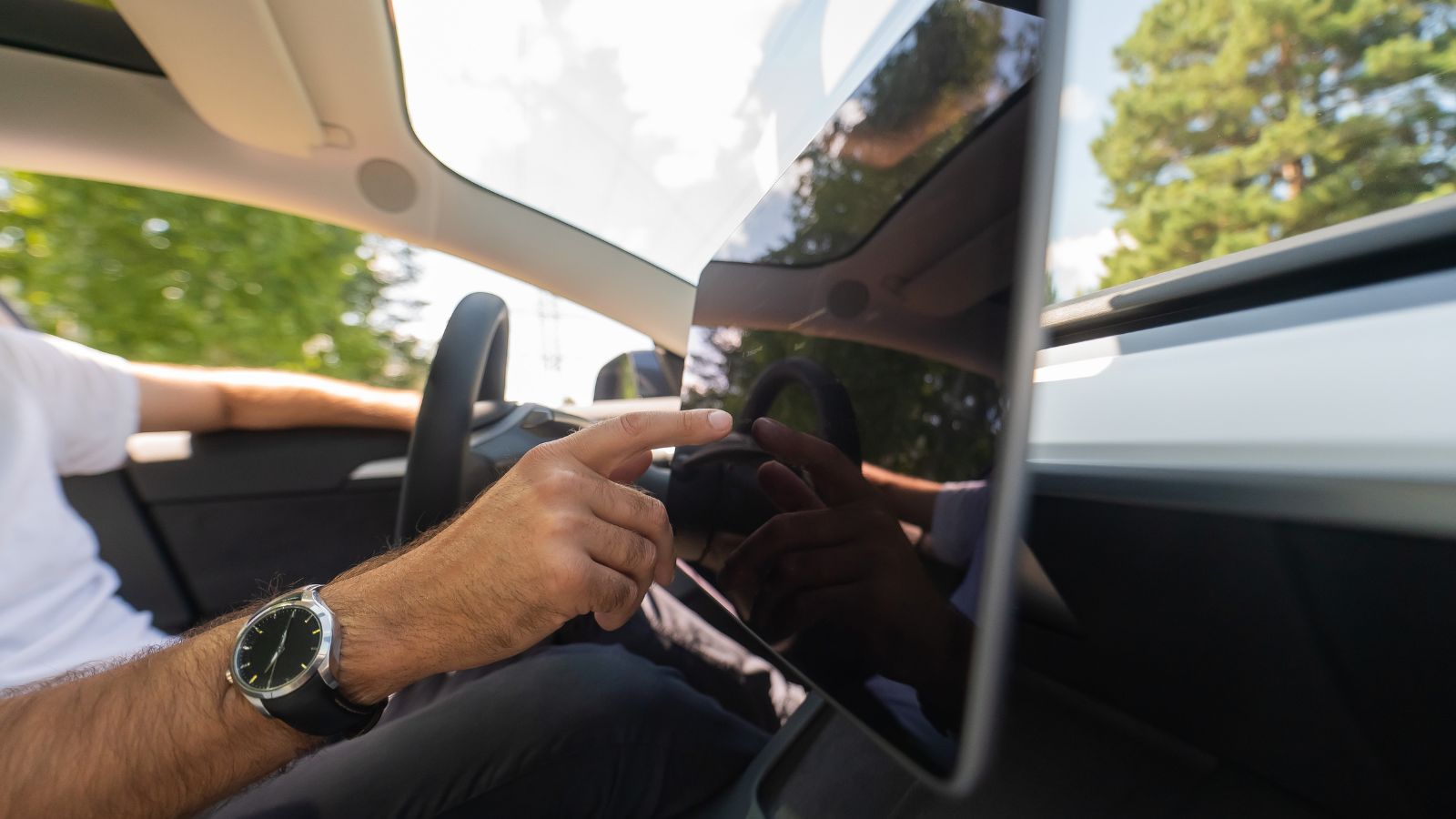
Centralizing controls in a large display removes physical switches and can give an interior a clean appearance. It also concentrates multiple functions into one electronic device. Navigation and audio are obvious examples, but some vehicles route camera displays, climate settings, warnings and other functions through the same computer and screen. When that hardware fails, the consequences can extend far beyond losing music or maps.
Tesla’s 2021 recall involving certain Model S and Model X vehicles demonstrated the stakes. Failure of memory hardware in the media control unit could lead to a blank centre display and affect functions including the rearview-camera image and defrost or defog controls. The U.S. recall covered 134,951 vehicles. Tesla’s remedy ultimately included replacement of a daughterboard containing upgraded memory hardware. The episode provides an unusually clear example of integration changing repair economics: one electronic weakness could affect several otherwise unrelated features. The more functions concentrated into one module, the more consequential that module becomes when it eventually fails.
Diagnosis Depends on Software the Owner Cannot See
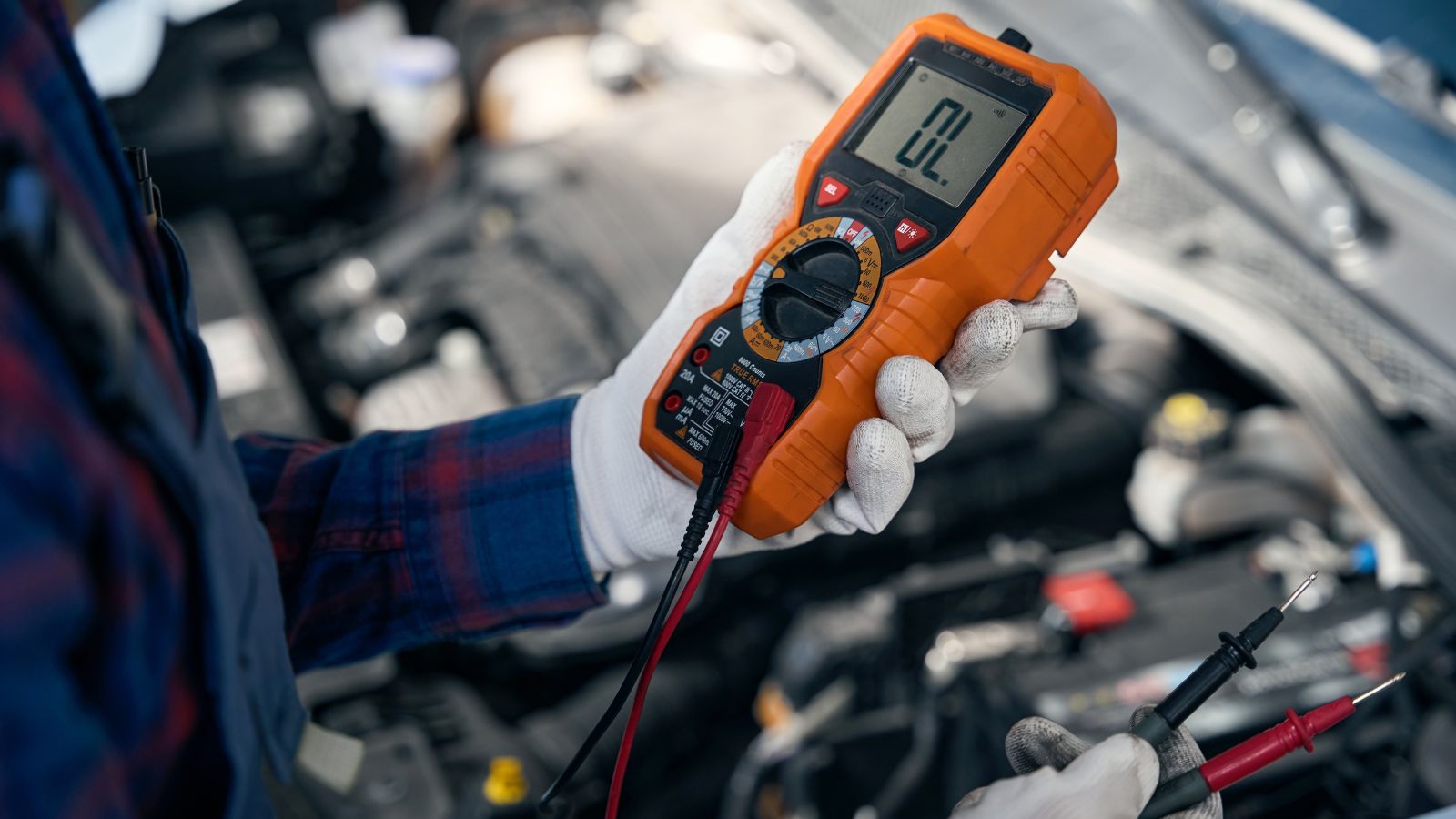
Mechanical wear can often be found with ordinary tools: a loose joint moves, a bearing growls and a leak leaves evidence. Electronic faults can be different. Technicians may need manufacturer information, compatible diagnostic software, security authorization or specialized procedures before the replacement part can even communicate with the vehicle. That makes access to digital repair infrastructure increasingly important.
The U.S. Federal Trade Commission has examined repair restrictions involving proprietary diagnostic tools, unavailable software, limited parts access and other practices that can make independent repairs harder. Its 2021 report also discussed manufacturer arguments involving cybersecurity, intellectual property and safety, so the issue is more complicated than simply accusing manufacturers of blocking repairs. Still, from the owner’s perspective, the result can be the same: a component that is physically replaceable may not be practically serviceable without digital access. A car that increasingly depends on proprietary electronic ecosystems is harder to keep alive with conventional mechanical knowledge alone.
A Replacement Module Is Not Plug-and-Play
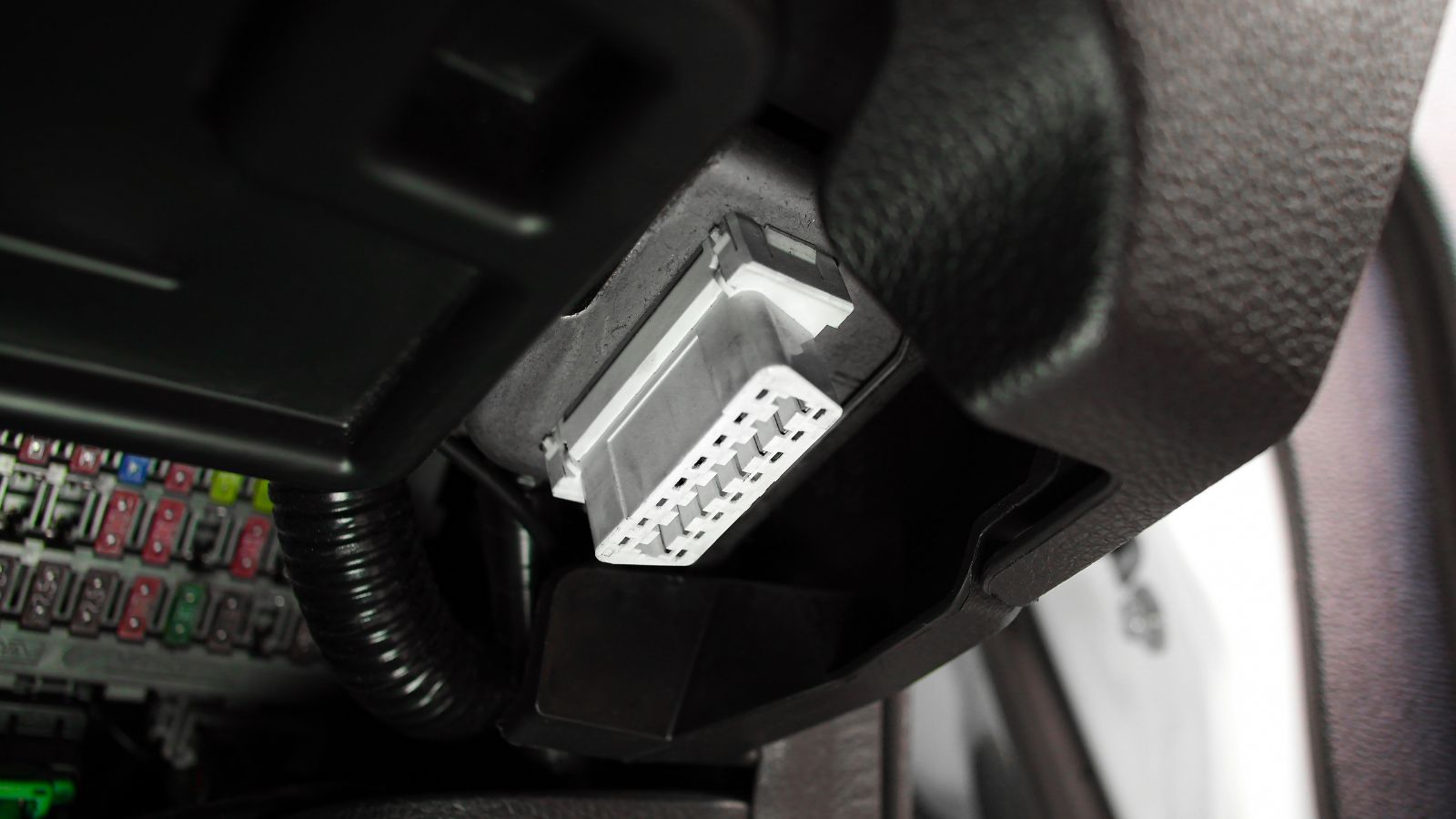
Buying the correct electronic module does not necessarily finish the repair. Modern vehicles contain networks of computers that exchange configuration information and expect certain modules to be programmed for a specific vehicle. Installing the hardware can therefore be only the first stage; programming, configuration, initialization or calibration may be necessary before the new part works correctly.
I-CAR documents this clearly in Nissan, Infiniti, Ford and Lincoln repair procedures. Some replacement sensors or modules require vehicle information to be written into them with a scan tool. Ford’s Programmable Module Installation process, for example, can transfer information from the original module into its replacement, while other situations use vehicle-specific “As-Built” information. That creates a major difference from replacing an old relay or switch. A perfectly good used or new electronic component may be useless until the vehicle recognizes it. When physical replacement and software installation become inseparable, repairs depend as much on access to data and tools as on turning wrenches.
Even a Rear Brake Job Can Require a Scan Tool
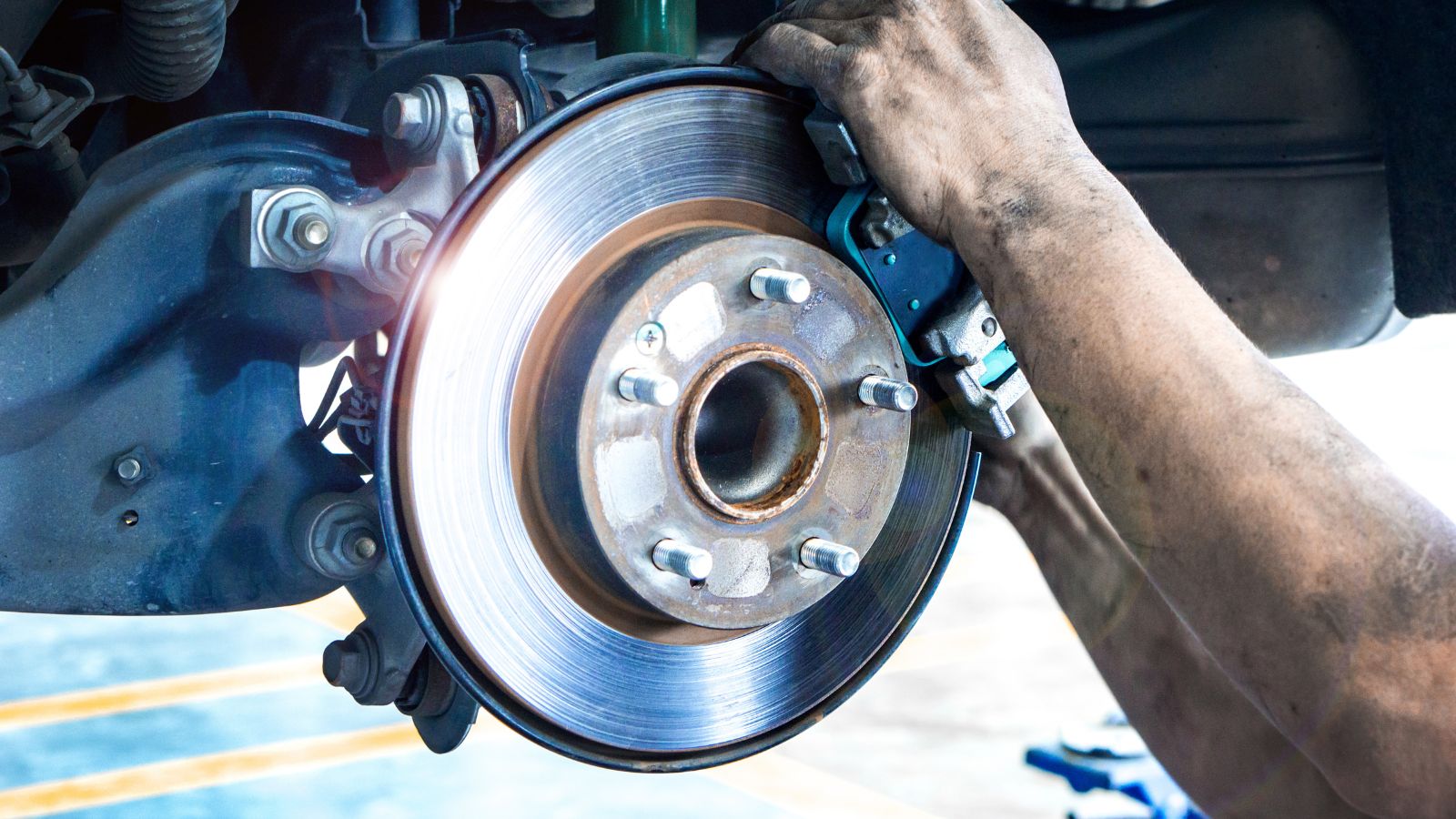
Brake pads remain ordinary wear items, but electronic parking brakes have changed the procedure on some vehicles. Instead of manually pushing or winding a rear caliper piston back into position, the technician may need to command an electric actuator into a special maintenance or pad-replacement mode. Attempting the old procedure without checking the manufacturer’s instructions can create additional problems.
Hyundai service guidance has instructed technicians to use a brake-pad-change function when servicing vehicles with an electronic parking brake, while Mitsubishi procedures describe maintenance mode that fully releases the electric parking brake before rear pad or rotor work. Some systems require additional checks after calipers, actuators or electronic control units are replaced. This is a useful example because the underlying repair remains extremely familiar. Brake pads still wear down and need replacement. What changed is the architecture around them. When a basic maintenance operation requires bidirectional diagnostic communication with an electronic actuator, the line between mechanical maintenance and computerized servicing has largely disappeared.
Airbag Deployment Can Trigger a Chain of Replacement Parts

An airbag is designed to perform once. What surprises some owners is how many additional components may be included in the prescribed repair after deployment. Depending on the vehicle and collision, the required list can include deployed airbags, pretensioners, sensors, control modules, wiring components, trim or even seat-back assemblies. That can make a car with repairable structural damage economically difficult to save.
I-CAR’s OEM restraint information provides concrete examples. Guidance for a 2020 Hyundai Accent states that a front-airbag deployment can require replacement of the airbag control module, deployed airbags, seat-belt pretensioners, front impact sensors and specified SRS wiring. For side-airbag configurations, the airbag may be integrated into the seat back to the point that the seat-back assembly is replaced with it. These requirements exist because restraint systems are safety-critical, not because replacing intact parts is inherently desirable. Nevertheless, the financial effect is unmistakable: one collision event can convert numerous linked components into mandatory replacement items.
Aluminum Construction Demands Specialized Joining Methods
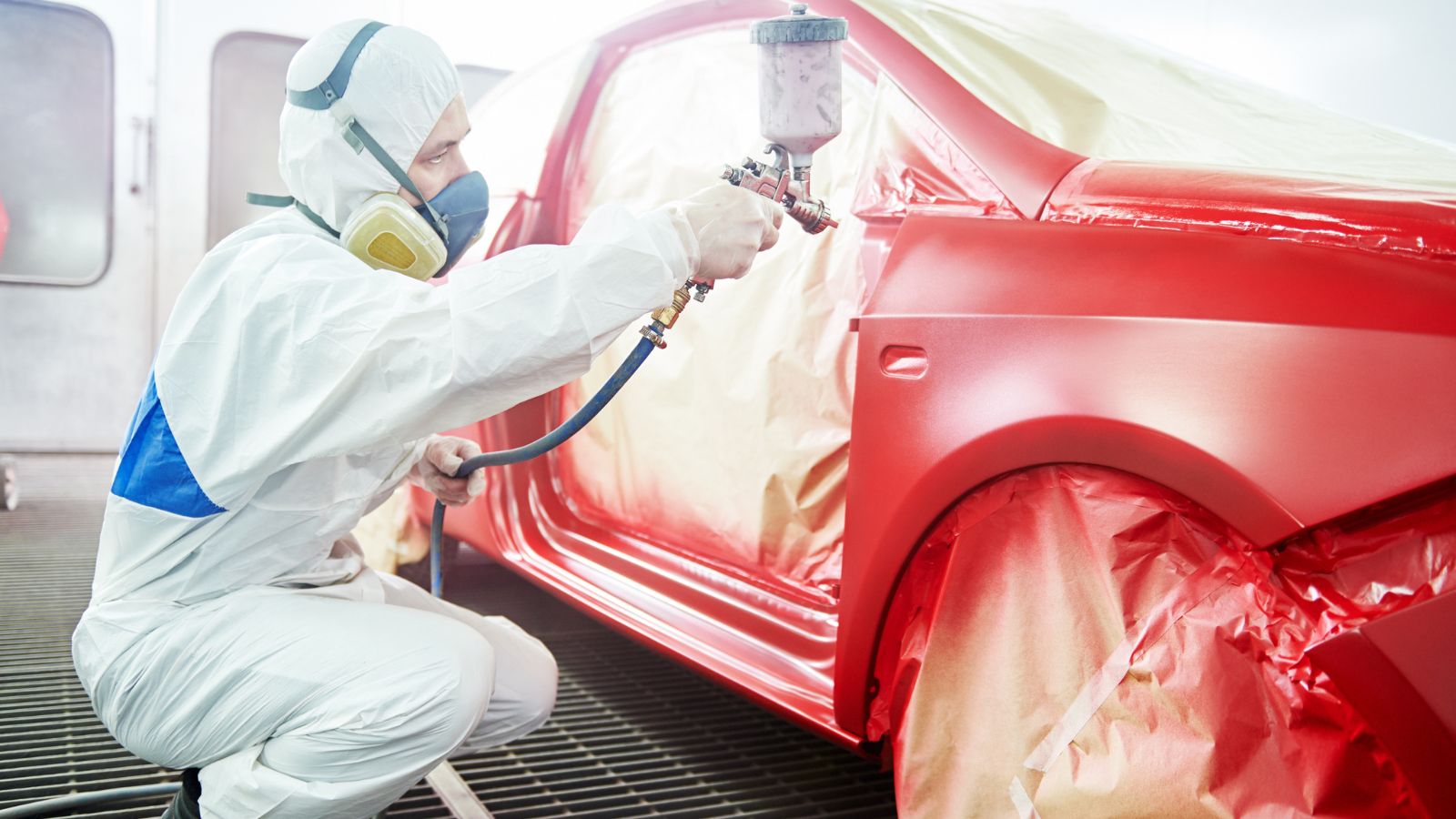
Aluminum can reduce vehicle weight without abandoning structural strength, making it attractive for modern bodies and closures. It does not always behave like traditional mild steel in a repair shop, however. Procedures can involve specific rivets, structural adhesives, dedicated tools and contamination-control practices. Techniques that worked for decades on steel panels may not be suitable for an aluminum structure.
Ford repair information distributed through I-CAR describes rivet-bonded aluminum repairs in which the technician must use the rivet type, adhesive and installation equipment specified for the job. I-CAR also notes that numerous manufacturers use rivet bonding and that different fasteners can require different guns and dies. The result is not that aluminum vehicles cannot be repaired—they clearly can—but that the threshold for a practical repair shop becomes higher. A local technician who could straighten and weld an older steel vehicle may lack the tooling, training or certification needed for the newer one, pushing more damage toward specialized replacement procedures.
Ultra-High-Strength Steel May Not Be Straightenable
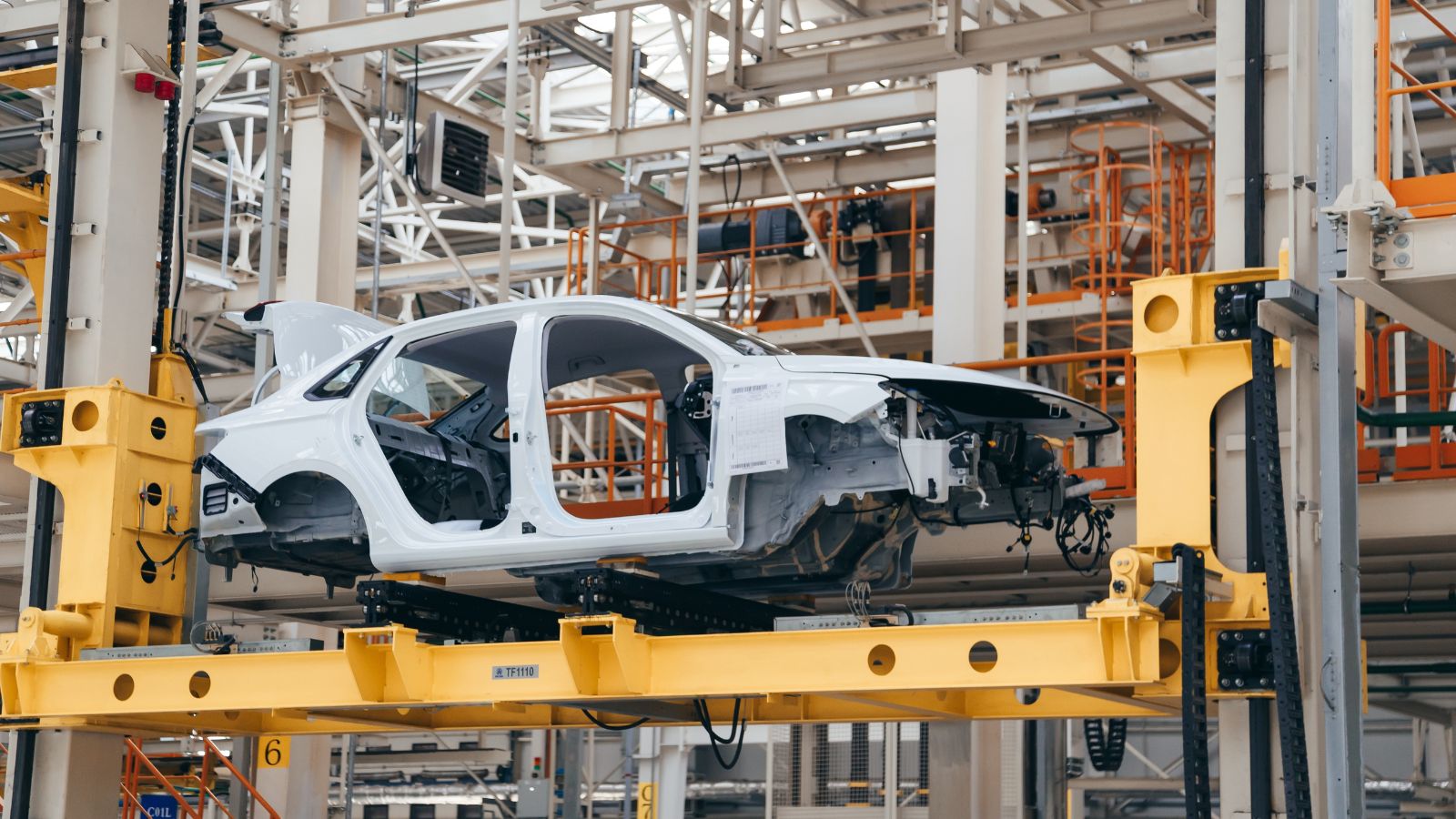
Modern safety structures use steels dramatically stronger than the mild steel once common throughout vehicle bodies. Those materials allow engineers to create lighter passenger cells capable of managing significant crash loads. Their strength, however, can limit what happens after a collision. Traditional heating and straightening methods can change material properties or create cracking, so damaged high-strength structural components may have to be replaced.
I-CAR guidance states that if a manufacturer prohibits cold straightening, replacement becomes the option. Its repairability guidance also treats damage to ultra-high-strength steel differently from ordinary body metal and emphasizes consulting vehicle-specific procedures before pulling, heating or sectioning it. Some OEM instructions explicitly prohibit sectioning certain UHSS reinforcements and call for complete assembly replacement at factory locations. That is an important trade-off in modern vehicle engineering: the same sophisticated material that contributes to crashworthiness may be less forgiving in the body shop. A rail or pillar can look straighten-able to an experienced eye while the approved repair procedure says otherwise.
Battery Damage Turns an EV Collision Into a High-Voltage Event
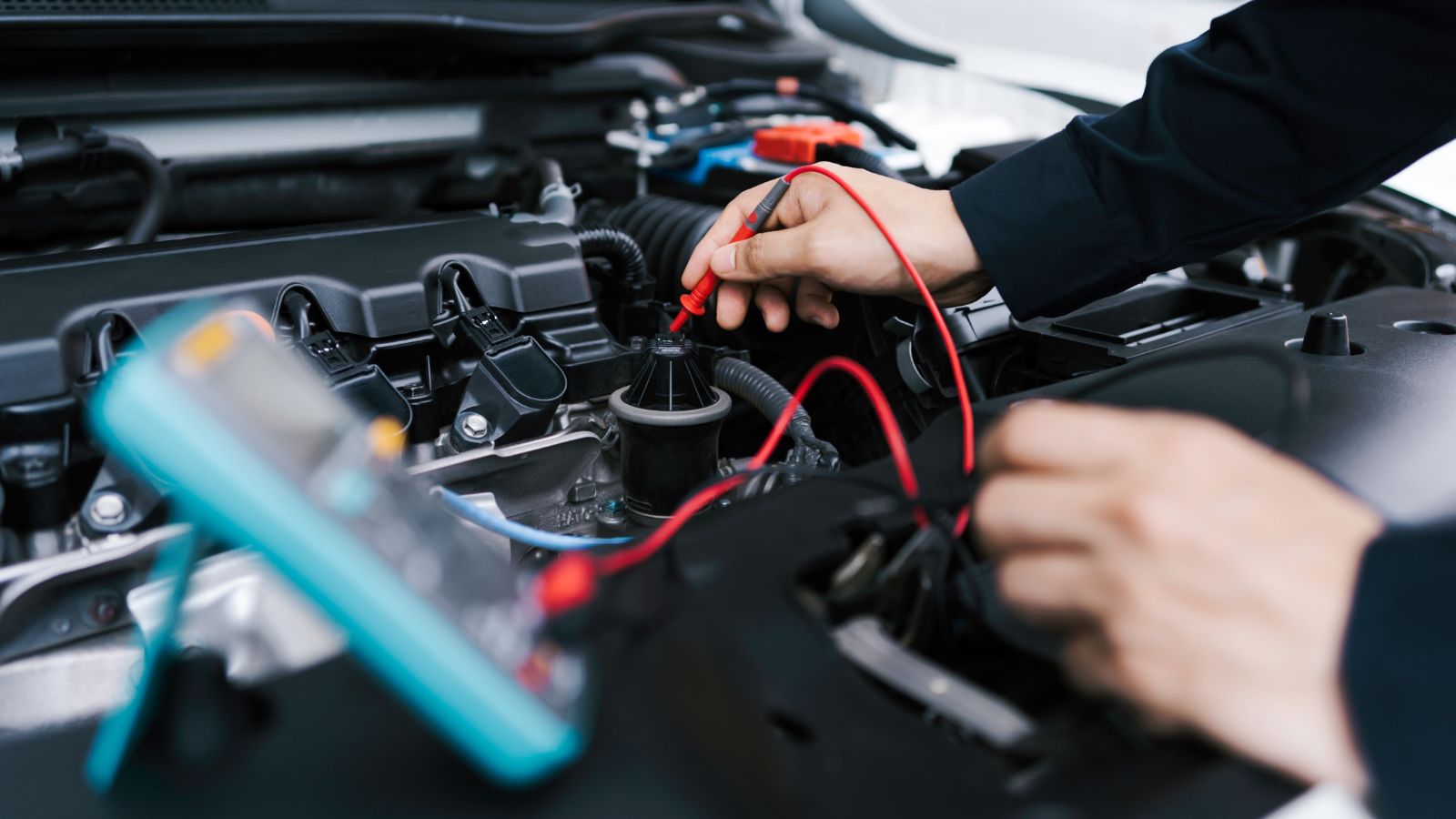
An electric vehicle’s traction battery is not simply a large version of a 12-volt battery. It is a high-energy system protected by an enclosure, monitoring electronics, cooling hardware and high-voltage safety components. Collision damage therefore creates concerns that extend beyond whether the casing still looks straight. Inspection, isolation, storage and repair can require trained personnel and vehicle-specific procedures.
Rivian collision guidance warns that a damaged high-voltage battery or related components can present significant electrical risk and calls for specialized inspection after a collision. Honda guidance for the CR-V e similarly directs technicians to inspect the high-voltage battery assembly and replace it when specified exterior damage is found. Other procedures may require leak checks after structural damage or airbag deployment. The safety reasons are obvious, but so are the economic consequences. Damage near the battery can trigger assessments and replacement decisions involving one of the most valuable components in the vehicle, dramatically changing whether an otherwise repairable collision makes financial sense.
Wheel Bearings Arrive as Sealed Hub Units
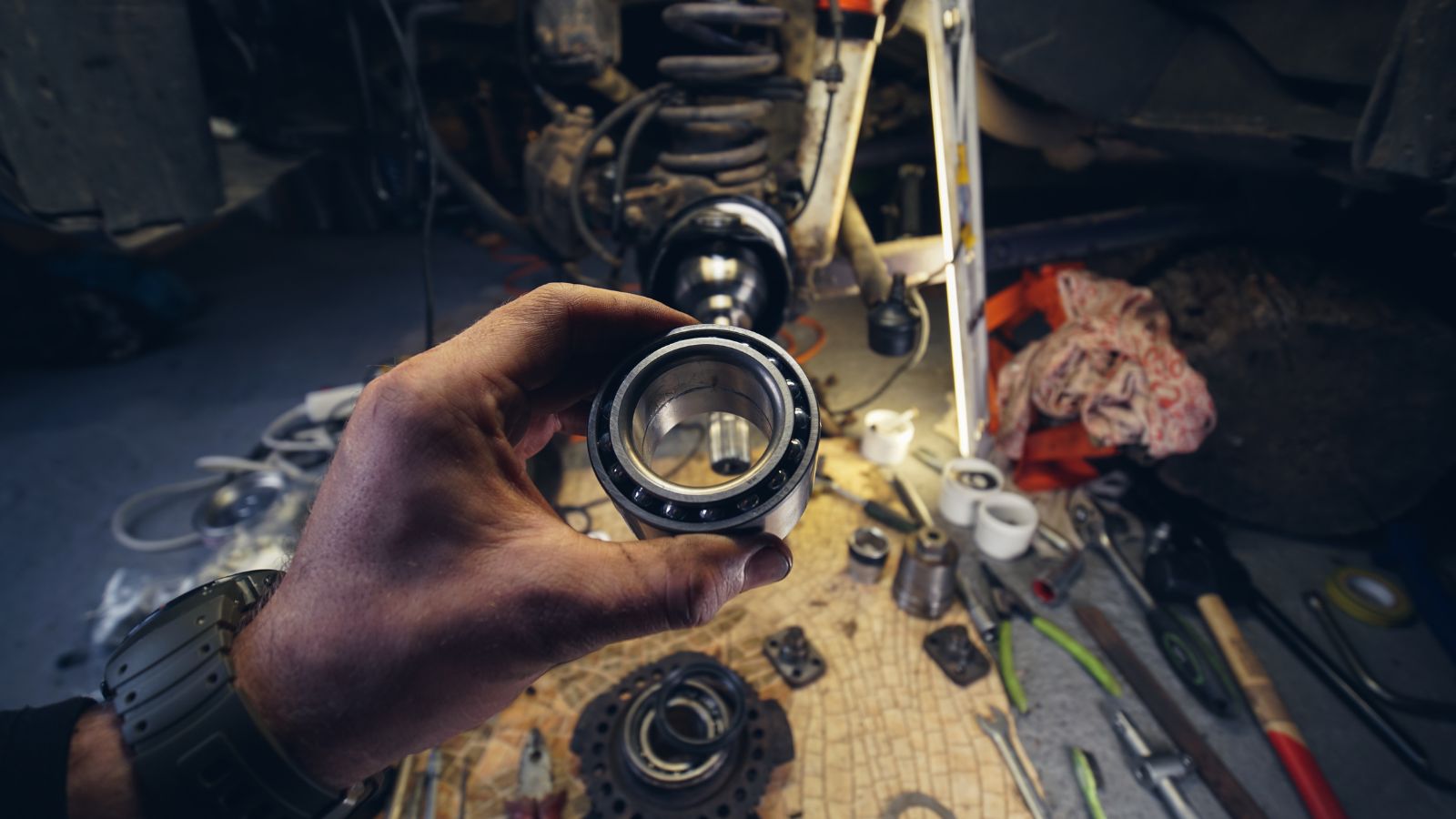
Older wheel bearings could often be cleaned, inspected, repacked with grease, adjusted and returned to service. Many modern vehicles use preassembled hub units instead. The bearing is filled and sealed during manufacturing, its internal clearance is preset, and the complete unit is installed at the wheel. When internal wear develops, rebuilding the bearing at the repair shop generally is not the intended procedure.
Timken describes modern hub assemblies as maintenance-free, non-serviceable units that arrive preset, pre-greased and pre-sealed. SKF likewise markets wheel-bearing designs that are sealed for life, with later generations integrating mounting flanges and, in some applications, ABS-related components. The design offers real advantages: installation can be faster, assembly errors are reduced and owners no longer need periodic bearing adjustment or repacking. The trade-off appears at failure. Instead of servicing a small collection of rollers and grease, the shop replaces the hub unit. It is a textbook example of modern engineering exchanging serviceability for sealed, factory-controlled assembly.
Electric Steering Can Make the Rack a Mechatronic Assembly
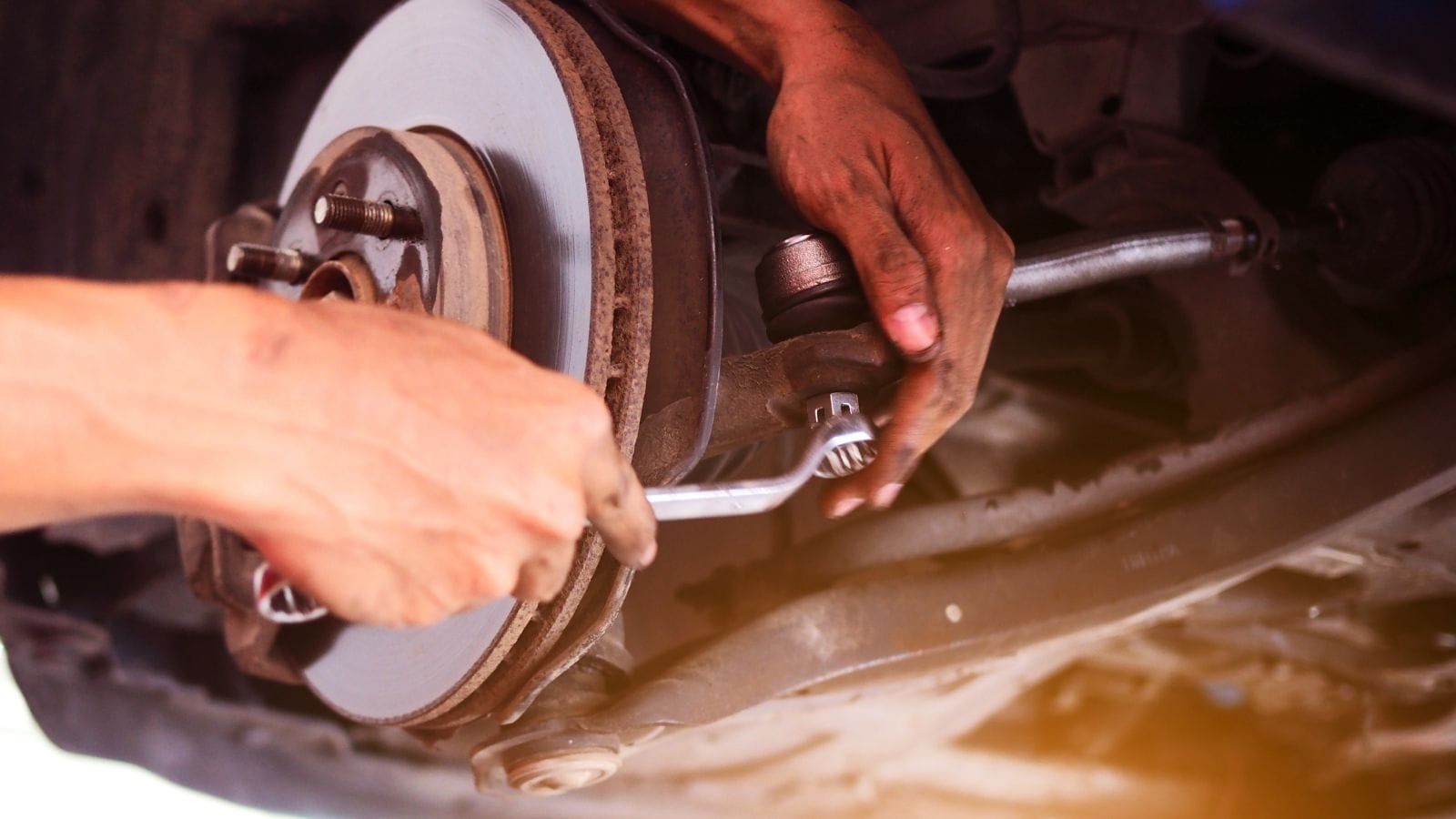
Hydraulic power steering typically separated the steering gear from the hydraulic pump and much of the system’s control hardware. Electric power steering can package a motor, sensors and electronic control functions directly around the rack or steering mechanism. That eliminates hydraulic fluid and reduces some maintenance, but it also transforms the steering gear into a sophisticated mechatronic component.
ZF Aftermarket has stated that repairs to some steering gears themselves are not possible and that the complete gear must be replaced, with installation potentially followed by sensor teaching, control-unit registration, coding or selection of the correct assistance map. General Motors technical information similarly describes electric systems combining steering gear components with a motor, torque sensing and an electronic control module, with relearn procedures potentially required after certain repairs. For owners, this means a steering fault can move rapidly from mechanical diagnosis to electronics and software. The rack is no longer necessarily just gears, seals and tie rods that a specialist might rebuild on a bench.
Checking Transmission Fluid Can Require a Hoist and Temperature Data
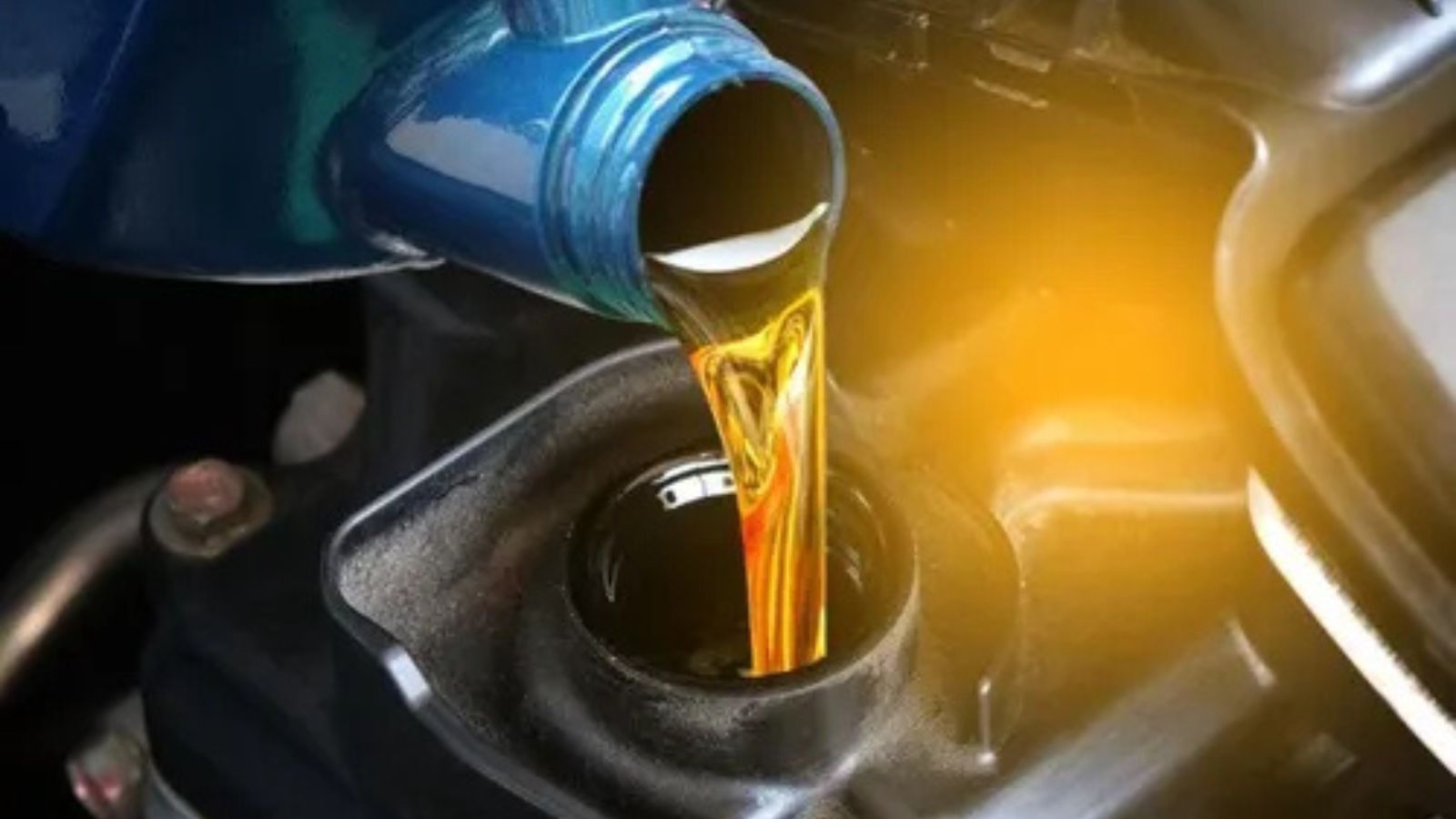
One of the simplest rituals on older automatic cars was pulling a dipstick. Some newer transmissions do not provide one. Correct fluid level may instead be established through a plug while the vehicle is level, the engine is running and the transmission fluid sits within a specified temperature range. A scan tool or electronic temperature display may be part of the procedure.
General Motors service information provides clear examples. Certain transmissions without a fill tube and dipstick use a level-setting opening in the pan. Procedures can require technicians to monitor transmission fluid temperature, cycle the transmission through its ranges and raise the running vehicle level on a hoist before setting the final fluid level. The transmission is still serviceable, so calling it “sealed forever” would be misleading. Yet the change illustrates the broader theme: routine checks that an owner once performed in a driveway can now depend on equipment and precise procedural conditions, concentrating maintenance in better-equipped workshops.
The Exhaust Manifold May Be Part of the Cylinder Head
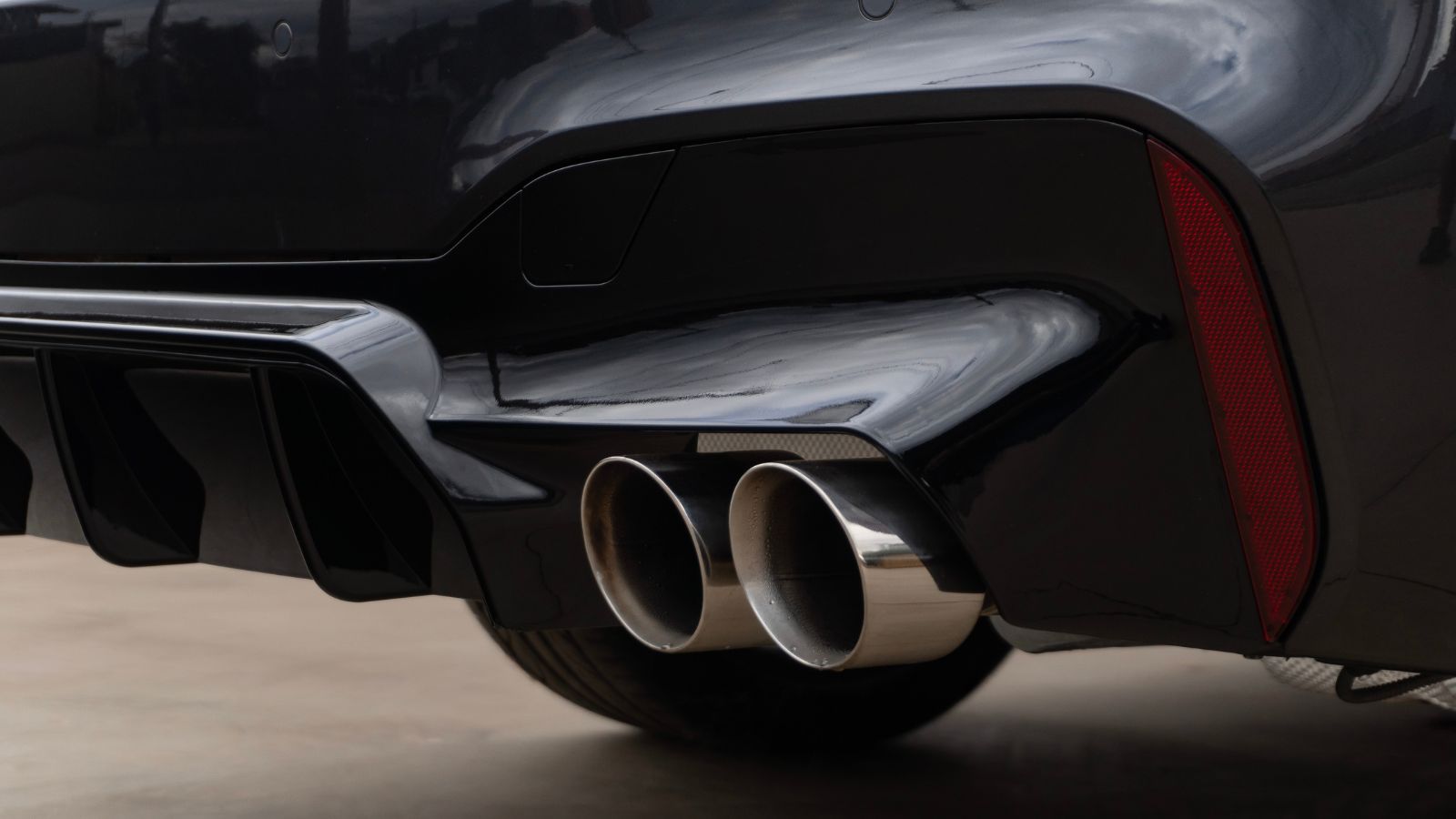
Engine designers increasingly combine components that used to bolt together separately. One example is the integrated exhaust manifold, where exhaust passages that would traditionally feed a separate cast manifold are incorporated into the cylinder head. The arrangement can reduce weight, packaging space and manufacturing complexity while helping with thermal management and emissions performance.
SAE technical literature documents integrated exhaust-manifold cylinder heads in modern gasoline engines and identifies benefits such as lower weight, cost savings, quicker warm-up and simplified turbocharger packaging. The same integration changes the service boundary. A traditional cracked external manifold could often be removed as an individual component. Once exhaust routing becomes part of the cylinder-head casting, the distinction between an exhaust component and a major engine component becomes less obvious. Not every failure requires cylinder-head replacement, and specific engines differ significantly, but integration is still worth noticing. The more functions engineers place inside one casting, the fewer separately replaceable pieces remain when something eventually goes wrong.
Cooling Systems Are Turning Into Integrated Modules
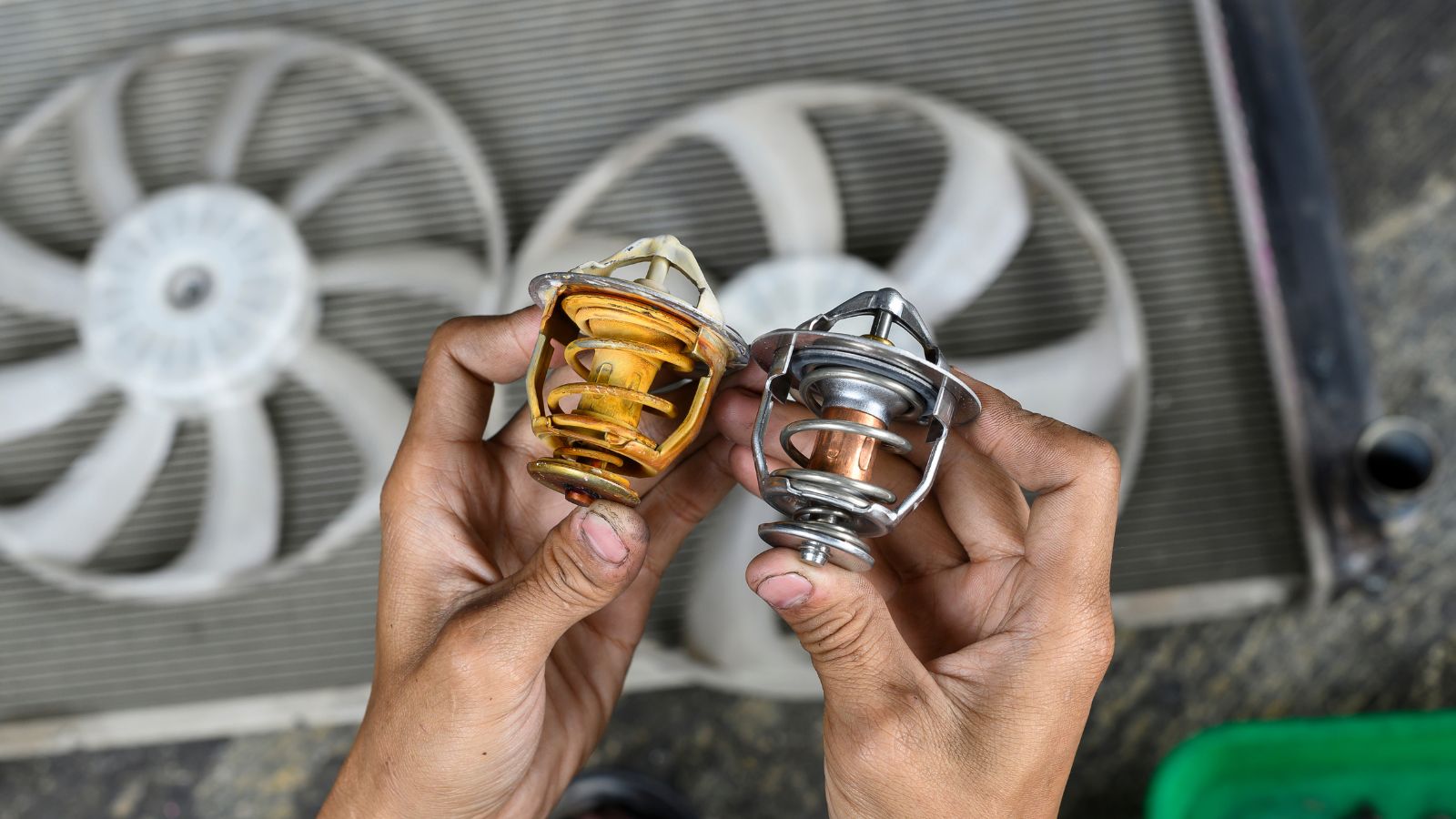
A traditional cooling circuit was easy to visualize: mechanical water pump, wax thermostat, radiator and hoses. Modern engines increasingly use electronically controlled valves, electric pumps and compact housings containing several thermal-management functions. That gives the engine computer much greater control over warm-up, fuel economy, emissions and component temperatures.
Audi technical information provides examples of coolant-pump and thermostat components packaged together as a module, including designs in which the pump is integrated with the thermostat housing. Hyundai has likewise documented integrated thermal-management modules in service campaigns. Some manufacturers still provide individual seals or subcomponents in certain situations, which shows that integration does not automatically mean the whole module must always be discarded. Even so, complexity has moved considerably beyond the old thermostat under a two-bolt housing. When pumps, valves, sensors and coolant passages share a tightly packaged assembly, diagnosing one leak or actuator failure can require removal and service of a much larger thermal-management unit.
Oil Filters and Coolers Can Share Complex Housings
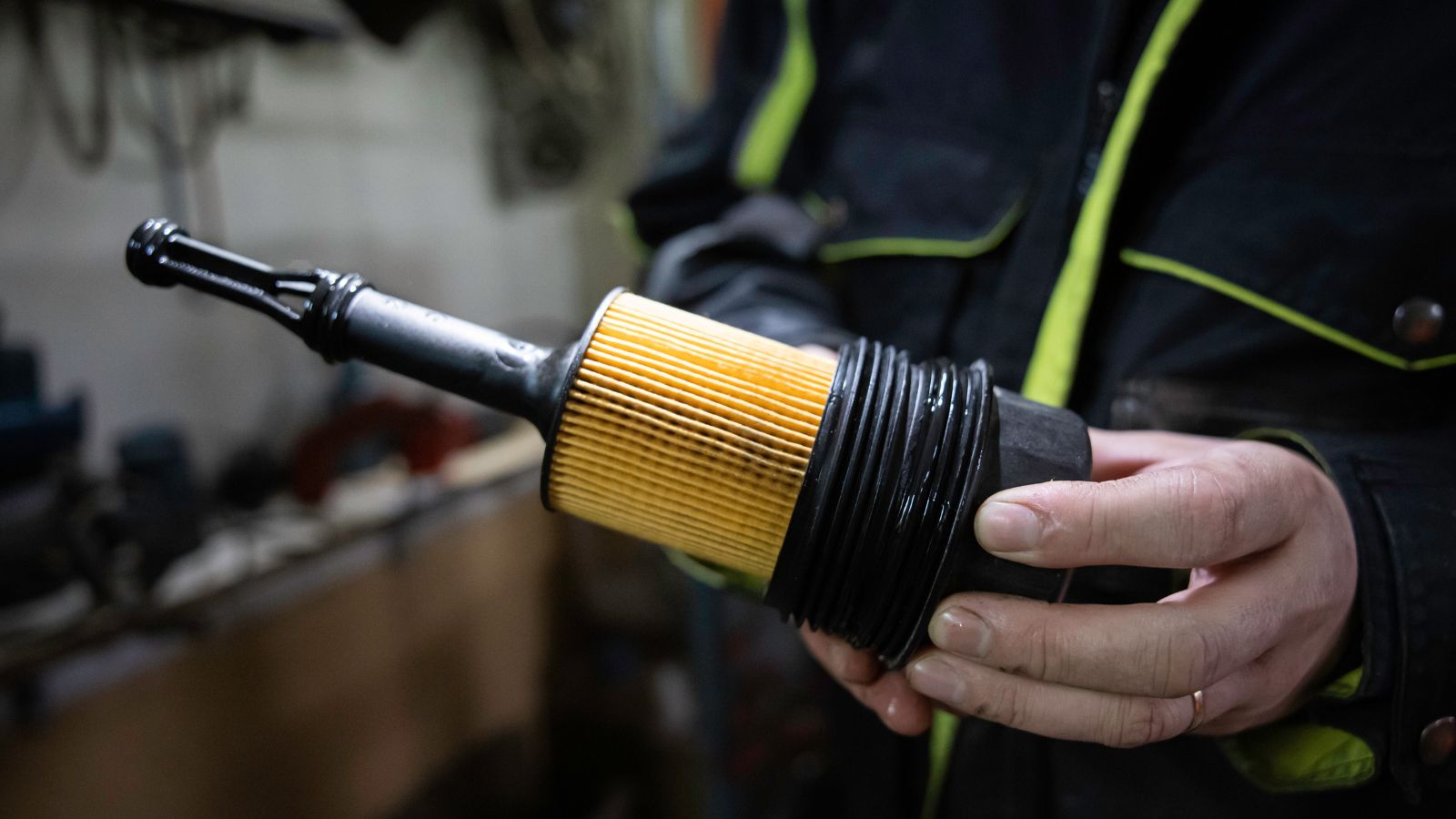
Lubrication hardware is becoming integrated too. Instead of a simple threaded filter boss, a modern engine may use a housing that combines an oil filter, heat exchanger, coolant passages, multiple seals and other functions. The packaging saves space and reduces external plumbing, but it creates more interfaces inside a single assembly—and can make a leak look far more dramatic than the small seal that caused it.
Kia service information for the Carnival, for example, describes an oil-filter-and-cooler assembly containing multiple O-ring gasket locations. Stellantis has also issued technical guidance concerning oil leaks around combined oil-filter adapter and cooler housings. Importantly, some of these procedures specifically tell technicians to diagnose carefully or replace seals instead of automatically replacing the entire assembly, proving that component-level repair still exists. The broader warning sign is integration itself. When several fluid circuits and functions occupy one housing buried beneath other engine components, a cheap gasket can carry substantial labour because reaching and resealing it requires disturbing the entire module.
Replacing a Side Mirror Can Become a Camera Calibration

Side mirrors used to contain glass, an adjustment motor and perhaps a heater. Modern versions may add turn signals, blind-spot indicators, folding motors, memory functions and cameras used by surround-view or lane-monitoring systems. Damage from a narrow garage entrance can therefore affect far more than the mirror glass.
I-CAR’s OEM calibration database contains multiple examples. For the 2024 Honda Passport, removal or replacement of the passenger-side power-mirror assembly can require calibration of the LaneWatch camera. Other vehicles place surround-view cameras in both mirrors and specify calibration when the camera, its supporting body component or associated control unit is changed. This is another case in which added technology delivers useful functionality but changes the repair. A mirror assembly is no longer necessarily an isolated accessory attached to the door. It can be part of the vehicle’s calibrated vision system, meaning replacement may involve targets, measurements or diagnostic steps before the owner can simply drive away.
The Repair Manual Keeps Calling Parts “One-Time Use”
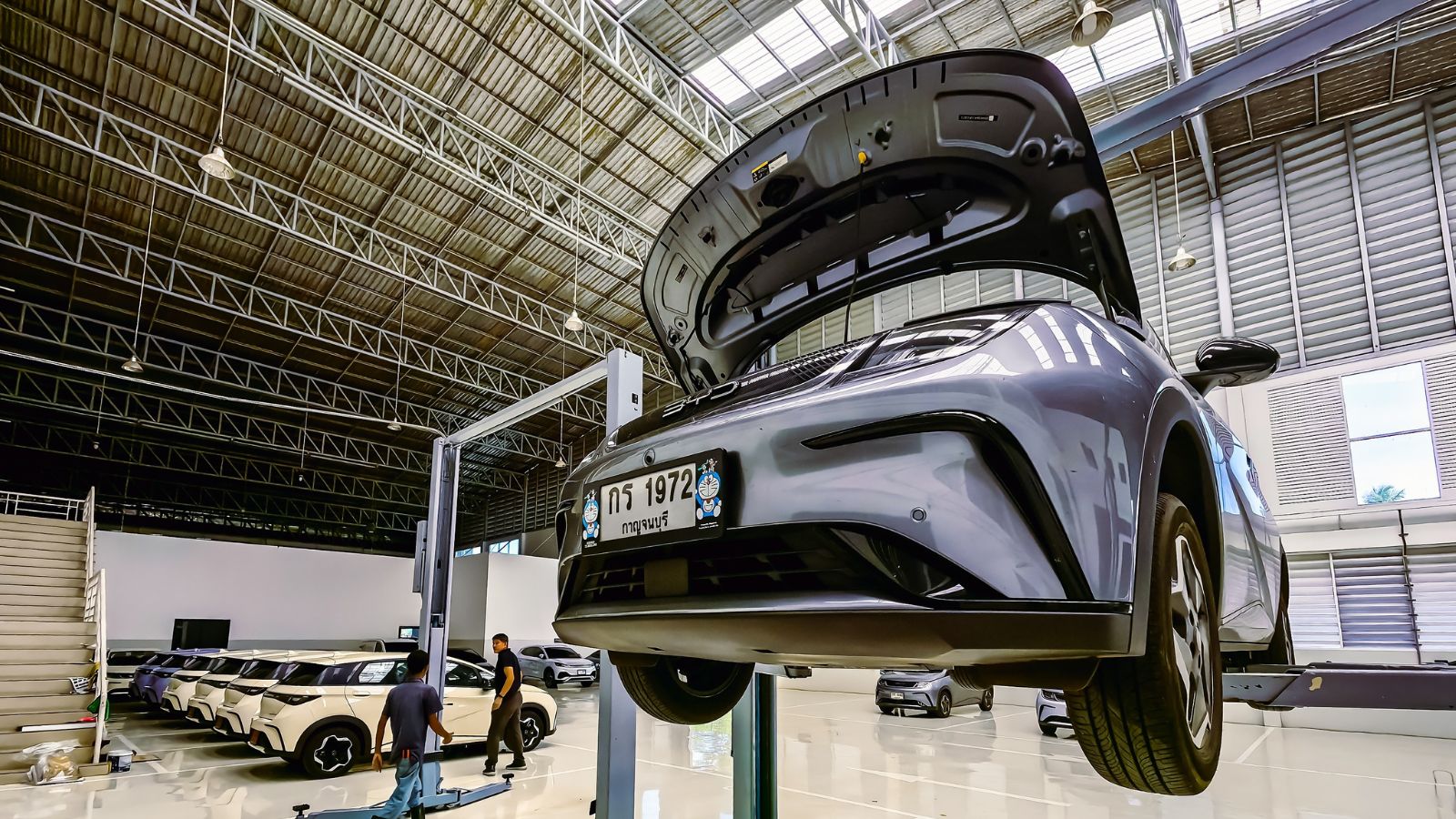
Sometimes nothing is broken, yet the manufacturer still requires replacement. Modern service procedures increasingly identify fasteners, clips, seals and other pieces as single-use items. Torque-to-yield bolts, for example, are deliberately stretched during tightening and may not retain their intended clamping characteristics if reused. Coated hardware can also lose protective properties during removal.
I-CAR notes that one-time-use parts can include bolts, trim, clips and even certain glass-related materials, while manufacturers such as Nissan, Infiniti, Volkswagen and Stellantis publish specific requirements for identifying and replacing them. Stellantis’ 2025 position statement says components designated as one-time use must be discarded after removal and replaced with the specified new part. Individually, a bolt or clip may cost little. Across a large repair, however, the list can grow quickly. More importantly, the practice reinforces the philosophy that returning a modern vehicle to specification sometimes means replacement even when the removed component appears visually reusable.
A Wheel Alignment Can Lead to Software Calibration
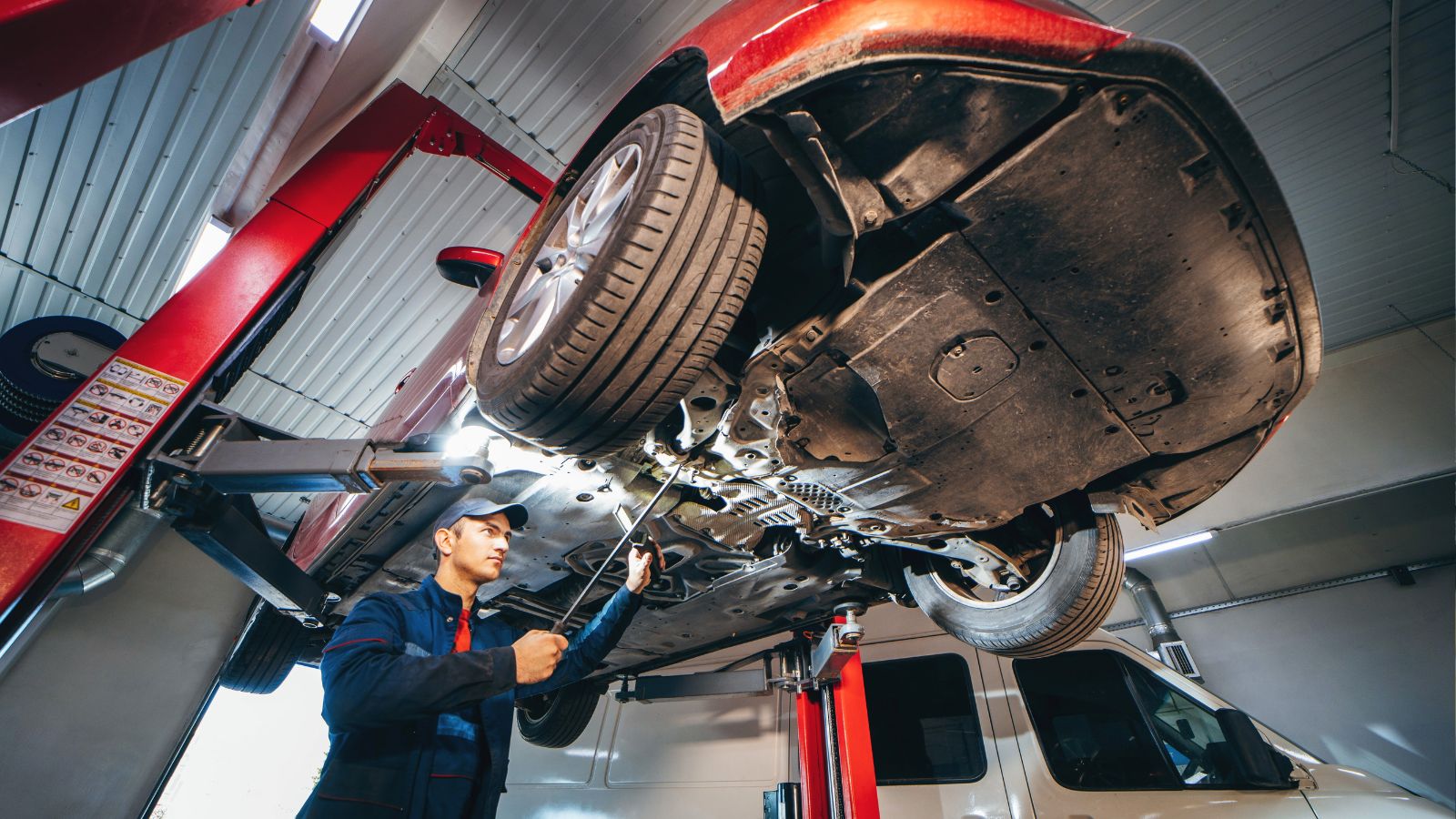
The final sign appears after the mechanical work seems complete. On some vehicles, replacing suspension or steering components—or even performing a wheel alignment—can trigger additional calibration requirements for cameras, radar or steering-angle sensors. The reason is geometry: ADAS systems make decisions based on where the vehicle believes it is pointing and how sensors are oriented relative to that direction.
Requirements vary substantially between makes and models, which is why manufacturer information matters. I-CAR documents vehicles for which wheel alignment, suspension-component replacement or collision repair can require calibration of EyeSight cameras or steering-angle systems. It also notes that numerous manufacturers specify ADAS calibration after certain alignment operations, while others do not require it under the same circumstances. That variability captures the larger change in vehicle repair. A technician can restore the wheels to perfect mechanical alignment and still have unfinished work because the vehicle’s computers need to relearn their reference points. Modern repair increasingly ends with software validation, not the final turn of a wrench.
19 Used Cars Canadians Should Avoid in 2026 (Based on Owner Complaints)

Buying a used car in Canada can feel safe until repair bills start stacking up. Owner complaints tell a different story than glossy listings. Transmission failures, electrical problems, and weak winter reliability show up again and again in consumer reports. Many of these issues appear after warranties expire, when owners least expect them. Some vehicles look affordable upfront, but become expensive to keep on the road. Others struggle in cold weather, urban driving, or long highway commutes. Here are 19 used cars Canadians should avoid in 2026 (based on owner complaints).
19 Used Cars Canadians Should Avoid in 2026 (Based on Owner Complaints)

Alanna Rosen is an experienced content writer that focuses on many EV and educational content. Her articles are regularly published on Get CyberTrucked and syndicated on large publications.