
The first frost can feel harmless compared with a January snowstorm, but it marks an important turning point for Canadian drivers. Cold pavement changes how tires behave, overnight moisture can turn into nearly invisible ice, and batteries, washer systems and other components suddenly have more work to do. A vehicle that seemed perfectly healthy through summer can begin exposing small weaknesses as temperatures fall.
Preparation does not require rebuilding the car for winter in a single weekend. It means dealing with vulnerable systems before freezing mornings expose them at the least convenient moment. These 21 things Canadian drivers should do before the first frost cover tires, visibility, mechanical maintenance, emergency equipment, electric vehicles and the driving habits that become increasingly important as autumn turns into winter.
Book the Winter-Tire Change Before Shops Fill Up
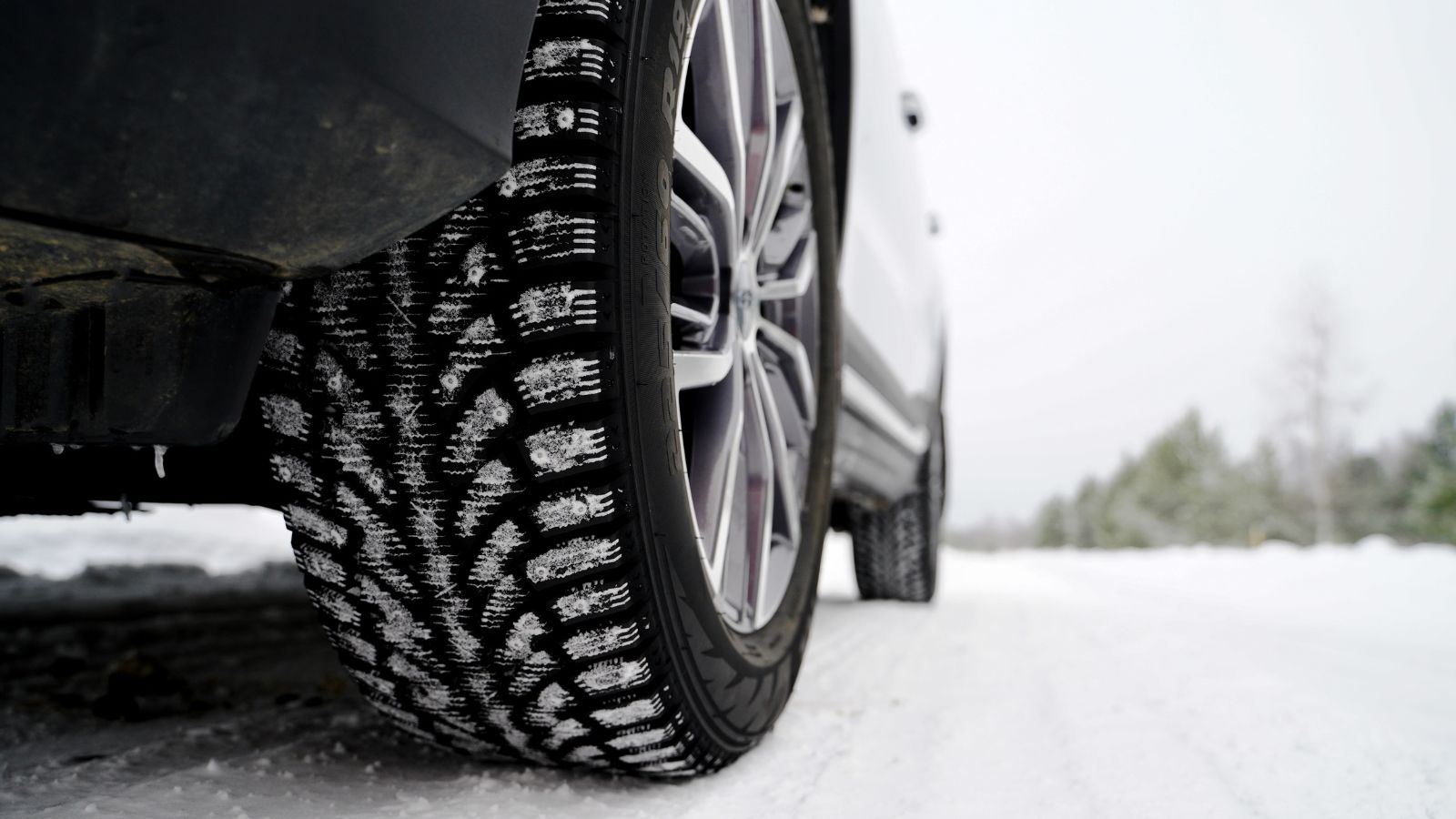
Waiting for the first major snowfall is a common mistake because winter tires are designed for more than deep snow. Transport Canada notes that all-season and summer tires begin losing elasticity below roughly 7°C, reducing their ability to maintain traction. That means a string of cold autumn mornings can justify the switch even when lawns are still green and roads look completely clear. The first frost is therefore better treated as a deadline than a reminder to start thinking about tires.
Booking early also avoids the seasonal scramble that appears when an entire city sees snow in the forecast at once. Canada’s winter-tire adoption rate reached 80 per cent in a 2025 industry survey, meaning tire shops are dealing with a very large seasonal changeover. Drivers who make appointments while daytime temperatures are still moderate can usually choose a more convenient date rather than taking whatever opening remains after the first storm. Earlier installation also protects against those unpredictable October and November mornings when wet pavement becomes icy overnight.
Make Sure the Tires Are Actually Winter-Ready
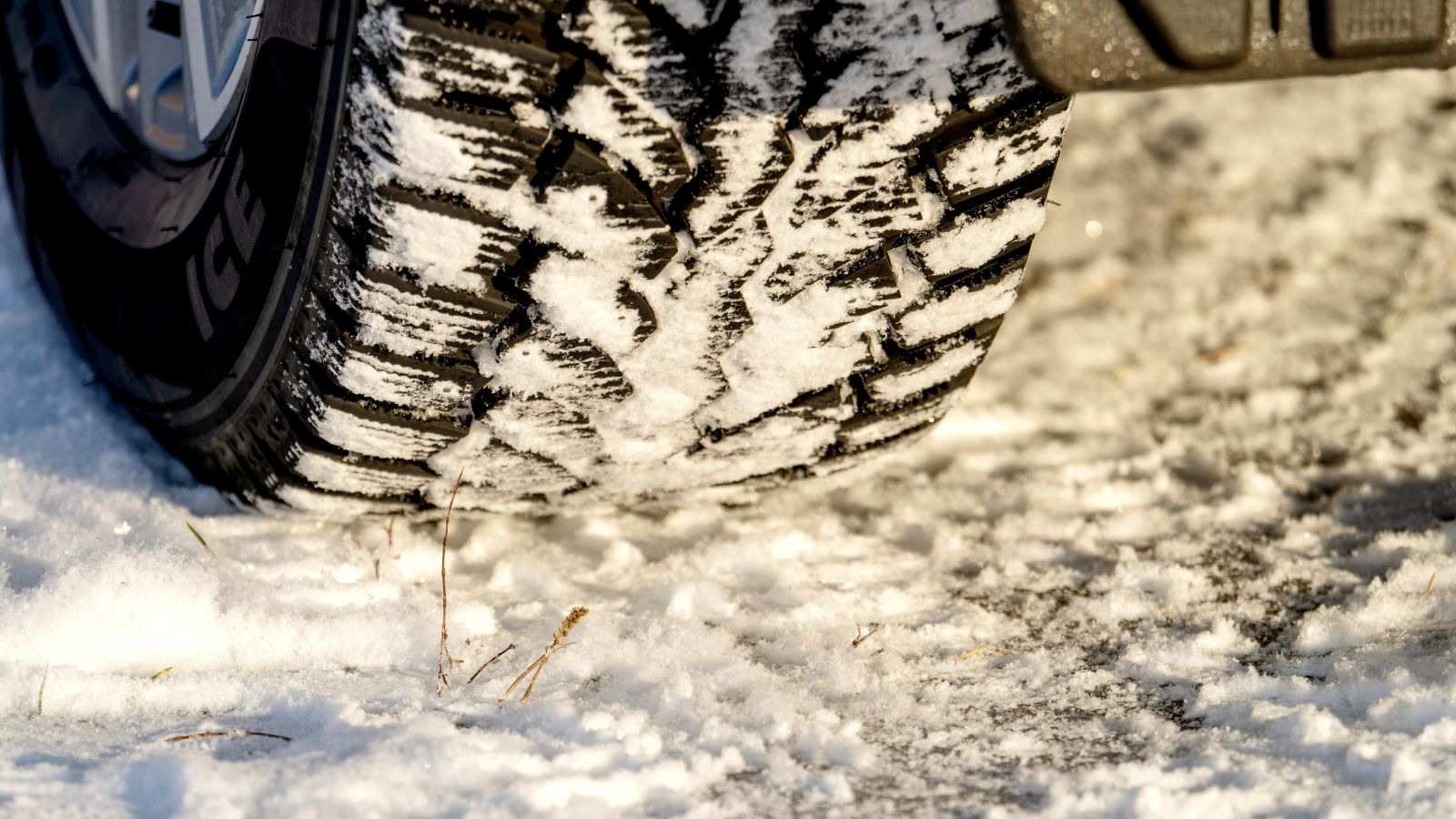
Having a separate set of tires in the garage does not automatically mean the vehicle is properly equipped. Transport Canada recommends winter tires carrying the three-peaked mountain and snowflake symbol for severe winter conditions and advises fitting winter tires on all four wheels. Mixing tire types can create different levels of grip between the front and rear axles, which can make a vehicle less predictable when braking or turning on slippery pavement.
Local rules matter as well. Quebec requires winter tires on most provincially registered passenger vehicles from December 1 through March 15. British Columbia takes a different approach: winter tires or chains are required on most designated routes beginning October 1, with requirements generally lasting through March 31 or April 30 depending on the highway. Drivers crossing provincial boundaries or heading into mountain regions should therefore check the rules for the roads they actually use. A tire setup that is legal for an urban commute may not satisfy the requirements of a weekend highway trip elsewhere.
Measure Tread Depth Before Trusting Last Year’s Set

Winter tires can still look respectable from several metres away while having too little tread for dependable winter service. Transport Canada advises against using winter tires worn close to 4 millimetres of tread depth on snow-covered roads. Deep winter tread is important because its grooves and blocks must manage snow, slush and water rather than merely maintaining contact with dry pavement.
This makes autumn an ideal time to inspect every stored tire before paying to have it mounted. Drivers should look for uneven wear, damage, cracking and differences in tread depth between tires as well as simply measuring the shallowest grooves. Tires that were marginal when removed in spring have not become healthier while sitting in storage. British Columbia, for example, requires at least 3.5 millimetres of tread for a tire to qualify under its passenger-vehicle winter rules. Replacing a questionable set before the rush also gives buyers more time to compare sizes, ratings and prices instead of making a hurried decision after snow arrives.
Reset Tire Pressure for Colder Air
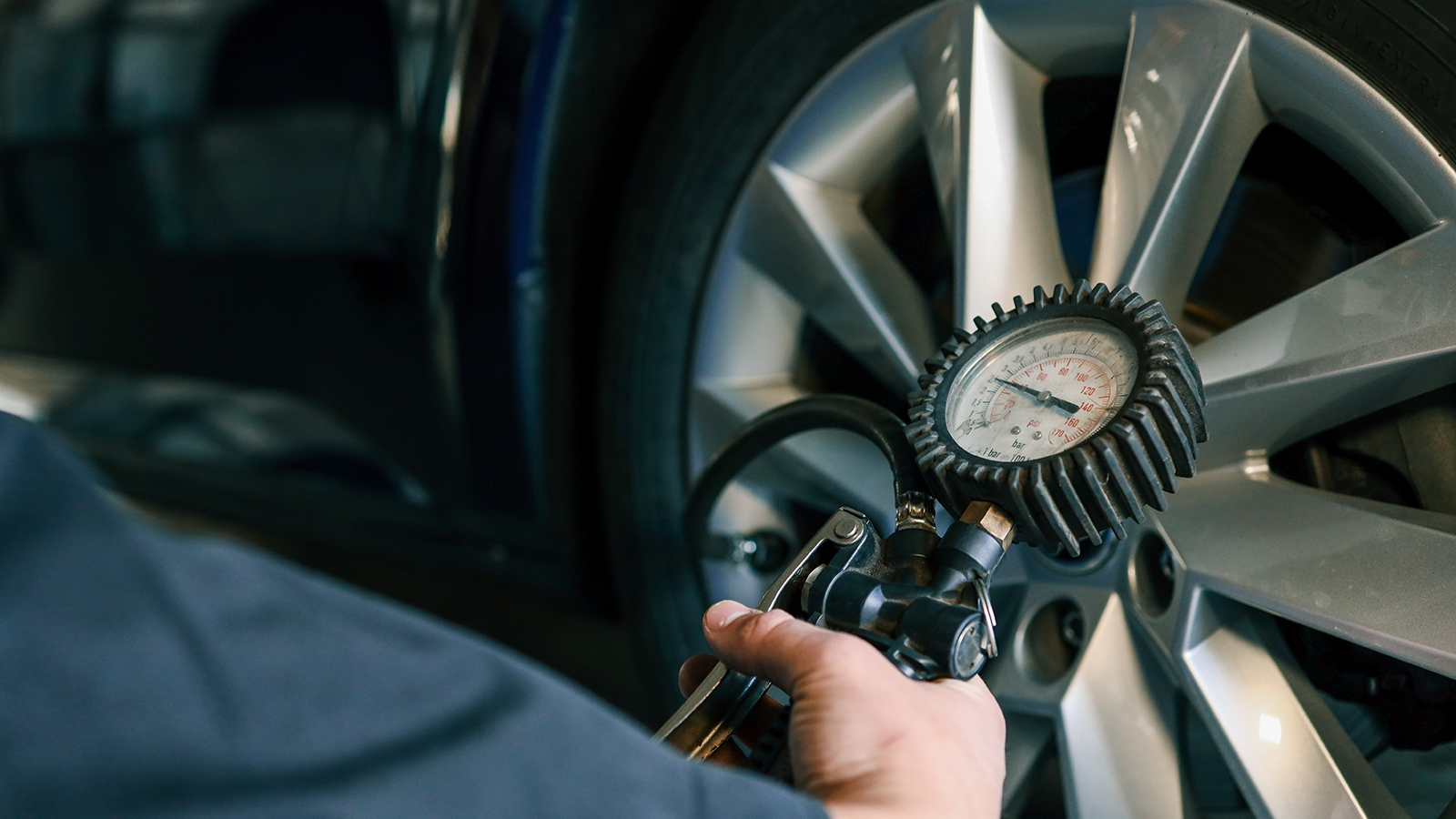
One of the simplest seasonal checks is also one of the easiest to overlook. Tire pressure decreases as temperatures fall, which means a tire that was correctly inflated during warm September weather may be underinflated after a substantial autumn temperature drop. Transport Canada recommends checking tire pressure regularly and doing so when the tires are cold rather than immediately after driving.
The correct target is the vehicle manufacturer’s recommended pressure, normally printed on the tire-information label around the driver’s door opening or listed in the owner’s manual. The number moulded onto the tire sidewall is not the routine inflation target. Natural Resources Canada notes that significant underinflation increases rolling resistance, fuel consumption and tire wear. The spare should be checked at the same time, particularly on vehicles where it has been sitting untouched for years. A five-minute pressure check before cold weather settles in can improve handling, efficiency and the odds that the spare will actually be useful during a roadside problem.
Have the 12-Volt Battery Tested
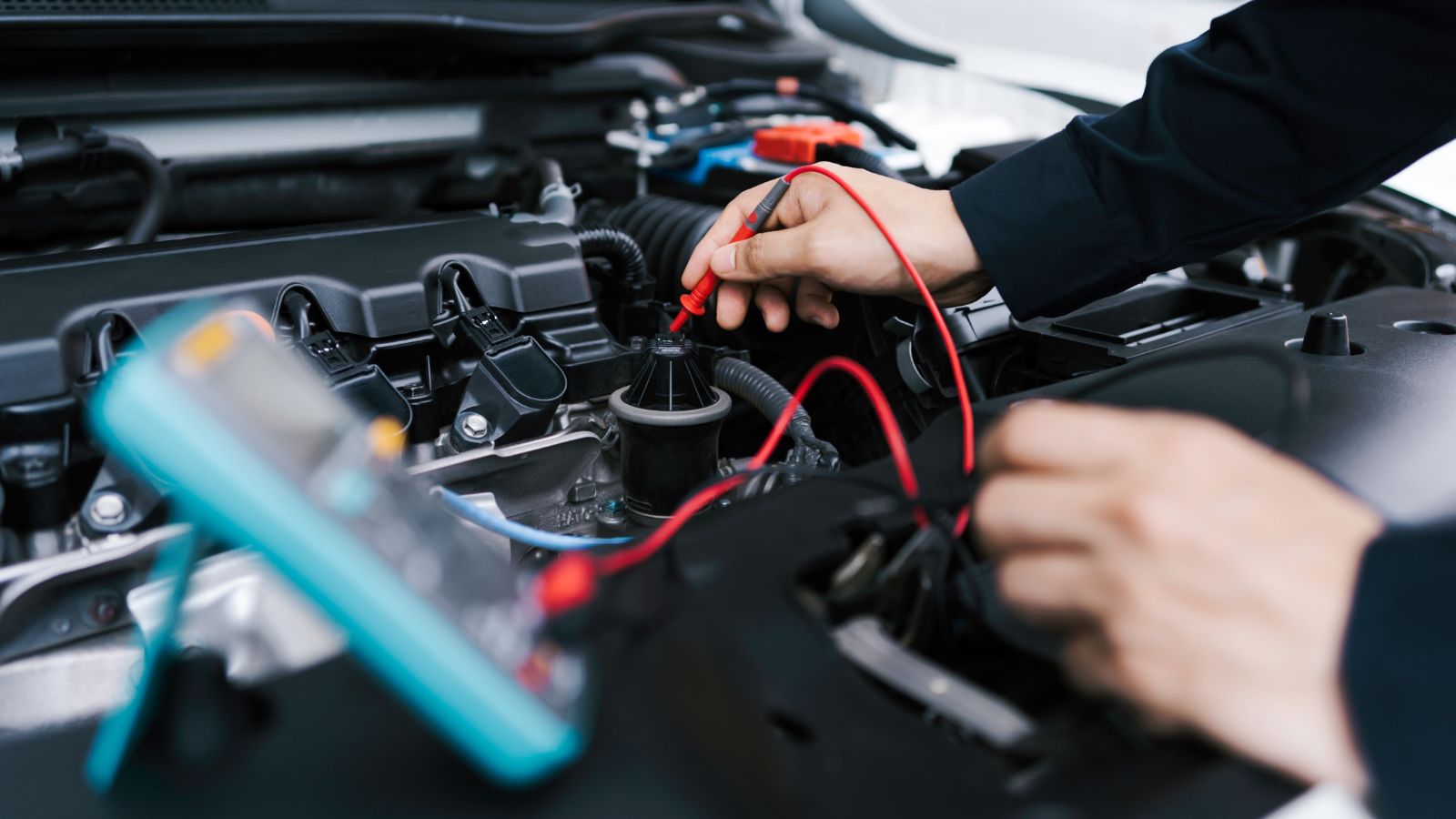
Cold weather often reveals a weak battery that showed few obvious symptoms during summer. Starting an internal-combustion engine demands considerable electrical power, while low temperatures make that task harder. Transport Canada recommends checking battery condition, cleaning the posts, inspecting the charging system and replacing weak batteries before they fail. CAA similarly warns that batteries approaching roughly three to five years of age deserve particular attention before winter.
Drivers should not wait for the first slow, laboured start on a freezing morning. A load or conductance test can provide a clearer picture of battery condition, while visible corrosion, bulging or leakage can indicate additional problems. This advice applies more broadly than many owners realize: hybrids and battery-electric vehicles also typically rely on a separate low-voltage battery to power controls and initialize vehicle systems. The propulsion battery may be enormous, but a failing 12-volt system can still leave a modern vehicle unable to start normally. Testing it early is cheaper and considerably less frustrating than discovering the weakness in a frozen parking lot.
Give the Brakes a Proper Check
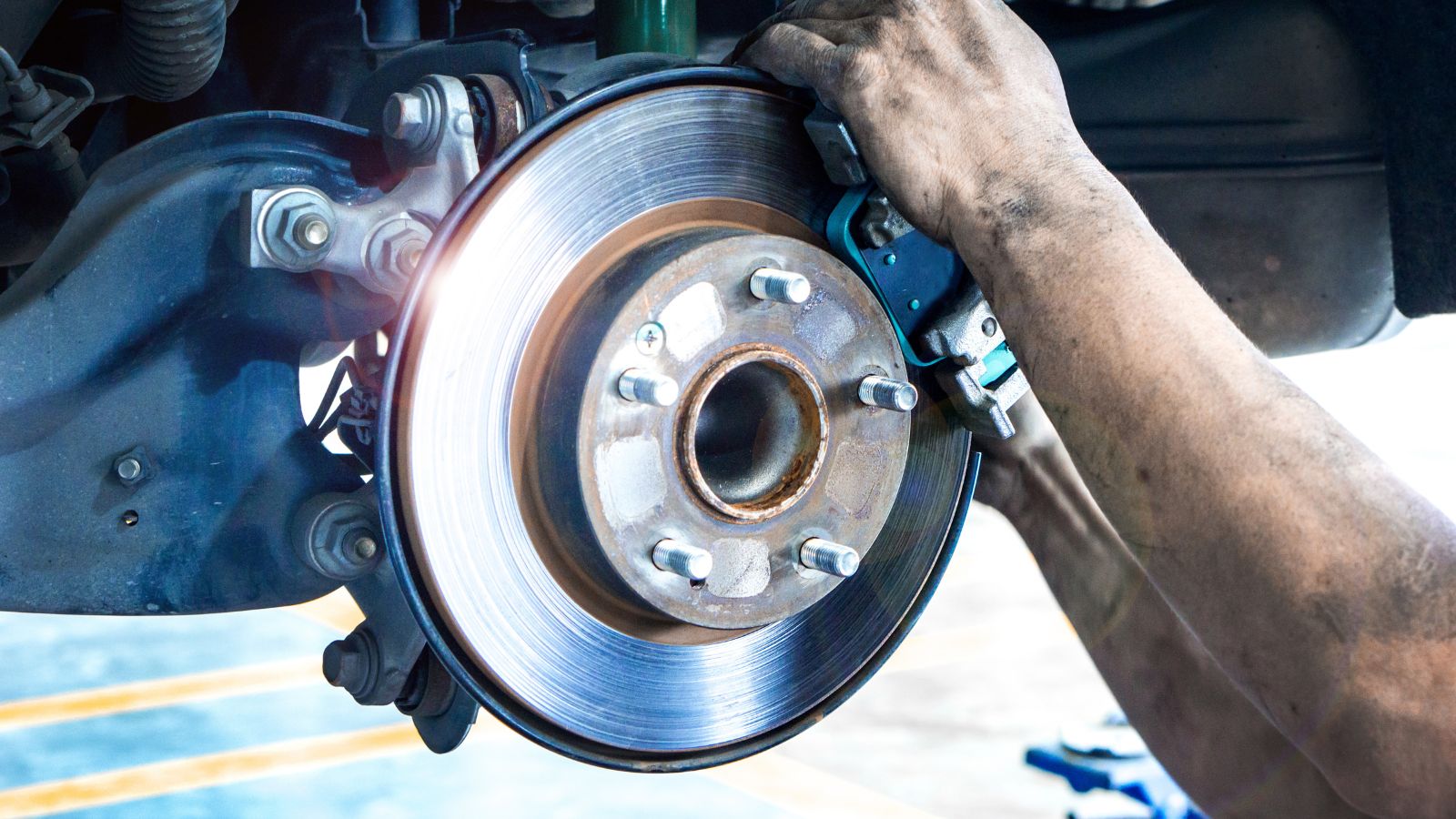
Brakes deserve attention before slippery roads begin demanding more precision from them. Transport Canada recommends a thorough brake inspection as part of winter preparation and identifies pulling, unusual pedal feel, squealing and grinding as possible signs that repair is needed. Those warnings should not be dismissed simply because the vehicle still stops under normal, dry conditions.
Frost and ice reduce available tire grip, so the braking system and tires have to work together within a much smaller margin. Anti-lock brakes and electronic stability control can help manage traction, but neither system can create grip that the tires do not have or compensate for worn mechanical components. Drivers who have noticed vibration, a soft pedal, abnormal sounds or changes in stopping behaviour should have the cause investigated before winter. An inspection can also identify wear that has progressed gradually enough to become familiar to the driver. A vehicle should enter the cold season with its braking system behaving normally, not with a known issue that everyone hopes will survive until spring.
Test the Coolant and Inspect Hoses and Belts
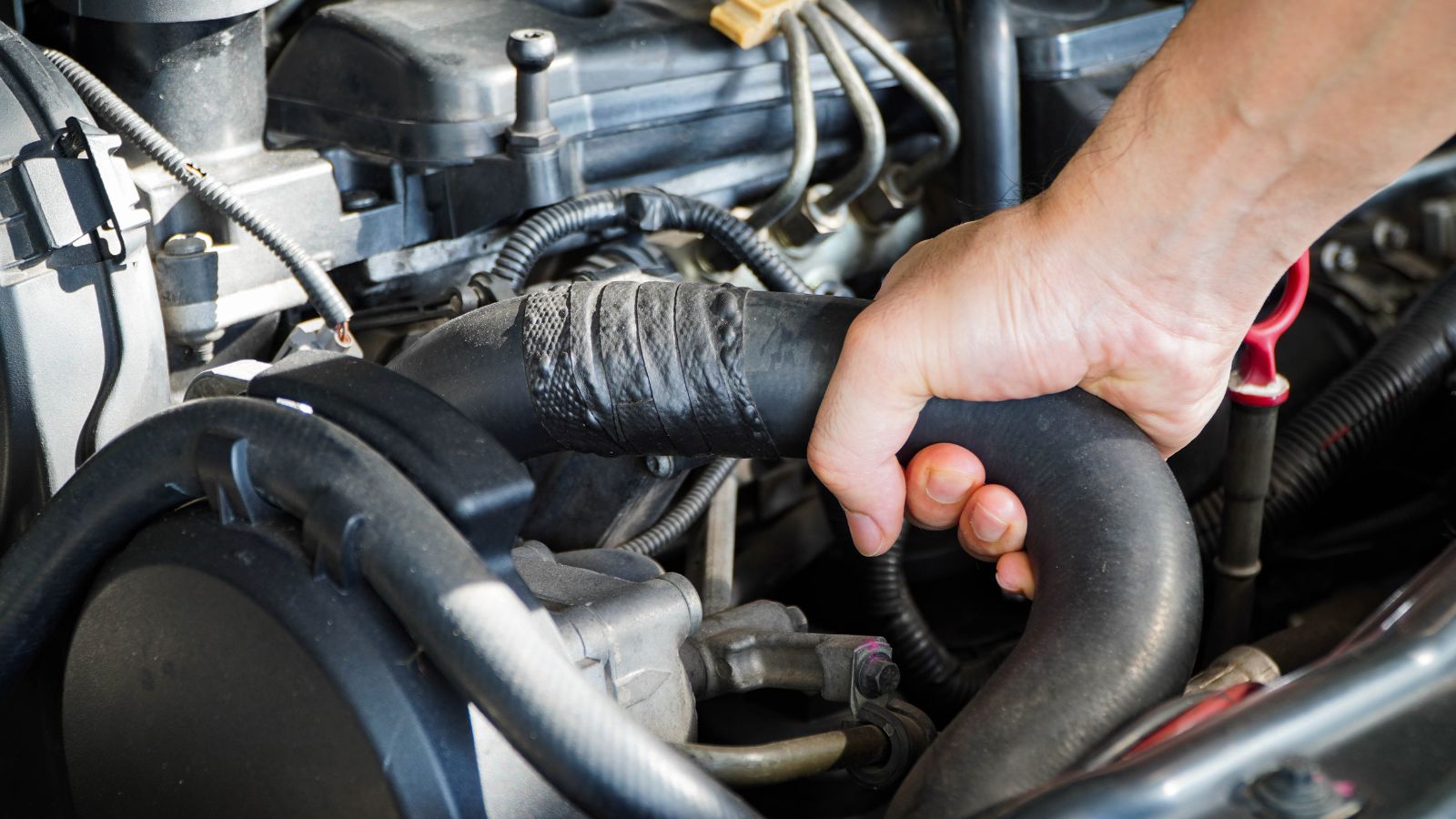
Engine coolant is easy to associate with overheating in July, but the same system is critical during freezing Canadian weather. Transport Canada recommends testing both the level and strength of the coolant or antifreeze before winter. It also advises inspecting radiator hoses and drive belts for cracks or leaks and confirming that components such as the water pump, radiator cap and thermostat are functioning correctly.
The point is not simply to add more liquid to an expansion tank. Coolant needs the appropriate concentration and condition for the vehicle, and different manufacturers may specify different products or service intervals. Owners should therefore follow the maintenance information in the manual rather than choosing a coolant only by colour. A neglected cooling system can also compromise cabin heat and defrosting performance because many conventional vehicles obtain cabin heat from engine coolant. A small leak that was merely inconvenient in warm weather can become far more serious once temperatures fall, making a pre-frost inspection one of the more practical pieces of preventative maintenance.
Make Sure the Heater and Defroster Really Work
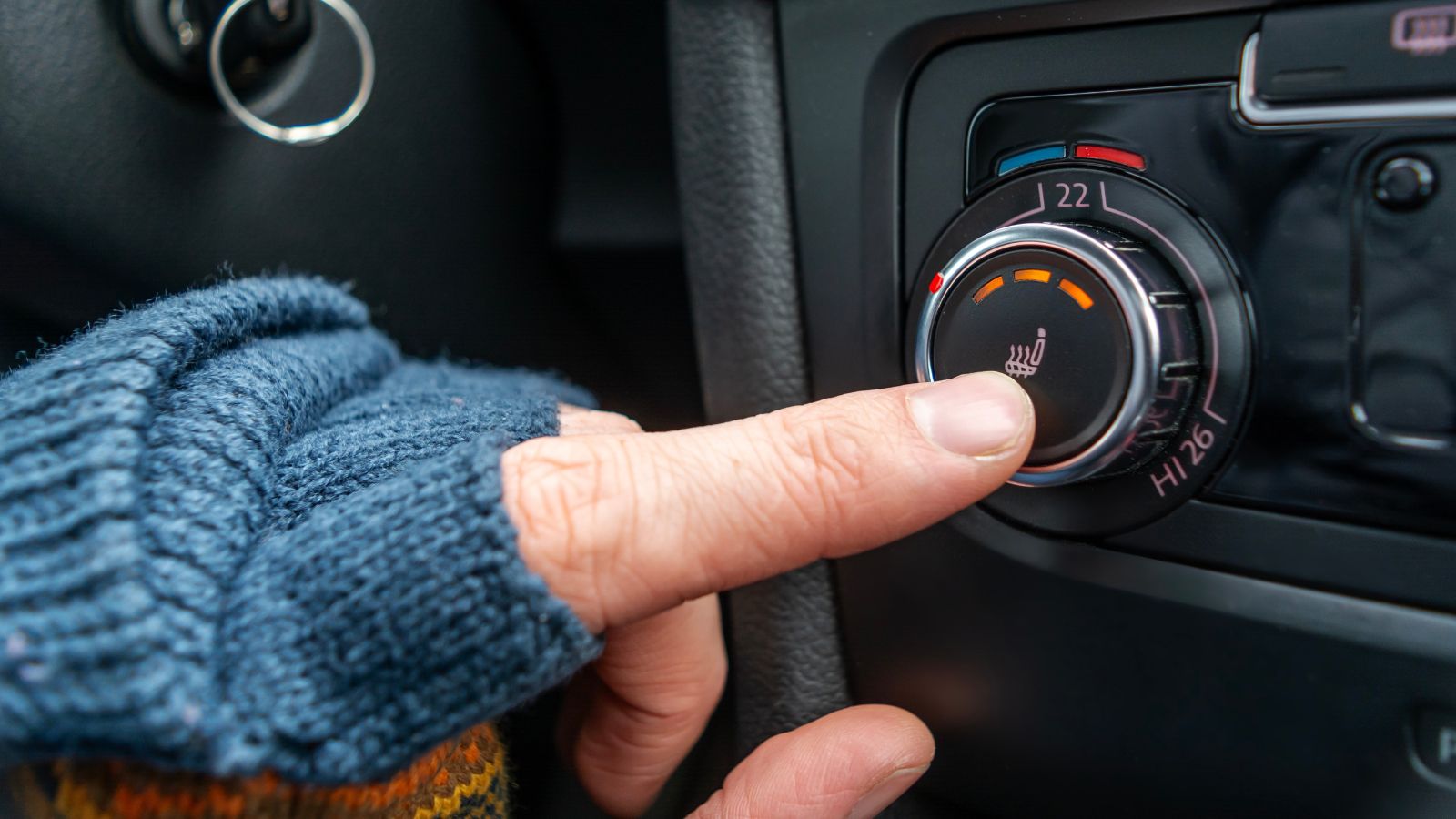
Cabin heat may feel like a comfort feature in early autumn, but the windshield defroster is a visibility system once temperatures approach freezing. Transport Canada specifically recommends confirming that both the heater and defroster operate properly during winter preparation. A weak blower, incorrect air direction or cooling-system problem can become obvious only when the windshield suddenly fogs on a cold, damp morning.
Testing the system before the first frost is simple. Drivers can run the fan through its different speeds, switch airflow to the windshield and make sure warm air arrives where expected. Rear-window defoggers and heated mirrors, where fitted, should also be checked. The goal is to identify a failure while there is still time to repair it rather than while trying to leave for work with glass that will not clear. Visibility deteriorates quickly when moisture condenses on cold windows, and driving with only a small clear patch through the windshield is not a reasonable substitute for a functioning defrost system.
Replace Wiper Blades That Are Already Streaking
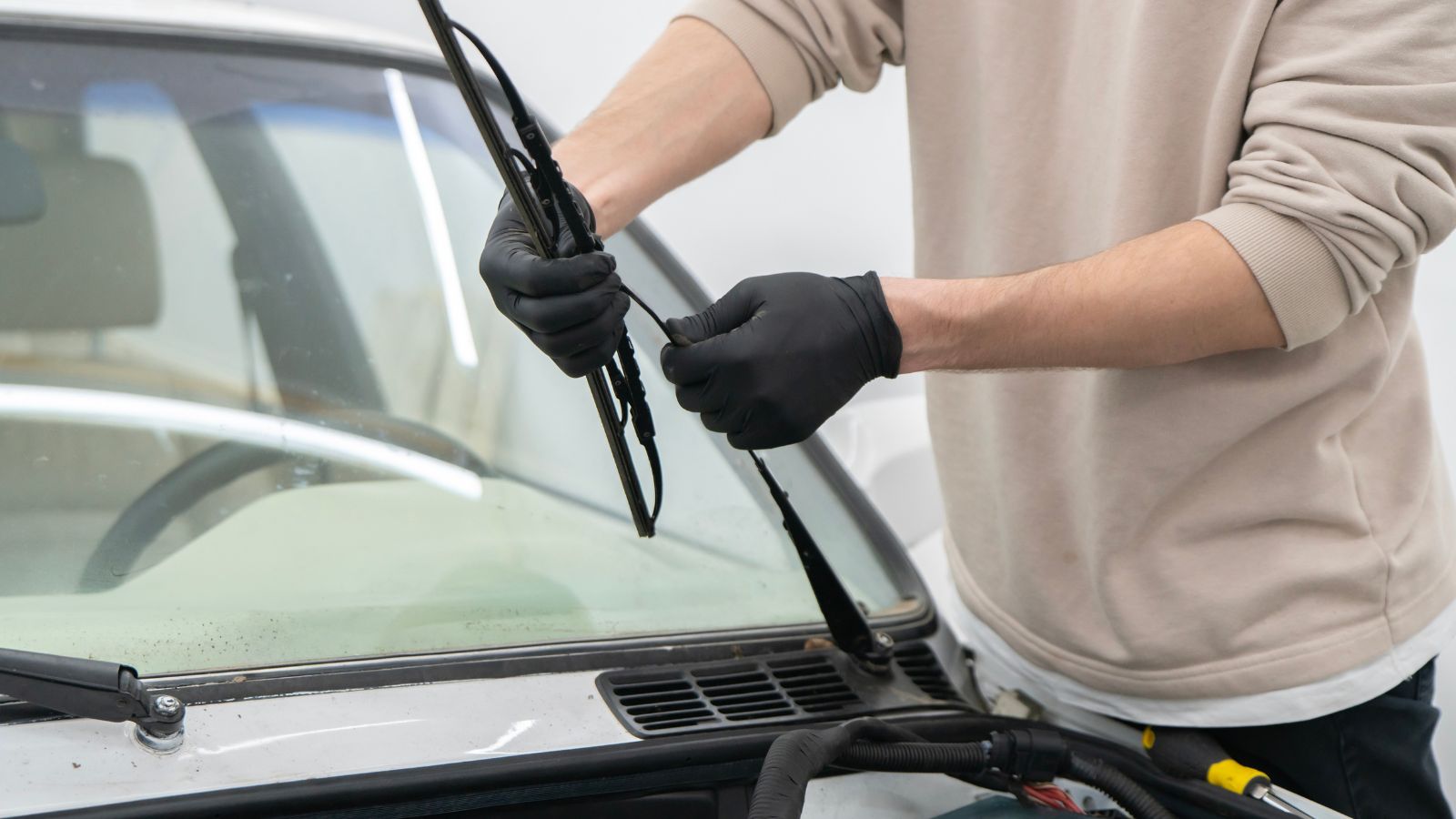
A wiper that merely leaves a faint streak during a September shower can become nearly useless when confronted with freezing rain, salty spray and wet snow. Transport Canada recommends replacing blades that streak and notes that winter-designed wipers can be used for cold-weather service. Rubber deteriorates through age, ultraviolet exposure and repeated movement, so a blade does not need to be visibly broken before its performance becomes poor.
An easy autumn test is to wet the windshield and operate the washers and wipers together. The blades should sweep cleanly without skipping, chattering or leaving large bands of water behind. Drivers should also inspect the rubber for splits or sections pulling away from the frame. Winter road spray can repeatedly coat the windshield within seconds on a busy highway, making dependable wipers far more important than they seemed during summer. Replacing marginal blades before frost arrives also prevents the temptation to use worn wipers against ice, an especially demanding job for components that were already nearing the end of their useful life.
Switch to Proper Winter Washer Fluid
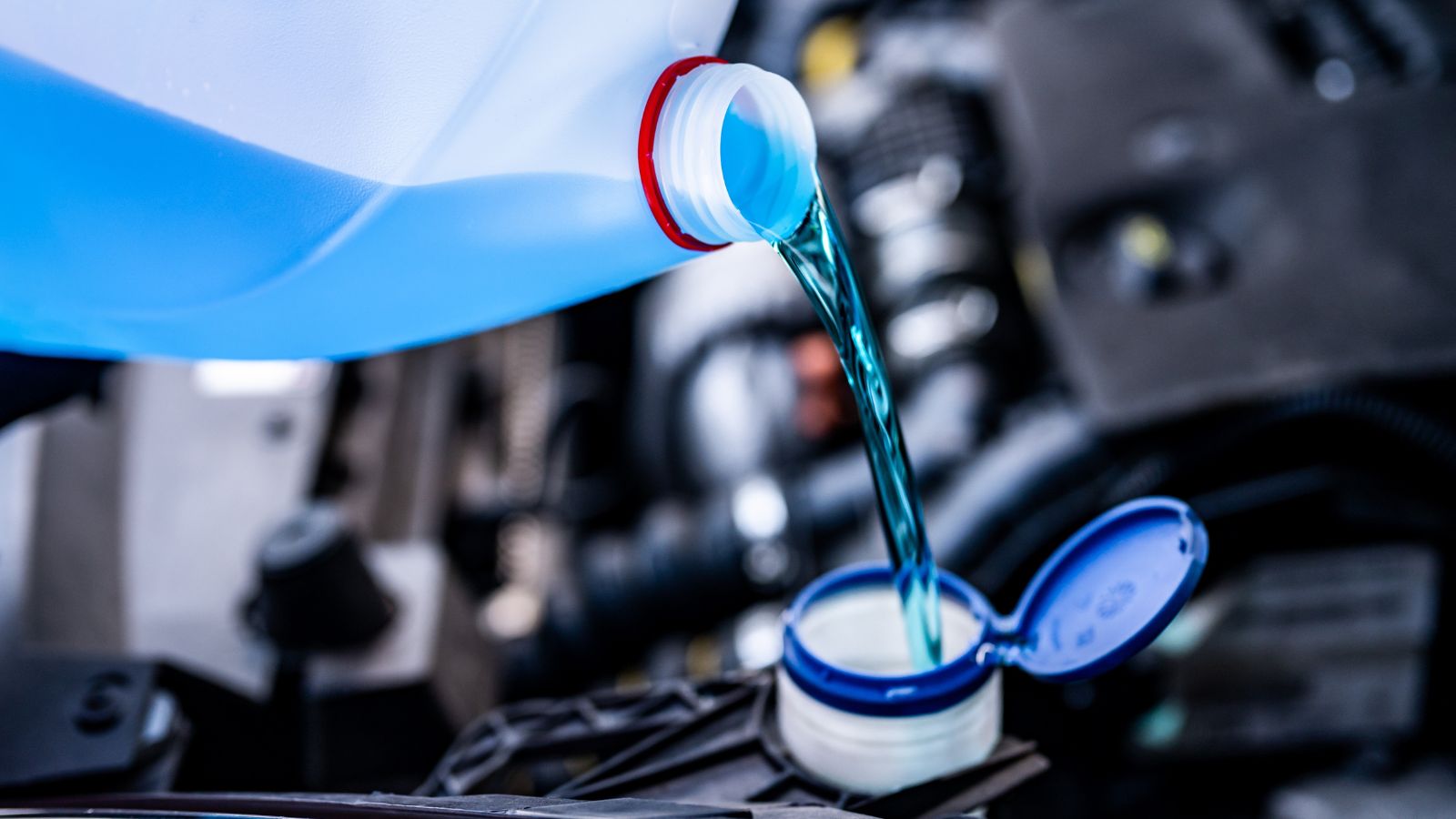
A nearly full reservoir of summer washer fluid can become a liability once temperatures drop below its freeze protection rating. Transport Canada recommends filling the system with winter washer fluid suitable for temperatures around -40°C and carrying an extra jug during winter travel. The exact product selected should match the conditions expected where the vehicle operates.
Autumn is therefore a good time to use up warm-weather fluid and replace it before sustained freezing temperatures arrive. After refilling, operating the washers helps draw the winter mixture into the lines and nozzles instead of leaving weaker fluid trapped throughout the system. This may seem like a minor detail until highway traffic begins throwing salty slush onto the windshield. A functioning washer system can consume fluid surprisingly quickly during a messy winter trip, which explains the recommendation to carry more. The spare container should be secured so it cannot move around the cargo area or leak onto belongings. Visibility is too important to depend on whatever fluid happened to remain from summer.
Check Every Exterior Light

Autumn brings shorter days at the same time that rain, fog, frost and road spray make vehicles harder to see. Transport Canada recommends checking that all exterior lights work and that the headlights are properly aimed. Some newer vehicles use automatic headlamp-levelling systems, making professional inspection appropriate when their alignment appears wrong.
A pre-frost walkaround should include low beams, high beams, brake lamps, turn signals, hazard lights, licence-plate illumination and any other required exterior lighting. Clouded or dirty lenses deserve attention because the light itself is only useful when it can reach the road and other drivers. Owners should also understand how their vehicle’s automatic lighting system behaves; daytime running lights do not necessarily mean all rear lamps are illuminated in poor weather. Transport Canada advises using the full lighting system when visibility deteriorates. Discovering a failed bulb or lighting fault in the driveway is much easier than discovering it during the first dark, wet commute of the cold season.
Have the Exhaust System Inspected
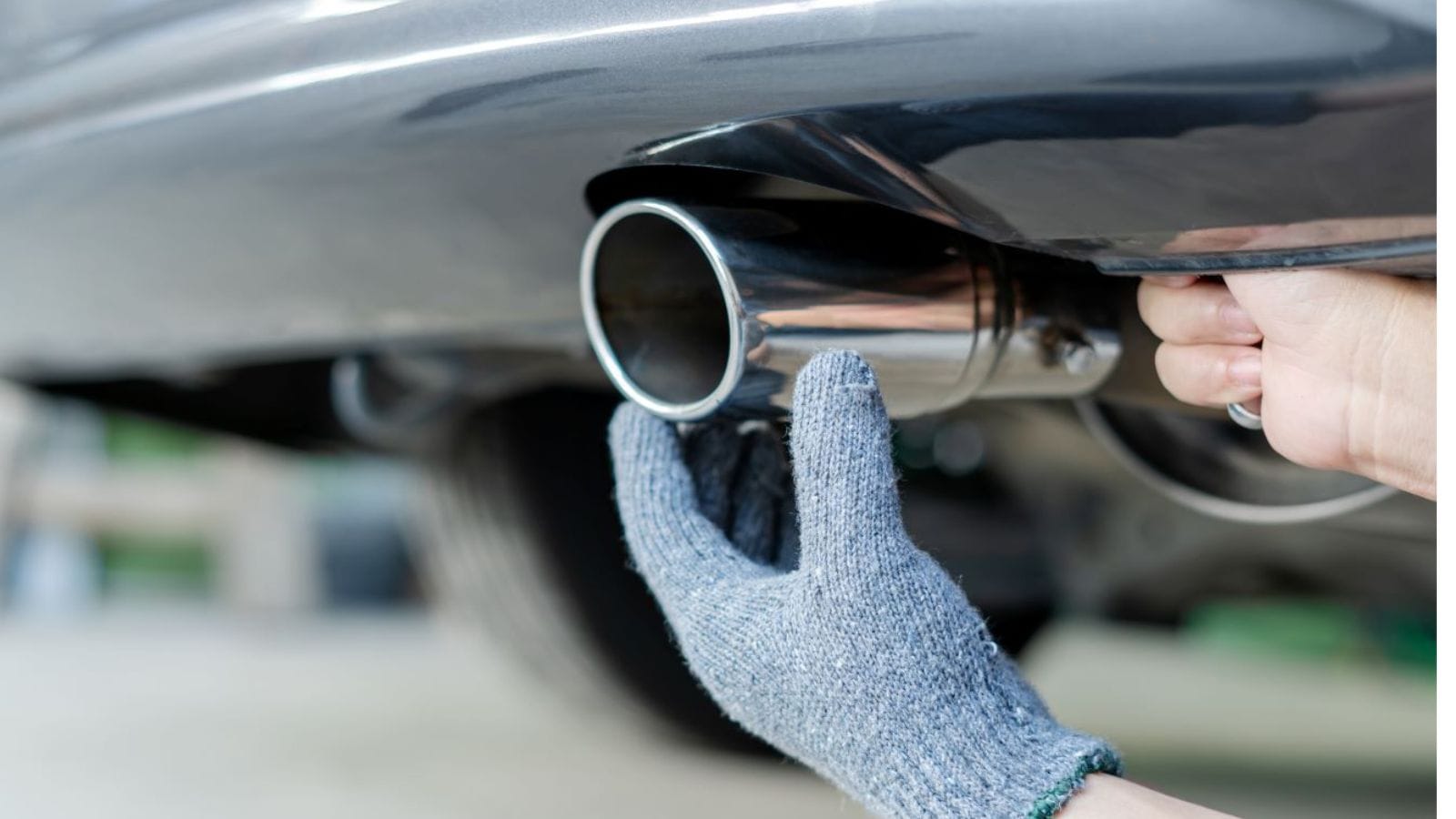
An exhaust leak is undesirable at any time of year, but winter conditions give it another safety dimension. Transport Canada includes the exhaust system in its winter inspection recommendations because leaks can allow deadly carbon monoxide to enter the passenger compartment. Cold weather also means vehicles spend more time with their windows closed and their heating systems running.
Drivers who hear a new exhaust noise, notice fumes, or know that corrosion has affected pipes or mufflers should have the system inspected rather than postponing the repair. The underside of a vehicle lives a hard life in Canada, where moisture, salt and repeated heating and cooling can take a toll over time. Winter emergency guidance also stresses keeping the tailpipe free of snow if a vehicle becomes stranded, because a blocked exhaust can create another route for carbon monoxide exposure. Checking the system before frost is therefore not merely about noise or emissions; it removes one preventable hazard before the season when people are most likely to sit inside a closed vehicle for warmth.
Put Frost-and-Snow Tools Back in the Car
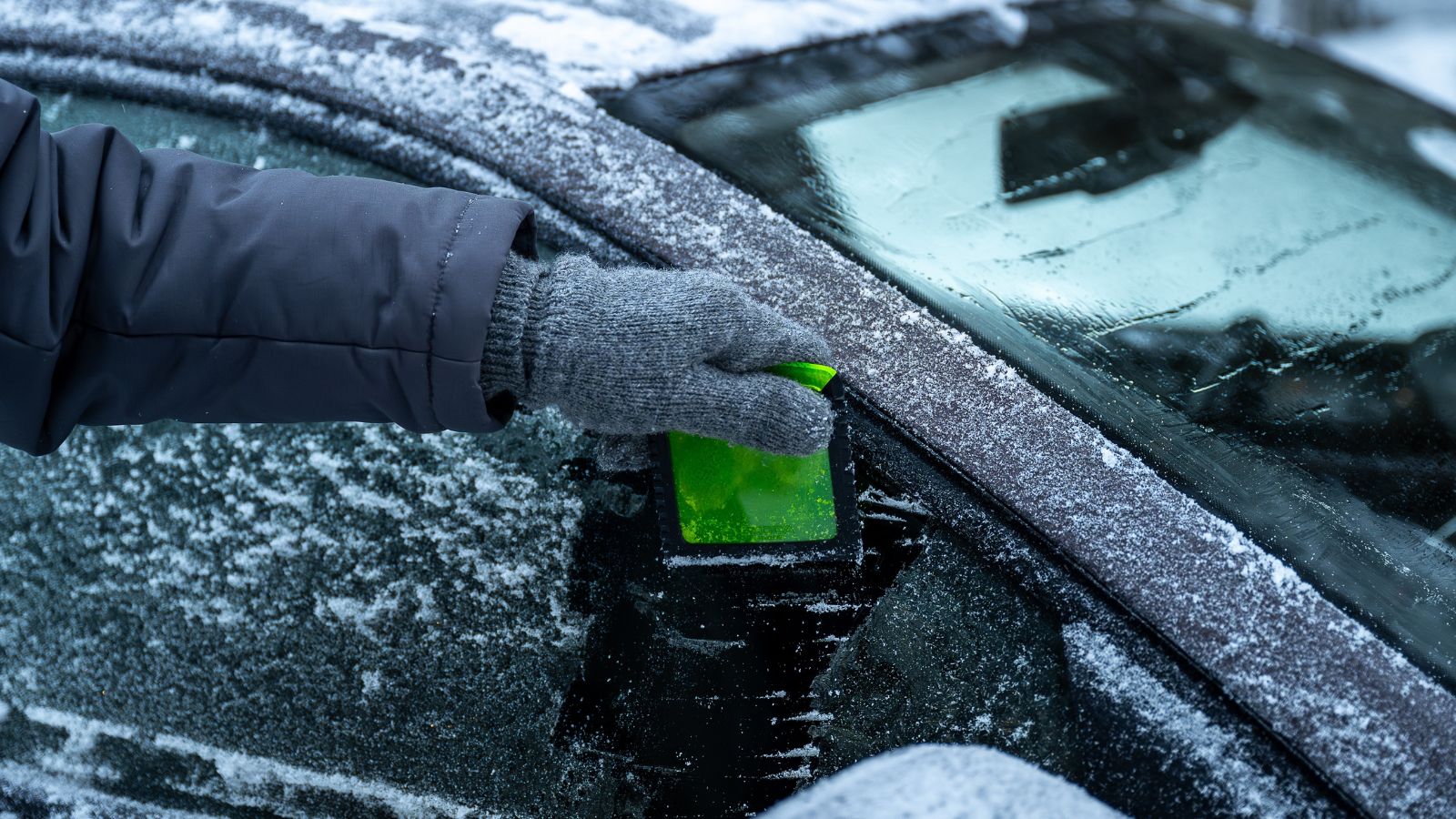
The scraper that spent summer somewhere in the garage becomes surprisingly valuable on the first frozen morning. Transport Canada recommends keeping an ice scraper and snow brush in the vehicle and includes items such as a shovel, traction mats and sand or non-clumping kitty litter among useful winter supplies. Waiting until after an overnight freeze to gather these items defeats the purpose of preparation.
Drivers should place the scraper somewhere accessible rather than underneath a trunk full of luggage. A sturdy brush makes it possible to clear more than a small viewing hole in the windshield once snow begins falling. Traction material and a compact shovel become more useful later in the season, but there is little downside to loading them early. The first frost is a convenient seasonal trigger: summer cargo comes out, winter equipment goes in. Transport Canada also advises clearing frost and fog from all windows before driving and removing accumulated snow from areas including the roof, hood and lights once snowy conditions begin.
Build a Real Winter Emergency Kit
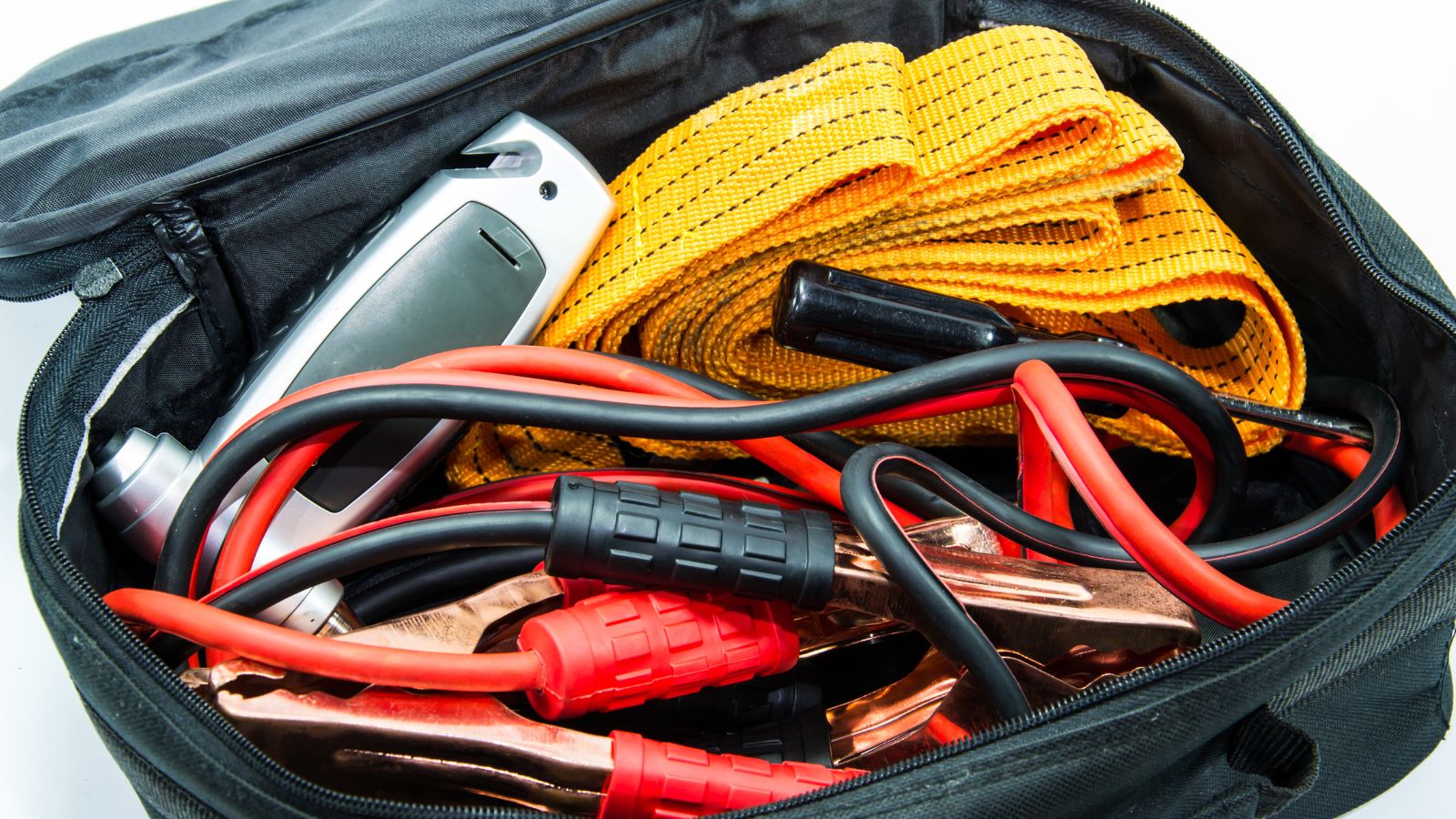
A winter emergency kit should amount to more than an old flashlight and a pair of gloves. Federal emergency-preparedness guidance recommends items including non-perishable food, water in plastic bottles, a blanket, extra clothing and footwear, first-aid supplies, a scraper, snow brush, shovel, flashlight, whistle, jumper cables, traction material and warning equipment. Transport Canada lists many of the same essentials.
The first frost is a sensible time to inspect an existing kit rather than simply assuming last winter’s supplies are still usable. Batteries can discharge, food can expire, water should be refreshed, clothing may have been removed and never returned, and a flashlight that worked in March may not work in November. Drivers should tailor the kit to the trips they actually make. Someone regularly travelling remote northern highways needs greater reserves than a person making short urban trips, but even city traffic can be immobilized by a major storm. Preparation matters most when a routine 30-minute drive unexpectedly becomes several hours in a cold vehicle.
Prepare a Reliable Way to Keep the Phone Charged
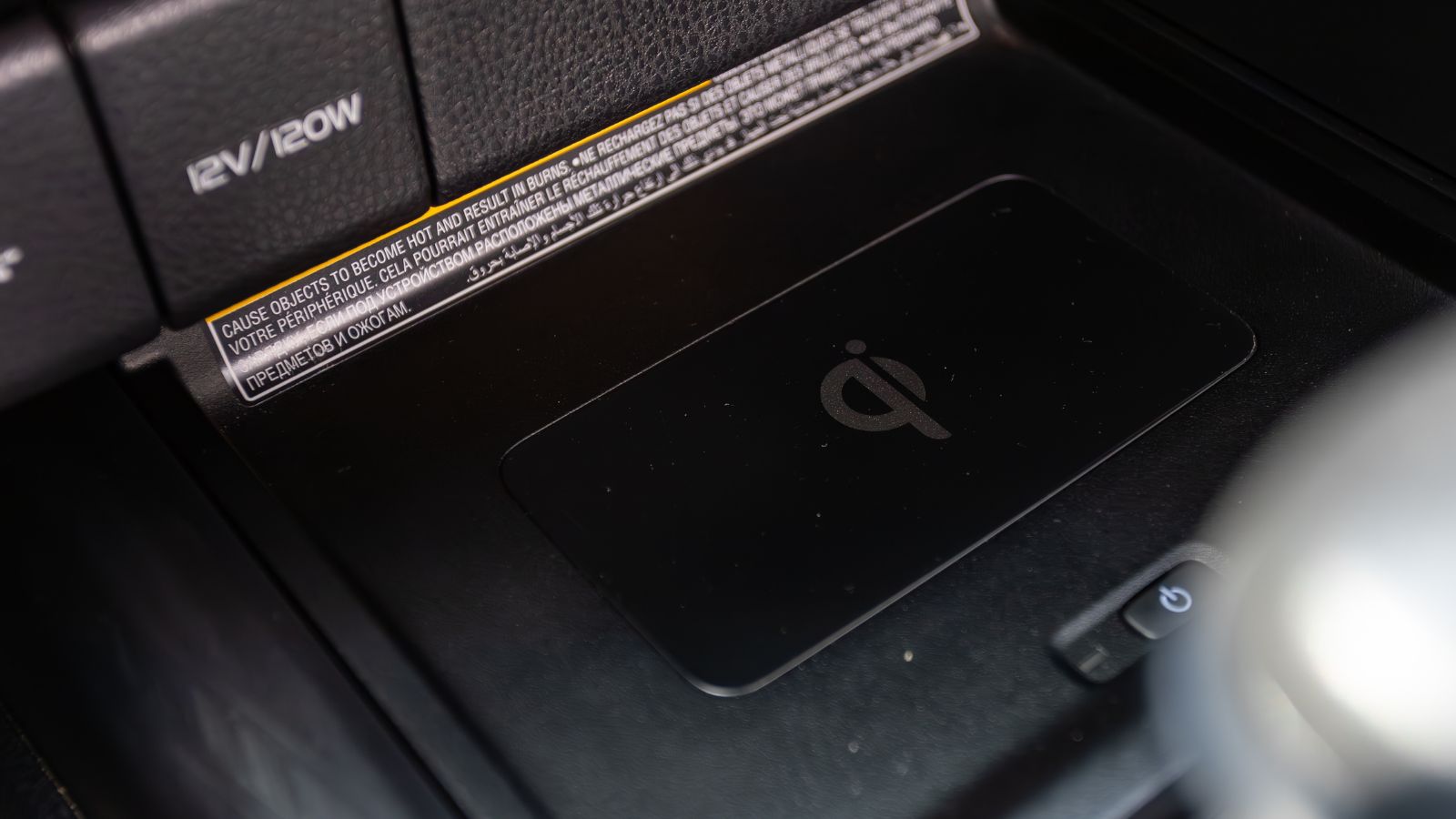
A smartphone has become an emergency communications device, navigation system, weather source and road-condition tool all at once. Transport Canada recommends starting winter trips with a fully charged phone, keeping a charging cable in the vehicle and considering a separate battery pack on longer journeys. Those precautions are most useful when established before bad weather begins.
Drivers should confirm that the vehicle’s charging port actually works with the cable stored in the cabin. A cable that fits an old phone is not much help after a device upgrade, while some USB ports provide very little power. A portable battery pack should also be recharged periodically rather than being forgotten in the glovebox for months. Remote travel deserves additional planning because cell coverage is not universal; Parks Canada, for example, warns that some mountain routes have unreliable or nonexistent service. The phone is therefore part of an emergency plan, not the entire plan, but ensuring it can stay powered remains one of the easiest pieces of preparation.
Check the Block Heater Before It Is Needed
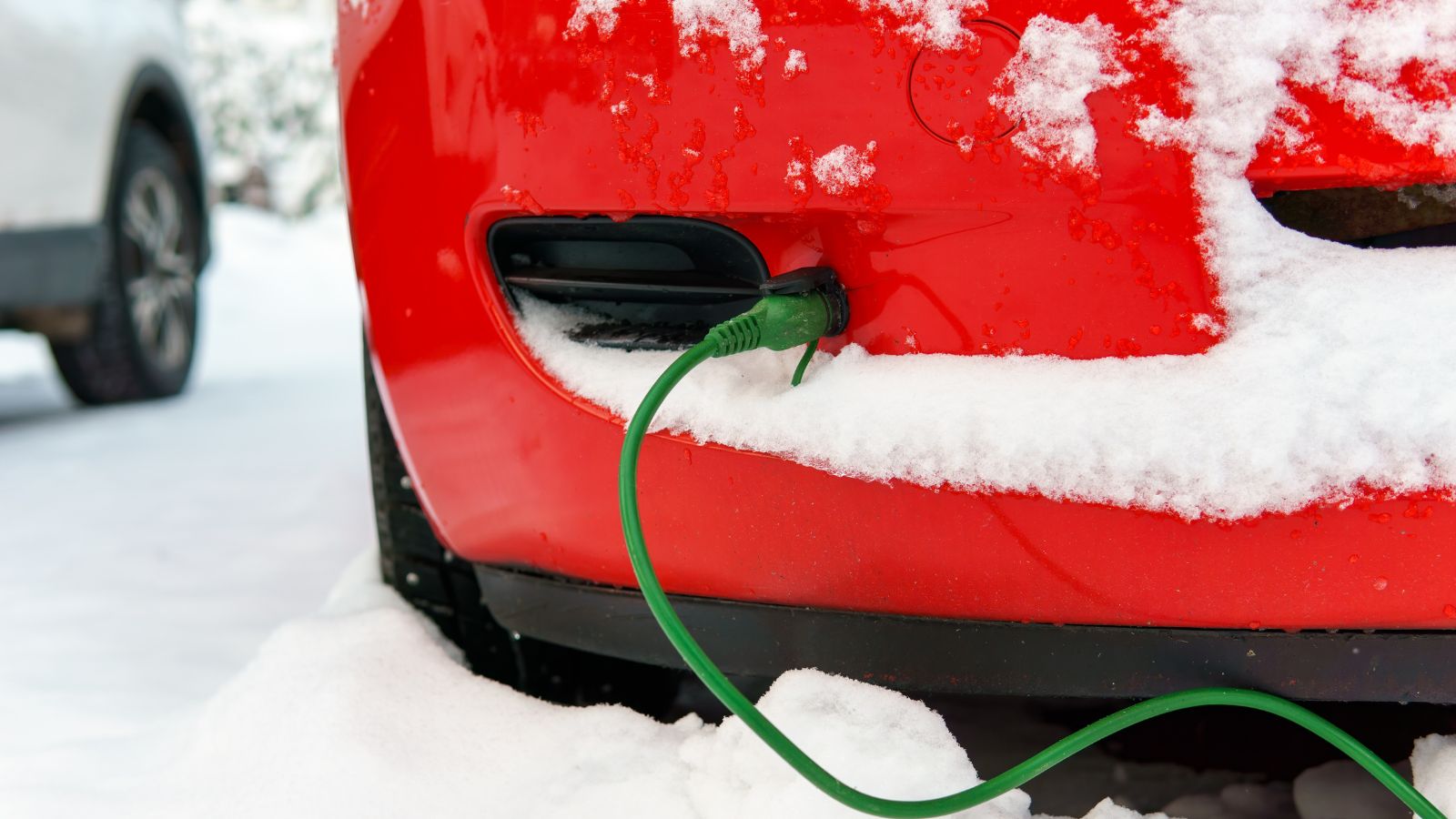
Drivers with internal-combustion vehicles equipped with block heaters should inspect the cord and confirm the system works before deep cold arrives. Natural Resources Canada says a block heater can help an engine start more easily and reach operating temperature sooner. Its guidance recommends using a timer rather than leaving the heater energized all night, with approximately two hours of preheating sufficient in its general efficiency advice.
This is an especially useful check for drivers who have not seen the cord since spring. Damage to plugs, extensions or wiring should not be ignored, and electrical equipment should be used according to the manufacturer’s directions. Regional recommendations can vary with temperature; Prairie utilities, for example, may recommend longer heater operation during particularly severe cold. The broader point is to make sure the equipment is functional before the morning it becomes important. Testing it during mild weather also eliminates the classic winter scene of discovering a damaged cord while kneeling beside a frozen vehicle in darkness before work.
Prepare EVs and PHEVs for the Range Hit
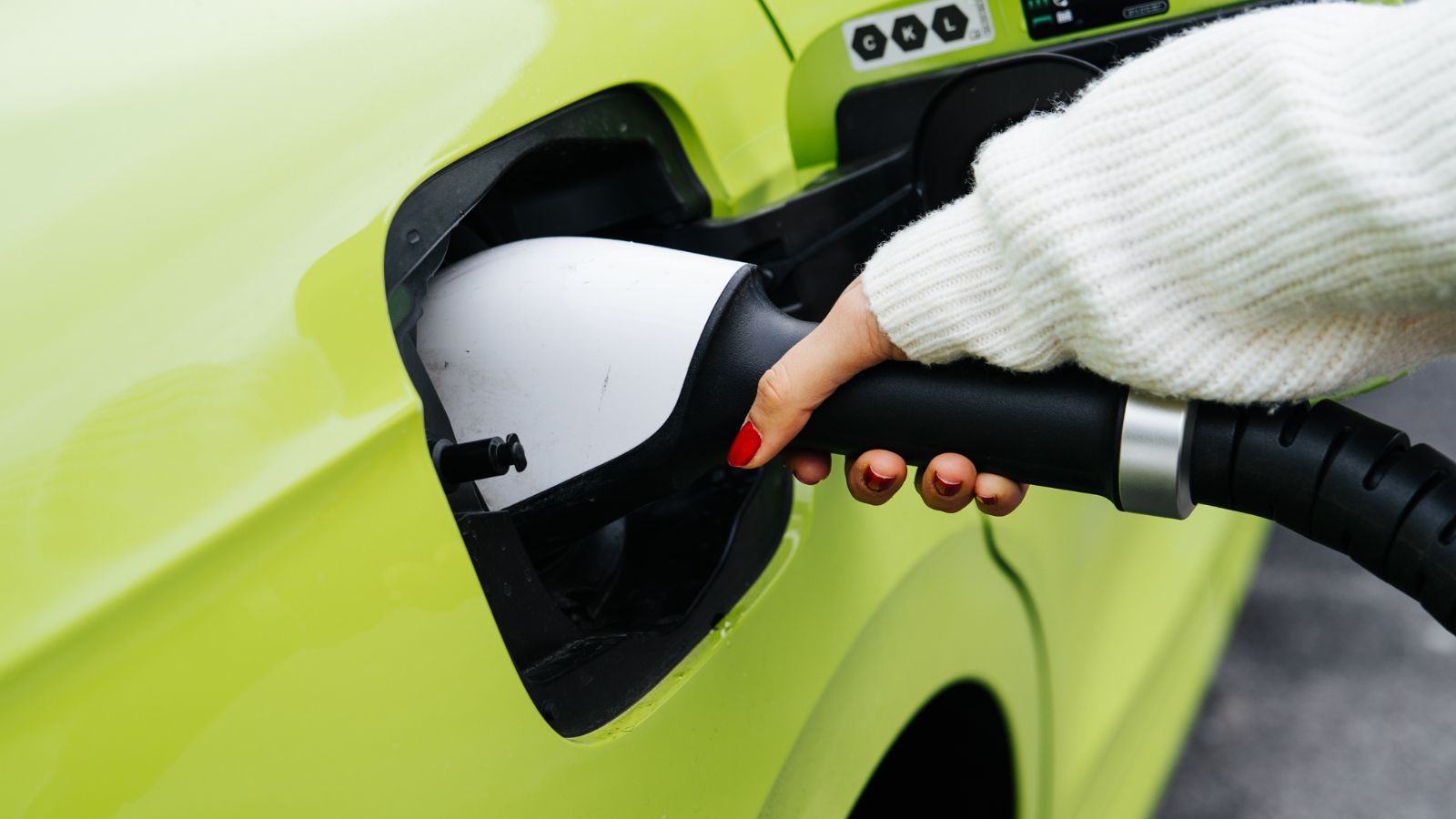
Electric vehicles need different cold-weather preparation, not an exemption from preparation. Natural Resources Canada states that an EV can lose roughly 25 to 30 per cent of its driving range in extreme cold, although the effect varies considerably with temperature, vehicle design, heating demand and driving conditions. Cold weather can also slow charging and increase the energy needed to heat the cabin and battery.
Before winter, owners should become familiar with their vehicle’s preconditioning settings and charging schedule. Preheating the cabin and, where the vehicle supports it, conditioning the battery while connected to external power can preserve more stored energy for driving. Tire pressure deserves particular attention because colder temperatures lower pressure and increased rolling resistance consumes additional energy. Drivers planning longer winter journeys should also identify charging alternatives rather than assuming warm-weather range figures will remain unchanged. The practical lesson is not that EVs cannot handle a Canadian winter; it is that the usable energy margin changes, and trip planning should change with it.
Keep More Fuel or Charge in Reserve
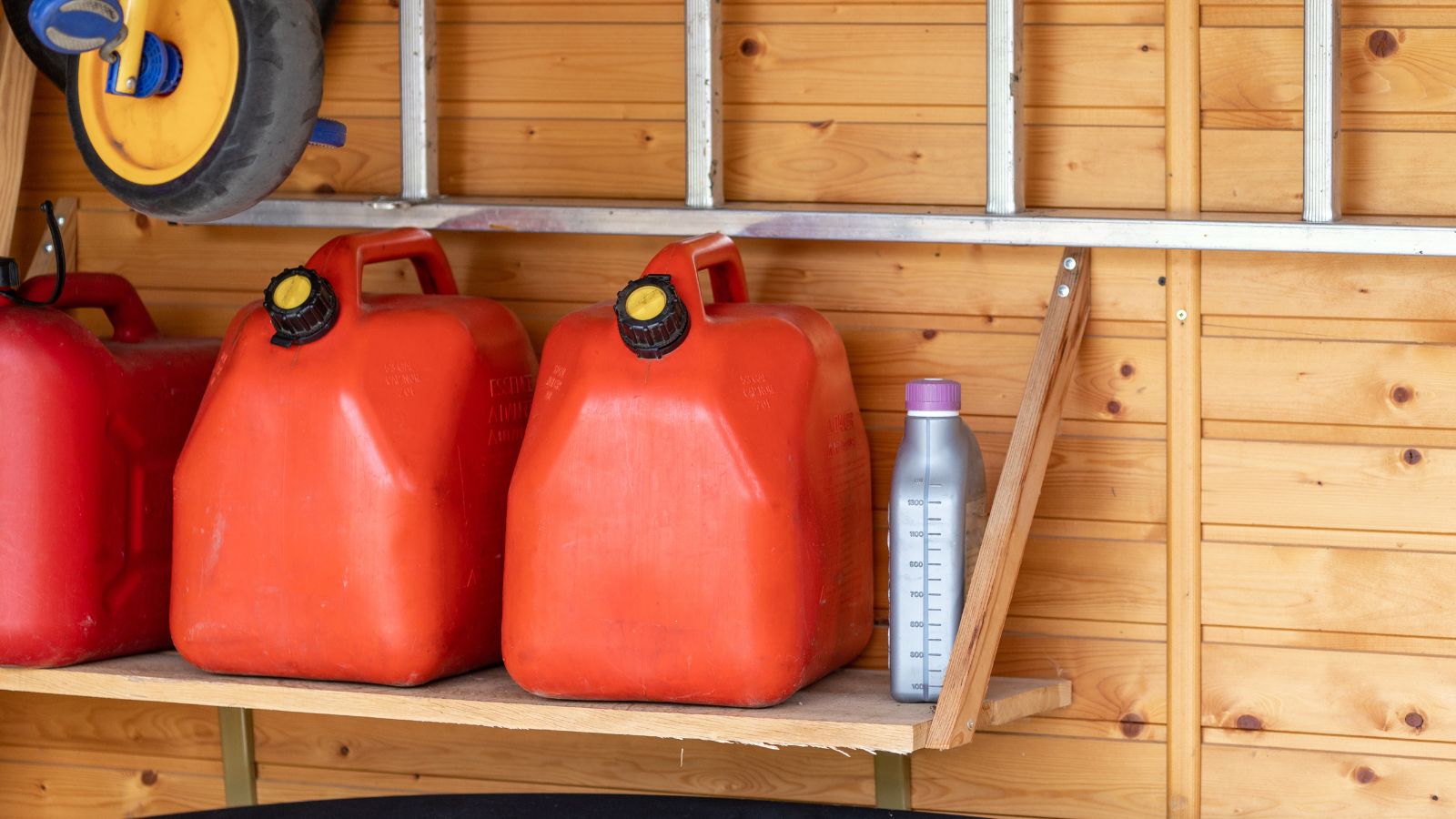
Running close to empty may be manageable on a mild summer commute, but winter leaves less room for delays, detours and unexpected stops. Transport Canada recommends keeping the fuel tank at least half full for winter travel and ensuring an electric vehicle has enough range for unplanned events. Federal cold-weather guidance similarly advises keeping a gas tank full when extreme cold is forecast, while British Columbia’s preparedness guidance recommends maintaining at least half a tank or roughly half an EV charge.
That reserve becomes valuable when a collision closes a highway, a storm slows traffic to a crawl or a planned charging stop becomes inaccessible. It also reduces the pressure to make an unnecessary stop during deteriorating weather. EV drivers should remember that cold can increase consumption, while combustion vehicles can also use more fuel in winter because of cold starts, winter fuel blends, added electrical loads and poor road conditions. The first frost is a good point to abandon the summer habit of routinely arriving home near empty.
Set Up Weather and Road-Condition Tools

The vehicle can be perfectly prepared while the planned road is not. Transport Canada recommends checking forecasts and notes that provinces and territories offer traveller-information systems, including 511 services, covering road conditions and other winter information. Ontario 511, for example, reports road and visibility conditions during the winter season and provides tools for examining forecast driving conditions.
Rather than trying to find those resources during a storm, drivers can bookmark the official service for their province and learn how it works before the temperature falls. People travelling between provinces should save more than one source. Weather alerts also deserve attention because freezing rain, flash freezes and rapid temperature changes can transform conditions faster than ordinary snowfall. Environment and Climate Change Canada warns that significant ice events can cause travel delays and collisions. A two-minute forecast check before leaving home can therefore change a departure time, route or decision to travel altogether. Winter preparedness includes knowing when the safest use of a prepared vehicle is leaving it parked.
Learn What Driver-Assist Systems May Lose in Winter

Modern vehicles can create confidence with automatic emergency braking, lane-keeping systems, blind-spot monitoring and other driver-assistance features. Winter is a reminder that these systems have operating limits. Transport Canada warns that snow and ice can affect driver-assistance technologies and that they may not work correctly in poor winter weather. Testing conducted by the department has also found degraded performance when snow or ice interferes with targets or vehicle sensors.
Before frost season, owners should locate the cameras, radar units and other sensors used by their particular vehicle and read the relevant section of the owner’s manual. Ice, slush and road grime should be removed carefully when they obstruct those areas. Drivers should also understand what happens when a feature becomes unavailable, because the dashboard may show a warning rather than a mechanical failure. Technologies such as automatic emergency braking remain valuable aids, but Transport Canada explicitly cautions against depending on them to prevent collisions under every weather and road condition. Winter still requires an attentive driver.
Rehearse the First-Frost Morning Routine
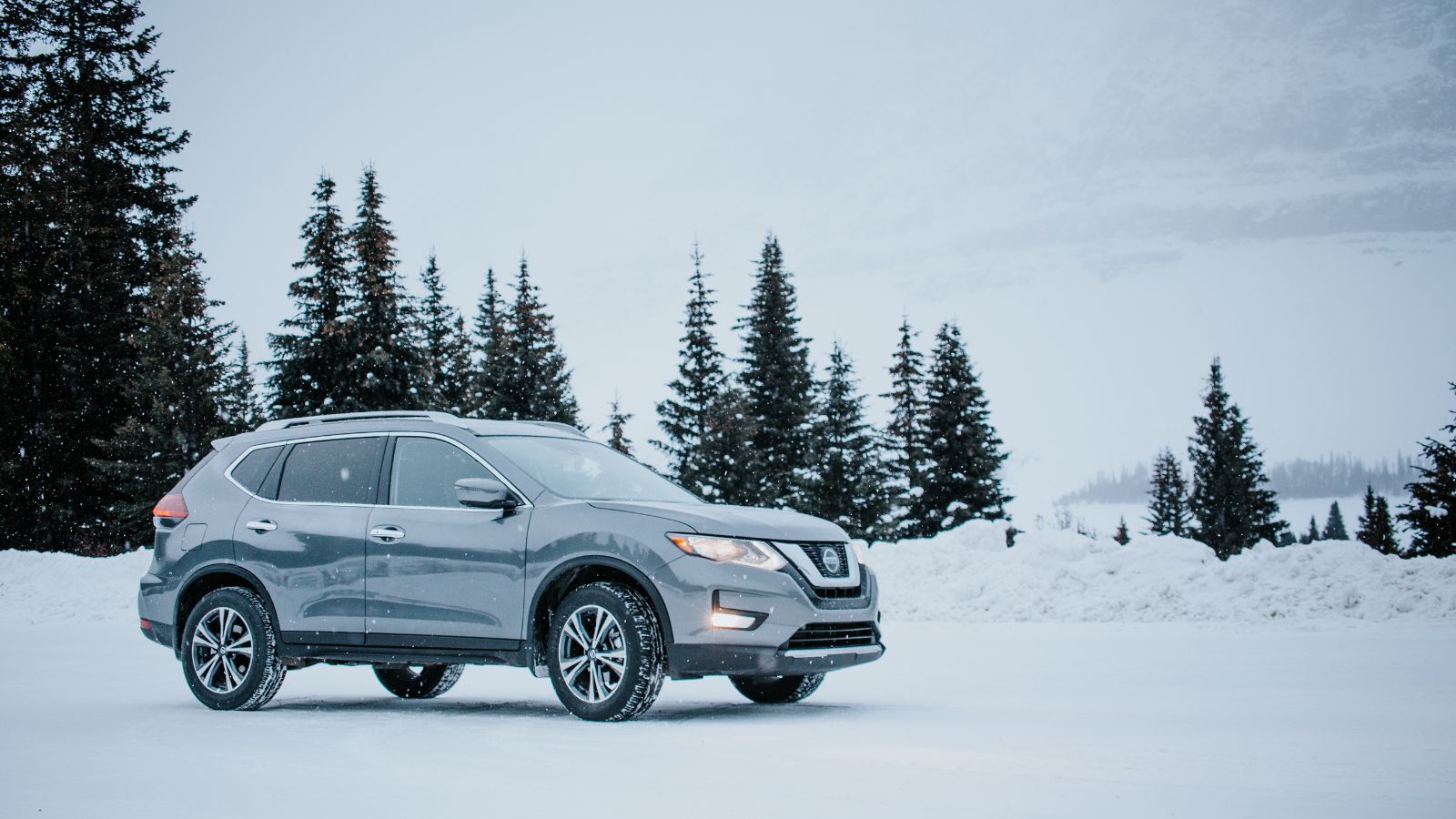
The first truly cold commute should not be the first time anyone thinks about black ice. Ontario’s driver guidance warns that shaded stretches, bridges and overpasses can freeze before other parts of the roadway. A road that looks black and unusually shiny may be covered by a thin layer of ice. Transport Canada recommends matching speed to conditions, leaving extra stopping space on slippery roads and avoiding cruise control in extreme winter weather.
The routine should begin before the vehicle moves. All windows need to be cleared of frost and fog, and once snow arrives it should be removed from the roof, hood, windows and lights as well. The extra few minutes should be built into the morning schedule instead of recovered by driving faster. Smooth steering, gentle braking and greater following distance become more important when grip is uncertain. The first frost may produce only a thin coating on a windshield, but it is an early warning that summer assumptions about traction, visibility and travel time no longer apply.
19 Used Cars Canadians Should Avoid in 2026 (Based on Owner Complaints)

Buying a used car in Canada can feel safe until repair bills start stacking up. Owner complaints tell a different story than glossy listings. Transmission failures, electrical problems, and weak winter reliability show up again and again in consumer reports. Many of these issues appear after warranties expire, when owners least expect them. Some vehicles look affordable upfront, but become expensive to keep on the road. Others struggle in cold weather, urban driving, or long highway commutes. Here are 19 used cars Canadians should avoid in 2026 (based on owner complaints).
19 Used Cars Canadians Should Avoid in 2026 (Based on Owner Complaints)

Alanna Rosen is an experienced content writer that focuses on many EV and educational content. Her articles are regularly published on Get CyberTrucked and syndicated on large publications.