A used car rarely looks neglected because of one dramatic flaw. More often, buyers notice a collection of small signals: cloudy lights, tired tires, stained fabric, missing records, or a warning lamp that never received attention. Each clue affects the story the vehicle tells about its previous ownership, even when the engine runs well and the asking price appears fair.
These 21 things can make a car look neglected to buyers because they combine visible wear with unanswered questions about maintenance, safety, and future repair costs. Some are inexpensive to correct, while others deserve professional diagnosis and honest disclosure. Together, they show why presentation is not merely cosmetic. A well-prepared vehicle allows buyers to assess its true condition; a poorly prepared one makes every flaw feel connected.
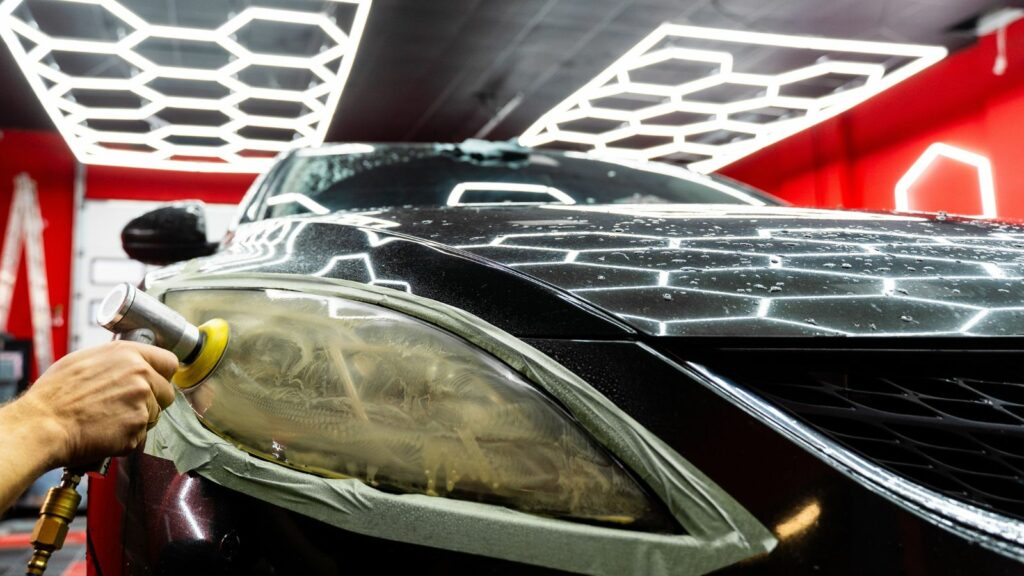
Cloudy or Yellowed Headlights
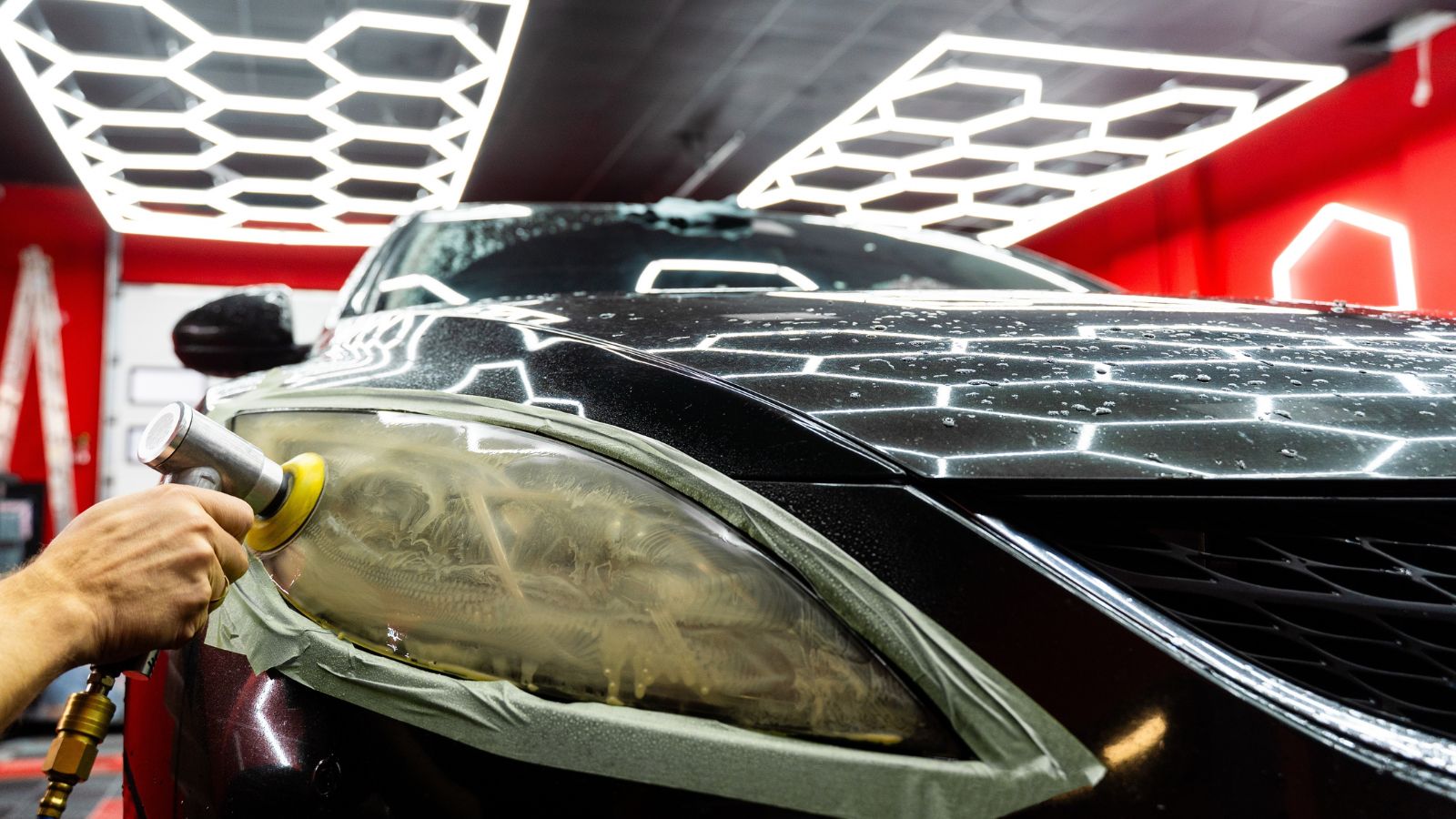
Headlight lenses sit at eye level, so oxidation is often one of the first age signals a buyer notices. A hazy lens makes an otherwise tidy front end look tired, especially when one side is clearer than the other. AAA testing found that deteriorated headlights produced only about 20 percent of the light generated by new units, connecting the cosmetic problem to real nighttime performance.
Buyers may reasonably wonder what else was postponed if a visible, repairable issue remained untreated. A basic restoration can improve appearance and output, although AAA found restored lamps reached roughly 70 percent of new-lens performance. For example, a ten-year-old sedan with polished paint but opaque headlights can still photograph poorly and appear older than its mileage suggests. Clear lenses, matched bulbs, and dry housings communicate routine attention far better than a rushed wash immediately before the listing. That first impression can shape the entire inspection.
Mismatched or Worn Tires
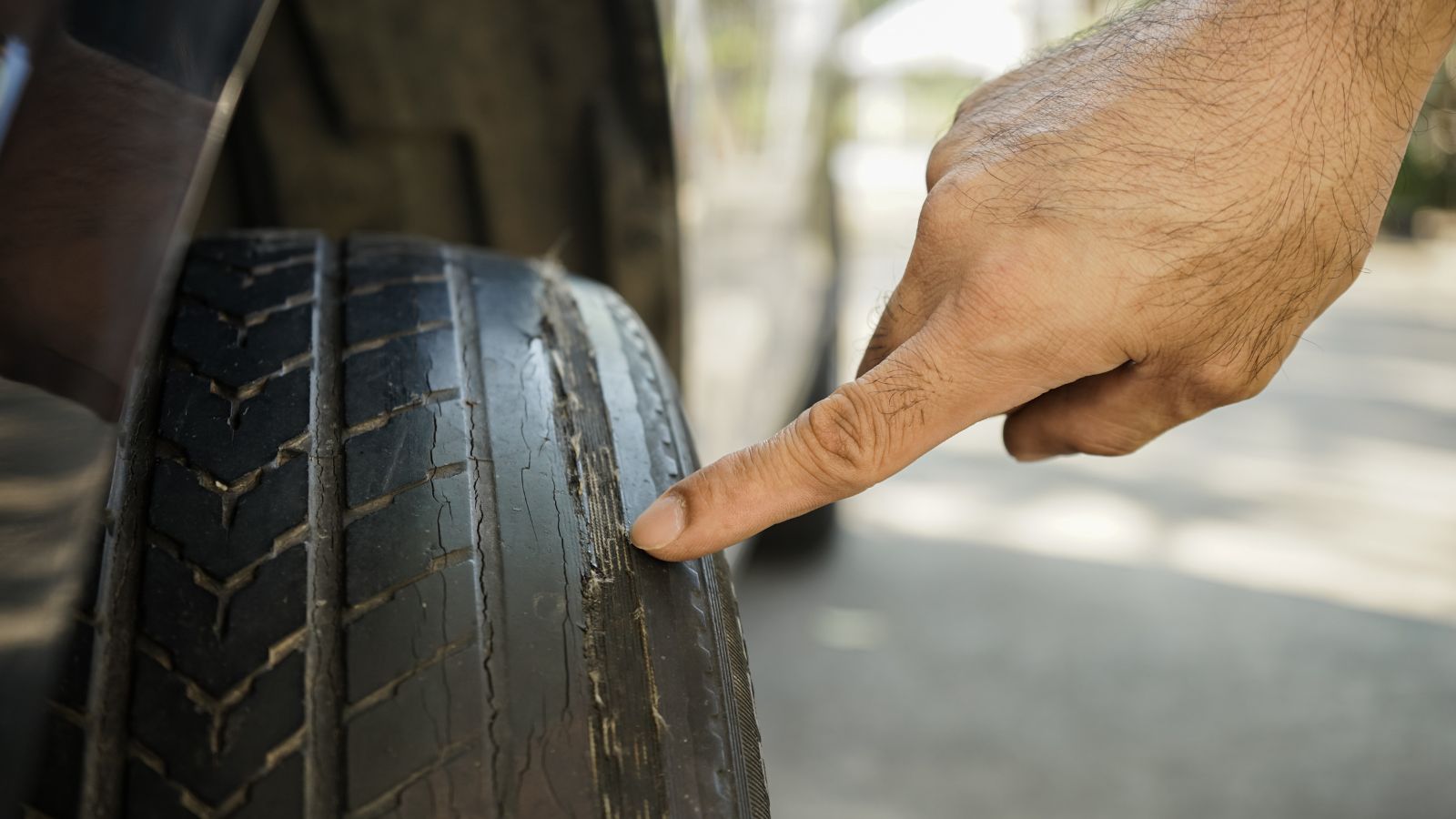
Four different tire brands, shallow tread, or uneven shoulder wear can make buyers suspect maintenance was handled only when absolutely necessary. Tires are expensive, highly visible, and closely tied to alignment, suspension, and inflation habits. NHTSA advises replacing tires at 2/32 inch of tread, while Consumer Reports notes that uneven wear may reflect improper inflation, misalignment, damaged tires, or suspension trouble.
Even when the car drives acceptably, a mismatched set creates an immediate future expense in the buyer’s mind. On some all-wheel-drive vehicles, replacing one damaged tire may require replacing pairs or all four to keep rolling diameters compatible. A seller presenting a clean crossover with three premium tires and one bargain replacement may therefore trigger more questions than confidence. Matching tires, documented rotations, correct pressures, and even wear suggest planning; cracked sidewalls, bald edges, and an illuminated tire-pressure warning suggest deferred care. That pattern quickly becomes a negotiation point.
Heavy Curb Rash on the Wheels
Scuffed wheel edges are common, but repeated gouges around several rims can make the car look carelessly parked and roughly used. The damage draws the eye because wheels frame the entire vehicle, and bright alloy finishes exaggerate every scrape. Used-car inspection guides also warn that significant curbing may accompany tire, steering, alignment, or suspension concerns, even though cosmetic rash alone does not prove mechanical damage.
A buyer often interprets four scraped wheels differently from one minor mark. The first may suggest a pattern rather than an isolated mistake. Imagine a late-model luxury sedan with spotless leather but deeply chewed wheel lips: the contrast makes the exterior seem neglected and replacement costs feel imminent. Cleaning embedded dirt, repairing severe rash professionally, and checking alignment can restore credibility. Painting over damage poorly, however, may immediately look worse than honest wear because uneven texture and overspray signal a last-minute attempt to hide it.
Faded, Peeling, or Chalky Paint
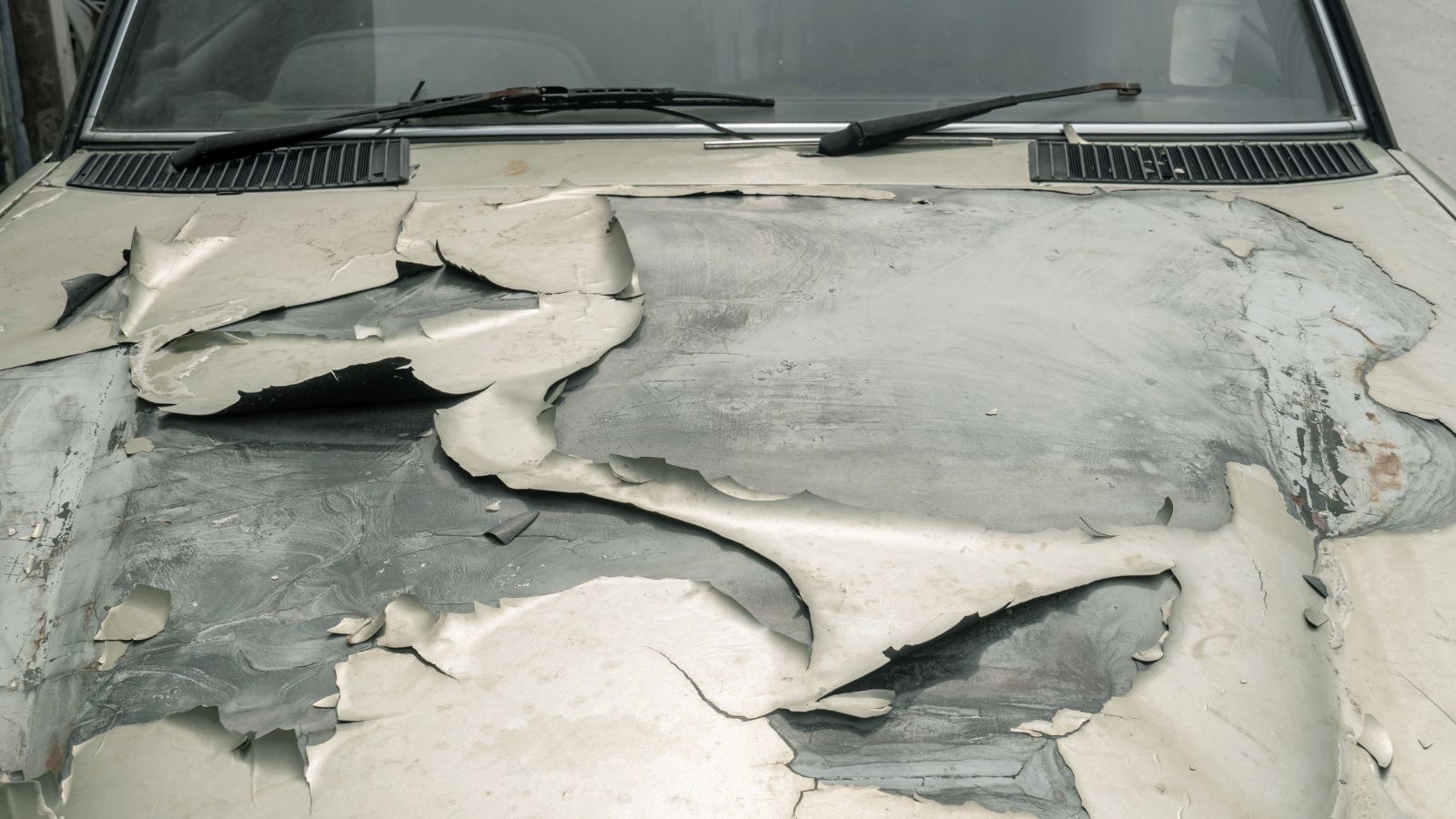
Paint oxidation changes how buyers judge the whole vehicle before they inspect anything mechanical. Faded roof panels, peeling clear coat, and chalky hood surfaces suggest sun exposure without protection. CARFAX notes that sun, winter weather, and everyday driving cause fading and wear, while its detailing guidance says a clean, shiny vehicle generally has stronger resale appeal than one with dingy paint.
The problem is especially noticeable on dark colours and horizontal panels that receive ultraviolet exposure. A mechanically sound commuter can appear far older when the roof has turned matte while the doors remain glossy. Buyers may also worry that exposed base coat will continue deteriorating after purchase. Regular washing, contaminant removal, and protection help preserve finish quality, but failing clear coat usually requires refinishing rather than a quick polish. Uneven touch-up paint or shine products can deepen suspicion if they disguise rather than correct damage accumulated over many years.
Clusters of Dents and Scratches
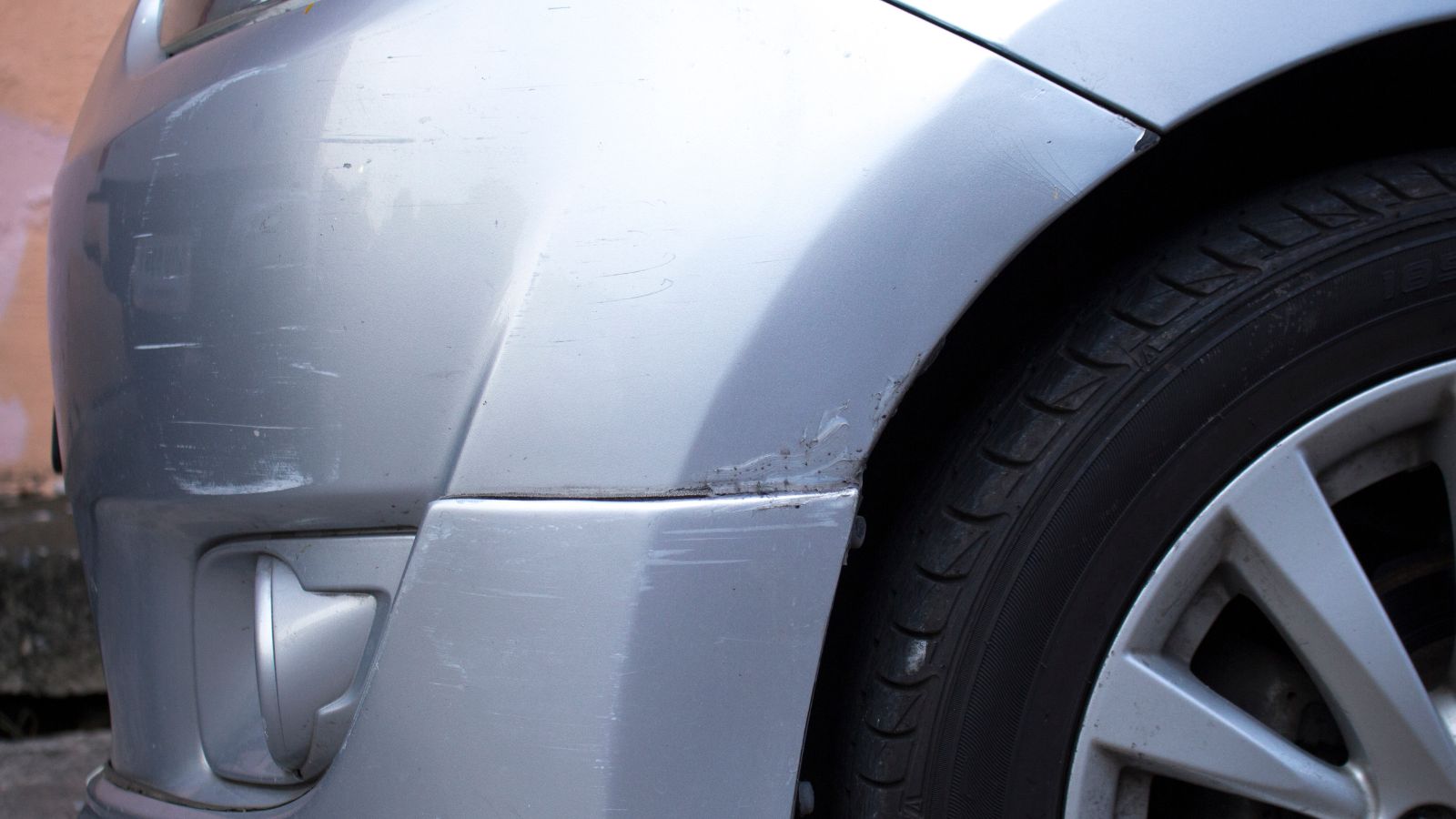
One parking-lot ding rarely ruins a sale, but many unrepaired dents, chips, and scratches create a story of accumulated indifference. CARFAX specifically recommends checking a used vehicle for mismatched paint, dents, scratches, rust, and other damage. Condition also affects market value because dealers must budget for reconditioning before resale, and private buyers mentally subtract repair costs while walking around the car.
The pattern matters as much as the size. Long scratches through several panels, chipped door edges, and dented bumpers suggest the owner accepted damage without addressing it. A family hatchback with honest age-related marks can still feel cared for when the defects are clean and limited. The same car covered in shopping-cart dents and peeling touch-up blobs looks neglected. Professional paintless dent repair may correct shallow dents, while careful touch-up can protect exposed metal. Rushed filler work, colour mismatch, or overspray can instead raise concerns about hidden collision repairs.
Visible Rust Around Seams and Wheel Arches
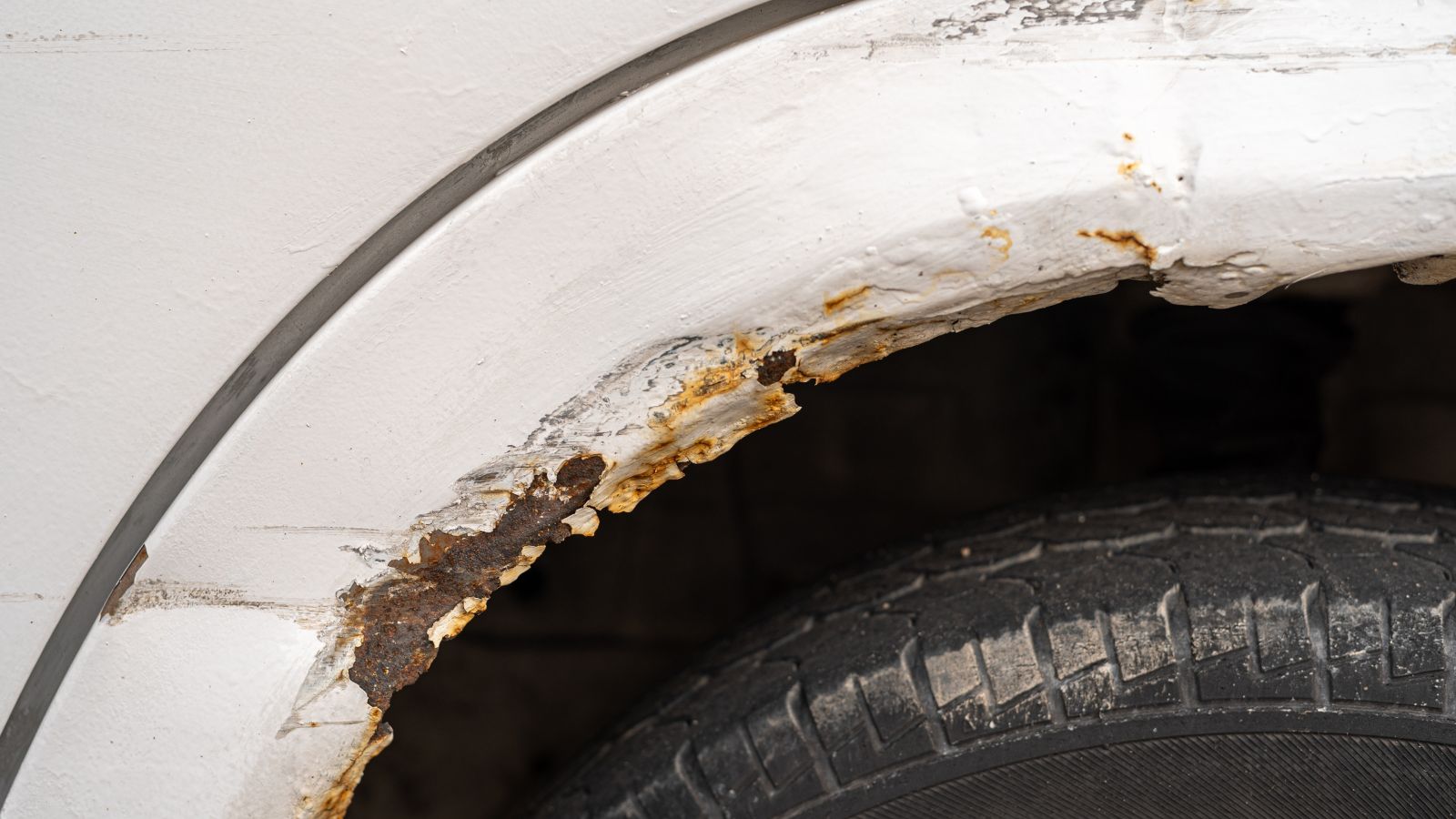
Rust turns a cosmetic concern into a structural question, which is why buyers react strongly to bubbles near wheel arches, door bottoms, or rocker panels. CARFAX explains that surface rust is manageable when caught early, but corrosion reaching the frame can become a safety issue. Consumer Reports advises inspecting wheel wells, rocker panels, and lower door edges rather than shiny upper surfaces.
A few orange specks on an exposed fastener are not equal to swelling metal beneath paint. Bubbling seams suggest corrosion may be spreading under the finish, where repairs become more involved. For example, a freshly washed pickup can look neglected when rust flakes from the cab corners or tailgate. Buyers may assume winter salt, trapped moisture, or stone chips were ignored. Repair requires removing corrosion and protecting the metal, not simply spraying over it. Fresh undercoating applied only in suspicious areas can invite closer inspection during every viewing.
Oil Spots and Fluid Residue
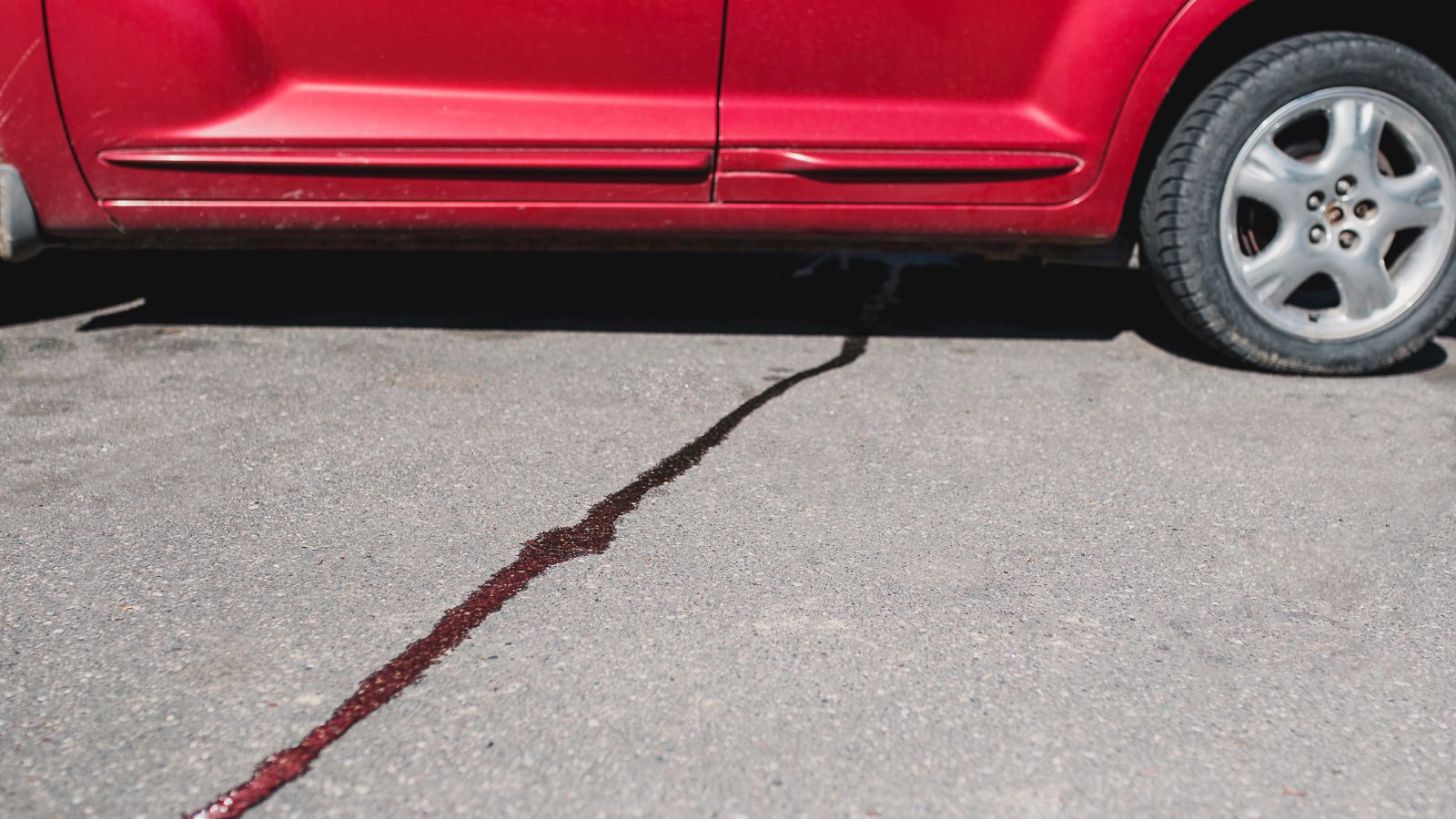
Fresh drips beneath the engine or oily residue across components make buyers assume leaks were tolerated rather than diagnosed. Consumer Reports advises watching for oil splatter, oily leaks, and green or red fluid under a used car. CARFAX notes that coloured radiator stains may indicate leakage and that brown, burnt-smelling transmission fluid may signal trouble. Clear air-conditioning condensation, however, is usually normal.
Presentation matters because even an inexpensive gasket leak can look like evidence of broader neglect. A clean driveway under the vehicle reassures buyers; cardboard soaked with oil does the opposite. Underhood grime is not automatically bad, but wet buildup around valve covers, hoses, reservoirs, or the transmission deserves explanation and records. Steam-cleaning the engine immediately before inspection can also appear suspicious if every surface is unnaturally spotless. The stronger approach is to repair active leaks, clean remaining residue, verify fluid levels, and provide invoices showing what was replaced.
Dashboard Warning Lights Left On
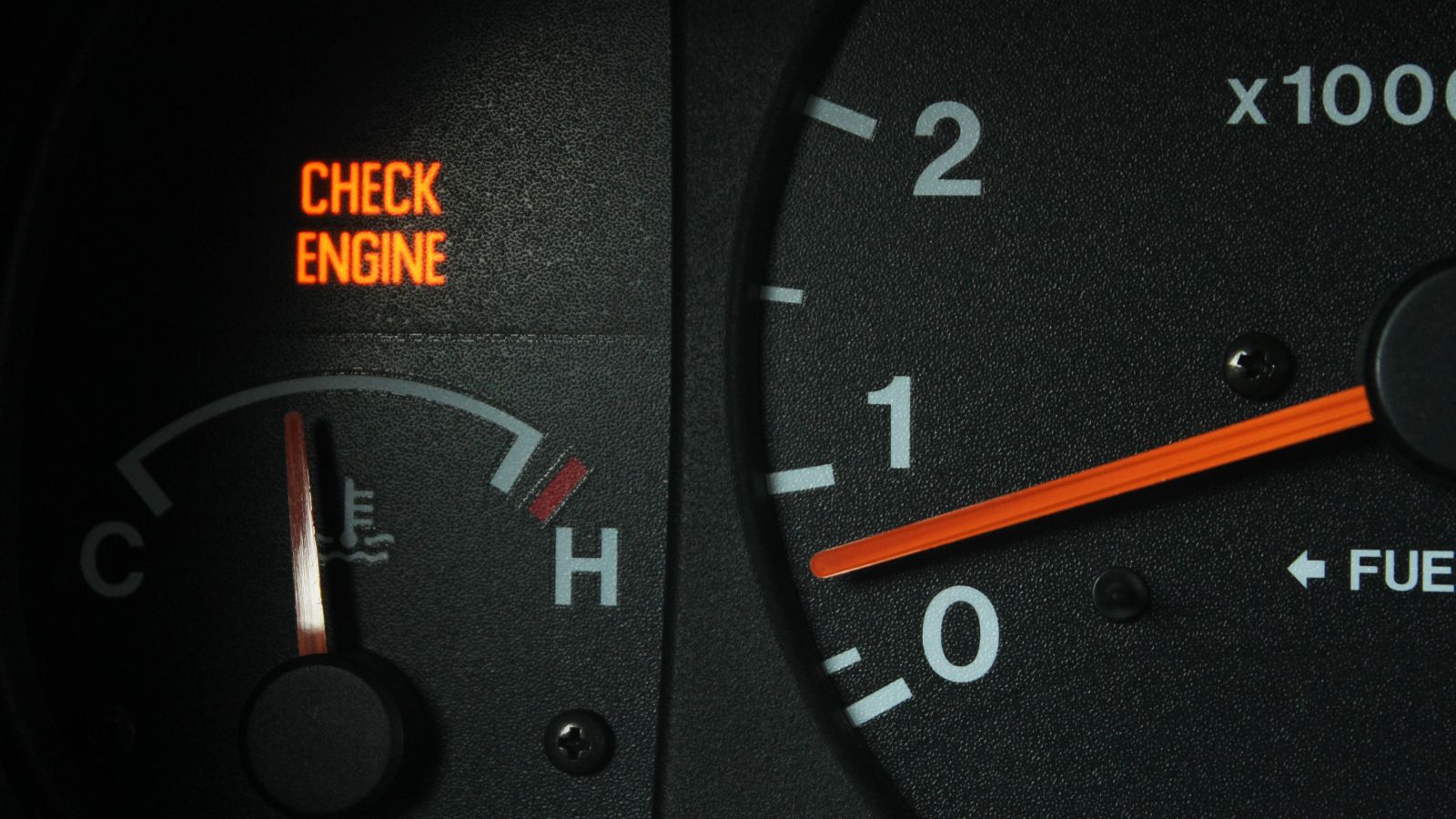
An illuminated check-engine, airbag, ABS, battery, or tire-pressure light instantly changes a buyer’s mood. Warning lamps are designed to flag systems requiring attention, and CARFAX notes that vehicles use onboard diagnostics to identify faults ranging from a loose fuel cap to more serious problems. NHTSA explains that the tire-pressure warning appears when a tire is significantly underinflated.
The buyer cannot know whether the repair will cost little or thousands, so uncertainty becomes a negotiating penalty. A seller who says, “It has been on for years,” may unintentionally confirm that alerts were ignored. Buyers should also verify that dashboard lights briefly illuminate when the ignition is switched on, because a missing light may have been disabled. Before listing, the vehicle should be scanned, properly repaired, and driven enough to confirm the fault does not return. Clearing codes without fixing causes can reset readiness monitors and make a pre-purchase inspection more suspicious.
Stained Seats and Ground-In Carpet Dirt
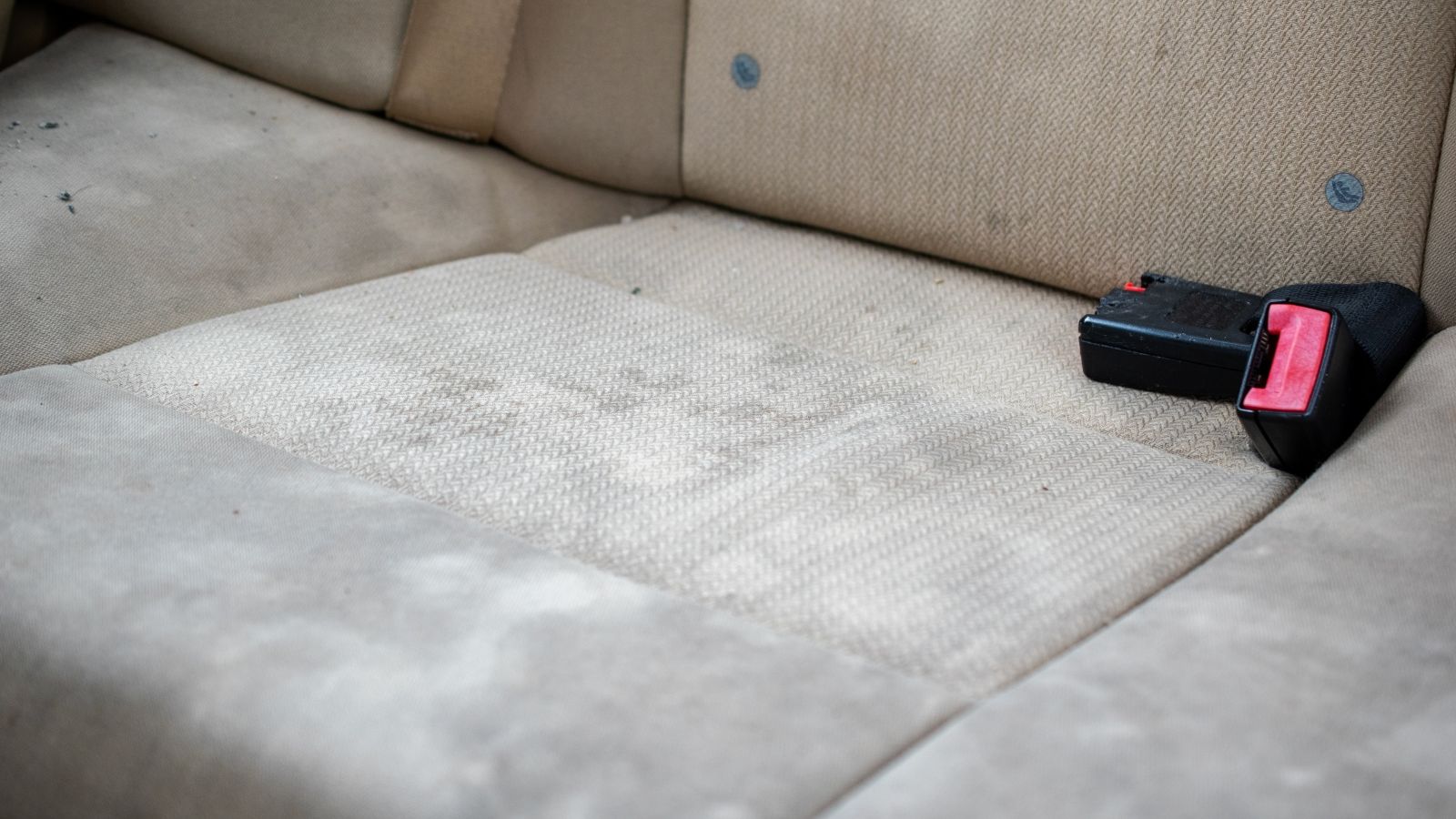
Dirty upholstery gives buyers a close-up record of daily habits. AAA’s used-car guidance says interior condition can indicate how a vehicle was used and whether it was cared for. CARFAX describes professional detailing as including vacuuming, upholstery cleaning, floor-mat washing, and stain removal, which improve the impression created during an inspection.
Coffee rings, greasy armrests, sticky cupholders, and ground-in grit suggest cleaning was postponed for years. The effect is strongest on light fabric, where one neglected spill can dominate the cabin. A minivan may have normal family wear, yet feel maintained when stains are treated and storage areas are orderly. Buyers are usually more forgiving of permanent age-related fading than removable dirt. Deep cleaning, extraction, and careful treatment of plastics can help, but soaking electronics or masking stains with glossy dressing creates new concerns. Clean surfaces should feel natural, not slippery or heavily perfumed. That impression can lower the offer.
Smoke, Mildew, or Strong Pet Odours
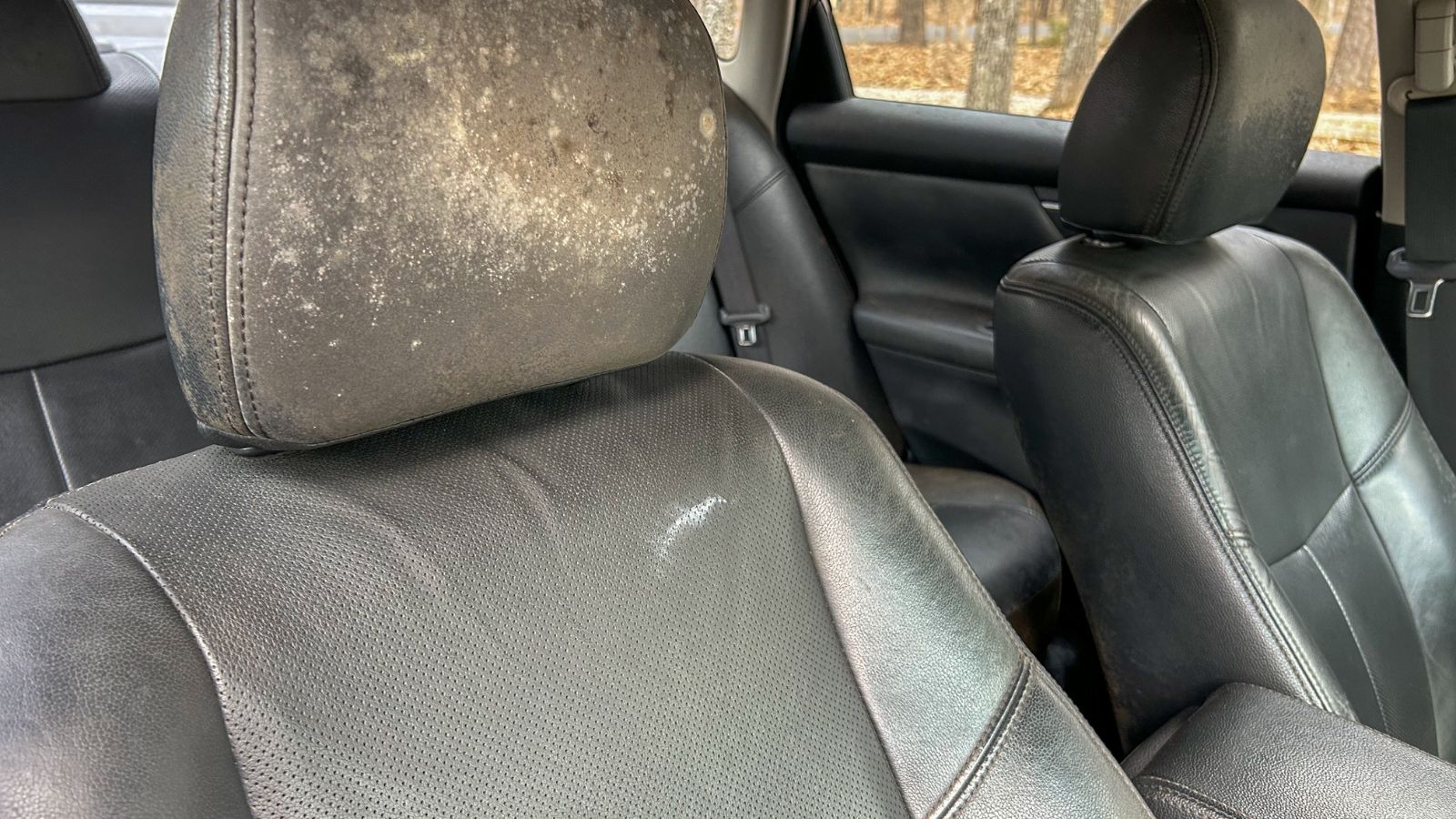
Odour reaches a buyer before many visual defects do, and smells are difficult to remove. Consumer Reports advises checking the cabin immediately for smoke or mold and notes that both can be hard to eliminate. CARFAX warns that musty interiors may signal water exposure, while sellers sometimes use air fresheners to cover the smell rather than address its source.
A buyer may tolerate a small scratch but walk away from a cabin that smells like cigarettes, wet carpet, or unclean pet bedding. The concern extends beyond comfort: mildew can indicate leaking seals, blocked drains, or previous flooding. For example, a spotless SUV with several hanging fragrance trees may invite a search under mats and inside the spare-wheel well. Effective correction starts by finding the cause, drying any moisture, replacing contaminated filters, and cleaning fabrics thoroughly. Heavy perfume without documentation often looks like concealment, not care, and can reduce trust immediately.
Cracked or Chipped Glass

A chipped windshield is often postponed, but sits directly in the buyer’s field of view and makes the vehicle look unfinished. Consumer Reports recommends inspecting glass for cracks and checking that exterior light lenses and reflectors are intact. Damage near the windshield edge can spread, while modern vehicles may require camera or sensor recalibration after replacement, adding uncertainty to the buyer’s expected cost.
Small chips communicate timing. A recently repaired resin mark suggests the owner responded quickly; a long branching crack suggests the defect was allowed to grow. Imagine a three-year-old crossover advertised as “excellent” with a crack running across the passenger side. Even when legally drivable, the mismatch between description and condition weakens credibility. Repairable chips should be addressed promptly, and replacement should use appropriate glass and calibration procedures when driver-assistance hardware is involved. Cracked mirrors, fogged lamp housings, and broken reflectors reinforce the same impression of deferred maintenance.
Broken Trim, Missing Caps, and Loose Pieces
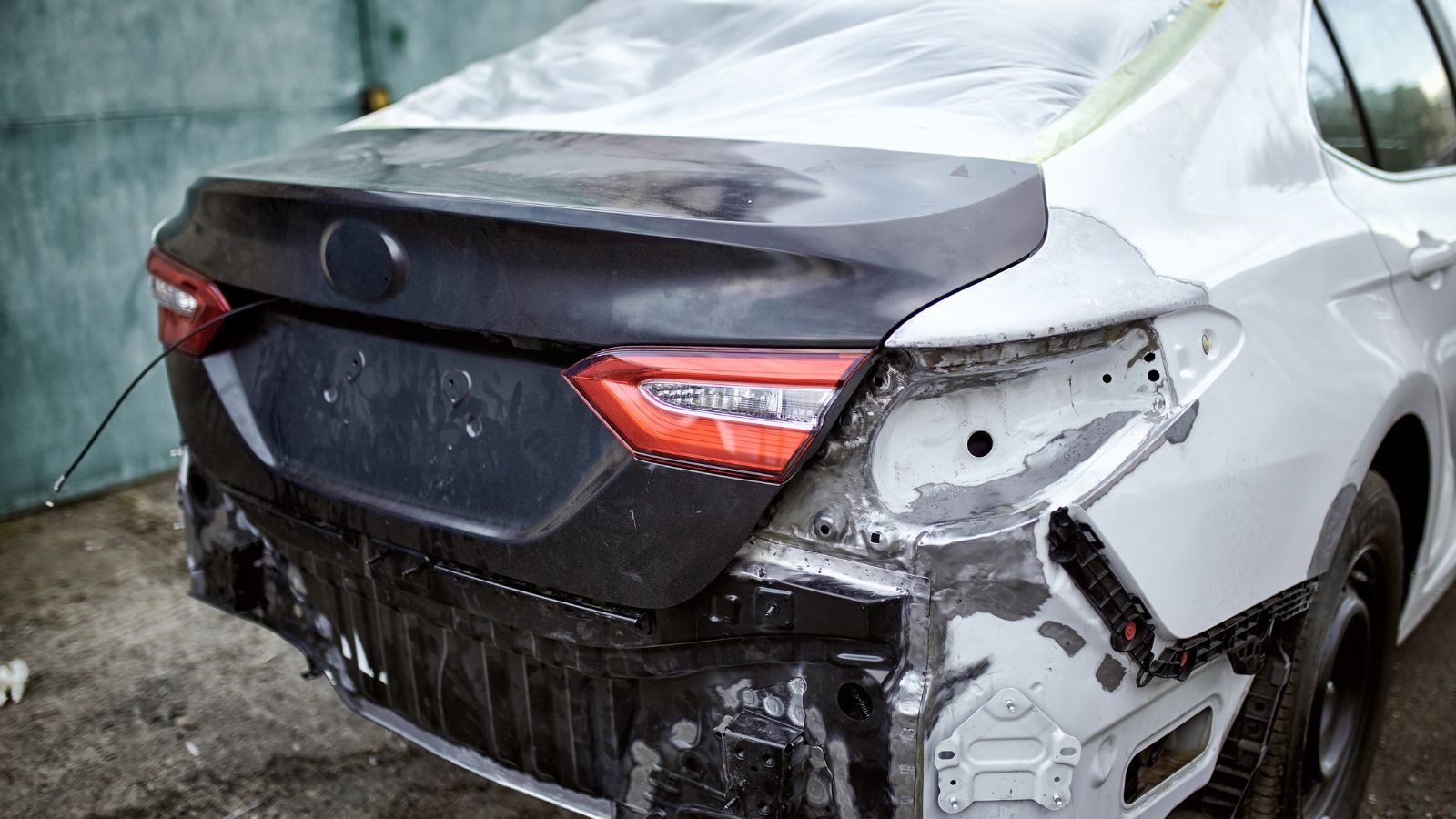
Missing tow-hook covers, cracked mirror shells, loose rocker trim, and absent wheel-centre caps together make a car look incomplete. Consumer Reports recommends checking for missing knobs, handles, buttons, lenses, and reflectors during a used-car inspection. Certified-used inspection checklists likewise treat intact trim, matched paint, and damage-free bumpers as basic condition standards not optional details.
These pieces are visual shorthand for follow-through. A buyer may wonder why a low-cost cap was never replaced and whether more important parts received the same treatment. One broken clip after a repair is understandable; several dangling panels suggest repeated shortcuts. For example, an otherwise clean SUV can look rough when one fender liner hangs near the tire and tape holds a mirror cover in place. Correct fasteners and replacement trim restore a factory appearance. Glue, household screws, mismatched parts, or spray paint often magnify neglect before inspection because they clearly reveal improvised repairs to buyers.
Worn-Out Wiper Blades
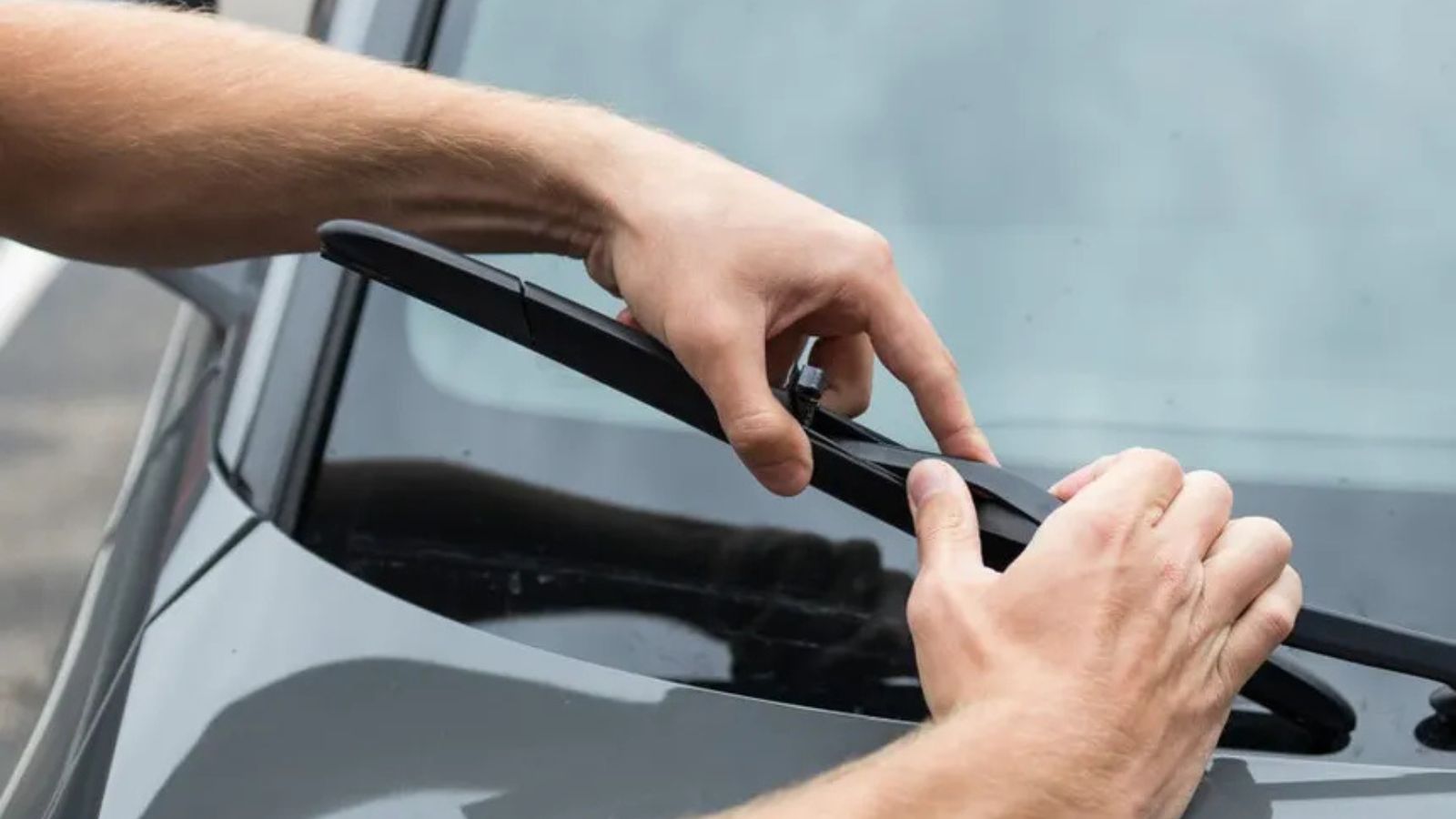
Frayed, split, or streaking wiper blades are inexpensive, making them revealing to buyers. NHTSA advises replacing worn blades and checking them for deformation or damage because clear windshield coverage supports visibility. A blade that chatters across the glass or leaves broad streaks suggests even simple seasonal maintenance was delayed.
The neglect is visible before the test drive if rubber edges are torn or the arms are rusty. During a demonstration, poor wiping is obvious, especially in rain or after washer fluid is sprayed. A buyer may then start checking bulbs, filters, and fluids more critically. Replacing blades with the correct size, filling the washer reservoir, and cleaning the windshield are low-cost ways to show preparedness. Bent arms, blocked washer nozzles, or deeply scratched glass need further attention. New blades fitted over damaged glass solve only part of the problem and may still wipe badly. Buyers notice these shortcuts surprisingly quickly.
Baked-On Brake Dust and Filthy Wheels
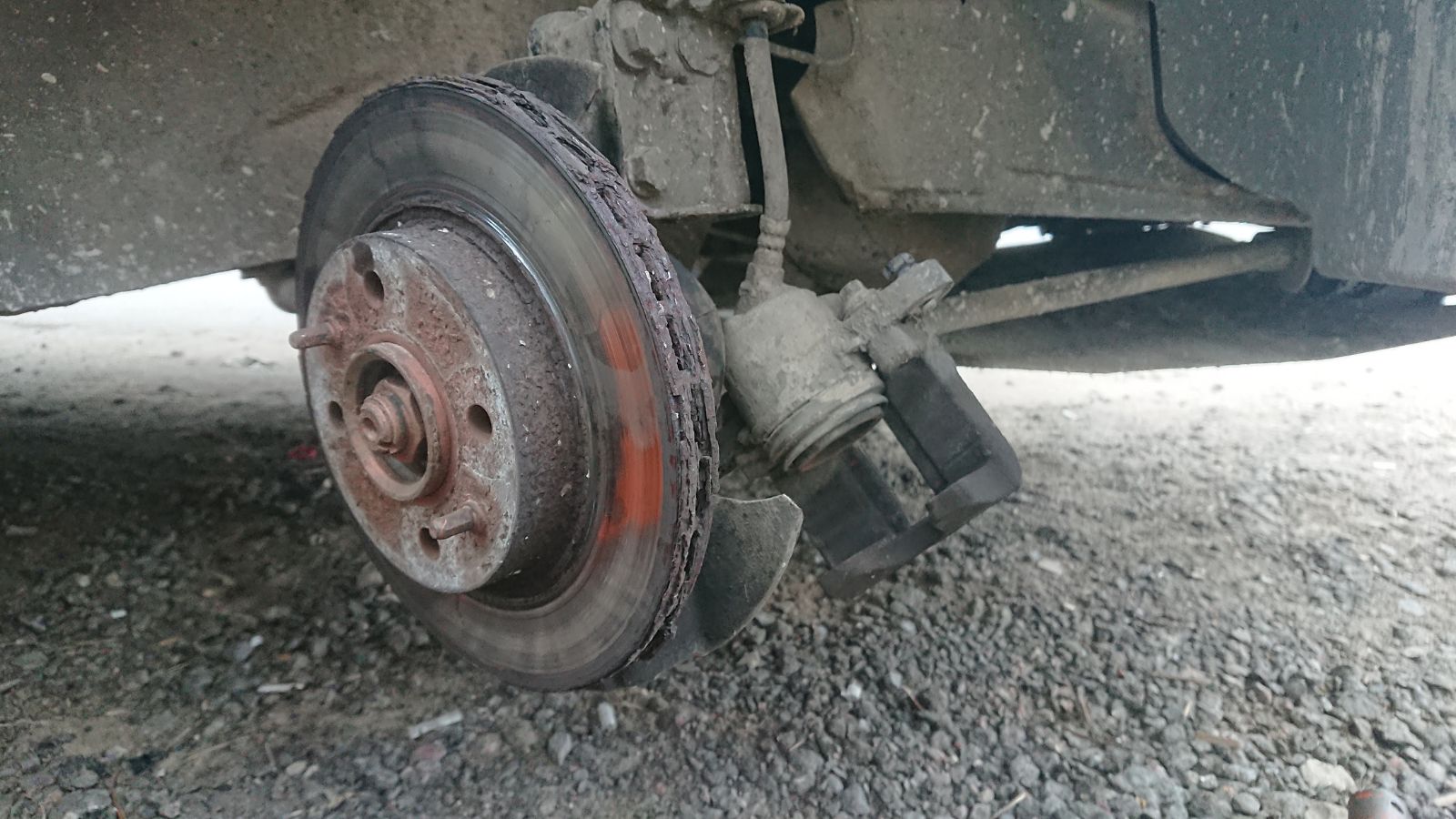
A thin film of brake dust is normal, but thick, baked-on deposits make wheels look brown and neglected. Automotive inspection guidance notes that heavily embedded dust can stain a wheel’s finish, while extensive curbing and grime can signal poor ownership habits. Because wheels sit at all four corners, their condition influences whether the whole car appears clean.
The contrast is especially damaging after the body has been polished. Bright paint above blackened spokes suggests the seller cleaned only the easiest surfaces. For example, the front wheels may be far dirtier than the rears because braking loads are higher, yet months of buildup indicates infrequent washing. Proper wheel cleaners, soft brushes, and careful decontamination can restore much of the finish. Harsh acids, painted-over corrosion, or shiny tire dressing slung across body panels create another rushed appearance. Clean wheels should reveal, not conceal, curb damage, cracks, or missing hardware during close inspection.
A Sagging or Stained Headliner
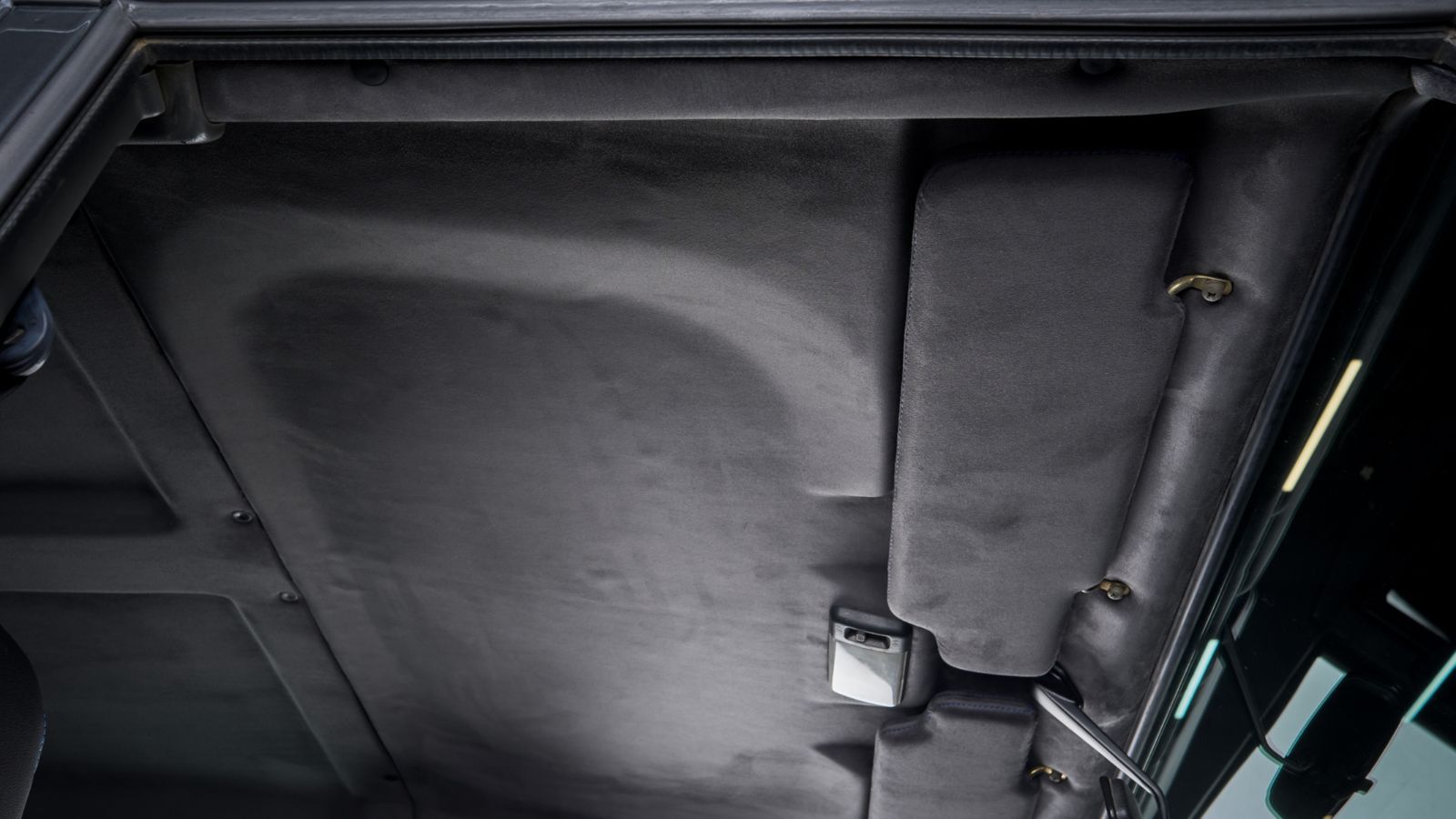
The roof lining sits above sightlines, but buyers notice it when entering the cabin. Consumer Reports advises checking for stains or sagging because both can indicate water entering through doors, windows, roof seams, or sunroof systems. A loose headliner may result from aging adhesive, heat, or previous interior repairs.
A hanging corner near the windshield can make the entire cabin feel older, while brown tide marks suggest a leak that may be active. The concern grows if the carpeting smells damp or the spare-wheel well contains moisture. For example, a seller may pin fabric back temporarily, but visible tacks usually emphasize the unresolved problem. Correct repair involves identifying any leak first, drying affected materials, and then replacing or professionally recovering the liner. Gluing isolated bubbles rarely lasts when the foam backing has deteriorated. A dry, tight roof lining communicates better care. Conversely, neglect can dominate the cabin’s first visual impression.
Cracked Seals and Signs of Water Entry
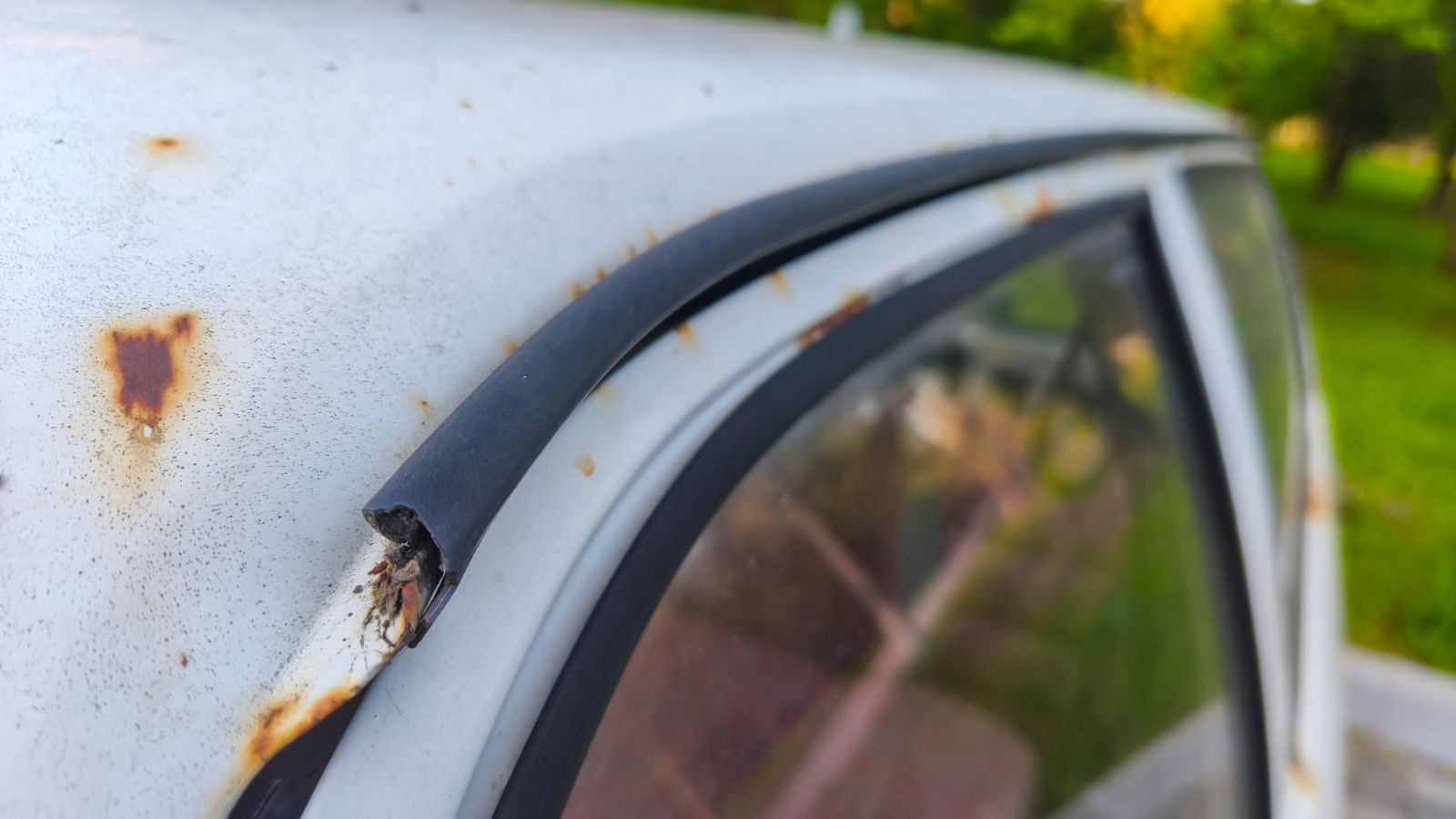
Flattened weatherstripping, torn door seals, wet carpet, and condensation inside lamps make buyers suspect the car has been exposed to recurring leaks. Consumer Reports warns that water can damage electrical systems, corrode wiring and terminals, and create odors. The Federal Trade Commission advises professional inspection when flood damage is suspected because moisture can slowly harm mechanical and electrical components.
Evidence often appears in hidden places before becoming obvious. Rusty seat bolts, silt under carpet edges, damp padding, or water in the spare-tire well can reveal more than a freshly cleaned dashboard. A musty smell after rain is especially concerning. Buyers may imagine future electrical faults when the car currently runs well. Replacing damaged seals, clearing sunroof drains, drying the cabin completely, and documenting repairs is more credible than covering odors with fragrance. Sellers should avoid presenting a wet car, since rain can conceal paint defects while making leak checks difficult.
A Chaotic, Dirty Cargo Area
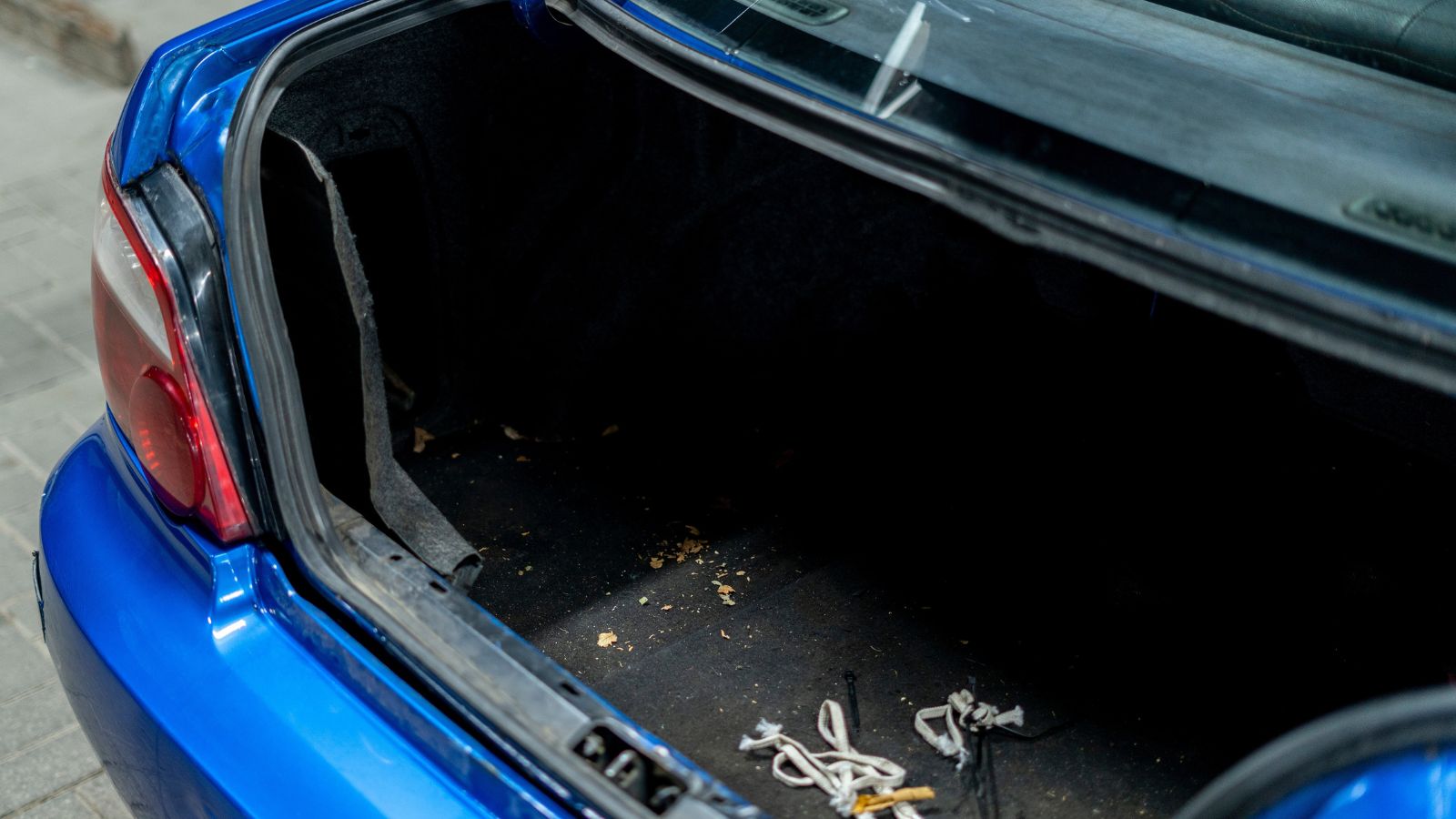
The trunk or cargo bay reveals how a vehicle was treated after the visible cabin was cleaned. Consumer Reports recommends lifting the cargo floor, checking the spare-tire well for water or rust, and inspecting for odors. Loose rubbish, leaking containers, pet hair, and missing tools can make buyers assume organization and routine checks were never priorities.
A work vehicle may reasonably carry equipment, but sale-day clutter obstructs inspection and creates doubt about hidden damage. Buyers need to see the floor, seatbacks, jack, inflation kit, or spare system. For example, a polished wagon with a trunk full of damp sports gear may raise concerns about mildew and stained carpet. Emptying the area, vacuuming crevices, cleaning the load sill, and arranging factory tools shows respect for the buyer’s inspection. Hiding the spare well beneath cargo or leaving unidentified fluids in the trunk can appear immediately evasive, even when no serious problem exists.
Missing or Incomplete Service Records

A clean car without records may be maintained, but buyers have less evidence. CARFAX recommends requesting documentation for oil changes, tire rotations, brake inspections, and major repairs. Vehicle-history reports can show reported service events, yet CARFAX also advises combining them with a test drive and independent pre-purchase inspection because not every repair is captured.
Documentation turns claims into a timeline. A folder showing scheduled maintenance, recall work, and replacement parts can offset cosmetic wear. By contrast, repeated assurances that “everything was done” carry less weight without dates or invoices. A seller who changed oil at home can still provide receipts, mileage notes, and a log. Missing records become especially concerning when the car also has warning lights, mismatched tires, or fluid leaks. Organizing paperwork, removing personal information, and identifying gaps honestly makes the vehicle appear managed rather than neglected. Invented entries or altered invoices can completely destroy trust over time.
Dirty, Low, or Questionable Engine Oil
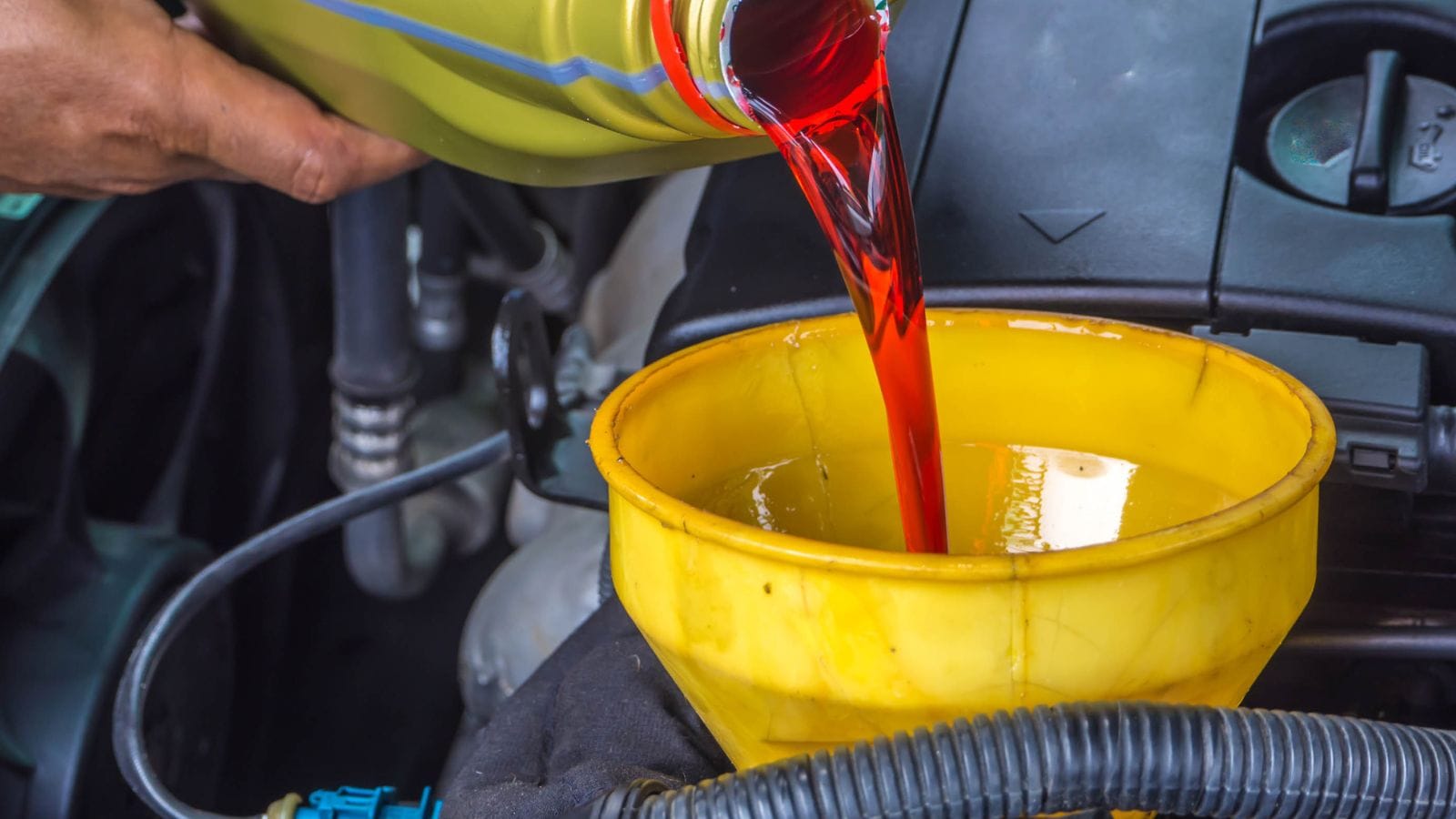
Engine oil stays hidden until checked, but can reshape the buyer’s view of the entire car. AAA advises following the manufacturer’s interval and notes that oil appearing dark, dirty, and low may be due for service. Consumer Reports calls motor oil vital and warns that gray, foamy, or water-contaminated oil can indicate serious mechanical problems.
Dark colour alone does not prove neglect because oil naturally changes during use, and some vehicles have no traditional dipsticks. The stronger warning is a combination of low level, sludge, overdue reminders, and absent records. For example, a spotless engine cover means little if the dipstick is barely wet and the seller cannot recall the last change. Before sale, owners should correct leaks, service overdue oil with specified oil, and retain the invoice. Thick additives used to quiet noise or disguise consumption may produce short-term smoothness but can also make an inspection more suspicious later.
Mismatched Paint and Uneven Panel Gaps
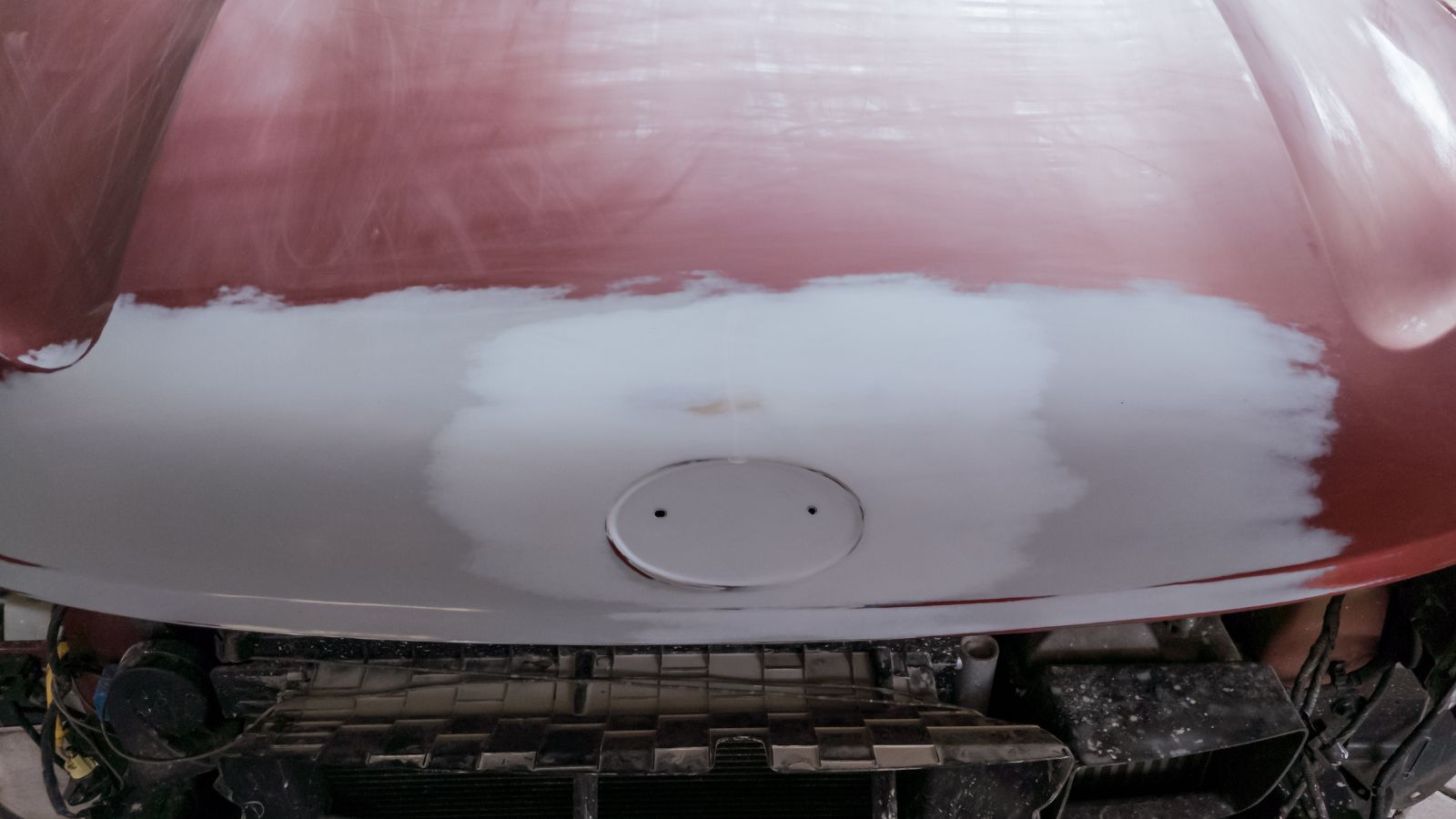
Different paint shades, overspray on seals, and uneven gaps between doors, fenders, or the hood make buyers suspect previous collision work. Edmunds and Consumer Reports advise checking for inconsistent finish and misaligned panels, noting that these conditions may indicate poor repair or prior damage. Factory variation exists, but obvious asymmetry deserves a professional explanation.
Lighting changes what can be seen, so buyers often inspect in daylight and view panels from several angles. Metallic paint may reveal a mismatch that disappears in shade. A replacement bumper is not automatically a reason to reject the car when the repair is documented and structurally sound. However, a fresh quarter panel beside old paint, missing fasteners, and rough overspray suggest shortcuts. Sellers should disclose repairs, provide invoices or photos, and correct loose alignment where practical. Heavy polishing cannot fix colour mismatch, and strategic shadows in listing photographs may make the eventual inspection feel deceptive.
Battery Corrosion and a Slow Start
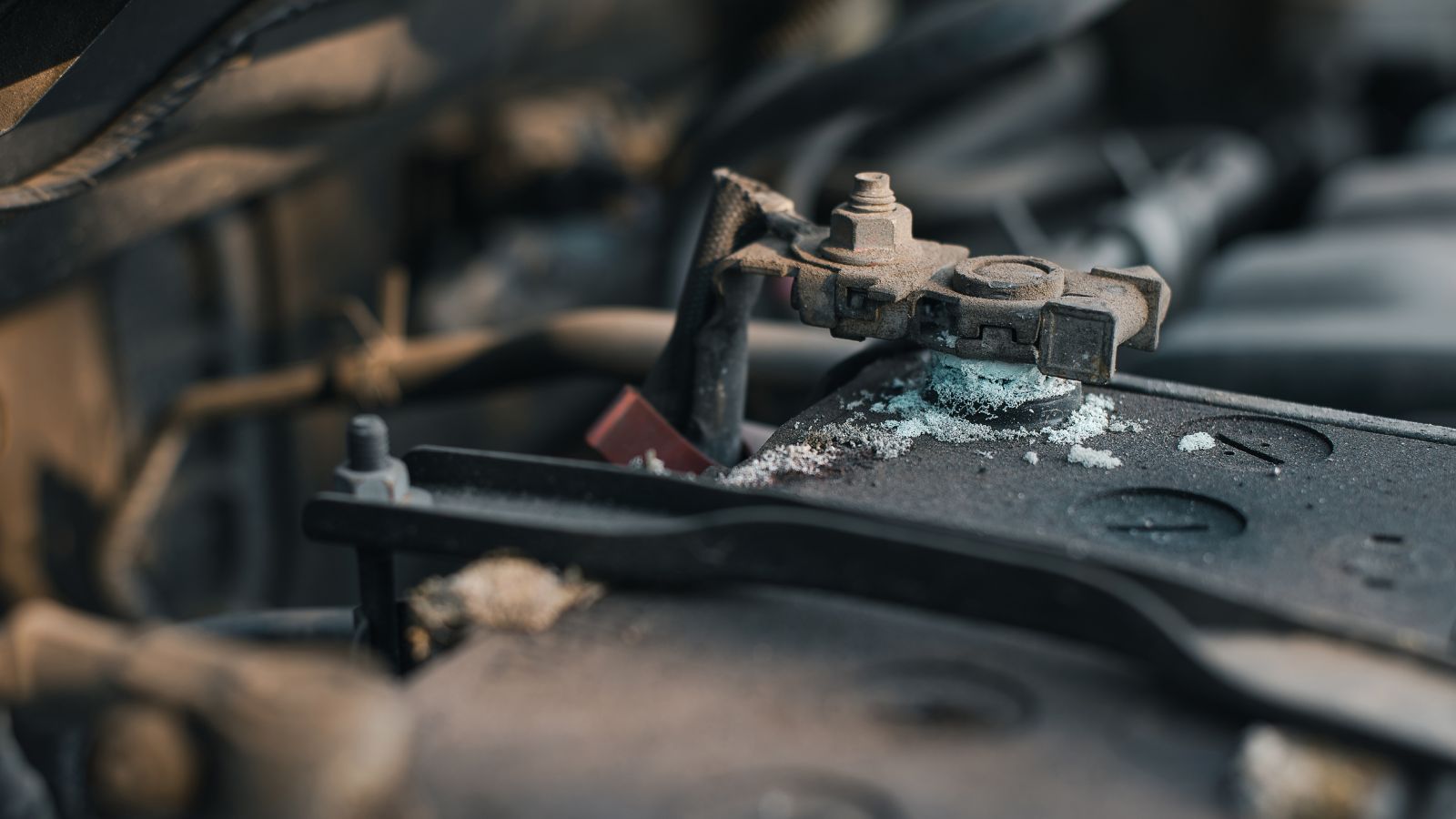
Powdery white, blue, or green buildup around battery terminals looks neglected and may affect starting performance. AAA explains that corrosion can restrict electrical flow, contributing to slow cranking, dim lights, clicking, or a no-start condition. Battery life varies with climate; AAA notes that hot regions shorten service life compared with cooler areas.
Buyers often hear it before seeing it. A hesitant start during the first demonstration can overshadow a clean exterior because it suggests the car may soon need a battery, cables, or charging-system diagnosis. Corrosion does not always mean the battery itself has failed, but safe cleaning and system testing are prudent. A dated test printout or replacement receipt provides more reassurance than a jump-start before arrival. Bulging cases, acid odor, repeated boosting, or improvised terminal clamps demand prompt attention. A strong, consistent start before any buyer arrives is one of the simplest ways a used car communicates readiness.
22 Things Canadians Do to Their Cars in Spring That Mechanics Hate

Spring brings relief to many Canadian drivers after months of snow, freezing temperatures, and icy roads that put serious strain on vehicles. As temperatures rise across the country, drivers begin washing cars, switching tires, and preparing vehicles for warmer weather and upcoming road trips. However, mechanics across Canada notice the same mistakes every spring when drivers attempt to recover from winter damage. Road salt, potholes, and harsh winter driving conditions often leave vehicles with hidden problems that drivers ignore. Some spring habits even create new mechanical issues that could have been avoided with proper maintenance. Here are 22 things Canadians do to their cars in spring that mechanics hate.

Alanna Rosen is an experienced content writer that focuses on many EV and educational content. Her articles are regularly published on Get CyberTrucked and syndicated on large publications.