A vehicle does not need a catastrophic engine or transmission failure to suddenly feel much older than it is. Once comprehensive warranty coverage has ended, dozens of smaller wear points can begin changing the ownership experience: a new vibration at idle, a dashboard rattle, a tired seat cushion, cloudy headlights, or an infotainment system that no longer works smoothly with a newer phone.
Some problems are ordinary wear. Others are faults that deserve prompt inspection, particularly when steering, brakes, tires, lighting, or driver-assistance systems are involved. Together, however, they can transform a vehicle that once felt solid and polished into one that seems far less substantial. These 22 issues help explain how that change can happen—and why the first signs are often noticed through sound, touch, and everyday convenience rather than a warning light.
Cabin Rattles That Seem to Come From Everywhere

Few things change the perceived quality of a vehicle faster than a cabin that begins buzzing, clicking, or creaking over every broken stretch of pavement. Instrument panels, centre consoles, door panels, headliners, seat hardware, rear parcel shelves, and trim clips all contain joints that can become sources of noise. Temperature changes can make the problem more noticeable because plastics, metals, seals, and fasteners expand and contract at different rates. A sound that disappears during a warm afternoon may return on the first cold morning.
These noises are not necessarily evidence that the entire vehicle is mechanically worn out. Consumer Reports treats squeaks, rattles, wind noise, seals, and leaks as a distinct reliability area because owners encounter them independently of major mechanical failures. That distinction matters. A perfectly usable vehicle can still feel noticeably cheaper when every pothole produces several different noises. Diagnosis can also become frustrating because a rattle heard beside the dashboard may actually originate from a panel, wiring loom, seat mount, or component somewhere else in the cabin.
Suspension Bushings That Stop Isolating the Road
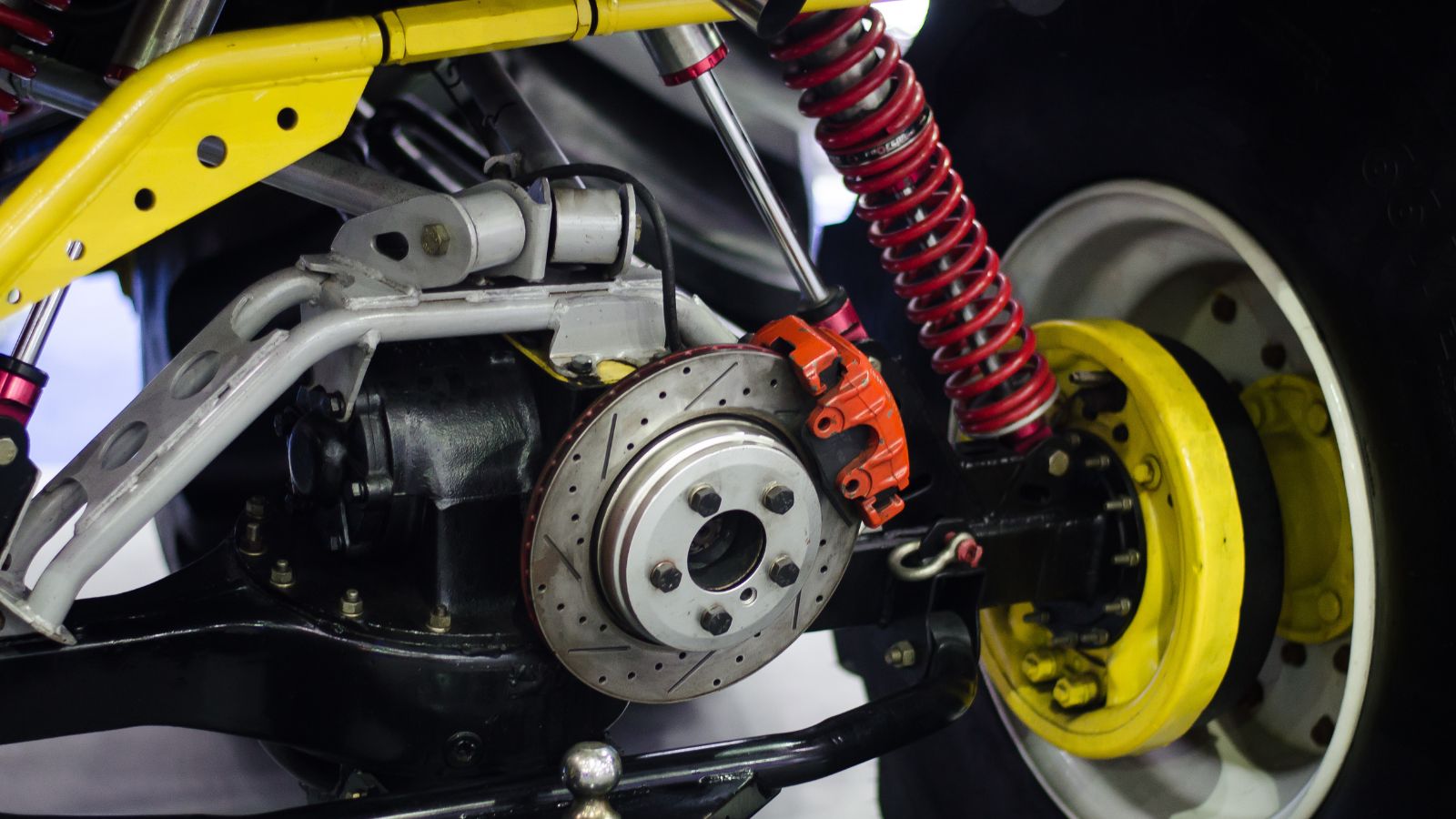
Suspension bushings rarely receive the same attention as engines, transmissions, or brakes, yet they have an enormous influence on how substantial a vehicle feels. These flexible components sit between suspension parts and help isolate movement, vibration, and metal-to-metal contact. As bushings deteriorate, impacts that once produced a muted thump can become a sharper knock or creak. The steering may also feel less tightly controlled, particularly on uneven roads where suspension components are constantly changing position.
Firestone identifies increased vibration, road noise, creaking, banging, frame rattling over bumps, and loose-feeling steering among symptoms associated with worn suspension bushings. The deterioration can be gradual enough that an owner adapts without immediately recognizing how much refinement has disappeared. A familiar commute may simply become louder month after month. The transformation is especially noticeable when the same vehicle is driven immediately after one with a healthy suspension: suddenly every expansion joint seems harsher. Because suspension noise can have several causes, however, the exact component should be diagnosed rather than replaced on sound alone.
Tired Shocks and Struts That Make the Body Feel Loose
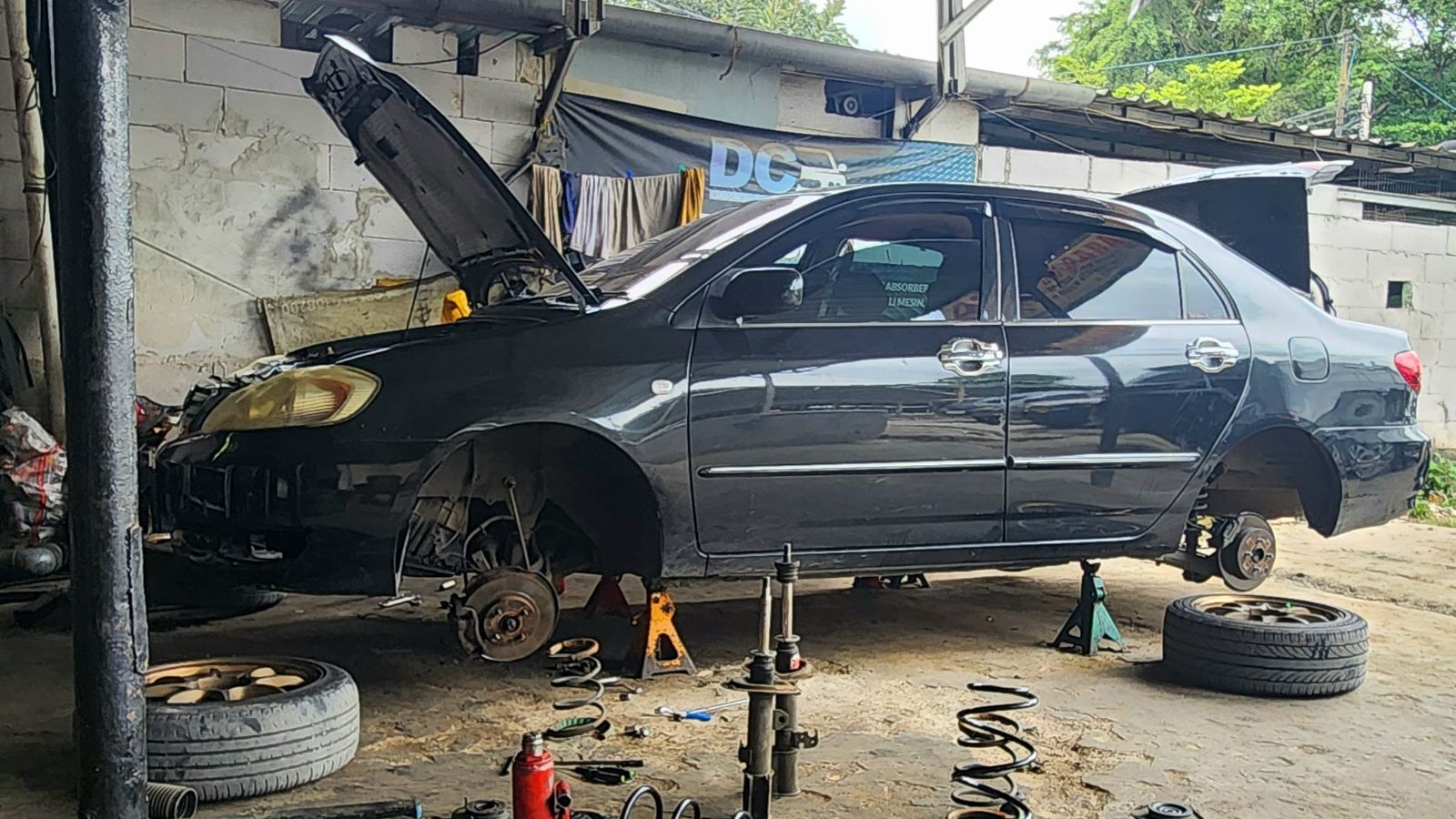
A vehicle can lose much of its expensive, controlled feeling without losing the ability to move under its own power. Shocks and struts are a good example. Their job includes controlling suspension movement so the body does not continue bouncing after a bump. Because their performance can decline gradually, there may be no single day when the vehicle suddenly feels worn. Instead, the driver begins slowing more for rough pavement, noticing greater body movement, or accepting a ride that has become increasingly unsettled.
Monroe notes that worn shocks and struts can produce excessive bouncing, body roll, brake dive, vibration, unusual suspension noises, and uneven tire wear. The company also points out that these parts can deteriorate internally even when obvious external damage is absent. That gradual decline matters for perceived quality. A once-composed crossover can begin pitching over dips, while an older sedan may feel as though its body is taking an extra moment to settle after every road imperfection. Those movements make even a well-finished interior feel less tightly assembled.
Engine Mounts That Let Vibration Into the Cabin
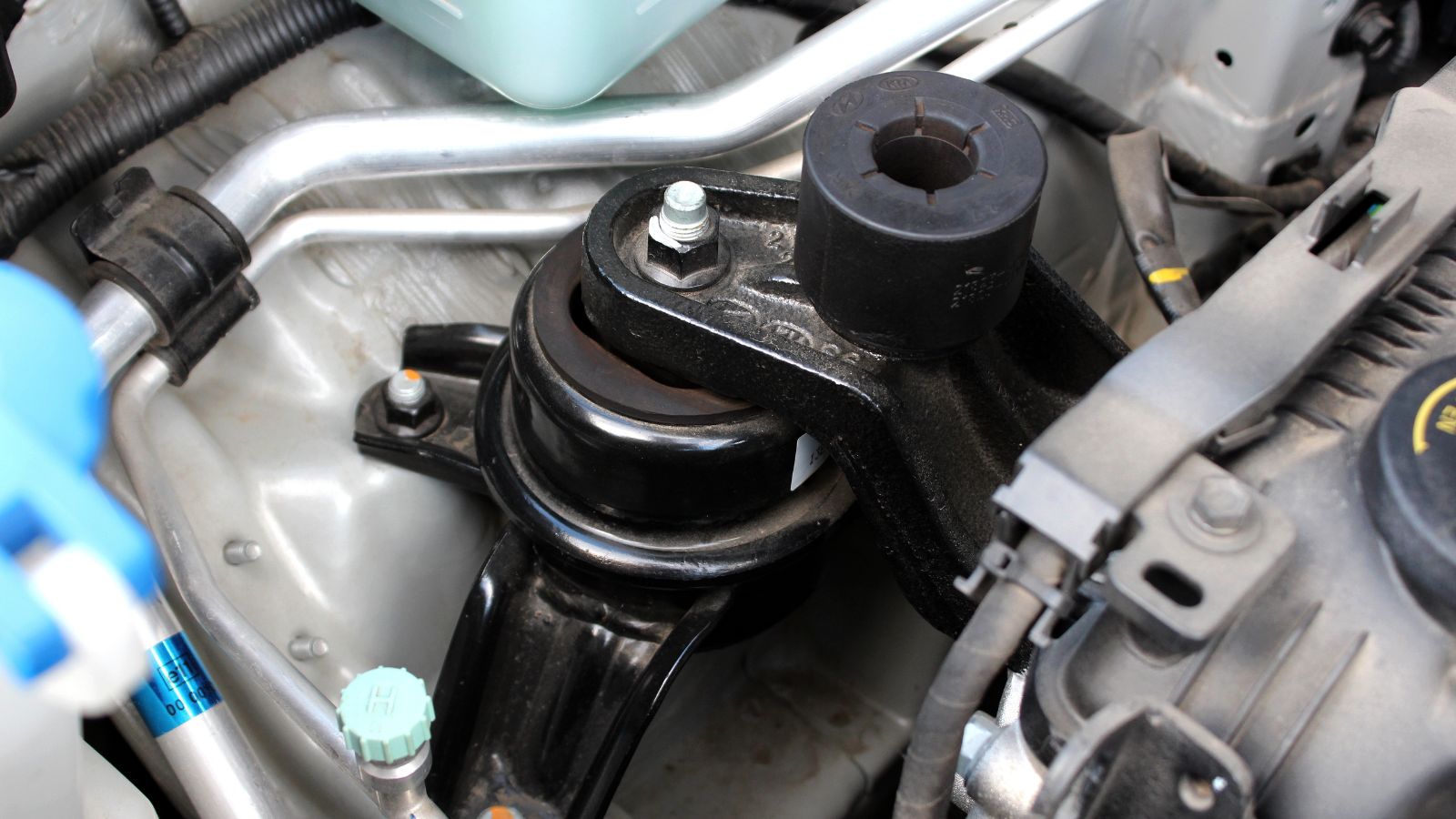
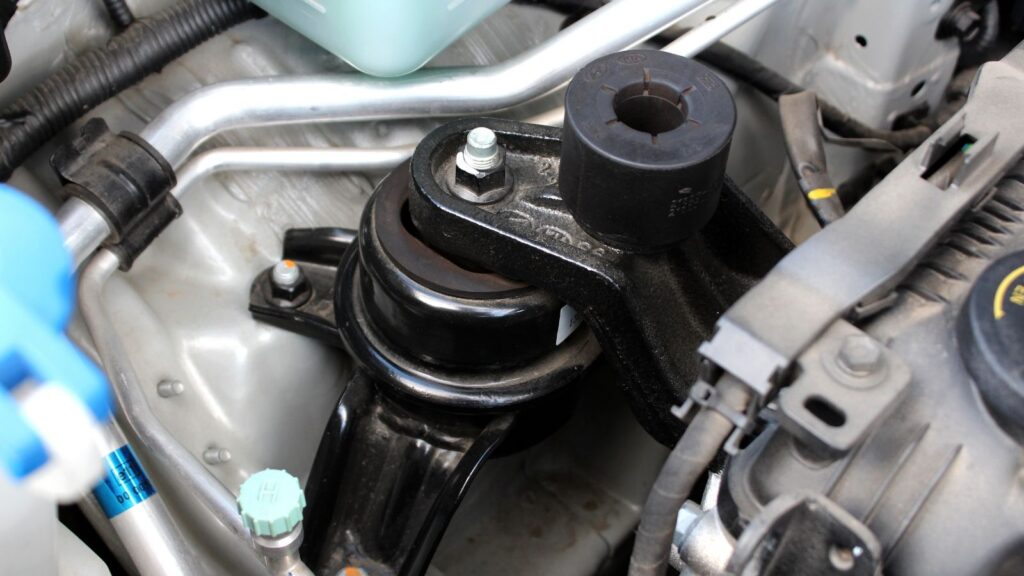
An engine naturally produces vibration, but much of it is deliberately kept away from occupants by the vehicle’s mounts. These components secure the powertrain while helping isolate its movement from the body. When a mount deteriorates, the engine may still run normally while the cabin experience changes dramatically. A steering wheel that once stayed calm at a traffic light may develop a buzz, the seat may tremble in Drive, or a vibration may become more obvious when the air conditioner switches on.
Firestone lists increased vibration as one of the characteristic symptoms of a compromised motor mount and explains that mounts are designed to stabilize the engine while absorbing shocks and vibration. Cracking or deterioration in their rubber portions can reduce that isolation. Because vibration can also be caused by wheel balance, suspension, engine performance, or other problems, it should not automatically be blamed on a mount. Still, when the cause is worn mounting hardware, the effect can be surprisingly powerful: a vehicle that felt smooth and refined when newer may suddenly seem coarse every time it idles at a red light.
Wheel Bearings That Add a Constant Background Roar
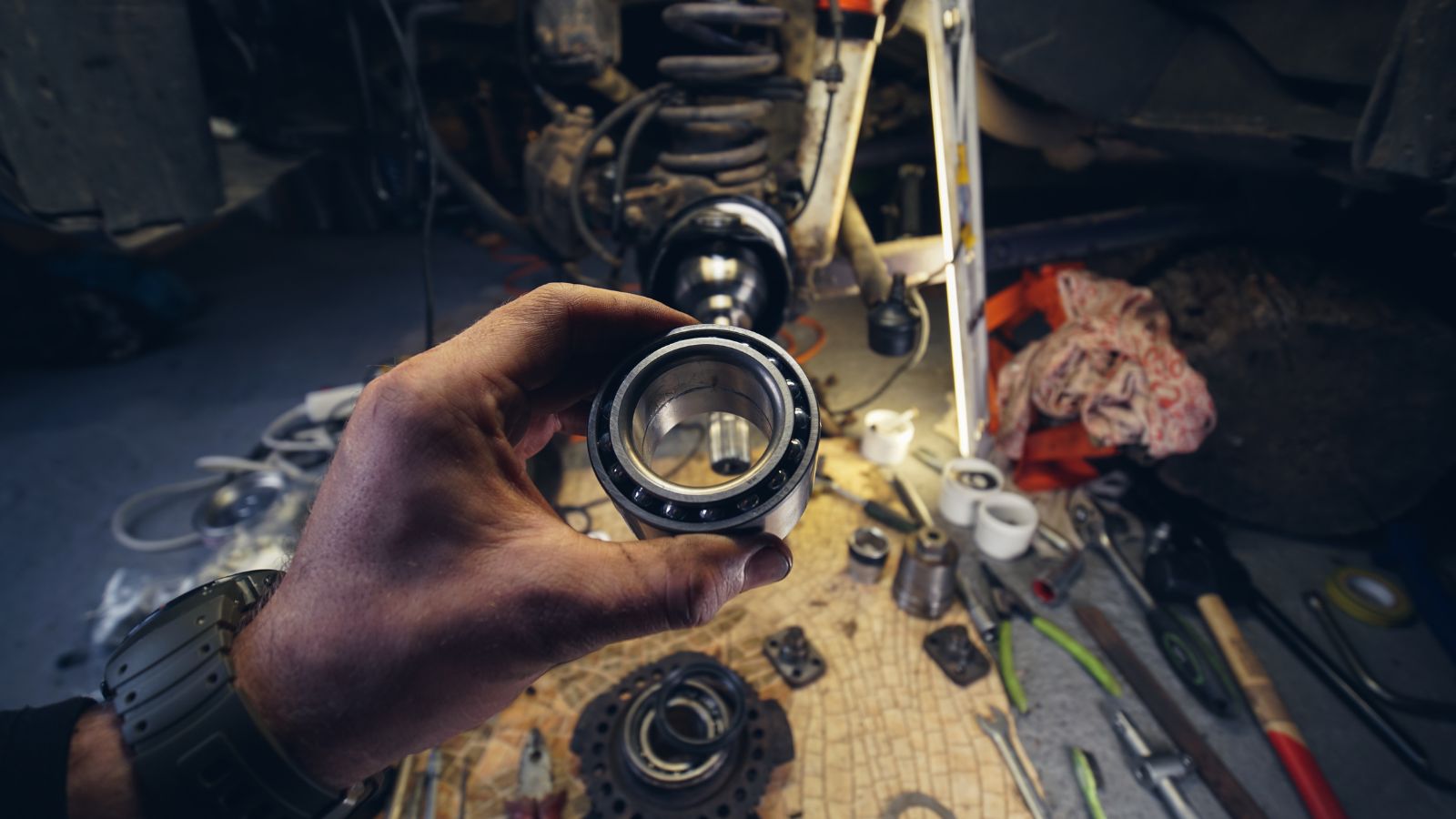
Some signs of ageing become noticeable not through what occupants see but through a new layer of background noise. Wheel bearings allow the wheels to rotate with very little friction. When a bearing begins deteriorating, the driver may notice humming, rumbling, growling, grinding, or vibration that changes with vehicle speed or while turning. Because the sound often builds slowly, it can become part of the vehicle’s normal soundtrack before anyone realizes something has changed.
MOOG identifies humming, rumbling, growling, grinding, steering-wheel vibration, looseness, and in some cases ABS-related issues as possible indicators of a worn wheel bearing. Road contaminants, water, mud, and salt can also contribute to bearing deterioration if they penetrate protective seals. This is more than a refinement issue, so persistent bearing-like noises should be inspected rather than tolerated as a characteristic of an older vehicle. From an ownership perspective, though, even the early-stage noise has an effect. Highway trips become louder and less relaxed, making the vehicle feel less isolated from its mechanical components than it did when newer.
Tyres That Become Noisier as They Age or Wear Unevenly
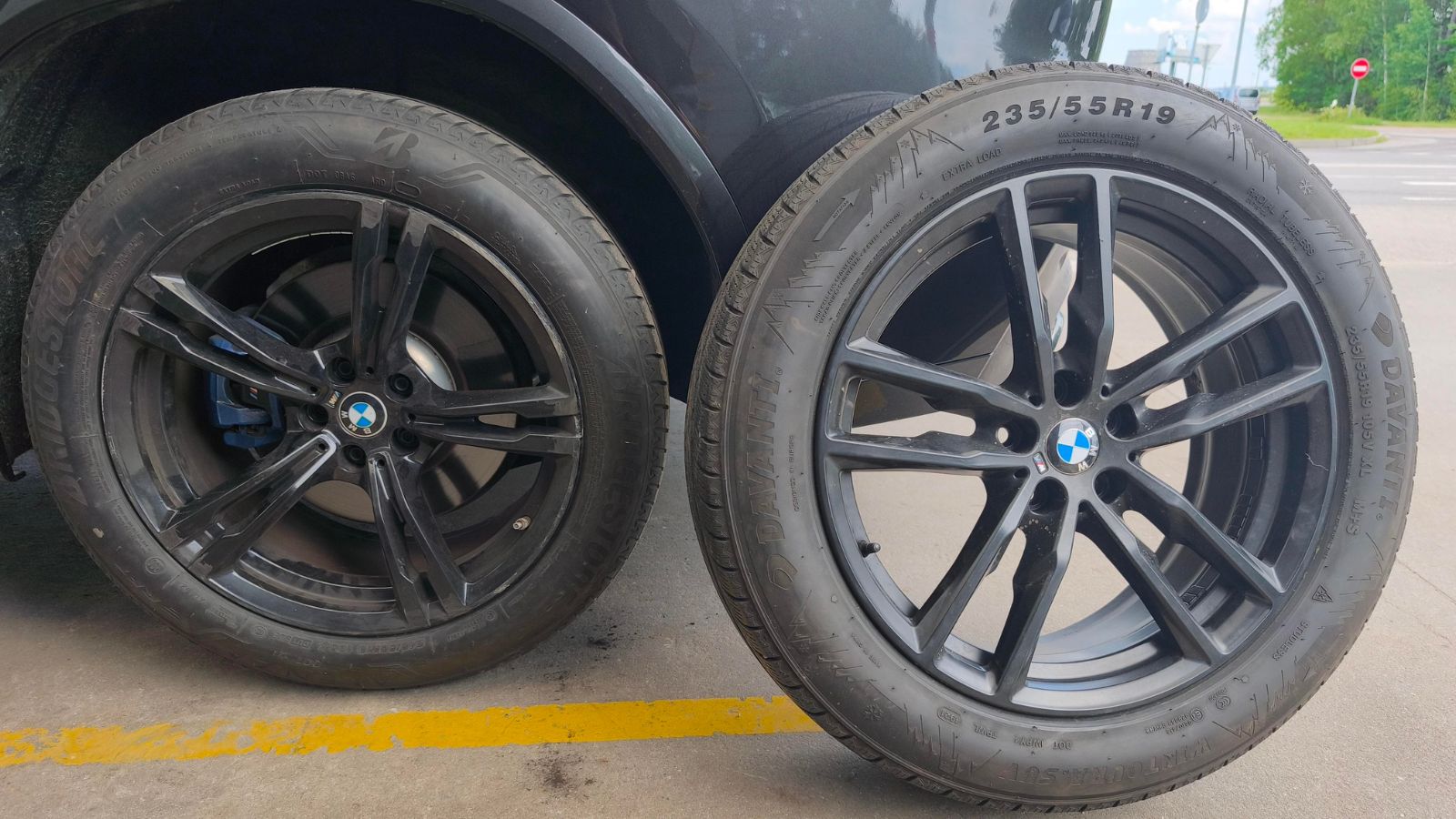
A vehicle’s tyres form its only contact patches with the road, so changes in their condition can alter far more than grip. As tread wears or develops irregular patterns, cabin noise can increase dramatically. Cupping, poor inflation, misalignment, suspension problems, and certain tread designs can all produce additional humming or roaring. A mechanically healthy vehicle can therefore begin sounding old simply because the tyres are no longer interacting with the pavement as smoothly as they once did.
Tyre age deserves separate attention from tread depth. NHTSA explains that tyre materials change over time because of service, storage, and environmental exposure, and that age cannot be assessed simply by looking at the tread. The agency advises owners to pay attention to changes such as noise and vibration and notes that some manufacturers recommend replacement within specified age ranges regardless of remaining tread. That does not mean every noisy tyre is unsafe, nor that age alone explains every change in ride quality. But worn, uneven, damaged, or ageing tyres can erase much of the quietness and smoothness engineered into a vehicle.
Alignment Problems That Make the Car Feel Less Precise

A vehicle that constantly requires tiny steering corrections rarely feels premium, even if everything inside still looks pristine. Wheel alignment determines how the wheels are positioned relative to the vehicle and road. Impacts from potholes, worn steering or suspension components, and repairs involving those systems can alter alignment. When that happens, the driver may notice pulling, an off-centre steering wheel, irregular tyre wear, or a generally less settled sensation on the highway.
Misalignment can also create a chain reaction in perceived quality. Firestone notes that improperly aligned wheels can cause tyres to contact the road at undesirable angles, contributing to uneven wear and increased tyre noise. A problem that begins as geometry beneath the car may eventually be heard inside the cabin as a persistent hum. NHTSA similarly includes balancing and alignment among tyre-maintenance considerations. None of these symptoms uniquely proves that alignment is wrong, which is why measurement is important. But once steering precision disappears and tyre wear becomes noisy, an older vehicle can feel considerably less polished even though the underlying correction may be comparatively straightforward.
Brake Shudder That Makes Every Stop Feel Rough
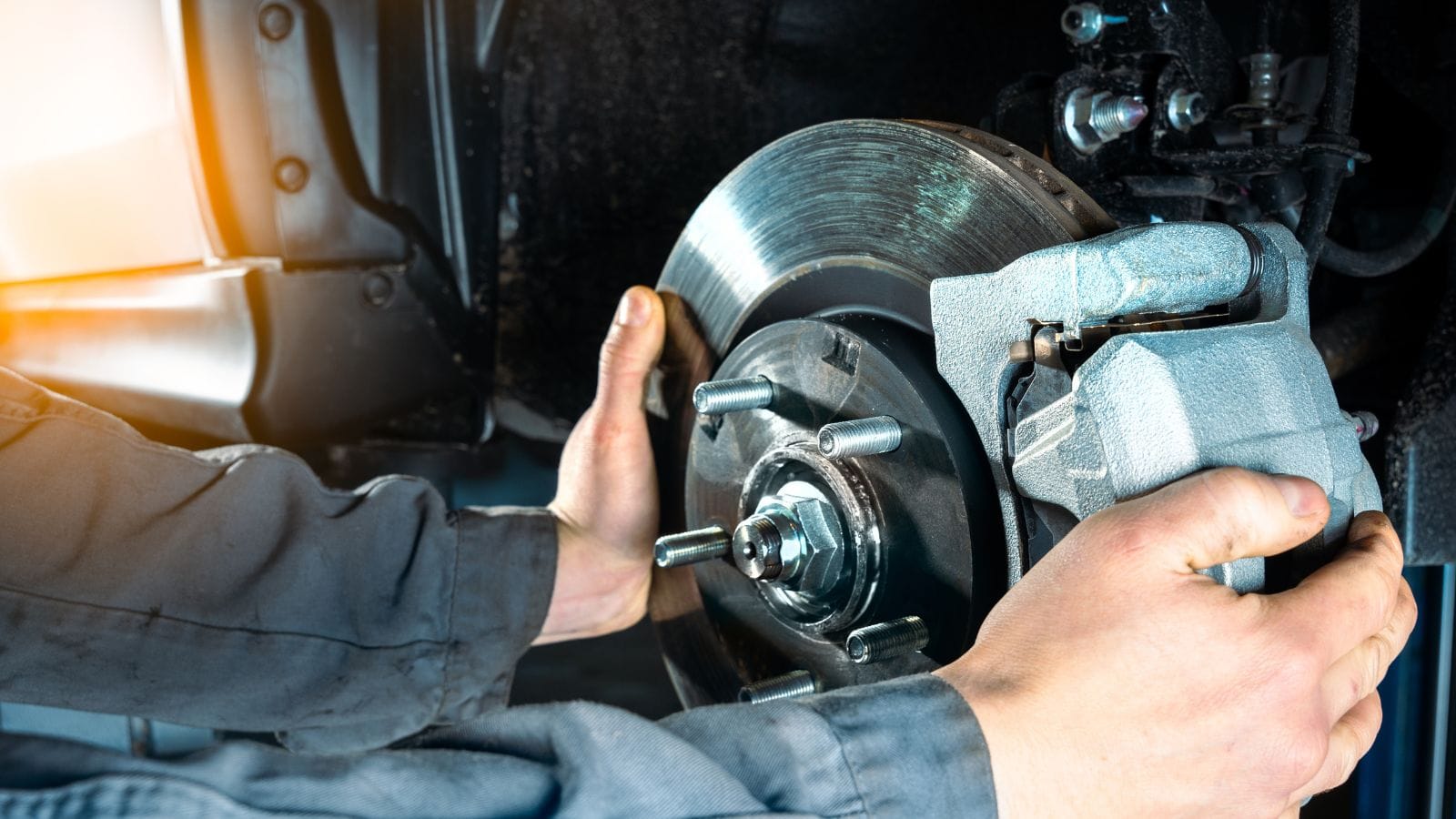
A brake pedal should generally inspire confidence through smooth, predictable response. When the steering wheel, pedal, or body begins vibrating during braking, the vehicle can feel worn almost instantly. Brake shudder can result from several conditions involving pads, rotors, calipers, corrosion, uneven contact, or even components outside the braking system. Whatever the cause, the sensation repeatedly reminds occupants that something is no longer operating as smoothly as it once did.
Firestone lists worn or distorted rotors, worn pads, sticking calipers, and corrosion or debris interfering with rotor contact among potential causes of brake shudder. Brembo likewise identifies rotor deformation and certain patterns of uneven wear or corrosion as possible sources of noise and vibration. Light surface rust after damp weather can be normal and may disappear during braking, while persistent vibration is a different matter and deserves inspection. Because braking is safety-critical, this is not an annoyance to simply accept after warranty coverage disappears. Yet its psychological effect is worth noting: repeated pulsation during an otherwise ordinary stop can make an entire vehicle seem rougher and less well maintained.
CV Joints That Start Clicking Around Corners
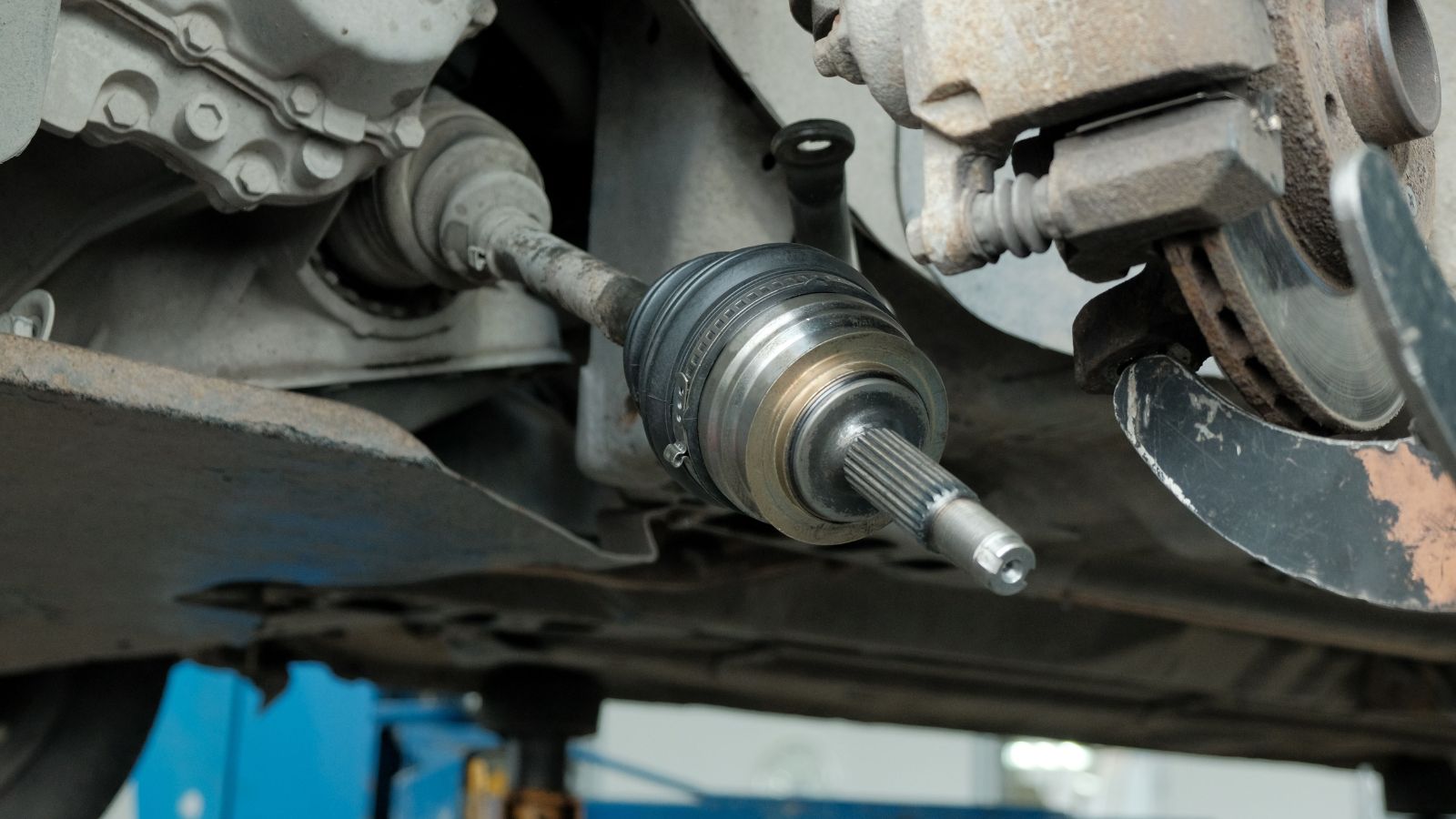
A clicking or popping noise while turning can make a vehicle sound considerably older than its odometer suggests. One possible source is a constant-velocity joint, part of the axle assembly that transfers torque to the driven wheels while allowing the suspension and steering to move. Protective boots retain lubricant and help keep contaminants away from the joint. If a boot tears or deteriorates, lubricant can escape while water and debris enter, accelerating wear inside the joint.
Firestone identifies clicking or popping during turns, vibration during acceleration, and grease around the wheel well or suspension as common warning signs associated with deteriorating CV axles. Those symptoms deserve inspection because continued deterioration can eventually create a mobility problem, not merely an irritating sound. Before reaching that point, however, the effect on perceived quality is already obvious. A driver pulling slowly into a parking space may hear a repetitive click with every wheel rotation. That sound, particularly when combined with suspension creaks or tyre noise, creates the impression of a vehicle whose mechanical parts are beginning to announce themselves during everyday manoeuvres.
Weather Seals That Let Wind and Water Intrude
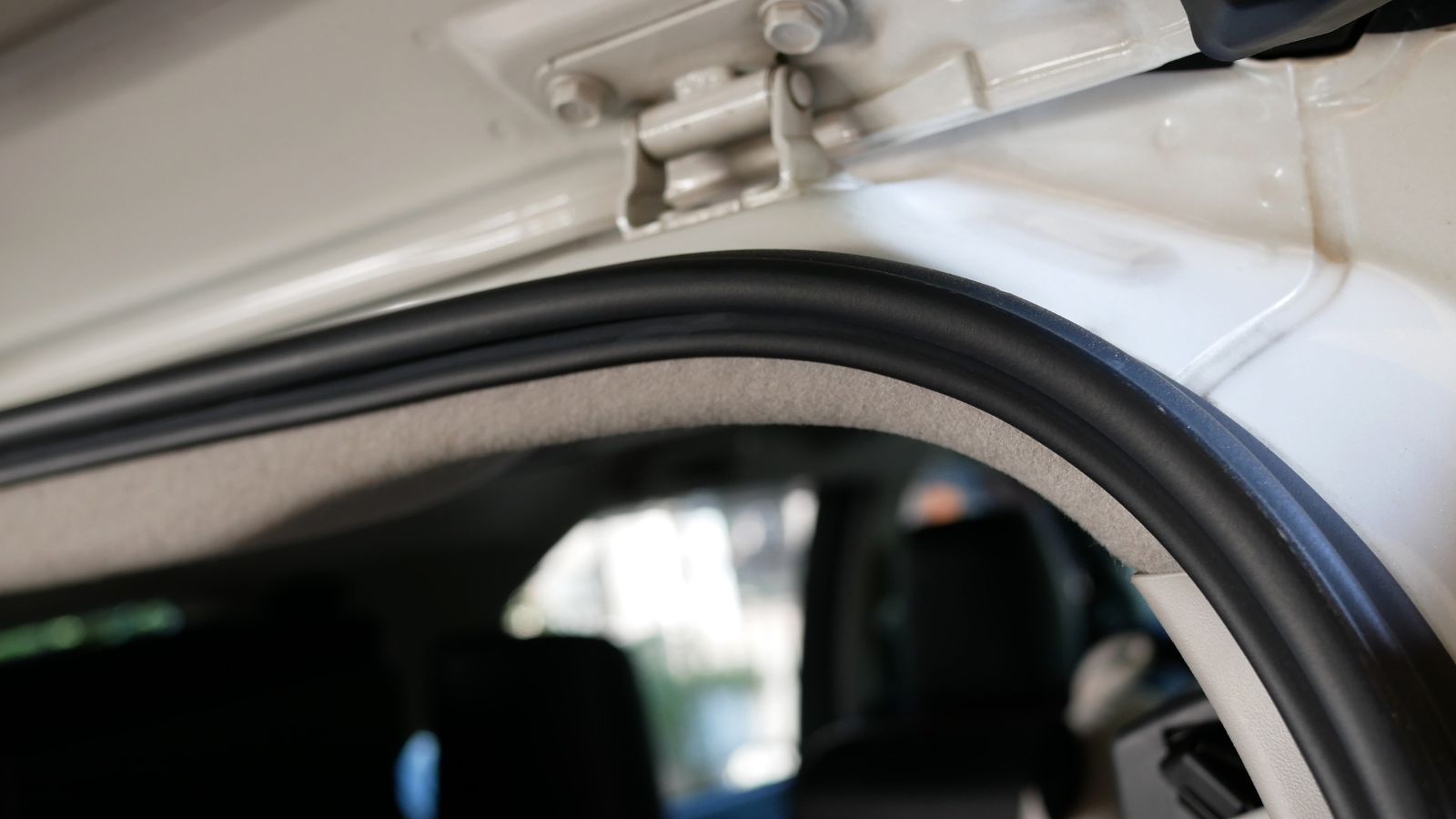
A quiet cabin depends heavily on pieces of rubber that most owners rarely think about. Weather stripping around doors, windows, hatches, and other openings helps keep wind and water outside. As seals loosen, compress, crack, or move out of position, the change may show up as a hiss at highway speeds, a damp carpet after heavy rain, or a door that no longer closes with the same reassuring sound.
Consumer Reports specifically tracks seals, weather stripping, wind noises, and air or water leaks in its vehicle reliability reporting. Owner reports for older vehicles provide examples of weather stripping loosening and leaks developing as vehicles age, although the frequency varies widely by model and environment. Water entry deserves attention because moisture can affect carpets, trim, electrical equipment, and interior odour rather than remaining a cosmetic annoyance. Even ordinary wind noise has a strong effect on perceived refinement. When conversations require more volume at motorway speeds and rain begins finding its way past ageing seals, the vehicle may feel far less carefully insulated than it did in its first years.
Headlight Lenses That Turn Cloudy and Tired Looking
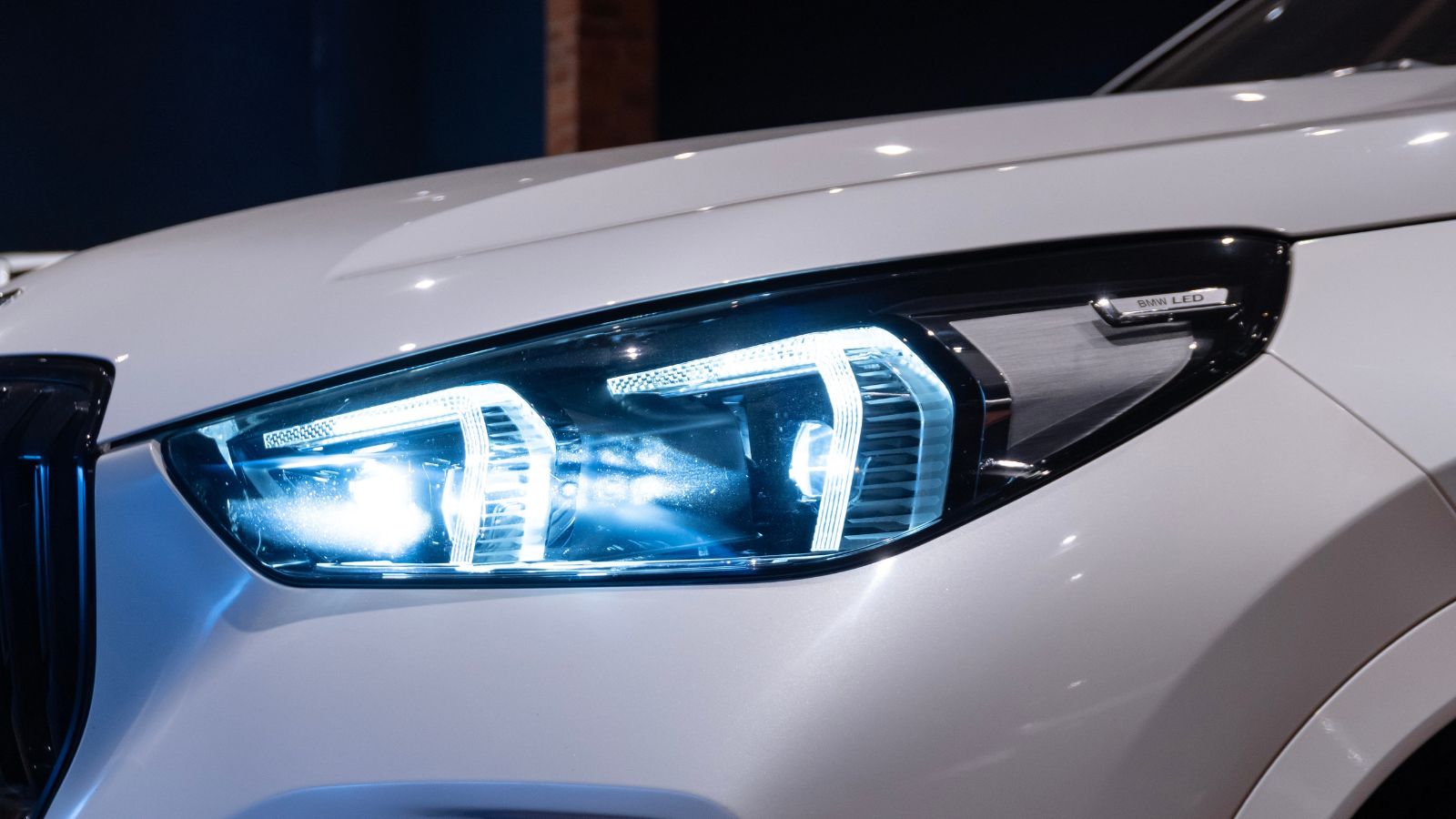
Headlights are both functional equipment and a major part of a modern vehicle’s appearance. Plastic lenses spend years exposed to sunlight, weather, road debris, washing, and temperature changes. As lenses deteriorate and become hazy or yellowed, an otherwise well-kept car can suddenly look neglected. More importantly, deterioration can reduce useful illumination at night, turning what appears to be an appearance problem into a visibility issue.
AAA tested deteriorated headlamps from approximately 11-year-old vehicles and found that the degraded low-beam units in its study produced only 22 percent of the light measured from new headlights operating at full capacity. AAA also reported that restoration improved output substantially in its tests, although replacement with original-equipment units restored the greatest amount. Those findings should not be interpreted as a universal percentage for every ageing headlight; designs and deterioration differ. They do demonstrate how large the effect can become. Cloudy headlights therefore contribute to the “cheap old car” impression twice: they visibly age the front end while potentially making nighttime driving feel noticeably less capable.
A Weak 12-Volt Battery That Creates Unpredictable Behaviour
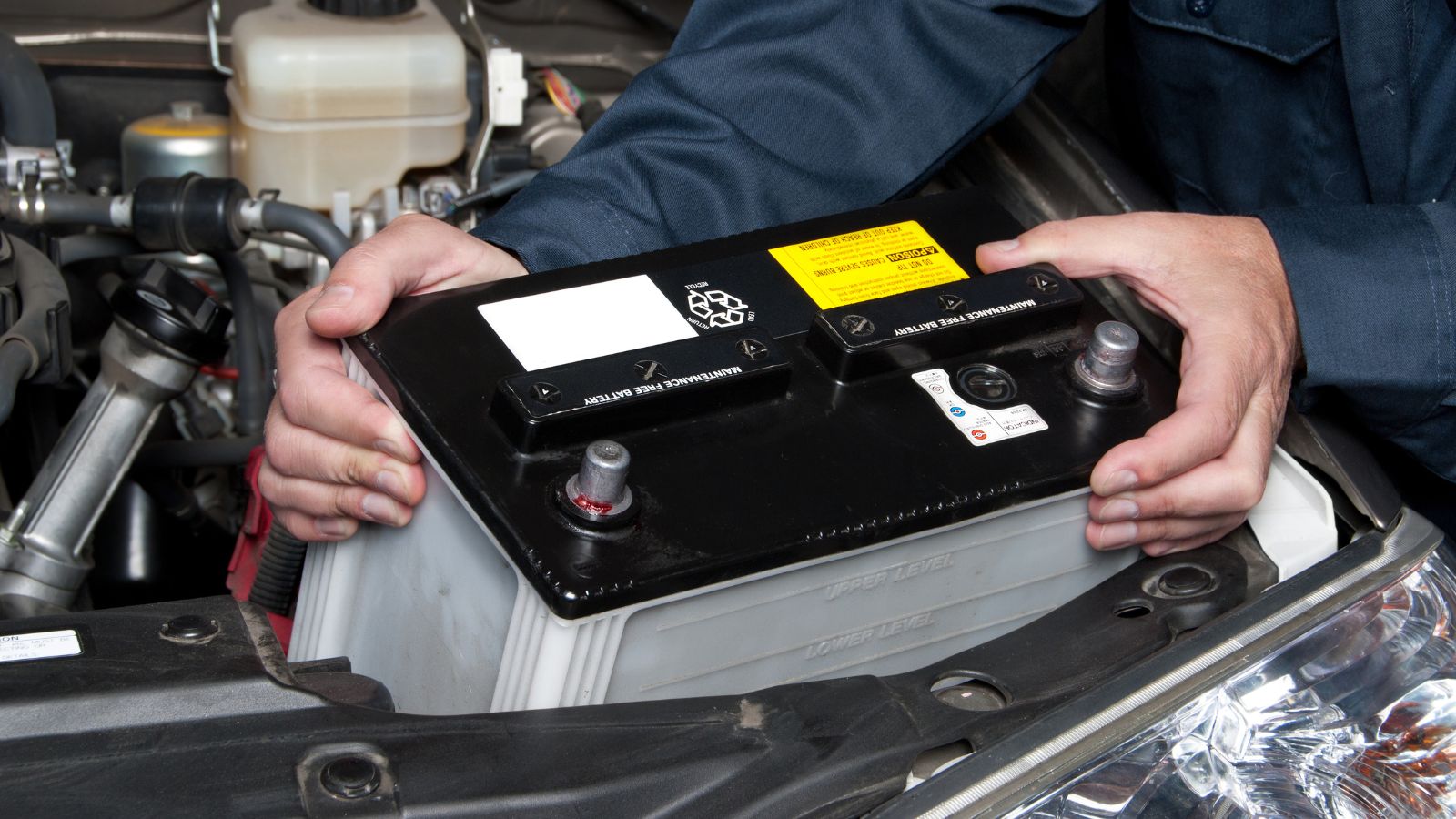
Few things make a vehicle feel less dependable than pressing the start button and getting a hesitant crank, dim displays, or nothing at all. The conventional 12-volt battery powers or supports a wide range of functions, even in many electrified vehicles. Battery deterioration is normal over time, but modern cars also rely heavily on electronic modules, sensors, locks, displays, and communication systems, making stable low-voltage electrical power increasingly important to the everyday ownership experience.
AAA says conventional automotive batteries commonly last roughly three to five years, although climate, driving patterns, vibration, and other factors can change service life considerably. Hot conditions can accelerate degradation, while repeated short journeys may leave a battery insufficiently recharged. A weakening battery does not mean the vehicle itself is poorly built, but the symptoms can make it feel that way. Remote entry may act strangely, starting can become inconsistent, and owners may begin wondering whether each new electrical oddity represents a much larger fault. Testing the battery and charging system can therefore eliminate a surprisingly influential source of perceived ageing.
Climate Control That No Longer Feels Effortless
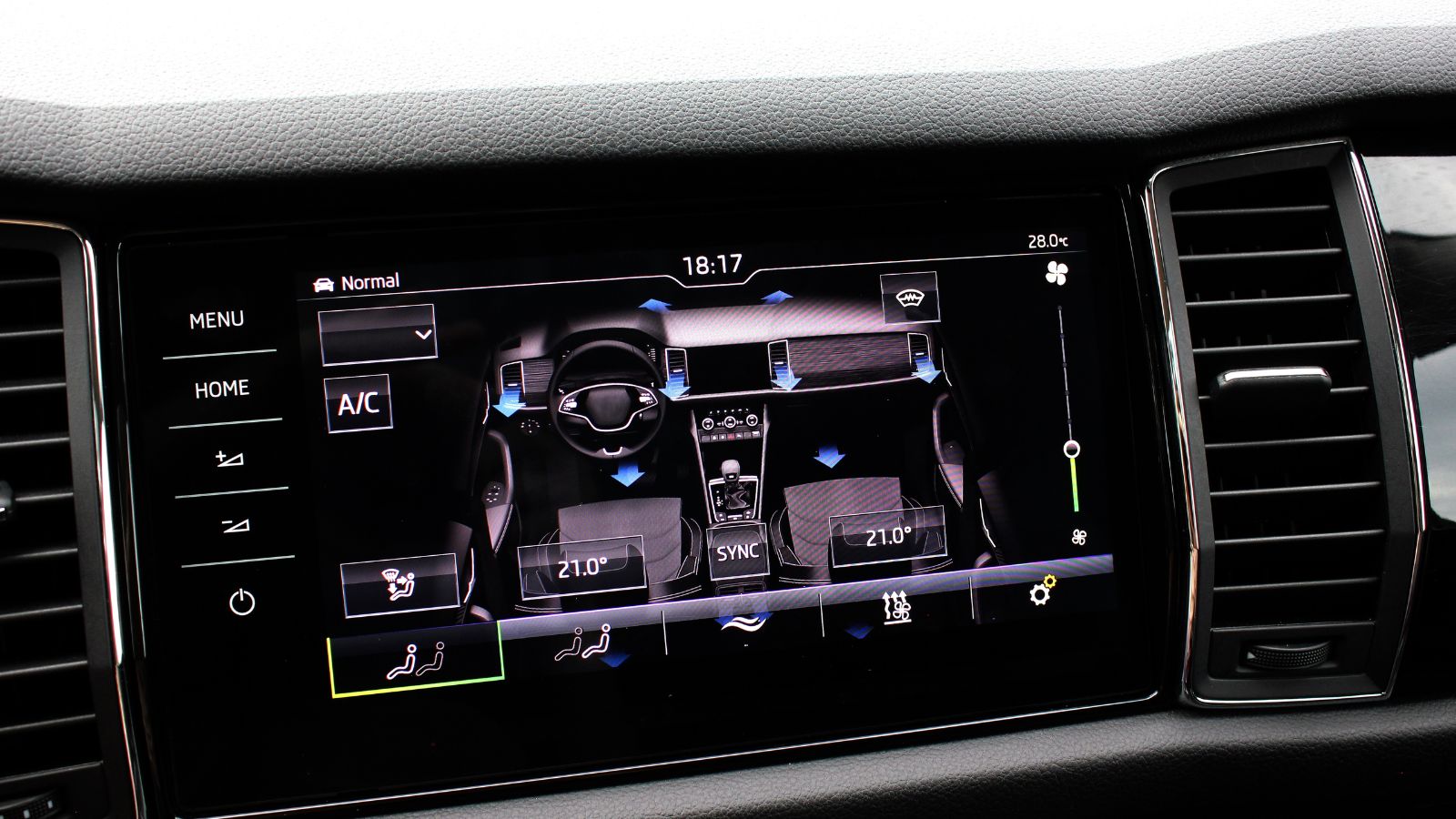
A properly functioning heating and air-conditioning system largely disappears into the background. Set a temperature, adjust the fan, and the cabin becomes comfortable. Once that stops happening, the vehicle can seem far less luxurious regardless of its original price. Blower motors can become noisy or fail, compressors can deteriorate, refrigerant can leak, electronic controls can malfunction, and airflow doors or actuators can produce clicking sounds or fail to direct air where intended.
Consumer Reports treats compressors, condensers, evaporators, blower motors, heaters, refrigerant leaks, automatic climate controls, and electrical faults as separate elements within its climate-system reliability category. Reports from owners of older vehicles illustrate how these faults can range from reduced cooling to failed blowers and expensive component replacement. Those individual anecdotes should not be generalized across all models, but they demonstrate the variety of ways comfort systems can age. A vehicle that needs maximum fan speed to feel cool, makes repeated clicking noises behind the dashboard, or blows different temperatures from neighbouring vents quickly loses the effortless quality associated with a newer cabin.
Windows, Locks and Liftgates That Become Temperamental
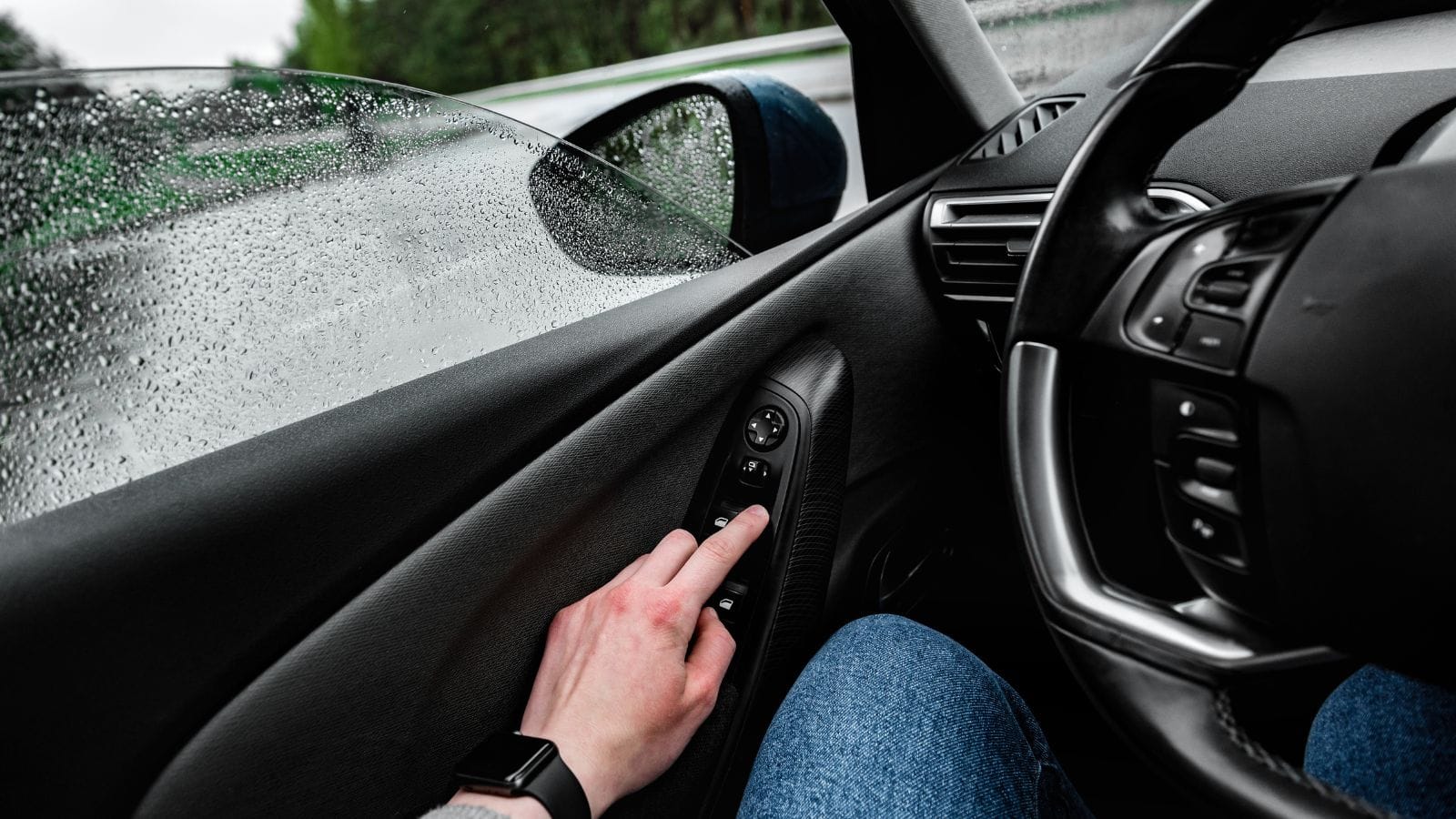
Power-operated conveniences feel luxurious mainly because they work without attracting attention. A window should move when its switch is pressed. A door should unlock when the handle is touched. A powered tailgate should open to the expected height and close without several attempts. Once any of those routines becomes unpredictable, the perceived quality of the whole vehicle can drop disproportionately to the size of the fault.
Consumer Reports includes windows, locks, latches, powered doors, tailgates, mirrors, seat controls, sunroofs, and related equipment within its body-hardware reliability category. Owner reports across different models include failed window motors, malfunctioning latches, problematic powered liftgates, and doors that no longer behave consistently. These examples do not mean every older vehicle will experience such problems; reliability differs significantly by design and use. The effect when they do occur is nevertheless easy to understand. Manually assisting a power hatch or repeatedly pressing an unlock button transforms what was once an invisible convenience into a daily reminder that small pieces of the vehicle are ageing.
Infotainment That Ages Faster Than the Rest of the Vehicle

Mechanical components are no longer the only parts of a car that can become dated. The centre display may still function exactly as designed yet feel old because phones, applications, operating systems, and user expectations have moved forward. Other systems develop genuine glitches: frozen displays, intermittent pairing, delayed responses, failed voice recognition, or unreliable Android Auto and Apple CarPlay connections. Because the display is used on almost every trip, these annoyances can dominate the perception of quality.
J.D. Power’s 2026 U.S. Vehicle Dependability Study found infotainment remained the most problematic of the nine categories it measured among surveyed owners of three-year-old vehicles, at 56.7 reported problems per 100 vehicles. Four of the five most frequently cited industry problems were related to phone integration, including Android Auto and Apple CarPlay connectivity. Consumer Reports has likewise described infotainment faults as common reliability complaints and notes that some issues can require software updates or system resets. A powertrain can therefore remain smooth and dependable while the dashboard technology makes the vehicle feel several generations old.
Small Electrical Features That Stop Working One by One
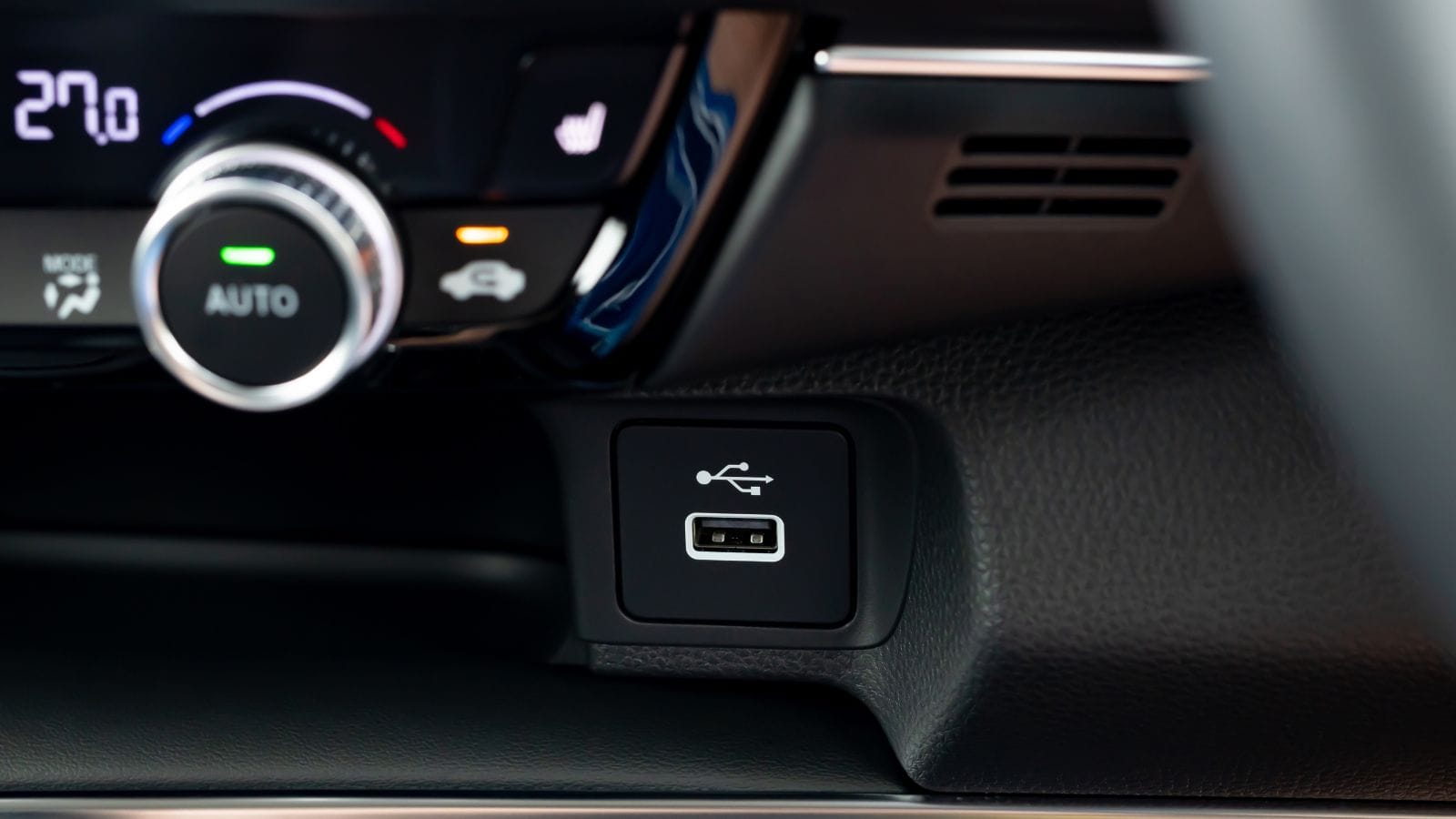
A failed USB port will not strand a vehicle. Neither will a temperamental wireless charging pad, intermittent keyless-entry sensor, broken heated-seat element, faulty washer pump, or unresponsive steering-wheel button. Yet several of these minor faults appearing together can make an otherwise sound vehicle feel neglected. The psychological impact comes from repetition: every trip includes another reminder that a feature paid for when the vehicle was new no longer performs properly.
Consumer Reports’ reliability methodology places equipment such as USB ports, wireless chargers, keyless entry, warning lights, wiper motors, heated seats, remote-start systems, lighting, 12-volt outlets, and other accessories within its electrical-accessory category. J.D. Power’s dependability research provides further evidence that seemingly modest technology annoyances matter to owners; wireless charging and phone connectivity were among the frequently reported issues in its 2026 U.S. study. Not every failed convenience needs the same urgency, but faults involving lighting, visibility, warning systems, or safety equipment should be treated differently from a broken charging socket. Collectively, however, minor electrical defects are particularly effective at making a cabin feel older.
Driver-Assistance Sensors That Need Expensive Attention

Modern vehicles can contain cameras, radar units, ultrasonic sensors, and related hardware in windshields, mirrors, bumpers, grilles, and other vulnerable locations. When these components are damaged, moved, replaced, or sometimes affected by related repairs, the issue is not always solved by installing a new part. Many advanced driver-assistance systems require precise calibration so that the vehicle understands exactly where its sensors are aimed.
AAA explains that calibration may be necessary after repairs including windshield replacement, suspension work, wheel alignment, collisions, or removal of sensor-related components, depending on the vehicle. Its 2023 repair-cost research found ADAS components could add substantial expense to collision repairs; individual sensor-related costs in the scenarios studied ranged from hundreds of dollars to more than $1,500. Those figures were based on specific 2023 vehicles and should not be treated as universal estimates. Still, they demonstrate why a small warning message can suddenly make an out-of-warranty vehicle feel technologically expensive to maintain. Safety-system faults should be properly diagnosed and calibrated rather than ignored merely because the vehicle still drives normally.
Seats That Lose Their Shape and Finish
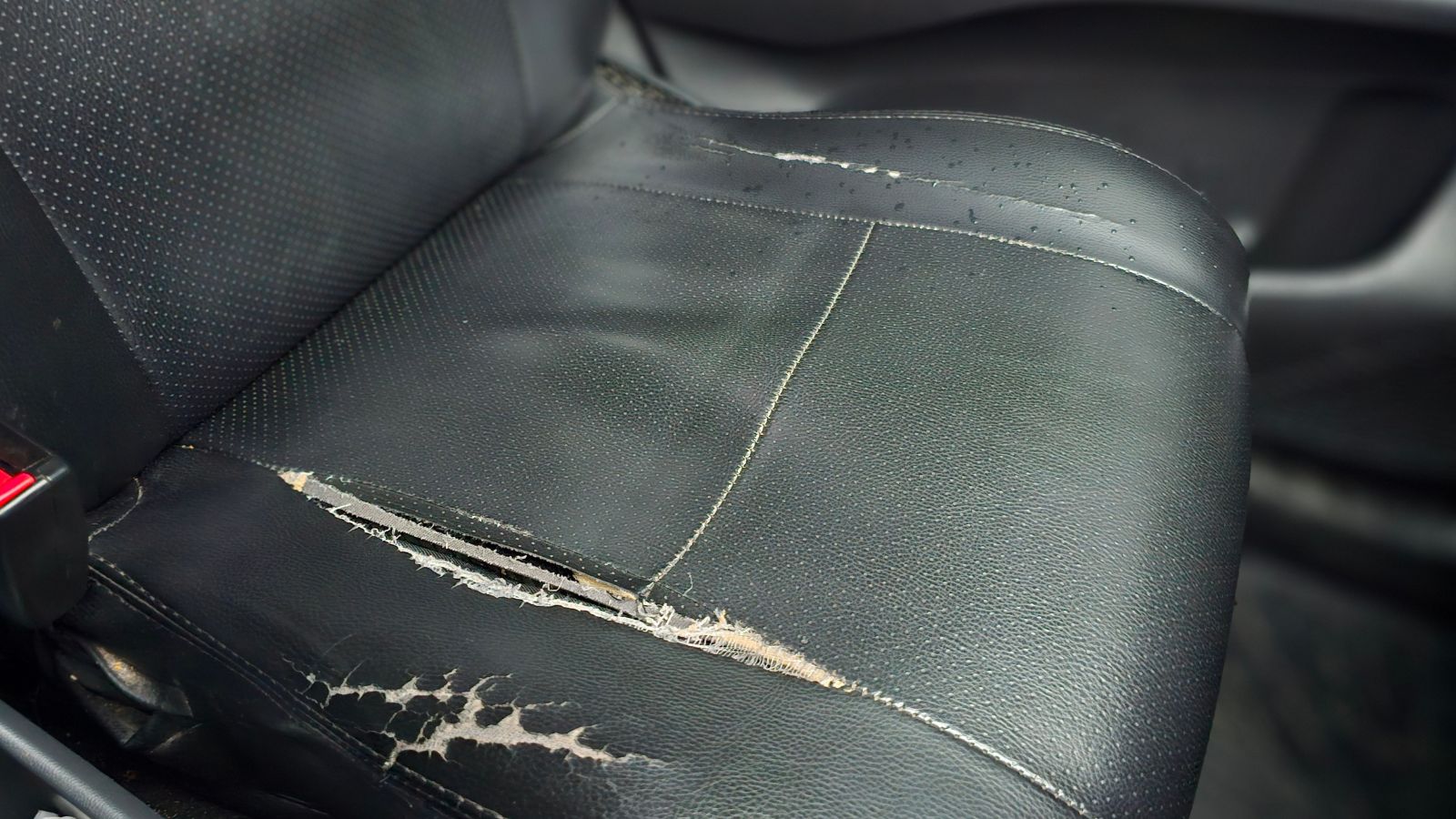
The driver’s seat may be the single interior component an owner interacts with most, which makes its ageing especially visible. Repeated entry and exit place heavy wear on the outer bolster. Upholstery can scuff, wrinkle, stretch, stain, or separate at seams, while foam can soften or lose its original shape. Power adjustments, heaters, ventilation, memory functions, and other mechanisms add additional systems that can develop faults over time.
J.D. Power’s 2025 U.S. Seat Quality and Satisfaction Study identified seat-material scuffing and soiling among frequently cited seat complaints and found that seat problems have a meaningful relationship with overall owner satisfaction. More recent J.D. Power dependability research in China also identified seat-surface wear as a notable wear-and-damage concern as vehicles moved further into their ownership cycles. Those studies examine specific markets and vehicle ages, so their results should not be assumed to describe every model everywhere. Nevertheless, the broader point is intuitive: sagging foam, shiny bolsters, damaged stitching, or noisy adjustment hardware can age a cabin more visibly than many hidden mechanical defects.
Paint and Exterior Trim That Stop Looking New
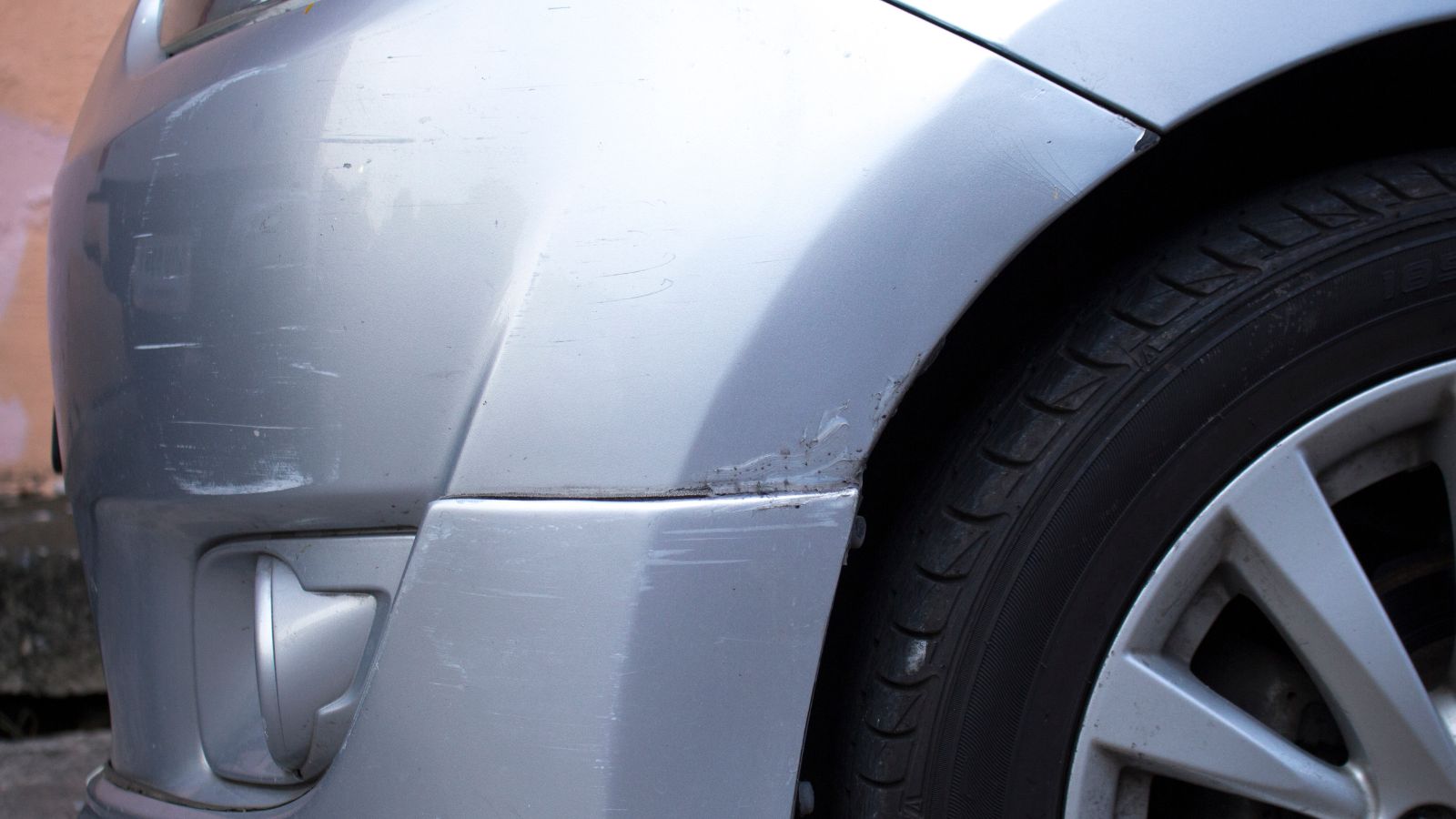
Exterior ageing can create an impression of cheapness before anyone opens the door. Clear coat deterioration, stone chips, fading painted plastics, peeling decorative trim, and loose mouldings are highly visible because they affect large surfaces and sharp design details. Sun exposure, road debris, weather, washing practices, environment, material quality, and previous repairs can all influence how well a particular finish survives.
Consumer Reports explicitly includes fading, chalking, peeling, cracking, loose trim and mouldings, and rust within its paint-and-trim reliability reporting. Its owner data contains examples of paint deterioration and exterior pieces fading or loosening across vehicles of different ages. Such owner anecdotes demonstrate possibilities rather than establishing a universal lifespan for paint. A well-maintained older vehicle can preserve its finish for many years, while another may show deterioration sooner. But the visual effect is difficult to overlook: once painted trim no longer matches adjacent panels or the clear coat begins losing its gloss, the vehicle can look substantially older even when the mechanical components underneath remain healthy.
Corrosion That Changes Both Appearance and Confidence
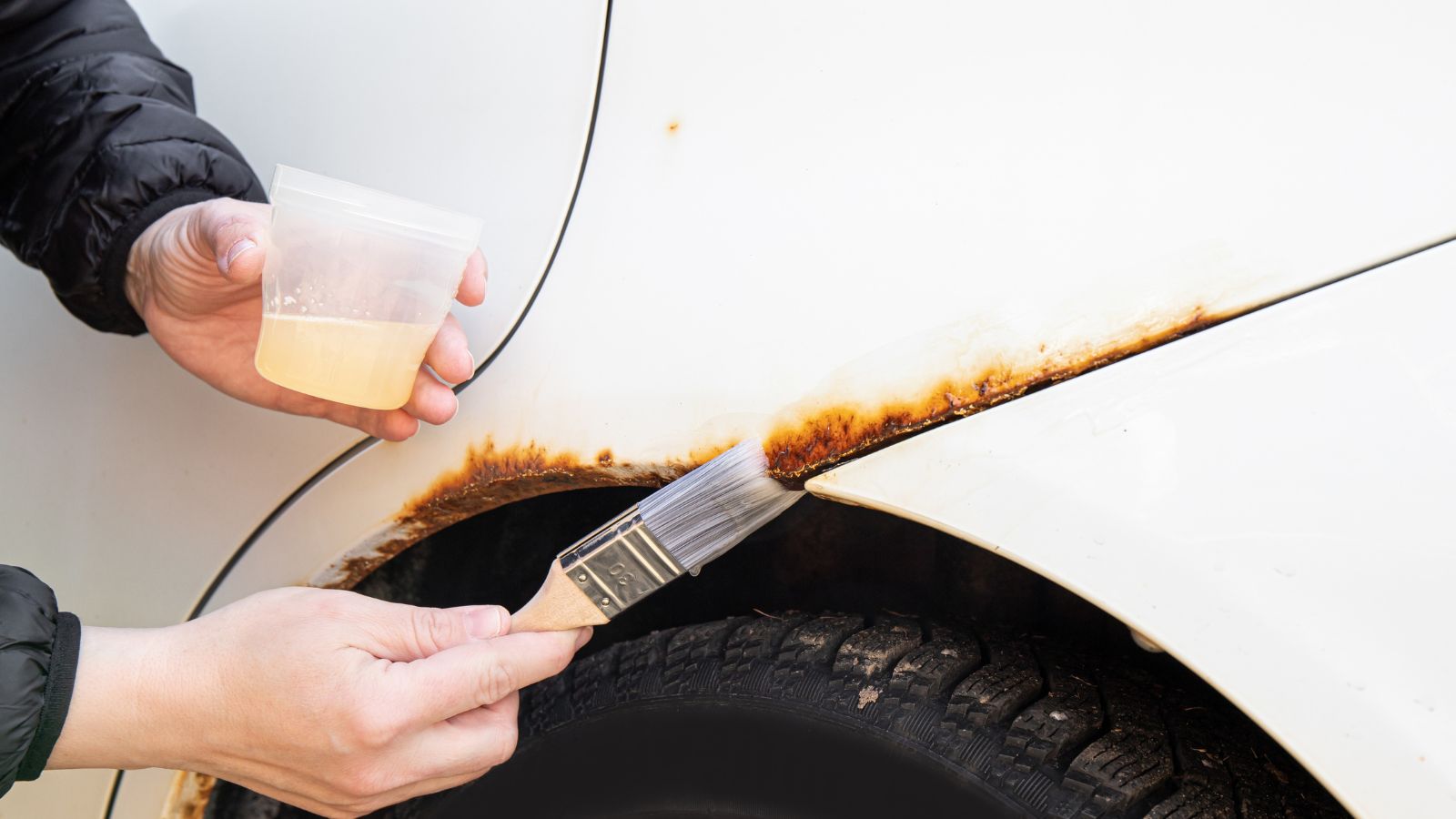
Rust has a unique ability to make a vehicle feel old because it can appear almost anywhere: wheel arches, door seams, fasteners, suspension pieces, exhaust parts, brake components, or the underbody. Winter environments can make corrosion concerns particularly important. Environment and Climate Change Canada confirms the widespread use of road salts as de-icing and anti-icing chemicals, while provincial safety authorities warn that long-term corrosion can become more than an appearance issue.
Quebec’s Société de l’assurance automobile du Québec notes that surface rust may become visible after several years and that underbody corrosion, if left unattended, can eventually compromise structural integrity. It recommends washing salt residue from the underside as one method of reducing exposure. The amount of corrosion varies enormously according to climate, design, storage, road treatment, maintenance, and vehicle history, so age alone is not a diagnosis. Still, visible rust around seams or underneath the vehicle changes the ownership experience. Even before serious structural deterioration exists, corroded hardware and flaking surfaces can make routine repairs harder and give the vehicle an unmistakably tired appearance.
Exhaust Rattles That Make the Vehicle Sound Worn Out
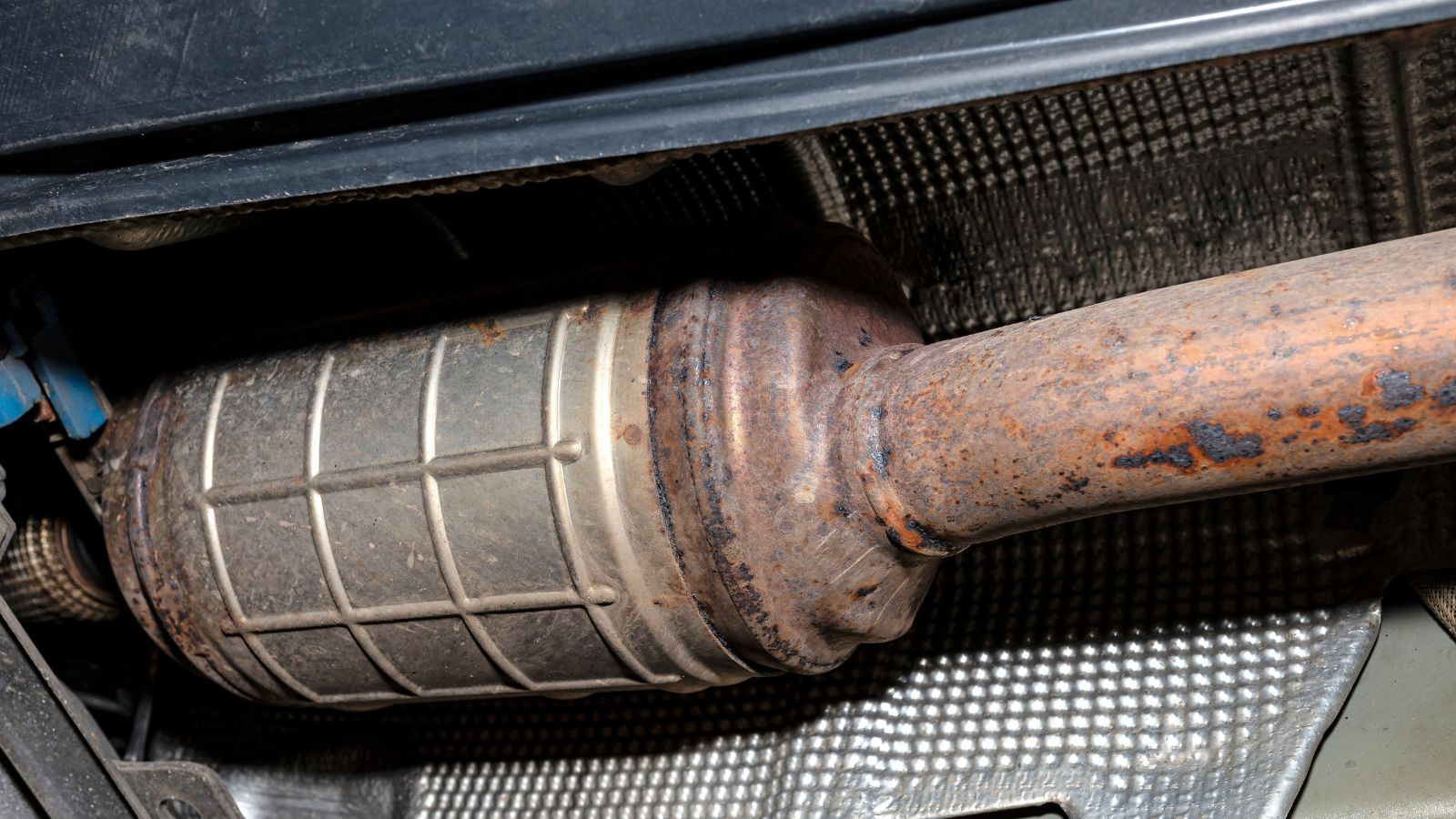
A vehicle can look excellent from ten metres away and still announce its age the moment the engine starts. Exhaust systems include pipes, mufflers, catalytic converters, hangers, joints, and heat shields exposed to water, heat cycles, road debris, and—in some climates—salt. A loose heat shield may produce a metallic buzz at a particular engine speed, while a leaking connection or deteriorated muffler can turn a previously subdued exhaust note into something far rougher.
Consumer Reports tracks mufflers, exhaust pipes, catalytic converters, manifolds, heat shields, and leaks as reliability trouble spots. Its long-term owner reports provide numerous examples of rattling heat shields, corroded connections, exhaust leaks, and deteriorated pipes on ageing vehicles. These reports are model-specific experiences rather than evidence that all exhaust systems deteriorate at the same mileage. Nevertheless, the perceived-quality effect is striking. A thin metallic rattle bouncing off a parking-garage wall can make an otherwise healthy vehicle sound mechanically exhausted. Exhaust leaks also deserve inspection because the issue extends beyond appearance or refinement and can require proper repair.
Steering Joints That Introduce Play and Clunks
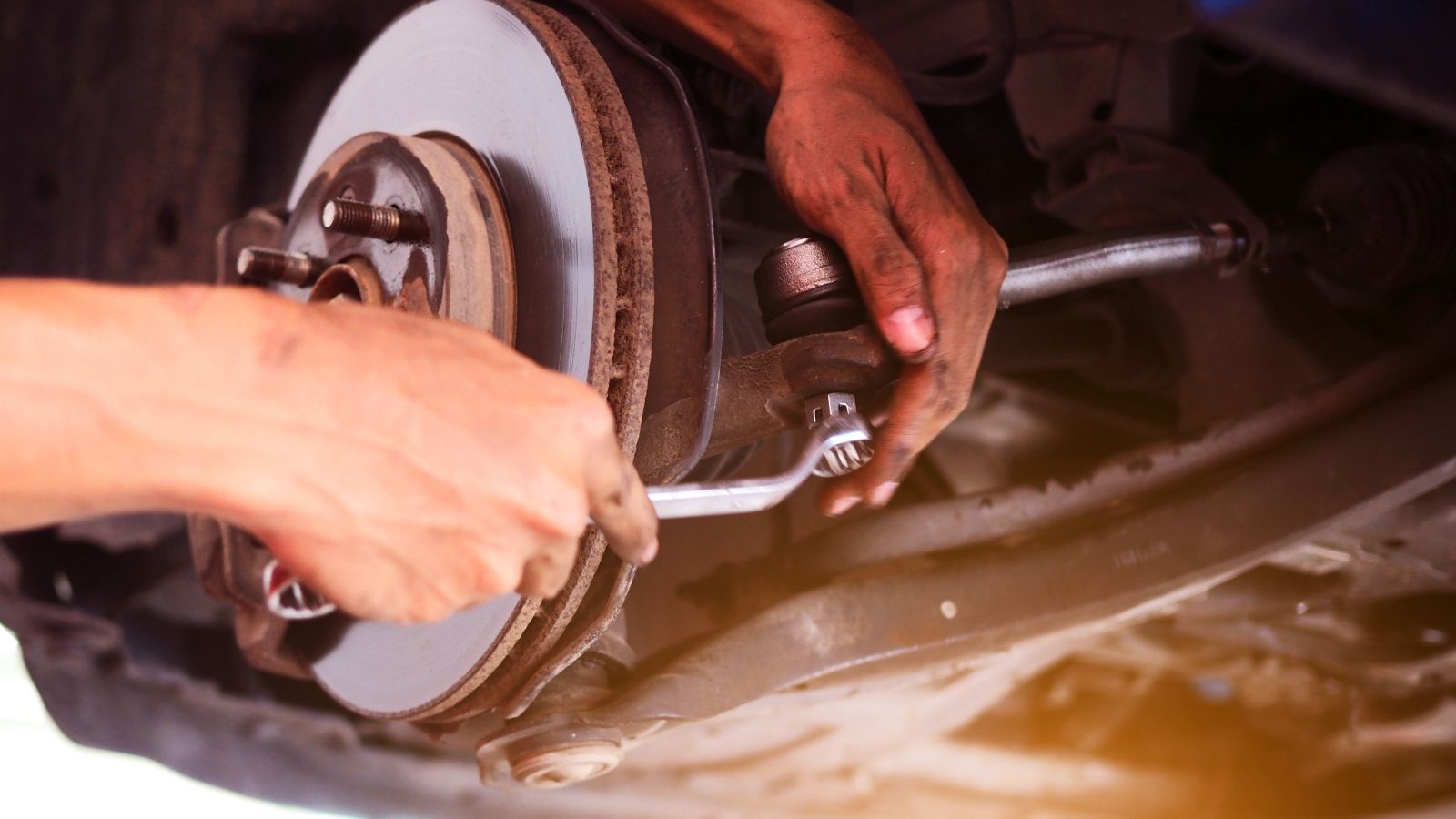
One of the strongest signals of quality is the way a vehicle responds immediately and predictably to steering input. Tie-rod ends, ball joints, steering linkages, and related suspension components help determine how accurately that happens. Wear can introduce looseness, knocking, wandering, or inconsistent feedback. Because deterioration may occur gradually, an owner who drives the same vehicle every day may compensate automatically by making more frequent steering corrections.
Consumer Reports includes ball joints, tie rods, steering linkage, wheel bearings, alignment, bushings, springs, and other components in its suspension-and-steering reliability category. Reports from older vehicles show that these components do sometimes require replacement as mileage and age accumulate, although there is no universal interval applying to every design. Steering looseness and clunks should be investigated promptly because some causes are safety-related rather than mere refinement concerns. From a perceived-quality standpoint, however, the connection is immediate. Once a formerly precise steering wheel begins feeling vague or the front suspension knocks whenever the vehicle enters a driveway, the entire machine can seem less solid—even if its engine remains capable of many more years of service.
19 Used Cars Canadians Should Avoid in 2026 (Based on Owner Complaints)

Buying a used car in Canada can feel safe until repair bills start stacking up. Owner complaints tell a different story than glossy listings. Transmission failures, electrical problems, and weak winter reliability show up again and again in consumer reports. Many of these issues appear after warranties expire, when owners least expect them. Some vehicles look affordable upfront, but become expensive to keep on the road. Others struggle in cold weather, urban driving, or long highway commutes. Here are 19 used cars Canadians should avoid in 2026 (based on owner complaints).
19 Used Cars Canadians Should Avoid in 2026 (Based on Owner Complaints)

Alanna Rosen is an experienced content writer that focuses on many EV and educational content. Her articles are regularly published on Get CyberTrucked and syndicated on large publications.