Options can make a new vehicle feel more luxurious, capable, or personal, but the amount paid at the dealership rarely survives intact when the vehicle returns to the used market. Appraisers consider equipment, yet they also weigh mileage, condition, reliability, model demand, location, and the cost of keeping complicated features working.
Some upgrades improve marketability without adding much to the final selling price. Others appeal strongly to a narrow group while leaving ordinary buyers indifferent. A few can even introduce maintenance concerns that offset their benefits. These 22 vehicle options illustrate why an enjoyable upgrade and a valuable investment are not always the same thing. In many cases, the best reason to order an option is the comfort, appearance, or capability it provides during ownership—not the expectation that a future buyer will repay its original cost.
Factory Navigation Systems
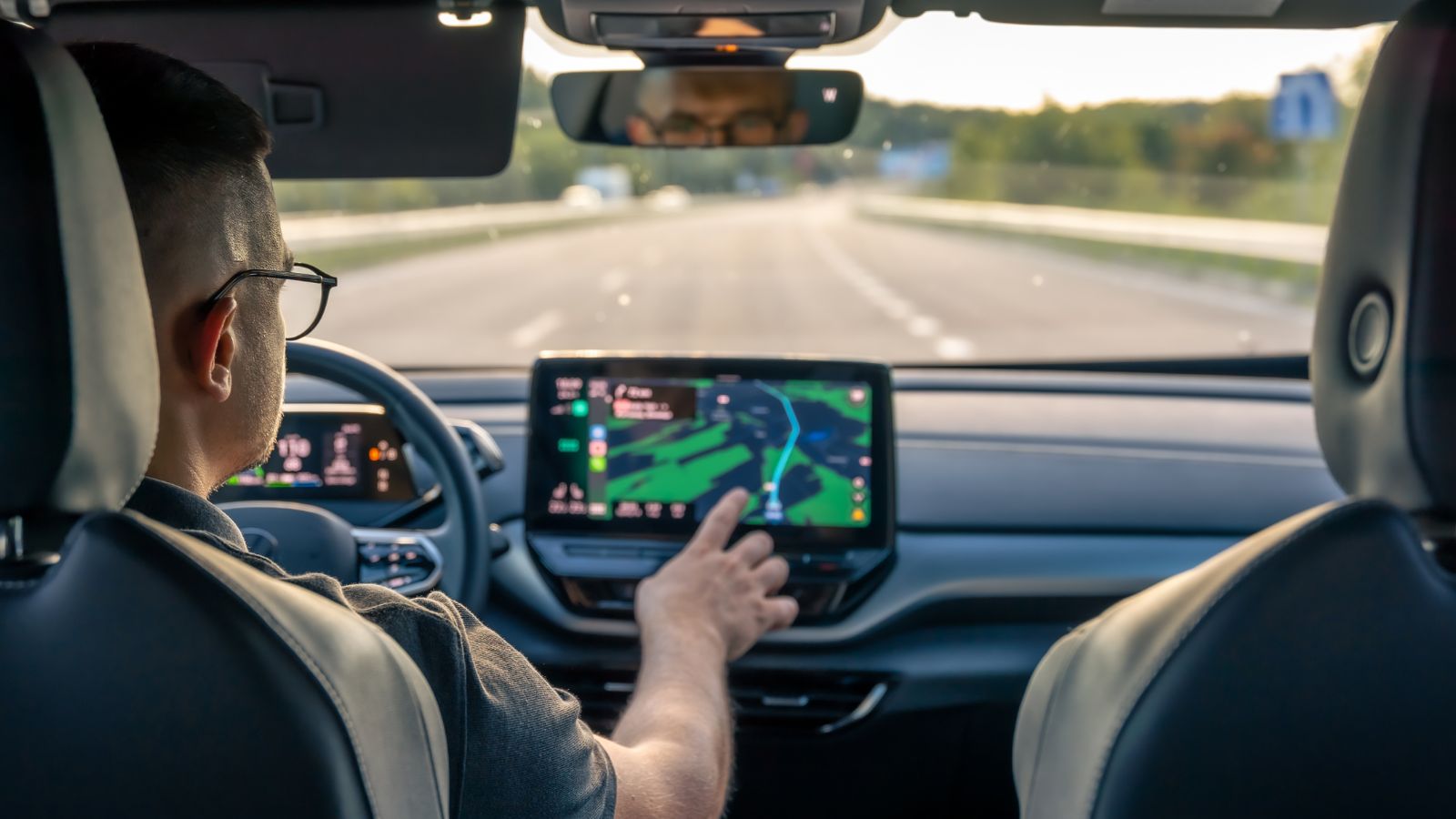
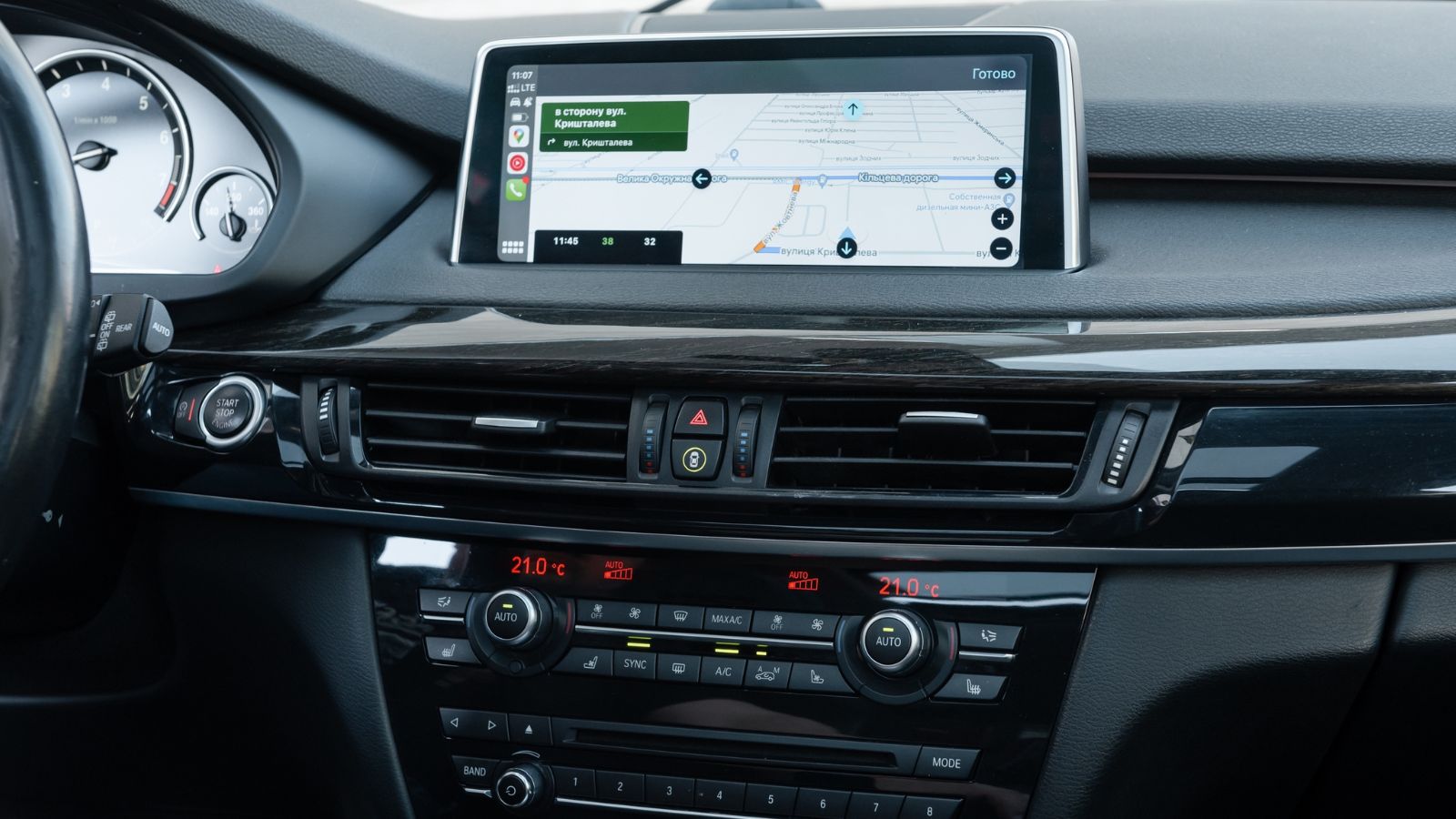
Built-in navigation can make a new dashboard feel complete, especially when the map appears in the instrument cluster or works without cellular service. The resale problem is technological aging. Edmunds has noted that factory navigation may help value briefly, but interest often falls after three to five years as interfaces, graphics, map data, and search functions begin to look dated. A feature that once justified a four-figure technology package can become little more than an extra menu on an aging screen.
Used-car shoppers also arrive with alternatives already in their pockets. Apple CarPlay, Android Auto, and phone-based maps provide live traffic, familiar voice assistants, and frequent updates, reducing the premium buyers place on an older proprietary system. Navigation still matters in areas with weak reception, and integrated electric-vehicle route planning can be genuinely useful. Even so, the resale benefit usually comes from having a functional, modern infotainment system overall—not from recovering the original price of factory navigation itself.
Premium Branded Audio
A premium sound system can transform a long commute, but branded speaker grilles rarely return their full showroom cost. Audio packages often bundle amplifiers, extra speakers, subwoofers, acoustic glass, or upgraded infotainment hardware. Edmunds testing has shown that these systems can range from modestly priced upgrades to expensive luxury add-ons, yet sound quality varies widely. The badge may impress the first owner more than the next buyer, who is evaluating the entire trim level rather than pricing every speaker separately.
Resale demand is also highly personal. One shopper may seek a specific Bose, Harman Kardon, Burmester, or Bang & Olufsen setup, while another listens mainly to podcasts through ordinary speakers. Dealers can mention premium audio in a listing, but appraisers generally will not reimburse its original invoice price. The option can make a vehicle easier to choose over an otherwise identical example, particularly in luxury models. That is different from adding equivalent dollars to the sale price, which is where buyer expectations often become unrealistic.
Rear-Seat Entertainment Screens
Built-in rear entertainment once signaled a top-tier family vehicle. Today, fixed screens can age faster than the vehicle around them. Car and Driver documented systems that cost roughly $1,750 to $1,995 in large SUVs, while newer tablets offer sharper displays, downloadable content, games, and easy replacement. CARFAX has likewise observed that many manufacturers no longer make built-in rear entertainment standard because families already own more flexible portable devices.
That does not make the option useless. Integrated screens remain tidy, securely mounted, and convenient on long trips, especially when they can share vehicle audio or display separate content. The resale limitation is that a future buyer may see old software, outdated inputs, missing headphones, or a screen that cannot run current apps. A parent buying a six-year-old SUV may prefer two inexpensive tablets that leave the vehicle when the trip ends. As a result, rear entertainment can improve listing appeal without coming close to preserving its original package price.
Panoramic Sunroofs
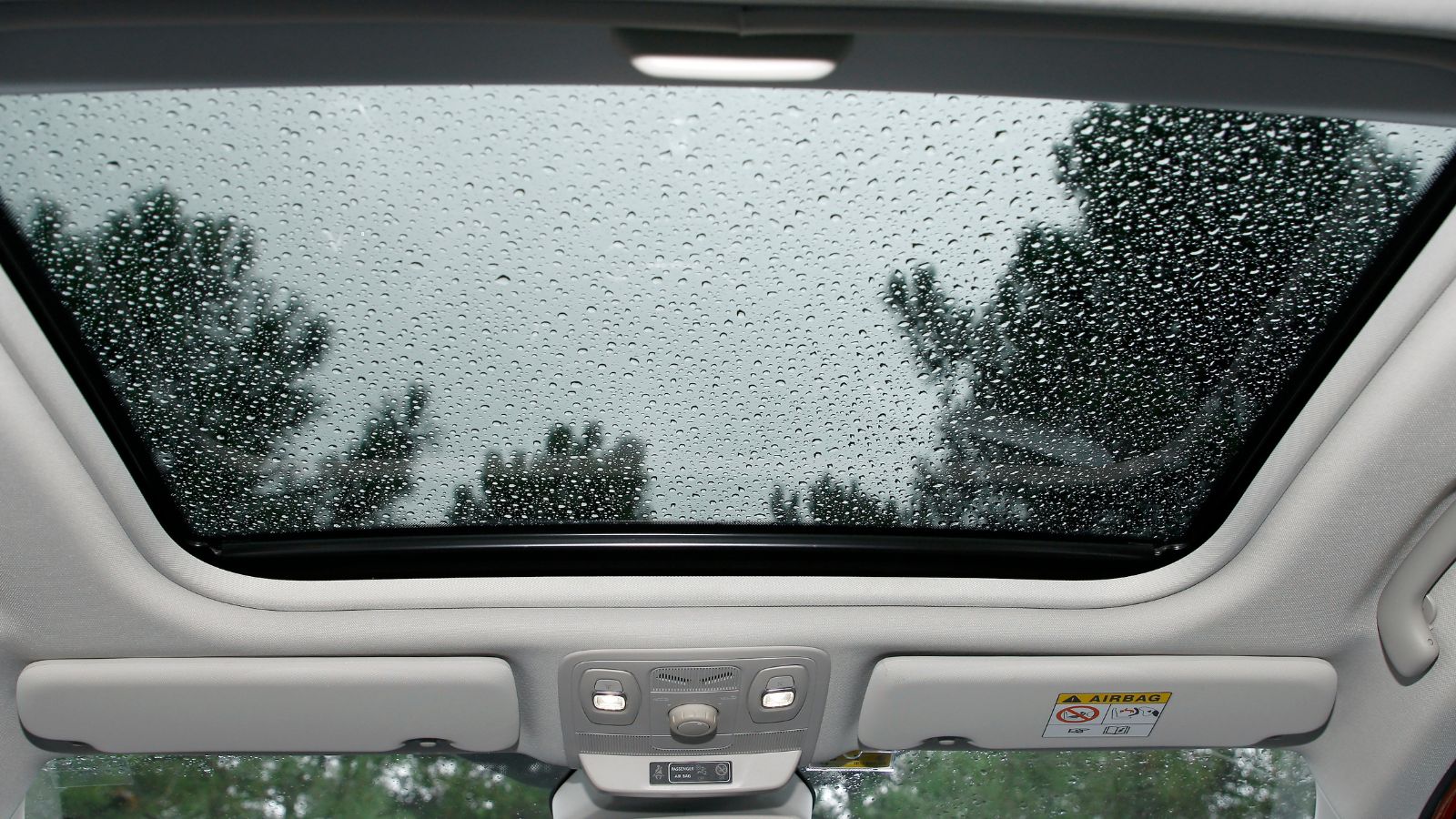
A panoramic roof creates an immediate showroom effect. It brightens dark cabins, makes a second row feel less enclosed, and photographs well in online listings. Those benefits can help a used vehicle stand out, but they do not guarantee that the original surcharge will return. Resale value depends on model demand and condition, while the roof becomes one feature among many once the vehicle is several years old. On some trims, it is so common that buyers treat it as expected equipment rather than a premium.
Older shoppers may also calculate risk. Large glass panels add seals, drains, shades, tracks, motors, and structural components that must keep working quietly and remain watertight. Reports of clogged drains and costly water damage have made some buyers cautious, even though many roofs operate trouble-free for years. A clean, silent panoramic roof can support a sale; a stained headliner or hesitant shade can undermine it quickly. The option therefore adds enjoyment more reliably than it adds recoverable resale dollars.
Oversized Wheels and Low-Profile Tires

Large wheels often make a new car look lower, wider, and more expensive. They are also easy to notice in photographs, which gives them some merchandising value. The difficulty is that used buyers quickly move beyond appearance. Consumer Reports has repeatedly found that 19-, 20-, and 21-inch wheels paired with low-profile tires tend to produce a harsher ride and increase the risk of tire or wheel damage from potholes. Replacement tires can also cost substantially more than smaller sizes.
That trade-off changes the resale conversation. An enthusiast may pay more for the exact factory wheel design, but a commuter may prefer the cheaper tires and extra sidewall of the base setup. Curb rash, bends, mismatched replacement tires, and missing wheel-lock keys can erase whatever premium the option once carried. On performance cars, the right wheel package may remain desirable. On ordinary crossovers and sedans, oversized wheels frequently recover less than buyers expect because the next owner sees an ongoing expense attached to the visual upgrade.
Special-Order Paint Colors
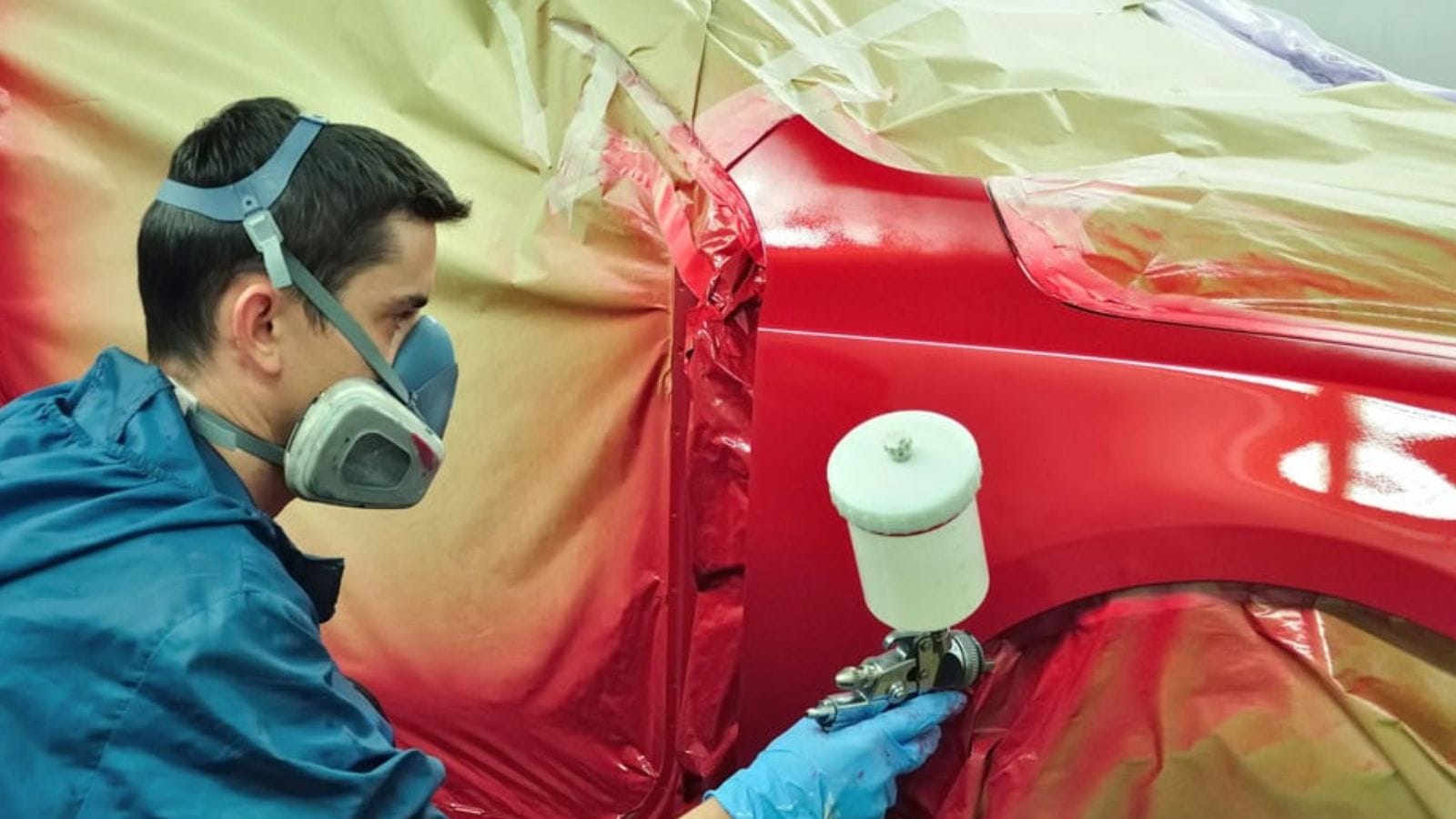
Special paint can be one of the most emotionally satisfying options because it makes a vehicle feel personal from the first day. Resale results, however, are not as simple as choosing a neutral shade. An iSeeCars analysis of three-year depreciation found that yellow, orange, and green vehicles retained value better than the overall average, while several common colors lost more. That finding shows that scarcity and vehicle type can matter as much as broad popularity.
The catch is the original surcharge. A paint color can improve desirability without returning every dollar charged for a metallic, matte, pearl, or manufacturer-exclusive finish. Bright colors may work beautifully on sports cars and poorly on conservative luxury sedans. Matte finishes can also make used buyers nervous about repair matching and maintenance. The safest conclusion is not that unusual paint destroys value, but that resale depends on the right color for the right model. Paying thousands for a fashionable finish should be treated as a personal enjoyment expense, not a guaranteed investment.
Blackout and Appearance Packages
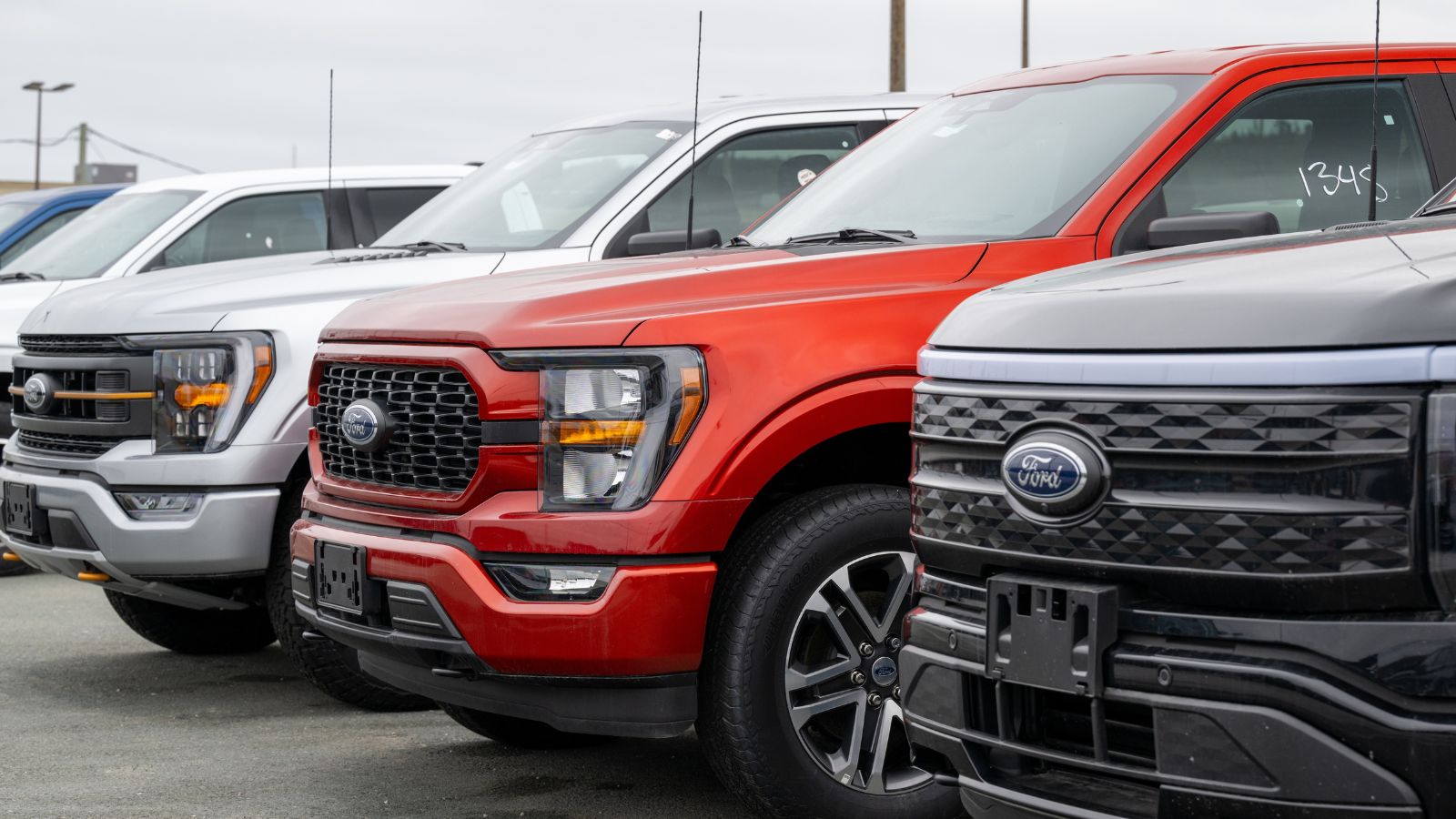
Black wheels, dark badges, contrasting roof panels, decorative vents, and body-color trim can make a familiar model look dramatically different. Automakers often bundle these pieces into appearance packages with memorable names, encouraging buyers to view them as special editions. Yet most of the content is cosmetic. Used-car appraisers still place greater weight on the vehicle’s model, trim, mileage, condition, accident history, and local demand than on the original price of darkened exterior details.
The package may help the vehicle sell faster when the look remains fashionable. It can also narrow the audience. Some buyers dislike black wheels, worry about visible curb damage, or prefer chrome and bright trim on luxury vehicles. Because comparable visual changes are widely available through wraps, powder coating, and replacement badges, the factory package does not always hold a unique advantage. Limited-production versions tied to genuine mechanical upgrades can be exceptions. A purely visual blackout package usually delivers more curb appeal during ownership than measurable value at trade-in time.
Decorative Carbon-Fiber Trim
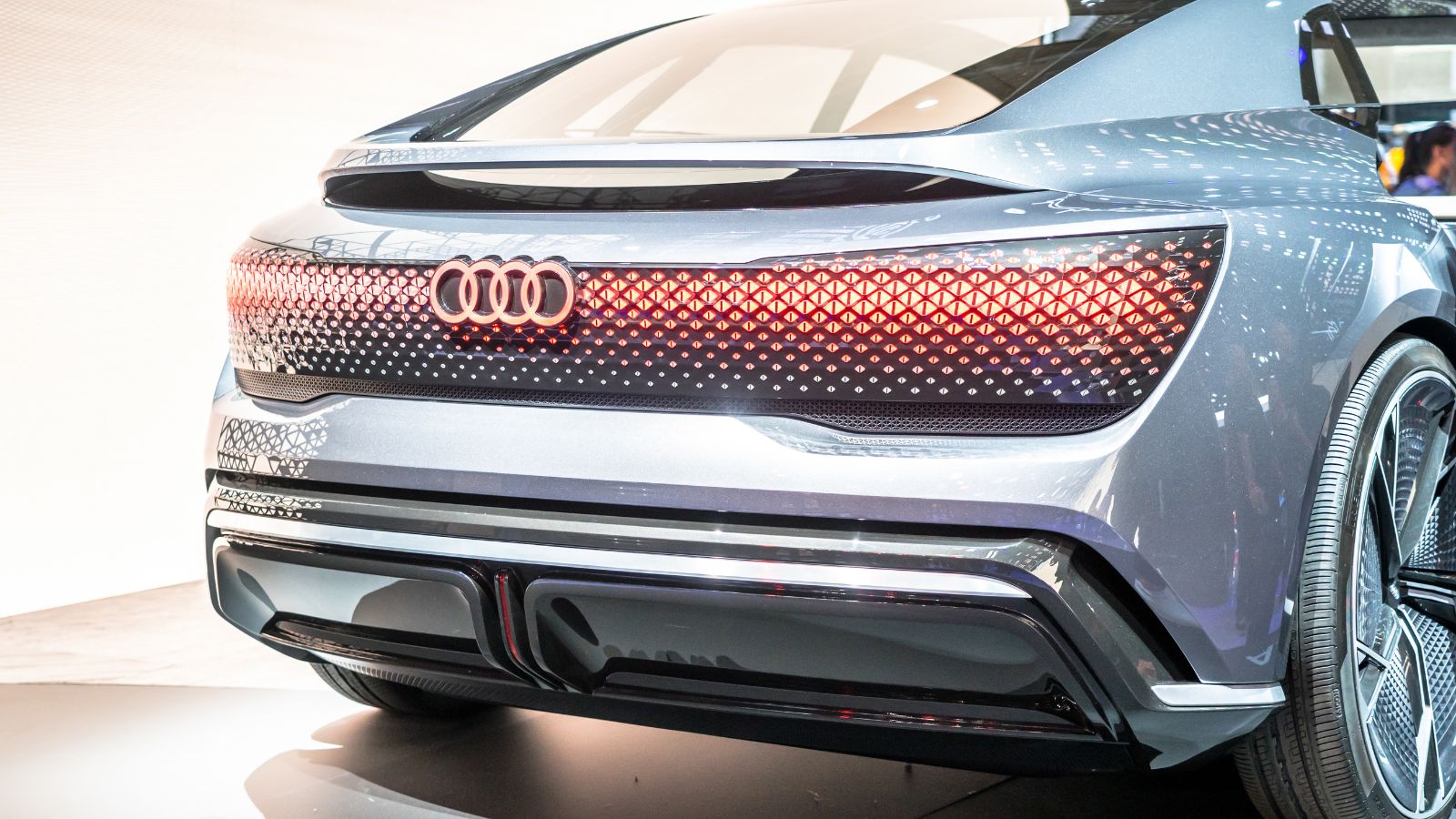
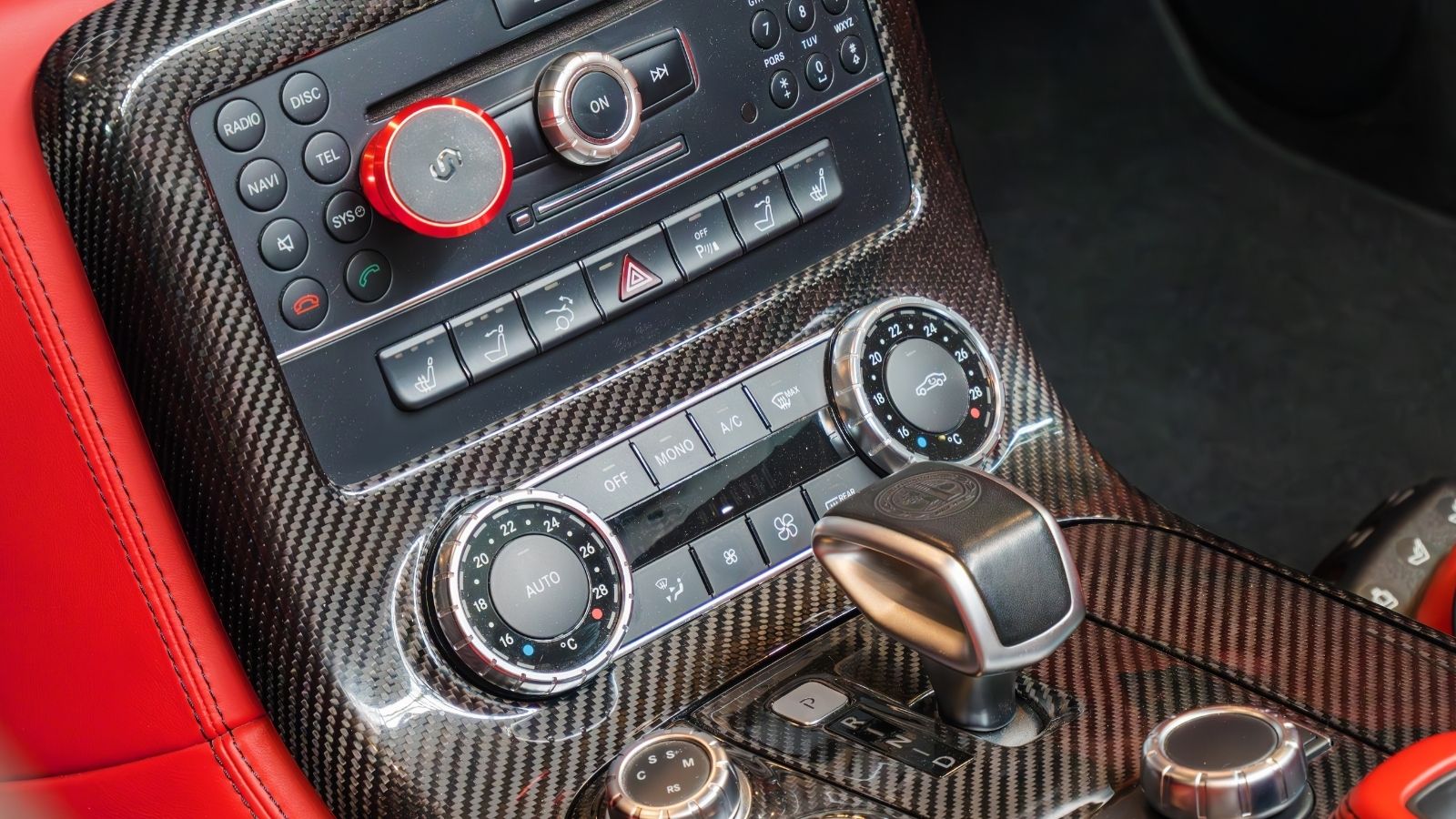
Real carbon fiber is valuable when it meaningfully reduces weight in a roof, body panel, wheel, or structural component. Decorative dashboard strips and console pieces are different. Their contribution to vehicle mass is tiny, and their main purpose is visual. Luxury and performance brands may charge substantial sums for interior carbon-fiber packages, but used buyers commonly evaluate them as a matter of taste rather than as equipment that changes capability.
That subjectivity limits resale recovery. One enthusiast may consider glossy carbon trim essential, while another prefers wood, aluminum, leather, or a less reflective finish. Scratches, yellowing clear coat, lifting edges, or aftermarket-looking patterns can further reduce appeal. The option can be especially desirable on a rare performance model with a factory-correct specification, where collectors care about configuration. In a mainstream luxury sedan or SUV, however, carbon trim usually functions like expensive décor. It can distinguish one listing from another without adding anything close to its original cost to the final transaction.
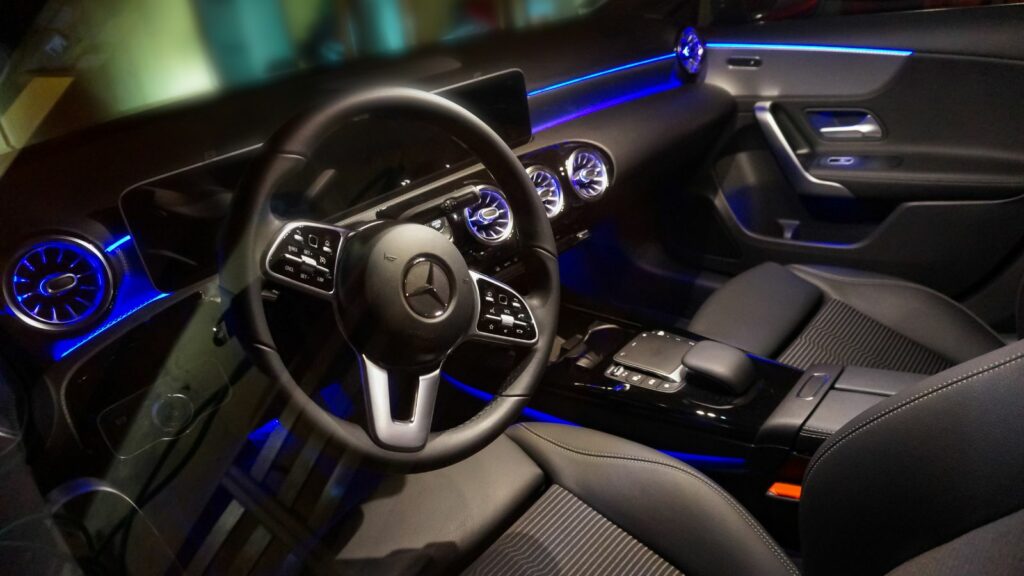
Multicolor Ambient Lighting
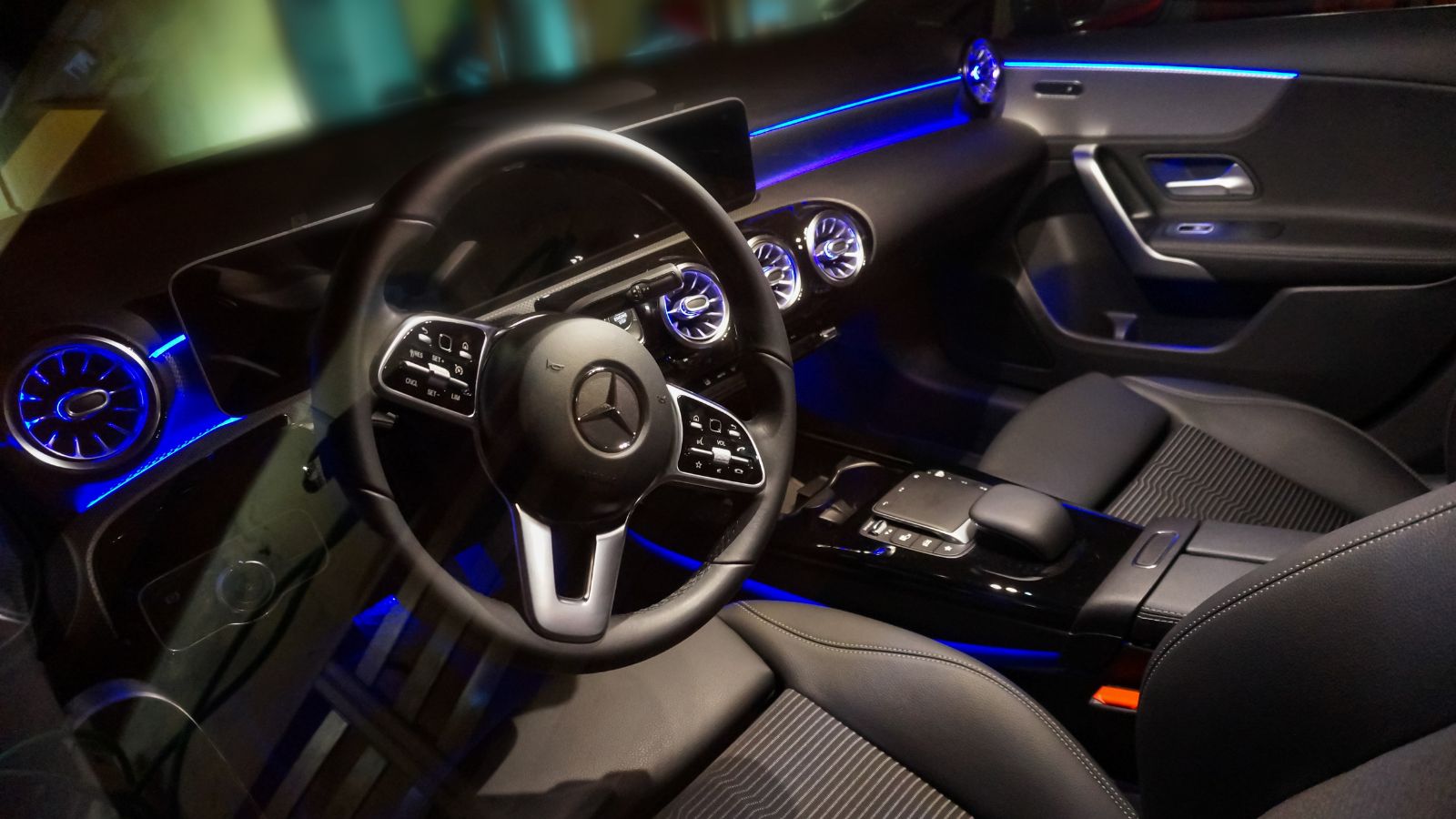
Ambient lighting is a powerful showroom tool because it changes the cabin immediately after sunset. Research involving drivers has found that interior lighting can affect perceived spaciousness, material quality, safety, and emotional response. Manufacturers now offer dozens of colors, themes, and animations, sometimes reserving the most elaborate systems for higher trims. Kelley Blue Book’s feature comparisons show how multicolor lighting may appear only after a sizeable trim-level jump, even though many other upgrades are included in that price difference.
That bundling can create a misleading impression about resale. A used buyer may like the glowing dashboard, but the vehicle’s added value comes from the complete trim—perhaps better seats, cameras, audio, or safety equipment—not from LEDs alone. Ambient lighting has also spread into mainstream vehicles, weakening its exclusivity. Failed light strips or uneven colors can become an annoyance rather than a luxury. It remains an enjoyable feature, but buyers should not assume a dramatic cabin presentation will translate into an equally dramatic trade-in premium.
Massaging and Multi-Contour Seats
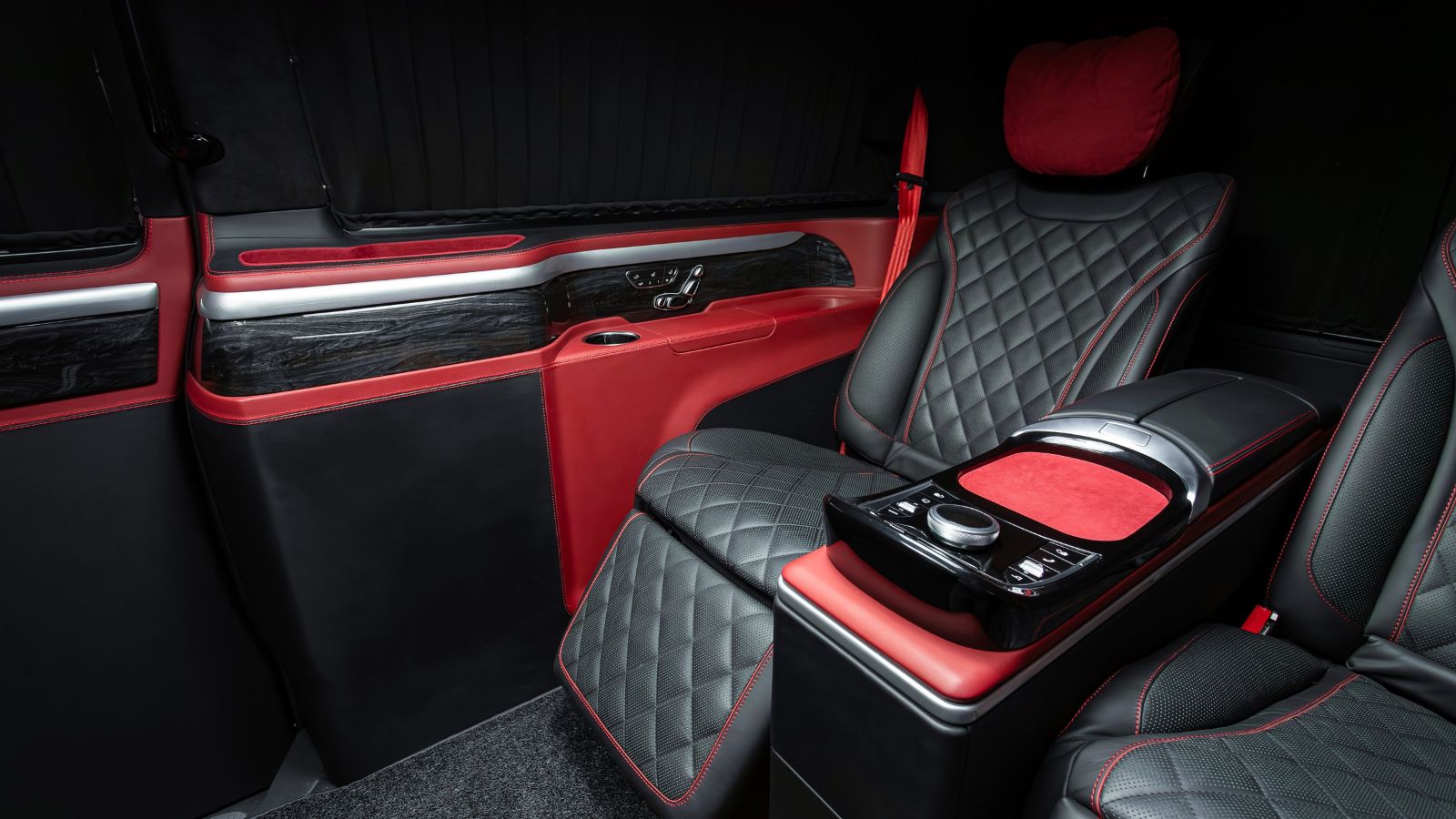
Massaging seats can make a long highway drive noticeably more comfortable, particularly when combined with adjustable bolsters, ventilation, heating, and memory functions. They are usually found in expensive trims or option packages, which can make the feature appear valuable on its own. Kelley Blue Book notes that massaging seats remain limited to selected vehicles, while simple aftermarket massage pads are widely available for roughly $60 to $150. The comparison is imperfect, but it shapes what used buyers are willing to pay.
A factory seat integrates the function more elegantly, yet resale shoppers may focus on whether every motor, bladder, switch, and memory setting works. If the system is weak, noisy, or intermittent, the seat becomes a potential repair rather than a selling point. Some drivers also use the massage function rarely after the novelty fades. The option can make a well-equipped luxury car easier to market, especially to high-mileage commuters. It generally does not return the large premium required to reach the trim where it was originally offered.
Head-Up Displays
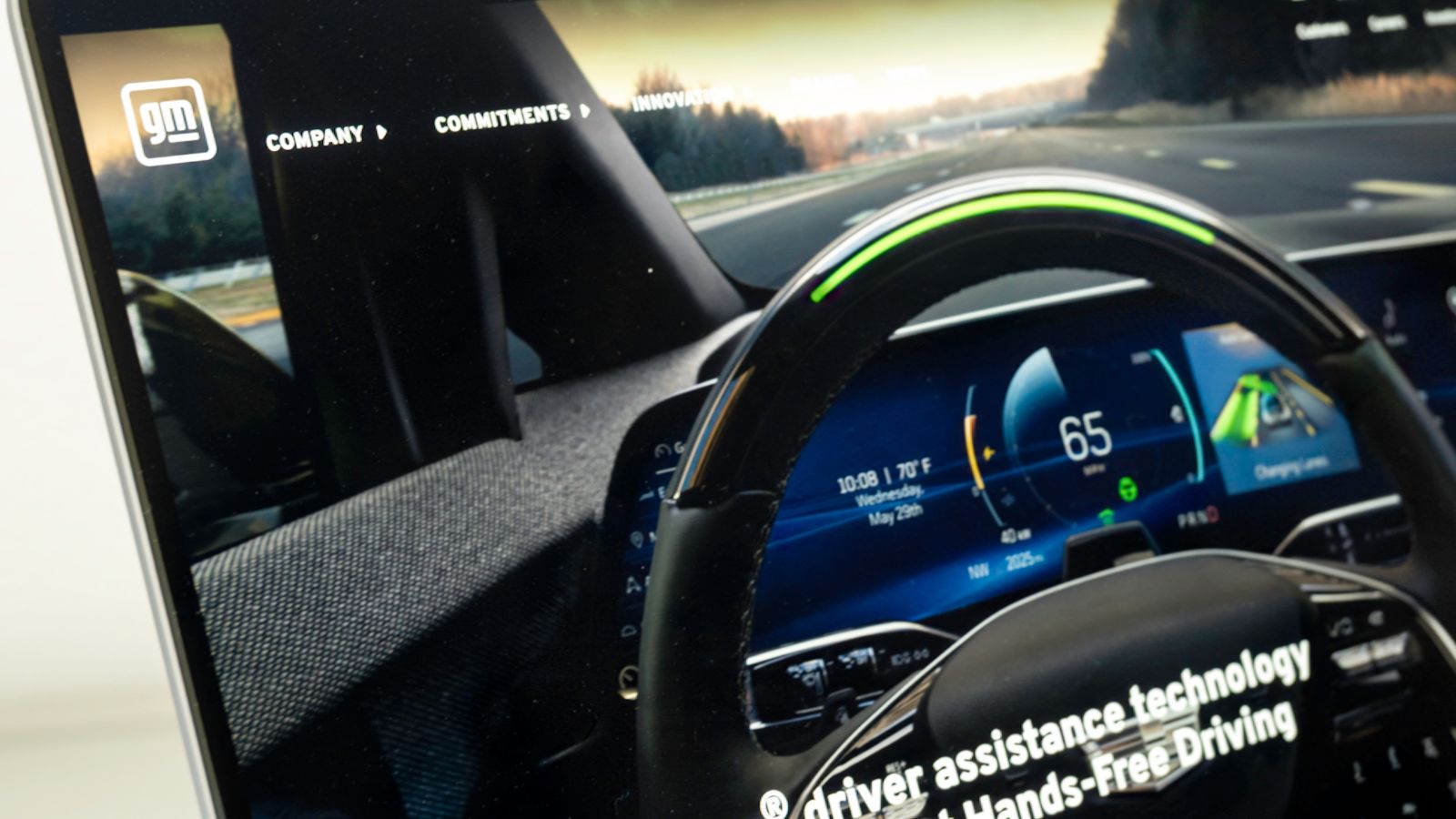
A head-up display can reduce the need to glance down by placing speed, navigation, and driver-assistance information near the driver’s line of sight. It is useful technology, especially when the image is bright, adjustable, and visible through polarized sunglasses. The resale issue is that HUD hardware is frequently bundled with a technology package, making it difficult to separate its value from cameras, upgraded gauges, navigation, or premium audio.
There is also a hidden ownership consideration: the windshield. AAA has reported that replacing glass containing driver-assistance technology can cost far more than a basic windshield, with some camera-equipped replacements reaching about $1,500 before related calibration concerns. HUD-equipped vehicles may require specific glass to display the image correctly. A used buyer who understands that complexity may appreciate the feature without paying heavily for it. The display can improve daily usability and help one vehicle beat another comparable listing, but it rarely preserves the full cost of the original technology package or the specialized components behind it.
Automotive Night-Vision Systems
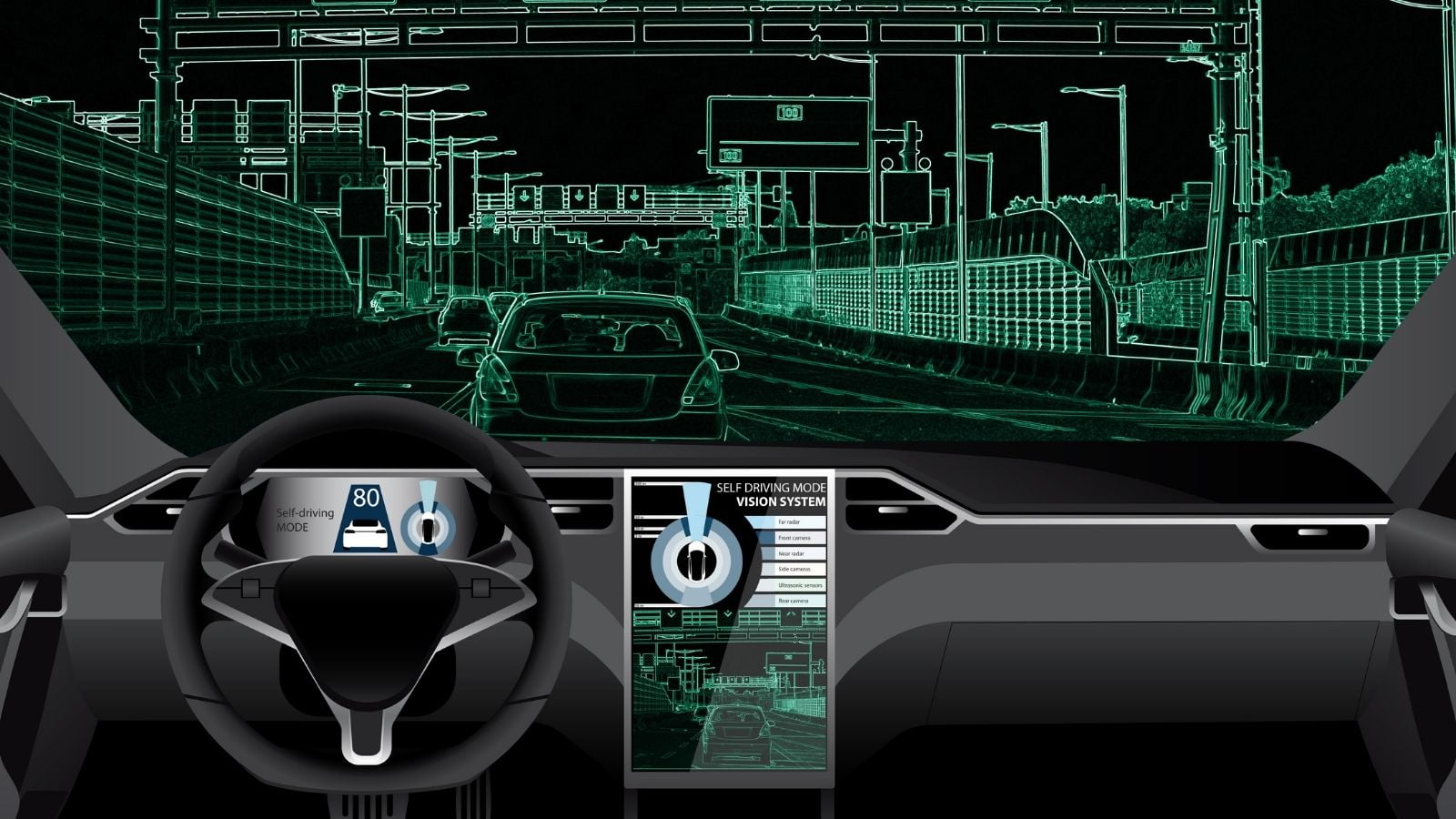
Night vision sounds like a breakthrough feature because infrared imaging can reveal pedestrians or animals beyond the useful reach of ordinary headlights. Cadillac’s original system arrived on the 2000 DeVille as an option costing about $1,995, and early demand exceeded the company’s initial expectations. Yet the technology never became mainstream. Cadillac later dropped that version, and modern systems remain concentrated in a small number of expensive luxury vehicles.
Rarity does not automatically create resale value. Many drivers find it easier to watch the road than interpret a thermal image in the instrument panel, and newer automatic emergency braking systems may already detect some hazards. A future buyer must also consider the condition of the infrared camera, display, calibration, and replacement parts. Night vision can be genuinely helpful on rural roads with wildlife, so it is not merely a gimmick. Its narrow use case and limited market familiarity mean it often adds less to a used vehicle’s price than its original technological sophistication suggests.
Automated Parking Assistance
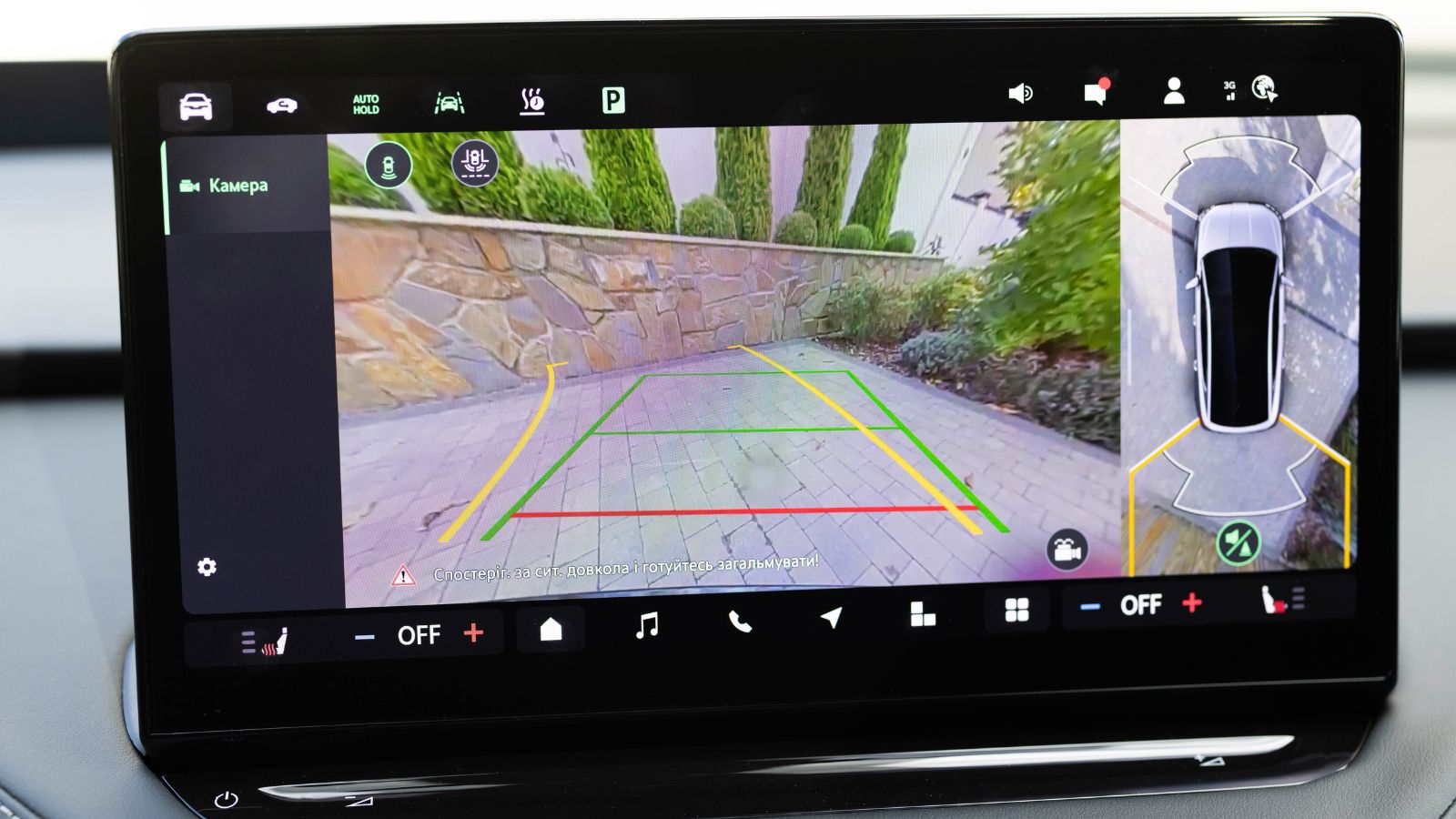
Self-parking systems can perform better than many people expect. AAA testing found that automated systems parked faster, used fewer maneuvers, and reduced curb strikes compared with drivers in the test. That sounds like a strong resale feature, particularly in large vehicles. The market response has been more complicated. Many owners try the function once or twice, then return to parking manually because setup feels slow, available spaces are hard to detect, or trust remains limited.
Low usage matters because features gain resale strength when buyers actively search for them. Reporting on the technology has noted that Ford discontinued an enhanced parking-assist system after determining it was not used enough to justify the cost. A working system can still reassure urban drivers, especially when paired with a 360-degree camera. Yet the extra ultrasonic sensors, cameras, software, and calibration requirements add complexity. Automated parking therefore tends to be a pleasant bonus in a used-car listing rather than an option that repays its original package price.
Power-Deployable Running Boards
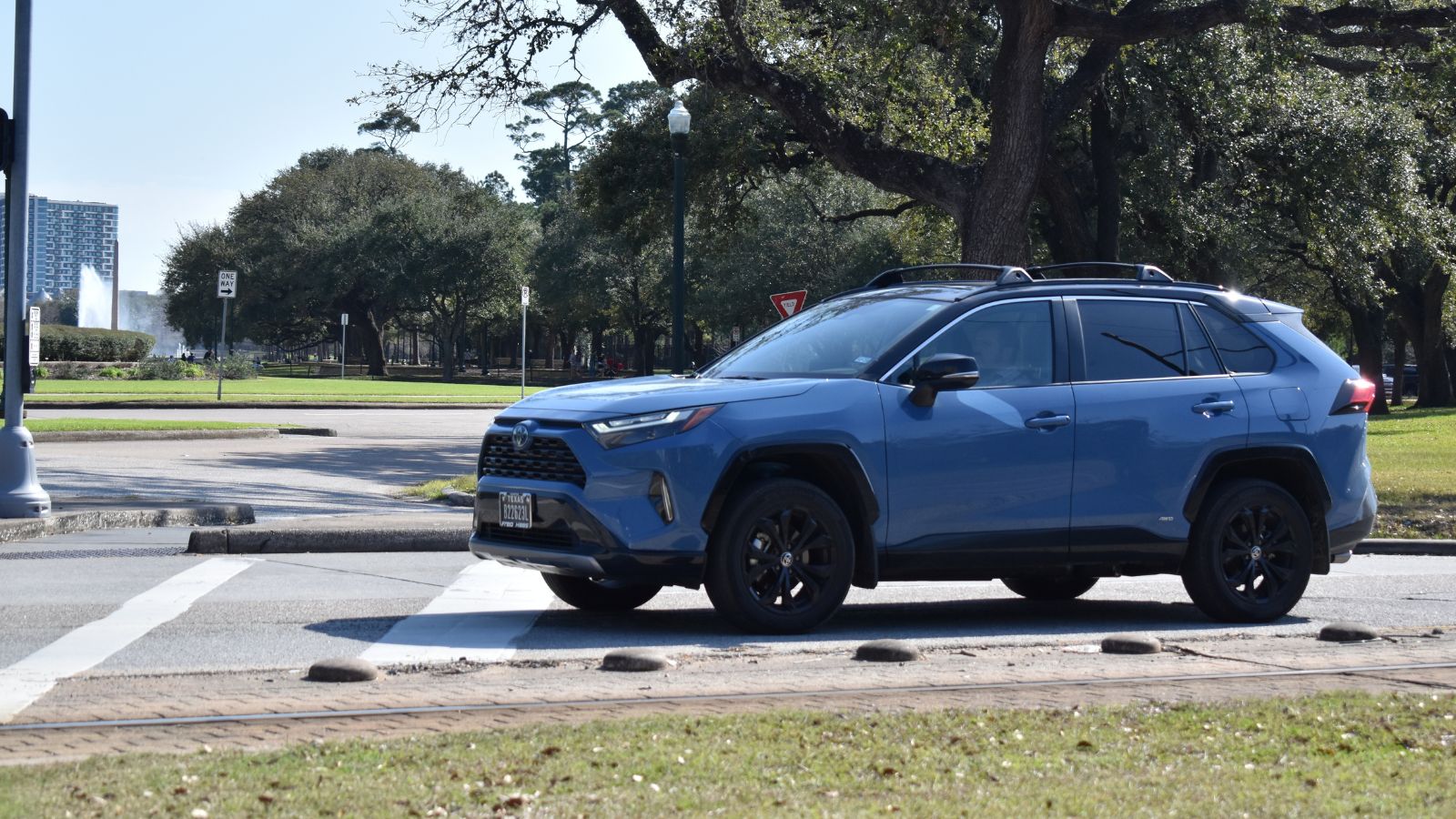
Power running boards solve a real problem on tall trucks and SUVs: they create a lower step without leaving a fixed board hanging below the body. A recent Car and Driver test listed power running boards as a $1,005 option on a Toyota 4Runner, showing how quickly this convenience can add to the sticker. The resale challenge is that buyers can obtain the same basic access benefit from simpler fixed boards, which contain no motors, sensors, hinges, or wiring.
The powered version also operates in one of the vehicle’s dirtiest areas. Road salt, mud, ice, and debris can interfere with movement, and documented owner experiences identify failed motors or mechanisms on older vehicles. A perfectly functioning set may enhance a premium truck’s appeal, but a slow or stuck board becomes an obvious negotiating point during a walkaround. Families with children or mobility concerns may value the feature highly. The wider used market often treats it as convenient equipment, not as a reason to reimburse the first owner for the full factory price.
Air Suspension and Adaptive Dampers
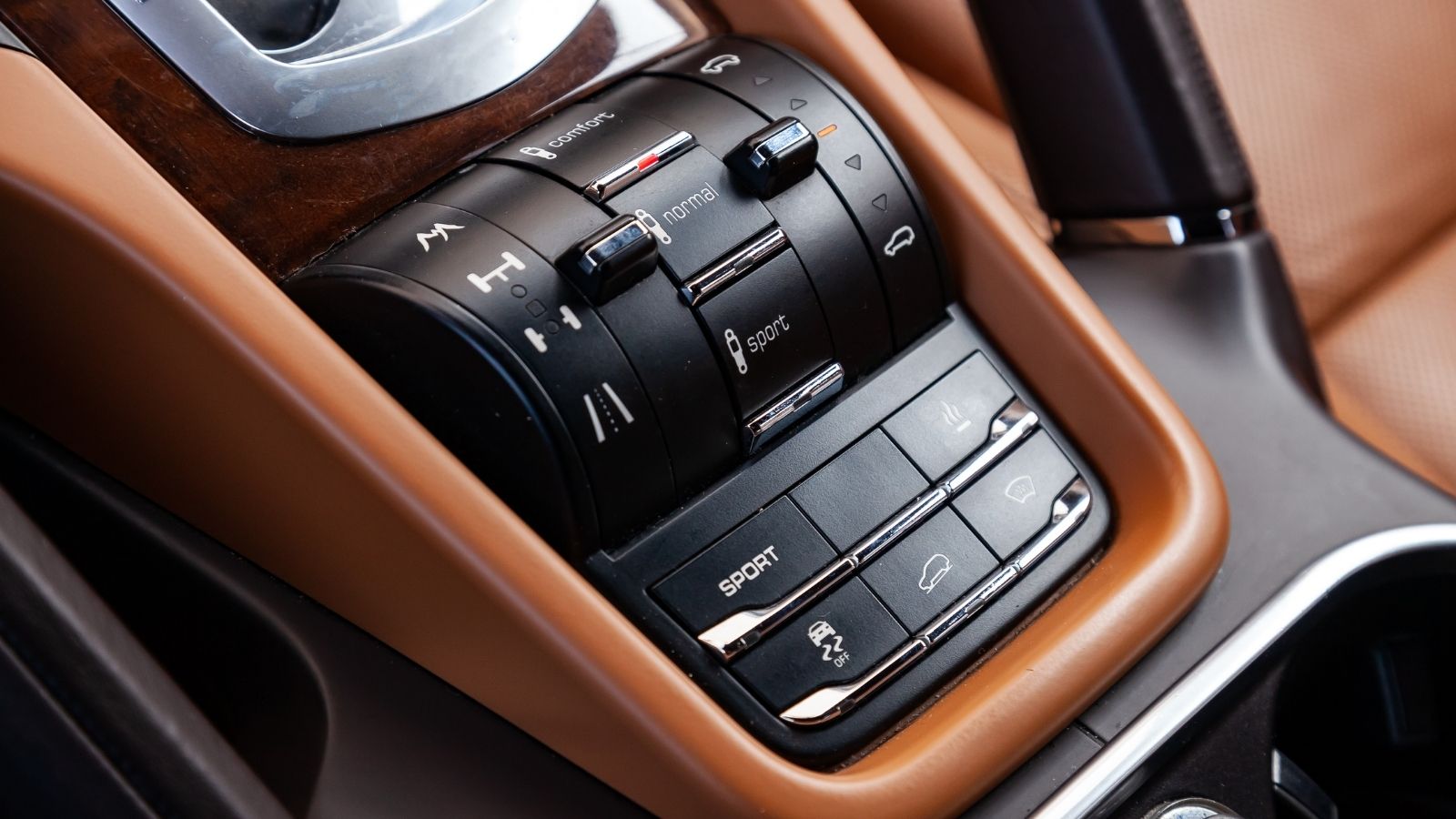
Air suspension and electronically controlled dampers can give a heavy vehicle an impressive combination of ride comfort, body control, and adjustable height. They may lower a vehicle at speed, raise it for rough terrain, or keep it level when carrying a load. These benefits are meaningful, but the system’s resale contribution changes once the warranty is gone. Used buyers know that air springs, compressors, sensors, control modules, and specialized dampers eventually become repair items.
General suspension repairs can already reach thousands of dollars, and active systems add expensive components to that equation. Consumer Reports has also documented how maintenance and repair costs tend to rise after warranties expire, with luxury brands showing particularly large long-term differences. A healthy system can help a premium SUV feel special and may be expected on certain models. It rarely preserves its original option cost because the next buyer discounts future risk. The feature adds capability and comfort, but those benefits are partly offset by the financial uncertainty attached to aging hardware.
Sport Exhaust Systems
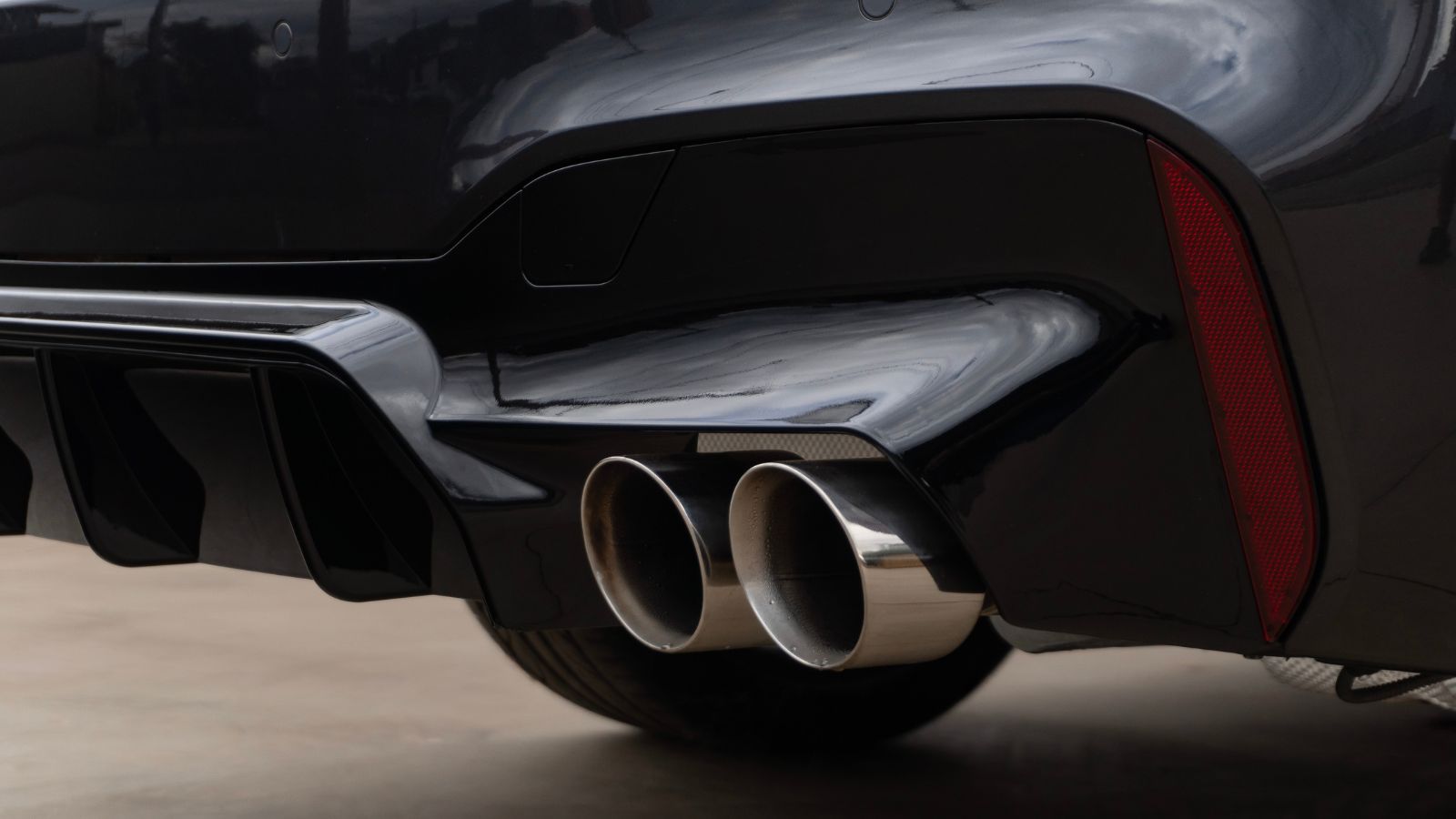
A factory sport exhaust can add character without the legal, warranty, and fitment concerns of an aftermarket system. Valves may quiet the car during commuting and produce a stronger sound in a performance mode. For an enthusiast ordering a sports car, that experience can justify the cost. At resale, however, sound preference becomes highly subjective. One buyer hears personality; another hears noise, potential neighbour complaints, or evidence that the vehicle was driven hard.
The option generally performs better on cars where the exhaust is considered part of the model’s identity. On ordinary luxury sedans and SUVs, it may have little effect beyond making the listing more interesting. Used-car experts also warn that performance modifications can reduce value when they suggest aggressive use or create emissions and insurance concerns; a factory system avoids many of those problems but not the narrow audience. Unless the exhaust is rare, documented, and strongly desired by enthusiasts, it usually returns only a portion of its price. Its best payoff is emotional, delivered every time the engine starts.
Carbon-Ceramic Brakes
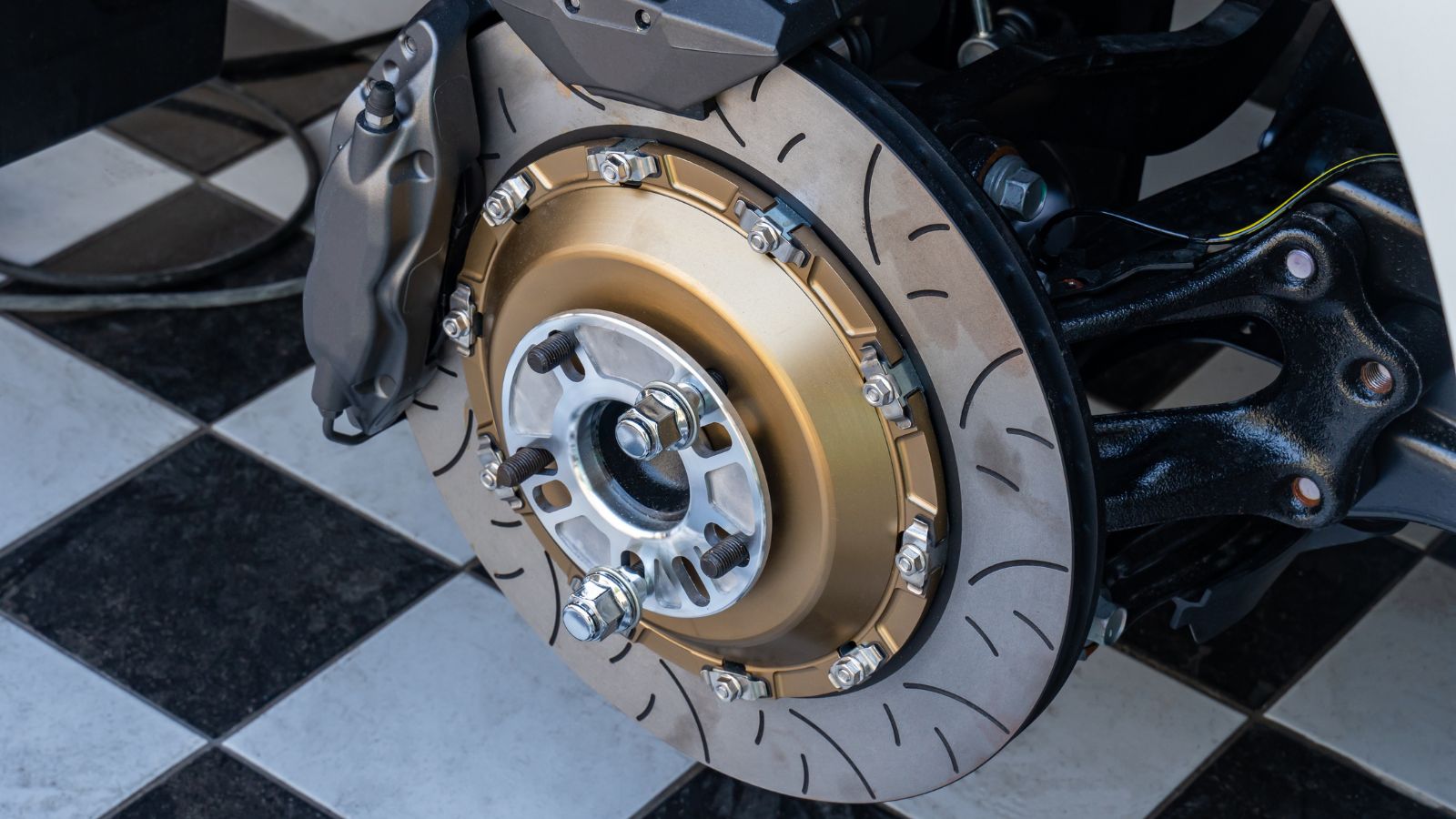
Carbon-ceramic brakes are engineered for extreme heat resistance, low unsprung mass, and repeated high-speed braking. On the road, they can last a long time and produce less visible brake dust than conventional iron systems. Their original option prices, however, can be enormous, and replacement costs remain intimidating. Autotrader has highlighted used performance cars where a full carbon-ceramic brake job can reach five figures, including examples around $11,000.
That number changes buyer behaviour. A knowledgeable shopper may value the system when rotor measurements, service history, and inspection results confirm plenty of life remains. Another may avoid the car entirely because one damaged rotor could erase the apparent used-car bargain. The brakes can add real value to rare track-focused models, especially when factory specification matters to collectors. On a road-driven performance sedan or SUV, they often recover less than expected because their capability exceeds normal use while their financial risk follows the car. The option is technically impressive, but resale markets price both performance and potential liability.
Off-Road Equipment Packages
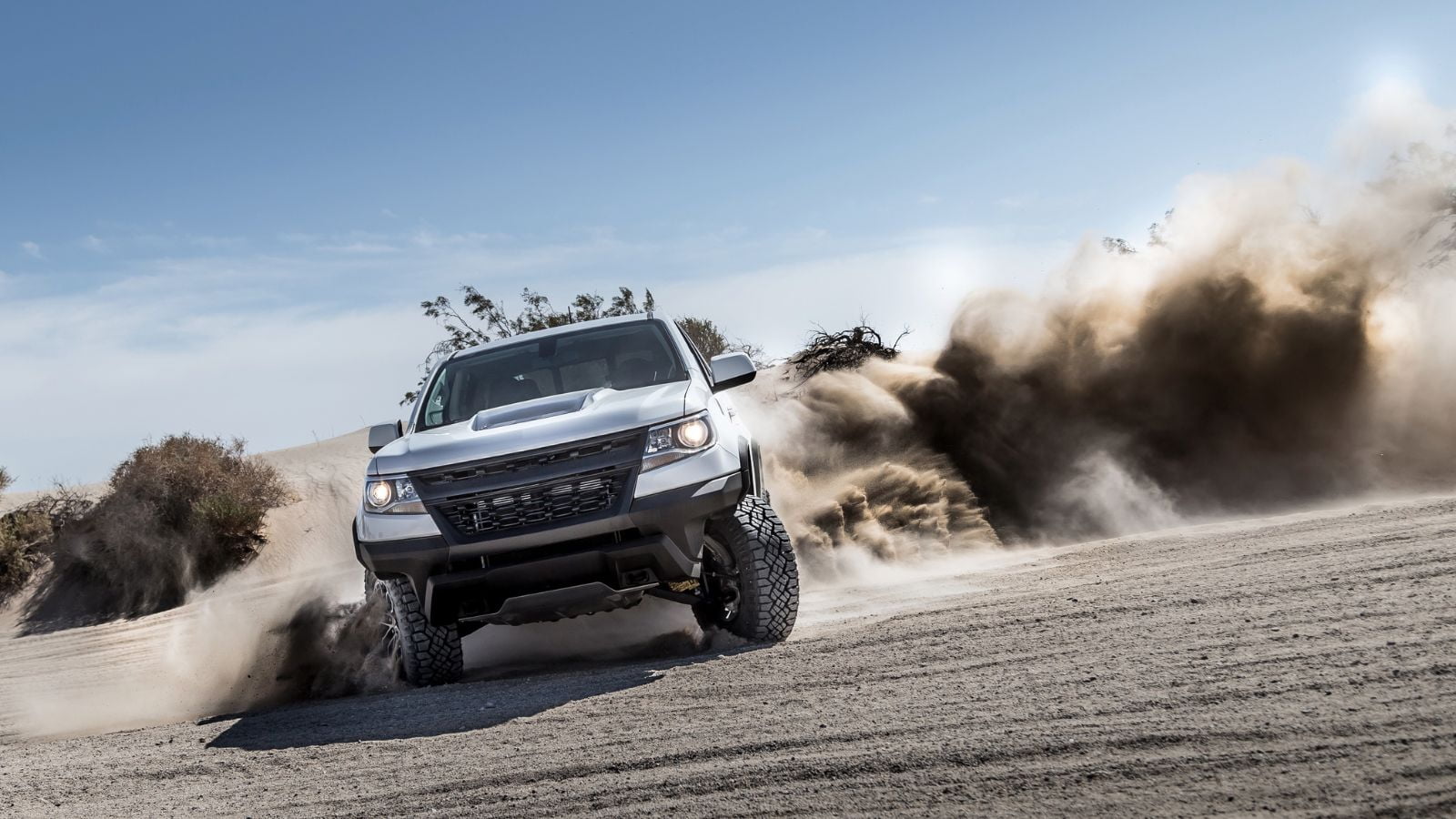
Locking differentials, skid plates, upgraded shocks, all-terrain tires, tow hooks, and extra ground clearance are not cosmetic when the vehicle actually leaves pavement. Current off-road packages can cost several thousand dollars; for example, a recent Ram package added a one-inch lift, heavy-duty shocks, protection, a locking rear differential, and 32-inch tires for about $2,995. That is substantial hardware, yet resale depends heavily on the model and the condition in which it returns.
On vehicles with strong enthusiast demand—such as certain Jeeps, Broncos, Tacomas, or Raptors—the right factory off-road specification can support value. On a mainstream crossover or pickup, many buyers will never use the equipment and may worry about tire noise, lower fuel economy, underbody damage, or evidence of trail use. Scraped skid plates and mud packed into suspension components can turn capability into suspicion. The package may make a vehicle easier to sell to the right audience, but it should not be assumed that every dollar of rugged hardware will survive depreciation.
Heavy-Duty Towing Packages
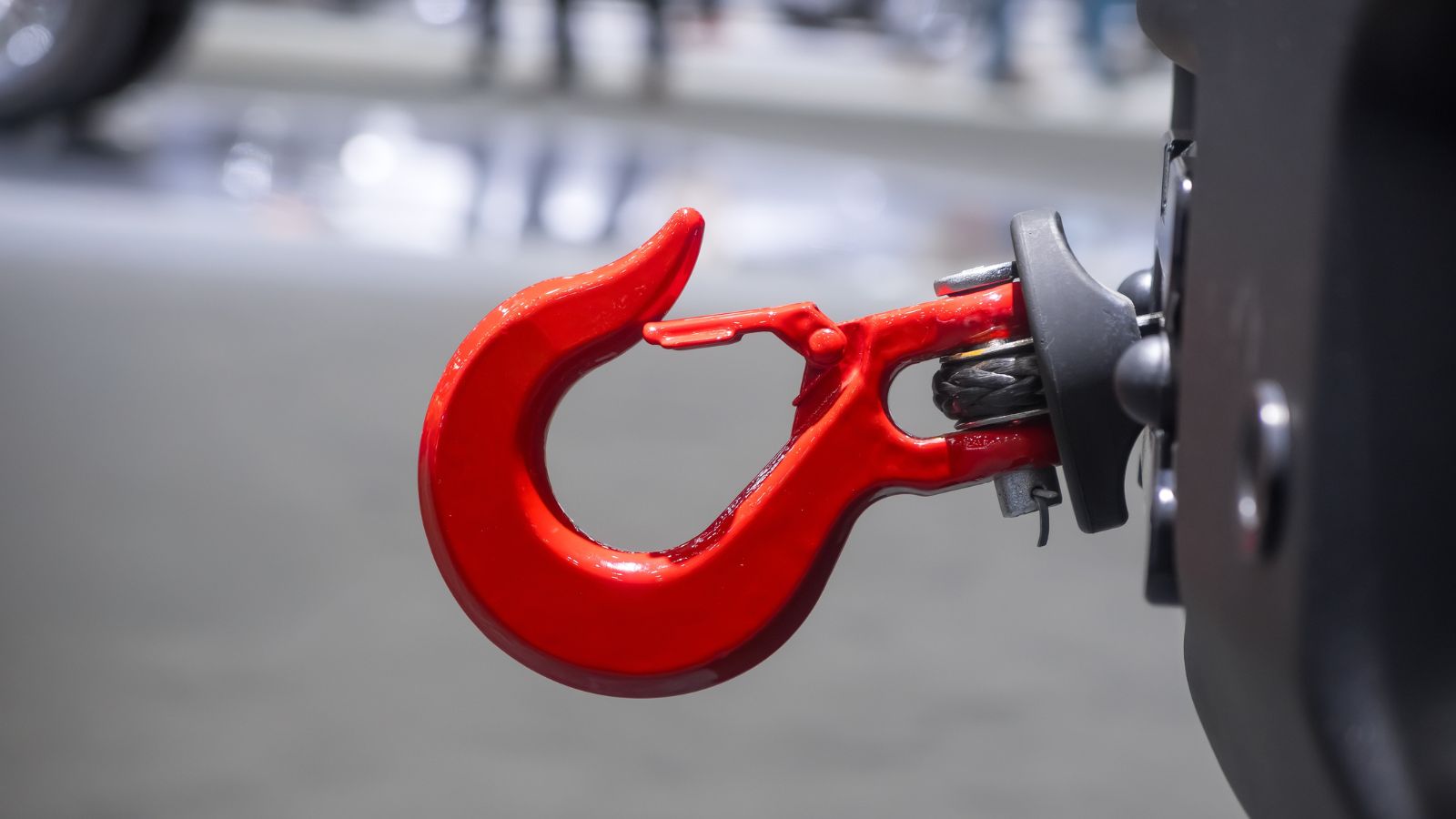
A factory towing package can be far more than a hitch receiver. Depending on the vehicle, it may include extra cooling, revised axle gearing, an integrated brake controller, wiring, transmission programming, and a higher-rated hitch. Those components can be essential for a buyer who tows, and major features such as drivetrain configuration can materially affect appraisal values. Even so, the resale premium is usually smaller than the original package cost because only part of the used market needs the capability.
Towing history can also create uncertainty. A buyer may wonder whether the vehicle regularly pulled near its limit, overheated on grades, or accumulated extra wear in the transmission, brakes, and rear suspension. Complete service records and an undamaged factory hitch help counter that concern. Trucks and full-size SUVs generally benefit more than compact crossovers, where towing may be occasional. The package remains one of the more practical options on this list, but its return depends on finding a buyer who values the rating rather than fears how it was used.
Second-Row Captain’s Chairs
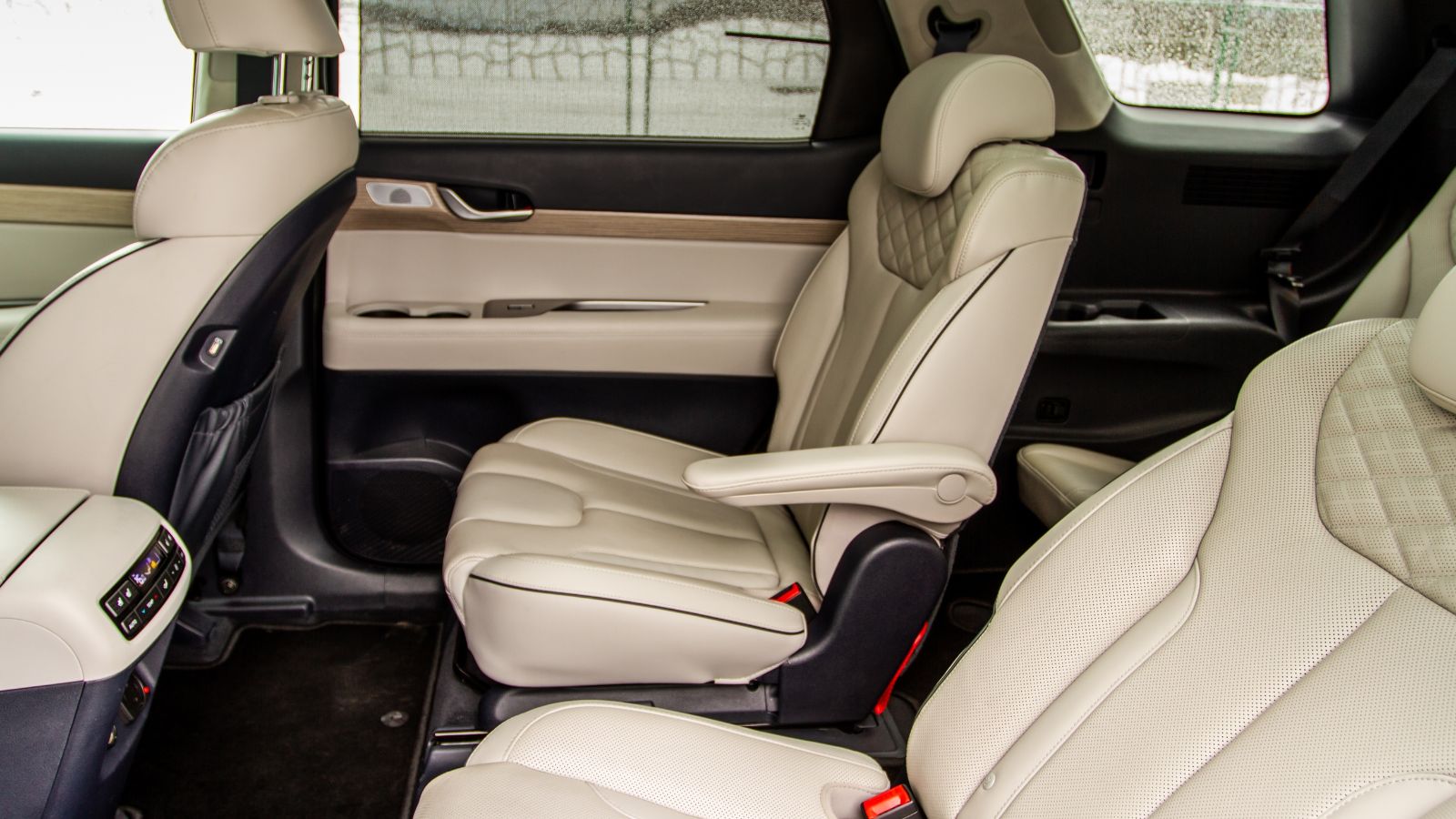
Captain’s chairs create a more comfortable second row and an easy aisle to the third row. They are widely offered across three-row SUVs, and J.D. Power notes that the pass-through can simplify access to the rear. The trade-off is capacity: replacing a three-person bench commonly reduces seating from eight to seven. That may feel luxurious during ownership while narrowing the next buyer’s choices.
Families who regularly carry three children across the second row, need maximum seating, or want a broad flat surface for cargo may actively prefer the bench. Other households value easier separation between children and better individual comfort. Because both layouts have strong supporters, captain’s chairs do not automatically command a premium simply because they were attached to a higher trim. In some markets they help; in others they become a compromise. Their resale effect is usually about matching the right family rather than adding a predictable dollar amount. The option should be chosen for household use, not because two separate seats look more upscale in the showroom.
Gesture-Control Interfaces
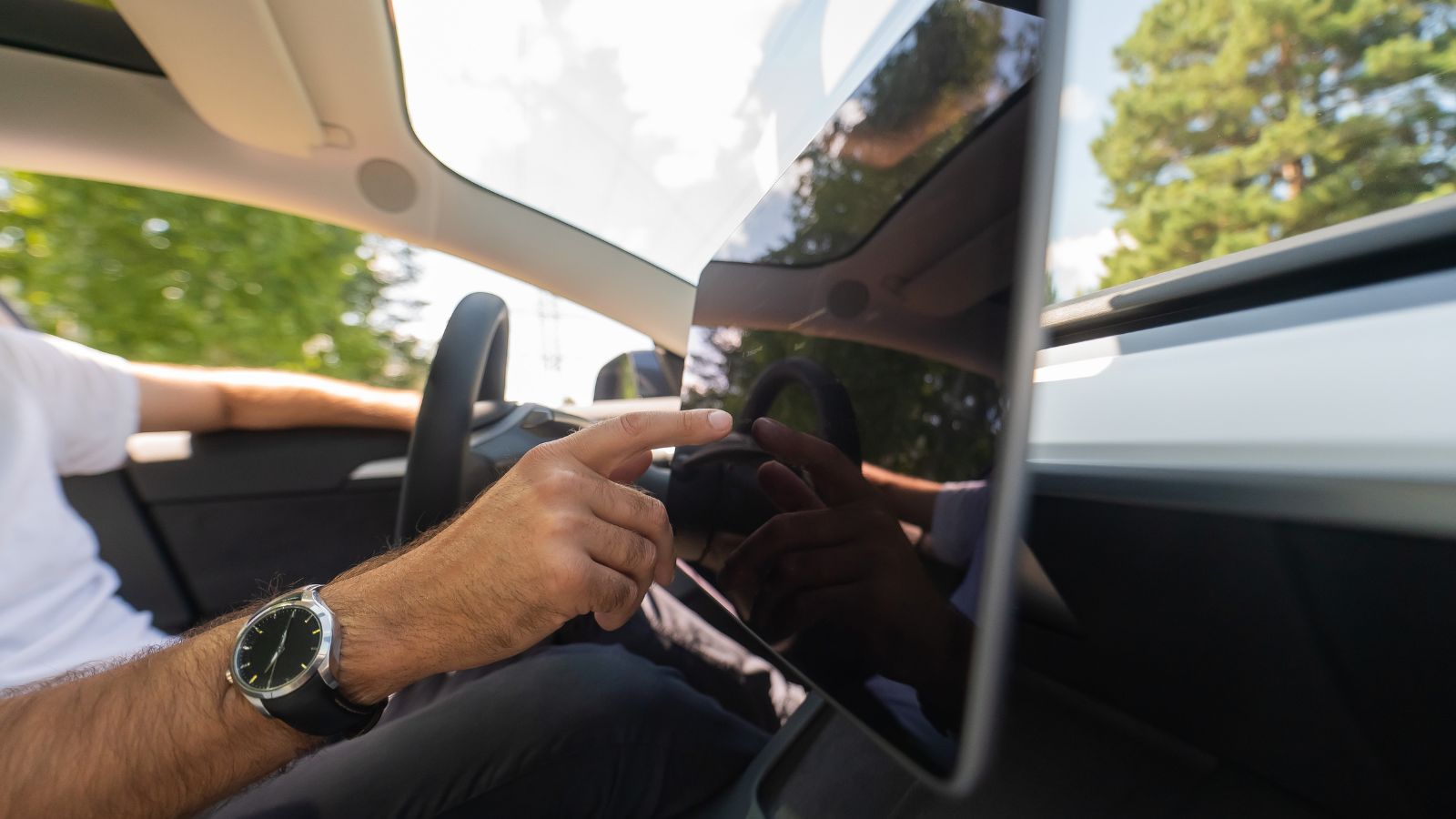
Mid-air gesture controls were marketed as a futuristic way to adjust volume, answer calls, or navigate menus without touching a screen. In practice, the feature often duplicated faster steering-wheel buttons, knobs, and voice commands. BMW introduced gesture control in the mid-2010s, then removed it from its next-generation interface after saying owners did not use it enough to justify continued inclusion.
That history is a warning about technology-based resale assumptions. A feature can be expensive and sophisticated when new yet become irrelevant before the vehicle reaches its second owner. Gesture controls may still amuse passengers and work well for a small group of drivers, but they are rarely a must-have item in used-car searches. Accidental activation or inconsistent recognition can further reduce enthusiasm. Because the system is usually bundled into a broader technology package, the vehicle may retain value from its cameras, display, or audio equipment while gesture control contributes almost nothing by itself. Novelty is not the same as durable demand.
Subscription-Based and Connected Features
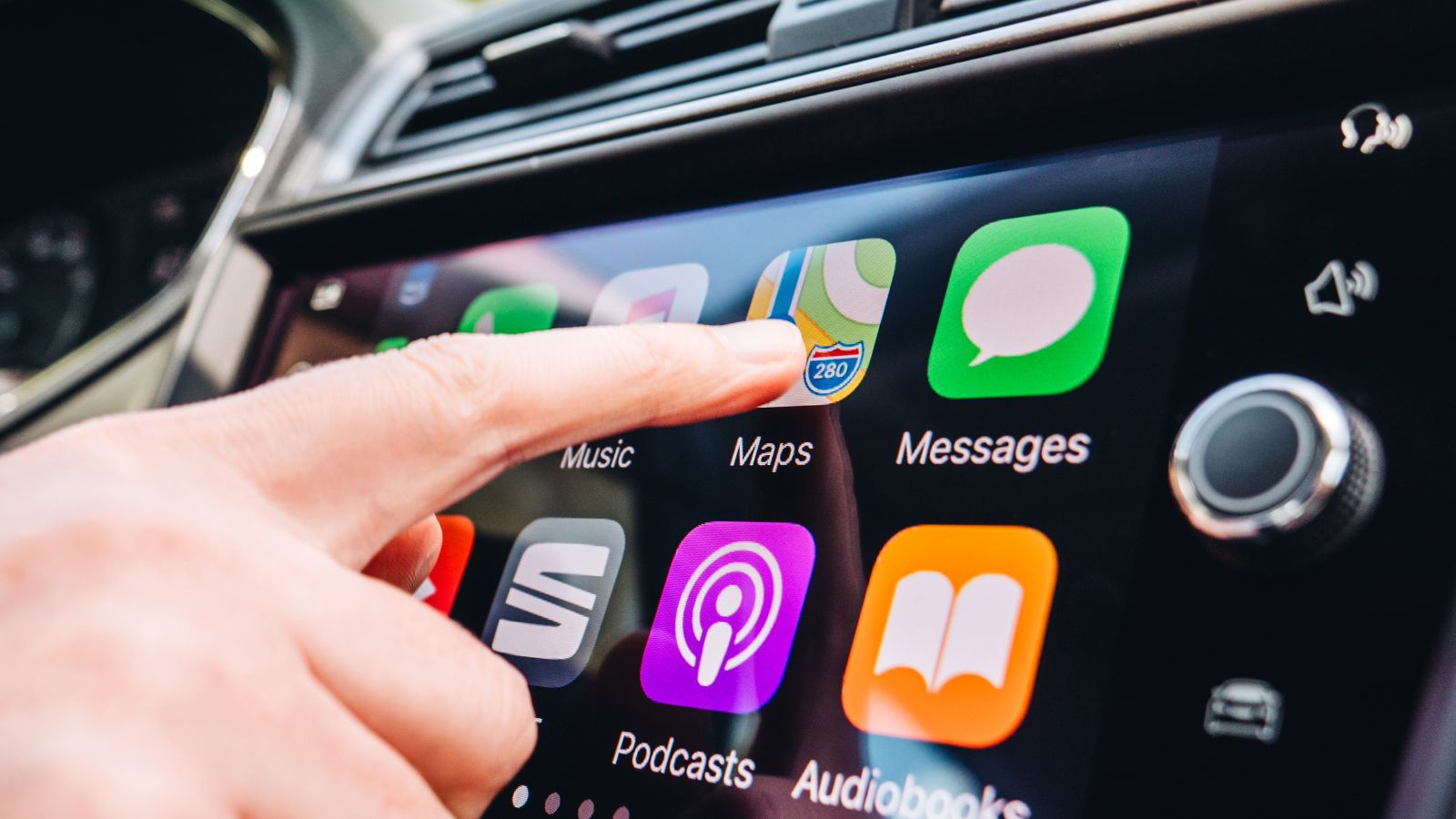
Connected services can provide remote locking, vehicle location, emergency assistance, live navigation, data plans, and advanced driver assistance. The complication is that access may depend on an active subscription, cellular support, account transfer, or manufacturer policy. Toyota, for example, describes many connected functions as trials and subscriptions, while Mercedes-Benz ended its older mbrace connected services at the start of 2026. Hardware remaining in the vehicle does not guarantee that every original service remains available.
Ownership changes can also require app disconnection, factory resets, and new enrollment. Some purchased services are tied to a specific vehicle, while others may not transfer between vehicles or owners in the way buyers expect. A used shopper therefore values what works on the day of sale—not what appeared on the original window sticker. Lifetime software unlocks tied to the vehicle may support resale, but expiring trials and monthly fees usually do not. Buyers should treat prepaid connectivity as a consumption expense unless the manufacturer clearly confirms that the benefit follows the vehicle.
22 Things Canadians Do to Their Cars in Spring That Mechanics Hate

Spring brings relief to many Canadian drivers after months of snow, freezing temperatures, and icy roads that put serious strain on vehicles. As temperatures rise across the country, drivers begin washing cars, switching tires, and preparing vehicles for warmer weather and upcoming road trips. However, mechanics across Canada notice the same mistakes every spring when drivers attempt to recover from winter damage. Road salt, potholes, and harsh winter driving conditions often leave vehicles with hidden problems that drivers ignore. Some spring habits even create new mechanical issues that could have been avoided with proper maintenance. Here are 22 things Canadians do to their cars in spring that mechanics hate.

Alanna Rosen is an experienced content writer that focuses on many EV and educational content. Her articles are regularly published on Get CyberTrucked and syndicated on large publications.