
A vehicle rarely reaches the end of its useful life because of one dramatic mistake. More often, longevity disappears gradually through small habits: postponed maintenance, ignored warning signs, rough driving, overlooked tire problems, and seemingly harmless shortcuts repeated thousands of times. Modern vehicles can tolerate plenty of everyday use, but mechanical components still depend on proper lubrication, cooling, fluid levels, tire care, and sensible operation.
These 22 common habits can quietly increase wear or turn relatively manageable maintenance issues into costly mechanical failures. Some affect the engine or transmission directly, while others shorten the life of tires, suspension components, brakes, bodywork, and driveline parts. Recognizing them early can make the difference between a vehicle that becomes troublesome prematurely and one that remains dependable well into higher mileage.
Stretching Oil Changes Too Far
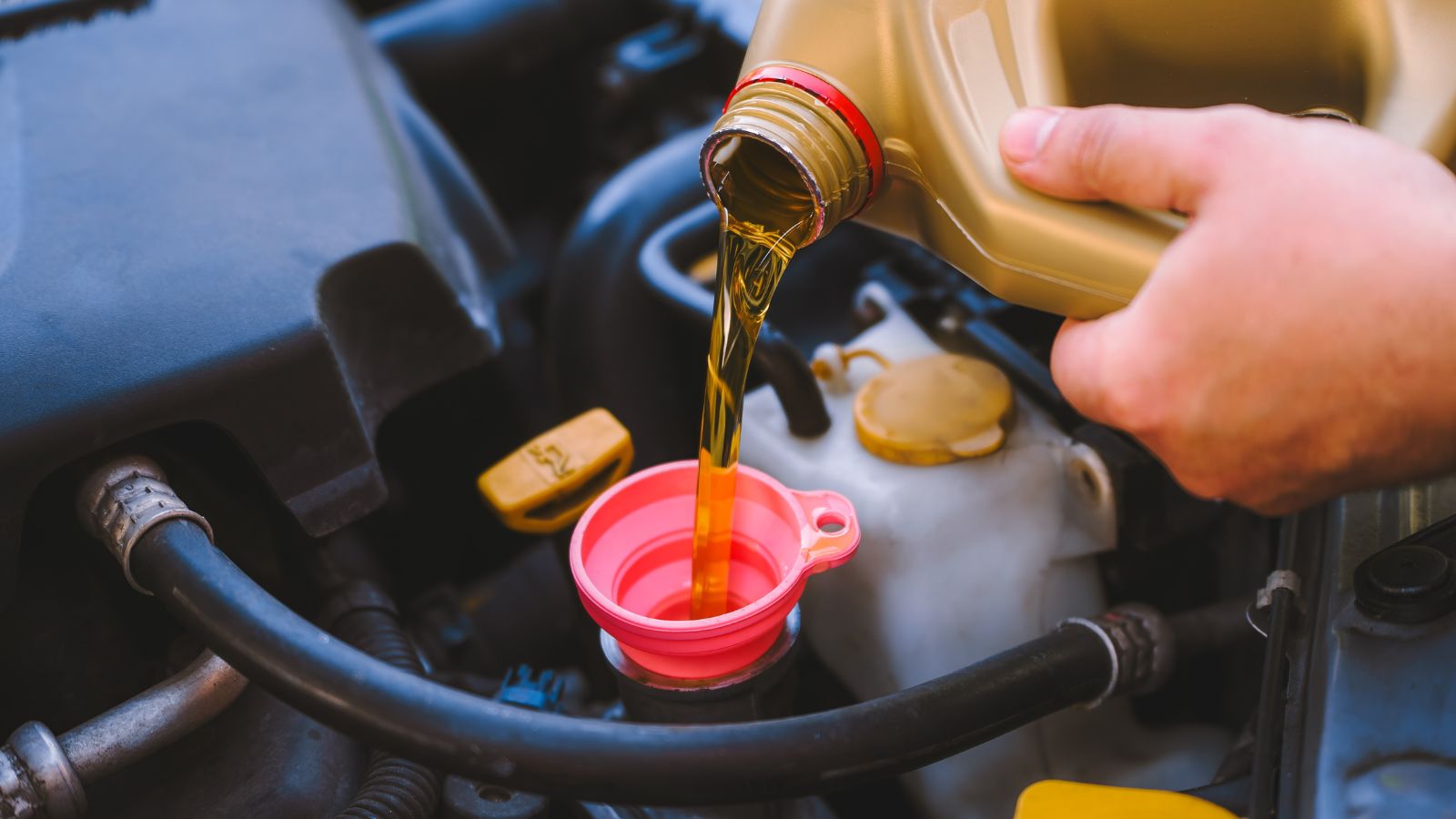
Engine oil works in an unforgiving environment, circulating through components exposed to heat, pressure, combustion contaminants, and constant friction. Fresh oil lubricates moving surfaces, helps control heat, suspends contaminants, and reduces metal-to-metal contact. As oil ages, its ability to perform those jobs deteriorates. Continually stretching an oil-change interval beyond the manufacturer’s recommendation can therefore accelerate internal engine wear rather than simply saving the cost of one service visit.
The important detail is that there is no universal mileage number. Modern maintenance intervals vary considerably according to engine design, oil specification, operating conditions, and electronic oil-life monitoring systems. A driver who automatically follows an old 3,000-mile rule may be servicing unnecessarily, while someone assuming every synthetic oil lasts 15,000 miles could go too far. The safest approach is surprisingly unexciting: follow the maintenance schedule or oil-life monitor designed for that particular vehicle and regularly confirm that the oil level remains correct.
Treating Warning Lights as Background Decoration
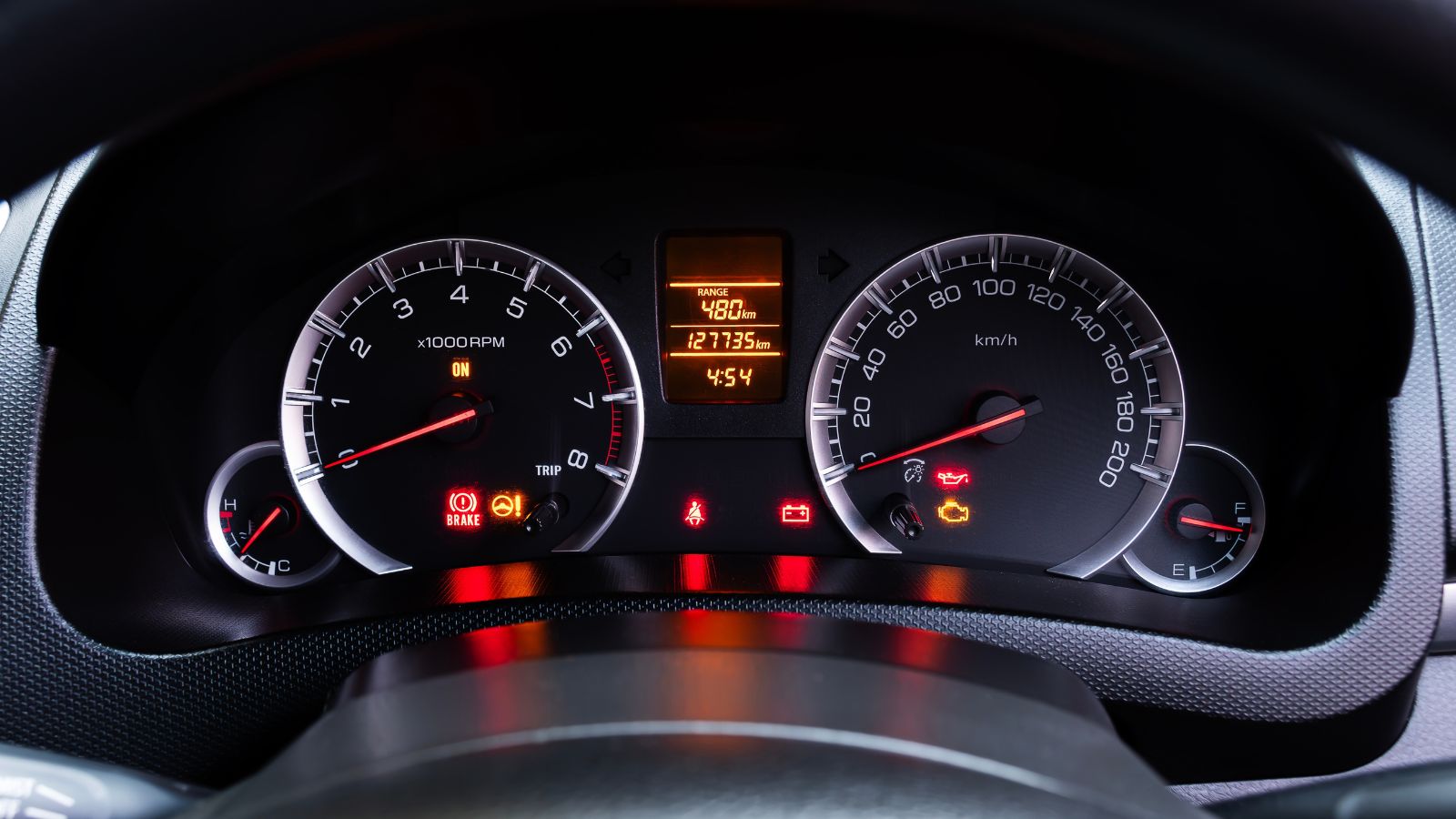
Dashboard lights are easy to normalize, particularly when the vehicle still seems to drive normally. Yet warning indicators can represent very different levels of urgency. A routine maintenance reminder may allow some scheduling flexibility, while warnings involving oil pressure, engine temperature, brakes, charging systems, or other critical functions may require immediate attention. Continuing to drive simply because nothing sounds unusual can allow a relatively contained problem to become much more expensive.
Modern vehicles monitor numerous systems precisely because drivers cannot see what is happening inside an engine, transmission, emissions system, or electrical network. Toyota, for example, advises owners to consult the manual when warning indicators appear and notes that low oil pressure or insufficient cooling can require prompt service. The practical lesson is not to panic whenever a symbol illuminates. It is to determine what the symbol means instead of covering it mentally with invisible tape. Early diagnosis often preserves options that disappear after additional damage occurs.
Regularly Running the Fuel Tank Almost Empty
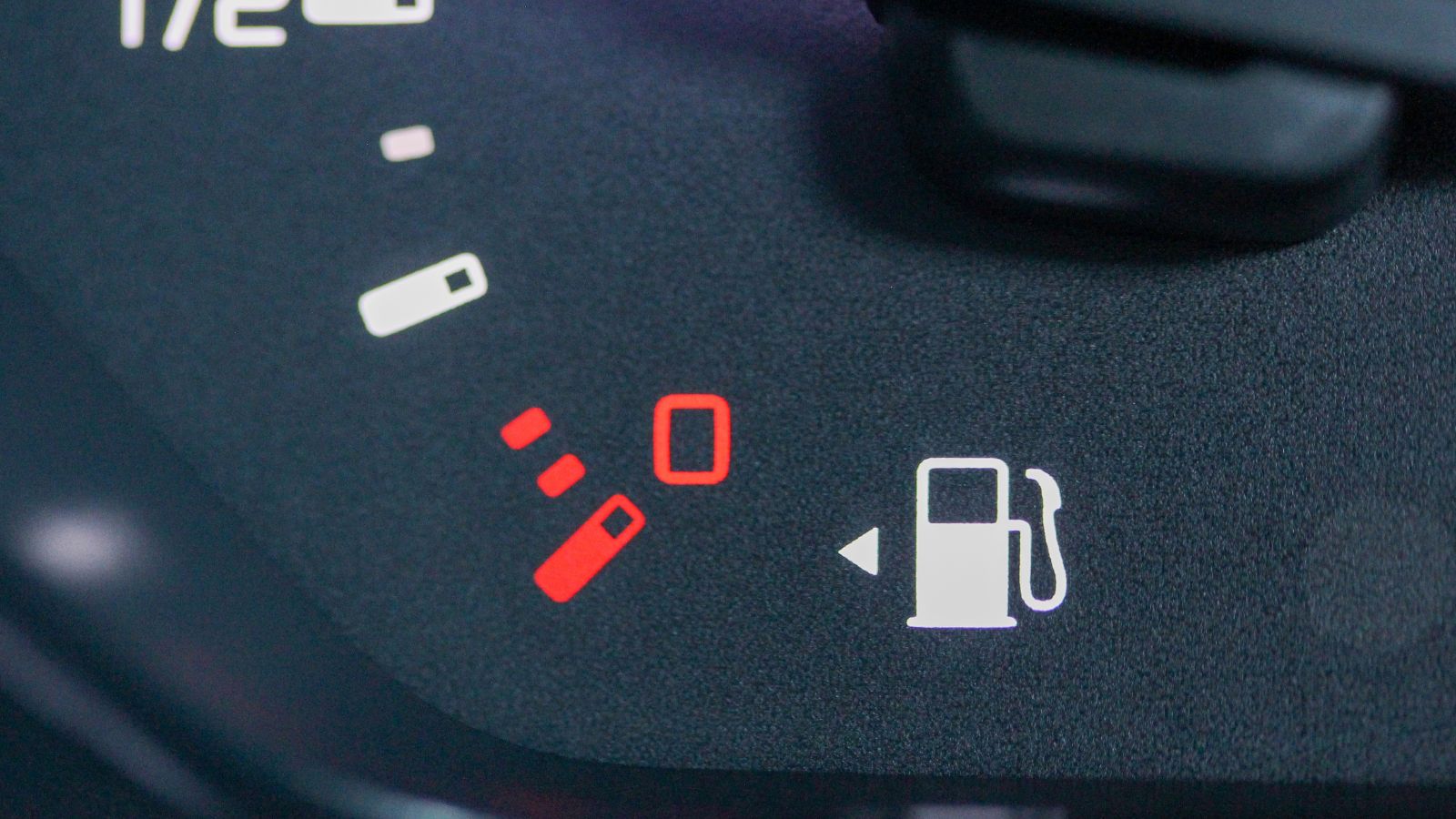
Waiting until the fuel gauge is buried near empty may feel like maximizing every fill-up, but repeatedly doing so can be hard on some fuel systems. Many modern vehicles use an electric fuel pump located inside the tank. The surrounding gasoline helps cool and lubricate the pump during operation. Consistently operating with very little fuel can therefore expose the pump to greater heat and potentially reduce its service life.
AAA recommends refilling before the tank routinely becomes extremely low and has specifically warned that repeatedly driving with very little fuel can damage the fuel pump. There is also a practical reliability issue: distance-to-empty displays are estimates rather than guarantees. Traffic, hills, temperature, driving style, and changing fuel economy can alter how far the remaining fuel actually carries a vehicle. Allowing the tank to reach a quarter full before looking for a station is not mechanically mandatory for every automobile, but it provides useful margin while avoiding a habit that offers little real benefit.
Accelerating and Braking Hard Everywhere

Occasional strong acceleration is something vehicles are engineered to handle. Turning every green light, freeway merge, and stop sign into a performance test is different. Rapid acceleration places greater demand on the engine, transmission, driveline, and tires, while repeated hard braking consumes brake friction material more quickly. Sharp cornering can similarly accelerate tire wear. The damage is usually incremental, which makes the habit easy to underestimate.
U.S. Department of Energy guidance cites analysis showing that aggressive driving involving speeding, rapid acceleration, and hard braking can reduce fuel economy by roughly 15% to 30% at highway speeds and 10% to 40% in stop-and-go conditions. Fleet guidance also associates reduced harsh braking and acceleration with lower wear and tear. Smooth driving is therefore not merely about squeezing additional kilometres or miles from a tank. Looking ahead, maintaining space, accelerating progressively, and slowing earlier reduces unnecessary heat and friction across several expensive systems at once.
Smashing Through Potholes and Climbing Curbs
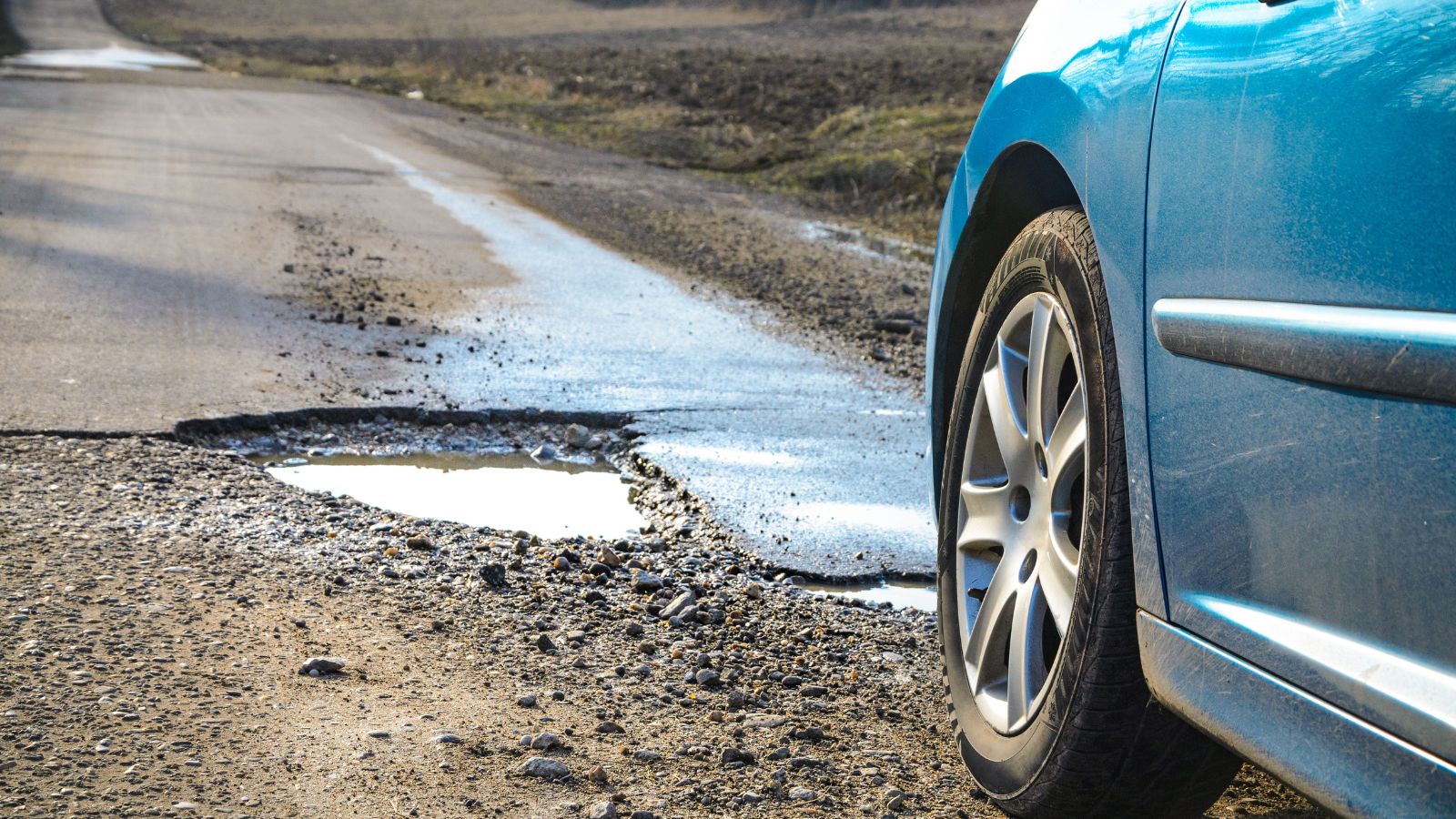
A pothole sometimes arrives too quickly to avoid, particularly on a dark or wet road. Repeatedly hitting road hazards at speed, however, can shorten the life of far more than a tire. A severe impact can bend a wheel, damage a tire internally, disturb wheel alignment, and shock suspension or steering components. Low-profile tires provide even less sidewall between the wheel and pavement, leaving less cushioning when the road suddenly disappears beneath the tire.
Bridgestone notes that severe shocks from potholes, curbs, and poorly graded railroad crossings can knock wheel alignment out of specification and may damage steering or suspension parts. Damage is not always immediately visible. Sometimes the first evidence is a steering wheel sitting off-centre, a new vibration, pulling to one side, or unexpectedly rapid tire wear weeks later. When impact cannot be avoided safely, slowing before the obstacle and releasing the brakes before striking it can reduce severity. A particularly hard hit deserves an inspection rather than months of hopeful denial.
Driving Around on Underinflated Tires
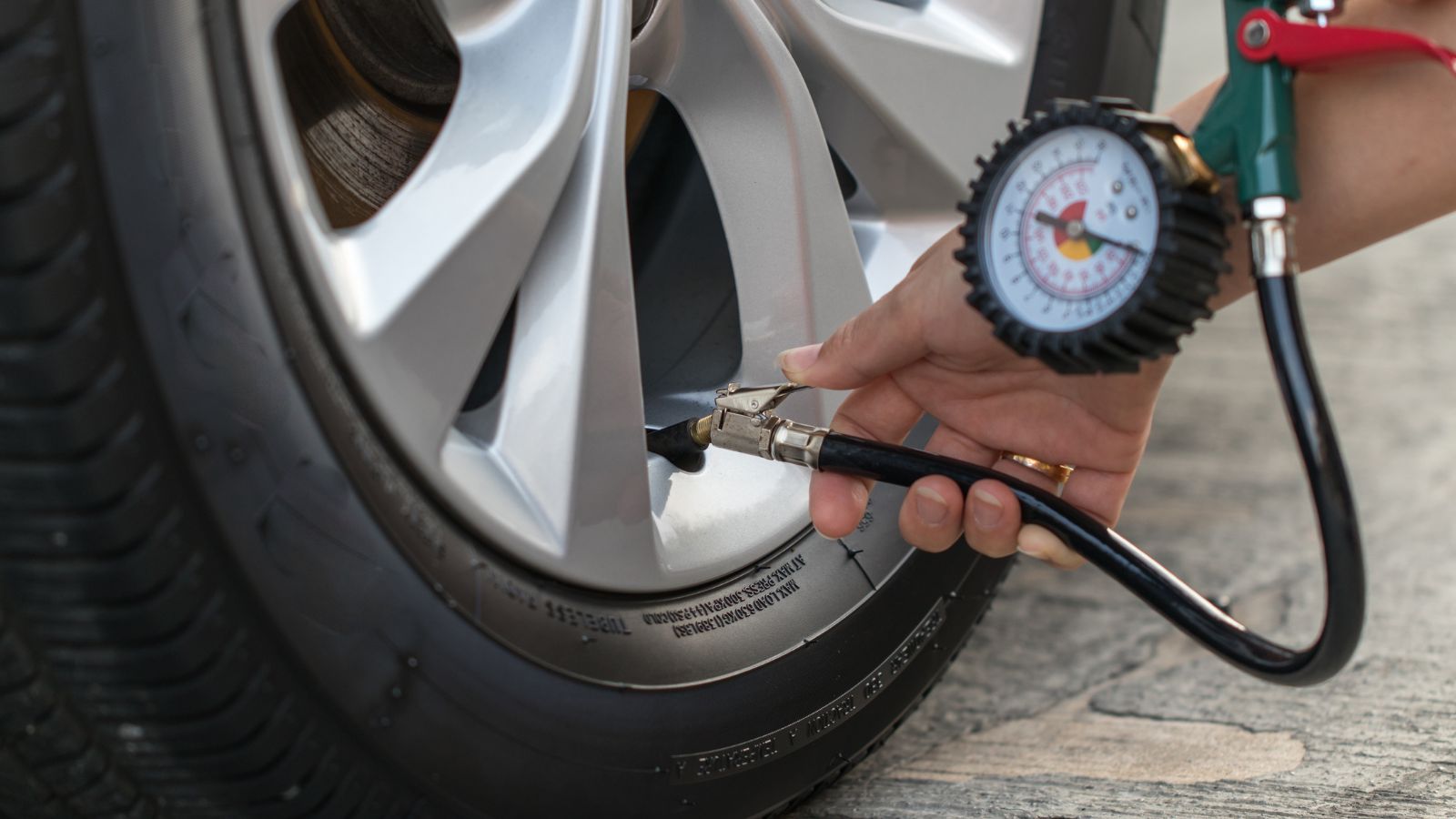
Tire pressure receives surprisingly little attention considering every kilogram of a vehicle ultimately rests on four relatively small contact patches. An underinflated tire flexes more as it rotates, creating additional heat and altering how the tread contacts the road. That extra flex can increase wear, hurt fuel economy, affect handling, and in severe cases contribute to tire failure. The problem can exist before a tire looks obviously flat.
NHTSA states that a tire-pressure-monitoring warning means at least one tire is already significantly underinflated and should receive attention. The agency also says proper inflation can extend tire life; one of its consumer resources cites a potential increase of about 4,700 miles. Pressure should be checked cold against the value listed on the vehicle placard, not simply against the maximum pressure molded into the tire sidewall. Temperature changes matter as well, which is why seasonal checks are useful. Five minutes with a pressure gauge can prevent hundreds of dollars in premature tire replacement.
Continuing to Drive When the Engine Is Overheating
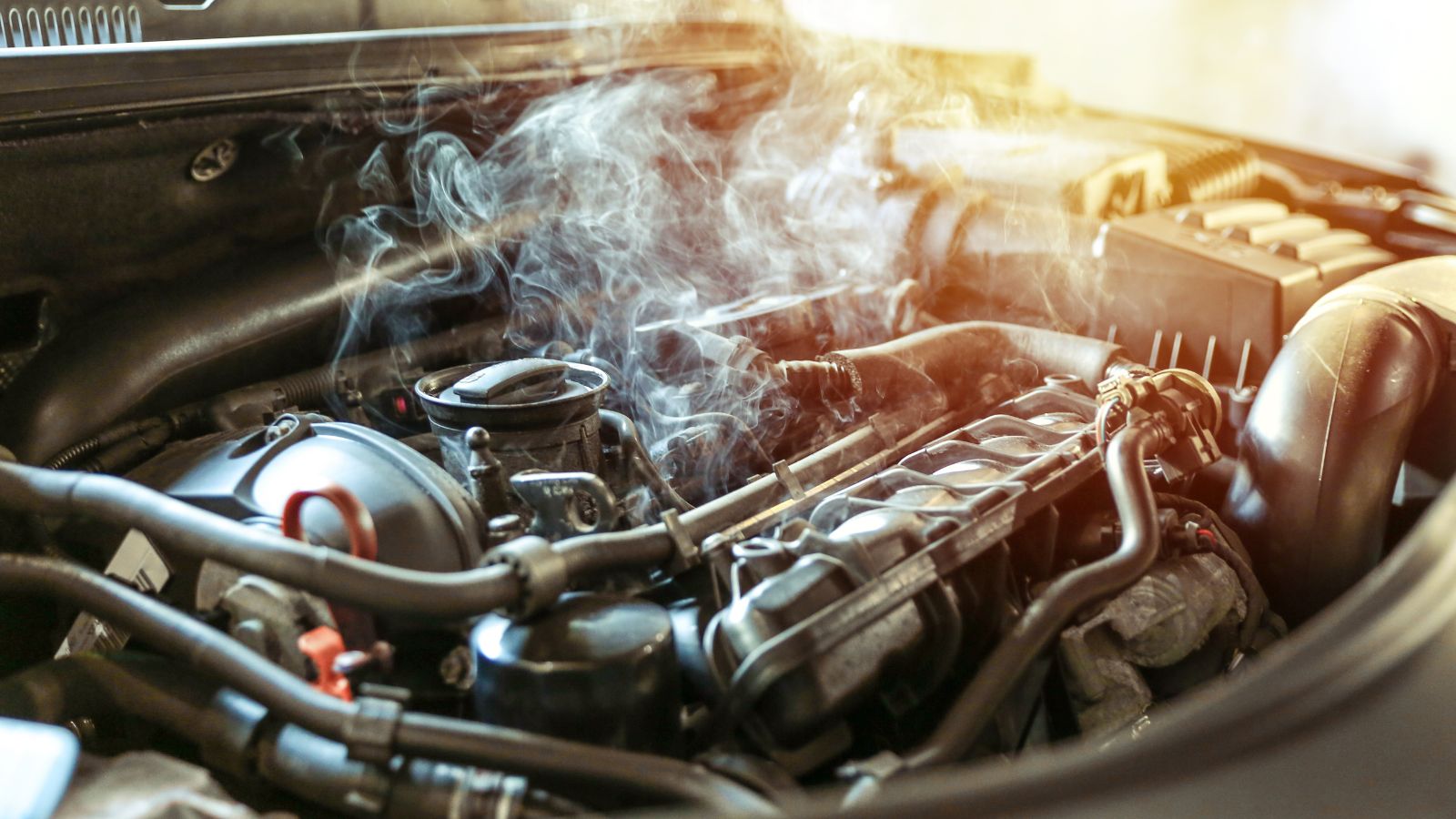
Few warning signs deserve less experimentation than an overheating engine. Combustion already produces enormous heat, and the cooling system exists to keep temperatures within a controlled operating range. Coolant circulates through the engine and radiator so excess heat can be transferred away. If coolant is lost, circulation fails, or another cooling-system problem develops, temperatures can rise beyond what engine components were designed to tolerate.
Continuing down the road because the destination is “only ten minutes away” can turn a leaking hose, failed thermostat, or cooling-system fault into much more serious damage. Manufacturer guidance emphasizes the importance of coolant in preventing overheating, while Ford information notes that controlling excess temperature helps prevent engine damage. Drivers should treat an abnormal temperature gauge, overheating message, steam, or a rapidly disappearing coolant level as a reason to investigate rather than push onward. Stopping safely and arranging assistance can be inconvenient, but it is usually cheaper than gambling an entire engine on reaching the next exit.
Racing the Engine Immediately After a Cold Start

A cold engine does not instantly reach normal operating conditions simply because it has started successfully. Oil, coolant, metal components, seals, and clearances are still transitioning toward operating temperature. Modern engines generally do not require long stationary warm-ups, but that does not mean full throttle seconds after startup is ideal. Gentle initial driving allows temperatures to rise under moderate load rather than subjecting cold components to unnecessary stress.
Toyota owner guidance has explicitly advised against racing a cold engine and recommends beginning to drive gently once the engine is running smoothly. Ford similarly says modern fuel-injected engines generally do not require prolonged preheating and can be warmed by normal driving. That combination is important because two opposite habits can both miss the point: idling excessively for a long warm-up is unnecessary in most modern vehicles, while immediately demanding maximum engine speed is needlessly aggressive. Starting, allowing the vehicle to stabilize, then driving moderately until normal temperature is reached is the more mechanically considerate routine.
Carrying or Towing More Than the Vehicle Is Rated For
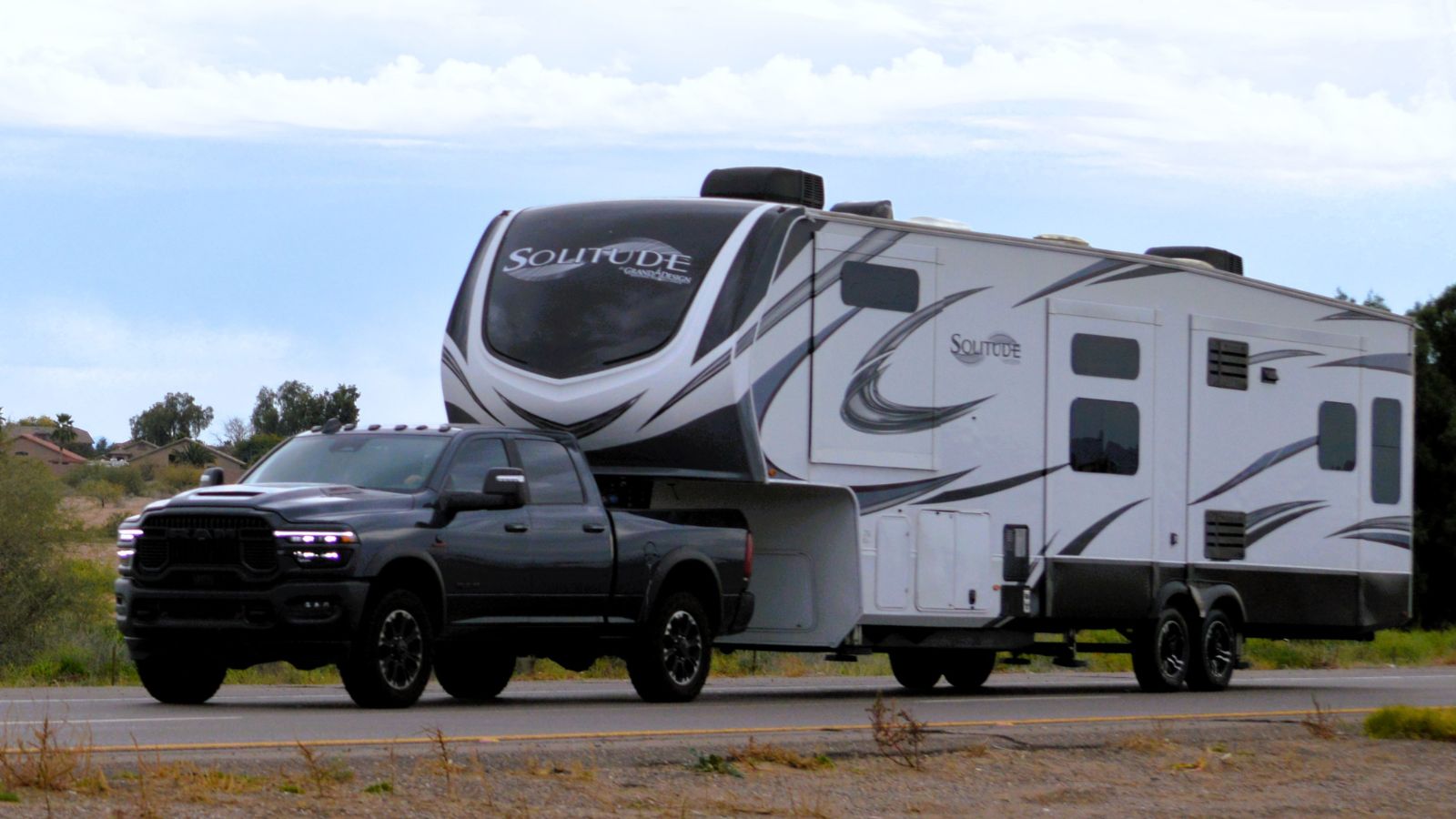
The amount of space inside a pickup bed, SUV cargo area, or trailer does not determine how much weight the vehicle can safely handle. Manufacturers establish payload, gross vehicle weight, axle ratings, and towing limits according to what the tires, brakes, suspension, steering, cooling system, and drivetrain are engineered to manage. Exceeding those ratings can place extra stress on several systems simultaneously.
NHTSA has specifically identified tire, braking, suspension, stability, steering, and drivetrain concerns associated with overloading. The problem becomes even more significant during long grades, hot weather, emergency braking, or repeated towing. A truck may physically move an overloaded trailer without immediately breaking, but the ability to move weight and the ability to manage it safely and repeatedly are different questions. Drivers carrying heavy equipment, recreational trailers, or several passengers plus luggage should check the vehicle’s actual payload and towing information. Ratings may look conservative until brakes are hot, transmission temperatures climb, or an emergency manoeuvre becomes necessary.
Riding the Clutch in a Manual Vehicle
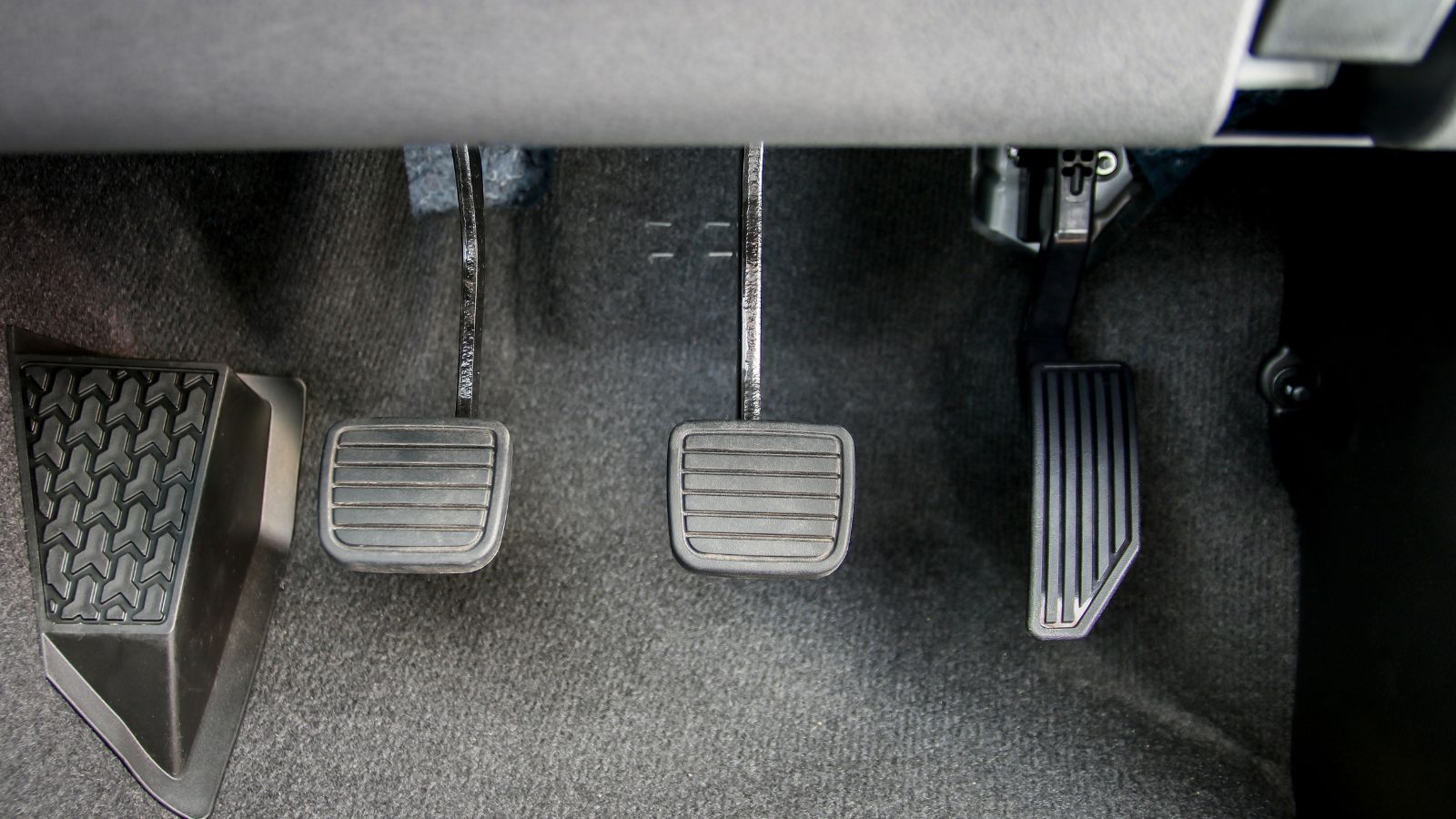
Manual transmissions reward smooth technique, but the clutch is a friction component rather than a permanent connection designed to slip indefinitely. Holding the clutch partially engaged at traffic lights, resting a foot on the pedal, or balancing a vehicle on an incline with clutch slip keeps friction surfaces working when they should either be fully engaged or fully disengaged. Repeating that behaviour converts useful clutch life into heat.
Mazda owner manuals directly warn that riding the clutch causes unnecessary clutch wear and damage, while Toyota guidance cautions against resting a foot on either the clutch or brake pedal because it can cause needless wear and overheating. The habit often develops almost unconsciously, especially in stop-and-go traffic. A driver may apply just enough pressure to the pedal to keep the release mechanism partially loaded without realizing it. Using the brake to hold the vehicle on hills, selecting neutral when appropriate, and keeping the left foot on the footrest between shifts removes that constant unnecessary load.
Switching Between Reverse and Drive Before Stopping

Drivers in a hurry sometimes begin shifting from reverse into drive while the vehicle is still rolling backward, or select reverse while creeping forward. It may save a fraction of a second during parking, but it asks the transmission and driveline to deal with an abrupt change in rotational direction. Modern electronic controls may protect some vehicles from the worst commands, yet manufacturers still commonly instruct drivers to stop before selecting the opposite direction.
Toyota owner documentation specifically warns that shifting into a forward driving position while moving backward can damage the transmission, and other Toyota manuals state that the vehicle should be completely stopped before reverse is selected. The safer habit costs virtually no time: finish braking, stop the vehicle, then change direction. This matters most because transmission problems are rarely cheap. A habit repeated twice during every parking manoeuvre can occur thousands of times during ownership, turning a tiny moment of impatience into a completely unnecessary source of mechanical stress.
Forgetting That Transmission Fluid Needs Attention Too
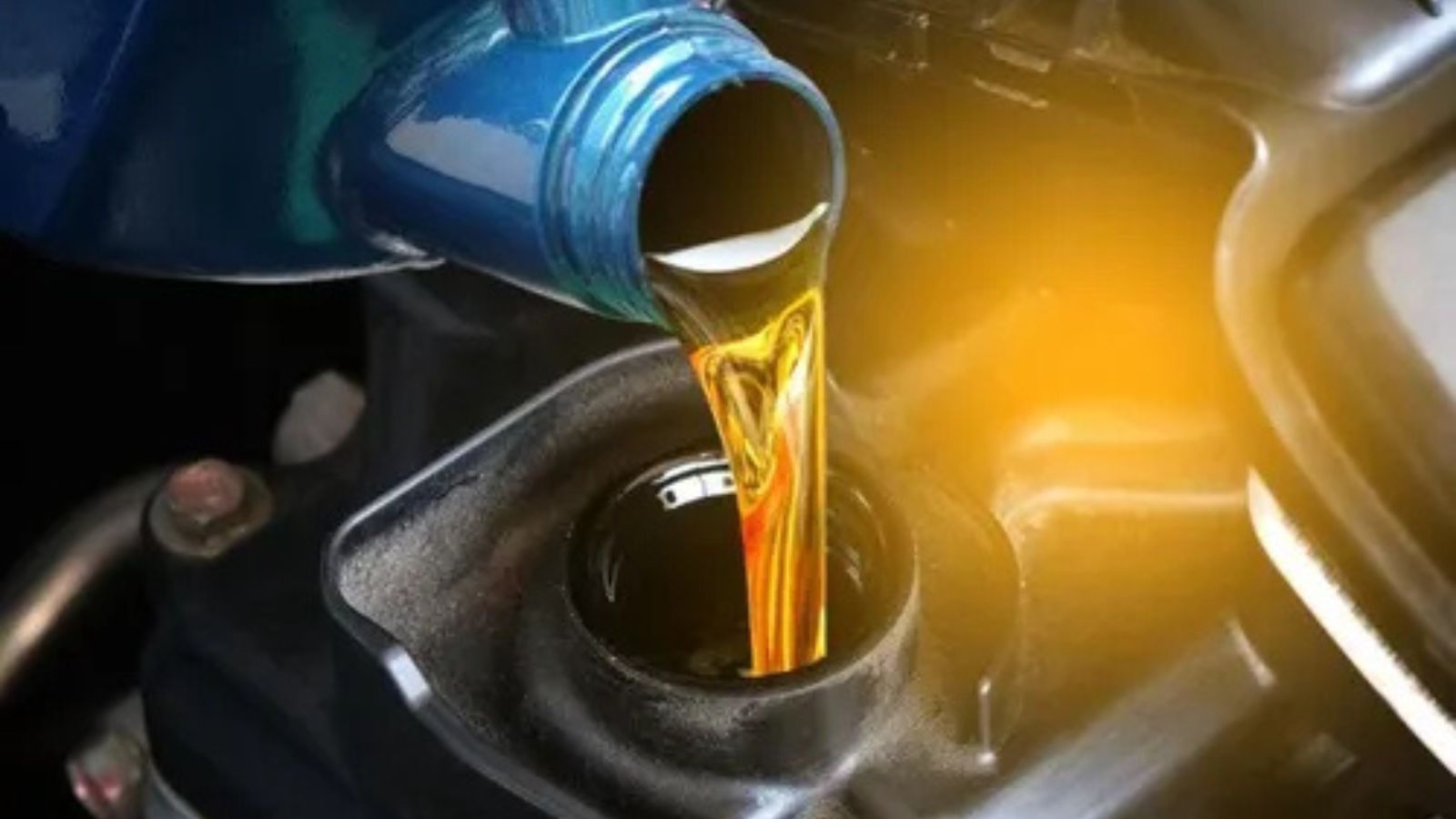
Engine oil receives most of the maintenance publicity, leaving transmission fluid easier to overlook. Yet transmission fluid may lubricate moving parts, transfer hydraulic pressure, carry heat away, and support smooth gear engagement, depending on the transmission design. Heat and use eventually affect its condition, and demanding operating conditions can accelerate that process. Some vehicles also require a very specific fluid formulation rather than a generic substitute.
Honda maintenance schedules include transmission-fluid replacement and, on certain models, call for more frequent changes during demanding low-speed mountain driving because higher transmission temperatures are produced. Toyota similarly notes that healthy transmission fluid helps lubricate and cool transmission components and warns that incorrect fluid can cause operating problems or damage in certain transmissions. There is no reliable universal replacement interval, especially with conventional automatics, CVTs, dual-clutch systems, and hybrids all using different designs. The correct habit is therefore to follow the manufacturer’s service schedule and fluid specification rather than assuming “lifetime fluid” means the transmission never needs inspection.
Neglecting the Engine Air Filter
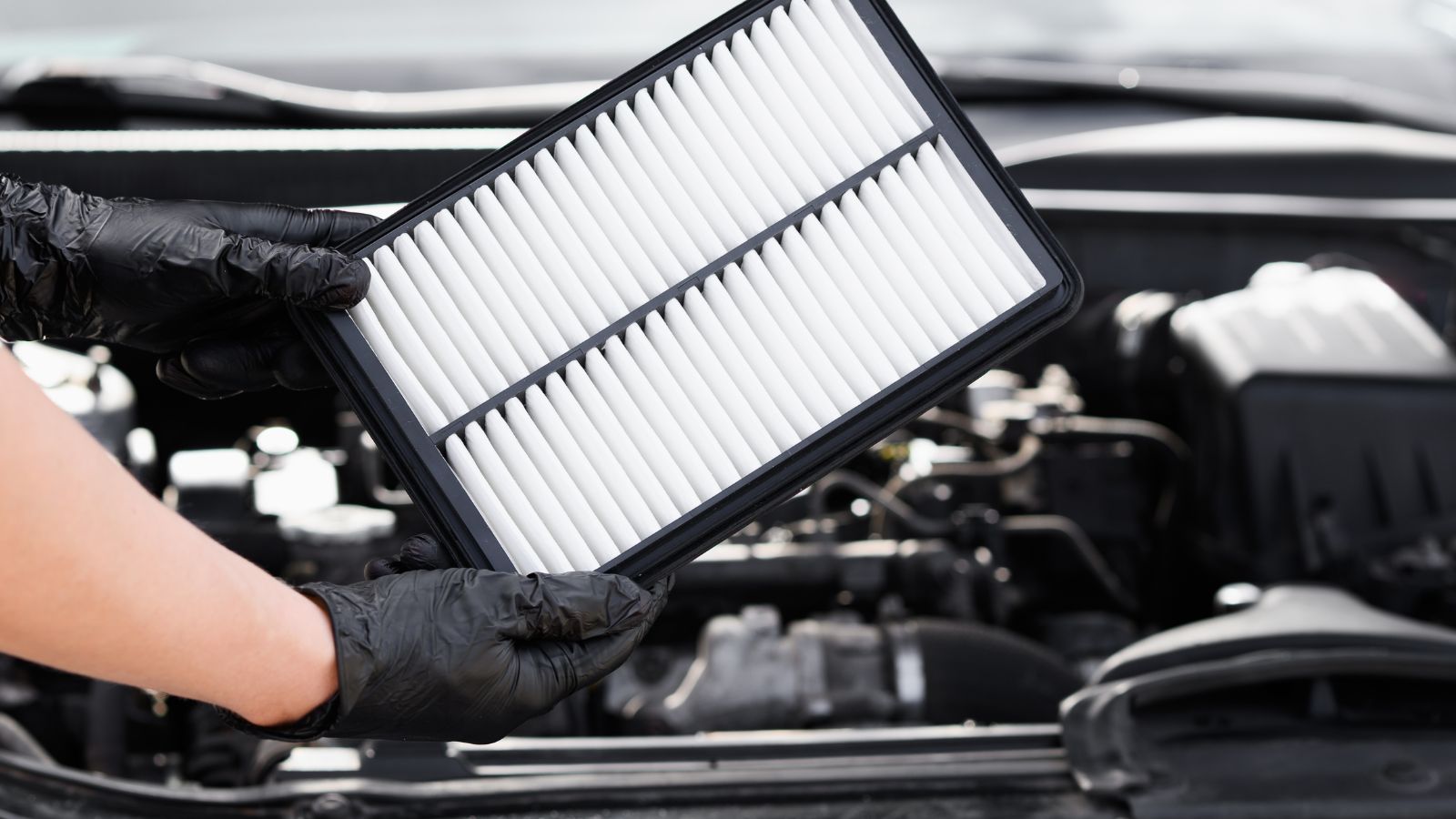
An engine needs a large and steady supply of clean air. The air filter exists to keep abrasive dust and debris from entering while allowing sufficient airflow for normal operation. As the filter loads with contamination, airflow can become restricted. How quickly that happens depends heavily on conditions; vehicles driven on dusty roads or in dirty environments may require attention sooner than those spending their lives on clean pavement.
Manufacturer maintenance schedules reflect that difference. Honda, for example, specifies shorter air-cleaner replacement intervals for some vehicles operated in dusty conditions, while Toyota advises owners to inspect the filter sooner when the vehicle has been exposed to substantial dirt or dust. The inexpensive filter is therefore not an item worth ignoring indefinitely. Owners should follow the schedule appropriate to their vehicle and operating environment rather than replacing it based purely on appearance or an arbitrary universal mileage figure. Keeping abrasive material out of the engine and maintaining proper airflow is simple preventive maintenance with little downside.
Leaving Worn Spark Plugs in Service Indefinitely
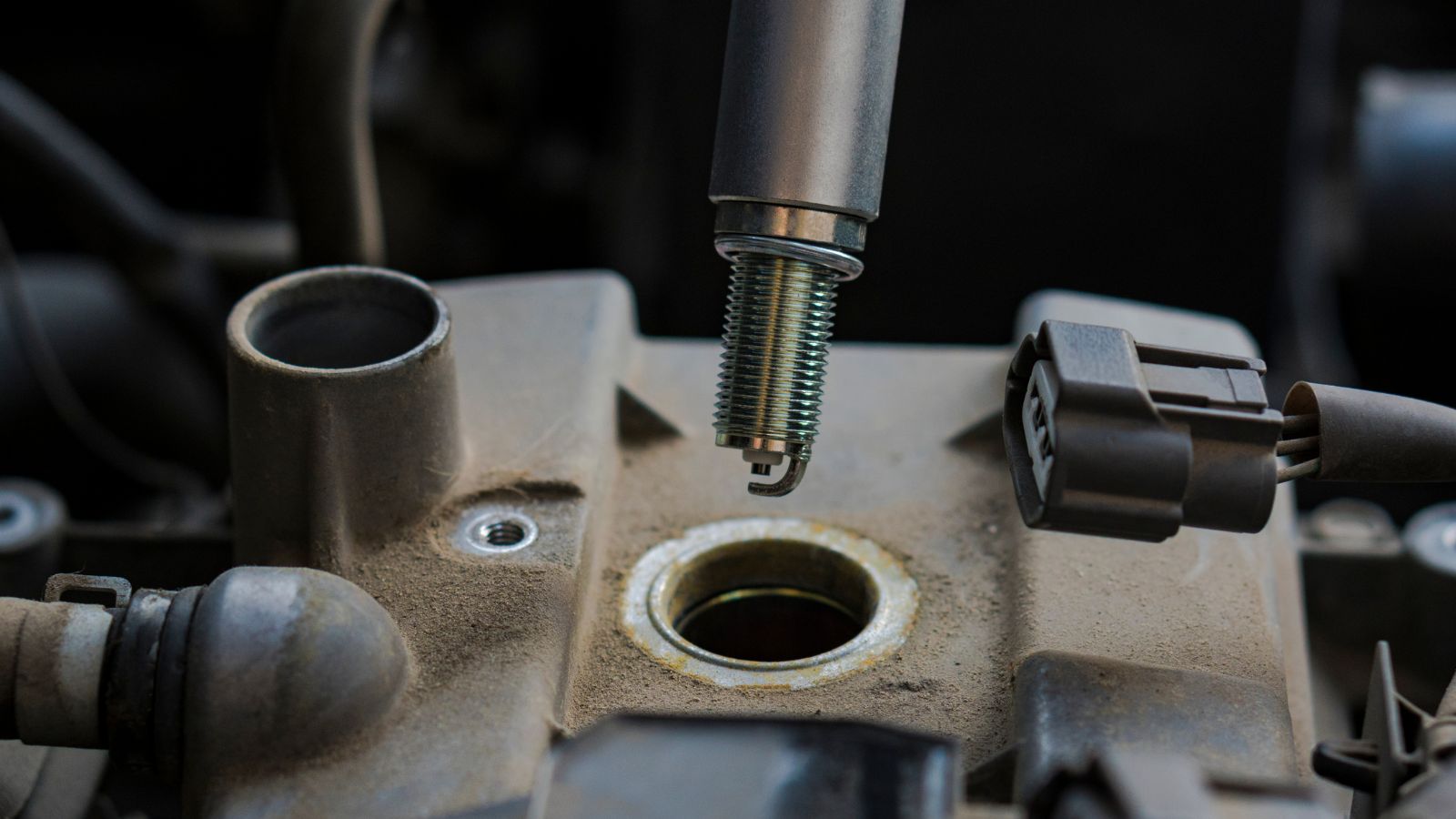
Spark plugs live directly in one of the harshest environments in a gasoline-powered vehicle. Thousands of times every minute, they must create a reliable spark while exposed to combustion heat, pressure, and deposits. Plug designs have improved enormously, and many modern plugs last far longer than older versions, but they remain scheduled maintenance items on numerous engines.
Honda maintenance schedules specifically list spark-plug replacement, while Toyota describes clean, functioning plugs as important to smooth engine operation and advises following the owner’s manual for replacement timing. Worn or contaminated plugs can contribute to misfires, rough running, poor starting, and inefficient combustion. The mistake is often waiting for the engine to run badly before considering them. By that point, ignition coils or emissions components may also have endured prolonged abnormal operation. Plug intervals can vary dramatically by engine and plug material, so replacing them needlessly early is unnecessary. Replacing them at the specified interval, however, helps keep the ignition system operating as engineered.
Ignoring a Scheduled Timing-Belt Replacement
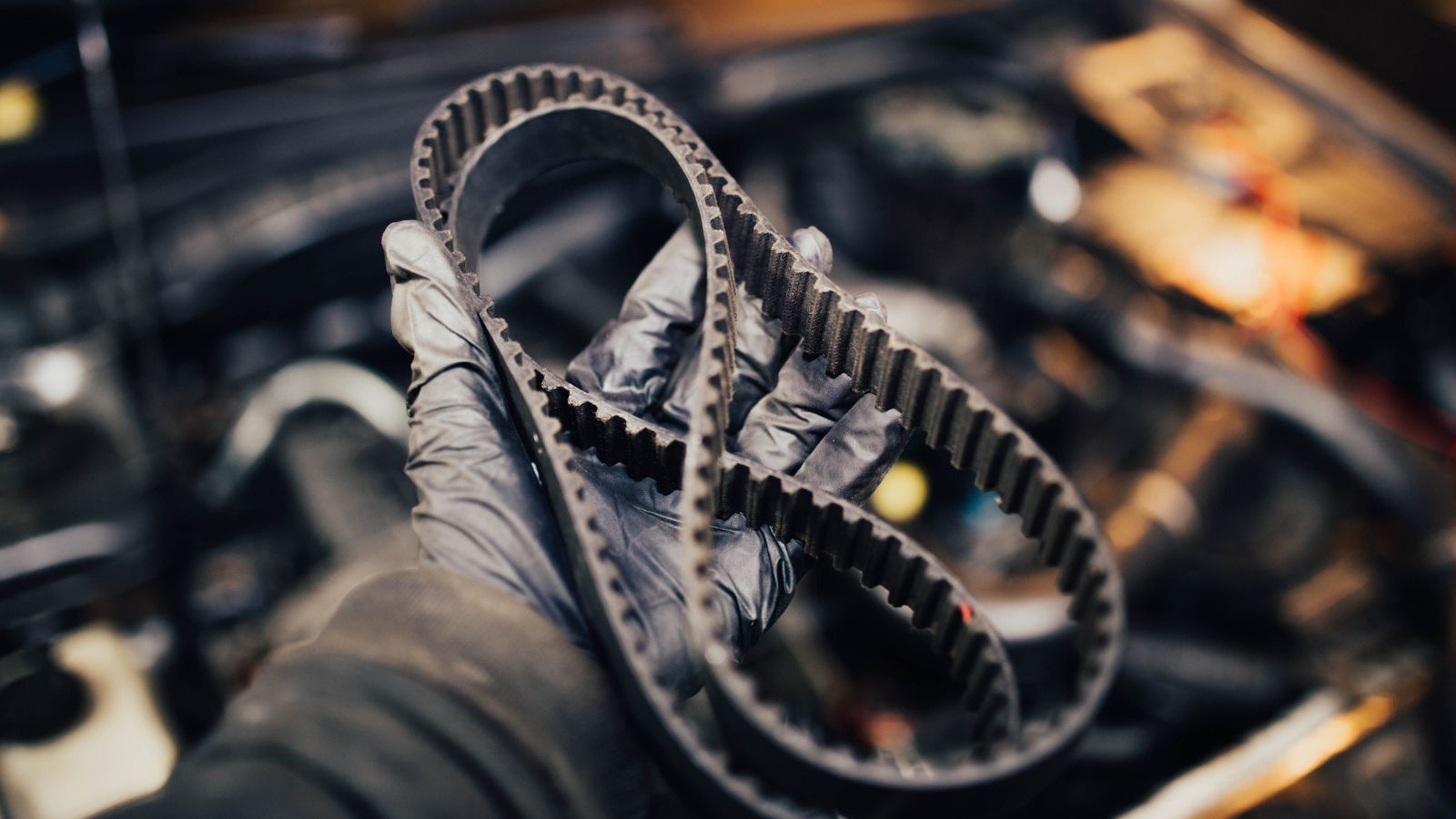
Not every engine uses a timing belt; many employ chains instead. For engines that do use a serviceable timing belt, however, replacement is one maintenance job where procrastination can have unusually severe consequences. The belt keeps crankshaft and camshaft operation synchronized so pistons and valves move in their precisely timed relationship. If it breaks or jumps teeth, that synchronization disappears immediately.
AAA notes that timing-belt replacement intervals often fall somewhere around 60,000 to 100,000 miles, although the correct figure varies by vehicle. More importantly, AAA explains that belt failure in an interference engine can allow valves and pistons to collide, producing bent valves, piston damage, and expensive internal repairs. A belt may give few obvious warnings before failure, making the manufacturer’s schedule more useful than waiting for symptoms. Owners should first confirm whether their engine actually has a replaceable timing belt. If it does, treating its replacement interval as optional can turn routine preventive maintenance into an engine-rebuilding decision.
Ignoring Wheel Alignment Problems

Alignment gradually moves out of everyday awareness because the vehicle can remain driveable while its tires quietly destroy themselves. Suspension geometry determines how each wheel sits relative to the road and to the other wheels. When those angles move outside specification, a tire may scrub rather than roll cleanly, placing extra wear on one section of tread. Pulling, an off-centre steering wheel, and irregular wear are common clues.
Bridgestone explains that misalignment can cause uneven tire loading and irregular wear, while NHTSA advises that uneven tread wear may indicate a need for alignment or rotation. Road impacts are common triggers, but worn or damaged suspension parts can create similar symptoms. The practical mistake is replacing worn tires without correcting whatever caused them to wear unevenly. A fresh set can begin repeating the same pattern immediately. Drivers do not necessarily need alignment service at arbitrary intervals, but a hard pothole strike, suspension repair, persistent pulling, or unusual tire wear should prompt an inspection.
Skipping Tire Rotation for Years
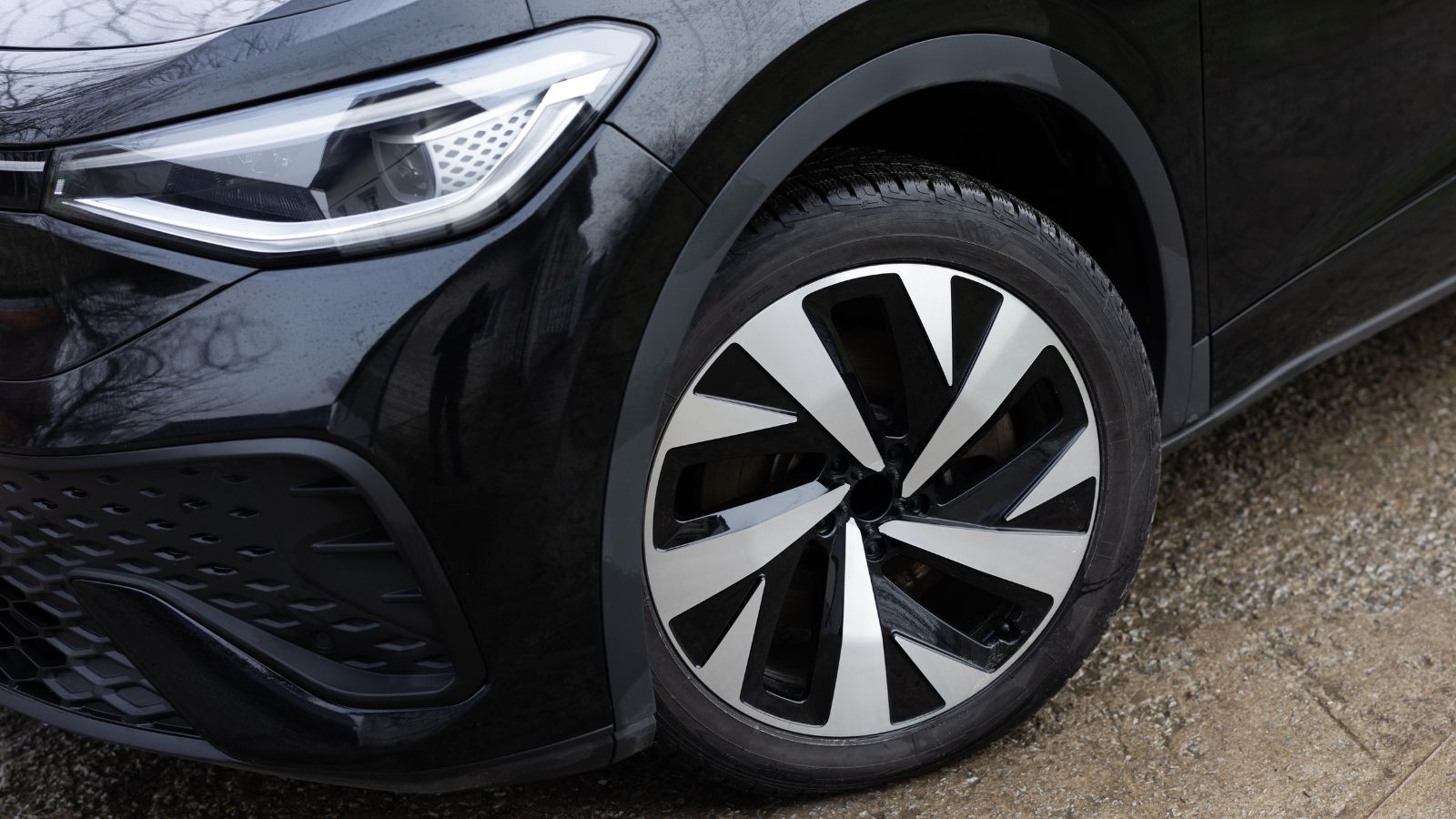
Front and rear tires do not necessarily perform the same work. Steering forces, drivetrain layout, braking loads, alignment settings, and vehicle weight distribution can create different wear patterns at different wheel positions. Tire rotation moves eligible tires through different positions so those patterns can be distributed more evenly. Ignoring rotation may leave two tires worn out while the other pair still has substantial usable tread.
NHTSA says rotation can reduce irregular wear and help tires last longer. Its guidance notes that, when recommended by the manufacturer, rotation may commonly occur every 5,000 to 8,000 miles, but the owner’s manual should determine the correct schedule and pattern. That qualification matters because some vehicles use staggered tire sizes or directional tires that restrict where each tire can be moved. Rotation is therefore not universally identical. When the vehicle’s design permits it, however, maintaining the recommended schedule can preserve tread life and provides repeated opportunities to spot nails, abnormal wear, pressure problems, or suspension issues before they become expensive surprises.
Leaving Winter Road Salt on the Undercarriage
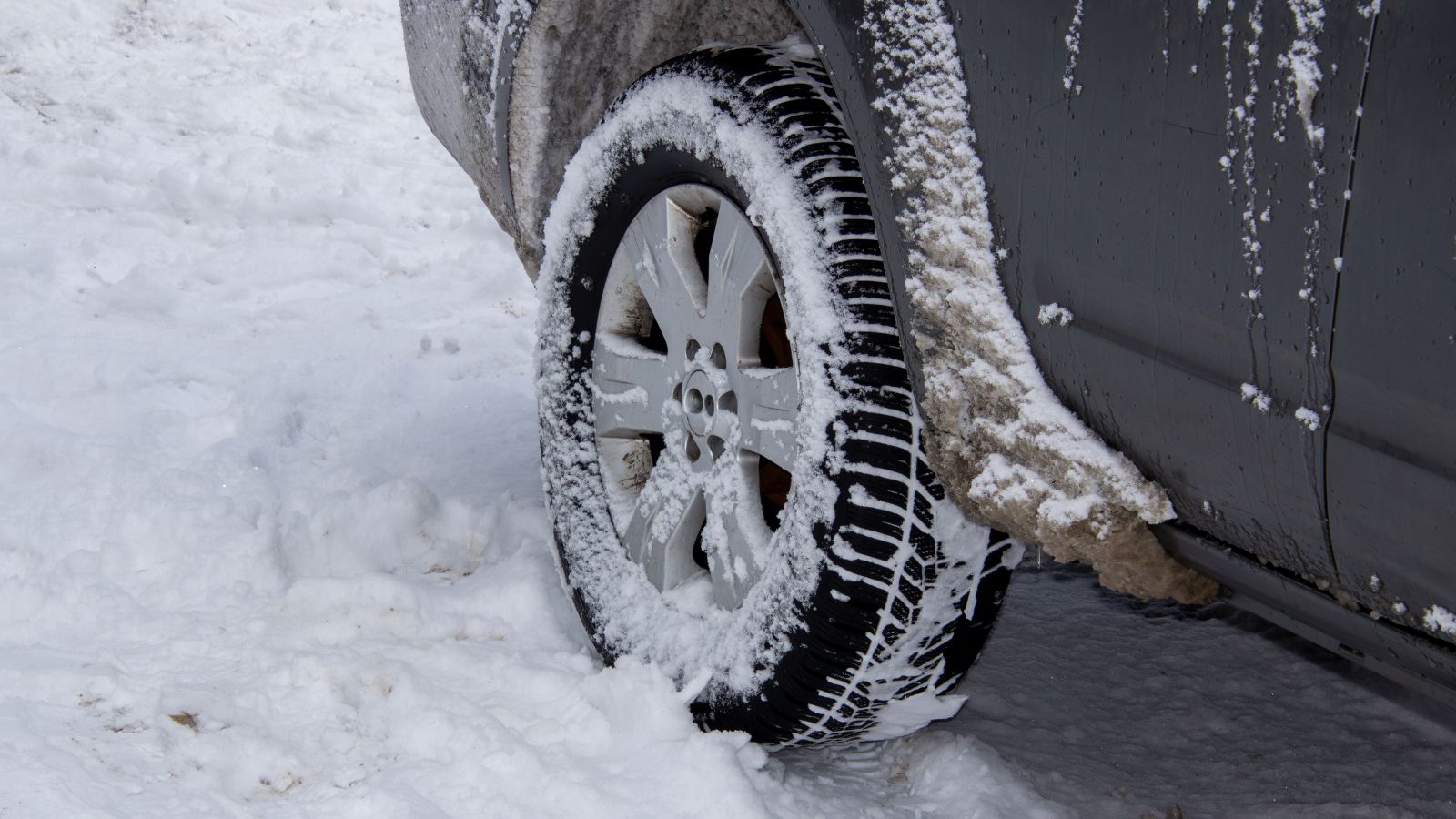
A vehicle can look clean from the windows upward while corrosion is developing underneath. Road salt and other de-icing materials accumulate around exposed metal, suspension components, fasteners, brake lines, seams, and other difficult-to-see areas. Salt promotes corrosion in the presence of moisture, making winter driving particularly demanding on vehicles in regions where roads receive repeated chemical treatment.
The U.S. Environmental Protection Agency identifies rock salt as corrosive to cars, trucks, bridges, and roads. AAA has similarly warned that road salt can accelerate undercarriage rust and recommends regular washing with attention to the underside of the vehicle. That advice is especially relevant after heavily salted conditions. Cosmetic rust is one thing; corrosion affecting structural areas, brake lines, suspension components, or electrical hardware can become a reliability and safety problem. Washing cannot reverse established rust, but removing salt deposits limits how long corrosive material remains in contact with the vehicle. Winter cleanliness can therefore be more mechanical than cosmetic.
Driving Through Water That Is Deeper Than It Looks
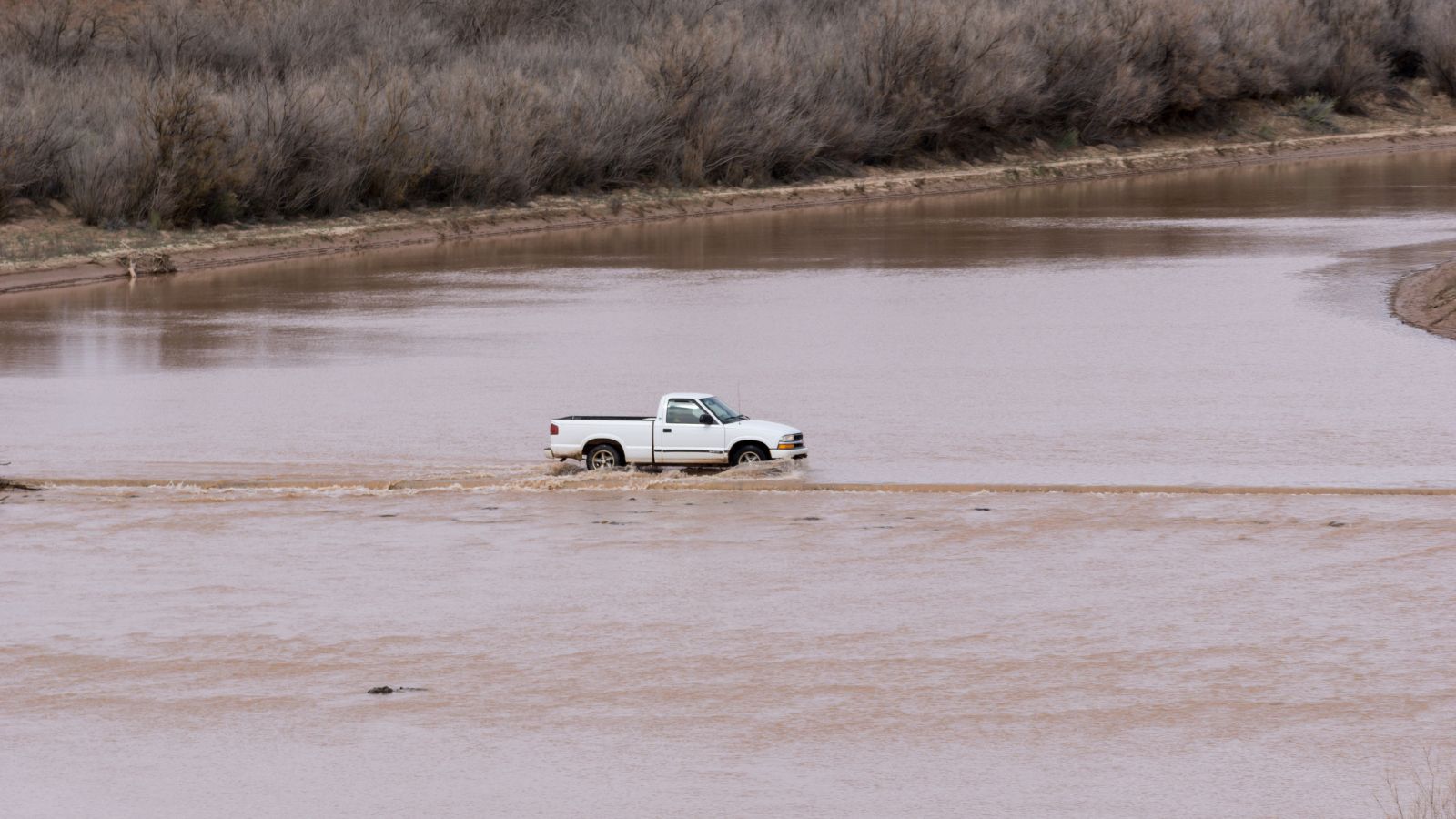
Standing water invites optimistic guesses about depth, but an engine needs only one badly judged crossing to suffer catastrophic damage. If water reaches the air intake and is drawn into a running engine, the cylinders can fill with a liquid that does not compress like an air-fuel mixture. The resulting condition, commonly called hydrolock, can stop the engine abruptly and damage major internal components.
AAA has warned that an engine can ingest water even from what appears to be a deep puddle and may become hydro-locked and destroyed. Floodwater can also affect transmissions, brakes, electronics, bearings, and other systems, with corrosion sometimes appearing later. Depth is particularly difficult to judge at night or when moving water obscures the pavement. There may also be holes, missing road surfaces, or debris below the surface. Turning around can feel overly cautious when other vehicles are crossing, but those vehicles may have different intake heights and capabilities. An unnecessary detour is far cheaper than replacing an engine.
Installing Mismatched Tires on Sensitive AWD Systems
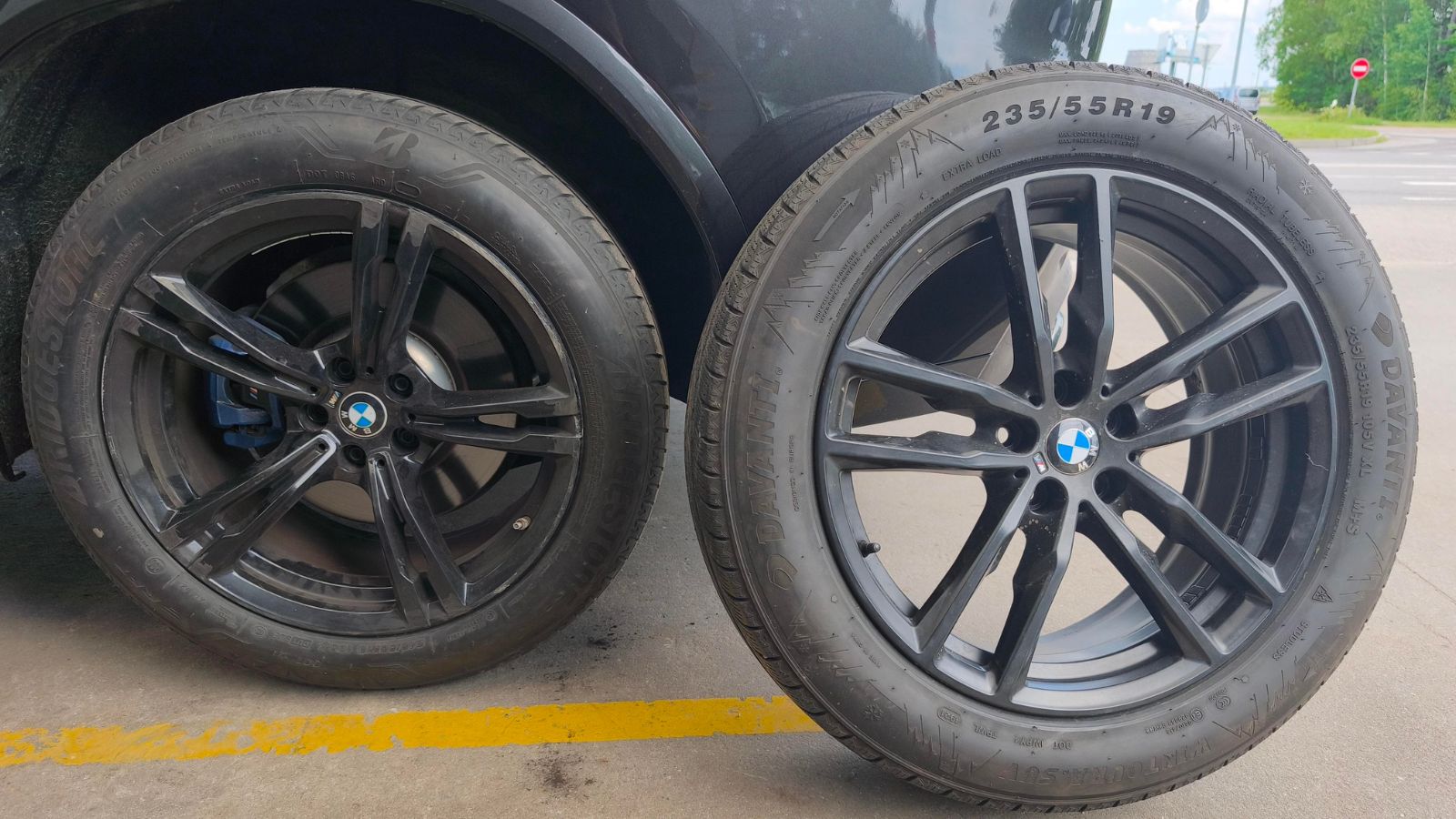
Replacing only the damaged tire can appear financially sensible, but certain all-wheel-drive vehicles require close matching among all four tires. Differences in circumference mean wheels rotate at slightly different speeds while travelling the same distance. AWD hardware designed around closely matched tires may interpret or absorb those differences continuously, creating unwanted stress within the driveline.
Subaru’s owner guidance provides a particularly clear example. It specifies matching factors including size, circumference, construction, manufacturer, tread pattern, and degree of wear, warning that significant mismatch can cause serious drivetrain damage. Requirements differ between manufacturers and AWD designs, so that does not mean every AWD vehicle automatically needs four new tires after one puncture. It does mean owners should check the manual before replacing one tire on a partially worn set. A tire shop may sometimes offer an appropriately matched solution, but guessing based only on the size printed on the sidewall can overlook the circumference difference created by substantial tread wear.
Ignoring Fluid Spots Under the Vehicle
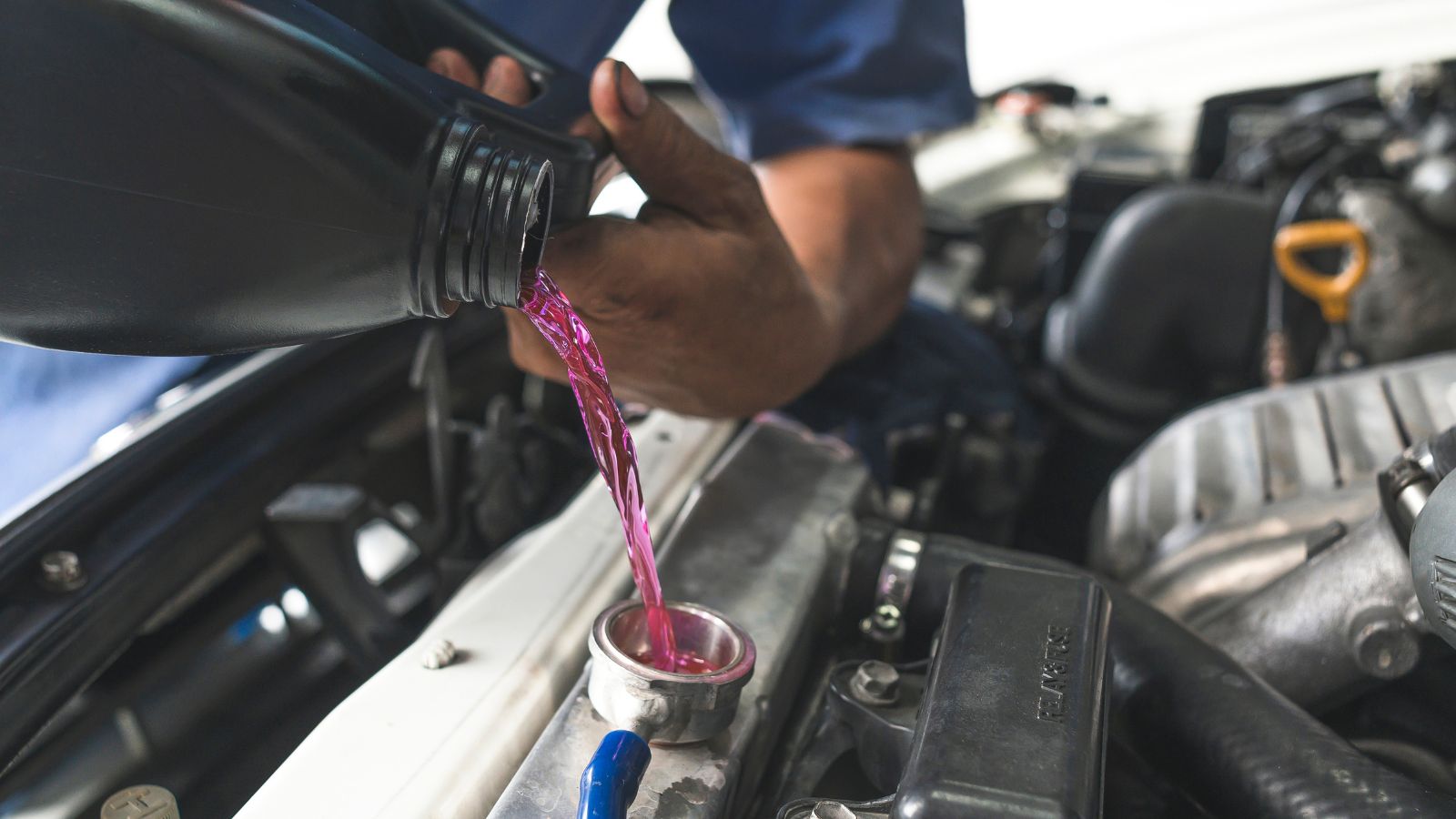
A stain beneath a parked vehicle is easy to dismiss, especially if the car still starts and drives normally. Yet vehicles depend on fluids for lubrication, cooling, hydraulic pressure, braking, and power transfer. Oil, coolant, transmission fluid, brake fluid, and other liquids have different functions, and losing enough of the wrong one can quickly turn a minor leak into a serious mechanical or safety problem.
AAA advises that leaking fluids should be identified and addressed because continued leakage can cause additional vehicle damage and reduce safety. The difficulty is distinguishing a genuine problem from normal water condensation produced by air conditioning. Colour, location, smell, and texture can provide clues, but modern engine compartments can allow a leak to travel before reaching the ground. Drivers do not need to diagnose every spot themselves. They do need to notice changes. A new puddle, declining reservoir level, burning smell, smoke, overheating, or repeated top-ups indicates that replacing lost fluid without finding the source is treating the symptom rather than the failure.
Assuming a Parked Vehicle Needs No Maintenance
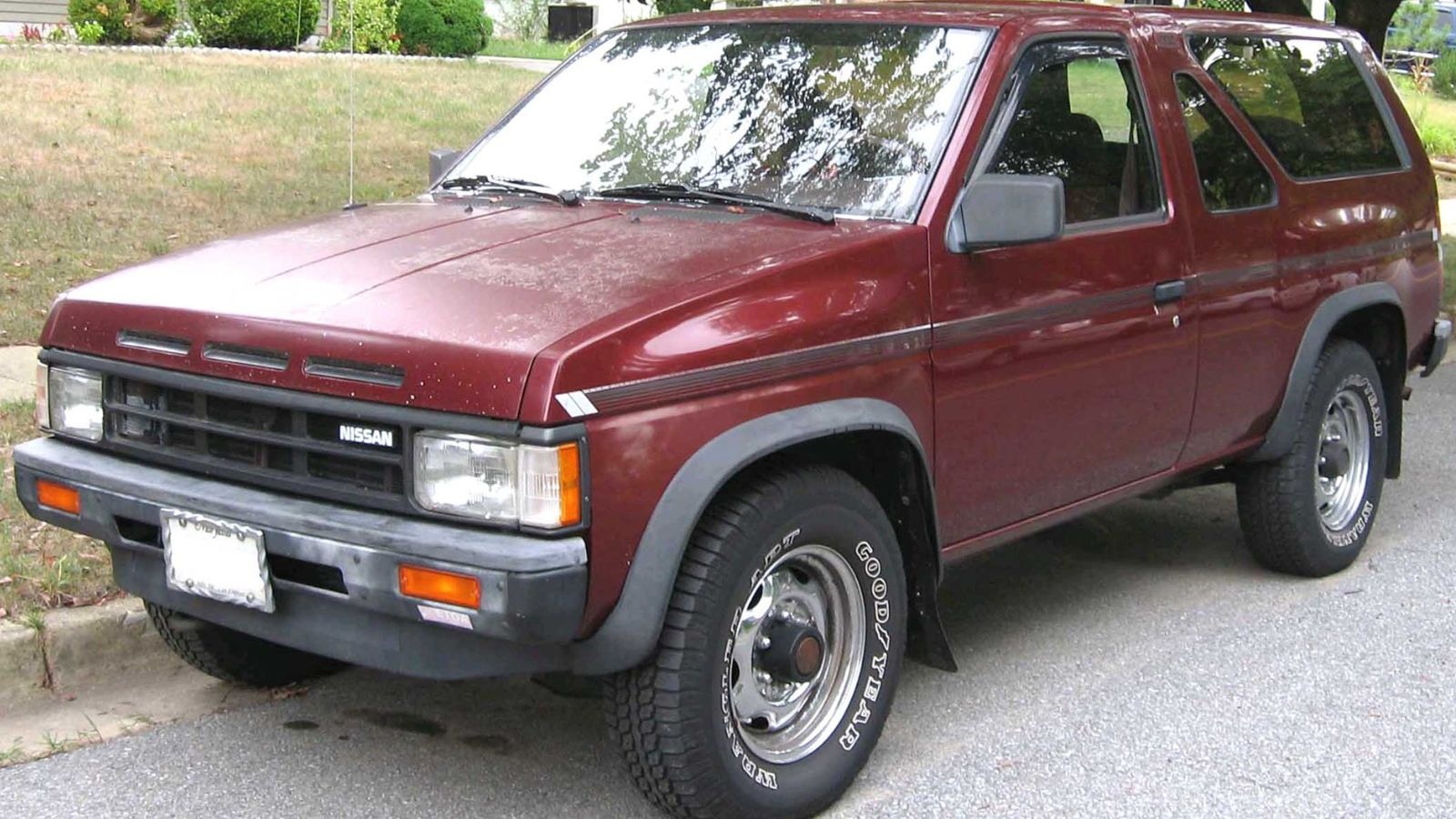
Low mileage does not automatically equal easy vehicle life. A car stored for months can develop problems precisely because it is not moving. Tires gradually lose pressure and can develop flat spots, batteries discharge, corrosion may progress, and fuel or other systems can deteriorate depending on storage length and conditions. Simply parking a car and returning months later as though time stopped can create an unpleasant first drive.
AAA storage guidance recommends checking tire inflation and taking steps to reduce prolonged tire loading during extended storage. Its advice for long-term parking also includes attention to the battery and keeping the vehicle in a dry, protected environment when possible. The exact preparation depends on whether storage lasts several weeks, an entire winter, or much longer. A frequently used daily driver needs a different strategy than a seasonal sports car. What matters is recognizing that inactivity is an operating condition of its own. Proper storage, manufacturer-recommended maintenance, battery care, and a thorough inspection before returning to service can prevent deterioration during downtime.

Alanna Rosen is an experienced content writer that focuses on many EV and educational content. Her articles are regularly published on Get CyberTrucked and syndicated on large publications.