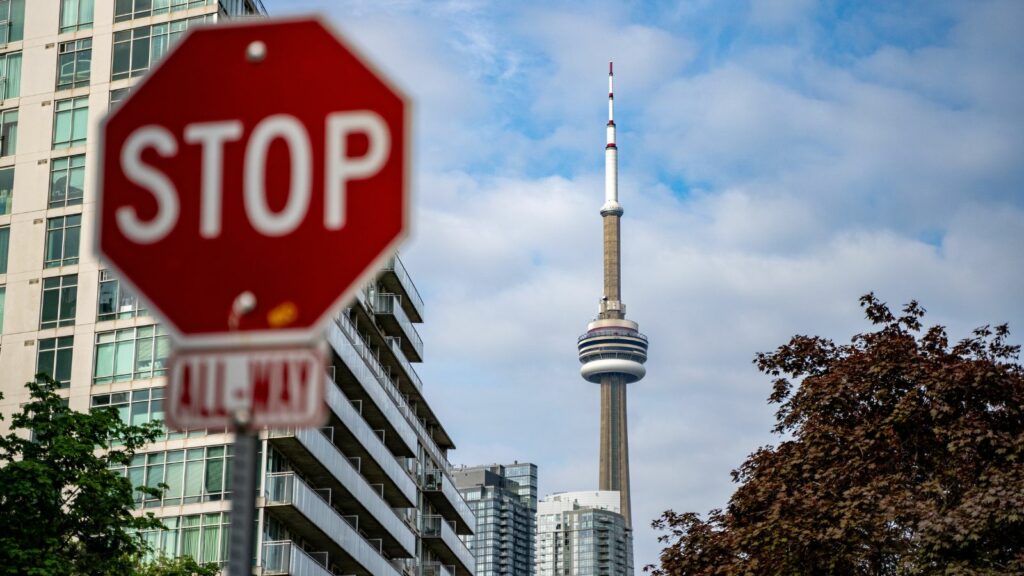
A manoeuvre that feels completely ordinary behind the wheel can still be an offence. Canadian driving rules contain plenty of details that are easy to forget after the road test, from how long a vehicle must remain stopped to when headlights, signals, and passing rules apply. Provincial and territorial laws are not identical, so a habit that seems normal after moving across the country can create an unexpected problem.
These 23 driving laws and rules highlight mistakes that can happen without deliberate recklessness. The examples are drawn from verified rules in Ontario, Quebec, and British Columbia, illustrating why local requirements matter just as much as the familiar basics.
Rolling Through a Stop Sign Is Still Failing to Stop
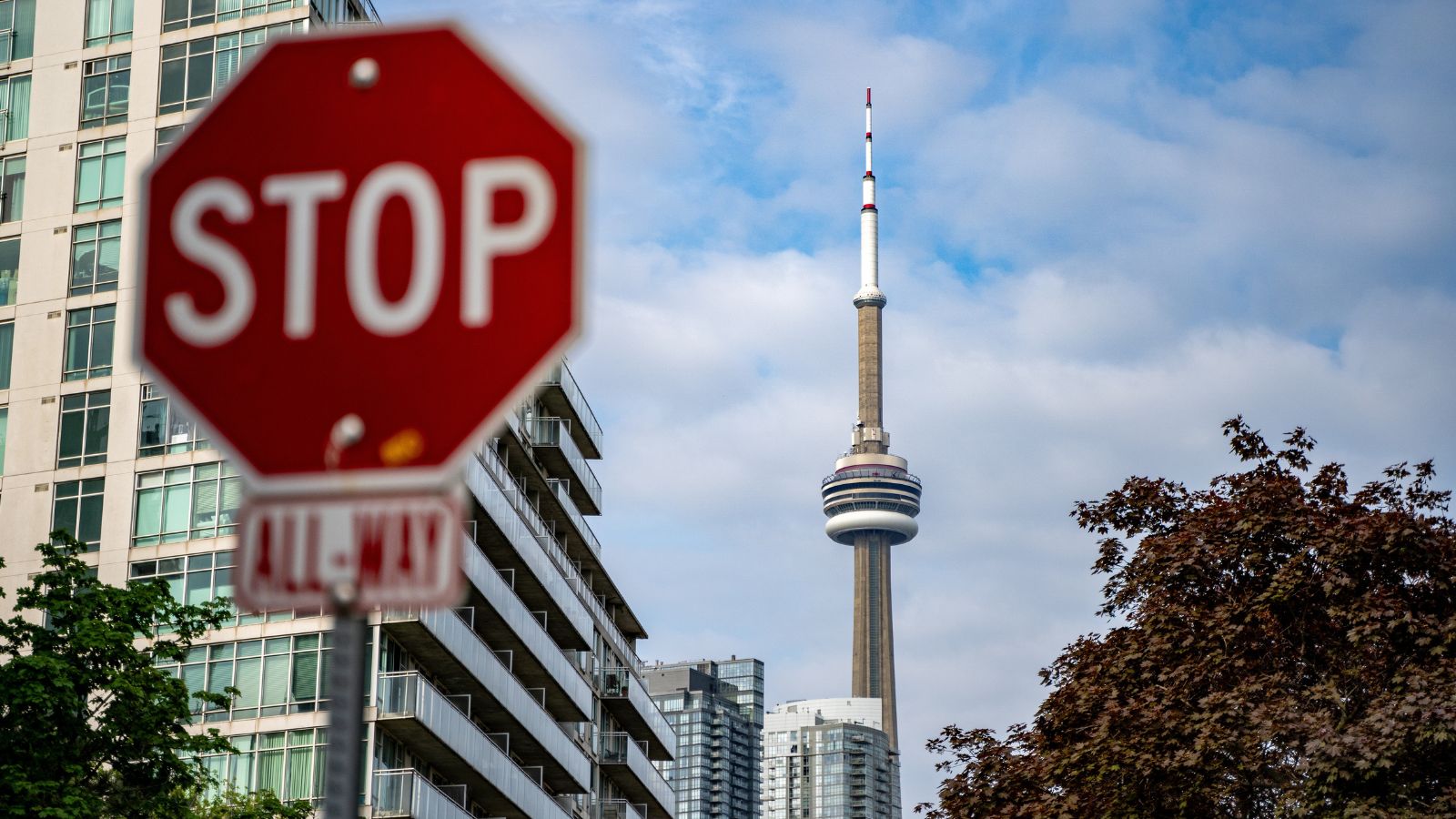
That slow crawl at a quiet stop sign may feel cautious, especially when the intersection appears deserted, but reducing speed to walking pace is not the same thing as stopping. Ontario’s official driving guidance requires motorists to come to a complete stop at every stop sign and red traffic signal. Where a painted stop line exists, the vehicle should stop there. If there is no line, the stopping position changes according to the crosswalk and intersection layout.
This is one of those habits that can creep into otherwise careful driving. A commuter travelling the same residential route every morning may instinctively scan both directions and roll through at 5 km/h without recognizing that the wheels never actually stopped. The absence of pedestrians or traffic does not remove the stopping requirement. The safest mental rule is simple: stop first, observe second, then proceed when permitted. That small pause is also valuable because cyclists, children, and approaching vehicles can emerge from areas that initially appeared clear.
Right on Red Is Permission, Not a Green Light
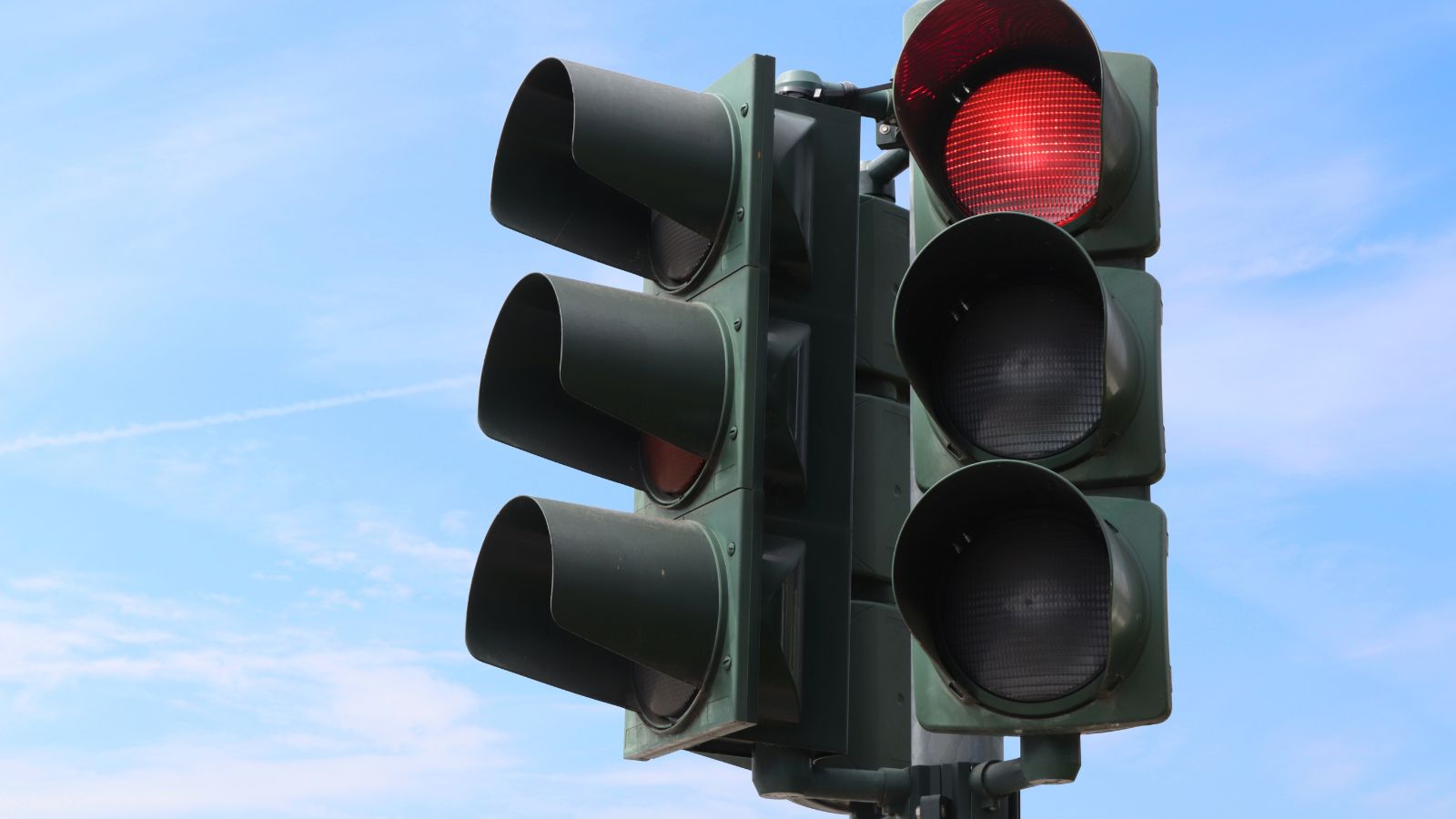
A right turn on red often becomes so routine that drivers begin treating it like a yield sign. That is risky because jurisdictions that permit the manoeuvre generally require a complete stop first. Ontario guidance, for example, permits a right turn at a red light unless signs prohibit it, but only after the driver has stopped completely and yielded to pedestrians and other road users before turning.
Quebec adds an especially important geographical exception. Right turns on red are generally permitted in the province, but they are prohibited across the island of Montréal and anywhere else where signs prohibit them. Elsewhere in Quebec, a driver must stop before the stop line or crosswalk and yield before turning. That distinction can easily catch someone accustomed to driving in another part of the province. The red light remains a stop command; the turn is merely an additional movement that may become legal after the stopping and yielding requirements have been satisfied.
Skipping the Signal During a Lane Change
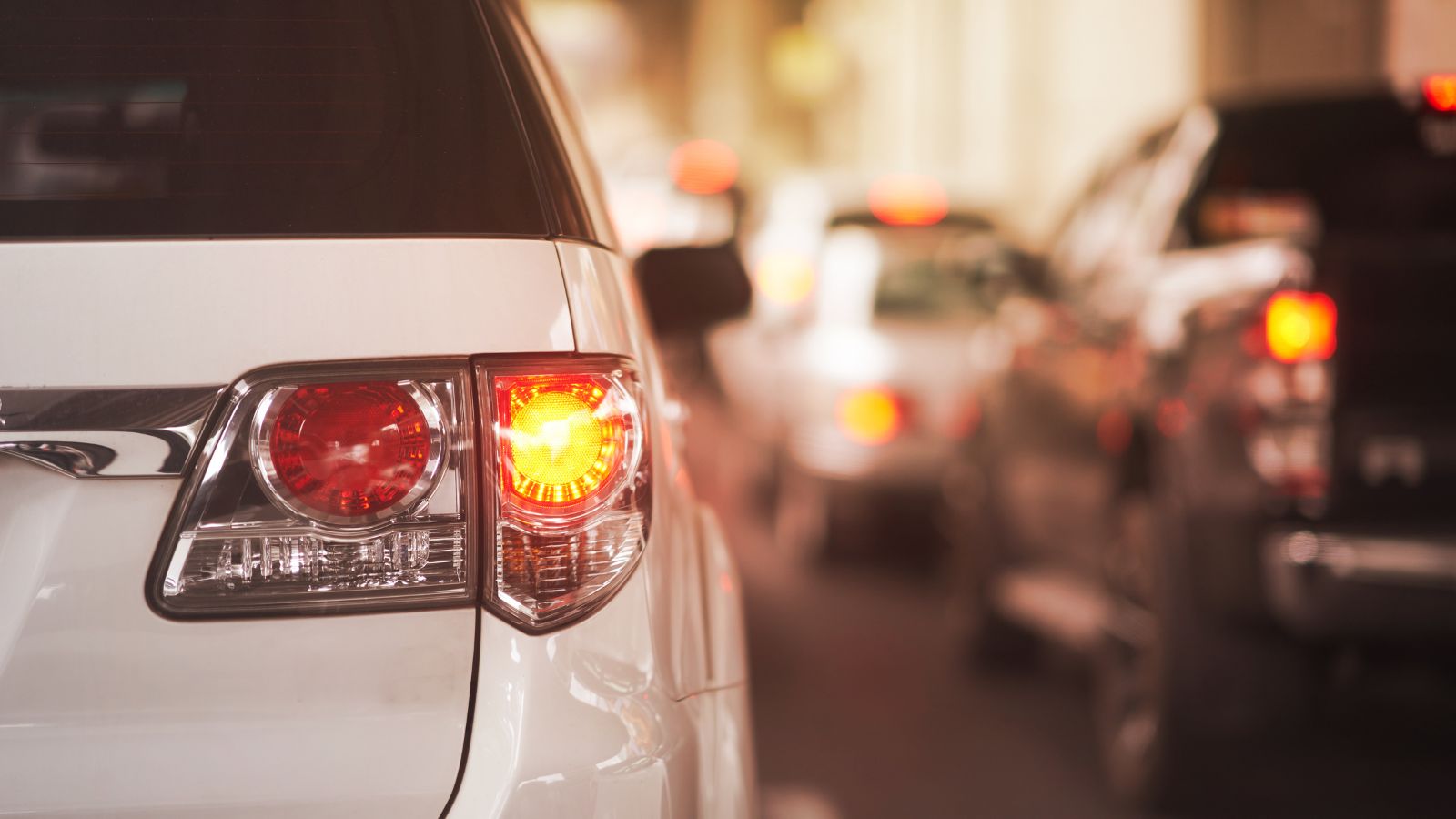
Some drivers save their turn signals for intersections and stop using them on highways, particularly when the neighbouring lane looks empty. That overlooks the fact that signalling a lane change is not merely a courtesy. Ontario’s official driver guidance says motorists should never change lanes without giving the proper signal and checking that the movement can be completed safely. The signal communicates intent before the vehicle starts moving sideways.
The rule matters because the driver making the lane change rarely has perfect information. A motorcycle can be hidden in a blind spot, a vehicle two lanes over may also be moving toward the same opening, or a faster car can appear from behind. Signalling early gives those road users information they otherwise do not have. It also does not create a right-of-way: the driver changing lanes still has to confirm the space is safe. A quick signal flashed halfway through the manoeuvre defeats much of its purpose because the vehicle is already entering somebody else’s space.
Living in the Left Lane on High-Speed Roads

The left lane is not automatically a permanent cruising lane. British Columbia provides one of Canada’s clearest examples. On qualifying highways with at least two lanes moving in the same direction and a speed limit of at least 80 km/h, B.C.’s keep-right rules generally require a driver in the leftmost lane to move out of it when another vehicle approaches from behind, provided doing so is safe and the listed exceptions do not apply.
Those exceptions include overtaking another vehicle, allowing traffic to merge, preparing for a left turn, and moving over for certain stopped official vehicles. The rule applies when traffic is flowing at 50 km/h or faster. That means a motorist travelling at the posted limit can still be expected to leave the left lane rather than using speed compliance as a reason to remain there indefinitely. Provincial rules differ, but the broader lesson is useful across Canada: a posted speed limit and the rules governing lane position are separate obligations.
Passing a School Bus After the Red Lights Come On

Few traffic rules carry more obvious safety consequences than passing a stopped school bus, yet confusion still occurs on multi-lane roads. In Ontario, when a school bus stops with its overhead red lights flashing or its stop arm activated, approaching motorists generally have to stop. Drivers approaching from behind must stop at least 20 metres away. On an undivided road, traffic approaching from the opposite direction also has to stop.
The important exception involves a roadway divided by a physical median. In that situation, vehicles approaching the school bus from the opposite side of the median are not required to stop under Ontario’s rule. That distinction is very different from simply having several painted lanes; a painted centre line does not turn a road into a median-divided highway. Drivers must remain stopped until the bus moves or its red lights stop flashing and the stop arm is no longer activated. Children crossing around the bus may be difficult to see, which is precisely why the rule leaves so little room for improvisation.
Missing the Clock on School and Playground Zones

Drivers often recognize a reduced-speed sign but forget that the hours can matter just as much as the number. British Columbia provides a particularly useful example. Unless otherwise posted, a 30 km/h school-zone limit applies from 8 a.m. until 5 p.m. on school days. Playground zones marked with a 30 km/h tab operate differently: the reduced limit generally applies every day from dawn until dusk.
The distinction can catch someone travelling on a weekend afternoon. A school zone may no longer be operating under its usual school-day schedule, while a nearby playground zone can still require 30 km/h. B.C.’s rules also allow signs to specify different hours, making the actual roadside signage essential. Recent ICBC safety information has continued emphasizing these limits as children return to school. The practical mistake is not usually deliberate speeding; it is assuming every child-oriented zone follows the same timetable. Drivers who recognize the sign but forget its operating period can still end up travelling faster than the lawful maximum.
Checking a Phone While Stopped at a Red Light
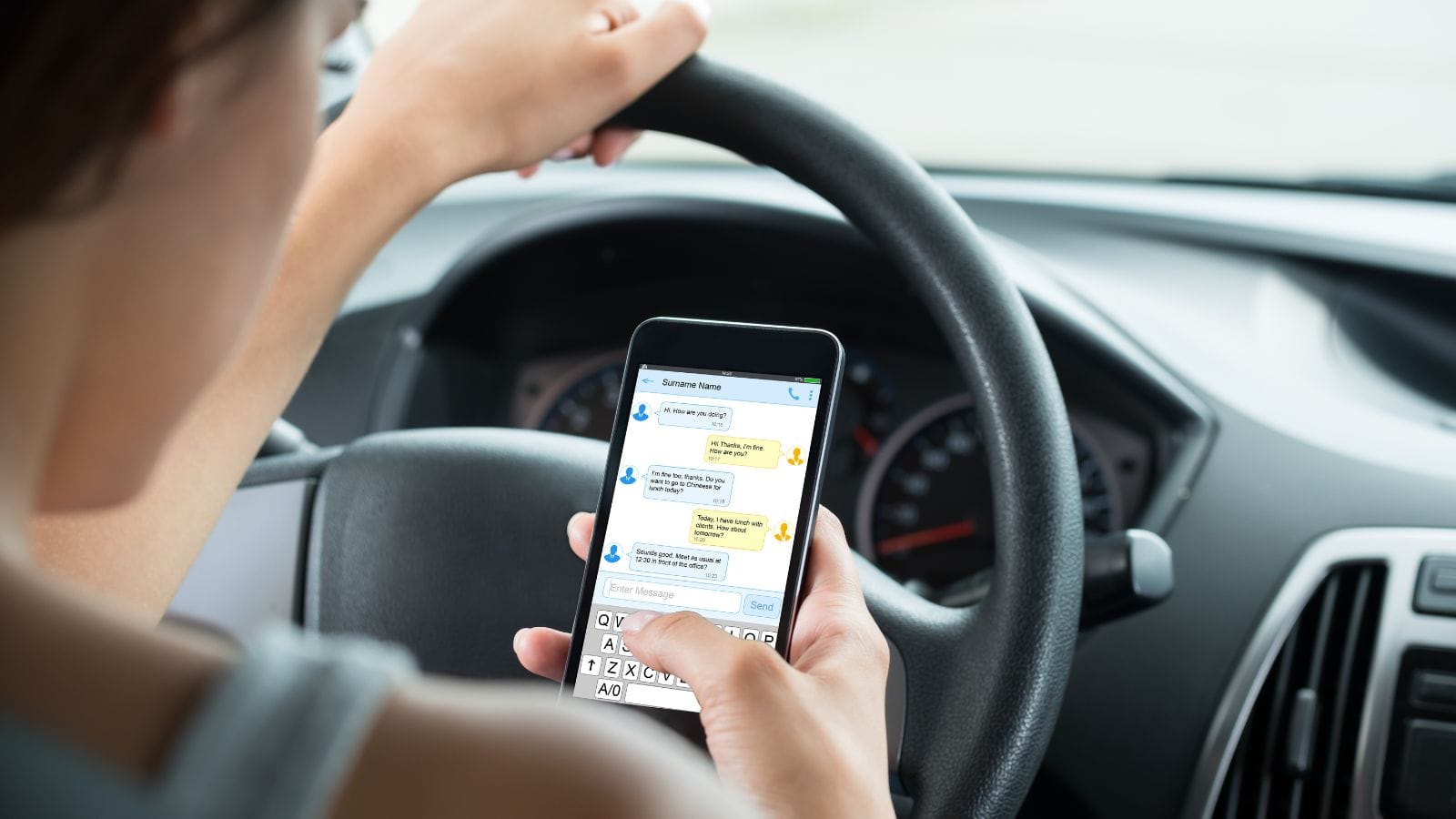
A red light can feel like downtime: the vehicle is stationary, traffic is stopped, and a message takes only a few seconds to read. In Ontario, however, distracted-driving rules continue to apply while a driver is stopped in traffic or sitting at a red light. Using a handheld phone to text or dial is illegal in those circumstances, with a narrow exception for contacting emergency services.
Ontario also prohibits handling certain entertainment devices and programming a handheld GPS while driving, although approved hands-free methods can be used in specified circumstances. The distinction surprises people because everyday language treats a stationary vehicle as “not driving.” Traffic law does not necessarily make that same distinction when the vehicle is temporarily stopped as part of a trip. Someone waiting through a long signal cycle therefore cannot simply pick up a phone because the speedometer reads zero. Pulling over and legally parking the vehicle is fundamentally different from pausing at an intersection where driving duties are still ongoing.
Wearing a Seatbelt the Wrong Way

Clicking the buckle does not always satisfy the law. Ontario requires a seatbelt to be properly adjusted and securely fastened. The Highway Traffic Act goes further by specifying that the lap portion should sit firmly across the hips while the torso restraint should fit closely over the shoulder and across the chest. A belt tucked under an arm can therefore create both a safety problem and a legal one.
Responsibility also changes with age. Ontario drivers are responsible for ensuring passengers under 16 are properly restrained, while passengers aged 16 and older are generally responsible for wearing their own seatbelts. Each occupant should have an individual restraint; sharing one belt is not a lawful workaround for squeezing an extra passenger into the vehicle. The rule is easy to overlook on a short neighbourhood trip when someone moves a shoulder belt for comfort or a crowded vehicle carries one person too many. Proper restraint involves how the belt is worn, not merely whether the buckle has clicked.
Moving a Child Out of a Booster Too Soon
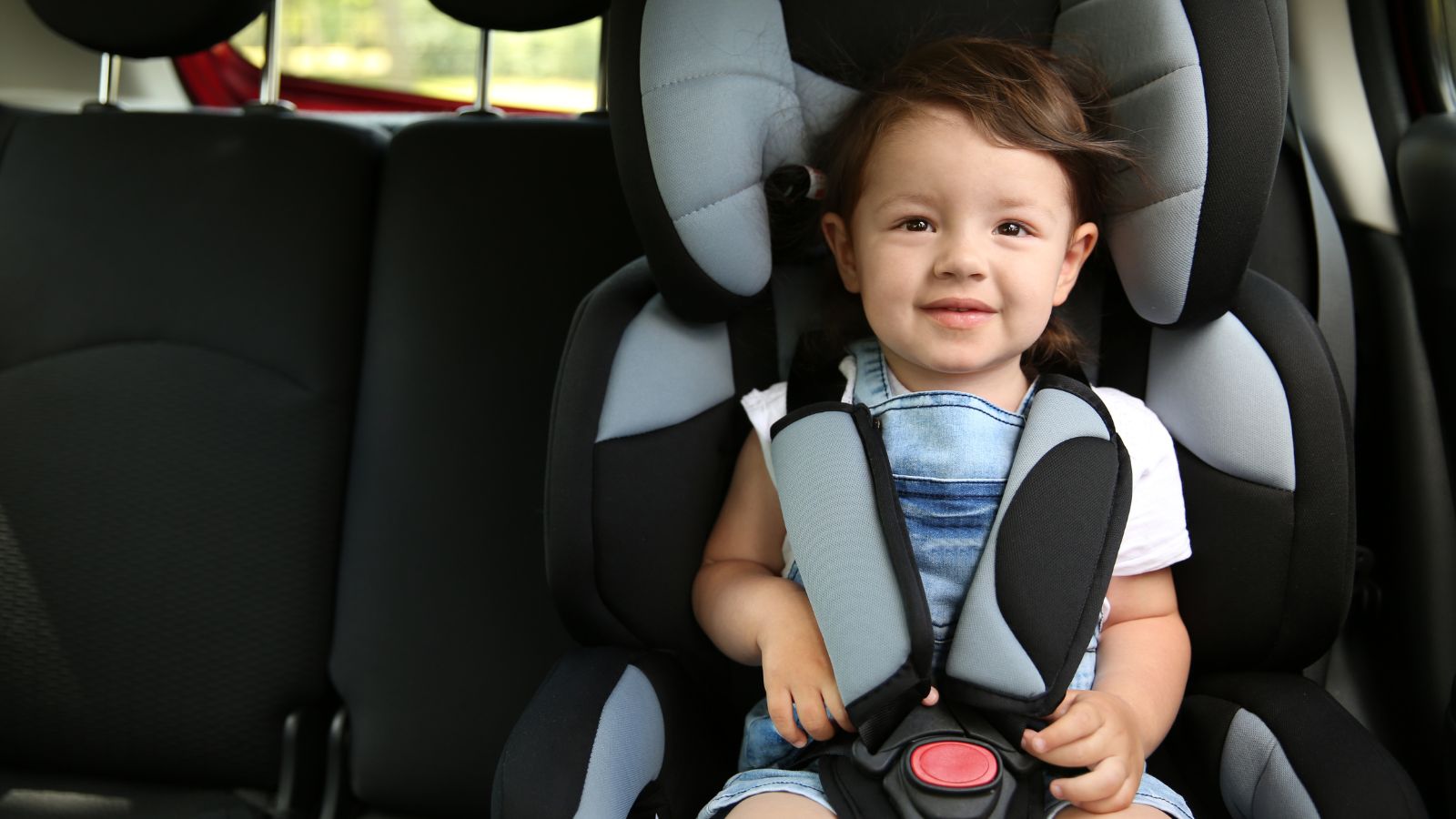
Children can look large enough for an adult seatbelt long before they meet the legal threshold for leaving a booster seat. In Ontario, a booster is generally required for a child under eight who weighs between 18 and 36 kilograms and is under 145 centimetres tall. Ontario says a child may use a seatbelt alone once any one of three milestones is reached: age eight, 36 kilograms, or 145 centimetres in height.
Those numbers are easy to blur together, especially for families that have moved from another province or have children of very different sizes. Child-restraint requirements are provincial, so the exact thresholds need to be checked locally rather than remembered as one nationwide rule. The everyday scenario is familiar: an older sibling has moved out of a booster, and a younger child wants the same privilege. Legally and practically, appearance is not the test. The applicable age, weight, height, and restraint rules determine when the transition can occur.
Driving Before a Pedestrian Has Fully Cleared the Crossover

MFajarH/Shutterstock.
A driver may stop for a pedestrian, watch that person pass the front bumper, and begin moving again while the pedestrian is still crossing lanes farther away. At designated pedestrian crossovers and school crossings in Ontario, that can be too soon. Drivers and cyclists are required to stop and yield the entire width of the roadway, waiting until pedestrians and crossing guards have cleared the roadway and reached the sidewalk.
Ontario also prohibits passing another vehicle within 30 metres of a pedestrian crossover. That rule addresses another subtle danger: a vehicle stopped ahead may be blocking the view of a person walking across the road. What looks like an inexplicable stopped car can actually be protecting a pedestrian hidden from the approaching driver’s sightline. The safest habit is therefore not to treat a pedestrian’s passage beyond one’s own lane as the end of the obligation. At these designated crossings, the person must be allowed to finish crossing before traffic resumes.
Failing to Move Over for a Stopped Emergency Vehicle
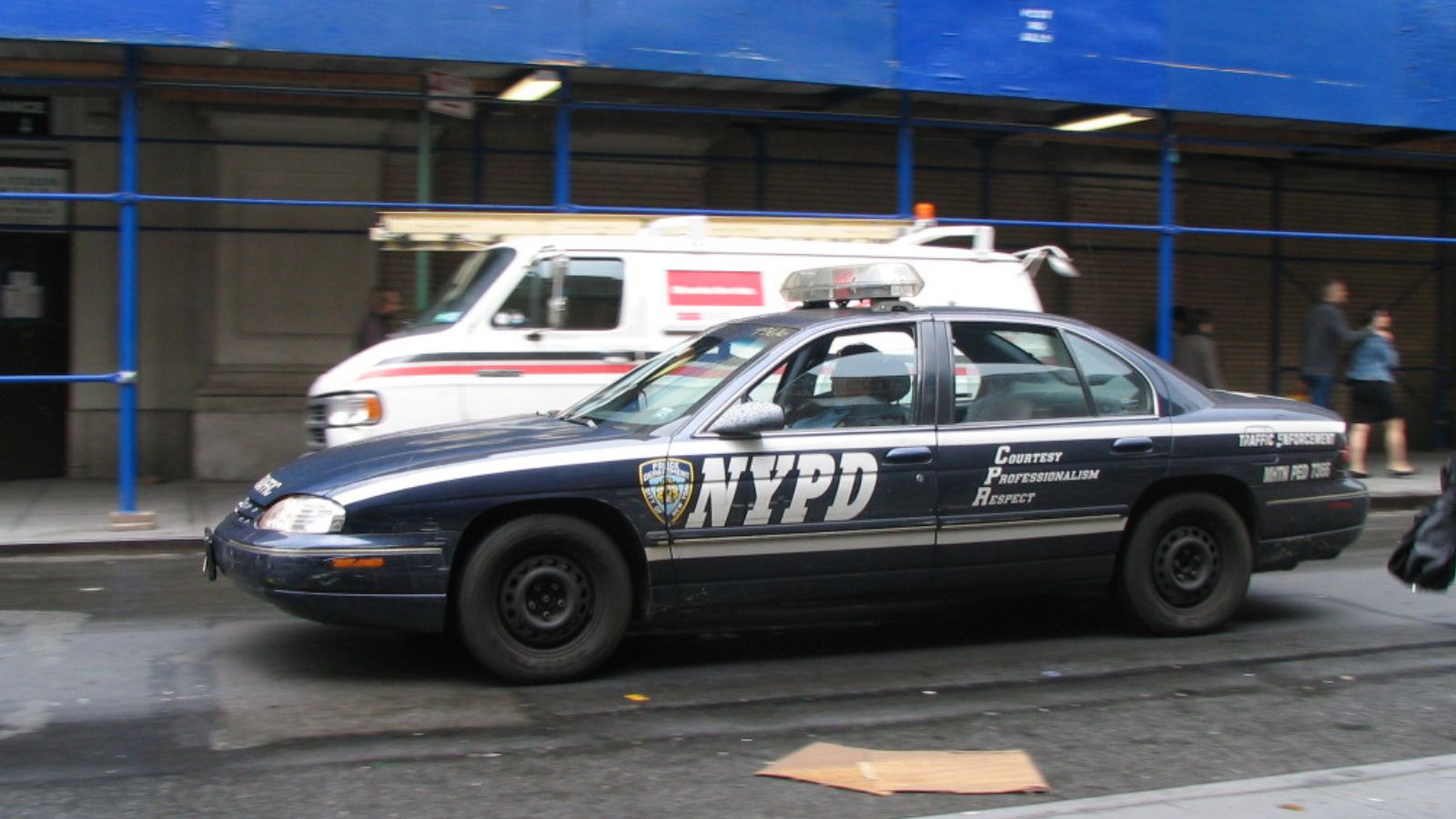
Many motorists know they should slow down when police or emergency vehicles are stopped beside the highway, but slowing alone may not be enough. Ontario requires drivers approaching a stopped emergency vehicle with the relevant flashing lights to slow down and proceed cautiously. On a road with at least two lanes travelling in the same direction, a driver must also move into another lane when it can be done safely.
Ontario’s rule also extends to stopped tow trucks displaying flashing amber lights. That can surprise people who associate move-over laws only with police cars, fire trucks, and ambulances. A tow operator working inches away from live highway traffic faces much the same exposure as an emergency responder. The requirement is not an invitation to make a panicked lane change, however; the move is required when it can be completed safely. Drivers should notice flashing lights early, reduce speed smoothly, check mirrors and blind spots, signal, and create the extra lane of space before reaching the roadside scene.
Freezing in Place Instead of Yielding to an Approaching Emergency Vehicle
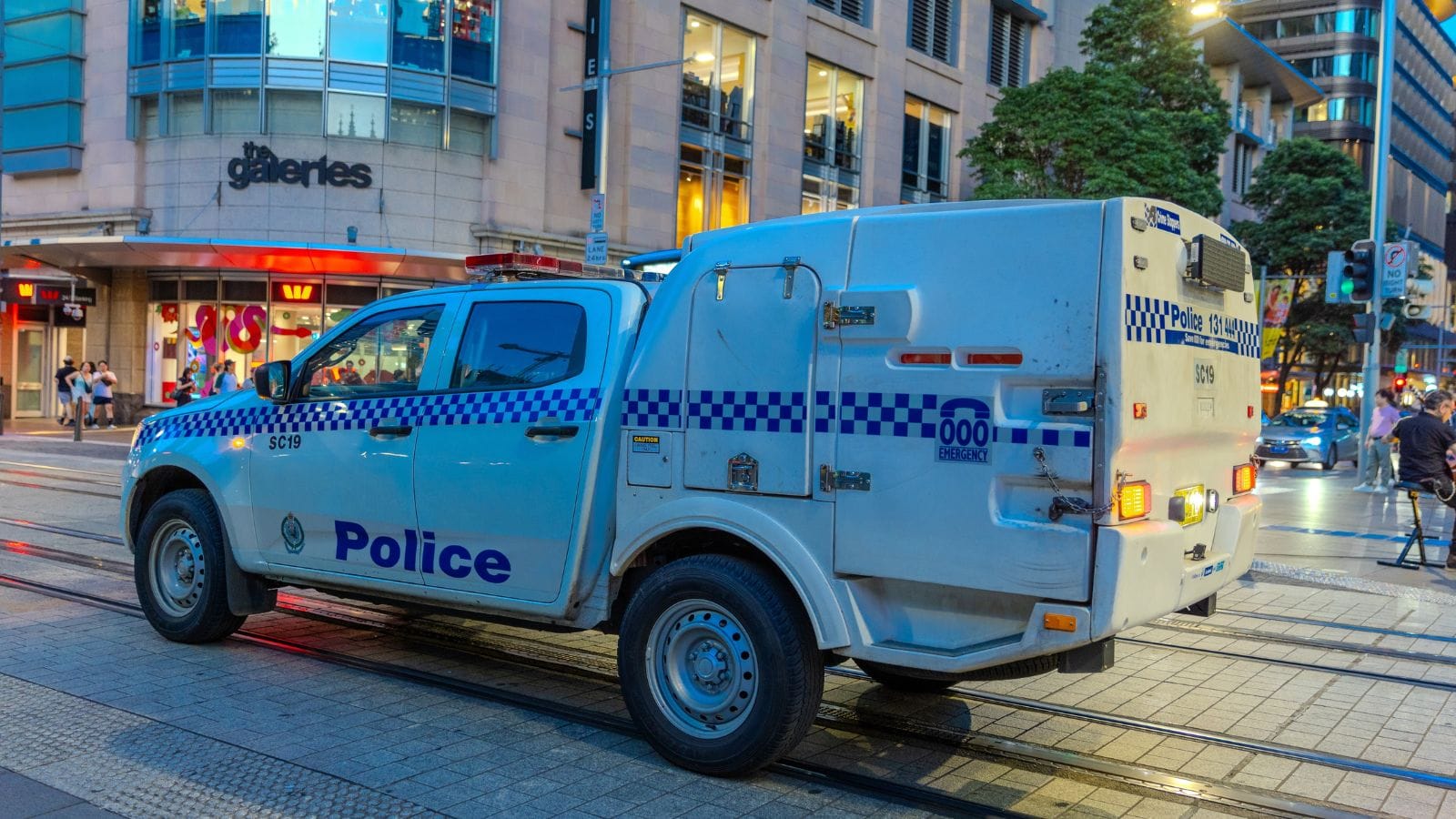
Hearing a siren often creates uncertainty in dense traffic. Some drivers brake in the lane, others continue through an intersection, and a few follow the emergency vehicle once it passes. Ontario provides a clear basic procedure: when an emergency vehicle approaches with its emergency equipment activated, motorists should slow down, signal, move toward the right side of the road clear of the intersection, and stop.
An important detail applies when a driver is already inside an intersection. Ontario advises continuing through rather than making a sudden left turn or stopping in the middle, then pulling to the right after clearing it. On a one-way street, moving left may be appropriate when moving right is impossible. The aim is to create a predictable path rather than several drivers making competing improvisations. Ontario also prohibits following within 150 metres of a fire vehicle or ambulance responding to a call, preventing motorists from using the emergency vehicle as a shortcut through traffic.
Tailgating Because Traffic Is Moving Slowly
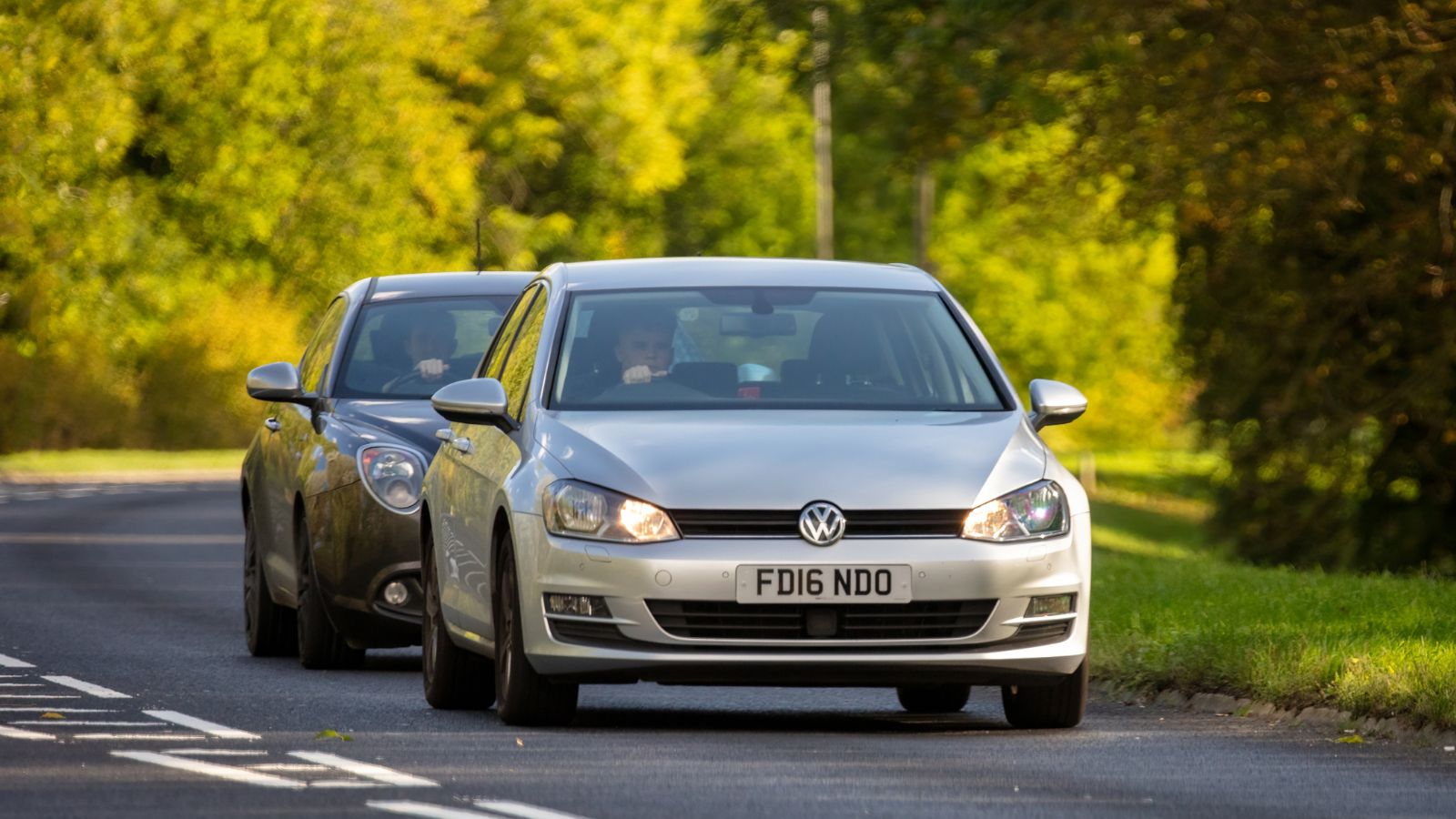
Following closely can feel harmless when everyone is crawling along or when a driver wants to discourage another vehicle from merging. Ontario law does not define safe following solely by a fixed number of metres for ordinary passenger vehicles. Instead, the Highway Traffic Act says a driver must not follow another vehicle more closely than is reasonable and prudent considering speed, traffic, and highway conditions.
Ontario’s driver handbook recommends at least a two-second following distance in ideal conditions and says more space is needed when weather is poor, when following motorcycles or large trucks, or when carrying a heavy load. That means the gap should expand as risk increases rather than remain fixed. A driver travelling 100 km/h needs far more physical stopping distance during those two seconds than someone travelling at neighbourhood speed. The classic mistake is concentrating on whether the vehicle ahead can be seen rather than whether there is enough time to react when that vehicle brakes suddenly.
Treating the Speed Limit as a Flexible Suggestion
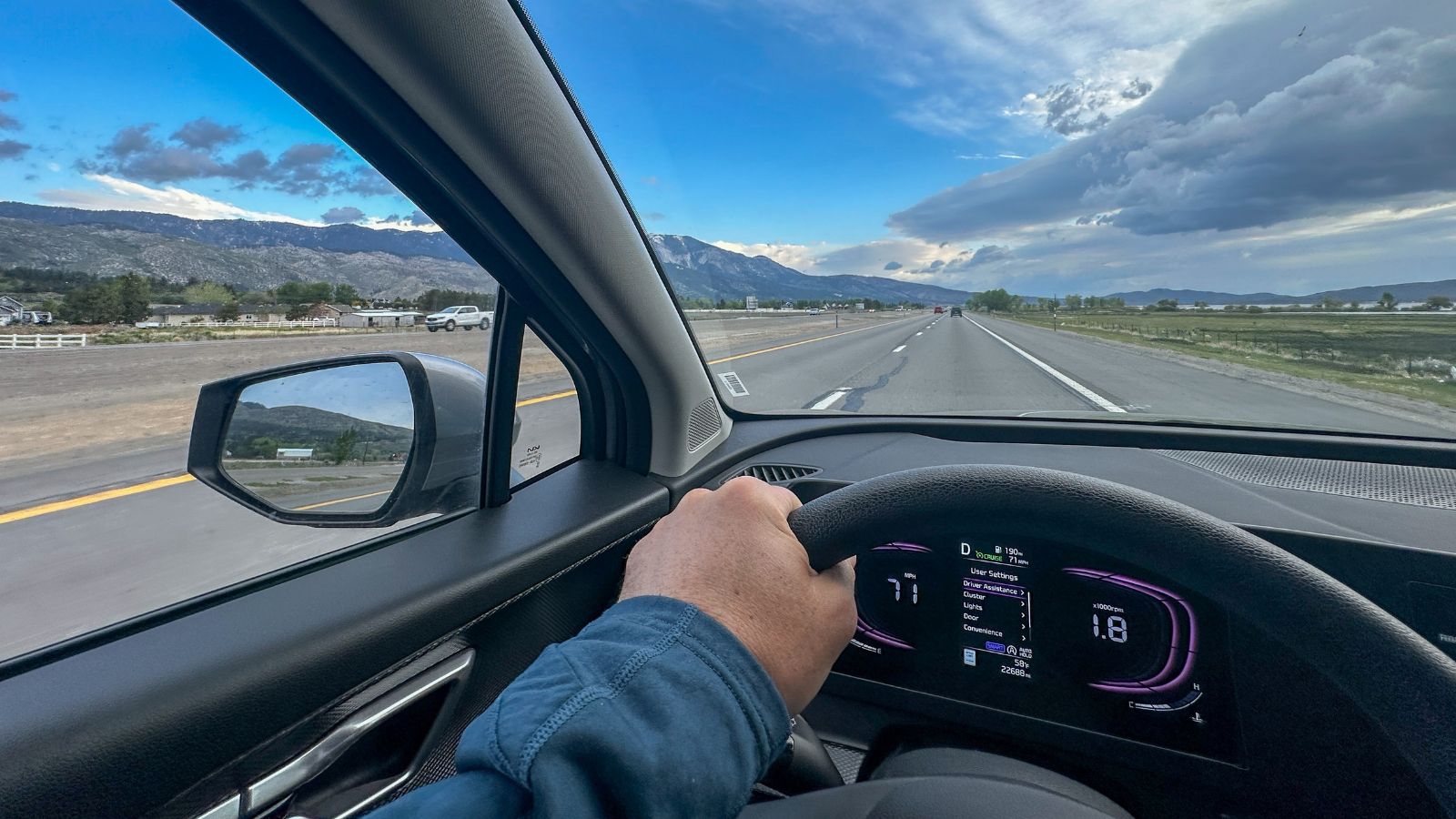
Drivers sometimes speak about a five- or ten-kilometre-per-hour “grace zone” as though it were written into the law. Ontario’s Highway Traffic Act contains no general legal allowance of that kind. The statute says a person must not drive at a speed greater than the applicable maximum. Enforcement practices can vary, but enforcement discretion is different from a legal entitlement to exceed the limit.
That distinction matters because habits built around an assumed tolerance can become expensive when conditions change or enforcement becomes more intensive. A posted 80 km/h maximum means precisely that under the statutory framework; it is not automatically an 89 km/h limit because traffic commonly travels faster. Drivers must also remember that a maximum is not always a safe target. Snow, fog, congestion, construction, or poor visibility may require travelling considerably slower. The speed sign establishes the upper legal boundary under the applicable rule, while conditions determine whether even that speed is prudent.
Driving With a Dirty or Obstructed Licence Plate
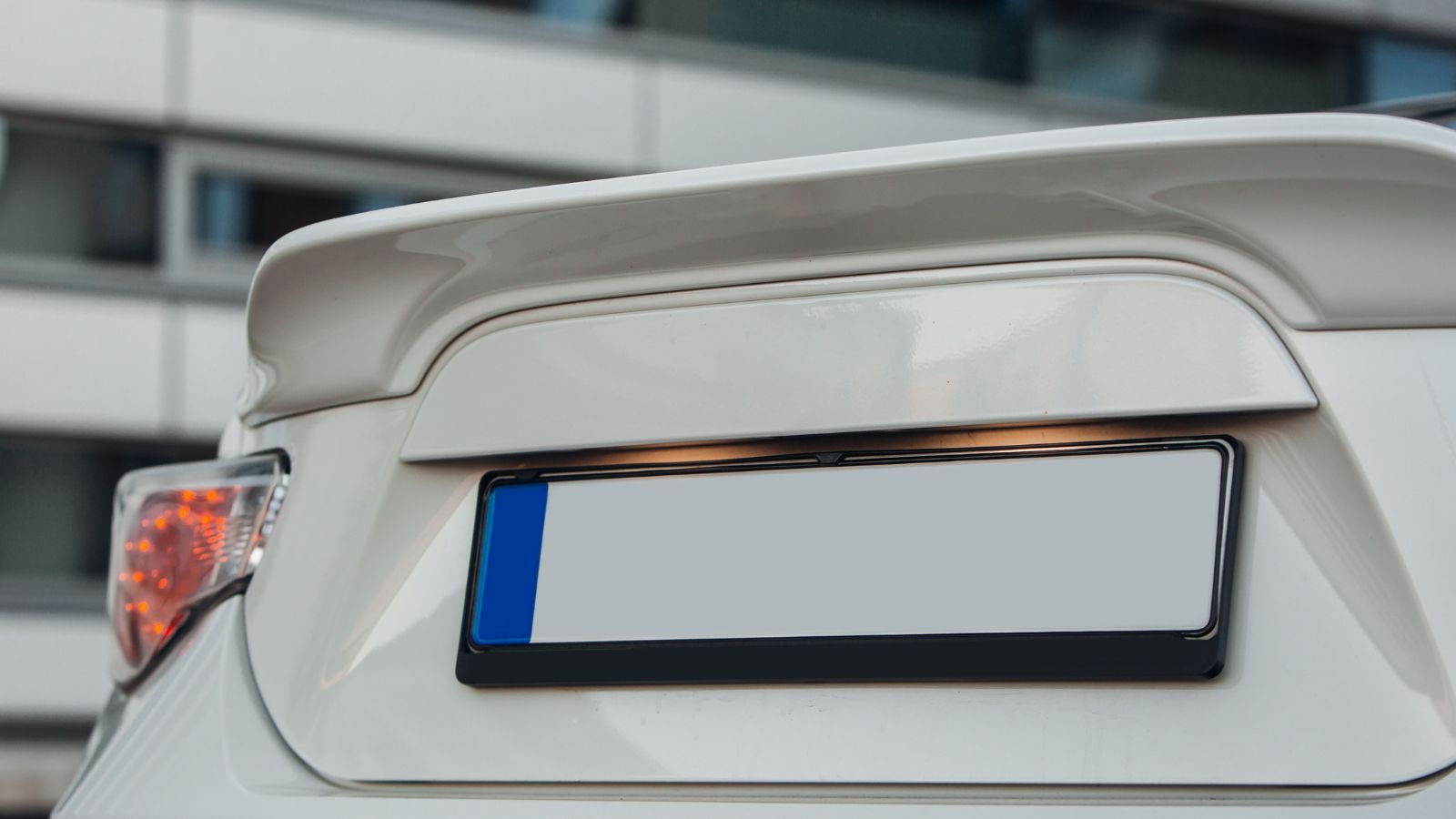
Canadian winters can turn a readable licence plate into a rectangle of road salt and frozen slush within hours. In Ontario, that is more than an appearance issue. The Highway Traffic Act requires number plates to be kept free from dirt and obstruction and mounted so the entire plate, including its characters, remains plainly visible.
The law also addresses things attached to the vehicle. Spare tires, bumper components, accessories, or cargo cannot obstruct the required view of the plate. That makes some seemingly harmless modifications worth checking after installation. A hitch-mounted rack, for example, may create a plate-visibility problem even if the driver’s intention has nothing to do with hiding identification. Winter creates the most ordinary version of the offence: the car is cleared enough to drive, but nobody wipes the rear plate. A quick walk around the vehicle after snow, slush, or muddy-road travel can prevent the plate from becoming unintentionally unreadable.
Assuming Dark Window Tint Is Automatically Legal
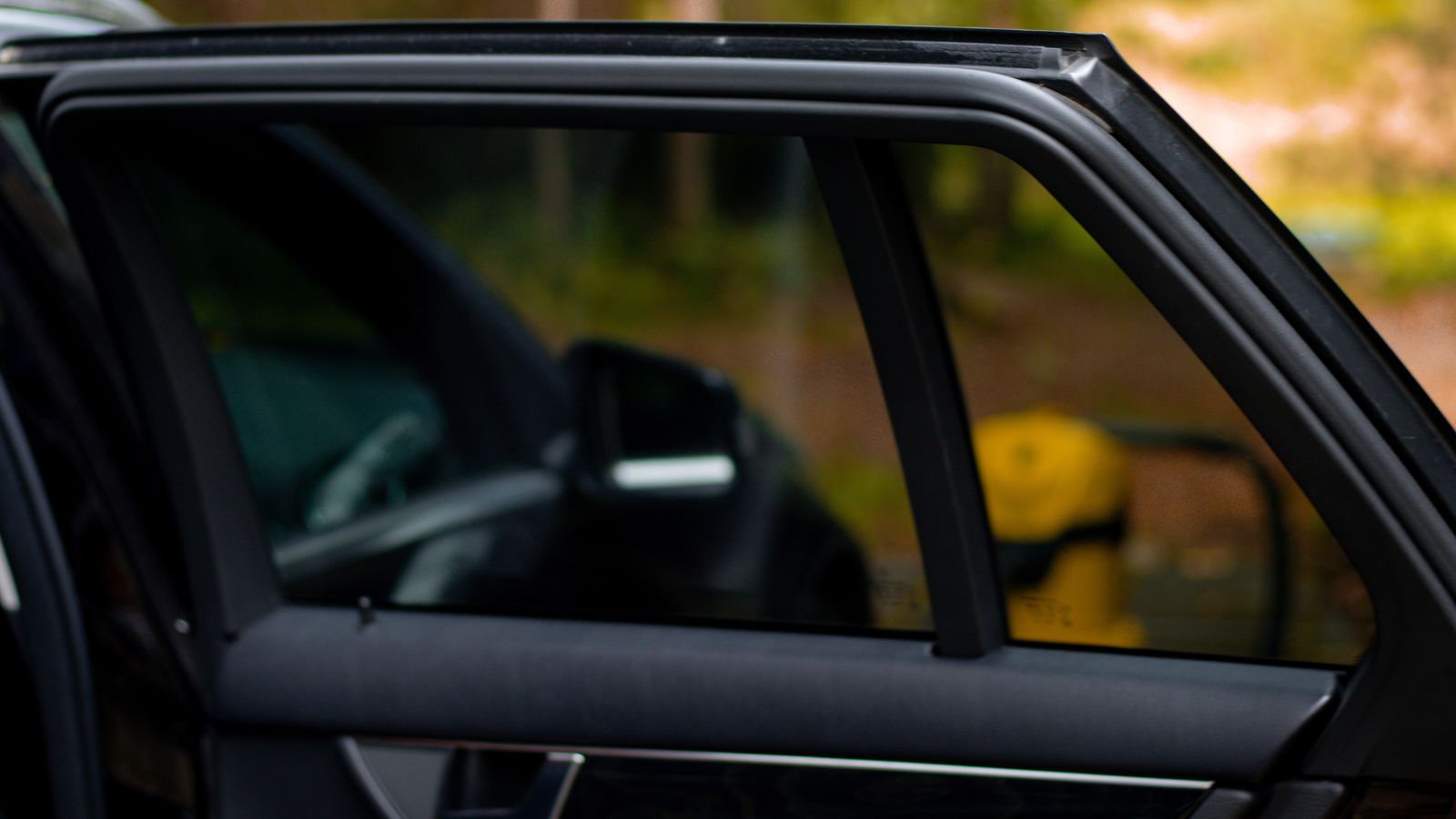
Aftermarket window tint is often sold as a comfort or appearance upgrade, but legal limits are not simply a matter of choosing whatever shade a shop offers. Ontario’s Highway Traffic Act prohibits driving a vehicle when coloured or reflective material on the windshield or windows immediately beside the driver substantially obscures the interior when viewed from outside. It also prohibits coatings that obstruct the driver’s view.
That wording is important because drivers sometimes search for one universal Canadian tint percentage and assume it applies everywhere. Provincial rules and inspection standards differ, and not every requirement is expressed through the same light-transmission number. A vehicle purchased used or brought in from another jurisdiction may therefore deserve a closer look. Tint that seemed ordinary where the vehicle previously operated can create a compliance problem elsewhere. Beyond enforcement, excessively dark front glass can make pedestrians and cyclists harder to see at night and can prevent other road users from making eye contact with the driver at intersections.
Relying on Daytime Running Lights in Darkness or Bad Weather
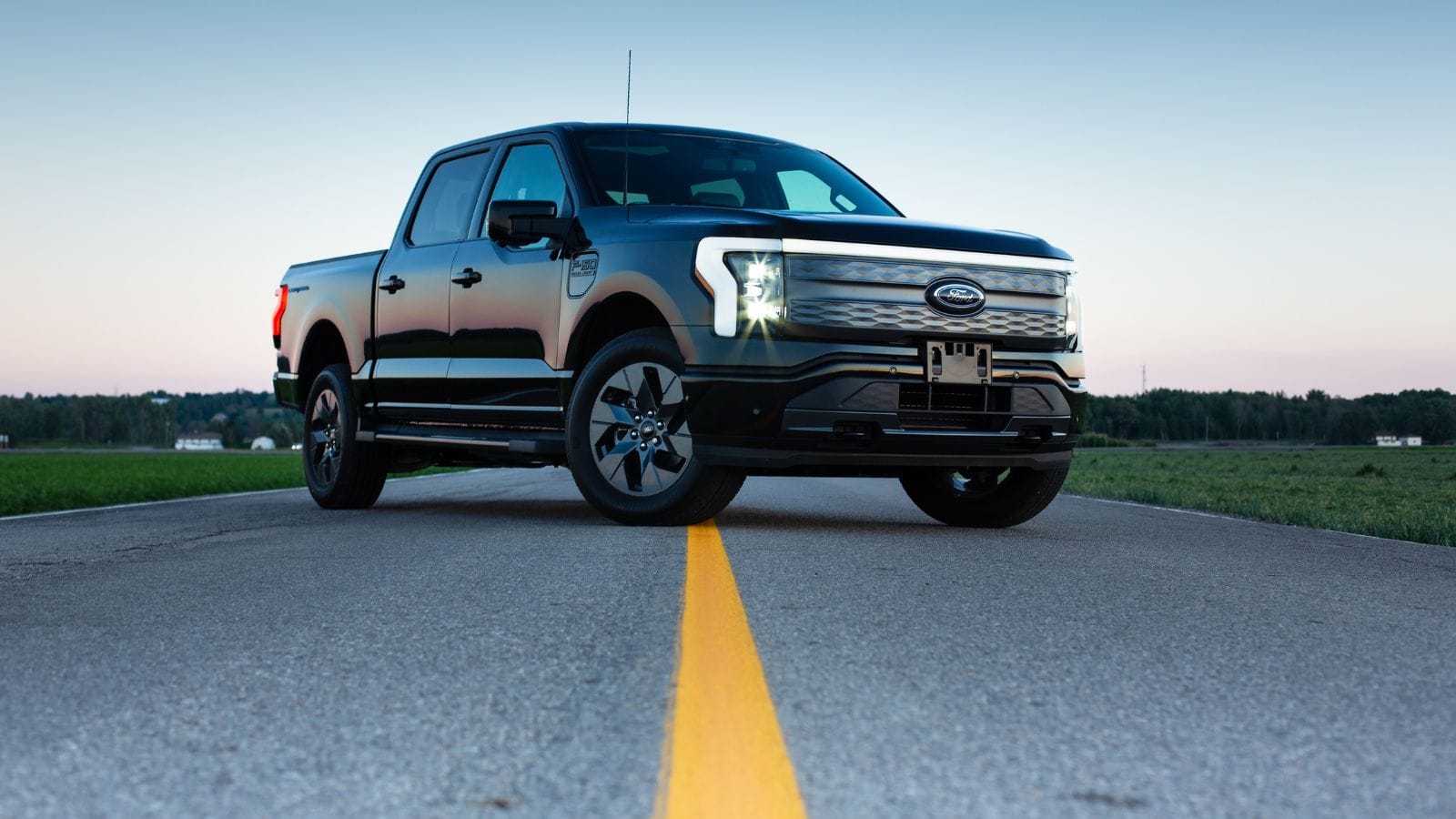
Modern vehicles can create a misleading impression that their lights are fully on because the dashboard and daytime running lights illuminate automatically. In Ontario, proper vehicle lighting is required from one-half hour before sunset until one-half hour after sunrise. Lights are also required when poor light or unfavourable weather makes people or vehicles difficult to see within 150 metres.
Ontario’s driver guidance specifically notes that switching on the headlights activates other required lighting systems, including tail lights and the rear licence-plate light. Daytime running lights are designed primarily to improve visibility during good daytime conditions and are not a substitute for the complete lighting system when full lights are required. This can become particularly important during heavy rain, snowfall, fog, or twilight. A driver may see light reflecting from the road ahead and assume the vehicle is properly illuminated while the rear remains less visible than expected. Knowing the vehicle’s light settings is therefore part of legal compliance, not merely convenience.
Carrying an Unsecured Load in a Pickup or SUV
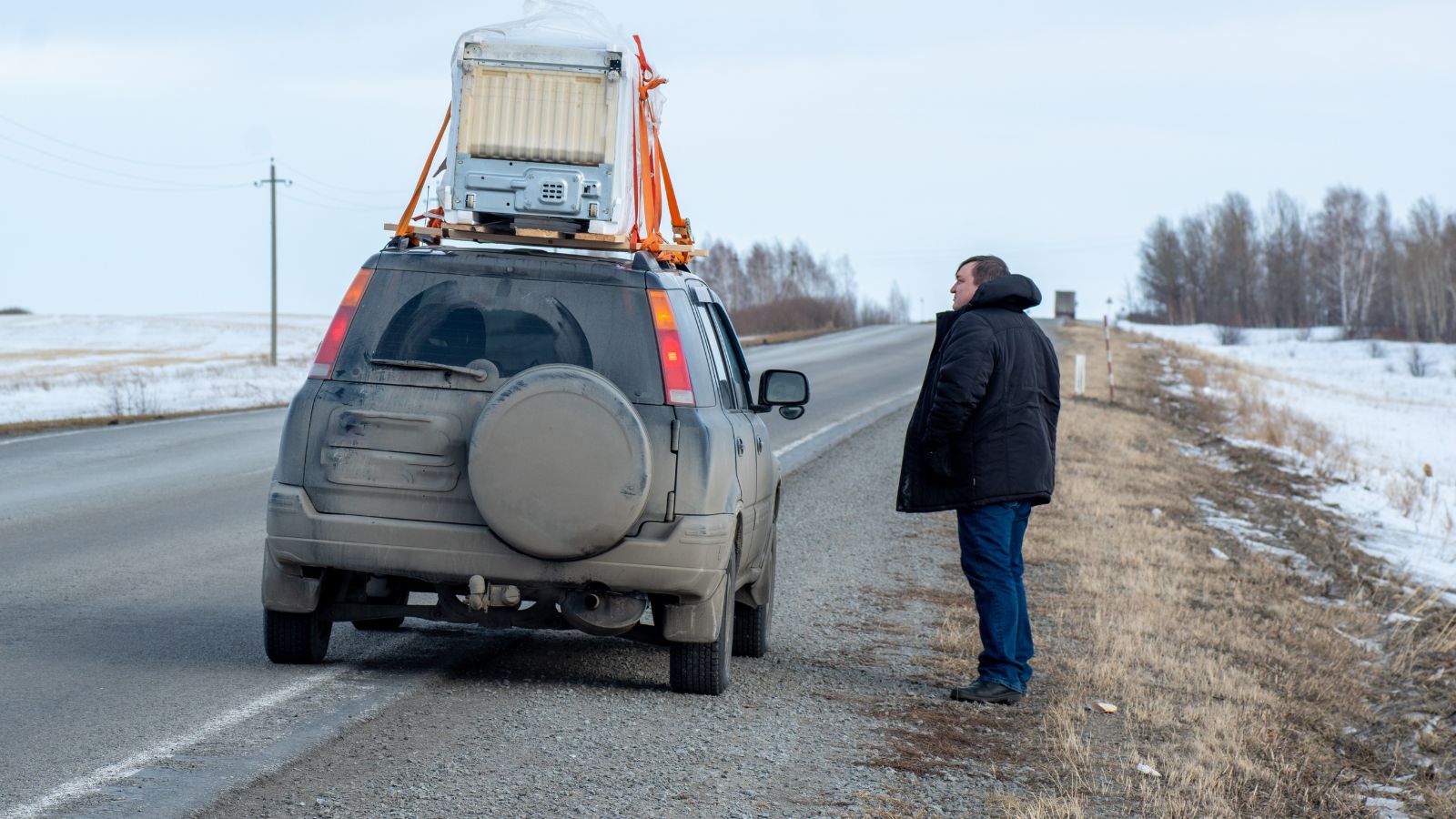
A short trip to the dump or hardware store can tempt drivers to toss items into a pickup bed and assume their weight will keep them in place. Ontario law requires much more. A load carried by a motor vehicle must be loaded, bound, secured, contained, or covered so that no portion can become dislodged or fall, leak, spill, or blow from the vehicle.
The rule is not limited to professional trucking. A household driver carrying lumber, bags of yard waste, furniture, tools, or renovation debris can create the same hazard if those items are able to escape. Airflow around a moving vehicle can lift objects that felt surprisingly heavy while parked, while sudden braking can turn loose cargo into a projectile. Ontario also has marking requirements for loads extending 1.5 metres or more beyond the rear of a vehicle. The ordinary weekend errand therefore deserves the same basic question a commercial operator asks: can everything remain controlled during acceleration, braking, cornering, and highway-speed airflow?
Opening a Door Into the Path of Traffic
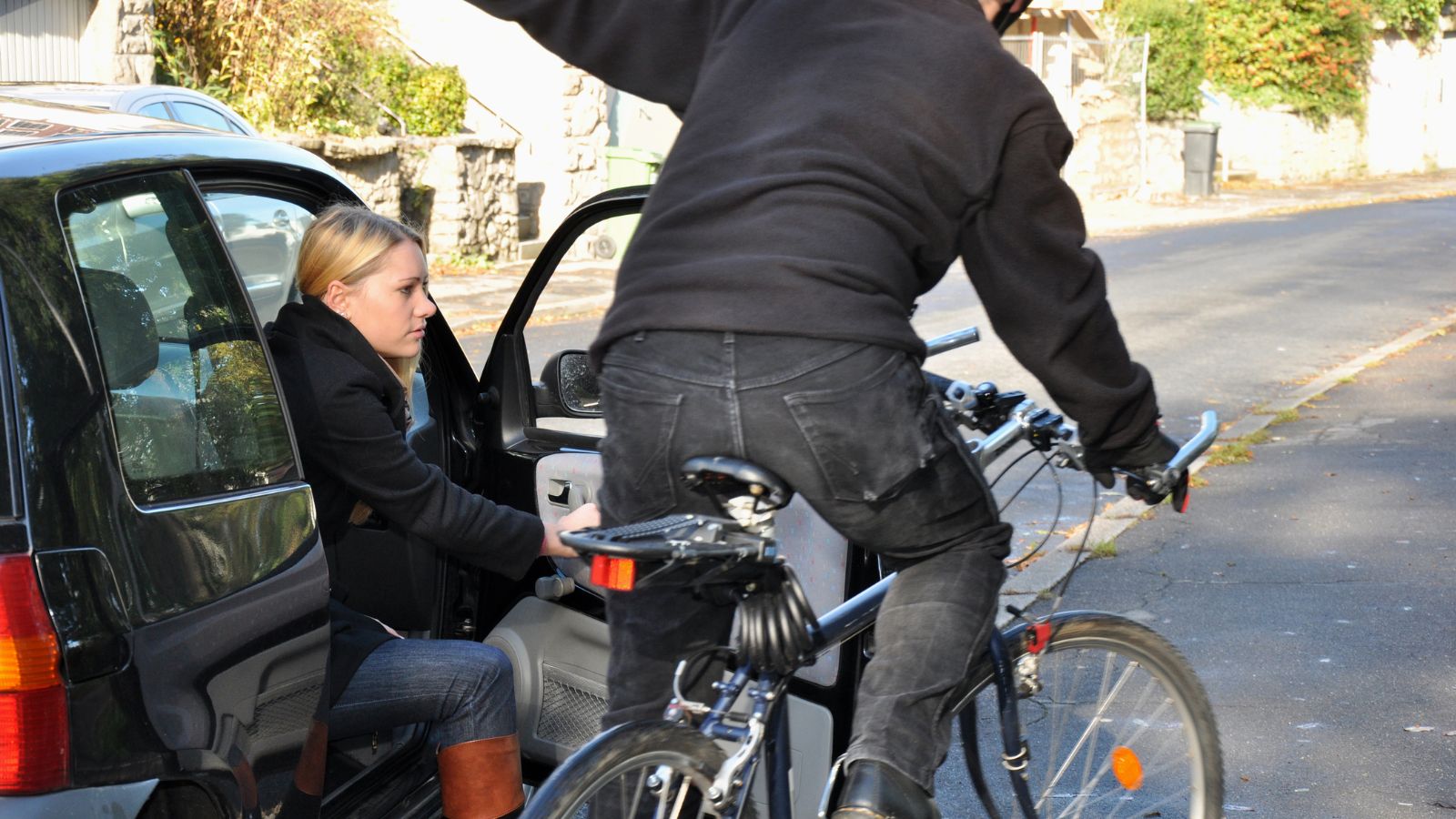
Parking the vehicle does not immediately end a driver’s road-safety obligations. Ontario law says a person must not open a motor-vehicle door on a highway without first taking precautions to make sure the action will not interfere with or endanger another person or vehicle. A door on the traffic side also cannot be left open longer than necessary for loading or unloading passengers.
Cyclists make this rule particularly important. Someone riding beside parked vehicles may have little time to react when a door suddenly swings into the lane. The occupant who opens the door may have checked the side mirror but missed a bicycle approaching through a blind area. That is why techniques such as opening the driver’s door with the far hand can be useful: the body naturally rotates, encouraging a shoulder check before the door moves outward. The law may be easy to forget because the engine is already off, but the danger exists precisely at the boundary between parking and moving traffic.
Passing a Cyclist With Less Than a Metre
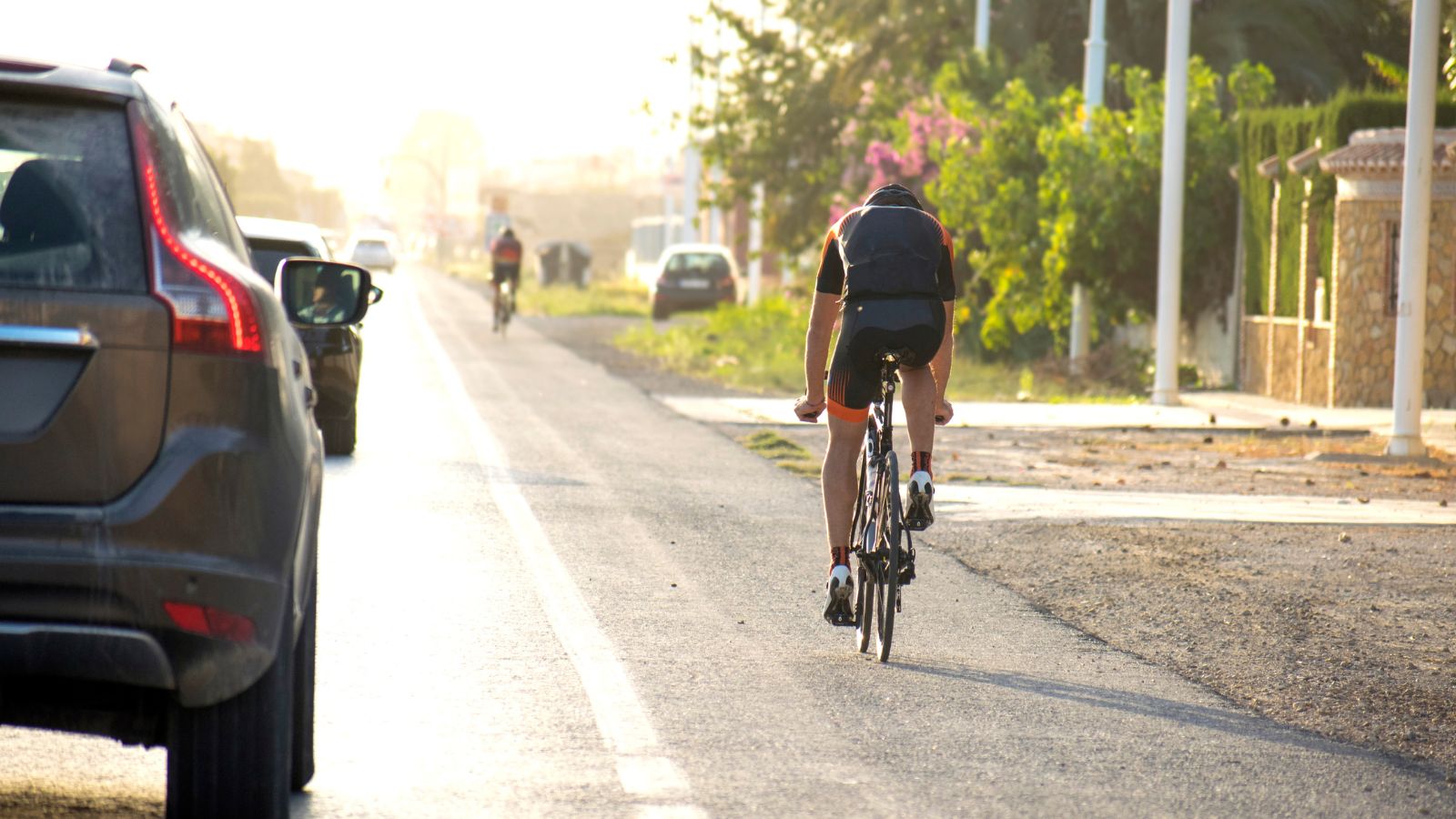
A driver can remain completely inside the lane and still pass a cyclist too closely. Ontario’s one-metre passing rule requires motorists, where practical, to maintain at least one metre of space between the vehicle and the cyclist while overtaking. The province’s guidance recommends changing lanes to pass whenever possible.
That metre matters because a bicycle does not travel along a perfectly fixed line. Potholes, sewer grates, debris, crosswinds, or an opening car door can force a cyclist to move laterally with little warning. The motorist may believe there is room because the vehicle never physically touches the bicycle, yet the legal and safety standard calls for meaningful separation. Ontario’s guidance also warns against following cyclists too closely and reminds motorists to check for bicycles before making right or left turns. The common mistake is treating the painted lane boundary as the only constraint. The required buffer is measured between the vehicle and the cyclist, not simply by whether the car stayed inside its lane.
Making a U-Turn Where Sightlines Are Too Short
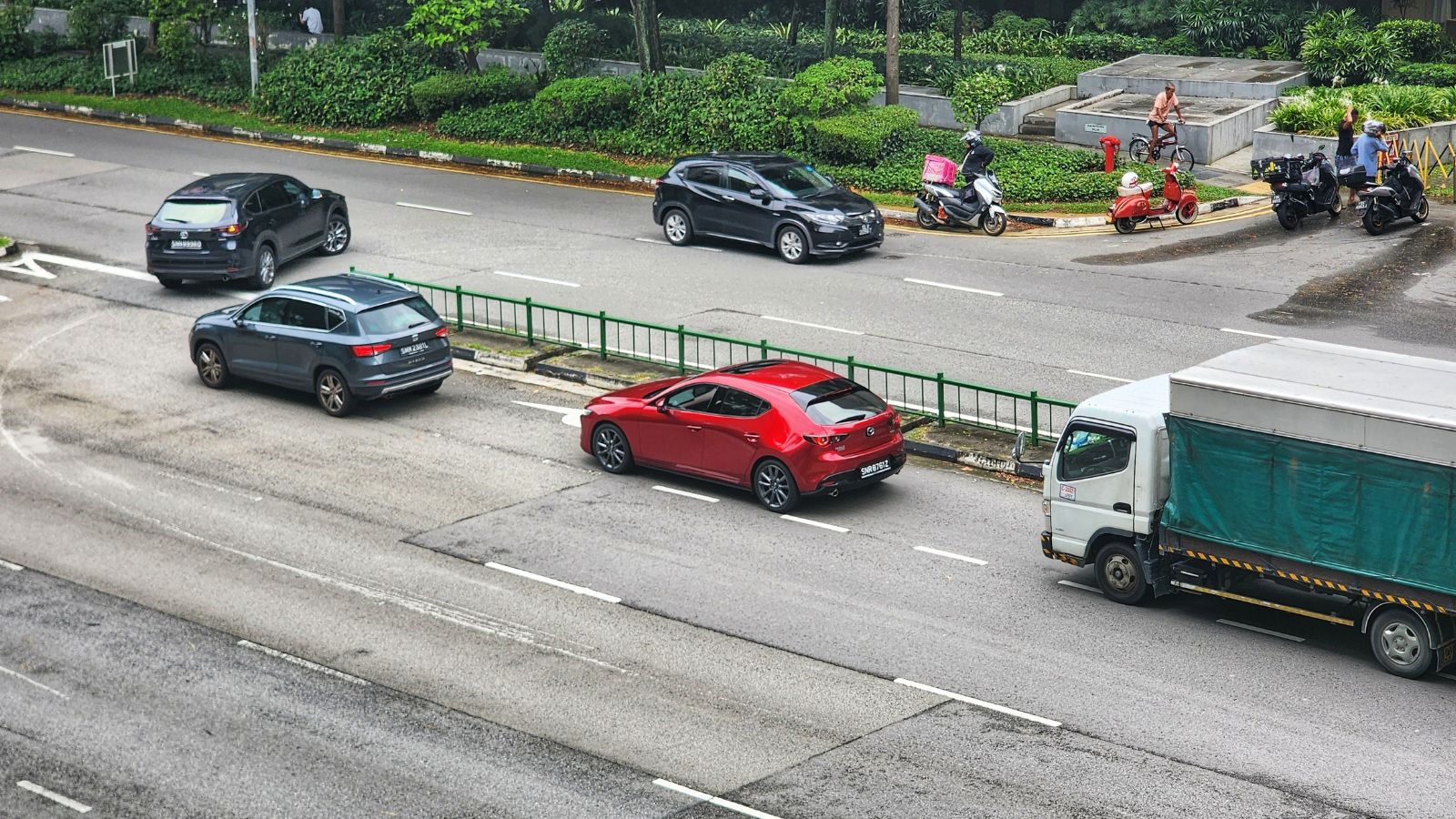
A missed driveway can make a U-turn seem like the quickest correction, but Ontario places restrictions on where that manoeuvre can be performed. Provincial driver guidance says U-turns are illegal on curves, on or near railway crossings or hilltops, and near bridges or tunnels when visibility is obstructed. Drivers should be able to see at least 150 metres in both directions.
The logic is simple: a U-turn temporarily places a vehicle across several potential paths of travel. When terrain or infrastructure blocks the view, an approaching driver can encounter that vehicle with very little warning. A location that feels quiet is therefore not necessarily lawful or safe. The issue is sight distance rather than how many vehicles happen to be present at that moment. Ontario also tells drivers to check for signs prohibiting U-turns. Driving around the block may add a minute to the trip, but it avoids gambling on whether a blind crest, curve, bridge approach, or tunnel provides enough space for other motorists to react.
Driving Around a Railway Gate
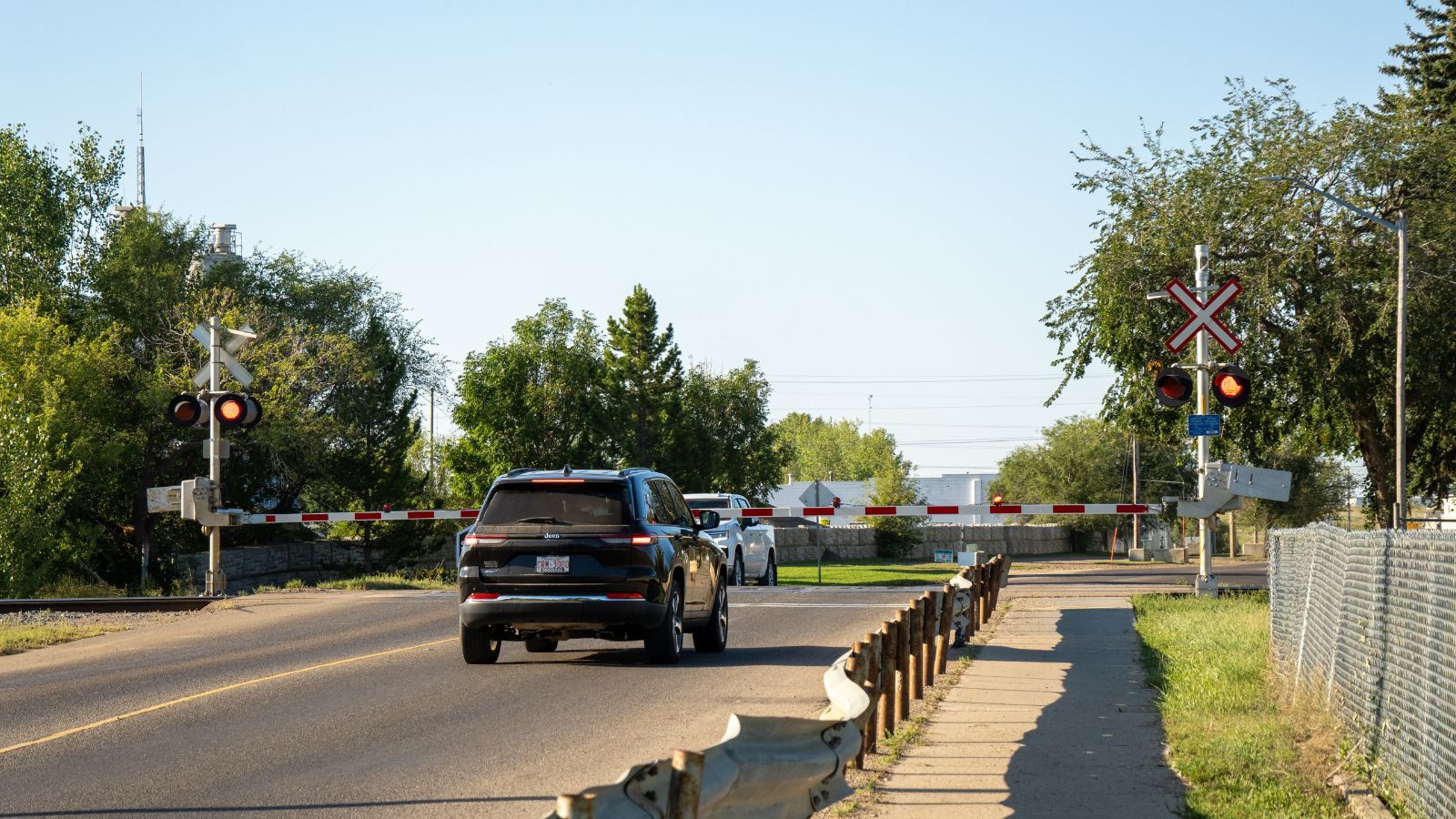
A railway crossing can produce one of the strongest temptations to second-guess traffic control. The gate is down, no train is visible, and several minutes may pass with no movement. In Ontario, a driver cannot legally go through, around, or under a railway crossing gate while it is closed or while it is being opened or closed.
The prohibition matters because the driver’s view does not reveal everything happening on the rail system. A second train may be approaching on another track, the crossing equipment may have activated well before the train reaches the road, or the apparent delay may result from rail operations that are invisible from the driver’s seat. Going around the barrier turns a controlled crossing into a personal calculation with extremely high consequences if that calculation is wrong. The same caution applies whenever railway signals are operating. Waiting for the protection system to complete its cycle can feel frustrating, but a lowered or moving gate is not a suggestion that can be overridden because the tracks look empty.
Leaving High Beams On Too Close to Other Vehicles
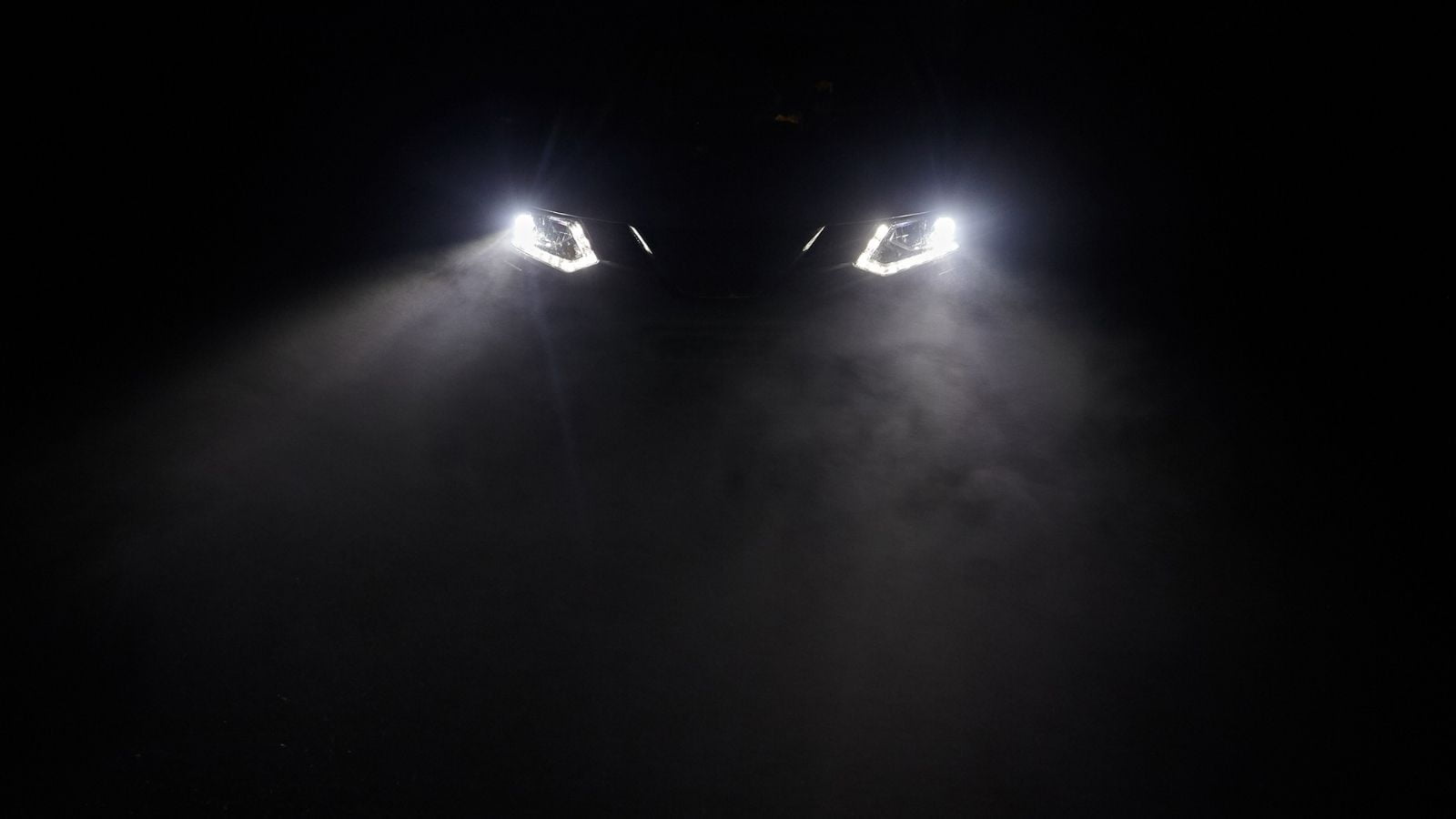
High beams are valuable on dark rural highways, but they are not supposed to remain on until an approaching driver flashes their headlights in frustration. Ontario law requires drivers using multiple-beam headlights to switch to the lower beam when an oncoming vehicle is within 150 metres. Drivers following another vehicle must use the lower beam within 60 metres, except while actually overtaking and passing.
Those distances are easy to underestimate at night. At highway speed, 150 metres disappears quickly, so waiting until glare becomes obvious to the other driver can mean dimming too late. The 60-metre rule for vehicles ahead matters as well because intense light reflected through mirrors can impair the driver’s vision. Automatic high-beam systems can reduce the workload, but the person behind the wheel remains responsible for how the vehicle’s lighting is being used. The old-fashioned habit of watching for headlights, tail lights, hill crests, and curves remains useful even in cars equipped with sophisticated lighting technology.
19 Used Cars Canadians Should Avoid in 2026 (Based on Owner Complaints)

Buying a used car in Canada can feel safe until repair bills start stacking up. Owner complaints tell a different story than glossy listings. Transmission failures, electrical problems, and weak winter reliability show up again and again in consumer reports. Many of these issues appear after warranties expire, when owners least expect them. Some vehicles look affordable upfront, but become expensive to keep on the road. Others struggle in cold weather, urban driving, or long highway commutes. Here are 19 used cars Canadians should avoid in 2026 (based on owner complaints).
19 Used Cars Canadians Should Avoid in 2026 (Based on Owner Complaints)

Alanna Rosen is an experienced content writer that focuses on many EV and educational content. Her articles are regularly published on Get CyberTrucked and syndicated on large publications.