
A new car can make a strong first impression with fresh paint, bright screens, and an untouched cabin. The deeper judgment usually comes later, after the commute becomes routine, the first highway trip exposes the noise level, and every frequently used surface has been handled dozens of times.
These 24 details explain why some vehicles begin feeling cheaper after only a month. The list moves beyond price and badge to the small engineering and design choices that shape daily ownership: material texture, panel fit, seat support, ride comfort, visibility, lighting, control response, cabin sound, and software behaviour. None automatically makes a car bad, but several appearing together can quickly replace new-car excitement with the sense that presentation mattered more than lasting refinement.
Hard, Shiny Plastics Dominate the Cabin

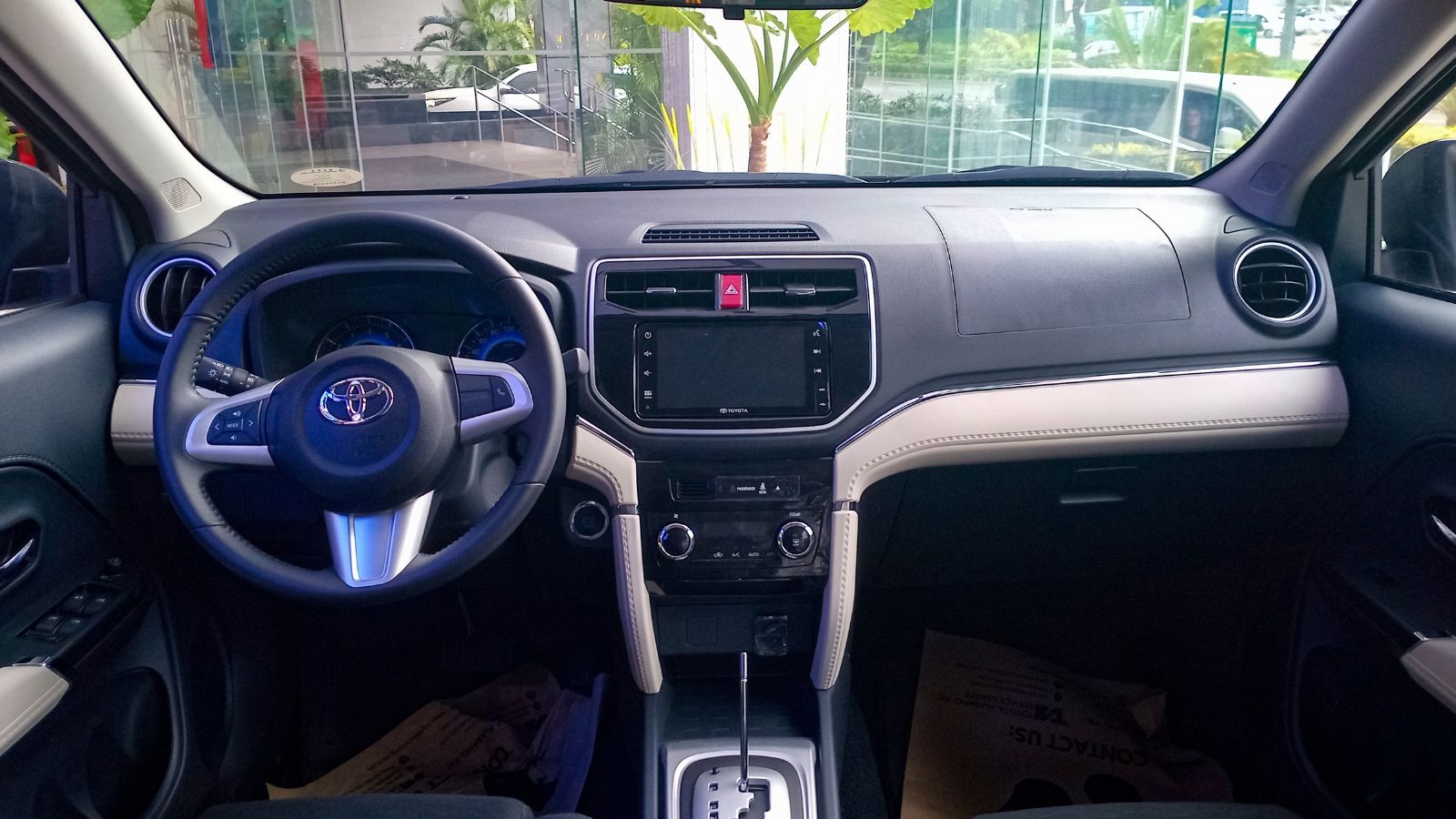
A dashboard can look convincing under showroom lighting, yet repeated contact quickly exposes inexpensive surfaces. Hard, glossy plastics tend to reflect sunlight, collect fingerprints, and produce a hollow tap when touched. Research on automotive interiors shows that tactile sensations strongly influence perceived luxury and overall satisfaction. That explains why a convincing photograph may not match the everyday experience of resting a knee against the console or gripping a rigid door pull.
The issue is rarely plastic itself; durable polymers are essential in modern vehicles. The problem is how broadly they are used and whether texture, padding, grain, and colour disguise the cost-saving choice. A soft upper dashboard beside hard lower panels can feel deliberate. When every visible surface has the same shiny finish, the cabin begins to resemble an appliance. After a month of commuting, owners have touched those areas hundreds of times, making the material hierarchy impossible to ignore.
Uneven Panel Gaps Become Impossible to Unsee

Small alignment flaws often disappear during a fast delivery inspection. With time, however, uneven seams around the glovebox, centre console, vents, and exterior panels become visual anchors. Automotive perceived-quality engineering specifically evaluates gap, flushness, fit, and appearance because buyers interpret consistency as evidence of manufacturing care. A door that sits slightly proud of the rear quarter panel may function normally, yet it can make the entire vehicle seem hastily assembled.
The effect grows when neighbouring components do not match. One air vent may sit deeper than another, a dashboard trim strip may rise at one end, or the hood gap may narrow toward a headlight. None of these details automatically signals a structural defect, but together they weaken confidence. Premium-feeling vehicles usually hide tolerances through careful geometry and consistent interfaces. Once an owner notices one crooked seam while cleaning the cabin, the eye tends to find every other one overall.
Squeaks and Rattles Arrive on Ordinary Roads
Few things erase the new-car glow faster than a sound that should not be there. A faint tick from the dashboard on cold mornings or a buzz from the door over coarse pavement can become more irritating with every drive. Automotive engineers treat squeak-and-rattle performance as a major contributor to passenger comfort and perceived quality because these noises suggest movement between panels, clips, seals, or adjacent components.
The frustration is amplified by inconsistency. A rattle may vanish at the dealership, then return at one particular temperature or road speed. Owners sometimes empty every storage bin before discovering that the noise comes from trim rather than loose cargo. One isolated sound can be repaired, but several create the impression that the car is ageing prematurely. By the end of the first month, a cabin that was quiet during the test drive may feel less solid than an older, better-sorted vehicle inside.
A Hollow Door-Closing Sound Undermines Solidity
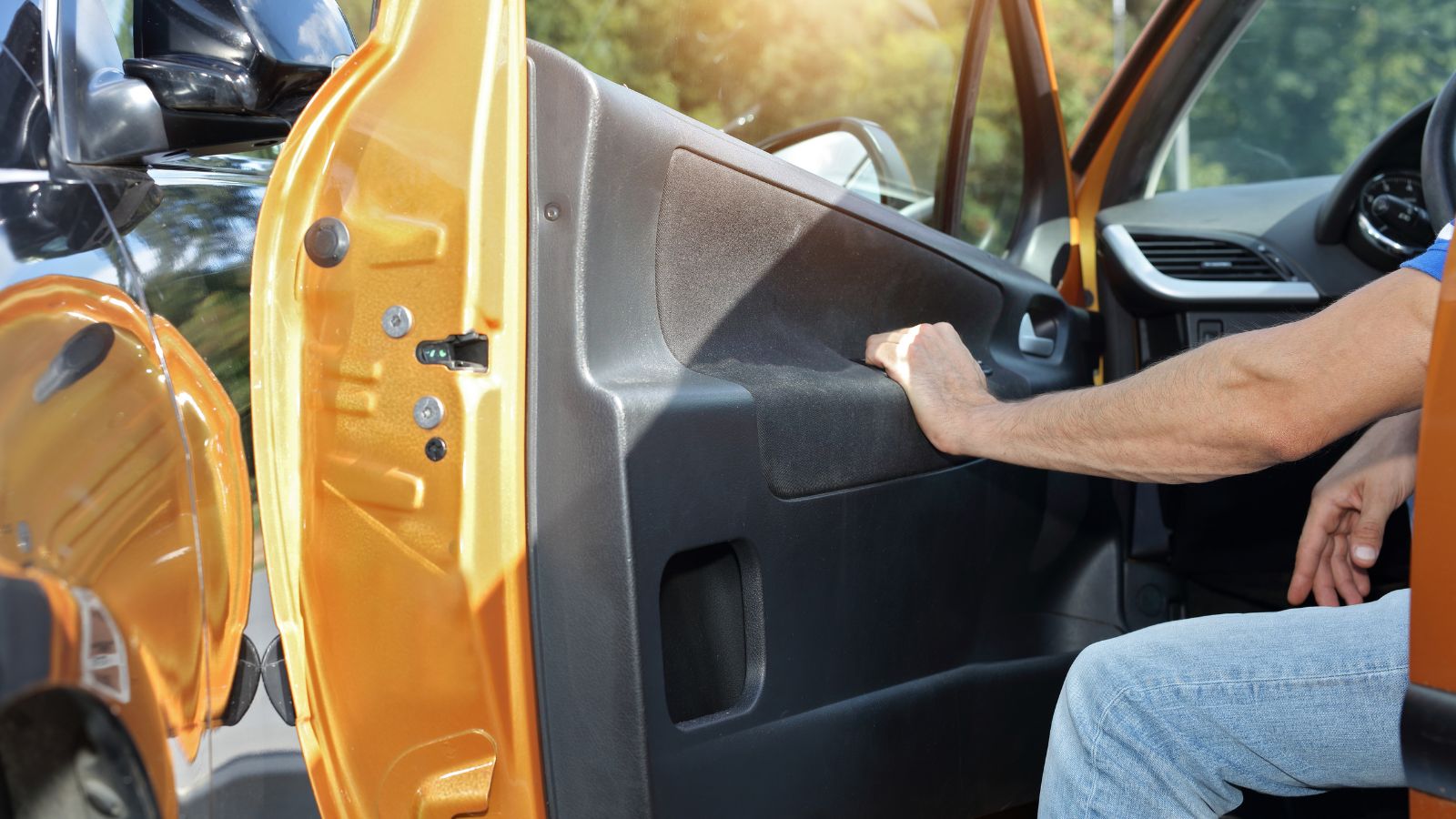
The sound of a door closing lasts only a moment, but it carries an outsized message. SAE research has found that door-closure sound quality is strongly related to loudness and sharpness, with sharpness particularly influential. A thin clang, metallic ring, or secondary vibration can make a door feel light even when the structure meets every safety requirement. A low, controlled thud usually communicates damping, tight seals, and careful tuning.
Daily repetition makes the difference obvious. The driver hears the same closure sound at home, at work, and during errands, often several times a day. If one door sounds different from the others, the inconsistency becomes even more noticeable. Manufacturers tune latches, seals, panel stiffness, and cabin pressure to shape this tiny acoustic event. When that effort appears absent, owners may describe the vehicle as “tinny” without knowing precisely why. The judgment is emotional, but the engineering behind it is measurable.
Loose Buttons and Wobbly Knobs Feel Unfinished
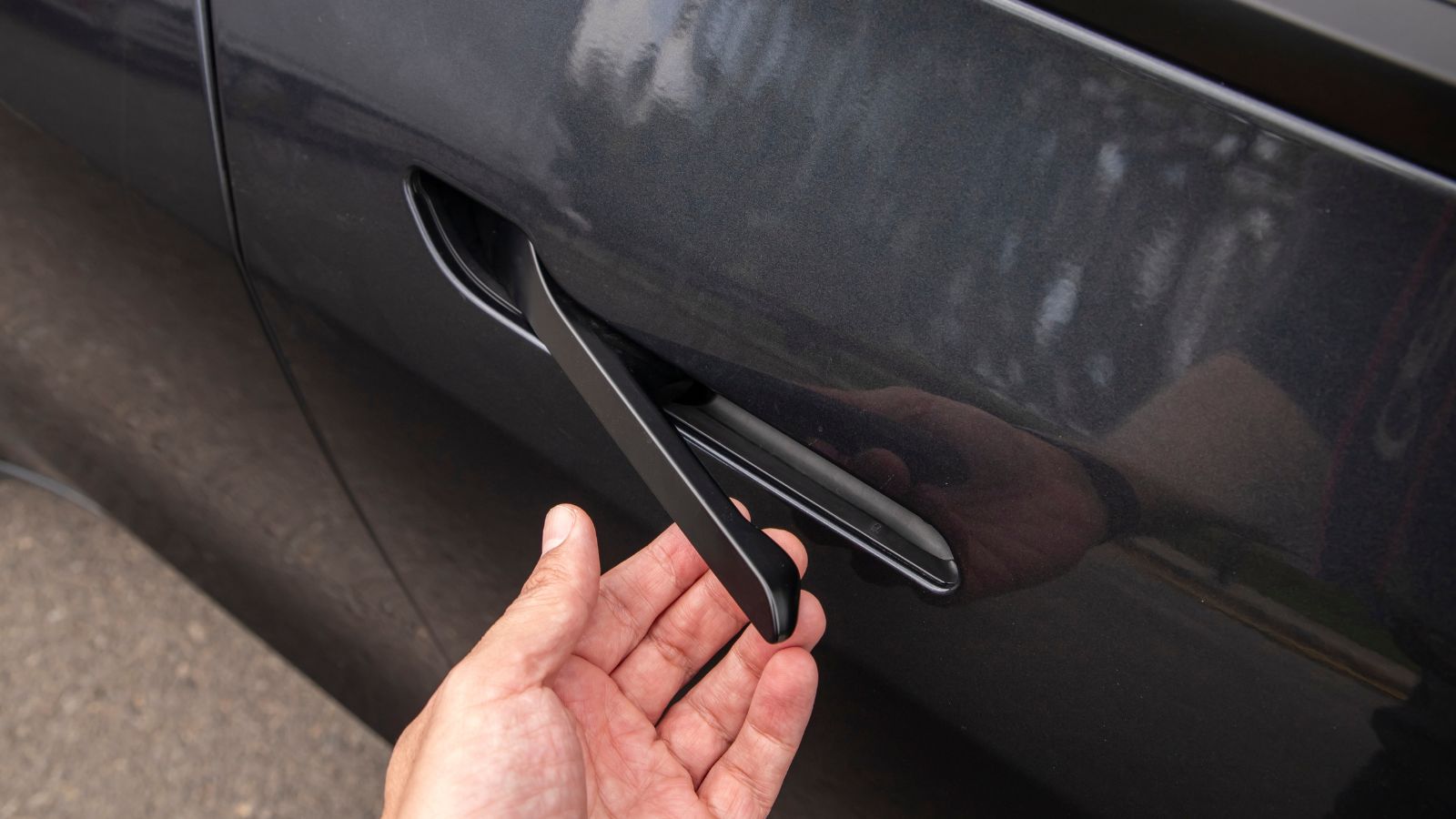
Controls create a constant handshake between a driver and the vehicle. A volume knob that rocks sideways, a window switch with inconsistent resistance, or a climate button that clicks differently from its neighbour can make a cabin feel underdeveloped. Studies of in-car buttons show that haptic, visual, and auditory characteristics all influence satisfaction. Feedback is not merely decorative; it tells the hand that an input has been registered.
Good switchgear feels predictable across repeated use. The same pressure produces the same response, and the control returns cleanly without scraping or flexing the surrounding panel. Cheap-feeling hardware often reveals itself after the novelty fades because frequently used functions become muscle memory. The owner no longer studies the dashboard and instead notices every sticky press or vague detent. Even an expensive screen cannot fully compensate when the physical controls around it behave like parts from unrelated suppliers during every ordinary daily journey.
Gloss-Black Trim Looks Older Almost Immediately

Piano-black trim can create a dramatic showroom impression because it reflects light like polished lacquer. In daily use, however, the finish often reveals dust, fingerprints, hairline scratches, and cleaning streaks more readily than textured materials. The result is a cabin that appears worn even when it is still nearly new. A centre console may look pristine on delivery day and noticeably marked after several weeks of keys, charging cables, and routine wiping.
The problem is placement. Gloss-black material around cupholders, door pulls, and touchscreen controls occupies high-contact zones where abrasion is unavoidable. Owners may become unusually careful, yet the surface still records ordinary life. Better execution limits glossy trim to protected areas or combines it with finishes that disguise contact. When large panels are used as a low-cost substitute for metal, wood, or padded material, the shine stops seeming premium. It resembles packaging that was never designed for long-term handling.
Seats Lose Their Showroom Comfort
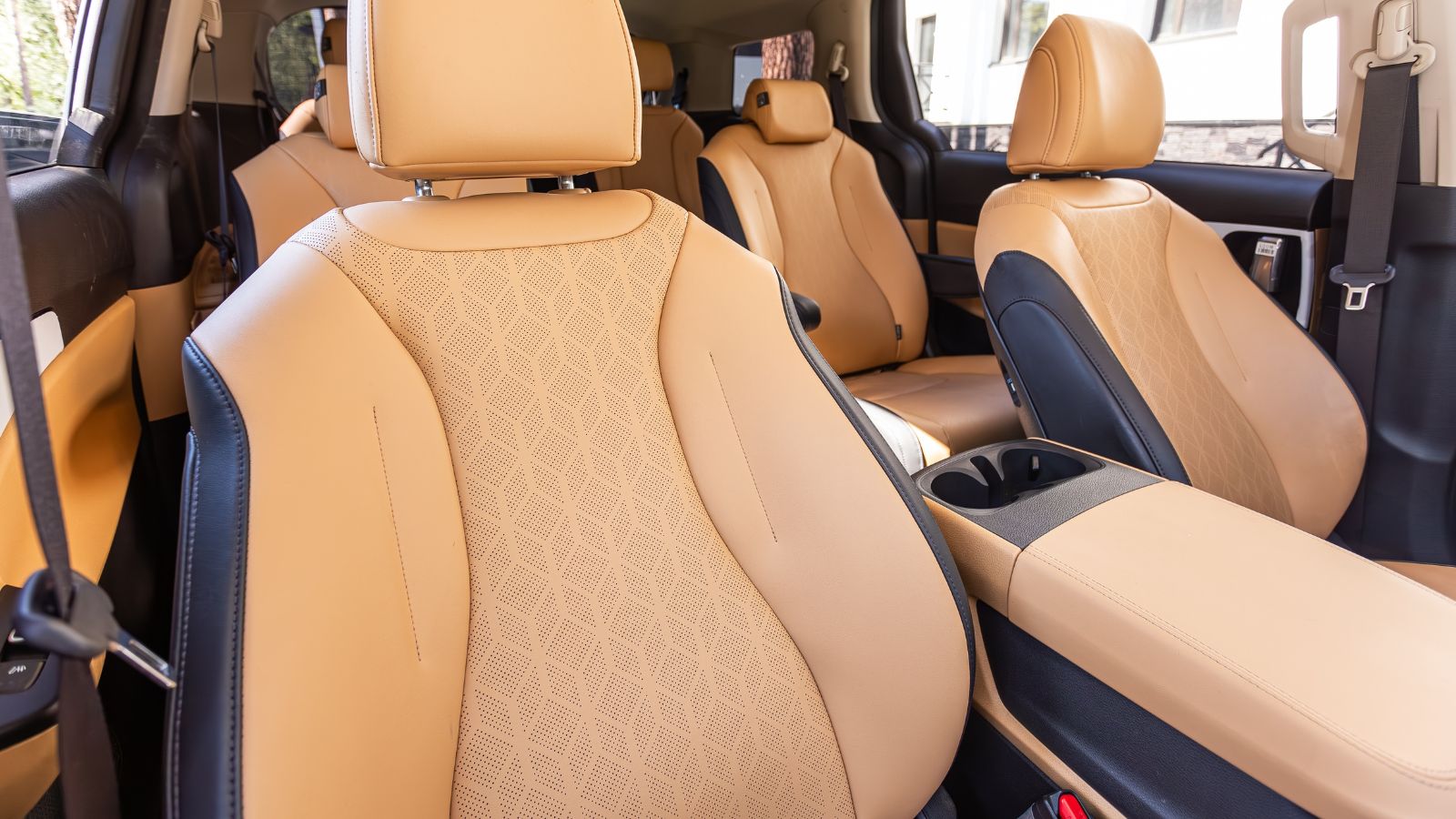
A short test drive can flatter a seat that becomes tiring after regular commuting. Pressure distribution, contact area, cushion length, foam firmness, and backrest shape all affect perceived comfort. Large automotive-seat studies have linked thigh support and cushion dimensions to customer complaints, while laboratory research shows discomfort tends to increase with time. A chair that feels soft for ten minutes may provide poor support during a ninety-minute trip.
The first month usually includes enough varied driving to expose the compromise. The driver may begin shifting position, raising the seat, or leaning the backrest farther than expected. Lower-back pressure, numb thighs, or a lack of shoulder support can make the whole cabin feel budget-minded because the largest interior component is failing at its basic task. Attractive stitching cannot rescue a cushion that bottoms out or a backrest with the wrong contour. Comfort is one area where appearance and experience separate quickly.
Limited Adjustment Makes the Driving Position Feel Compromised

Even a reasonably shaped seat can feel cheap when adjustment is restricted. A steering wheel that tilts but does not telescope, a seat with coarse height steps, or a fixed lumbar bulge forces more drivers to accept an approximate position. Ergonomic research shows that comfort depends on the relationship among occupant dimensions, seat geometry, cushion length, lumbar contour, and cockpit layout. One configuration cannot suit every body.
The compromise appears during repeated entry, long trips, and stop-and-go traffic. A shorter driver may sit too close to the pedals to reach the wheel, while a taller driver may lack thigh support or knee clearance. In better-resolved cabins, adjustments allow the seat, wheel, mirrors, and controls to align naturally. When the range is narrow, the vehicle feels designed to a price rather than around people. The owner may eventually find a tolerable setting, but constant discomfort keeps reminding them what was omitted.
Road Noise Overpowers the Cabin

Road noise is one of the clearest separators between a car that merely looks refined and one that feels refined. Tyres, suspension mounts, wheel wells, floor panels, and acoustic insulation all influence how much sound reaches occupants. SAE literature describes interior quietness as an important product attribute in perceived quality, while recent J.D. Power studies continue to record road noise among common new-vehicle complaints.
The weakness may not appear on smooth roads near a dealership. It emerges on coarse asphalt, concrete expansion joints, and wet highways, where conversation requires extra volume and music loses detail. Owners may initially blame the tyres, but the broader issue can include limited sound-deadening material or insufficient isolation. A loud cabin also exposes secondary noises that were previously masked, such as trim buzzes and fan whine. After several weeks, the vehicle can feel less substantial simply because every surface seems acoustically thin overall acoustically.
Wind Noise Leaks Around the Edges

A soft hiss near the mirror at highway speed can seem minor during a brief test drive. After a month, it may dominate every commute. Wind noise is affected by mirror shape, door sealing, glass fit, weather-stripping, and small aerodynamic discontinuities. J.D. Power has identified increases in owner-reported wind, road, and abnormal cabin noises, underscoring how strongly sound-related details shape early quality impressions.
The most frustrating cases sound localized, as though a window is slightly open even when every seal appears closed. Crosswinds may make the noise louder on one side, while rain can add a whistle around a trim edge. These symptoms do not always mean a leak or defect; some vehicles simply receive less acoustic development. Still, owners interpret persistent wind noise as evidence that the cabin is not tightly sealed. Once noticed, the hiss becomes a constant reminder of cost cutting at every motorway speed too.
Engine Vibration Reaches the Controls
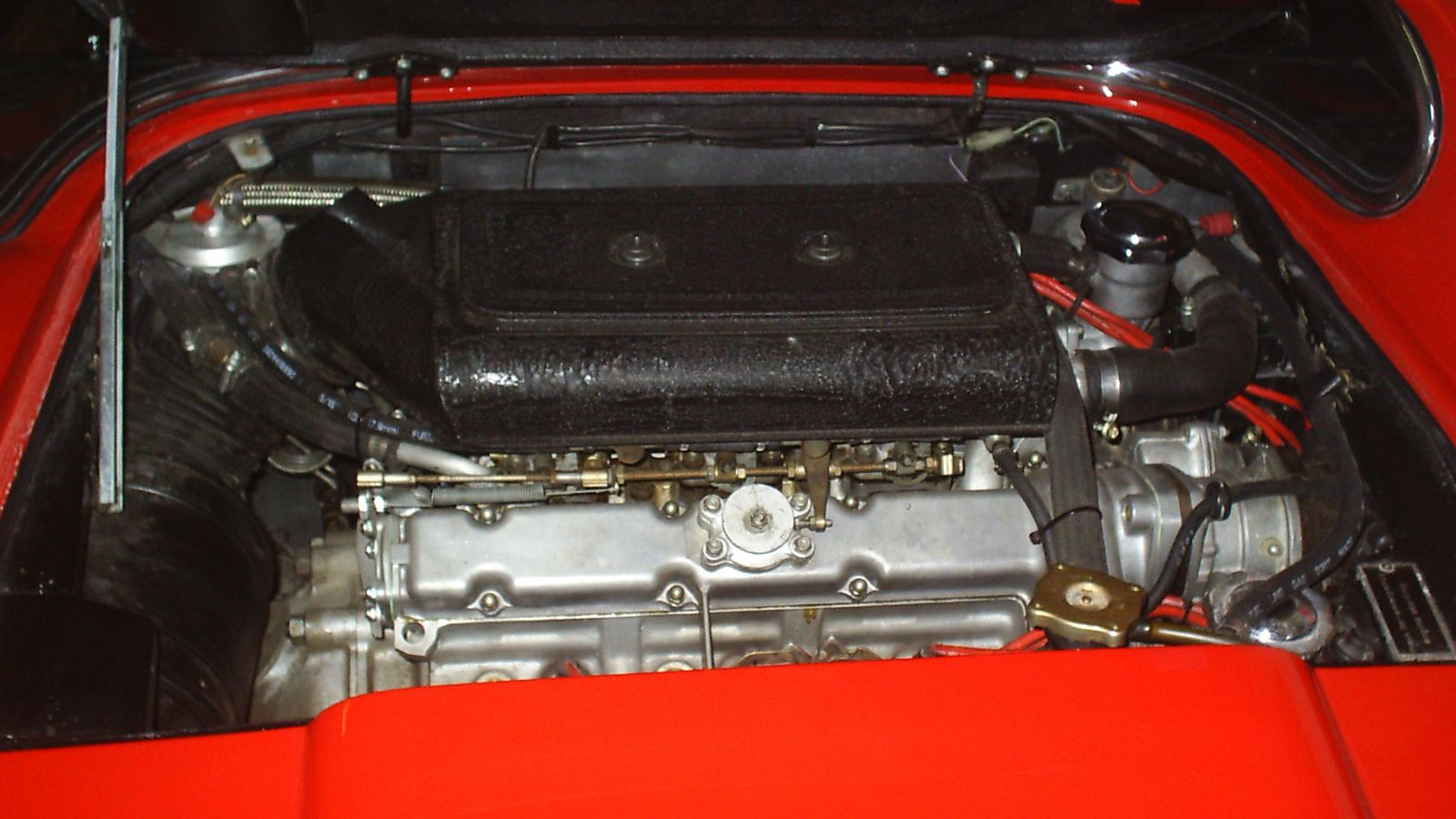
A modest engine does not automatically feel cheap, but unwanted vibration often does. Engine mounts, body stiffness, idle calibration, and powertrain balance determine how much movement reaches the seat, pedals, steering wheel, and mirrors. Noise, vibration, and harshness—usually shortened to NVH—is a major vehicle-development discipline because human perception responds strongly to small changes in frequency and intensity.
The first month reveals patterns a short demonstration drive may miss. The steering wheel may tremble with the air conditioner running, the pedals may buzz during acceleration, or the rear-view mirror may blur at a particular engine speed. Some feedback is normal, especially in certain three-cylinder or diesel designs, yet poorly isolated vibration makes the vehicle feel mechanically strained. When occupants can sense the powertrain working through every touchpoint, the cabin loses the calm, separated character associated with better engineering overall. Exposure makes vibrations easier to identify and harder to dismiss.
Harsh Suspension Makes Every Surface Feel Flimsy
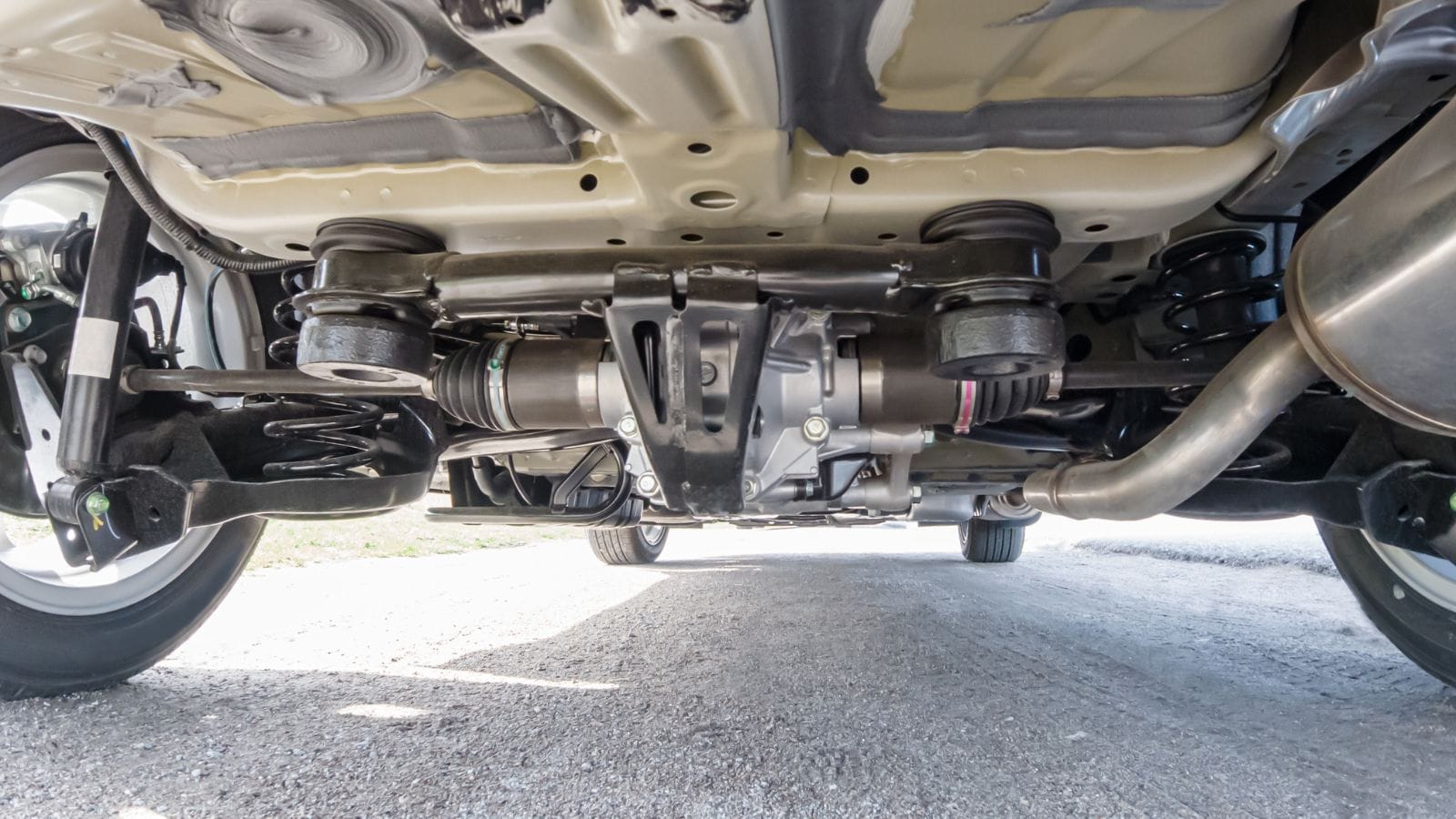
Ride comfort is not simply a matter of soft springs. Engineers balance springs, dampers, bushings, tyres, wheel size, body control, and seat response to manage impacts without allowing excessive motion. SAE research describes ride comfort as a central objective of vehicle design and emphasizes that subjective human perception remains essential. A car can corner neatly yet still feel crude when sharp bumps send a sudden jolt through the cabin.
Repeated impacts also change how the interior is perceived. When potholes make the dashboard shake, the parcel shelf hop, or the doors resonate, occupants may blame build quality even when the trim is secure. Large wheels with short tyre sidewalls can intensify this effect on damaged pavement. After a few weeks on familiar roads, an owner knows exactly which expansion joint produces a crash. A suspension that never settles gracefully makes the entire car seem lighter, noisier, and less carefully tuned.
A Thin Steering Wheel Cheapens Every Drive

The steering wheel is the cabin component touched most continuously, so small compromises become unusually visible. A narrow rim, coarse moulding line, slippery surface, or hard plastic spoke can undermine an otherwise attractive dashboard. Research on automotive materials and controls shows that tactile response shapes perceived luxuriousness and satisfaction. Texture, compliance, temperature, grip, and seam placement all contribute to the impression.
Cost cutting is especially obvious where the hands naturally rest. A convincing leather-like wrap may cover only the outer rim while the rear surfaces feel rough, or decorative stitching may sit over a thinly padded core. Buttons can add further disappointment if they flex or lack consistent feedback. Owners adapt to many interior flaws, but they cannot avoid the steering wheel. By the first month, every commute has delivered hours of contact, turning an initially minor detail into a daily statement about the vehicle’s priorities clearly, every single day.
Infotainment Lag Makes New Technology Feel Old
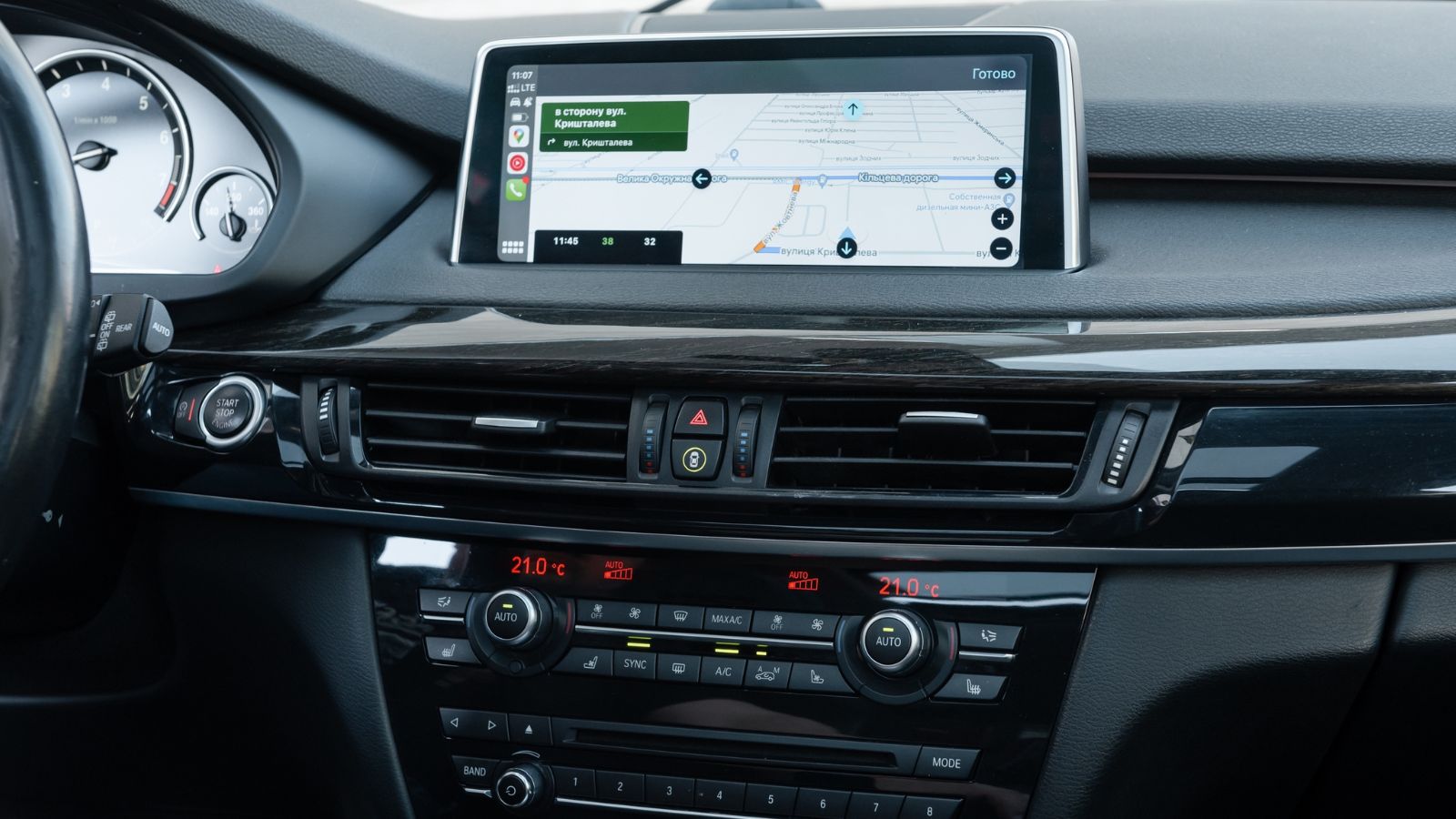
A large display can sell a vehicle in seconds, yet speed and stability determine whether it continues to feel modern. Delayed responses, frozen menus, slow startup, dropped phone connections, and inconsistent voice commands quickly make expensive hardware seem superficial. J.D. Power’s 2026 U.S. Initial Quality Study reported that infotainment was the only major category with a year-over-year increase in problems and identified connectivity as a major driver.
Lag becomes most irritating during simple tasks. The driver taps the camera view, changes an audio source, or adjusts a setting and waits long enough to wonder whether the command registered. A second tap may then trigger two actions. These pauses are brief, but they repeat each week. When a smartphone responds instantly beside a hesitant dashboard screen, the comparison is unforgiving. The car may be mechanically excellent, yet its most visible technology can make the product feel behind the market.
Basic Functions Are Buried in Touchscreen Menus

Replacing physical controls with a screen can reduce parts and create a clean dashboard, but it can also turn routine actions into visual searches. NHTSA human-factors guidance stresses that controls should be physically usable and designed around driver reach, grasp, and task demands. A dedicated knob can be found by touch; a virtual icon may require the driver to look, confirm the correct menu, and aim accurately.
The problem becomes obvious once the owner stops exploring and starts living with the car. Adjusting fan speed, heated seats, mirror settings, or drive modes may require several taps after every restart. Gloves, glare, screen fingerprints, and bumpy roads make precise input harder. The cabin then feels cheap not because it lacks technology, but because the technology appears to replace sensible hardware mainly for manufacturing convenience. Minimalism feels premium only when it also reduces effort during routine driving, especially at night for owners.
A Grainy Backup Camera Betrays the Specification Sheet
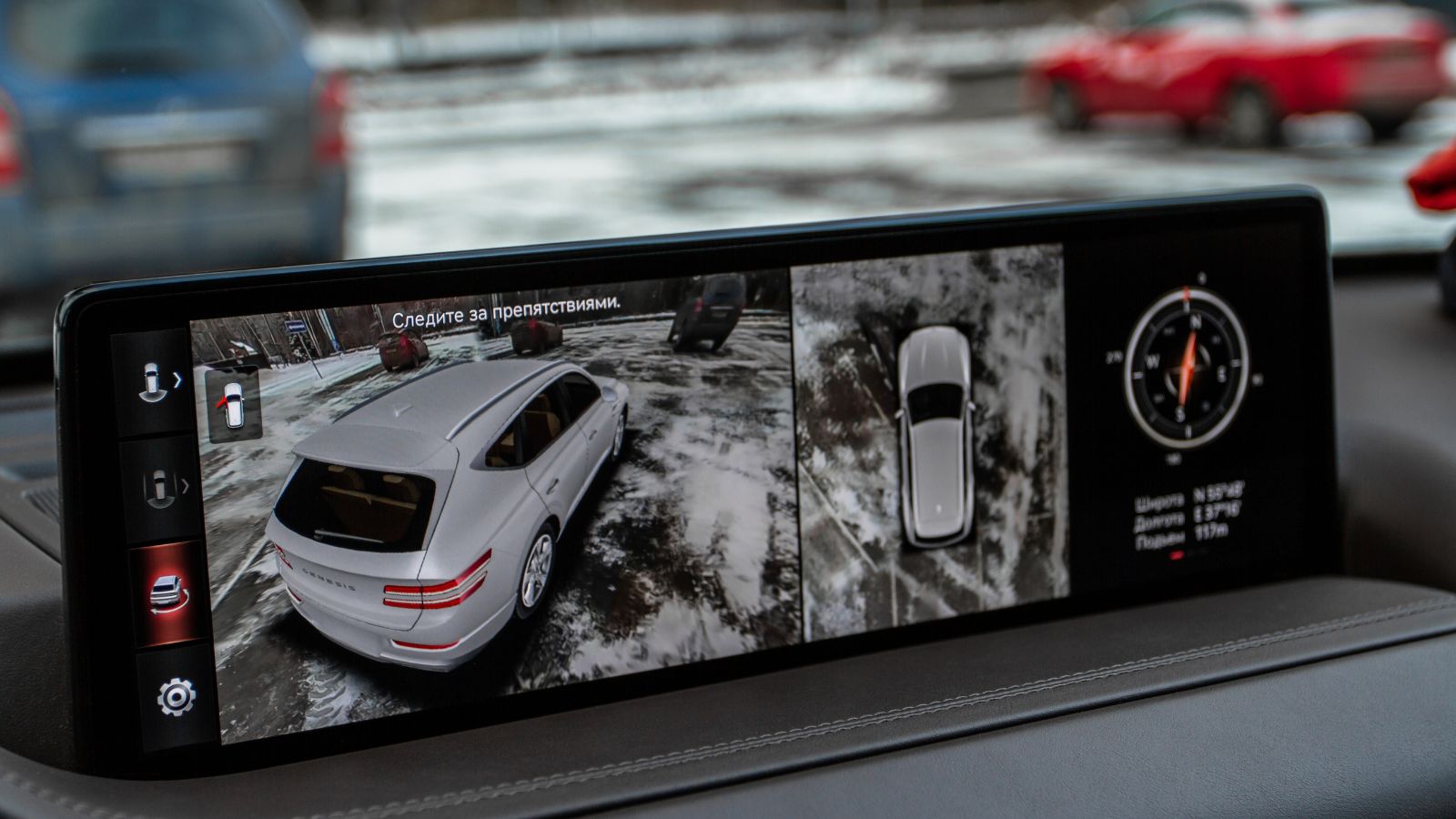
A backup camera may appear as a check mark on the equipment list, but image quality determines its usefulness. NHTSA research on rearview systems concluded that an adequate field of view must be paired with sufficient image quality for drivers to identify critical objects. Resolution, contrast, glare control, lens cleanliness, screen size, and processing delay all affect what the driver can actually see.
Cheap execution is exposed in low light and bad weather. Streetlamps bloom across the image, shadows swallow obstacles, or the picture becomes noisy just when precision matters most. Some systems also take a moment to appear after reverse is selected, creating an awkward pause. Owners quickly compare the feed with modern phone cameras and wonder why a costly vehicle looks a decade behind. A fuzzy image does more than disappoint; it makes an advertised safety aid feel like a compliance feature rather than a thoughtfully integrated tool.
Thick Pillars and Small Windows Shrink Confidence
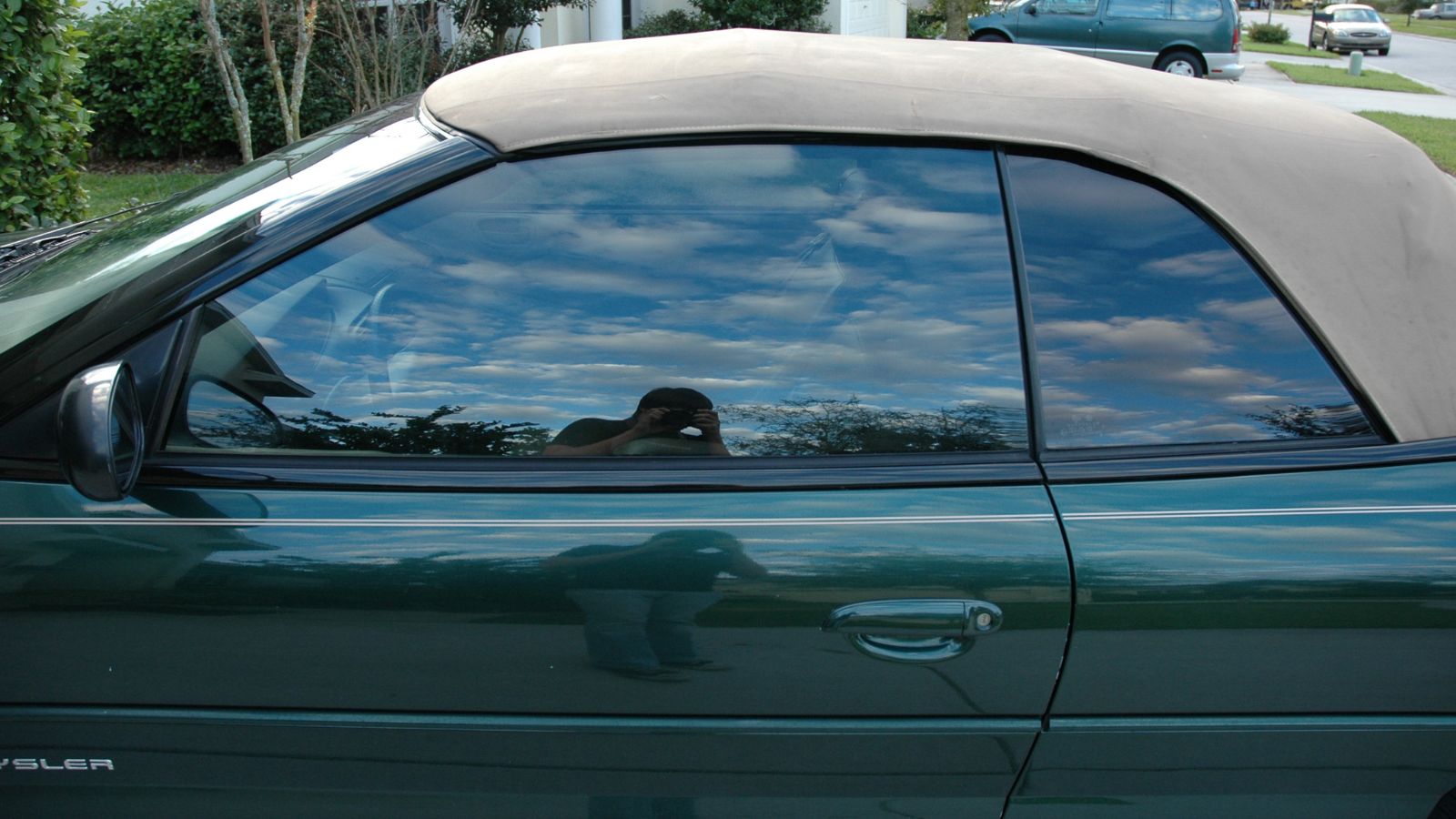
Bold styling often brings high beltlines, thick roof pillars, large mirrors, and smaller glass areas. The visual result can appear substantial from outside while creating blind zones from the driver’s seat. IIHS research has documented major declines in close-proximity forward visibility across generations of several popular SUVs, with reductions reaching as much as 58 percent in the measured area for some models.
The daily effect is a constant need to lean, double-check, and rely on cameras. A thick A-pillar can hide a pedestrian during a turn, while a rising rear window line can complicate lane changes and parking. Technology may compensate, but it does not fully replace a clear natural view. After a month, the driver recognizes every obstructed angle. A cabin that initially felt secure can instead feel enclosed and awkward, especially when simple manoeuvres demand disproportionate attention. Poor sightlines also make streets and car parks feel needlessly stressful.
Weak Headlights Make Night Driving Feel Budget

Headlights are easy to overlook during a daytime purchase, yet they strongly influence confidence after dark. IIHS testing measures how far low and high beams illuminate straight roads and curves while also checking glare. Its research found that vehicles with good headlight visibility ratings had 19 percent fewer nighttime single-vehicle crashes and 23 percent fewer nighttime pedestrian crashes than vehicles with poor-rated systems.
A weak setup reveals itself through short reach, dark curve entrances, uneven patches, or excessive dependence on high beams. The housing may look sophisticated, but styling cannot compensate for poor beam distribution. Owners often discover the limitation on an unlit road weeks after delivery, when familiar speeds suddenly feel uncomfortable. Because lighting affects both safety and perceived engineering effort, inadequate headlights can cheapen the vehicle. They suggest that a real-world function received less attention than showroom appearance. Better lamps reduce strain and make the car feel better.
Noisy Climate Control Breaks the Sense of Refinement
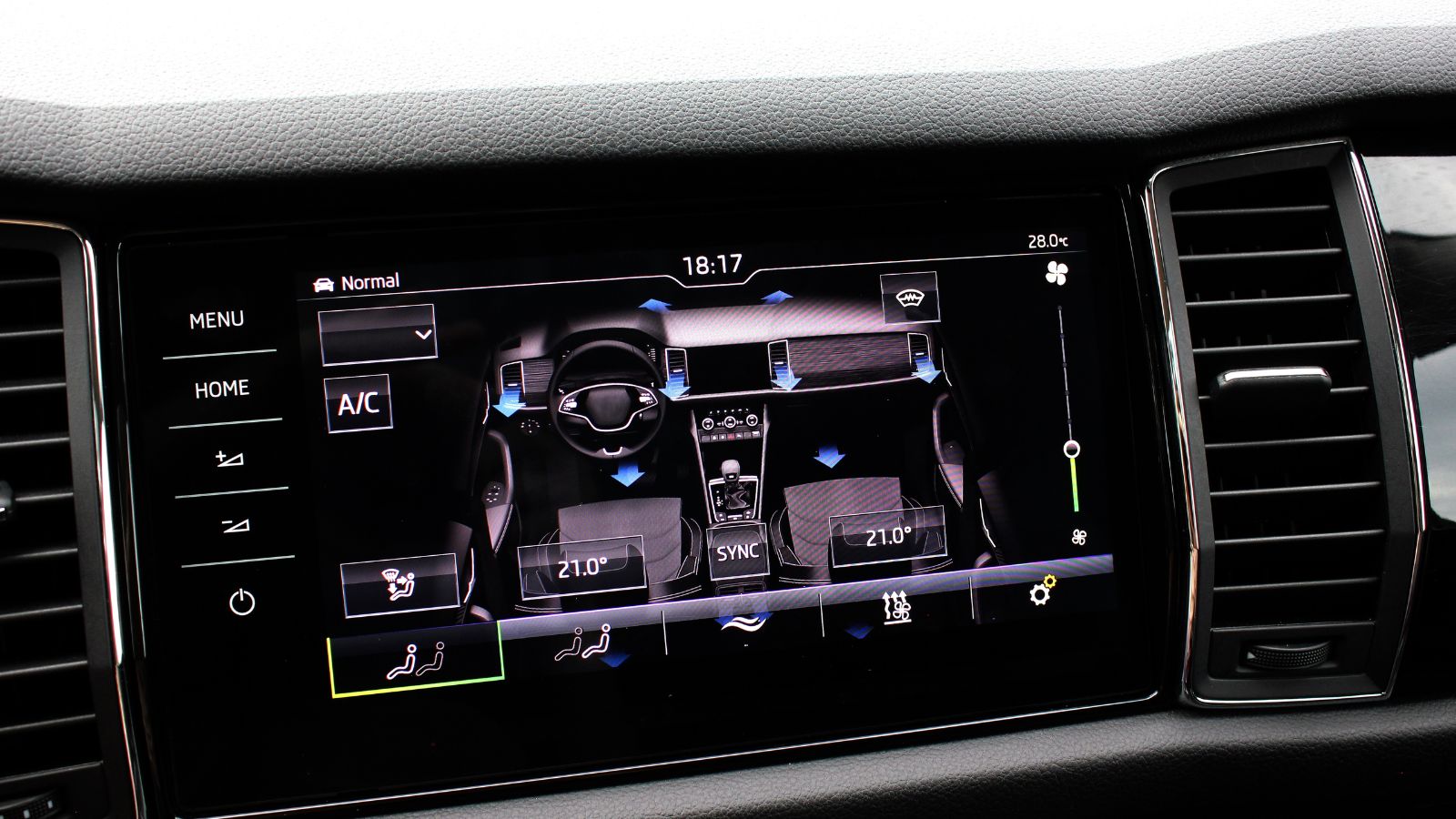
Climate systems are judged by more than temperature. Fan tone, airflow distribution, vent adjustment, compressor vibration, and the speed of demisting all shape the cabin experience. Automotive acoustic research has examined HVAC sound specifically because occupants attach subjective impressions—including comfort and quality—to the noise a system produces. A fan that becomes harsh at medium speed can make an otherwise quiet interior feel unexpectedly crude.
Inexpensive execution often appears as a narrow choice between too little airflow and too much noise. One vent may whistle, the blower may surge as automatic mode changes speed, or the dashboard may vibrate when the compressor engages. These effects become familiar during the first hot, cold, or humid weeks of ownership. Because climate control operates for long periods, its sound becomes part of the car’s background character. A system that constantly announces itself makes the cabin feel less insulated and less carefully tuned.
A Flat Audio System Cannot Fill the Cabin
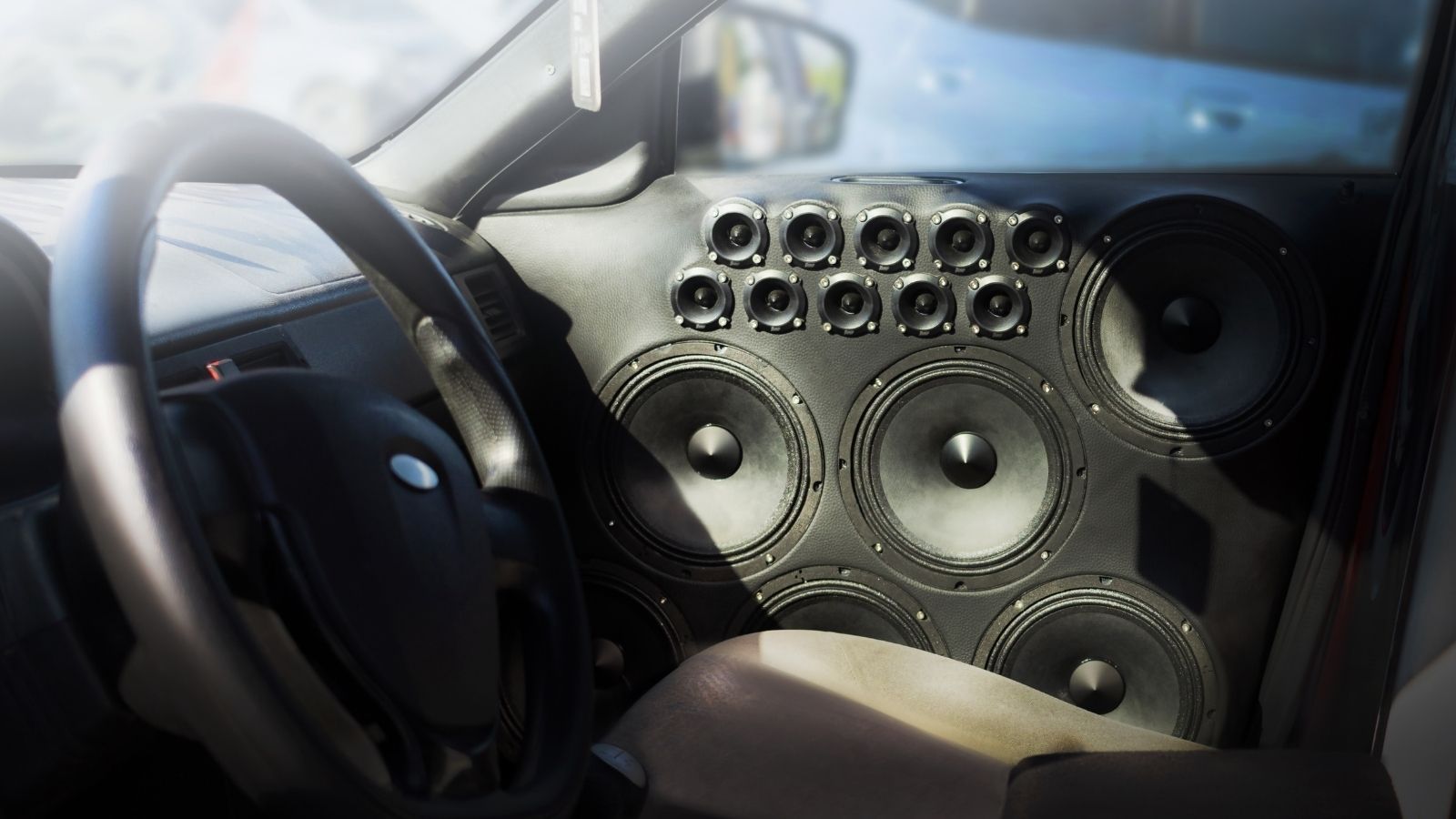
An audio system does not need dozens of speakers to sound convincing, but it does require balanced tuning and suitable placement. Research on automotive audio satisfaction has linked perceived properties of controls and sound reproduction to user satisfaction. Cabin shape, road noise, speaker location, amplifier power, and equalization all affect whether voices remain clear and music retains detail at normal volume.
Weak systems often impress briefly with exaggerated bass or treble, then become tiring. Door panels may buzz on certain notes, rear passengers may hear a different balance, or volume must rise sharply on the highway. Owners discover these limitations once familiar songs replace the dealership’s demonstration track. A branded badge on the grille can make the disappointment greater if the underlying system lacks clarity. Since audio accompanies many journeys, thin sound becomes another daily reminder that the feature list promised more than the execution delivered over months of ownership.
Headliners, Carpets, and Cargo Trim Reveal the Savings
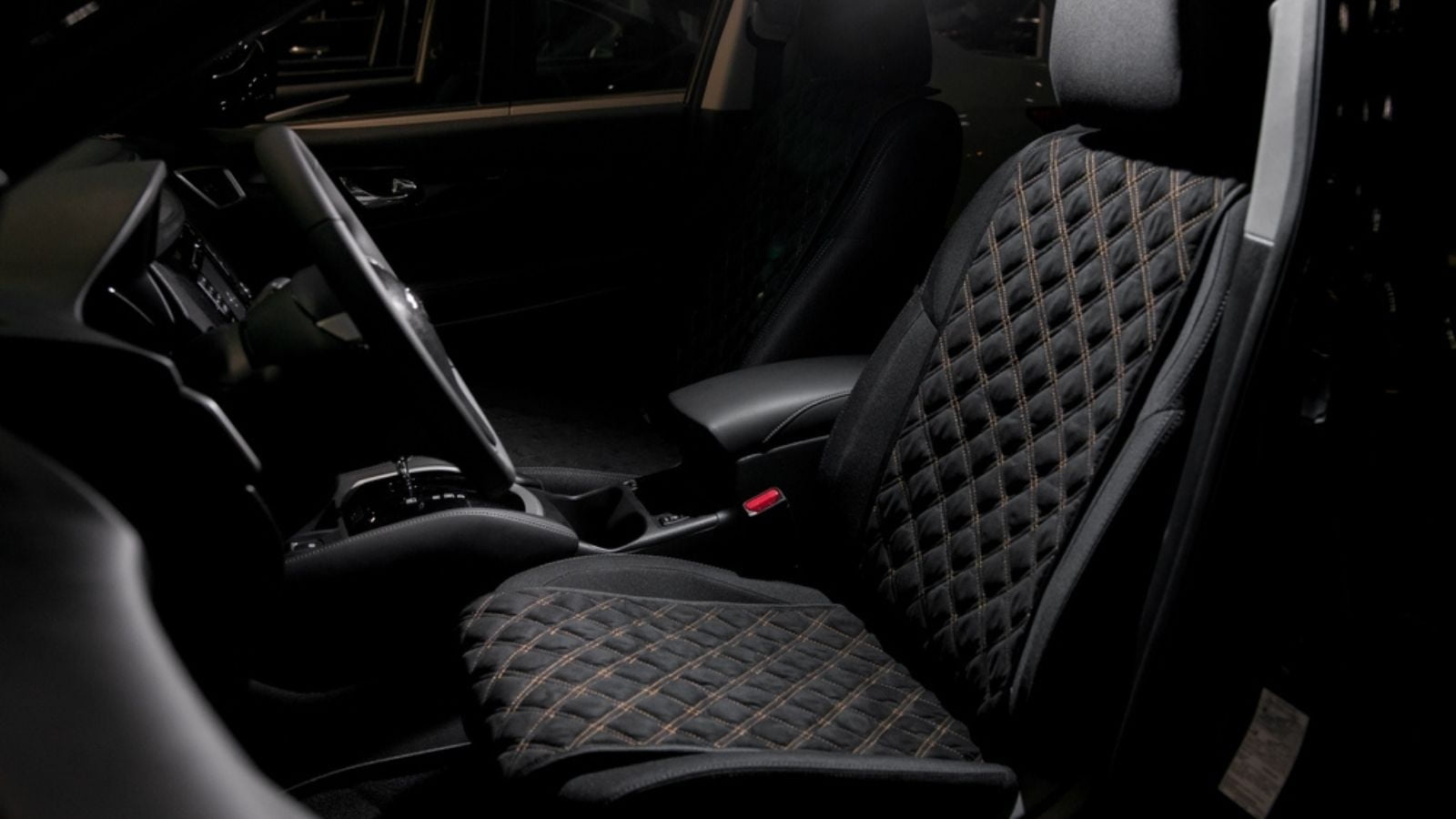
Manufacturers know that buyers touch the dashboard first, so cost reductions often migrate to less obvious areas. A thin headliner, loosely fitted carpet, exposed seat hardware, or unlined cargo compartment may escape notice until the first cleaning or grocery run. Perceived-quality engineering evaluates appearance, fit, flushness, and touch because inconsistencies between visible and hidden areas influence whether a product feels thoroughly finished.
The cargo area is especially revealing. A floor panel may flex under modest weight, side trim may sound hollow, and removable covers may lack secure locating points. None of this necessarily prevents the car from functioning, but it changes the emotional impression from durable tool to temporary container. Owners typically encounter these details after living with the vehicle—folding seats, loading luggage, or searching for a dropped item. By then, the polished front cabin can feel like a façade covering obvious economies elsewhere every time cargo is loaded.
Storage Spaces Feel Added Rather Than Designed

Useful storage depends on dimensions, lining, retention, and access, not simply the number of bins. A cupholder that cannot secure common bottles, a phone tray that becomes slippery during turns, or a door pocket with a sharp narrow opening creates friction in everyday use. NHTSA human-factors guidance emphasizes reach, grasp, clearance, and physical usability because controls and compartments must work with real hands and movement.
Poor storage design becomes apparent only after routines form. Keys rattle in an unlined tray, sunglasses have no protected location, charging cables drape across the console, and large phones block nearby switches. Owners improvise with mats, organizers, and clips, which makes a new vehicle feel unfinished. Well-designed cabins quietly support habits without drawing attention. When every small object needs a workaround, the interior appears to have been styled first and tested later, a classic sign of cost-led development for daily family life after only weeks.
The New-Car Smell Refuses to Fade

Kittyfly/Shutterstock.
The familiar new-car smell comes from a mixture of volatile compounds released by interior materials, adhesives, coatings, and manufacturing processes. In J.D. Power’s 2024 China New Energy Vehicle Initial Quality Study, unpleasant interior smell was the most frequently reported quality problem, at 7.2 problems per 100 vehicles. The figure shows that odour is not merely a personal quirk; it is tracked as an ownership-quality issue.
A mild scent may disappear with ventilation, but a strong chemical, rubber, or adhesive odour can make the cabin feel inexpensive and poorly aired. Heat often intensifies the effect after the car sits in sunlight, turning the first minutes of every trip into a reminder. Owners may begin leaving windows open or avoiding recirculation. Even when the smell is not evidence of a defect, persistence suggests materials were selected without enough attention to the sensory experience of living with them on warm afternoons.
Warning Chimes and Driver Aids Become Annoying
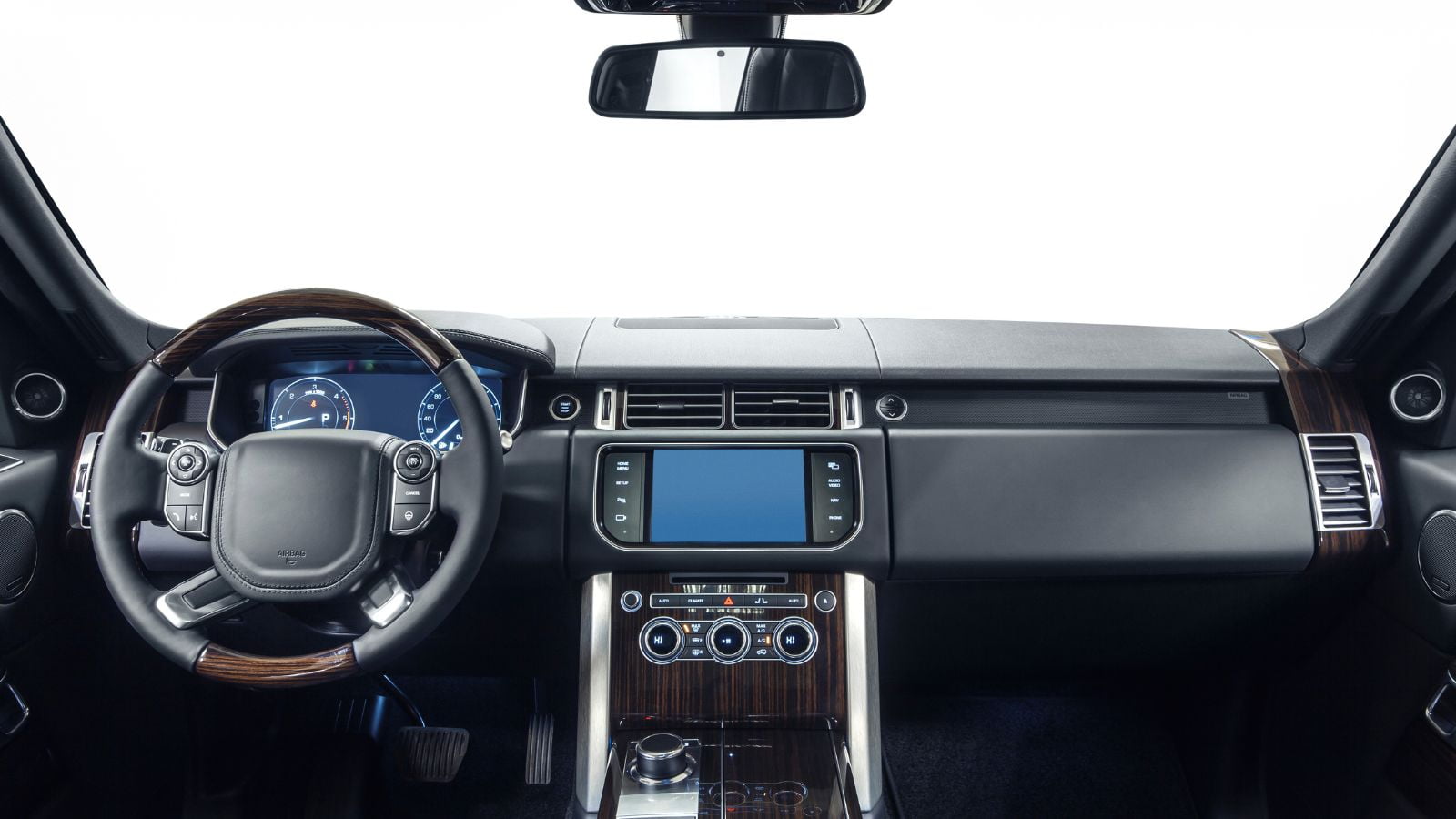
Modern vehicles can produce alerts for lane position, speed limits, parking distance, driver attention, seat belts, doors, and nearby traffic. These systems can be valuable, but poor calibration or confusing tones make the car feel nervous rather than intelligent. J.D. Power’s initial-quality research now measures design-related problems as well as defects, including complaints about controls, displays, driver assistance, and infotainment.
The first month is when owners learn whether the assistance is genuinely helpful. A lane warning may react to worn road markings, parking sensors may shout at harmless grass, or a speed-limit display may misread a sign. Repeated false or low-value alerts encourage drivers to search for disable settings, sometimes after every restart. When software constantly interrupts without adding confidence, the vehicle feels unfinished. Sophisticated hardware then resembles a collection of features launched before the user experience was fully resolved during normal driving conditions for ordinary commuters everywhere.
22 Things Canadians Do to Their Cars in Spring That Mechanics Hate

Spring brings relief to many Canadian drivers after months of snow, freezing temperatures, and icy roads that put serious strain on vehicles. As temperatures rise across the country, drivers begin washing cars, switching tires, and preparing vehicles for warmer weather and upcoming road trips. However, mechanics across Canada notice the same mistakes every spring when drivers attempt to recover from winter damage. Road salt, potholes, and harsh winter driving conditions often leave vehicles with hidden problems that drivers ignore. Some spring habits even create new mechanical issues that could have been avoided with proper maintenance. Here are 22 things Canadians do to their cars in spring that mechanics hate.
