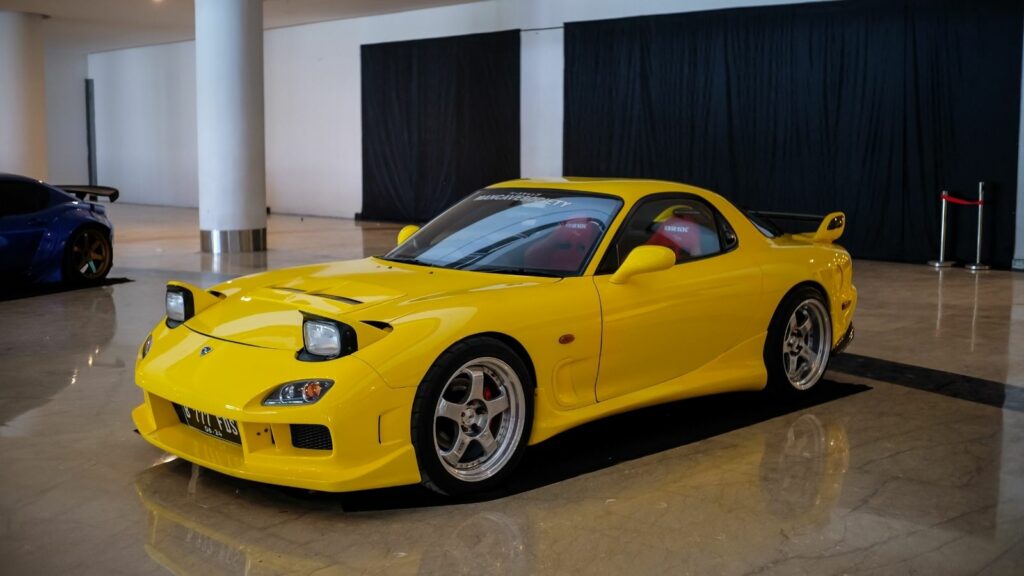
The original The Fast and the Furious was not just a film, it was a cultural reset. It dragged underground street racing into the spotlight and turned a generation toward modified imports, neon lights, and quarter mile bragging rights. It mixed tuner culture with storytelling in a way that had not really been done before, and the cars became characters in their own right.
Toyota Supra MK4
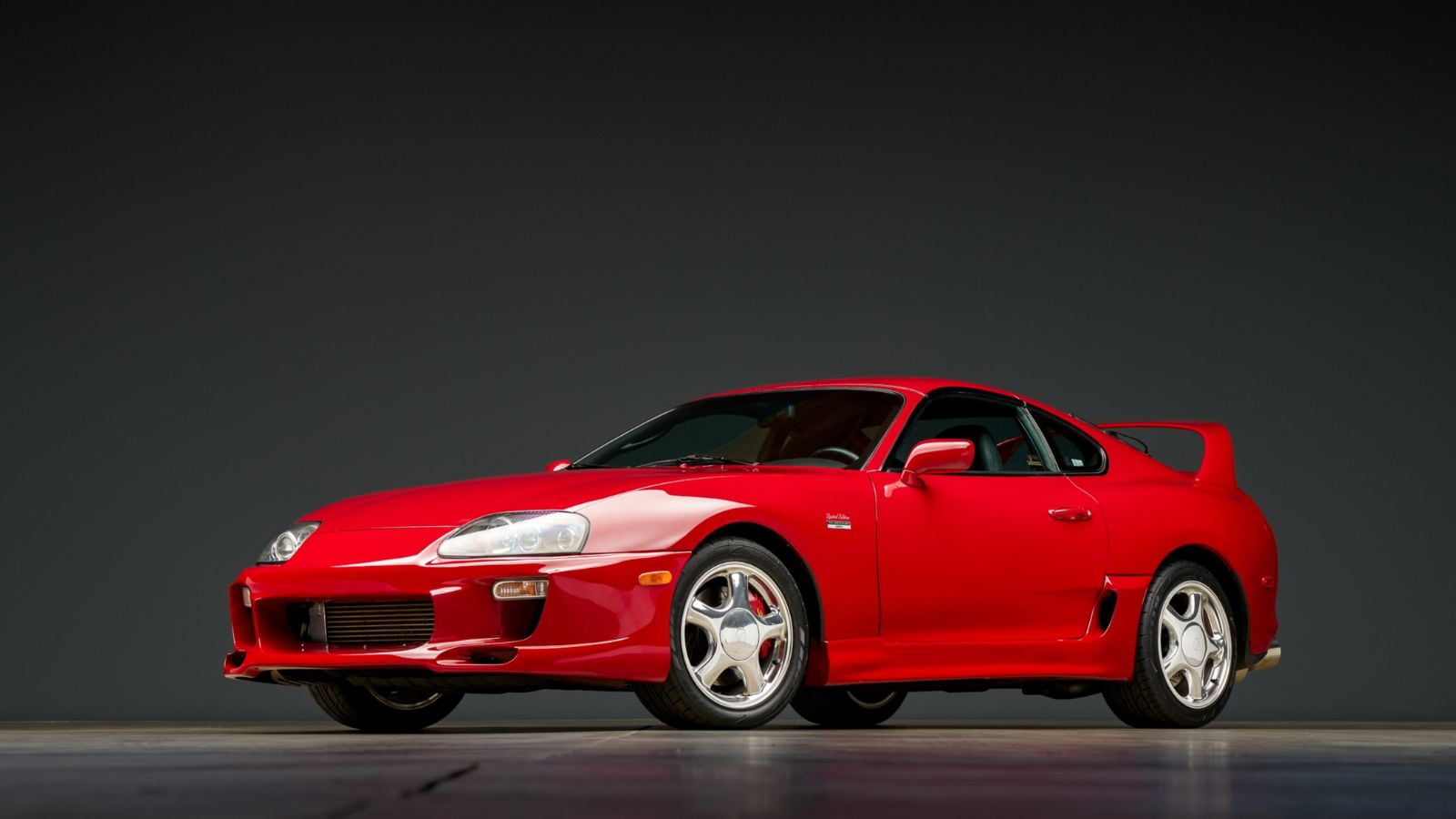
This is the car everyone remembers. Bright orange, heavily modified, and central to the story, the Supra became an icon overnight. The transformation scene alone turned it into a legend. The 2JZ engine proved it could handle serious power, and the film cemented its reputation as one of the most tunable platforms ever built. Even today, it remains one of the most sought after Japanese performance cars.
Nissan Skyline GT-R R34
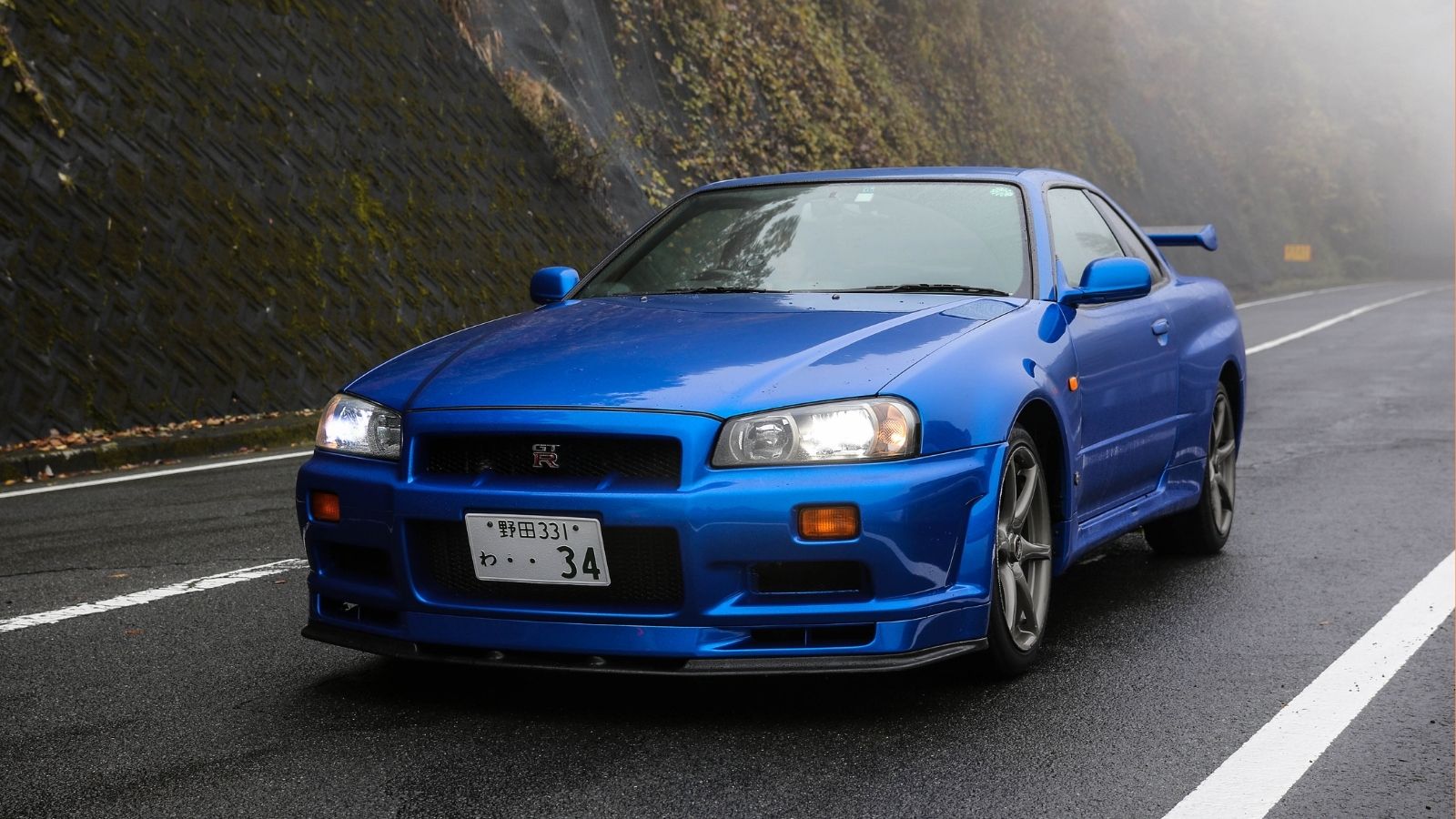
Although it appeared briefly, the R34 left a lasting impression. It represented something exotic and out of reach at the time, especially in North America where it was not officially sold. Its advanced all wheel drive system and twin turbo setup gave it serious credibility. Even with limited screen time, it became one of the most talked about cars in the film.
Mazda RX-7 FD
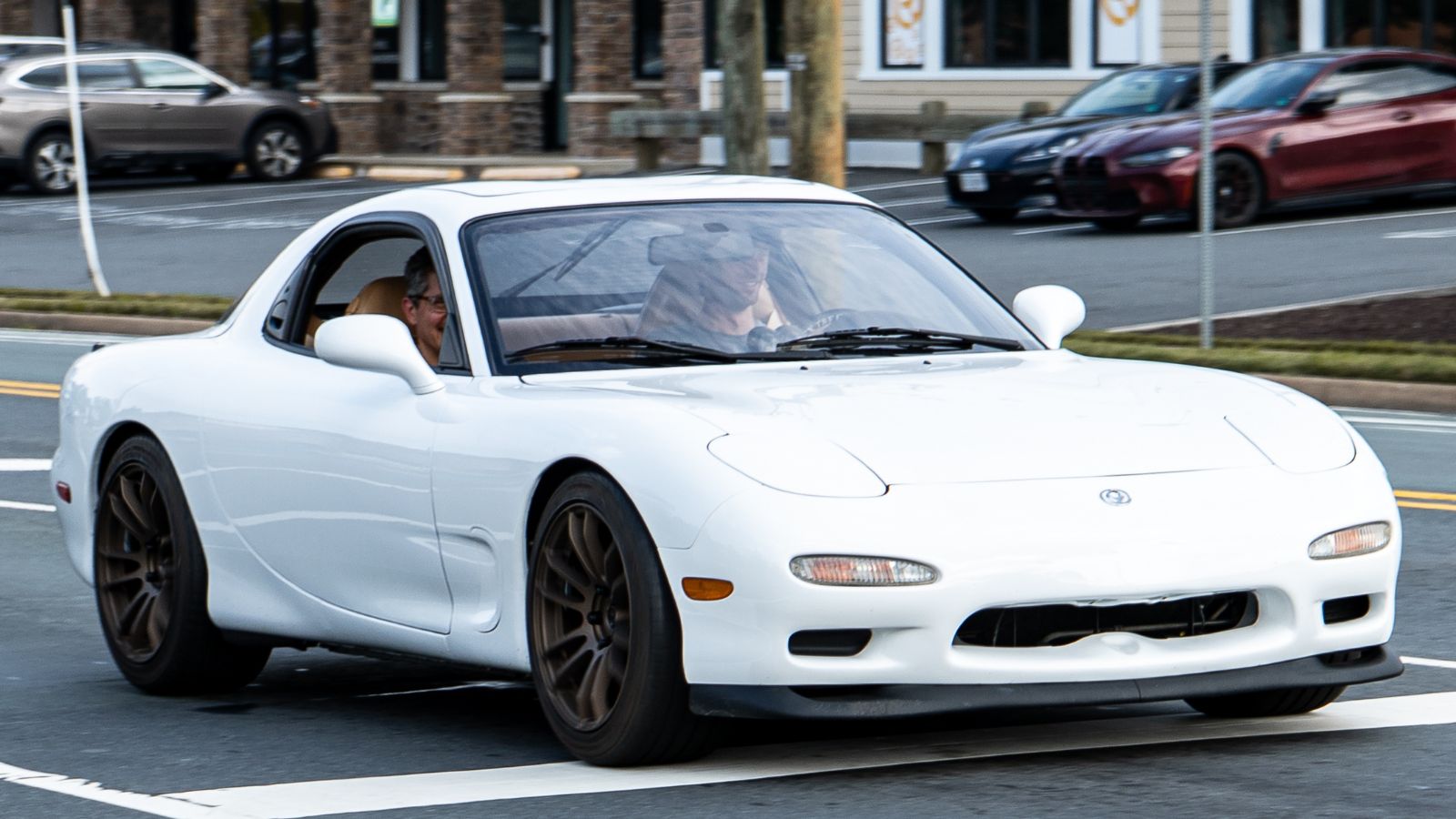
Dom’s RX 7 brought a darker, more serious tone to the lineup. Its low stance and smooth curves made it look fast even when standing still. The rotary engine gave it a unique character, both in sound and performance. It was not just a show car, it felt like a machine built with purpose. That combination made it one of the most memorable cars in the film.
Mitsubishi Eclipse GSX
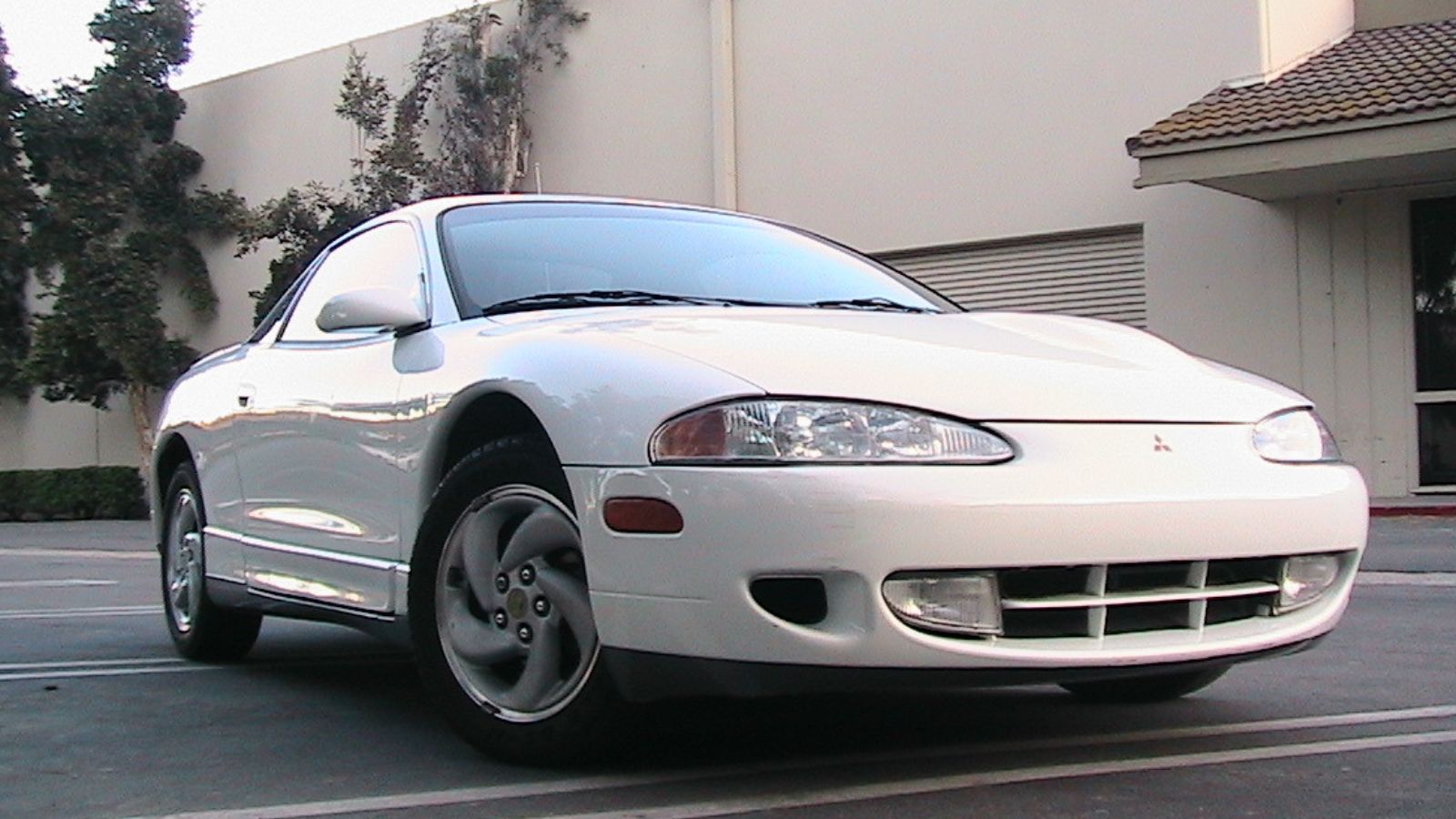
Brian’s green Eclipse was the entry point for many viewers. It felt attainable, something you could realistically own and modify. The turbocharged all wheel drive setup gave it real performance potential, and the styling reflected the tuning trends of the time. It showed that you did not need a huge budget to be part of the scene, which made it hugely influential.
Honda Civic EJ1
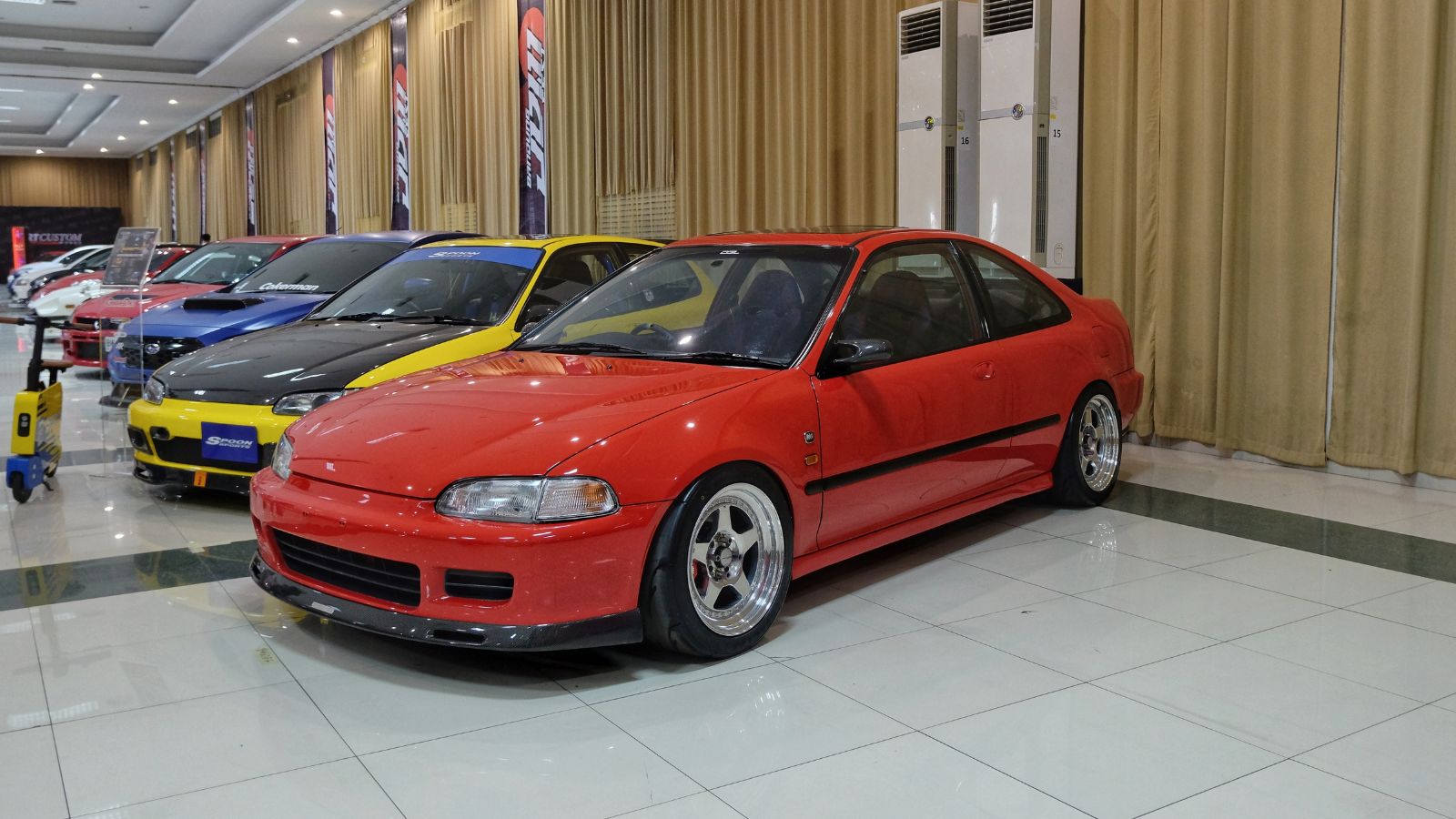
The black Civics in the opening sequence set the tone immediately. Stripped down, aggressive, and built for speed, they represented the raw side of street racing. They were not about comfort or looks, just getting the job done. That simplicity made them stand out, and they became instantly recognizable.
Acura Integra
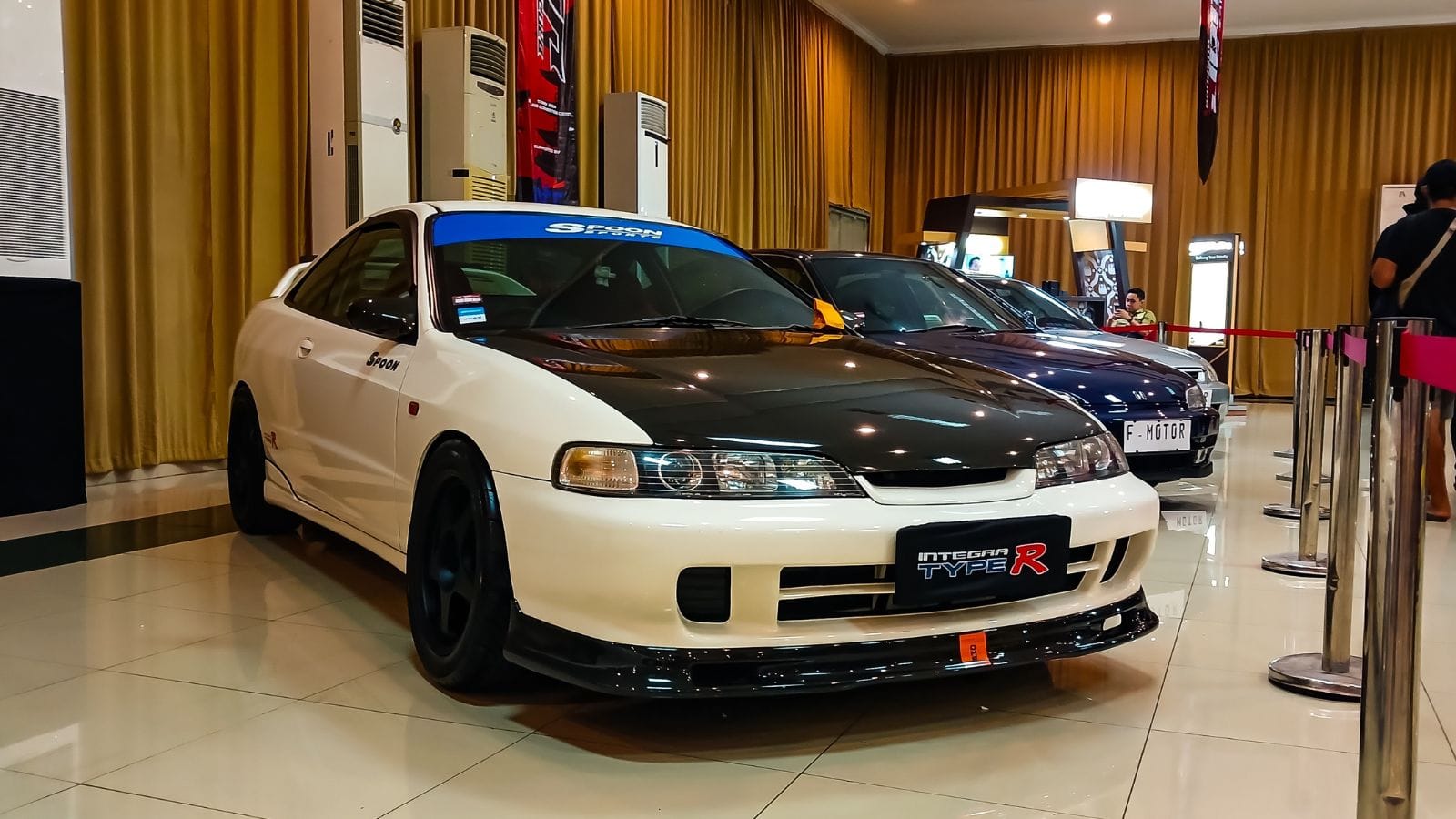
The Integra reflected the broader tuning culture of the time. Lightweight and responsive, it was a favorite platform for modification. It did not need to dominate the screen to make an impact. Its presence reinforced the idea that smaller, well tuned cars could be just as exciting as larger, more powerful machines.
Volkswagen Jetta
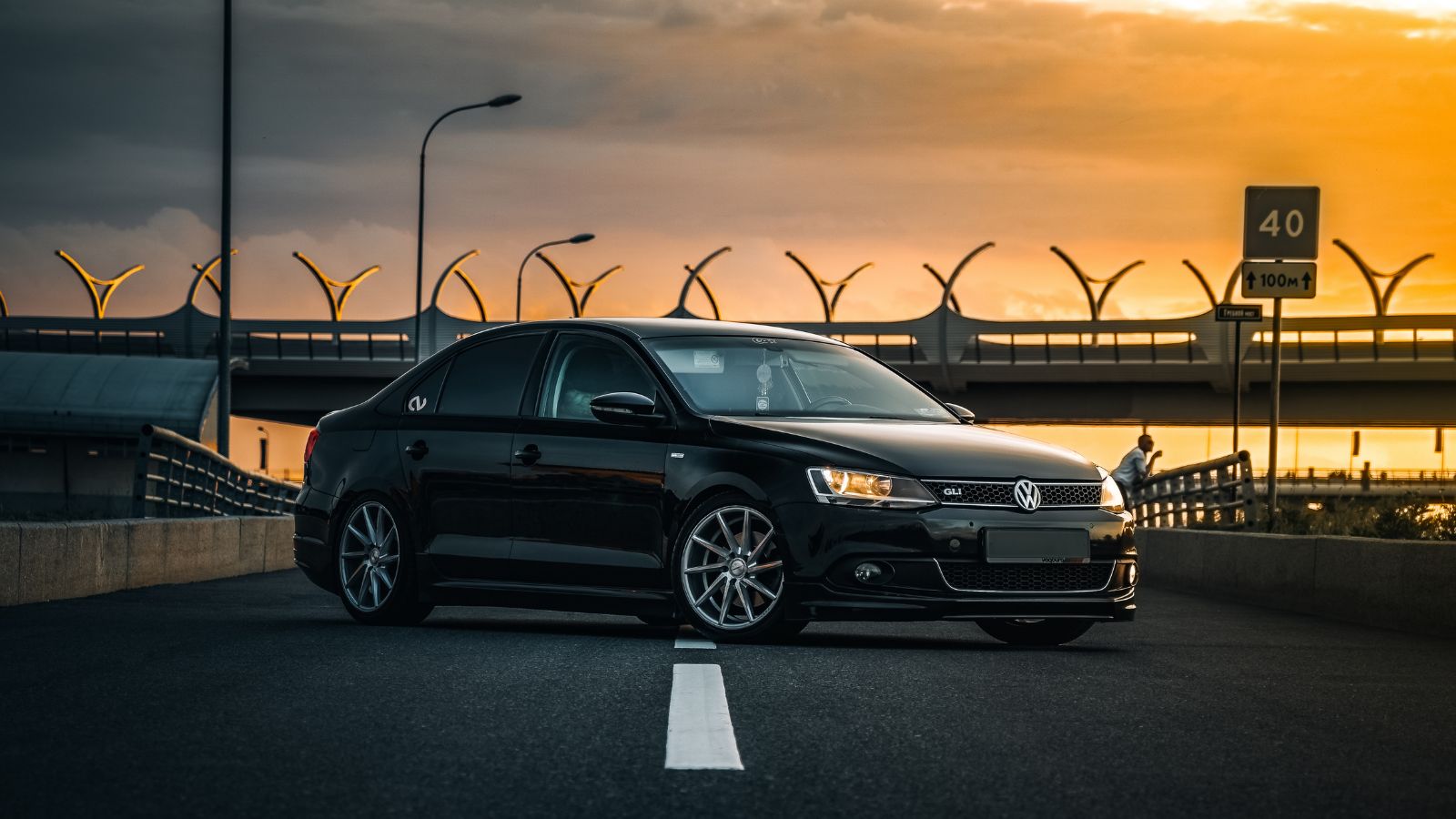
Jesse’s Jetta brought something different to the mix. It showed that the scene was not limited to Japanese imports. The bold styling and attention to detail made it stand out, even among more performance focused cars. It represented the creativity within the tuning community, where individuality mattered as much as speed.
Dodge Charger R/T
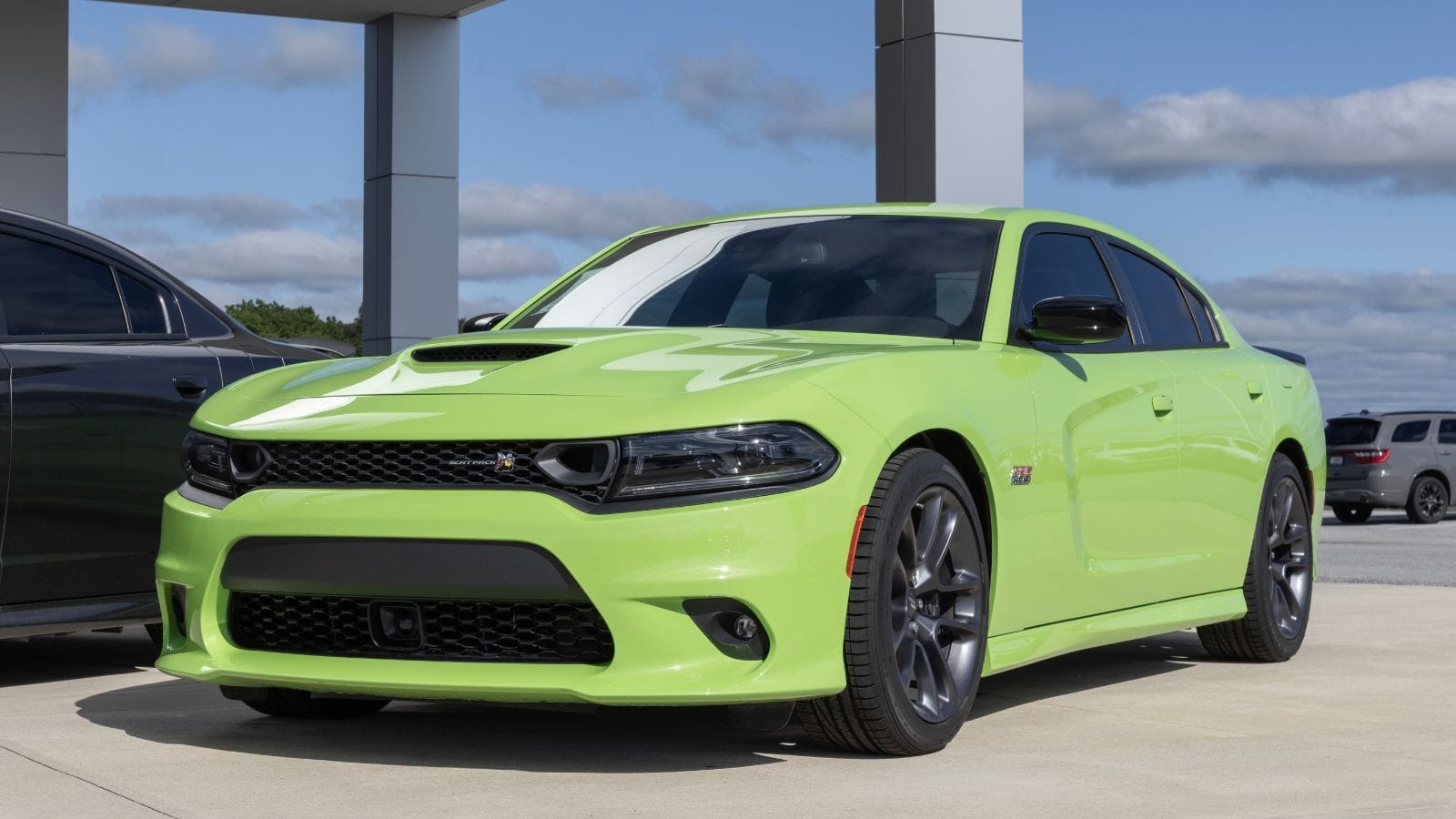
Dom’s Charger added a completely different energy. Supercharged and intimidating, it represented raw American muscle in a world dominated by imports. It was loud, aggressive, and unpredictable, mirroring Dom’s character. The final race scene cemented its status as one of the most iconic cars in the film, proving that old school muscle still had a place in the new era.
25 Facts About Car Loans That Most Drivers Don’t Realize

Car loans are one of the most common ways people fund car purchases. Like any other kind of loan, car loans can have certain features that can be regarded as an advantage or a disadvantage to the borrower. Understanding all essential facts about car loans and how they work to ensure that you get the best deal for your financial situation is essential. Here are 25 shocking facts about car loans that most drivers don’t realize:
25 Facts About Car Loans That Most Drivers Don’t Realize
