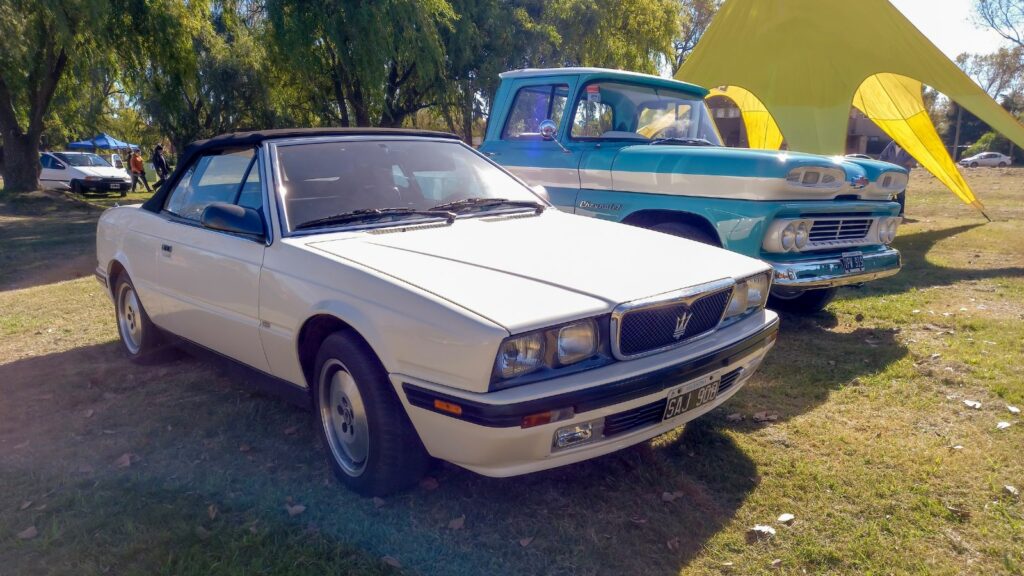
Brand power can sell almost anything in the automotive world. A strong badge carries history, emotion, and status. Sometimes that reputation is enough to convince buyers even when the product itself falls short. Over the years, several cars have leaned heavily on their brand image rather than delivering the quality, performance, or reliability buyers expected. These eight cars became known more for the name on the grille than the experience behind the wheel.
Cadillac Cimarron (1982 to 1988)
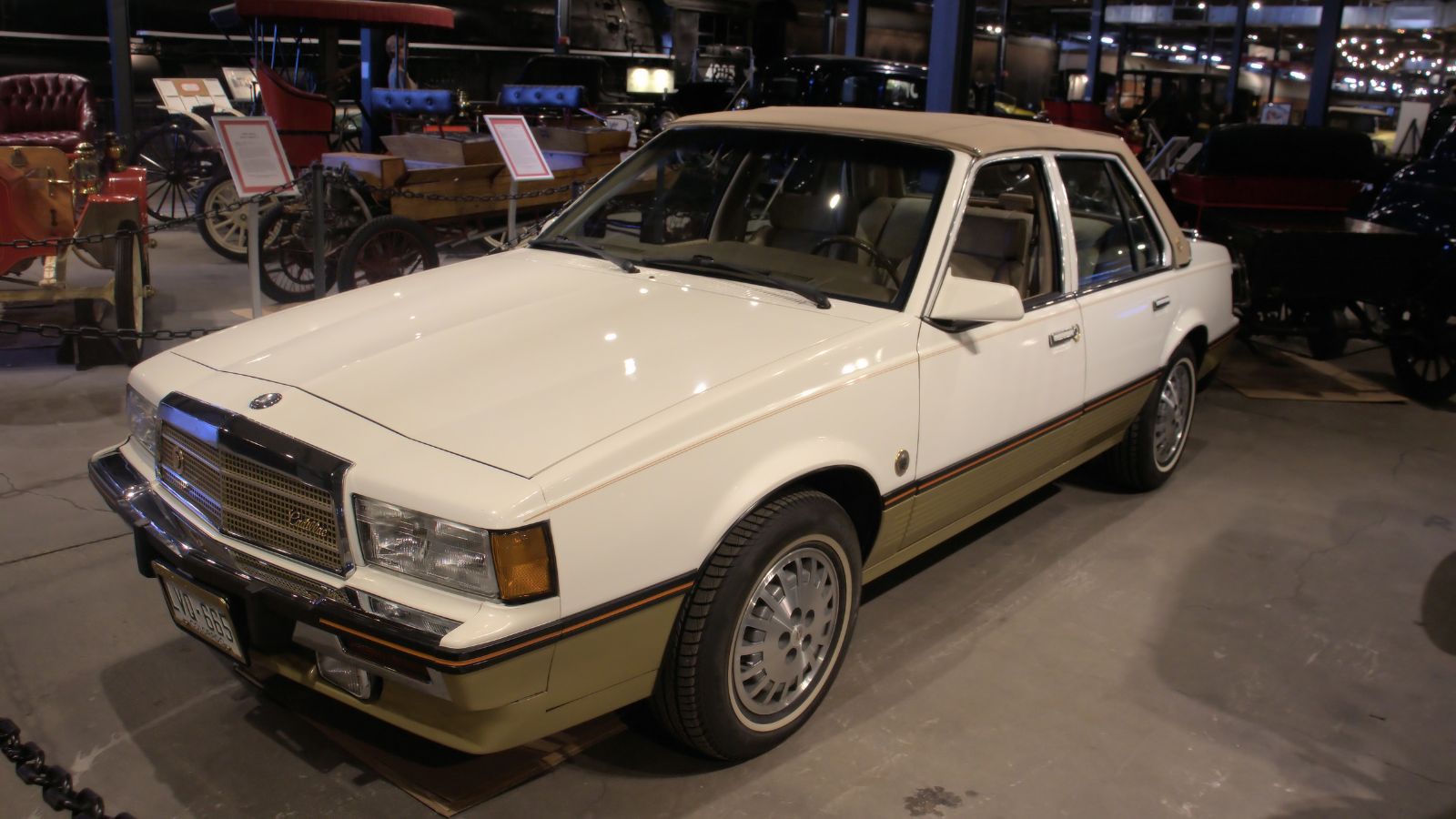
The Cadillac Cimarron is often cited as one of the clearest examples of badge over substance. Based on a compact platform shared with much cheaper cars, it was intended to bring Cadillac into a new segment.
However the car lacked the luxury and refinement buyers expected from the brand. Despite the premium badge, it felt too similar to its lower cost counterparts, which quickly damaged its reputation.
Maserati Biturbo (1981 to 1994)
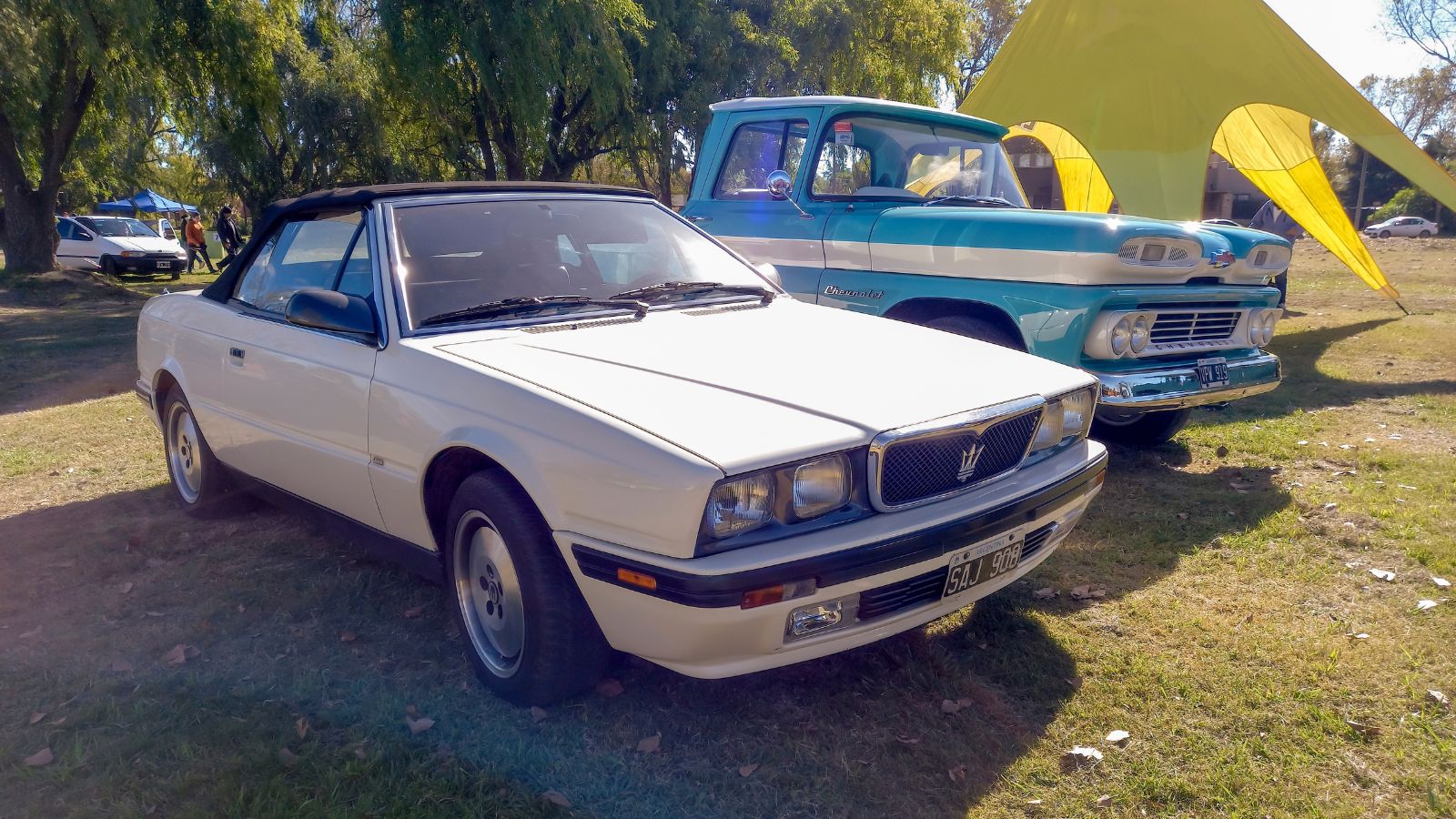
The Maserati Biturbo promised exotic performance at a more accessible price point. With its twin turbo V6 and Italian styling, it attracted buyers looking for something different.
Unfortunately, reliability issues and build quality problems overshadowed its appeal. Many owners found that the badge carried more prestige than the ownership experience delivered.
Jaguar X Type (2001 to 2009)
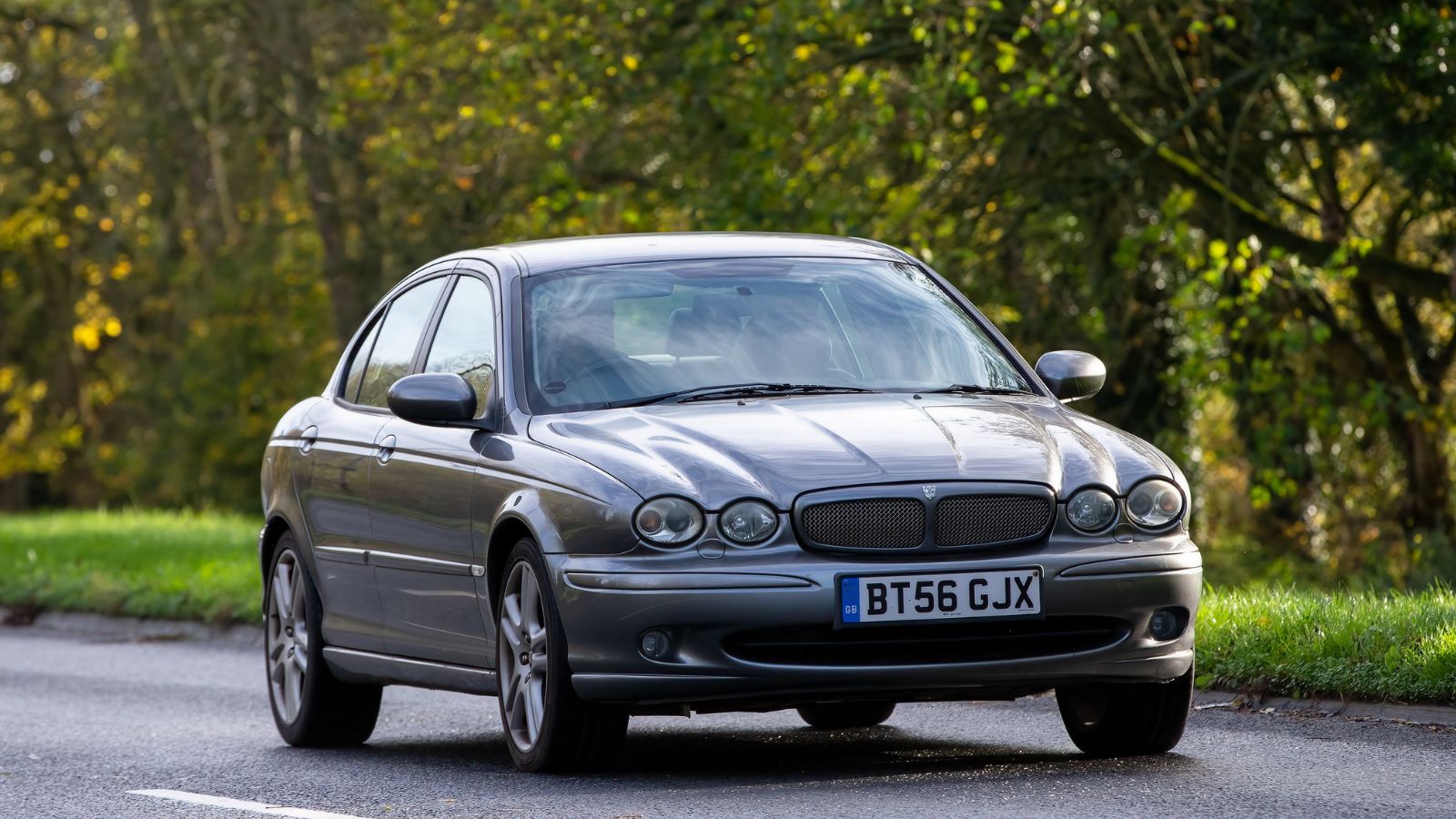
The Jaguar X Type was designed to compete in the compact luxury segment. It borrowed heavily from existing platforms to reduce development costs.
While it carried the Jaguar name, many enthusiasts felt it lacked the character and refinement associated with the brand. It struggled to live up to expectations despite its attractive styling.
Chrysler TC by Maserati (1989 to 1991)
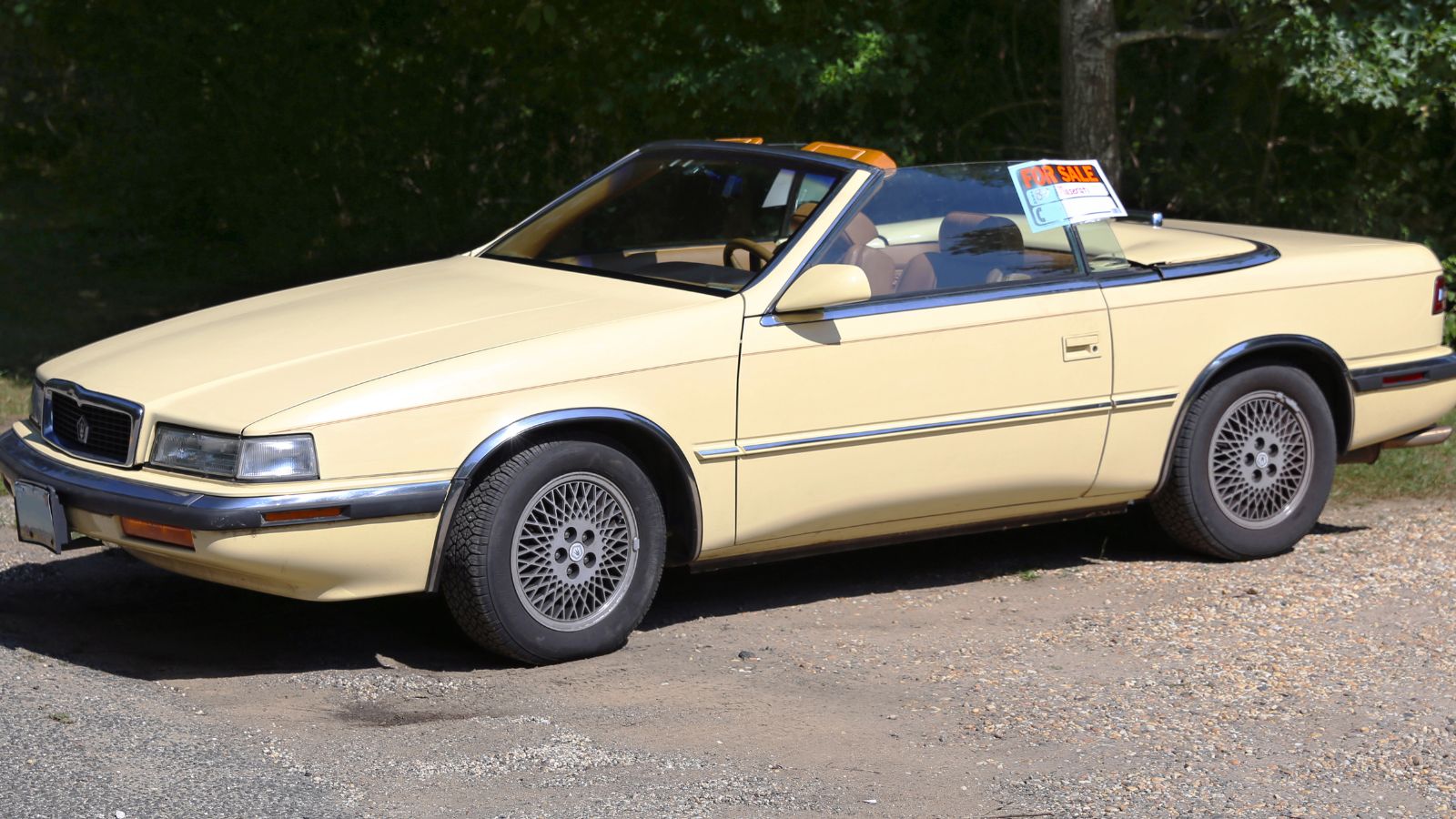
This unusual collaboration between Chrysler and Maserati was marketed as a premium luxury convertible. On paper, it sounded like a winning combination.
In reality, the car failed to deliver a cohesive identity. It was expensive, underwhelming in performance, and struggled to justify its branding.
Mercedes Benz CLA (2013 to Present)
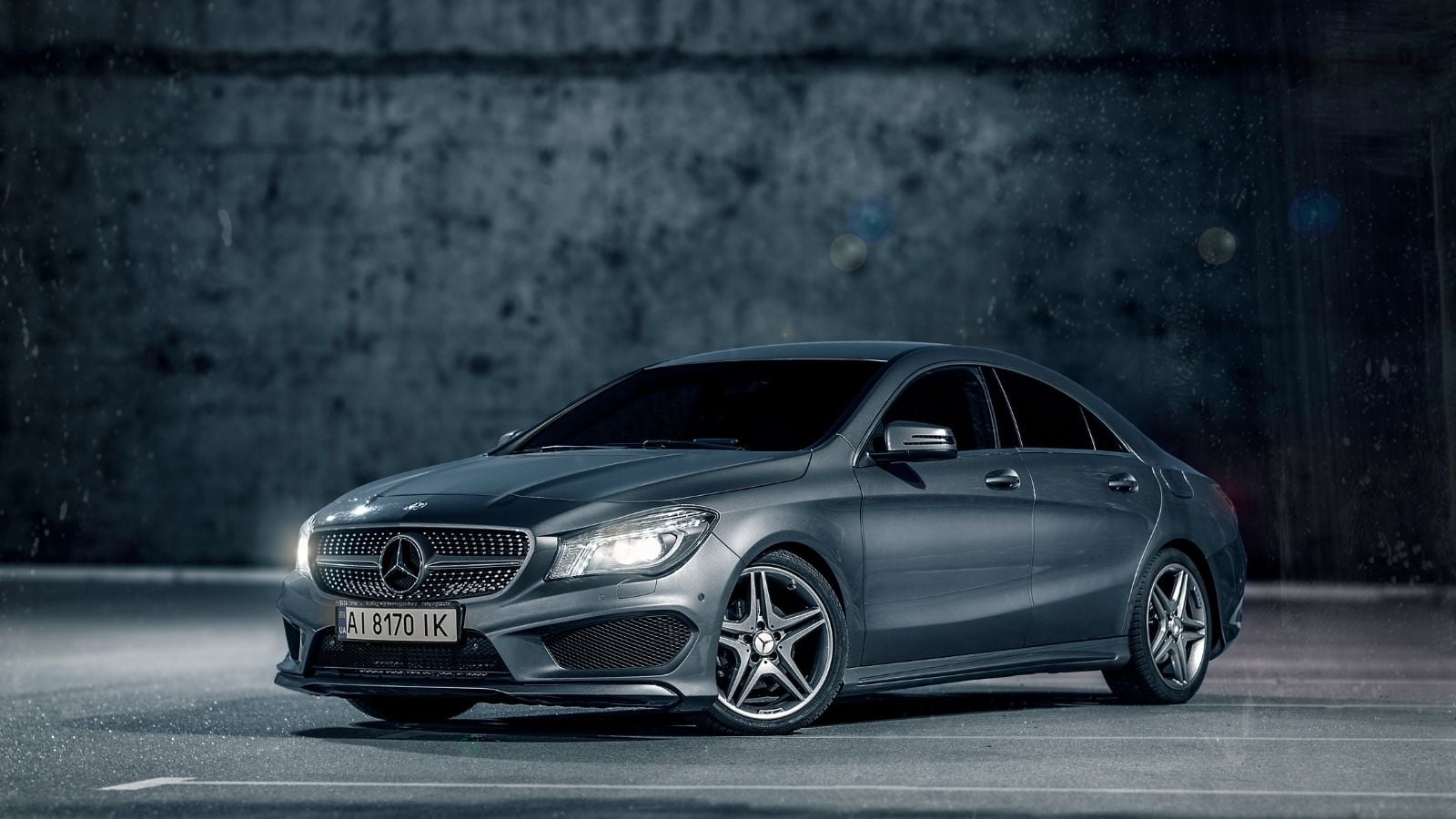
The CLA introduced a new entry point into the Mercedes Benz lineup. It offered the prestige of the brand at a lower price.
While it appealed to buyers seeking the badge, some critics noted that interior quality and ride comfort did not match expectations traditionally associated with Mercedes Benz.
BMW 2 Series Gran Coupe (2020 to Present)
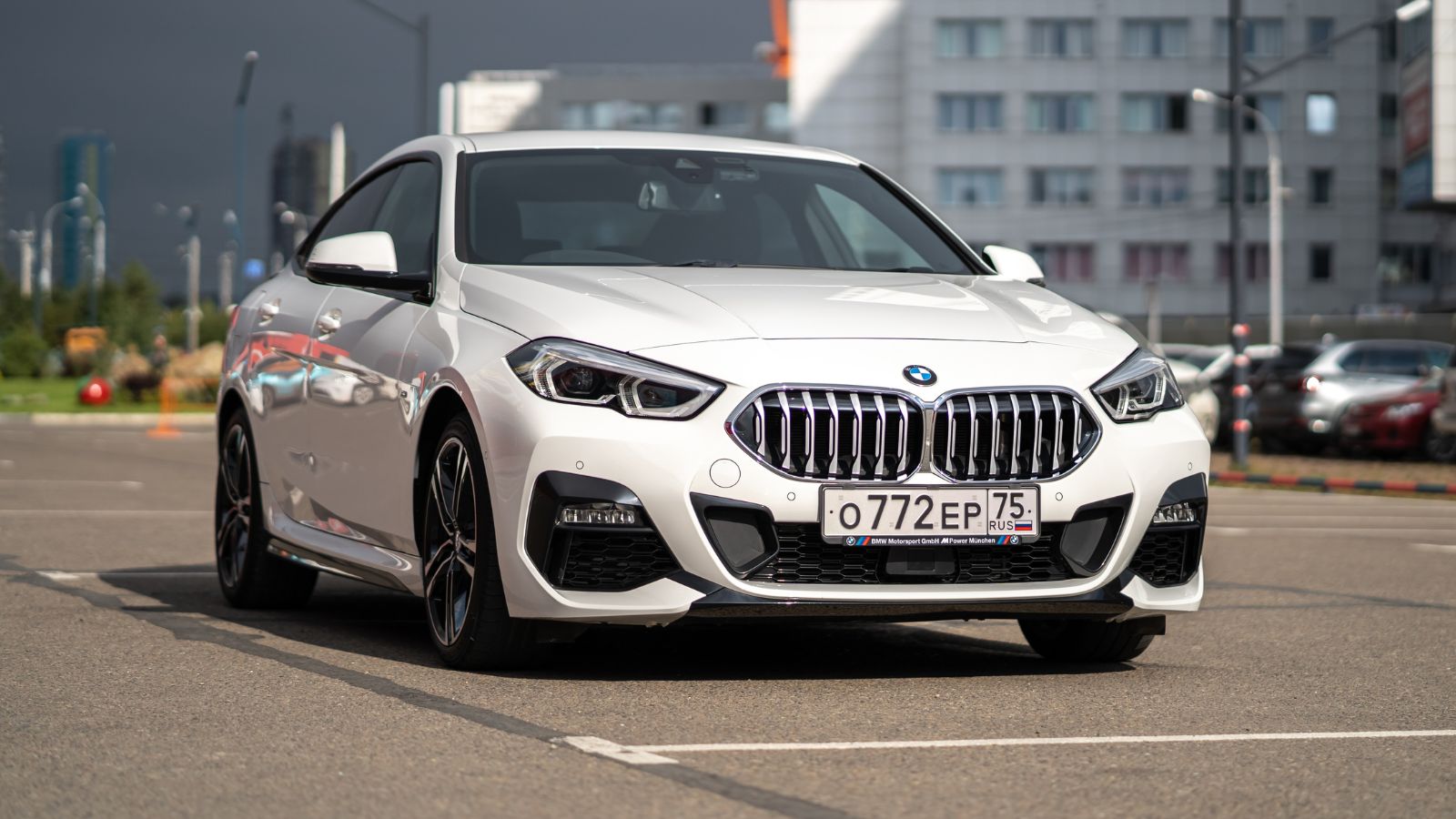
The 2 Series Gran Coupe aimed to expand BMW’s reach into a more affordable segment. Unlike traditional BMW sedans, it uses a front wheel drive platform.
For enthusiasts, this departure from BMW’s rear wheel drive heritage made the car feel less authentic. It became an example of brand expansion that did not fully align with expectations.
Lincoln Versailles (1977 to 1980)
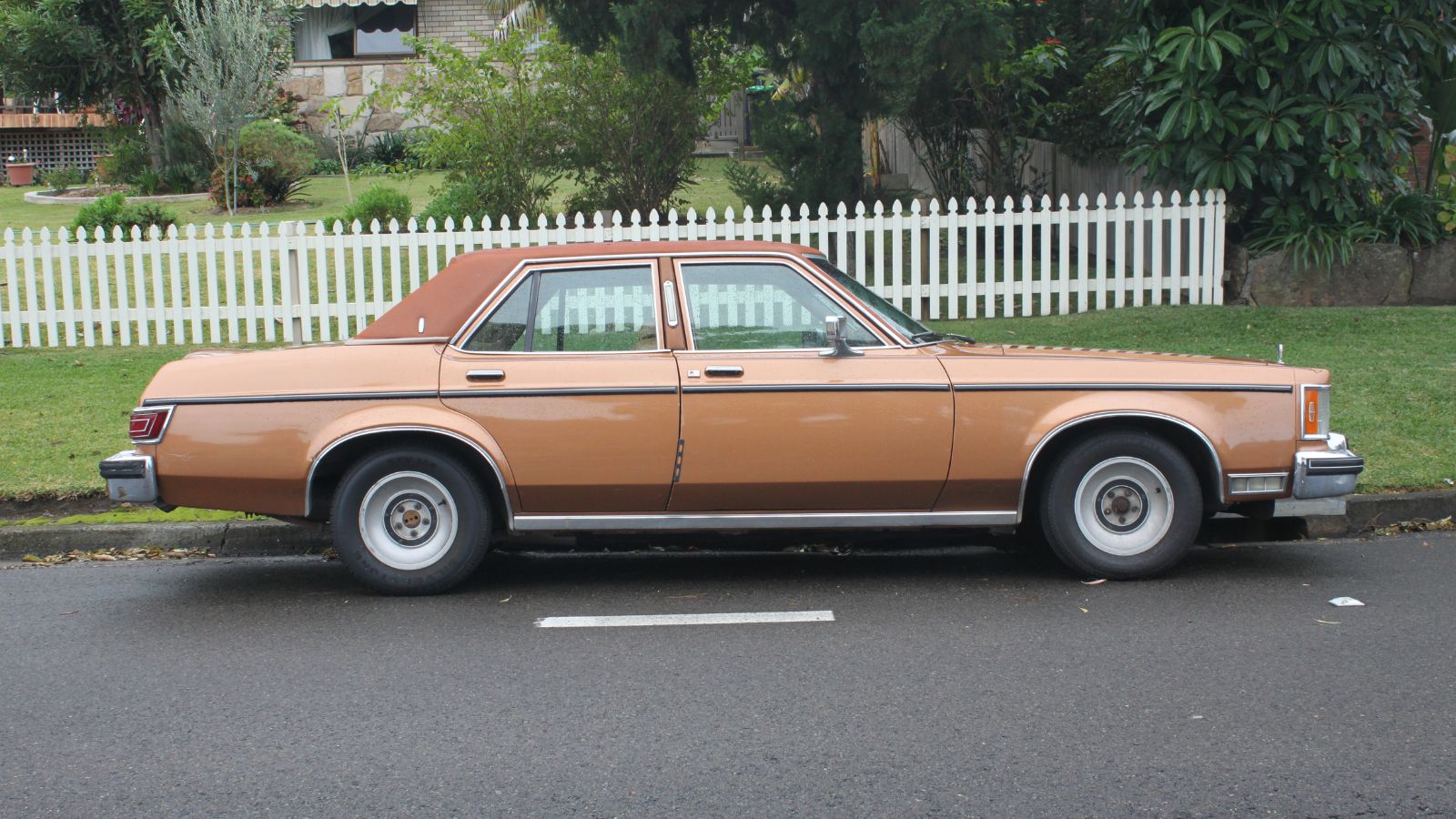
The Lincoln Versailles was an attempt to compete with European luxury sedans. It was based heavily on an existing domestic platform.
Despite its upscale branding, it failed to deliver the refinement expected in its segment. Buyers quickly recognized the gap between the badge and the product.
Infiniti QX30 (2016 to 2019)
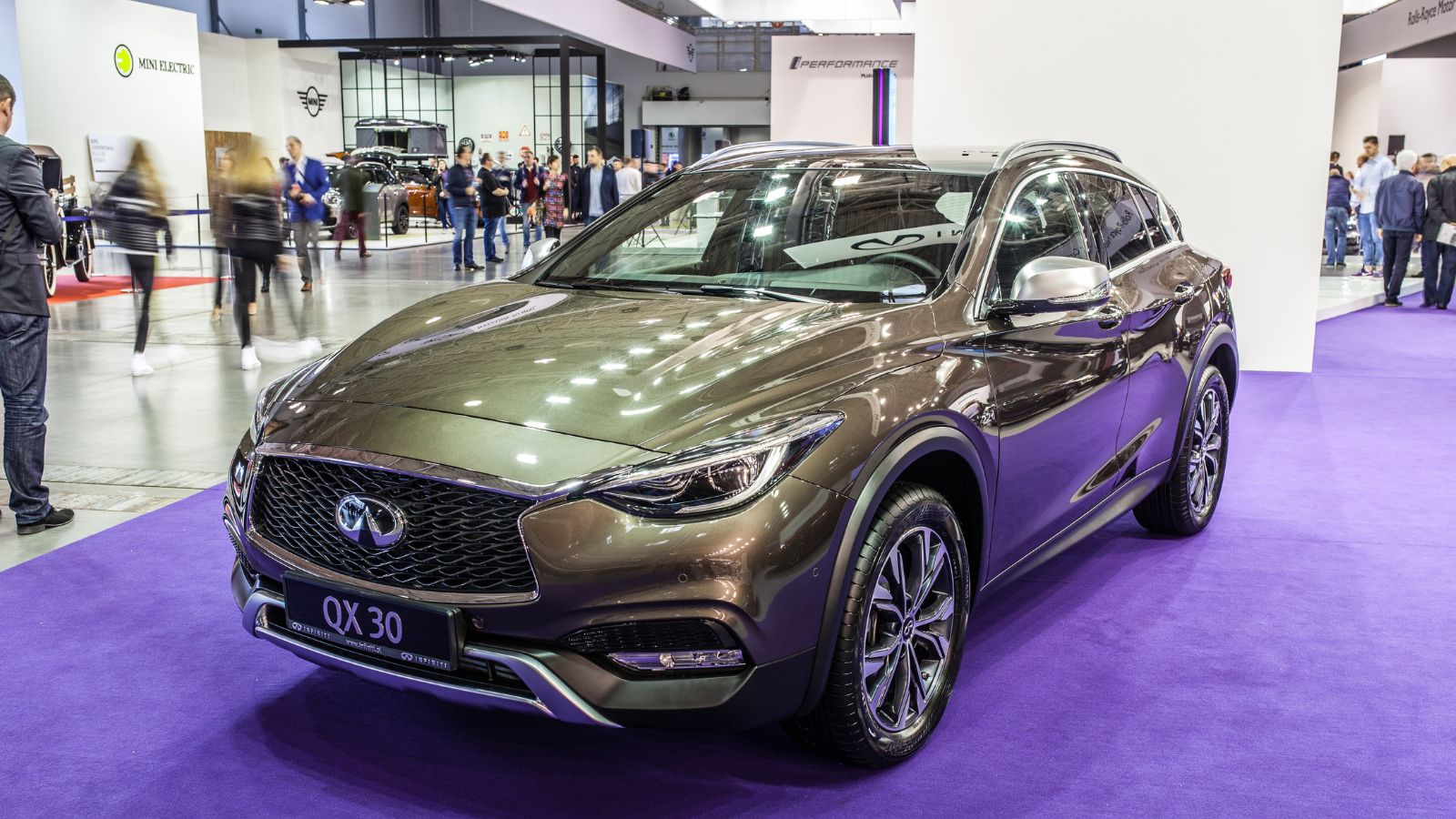
The Infiniti QX30 was developed through a partnership with Mercedes Benz and shared many components with the GLA.
While it carried Infiniti styling and branding, it struggled to establish its own identity. Buyers often found it difficult to justify over its closely related counterpart.
Brand reputation remains one of the most powerful forces in the automotive industry. It can elevate a car’s appeal before anyone even turns the key. However, when the product does not match the promise, drivers notice quickly. These cars serve as reminders that while a badge can open doors, long term success still depends on delivering a truly compelling vehicle.
25 Facts About Car Loans That Most Drivers Don’t Realize

Car loans are one of the most common ways people fund car purchases. Like any other kind of loan, car loans can have certain features that can be regarded as an advantage or a disadvantage to the borrower. Understanding all essential facts about car loans and how they work to ensure that you get the best deal for your financial situation is essential. Here are 25 shocking facts about car loans that most drivers don’t realize:
25 Facts About Car Loans That Most Drivers Don’t Realize
