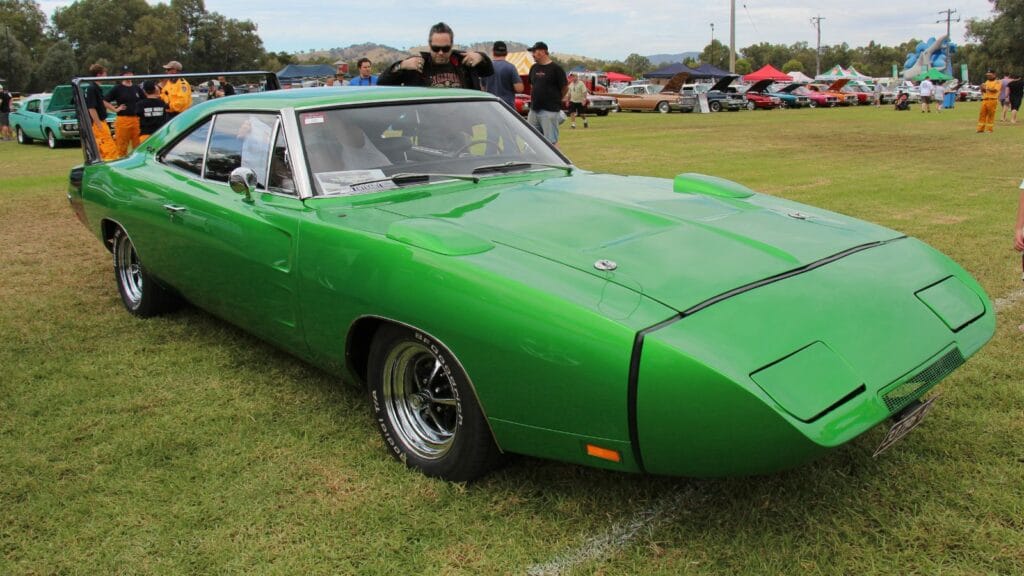
Muscle cars are usually simple. Big engine, straight line speed, and attitude. But every now and then, things got a little strange. Designers pushed boundaries, engineers experimented, and the result was a group of cars that broke the mold completely. Some were brilliant, some were questionable, but all of them left a mark that still gets people talking today.
Plymouth Superbird
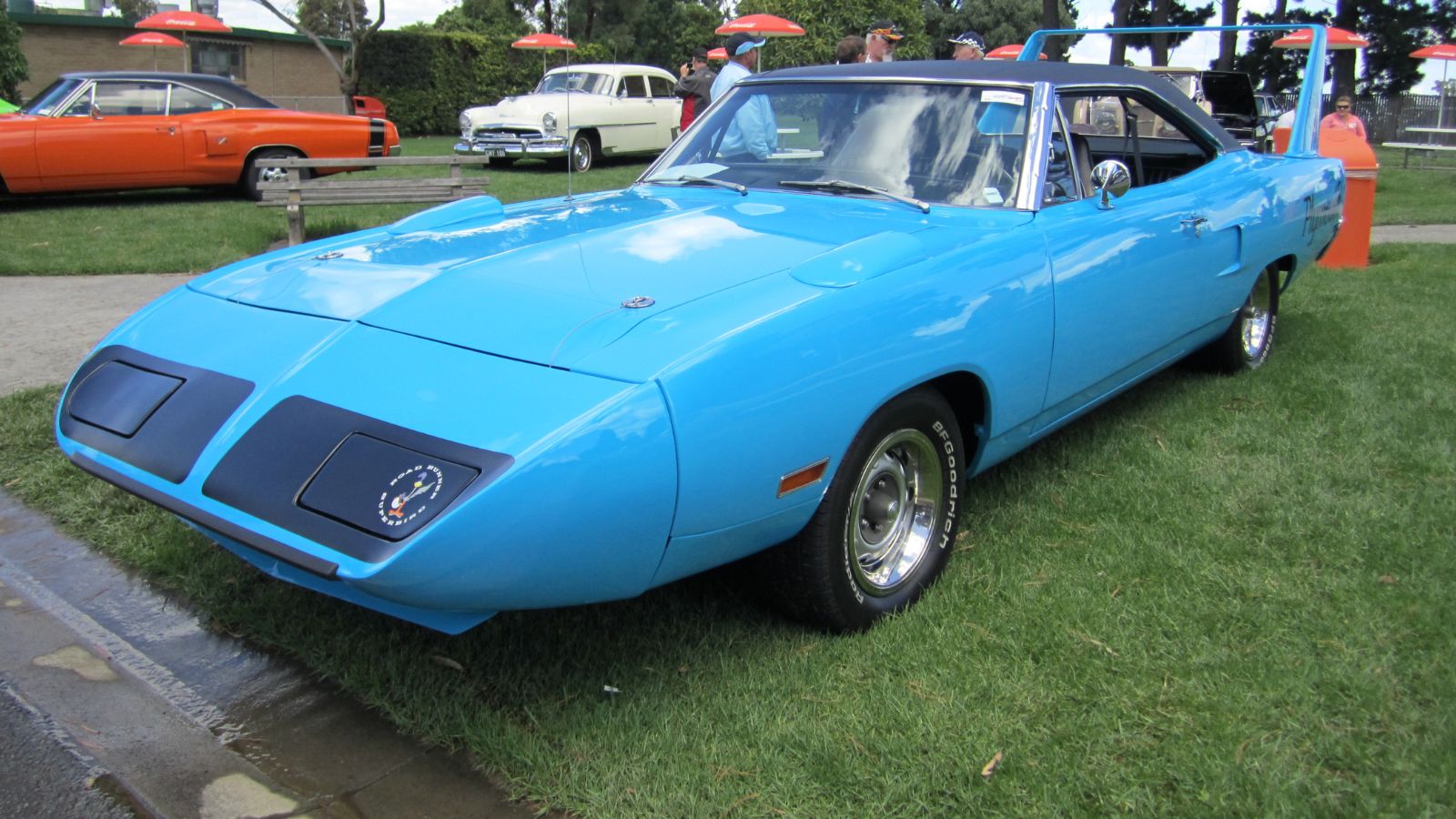
The Superbird looks like something out of a cartoon, but it was built with serious intent. Introduced in 1970, it featured a long aerodynamic nose and an enormous rear wing designed for NASCAR dominance. It worked, but the look was so extreme that it shocked buyers. Underneath, it packed serious V8 power, making it just as fast as it was visually outrageous.
Dodge Charger Daytona
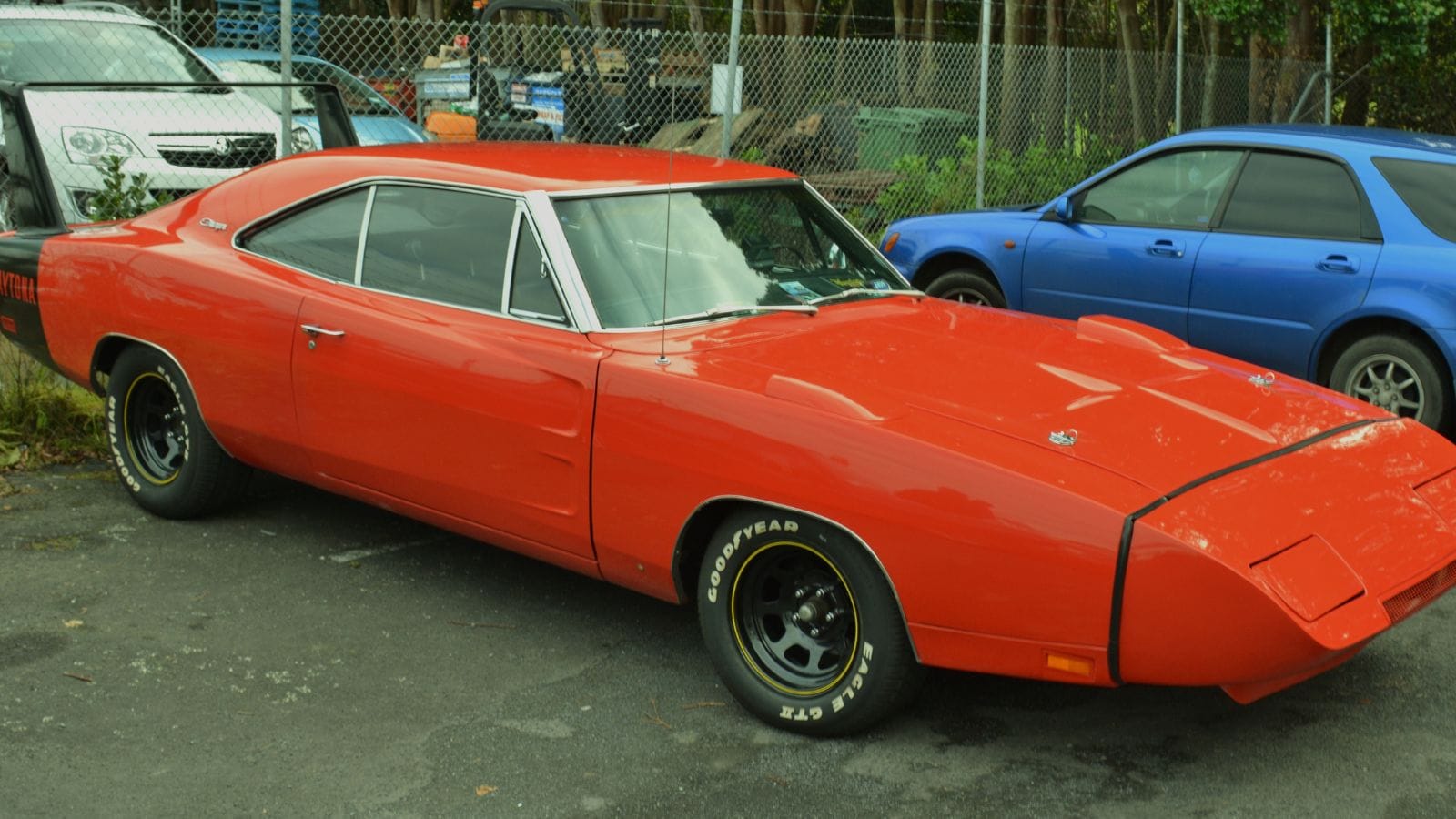
Before the Superbird, there was the Charger Daytona. Launched in 1969, it set the template with its pointed nose and towering rear wing. It was designed to slice through the air at high speeds on oval tracks. On the road, it felt like a race car that had somehow escaped onto public streets. It remains one of the boldest designs ever to wear a muscle car badge.
Chevrolet El Camino SS
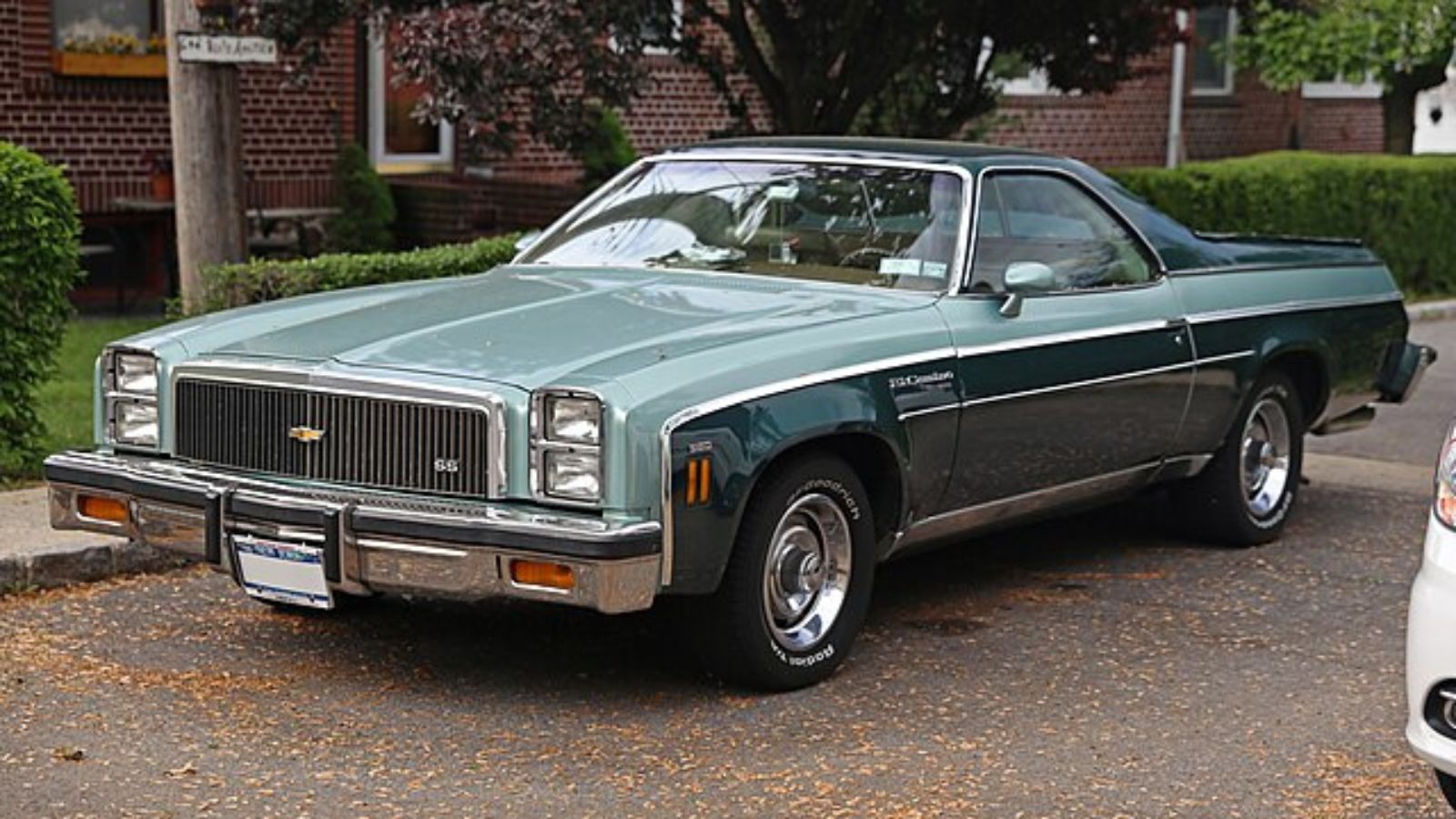
The El Camino SS took a muscle car and blended it with a pickup truck. The result was something completely different. You got V8 performance with the practicality of a cargo bed. It was not the most refined idea, but it worked. It felt like a muscle car that did not take itself too seriously, and that added to its appeal.
AMC AMX
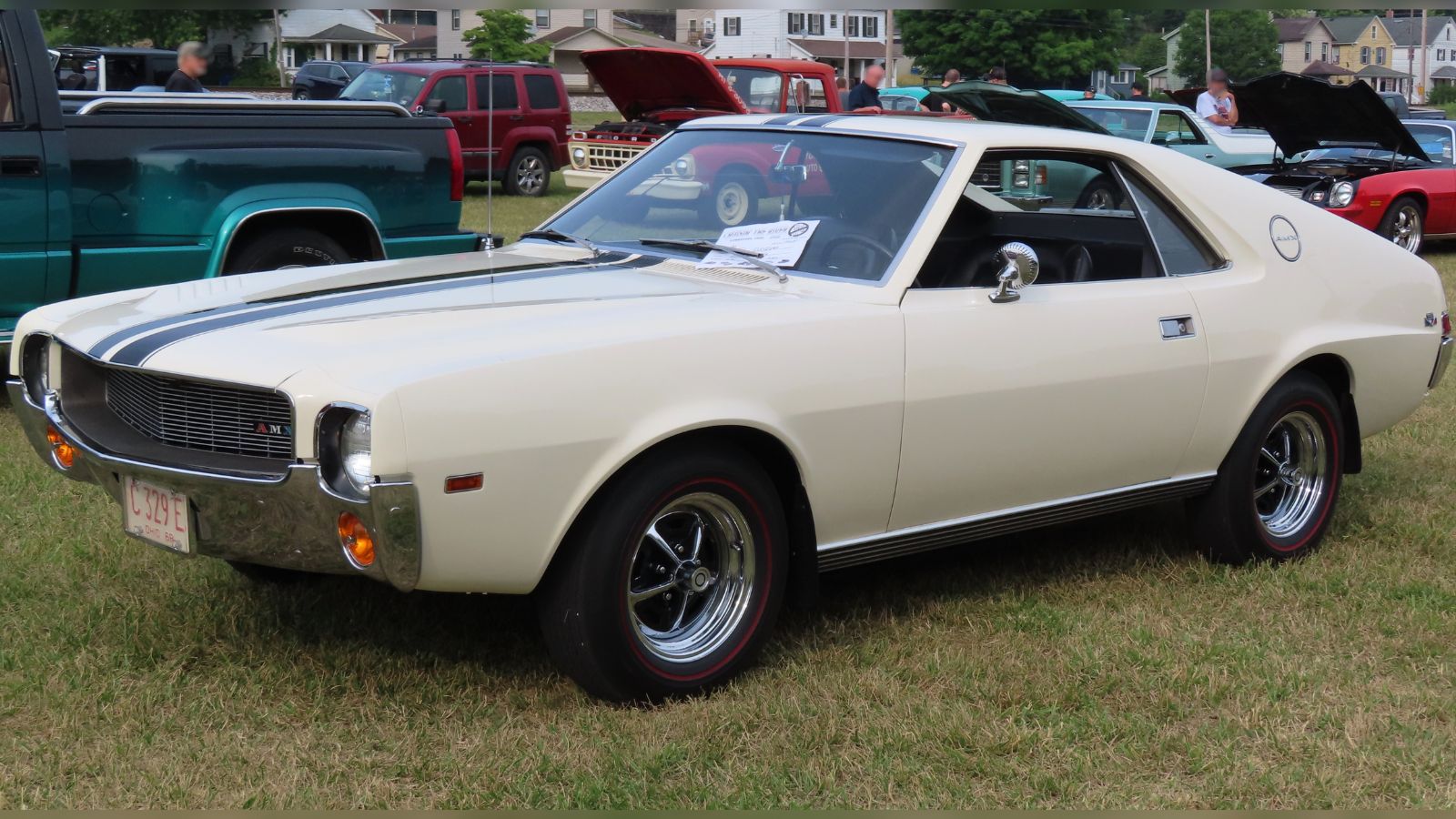
The AMX broke the mold by going shorter and more focused. Introduced in 1968, it was a two seat muscle car, something almost unheard of at the time. It felt compact, aggressive, and a bit unpredictable. That shorter wheelbase made it lively, and with a strong V8 under the hood, it delivered real performance in a unique package.
Pontiac Trans Am Firebird
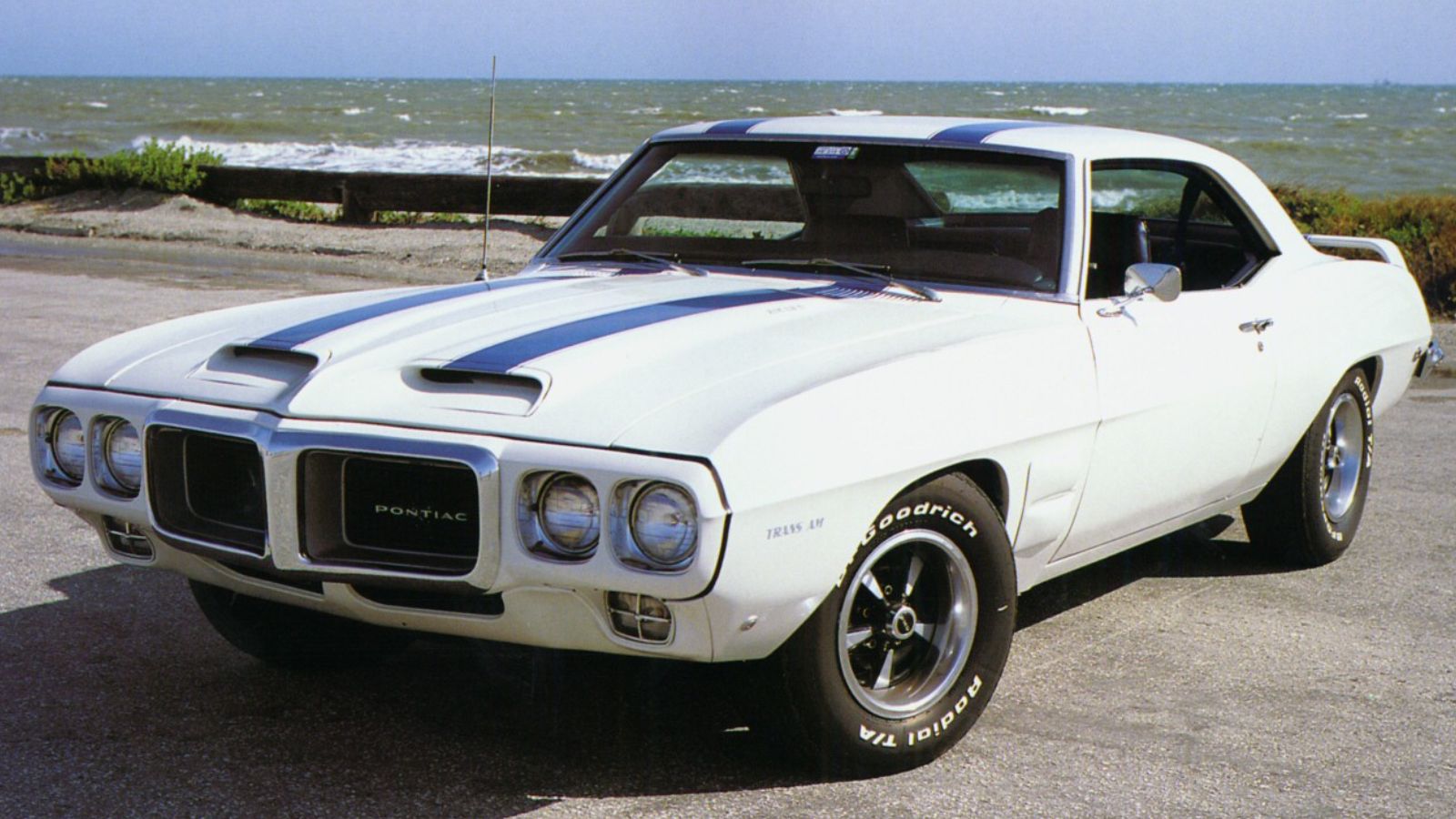
The Trans Am became famous for its bold styling and larger than life personality. By the late 70s, it was covered in graphics, hood scoops, and aggressive details that pushed it beyond traditional muscle car design. It looked fast even when parked, and the presence was undeniable. It may not have always had the most power, but it made up for it with character.
Ford Torino Talladega
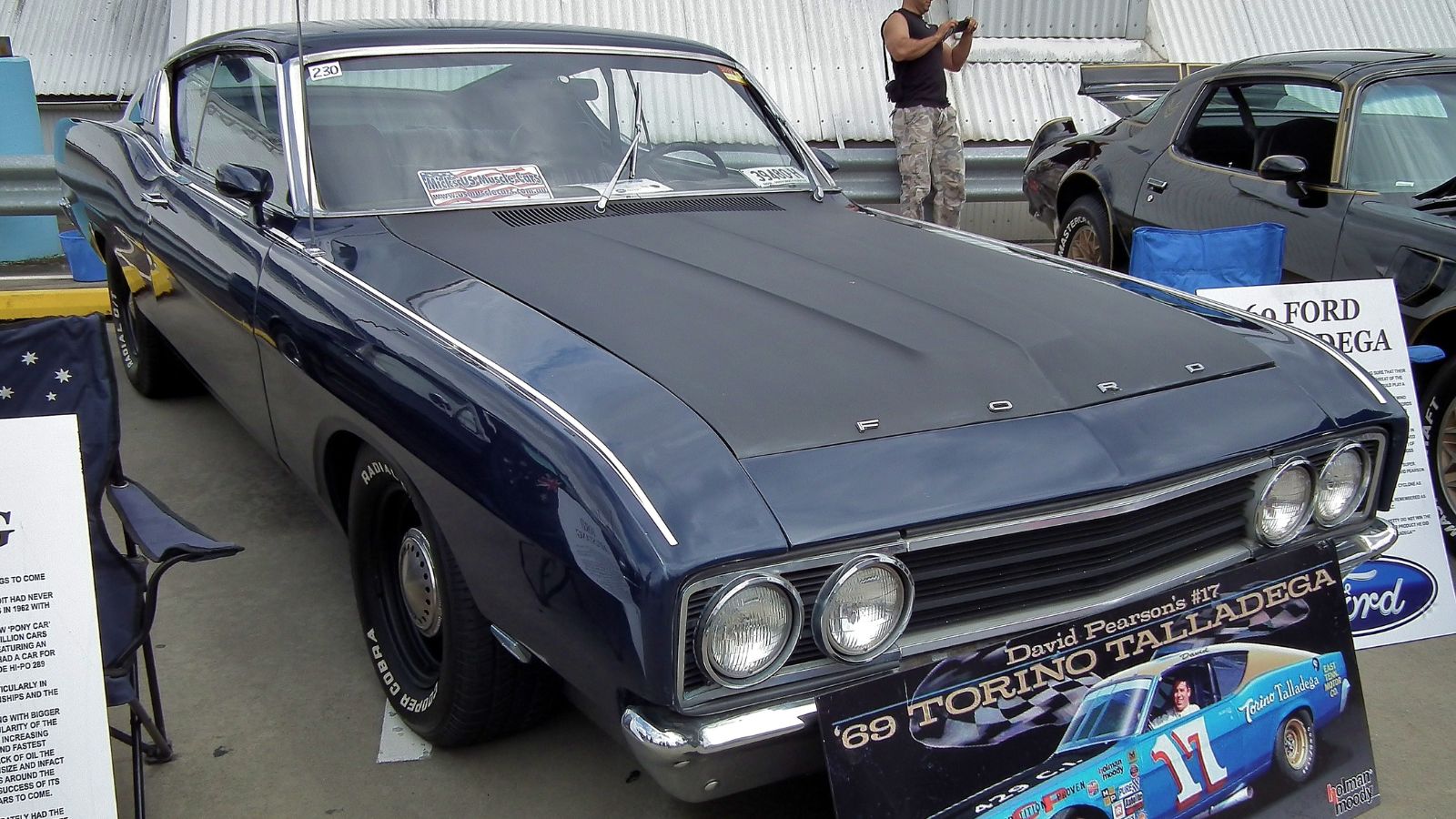
The Talladega was built for one reason, to win on the track. Introduced in 1969, it featured subtle but important aerodynamic tweaks that set it apart from the standard Torino. It looked cleaner and more purposeful, but still a bit unusual compared to its rivals. It was a reminder that sometimes the wildest ideas are the ones you do not immediately notice.
Oldsmobile Hurst Olds
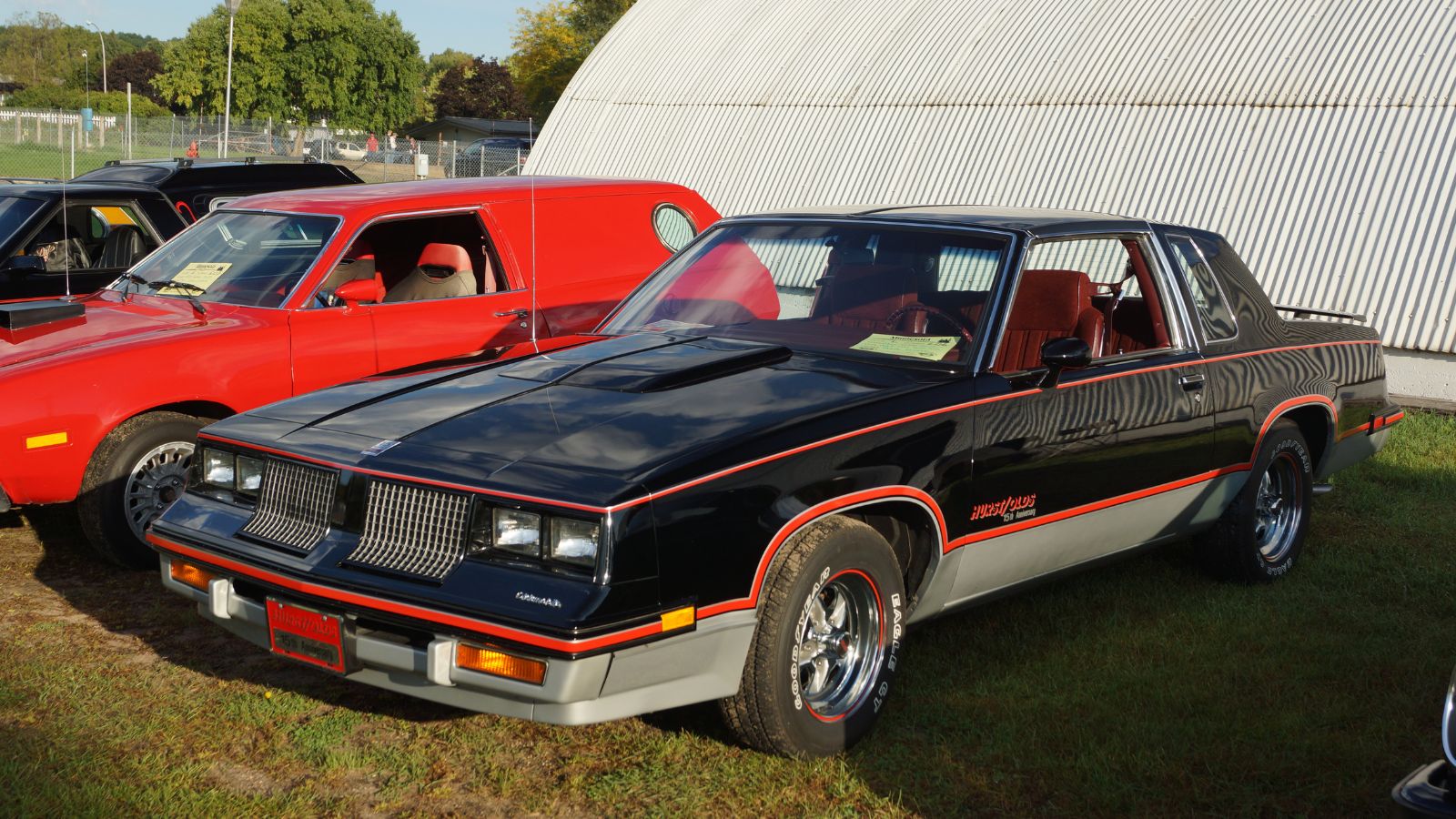
The Hurst Olds cars were always a bit different. Built in collaboration with Hurst, they featured unique styling, bold color schemes, and performance upgrades that made them stand out. They were not just about speed, they were about making a statement. The combination of luxury touches and muscle car performance gave them a personality all their own.
Buick GNX
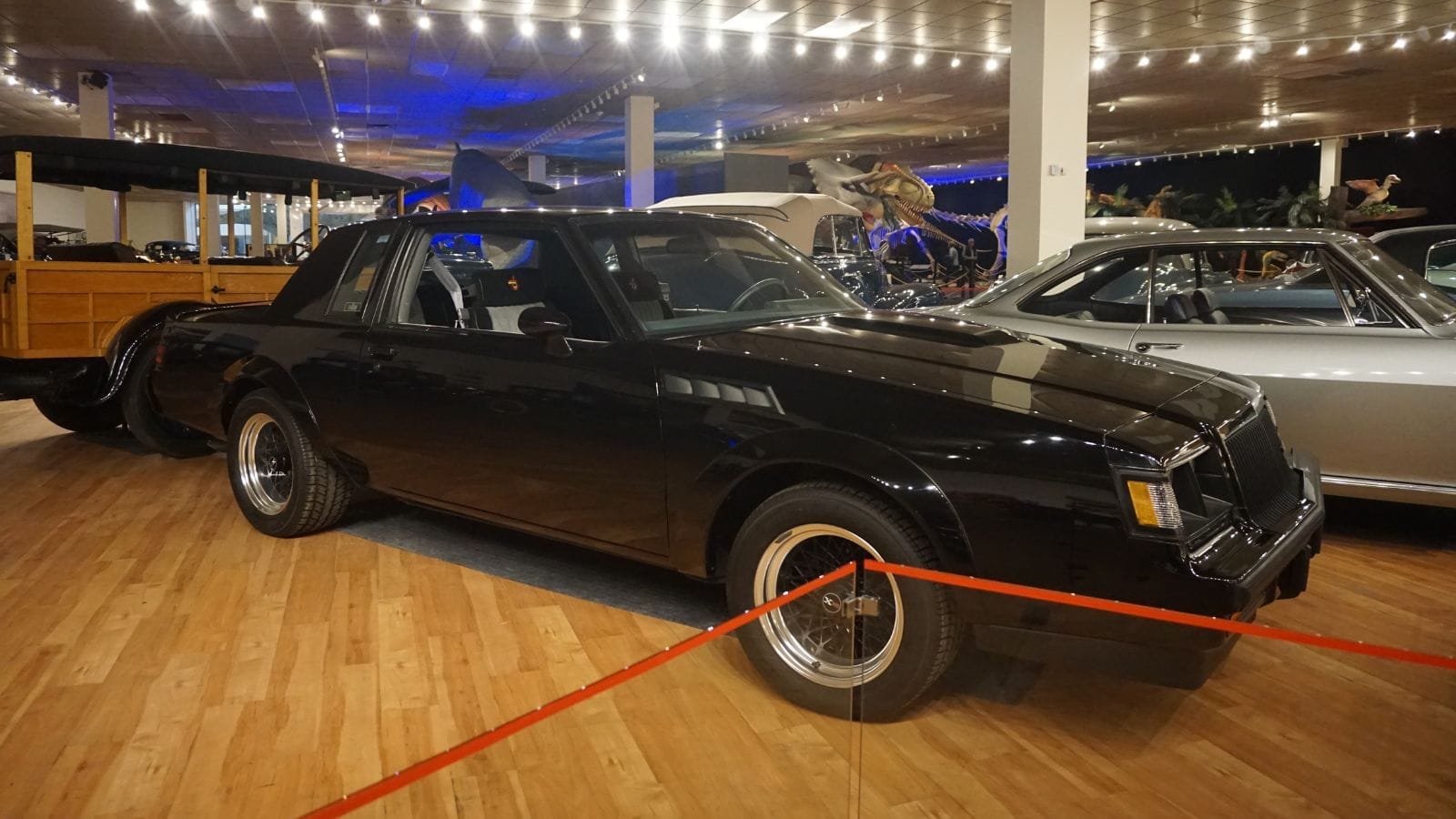
The GNX does not look wild at first glance, but its reputation tells a different story. Introduced in 1987, it used a turbocharged V6 instead of a traditional V8. That alone made it unusual for a muscle car. The performance was shocking, delivering acceleration that embarrassed many V8 rivals. It proved that muscle did not always have to follow the same formula.
25 Facts About Car Loans That Most Drivers Don’t Realize

Car loans are one of the most common ways people fund car purchases. Like any other kind of loan, car loans can have certain features that can be regarded as an advantage or a disadvantage to the borrower. Understanding all essential facts about car loans and how they work to ensure that you get the best deal for your financial situation is essential. Here are 25 shocking facts about car loans that most drivers don’t realize:
25 Facts About Car Loans That Most Drivers Don’t Realize
