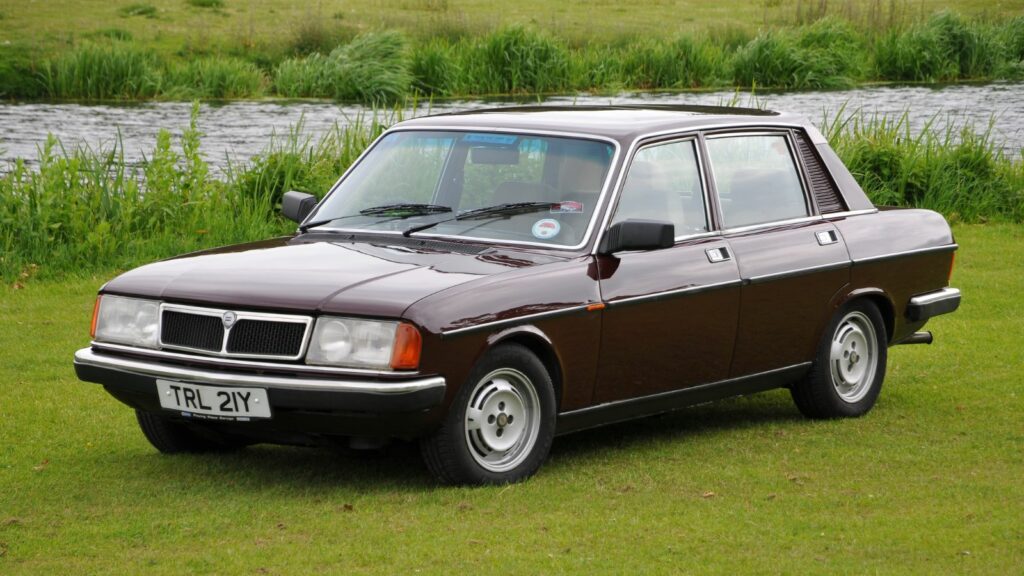
The 70s and 80s produced some fantastic cars, but they also gave us a generation of box shaped saloons that looked like they had been designed with rulers and zero emotion. Sharp edges, awkward proportions, and strange styling choices created some truly unforgettable machines. Yet despite their questionable looks, many developed cult followings because underneath the ugly styling there was often solid engineering and real character.
Volvo 240
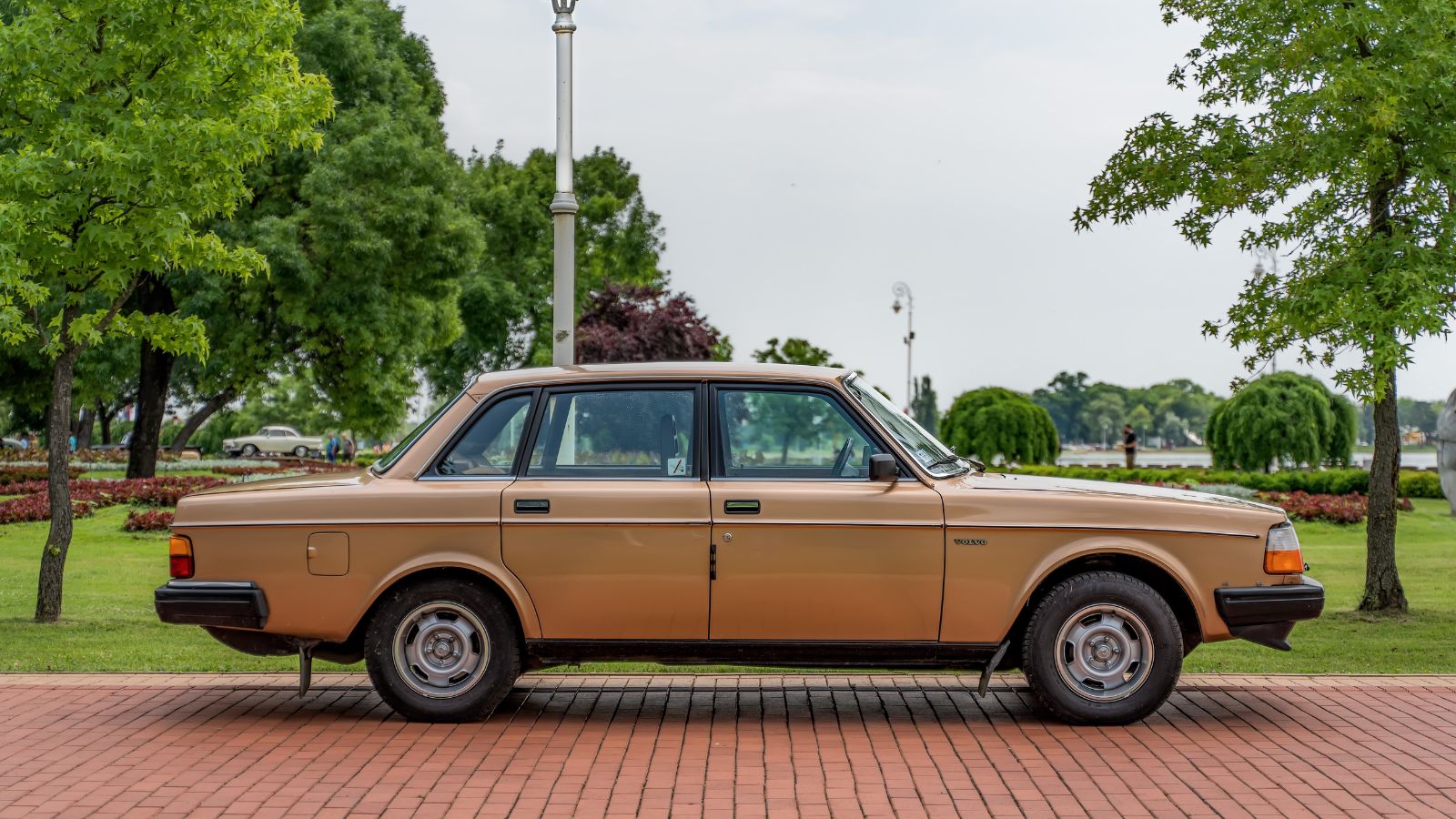
The Volvo 240 looked like a refrigerator on wheels, and that was part of its charm. Flat panels, upright glass, and almost no styling flair made it one of the boxiest sedans ever built. Yet it earned huge respect for reliability and safety. It may have been ugly, but owners loved them because they simply refused to die.
Lancia Trevi
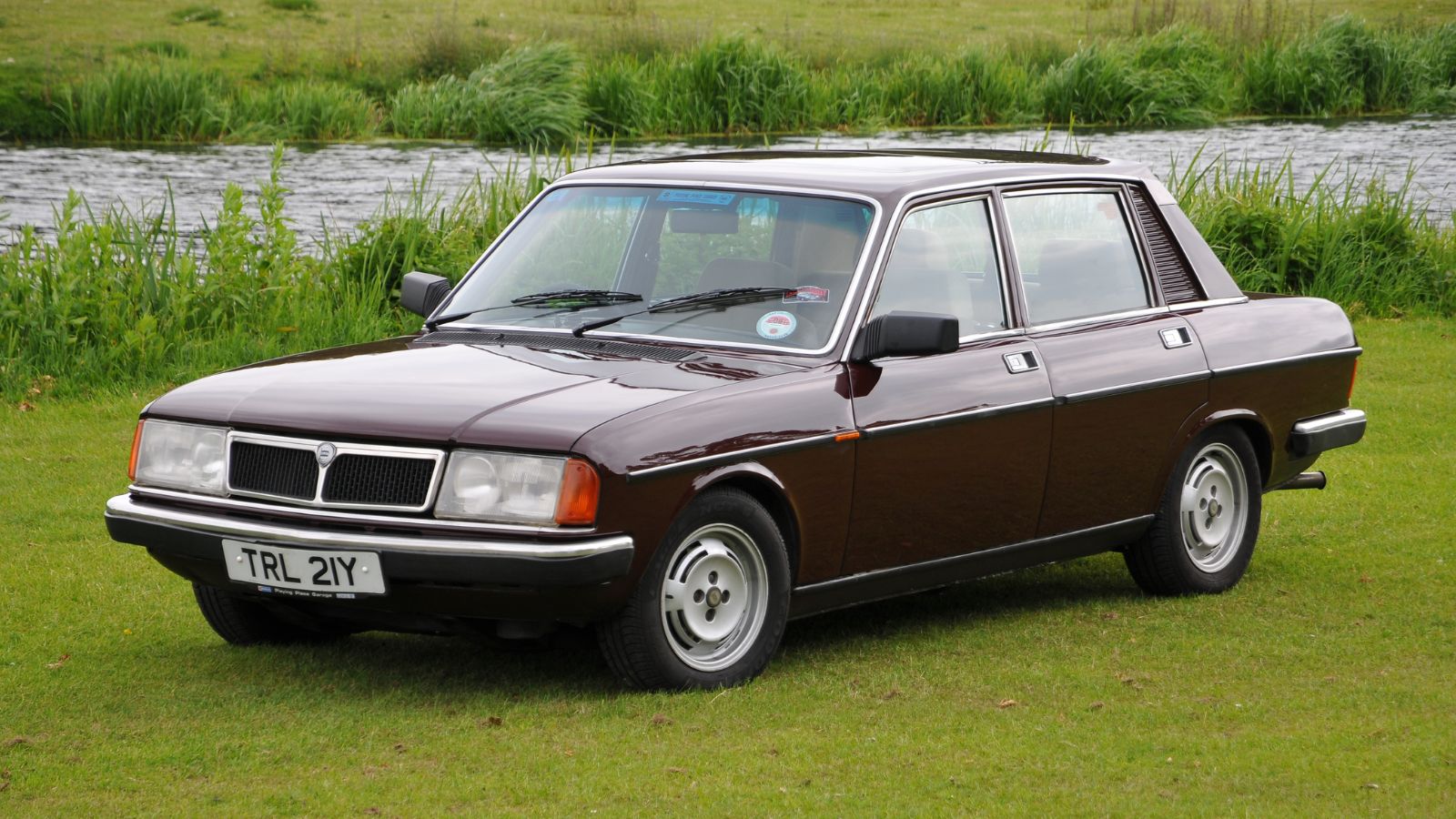
The Trevi somehow managed to make Italian design look awkward. Its strange rear styling and bulky proportions never really worked visually. Even inside, the unusual dashboard design looked bizarre. Despite that, it still carried proper Lancia engineering underneath, which makes it an interesting oddity today.
Aston Martin Lagonda
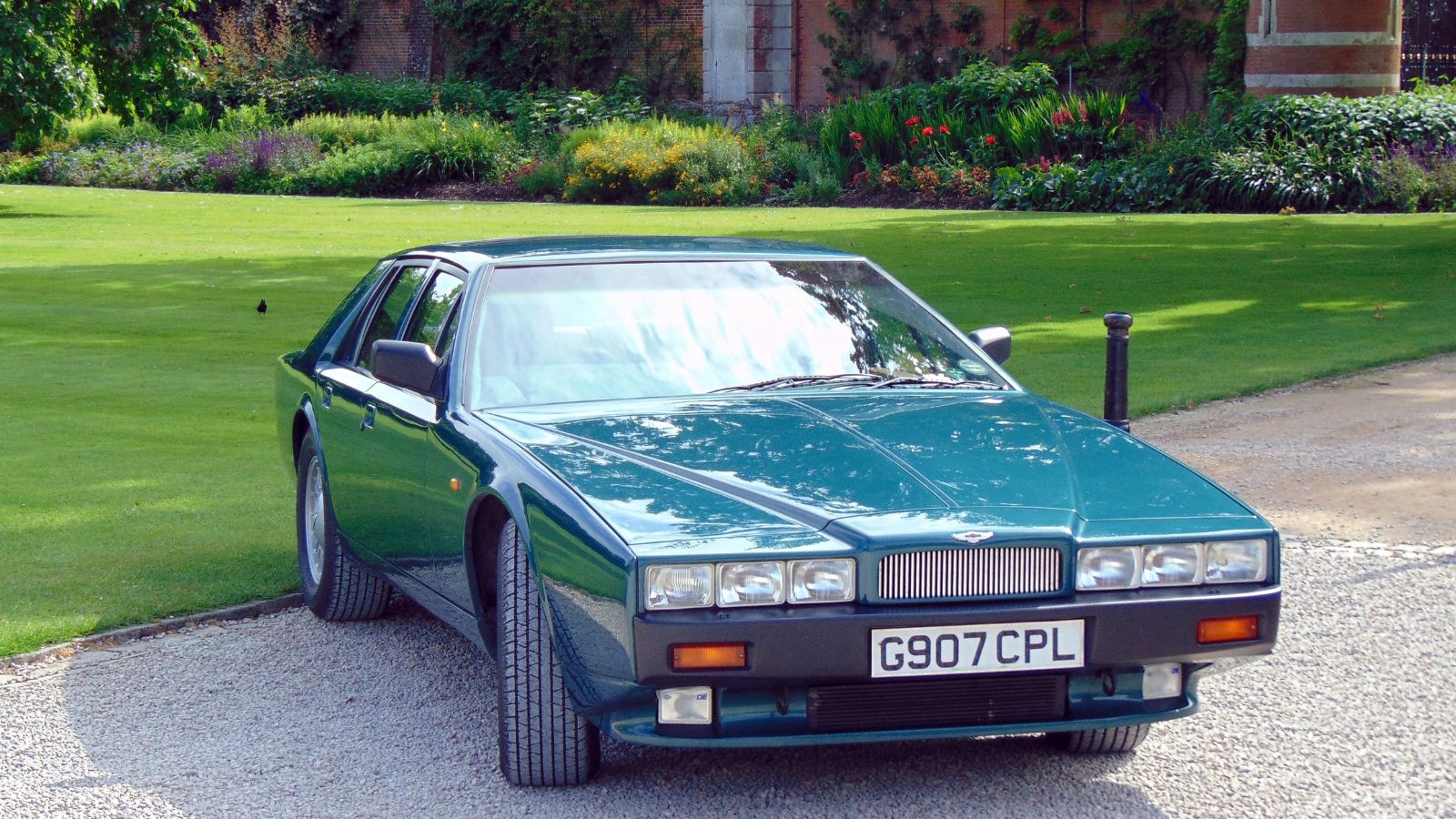
The Lagonda looked like a futuristic wedge drawn by someone obsessed with geometry. Long, low, and incredibly angular, it divided opinion immediately. Some saw it as stunningly modern, others thought it resembled an oversized doorstop. Yet its ambition and dramatic styling made it unforgettable, even if beauty was debatable.
Yugo Sana
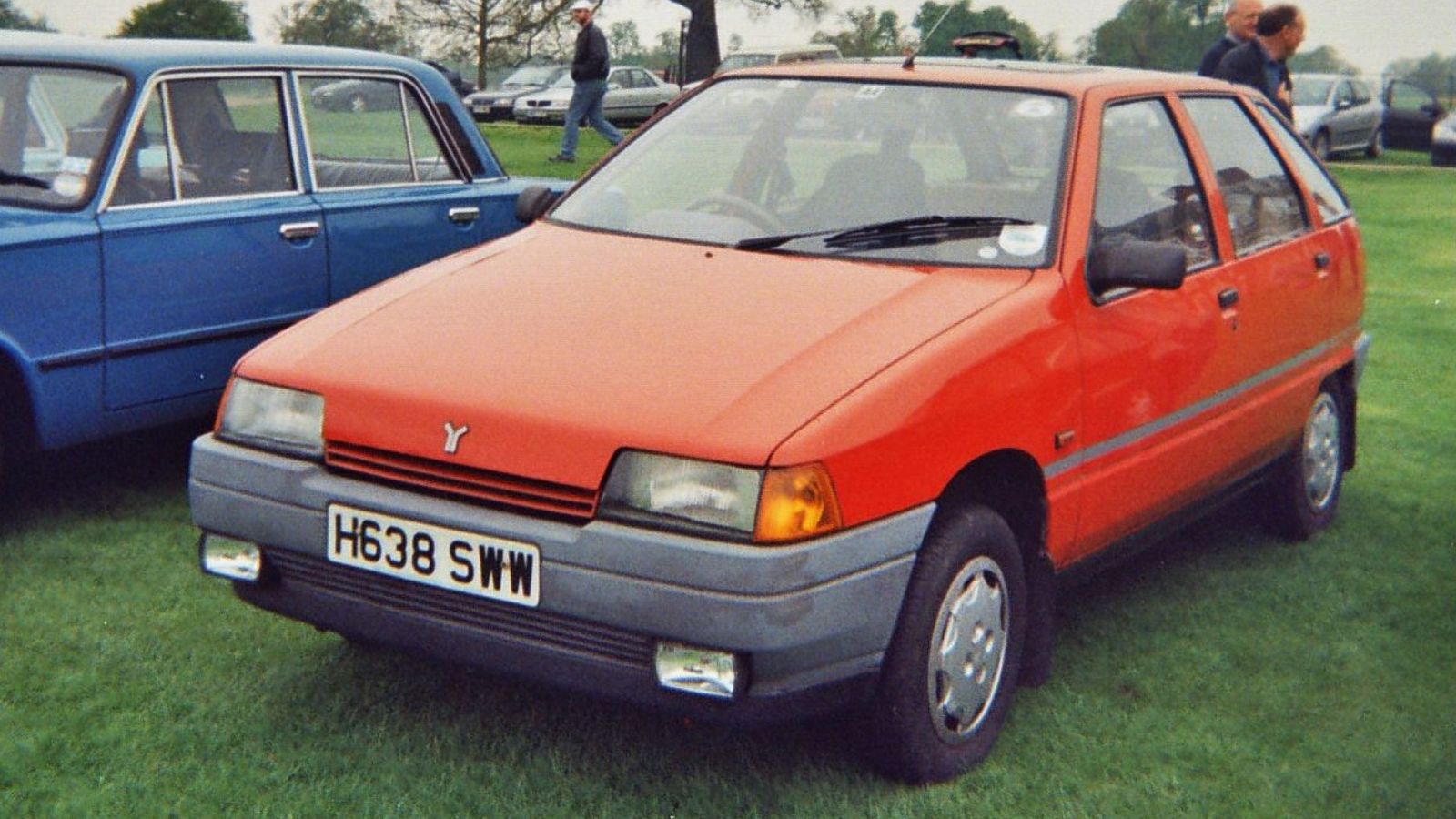
The Yugo Sana was pure economy car design at its most uninspiring. Boxy proportions, awkward detailing, and plain styling gave it almost no visual appeal whatsoever. It existed purely as practical transport, and it looked exactly like that. Still, it perfectly captures the no nonsense design philosophy of the Eastern Bloc era.
Toyota Cressida
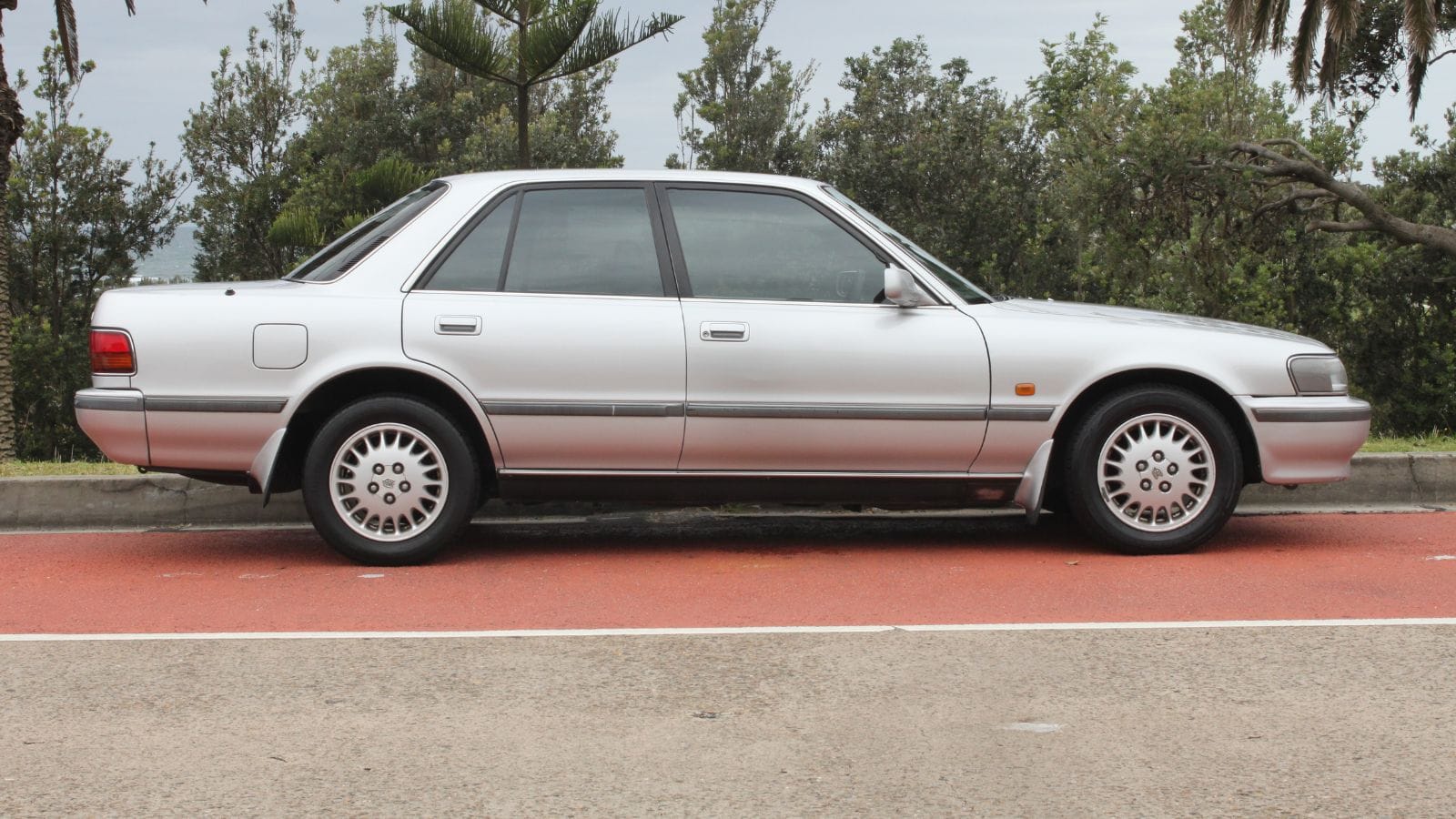
The Cressida was actually a very good car underneath, but visually it was peak 80s box sedan. Straight lines, flat surfaces, and conservative styling made it look older than it really was. Yet that understated appearance hid smooth engines and impressive reliability, which is why enthusiasts appreciate them more today.
Fiat Regata
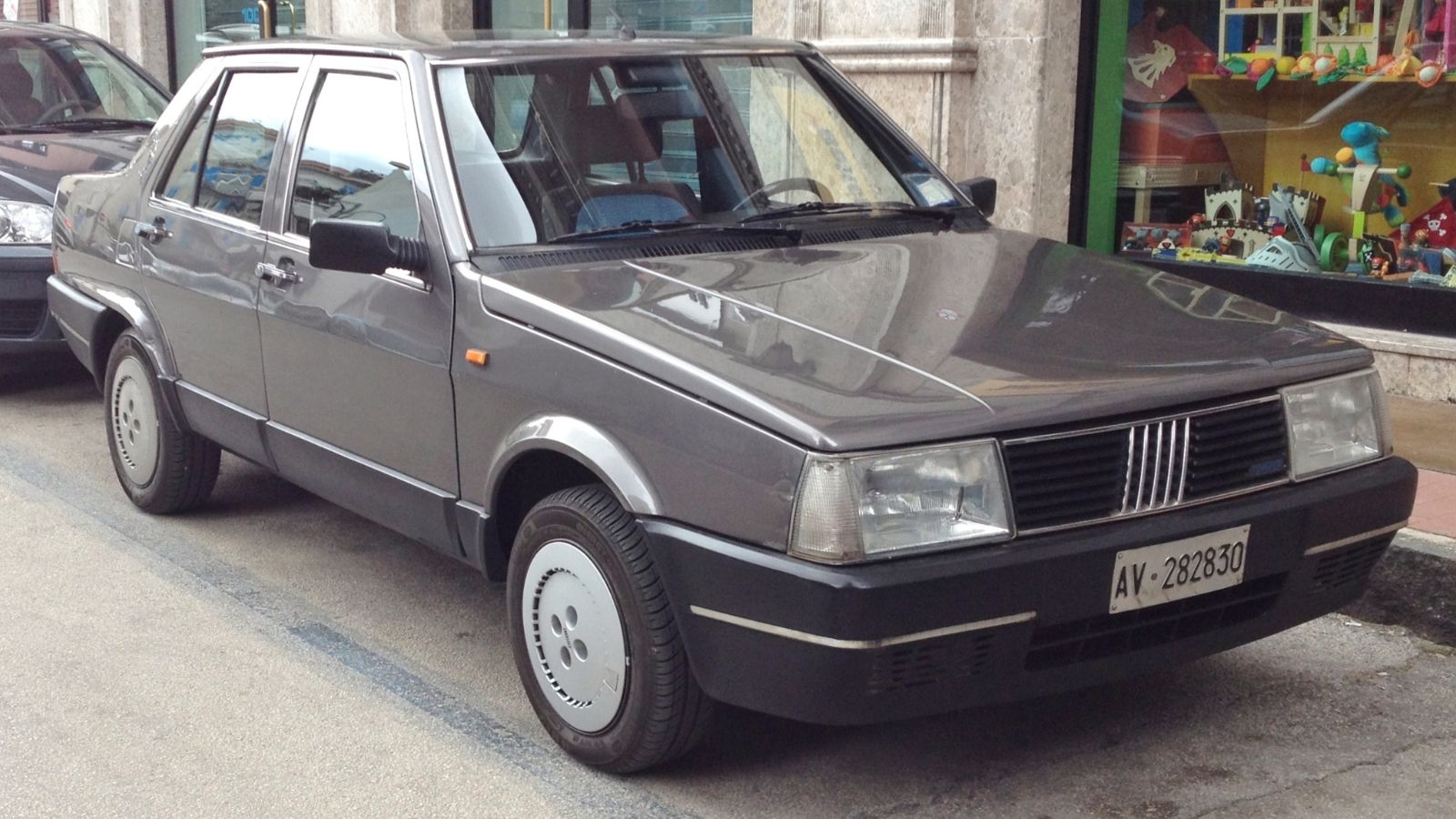
The Regata somehow made a Fiat look completely devoid of excitement. It had all the sharp corners and awkward proportions you could ask for in a late 70s and early 80s sedan. Nothing flowed naturally, and the overall shape looked unfinished. Yet it was practical, affordable, and surprisingly common across Europe for years.
Mercedes-Benz W123
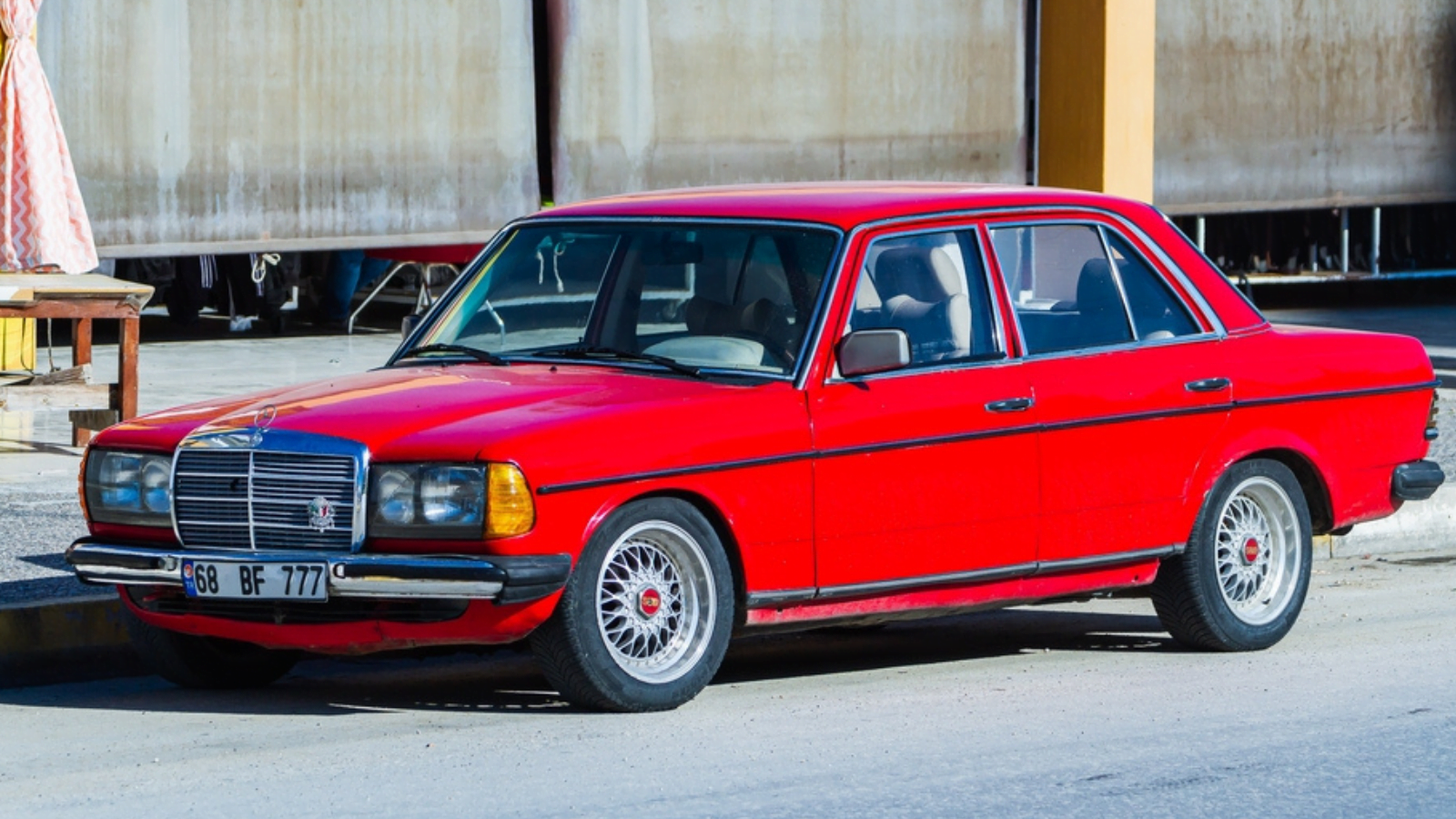
The W123 is respected today, but visually it was undeniably boxy. Tall rooflines, square proportions, and flat bodywork gave it the appearance of a rolling bank vault. Unlike some others here though, the simplicity aged surprisingly well. It went from dull looking executive transport to understated classic over time.
Dodge Aries

The Aries perfectly represented 80s American economy car design. Boxy, plain, and completely lacking drama, it looked like it had been designed entirely around practicality. Yet millions were sold because it was affordable and dependable basic transportation. It may not have inspired passion, but it became part of everyday life for an entire generation.
25 Facts About Car Loans That Most Drivers Don’t Realize

Car loans are one of the most common ways people fund car purchases. Like any other kind of loan, car loans can have certain features that can be regarded as an advantage or a disadvantage to the borrower. Understanding all essential facts about car loans and how they work to ensure that you get the best deal for your financial situation is essential. Here are 25 shocking facts about car loans that most drivers don’t realize:
25 Facts About Car Loans That Most Drivers Don’t Realize
