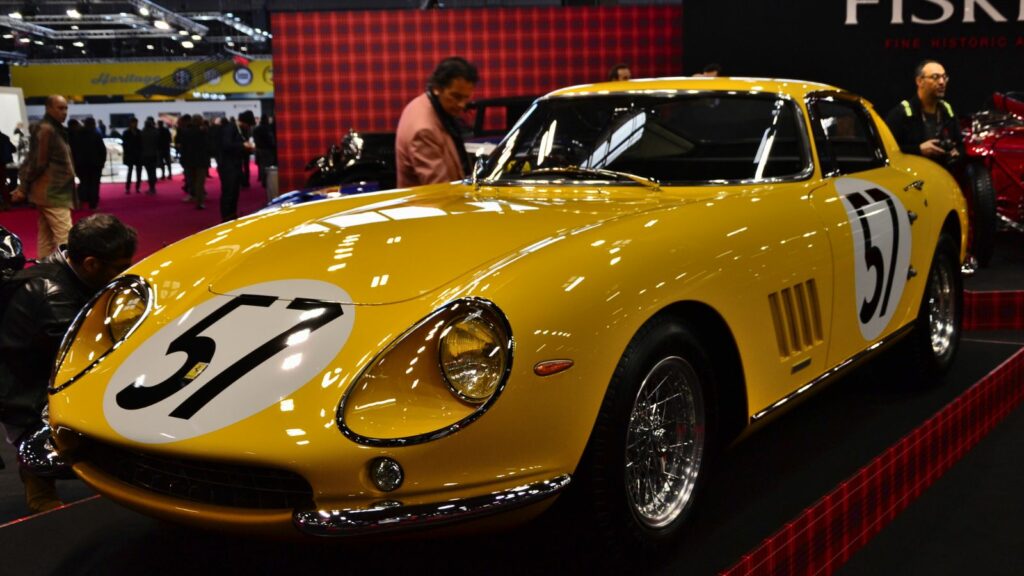
Le Mans is supposed to be about purpose built race machines. Stripped interiors, relentless testing, and engineering focused on one thing only, winning. Yet there have been moments when cars that started life as road going machines crossed that line and took overall victory. Sometimes lightly modified, sometimes pushed far beyond their brief, these cars proved that the gap between road and race is not always as wide as you think.
McLaren F1
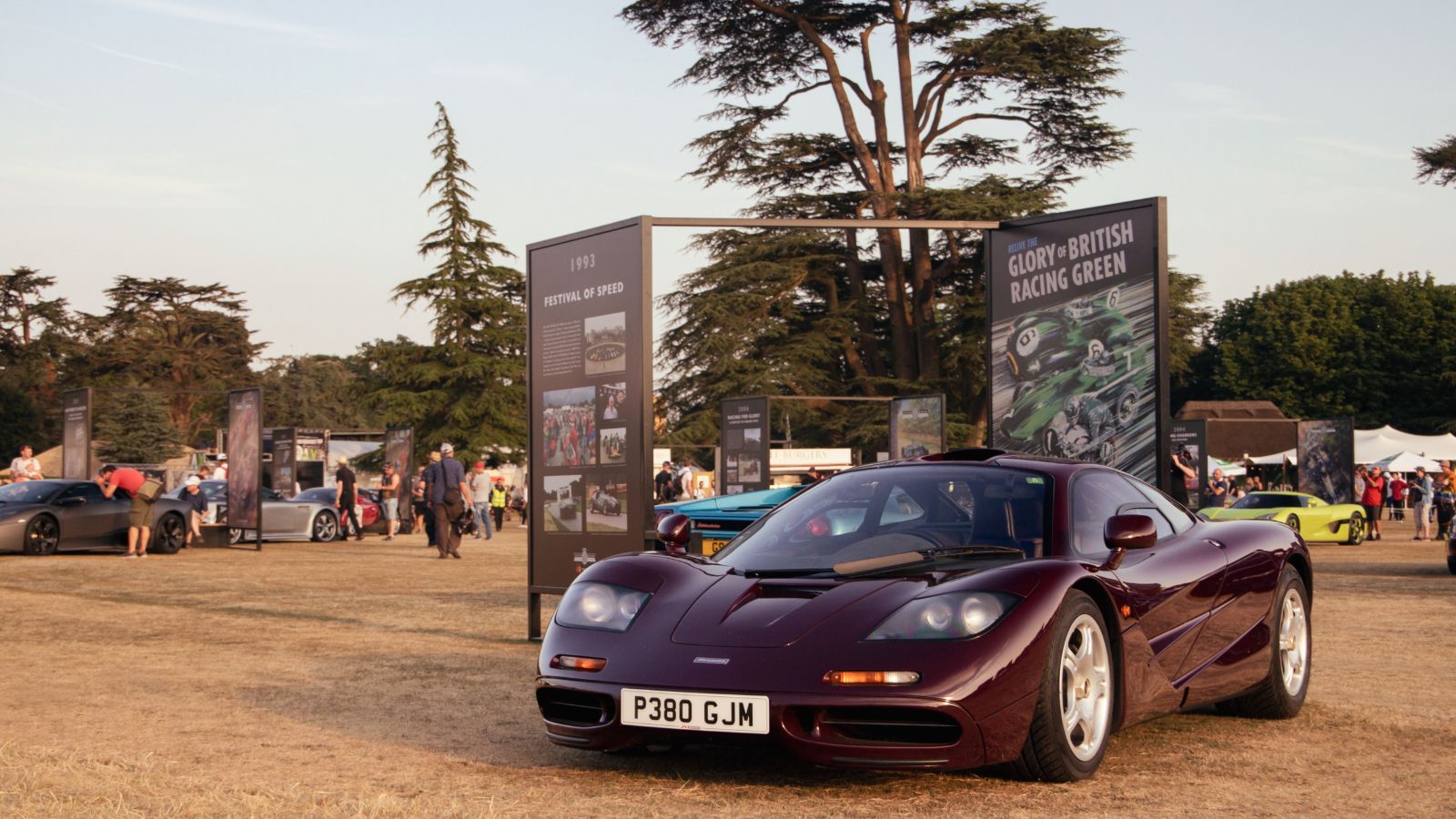
When the F1 won Le Mans in 1995, it shocked a lot of people. This was fundamentally a road car with race preparation, not a clean sheet prototype. Its lightweight design, strong V12 engine, and incredible balance carried it through. It was not the fastest car on the grid, but it was reliable and consistent. That victory cemented its place as one of the greatest cars ever built.
Ferrari 250 GTO
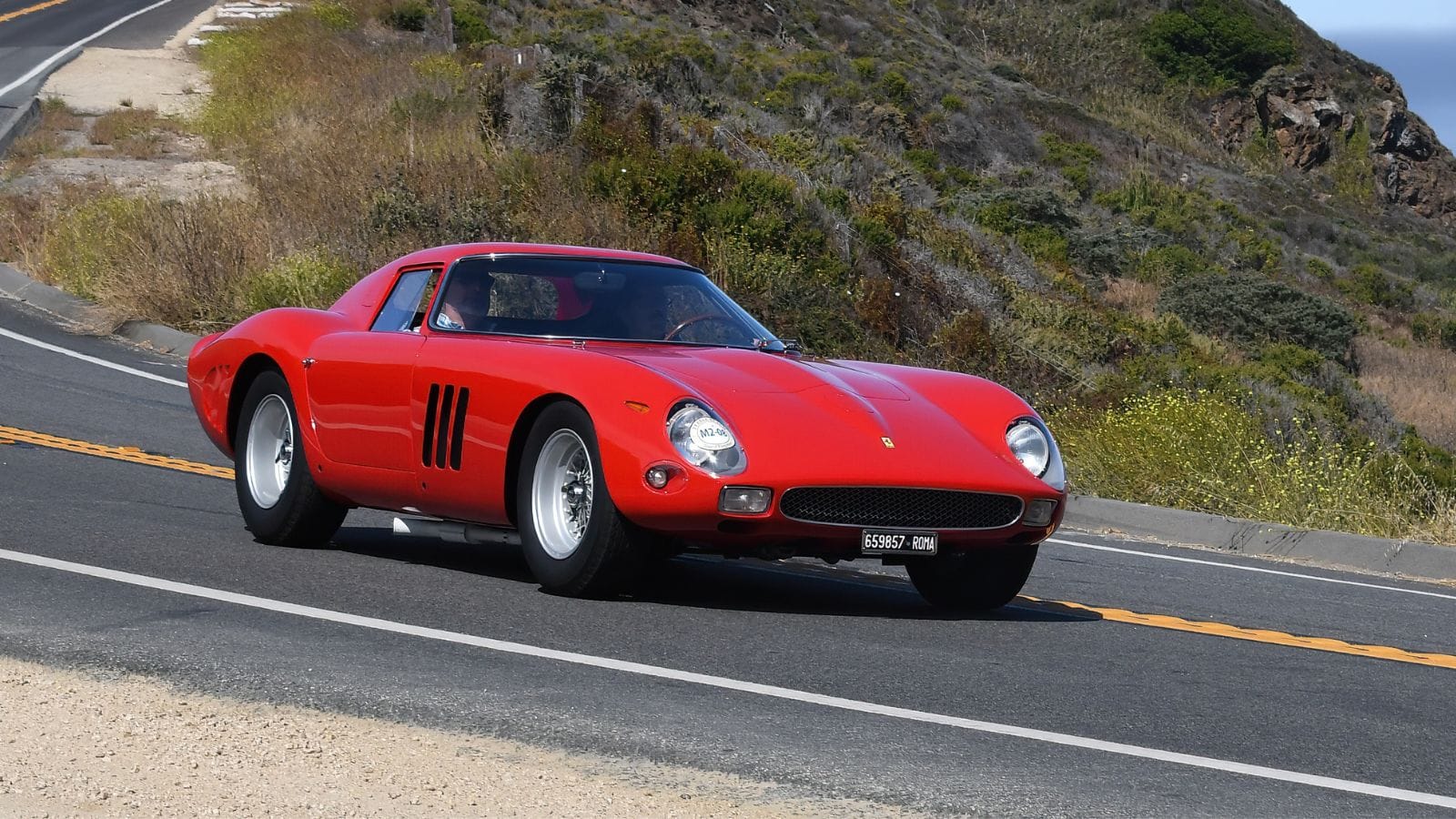
The 250 GTO was as close as it gets to a road going race car. Built in the early 60s, it combined stunning design with serious performance. While it was developed for competition, it remained road legal and usable. Ferrari’s approach blurred the line completely, and cars like this dominated endurance racing, including strong performances at Le Mans.
Jaguar D Type
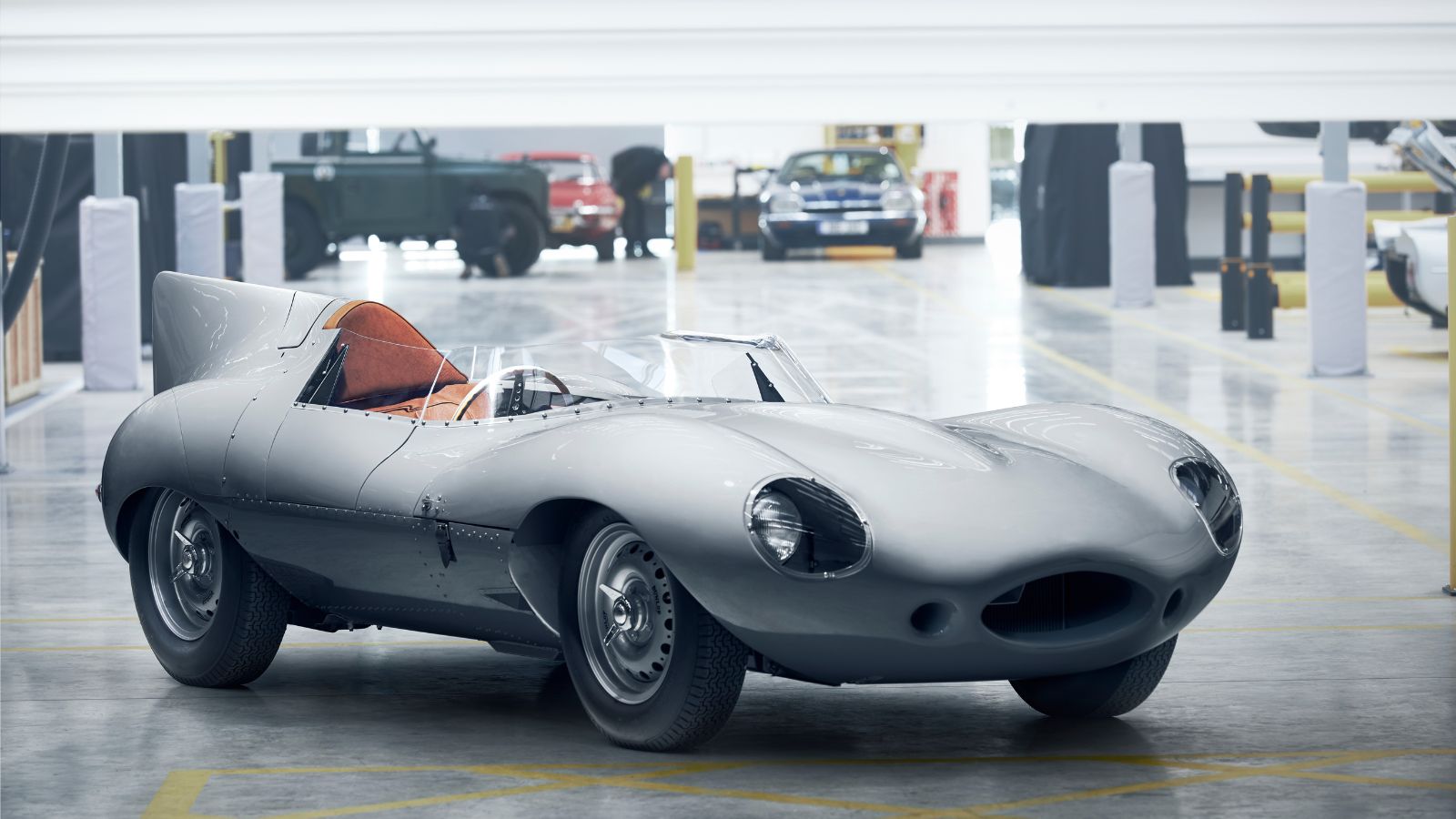
The D Type was designed with racing in mind, but it could still be registered for the road. Its aerodynamic body and advanced engineering gave it a clear advantage at Le Mans, where it achieved multiple victories in the 1950s. It showed how far a road capable car could be pushed when built with the right priorities.
Ford GT40
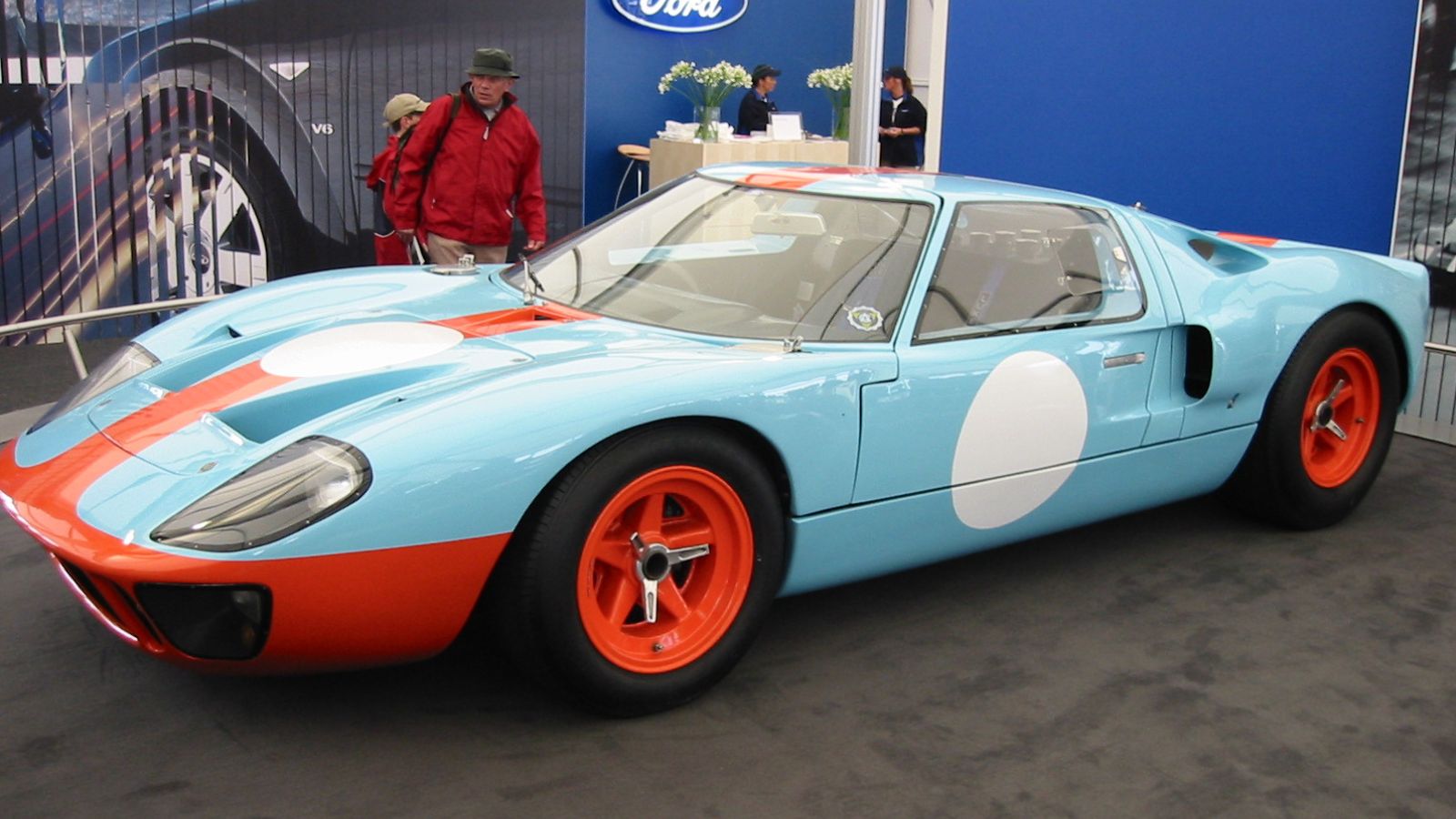
The GT40 might seem like a pure race car, but early versions were derived from a concept that could be adapted for road use. It went on to dominate Le Mans in the late 60s, taking multiple wins and rewriting the record books. It represents the moment when road car thinking and racing ambition came together at the highest level.
Porsche 911 GT1
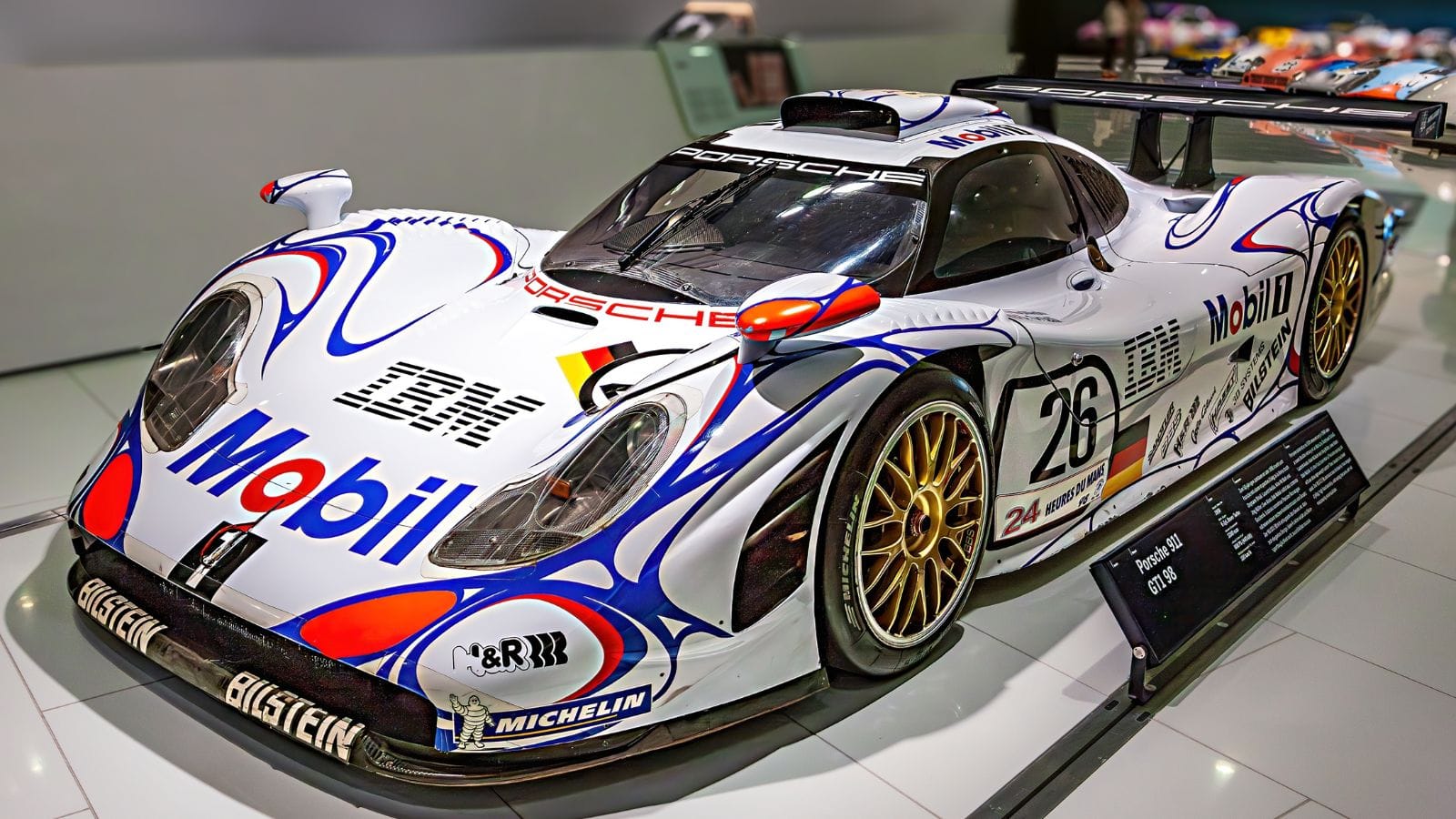
The 911 GT1 is a perfect example of a race car built just enough to be called a road car. Porsche created a small number of street legal versions to meet regulations, then went racing. In 1998, it won Le Mans outright. It may have been more race car than road car, but technically it sat in both worlds.
Porsche 917
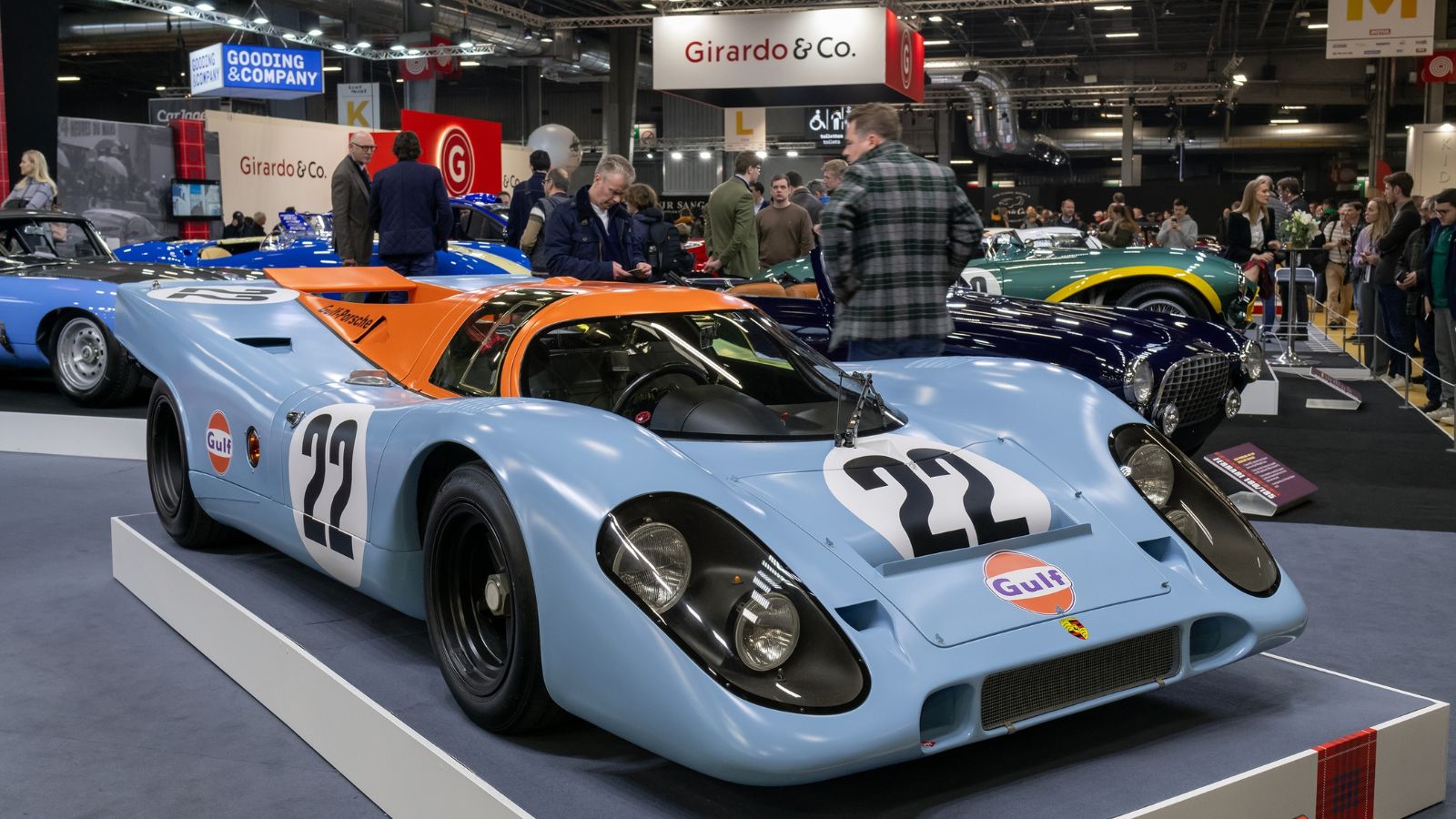
The 917 was another machine that blurred the lines. While primarily a race car, there were road going versions built for specific customers. It delivered Porsche’s first overall Le Mans win in 1970 and followed it up again in 1971. It was fast, powerful, and a turning point for the brand.
Ferrari 275 GTB/C
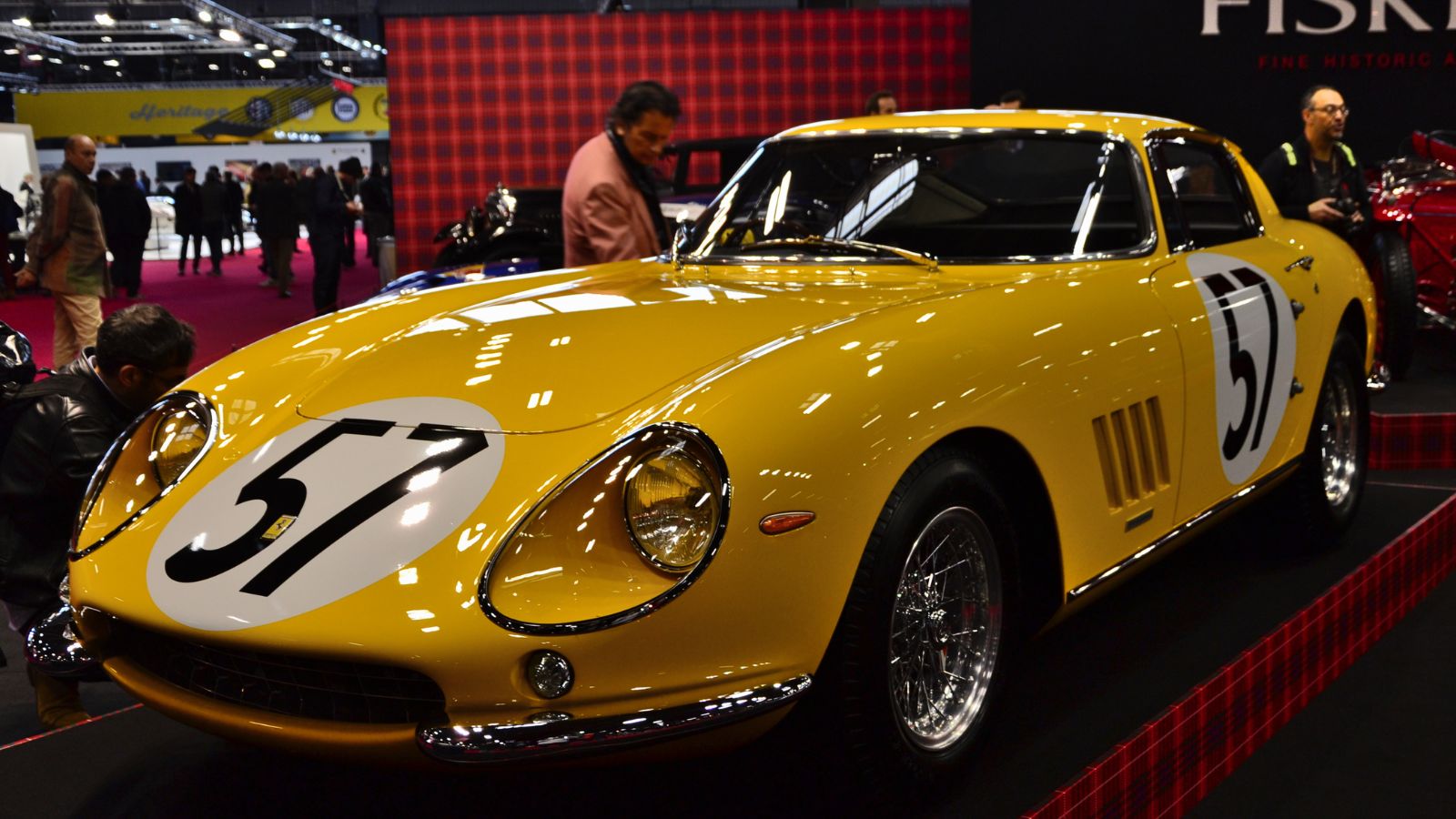
The 275 GTB/C was based on a road going Ferrari but developed for competition use. It retained enough of its original character to be considered a road derived machine. At Le Mans, it proved its capability by competing at the highest level and delivering strong results. It is another example of Ferrari’s approach during that era.
Audi R8
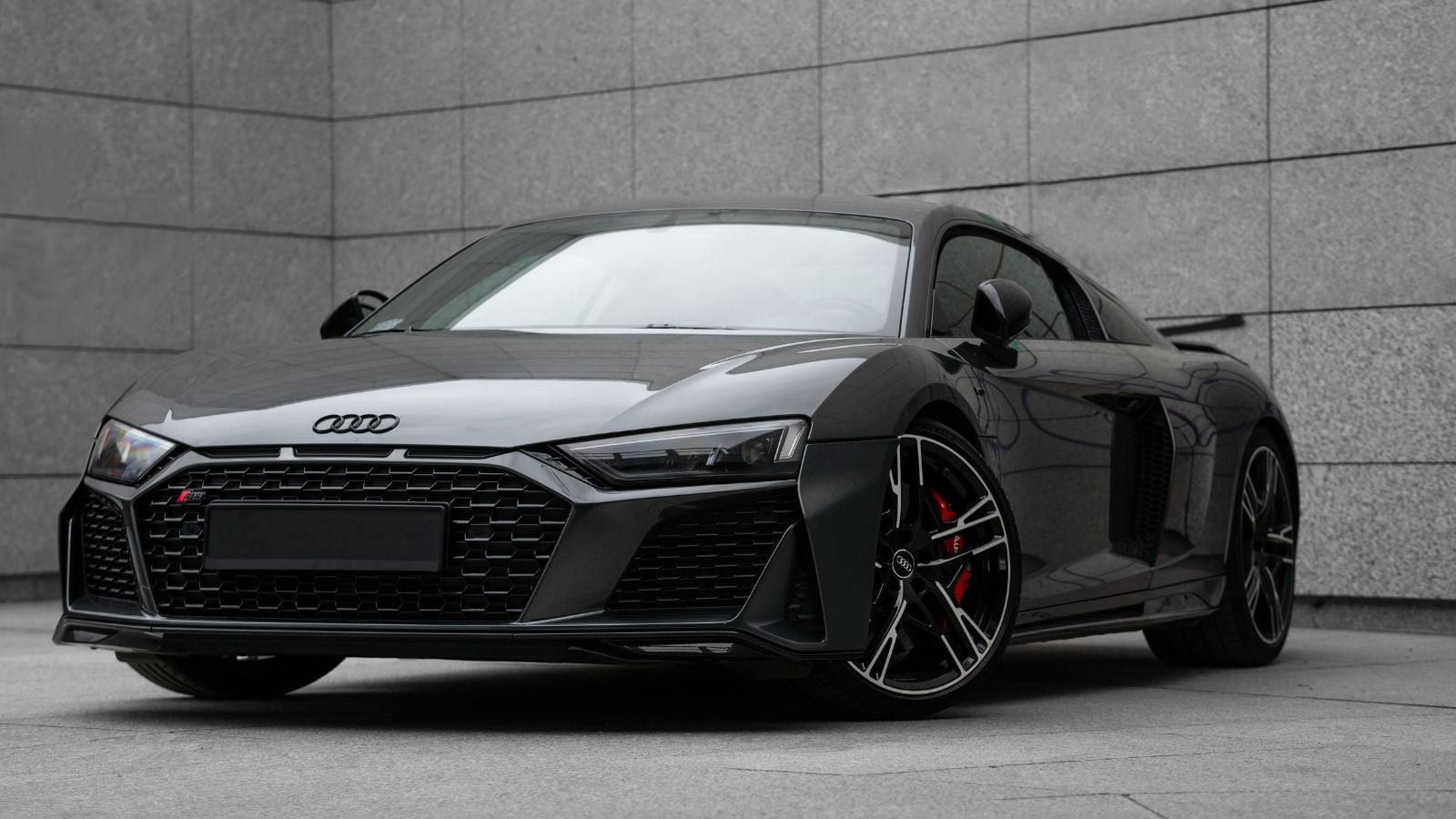
The Audi R8 dominated Le Mans in the early 2000s. While the race version was purpose built, the name later carried over to a road car that shared the same spirit. It represents a more modern interpretation of the connection between road and race. It may not be a direct road car winner, but it shows how closely linked the two worlds can be.
25 Facts About Car Loans That Most Drivers Don’t Realize

Car loans are one of the most common ways people fund car purchases. Like any other kind of loan, car loans can have certain features that can be regarded as an advantage or a disadvantage to the borrower. Understanding all essential facts about car loans and how they work to ensure that you get the best deal for your financial situation is essential. Here are 25 shocking facts about car loans that most drivers don’t realize:
25 Facts About Car Loans That Most Drivers Don’t Realize
