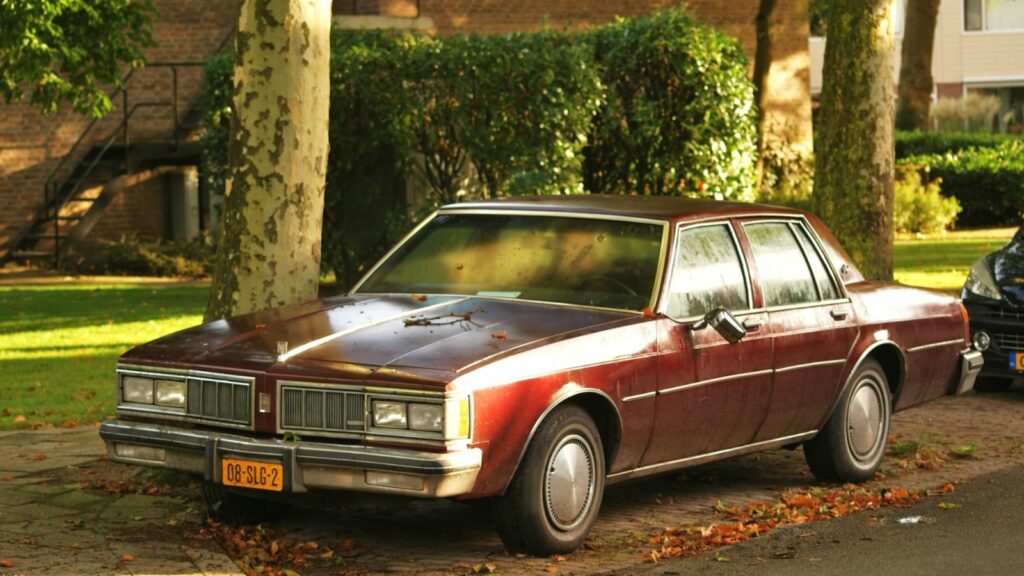
The V8 engine is supposed to mean one thing. Power. It carries an expectation of torque, performance, and presence. But not every V8 lived up to that reputation. Over the years, emissions rules, fuel crises, and questionable engineering decisions led to some surprisingly weak V8s. These are the engines that wore eight cylinders but delivered far less than you would expect.
Cadillac 368 V8 (1980 to 1981)
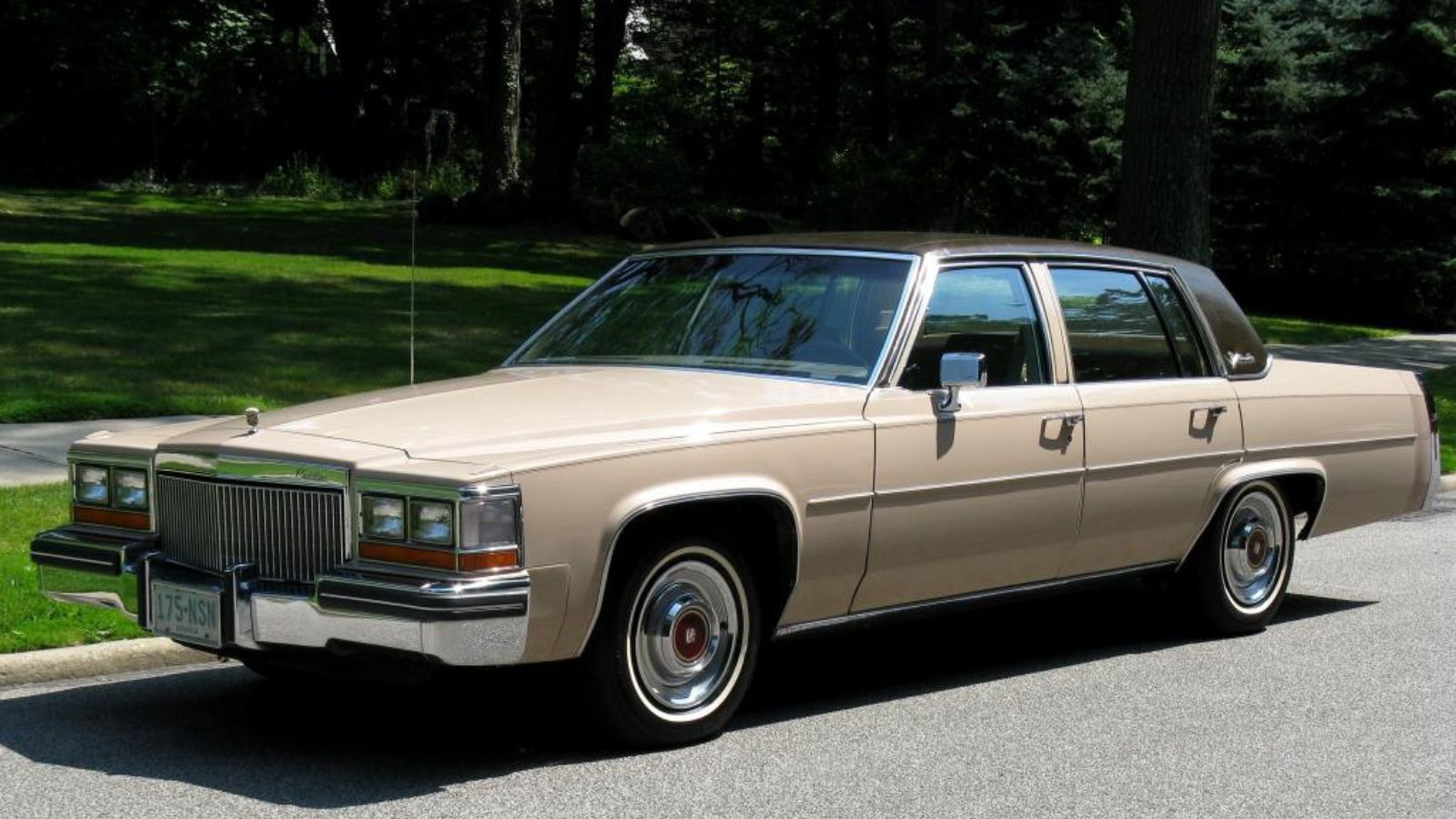
The Cadillac 368 arrived at a time when emissions and fuel economy rules were tightening fast. Output dropped significantly compared to earlier Cadillac engines.
It even featured early cylinder deactivation, which was advanced for the time but not particularly effective. The result was a V8 that felt far less impressive than its size suggested.
Oldsmobile Diesel V8 (1978 to 1985)
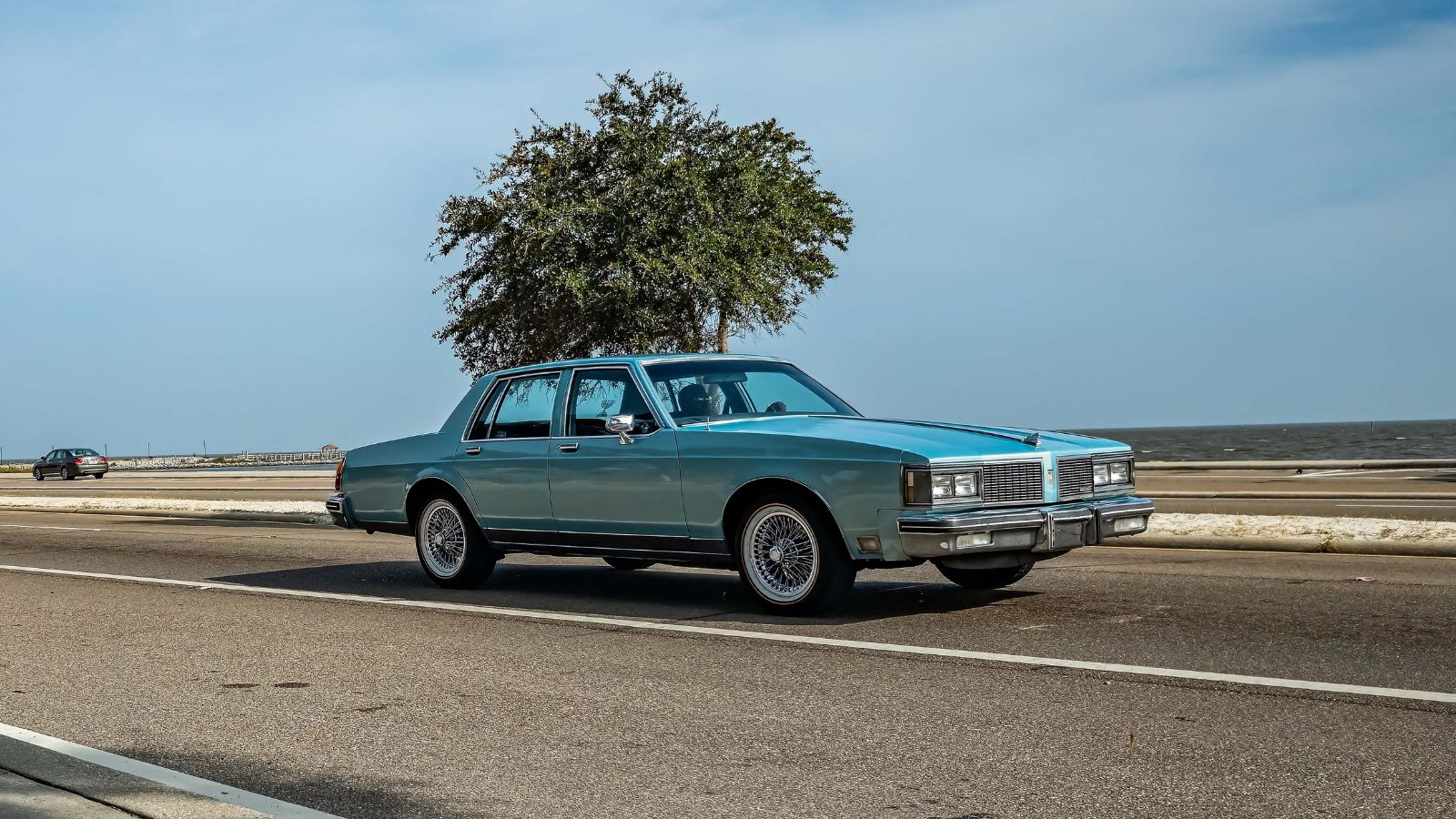
Oldsmobile’s attempt at a diesel V8 was ambitious but flawed. It produced modest power and suffered from serious reliability issues.
While the idea made sense during the fuel crisis, the execution left owners disappointed both in performance and durability.
Chevrolet 305 V8 (Late 1970s to 1990s)
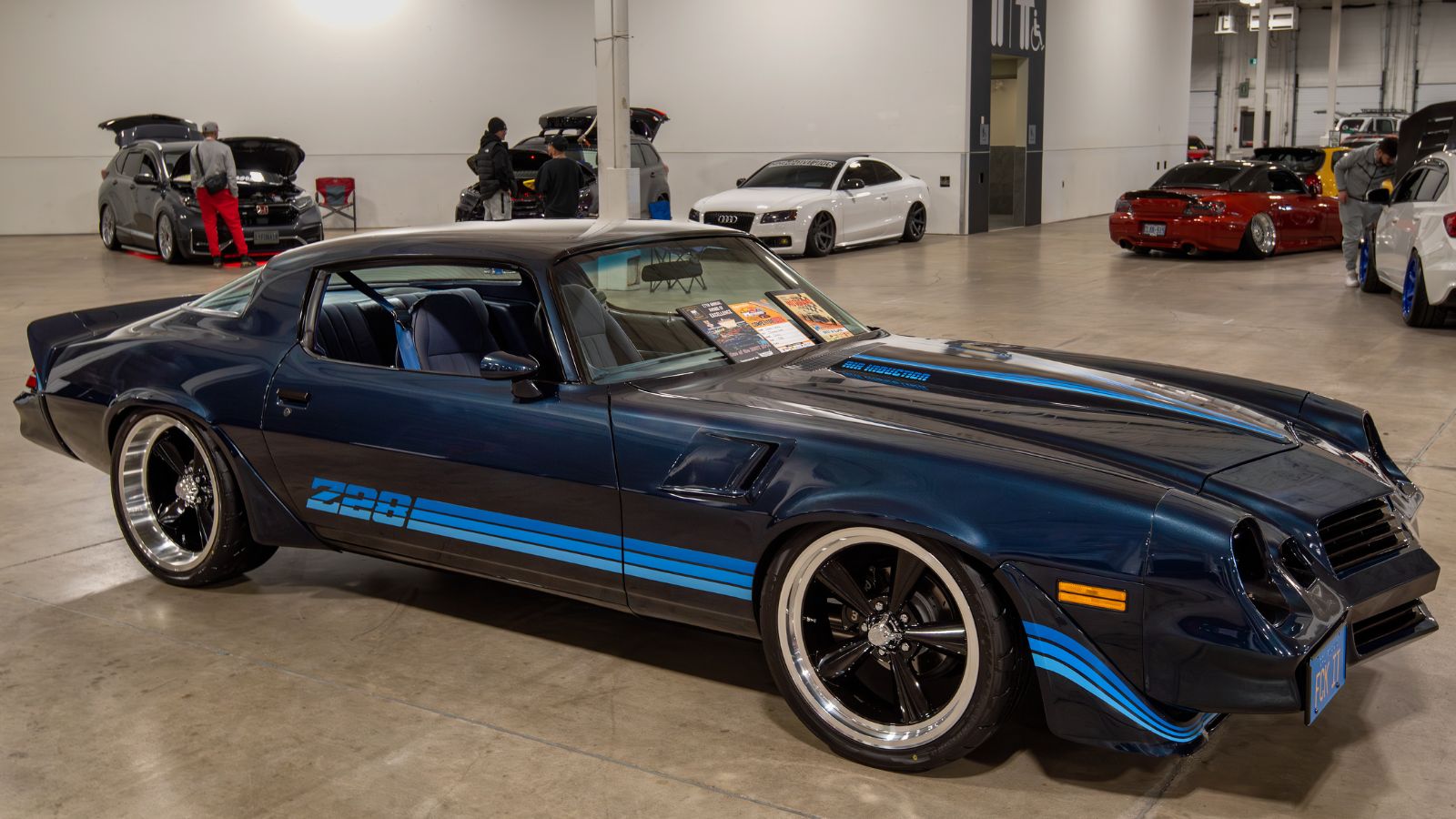
The 305 V8 became known as a placeholder engine. It was used widely but rarely celebrated.
Low horsepower figures and uninspiring performance meant it never delivered the excitement expected from a V8 badge.
Ford 255 Windsor V8 (1980 to 1982)
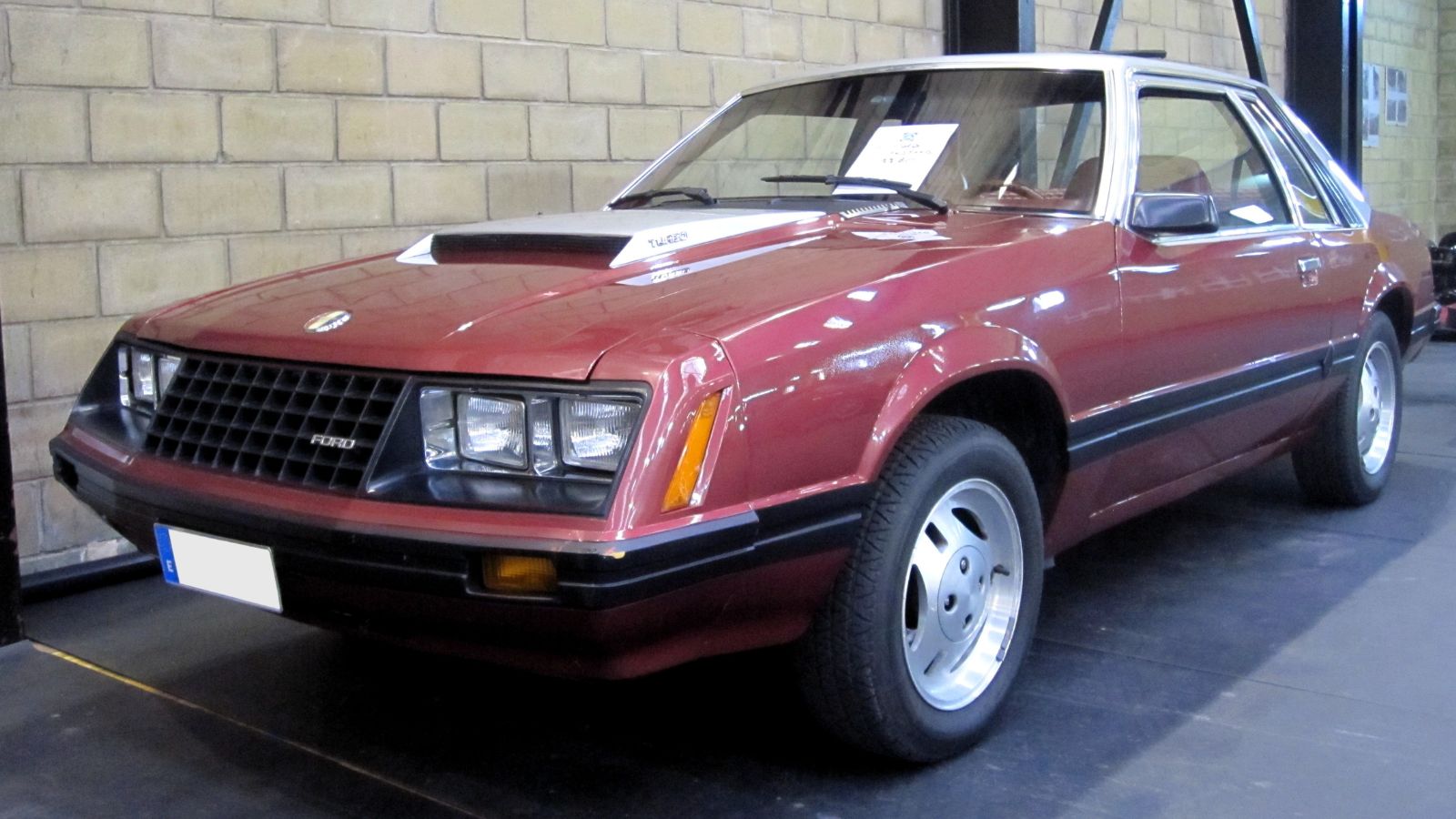
The 255 cubic inch Windsor V8 was one of Ford’s least impressive efforts. Built during a time of strict emissions controls, it produced very modest power.
It struggled to move even relatively light vehicles with any urgency.
Buick 307 V8 (1980 to 1990)
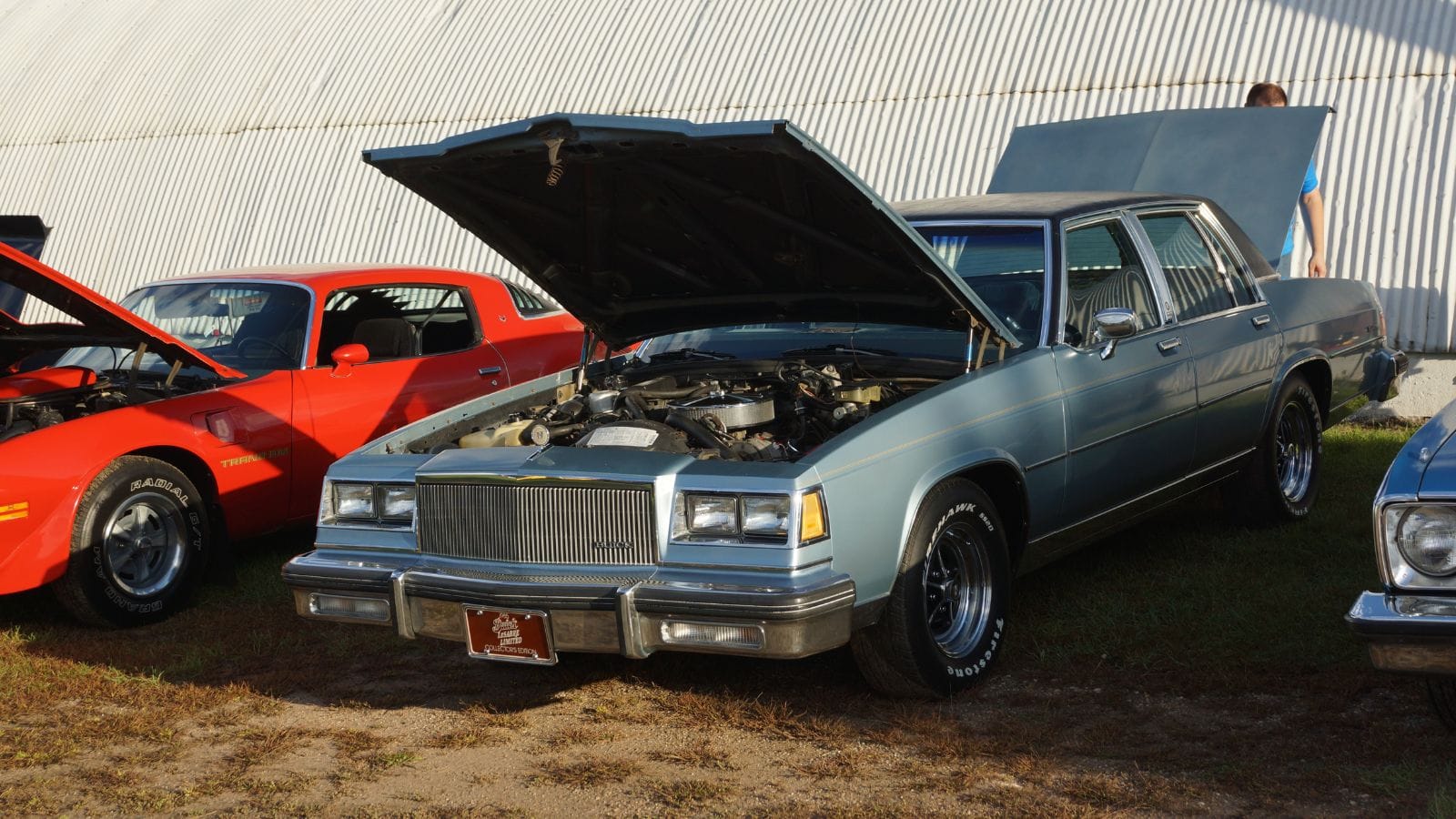
The Buick 307 was designed for smoothness and efficiency rather than performance. It delivered reliability, but not much else.
With limited horsepower, it felt more like a six cylinder in disguise.
Chrysler Lean Burn 318 V8 (Late 1970s to 1980s)
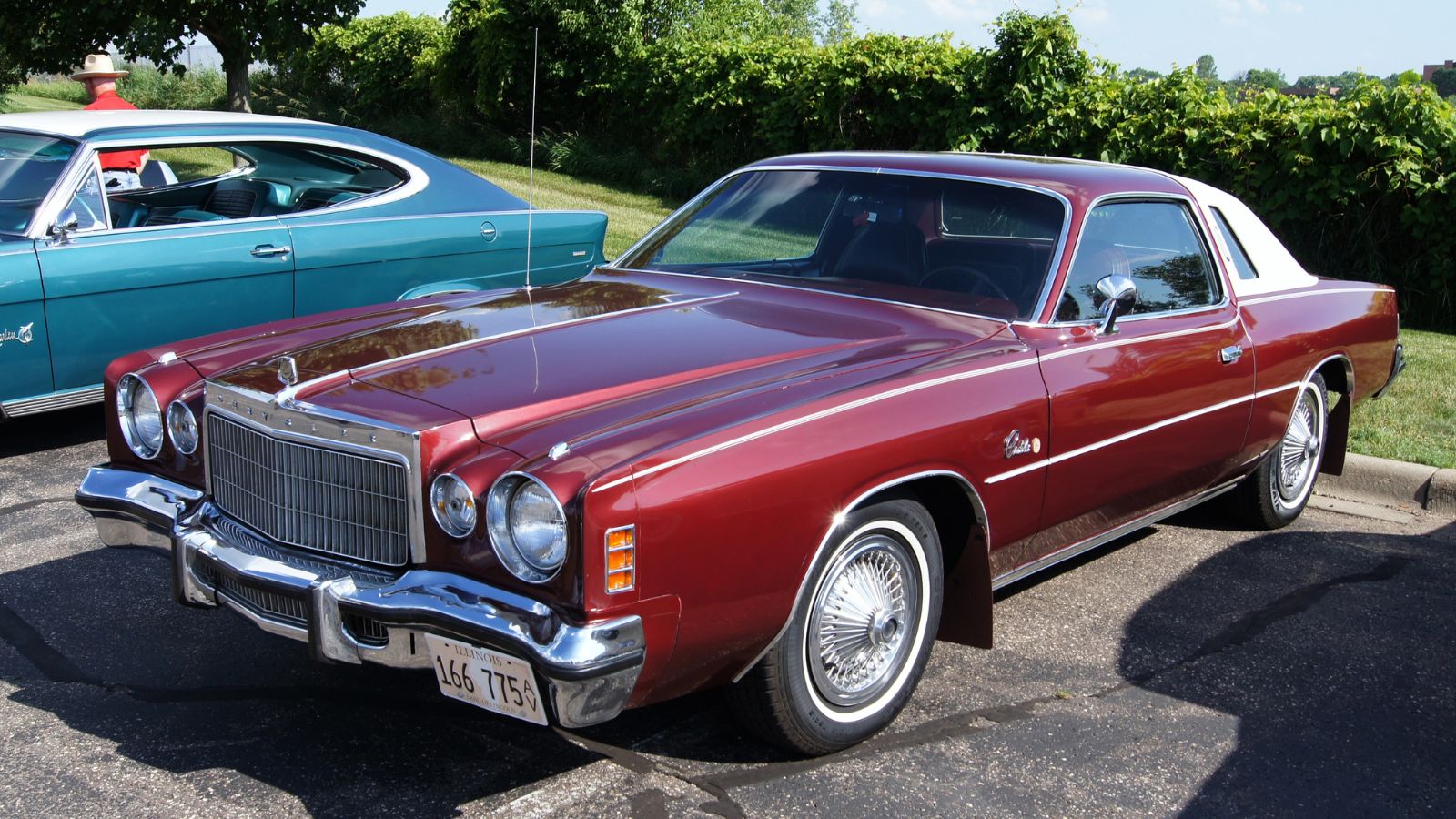
Chrysler’s Lean Burn system was meant to improve efficiency, but it often came at the expense of performance.
The 318 V8 in this configuration felt sluggish and unresponsive, lacking the punch drivers expected.
Mercedes Benz 3.8 V8 (1980s)
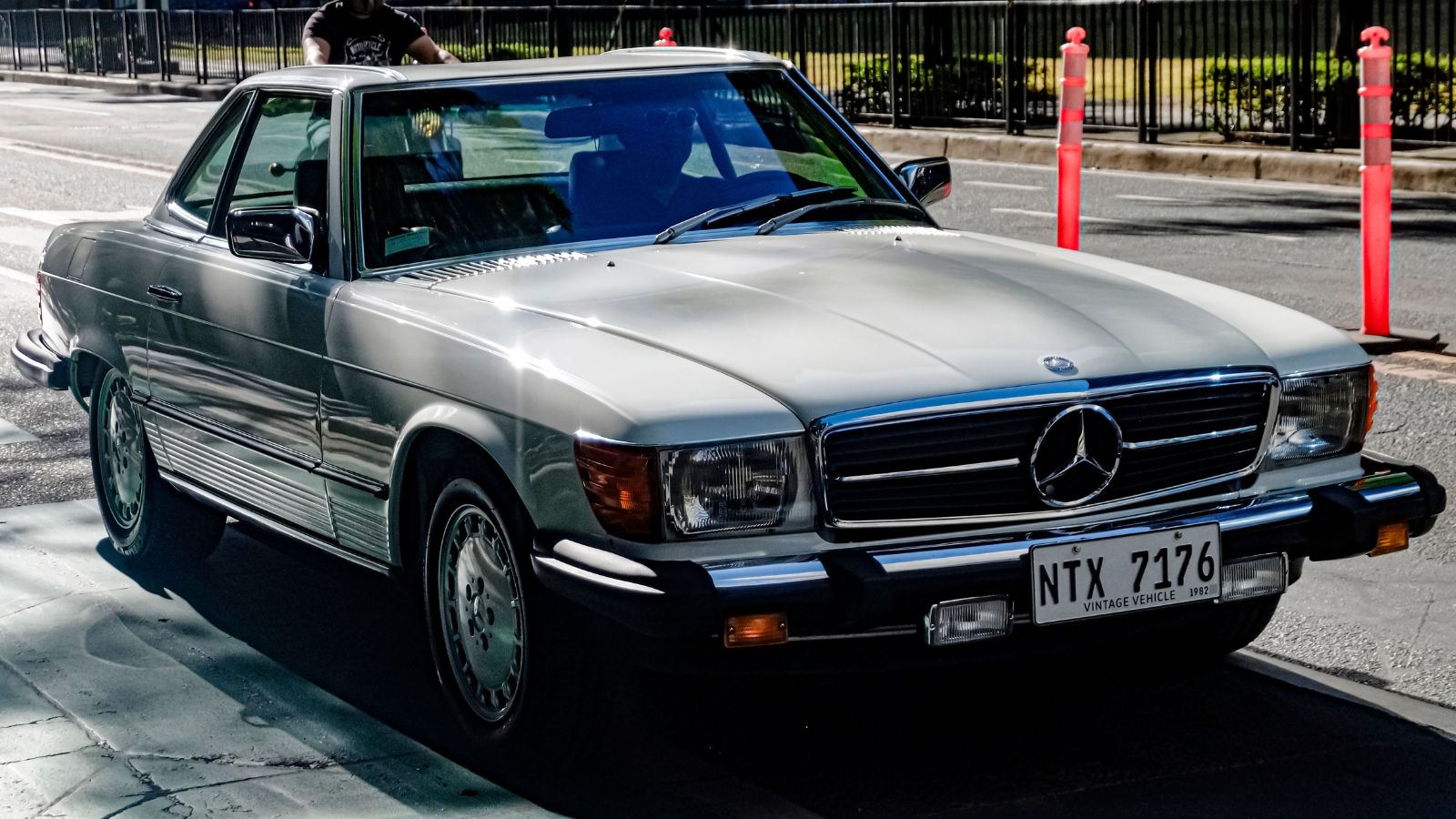
Mercedes built the 3.8 liter V8 for refinement, not speed. While smooth and durable, it produced modest power for its size.
In heavy luxury sedans, it struggled to deliver strong performance.
Jaguar 5.3 V12 Alternative Context with V8 Comparisons
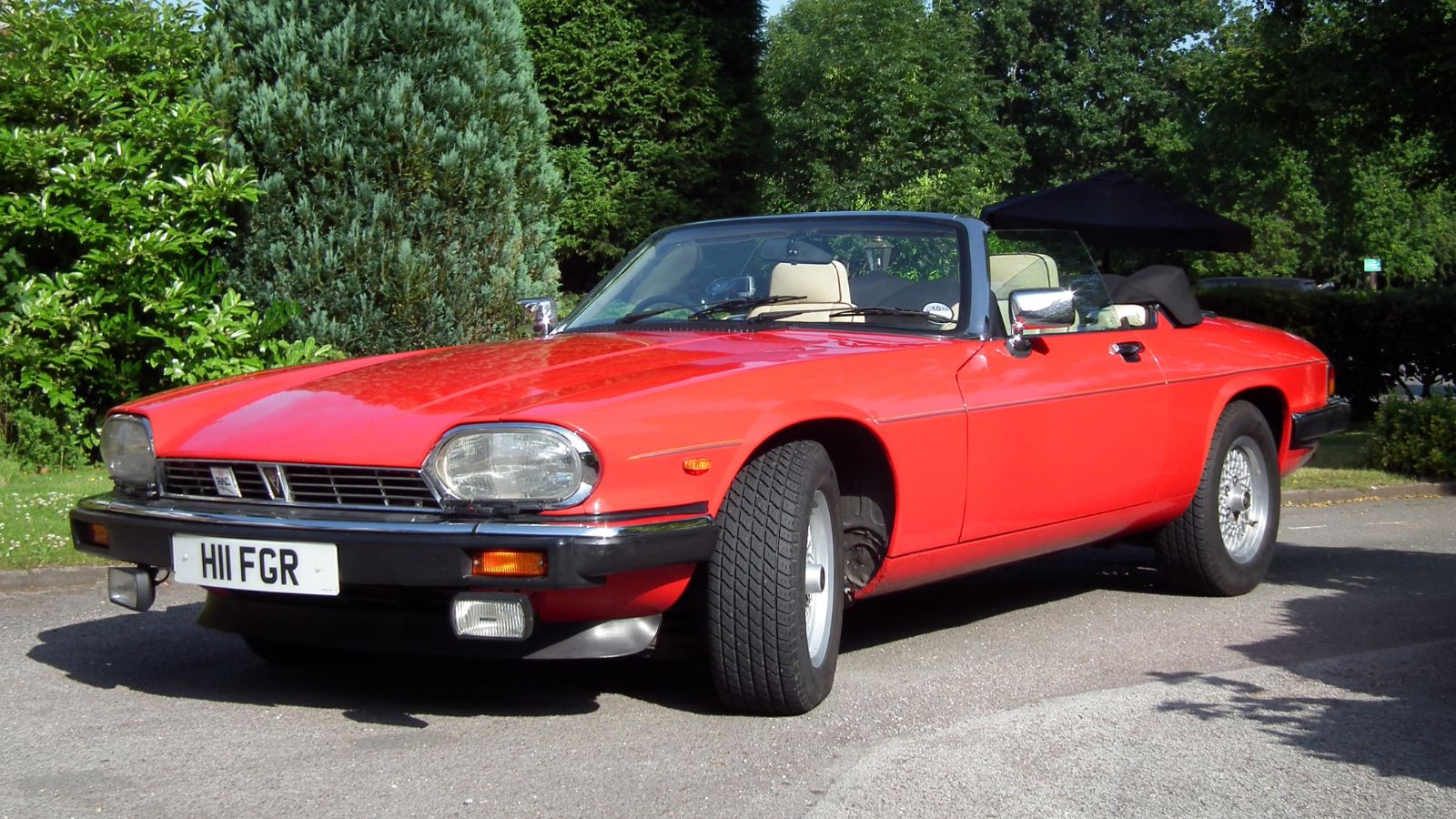
While Jaguar’s V12 engines were powerful, some of its earlier V8 developments and later smaller V8s leaned more toward refinement than outright performance.
In certain applications, they delivered less urgency than expected given their configuration, highlighting how cylinder count does not always guarantee performance.
These underpowered V8s tell a story of changing priorities. During certain eras, efficiency and emissions took precedence over power, and the results were engines that looked impressive on paper but felt underwhelming on the road. They may not be celebrated, but they remain an important part of automotive history, showing how even iconic engine layouts can fall short of expectations.
25 Facts About Car Loans That Most Drivers Don’t Realize

Car loans are one of the most common ways people fund car purchases. Like any other kind of loan, car loans can have certain features that can be regarded as an advantage or a disadvantage to the borrower. Understanding all essential facts about car loans and how they work to ensure that you get the best deal for your financial situation is essential. Here are 25 shocking facts about car loans that most drivers don’t realize:
25 Facts About Car Loans That Most Drivers Don’t Realize
