
Not every engine is a masterpiece. Some are rushed, some are over engineered, and others simply miss the mark entirely. When an engine goes wrong, it can turn an otherwise good car into a nightmare to own. From catastrophic failures to chronic reliability issues, these engines became infamous for all the wrong reasons. Here are nine of the worst engines ever fitted to production cars, and why they earned that reputation.
Oldsmobile Diesel V8 (1978 to 1985)
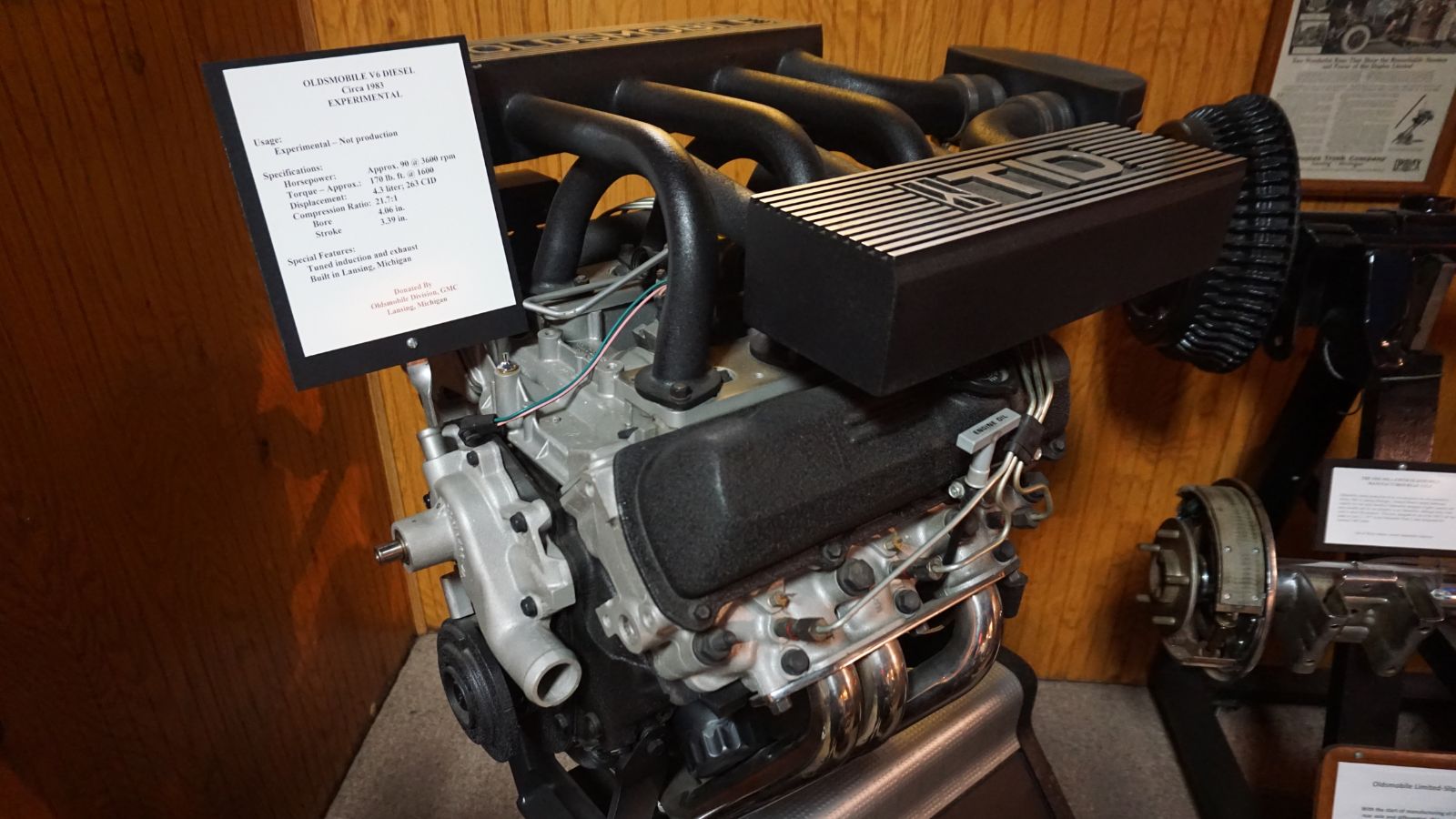
The Oldsmobile Diesel V8 was introduced during a time of fuel crisis, but it quickly became a cautionary tale. It was based on a gasoline engine design that was not properly strengthened for diesel use.
Frequent head gasket failures and fuel system issues plagued the engine. Its reputation was so bad that it damaged consumer confidence in diesel passenger cars for years.
Cadillac V8 6 4 (1981)
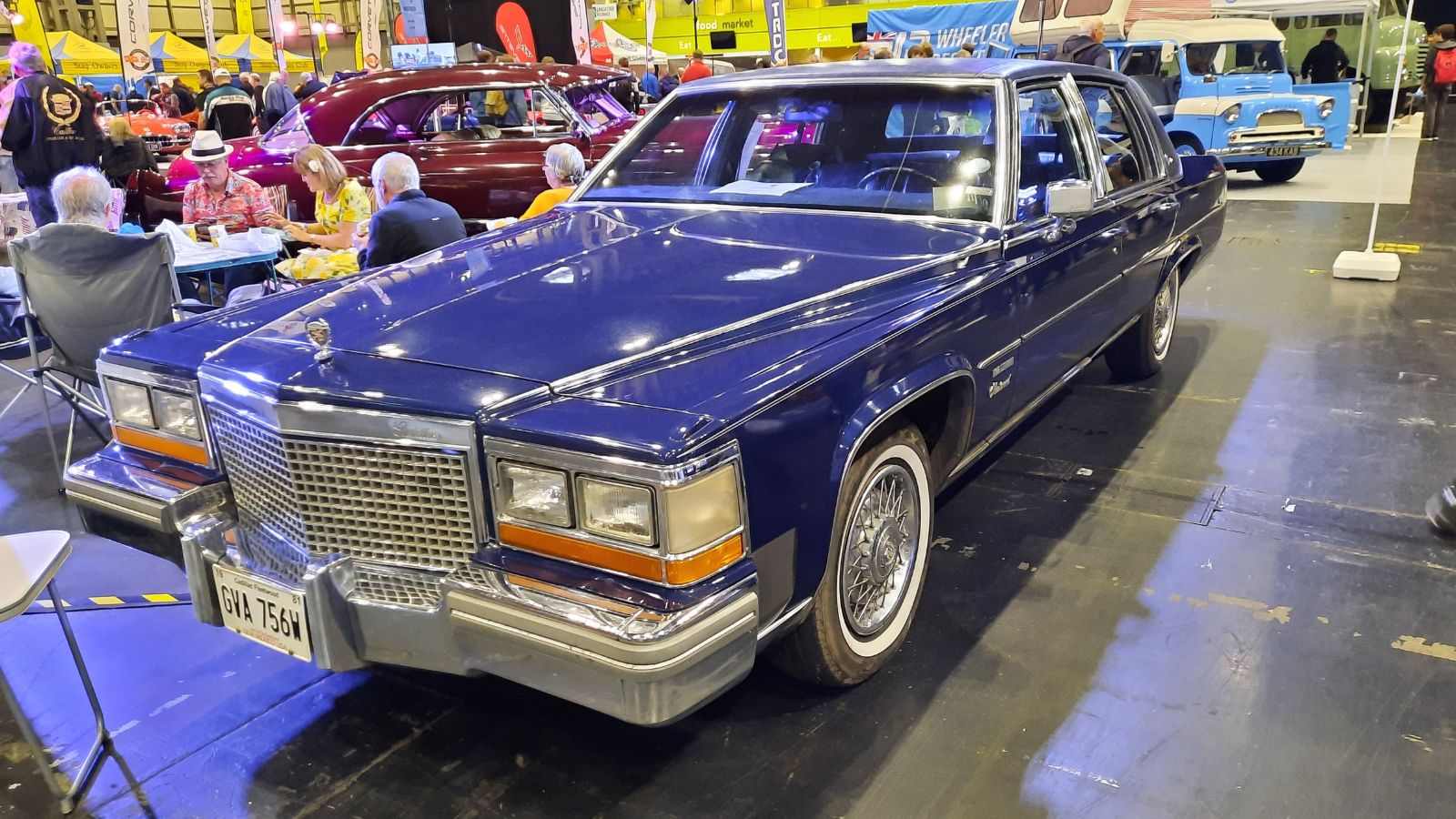
The Cadillac V8 6 4 was an early attempt at cylinder deactivation. On paper, it was ahead of its time, aiming to improve fuel efficiency.
In reality, the technology was not ready. The system was unreliable and often caused rough running and drivability problems, leading many owners to disable it entirely.
Chevrolet Vega 2.3 Liter (1971 to 1977)
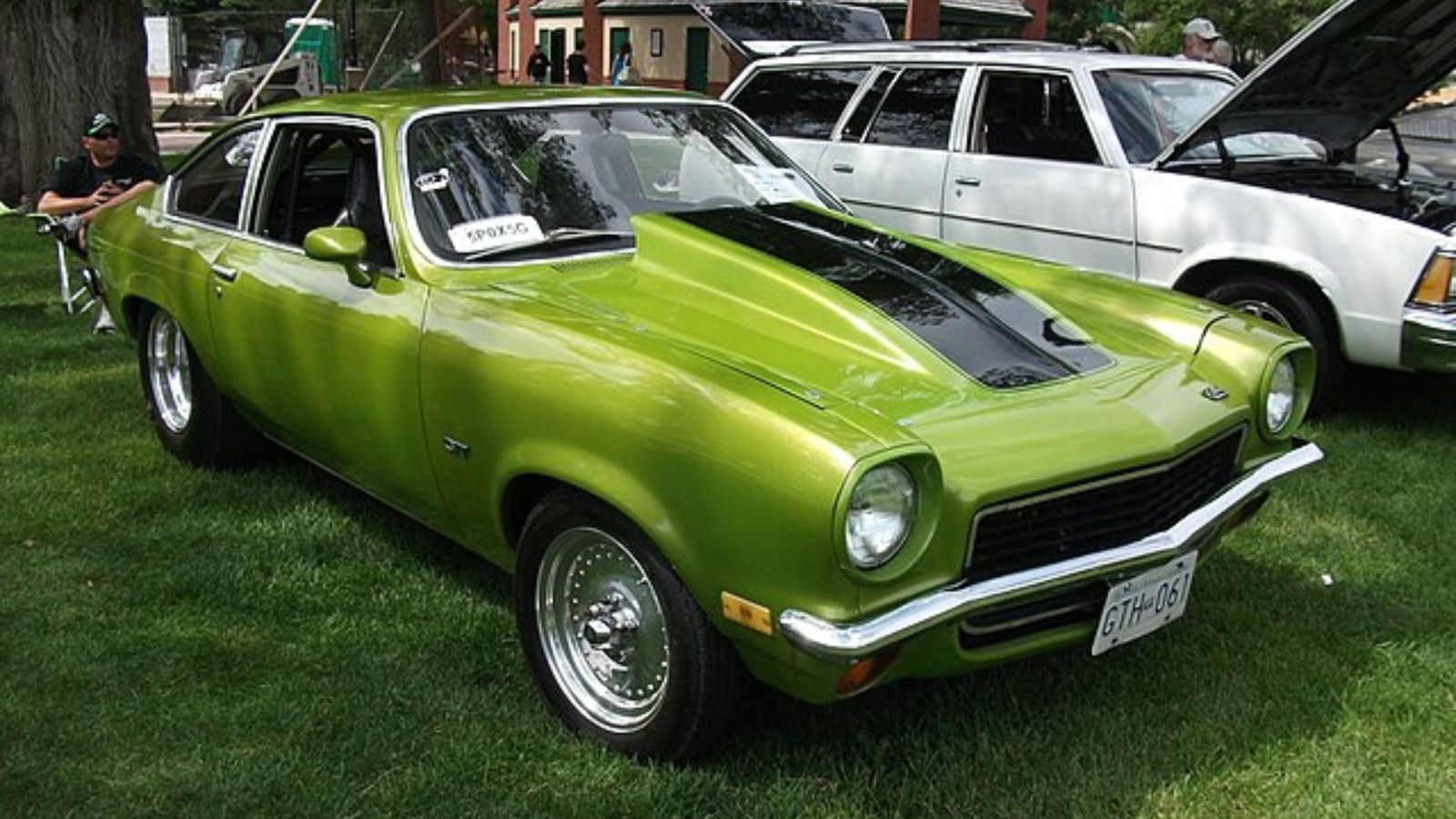
The aluminum engine in the Chevrolet Vega was innovative but poorly executed. It suffered from overheating and oil consumption issues.
Without proper maintenance, engines often failed prematurely. The Vega became synonymous with unreliable engineering as a result.
Chrysler 2.7 Liter V6 (1998 to 2010)
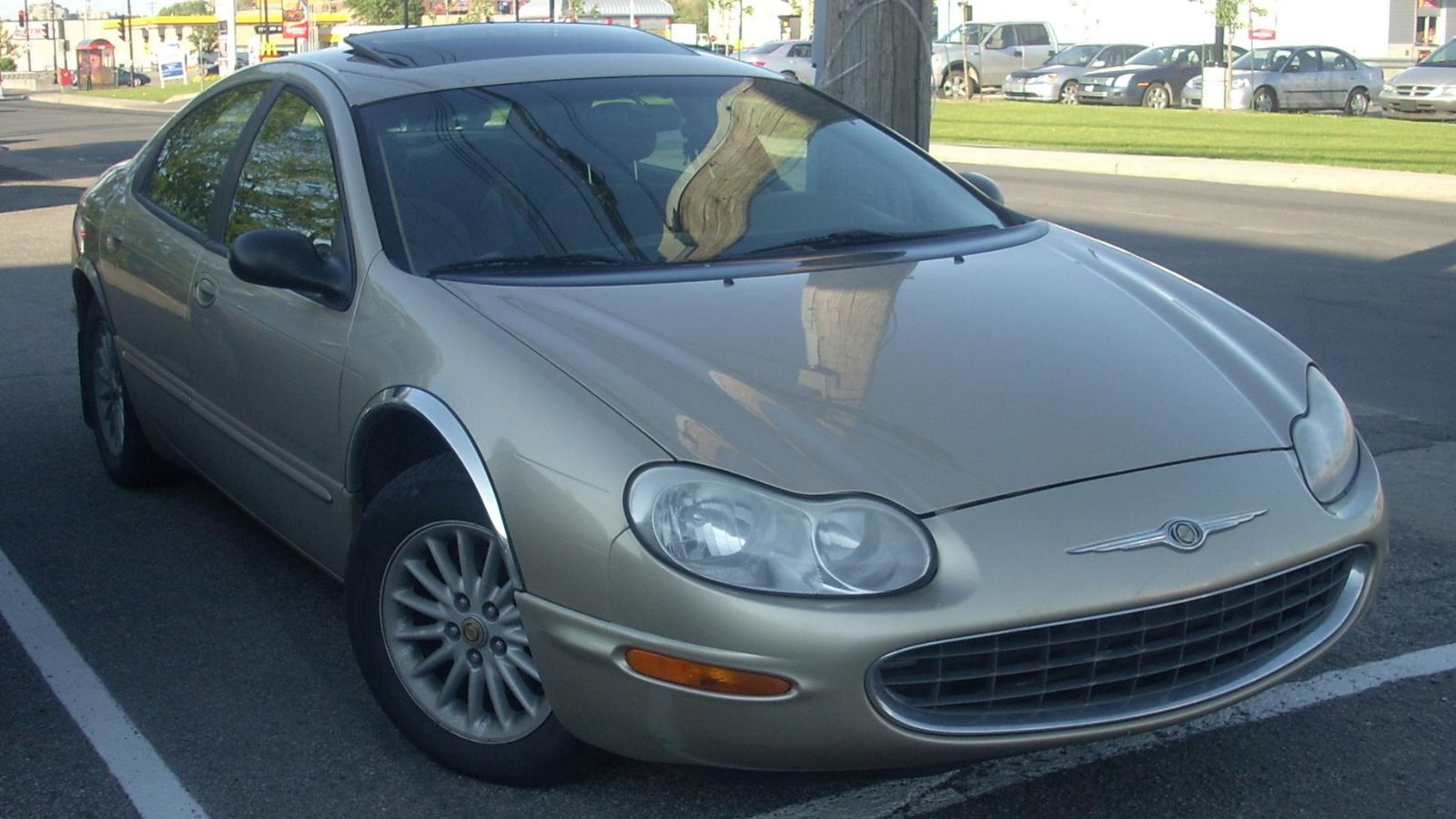
The Chrysler 2.7 V6 developed a reputation for sludge buildup and internal failure. Poor oil circulation and design flaws contributed to its issues.
Many engines failed at relatively low mileage, making it one of the most problematic modern engines.
BMW N63 V8 (2008 to Present Early Versions)
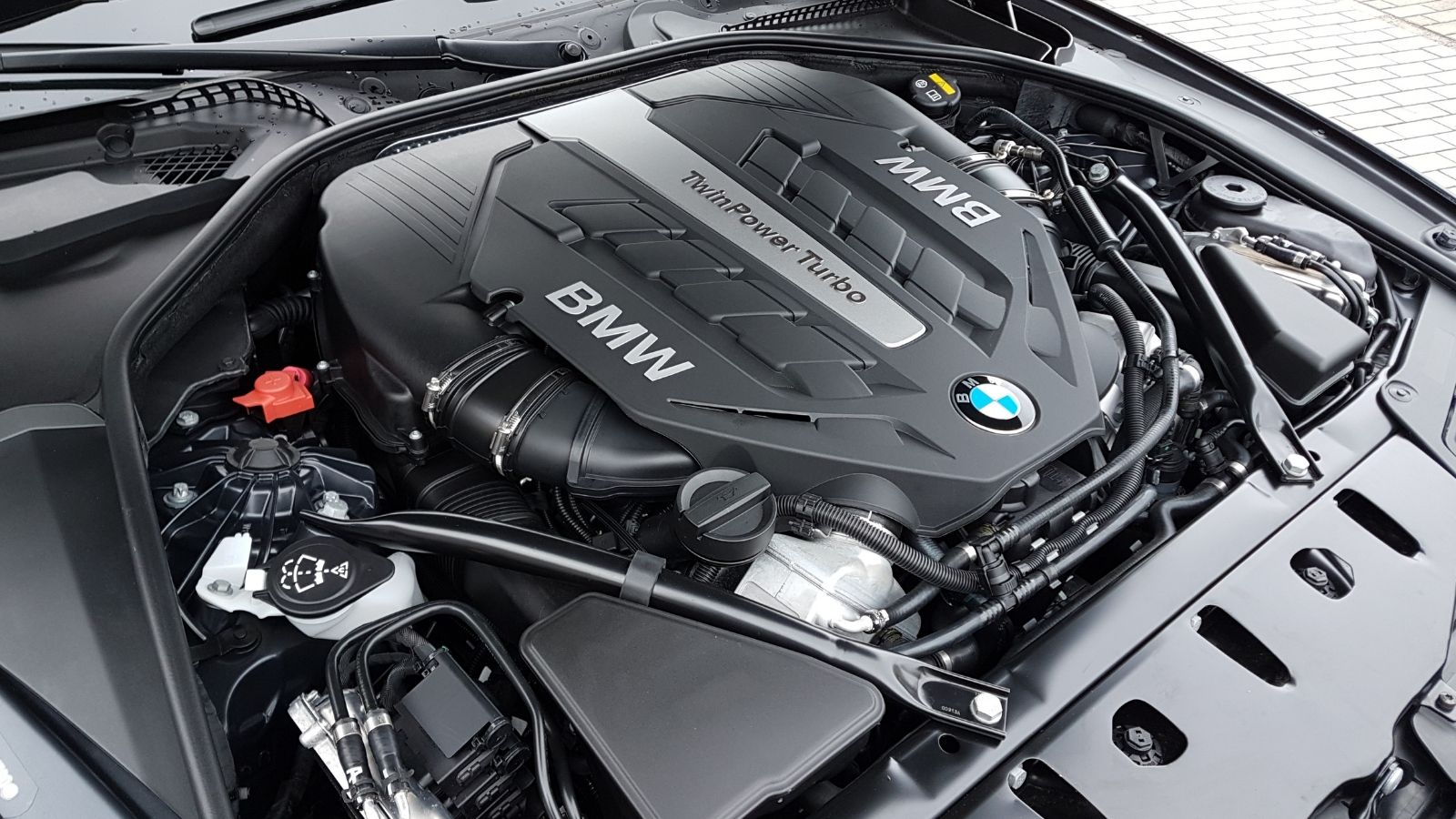
The early versions of BMW’s N63 V8 were ambitious but problematic. Heat management issues led to excessive oil consumption and component wear.
Owners often faced costly repairs, and the engine became known for its complexity and maintenance demands.
Subaru EJ25 (Early 2000s)
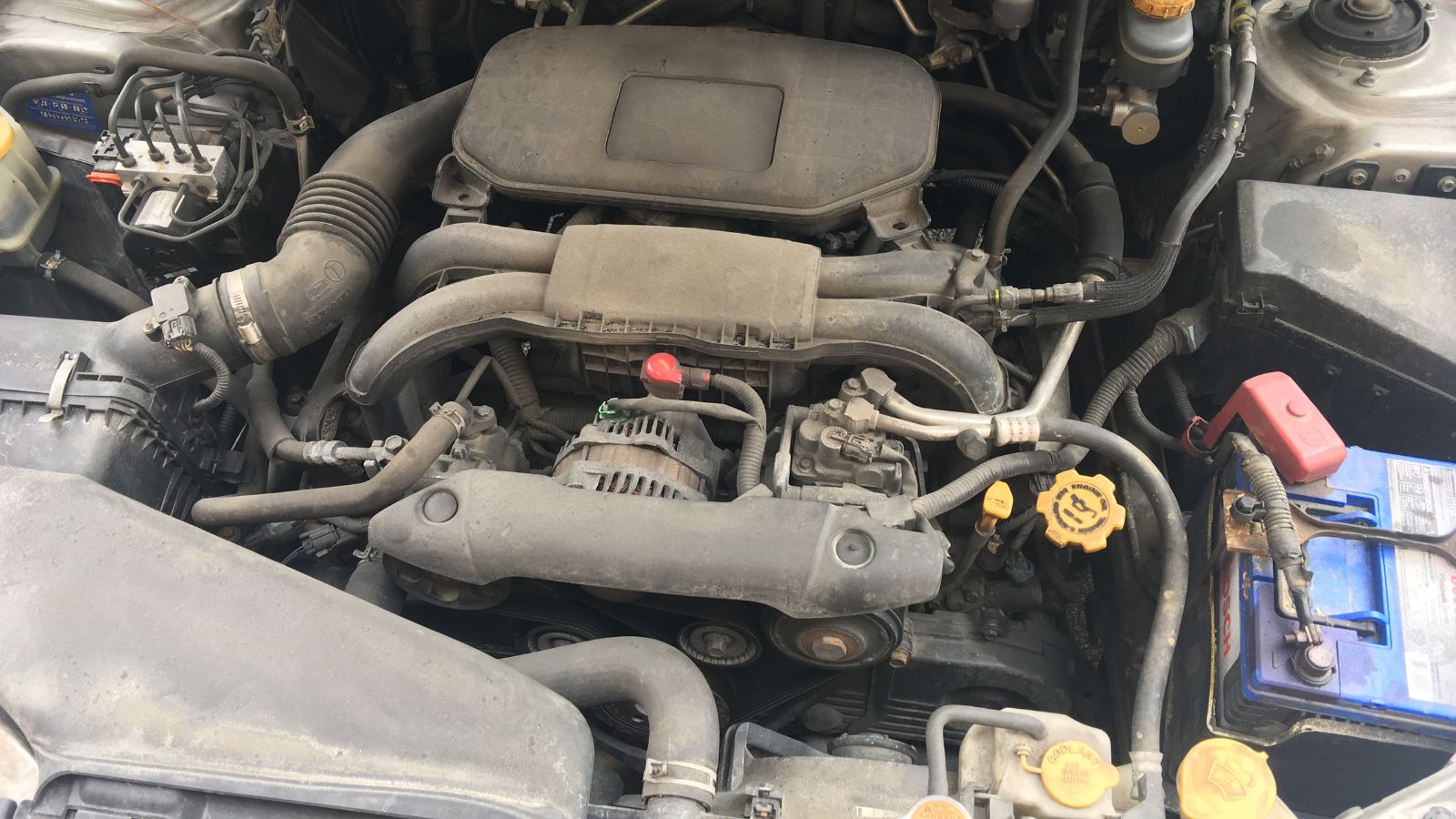
The EJ25 engine is well known for its head gasket issues. While Subaru’s all wheel drive system was praised, the engine itself caused frustration for many owners.
Repeated repairs became a common experience, particularly in earlier models.
Volkswagen 2.0 TSI Early Versions (2008 to 2012)
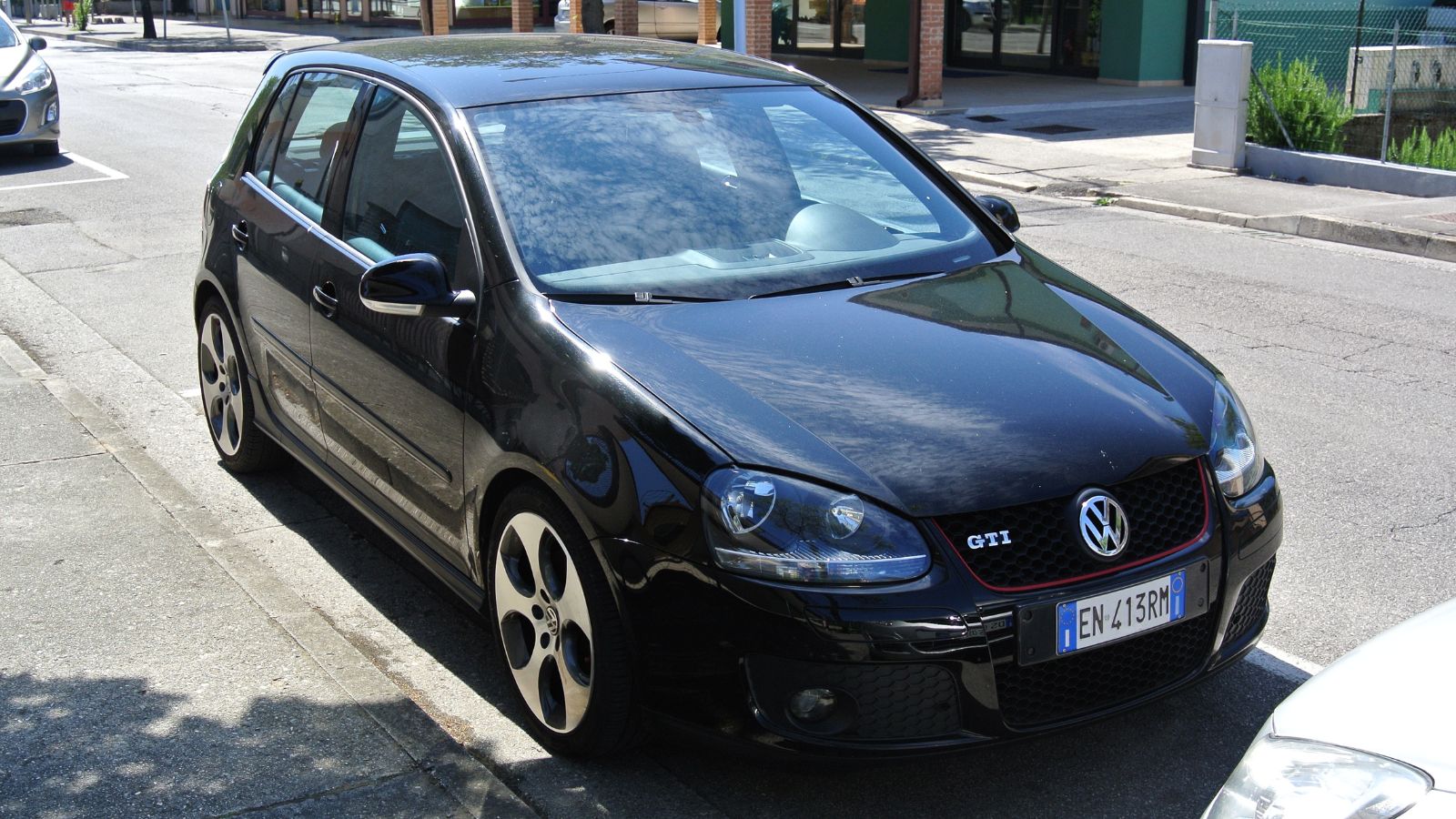
Early versions of Volkswagen’s 2.0 TSI engine suffered from timing chain tensioner failures. When the tensioner failed, it could lead to severe engine damage.
This issue affected a wide range of vehicles and became a major concern for owners.
Ford 6.0 Power Stroke Diesel (2003 to 2007)
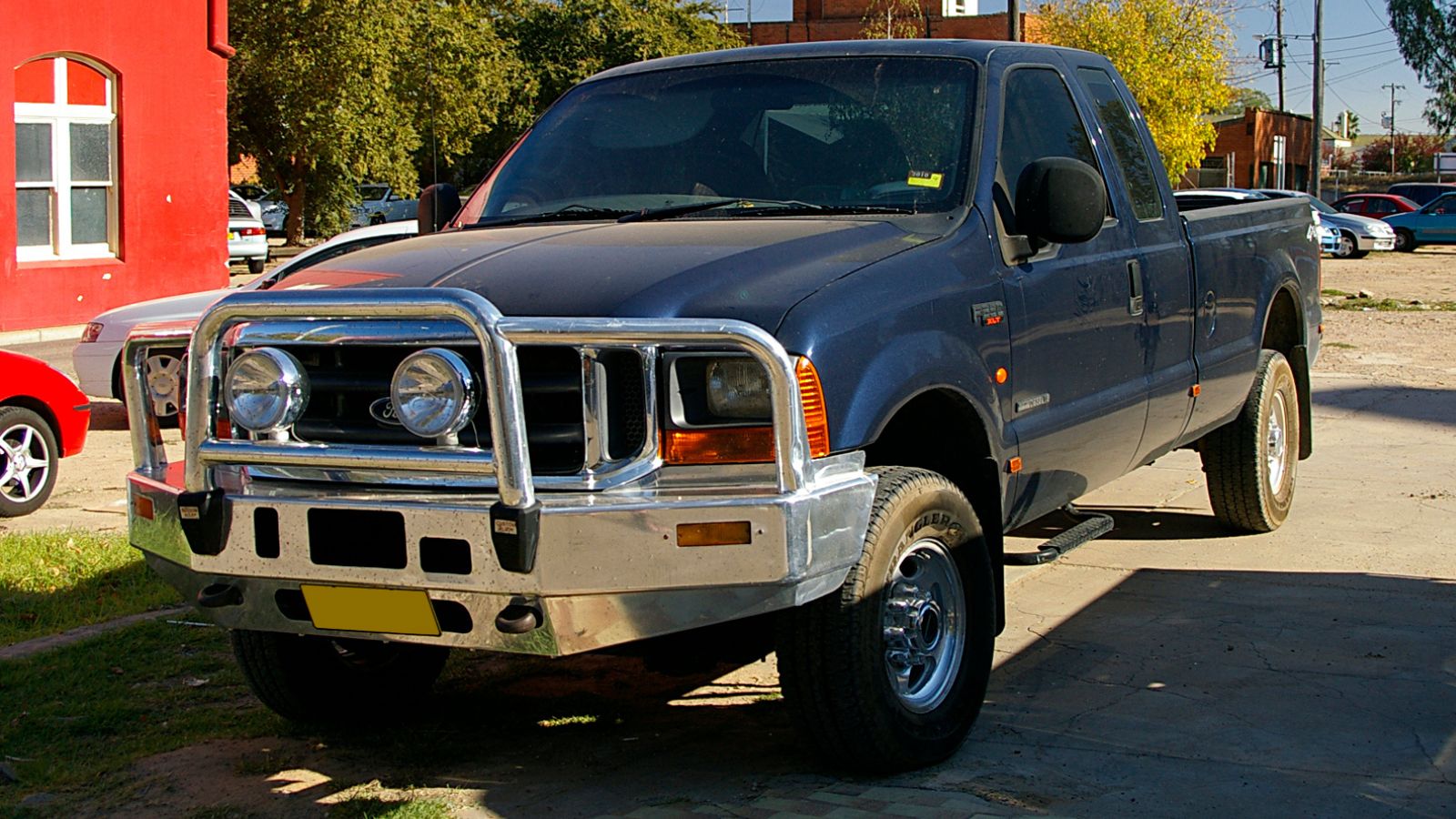
The Ford 6.0 Power Stroke diesel had strong performance potential but was plagued by reliability issues. Problems with the EGR system, head bolts, and cooling system were common.
While it could be improved with modifications, stock engines often required expensive repairs.
Maserati Biturbo Engines (1980s)
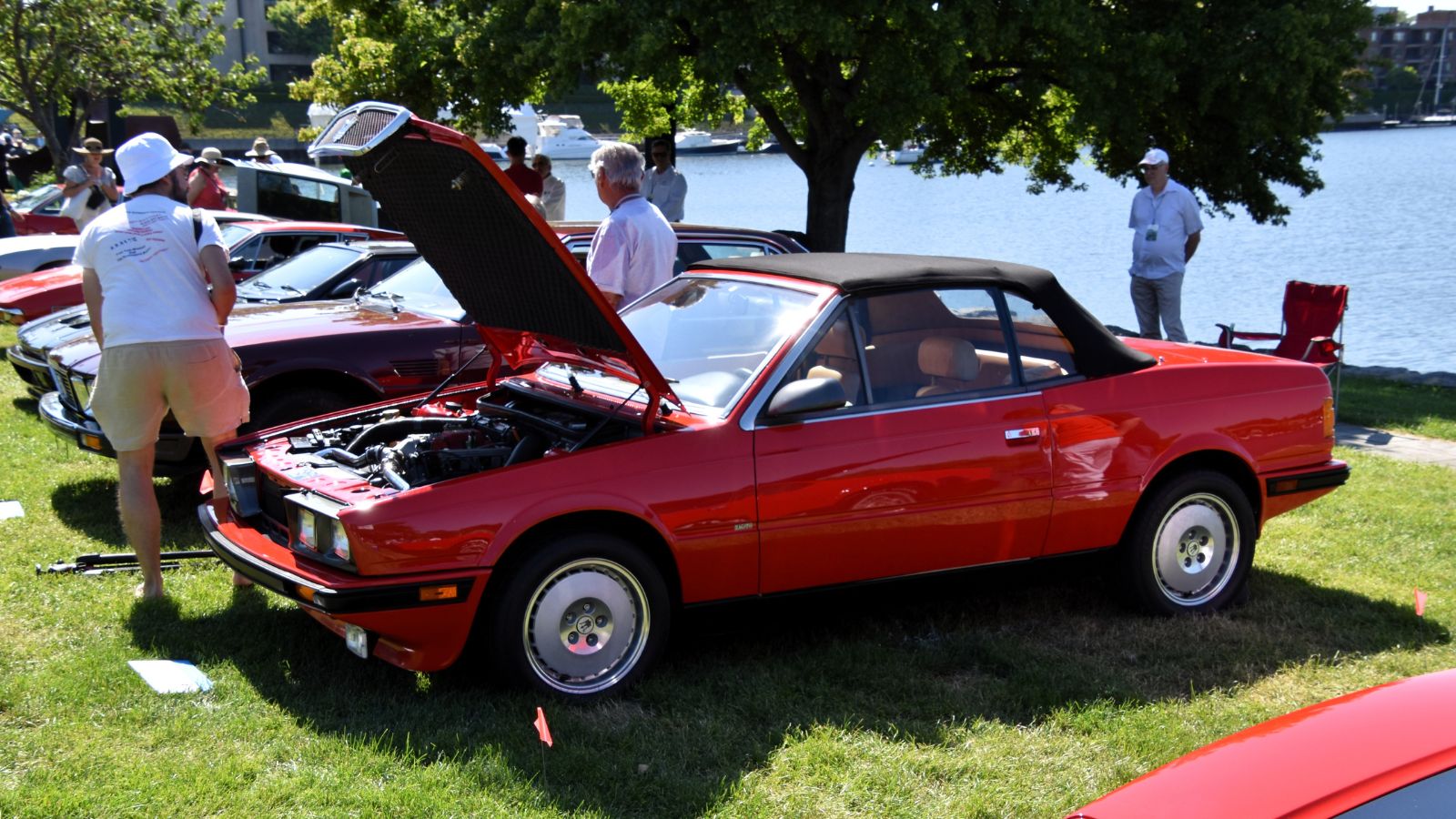
The engines in the Maserati Biturbo were ambitious but unreliable. Twin turbocharging was still relatively new, and the execution left much to be desired.
Frequent breakdowns and maintenance issues overshadowed the car’s performance potential, damaging Maserati’s reputation during that period.
Engine design is a complex balance of innovation and reliability. When that balance is lost, the results can be costly for owners and damaging for manufacturers. These engines serve as reminders that even well known brands can get it wrong, and that real world durability matters just as much as performance on paper.
25 Facts About Car Loans That Most Drivers Don’t Realize

Car loans are one of the most common ways people fund car purchases. Like any other kind of loan, car loans can have certain features that can be regarded as an advantage or a disadvantage to the borrower. Understanding all essential facts about car loans and how they work to ensure that you get the best deal for your financial situation is essential. Here are 25 shocking facts about car loans that most drivers don’t realize:
25 Facts About Car Loans That Most Drivers Don’t Realize
