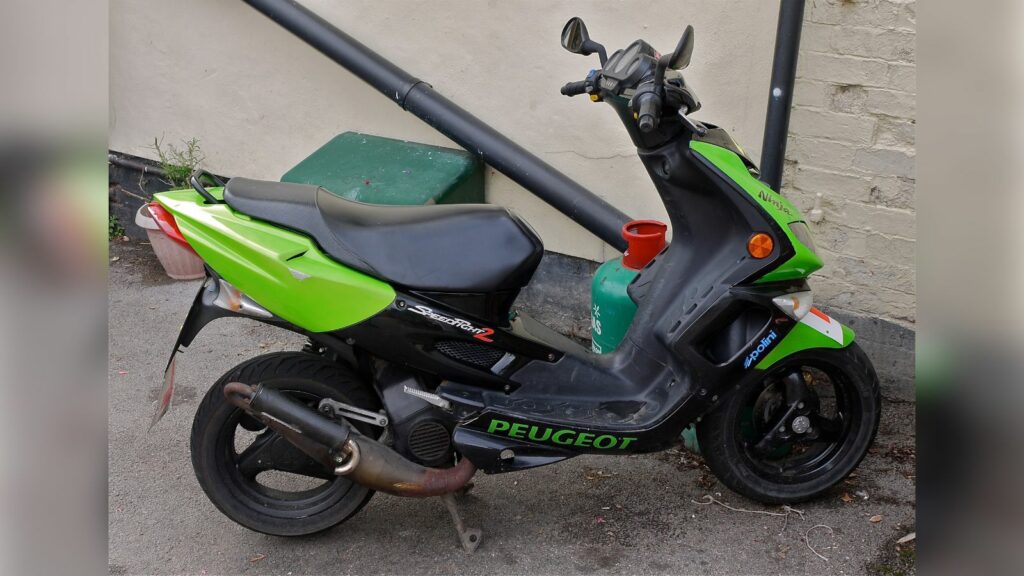
Before emissions rules tightened and four stroke engines took over, two stroke scooters ruled city streets across the world. They were simple, light, and incredibly easy to maintain. For millions of commuters, they offered affordable and reliable transport that could handle daily use without fuss. They were not about speed or prestige. They were about getting from A to B with minimal effort. These ten scooters helped define that era.
Vespa PX125 and PX150 (1977 to 2017)
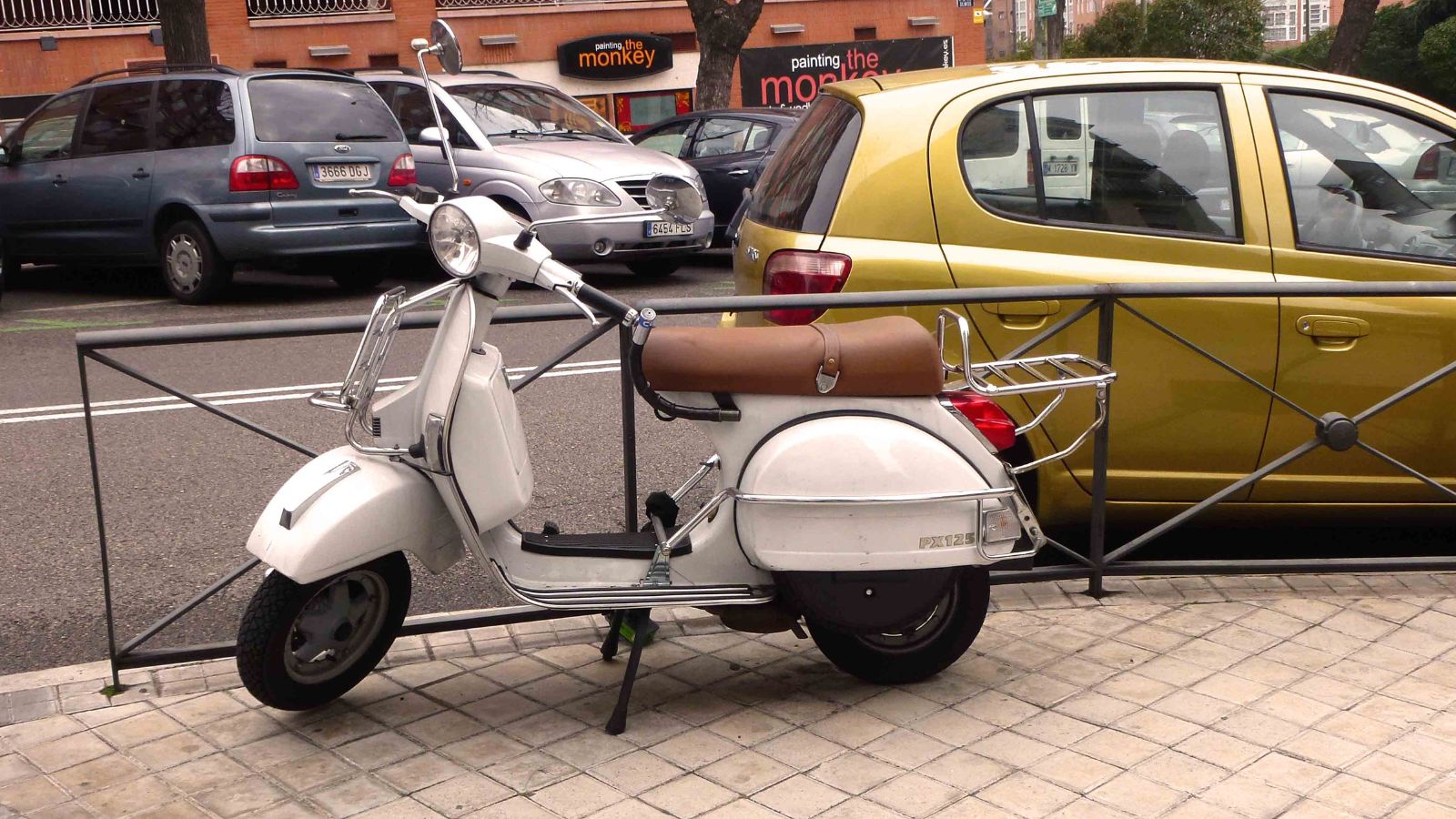
The Vespa PX series became a global icon. Its simple two stroke engine, manual gearbox, and durable design made it a favorite among commuters.
It was easy to fix, cheap to run, and stylish enough to stand out. Few scooters have had the same lasting impact.
Honda Dio (1988 to 2001 Early Two Stroke Models)
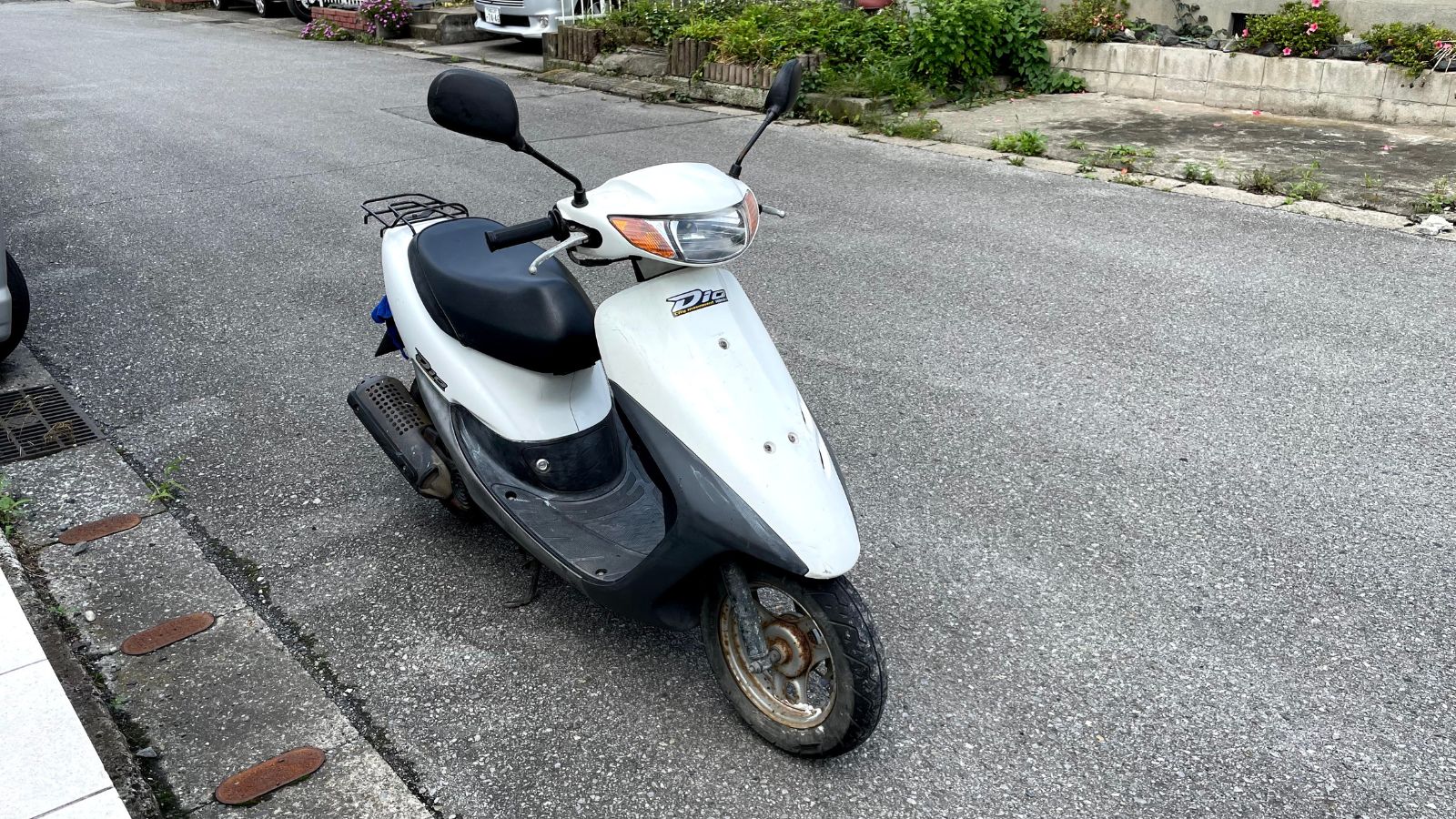
The Honda Dio was designed for urban mobility. Compact, lightweight, and easy to ride, it became hugely popular in crowded cities.
Its reliability and low running costs made it a practical choice for everyday commuting.
Yamaha Jog (1983 to 2007 Two Stroke Era)
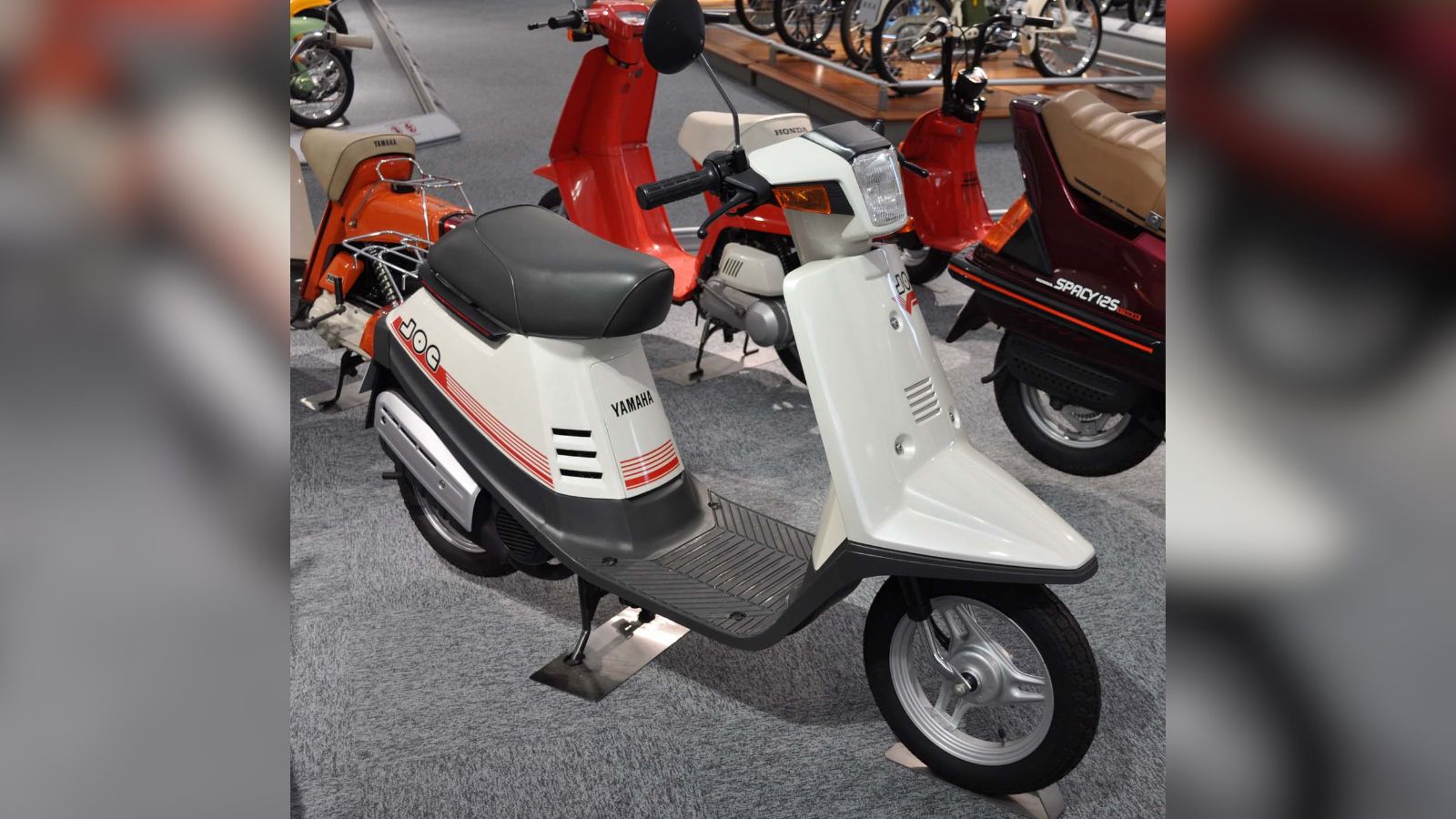
The Yamaha Jog offered a balance of performance and practicality. Its responsive engine and light weight made it quick off the line.
It was ideal for navigating traffic, giving riders a sense of agility and freedom in busy environments.
Suzuki Sepia (1989 to 2001)
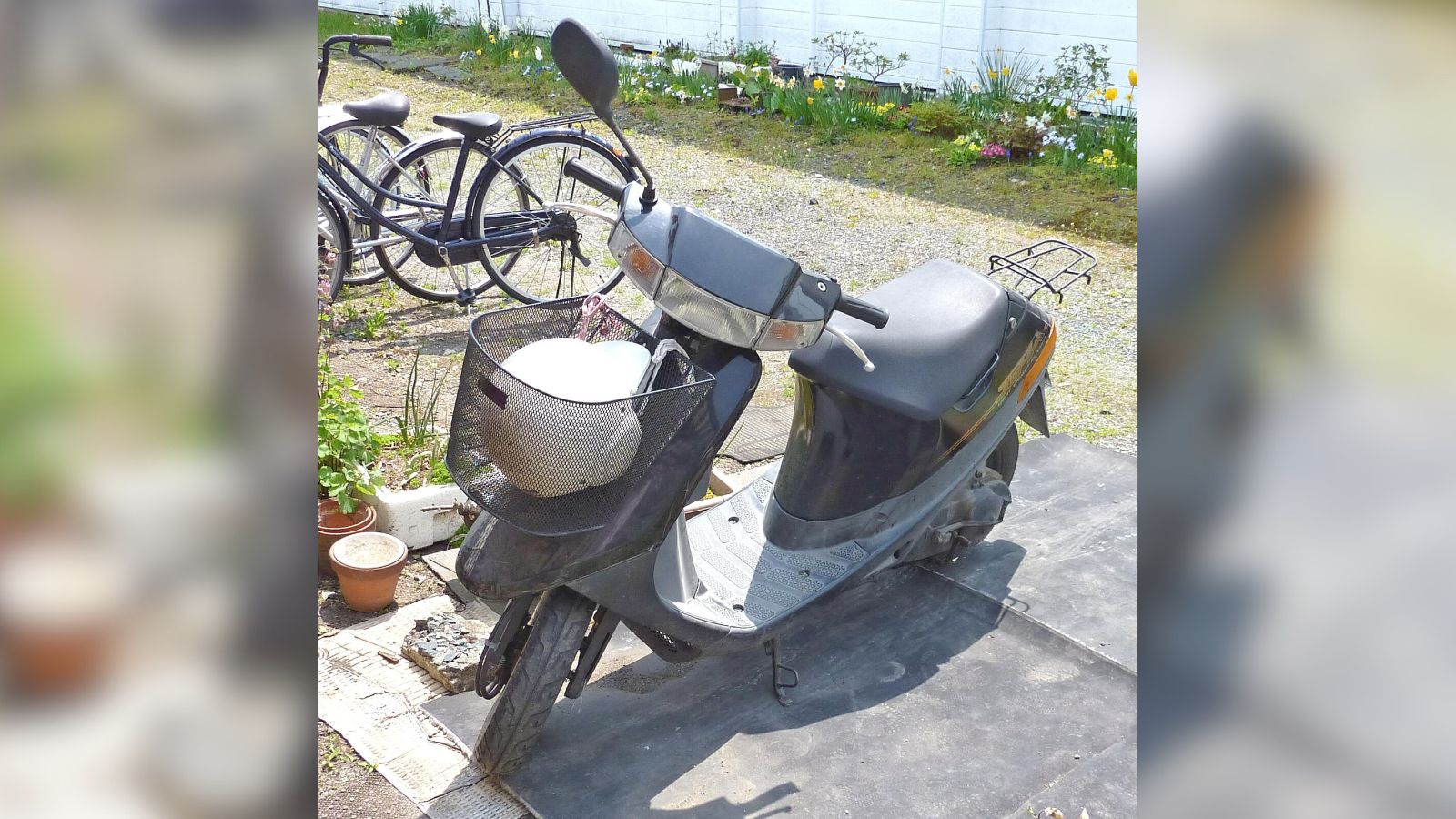
The Suzuki Sepia was another strong contender in the small scooter segment. It delivered dependable performance and simple maintenance.
For many riders, it became a reliable daily companion that rarely caused trouble.
Peugeot Speedfight (1996 to 2010 Early Models)
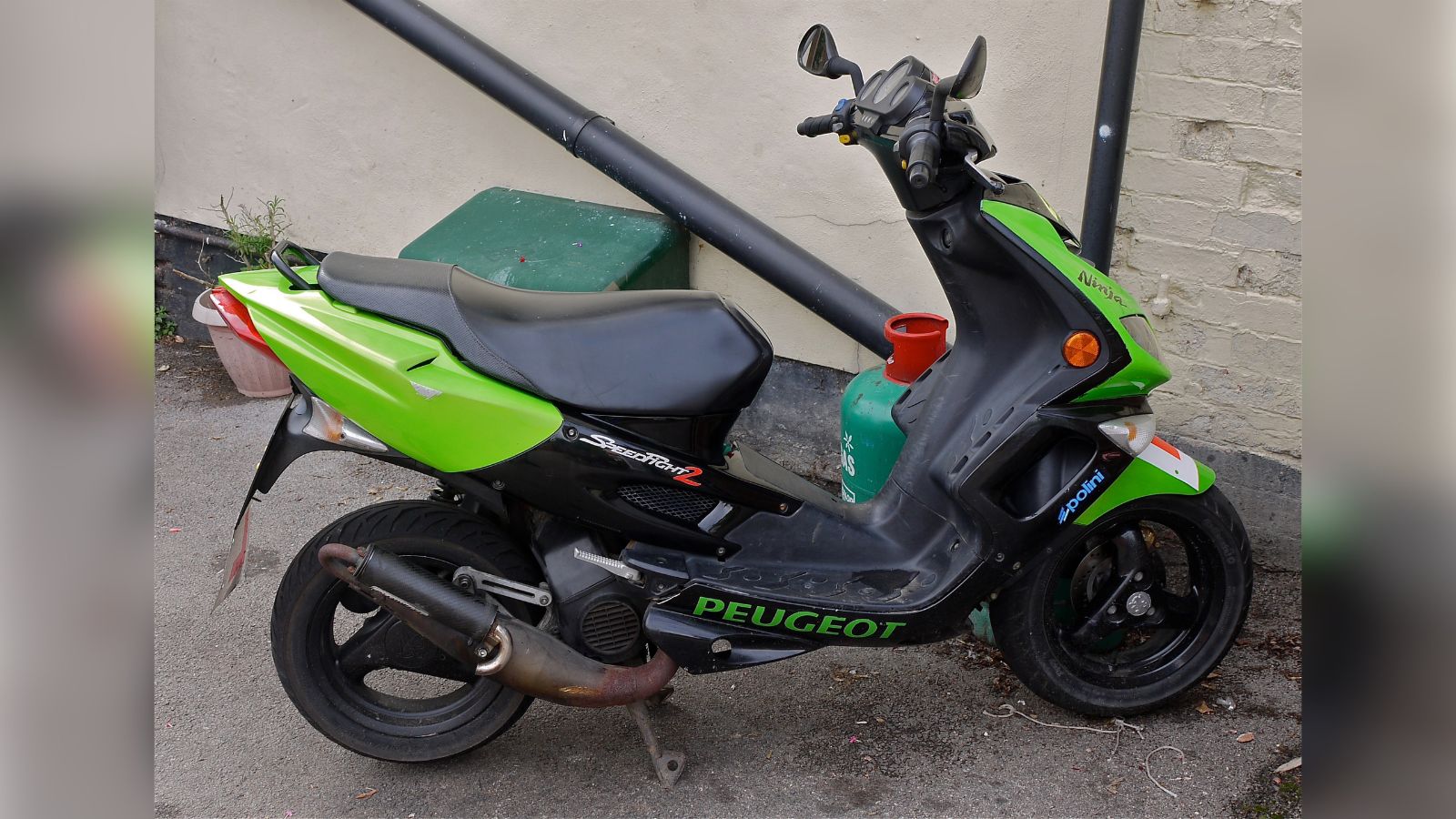
The Speedfight brought a sportier edge to commuter scooters. Its sharp styling and lively engine made it popular with younger riders.
Despite its sporty character, it remained practical enough for everyday use.
Aprilia SR50 (1992 to 2017 Two Stroke Versions)
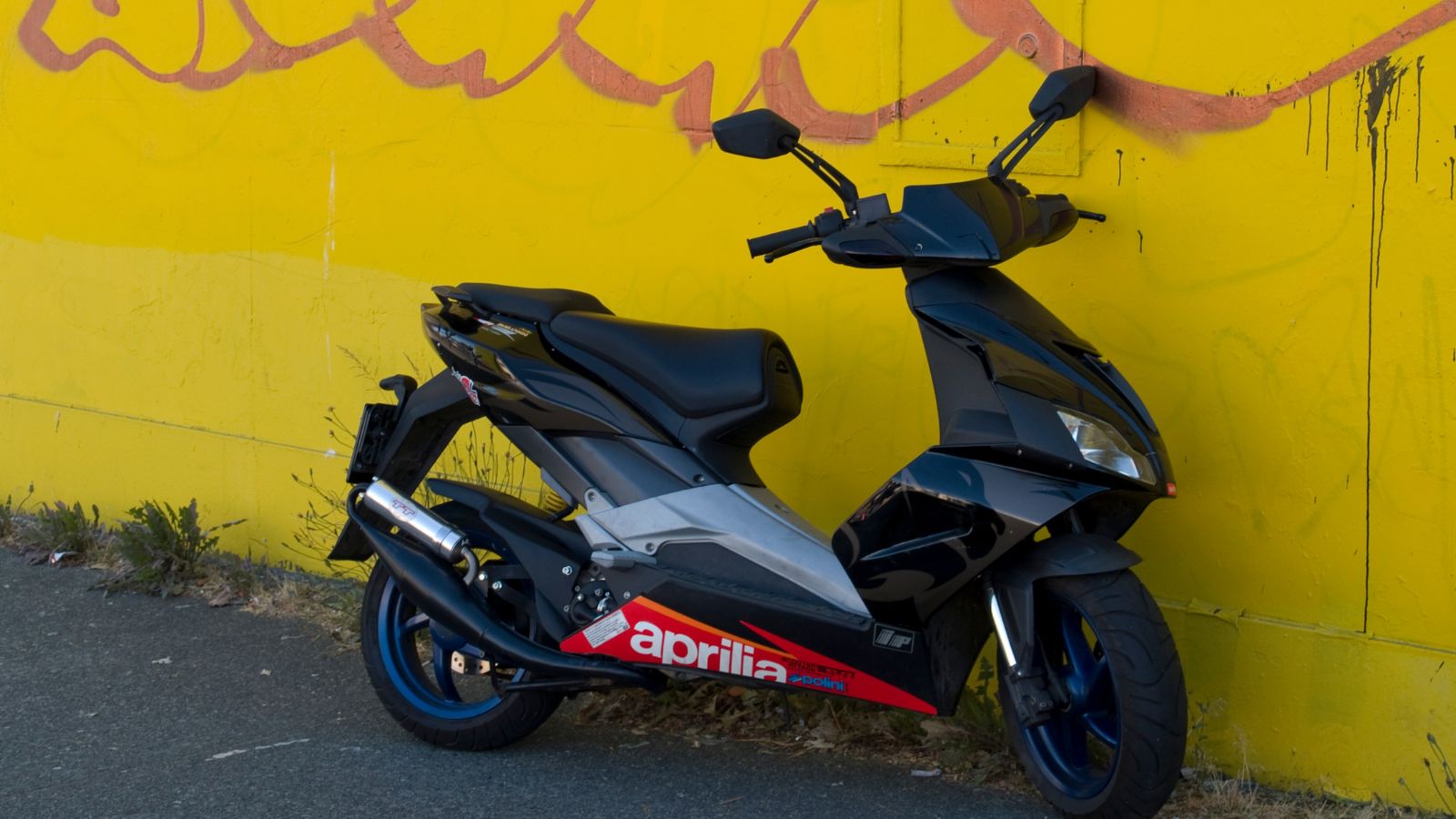
The Aprilia SR50 combined performance with practicality. Its two stroke engine delivered strong acceleration for its class.
It stood out as a scooter that could handle daily commuting while still offering a bit of excitement.
Piaggio Zip (1992 to Present Two Stroke Variants)
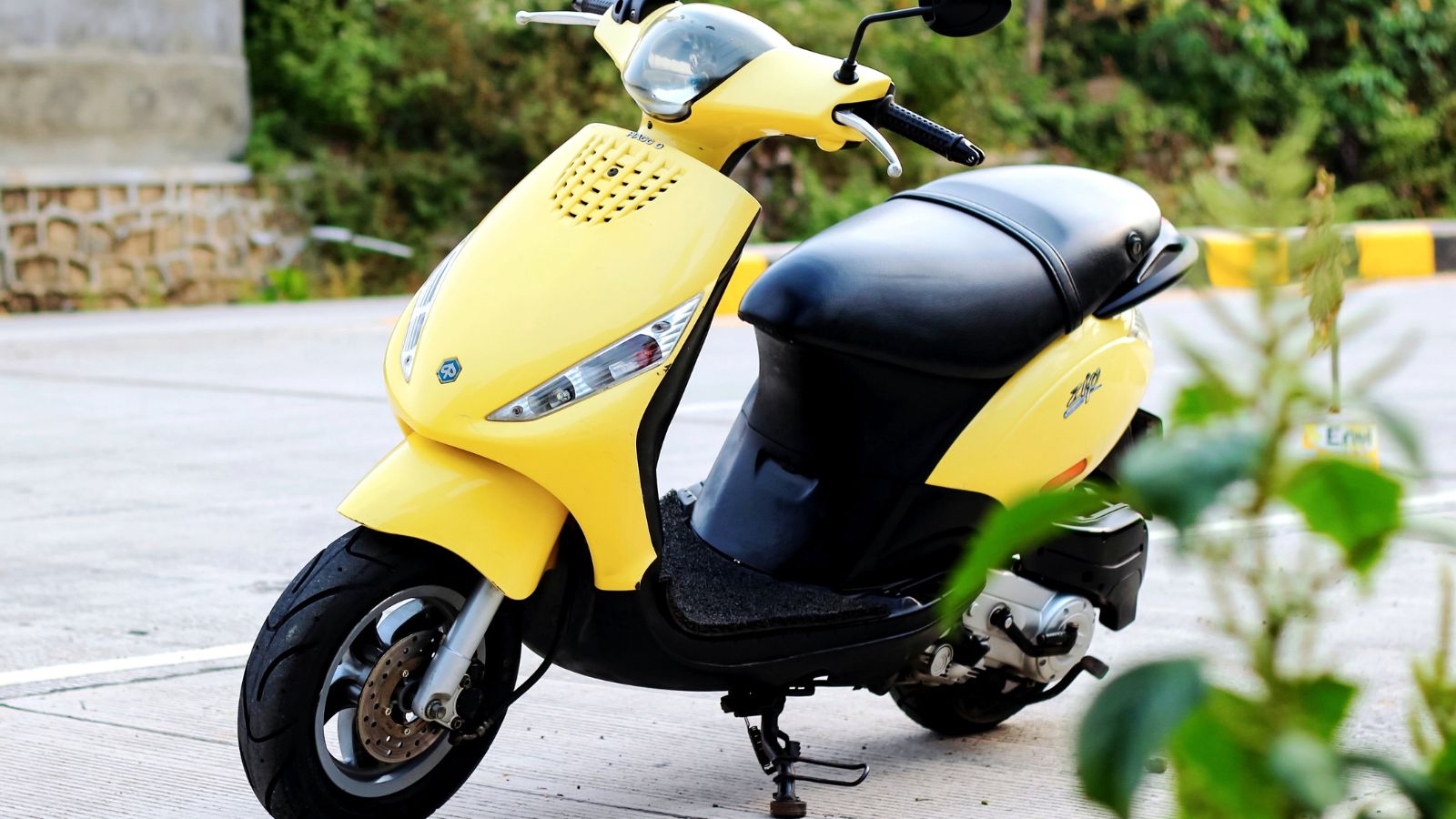
The Piaggio Zip focused on simplicity and affordability. It was compact, easy to handle, and cheap to maintain.
For many commuters, it represented one of the most accessible ways to get around.
Kymco Super 9 (1999 to 2006 Two Stroke)
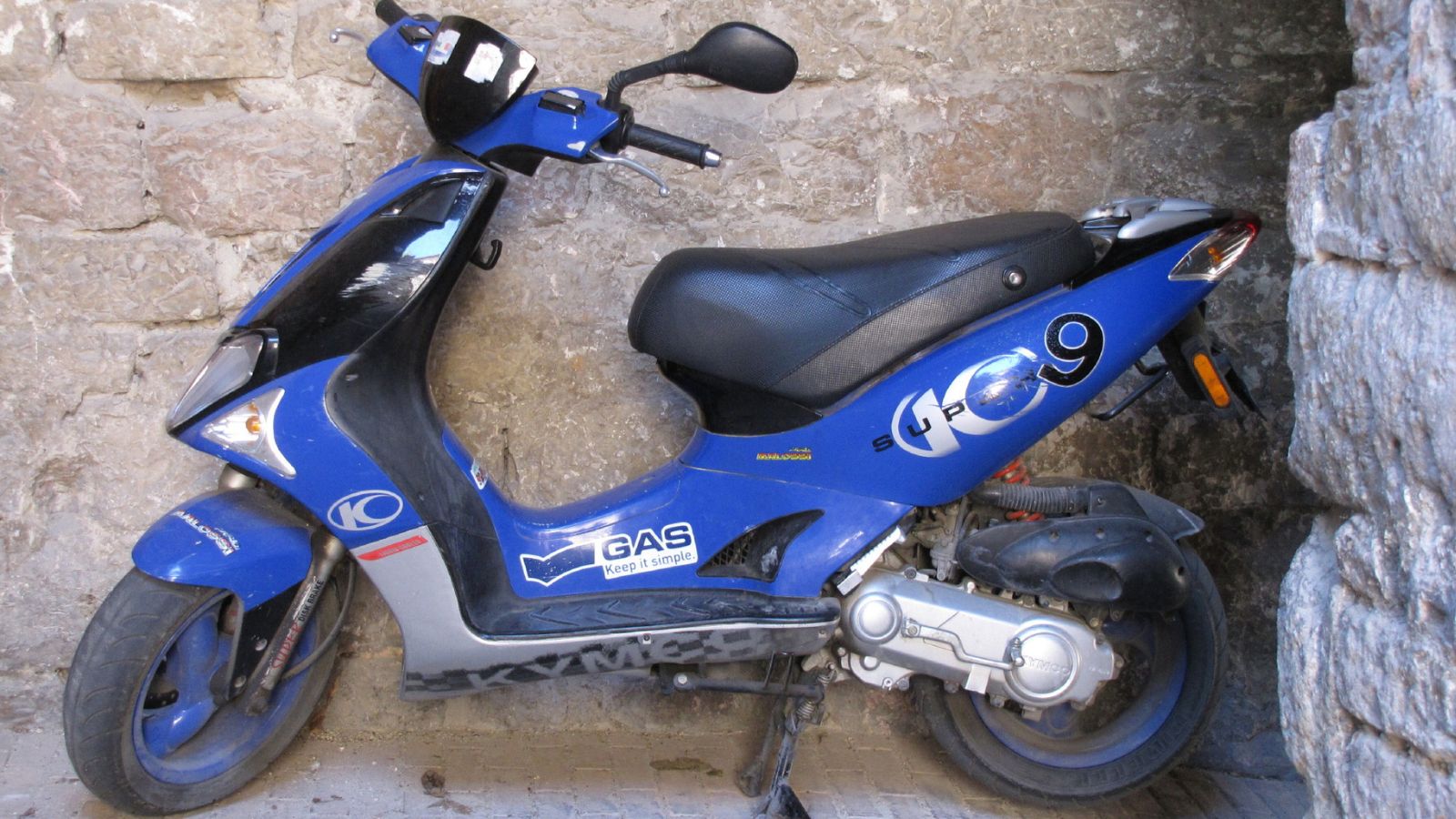
The Kymco Super 9 offered a more performance oriented take on the commuter scooter. Its two stroke engine delivered strong power for its size.
It appealed to riders who wanted a bit more speed without sacrificing practicality.
Gilera Runner (1997 to 2012 Two Stroke)
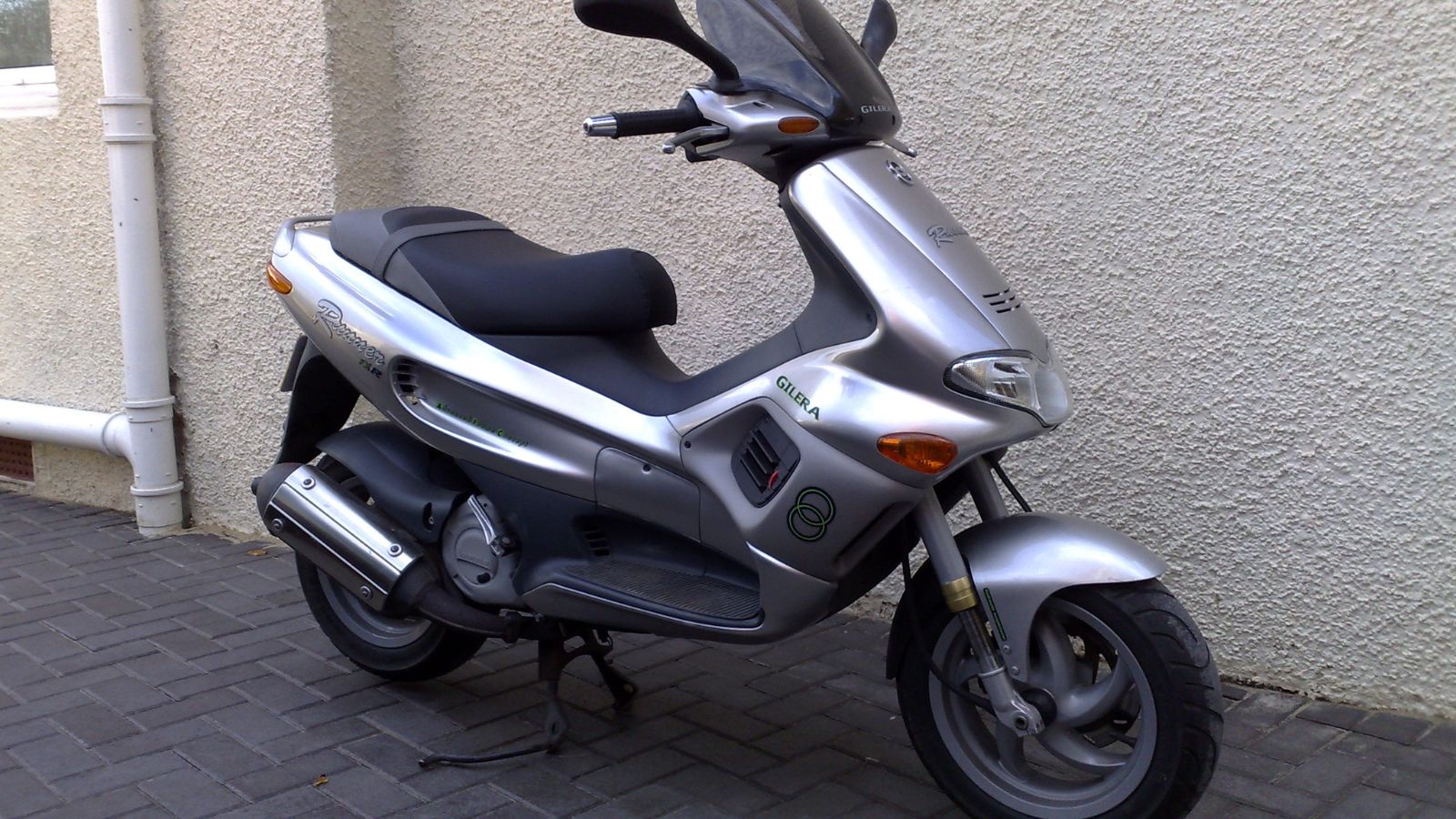
The Gilera Runner was one of the most performance focused scooters of its time. Its two stroke engine delivered strong acceleration and a sporty feel.
Despite its performance, it remained practical enough for daily commuting, making it a versatile choice.
Two stroke scooters may be less common today, but their impact on everyday transport is undeniable. They offered a simple solution to a universal problem, getting around quickly, cheaply, and efficiently. For many riders, they were not just machines. They were a gateway to independence and mobility.
25 Facts About Car Loans That Most Drivers Don’t Realize

Car loans are one of the most common ways people fund car purchases. Like any other kind of loan, car loans can have certain features that can be regarded as an advantage or a disadvantage to the borrower. Understanding all essential facts about car loans and how they work to ensure that you get the best deal for your financial situation is essential. Here are 25 shocking facts about car loans that most drivers don’t realize:
25 Facts About Car Loans That Most Drivers Don’t Realize
