
Global conflicts often ripple through energy markets within days. Oil prices can swing dramatically as supply fears, shipping disruptions, or political tensions affect the global market. For drivers, those changes usually appear quickly at the gas pump. As electric vehicles become more common, many Canadians are asking a different question. When global instability hits energy markets, are EV charging costs actually more stable than gasoline?
Oil Prices React Immediately to Global Events

Gasoline prices are tied directly to global oil markets, which are highly sensitive to geopolitical events. When tensions rise in major oil producing regions, traders react quickly because supply disruptions can affect global production.
Drivers often see the impact almost immediately. Fuel prices can rise sharply within days if markets anticipate shortages or shipping disruptions. Even rumors of instability can move oil prices significantly. This direct link between global politics and fuel costs is one reason gasoline prices often feel unpredictable.
Electricity Prices Move Much More Slowly
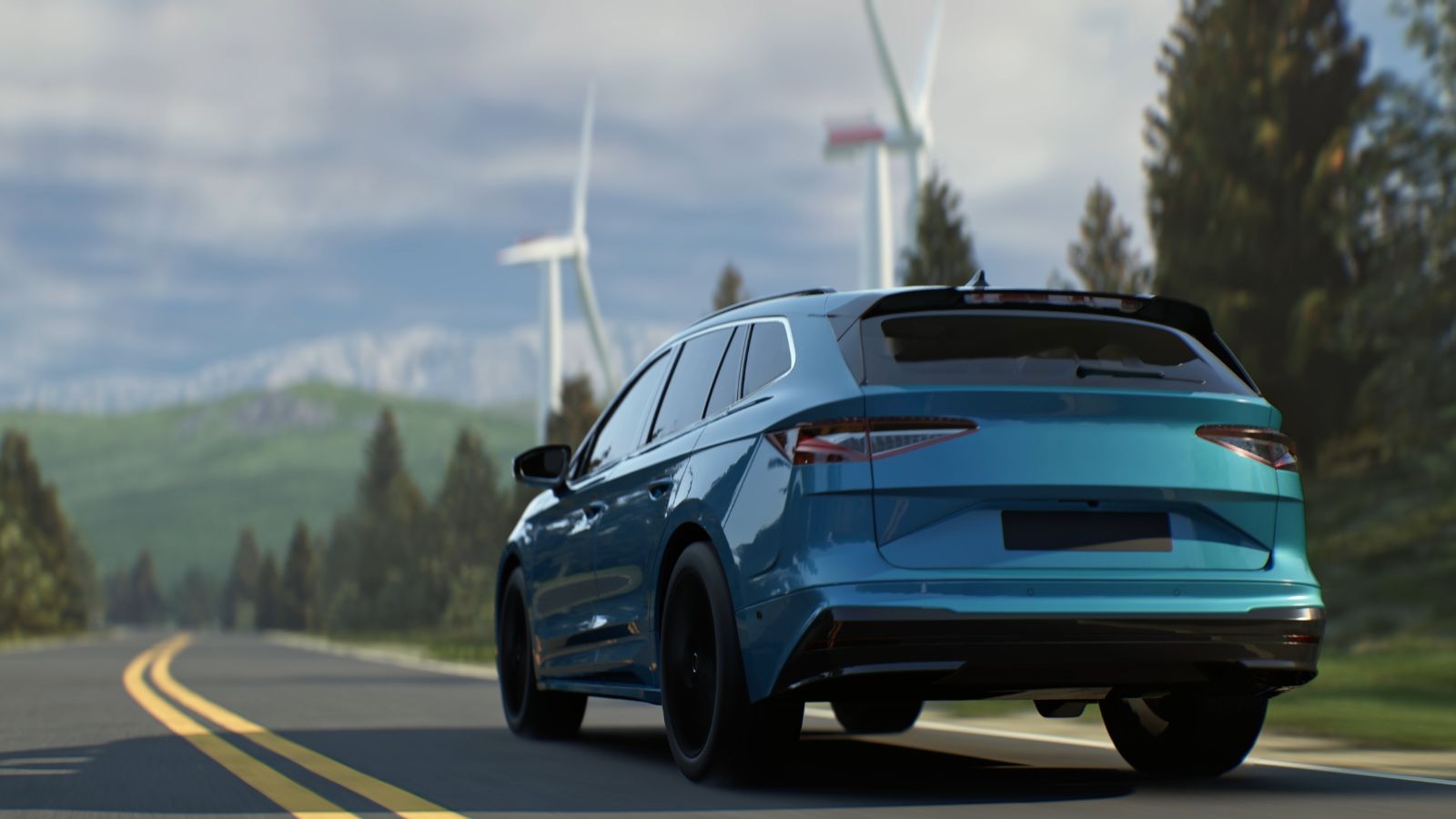
Electricity pricing works very differently from oil markets. While global energy trends still influence electricity generation costs, most power prices are determined by regional utilities and long term infrastructure investments.
In Canada a large portion of electricity comes from hydroelectric, nuclear, and renewable sources rather than imported oil. Because these energy sources are produced domestically, electricity prices tend to change gradually rather than reacting instantly to global events.
For EV drivers who charge at home, this often means energy costs remain relatively predictable even when oil markets are volatile.
Local Power Production Creates Stability
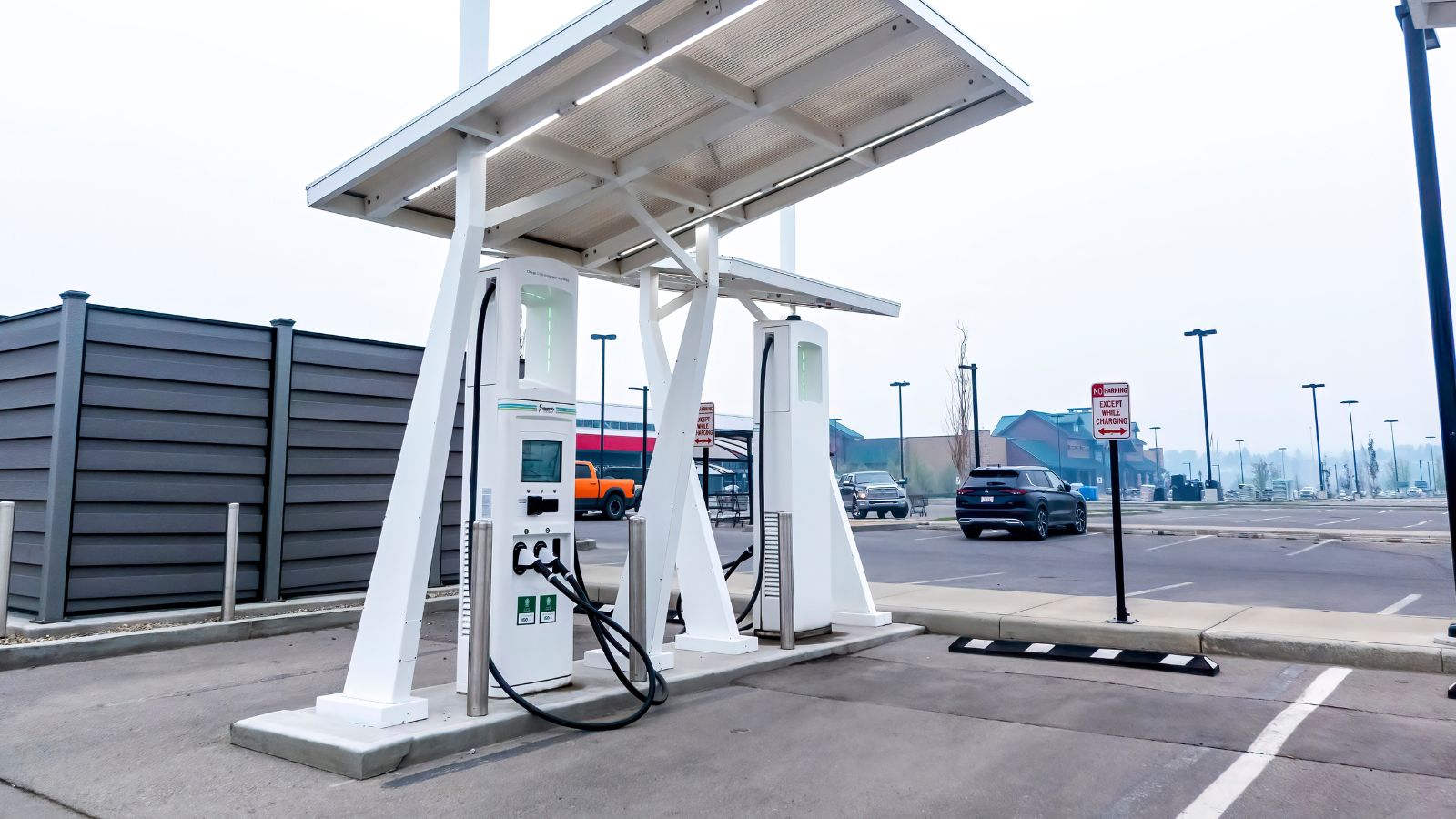
One of the biggest differences between gasoline and electricity is where the energy comes from. Oil is traded globally and transported across oceans, pipelines, and shipping lanes. Disruptions anywhere along that chain can affect prices worldwide.
Electricity is mostly generated locally. Canadian provinces produce their own power through hydroelectric dams, nuclear plants, natural gas facilities, and renewable energy sources. Because of this local production, global conflicts have a smaller immediate impact on electricity prices compared with gasoline.
Public Charging Prices Can Still Fluctuate
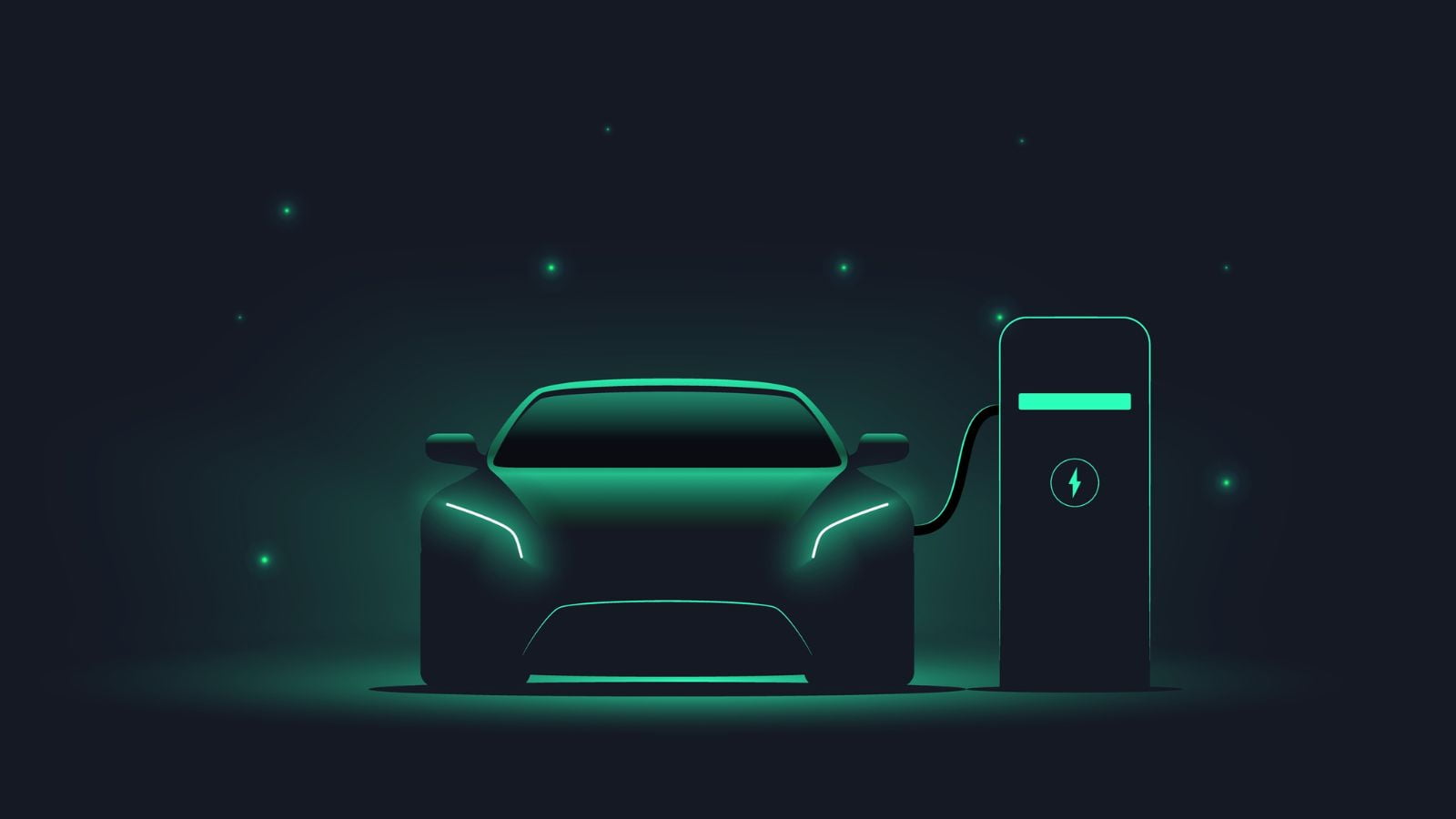
While home charging tends to remain stable, public charging stations sometimes operate under different pricing structures. Fast charging networks may adjust rates based on electricity demand, operational costs, or market competition.
Even so, these price changes usually occur gradually rather than reacting daily to geopolitical news. Charging costs might rise over time if electricity prices increase, but they rarely experience the sudden spikes that gasoline prices can show during global conflicts.
Gasoline Has a Long History of Volatility
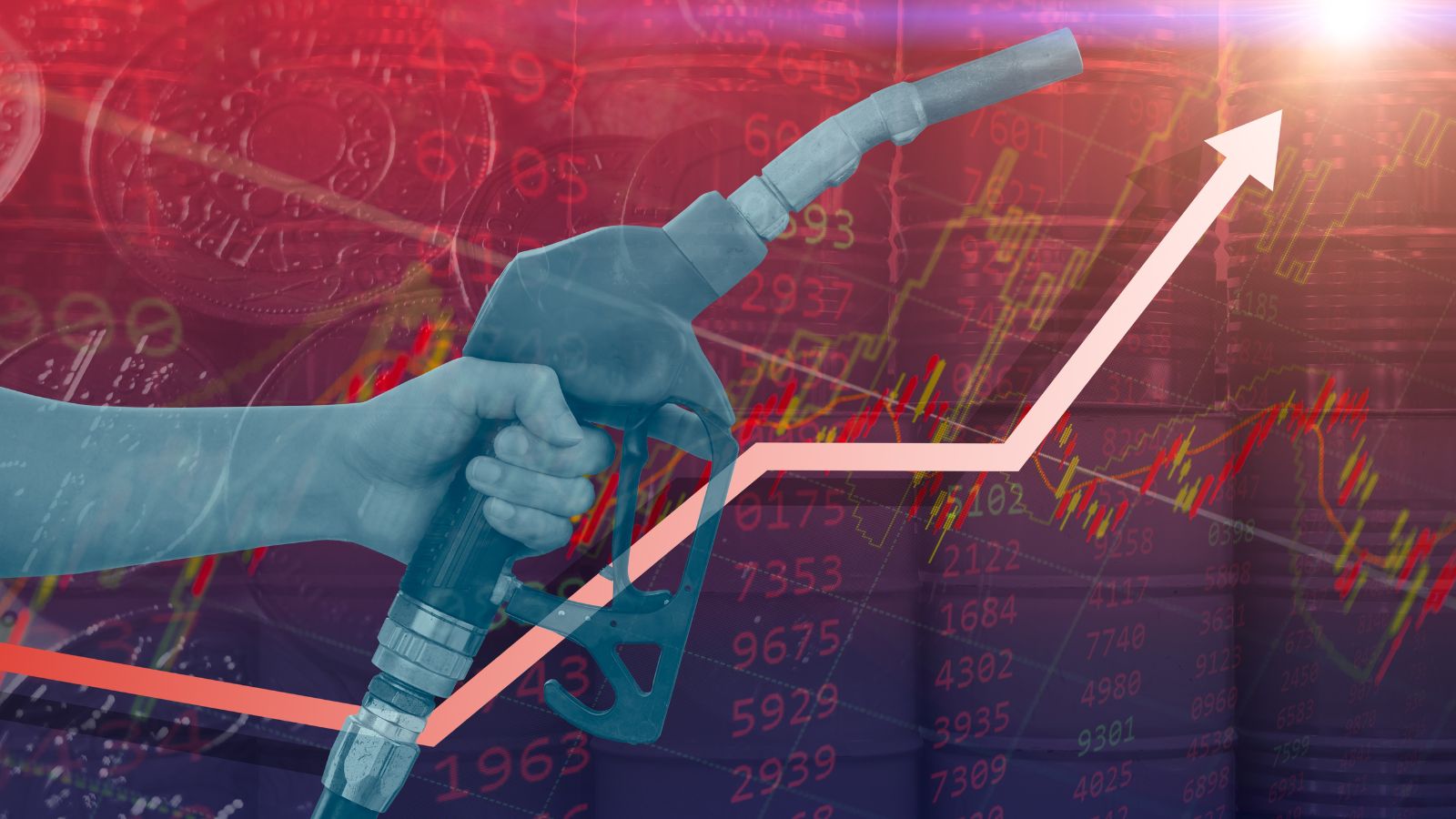
Drivers have experienced fuel price volatility for decades. Oil markets respond to wars, sanctions, production cuts, and shipping disruptions around the world.
Even events far from Canada can influence pump prices. If a major oil producing region experiences instability, global supply concerns can push prices upward everywhere. That volatility is one reason fuel prices often feel unpredictable to consumers.
EV Drivers Experience a Different Kind of Energy Risk
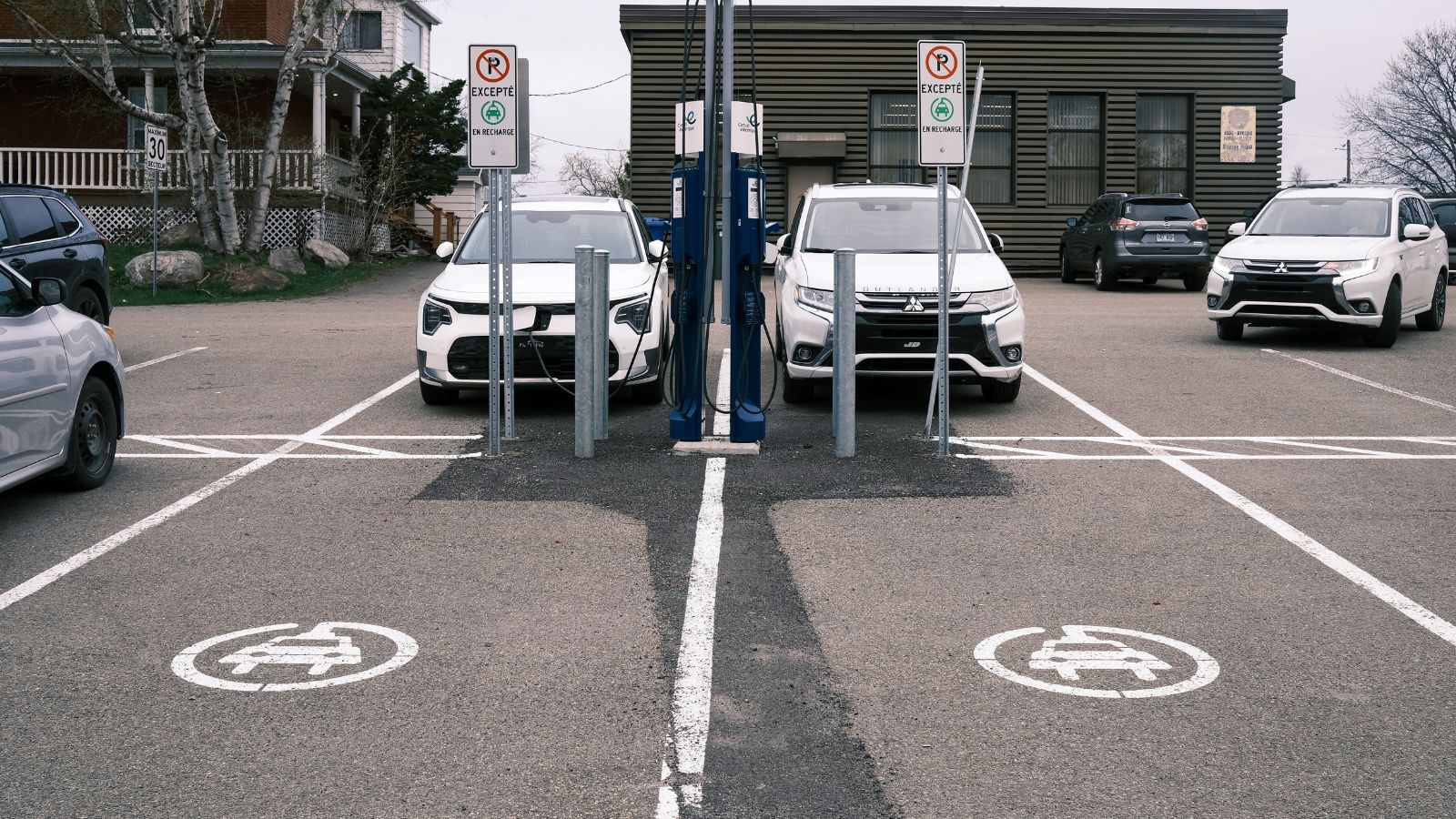
Electric vehicles are not completely immune to energy market changes. Electricity prices can still rise due to factors such as natural gas costs, infrastructure investment, or regional demand increases.
However those changes tend to happen gradually and are often regulated or controlled by long term contracts and government policies. This means EV drivers are generally less exposed to sudden global energy shocks than drivers who rely on gasoline.
Long Term Stability May Be One of EV’s Biggest Advantages

As global conflicts continue to influence oil markets, energy stability is becoming part of the conversation around electric vehicles. Many drivers initially consider EVs for environmental reasons or fuel savings.
Increasingly, predictability is also part of the appeal. Knowing that transportation energy costs are less likely to swing wildly during global crises can be reassuring for households managing tight budgets.
Electric vehicles may not completely disconnect drivers from global energy markets, but they do change how those markets affect daily transportation costs. In an increasingly uncertain world, that difference may become more important than many drivers expected.
25 Facts About Car Loans That Most Drivers Don’t Realize

Car loans are one of the most common ways people fund car purchases. Like any other kind of loan, car loans can have certain features that can be regarded as an advantage or a disadvantage to the borrower. Understanding all essential facts about car loans and how they work to ensure that you get the best deal for your financial situation is essential. Here are 25 shocking facts about car loans that most drivers don’t realize:
25 Facts About Car Loans That Most Drivers Don’t Realize
