
Fuel prices in Canada rarely move gently. They jump. Global tensions, refinery slowdowns, seasonal demand, and currency swings can send pump prices climbing faster than most household budgets can adjust. That has many drivers asking a practical question. Does it make sense to move into a hybrid now before oil spikes again? The answer depends on how you drive, what you drive, and how long you plan to keep it.
Fuel Volatility Is Nothing New

Canada may produce oil, but drivers still pay global market rates. When crude rises, gas stations follow quickly. A hybrid reduces exposure to those swings by cutting fuel consumption significantly, especially in city driving. If you commute daily in traffic, the savings compound fast.
Hybrids Work Best in Urban Canada
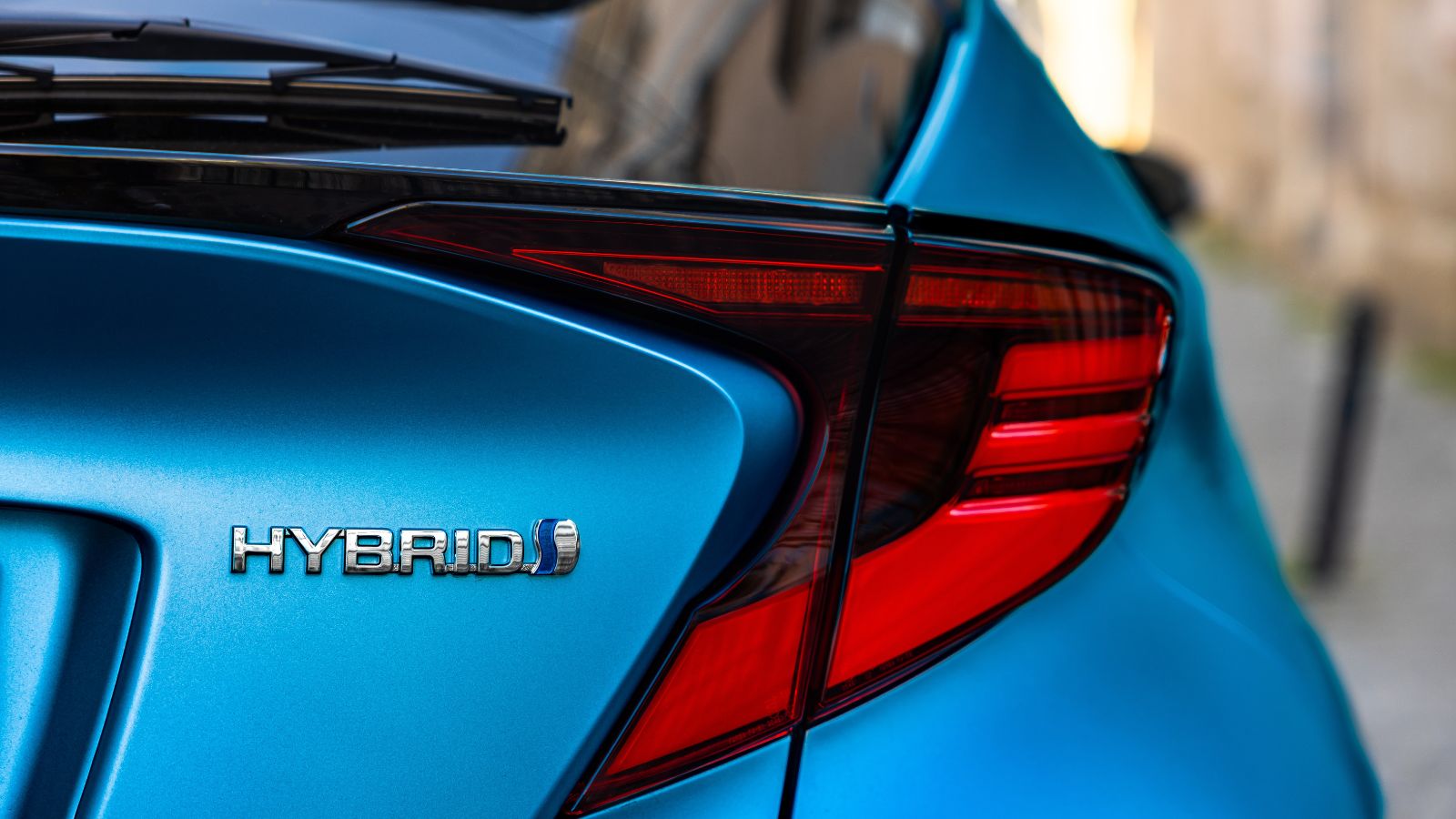
Stop-and-go traffic is where hybrids shine. Regenerative braking and electric assist reduce fuel burn in congestion. In cities like Toronto, Vancouver, and Montreal, that efficiency advantage is real and measurable. Highway drivers see less dramatic gains, but they still benefit compared to traditional gas engines.
Winter Performance Matters
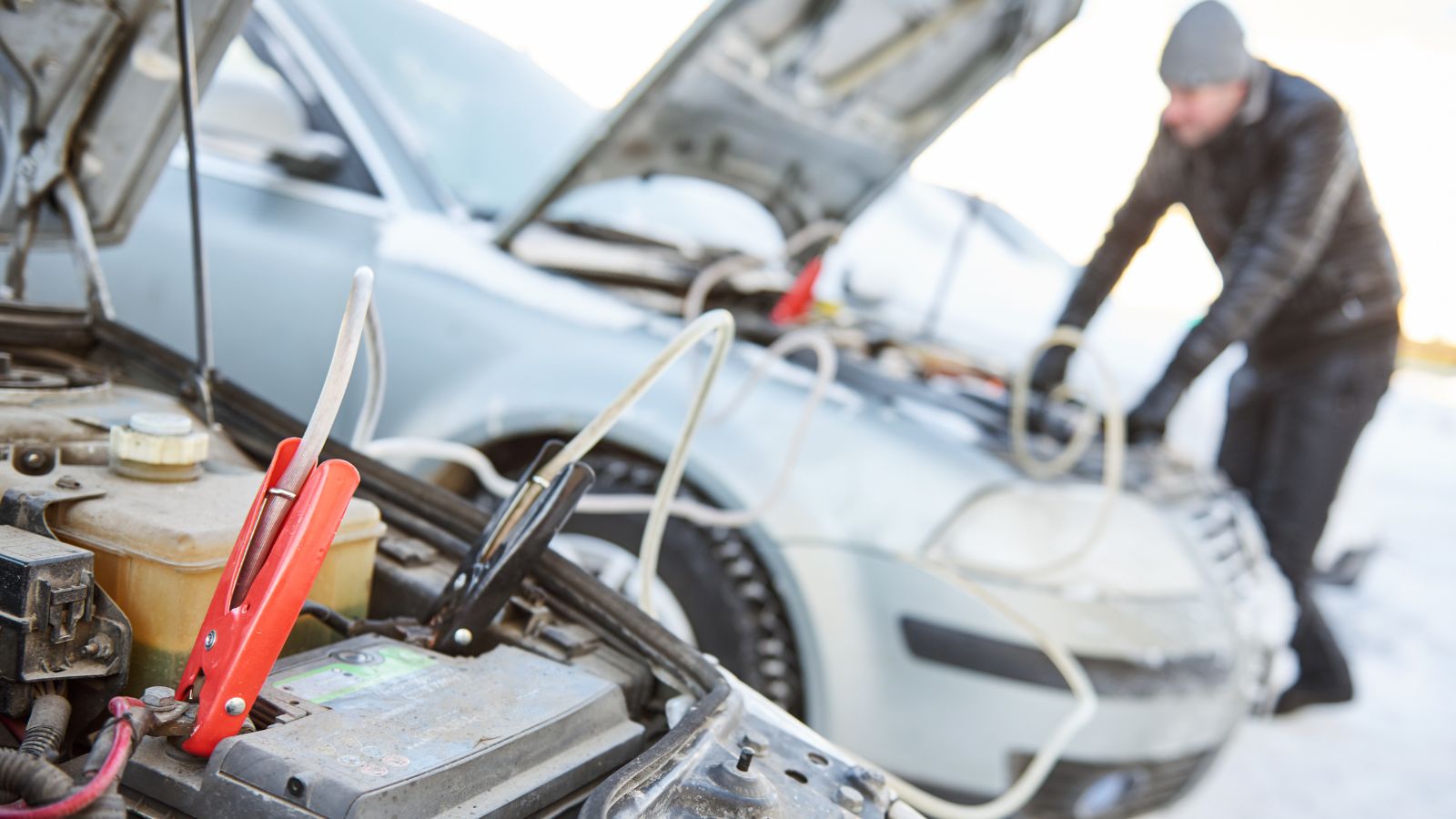
Cold weather affects all vehicles, including hybrids. Fuel economy drops in winter due to cabin heating demands and battery performance changes. However, modern hybrid systems are well adapted to Canadian climates. They may lose some efficiency, but they remain more economical than comparable gas-only models.
The Upfront Cost Question

Hybrids usually cost more than their gas equivalents. The real calculation is ownership length. If you keep a vehicle for five to ten years, fuel savings can outweigh the premium. If you trade frequently, the math becomes tighter unless resale values stay strong.
Resale Value Trends

Historically, hybrids hold value well when fuel prices rise. Canadian buyers react quickly to gas spikes, increasing demand for fuel-efficient models. That demand supports resale strength, which helps offset higher purchase prices.
Maintenance and Reliability
Modern hybrids have proven durable. Battery warranties are typically long, and real-world reliability data shows many hybrid systems lasting well beyond 200,000 kilometres. Regenerative braking also reduces wear on traditional brake components, lowering long-term maintenance costs.
EV Versus Hybrid

Fully electric vehicles eliminate gasoline entirely, but infrastructure and winter range concerns still influence Canadian buyers. Hybrids offer a middle ground. You reduce fuel use without relying entirely on charging networks or adjusting road-trip habits.
Truck and SUV Owners Face Bigger Swings

Drivers of large SUVs and pickup trucks feel oil spikes the hardest. Switching to a hybrid SUV or even a hybrid sedan can dramatically lower monthly fuel costs. For high-mileage drivers, the savings are especially noticeable.
Incentives and Availability

Government incentives for hybrids vary by province. Availability can also tighten quickly when demand rises. Buying before a fuel spike may mean better selection and less dealer markup pressure.
Timing the Market Is Never Perfect

No one can perfectly predict oil markets. Prices can fall as quickly as they rise. The smarter approach may be evaluating your long-term driving habits rather than reacting purely to headlines. If a hybrid fits your usage pattern, it makes sense regardless of short-term fluctuations.
For Canadians, fuel volatility is a recurring theme. Hybrids do not eliminate exposure to oil prices, but they reduce it meaningfully. If your driving is urban-heavy and you plan to keep your vehicle for several years, moving into a hybrid before the next spike could provide financial stability and peace of mind. The key is buying for your reality, not just reacting to the latest price at the pump.
25 Facts About Car Loans That Most Drivers Don’t Realize

Car loans are one of the most common ways people fund car purchases. Like any other kind of loan, car loans can have certain features that can be regarded as an advantage or a disadvantage to the borrower. Understanding all essential facts about car loans and how they work to ensure that you get the best deal for your financial situation is essential. Here are 25 shocking facts about car loans that most drivers don’t realize:
25 Facts About Car Loans That Most Drivers Don’t Realize
