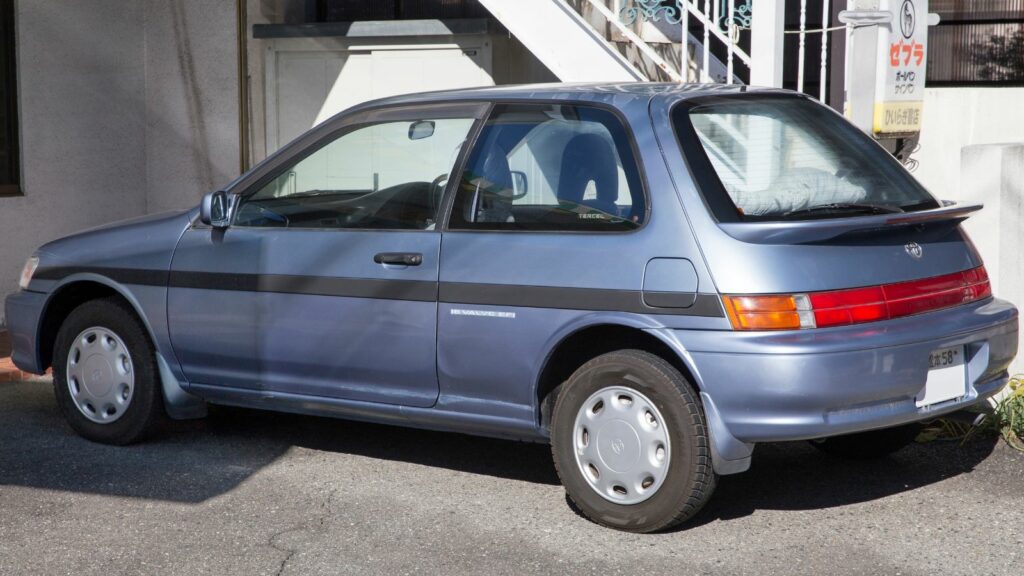
The 1990s were a golden era for compact hatchbacks in Canada. Winters were harsh, fuel prices mattered, and buyers wanted cars that were cheap to run, easy to park, and tough enough to survive salted roads. These hatchbacks were not glamorous, but they showed up every morning, hauled groceries and hockey gear, and quietly became part of daily life across the country.
Honda Civic Hatchback 1992 to 1995
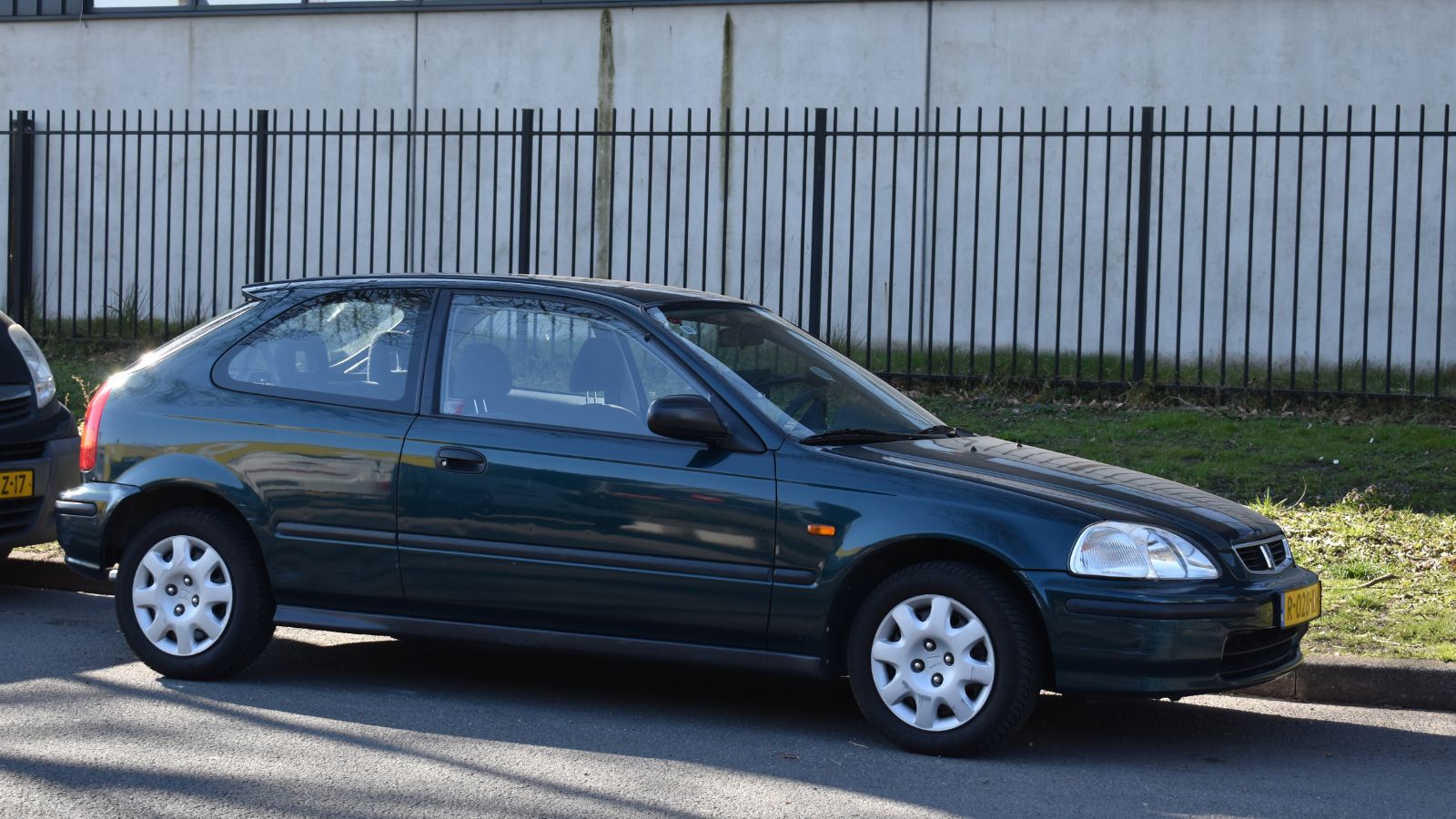
The Civic hatch was everywhere for a reason. It was light, reliable, and surprisingly fun to drive. Engines were simple and durable, fuel economy was excellent, and repairs were cheap. In winter, a set of good snow tires turned it into a dependable commuter. Many Canadians learned to drive in one, and just as many kept them far longer than expected.
Toyota Tercel Hatchback 1991 to 1994
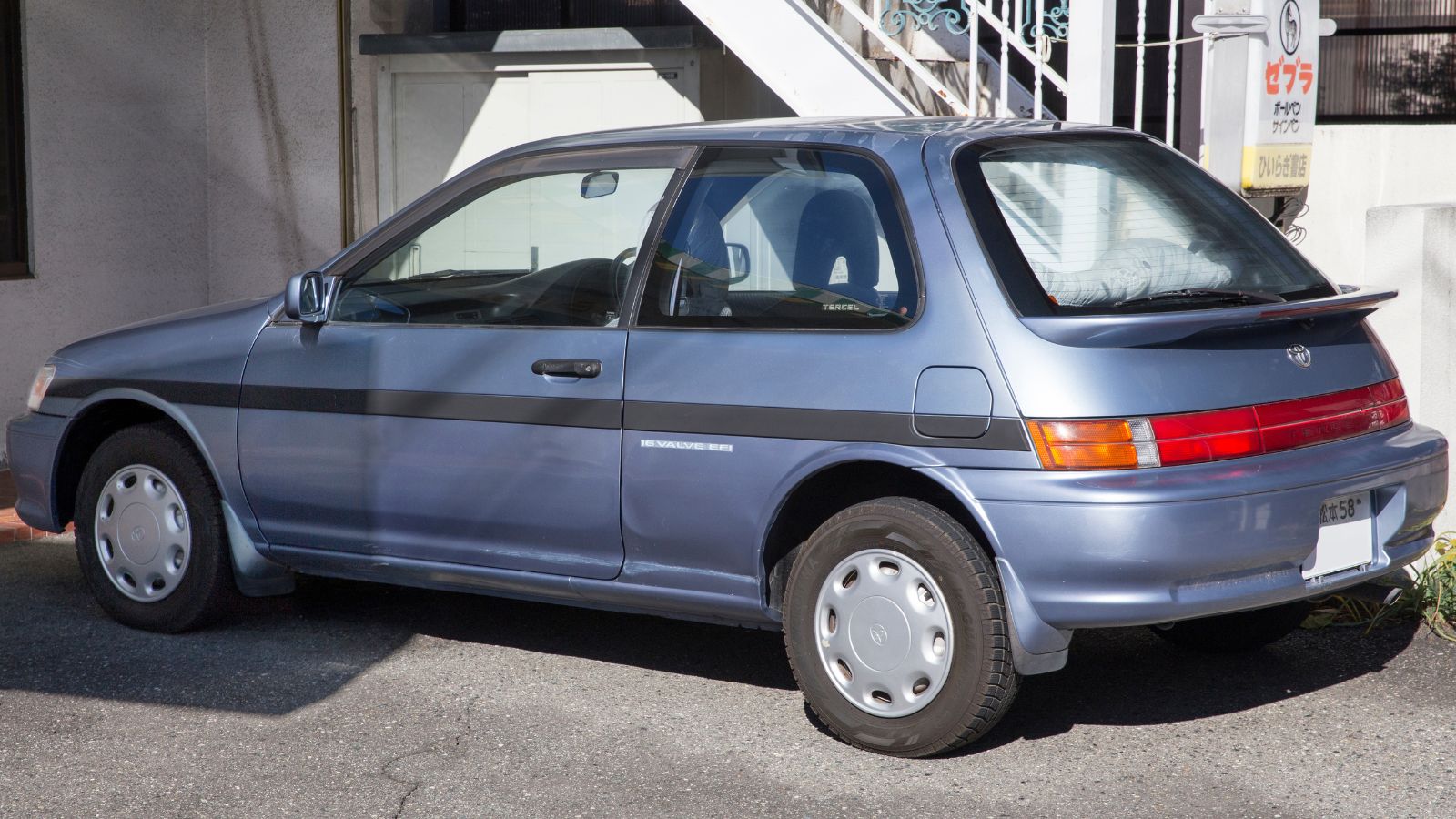
The Tercel was not exciting, but it was nearly indestructible. It thrived on neglect and cold starts, which made it perfect for Canadian ownership. Front wheel drive traction and light weight helped in snow, while running costs stayed low year after year. For students and first time buyers, it was a lifeline.
Volkswagen Golf Mk3 1993 to 1999
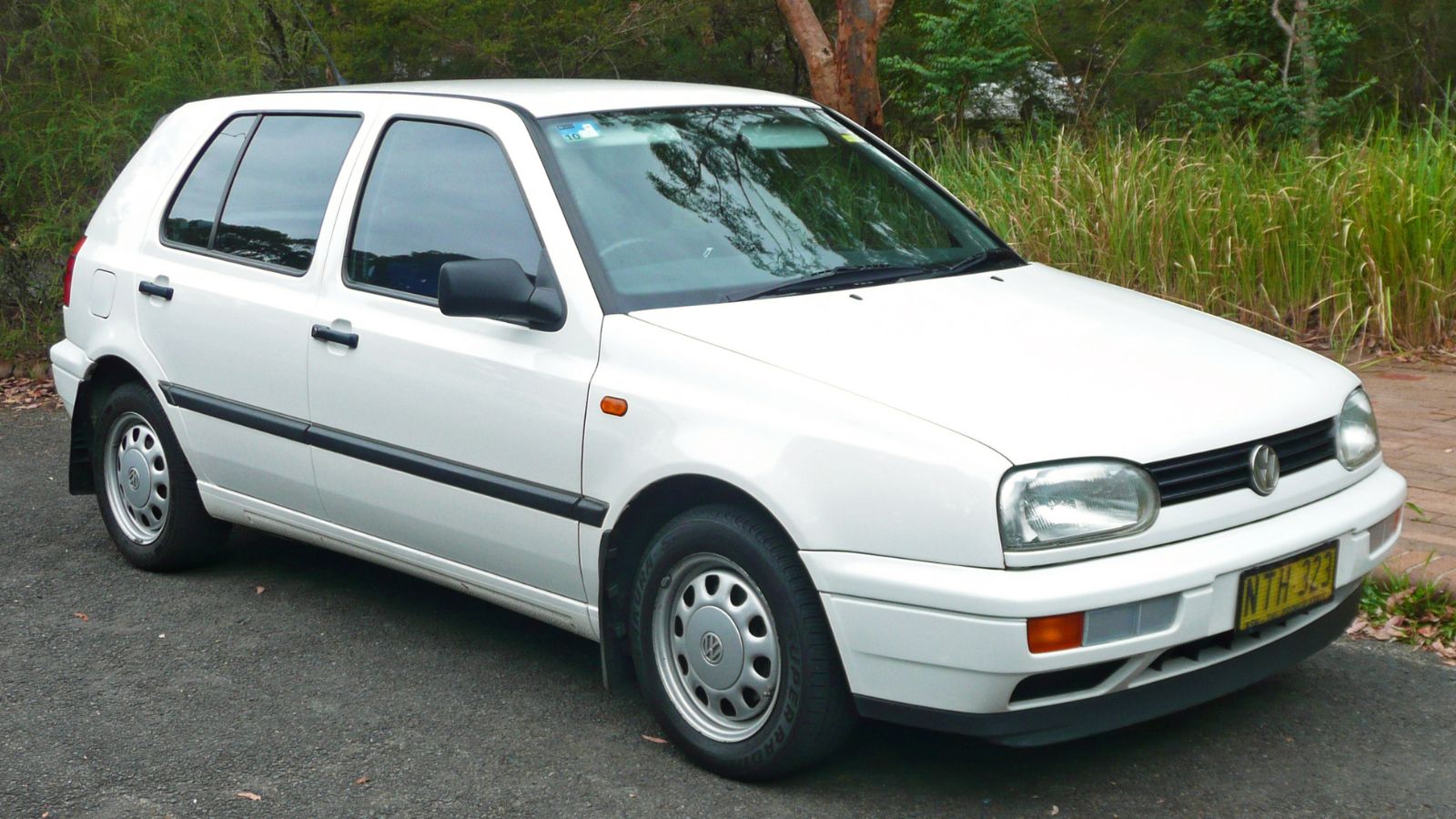
The Mk3 Golf brought European solidity to the compact hatch segment. It felt heavier and more planted than many Japanese rivals, which appealed to Canadian buyers who valued highway stability. Interiors aged well, and diesel versions became legends for fuel economy and longevity. Rust was an issue, but many still survived well into the 2000s.
Mazda Protegé Hatchback 1990 to 1994
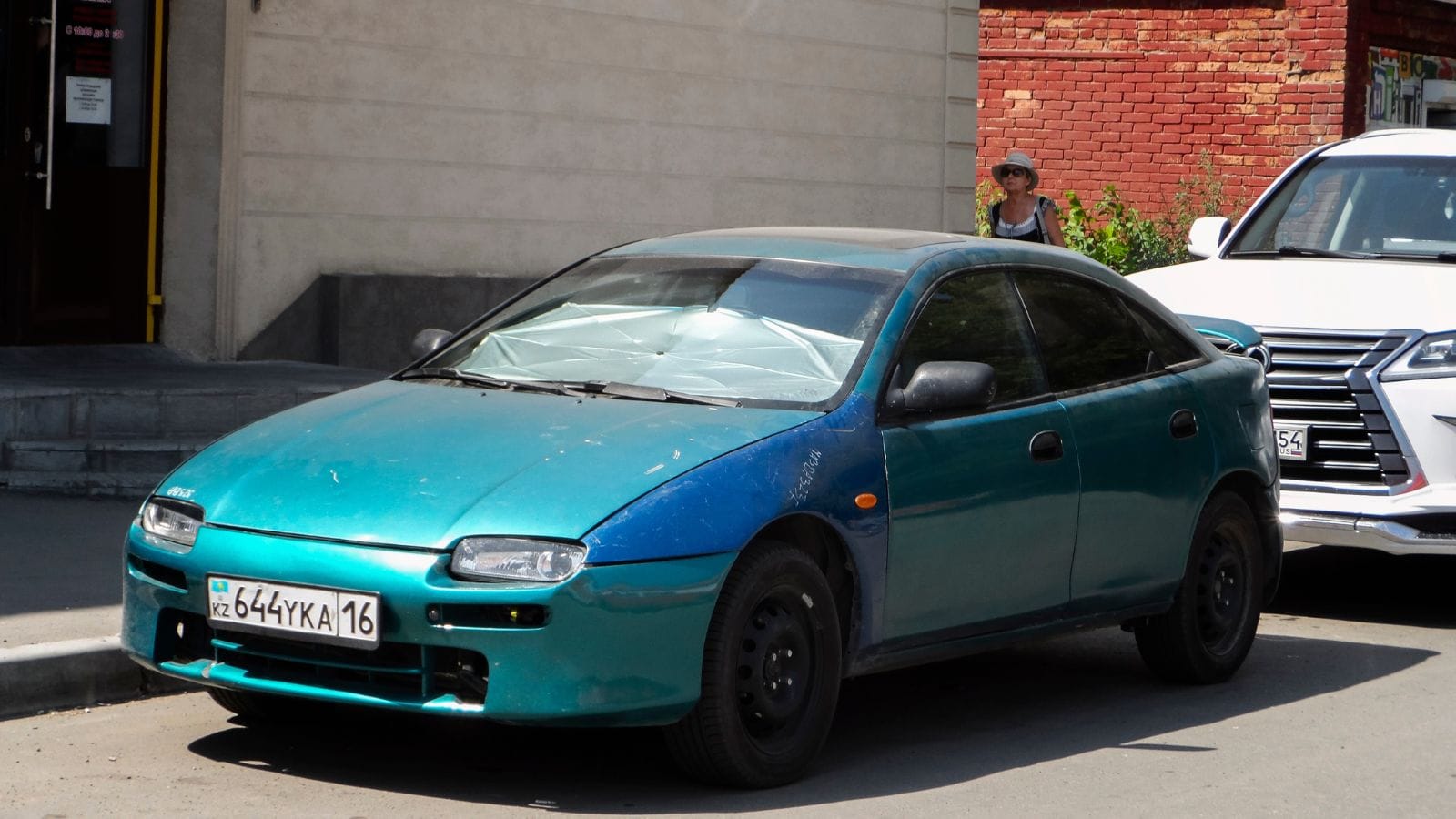
Mazda tuned the Protegé to be enjoyable without being fragile. Steering feel and chassis balance stood out in a segment dominated by basic transportation. It handled winter conditions with confidence and delivered strong reliability. It never sold in huge numbers, but owners were fiercely loyal, especially in urban Canada.
Ford Escort Hatchback 1991 to 1996
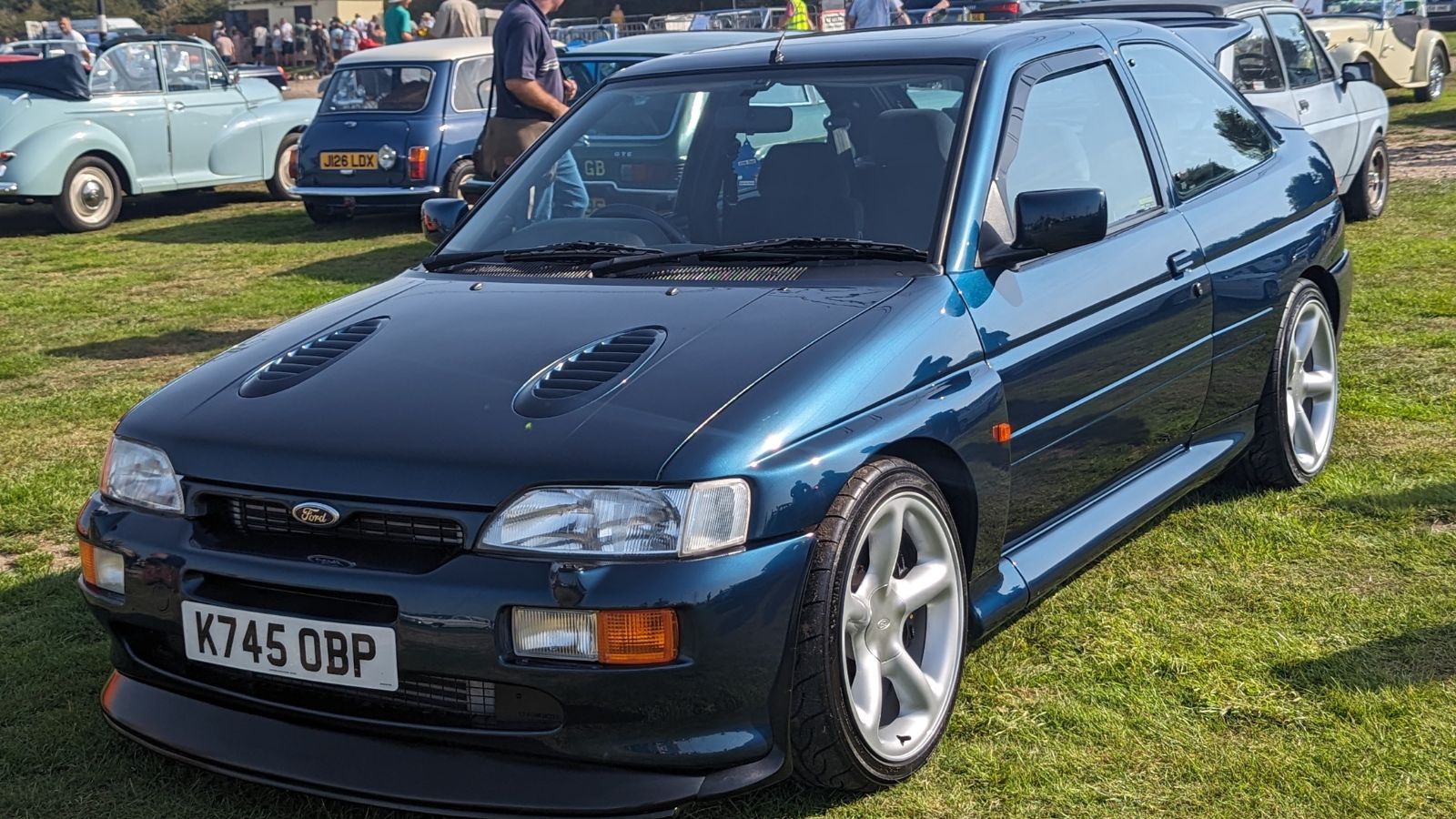
The Escort was built for mass appeal, and in Canada that meant affordability and availability. Parts were cheap, mechanics knew them well, and repairs were straightforward. It was not refined, but it was accessible. For many families, it was the car that bridged tight budgets and everyday mobility.
Geo Metro Hatchback 1989 to 1997
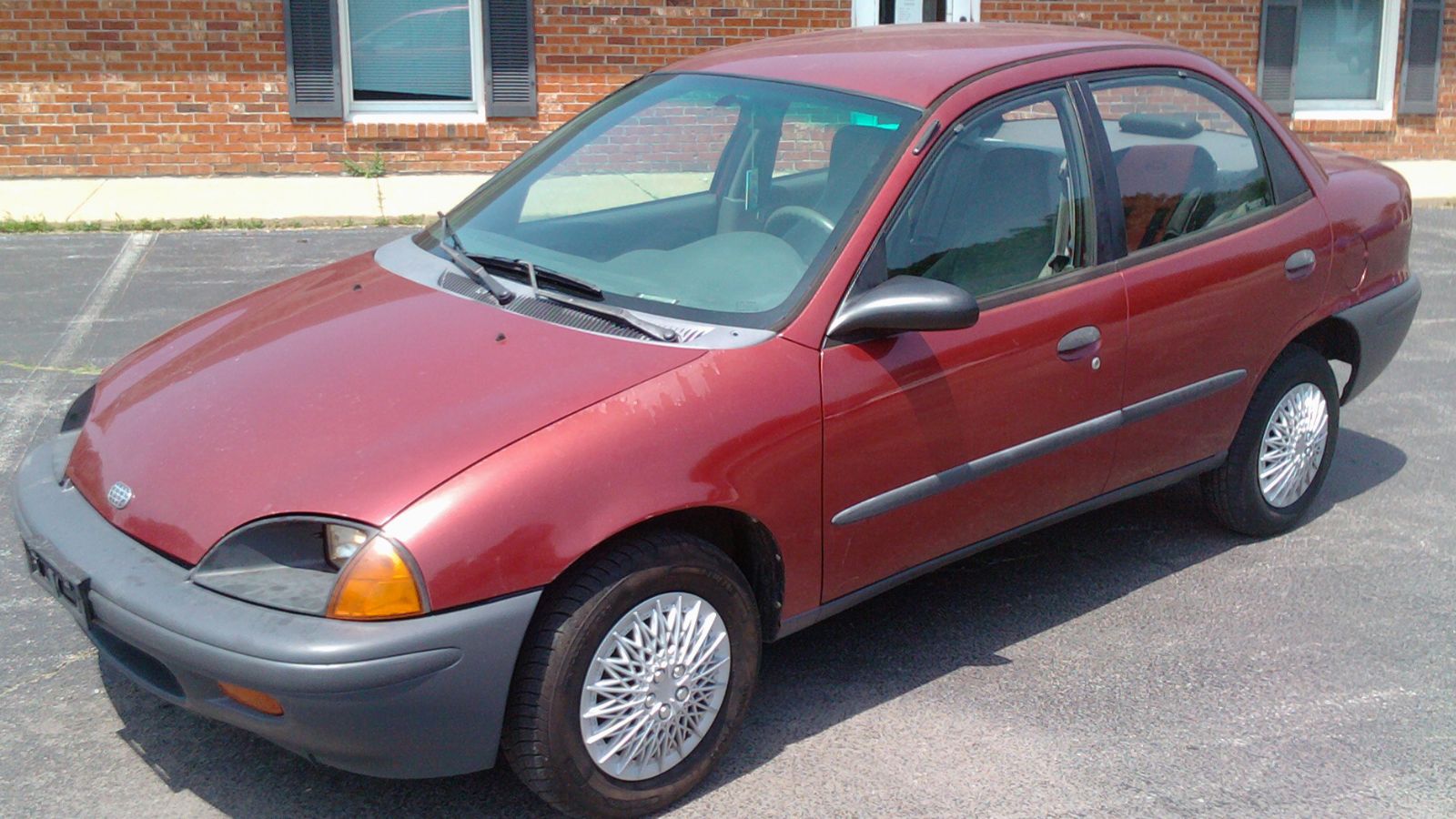
Few cars stretched a dollar like the Metro. Its tiny engine sipped fuel, and insurance costs were minimal. In cities and smaller towns, it became a common sight. It was slow and noisy, but it did exactly what it promised. When fuel prices spiked, the Metro suddenly made perfect sense.
Hyundai Excel 1990 to 1994
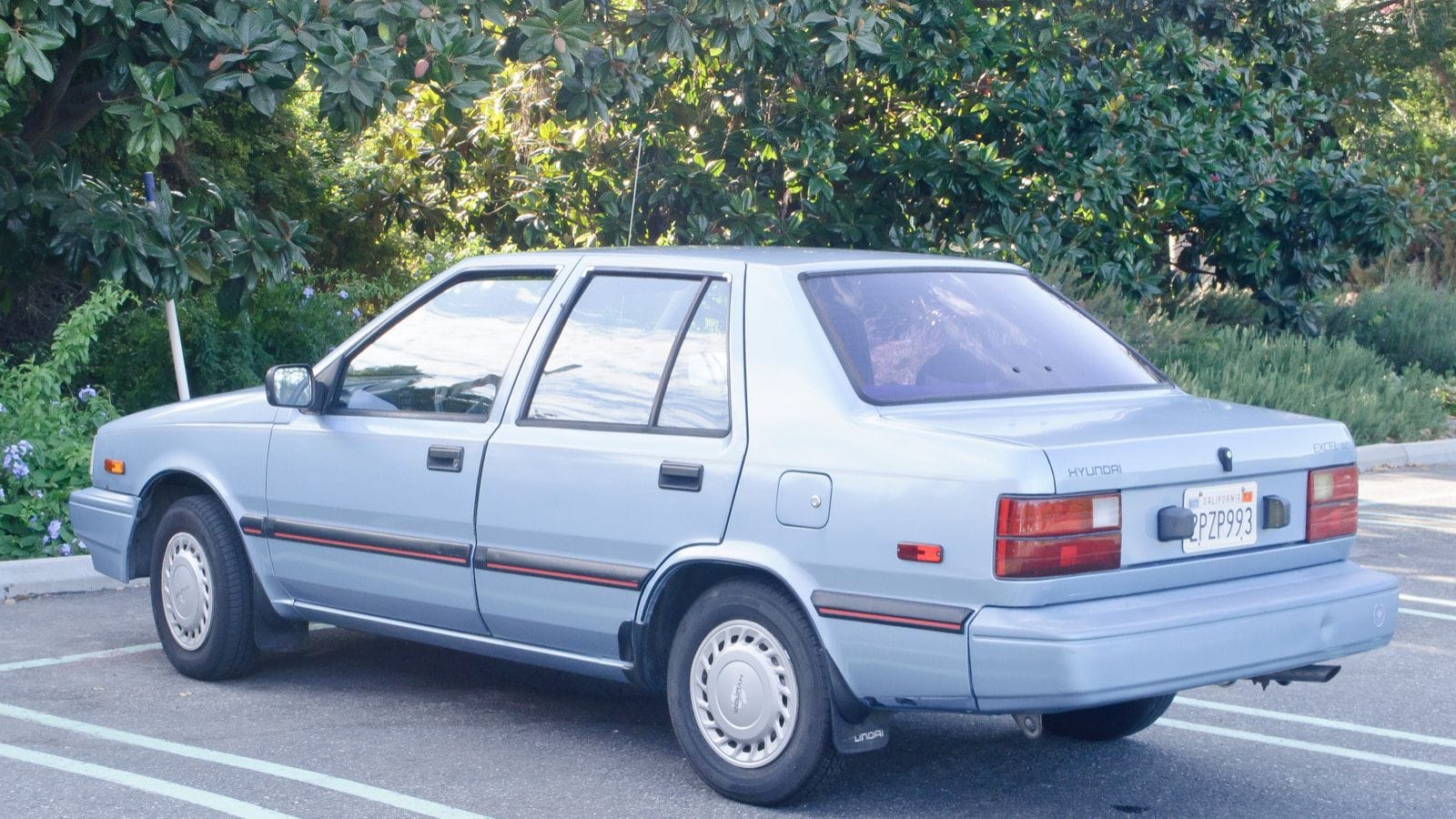
The Excel helped introduce Hyundai to Canadian buyers. Early reliability was mixed, but the price was right, and many owners accepted compromises in exchange for low monthly payments. It offered basic transportation at a time when budgets mattered. For many households, it was the first new car they could afford.
Nissan Sentra Hatchback 1991 to 1994
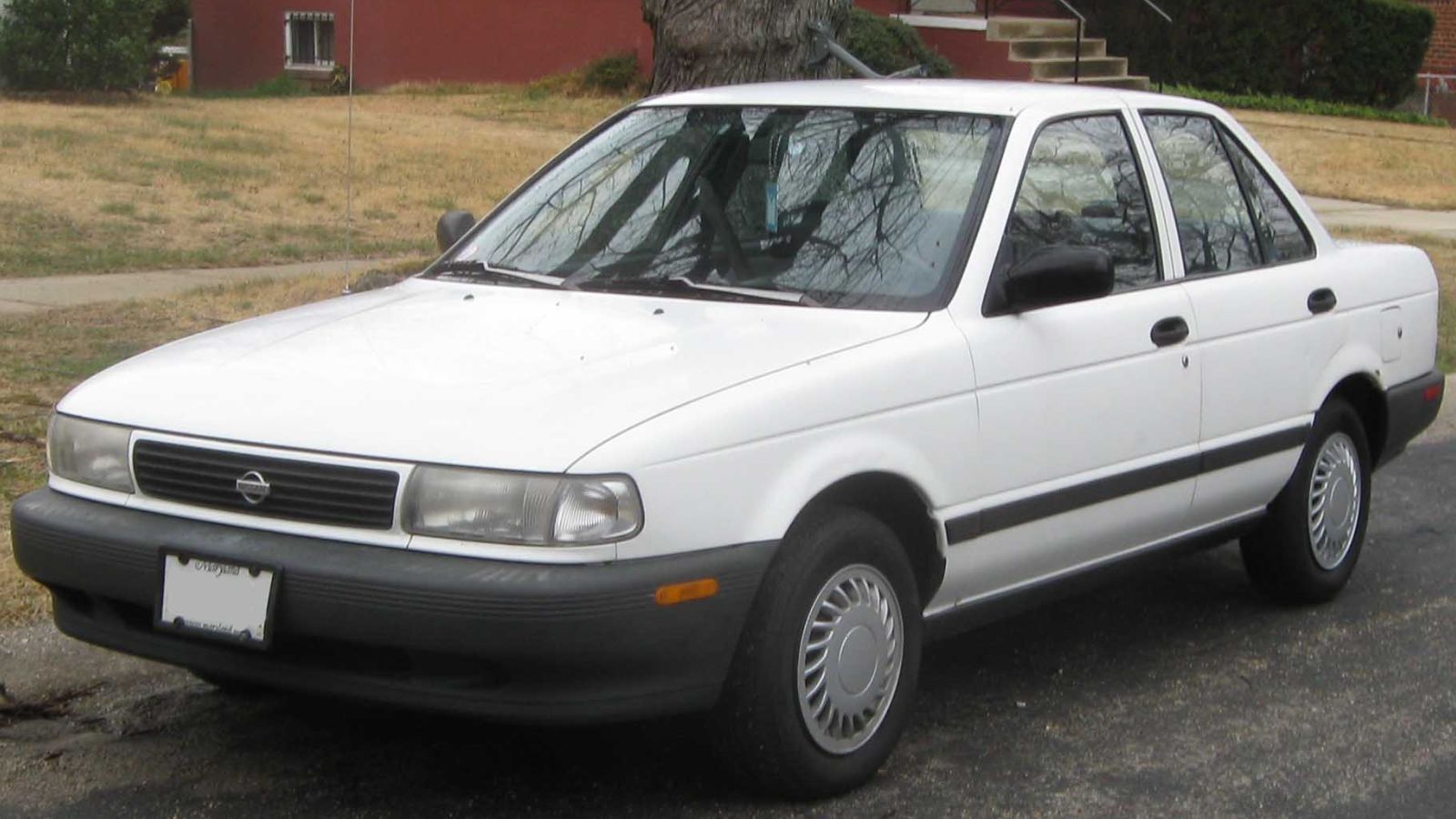
The Sentra hatch balanced efficiency with solid build quality. Engines were smooth, and drivetrains held up well in cold climates. It felt slightly more refined than some competitors, which appealed to buyers who wanted something simple but not disposable. In winter conditions, it delivered predictable, confidence inspiring behavior.
Suzuki Swift 1989 to 1994
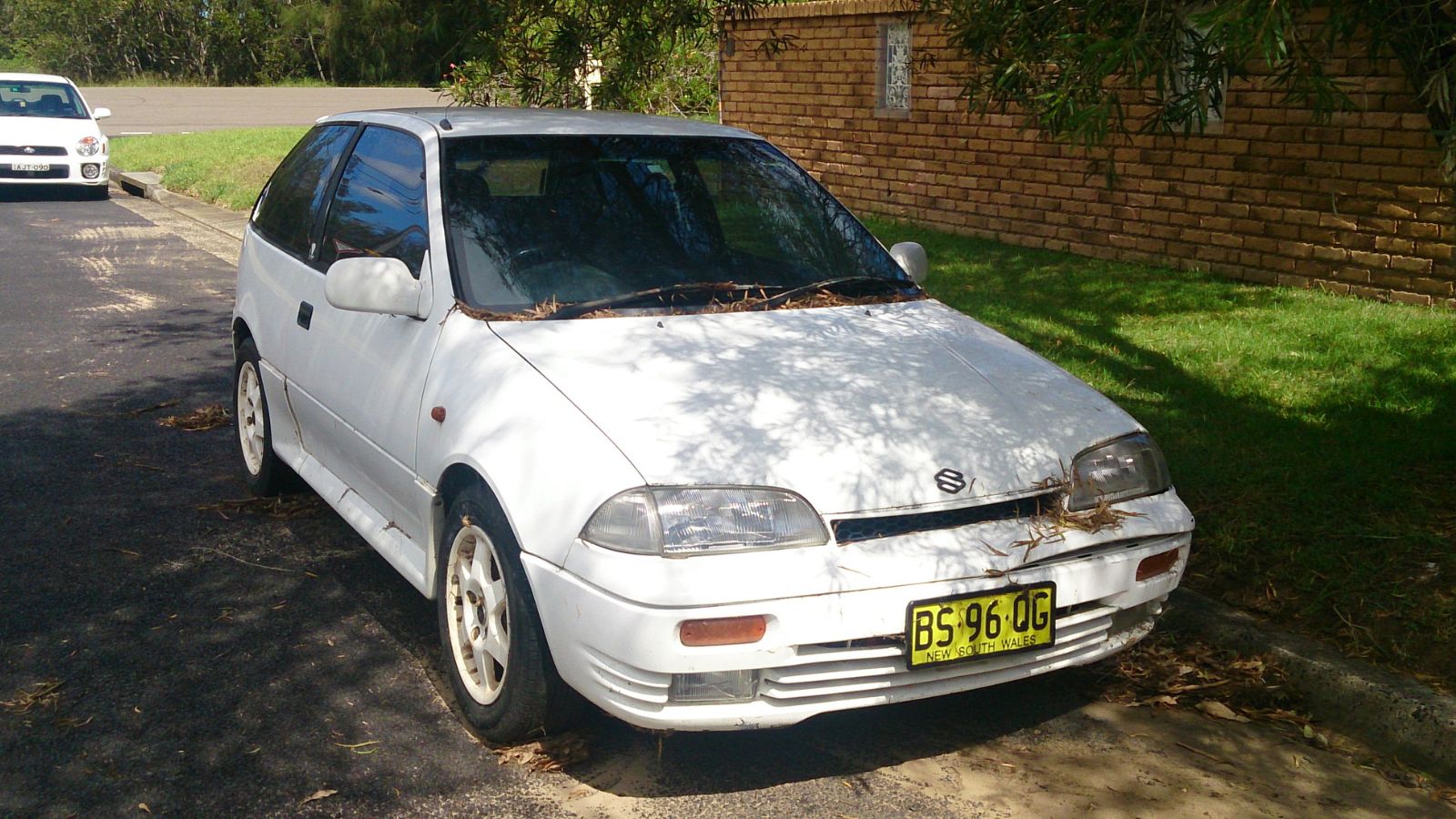
The Swift was light, nimble, and surprisingly capable in snow thanks to its low weight. It was easy to maintain and inexpensive to own. While small, it maximized interior space effectively. Many Canadians remember it as the car that refused to quit despite hard use and minimal maintenance.
Pontiac LeMans Hatchback 1989 to 1993
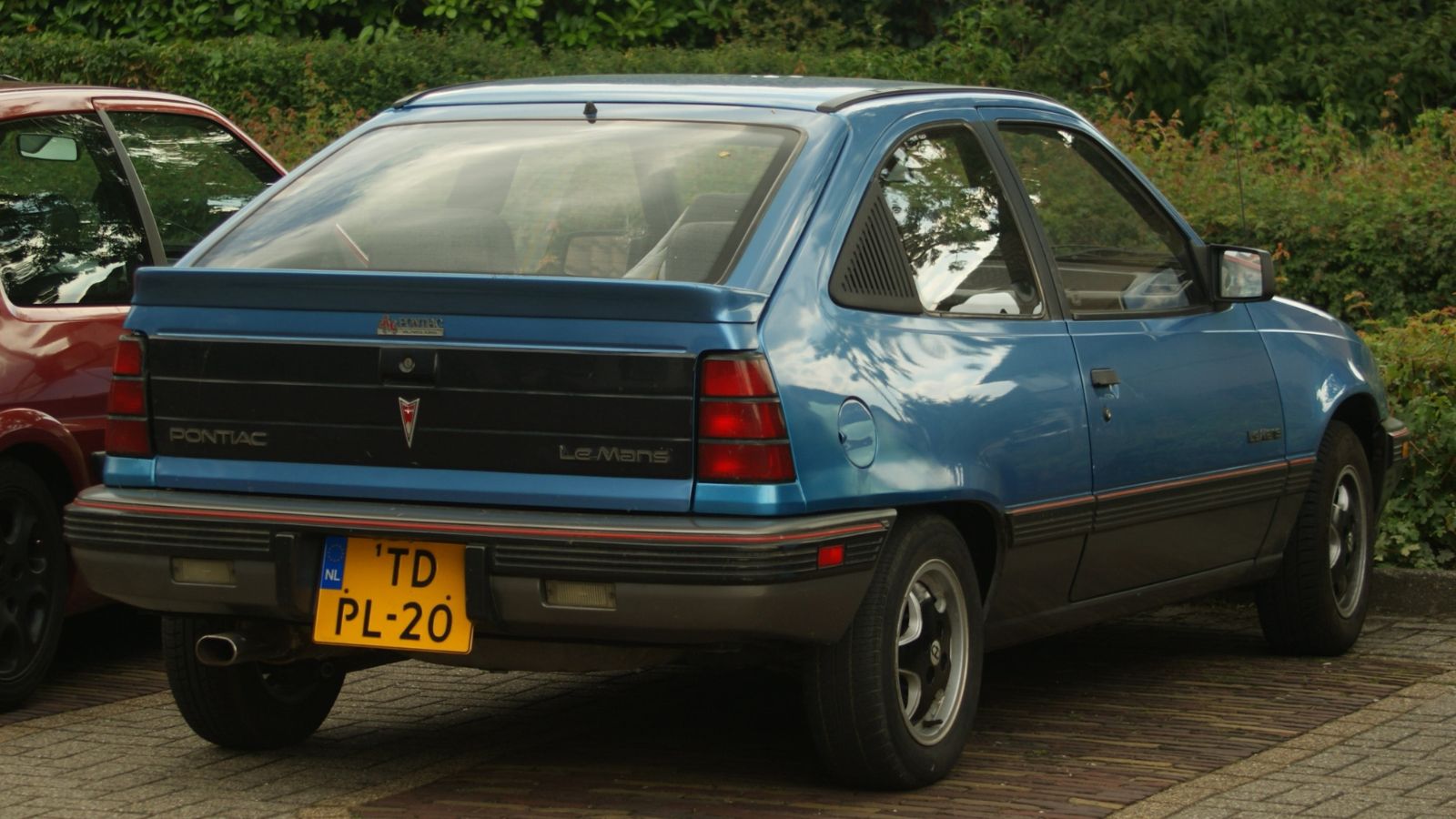
Often overlooked today, the LeMans was affordable and widely available. It shared roots with small Korean built cars, but GM’s dealer network helped keep them running. It filled a gap for buyers who wanted something cheap and practical without stepping into the used market. For many, it was simply transportation that worked.
These hatchbacks were not status symbols. They were tools for getting through Canadian life. Snow, salt, long commutes, and tight budgets shaped their success. They may not inspire collectors today, but they earned respect the hard way, one winter morning at a time.
25 Facts About Car Loans That Most Drivers Don’t Realize

Car loans are one of the most common ways people fund car purchases. Like any other kind of loan, car loans can have certain features that can be regarded as an advantage or a disadvantage to the borrower. Understanding all essential facts about car loans and how they work to ensure that you get the best deal for your financial situation is essential. Here are 25 shocking facts about car loans that most drivers don’t realize:
25 Facts About Car Loans That Most Drivers Don’t Realize
