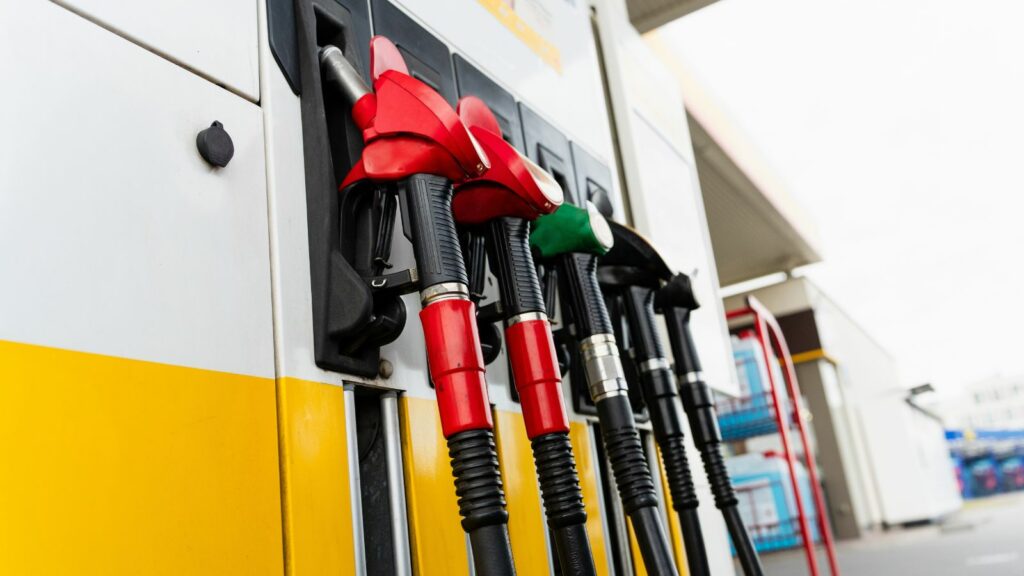
Higher gasoline prices are once again squeezing Canadian household budgets, even as inflation eases in several other areas. Statistics Canada reported on October 19 that consumer prices rose 3.1% in September 2026 compared with a year earlier, up from 3.0% in August. Gasoline was the main driver, climbing 27.8% year over year.
The increase has pushed inflation just above the Bank of Canada’s 1% to 3% target range. Yet the latest figures tell a more complicated story than an economy where everything is becoming more expensive at the same speed. Grocery inflation slowed, some fresh foods became cheaper, and price growth excluding gasoline eased.
For motorists, homeowners, and businesses, the concern is whether high energy costs will remain concentrated at the pump or begin spreading more widely through the economy.
September’s 3.1% Inflation Reading Marks a New Setback
Statistics Canada’s latest Consumer Price Index report shows that annual inflation accelerated to 3.1% in September, compared with 3.0% in August. The change may appear small, but it moved the headline rate above the upper boundary of the Bank of Canada’s preferred 1% to 3% range. The result reflects prices across a basket of goods and services, including food, shelter, transportation, and education. It does not mean every household’s bills rose by precisely 3.1%, or that prices jumped that much during September alone.
In fact, the overall index increased just 0.1% from August to September before seasonal adjustment. On a seasonally adjusted basis, the monthly increase was 0.4%. Those different measurements answer different questions: the annual rate compares September with the same month in 2025, while the monthly figure captures a much shorter period. For Canadians planning their budgets, the difference helps explain why a modest monthly change can coexist with a painfully high gasoline bill.
Gasoline’s 27.8% Increase Hits Drivers Where They Notice It Most
Gasoline prices were 27.8% higher in September than in September 2025, accelerating from a 22.8% annual increase recorded in August. This is a year-over-year comparison, not a claim that pump prices increased by more than one-quarter in a single month. Statistics Canada also noted that the seasonal change to a cheaper winter gasoline blend moderated the increase. Even with that relief, fuel was the principal reason the overall inflation rate moved higher.
The scale of the change is easier to appreciate through a hypothetical fill-up. If the same amount of gasoline cost C$75 a year earlier, a 27.8% increase would raise that bill to approximately C$95.85, assuming the national index change applied exactly. Actual station prices and individual experiences vary by province, location, and date. Still, the example captures the financial strain facing commuters, tradespeople, and families who depend on their vehicles for work, school, and everyday errands.
Global Oil Disruptions Are Feeding Canada’s Price Shock
September’s gasoline increase did not happen in isolation. Statistics Canada linked the acceleration in energy prices partly to rising crude oil costs amid uncertainty surrounding wars in the Middle East. Crude prices reached their highest level since May during September. The wider energy index rose 19.0% year over year, compared with 15.4% in August, indicating pressure on multiple forms of household and commercial fuel rather than gasoline alone.
International Energy Agency reporting has described major disruptions to petroleum shipments and refining activity, with flows through important Middle Eastern routes severely constrained. Because oil and refined fuels trade internationally, supply problems abroad can influence Canadian prices even though Canada produces substantial quantities of crude. Domestic retail prices also depend on refining, distribution, and local market conditions. The uncertainty makes it difficult to predict when motorists will see sustained relief. A temporary decline in crude prices may help, but it does not necessarily translate immediately into cheaper gasoline.
Home Heating Oil Costs Climb Even Faster Than Gasoline
The latest inflation figures contain an even larger increase for households that heat their homes with oil. Statistics Canada reported that fuel oil and other fuels cost 57.8% more in September than a year earlier, following a 43.7% annual increase in August. That is more than double the percentage rise recorded for gasoline. With colder months approaching, the timing creates additional pressure for households that must purchase substantial amounts of heating fuel to stay comfortable.
The burden is especially relevant in Atlantic Canada, where Statistics Canada says heating oil is more widely used. A homeowner facing an autumn tank refill may have fewer opportunities to delay the expense than someone who can reduce optional driving. However, the national 57.8% figure covers fuel oil and other fuels as a consumer-price category, not a uniform increase in every delivery quote. Costs vary by supplier and location. The regional dependence on heating oil illustrates why an energy-driven inflation shock can affect households very differently across the country.
Transportation Inflation Reaches 8.4% Beyond the Gas Pump
Transportation was one of the fastest-rising major categories in September’s Consumer Price Index, increasing 8.4% compared with a year earlier. Gasoline played an important role in that figure because fuel is part of the broader transportation basket. Reuters also reported a 19.4% annual increase in air transportation prices. For Canadians booking flights or driving significant distances, transportation expenses can therefore absorb more of a household budget even when other purchases are becoming less expensive.
High fuel costs can affect businesses as well as individual drivers. A delivery company buying diesel or a contractor travelling between job sites faces expenses that may be difficult to absorb indefinitely. Some businesses may eventually raise prices to recover those costs, although the latest CPI figures do not prove that a broad pass-through has already occurred. That distinction matters. An increase in transportation prices is a measurable current problem; a further increase in grocery, service, or retail prices is a risk policymakers must monitor rather than an established outcome.
Grocery Inflation Slows, but Families Still Feel Years of Price Increases
There was some welcome news in the grocery aisle. Prices for food purchased from stores rose 1.7% year over year in September, slowing from 2.8% in August. Statistics Canada said this was the smallest annual increase since May 2024. Fresh vegetables were 2.9% cheaper than a year earlier, while sugar and confectionery prices fell 2.7%. Fresh or frozen beef remained expensive, but its annual increase slowed to 8.7%, down from 11.0% in August.
Slower inflation should not be confused with a return to previous prices. Statistics Canada reported that grocery prices have risen 33.0% since September 2020. For a household accustomed to spending C$150 on a particular basket six years ago, a comparable 33% increase would mean spending roughly C$199.50 today, although individual purchases vary. A reduced rate of price growth simply means prices are rising more slowly. That explains why encouraging monthly headlines can coexist with continued frustration at supermarket checkouts.
Shelter Costs Rise More Slowly, but Renters Still Face Pressure
Shelter prices increased 1.8% from September 2025, up from a 1.5% annual increase in August. Much of the acceleration reflected more expensive fuel oil, along with homeowners’ home and mortgage insurance rising 4.9% and maintenance and repair costs increasing 1.2%. Meanwhile, the mortgage interest cost index fell 0.2%, and homeowners’ replacement cost declined 1.9%. These mixed movements help explain why the shelter category was increasing substantially more slowly than gasoline.
Rent remained a more persistent expense for tenants. Statistics Canada reported that rents rose 2.8% year over year in September, matching August’s pace. A renter whose housing payment increases cannot easily substitute a cheaper product in the way a shopper might switch grocery brands. National figures also average together places with different housing conditions and household circumstances. Consequently, a relatively moderate 1.8% shelter reading does not mean housing has become inexpensive or that every mortgage holder and renter has received relief. It means the measured rate of change has moderated across this broad category.
Atlantic Canada Faces a Particularly Difficult Combination of Costs
The national inflation figure conceals important regional differences. Statistics Canada reported that annual inflation accelerated in five provinces in September, mainly because gasoline and fuel oil became more expensive. Atlantic households face a particular challenge because home heating oil is more common and rents have been rising comparatively quickly. Excluding energy, consumer prices were up 3.3% in Nova Scotia, 2.6% in Prince Edward Island, 2.6% in New Brunswick, and 2.4% in Newfoundland and Labrador.
Those figures exceeded the national increase of 2.1% when energy was excluded, showing that the Atlantic experience cannot be explained solely by fuel. A family paying for heating oil, groceries, and rent may face several sources of pressure at once. At the same time, regional averages cannot describe every household, since housing type, commuting distance, and heating equipment all affect spending. The geographic differences reinforce a broader point: a national CPI reading measures the average price movement across Canada, not a single cost-of-living experience shared equally by everyone.
University Tuition Adds Another Cost for Students and Parents
September is also the month when Statistics Canada measures annual tuition changes, making education another part of the latest inflation picture. Tuition fees increased 2.4% nationally in 2026, compared with a 1.7% increase in 2025. Prince Edward Island recorded the largest provincial increase at 4.9%, while Newfoundland and Labrador had the smallest at 0.6%, alongside a tuition freeze. In Ontario, fees rose 2.1%, the largest annual increase since 2018 after the province ended its previous freeze.
For students, tuition is only one item in an already complicated budget. Transportation costs, rent, and groceries can determine whether living away from home remains affordable, even when the published increase in fees looks relatively modest. Families helping a student pay for school may feel multiple price changes at once. The tuition data also illustrates why individual inflation rates can differ sharply from the headline CPI. A student without a car faces fewer direct gasoline expenses, but may be more exposed to rent increases or the cost of getting home during holidays.
Inflation Excluding Gasoline Is Moving in the Opposite Direction
One of the clearest signs of easing underlying price pressure is what happens when gasoline is removed from the Consumer Price Index. Statistics Canada reported that inflation excluding gasoline slowed to 2.2% in September, from 2.4% in August. That contrasts with the increase in headline inflation to 3.1%. The gap shows how much influence a single volatile component can have on the national rate, while other prices follow different trajectories.
The Bank of Canada also examines measures designed to reduce the influence of unusually large price changes. According to Reuters, CPI-trim was 1.8% in September and CPI-median was 1.9%. Those are distinct statistical measures, not simply another name for the CPI excluding gasoline. Each offers a different view of price trends beneath the monthly headlines. None cancels out the real cost of filling a tank or heating a house. They do, however, help policymakers judge whether the energy shock is spreading throughout the economy.
Businesses Warn That Fuel and Trade Costs Could Spread
The Bank of Canada’s October 19 Business Outlook Survey suggests that companies are watching fuel prices closely. Firms identified higher energy costs and trade tariffs as pressures on their input expenses. Roughly half reported plans to pass along some or all additional costs connected with the Middle East conflict and tariffs. The survey also found that consumer-facing companies were seeking to recover margins squeezed by earlier cost increases, although competition was limiting some businesses’ ability to raise prices.
The survey offers an important warning, but it should not be mistaken for proof that every planned increase has reached consumers. Much of the research was conducted before Canada–U.S. trade talks broke down in August, and the Bank found that business sentiment varied as conditions changed. Its separate consumer survey reported that inflation expectations remained elevated and spending intentions were weak. For a small company operating delivery vehicles or using imported materials, the challenge is balancing higher expenses against customers already sensitive to prices. Whether firms absorb those costs or pass them on will influence inflation ahead.
The Bank of Canada’s October Decision Will Test Its Response
September’s inflation figures arrive ahead of the Bank of Canada’s scheduled October 28 interest-rate announcement and updated economic projections. The central bank held its policy rate at 2.25% on September 2. Its inflation target remains 2%, within a target range of 1% to 3%. The latest headline reading is therefore slightly above that range, but the easing measures of underlying inflation make the policy decision more complicated than the headline alone suggests.
Raising rates could discourage borrowing and spending, potentially restraining inflation over time, but it would not directly reopen disrupted shipping routes or immediately increase global oil supplies. The Bank must weigh the risk of energy costs spreading into other prices against signs of economic weakness. Statistics Canada’s next CPI release, covering October, is scheduled for November 16. Until then, gasoline prices, business pricing decisions, and underlying inflation measures will offer important clues about whether September was a temporary energy shock or the beginning of more persistent pressure.
