
Car enthusiasts love customizing their vehicles, and one of the simplest changes is debadging, removing the factory logos and emblems. It gives a cleaner look, hides trim levels and makes even modest cars appear sleeker. But while this cosmetic move is popular, many Canadian and American drivers wonder if it is actually legal. Can you pop off those badges without getting into trouble? Here is what you need to know before grabbing a heat gun.
Removing Badges Is Legal in Most of Canada and the US
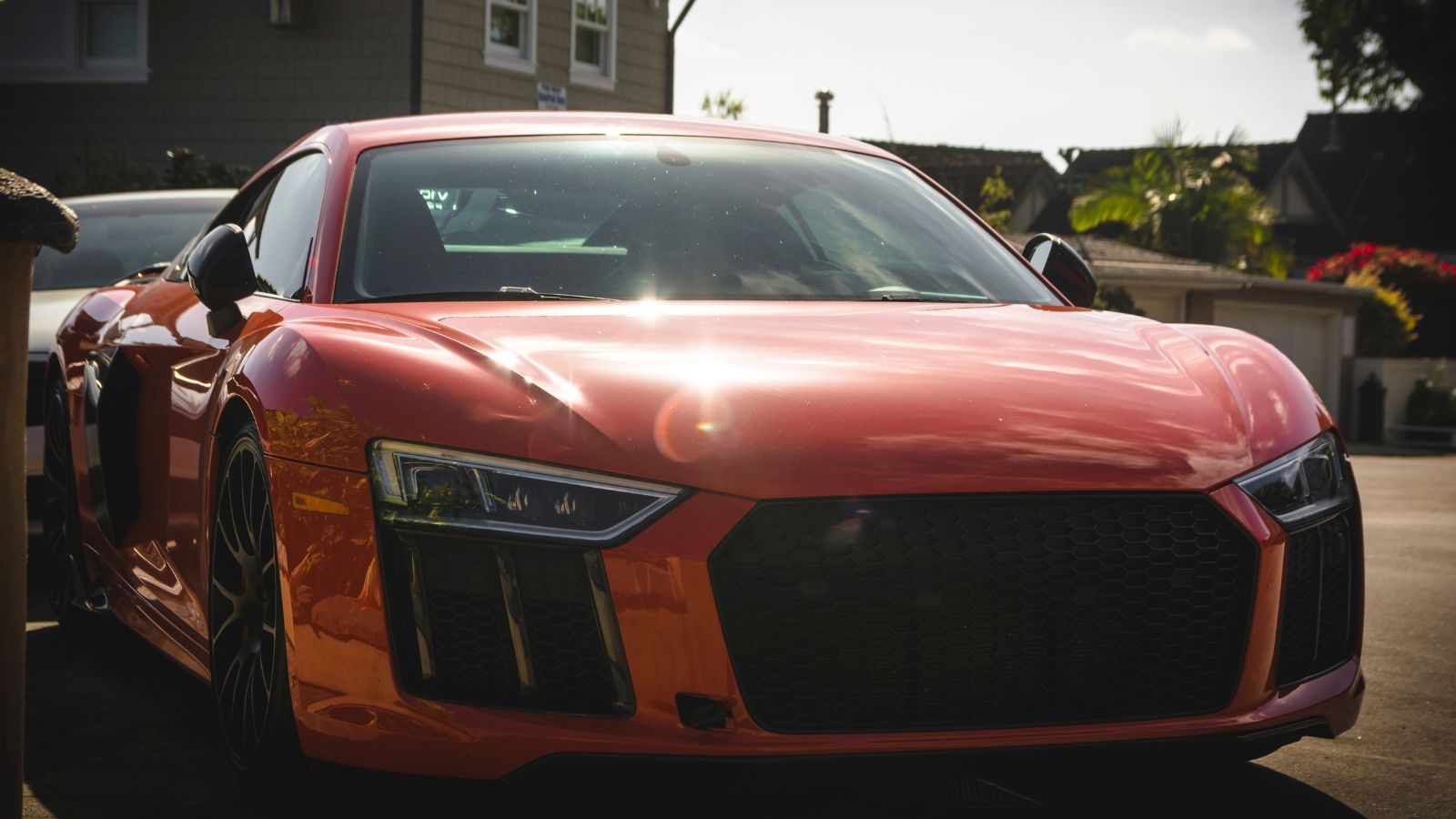
For everyday drivers, debadging is perfectly legal across the vast majority of provinces and states. Your car is your property, and removing the manufacturer’s emblem does not violate any federal or provincial laws. The law cares about safety, not brand loyalty. As long as the modification does not interfere with lights, reflectors, license plates or vehicle identification numbers, you are within your rights to take that badge off.
Your VIN Must Stay Visible at All Times
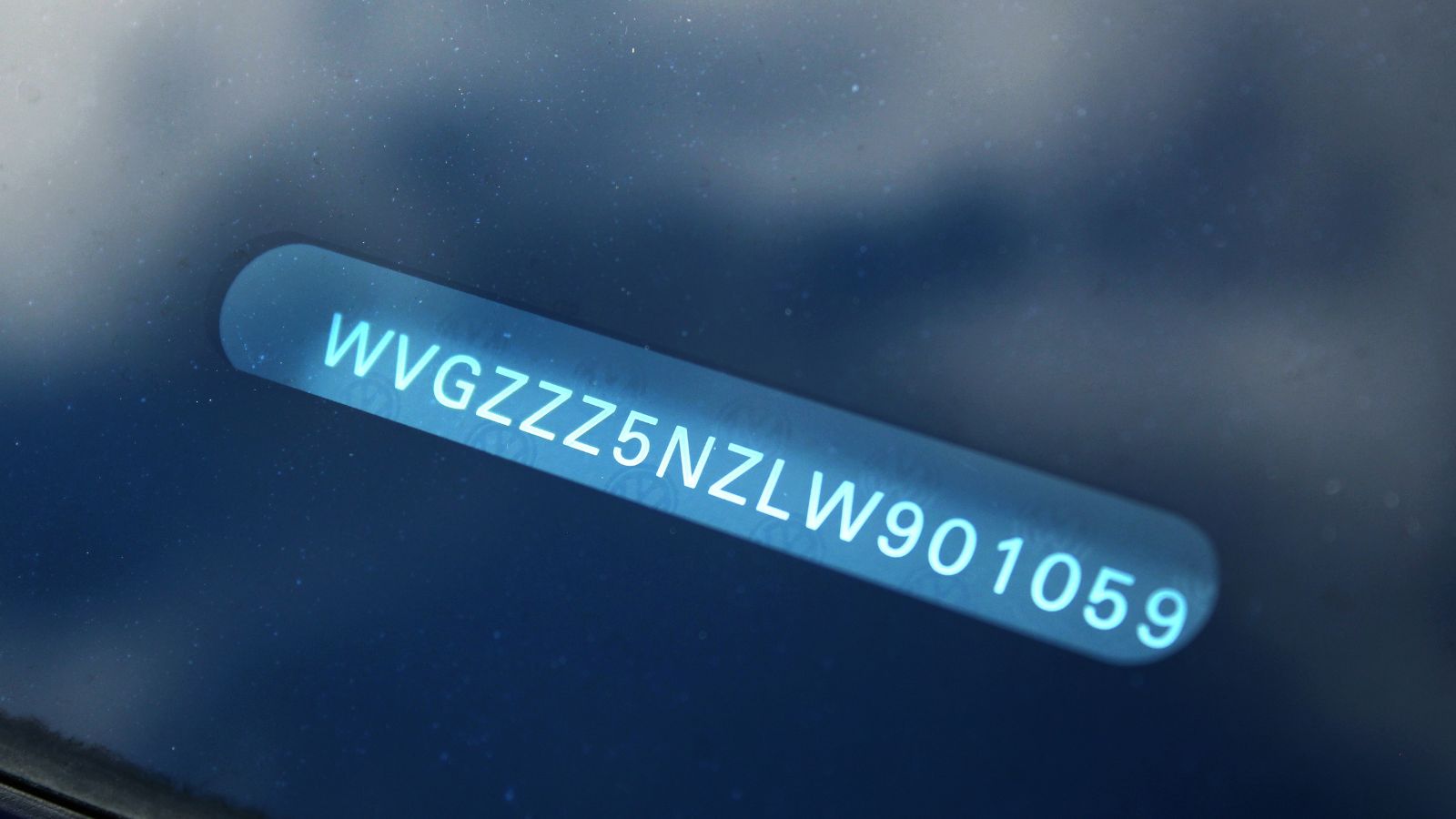
Some drivers mix up exterior badges with VIN plates. The VIN is a critical identifier required by law. It must remain visible through the windshield and intact on the chassis. Removing logos is fine. Removing or covering a VIN plate is a serious offense and can lead to criminal charges. Car thieves tamper with VINs, which is why authorities take it so seriously. If you stick to the exterior emblems, you are safe.
Insurance Companies Have Almost No Issue With Debadging

Most insurers do not care about cosmetic badge removal. It does not affect performance, value or safety. Still, if you drive a newer car under a lease or warranty, you should double check your agreement. Some leasing companies want the car returned in factory condition. That means the badges go back on before the final inspection. In a warranty situation, debadging does not void anything unless you damage the paint or bodywork in the process.
Police Will Not Pull You Over for Missing Logos

Officers do not stop cars because the manufacturer’s badge is missing. They pull drivers over for speeding, expired plates or unsafe modifications. Driving a debadged car is not suspicious, illegal or attention grabbing in any official sense. Where it can raise eyebrows is during a stolen vehicle investigation. A car without badges might get extra scrutiny if the officer already suspects something, but the badge removal itself is not the trigger.
Some Badges Have a Purpose Beyond Branding
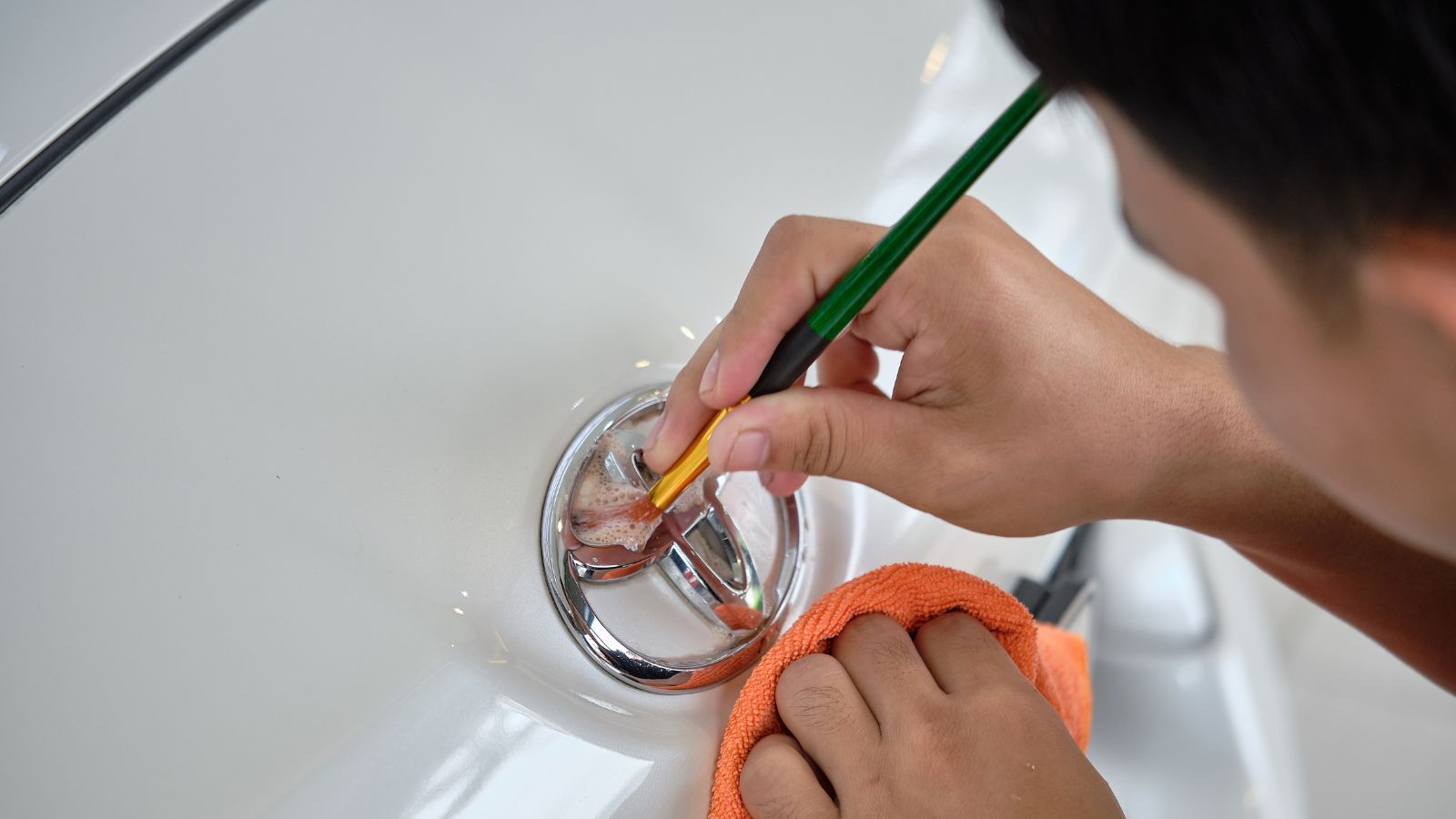
Most emblems are purely cosmetic, but a few vehicles have badges that double as safety reflectors or house sensors. These are rare, but before removing anything, check that the badge does not cover radar equipment, adaptive cruise modules or lane assist sensors. Removing a badge that hides a sensor may cause warning lights or disable driver aids. That becomes a safety issue, not a legal one, but it is worth knowing.
Debadging Can Increase Resale Value

Surprisingly, many used car buyers prefer clean looking vehicles without badges. It gives the car a more premium, understated appearance. On the flip side, some buyers want full factory originality. Debadging does not hurt resale unless the removal damages the paint or leaves ghosting marks. A proper removal usually involves a heat gun, fishing line and gentle adhesive cleaner, not prying with a screwdriver.
Warranty and Lease Return Conditions Matter

If the car is leased, financed or under a maintenance contract, the fine print matters. Some manufacturers require all exterior emblems to remain on the car. Others do not care. Most warranties ignore cosmetic changes unless they directly damage the vehicle. It is wise to take photos before removing anything so you can reinstall the badge cleanly later if needed.
Debadging Has Become Popular for Security Reasons

Some drivers remove trim level badges so thieves do not know which engine or package the car has. A car without a known engine type or value becomes slightly less attractive to opportunistic thieves. While debadging will not stop a determined criminal, it does remove a quick visual cue thieves often use when scouting vehicles.
You Can Legally Rebadge as Well, With One Big Exception
Putting a different manufacturer’s badge on your car is legal as long as you are not trying to defraud a buyer. Swapping badges to mislead someone about the make or value of a car becomes fraud. For personal use, enthusiasts rebadge cars all the time. Just never sell a rebadged vehicle without full disclosure. That mistake can carry real legal consequences.
The Bottom Line for Drivers
Yes, you can legally remove car logos in Canada and the US, and millions of drivers already do. The key is avoiding VIN tampering, watching out for hidden sensors and understanding your lease or warranty terms. If done correctly, debadging is a safe, legal and stylish way to personalize your car without changing anything mechanical. It is your car, and the law generally lets you decide how it looks.
25 Facts About Car Loans That Most Drivers Don’t Realize

Car loans are one of the most common ways people fund car purchases. Like any other kind of loan, car loans can have certain features that can be regarded as an advantage or a disadvantage to the borrower. Understanding all essential facts about car loans and how they work to ensure that you get the best deal for your financial situation is essential. Here are 25 shocking facts about car loans that most drivers don’t realize:
25 Facts About Car Loans That Most Drivers Don’t Realize
