
Electric cars dominate headlines, but hybrids quietly make far more sense for many real world drivers. They blend proven combustion engines with electric assistance instead of betting everything on batteries alone. In countries with long distances, cold winters, and uneven charging infrastructure, hybrids often deliver a better ownership experience. These ten reasons explain why hybrids remain the smarter, more flexible choice for everyday driving.
They Eliminate Range Anxiety
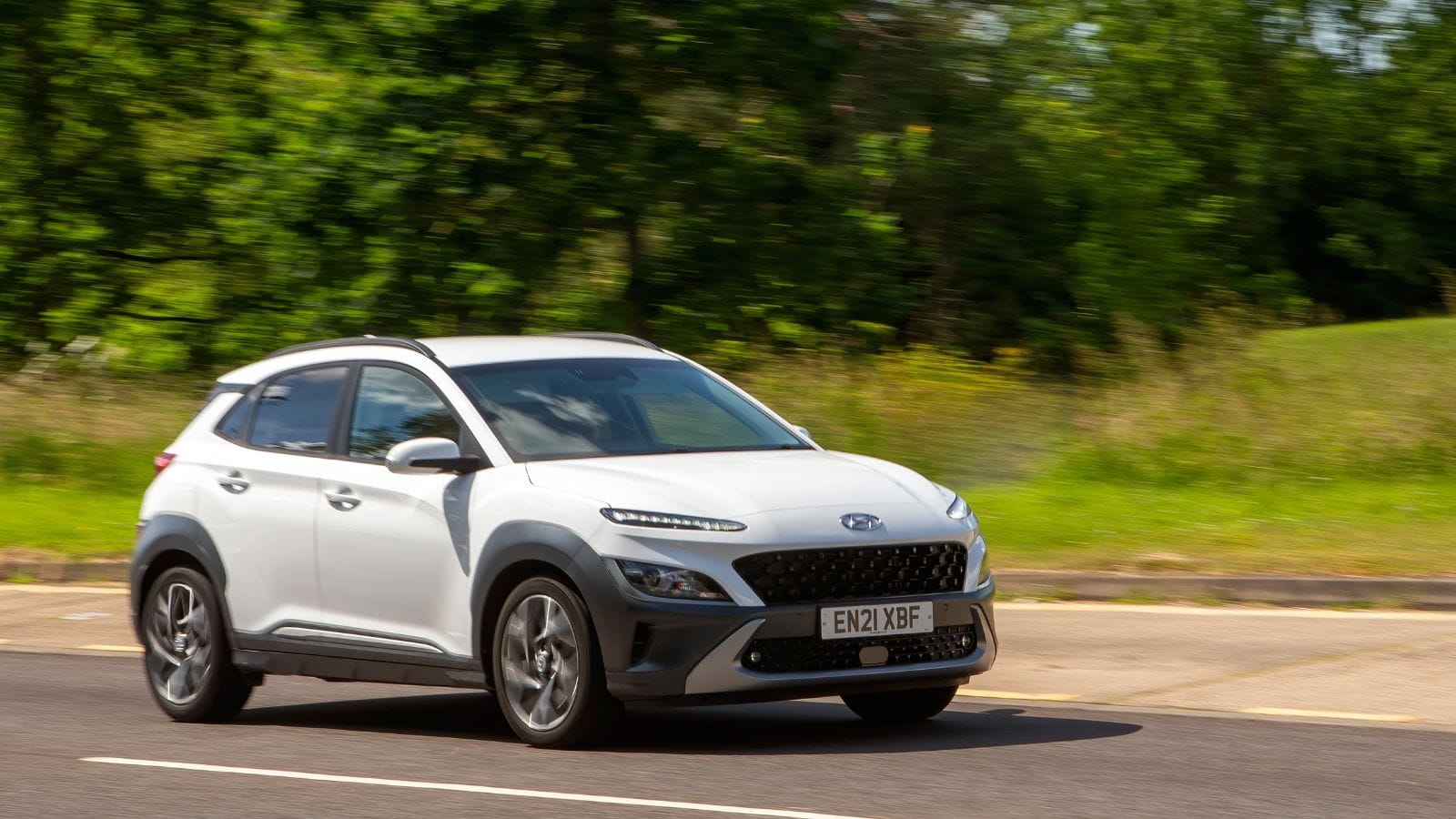
Hybrids remove the biggest psychological hurdle of EV ownership. You never need to plan routes around chargers or worry about unexpected detours. When the battery is depleted, the gasoline engine seamlessly takes over. For drivers who travel long distances or live in rural areas, this peace of mind alone is a major advantage.
They Perform Better in Cold Weather
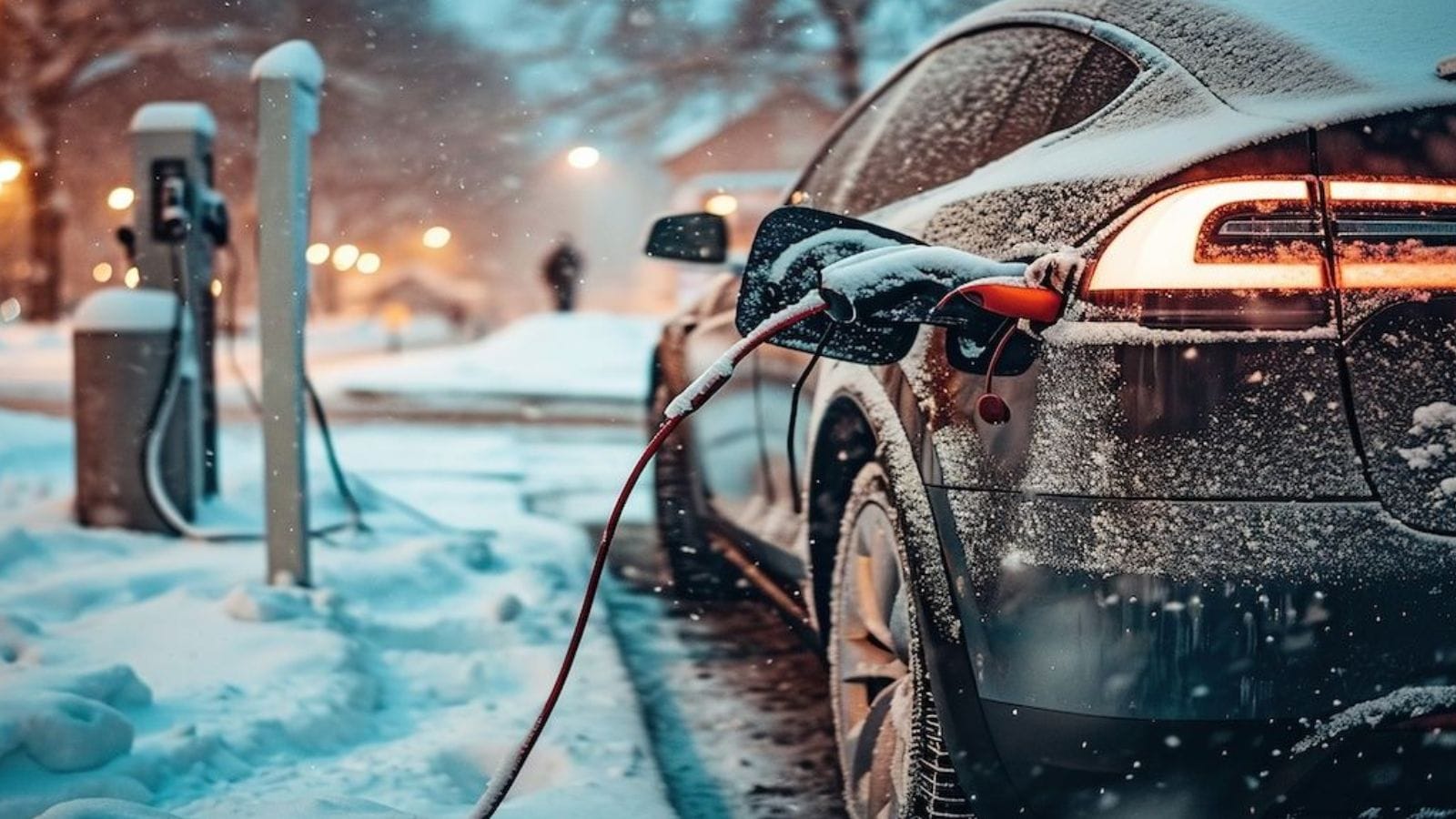
Cold temperatures reduce battery efficiency dramatically. EV range can drop sharply in winter, especially when cabin heating is required. Hybrids are far less affected because the engine provides consistent heat and propulsion. In colder climates, hybrids maintain predictable performance year round.
No Charging Infrastructure Required
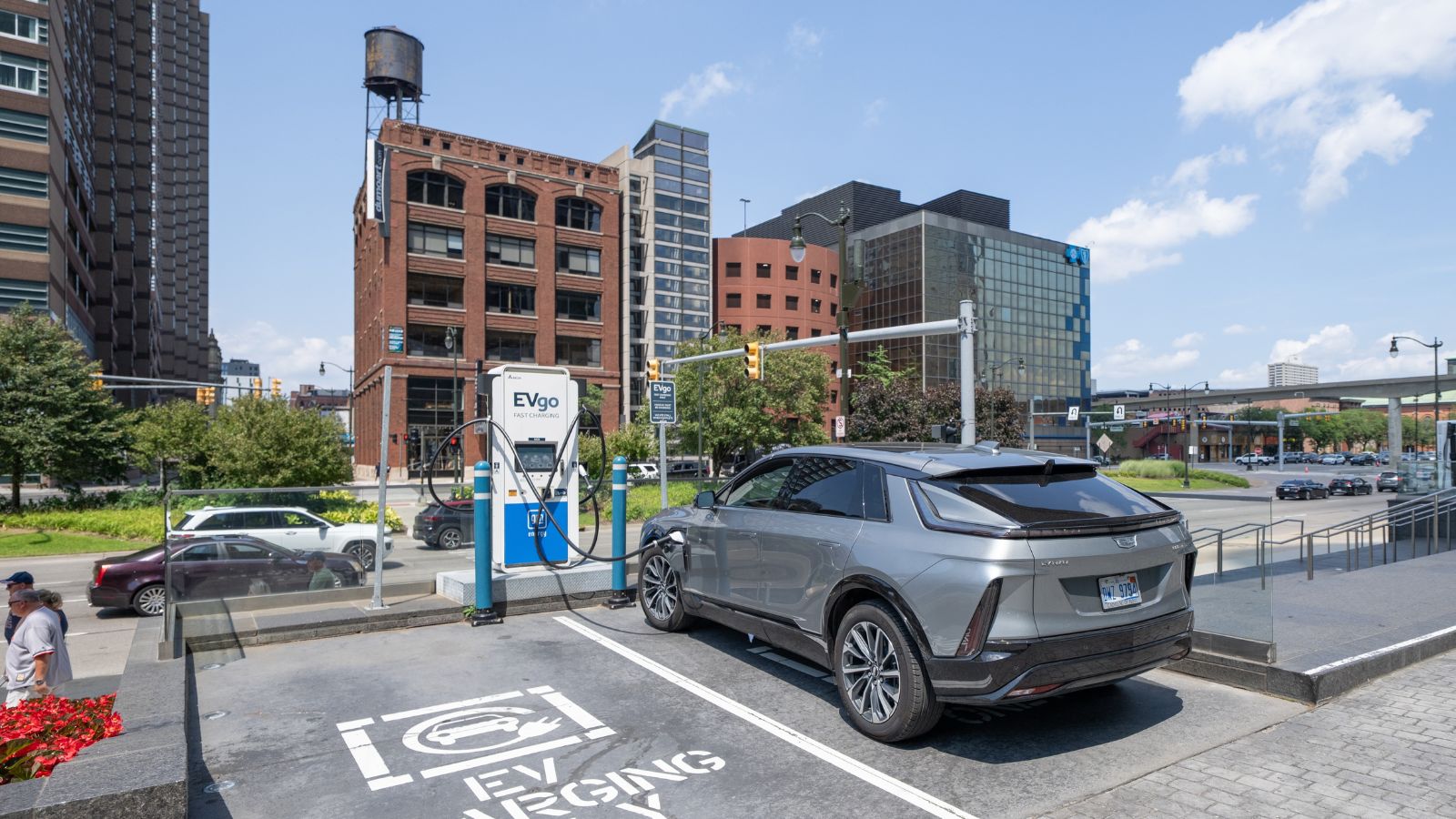
Hybrid owners are not dependent on public charging networks. Home charging is optional rather than essential. This makes hybrids ideal for apartment dwellers, renters, or anyone without guaranteed access to a charger. Gas stations are everywhere, and refueling takes minutes.
Lower Upfront Cost

Hybrids typically cost significantly less than full EVs. They avoid massive battery packs and complex fast charging hardware. This keeps purchase prices closer to traditional vehicles while still delivering major fuel savings. For buyers watching budgets, hybrids are easier to justify.
Faster Refueling and No Waiting
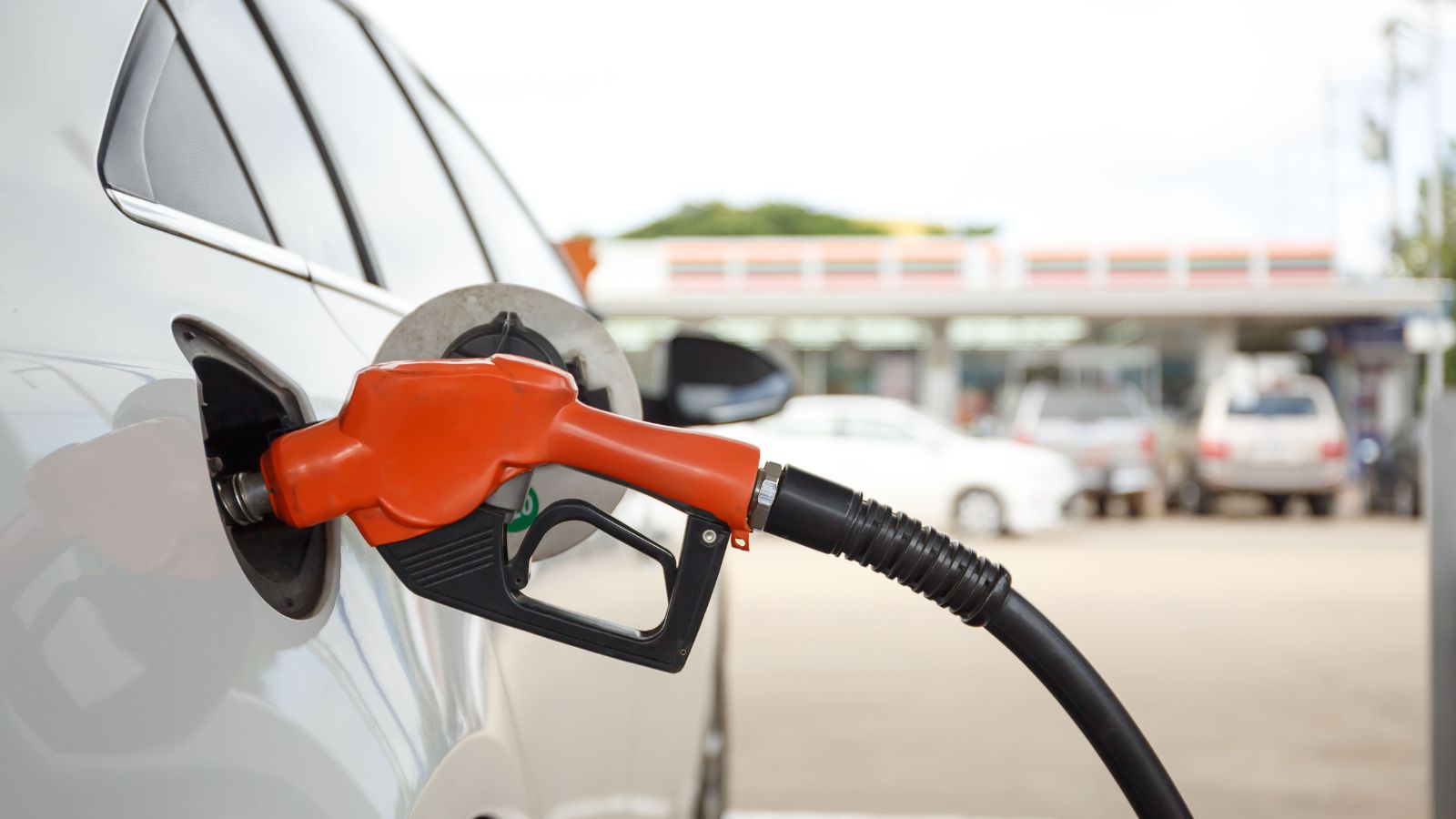
Refueling a hybrid takes the same time as a normal gasoline car. There is no waiting for chargers, no queues, and no planning around charging speeds. This convenience matters on road trips and busy schedules where time is valuable.
Better Long Distance Efficiency

On highways, hybrids often outperform EVs in real world efficiency. EVs lose efficiency at sustained high speeds, while hybrids can run their engines in optimal ranges. For drivers who regularly travel long distances, hybrids remain more consistent and predictable.
Less Battery Degradation Risk
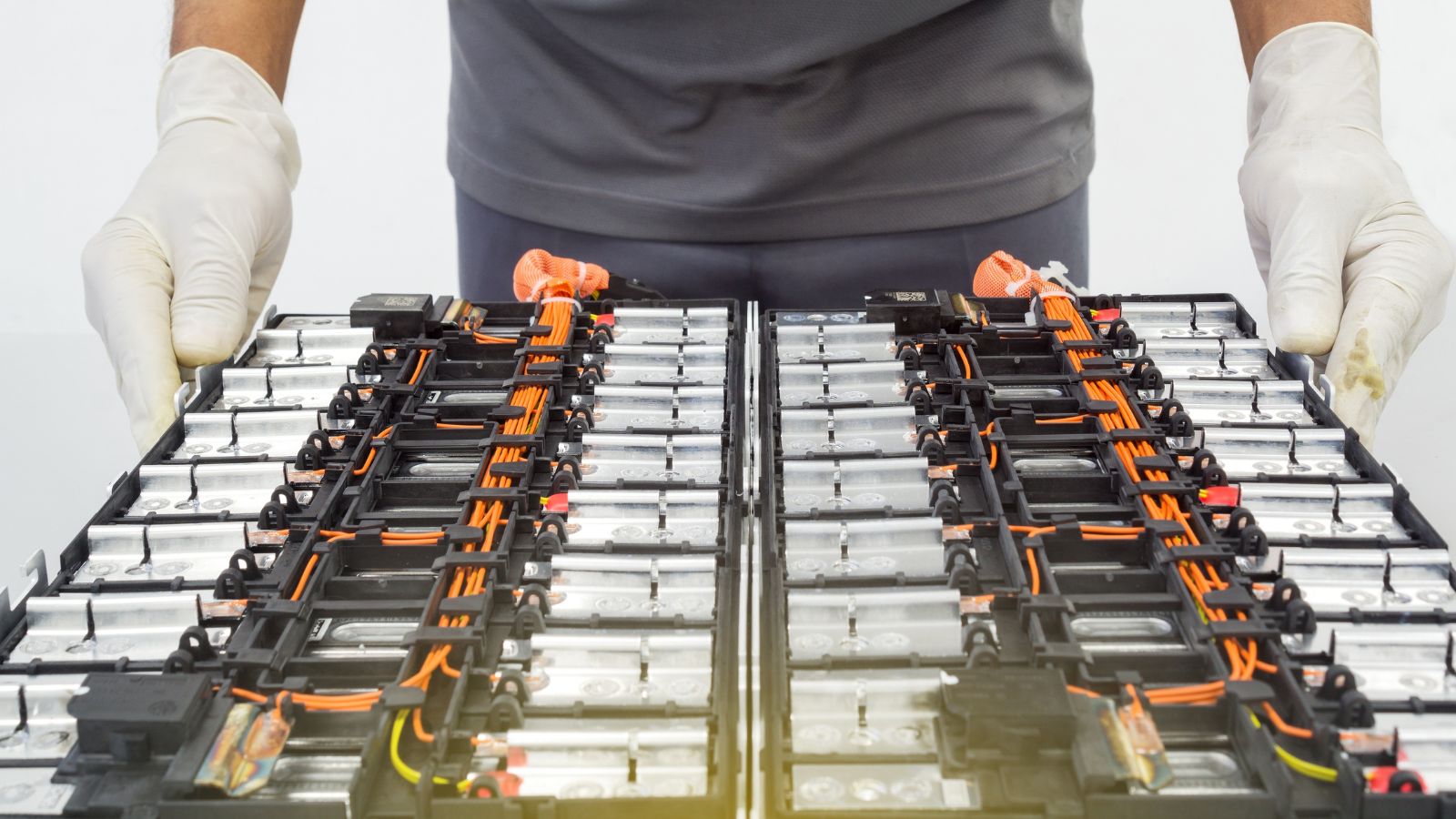
Hybrid batteries are smaller and experience less stress than large EV battery packs. They charge and discharge within narrower ranges, which improves longevity. Replacement costs are far lower if a battery ever fails. This reduces long term ownership risk.
Stronger Resale Value

Used EV values fluctuate heavily as technology evolves. Older models can feel obsolete quickly due to charging speed and range improvements. Hybrids age more gracefully because they rely on proven mechanical systems. Buyers remain confident in their usability years later.
Easier Ownership in Remote Areas

In remote regions, EV ownership can be challenging. Charging infrastructure may be sparse or unreliable. Hybrids thrive in these conditions because they function anywhere fuel is available. This makes them practical beyond major urban centers.
A More Realistic Transition Technology
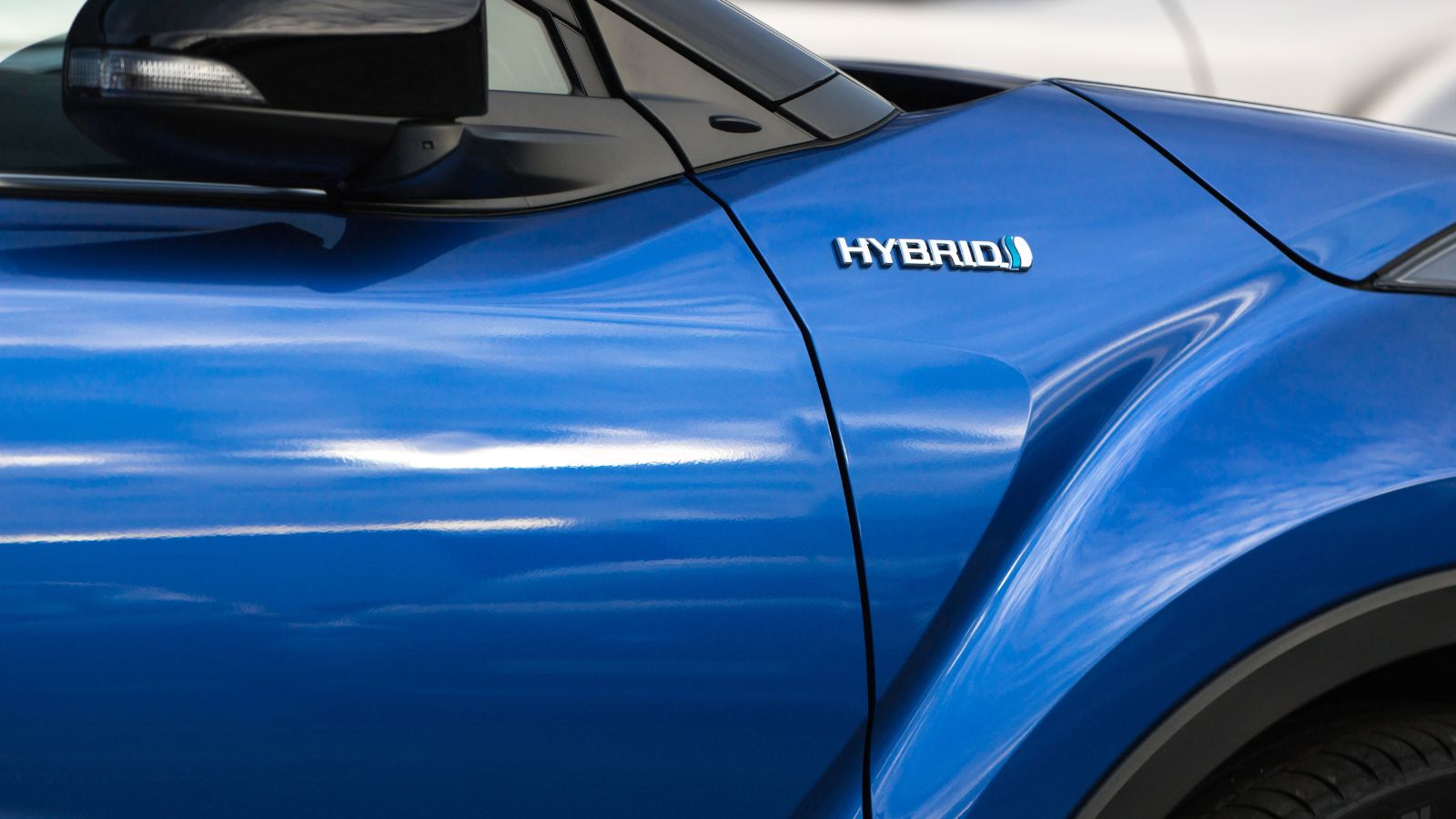
Hybrids offer environmental benefits without forcing lifestyle changes. They reduce fuel consumption and emissions while fitting seamlessly into existing habits. For many drivers, they represent a balanced path forward rather than an all or nothing leap.
25 Facts About Car Loans That Most Drivers Don’t Realize

Car loans are one of the most common ways people fund car purchases. Like any other kind of loan, car loans can have certain features that can be regarded as an advantage or a disadvantage to the borrower. Understanding all essential facts about car loans and how they work to ensure that you get the best deal for your financial situation is essential. Here are 25 shocking facts about car loans that most drivers don’t realize:
25 Facts About Car Loans That Most Drivers Don’t Realize
