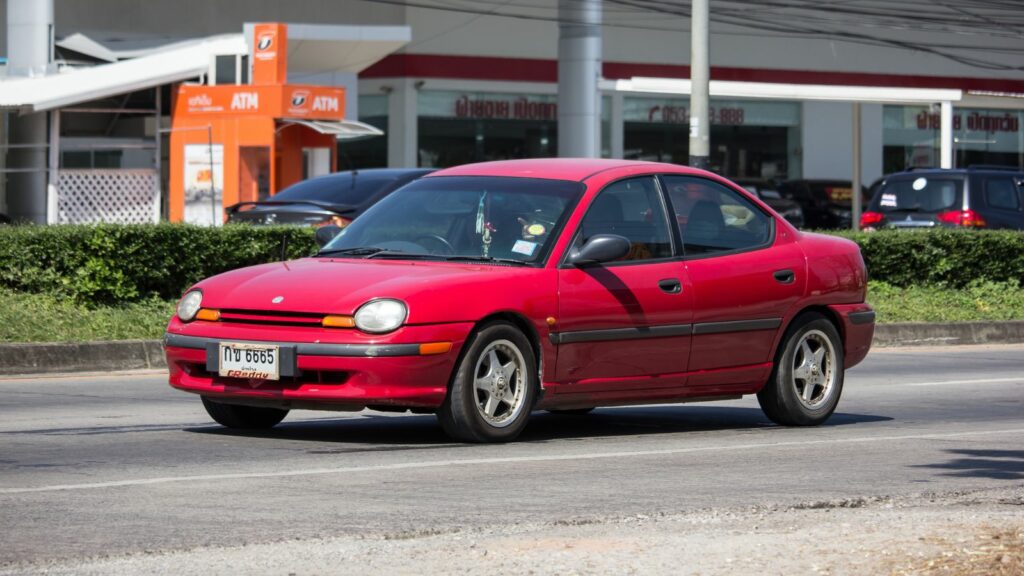
Four cylinder cars should be the safe bet. Simple engines, fewer parts and easy maintenance usually mean reliability. Yet some models proved that even the most basic formula can go wrong. Weak build quality, flawed designs and questionable durability turned these cars into headaches for owners. These ten four cylinder models earned reputations for poor construction, endless repairs and short lifespans that still haunt their names today.
Dodge Neon Known for Head Gaskets and Cheap Interiors
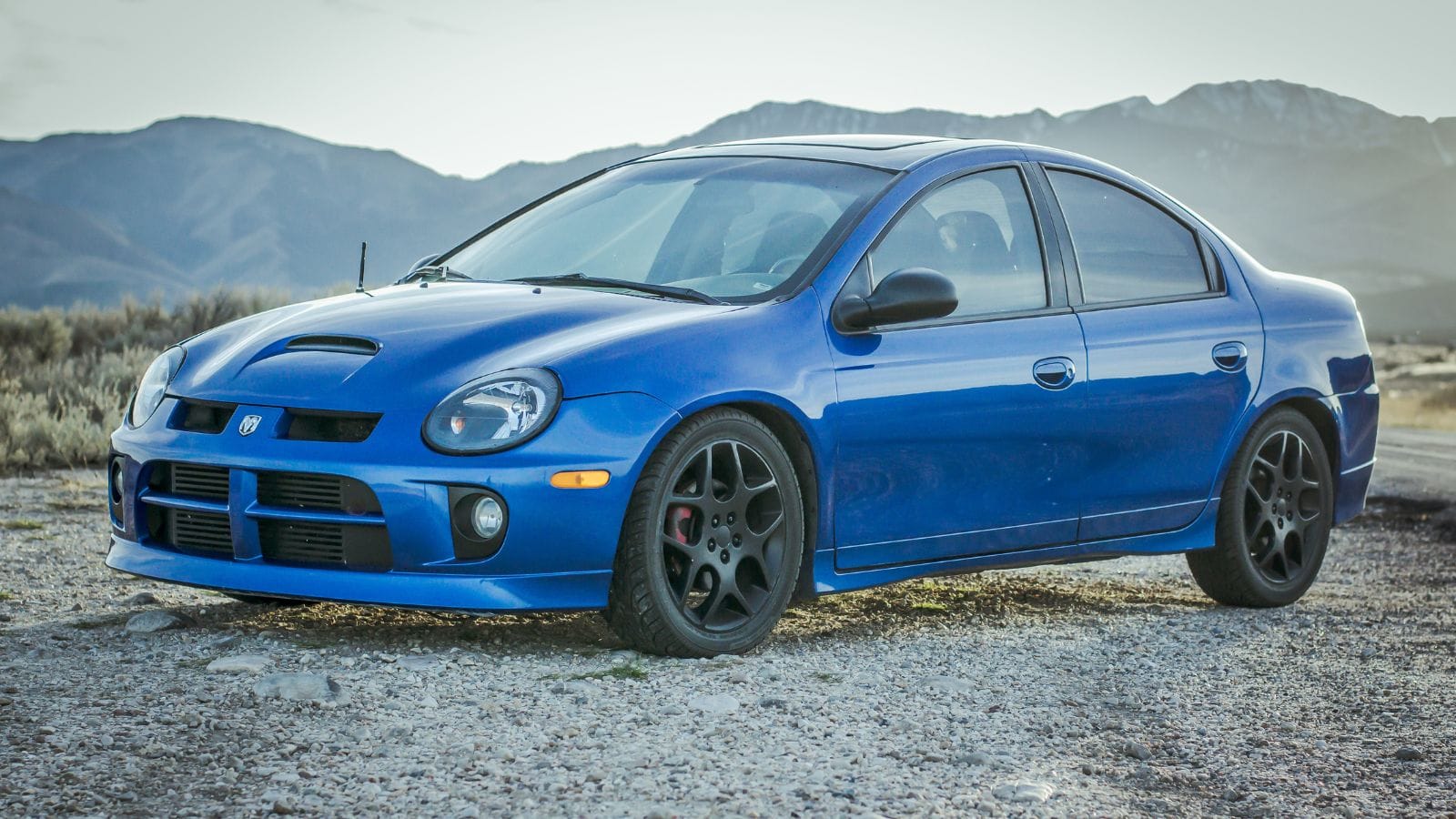
The Neon promised affordability but delivered frustration. Early engines suffered head gasket failures and oil leaks that appeared far too soon. Interiors rattled from day one and plastics discoloured within a few seasons. Owners loved the fuel economy but hated the constant stream of repairs. Many Neons aged quicker than almost any car of their era.
Chevrolet Cavalier Cut Costs Everywhere
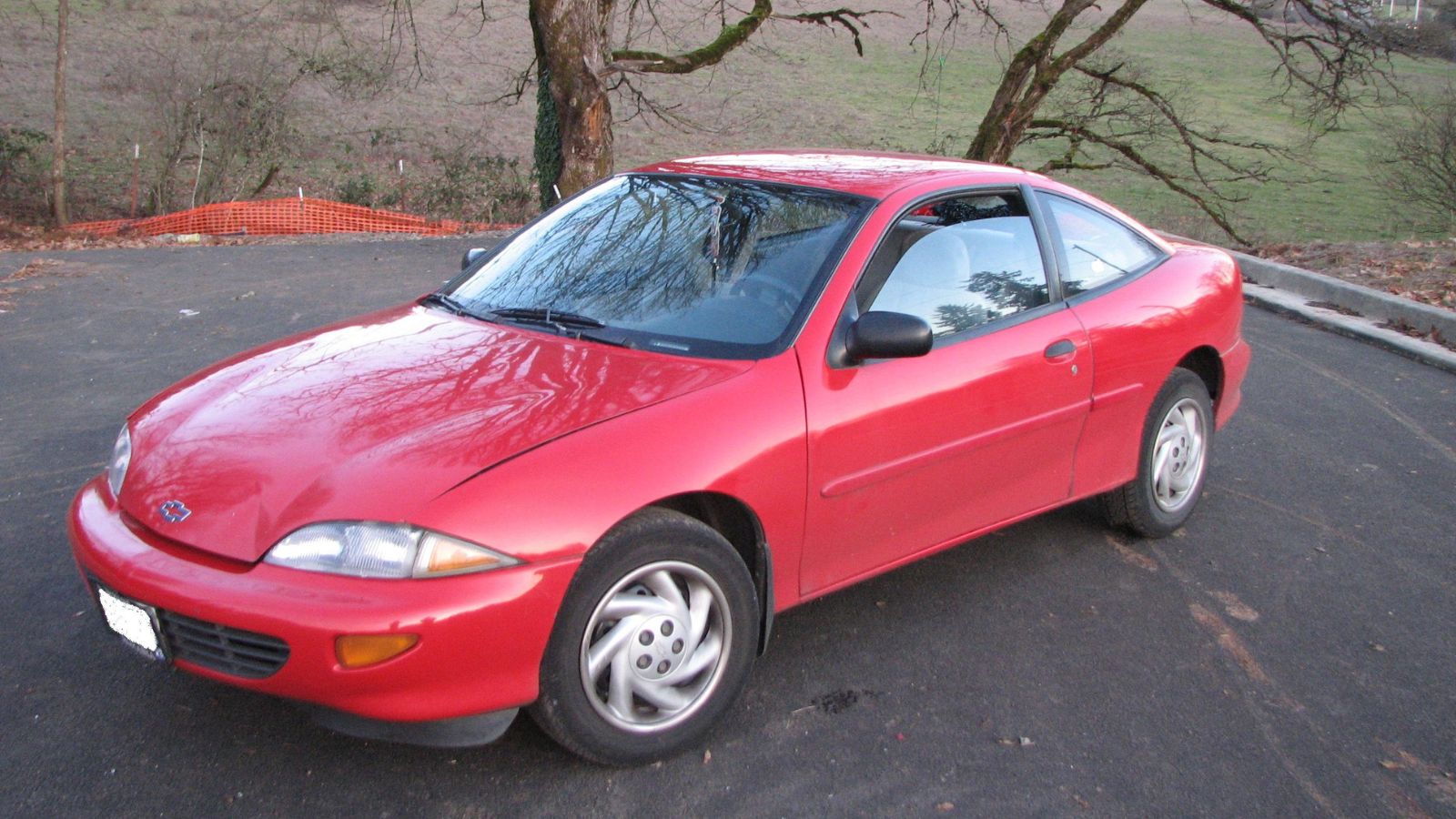
The Cavalier sold well only because it was cheap. Build quality felt thin, suspension parts wore out quickly and the engines sounded tired even at low mileage. Electrical gremlins and interior failures were common, especially in Canadian winters. It served its purpose as basic transportation but earned a reputation as one of the least durable four cylinder cars of its time.
Hyundai Pony Early Years Were Rough
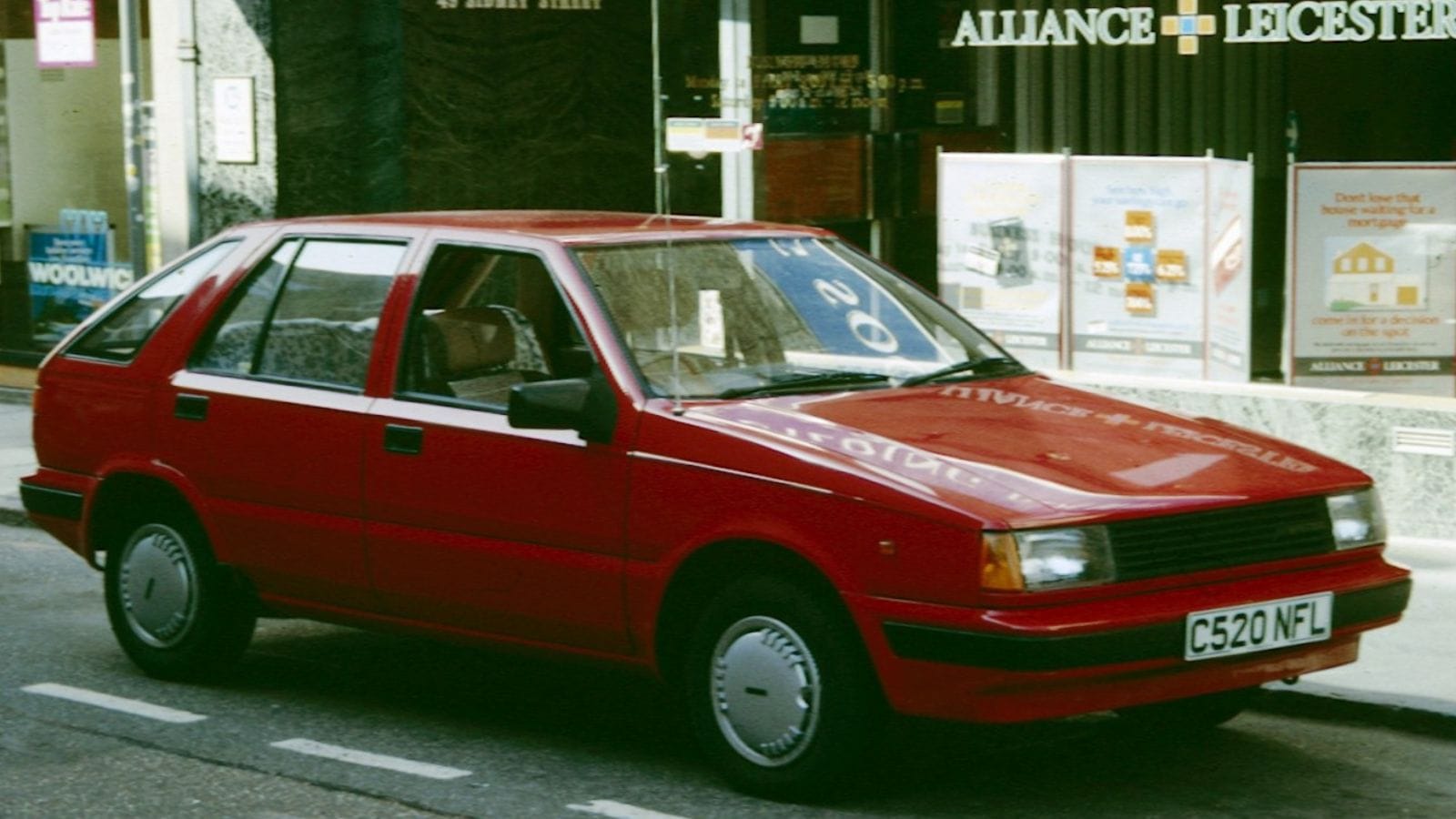
Before Hyundai earned its modern reputation, the Pony showed how rough the early years were. Thin metal, weak engines and rust that appeared almost immediately made ownership challenging. The car was affordable, but cheap construction and limited long term durability meant most Ponies disappeared long before hitting respectable mileage.
Ford Escort Late Models Lacked Quality Control
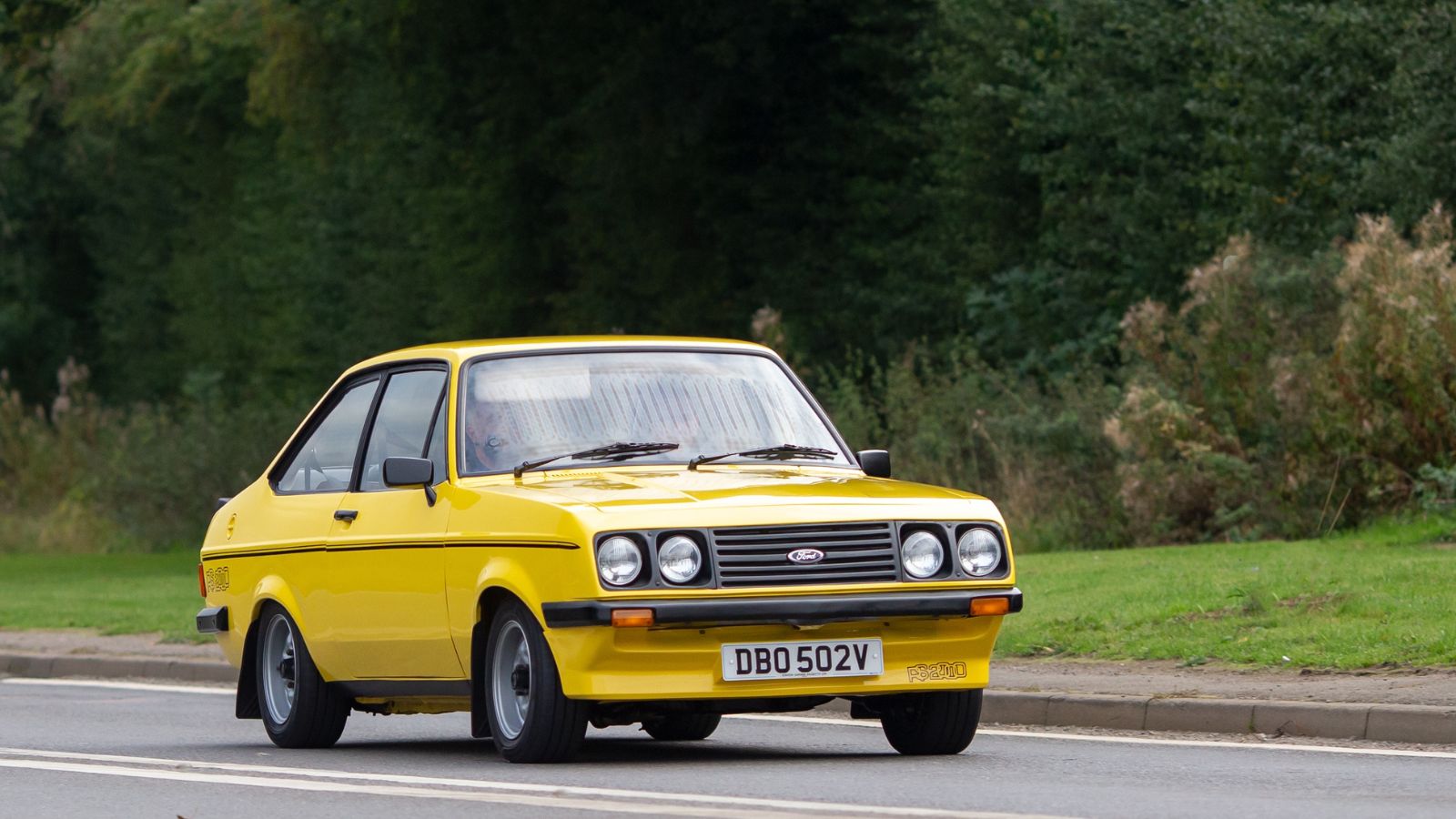
While early Escorts were better, later models suffered from lax build quality. Engines felt underpowered and developed timing issues. Transmission failures were not unusual and the suspension wore out quickly on rough roads. Interiors showed wear after only a few winters. Many Canadian owners traded them long before they planned to.
Suzuki Esteem Struggled With Rust and Weak Components

The Esteem never lived up to its name. Rust protection was poor and many cars showed rot within a few years. Weak suspension components and electrical issues made maintenance a constant chore. It was inexpensive to buy but expensive to keep running over time which ruined its appeal.
Mitsubishi Mirage Felt Fragile Everywhere

The Mirage delivered excellent fuel economy but little else. Build materials felt flimsy, body panels dented easily and the engine developed rattles early in its life. Ride quality felt unfinished and winter driving exposed every weakness. It became one of those cars owners bought out of necessity but never out of pride.
Kia Sephia Early Models Were Notoriously Unreliable
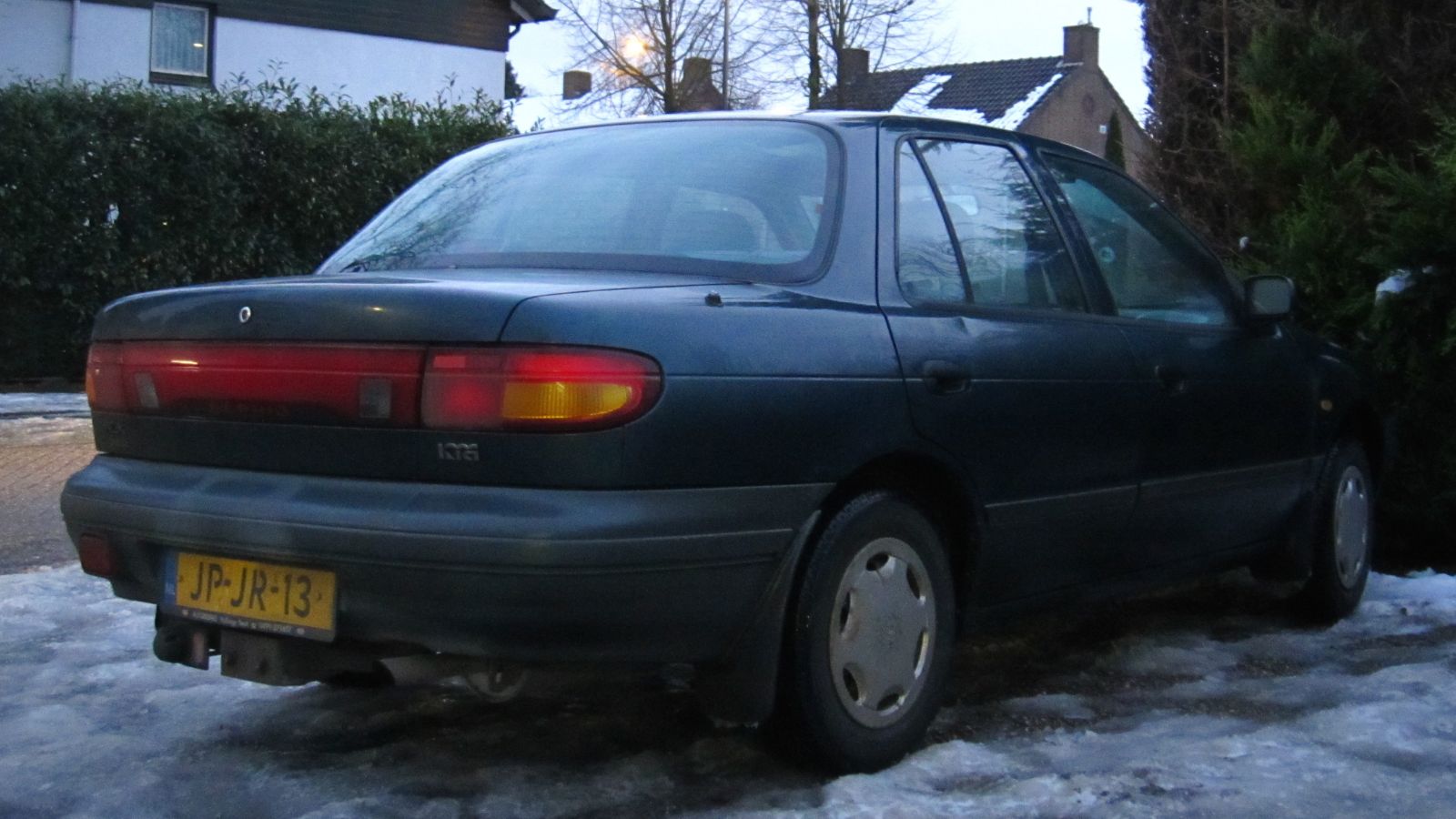
Before Kia’s current quality era, the Sephia dragged the brand’s reputation down. Engines suffered from frequent overheating, transmissions failed early and interior quality ranked near the bottom of the market. Few cars experienced so many major failures this early in their lifespan. It helped push Kia to overhaul its entire engineering approach.
Chevrolet Aveo Built Cheap and It Showed

The Aveo offered great value on paper but lacked long term durability. Timing belt failures, noisy engines and thin bodywork proved common complaints. Electrical failures appeared early and interior materials aged quickly. It became synonymous with budget transportation that rarely aged gracefully.
Pontiac Sunfire A Cavalier Clone With the Same Problems
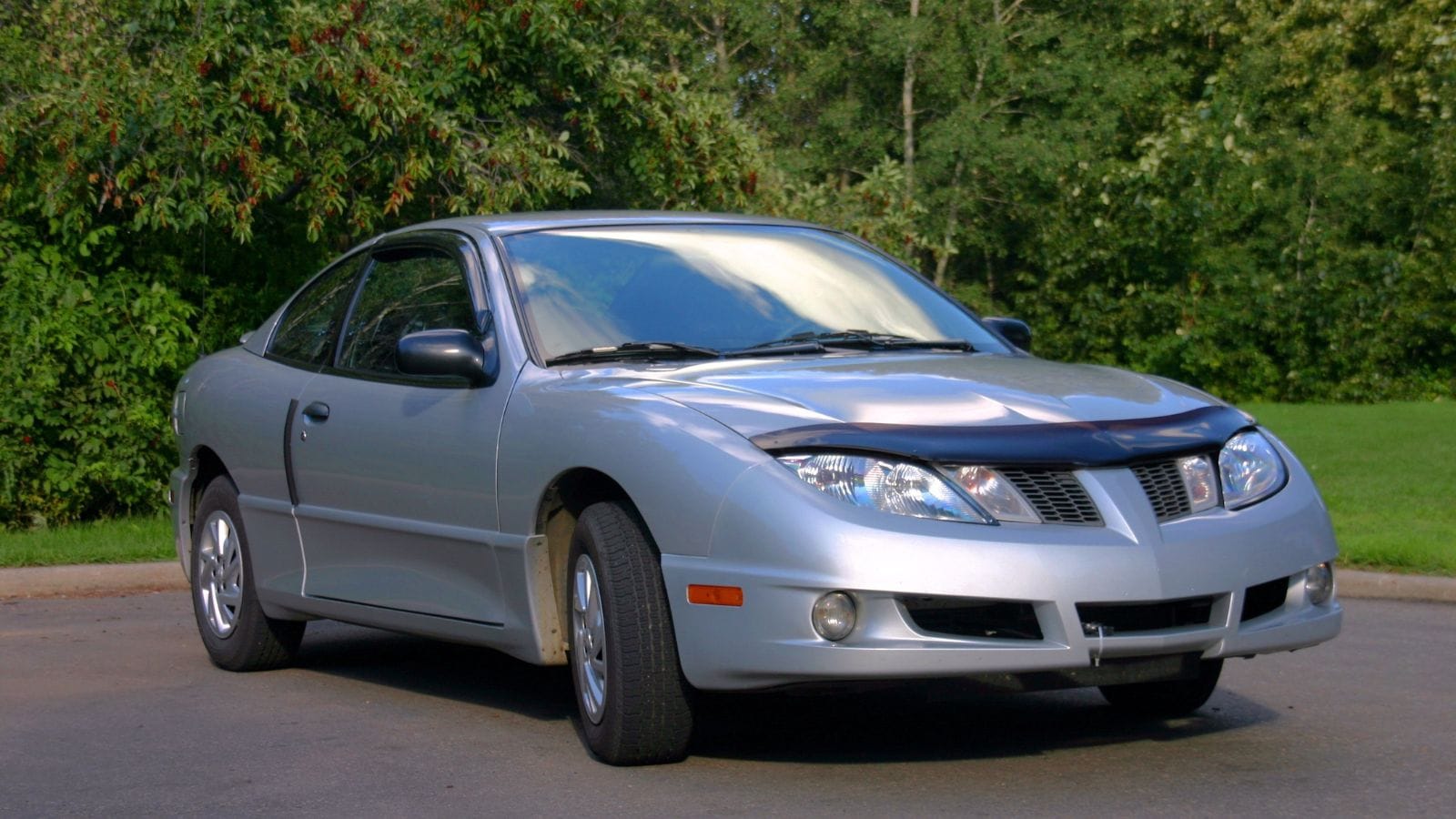
The Sunfire shared most of its parts with the Cavalier which meant it inherited the same poor build quality. Weak suspension components, failing window regulators and constant interior wear defined ownership. Its four cylinder engines were durable only if treated gently which many owners learned the hard way.
Chrysler Sebring Four Cylinder Models Lacked Refinement
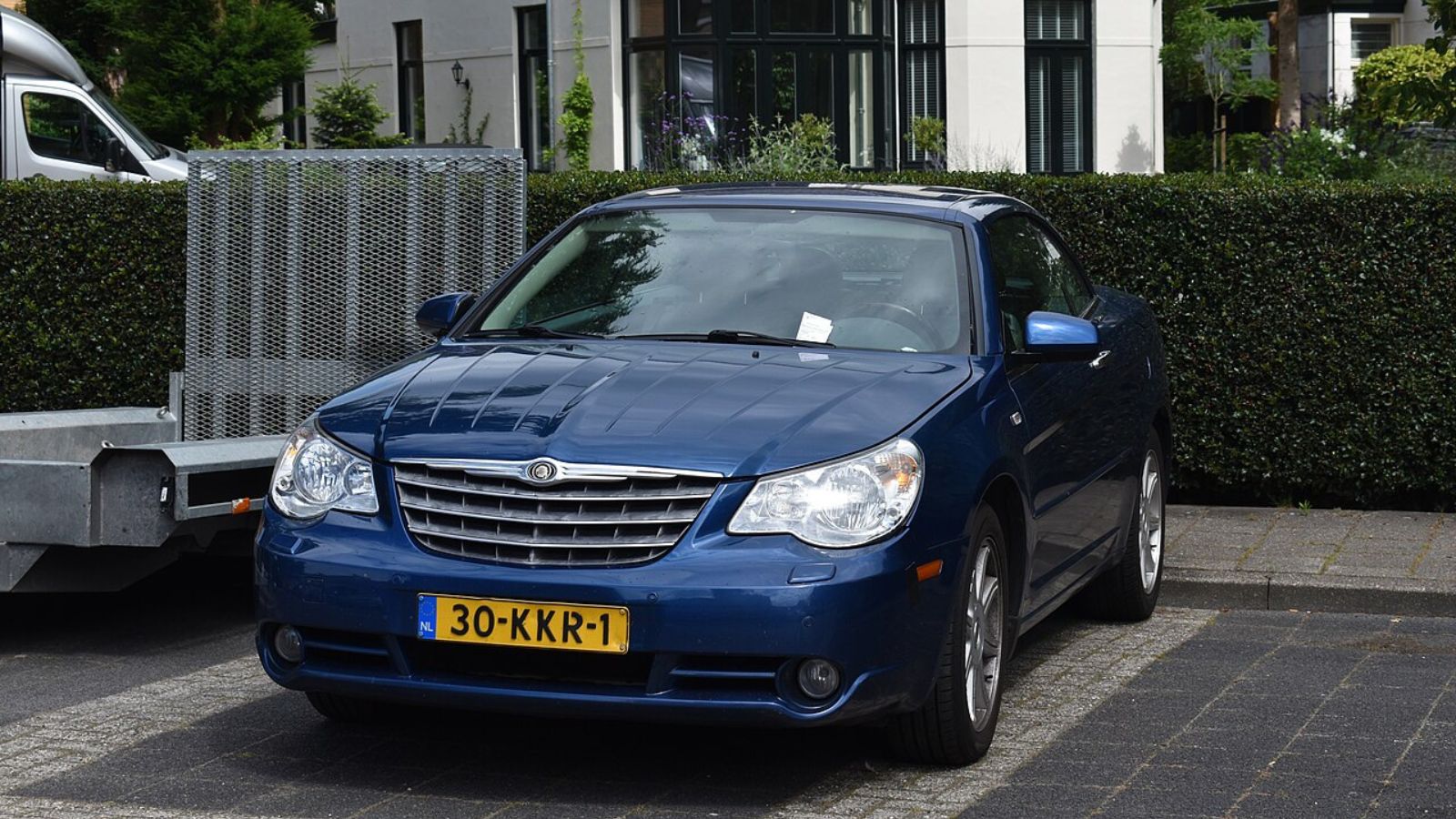
The Sebring four cylinder models suffered from rough engines, poor transmissions and thin build materials. They rattled early, corroded quickly and delivered weak reliability scores for years. Many drivers bought them as rental returns and discovered how poorly they aged once out of fleet service.
25 Facts About Car Loans That Most Drivers Don’t Realize

Car loans are one of the most common ways people fund car purchases. Like any other kind of loan, car loans can have certain features that can be regarded as an advantage or a disadvantage to the borrower. Understanding all essential facts about car loans and how they work to ensure that you get the best deal for your financial situation is essential. Here are 25 shocking facts about car loans that most drivers don’t realize:
25 Facts About Car Loans That Most Drivers Don’t Realize
