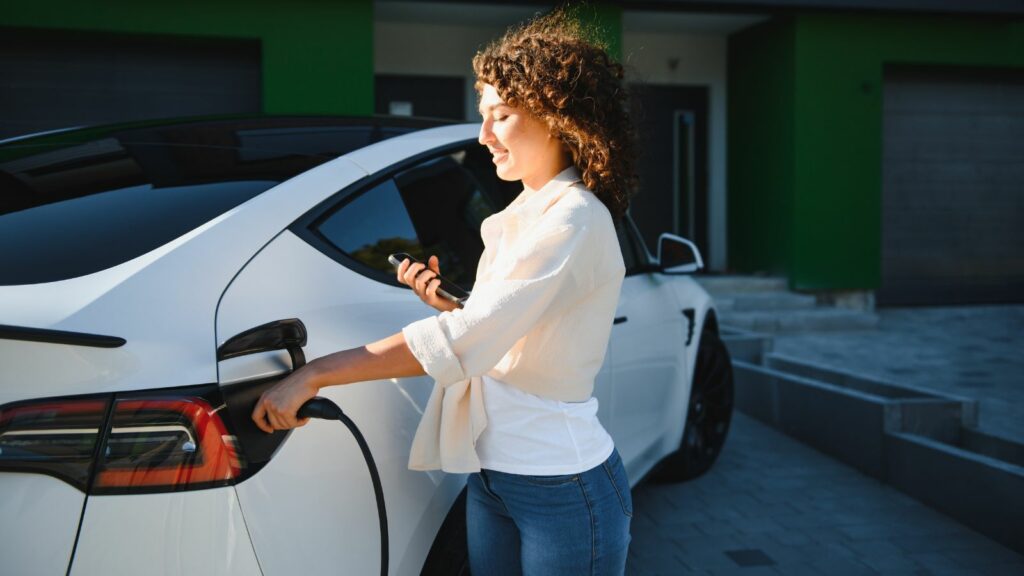
Electric cars are sold as the future. Clean, quiet, cheap to run, and supposedly better in every way. That’s the pitch. What gets far less airtime are the compromises that show up after the honeymoon period ends. For many owners, especially in cold climates and real-world driving, the shine wears off quickly.
This isn’t an anti-technology rant. It’s a reality check. These are the downsides buyers often discover only after they’ve signed the paperwork.
Range Anxiety Never Really Goes Away
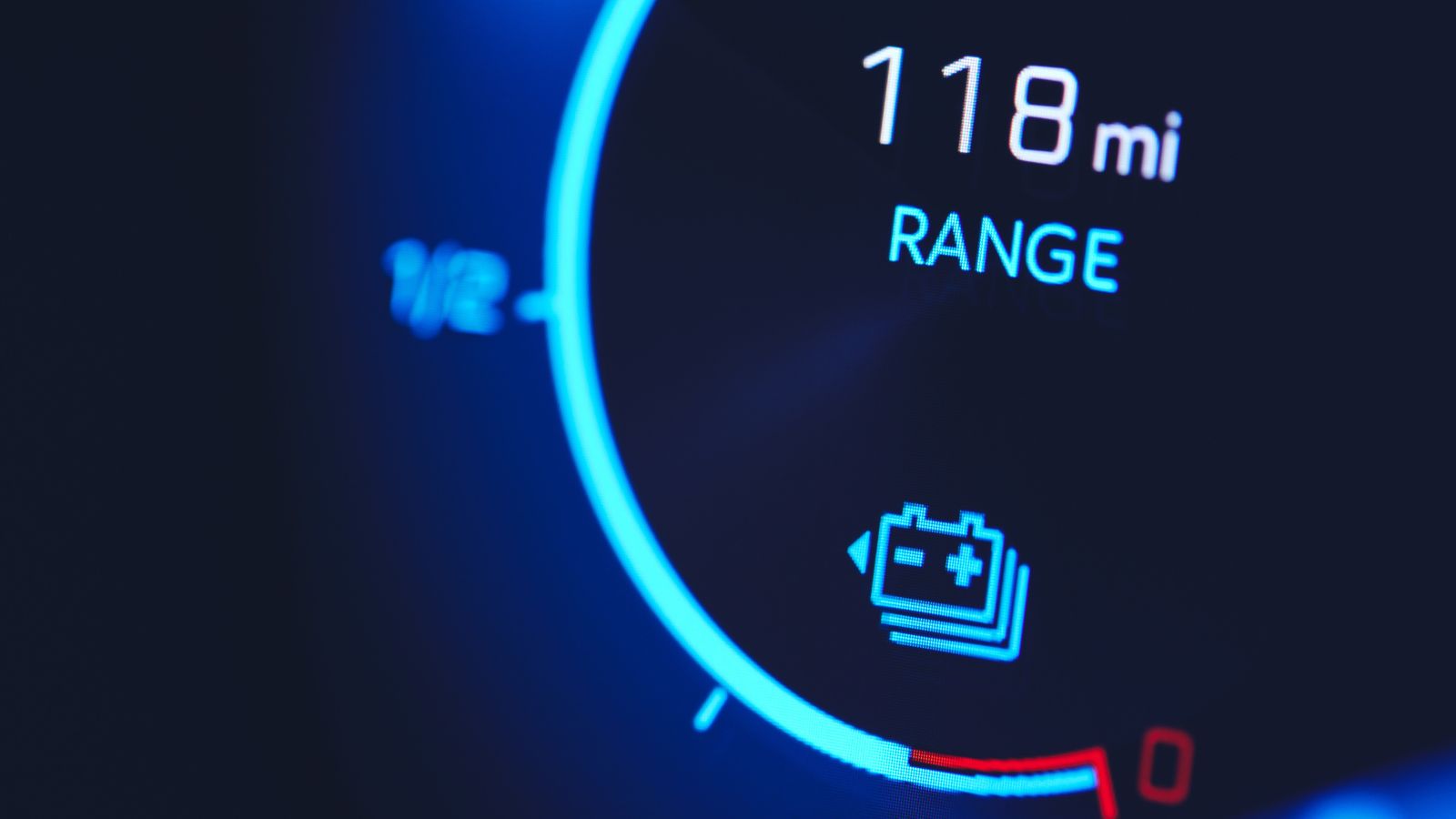
You don’t “get used” to range anxiety. You manage it. Every long drive becomes a calculation exercise involving weather, speed, elevation, charger availability, and backup plans. Gas cars fade into the background. EVs demand constant mental attention.
Cold Weather Is a Silent Killer
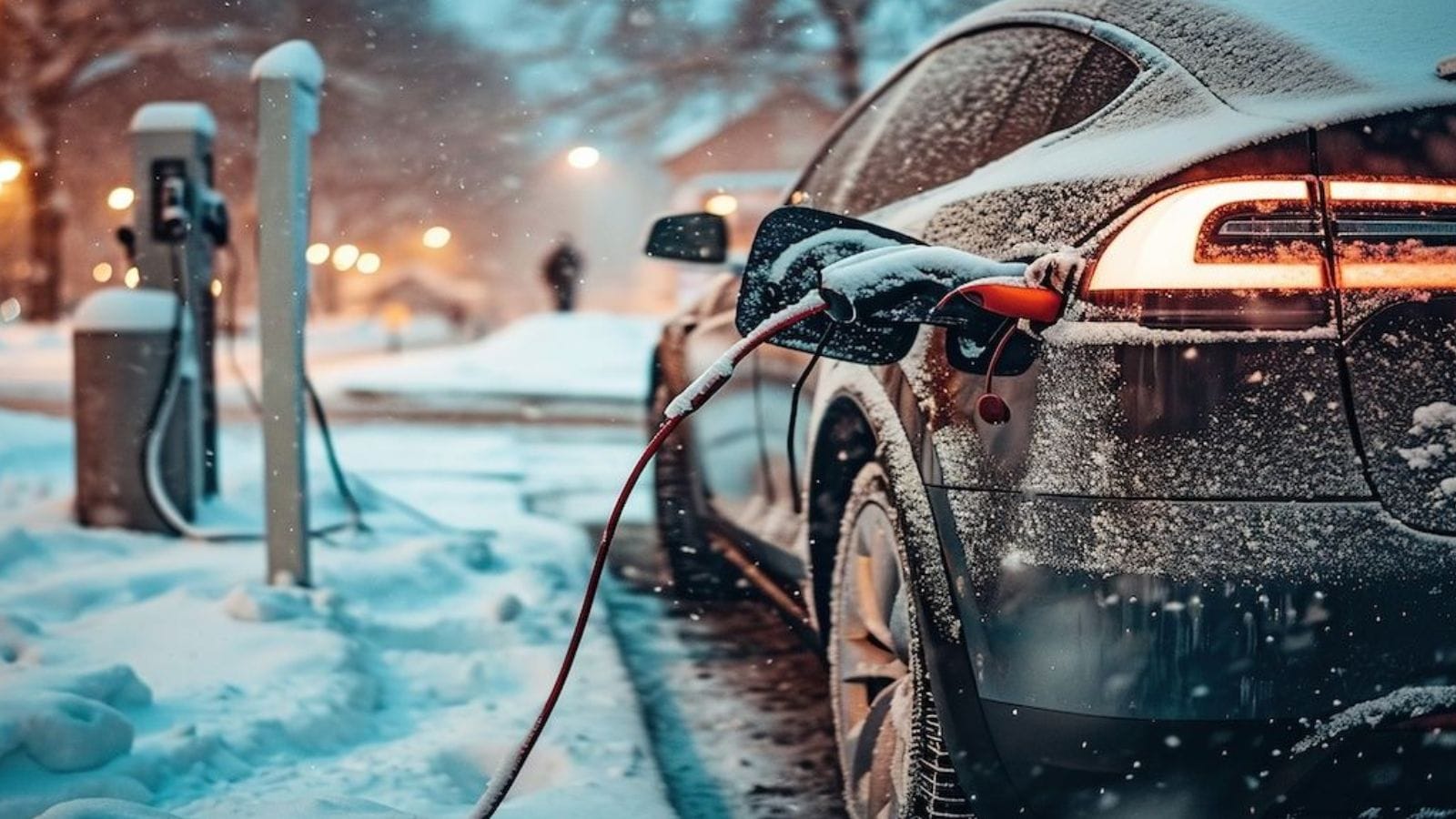
Winter doesn’t just reduce range. It changes the entire ownership experience. Slower charging, reduced braking regen, weak cabin heat without preconditioning, and sudden range drops are normal. Marketing numbers collapse the moment temperatures fall below freezing.
Charging Is Still a Hassle
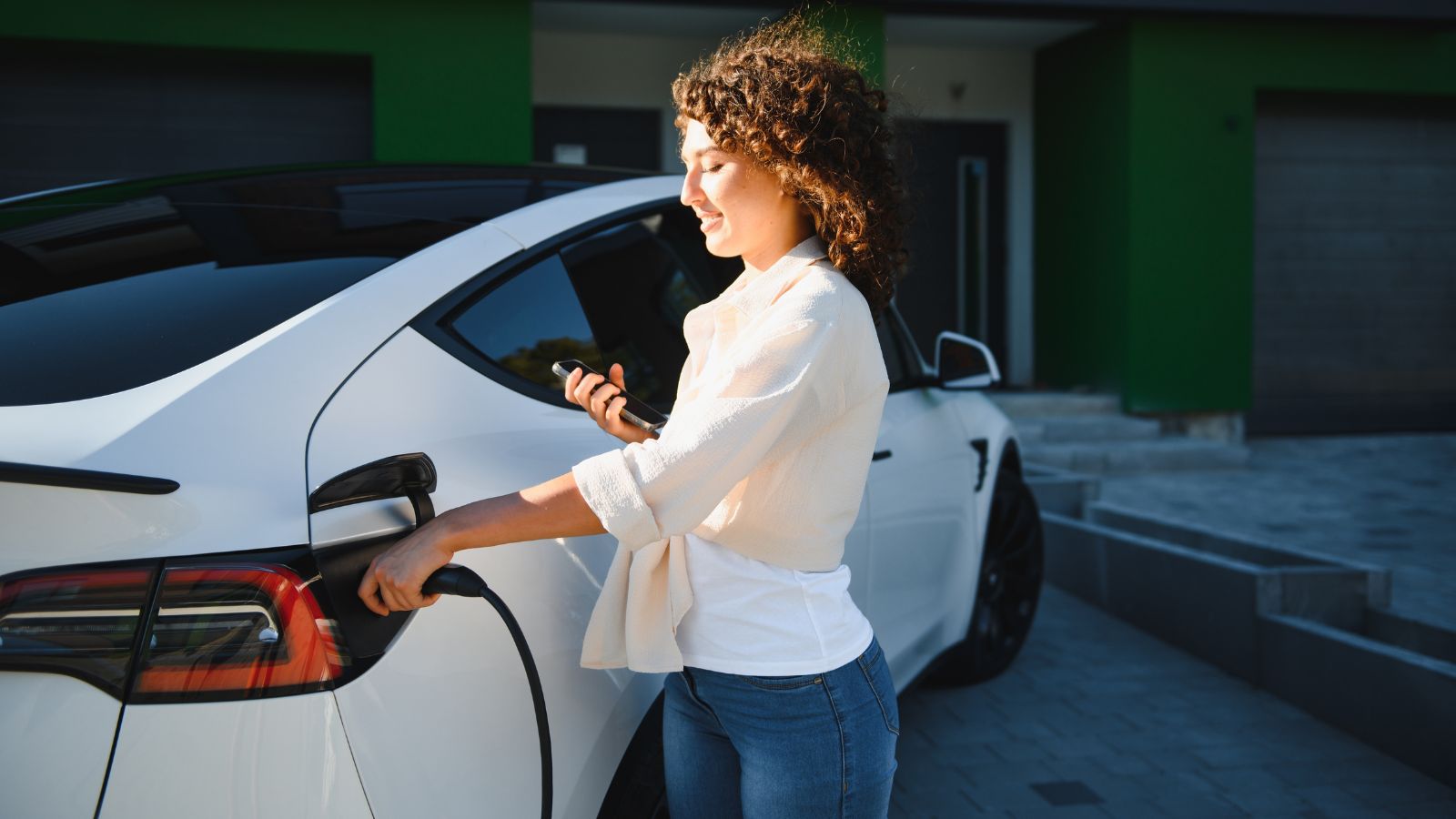
Home charging works if you own a house and have the electrical capacity. Everyone else deals with public chargers that are broken, blocked, slow, or occupied. Charging stops are never quick, and they’re never guaranteed. Planning replaces spontaneity.
Battery Degradation Is Real
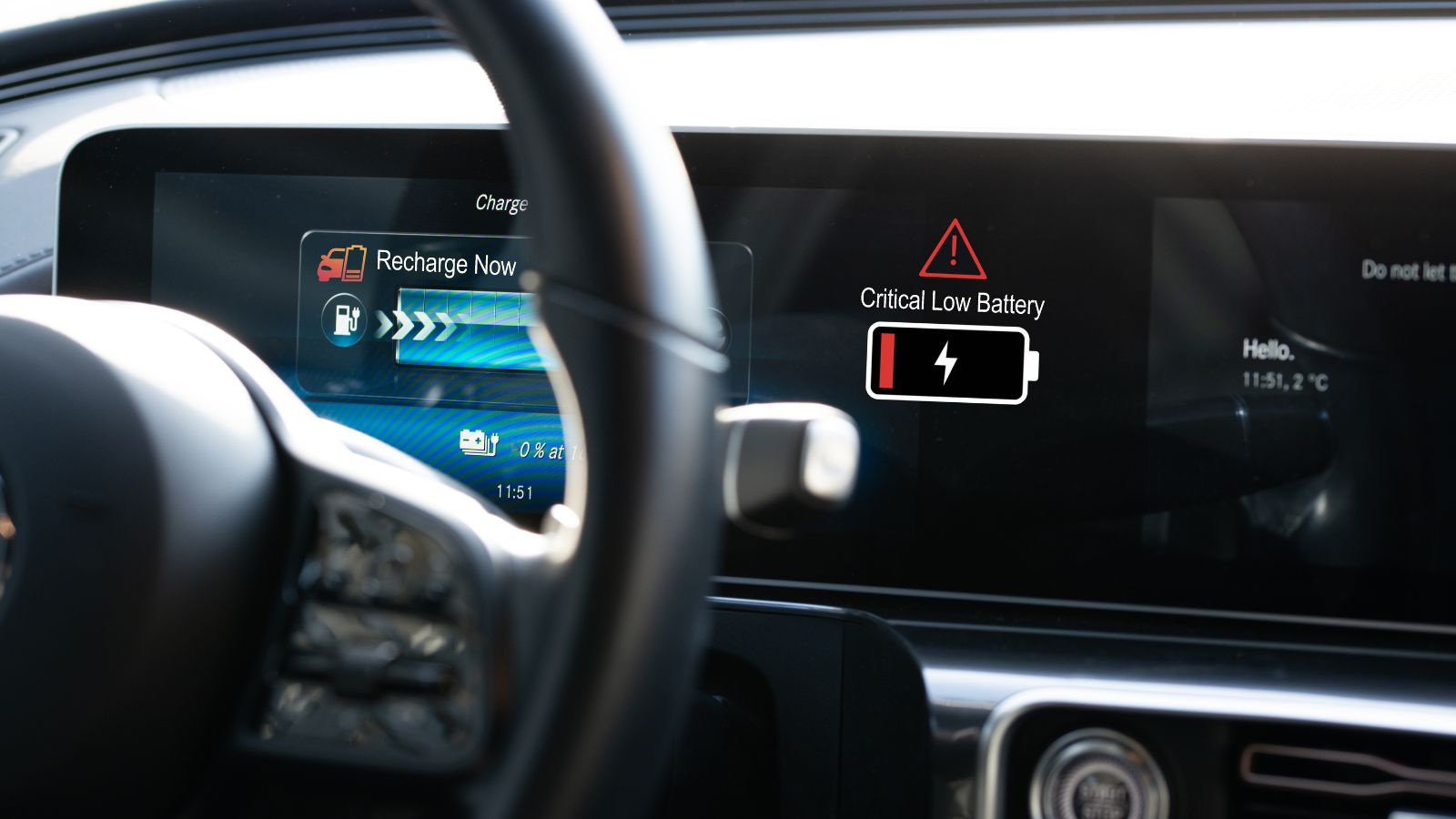
Batteries age whether you want them to or not. Range loss is gradual, but permanent. That shiny 400-kilometre range quietly turns into 330, then 300, and resale value follows it down. No software update fixes chemistry.
Repairs Are Expensive and Limited
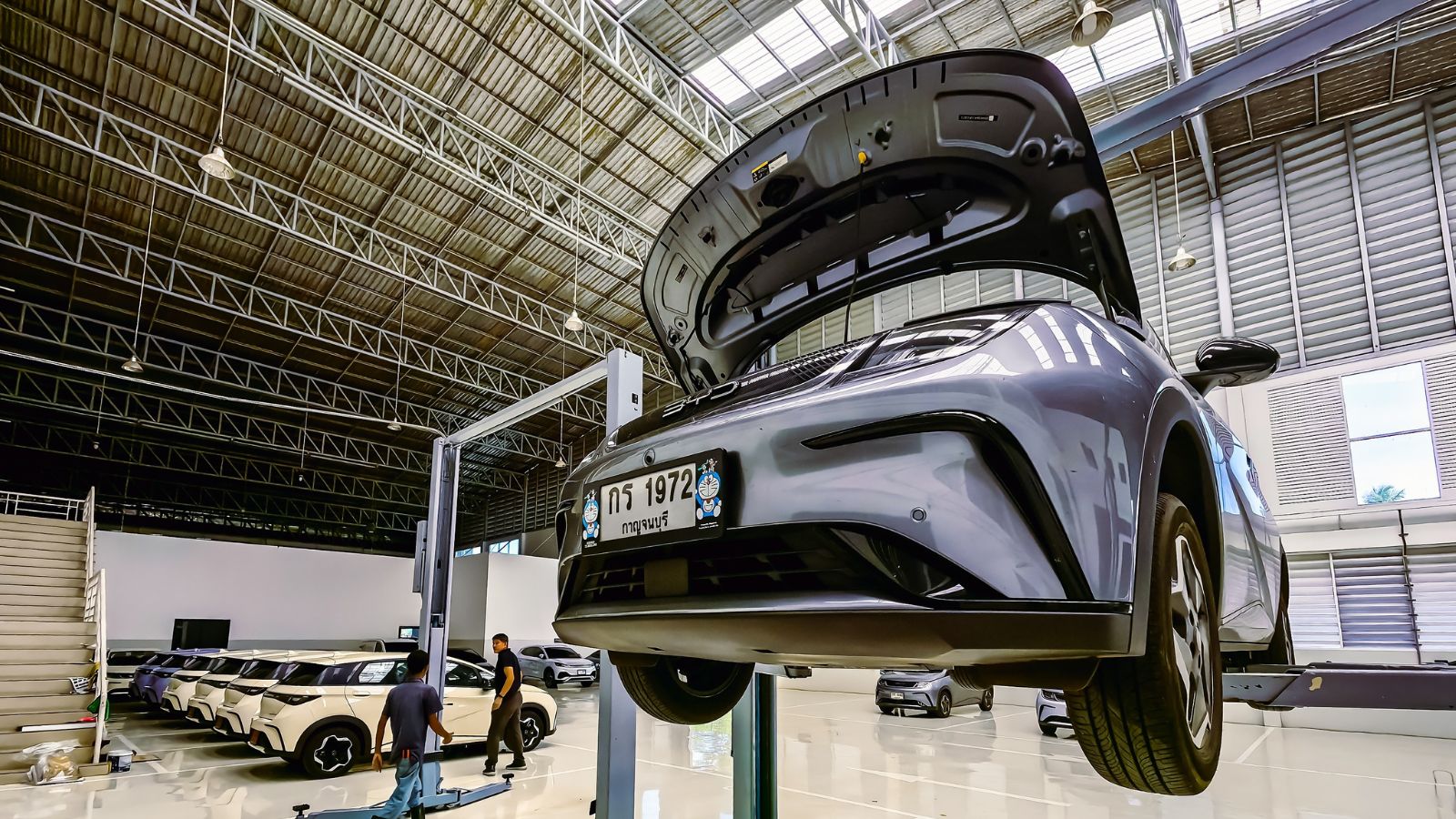
EVs are simple until they aren’t. When something fails outside warranty, costs escalate quickly. Battery modules, inverters, and cooling systems are not backyard fixes. Many independent shops won’t touch them, leaving owners tied to dealerships.
Towing and Load Use Is a Joke
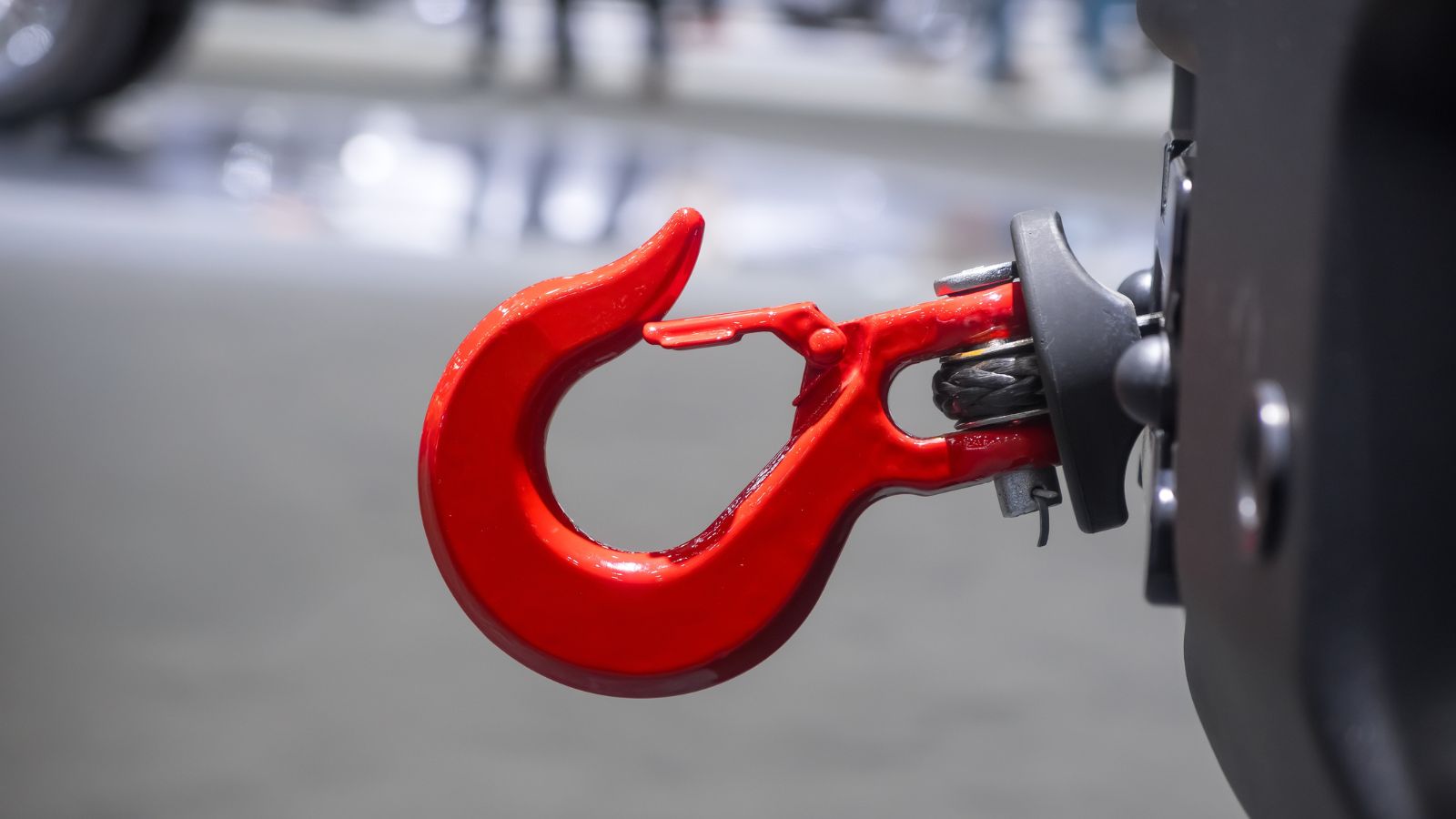
Advertised towing ratings exist mostly on paper. Hook up a trailer or load the car with people and gear, and range can drop by half. For anyone who actually uses their vehicle hard, EV capability falls apart fast.
Insurance Costs Are Higher Than Expected
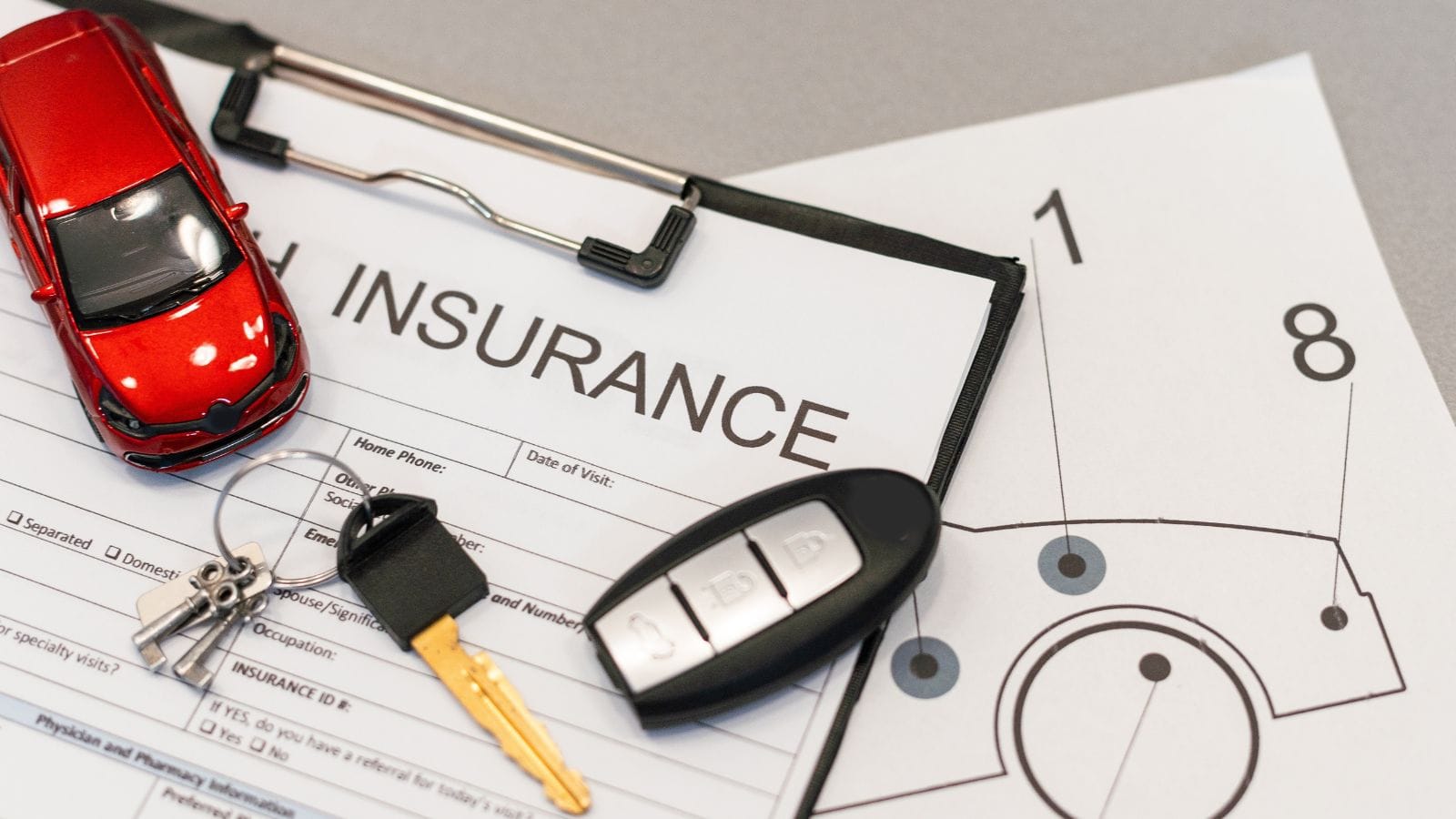
EVs often cost more to insure than comparable gas cars. Expensive battery packs, specialized repairs, and longer shop times push premiums up. The savings people expect at the pump quietly disappear at renewal time.
Software Controls Too Much
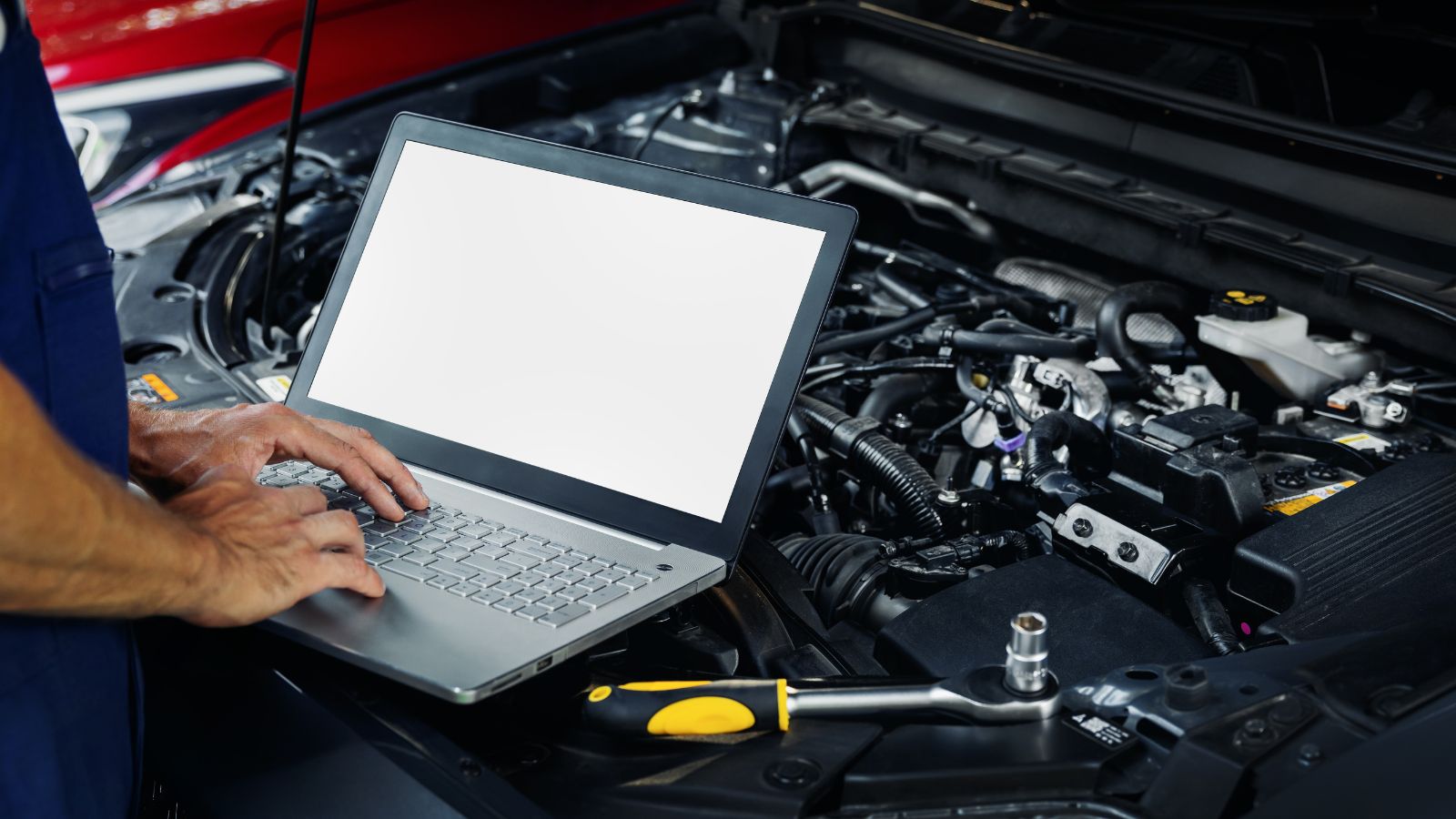
Your car isn’t fully yours. Features can be locked, limited, or altered through updates. Charging speed, performance modes, even heating functions can change overnight. Ownership has turned into a permission-based experience.
Environmental Math Isn’t Simple
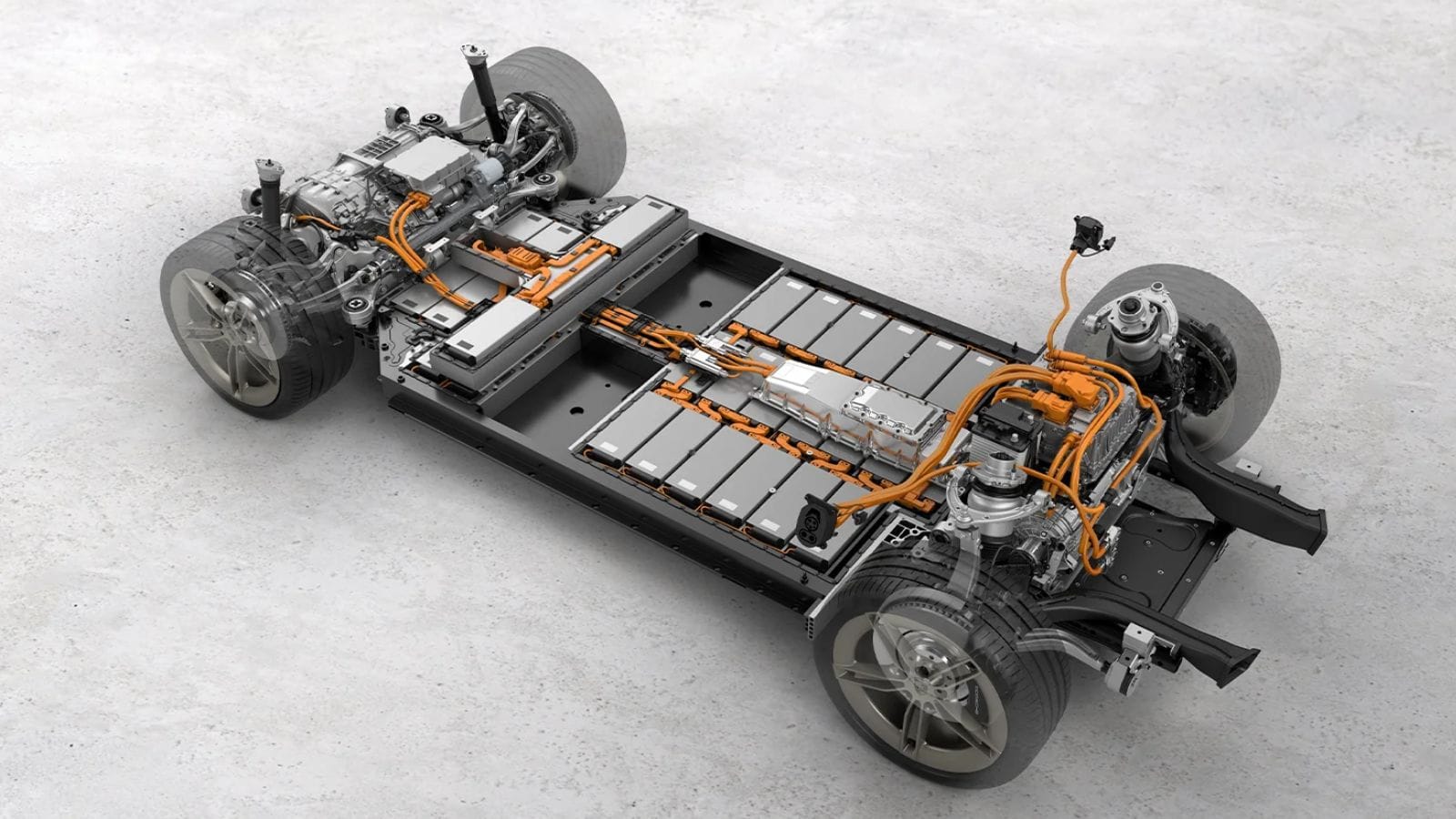
Manufacturing batteries is resource intensive. Mining, shipping, and recycling come with real environmental costs that don’t show up in tailpipe statistics. EVs move emissions elsewhere, they don’t erase them.
They Age Poorly

Technology moves faster than cars. Today’s EV feels outdated in five years, not fifteen. Faster charging, longer range, and better software make older models feel obsolete quickly. Gas cars age slowly. EVs age digitally.
The Part No One Likes to Admit
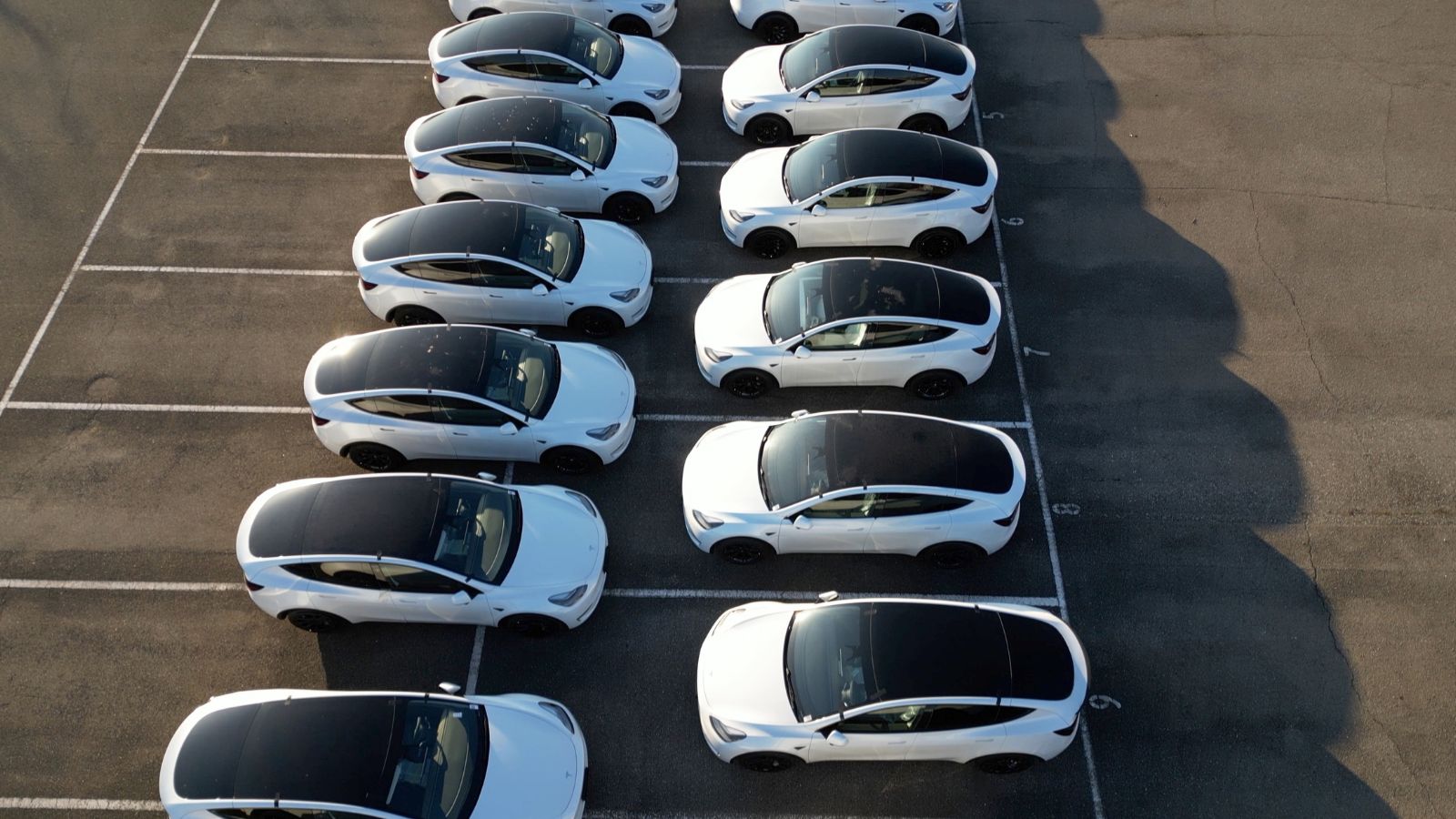
Electric cars work best for a very specific type of owner. Someone with a garage, short predictable trips, mild climate, and patience for planning. Outside that bubble, the compromises stack up quickly.
They’re not evil. They’re not useless. But they’re also not the universal solution they’re marketed as. For many drivers, especially in places with long distances and harsh winters, electric cars introduce as many problems as they claim to solve.
25 Facts About Car Loans That Most Drivers Don’t Realize

Car loans are one of the most common ways people fund car purchases. Like any other kind of loan, car loans can have certain features that can be regarded as an advantage or a disadvantage to the borrower. Understanding all essential facts about car loans and how they work to ensure that you get the best deal for your financial situation is essential. Here are 25 shocking facts about car loans that most drivers don’t realize:
25 Facts About Car Loans That Most Drivers Don’t Realize
