
Canada has seen a surge in vehicle theft, and many stolen cars end up back on the market disguised as clean used vehicles. Buyers who do not check the right details can unknowingly purchase a stolen car, only to lose the vehicle and their money when authorities recover it. These ten practical tips help you avoid scams, spot red flags and make sure the car you buy is truly yours to keep.
Verify the VIN in Multiple Locations
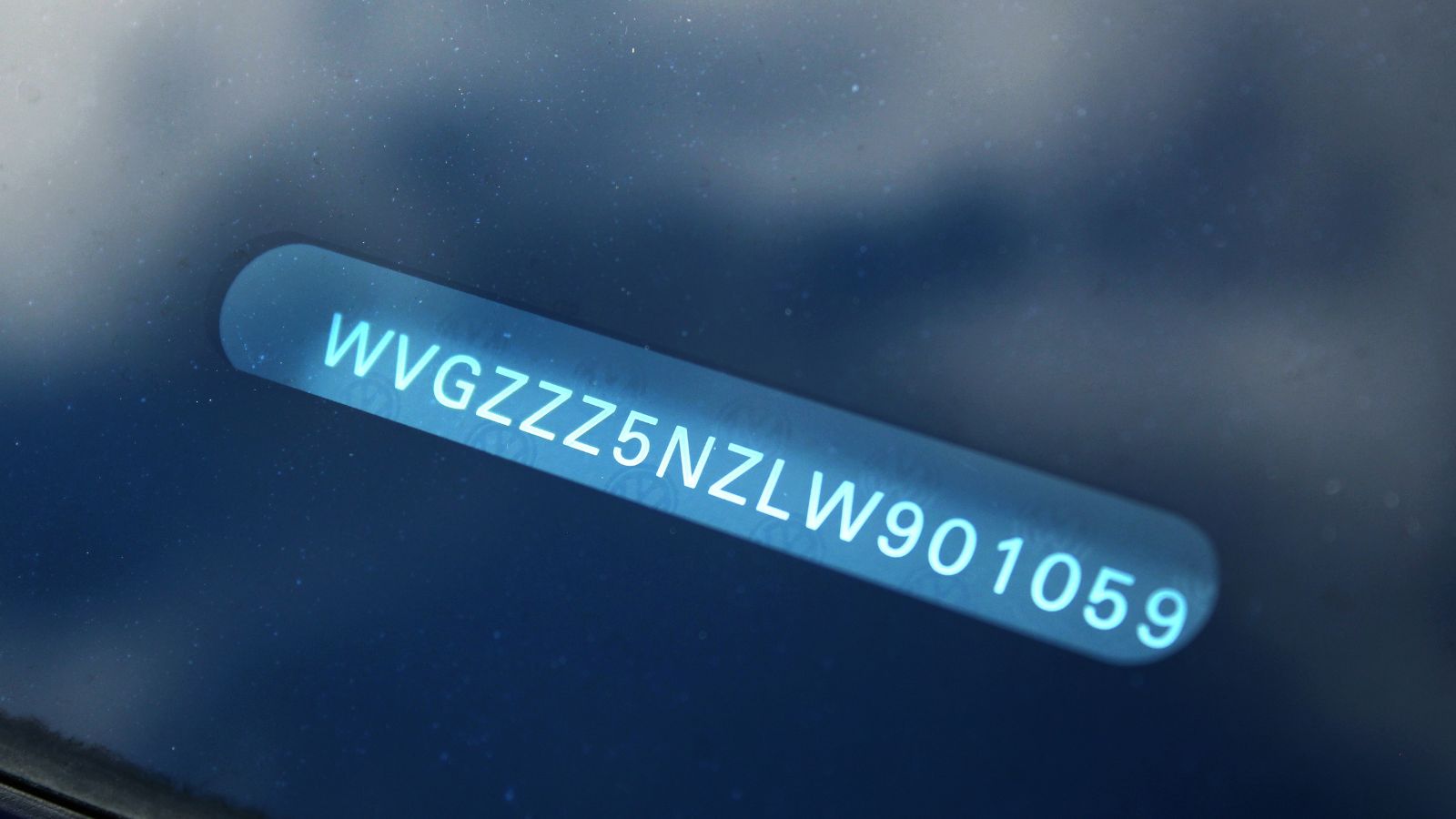
A legitimate vehicle identification number should match everywhere it appears. Check the windshield plate, door frame label and engine bay stamp. If any look altered, scratched, mismatched or newly riveted, walk away. Thieves often swap or tamper with VIN plates to hide the vehicle’s true identity. Consistency is the first sign you are dealing with a real car and not a criminal patch job.
Always Run a Full History Report

Services that pull accident records, ownership history and status checks reveal details thieves cannot hide. A stolen or rebuilt car may show gaps in registration, sudden province changes or title inconsistencies. If the report shows nothing at all, that can also be a red flag. Legitimate cars always leave a paper trail. If the seller avoids sharing one, consider that a warning.
Confirm the Seller’s Identity Matches the Paperwork

If you are buying privately, ask to see identification and make sure the name matches the registration and bill of sale. Stolen vehicles are often sold with forged or incomplete documents. A seller who avoids showing ID or rushes the transaction is sending a loud signal. You are not just buying a car, you are verifying the legitimacy of the person handing it over.
Be Suspicious of Prices That Look Too Good

A dramatically low price is one of the most common hooks used to unload stolen vehicles quickly. If the market says the car is worth fifteen thousand and someone offers it for nine, assume something is wrong until proven otherwise. Theft rings rely on urgency to bypass buyer caution. Slow down and treat every unbelievable deal with skepticism.
Inspect the Keys and Ignition System
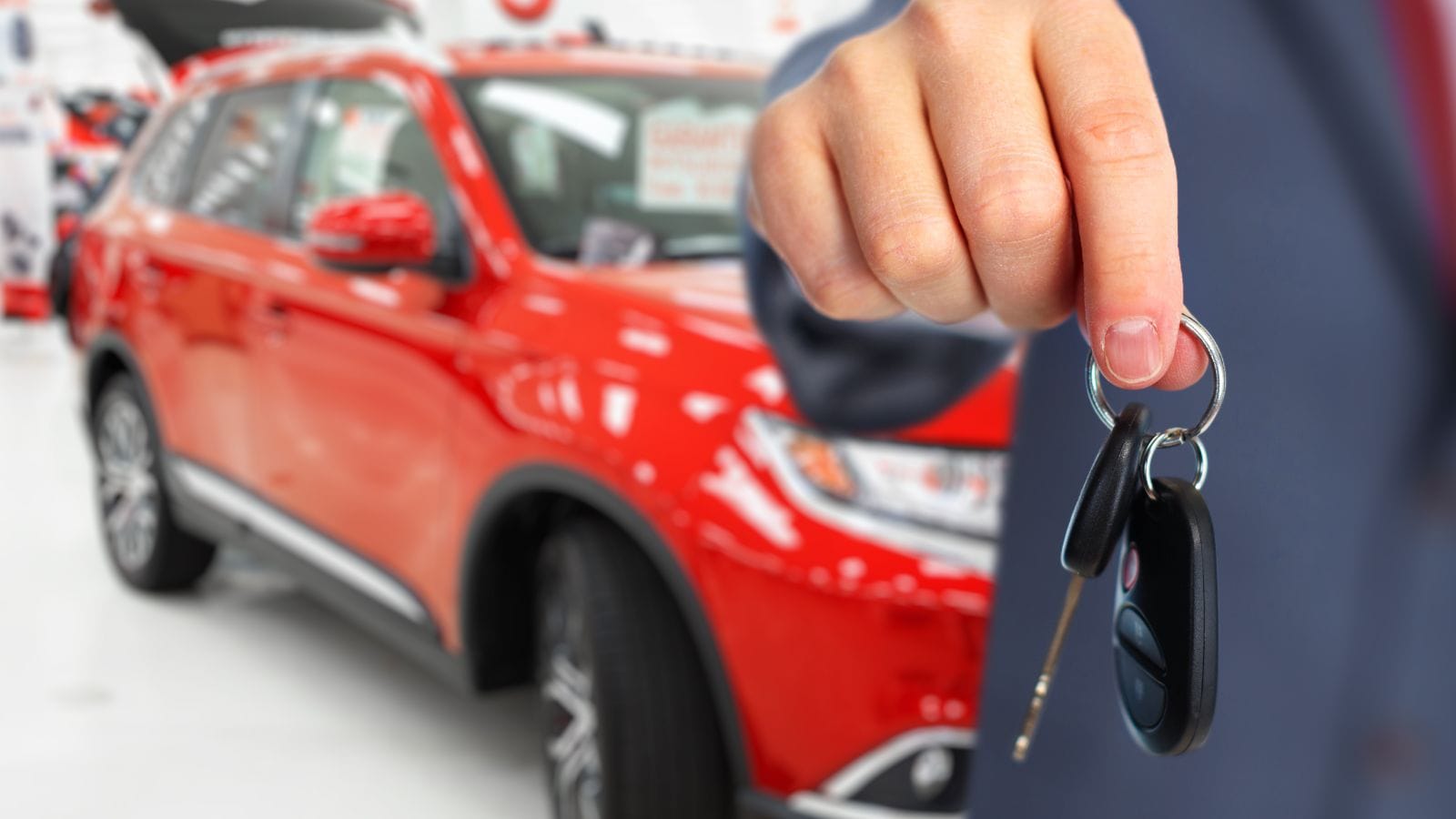
Modern cars rarely lose keys. If a seller provides only one key, or the key looks damaged or mismatched to the manufacturer, take note. Aftermarket keys that do not match the ignition or missing key fobs can indicate a forced entry or illegal reprogramming. A legitimate vehicle almost always comes with two working keys that match the factory equipment.
Check for Tampering Around Locks

Look closely at the driver’s door lock, hatch lock and ignition housing. Scratches, pry marks or fresh paint can indicate forced entry. Thieves often damage locks when stealing a car, then attempt quick cosmetic cover ups before selling. Any sign of physical tampering deserves a closer inspection or a full walk away.
Meet in a Safe Public Location

Legitimate sellers have no issue meeting in a public place with good visibility. Thieves prefer parking lots with no cameras or quiet side streets where they cannot be traced. If the seller refuses to meet anywhere except a secluded spot, the risk is too high. Public transit stations, mall parking lots or police designated safe trade zones are your best options.
Ask to See Service Records
Stolen cars rarely come with documented maintenance histories. A proper seller usually has receipts or digital logs showing oil changes, brake jobs and inspections. These records prove the car has a life. A seller who shrugs and says nothing is available should raise your suspicion. Service history also confirms mileage accuracy which thieves sometimes alter.
Have a Mechanic Inspect the Vehicle
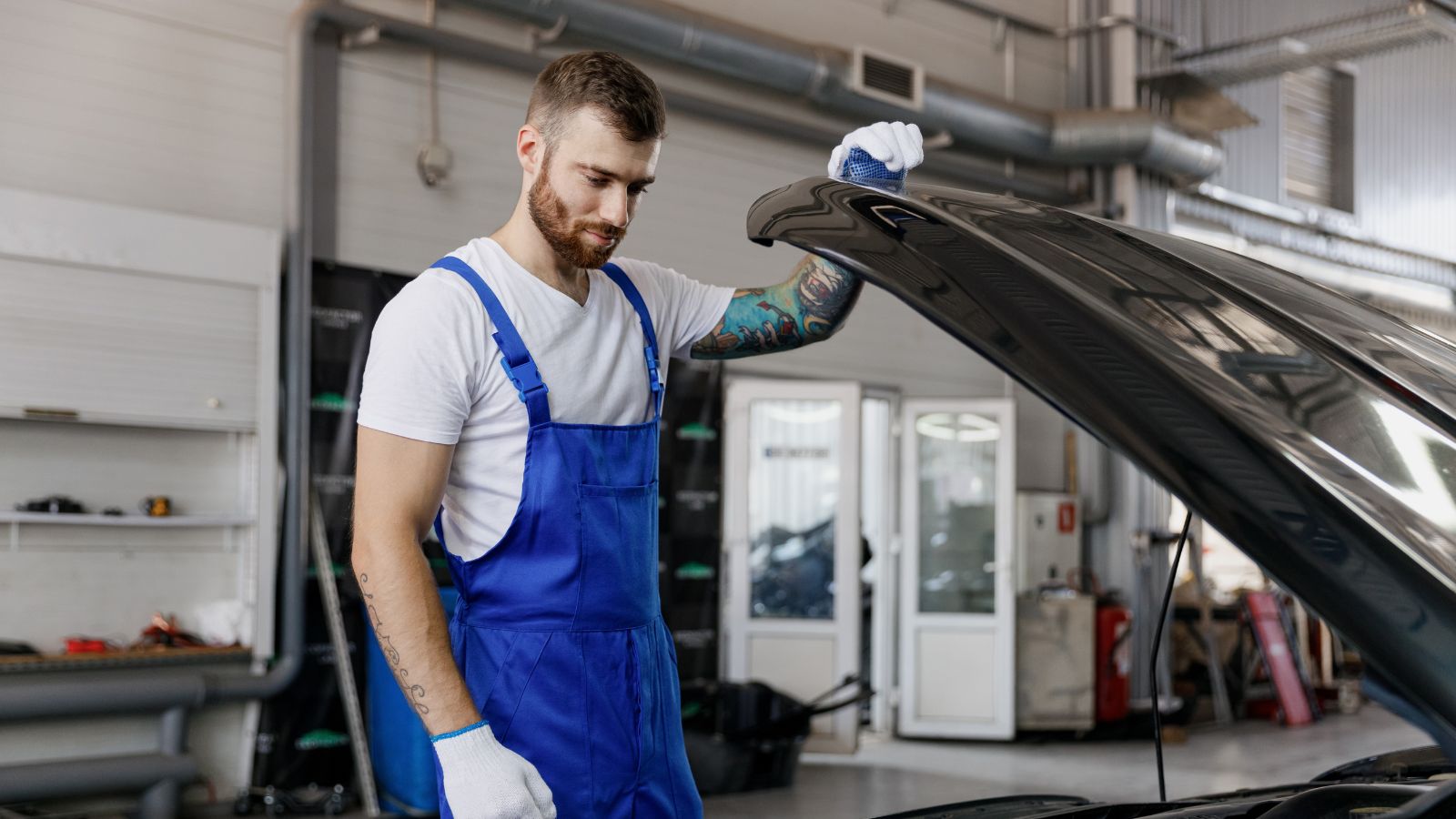
A professional inspection catches mechanical red flags, but it also reveals hidden clues about the vehicle’s past. Mechanics notice mismatched parts, incorrect VIN stickers, odd wiring and signs of ignition damage. Spending a little upfront for an expert opinion saves you from losing thousands later, especially in a market where stolen vehicles move quickly.
Trust Your Instincts When Something Feels Off

If a seller pushes for cash only, insists on meeting at odd hours or acts nervous when asked simple questions, listen to your instincts. Many buyers regret ignoring warning signs because they were excited about the deal. Nothing about buying a car should feel rushed or secretive. If it does, walk away without hesitation.
If you want a companion article on spotting fake documentation, preventing VIN cloning scams or staying safe when buying cars online, just let me know.
25 Facts About Car Loans That Most Drivers Don’t Realize

Car loans are one of the most common ways people fund car purchases. Like any other kind of loan, car loans can have certain features that can be regarded as an advantage or a disadvantage to the borrower. Understanding all essential facts about car loans and how they work to ensure that you get the best deal for your financial situation is essential. Here are 25 shocking facts about car loans that most drivers don’t realize:
25 Facts About Car Loans That Most Drivers Don’t Realize
