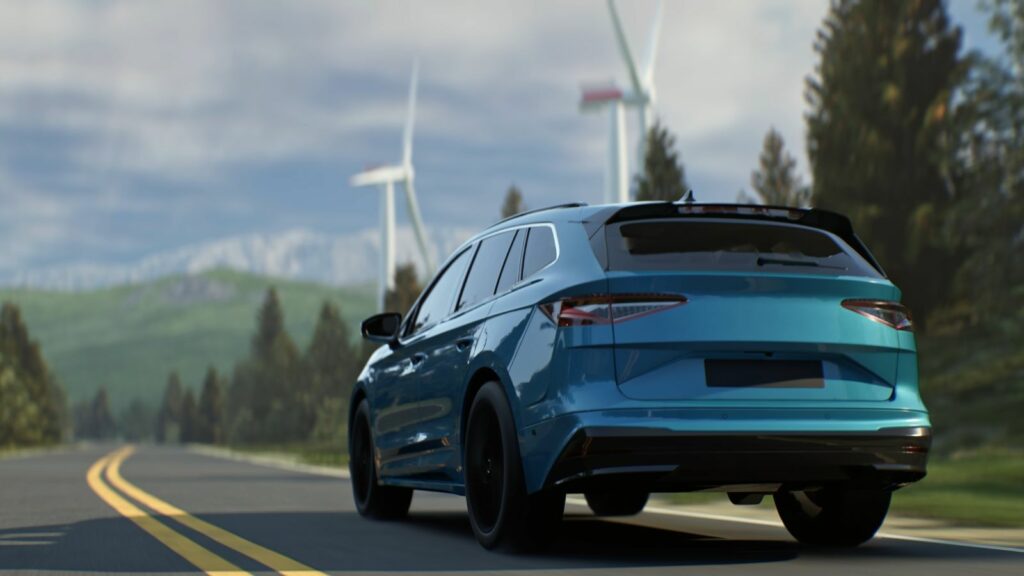
A new automotive wave is gathering speed, and it isn’t coming from Detroit, Japan or Germany. It’s coming from China. Their cars are already shaking up markets in Europe, Australia, South America and the Middle East, and the moment tariffs loosen or factories open on North American soil, they’ll arrive in Canada and the United States with force. The pitch will be simple. More features, more tech and more comfort for thousands of dollars less. But there’s a growing concern buried inside the excitement. Are Chinese cars built to last, or will they become disposable machines that people replace every 10 to 15 years instead of repairing?
Why Chinese Cars Are Coming Fast
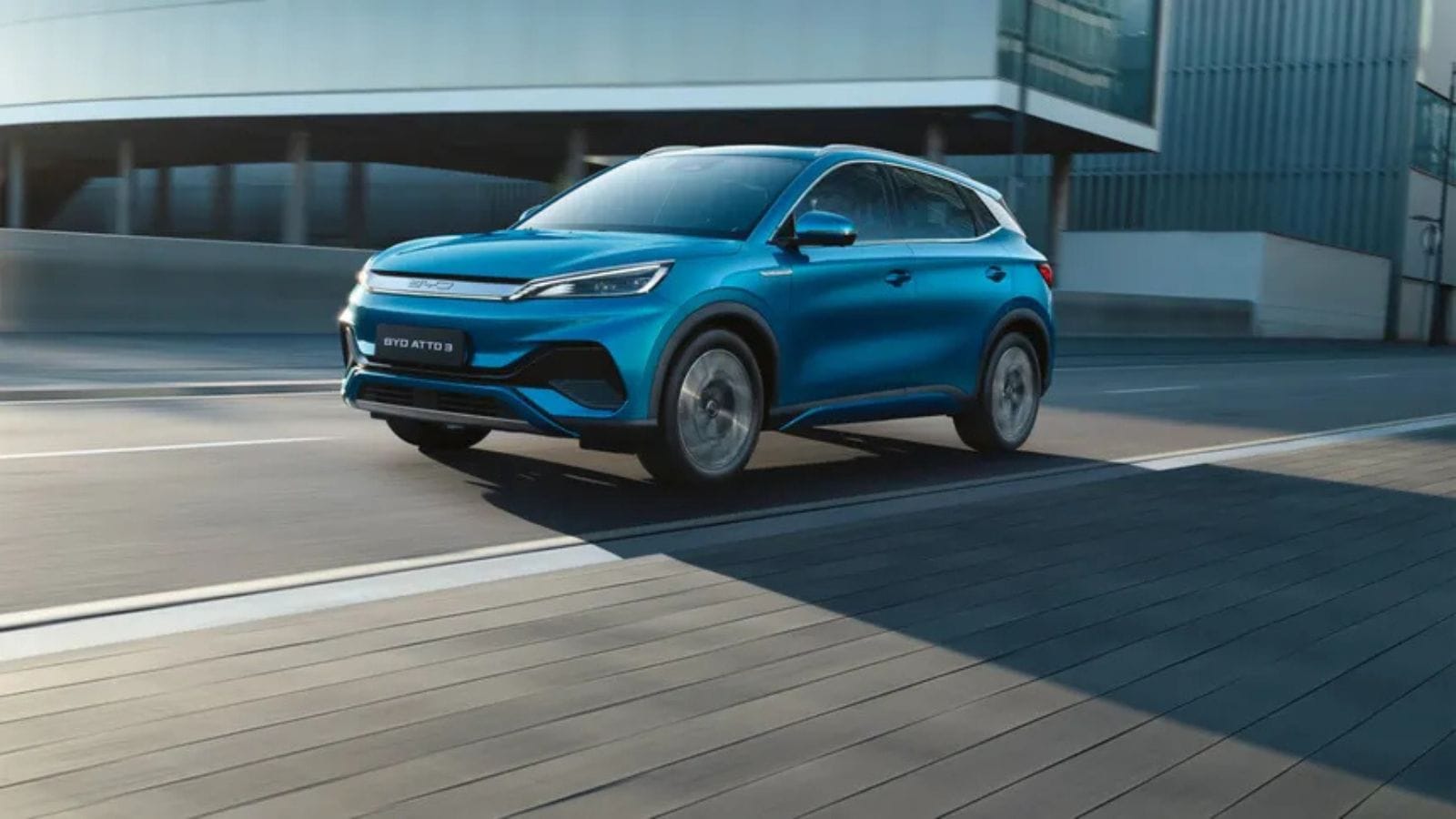
China now builds more vehicles than any country in the world, and it built that advantage on two pillars. Enormous manufacturing capacity and massive government investment in electric vehicles. In the process, dozens of new brands emerged that are young, aggressive and willing to redesign the car buying experience from scratch. Their mission isn’t to compete slowly. It’s to arrive suddenly with products that look futuristic and cost far less than anything from legacy automakers. Their momentum isn’t slowing. It’s accelerating.
Pricing Is the Real Disruptor
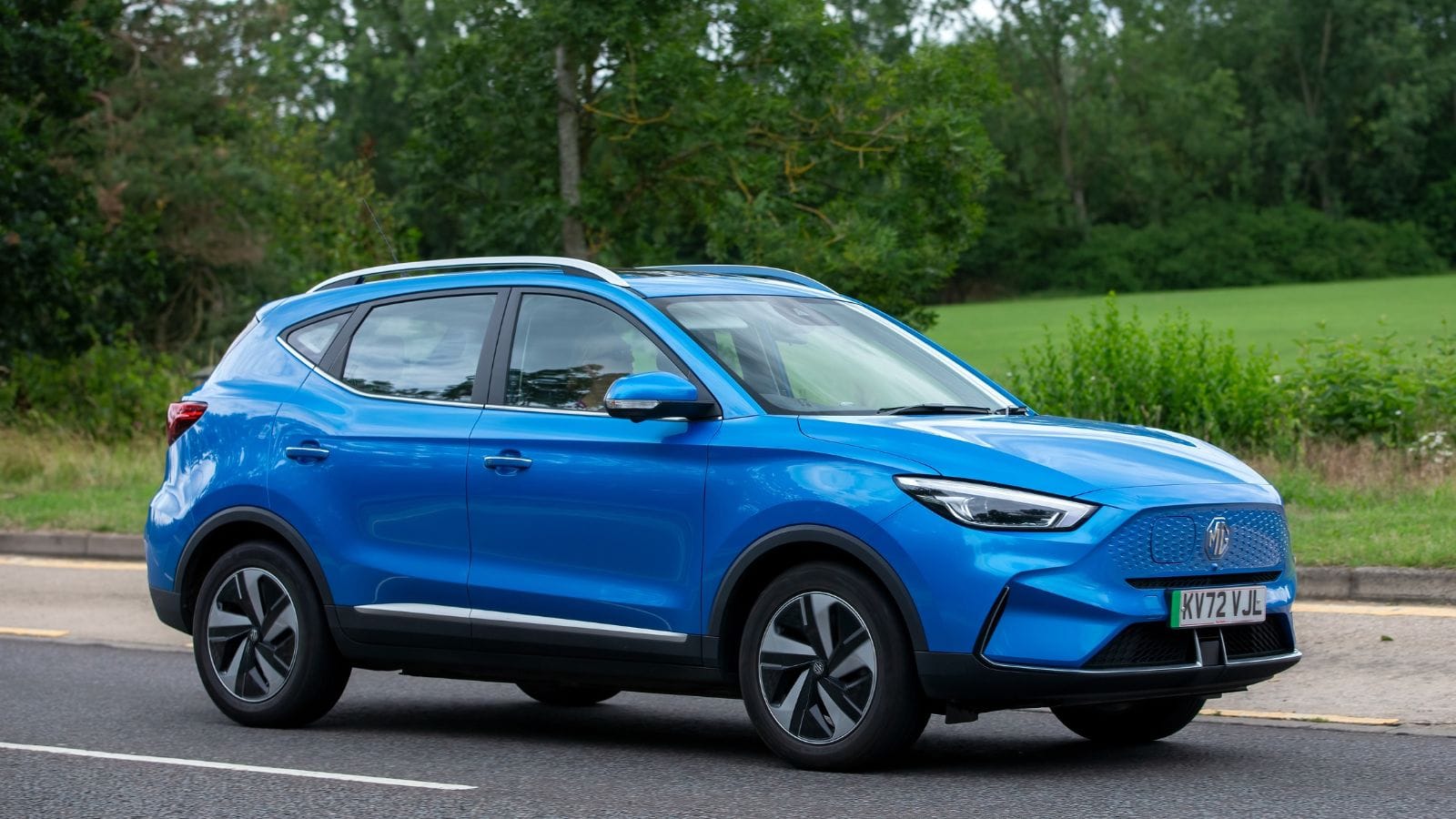
The average new vehicle in Canada now pushes past $50,000, and in the United States it’s not far behind. Buyers are frustrated and exhausted. Chinese automakers know that. They’ve already proven in Europe that they can sell a feature packed EV for the price of a mid trim compact crossover. Families who could never afford luxury interiors, high tech safety or panoramic displays now suddenly can. Price is not just an advantage. It is a knockout punch.
Tech Is the New Status Symbol
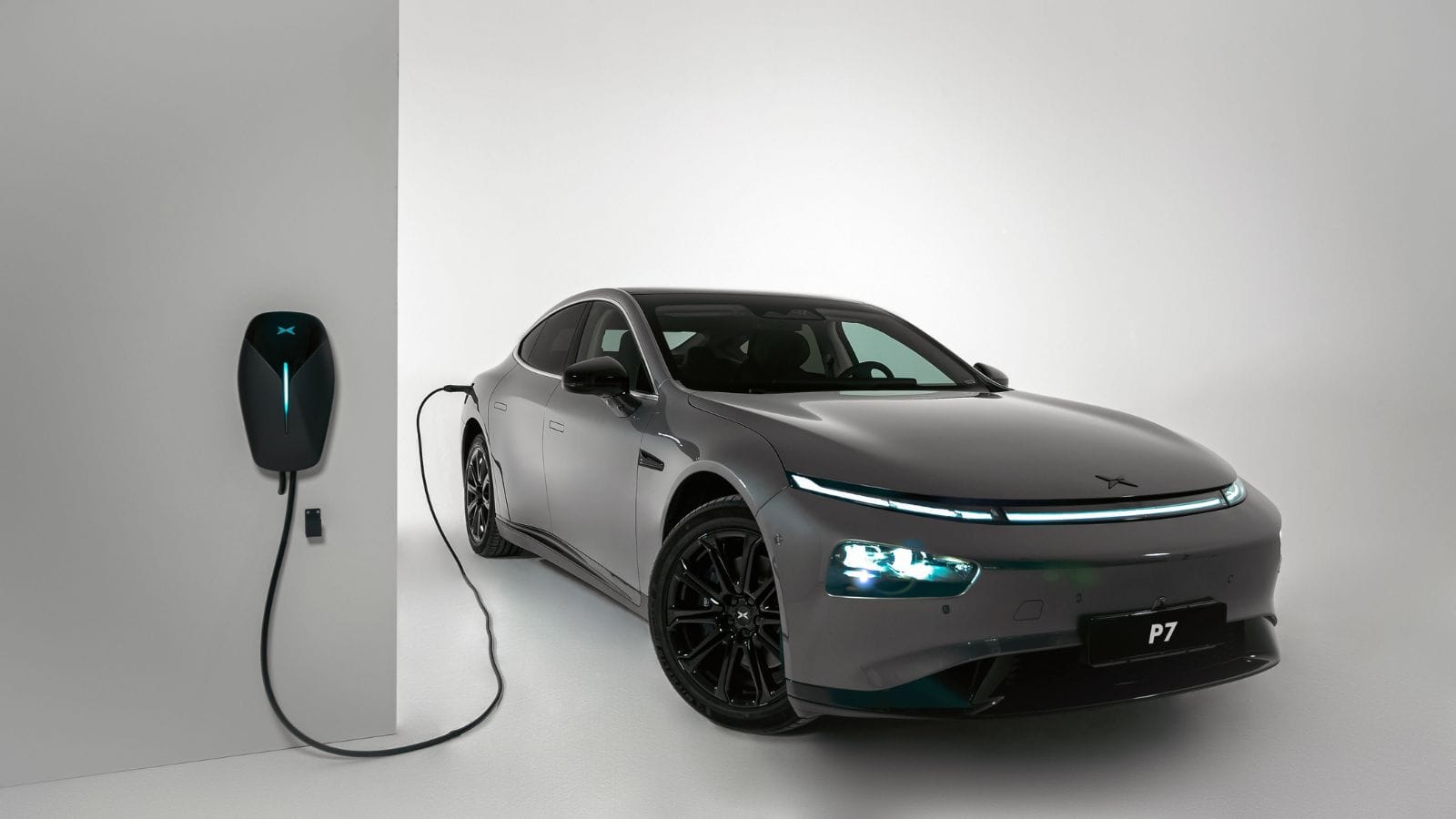
Chinese brands understand something that North American automakers realized too late. Today’s shoppers aren’t bragging about horsepower or torque numbers at weekend barbecues. They brag about their infotainment screens, voice control features, massaging seats and parking assist systems. Chinese cars lean hard into that shift. They’re loaded with features that make mainstream models from Honda, Toyota, Ford or GM feel plain. For drivers who want futuristic tech without luxury pricing, the appeal is obvious.
Styling Isn’t an Afterthought Anymore
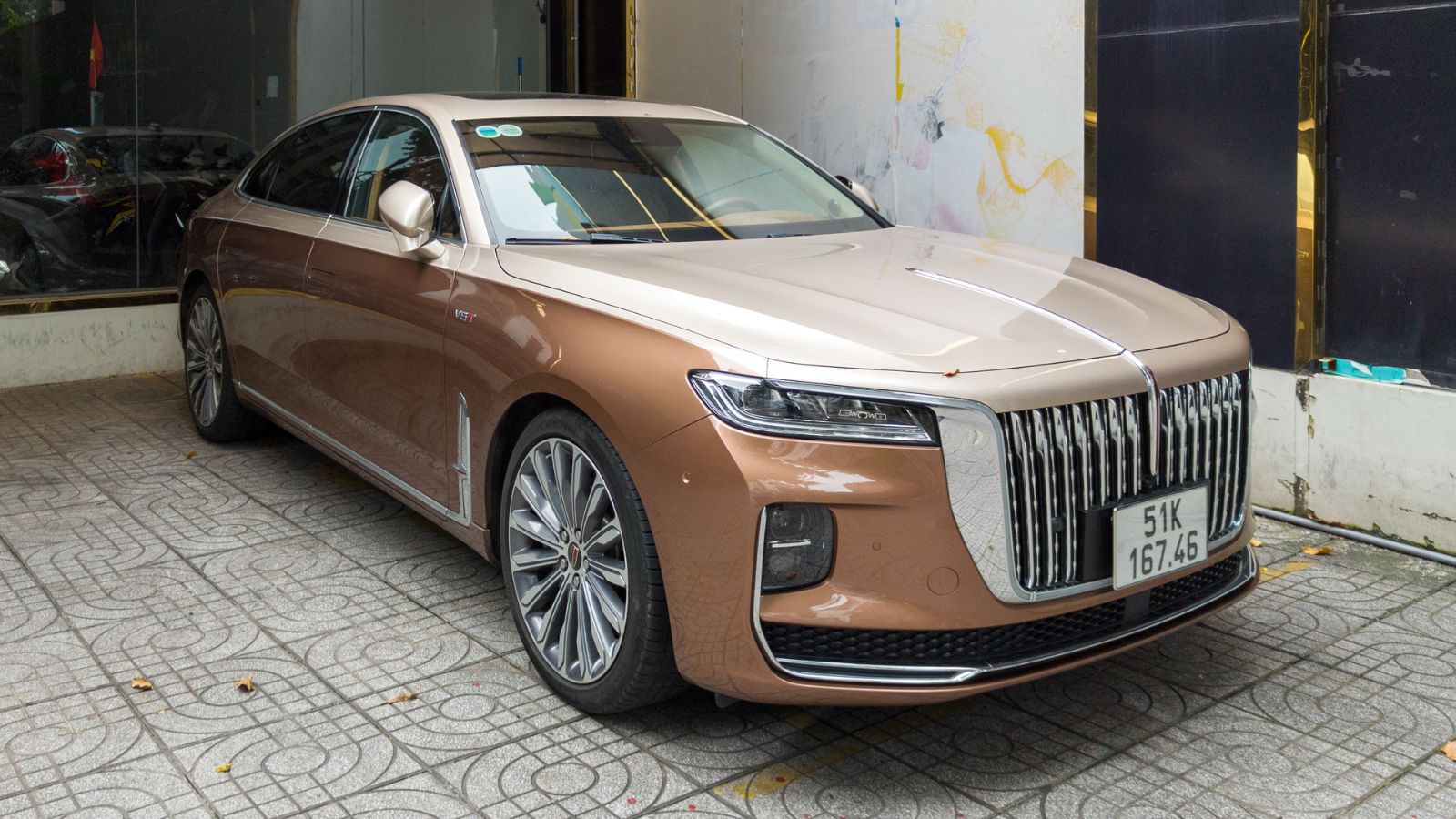
There was a time when Chinese cars looked awkward, cheap or blatantly copied. That time is over. Many of the best automotive designers in the world now work for Chinese automakers. These brands have learned what attracts global buyers, bold shapes, premium materials and sleek interiors. Young shoppers, especially first time buyers, care more about style than brand history. And Chinese companies are playing directly to that.
The Longevity Question

Here’s where the enthusiasm gets cautious. Toyota and Honda built reputations across decades. American trucks earned loyalty over generations. Chinese automakers don’t have that kind of history. Their vehicles look great today, feel great today and score well in early testing, but nobody knows how they’ll hold up after 250,000 kilometers, 15 winters and years of hard use. Longevity isn’t judged at the dealership. It’s judged in the tenth year of ownership.
Will They Become Disposable Cars?
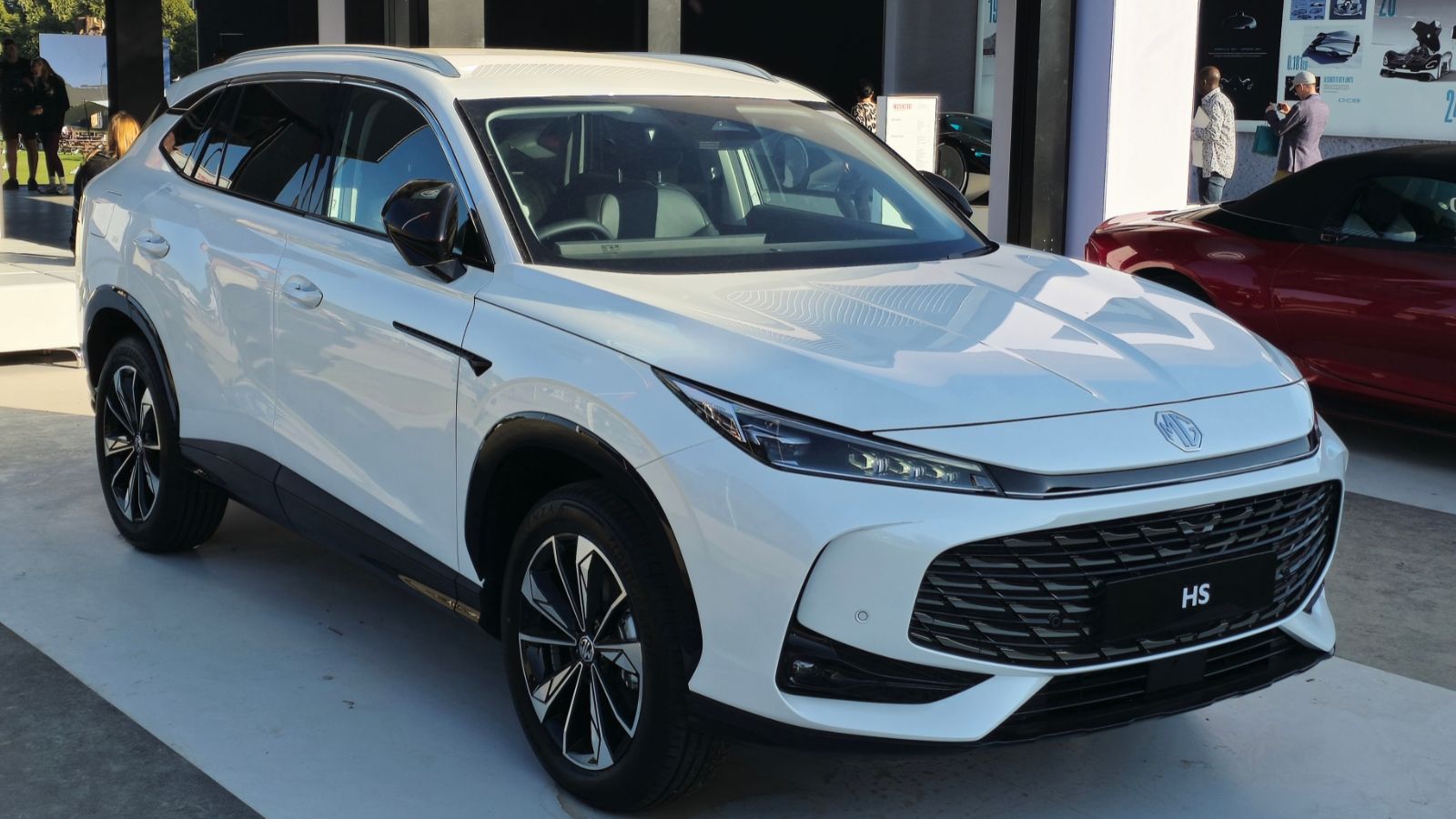
There is a real possibility that the business model will mirror the smartphone industry. New cars packed with tech and great value, but designed around replacement rather than long term repair. Batteries eventually degrade. Touchscreens eventually fail. Sensors wear out. Repairs on complex electronic systems can become so expensive that owners choose replacement over restoration. Not because the car fell apart, but because the repair bill crosses the point of logic. A vehicle might look perfect on the outside but become financially disposable on the inside.
Dealership Support and Parts Infrastructure Are Critical
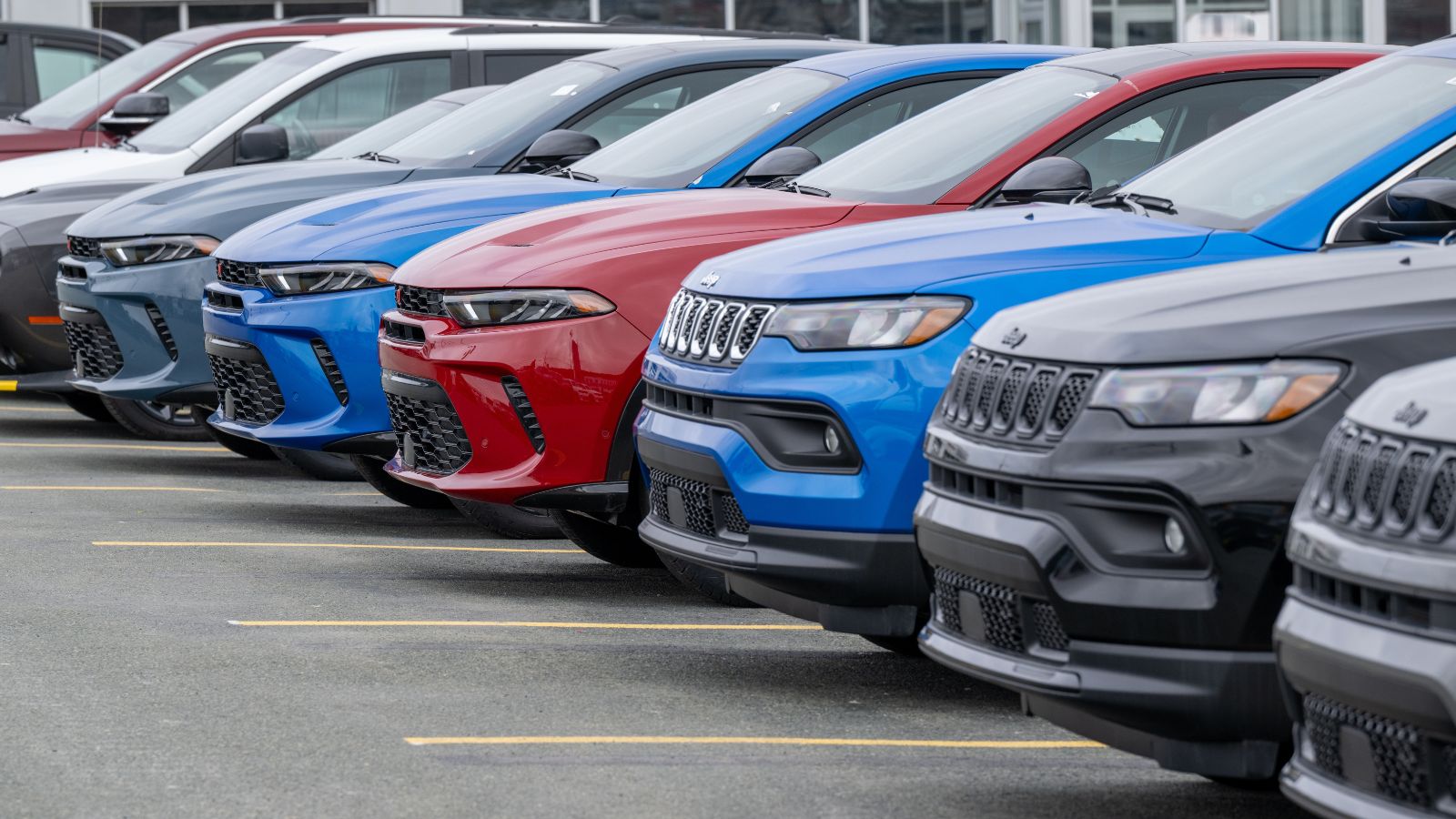
A reliable car is only half of long term ownership. The other half is service. Toyota isn’t legendary just because its engines last. It’s legendary because every shop in North America knows how to fix them and has parts readily available. Chinese brands will need full service networks, parts warehouses and technicians trained on their software and batteries. If a simple repair takes months to complete or parts must be shipped from overseas, owners will lose patience fast.
The Cultural Difference Behind the Concern
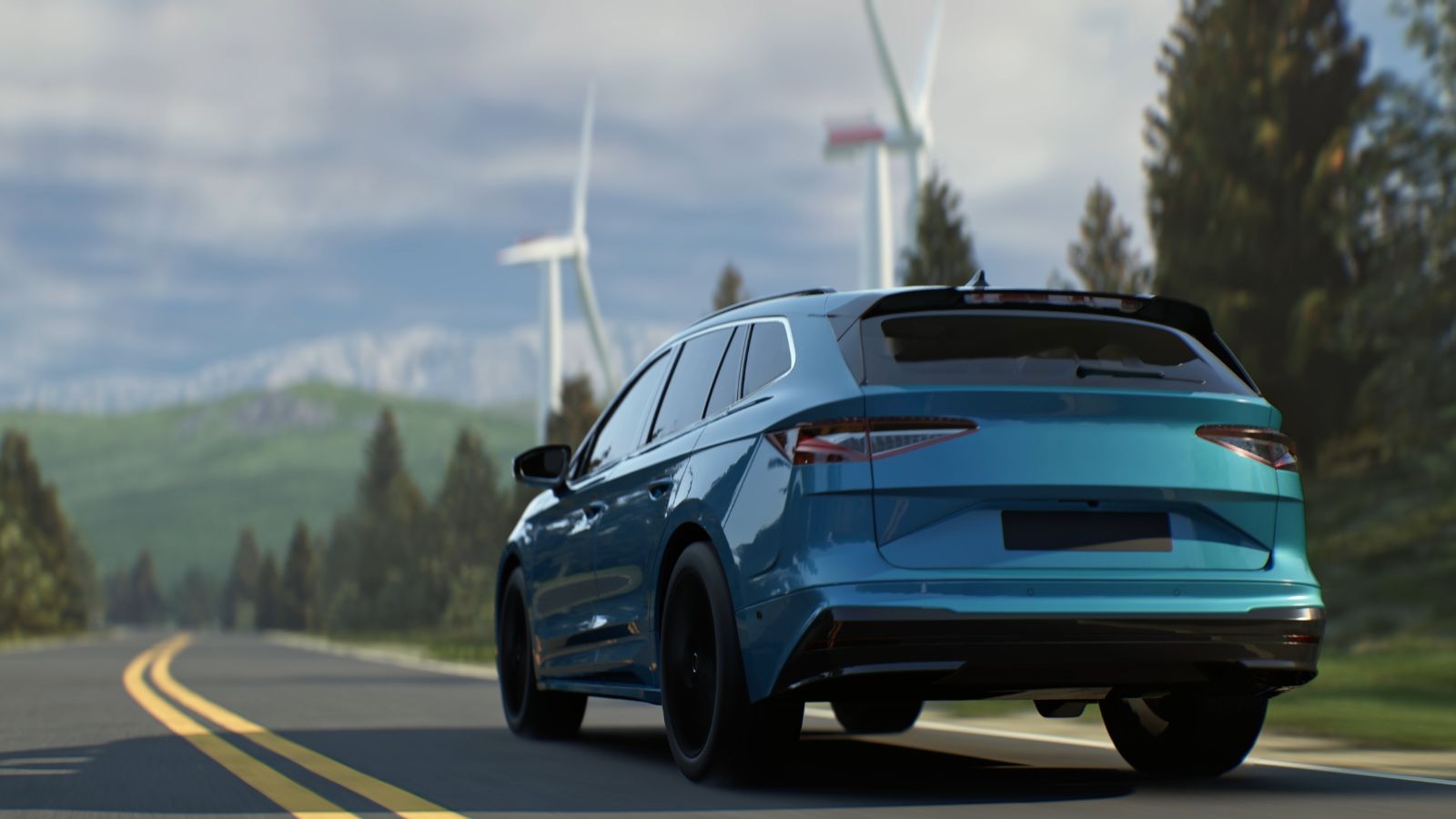
North American drivers tend to keep vehicles for a long time. Many Canadians and Americans own cars for 10 to 20 years and proudly rack up high mileage. In contrast, China’s domestic market is built around fast buying cycles and frequent upgrading. That philosophy influences product design. Tech-first cars appeal instantly but often aren’t engineered for two decades of punishment. North American roads, harsh winters and long commutes will reveal weaknesses that the domestic market doesn’t experience.
What Buyers Must Consider
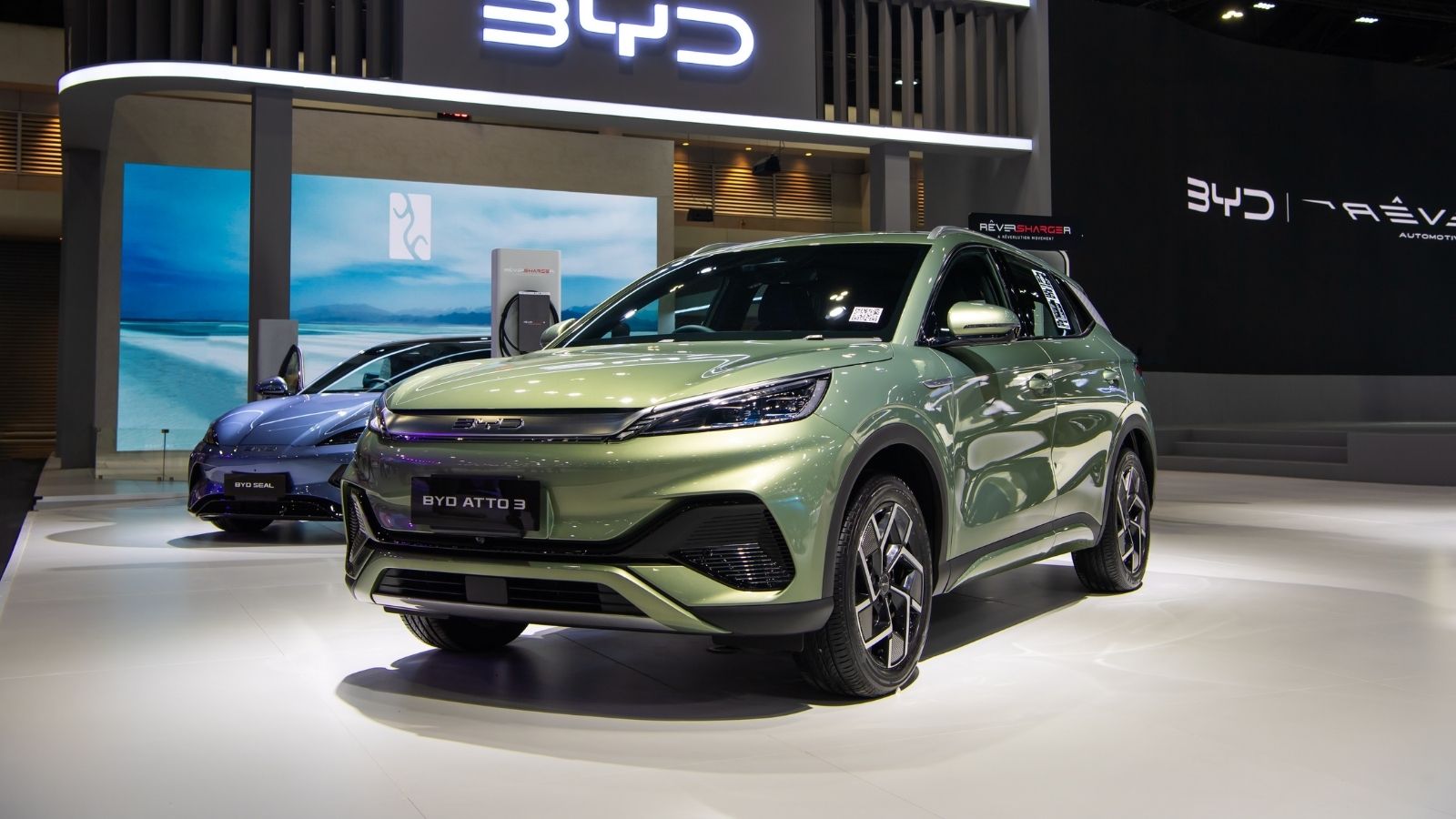
When Chinese cars arrive in full force, millions of shoppers will be tempted. And for good reason. Value matters. Affordability matters. But buyers should think long term. Does the brand have a reliable repair network? Are parts available? Do independent mechanics know how to diagnose their systems? Will repair costs make the vehicle uneconomical after 12 to 15 years? A cheap sticker price does not guarantee cheap ownership.
The Future Paths for Chinese Automakers
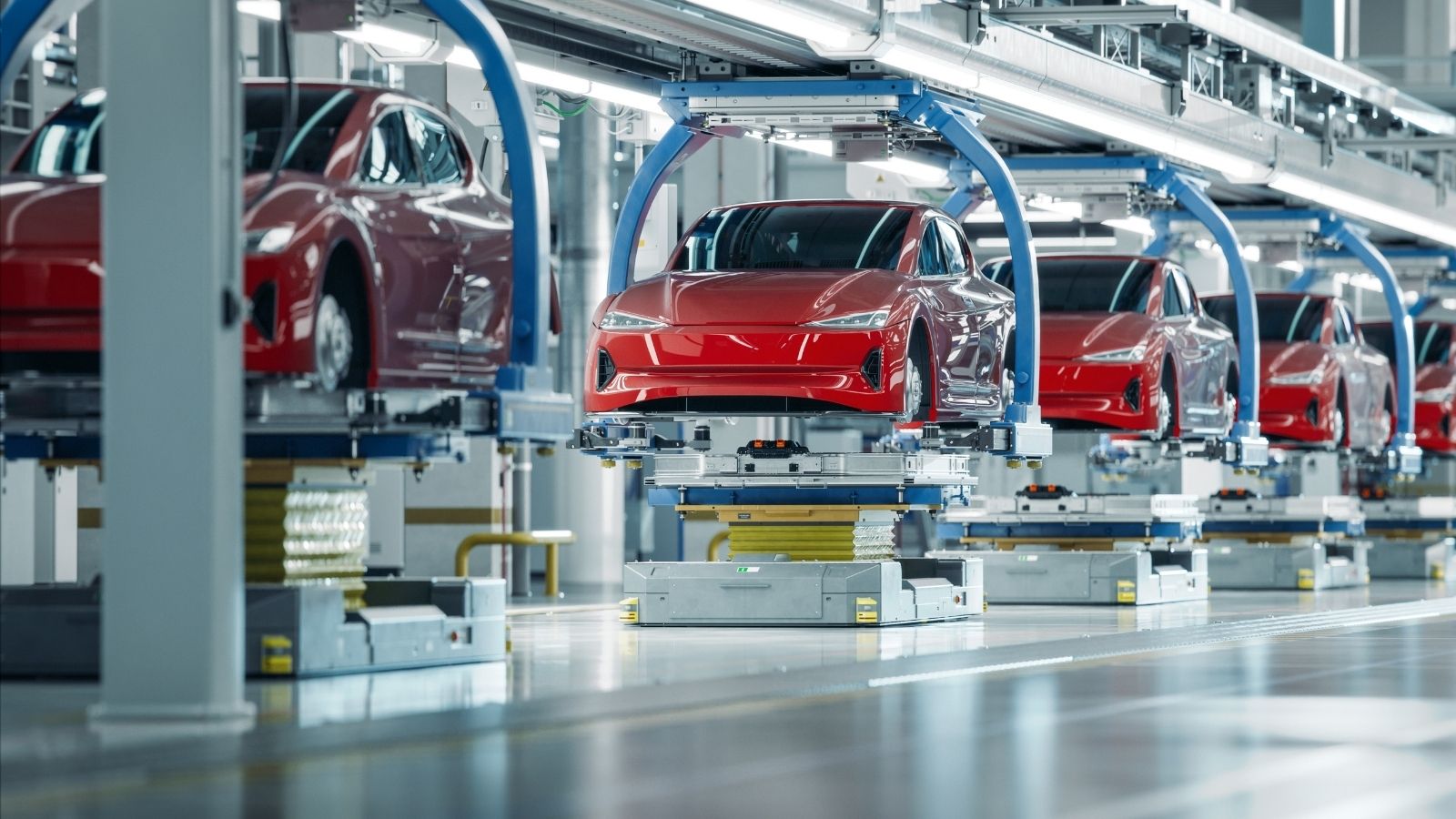
What happens next depends on strategy. Chinese brands could double down on low upfront pricing and short ownership cycles, normalizing disposable cars the way smartphones normalized disposable electronics. Or they could take the Japanese route of the 1970s, arrive as the cheap alternative, then build a reputation for durability and erase every doubt along the way. If they choose the latter path, traditional automakers will be in a fight they aren’t ready for.
What We Know Today

Chinese cars are coming. They will be popular. They will be affordable. They will be loaded with tech that makes mainstream brands feel behind. But the final judgment won’t happen in the first five years. It will happen in the tenth, when winter salt, aging electronics, and battery wear begin to show. If Chinese automakers prove they can survive that test, not just sell cheaply, but last, the North American auto market will change forever.
25 Facts About Car Loans That Most Drivers Don’t Realize

Car loans are one of the most common ways people fund car purchases. Like any other kind of loan, car loans can have certain features that can be regarded as an advantage or a disadvantage to the borrower. Understanding all essential facts about car loans and how they work to ensure that you get the best deal for your financial situation is essential. Here are 25 shocking facts about car loans that most drivers don’t realize:
25 Facts About Car Loans That Most Drivers Don’t Realize
