
Fuel prices have always influenced the types of vehicles people choose to drive. When gasoline costs rise sharply, drivers begin paying closer attention to efficiency and long term operating expenses. At the same time many buyers still want the practicality and higher seating position that SUVs provide. That combination has pushed fuel efficient SUVs into the spotlight. During periods of oil market volatility, these vehicles may offer a balance between capability and cost control.
Fuel Prices Can Change Quickly

Oil markets react rapidly to global events. Political tensions, production cuts, or supply disruptions can send fuel prices upward with little warning.
For drivers who rely on large vehicles with high fuel consumption, these price swings can significantly increase monthly transportation costs. A vehicle that consumes less fuel provides a measure of protection against these sudden increases.
SUVs Continue to Dominate North American Roads

Sport utility vehicles remain the most popular vehicle type in Canada and the United States. Buyers appreciate their cargo space, all wheel drive capability, and versatility for family life.
However traditional SUVs have historically consumed more fuel than smaller cars. As gasoline prices fluctuate, buyers increasingly look for SUV models that deliver improved efficiency without sacrificing practicality.
Modern Engineering Has Improved Efficiency
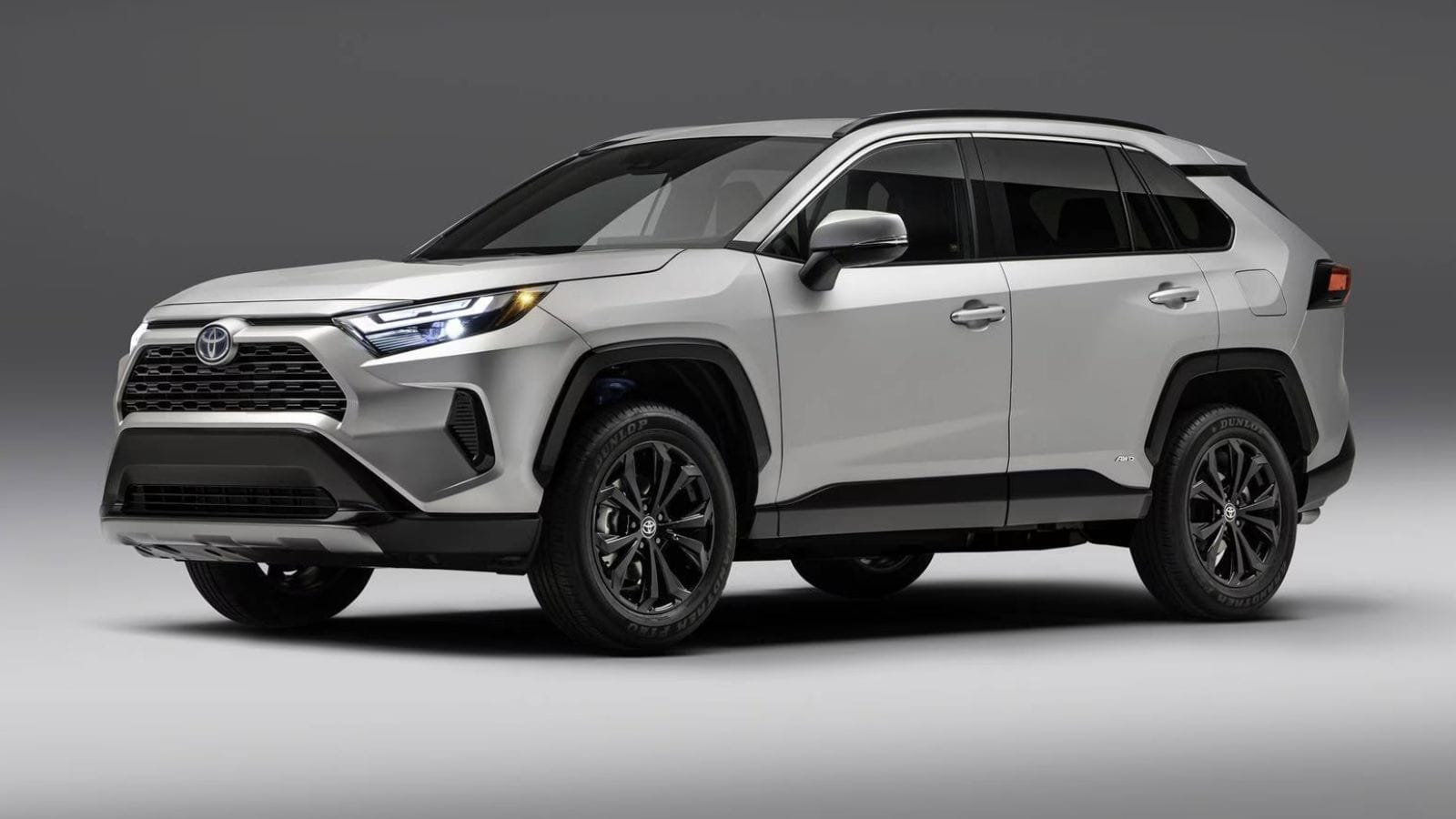
Automakers have made significant progress in improving SUV fuel economy. Turbocharged engines, hybrid powertrains, and lighter vehicle platforms have helped reduce fuel consumption.
Vehicles such as the Toyota RAV4 Hybrid, Honda CR V Hybrid, and Ford Escape Hybrid demonstrate how modern SUVs can deliver strong fuel economy while still providing the utility drivers expect.
Hybrid Technology Changes the Equation
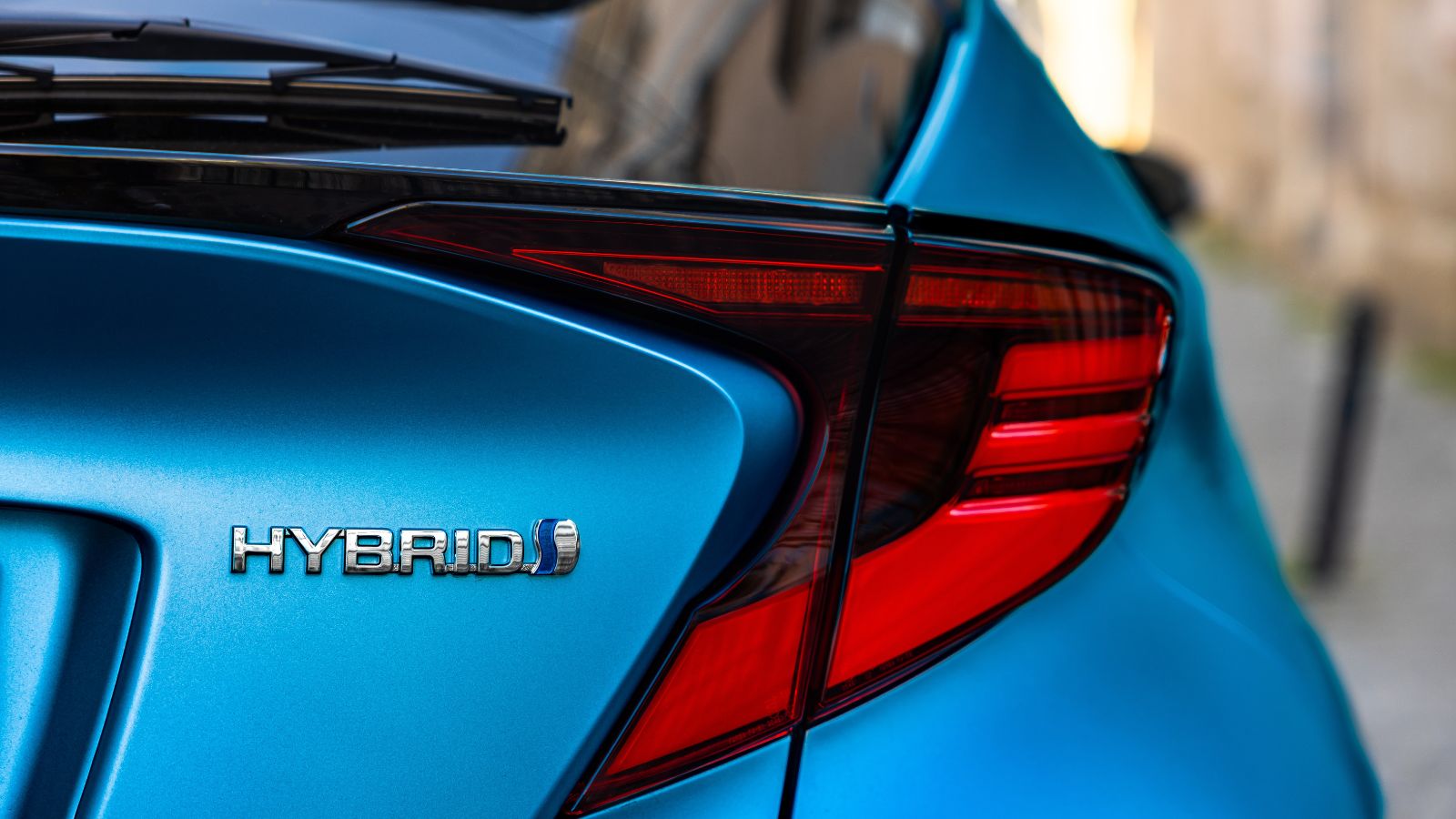
Hybrid powertrains are particularly effective in SUVs because they combine electric assistance with gasoline engines. Electric motors provide extra torque at low speeds, allowing the engine to operate more efficiently.
During city driving, hybrids often rely heavily on electric power. This reduces fuel consumption and helps stabilize operating costs when gasoline prices rise.
Smaller Engines Deliver Big Savings

Another strategy manufacturers use is downsized turbocharged engines. These smaller engines produce strong power while consuming less fuel than larger traditional engines.
For many drivers the difference may seem small during short trips. Over months or years of ownership, however, improved fuel economy can translate into significant savings.
Long Term Ownership Costs Matter

When fuel prices are unpredictable, buyers often consider the total cost of owning a vehicle rather than just the purchase price. Fuel efficient SUVs can reduce operating costs across thousands of miles.
Drivers who travel long distances or commute daily often see the greatest benefit. Lower fuel consumption can offset higher purchase prices for more efficient models.
Flexibility Still Matters to Buyers
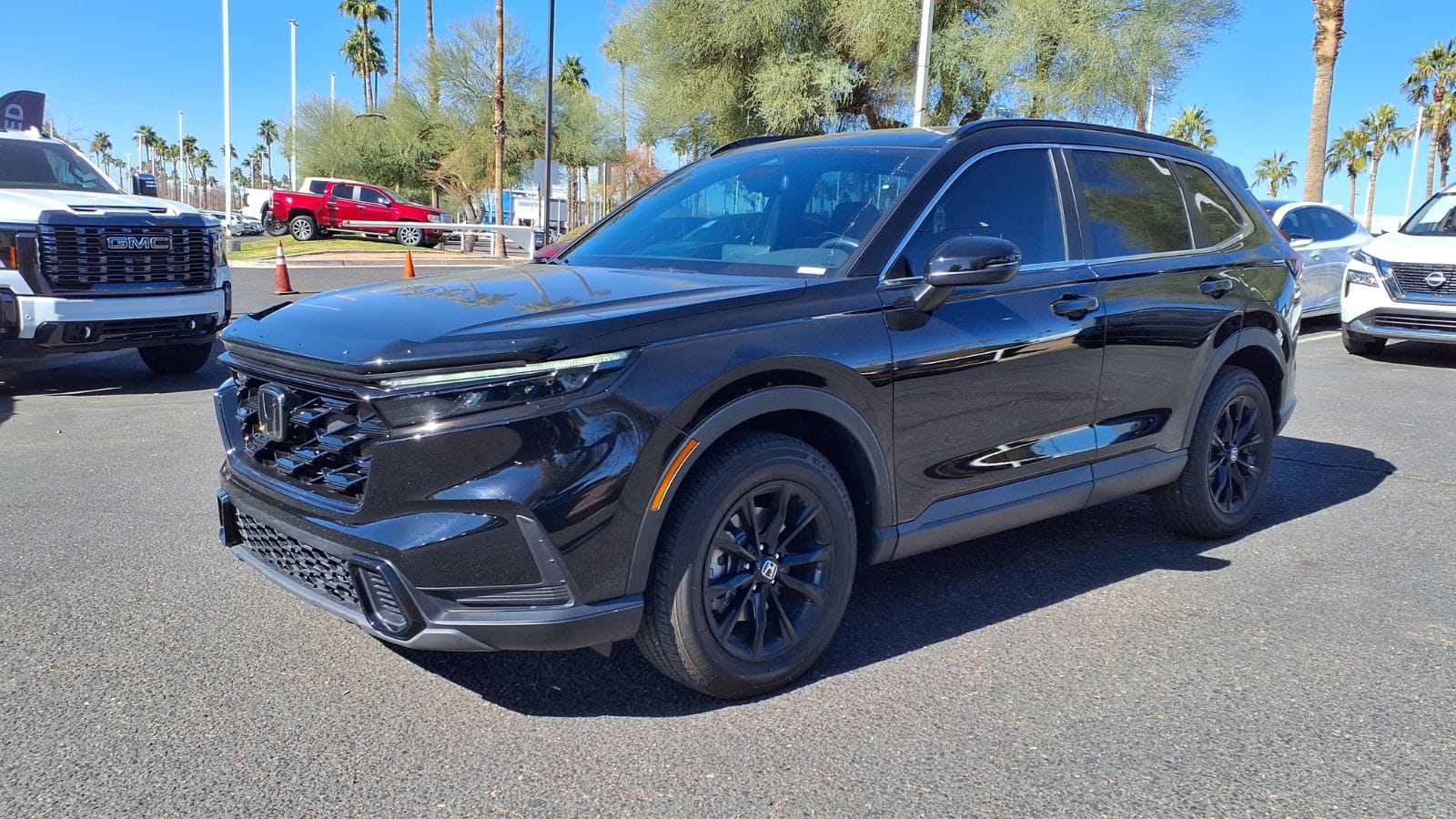
While compact cars often deliver the best fuel economy, many drivers prefer SUVs for their versatility. Families, outdoor enthusiasts, and rural drivers appreciate the cargo capacity and available all wheel drive.
Fuel efficient SUVs allow buyers to retain that flexibility while reducing exposure to fuel price volatility.
The Market Is Moving Toward Efficiency

Automakers are responding to changing consumer priorities by expanding their lineup of efficient SUVs. Hybrid and plug in hybrid models are becoming increasingly common.
These vehicles offer drivers multiple options for balancing efficiency, performance, and practicality. As fuel prices continue to fluctuate, demand for efficient SUVs is likely to remain strong.
Stability Can Be a Valuable Advantage

Oil markets will likely continue experiencing periods of instability as global events influence supply and demand. Vehicles that use less fuel provide drivers with greater financial predictability during these fluctuations.
For many buyers, fuel efficient SUVs represent a practical compromise. They deliver the space and capability drivers want while helping protect against the uncertainty of rising fuel costs.
25 Facts About Car Loans That Most Drivers Don’t Realize

Car loans are one of the most common ways people fund car purchases. Like any other kind of loan, car loans can have certain features that can be regarded as an advantage or a disadvantage to the borrower. Understanding all essential facts about car loans and how they work to ensure that you get the best deal for your financial situation is essential. Here are 25 shocking facts about car loans that most drivers don’t realize:
25 Facts About Car Loans That Most Drivers Don’t Realize
