
Most drivers think of global tensions affecting fuel prices first. News headlines often focus on oil markets whenever geopolitical conflicts emerge. Yet gasoline is not the only part of the automotive world influenced by international instability. Auto repair costs can also rise quietly when supply chains tighten, shipping routes become uncertain, or raw materials become more expensive. For car owners, the impact may appear slowly through higher parts prices and repair bills.
Modern Cars Depend on Global Supply Chains
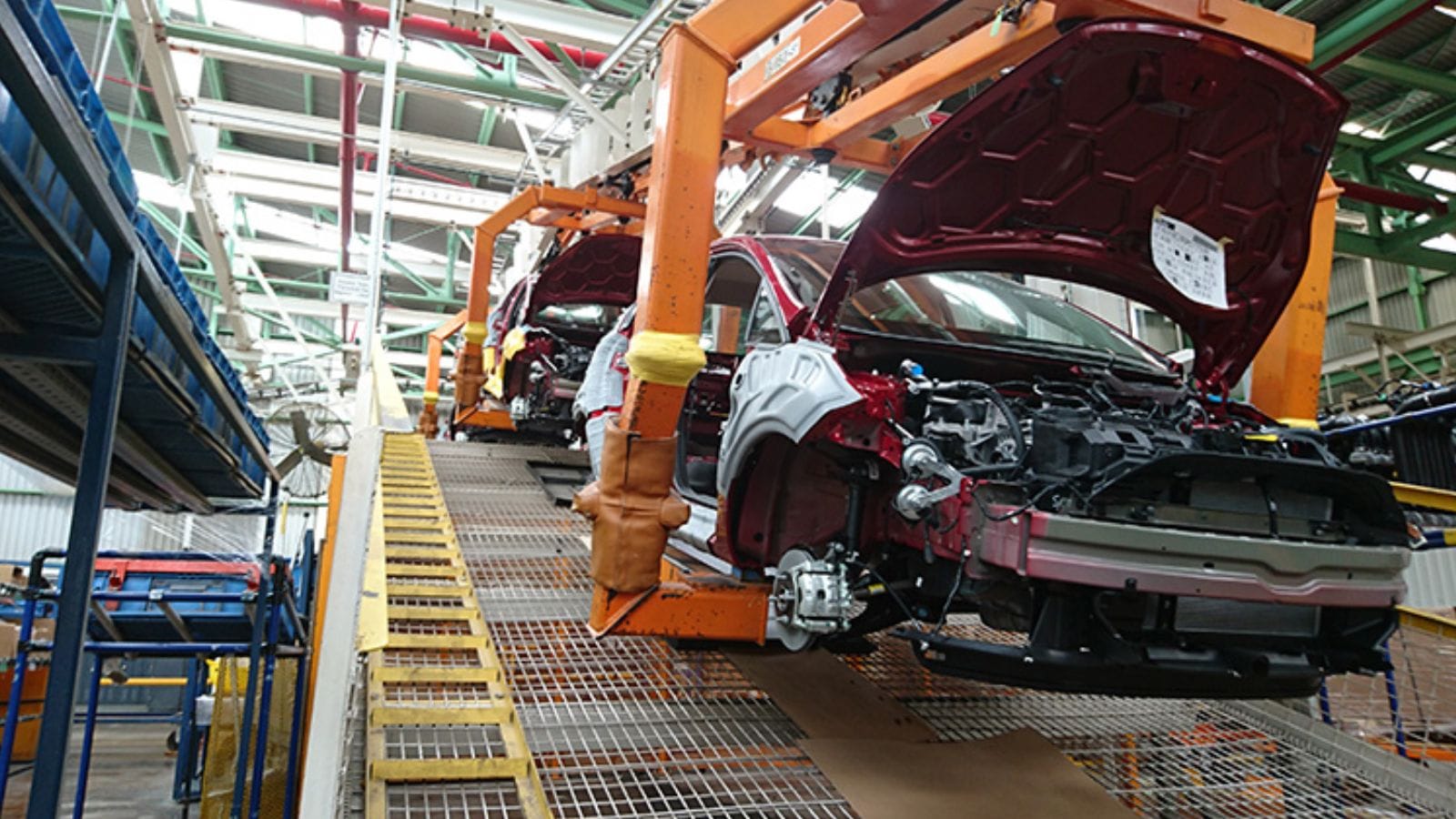
The average modern vehicle contains thousands of components sourced from around the world. Electronic modules, sensors, wiring harnesses, and mechanical parts often come from factories in multiple countries before reaching repair shops.
When global tensions disrupt manufacturing or transportation networks, replacement parts can become harder to obtain. Even small delays in supply can affect repair timelines and increase costs.
Shipping Disruptions Increase Parts Prices

Many replacement parts used in North America travel long distances before reaching local distributors. These parts often move by cargo ships through major international shipping routes.
When geopolitical tensions affect those routes, shipping costs can increase significantly. Insurance premiums for cargo vessels may rise, or ships may take longer alternative routes. Those added costs eventually reach parts suppliers and repair shops.
Raw Material Prices Affect Repairs
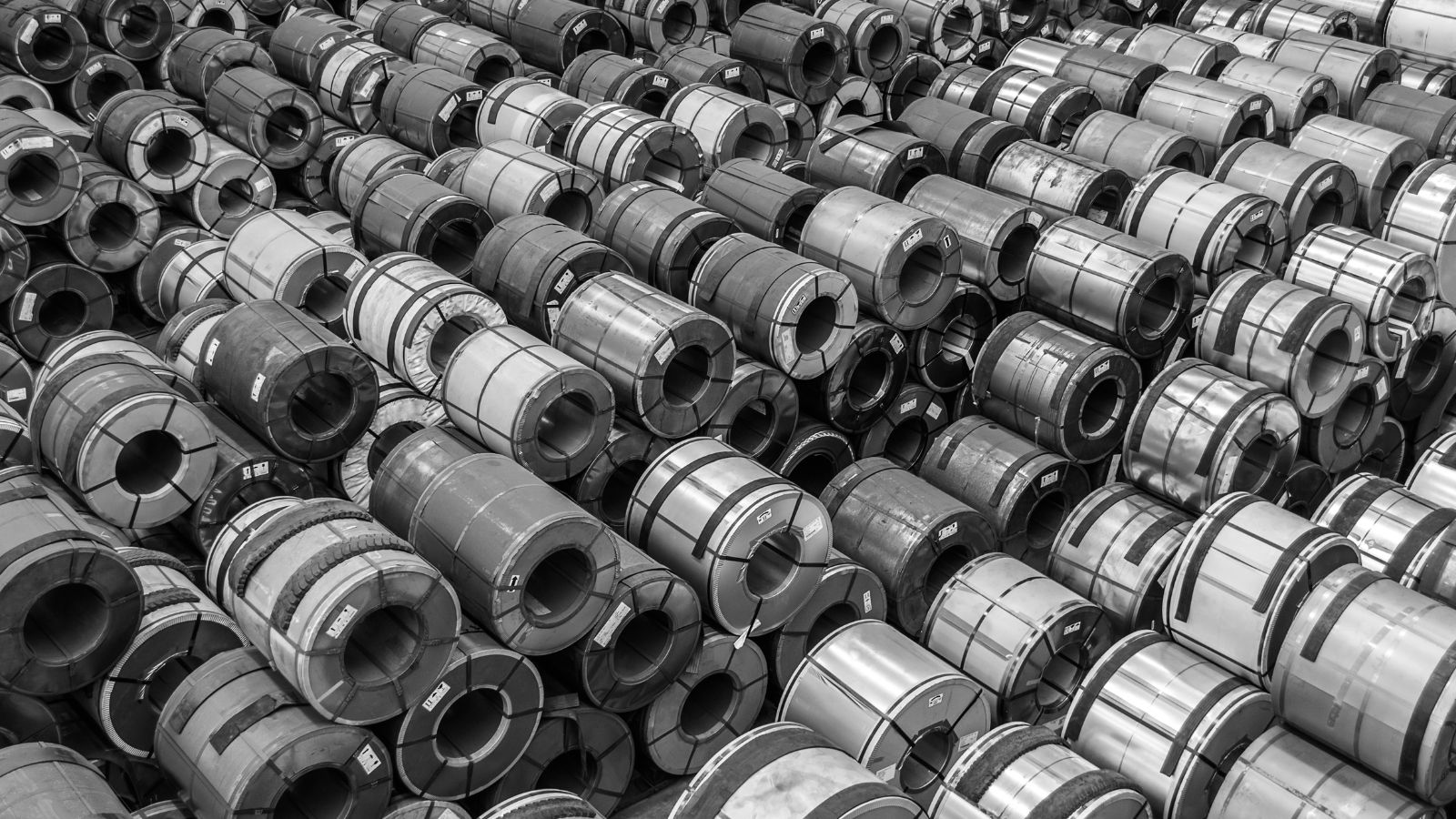
Automotive parts rely heavily on raw materials such as steel, aluminum, copper, and specialized plastics. These materials are traded globally and their prices often react quickly to political instability.
When material costs increase, manufacturers must pay more to produce replacement components. The higher manufacturing costs can eventually appear in the prices drivers pay for repairs.
Electronics Shortages Can Slow Repairs

Modern vehicles rely heavily on advanced electronics. Components such as sensors, control modules, and cameras are essential for everything from engine management to driver assistance systems.
If global tensions affect semiconductor production or electronic supply chains, replacement parts may become scarce. Limited availability can lead to longer repair times and higher prices.
Insurance Costs Can Rise Too

Higher repair costs often influence insurance claims. When parts and labor become more expensive, insurers must pay more to repair damaged vehicles.
Over time this can contribute to rising insurance premiums for drivers, even if they never experience a major repair themselves.
Delays Can Add Labor Costs

When repair shops cannot obtain parts quickly, vehicles may remain in the shop for longer periods. Technicians may need additional time to diagnose problems or work around missing components.
Extended repair times can increase labor costs, which are eventually passed on to customers.
Global Events Reach Local Garages
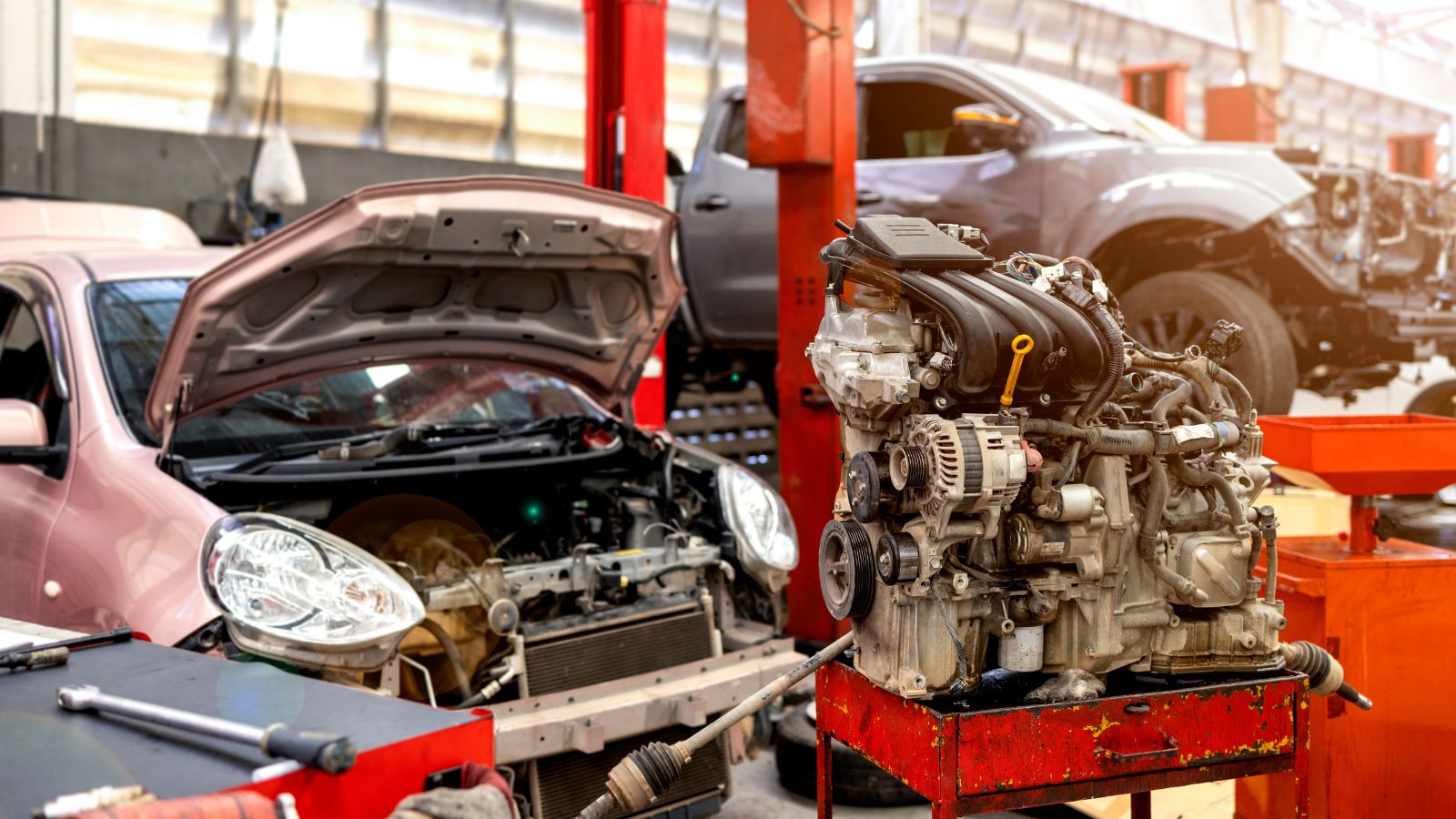
Most drivers rarely think about international supply chains when scheduling a routine repair. Yet the automotive industry is deeply connected to global trade networks.
Events taking place thousands of miles away can influence the cost and availability of parts used in everyday repairs.
Drivers May Notice the Impact Gradually
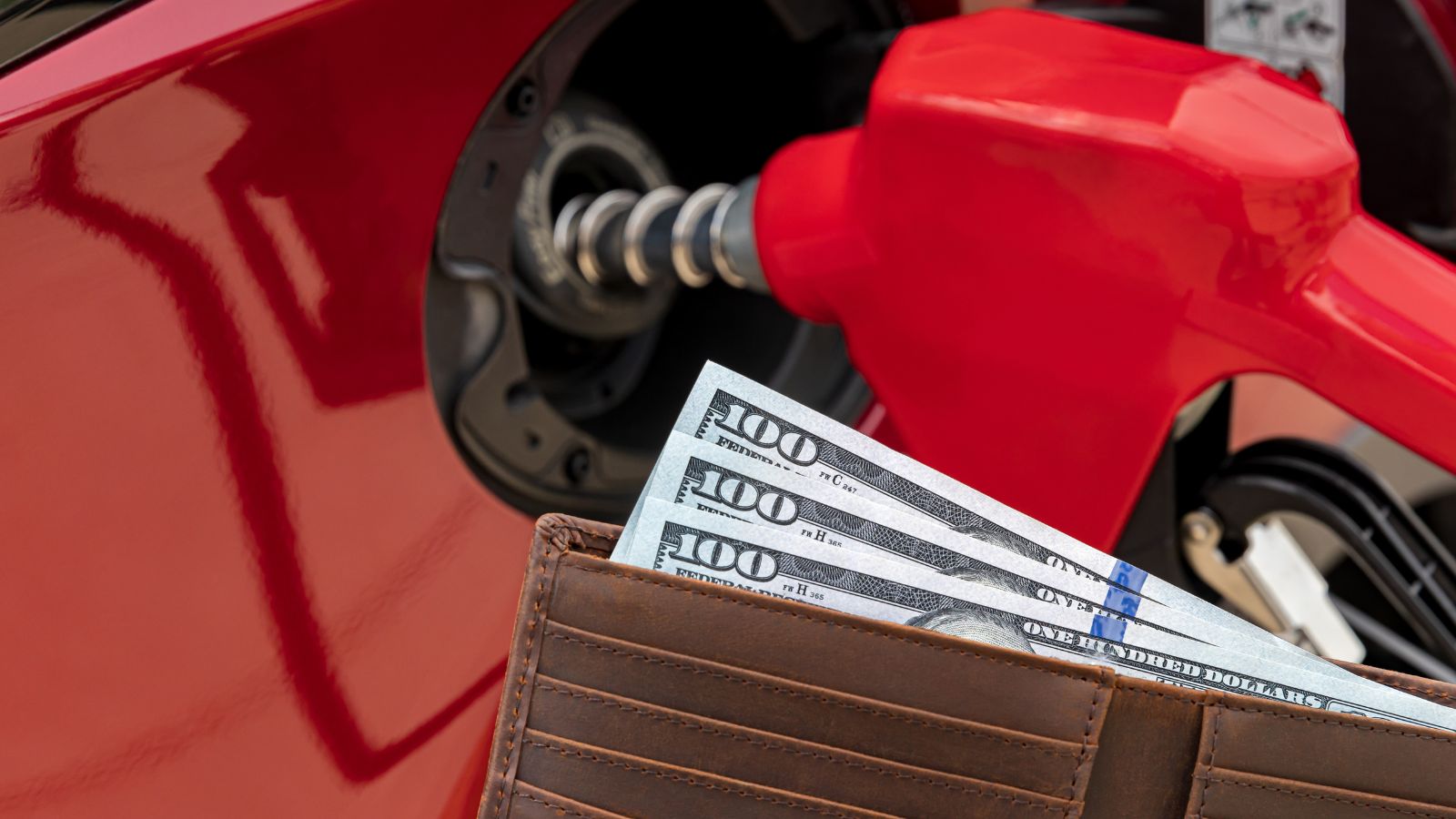
Unlike gasoline prices, which can change quickly, repair costs often rise more slowly. Drivers may first notice slightly higher prices for common parts such as brake components, filters, or electronic sensors.
Over time these increases accumulate, making vehicle ownership more expensive.
Global tensions rarely affect just one industry. In the automotive world their influence can extend from fuel markets to manufacturing and repair costs. For drivers, the effects may appear quietly through higher parts prices and longer repair timelines, reminding us how connected modern vehicles are to global supply networks.
25 Facts About Car Loans That Most Drivers Don’t Realize

Car loans are one of the most common ways people fund car purchases. Like any other kind of loan, car loans can have certain features that can be regarded as an advantage or a disadvantage to the borrower. Understanding all essential facts about car loans and how they work to ensure that you get the best deal for your financial situation is essential. Here are 25 shocking facts about car loans that most drivers don’t realize:
25 Facts About Car Loans That Most Drivers Don’t Realize
