
RV camping in Canada is rewarding, but it can punish the unprepared. Weather shifts fast, distances are long, and campgrounds vary wildly in services and rules. The good news is that a few smart habits make the difference between a relaxed first trip and a stressful one. These ten tips focus on real world Canadian conditions and what actually helps new RV owners succeed.
Know Your RV Before You Leave the Driveway
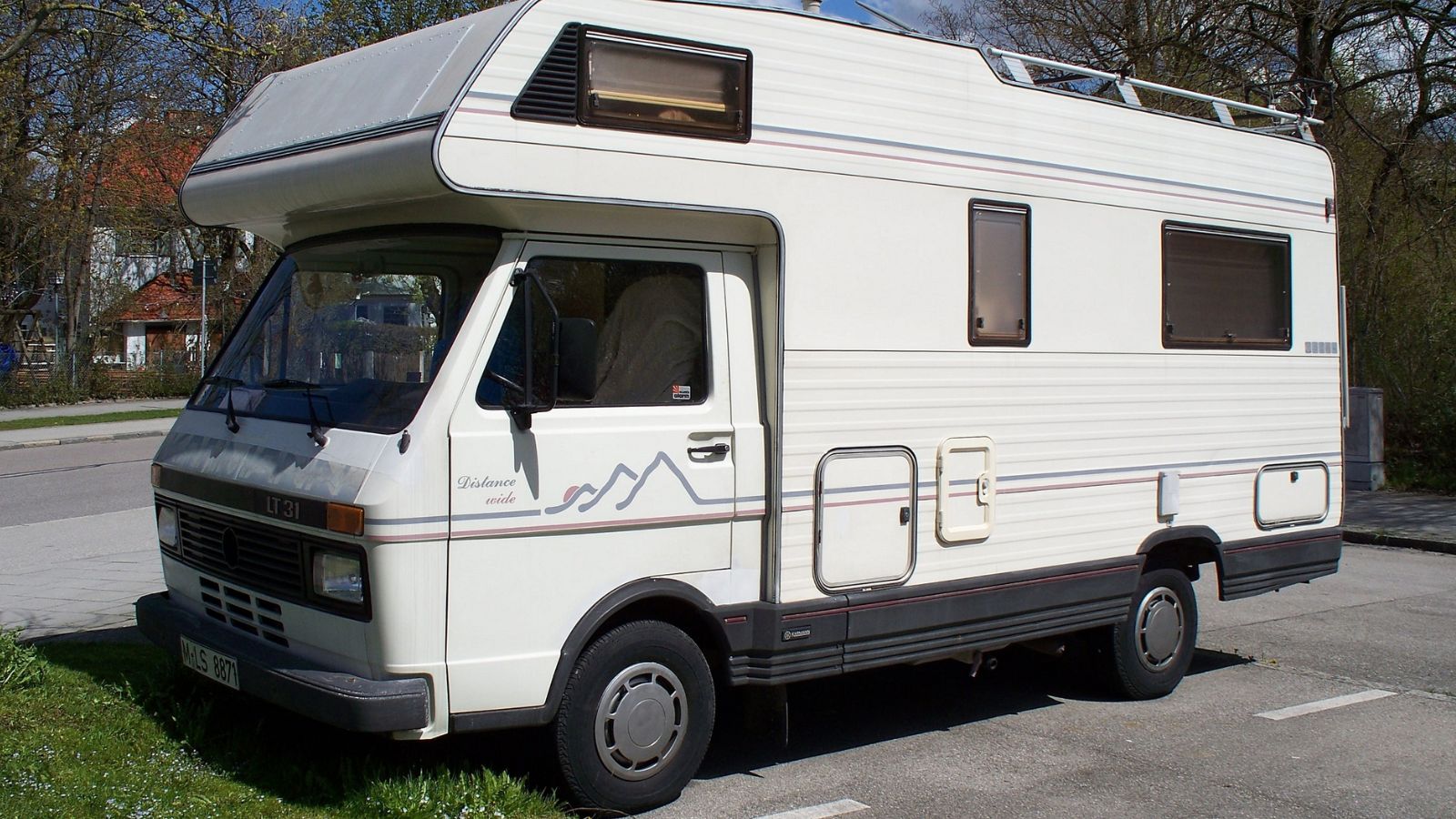
Spend time learning your RV at home, not at the campground. Practice leveling, hooking up water and power, dumping tanks, and operating the furnace. Canadian campsites often get busy and dark arrives early in shoulder seasons. Confidence matters. The first night goes smoother when you already know where every switch, valve, and breaker lives.
Plan Shorter Driving Days Than You Think

Canada’s distances are deceptive. Two hundred kilometers on a map can turn into a long day thanks to roadwork, wildlife, and fuel stops. Wind and elevation changes also increase fatigue when towing. Shorter days leave time to set up calmly and explore. New RVers enjoy trips more when driving feels manageable rather than rushed.
Book Campgrounds With Services Early

Serviced sites with power and water reduce stress for beginners. They help manage battery drain, cold nights, and water use while you learn. Popular Canadian parks book early, especially in summer and long weekends. Reserving ahead avoids last minute compromises that can sour a first experience. Start simple before experimenting with off grid camping.
Respect Canadian Weather at All Times
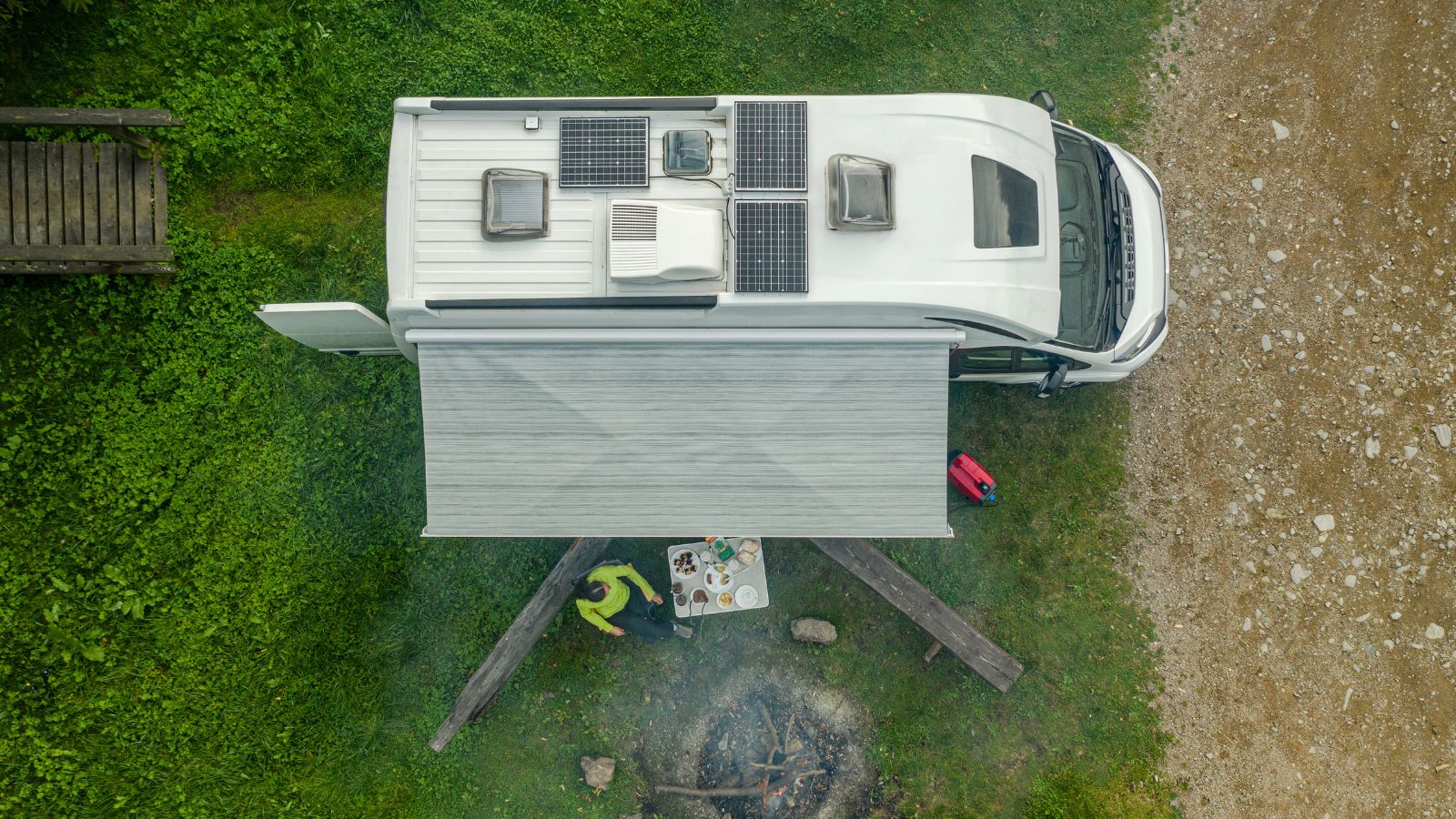
Weather changes quickly across provinces. Cold nights happen even in summer, especially in the mountains. Carry warm clothing, check forecasts daily, and know how your furnace and propane systems work. Wind can make towing exhausting and rain can turn campsites muddy. Preparedness turns weather into part of the adventure rather than a problem.
Learn Tank Management Early
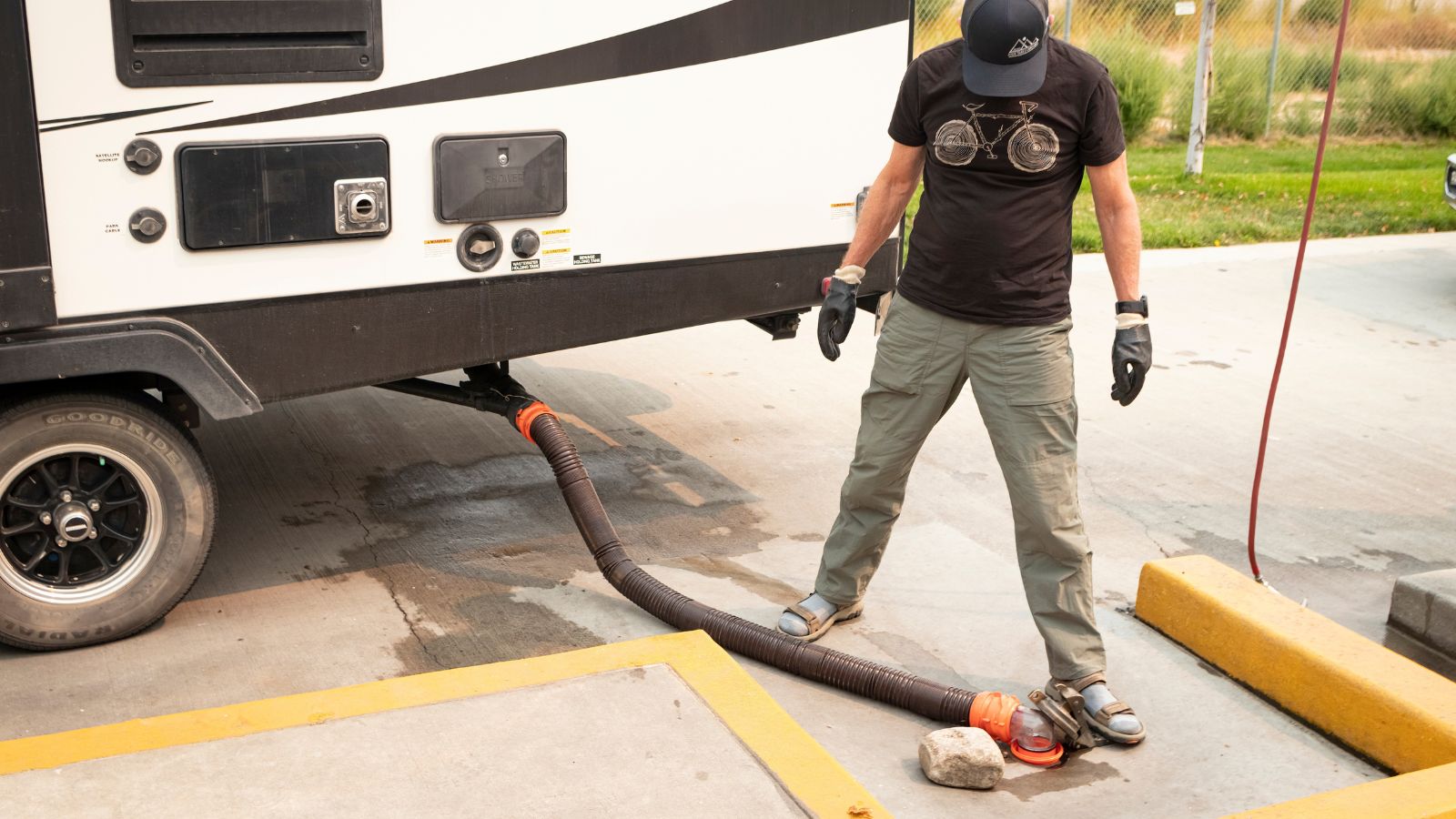
Fresh water, gray water, and black tanks dictate how long you can stay comfortably. Learn how fast you use water and how often dumping is needed. In Canada, dump stations can be far apart outside major parks. Poor tank management is one of the fastest ways to ruin a trip. Conservation becomes second nature with experience.
Use Proper Tires and Check Pressures Often
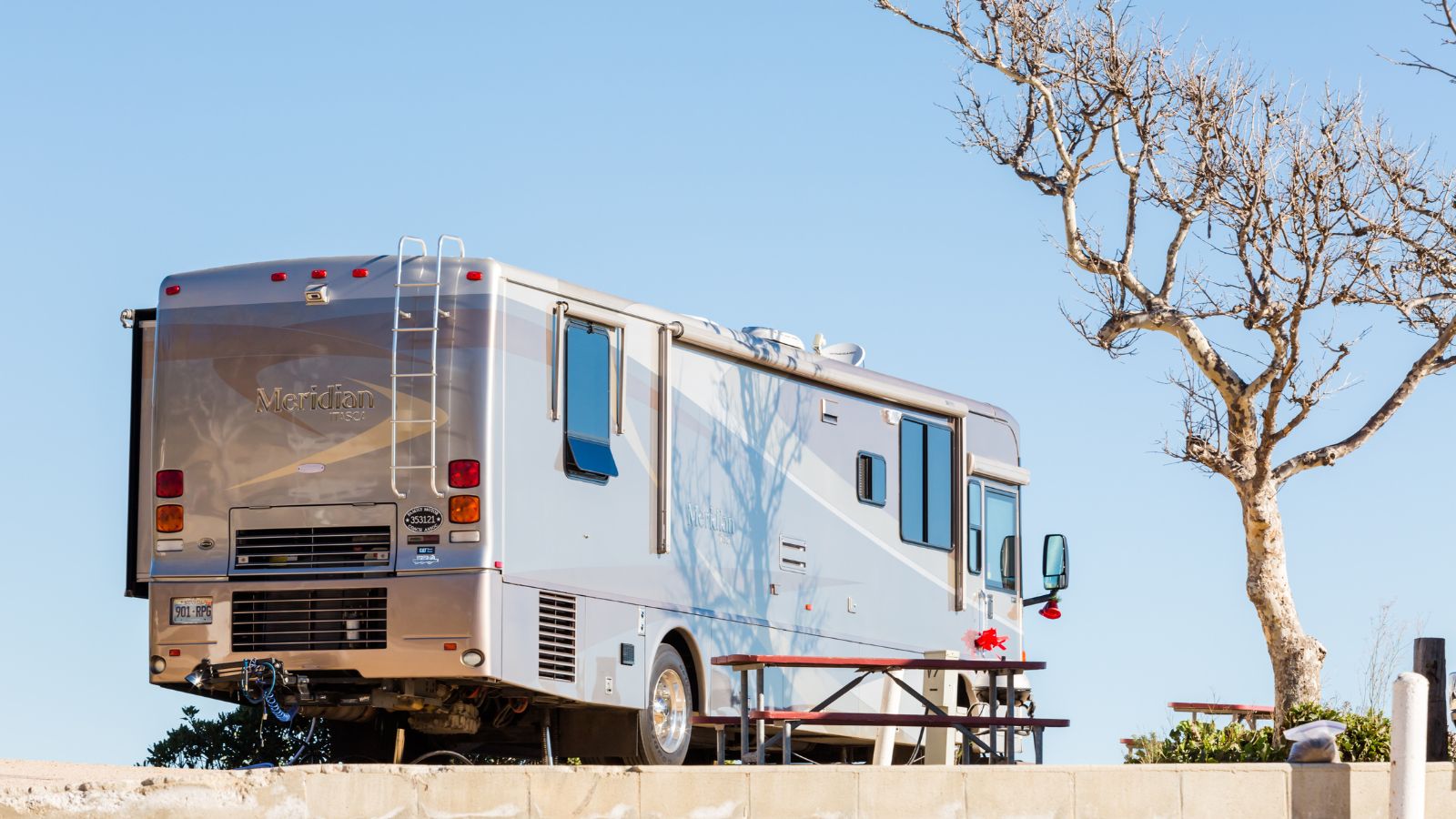
RV tires work hard in Canada’s temperature swings. Cold mornings drop pressure and hot afternoons raise it. Underinflated tires cause handling issues and blowouts. Use a quality gauge and check pressures regularly. Proper tires and correct inflation improve safety, fuel economy, and towing confidence, especially on long stretches of highway.
Arrive at Camp Before Dark

This matters more in Canada than many realize. Wildlife activity increases at dusk and visibility drops fast. Setting up in daylight helps avoid mistakes and stress. Backing in, leveling, and connecting services are easier when you can see clearly. Early arrival also gives time to settle in and enjoy the location.
Understand Campground Rules and Etiquette

Quiet hours, generator use, fire restrictions, and waste disposal rules vary by province and park. Ignoring them creates tension quickly. Canadian campgrounds value respect and courtesy. Knowing the rules keeps neighbors friendly and avoids fines. Good etiquette goes a long way toward a positive camping experience.
Carry Tools and Spares for Simple Fixes

Things shake loose on Canadian roads. Carry basic tools, spare fuses, hose washers, and electrical adapters. A small toolkit solves many minor issues without needing help. Being self sufficient builds confidence and saves time. Most RV problems on trips are small but annoying rather than serious.
Take It Slow and Adjust Expectations
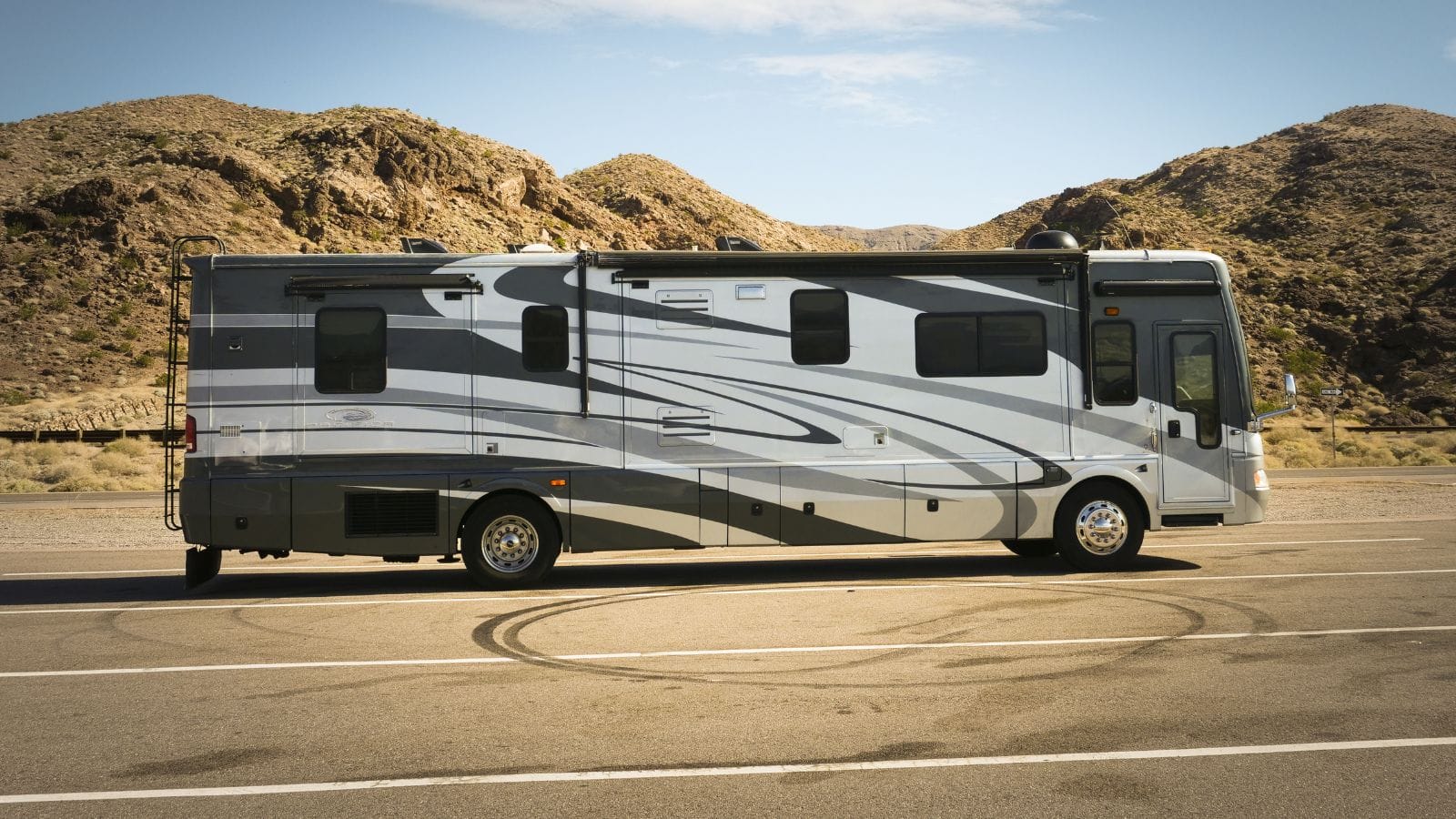
Your first trips are about learning, not perfection. Mistakes happen and that is normal. Canada rewards slower travel with better scenery and less stress. Focus on comfort, safety, and enjoyment rather than covering distance. Successful RV camping is about settling into the rhythm, not chasing a schedule.
25 Facts About Car Loans That Most Drivers Don’t Realize

Car loans are one of the most common ways people fund car purchases. Like any other kind of loan, car loans can have certain features that can be regarded as an advantage or a disadvantage to the borrower. Understanding all essential facts about car loans and how they work to ensure that you get the best deal for your financial situation is essential. Here are 25 shocking facts about car loans that most drivers don’t realize:
25 Facts About Car Loans That Most Drivers Don’t Realize
