
The automotive world is shifting faster than ever. Electric vehicles promise a future without gasoline, while hybrids offer a practical blend of old and new technology. For many drivers, especially in places like Canada and the northern United States, the choice is not always straightforward. Both options have clear advantages and real drawbacks. The better choice often depends less on technology and more on how the vehicle fits into everyday life.
Purchase Price and Incentives
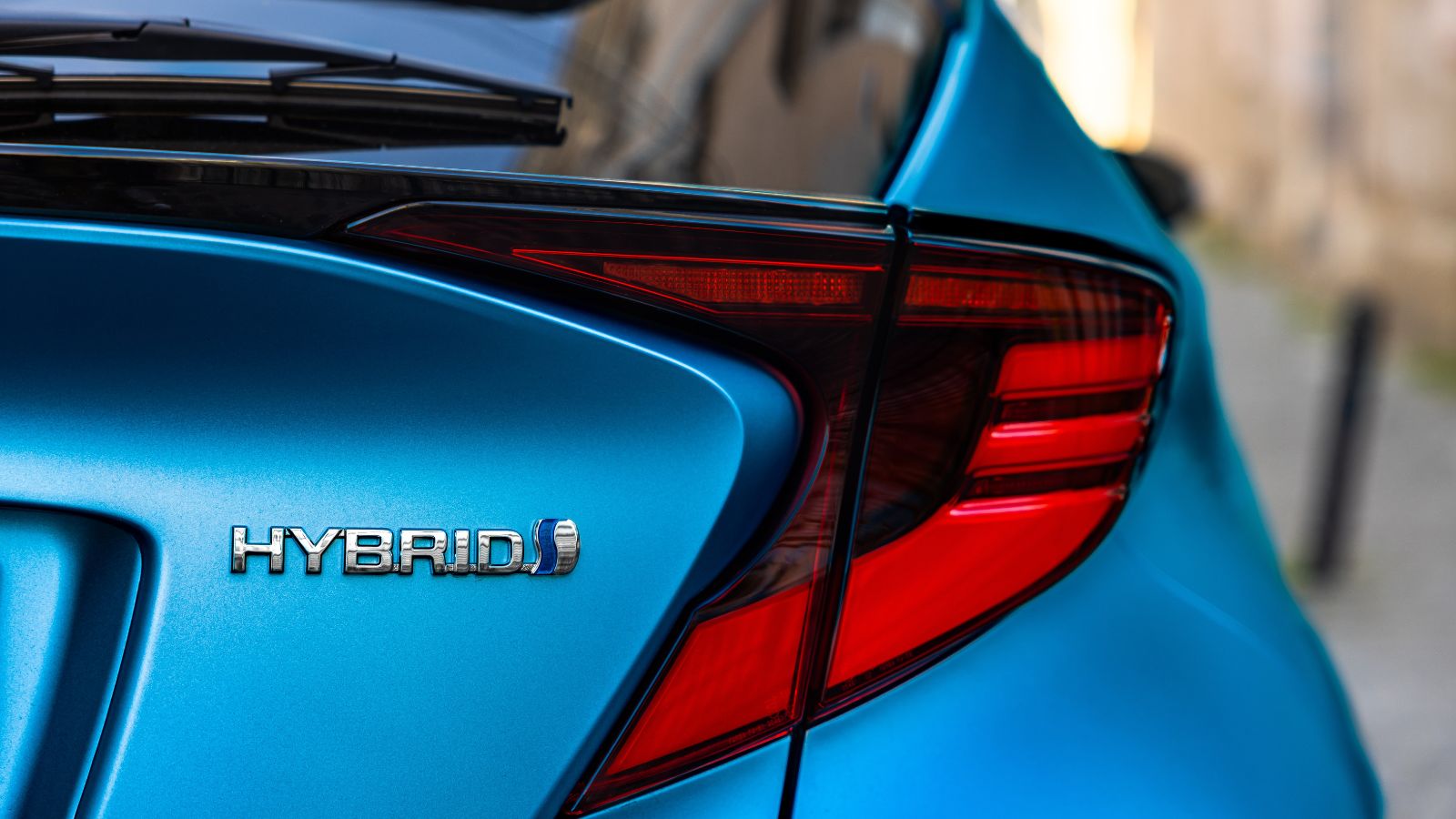
Electric vehicles often carry a higher upfront cost compared with hybrids. Batteries remain expensive to produce, and that cost is reflected in the purchase price.
Hybrids tend to be more affordable because they use smaller battery packs and retain a conventional engine. While incentives and rebates can narrow the gap for EVs, hybrids usually remain the easier entry point for budget conscious buyers.
Fuel and Energy Costs

Electric vehicles eliminate gasoline entirely, replacing it with electricity. Charging at home can be significantly cheaper than fueling with gas, especially during off peak hours.
Hybrids still use gasoline but consume far less of it than traditional vehicles. For many drivers, hybrids offer a noticeable reduction in fuel costs without requiring a complete shift in how they refuel.
Range and Convenience
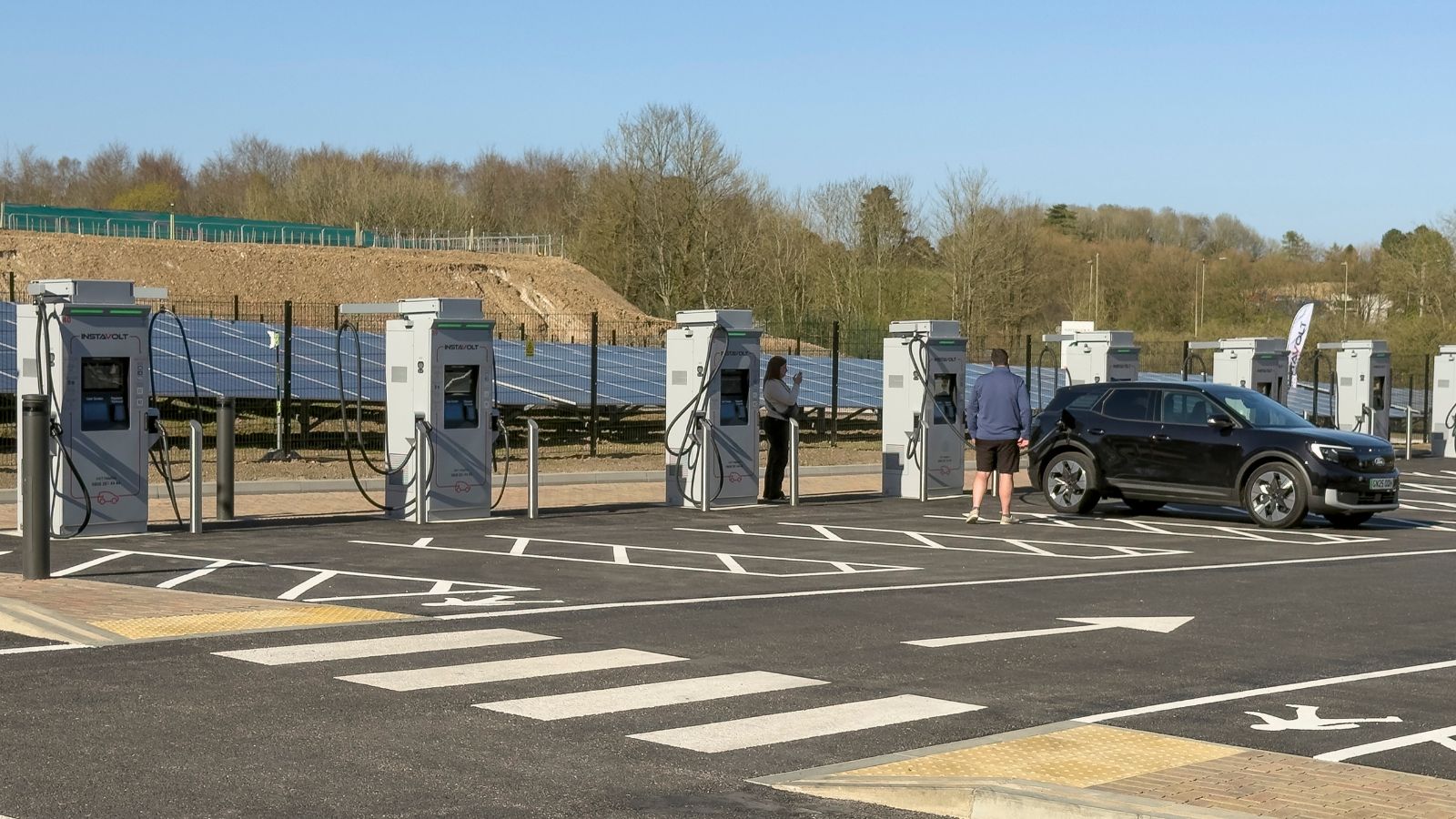
Range remains one of the biggest differences between the two. Electric vehicles require access to charging infrastructure, and long trips often need planning around charging stations.
Hybrids remove that concern. With a gasoline engine onboard, they can travel long distances without interruption. For drivers covering large distances regularly, this convenience can be a major advantage.
Cold Weather Performance

In colder climates, electric vehicles can experience reduced battery performance and shorter range. Heating the cabin also draws energy from the battery.
Hybrids handle cold weather more easily because the gasoline engine continues to operate normally. While efficiency may still drop slightly in winter, hybrids generally maintain consistent performance.
Maintenance and Reliability
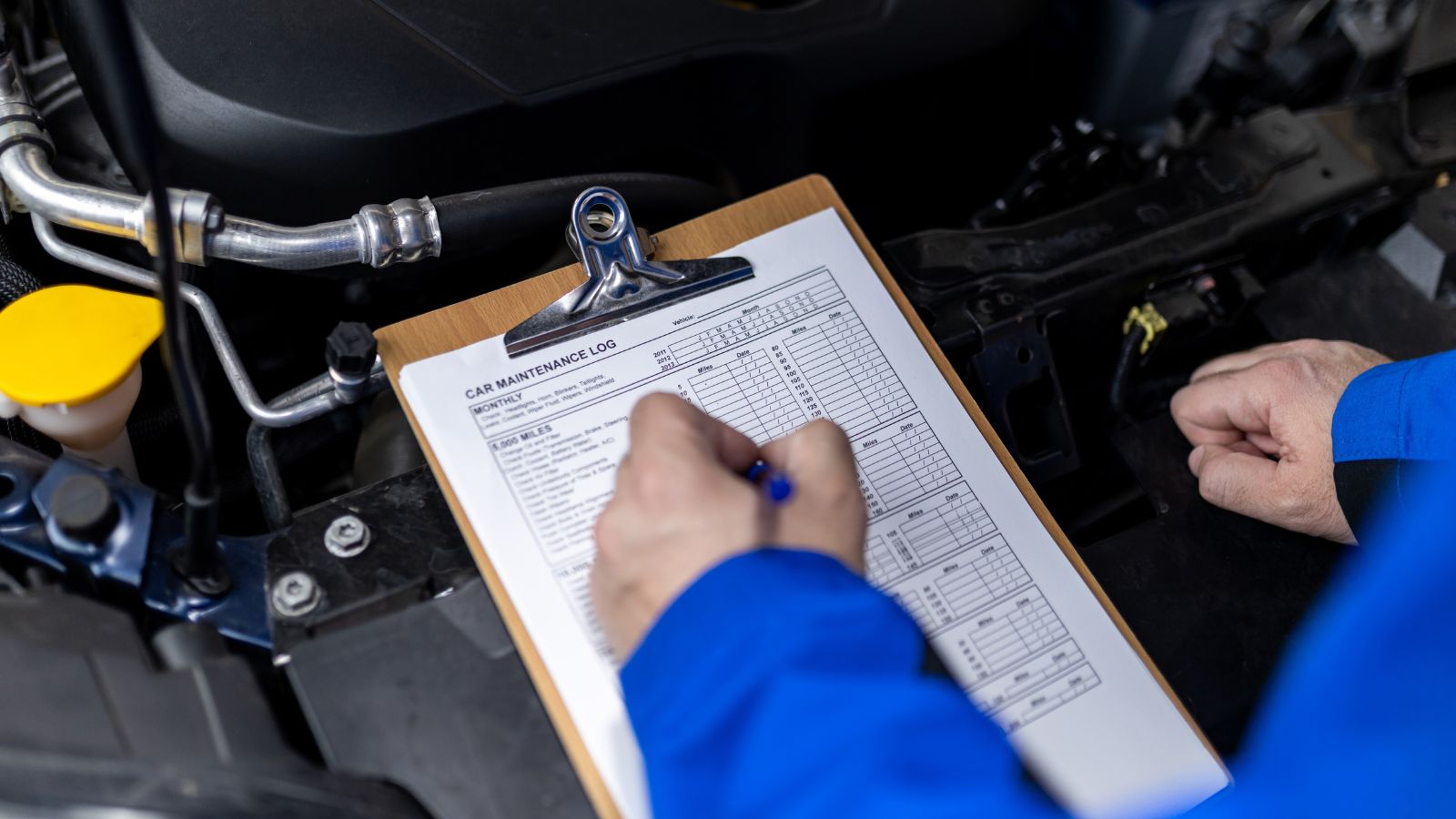
Electric vehicles have fewer moving parts than traditional vehicles. There is no engine oil, fewer fluids, and less mechanical complexity in some areas.
Hybrids are more complex because they combine both electric and gasoline systems. However hybrid technology has matured over decades, and many models have proven extremely reliable.
Driving Experience

Electric vehicles deliver instant torque, making them feel quick and responsive from a standstill. The smooth and quiet driving experience is one of their biggest appeals.
Hybrids also benefit from electric assistance, particularly at low speeds. While they may not feel as instantly powerful as EVs, they still provide smooth and refined driving characteristics.
Infrastructure and Accessibility
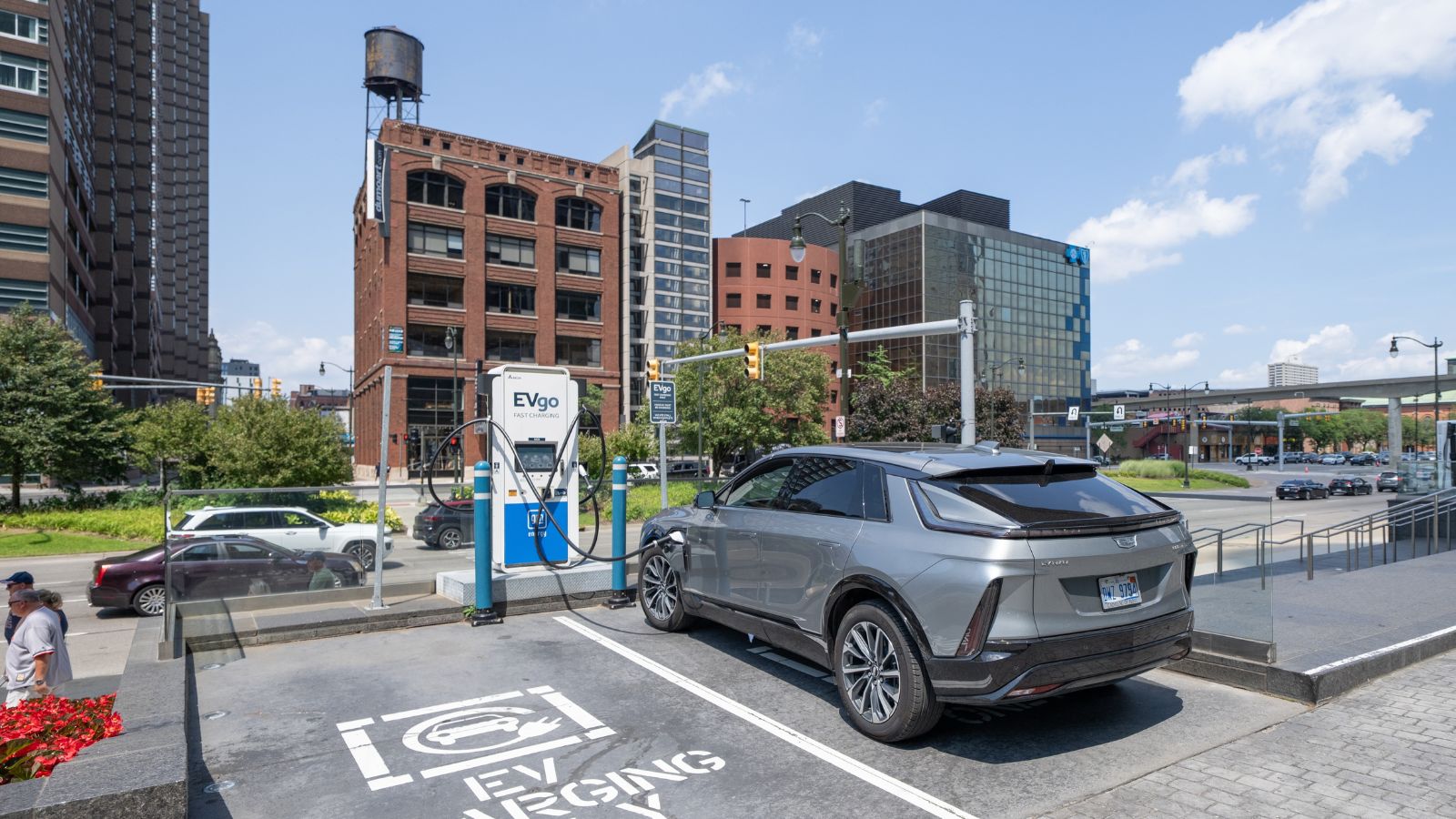
Charging infrastructure continues to expand, but availability varies depending on location. Urban areas tend to have better coverage than rural regions.
Hybrids do not rely on charging networks. They can be refueled at any gas station, making them more accessible for drivers in areas with limited charging options.
Environmental Impact
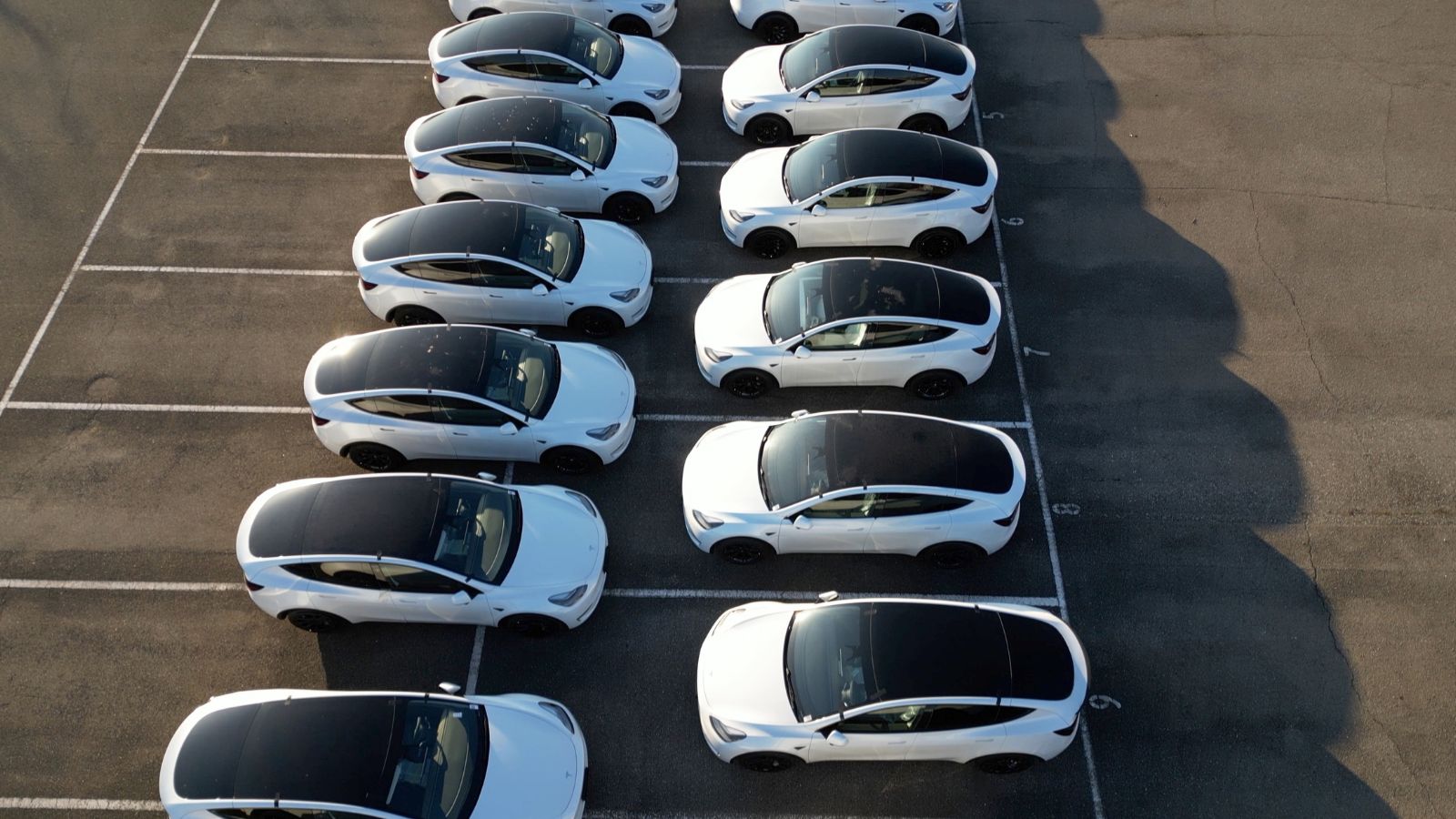
Electric vehicles produce no tailpipe emissions, which makes them attractive for reducing urban air pollution.
Hybrids reduce emissions compared with traditional gasoline vehicles but still rely on fossil fuels. For some buyers, hybrids represent a transitional step toward full electrification.
Long Term Flexibility
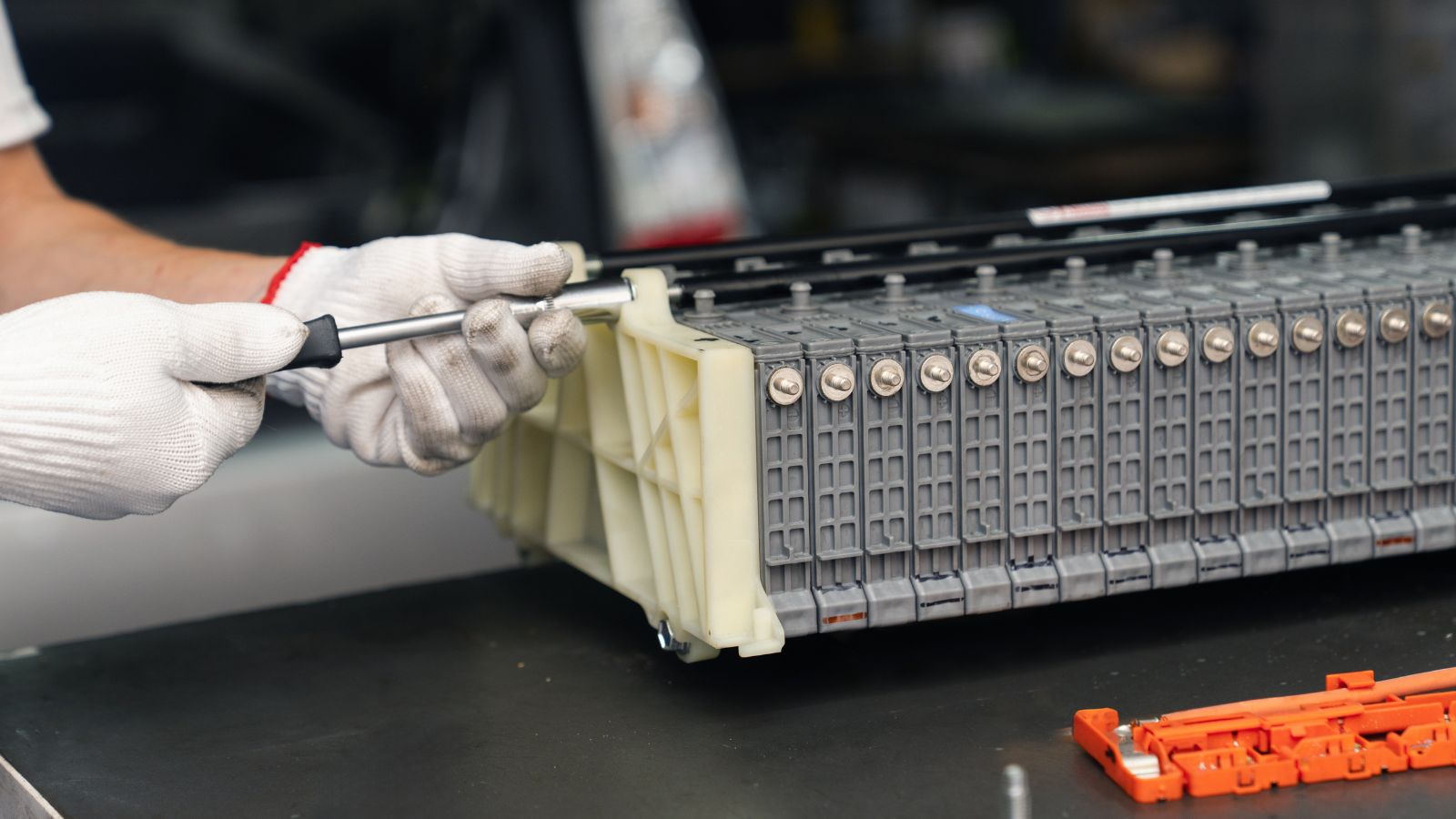
The future of transportation is still evolving. Battery technology, charging networks, and fuel markets will continue to change over time.
Hybrids offer flexibility during this transition by combining two power sources. Electric vehicles, on the other hand, represent a more complete shift toward a new energy system.
For many consumers, the decision between EVs and hybrids comes down to lifestyle. Electric vehicles offer maximum efficiency and a glimpse of the future, but require planning and infrastructure. Hybrids provide a more familiar experience with meaningful efficiency gains. In the end, the best choice is the one that fits how and where you drive every day.
25 Facts About Car Loans That Most Drivers Don’t Realize

Car loans are one of the most common ways people fund car purchases. Like any other kind of loan, car loans can have certain features that can be regarded as an advantage or a disadvantage to the borrower. Understanding all essential facts about car loans and how they work to ensure that you get the best deal for your financial situation is essential. Here are 25 shocking facts about car loans that most drivers don’t realize:
25 Facts About Car Loans That Most Drivers Don’t Realize
