Most Canadian drivers rarely think about the Strait of Hormuz when filling their fuel tanks. Yet this narrow waterway between Iran and Oman plays a massive role in the global oil market. Roughly one fifth of the world’s oil supply passes through it every day. When tensions rise in the region, energy markets react quickly. Even though Canada produces oil domestically, disruptions in this strategic shipping corridor can still influence the price Canadians pay at the pump.
A Critical Oil Chokepoint
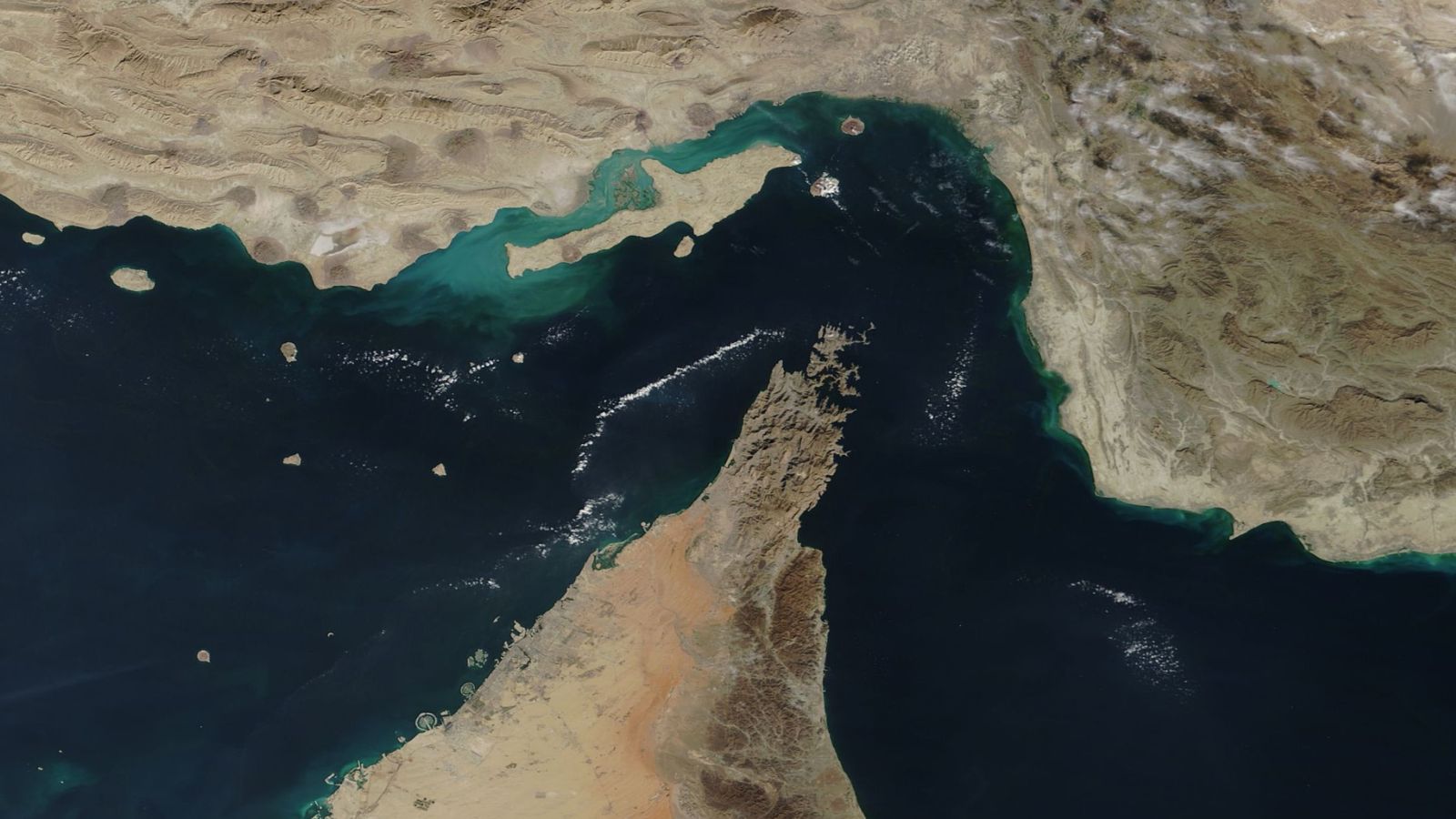
The Strait of Hormuz is one of the most important energy routes in the world. Tankers carrying crude oil from major Middle Eastern producers such as Saudi Arabia, Iraq, Kuwait, and the United Arab Emirates pass through this narrow channel before heading to global markets.
Because so much oil flows through this single passage, any disruption immediately affects supply expectations. Even the possibility of conflict or shipping restrictions can push global oil prices higher.
Global Oil Prices Set the Baseline
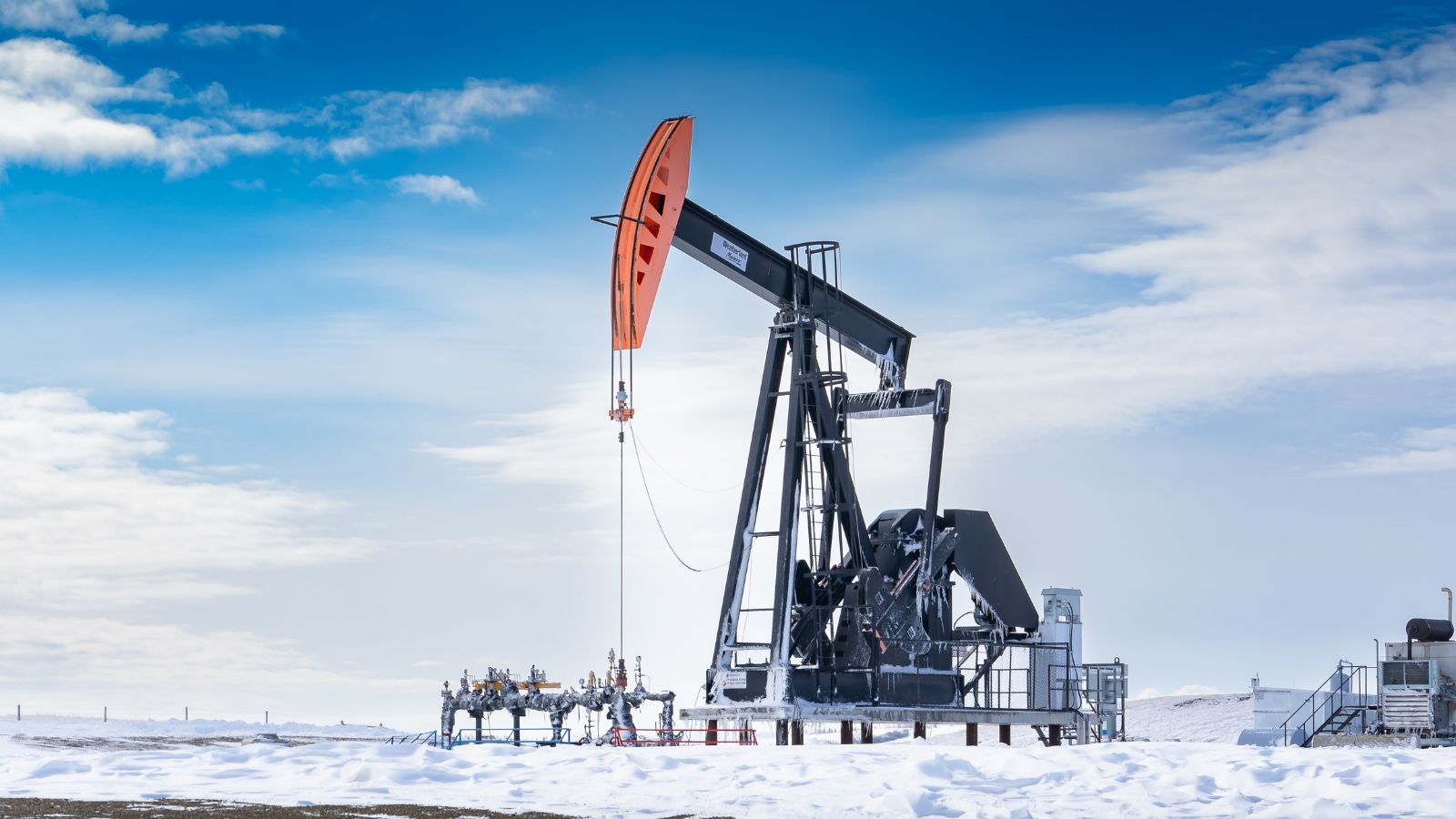
Canada produces large quantities of crude oil, particularly from Alberta’s oil sands. However, gasoline prices in Canada are still influenced by global oil markets.
When international oil prices rise, refineries and fuel distributors pay more for crude. That increase eventually appears in higher gasoline and diesel prices for Canadian drivers.
Markets React to Risk Quickly

Energy markets are highly sensitive to geopolitical events. If a disruption occurs in a critical oil route like the Strait of Hormuz, traders often anticipate shortages and push prices upward before supply is actually reduced.
This reaction can cause oil prices to spike rapidly, sometimes within hours of a major event or announcement.
Shipping Costs Can Also Rise
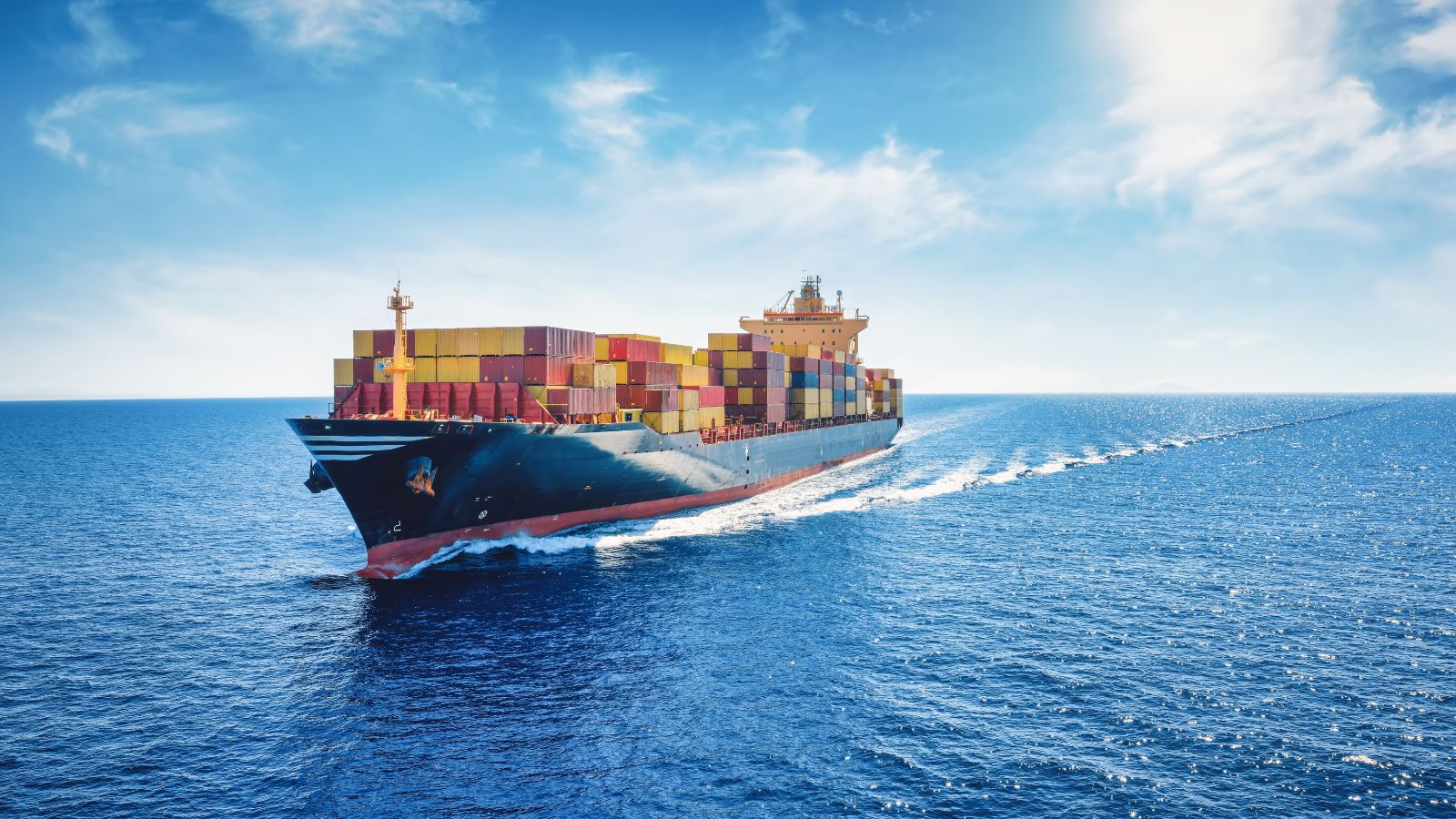
If tensions escalate in the region, shipping companies may face higher insurance premiums for vessels traveling through the area. In some cases, ships may reroute around longer and more expensive paths.
Higher transportation costs add additional pressure to the price of oil delivered to refineries around the world.
Refineries Feel the Impact

Refineries purchase crude oil based on global prices. When crude becomes more expensive, the cost of producing gasoline and diesel rises as well.
Refiners eventually pass these increased costs along the supply chain, which can lead to higher prices at retail fuel stations.
Canadian Drivers Still Feel Global Shocks

Even though Canada exports large volumes of crude oil, domestic fuel markets remain closely connected to international pricing. Gasoline prices in Canadian cities often reflect global market conditions rather than purely local supply.
This means geopolitical events thousands of kilometres away can still influence prices at Canadian gas stations.
Diesel Prices Could Rise First

Commercial transportation relies heavily on diesel fuel. When oil prices spike, diesel prices often rise quickly because of strong demand from trucking, shipping, and industrial sectors.
Higher diesel costs can also affect the price of goods transported across Canada.
Economic Ripple Effects

Rising fuel prices influence more than just transportation costs. When gasoline and diesel become more expensive, businesses often face higher operating expenses.
These costs can ripple through the economy and contribute to higher prices for everyday products and services.
Price Spikes Are Often Temporary

Oil markets are known for sharp but sometimes short lived reactions. Prices may spike quickly following geopolitical events but can also stabilize once supply routes resume or tensions ease.
However, prolonged disruptions in a major oil corridor could sustain higher prices for longer periods.
The Global Nature of Energy Markets
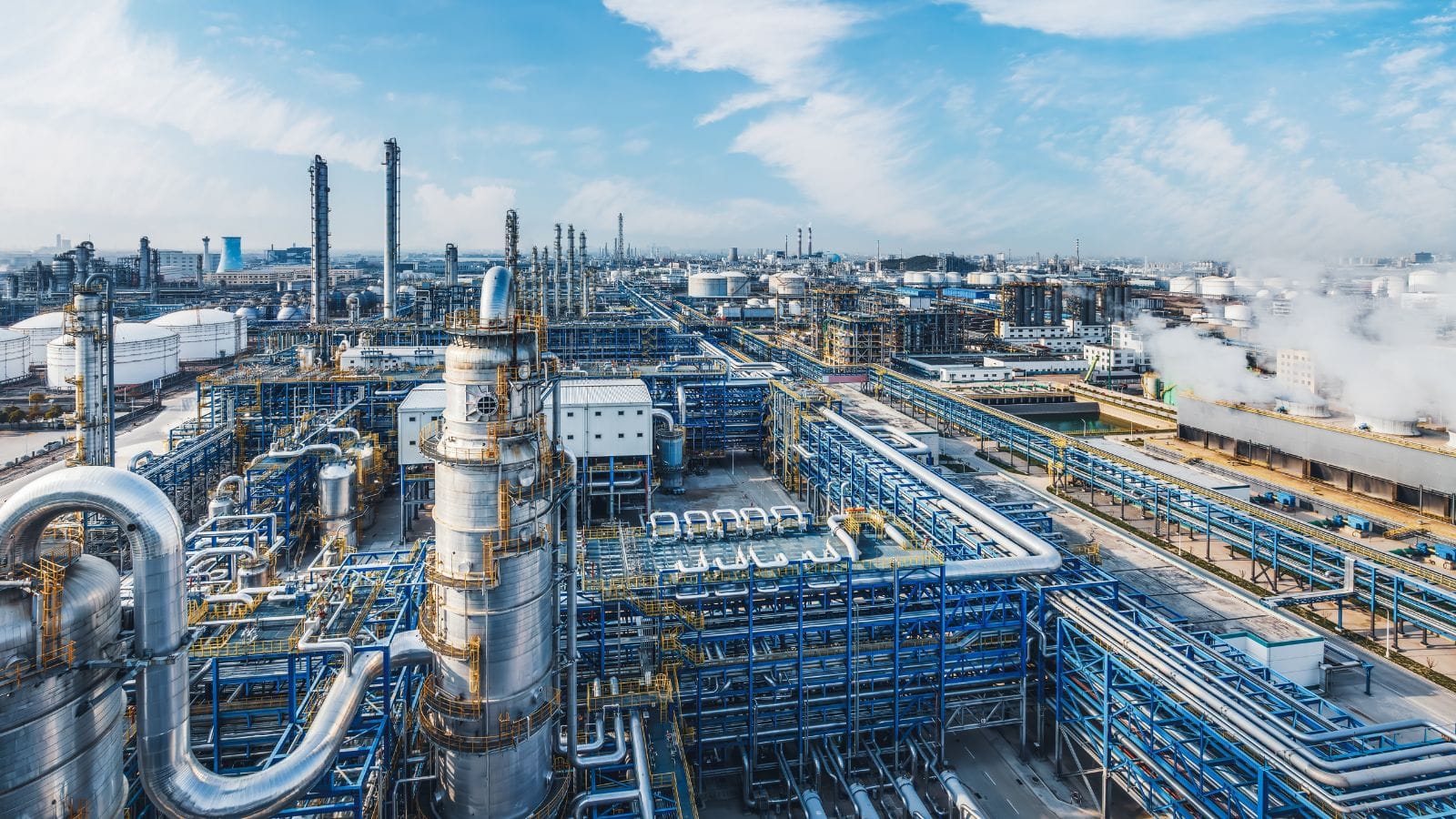
The Strait of Hormuz illustrates how interconnected global energy markets have become. Even countries that produce their own oil are not insulated from international supply shocks.
For Canadian drivers, this means global events remain one of the biggest influences on fuel prices. A disruption in a distant shipping channel can still have a direct impact on the cost of filling up at the pump.
25 Facts About Car Loans That Most Drivers Don’t Realize

Car loans are one of the most common ways people fund car purchases. Like any other kind of loan, car loans can have certain features that can be regarded as an advantage or a disadvantage to the borrower. Understanding all essential facts about car loans and how they work to ensure that you get the best deal for your financial situation is essential. Here are 25 shocking facts about car loans that most drivers don’t realize:
25 Facts About Car Loans That Most Drivers Don’t Realize
