
There was a time when Canadian winters turned diesel vehicles into reluctant, slow moving machines. Older diesel trucks were notorious for chugging, coughing and crawling through cold mornings. Gelling fuel, weak glow plugs and sluggish combustion made winter driving an exercise in patience. But today’s diesel engines behave very differently. Modern technology transformed them from cold blooded dinosaurs into dependable, winter ready workhorses. Here is what changed and how manufacturers solved the problems that once made diesel owners dread the cold.
Why Cold Weather Made Old Diesels Miserable

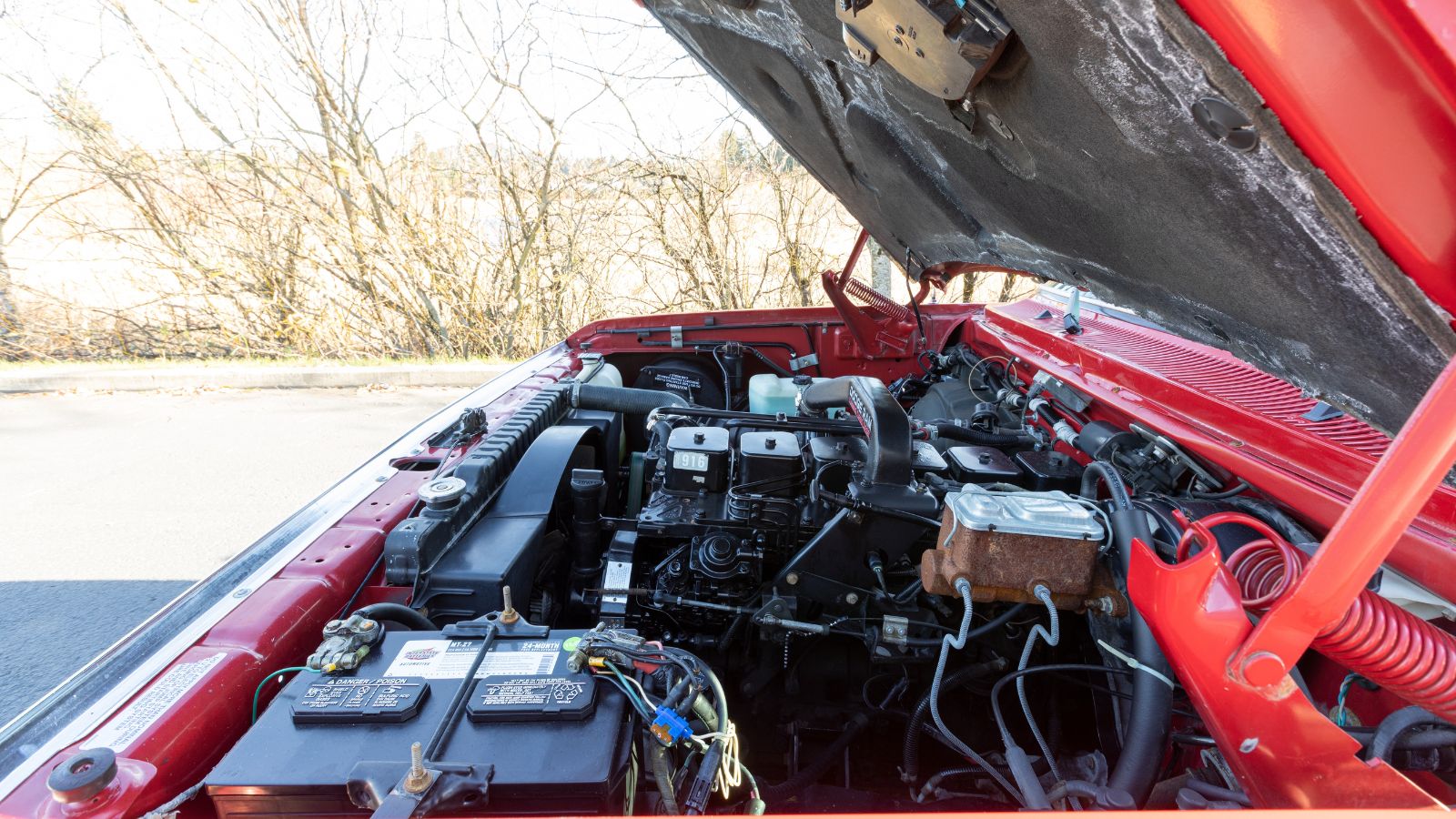
Early diesel engines struggled in freezing temperatures because diesel fuel thickens as it gets colder. In extreme cold, it can gel completely, blocking fuel filters and starving the engine. Add weak glow plug systems, low compression at cold starts and batteries that strained under the load, and you had the perfect recipe for a truck that took forever to wake up. Old diesels also used mechanical injection systems that relied on heat and fuel pressure that simply were not present on frigid mornings.
What Gelling Really Means for Diesel Fuel
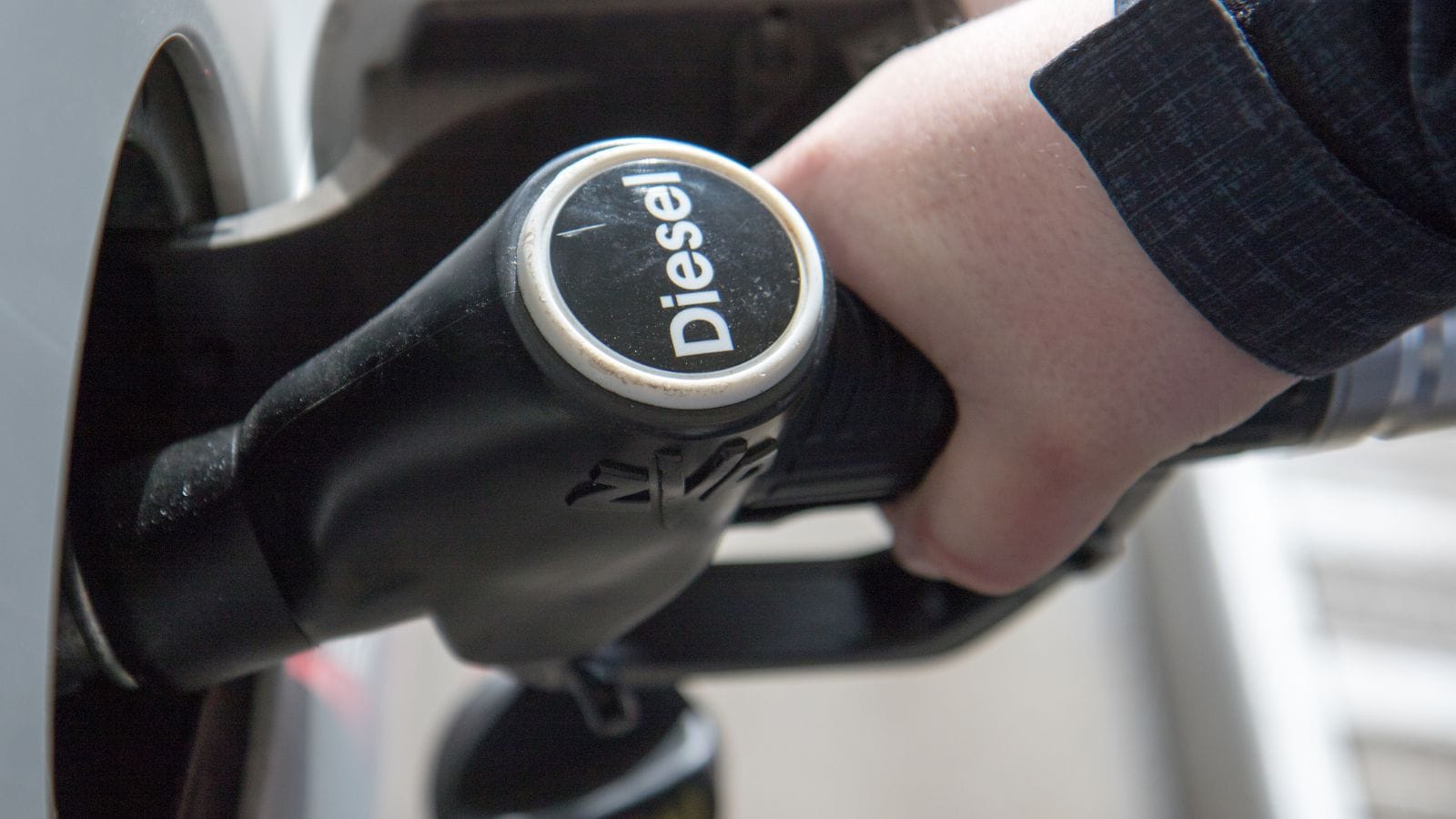
Diesel contains paraffin wax, which provides lubrication and energy density. When temperatures drop, this wax thickens and eventually crystallizes. In older vehicles, these crystals clogged the fuel lines and filters, causing hard starts or complete no starts. Drivers resorted to plug in block heaters, engine blankets or mixing additives by hand just to get moving. On the coldest mornings, even a well maintained diesel could feel dog slow until everything warmed up.
Glow Plugs Were Weak and Engines Turned Slowly
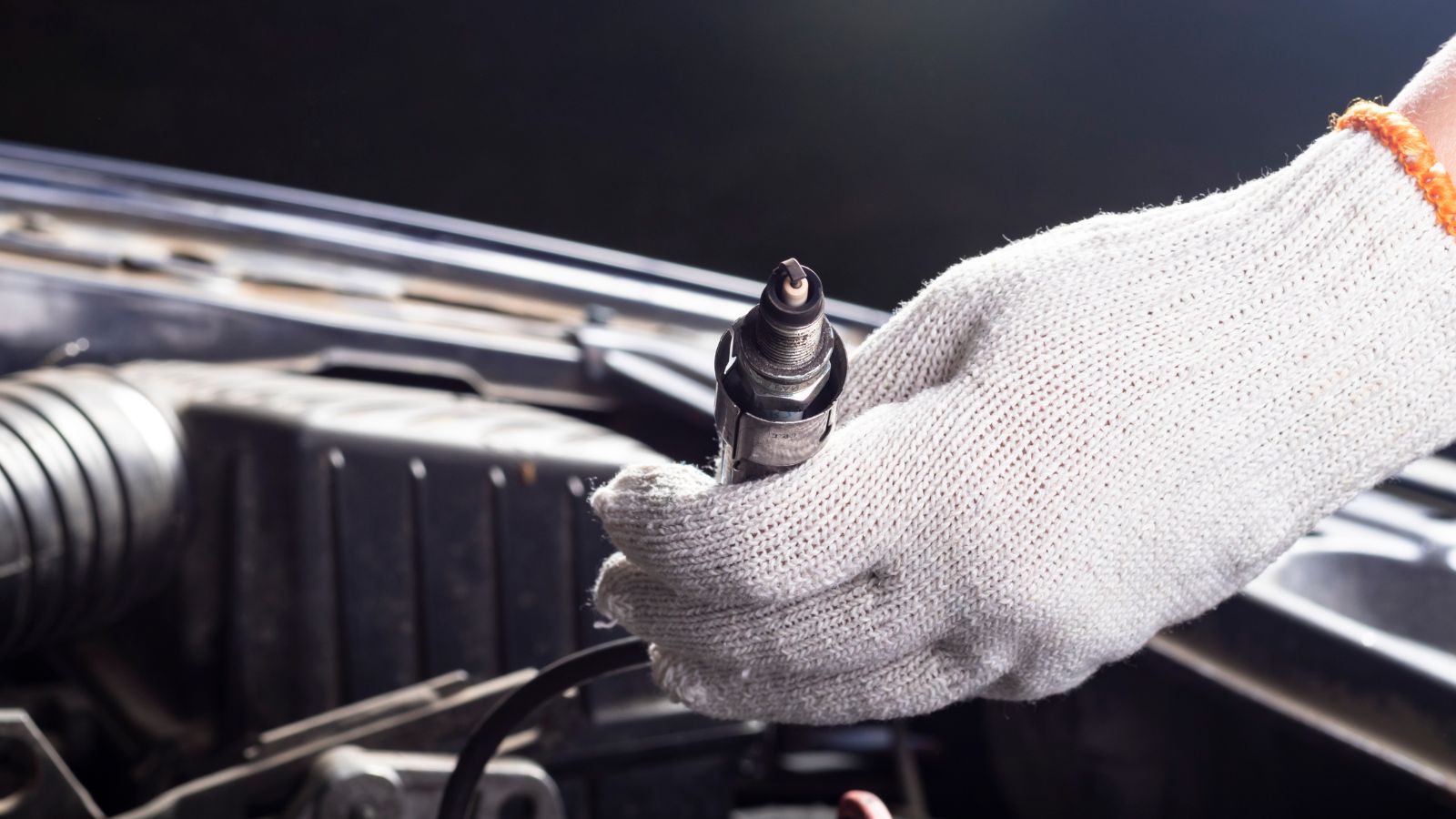
Older glow plug systems took ages to heat the combustion chamber. They also wore out quickly and were inconsistent in their performance. Meanwhile, thicker cold oil forced the starter motor to fight for every crank. The result was slow spinning engines with weak compression events that made ignition difficult. If the truck did start, it rattled and stumbled until enough heat built up.
Cold Weather Made Old Diesels Feel Underpowered

Even once running, early diesel engines struggled until temperatures rose. Cold fuel burned poorly, turbochargers spooled slowly and injection timing remained sluggish until the engine reached operating temperature. This created the famously slow winter performance many Canadian drivers still remember. Passing on the highway felt like a long term commitment until everything finally warmed through.
Modern Fuel Formulations Immediately Improved Reliability
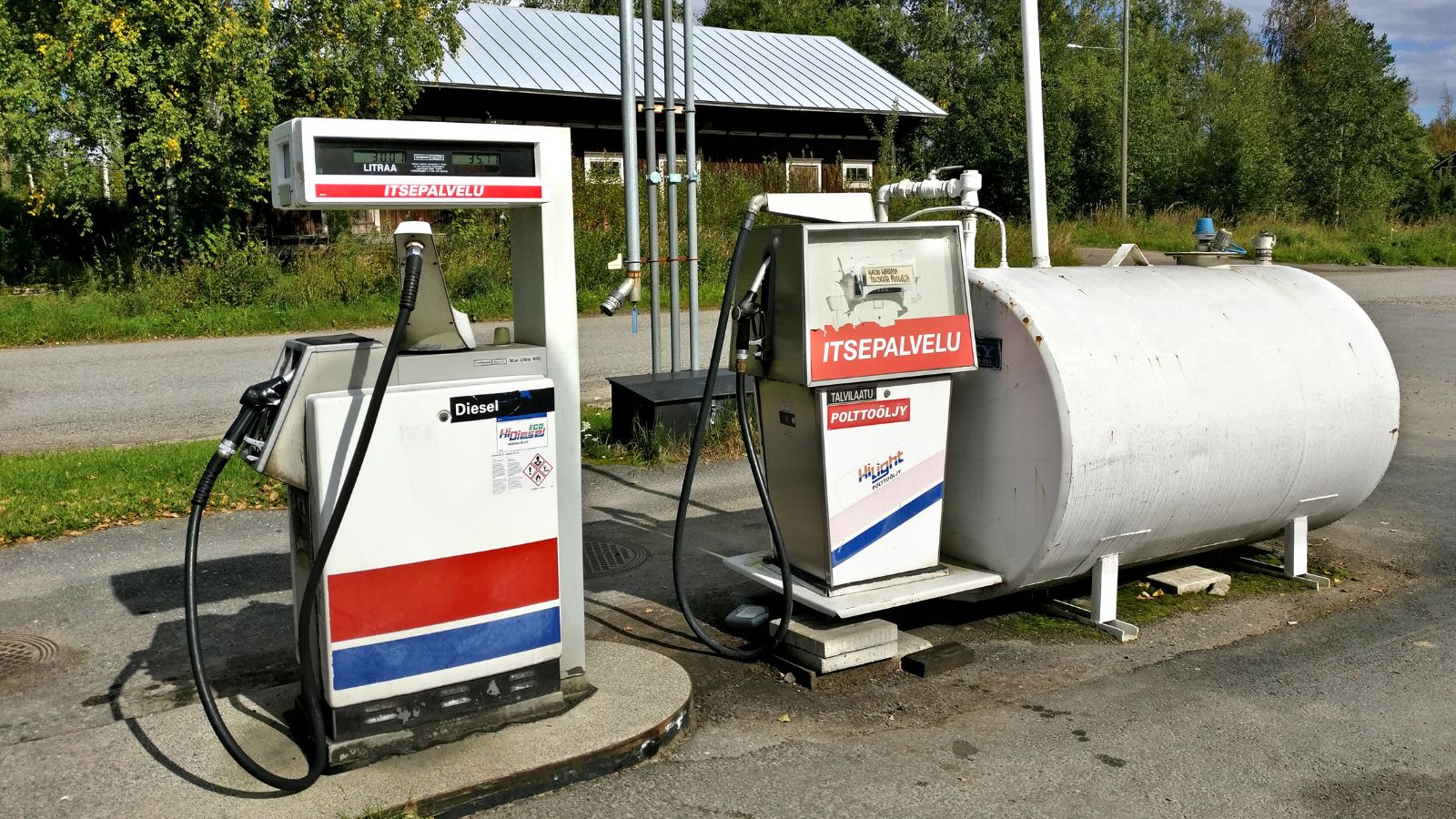
Today’s diesel sold in Canada comes winter blended, meaning refiners adjust the mix of additives and kerosene to prevent gelling during freezing temperatures. This fuel flows better, burns cleaner and eliminates the need for drivers to mix their own additives. It was one of the biggest advances in cold weather performance, allowing modern diesels to start consistently even in deep winter.
Advanced Glow Plug Systems Make Cold Starts Easy
Modern glow plugs heat faster, last longer and deliver far more consistent performance. Many new diesel engines use ceramic glow plugs that reach operating temperature in seconds rather than waiting through the old glow light countdown. These plugs stay active after start up to stabilize combustion and reduce the rough idle that older diesels were known for. The improvement is so dramatic that many new diesel drivers barely notice the system working.
High Pressure Injection Solves Cold Combustion Problems
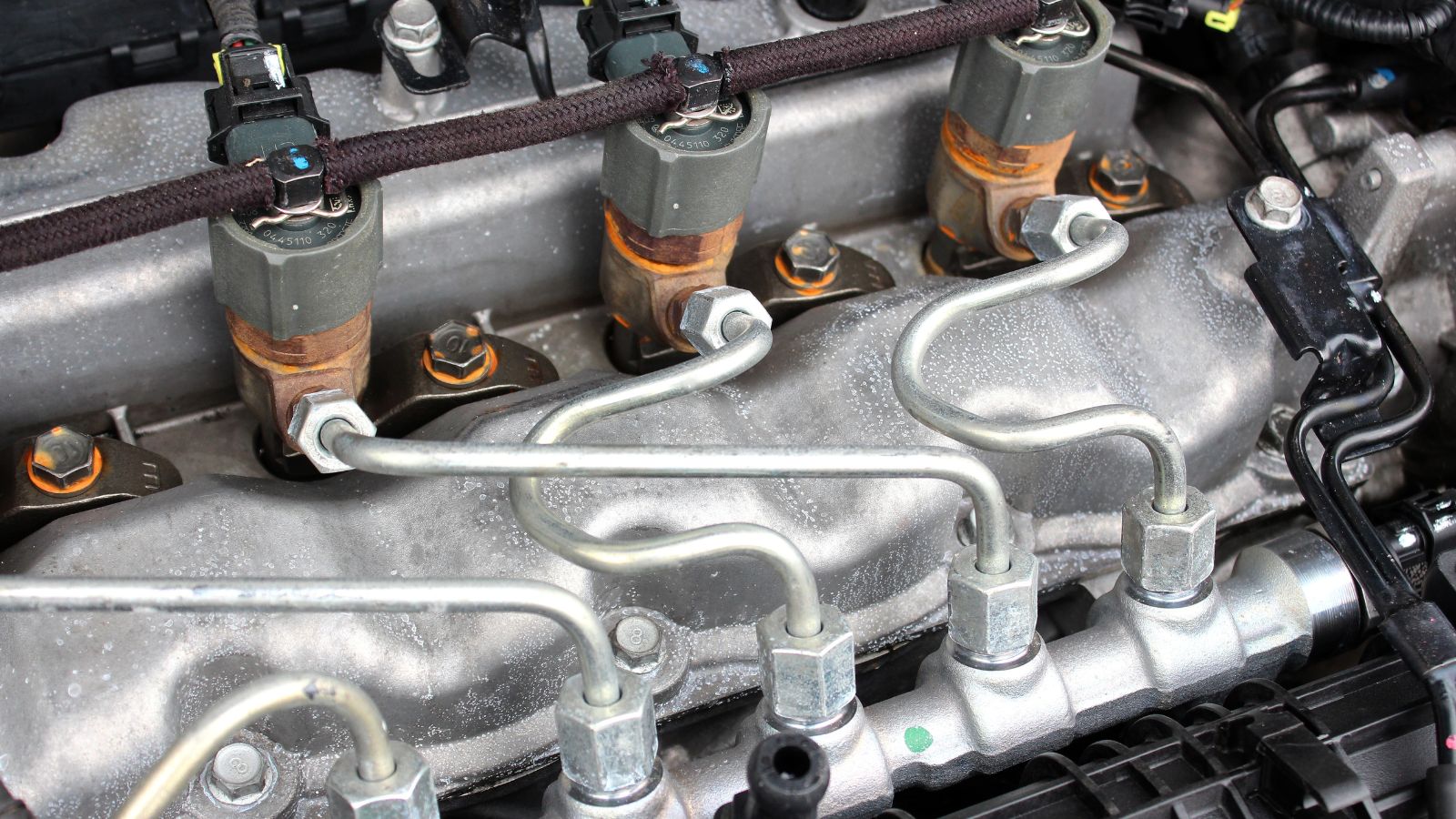
Older diesels relied on mechanical pumps that struggled in the cold. Modern engines use high pressure common rail injection, where fuel is atomized so finely that it ignites more easily in cold conditions. The precise timing and pressure allow for cleaner, faster combustion even when temperatures plunge. This technology is responsible for much smoother cold starts and quieter idling.
Turbochargers and Electronics Keep Power Consistent
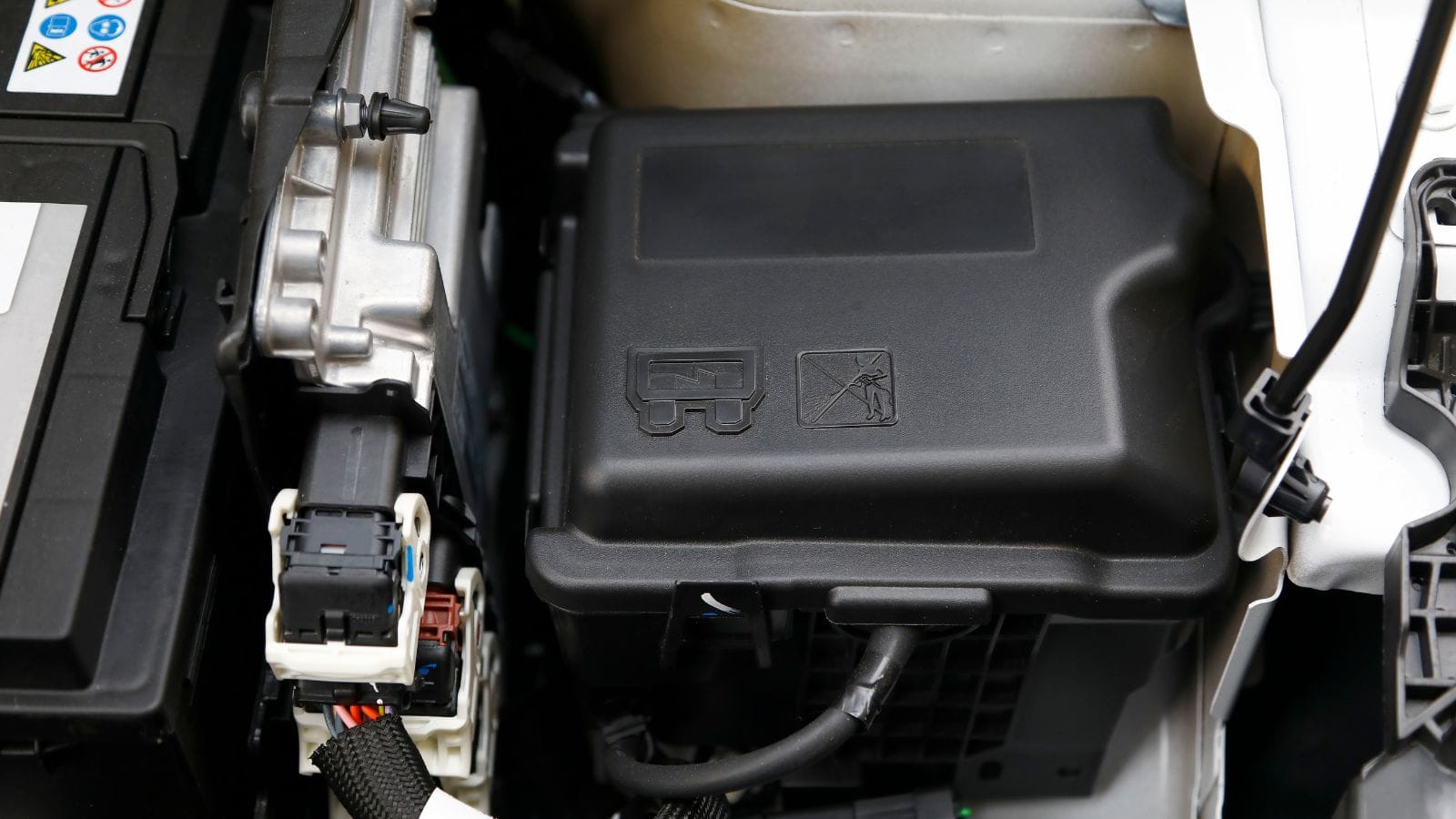
Electronic engine management changed everything. Sensors constantly monitor intake temperature, fuel temperature and engine load. The ECU adjusts timing and injection to maintain power during warm up. Modern turbochargers respond faster and are designed to maintain consistent boost in cold, dense air. Instead of feeling sluggish and unwilling, newer diesels produce strong torque almost immediately, even when the truck is just waking up.
Block Heaters Are Still Useful but Not Essential
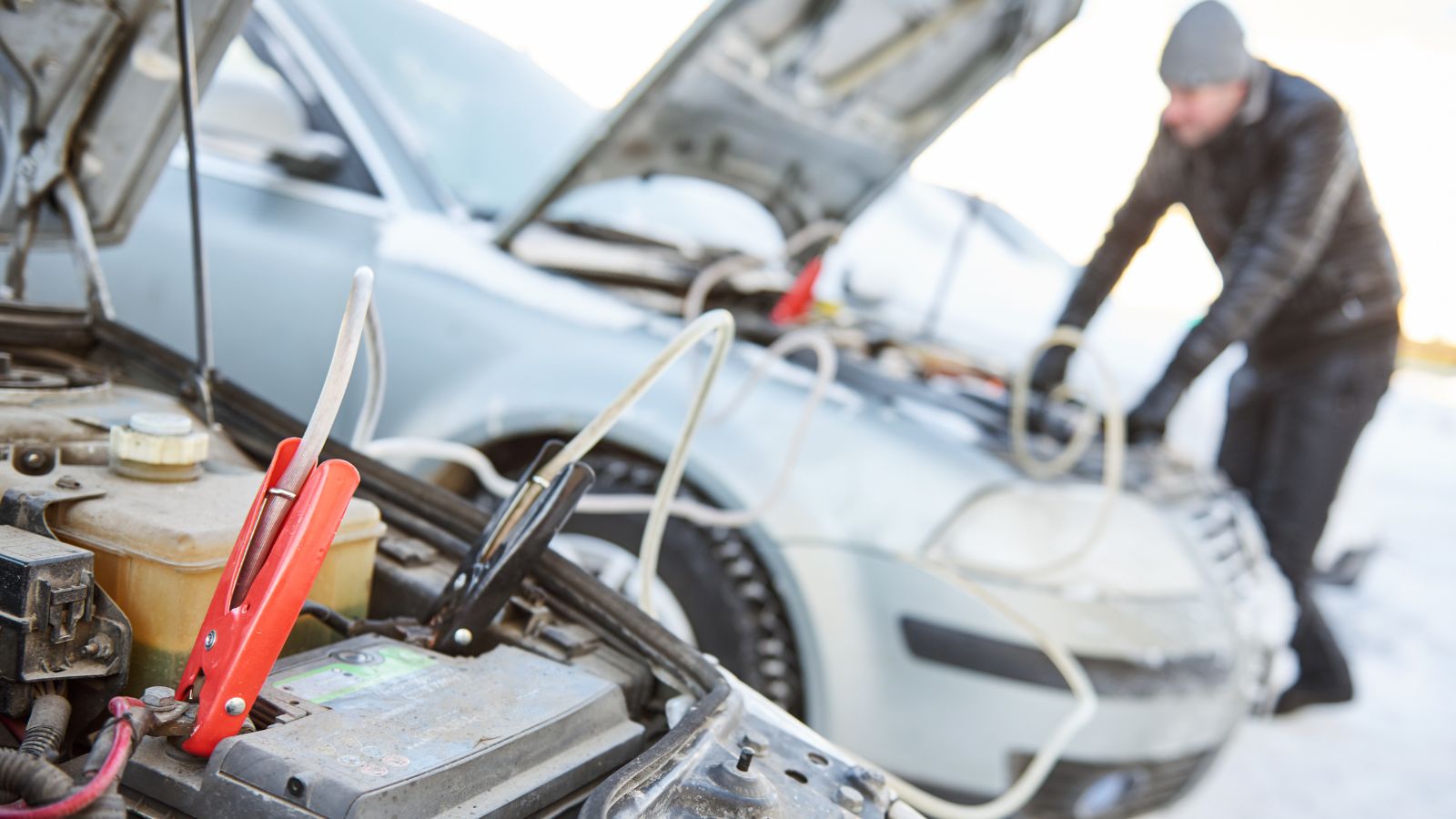
Many Canadian diesel owners still plug in their block heaters during extreme cold because warm oil protects the engine. But with improved fuel, stronger starters, better glow plugs and smarter engine management, diesels can now start easily without being plugged in unless temperatures drop dangerously low. Block heaters are now a convenience rather than a necessity.
Modern Diesels Have Made Winter Their Territory
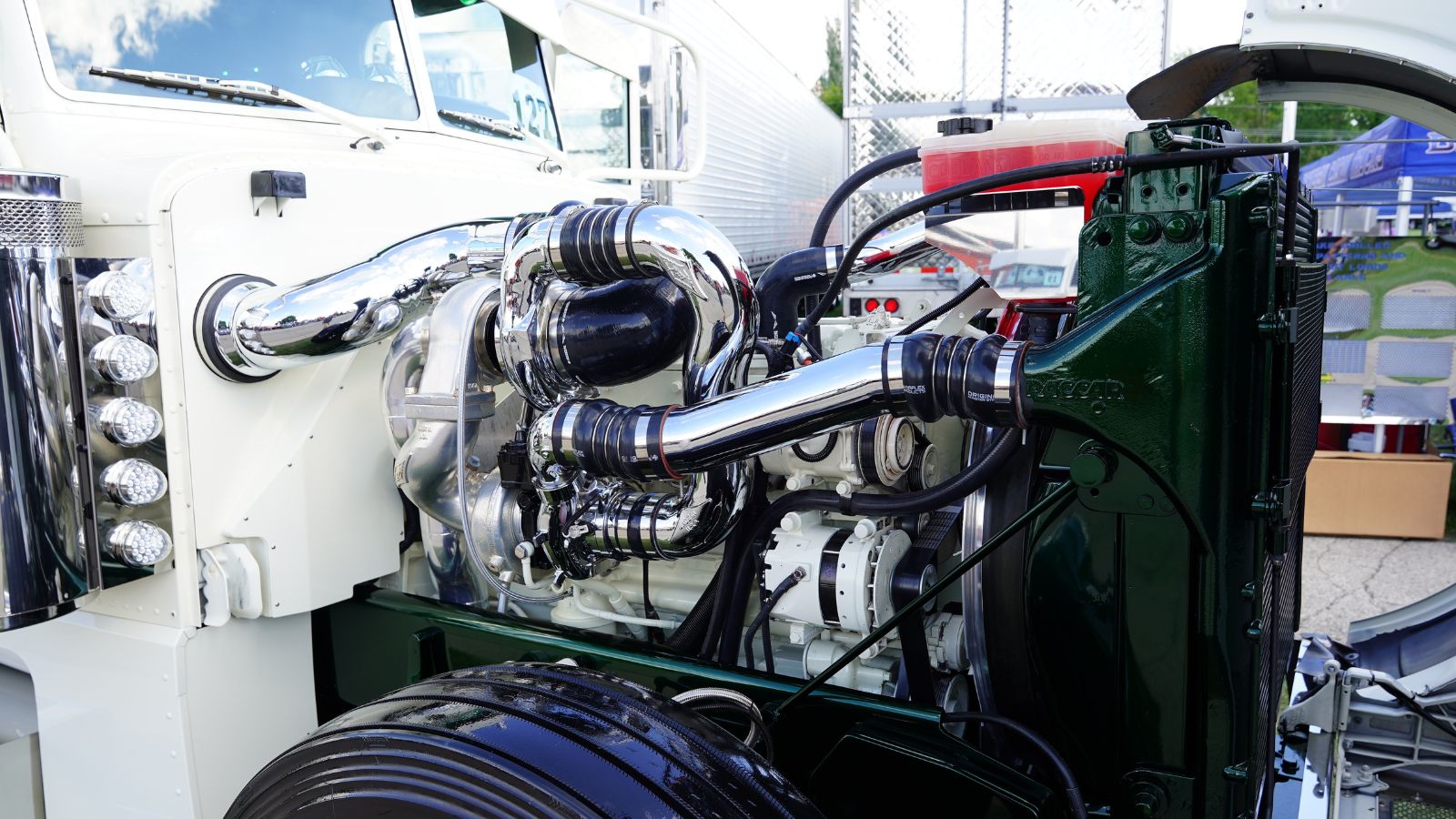
Today’s diesel trucks start reliably, warm up quickly and deliver full power far sooner than their predecessors. The dog slow behaviour of old cold morning diesels is largely a thing of the past. Manufacturers used better fuel chemistry, smarter electronics and improved hardware to make diesel engines not only winter capable but winter confident. For Canadian drivers who rely on diesel for towing, hauling or long distance travel, the transformation has been remarkable.
25 Facts About Car Loans That Most Drivers Don’t Realize

Car loans are one of the most common ways people fund car purchases. Like any other kind of loan, car loans can have certain features that can be regarded as an advantage or a disadvantage to the borrower. Understanding all essential facts about car loans and how they work to ensure that you get the best deal for your financial situation is essential. Here are 25 shocking facts about car loans that most drivers don’t realize:
25 Facts About Car Loans That Most Drivers Don’t Realize
